
Property owners
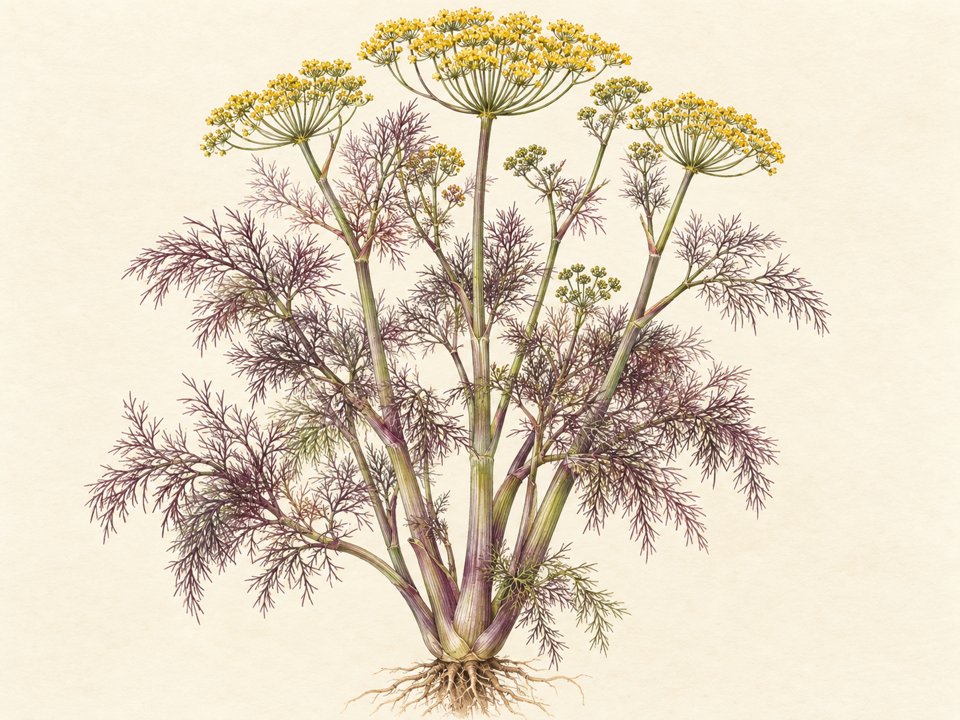
Bronze Fennel
- Plant
- Bronze Fennel
- Botanical name
- Foeniculum vulgare
- Group
- Low shrubs and perennials
Plant profile for Bronze Fennel in San Antonio area landscapes.
On this page
Botanical name: Foeniculum vulgare.
Plant group: Low shrubs and perennials.
Light
Full sun.[1]
Soil and drainage
Average, well-drained soil; handles occasional dryness once established.[1]
Height
4 to 6 ft tall and about 1.5 to 3 ft wide.[1]
When to Plant Bronze Fennel
Plant bronze fennel in spring or fall; it establishes fast in mild weather and feeds swallowtail caterpillars all summer.[2]
If you would like a hand, the Texas Allied Landscape team can plant your bronze fennel and keep it thriving.
Planting
- Dig a hole twice as wide as the pot and no deeper, with sloping sides, and set the plant at the same depth it grew in its pot. Loosen any circling roots before backfilling.[3]
- For a new bed, clear grass and weeds first, roots and all.[3]
- Soak it well at planting and keep watering while the roots establish.[3]
- Mulch 2 to 4 inches, kept a few inches away from the stems to prevent crown rot. It needs no staking or other support.[3]
Care Instructions for Your Bronze Fennel
How to Water a Bronze Fennel
Wildlife
Yes - it is one of the top host plants for black swallowtails. Females lay eggs on the feathery foliage and the striped caterpillars munch it before pupating.[4]
Pets and toxicity
No - that is the point. Swallowtail caterpillars may strip a plant, but it regrows, and you get butterflies. Plant extra if you want some for the kitchen too.[5]
Bronze fennel questions
Does bronze fennel attract swallowtail butterflies?
Yes - it is one of the top host plants for black swallowtails. Females lay eggs on the feathery foliage and the striped caterpillars munch it before pupating.[4]
Is bronze fennel edible?
Yes - the copper-bronze leaves taste like anise and work like common fennel in the kitchen, though this variety is grown mainly for looks and butterflies.[2]
Does bronze fennel come back every year?
It is a short-lived perennial here that often acts like a self-sowing annual - plants return for a few seasons and drop seed, so new ones pop up nearby.[6]
The caterpillars are eating all my fennel - should I worry?
No - that is the point. Swallowtail caterpillars may strip a plant, but it regrows, and you get butterflies. Plant extra if you want some for the kitchen too.[5]
Next step: Our horticulturalists can site fennel where caterpillar munching is a feature, not a front-door eyesore.
In these community guides
Sources
- Foeniculum vulgare (Fennel), North Carolina Extension Gardener Plant Toolbox.https://plants.ces.ncsu.edu/plants/foeniculum-vulgare/abc
- Central Texas Gardener, "Bronze Fennel."https://www.centraltexasgardener.org/resource/bronze-fennel/ab
- Back to basics: Planting perennials, SAWS Garden Style San Antonio.https://www.gardenstylesanantonio.com/garden-articles/back-to-basics-planting-perennials/abcd
- Dallas County Master Gardeners, "Growing Fennel has its Perks - Swallowtails!"https://dallascountymastergardeners.org/growing-fennel-has-its-perks-swallowtails/ab
- Georgia DNR, "Out My Backdoor: Best Bet for Black Swallowtails."https://gadnrle.org/out-my-backdoor-best-bet-black-swallowtailsab
- Texas Master Gardeners, Henderson County, "Bronze Fennel."https://txmg.org/hendersonmg/files/2020/06/FENNEL-BRONZE-.pdf↑