
Property owners
Johnson Ranch Landscaping
Enjoy shade, color and outdoor space at your Johnson Ranch home. Start with your unit's plant list, tree rules and a clear plan for approval and watering.
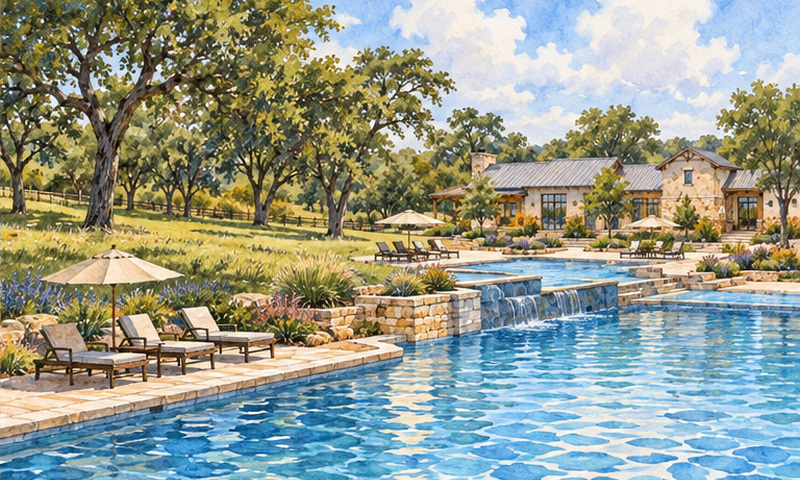
Get a quoteIllustration based on reference photos of Johnson Ranch. Not a single literal view.
On this page
Enjoy a yard with shade, color and room to spend time outside. At Johnson Ranch, a good plan starts with your lot's plant list. Trees and watering needs matter too. Check your unit's rules early. Choose plants and prepare for approval before work begins.
Plan, submit and build
Landscape approval
Wait for the written decision.
After 30 days without an answer, a request is treated as disapproved. Keep the written approval and its conditions.[1]
Prepare the plan before you submit
Start with a survey or site plan. Show property lines, easements and drainage. Show the home, existing trees and proposed work. Add beds, lawn, walks and walls. Show edging, irrigation and lighting. Give plant names and quantities. Mark any tree proposed for removal. For xeriscaping, also show the ground-cover areas and percentages. Keep a copy of the current rules and the finished plan together.[1][2][4][5]
Get approval for the plans, specifications and contractor before work starts. Site plans must be approved before clearing. The reviewer may ask for more information. A contractor may say the work is ordinary landscaping. That does not replace written approval.[1]
Confirm which review process applies
Older unit rules use three stages for new-home review. Final approval follows. Units 5 and 9 use two stages followed by final approval. These are review stages. They do not establish how many committees review an ordinary garden change. Ask which forms and stages apply to an existing home's project.[3][4][6][5]
A preapproved landscape exception in several units is narrow. It depends on the lot's location, the home elevation and a similar orientation. Confirm that your lot meets all of those conditions before using it.[3][6][7]
Submit at least 30 days before landscape work
Submit landscape plans at least 30 days before the planned installation. Major changes to an approved plan need another review. These include plant types, counts, beds and hardscape materials. The xeriscape policy also requires a description or plan. Show plant locations, borders and hardscape. Include a photo and the relevant coverage percentages.[3][4][5][2]
Use the current association portal to confirm the reviewer and submission route. The official Johnson Ranch site directs residents to its portal. Use it for community documents and services. Some recorded forms still give old Cordillera-area contact details. The 2025 North assignment has a conflicting instrument reference. This guide does not endorse those old addresses as today's submission route.[8][9][10]
Wait for written approval
The reviewer has 30 days to approve or reject a request. If neither happens, the request is treated as disapproved. Submit a complete package. Keep the written decision and any conditions.[1]
Review goals vary by unit. Units 1, 2, 3 and 4 attempt review within 15 days. Units 6, 7 and 8 aim for 20 days. Units 5 and 9 aim for 15 business days after a complete package. Those goals do not promise approval by that date.[11][3][12][13][14][4][15][6][7][5]
A variance must be written. A variance for one property is not a new rule for the neighborhood. Some variances need extra sign-offs after rights are assigned to the ACC. That is a special process. Do not confuse it with normal review layers for every project.[1]
Install only the approved work
Start work within 180 days of approval. Finish without undue delay. Otherwise, submit the plans again. Units 5 and 9 also contain longer start language. Do not assume the longer period wins. Have the reviewer state the start and completion dates in writing. The xeriscape policy separately calls for work to start within 30 days of approval.[1][4][5][2]
General unit requirements call for at least two inches of mulch. Plan for four inches of suitable soil under turf. Caliche does not count as suitable soil. Plant the grass within three days after topsoil delivery. New-home landscaping is due within 30 days of home completion. It must be done before occupancy. Changes to an existing landscape are generally due within 14 days after work starts. An approved extension can allow more time. North's declaration has a different landscaping deadline. It is within 30 days after the certificate of occupancy. Keep those deadlines separate.[3][4][5][16]
Ask how to request the final inspection and close the approval. Check first if you want to change the approved plant list or layout during installation. Community approval does not establish compliance with government permits, utility rules or easements.[1][4][5]
Xeriscaping, rock and natural areas
Submit a xeriscape plan for review. Rock coverage has limits. One section limits the combined gravel, rock and cacti area. It may cover 20% of the front yard. It may cover 30% of the back yard. Another section separately limits that cover to 40% of the owner's lot. That section's introduction allows advance written exceptions. The percentages use different areas. Have the reviewer show how each applies on your plan. Do not replace them with one number.[2]
General unit rules require advance approval for rock or crushed rock ground cover. Get it before use. Unit 3 Phase 2 also encourages native on-site rock in some landscape features. That does not remove the ground-cover approval rule. Owner approval for a yard does not approve work on common property. That needs separate Board approval.[3][13][4][5][2]
Units 5 and 9 have a Natural Vegetation Preserve
These two units have a Natural Vegetation Preserve, or NVP. It is separate from the landscaped area near the home. Their text places the preserve outside set distances from the home. These are 40 feet from the front and 50 feet from the rear. The side distance is 15 feet. It also falls within 30 feet of the front property line. Have those boundaries marked on your lot plan before clearing or planting. Do not apply this system automatically to other units.[4][5]
NVP disturbance needs written consent. The stated driveway and underground-utility work is excepted. Cleanup is by hand, not by Bobcat or similar machinery. Restoration uses suitable indigenous plants. Permanent irrigation is not allowed in the NVP. Temporary restoration irrigation can be allowed. The NVP plant group may be used throughout the lot. The broader landscape group is for clearly bounded areas directly related to the home.[4][5]
Turf and irrigation
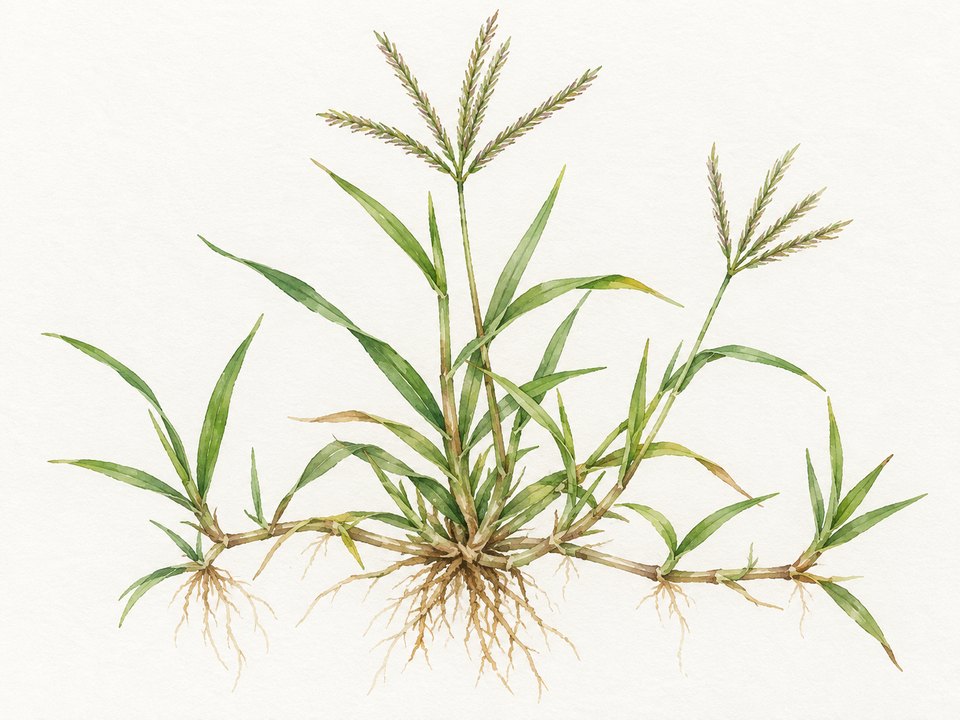
St. Augustine is prohibited in the located unit rules. The turf lists name improved Bermuda, Zoysia and Buffalo grass. Units 4, 3 Phase 2 and 6 name more choices. These are Bermuda 'Tif 419' and Common Bermuda. Zoysia 'JaMur' and 'El Toro' are named too. These named choices do not remove plan review.[11][3][12][13][14][4][15][6][7][5]
 Illustration
Bermuda grassCynodon dactylonIllustration 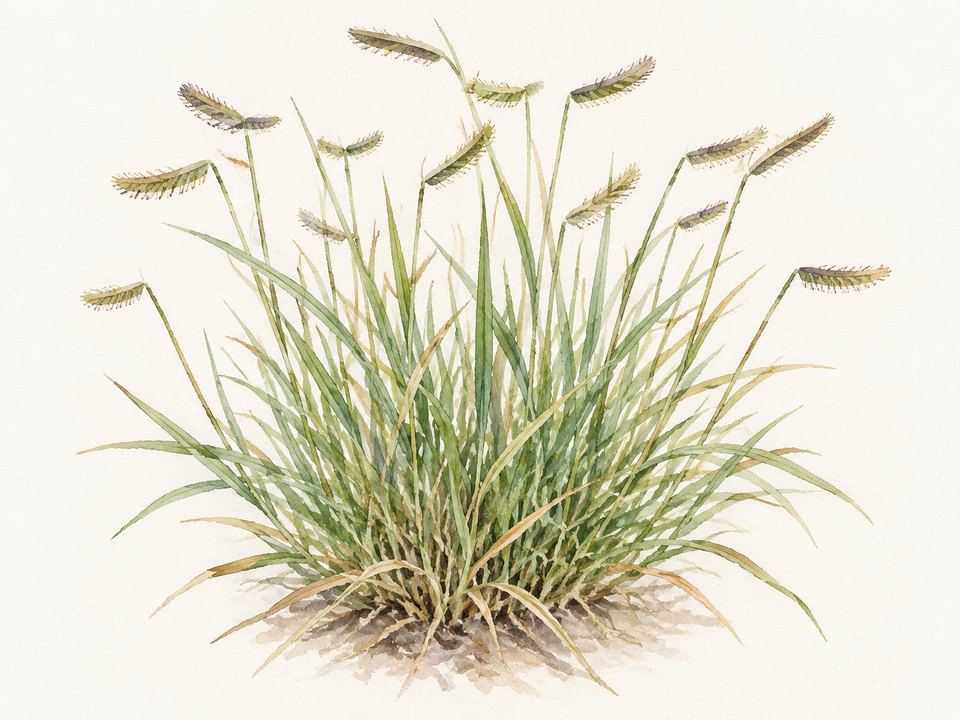 Illustration
Buffalo grassBouteloua dactyloidesIllustration 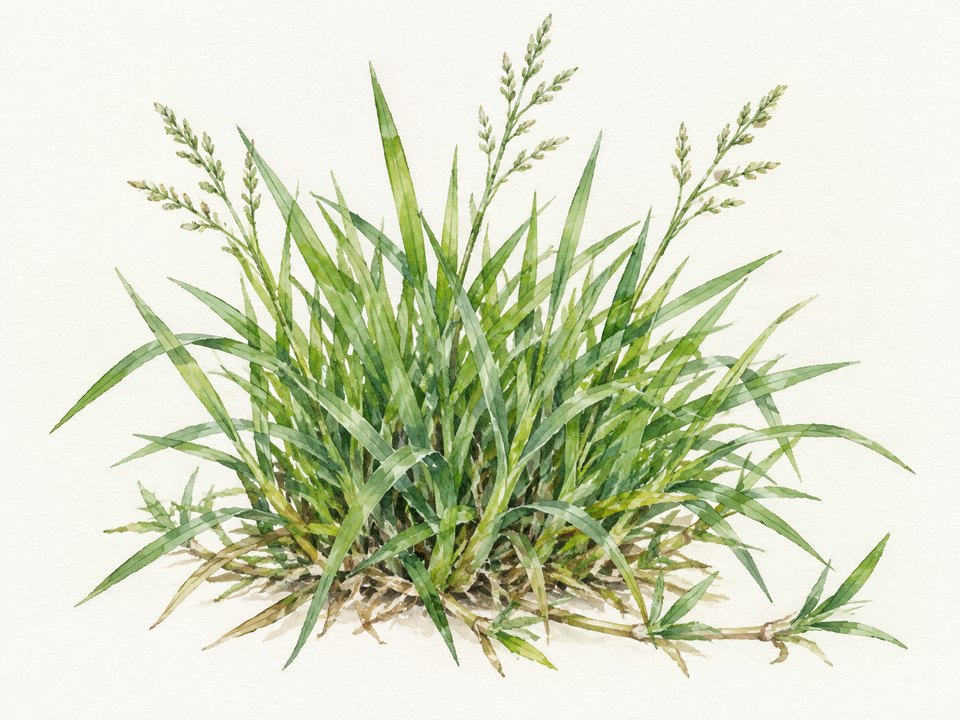 Illustration
Zoysia grassZoysiaIllustration
The cards show grass groups. Use the written list for named cultivars. The provisional Zoysia card identifies the genus only. JaMur and El Toro remain named choices in the written list. Their cultivar pictures are not verified.
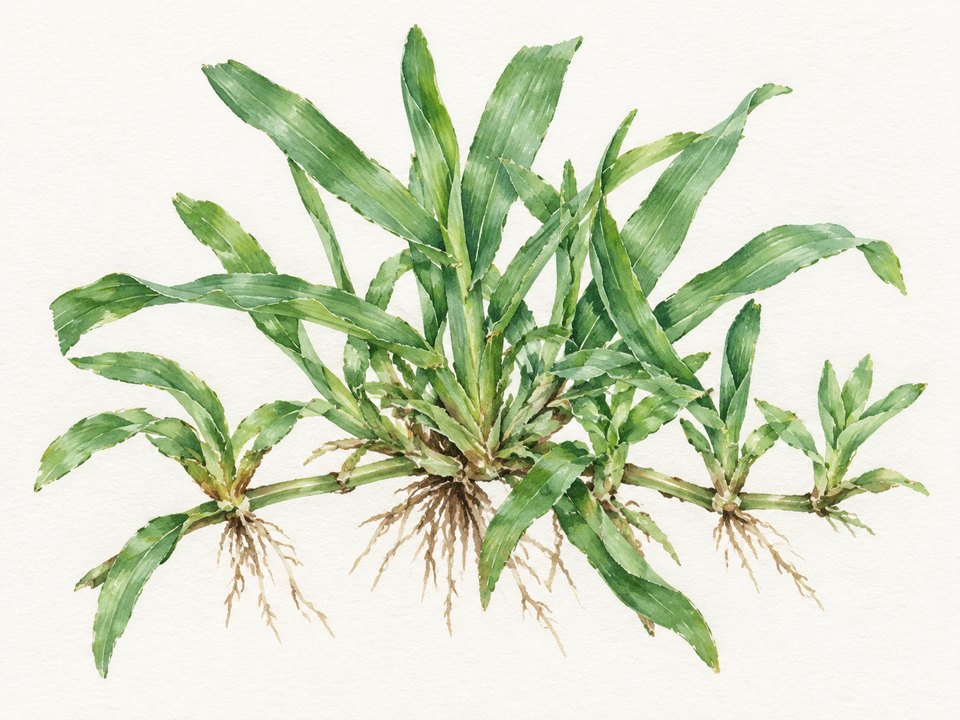
St. Augustine is prohibited in the unit guidelines
This card illustrates the prohibited grass. It is not a recommendation or an approved choice.[3][4][5]
 Illustration
St. Augustine grassStenotaphrum secundatumIllustration
Use automatic irrigation in the landscaped yard areas. Maintain the system to prevent runoff. Follow licensed installation and maintenance, rain-sensing and backflow requirements. Preserve the Units 5 and 9 NVP exception. A rule for irrigating the landscaped yard does not permit permanent irrigation in their preserve.[17][18][4][19][5]
North's declaration calls for sod in front, back and side yards. The reviewer may approve otherwise. It also limits grass height to six inches. Apply that sod rule to North lots covered by the declaration.[16]
Plants: use the list for your unit
The recorded lists are a starting point. Lot conditions and the written approval still control. A listed plant may not be native or low-water. It may not be a good choice for your site. The plant cards are pictures and names. They do not replace the rule. They do not endorse every plant in an older list. Some card names use newer botanical names. Some show one form of a broad plant group. Named cultivars, sizes and the source list still control the plan. A picture is not permission to substitute. Unresolved identities stay in the prose rather than being forced into a card.[3][14][4][6][5]
Units 2 and 3 Phase 1: first plant group
These names come from the initial group in the recorded lists. They are not being attributed to Unit 1, whose first plant-list page is missing.[3][12][11]
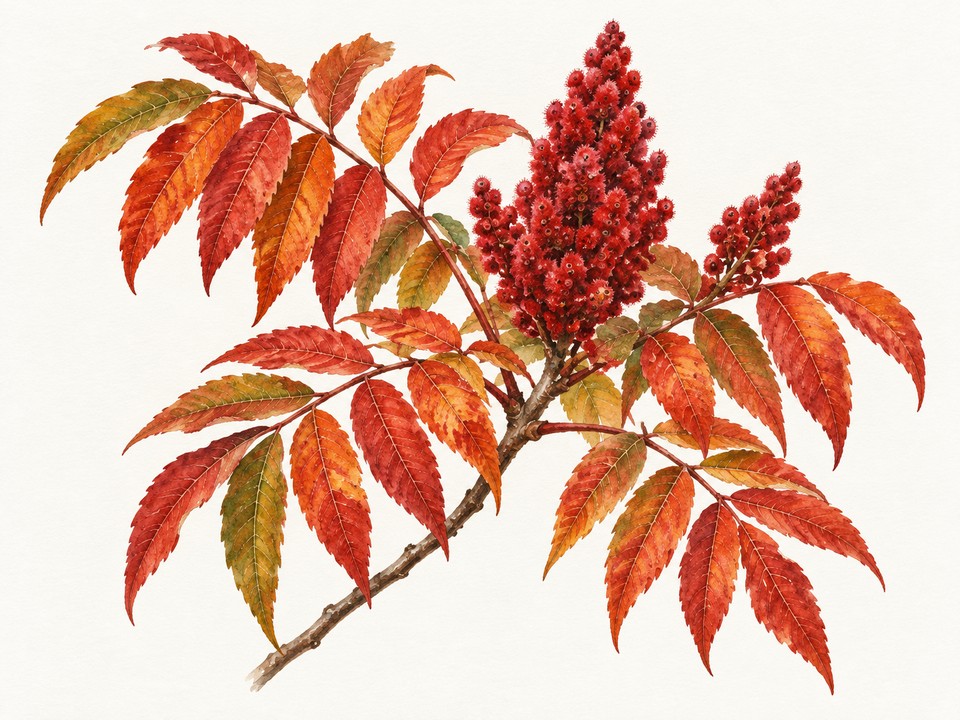
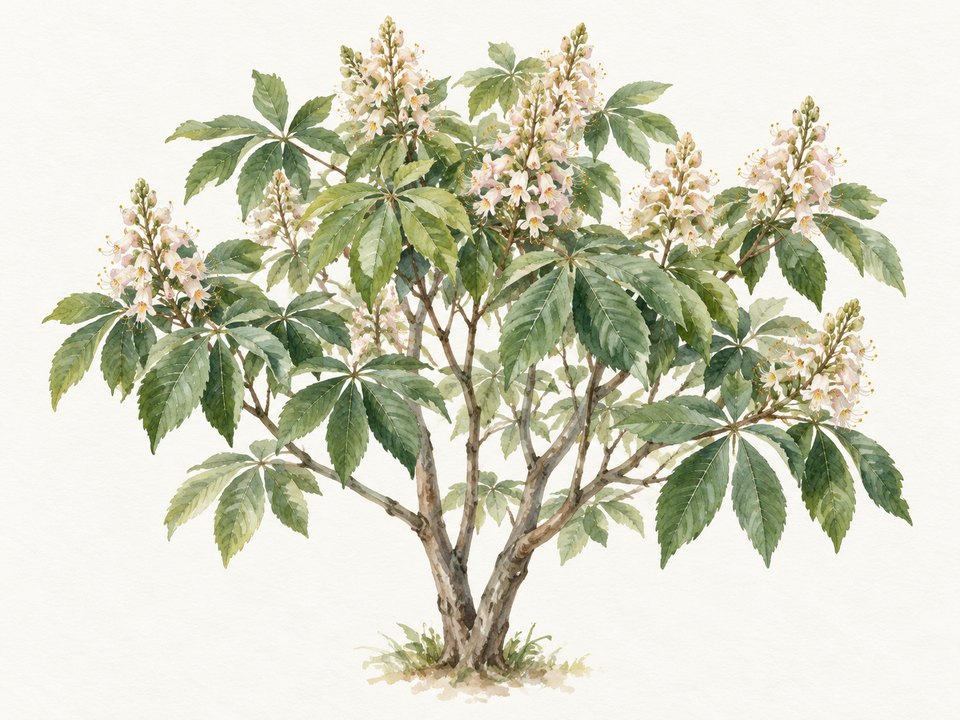
The trees list includes Texas Buckeye; Redbud; Roughleaf Dogwood; Texas Persimmon; Texas Ash; Goldenball Leadtree; Escarpment Live Oak; Flameleaf Sumac; Mountain Laurel; Cedar Elm; Mexican Buckeye.
One row pairs the botanical name "Chilopsis linearis" with "Mesquite".
That mismatch needs reviewer clarification. This guide does not turn it into approval of both trees.
 Illustration
Flameleaf SumacRhus copallinaIllustration
The shrubs list includes Flame Acanthus; Texas Lantana; Cactus (Opuntia spp.); Evergreen Sumac and Autumn Sage.
The annuals, perennials and grasses list includes Huisache Daisy; Autumn Aster; Blue Grama; Buffalograss; Cedar Sedge; Indian Paintbrush; Calliopsis; Indian Blanket; Gayfeather; Blue Flax; Bluebonnet; Blackfoot Daisy; Three-Flower Melic; Seep Muhly; Turks cap; Black-eyed Susan (Rudbeckia hirta); Scarlet Sage; Englemann Sage; Mealy Blue Sage.
The source has spelling errors, including the Cedar Sedge botanical name and "Three/lower Melic".
Keep the intended identity in the submitted plan. Do not guess from a misspelled row.
 Illustration
Texas BuckeyeAesculus glabra var. argutaIllustration 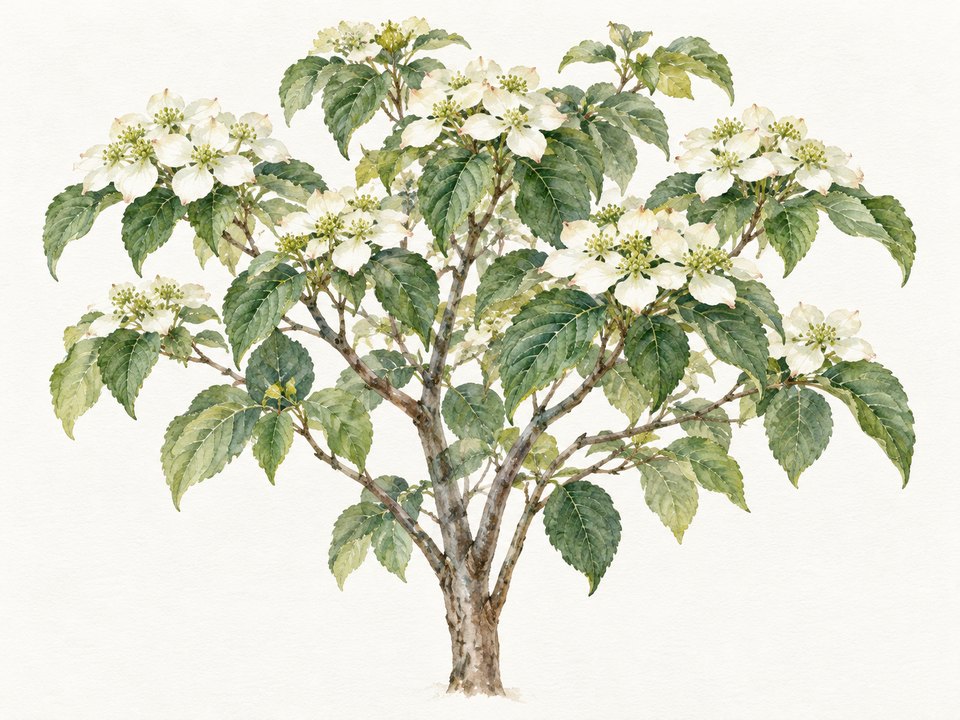 Illustration
Roughleaf DogwoodCornus drummondiiIllustration 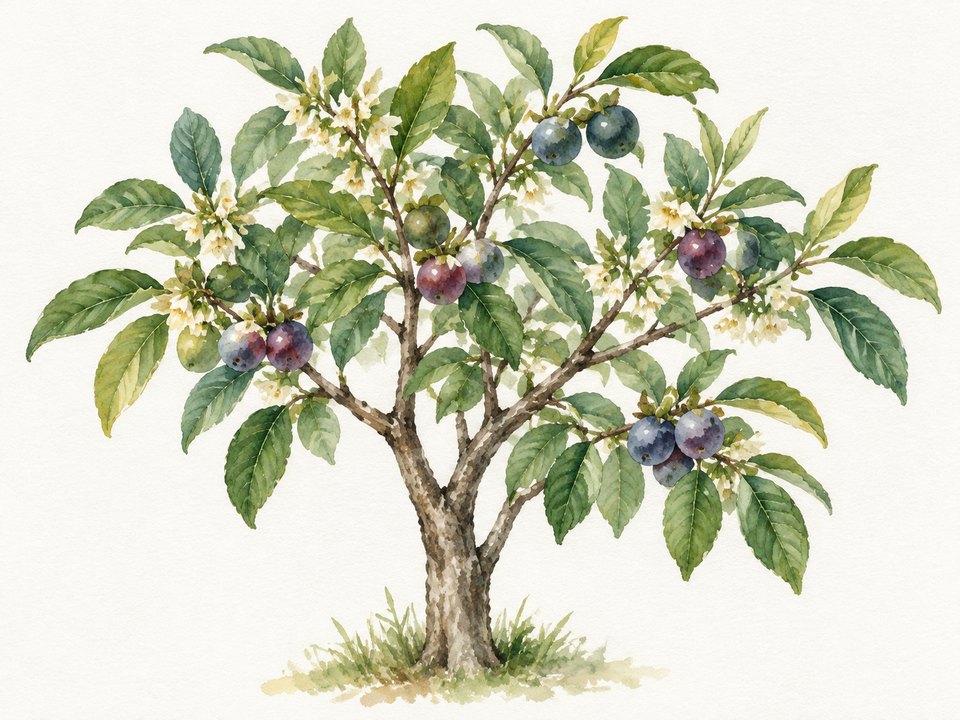 Illustration
Texas PersimmonDiospyros texanaIllustration 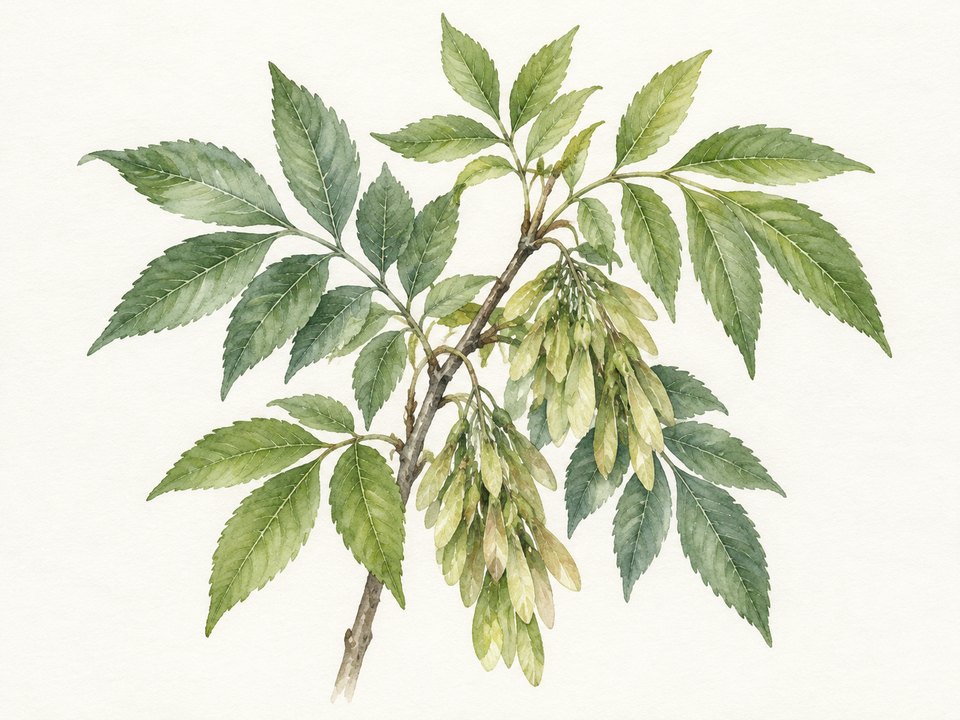 Illustration
Texas AshFraxinus texensisIllustration 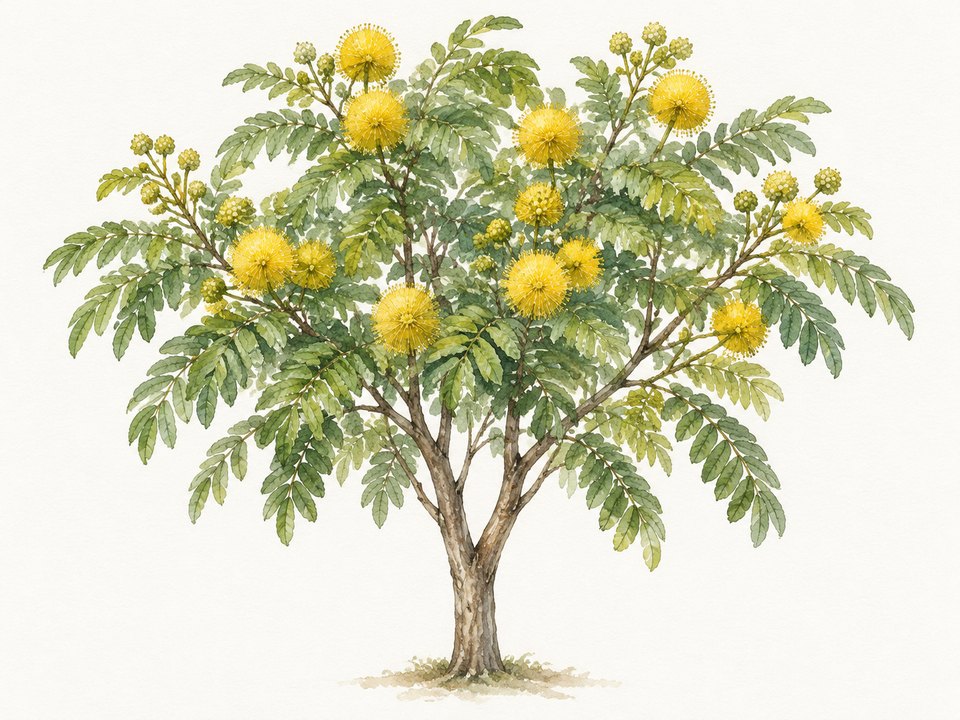 Illustration
Goldenball LeadtreeLeucaena retusaIllustration 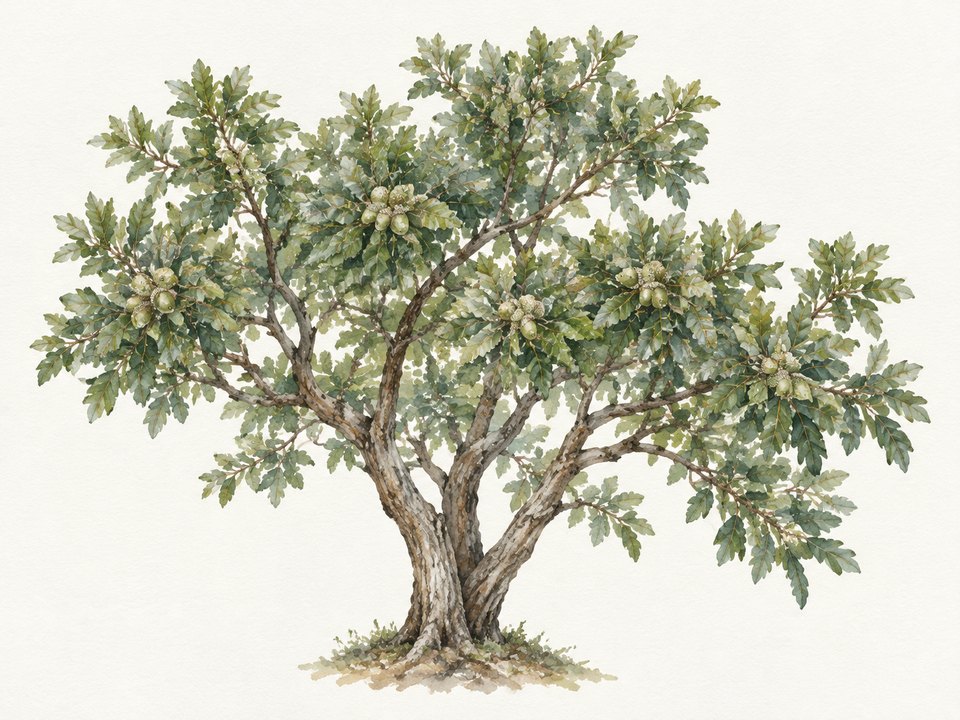 Illustration
Escarpment Live OakQuercus fusiformisIllustration 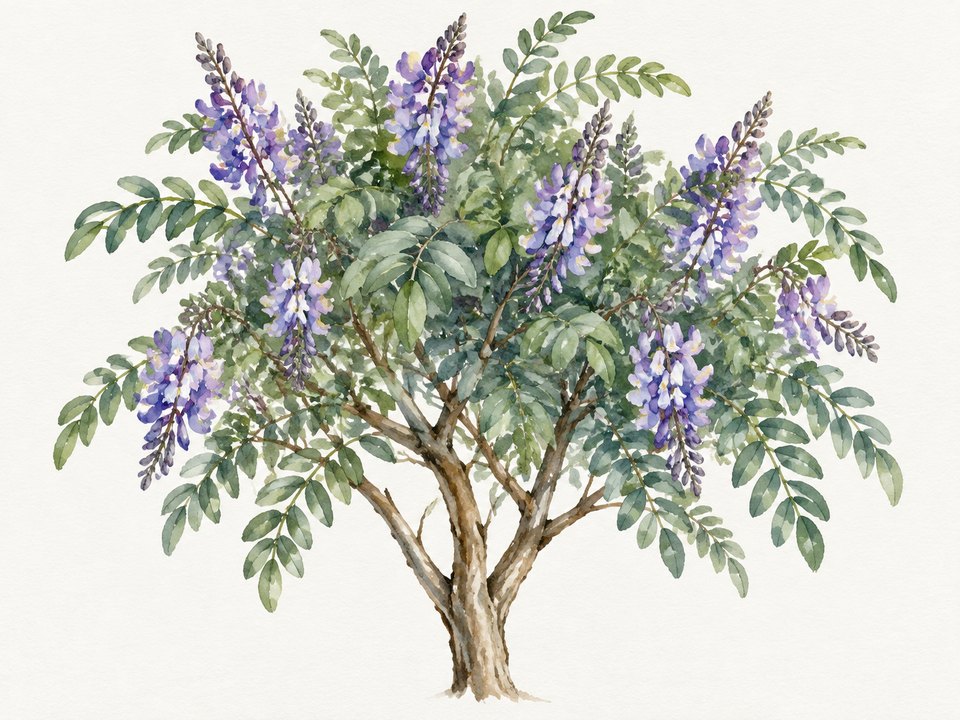 Illustration
Mountain LaurelSophora secundifloraIllustration 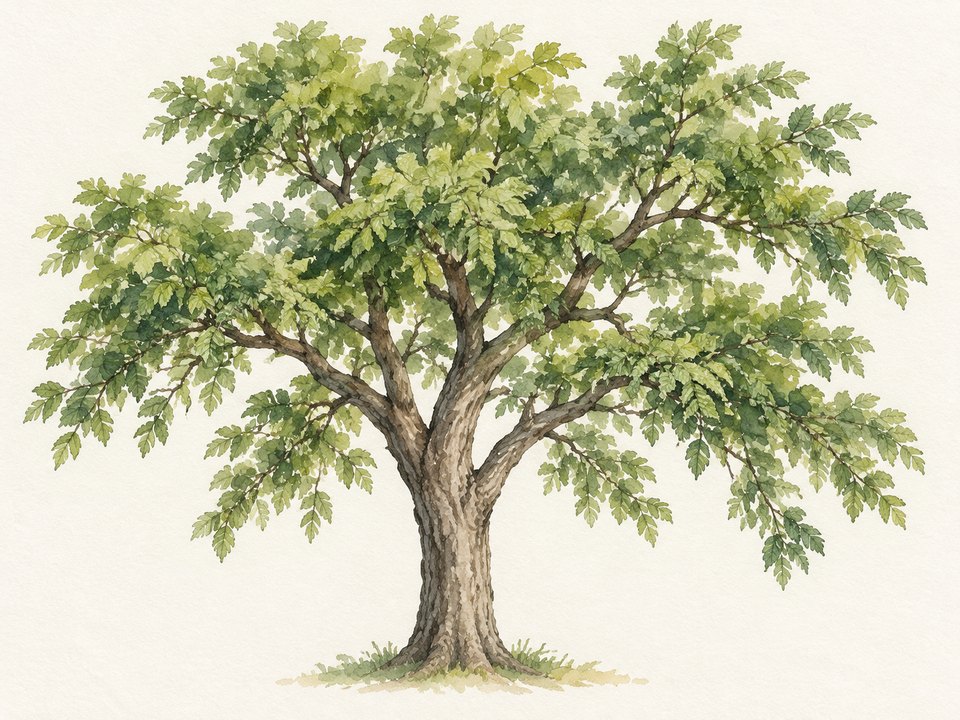 Illustration
Cedar ElmUlmus crassifoliaIllustration 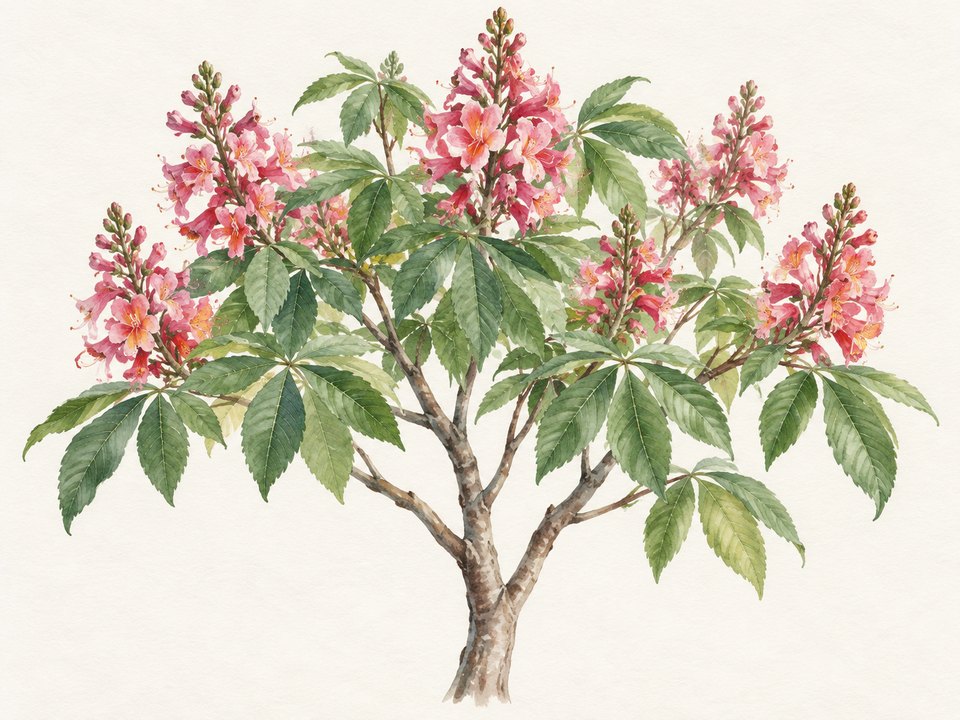 Illustration
Mexican BuckeyeUngnadia speciosaIllustration 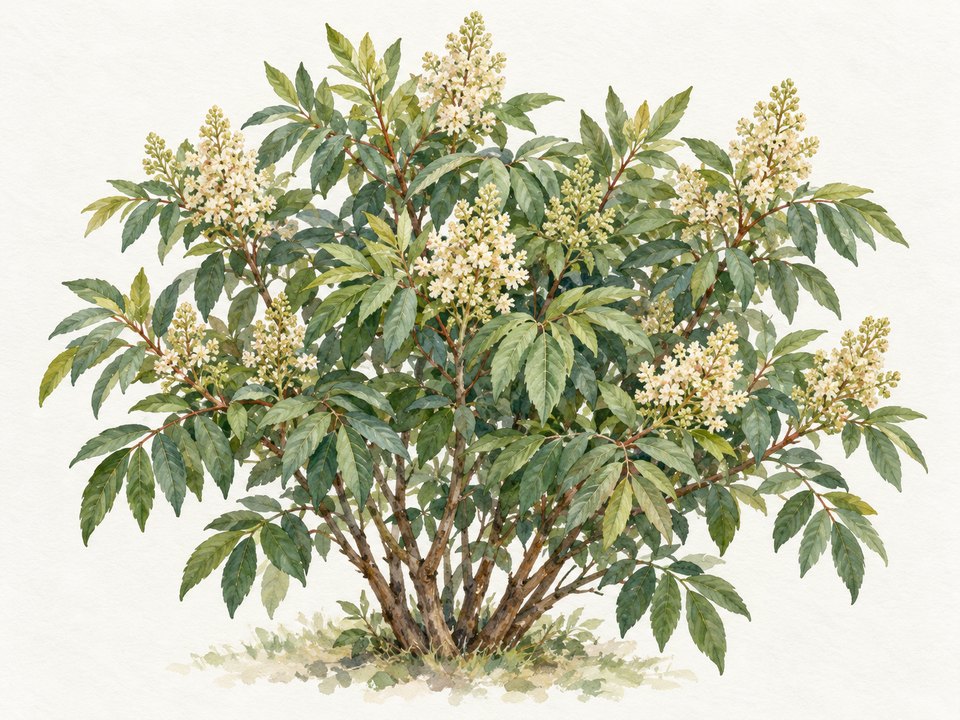 Illustration
Evergreen SumacRhus virensIllustration 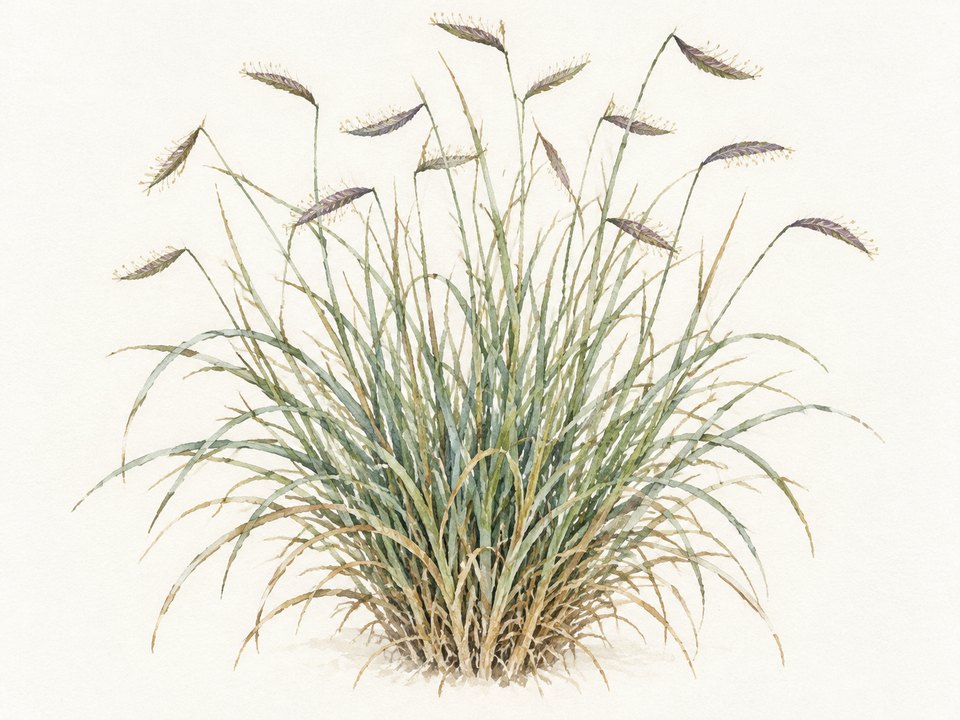 Illustration
Blue GramaBouteloua gracilisIllustration 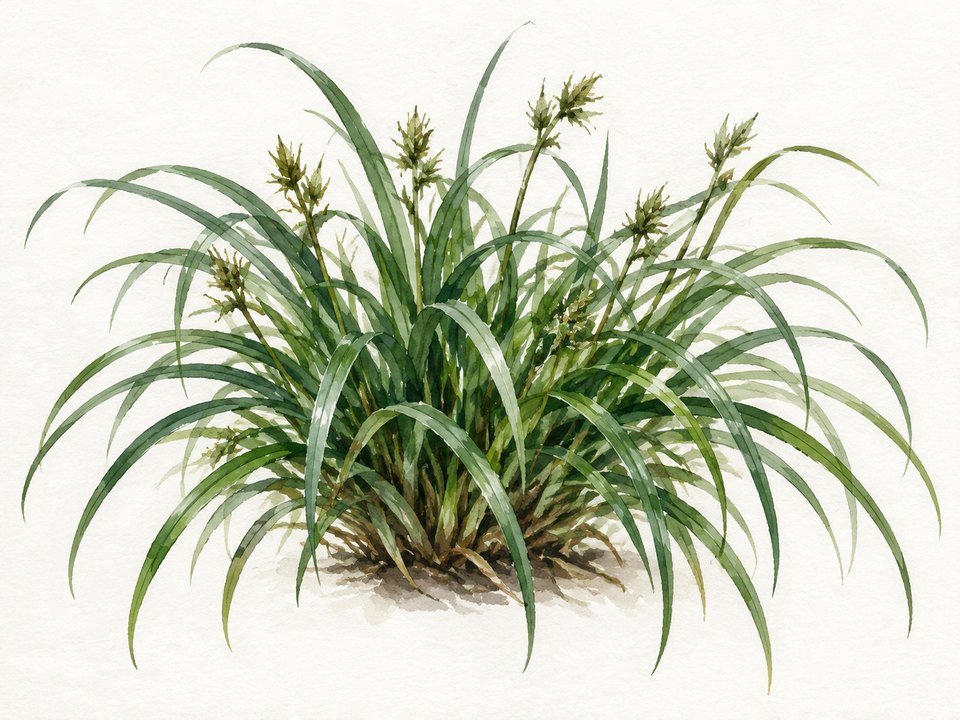 Illustration
Cedar SedgeCarex planostachysIllustration 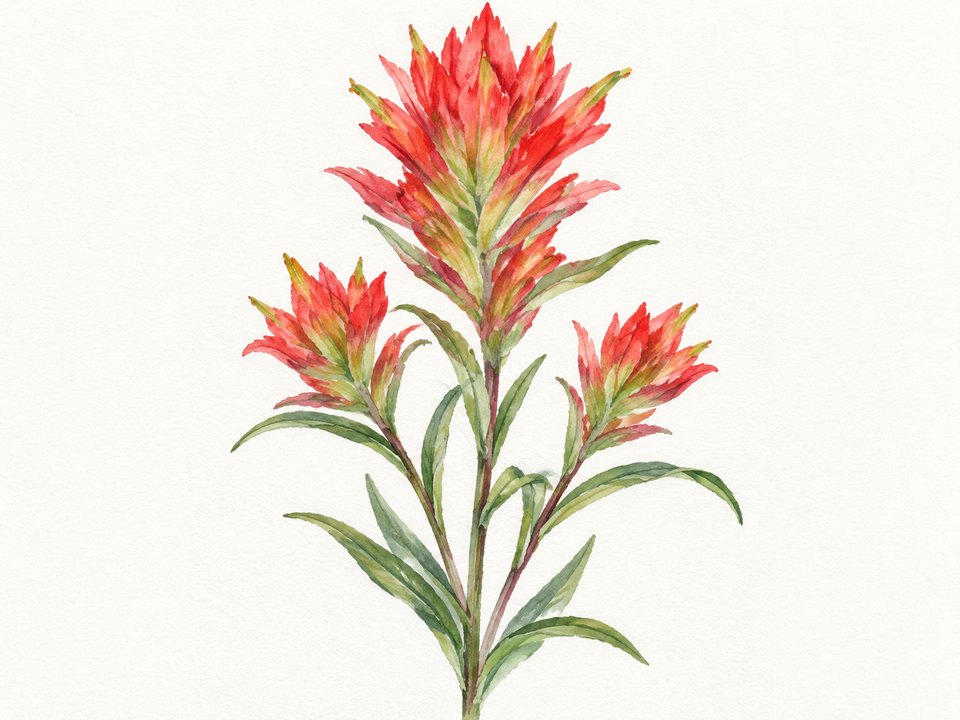 Illustration
Indian PaintbrushCastilleja indivisaIllustration 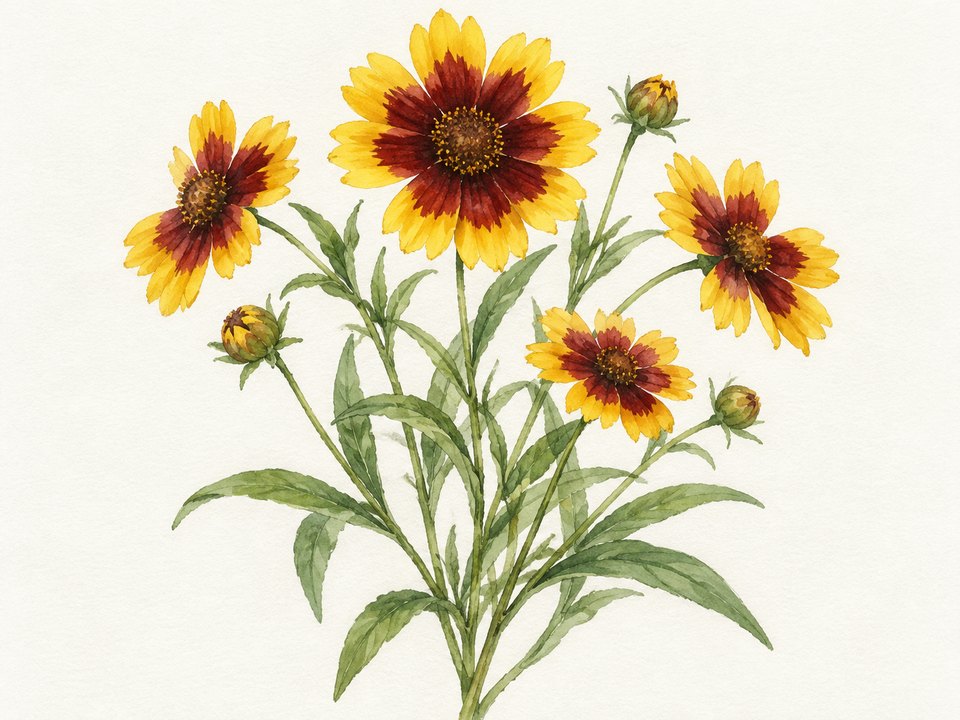 Illustration
CalliopsisCoreopsis tinctoriaIllustration 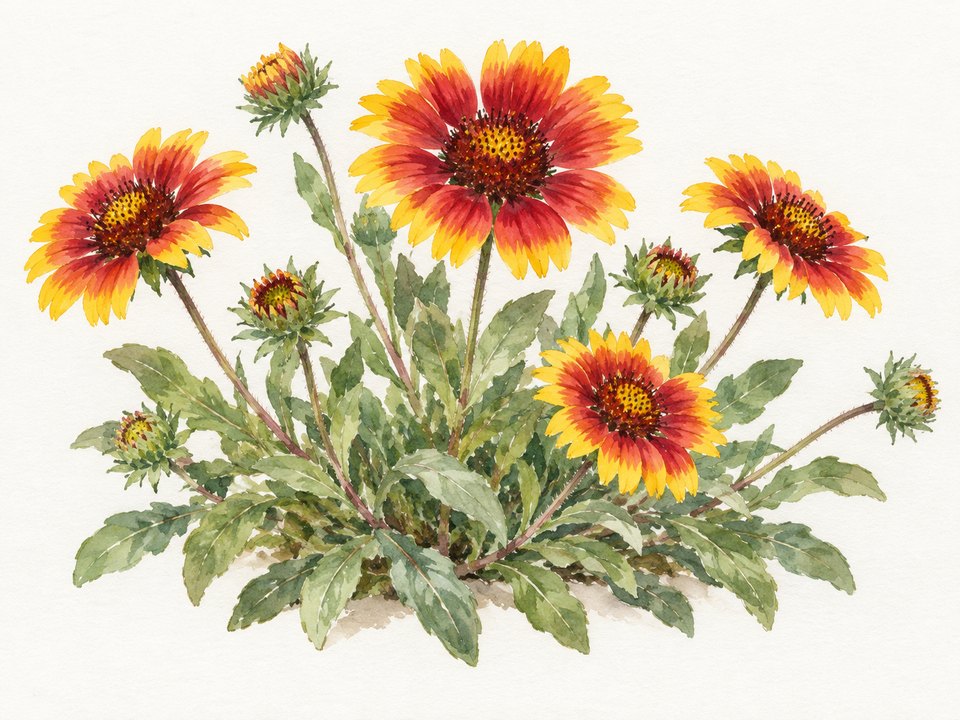 Illustration
Indian BlanketGaillardia pulchellaIllustration 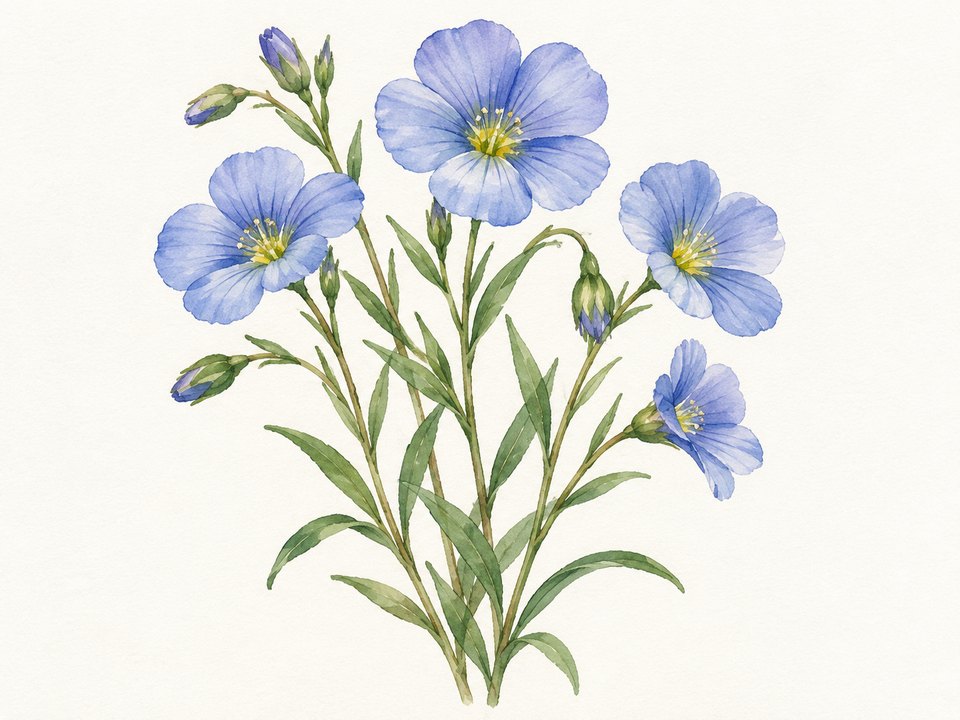 Illustration
Blue FlaxLinum lewisiiIllustration 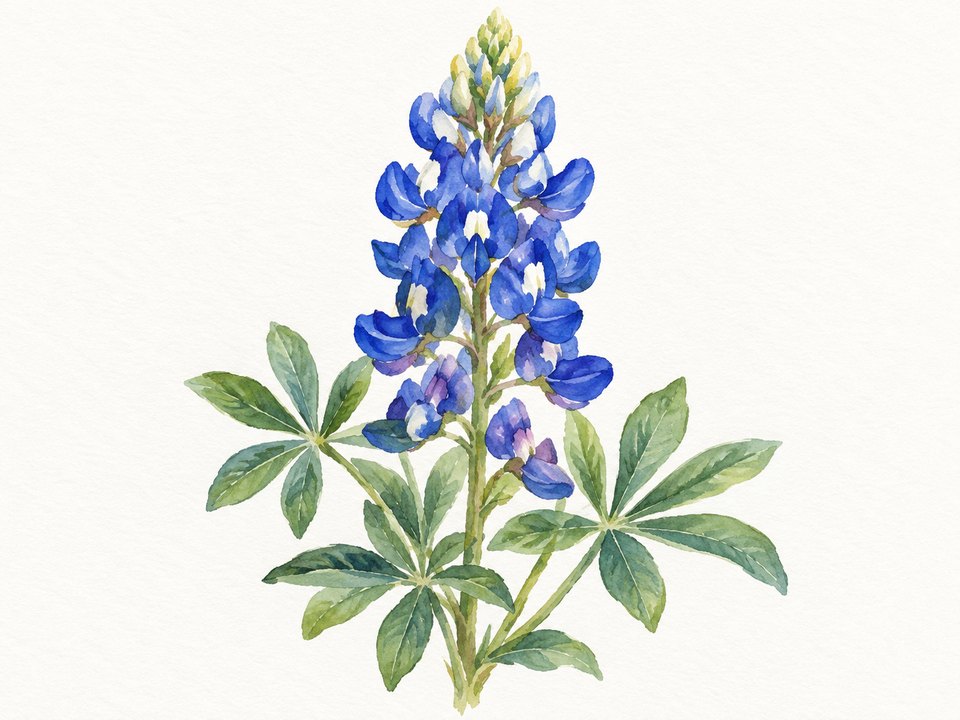 Illustration
BluebonnetLupinus texensisIllustration 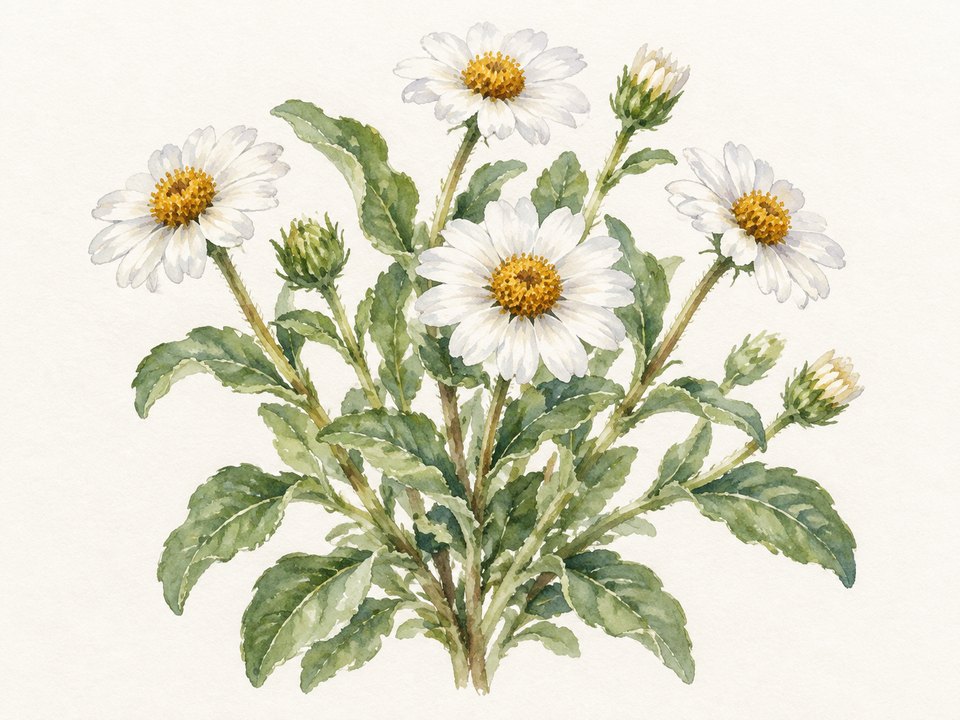 Illustration
Blackfoot DaisyMelampodium leucanthumIllustration 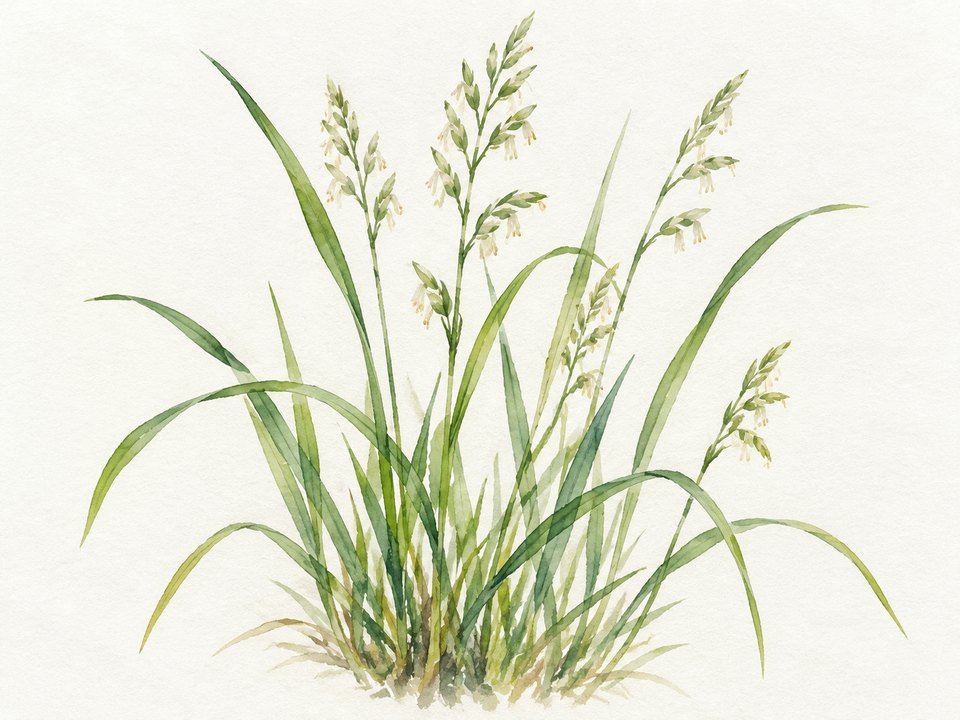 Illustration
Three-Flower MelicMelica nitensIllustration 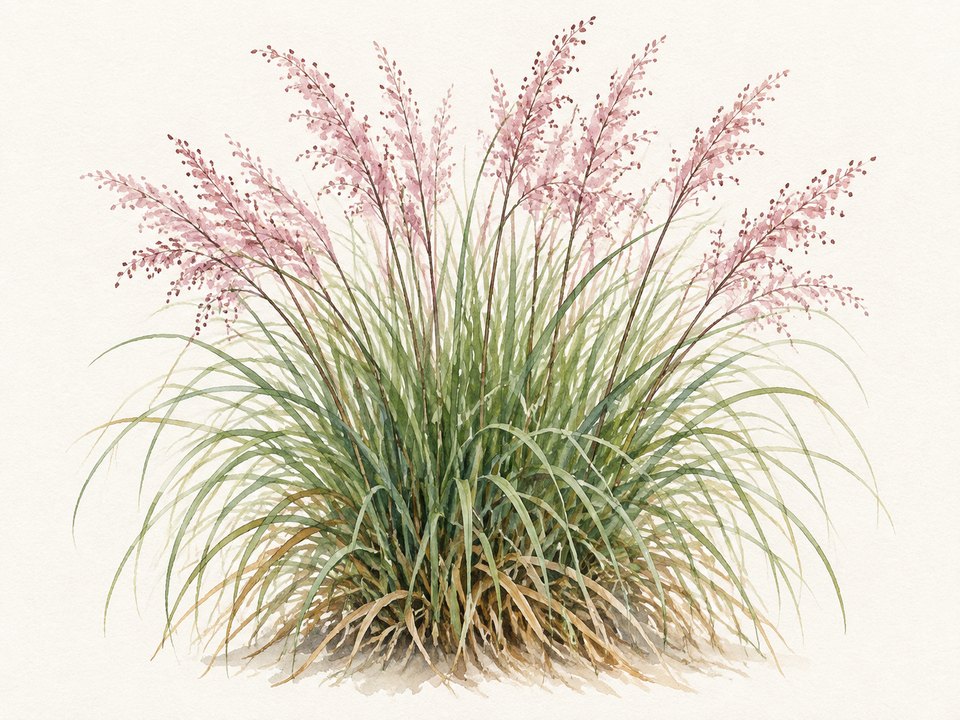 Illustration
Seep MuhlyMuhlenbergia reverchoniiIllustration 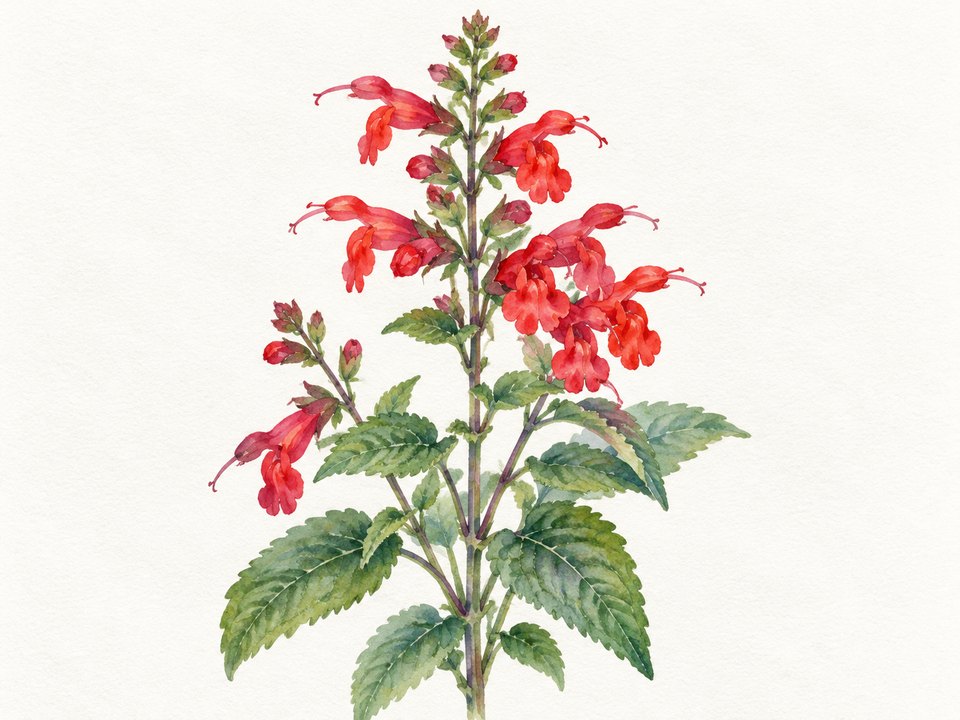 Illustration
Scarlet SageSalvia coccineaIllustration 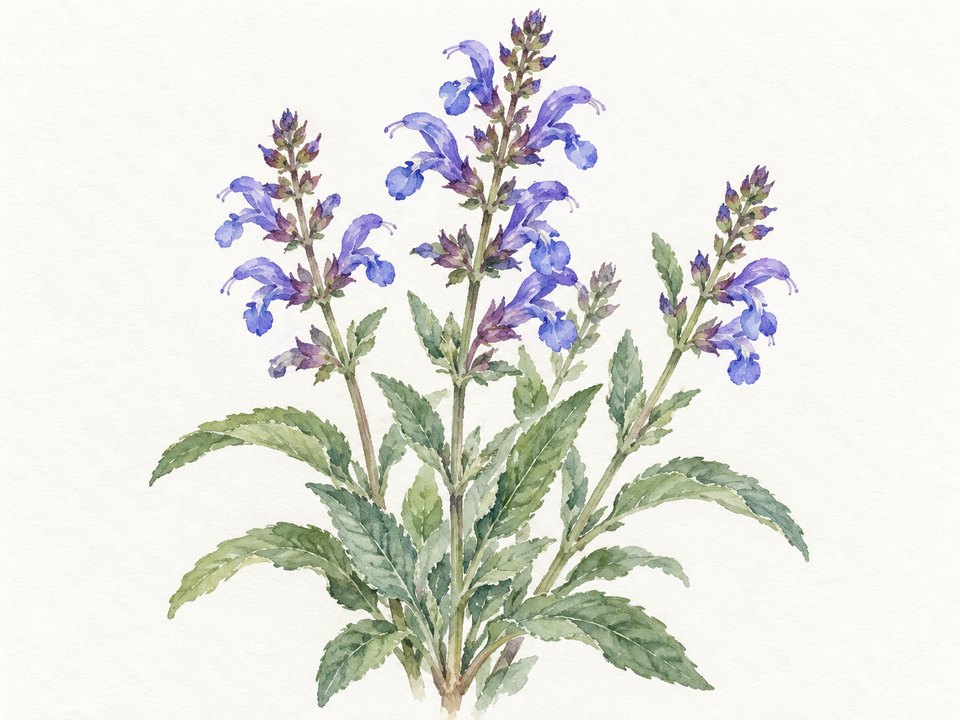 Illustration
Englemann SageSalvia engelmanniiIllustration 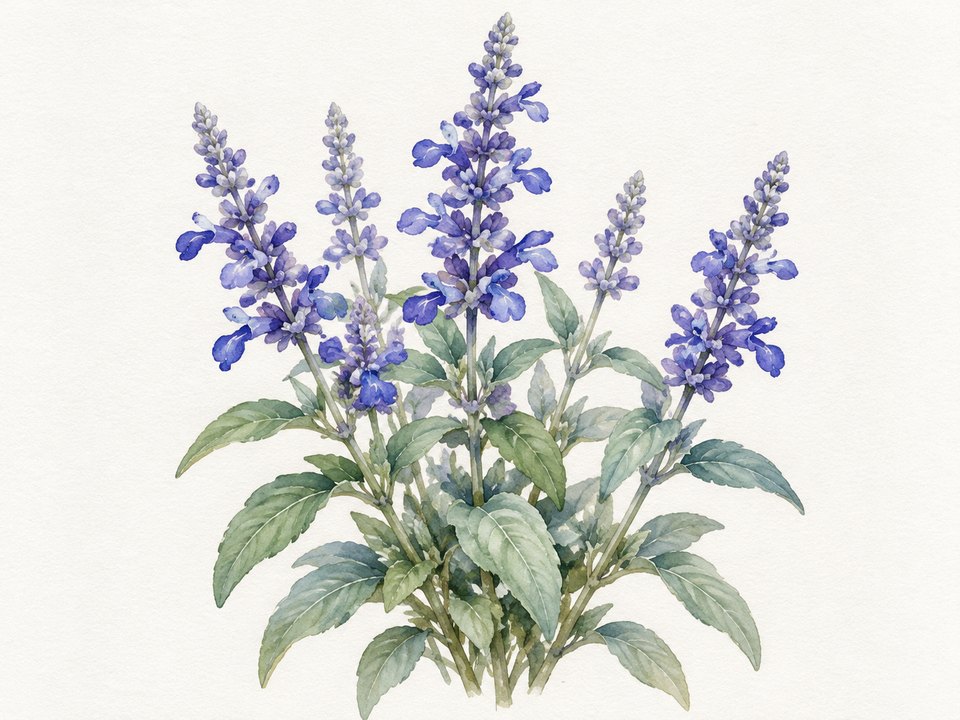 Illustration
Mealy Blue SageSalvia farinaceaIllustration 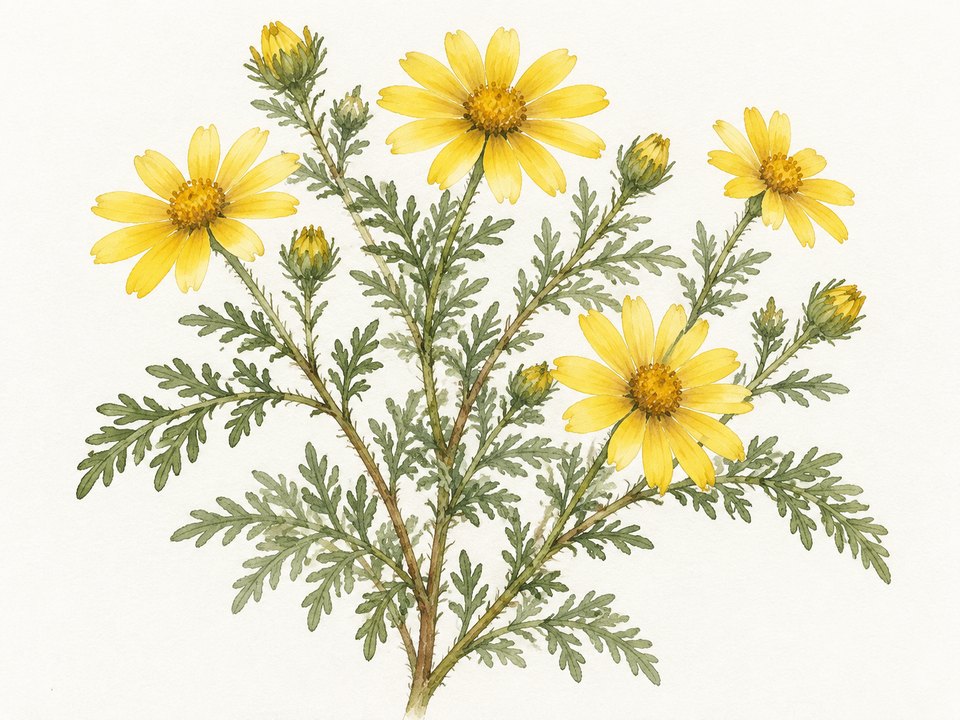 Illustration
Huisache DaisyAmblyolepis setigeraIllustration
Units 7 and 8: check the name changes
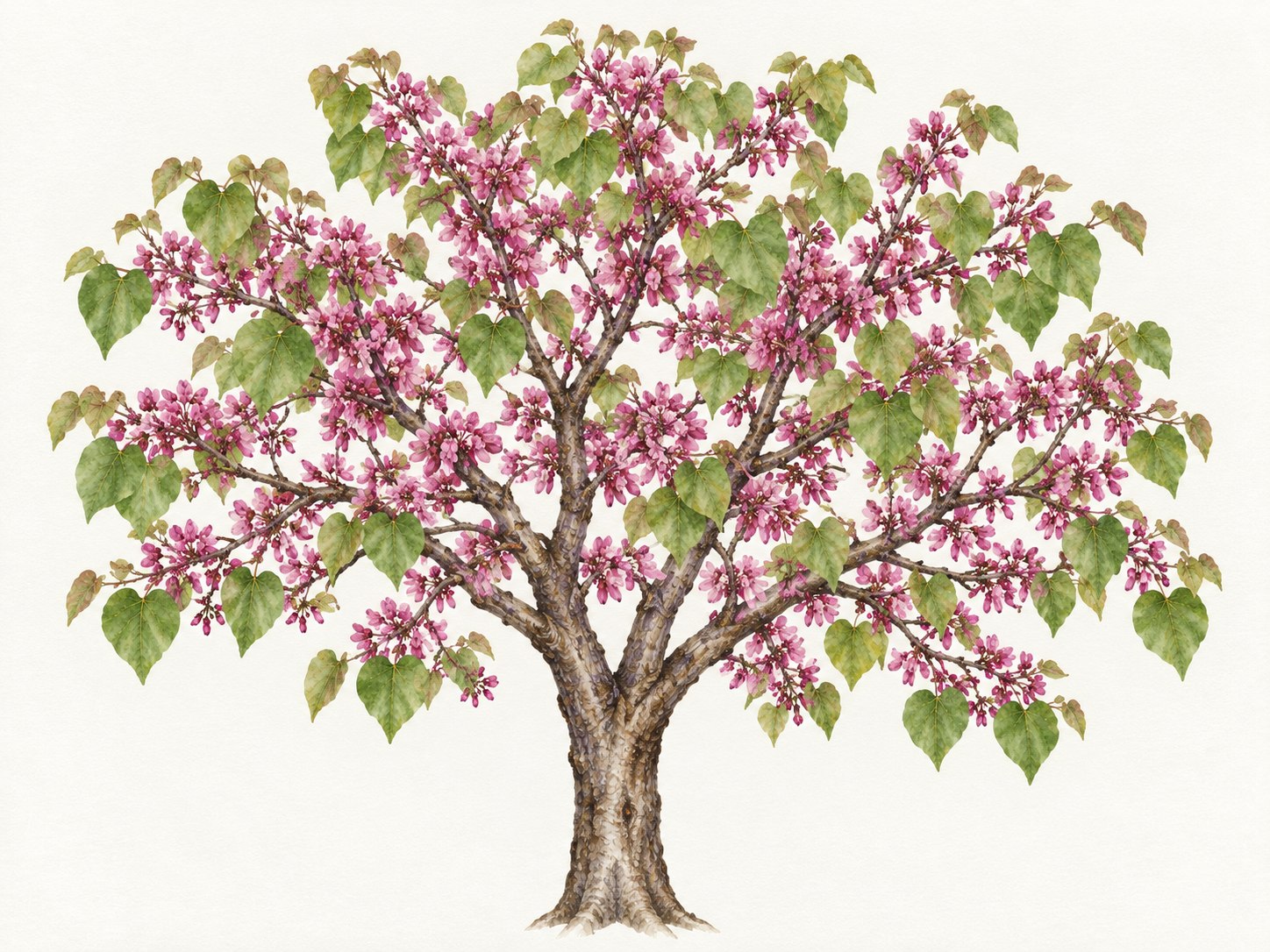
The initial plant names largely follow the group above. The trees share one section with the additional trees below. "Mexican Redbud" replaces "Redbud" as the common name paired with Cercis canadensis, and "Prickly Pear" replaces "Cactus" with Opuntia. These pages do not create the NVP-only planting zones used in Units 5 and 9. The same Chilopsis linearis / Mesquite mismatch remains.[6][7]
 Illustration
Mexican RedbudCercis canadensis var. mexicanaIllustration 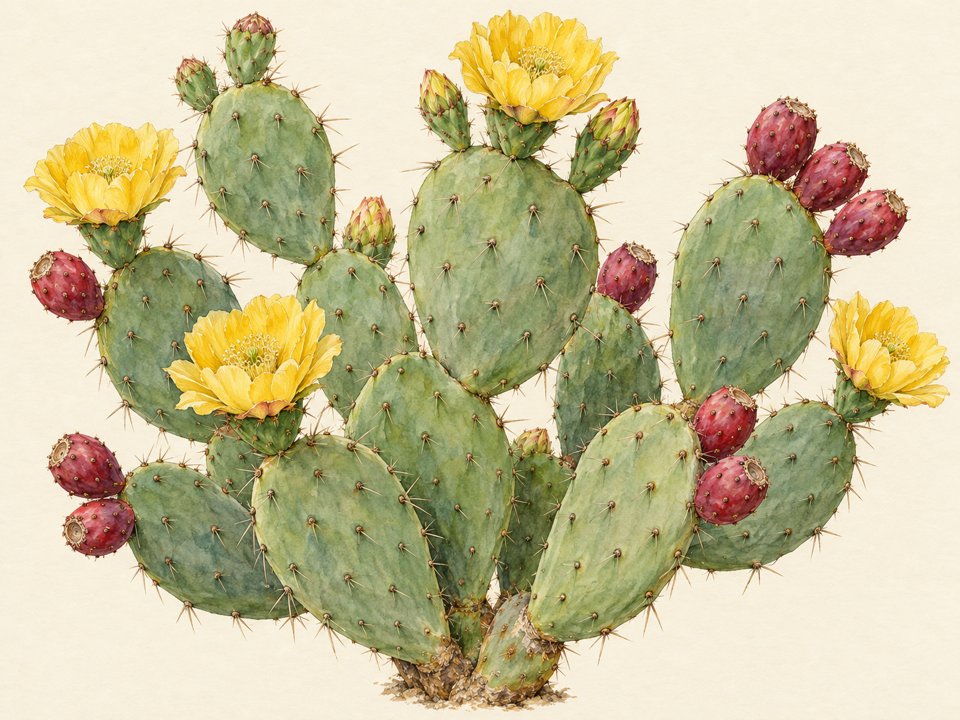 Illustration
Prickly PearOpuntia spp.Illustration
Additional plants in Units 1, 2, 3 Phase 1, 7 and 8
The following groups appear in these copies. Unit 1's surviving annual list also includes Blue Flax, Bluebonnet, Blackfoot Daisy, Three-Flower Melic, Seep Muhly, Turks cap, Black-eyed Susan, Scarlet Sage, Englemann Sage and Mealy Blue Sage. This is not a reconstruction of its missing page.[11][3][12][6][7]
The trees list includes Flowering Dogwood; Smoke Tree; Possumhaw; Yaupon Holly; Crepe Myrtle; Mexican Plum; Bur Oak; Texas Red Oak; Eve's Necklace; Bald Cypress; Lacebark Elm; Vitex.
The shrubs list includes Abelia; Cast-iron Plant; Japanese Aucuba; Redleaf Barberry; Agarita; Boxwood; Coral Beauty Cotoneaster; Elaeagnus; Japanese Aralia; Hypericum; Red Yucca; Dwarf Chinese Holly; Dwarf Yaupon; Variegated Ligustrum; Texas Sage; Southern Wax Myrtle; Heavenly Bamboo; Oleander; Pyracantha; Indian Hawthorn; Rosemary; Gray Santolina; Yucca.
The recorded Ligustrum row prints "Ligustrum luicidum 'Variegated'". That is not a generic permit for any privet.
 Illustration
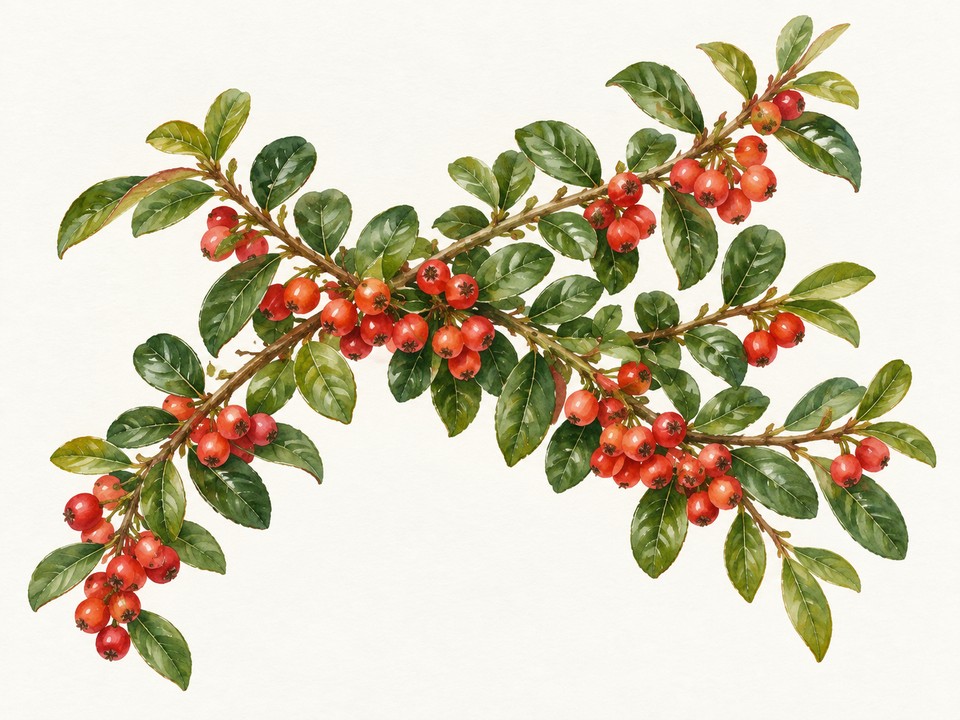
Coral Beauty CotoneasterCotoneaster dammeri 'Coral Beauty'Illustration 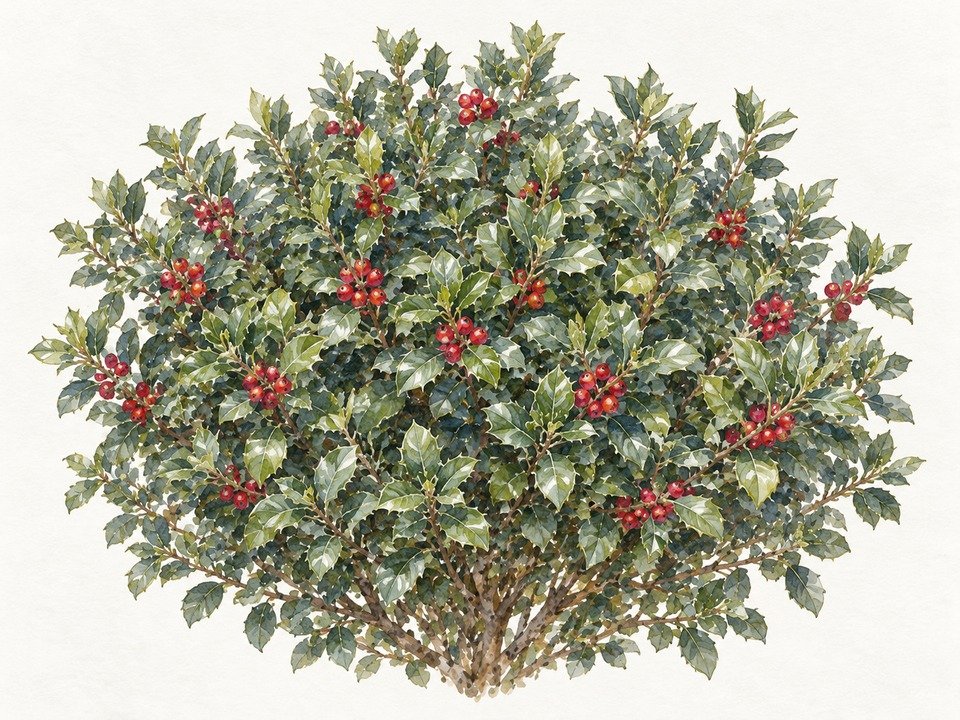 Illustration
Dwarf Chinese HollyIlex cornuta 'Rotunda'Illustration 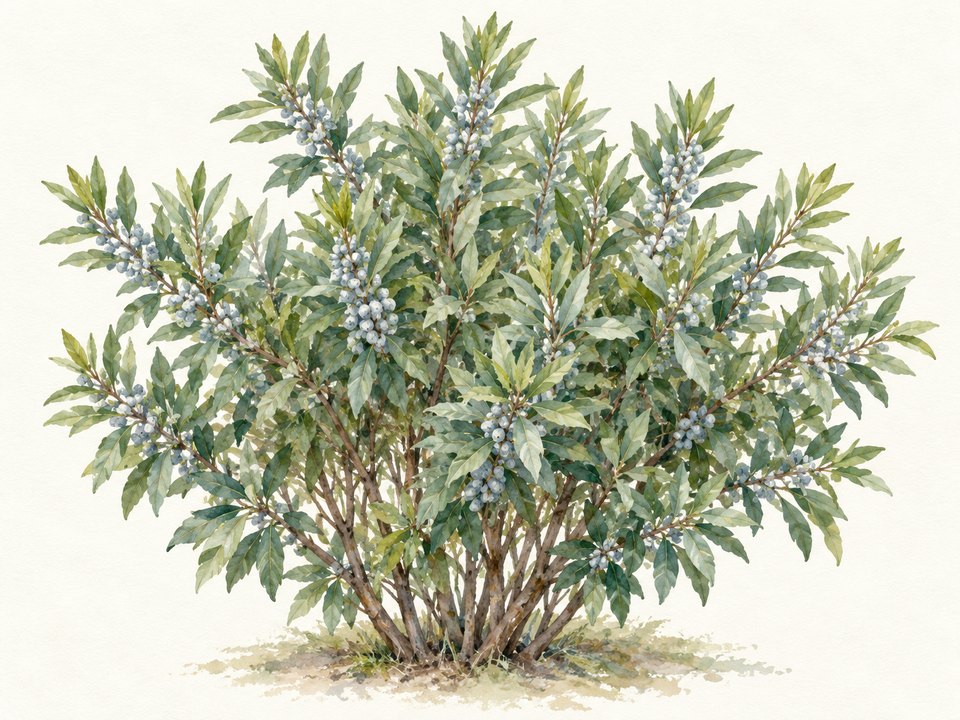 Illustration
Wax MyrtleMorella ceriferaIllustration 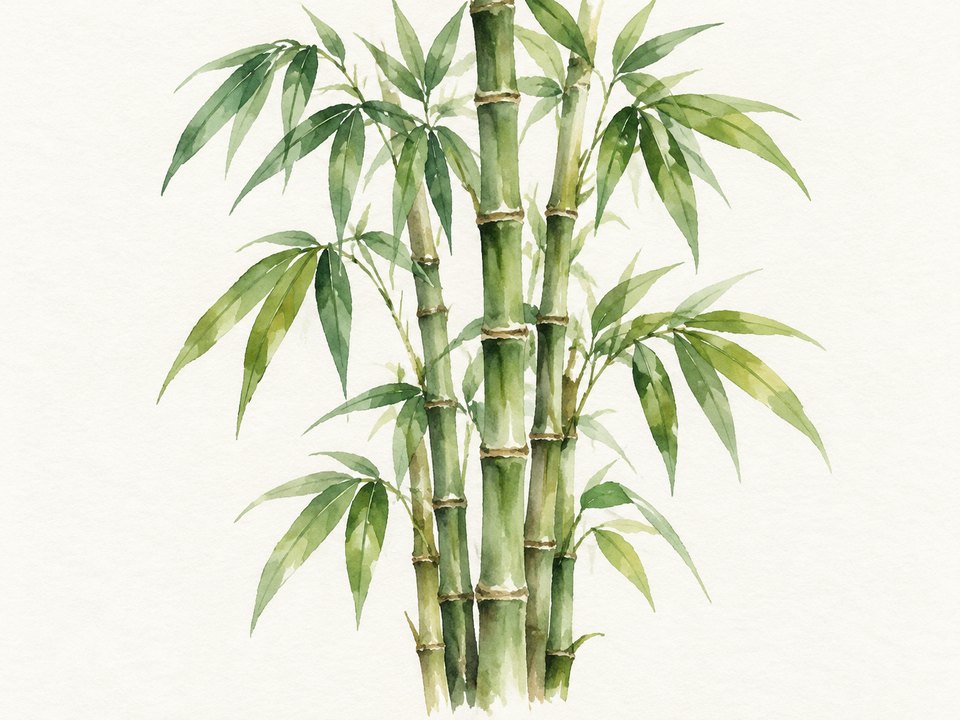 Illustration
BambooIllustration 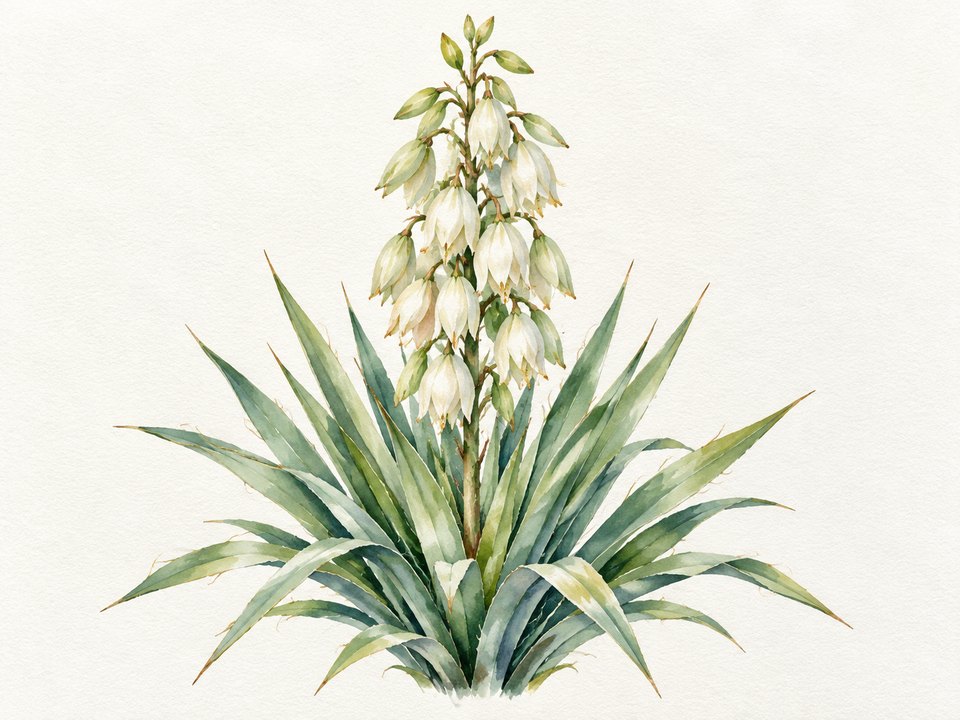 Illustration
YuccaYucca sppIllustration
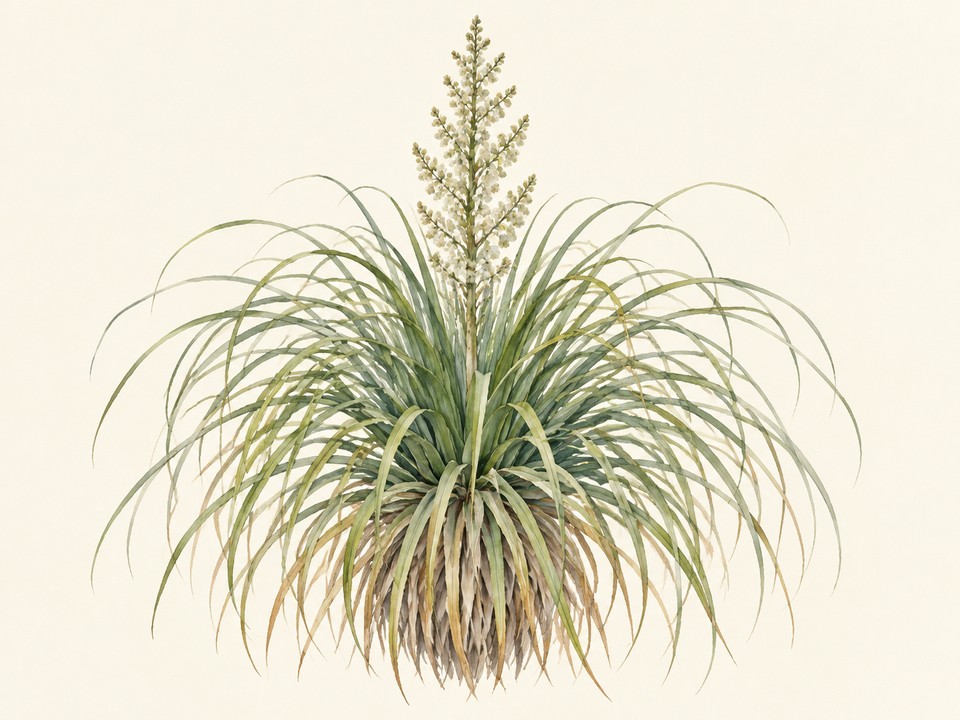
The perennials and grasses list includes Yarrow; Turks cap; Sacahuista (Nolina texana); Fountain Grass; Mexican Oregano; Mexican Bush Sage; Cedar Sage and various turf grasses.
St. Augustine remains prohibited.
 Illustration
SacahuistaNolina texanaIllustration
The flowers, ferns and herbs list includes Ageratum; Begonia; Coreopsis (Coreopsis grandiflora); Lanceleaf Coreopsis; Cosmos; Purple Cone Flower (Echinacea spp.); Iris; Bluebonnet; Sword Fern; Mealy Blue Sage; Indigo Spires; Dusty Miller; Mexican Mint Marigold; Wood Fern; Moss Verbena; Periwinkle; Zinnia. Some botanical rows are broader than their common names: Salvia spp. is paired with Indigo Spires and Tagetes spp. with Mexican Mint Marigold.
Submit the intended plant, not an unnamed substitute.
The ground covers list includes Mondo Grass; Creeping Thyme; Asian Jasmine.
The lawn/turf list includes improved varieties of Bermuda; Zoysia; Buffalo Grass.
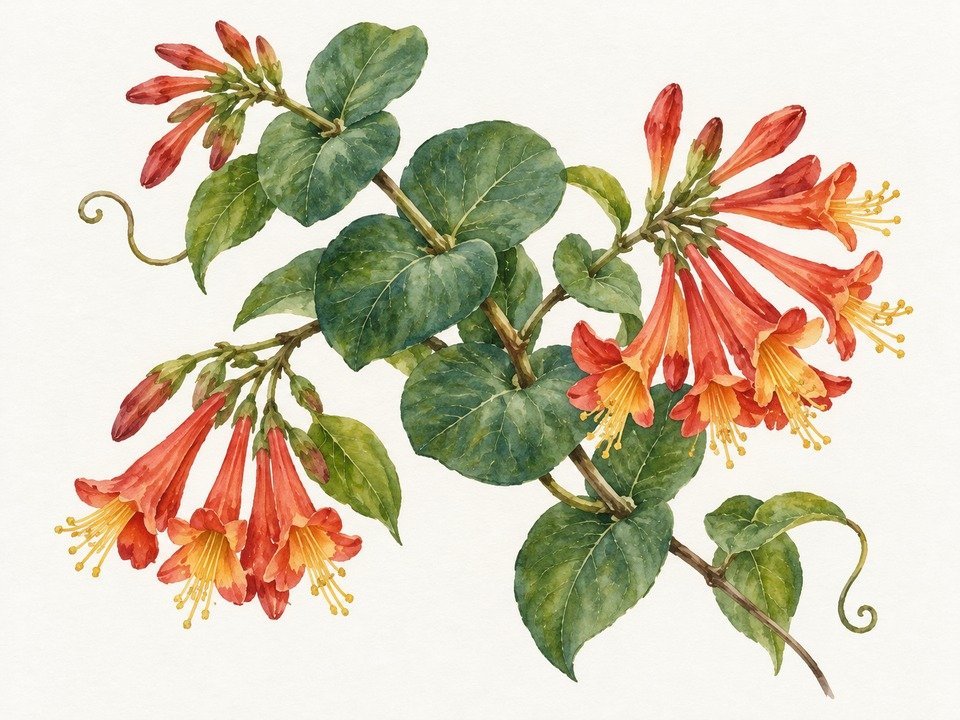
The vines list includes Crossvine; Trumpet Vine; Scarlet Leather-Flower; Fig Ivy; Carolina Jessamine; Coral Honeysuckle; Virginia Creeper; Passion Flower; Wisteria. The Wisteria row names Wisteria sinensis, not Texas Wisteria.
The Texas Red Oak row prints Quercus texana; its current identity needs confirmation, so no different oak is substituted here.
 Illustration
Coral HoneysuckleLonicera sempervirensIllustration 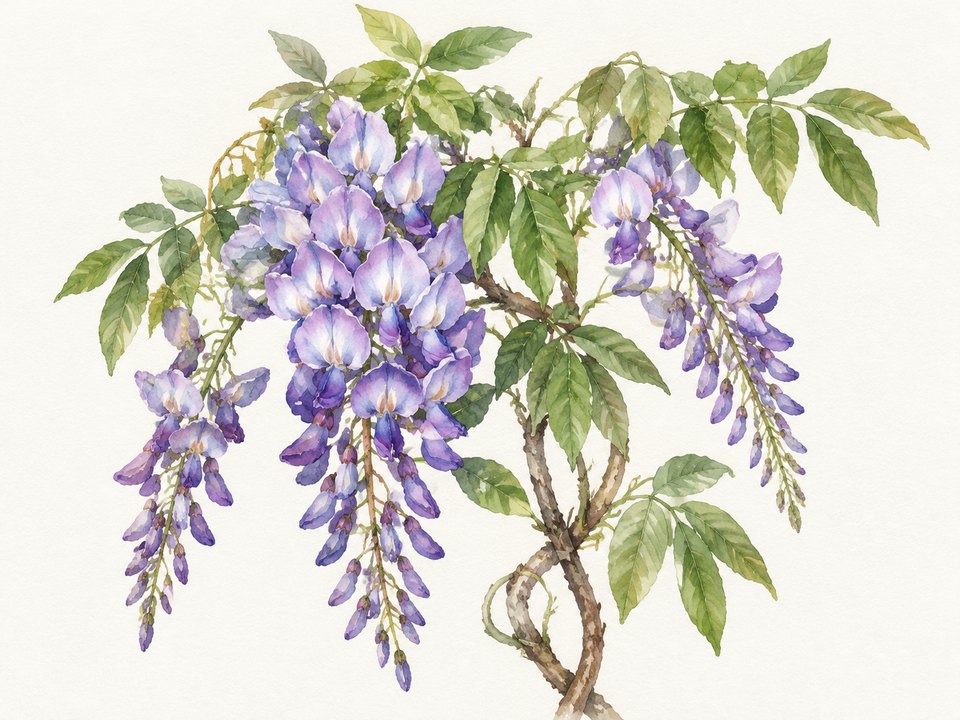 Illustration
Texas WisteriaWisteria frutescensIllustration
An asterisk in this list family means some deer resistance, not deer-proof. The different shade legend in the expanded lists below does not apply here.
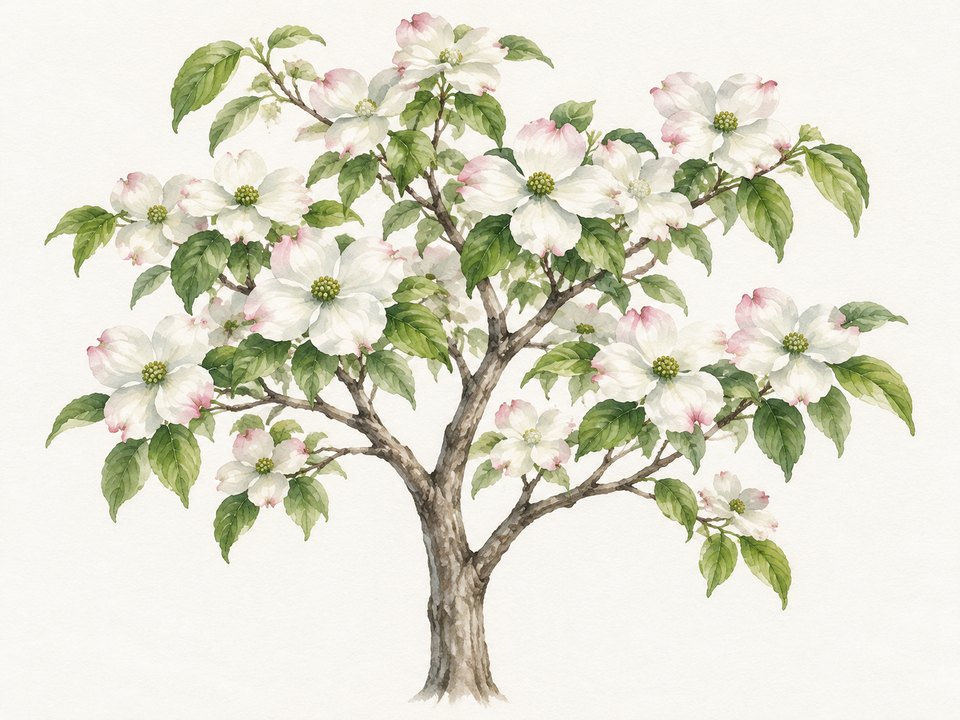 Illustration
Flowering DogwoodCornus floridaIllustration 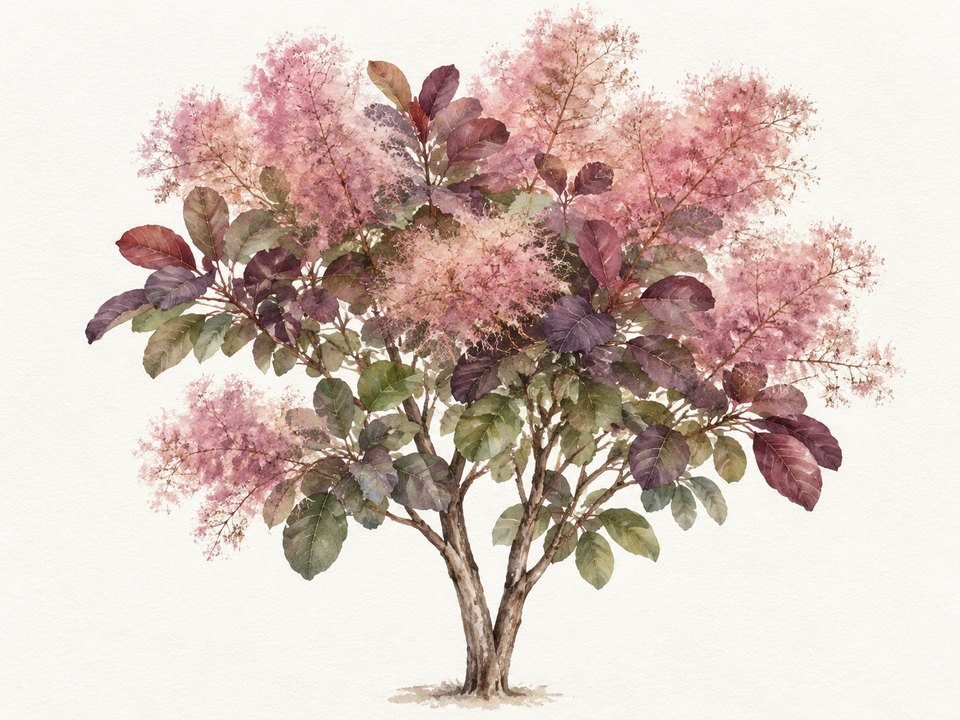 Illustration
American SmoketreeCotinus obovatusIllustration 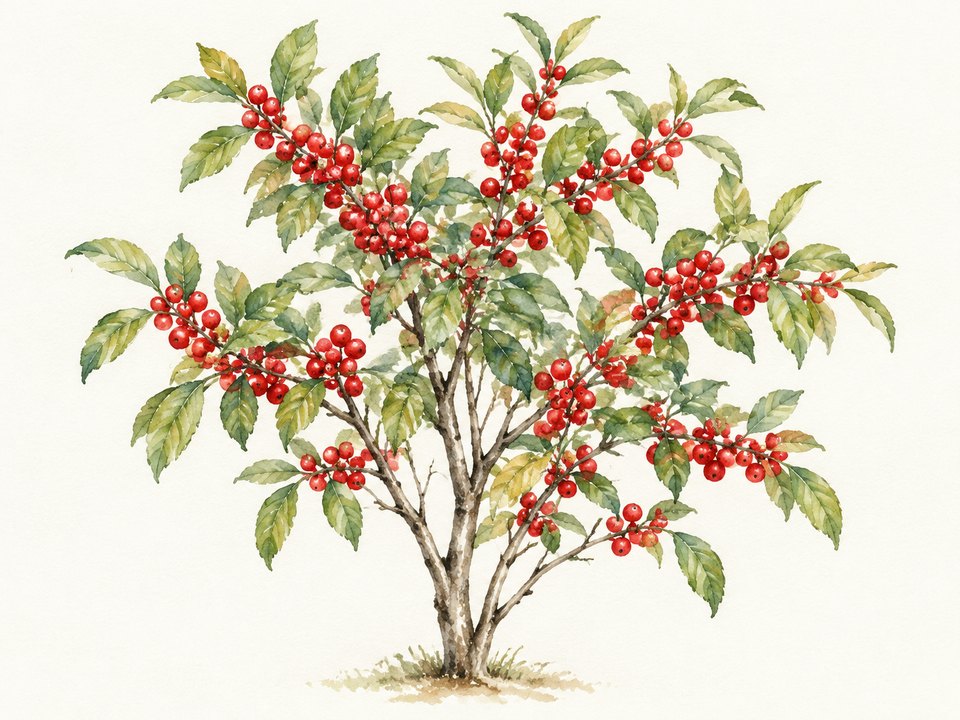 Illustration
Possumhaw HollyIlex deciduaIllustration 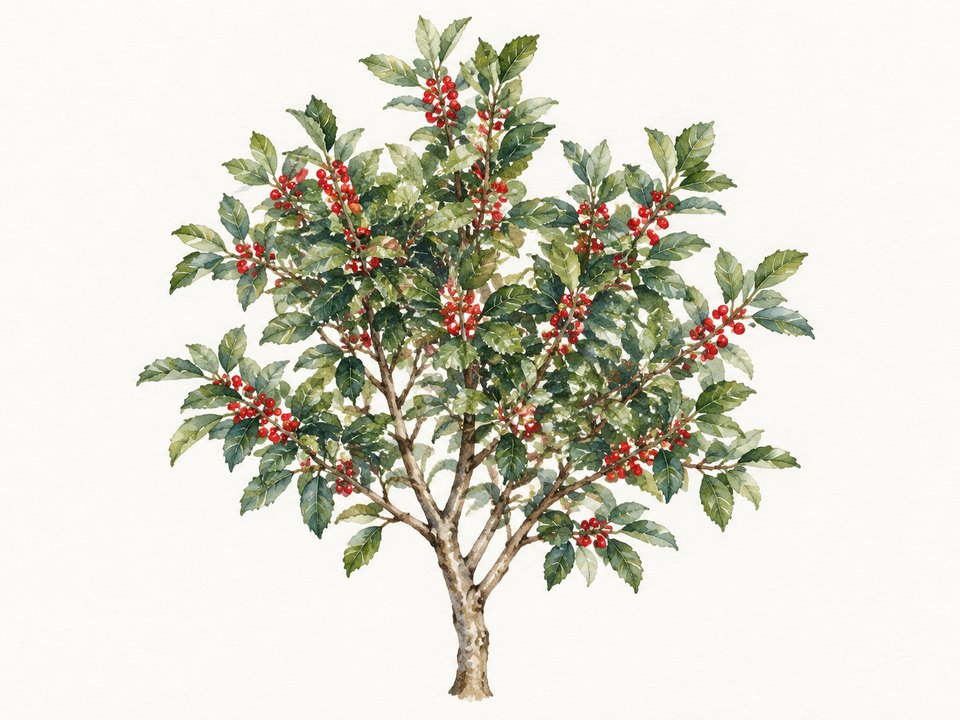 Illustration
Yaupon HollyIlex vomitoriaIllustration 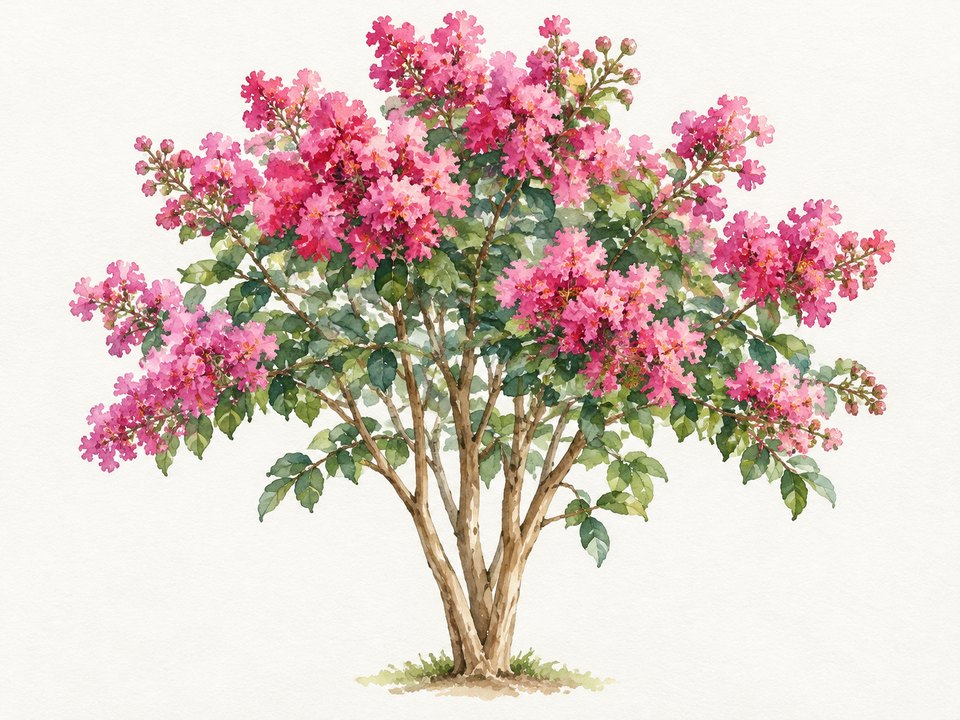 Illustration
Crape MyrtleLagerstroemia indicaIllustration 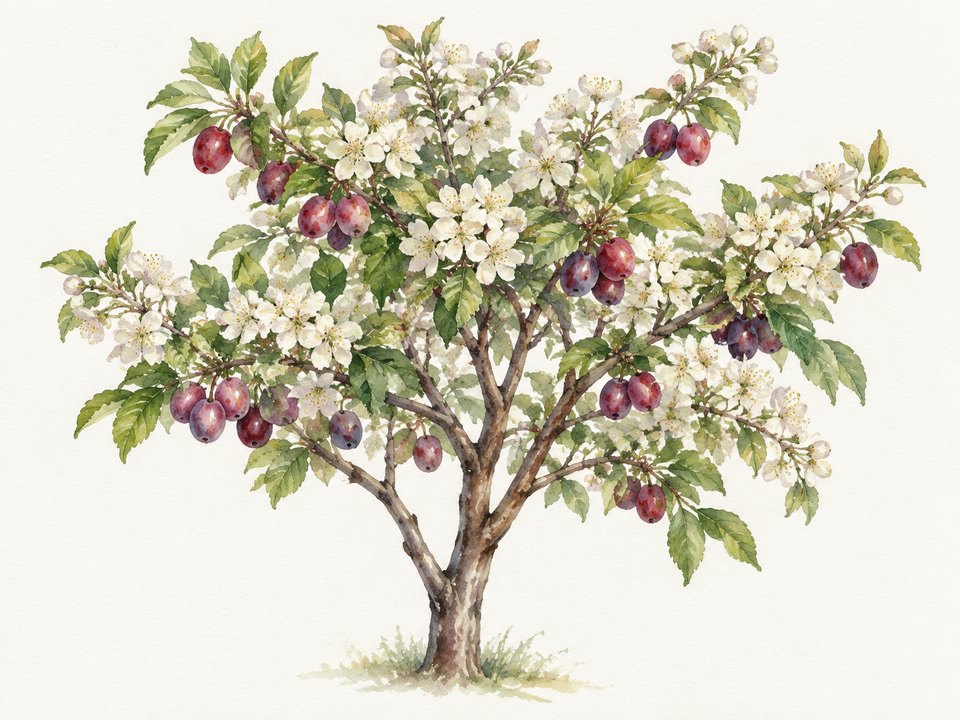 Illustration
Mexican PlumPrunus mexicanaIllustration 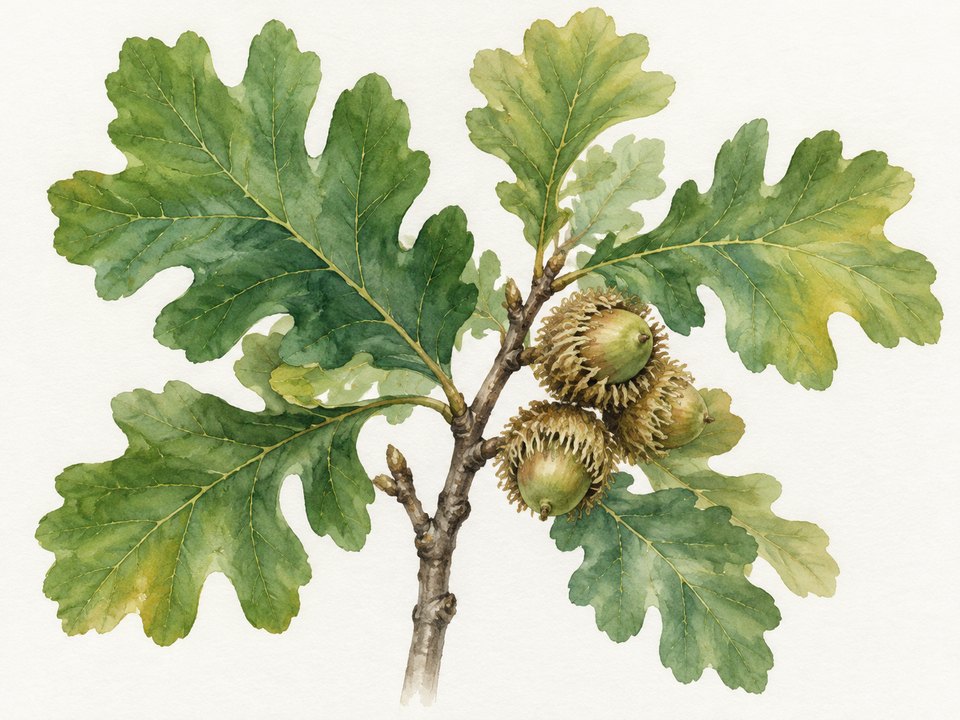 Illustration
Bur OakQuercus macrocarpaIllustration 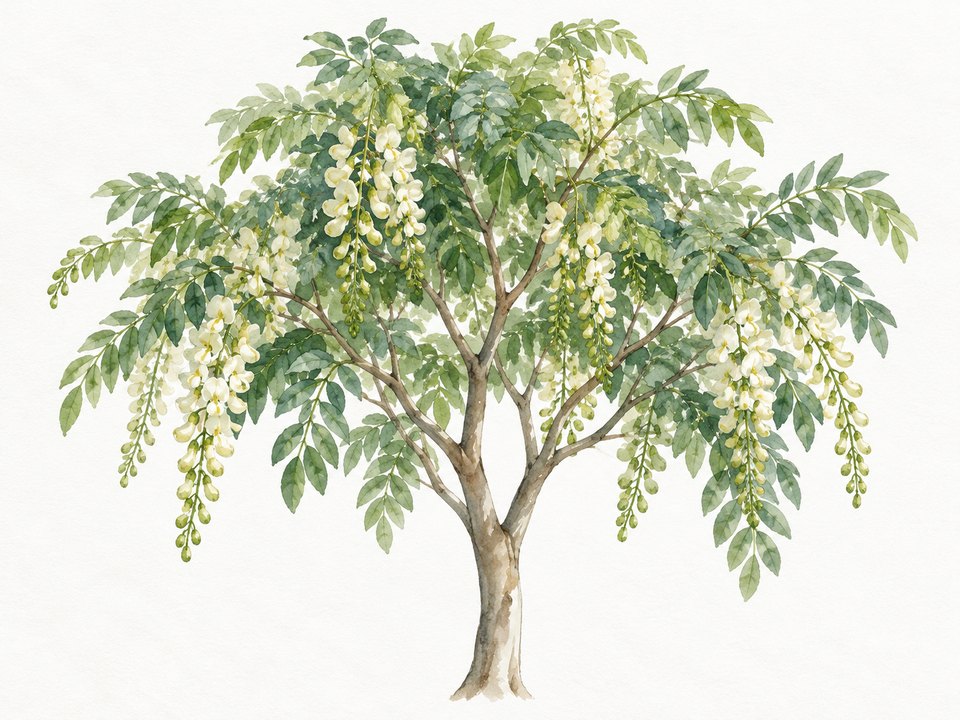 Illustration
Eve's NecklaceStyphnolobium affineIllustration 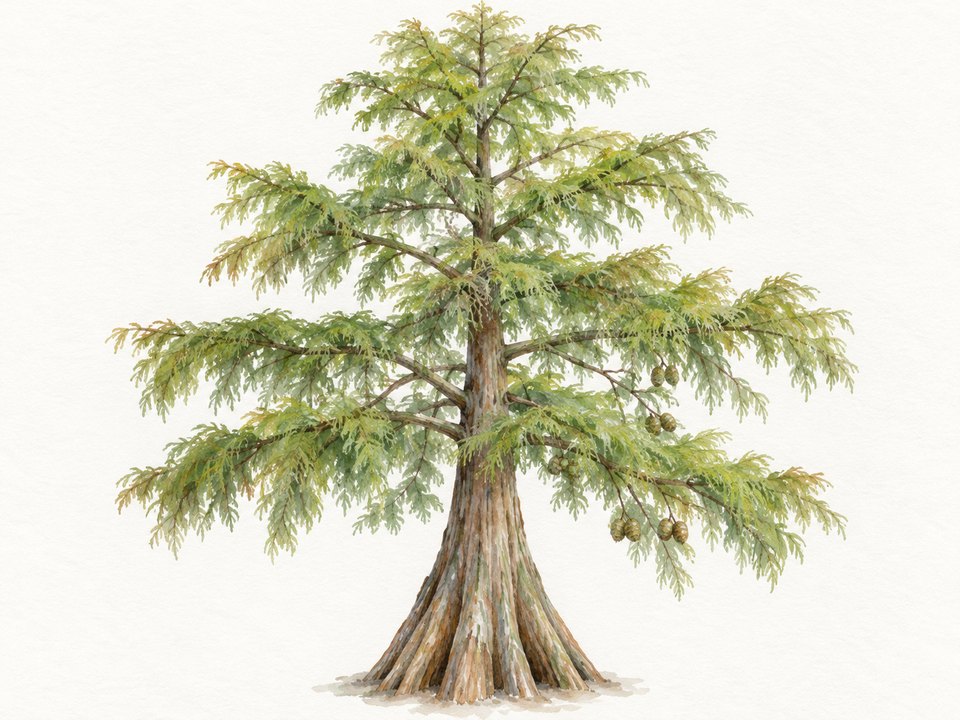 Illustration
Bald CypressTaxodium distichumIllustration 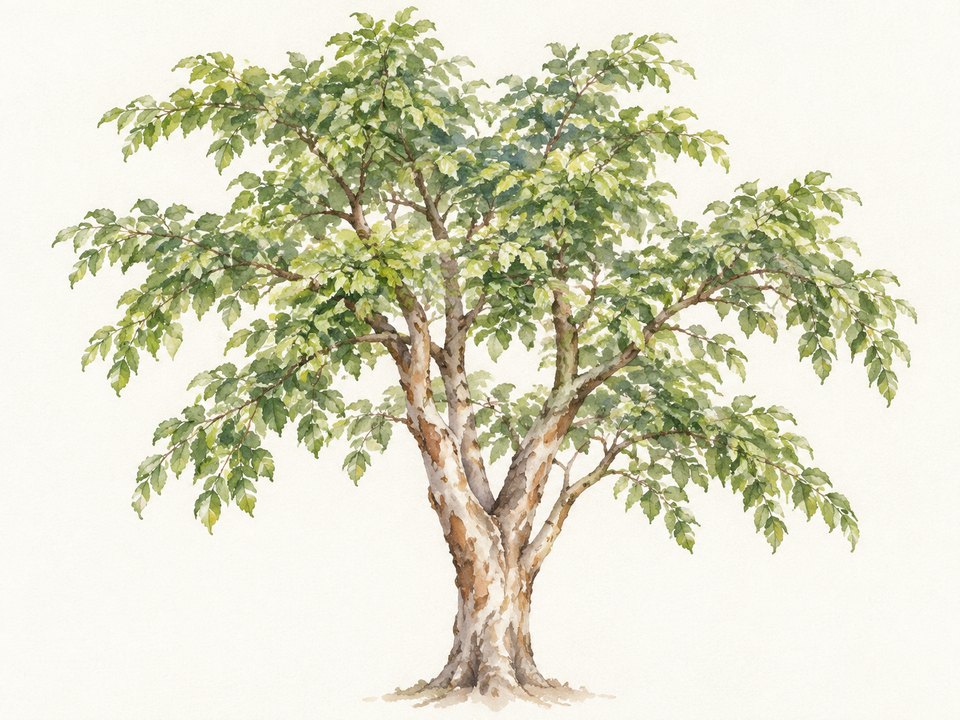 Illustration
Lacebark ElmUlmus parvifoliaIllustration 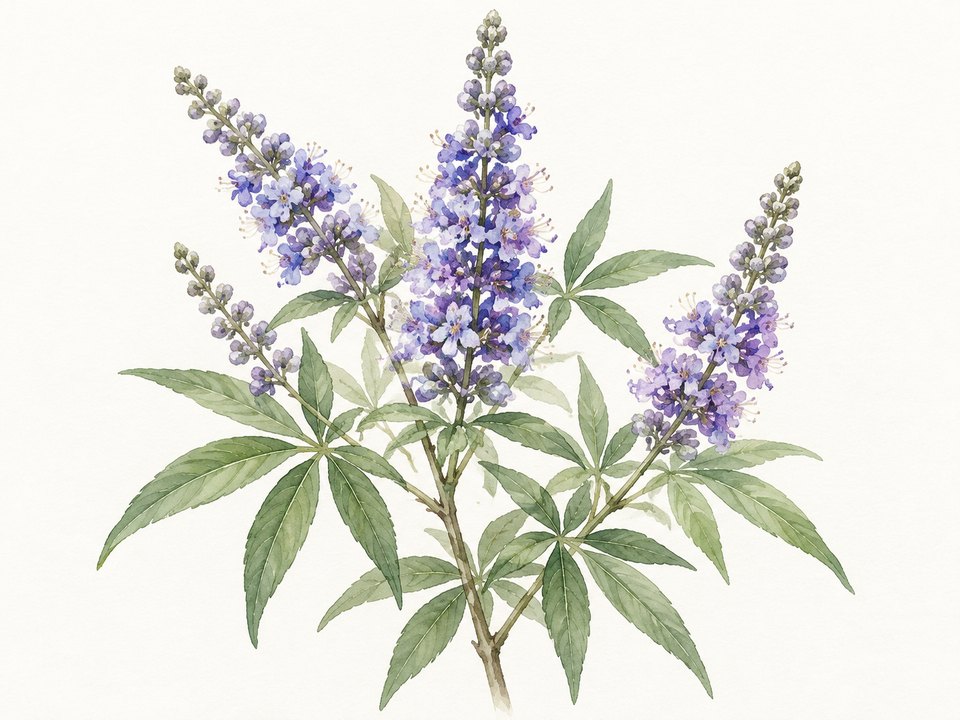 Illustration
VitexVitex agnus-castusIllustration 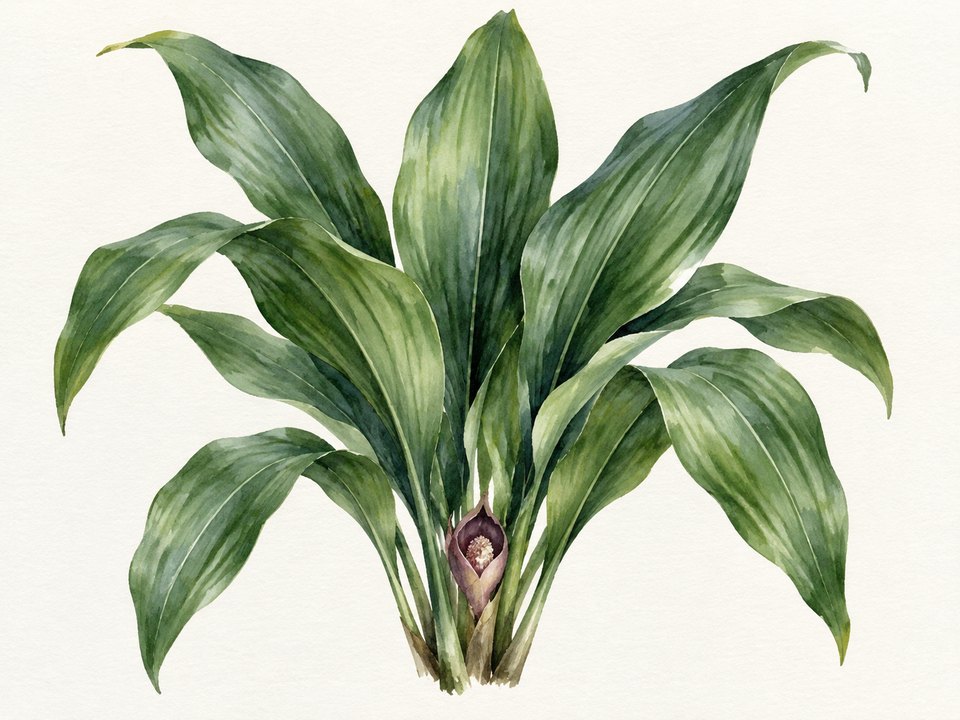 Illustration
Cast Iron PlantAspidistra elatiorIllustration 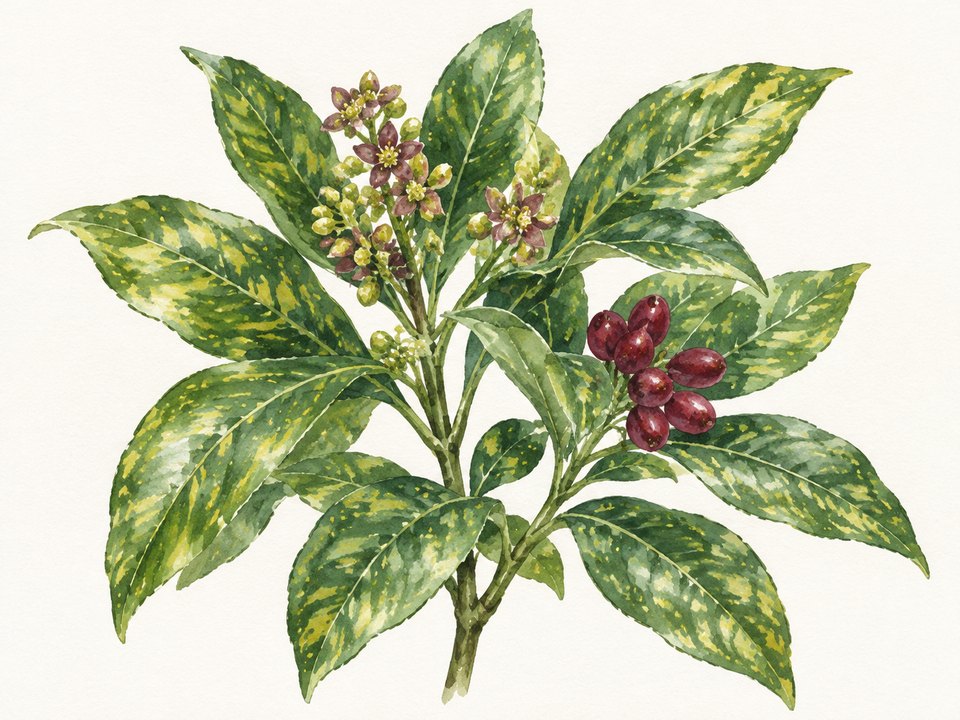 Illustration
Japanese AucubaAucuba japonicaIllustration 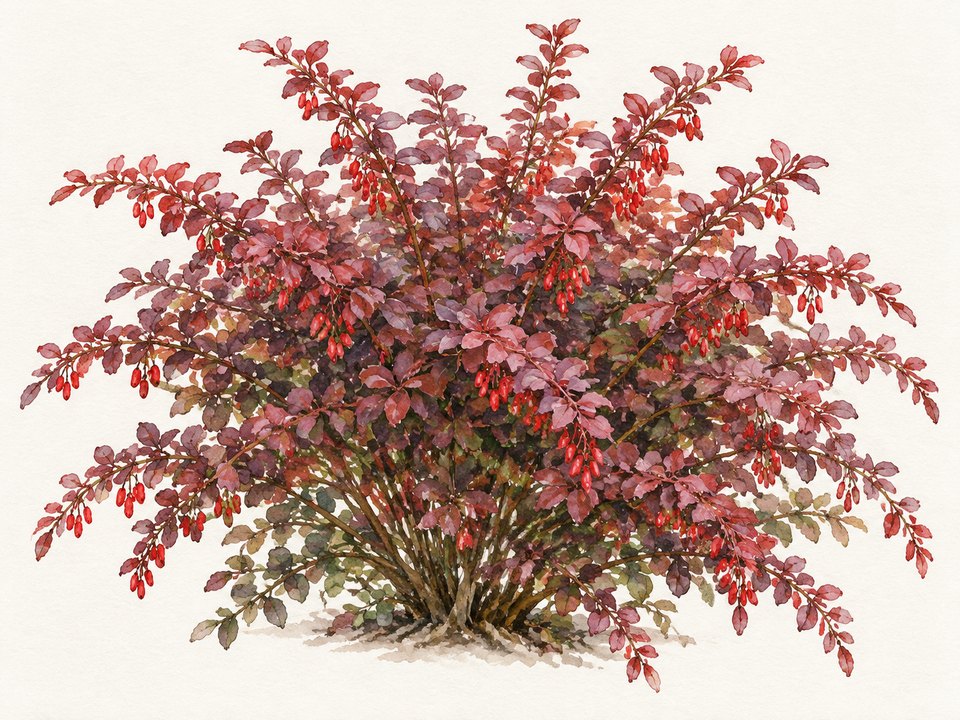 Illustration
Redleaf BarberryBerberis thunbergiiIllustration 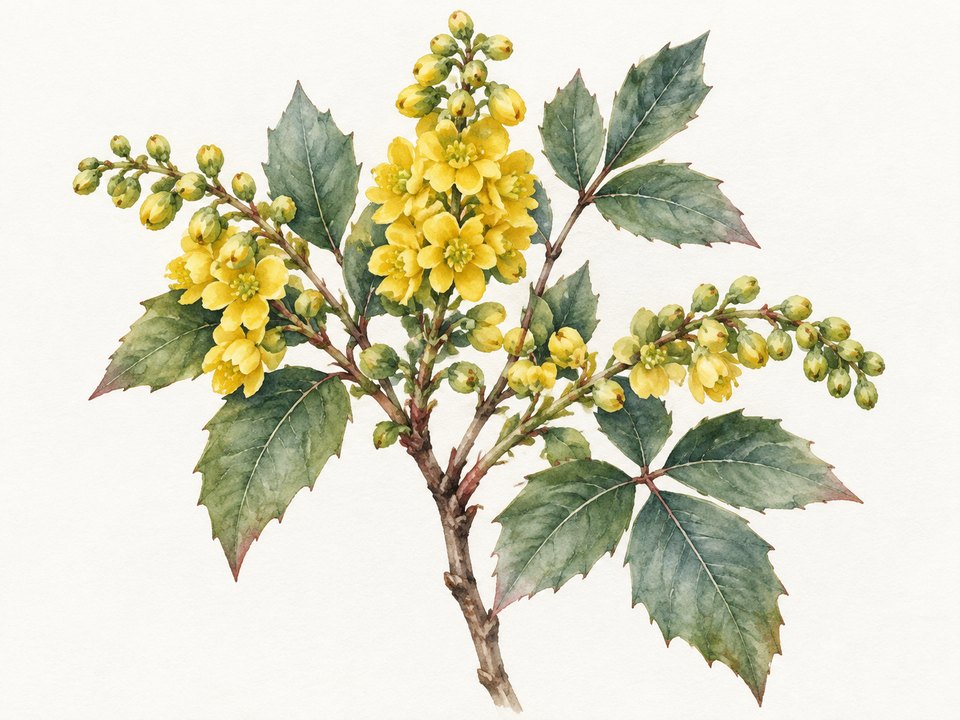 Illustration
AgaritaMahonia trifoliolataIllustration 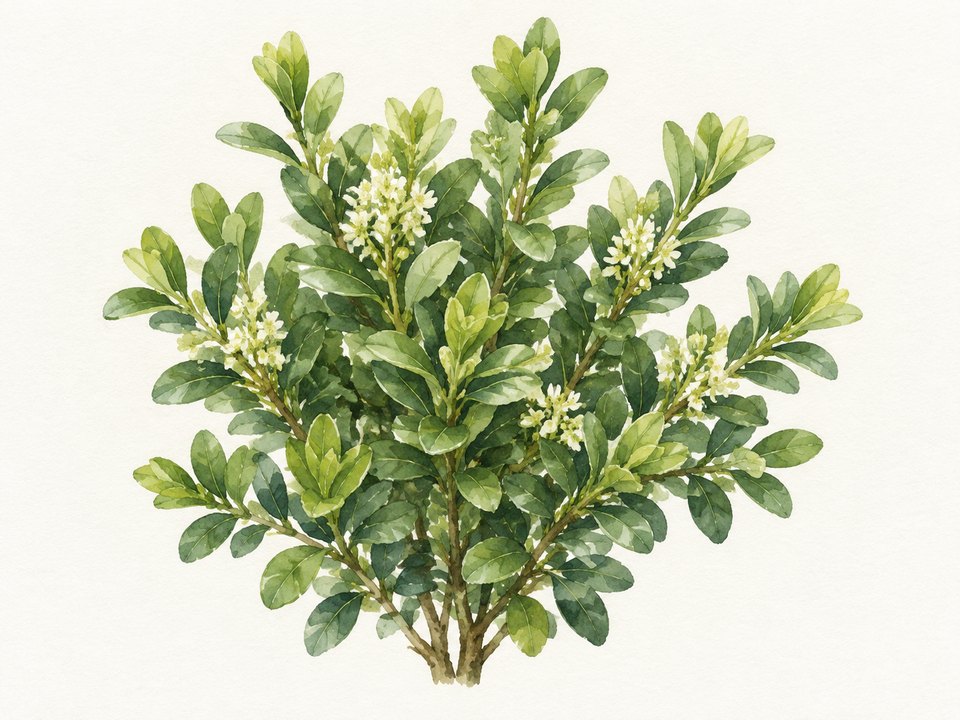 Illustration
BoxwoodBuxus microphyllaIllustration 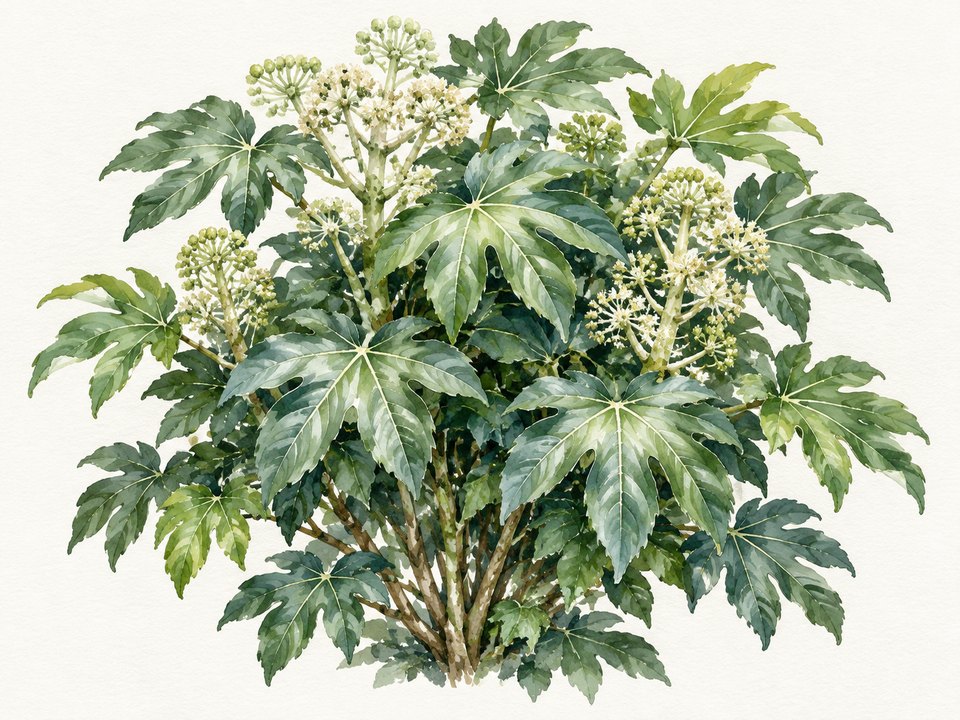 Illustration
Japanese AraliaFatsia japonicaIllustration 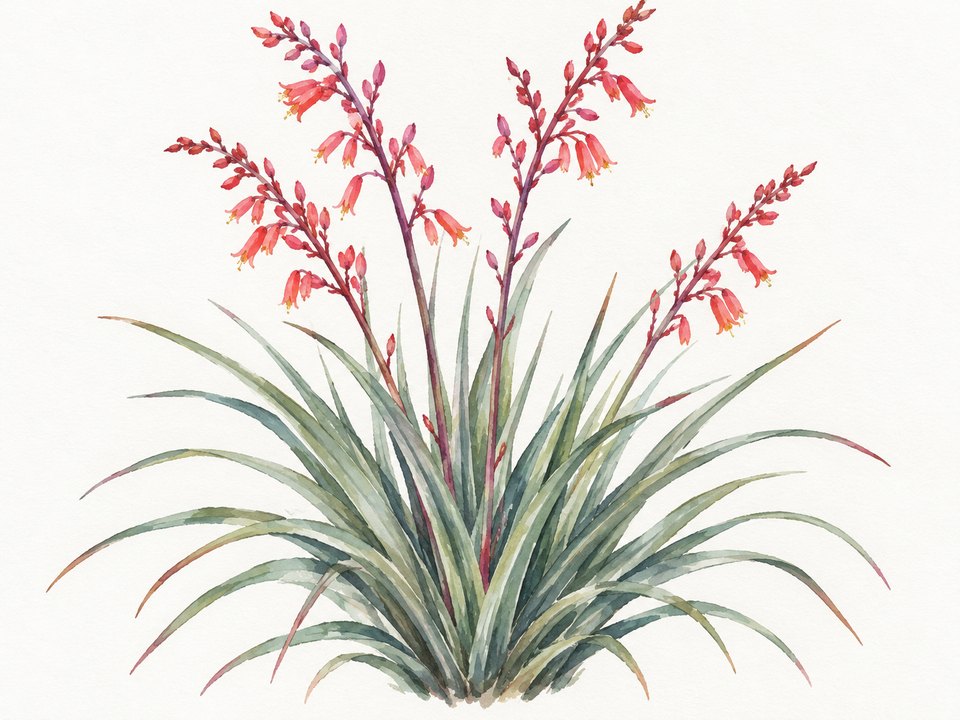 Illustration
Red YuccaHesperaloe parvifloraIllustration 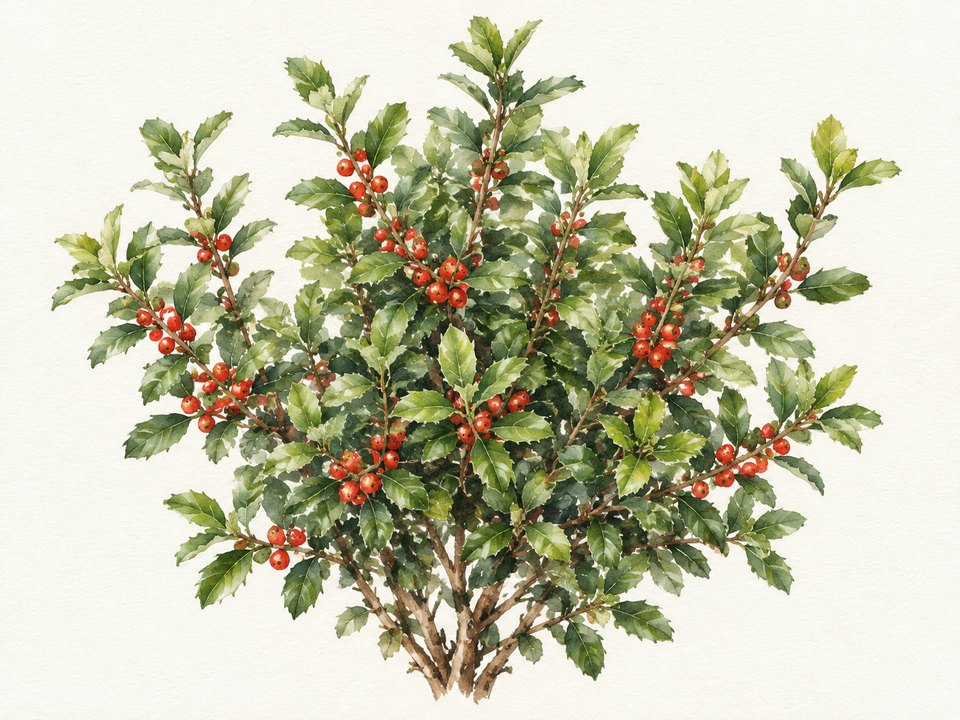 Illustration
Dwarf Yaupon HollyIlex vomitoriaIllustration 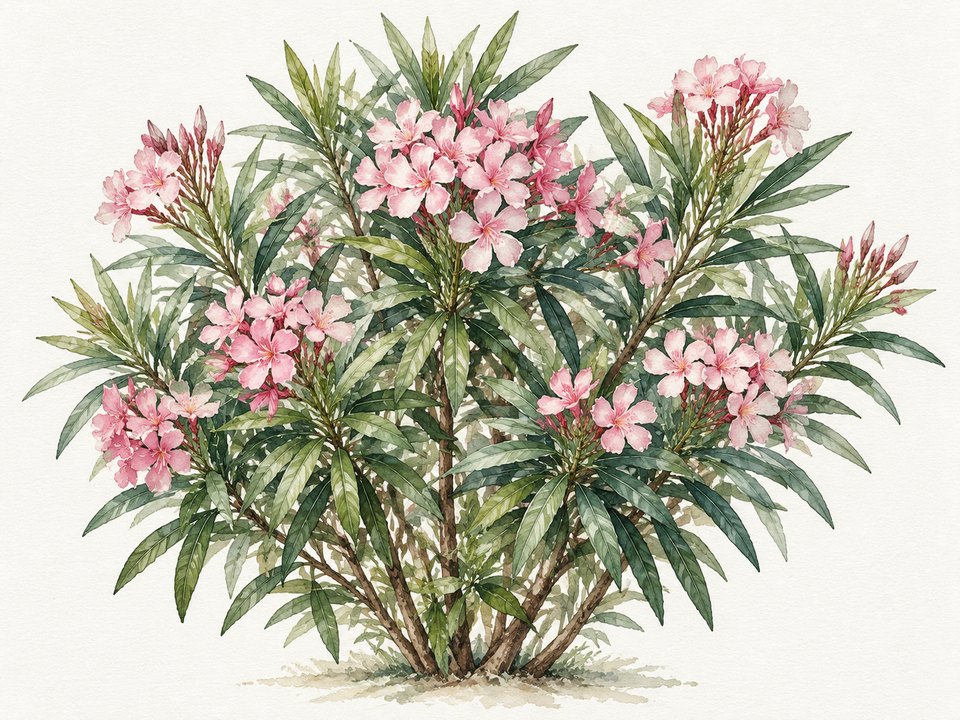 Illustration
OleanderNerium oleanderIllustration 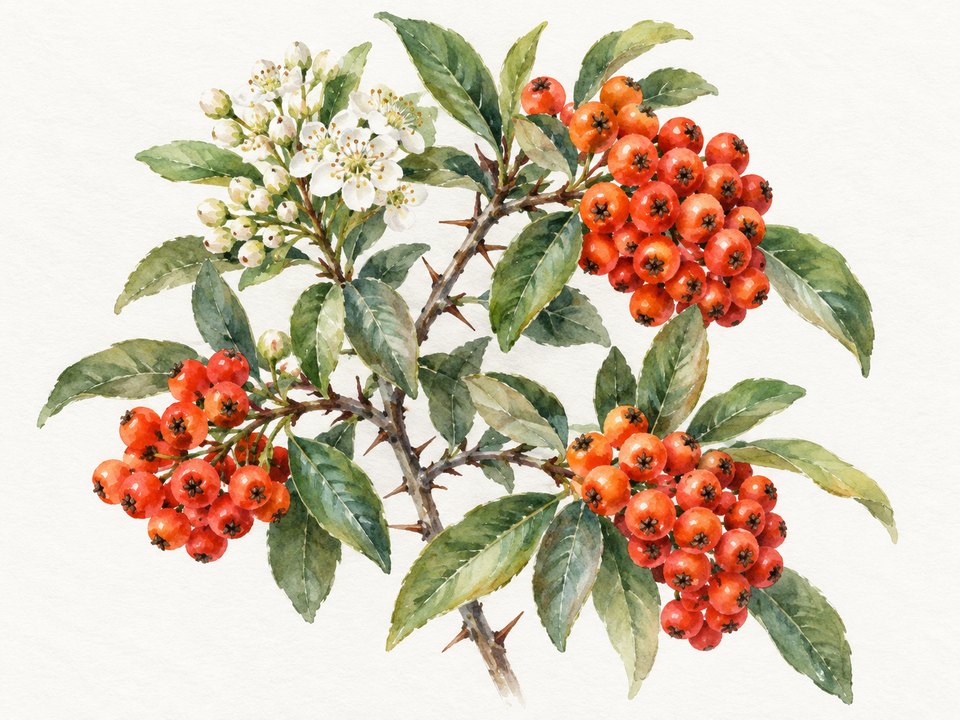 Illustration
PyracanthaPyracantha coccineaIllustration 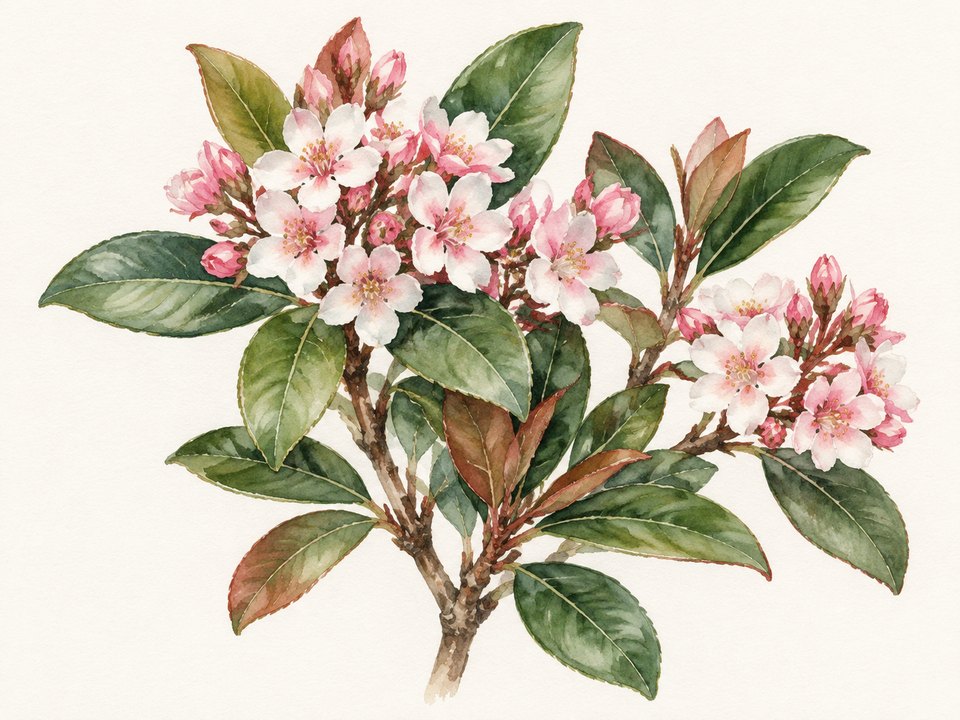 Illustration
Indian HawthornRhaphiolepis indicaIllustration 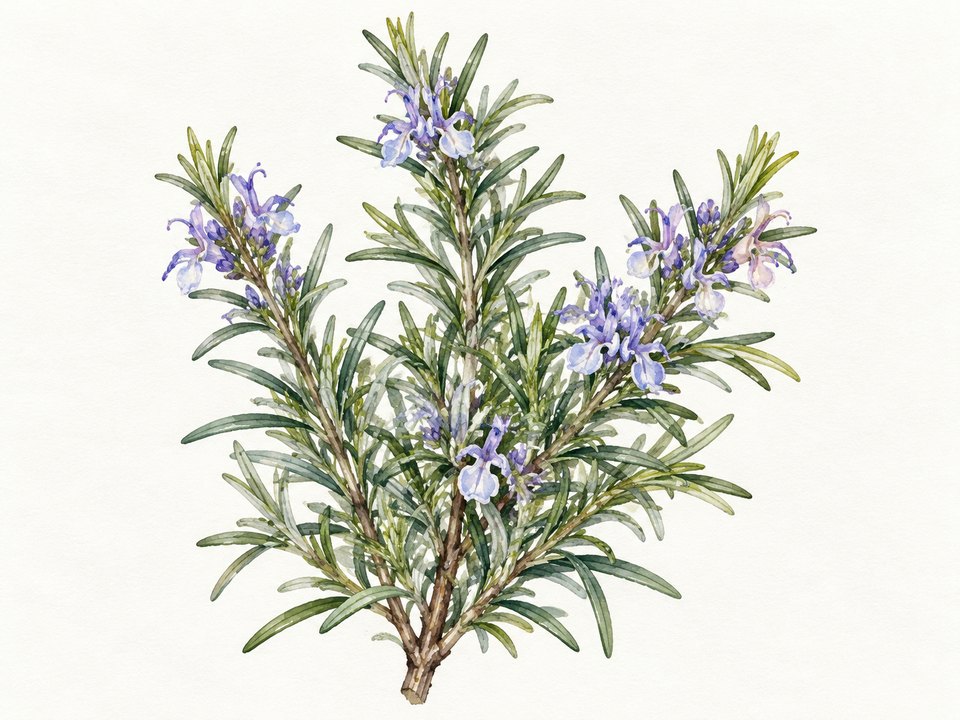 Illustration
RosemarySalvia rosmarinusIllustration 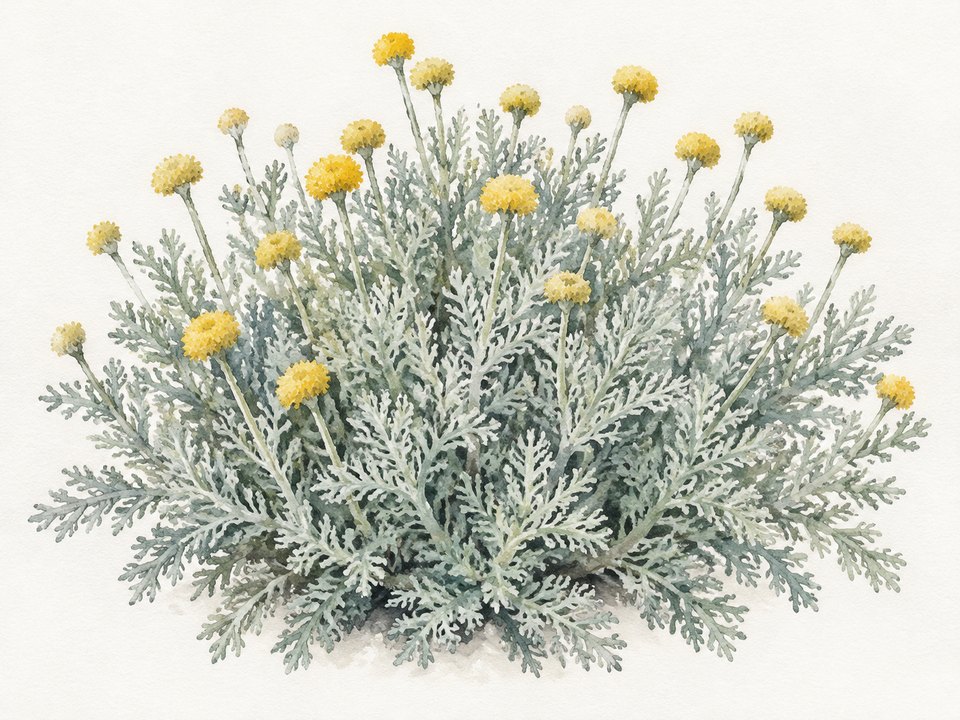 Illustration
Gray SantolinaSantolina chamaecyparissusIllustration 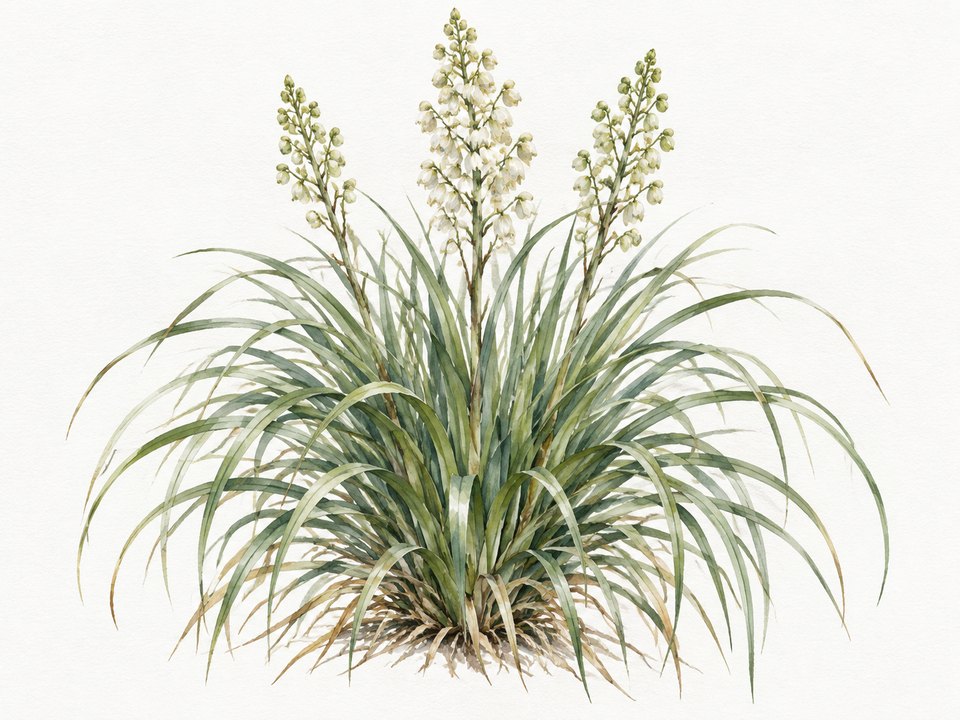 Illustration
Texas Bear GrassNolina texanaIllustration 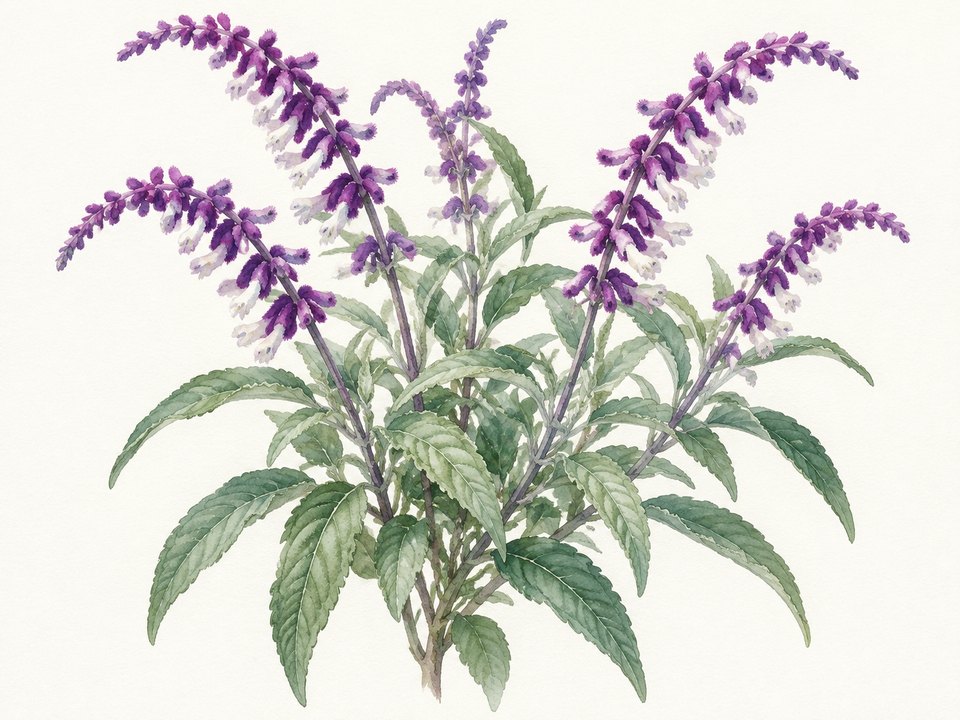 Illustration
Mexican Bush SageSalvia leucanthaIllustration 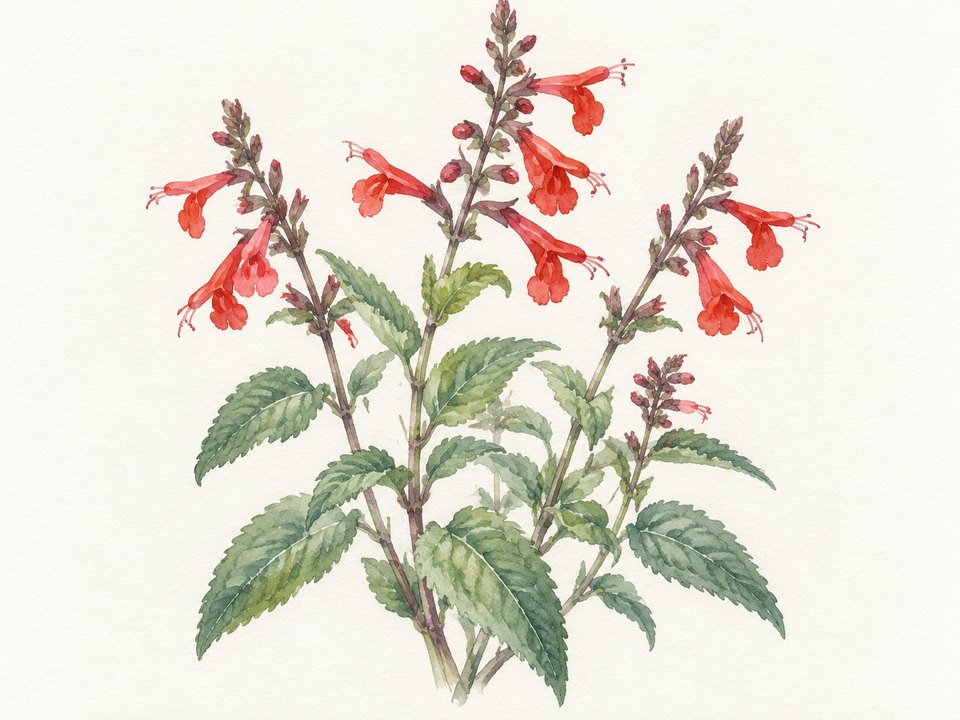 Illustration
Cedar SageSalvia roemerianaIllustration 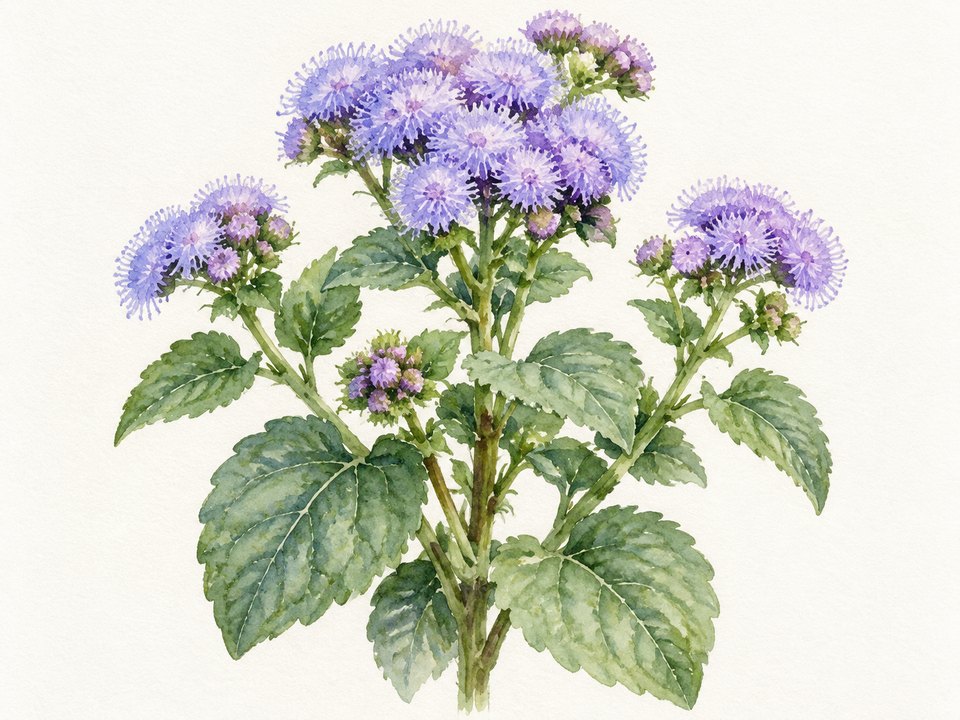 Illustration
AgeratumAgeratum houstonianumIllustration 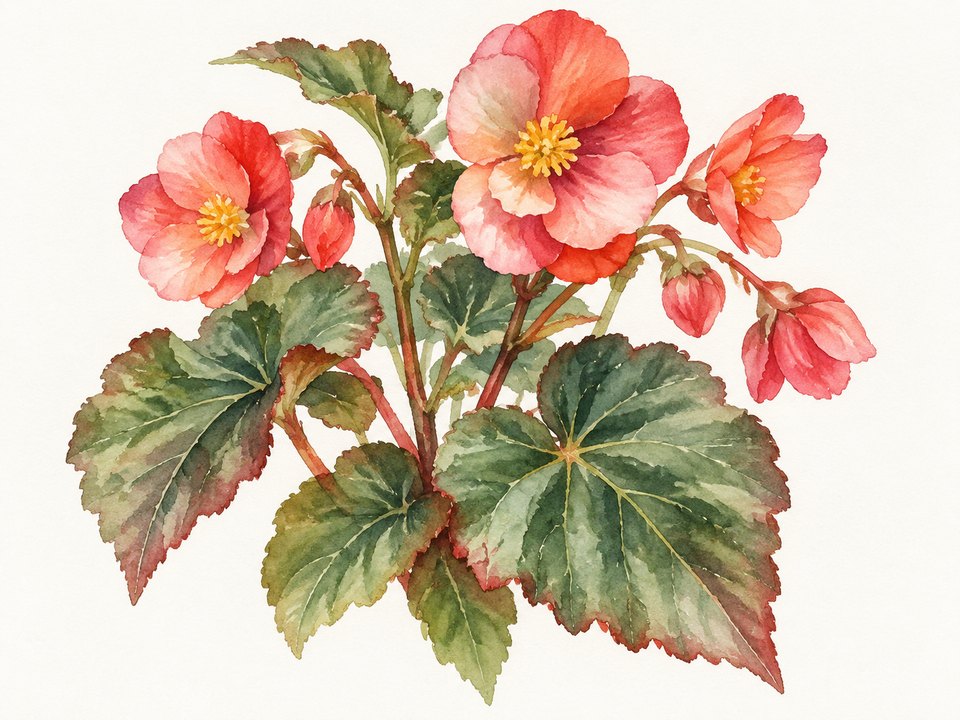 Illustration
BegoniaBegonia sppIllustration 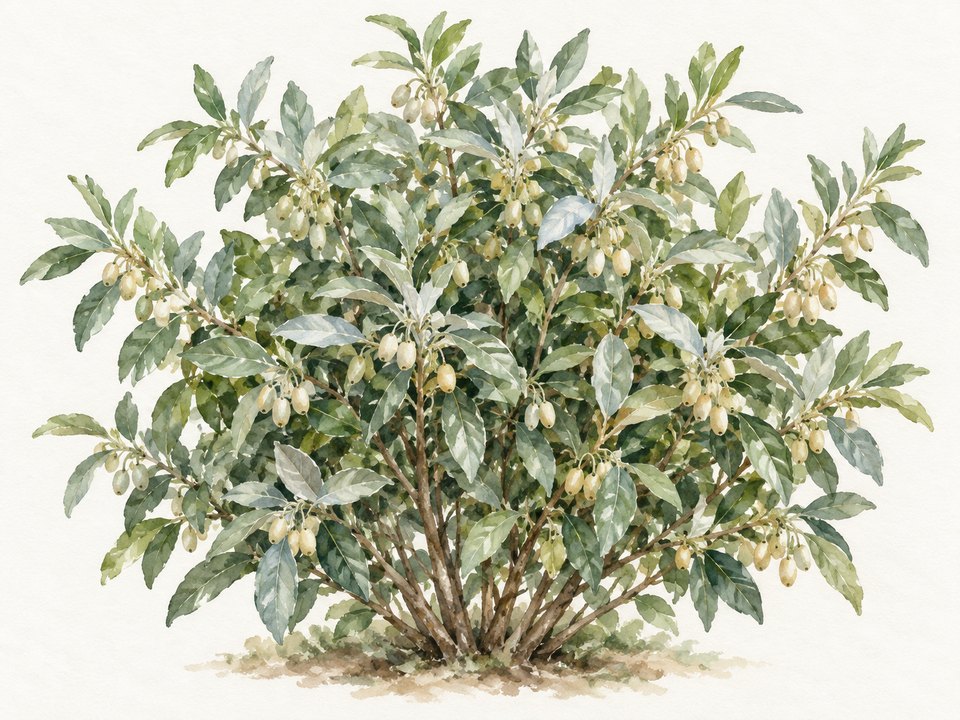 Illustration
EleagnusElaeagnus sppIllustration 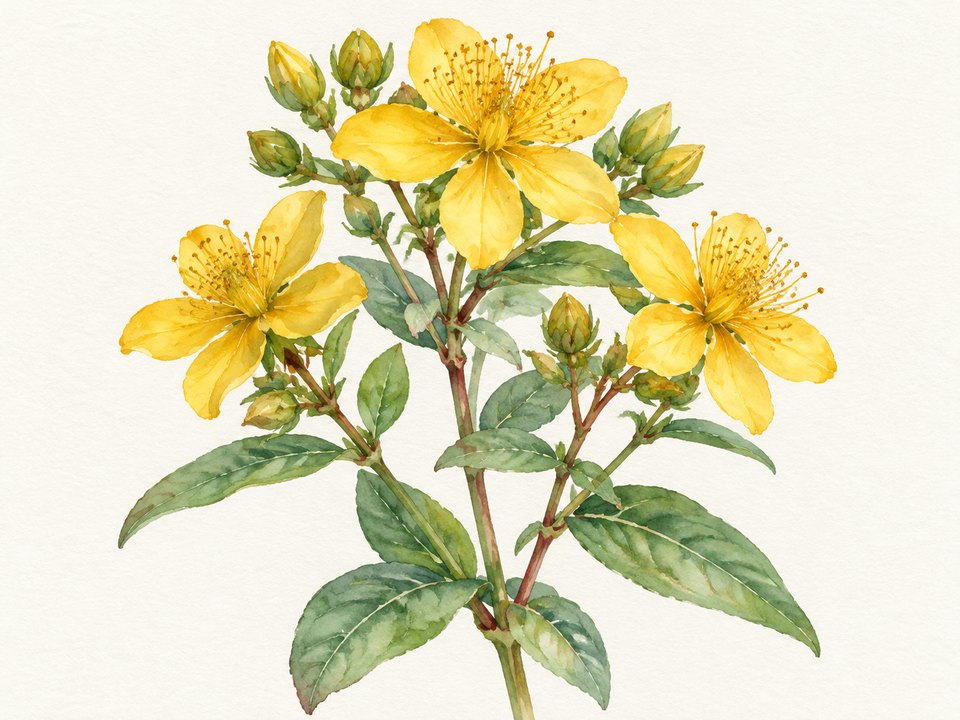 Illustration
HypericumHypericum sppIllustration 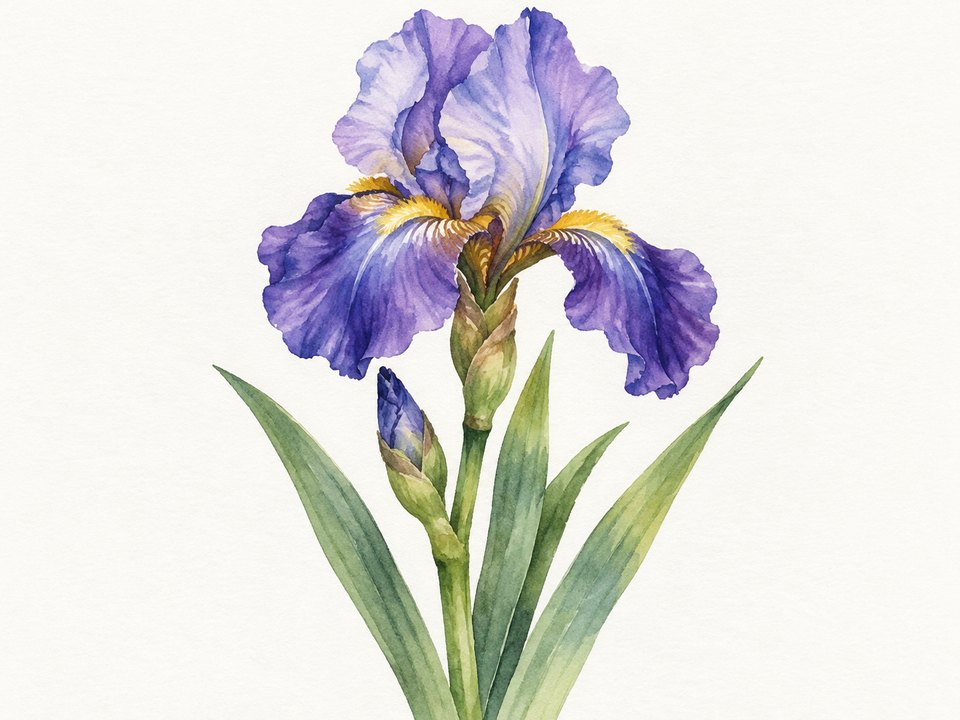 Illustration
IrisIris sppIllustration 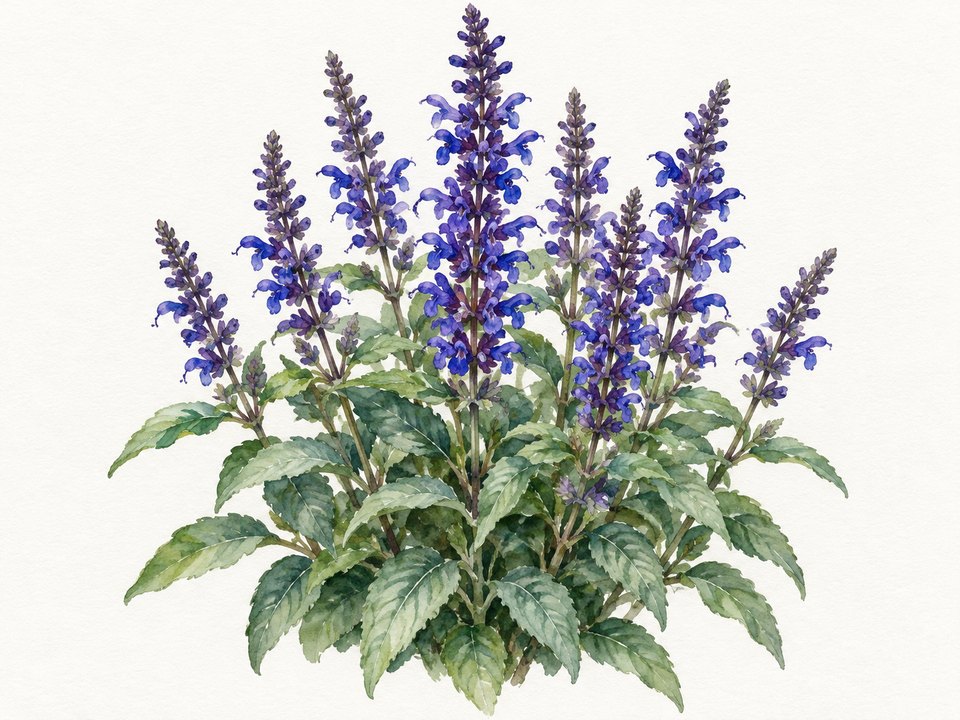 Illustration
Indigo SpiresSalvia 'Indigo Spires'Illustration 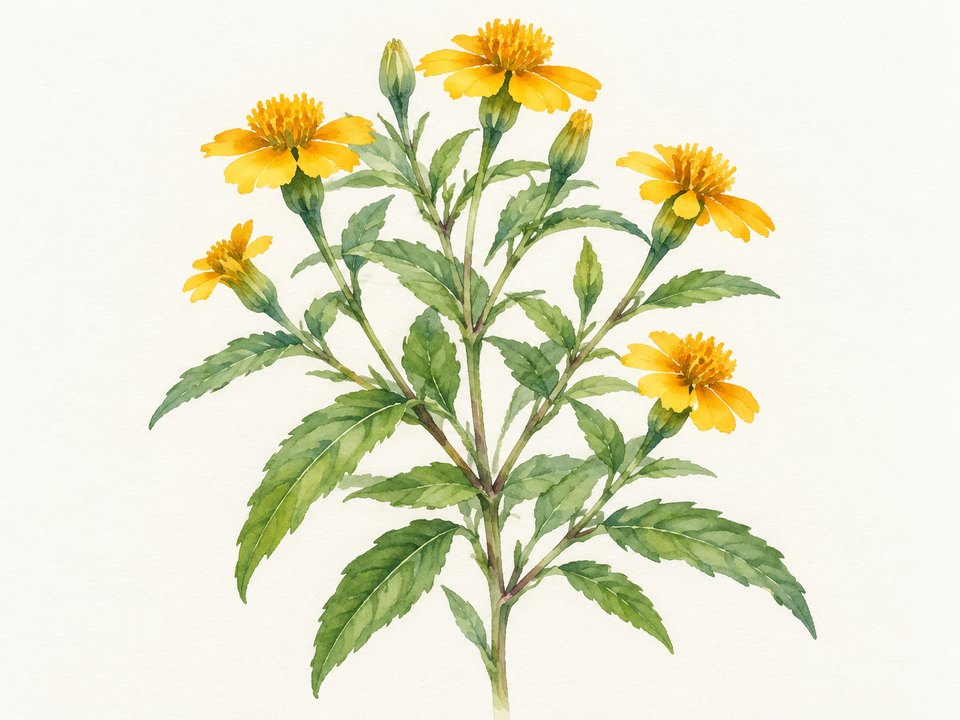 Illustration
Mexican Mint MarigoldTagetes lucidaIllustration 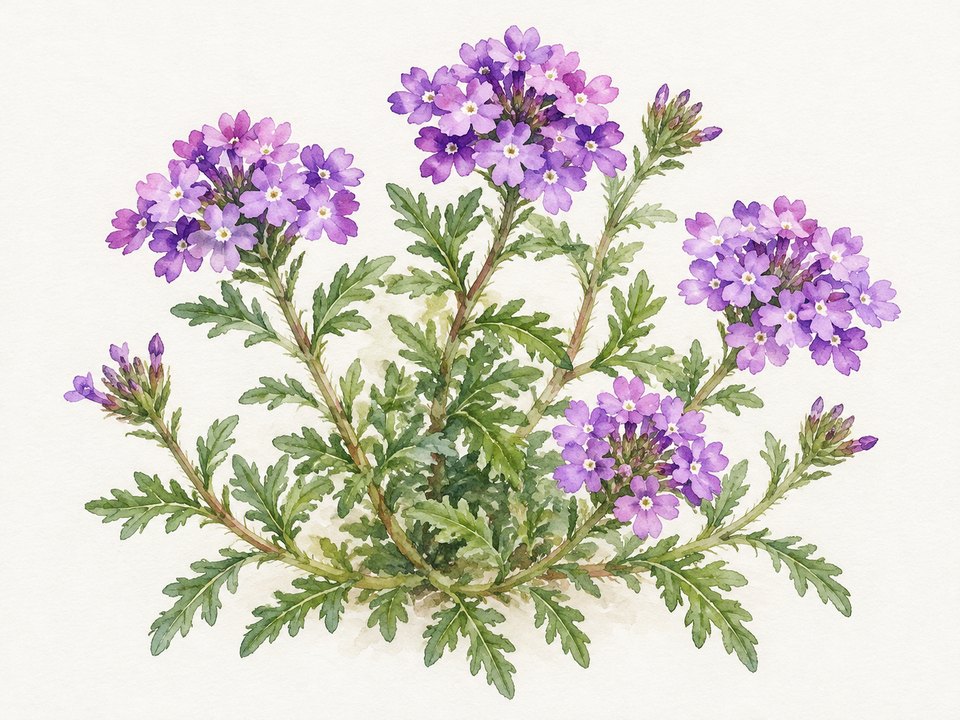 Illustration
Moss VerbenaGlandularia pulchellaIllustration 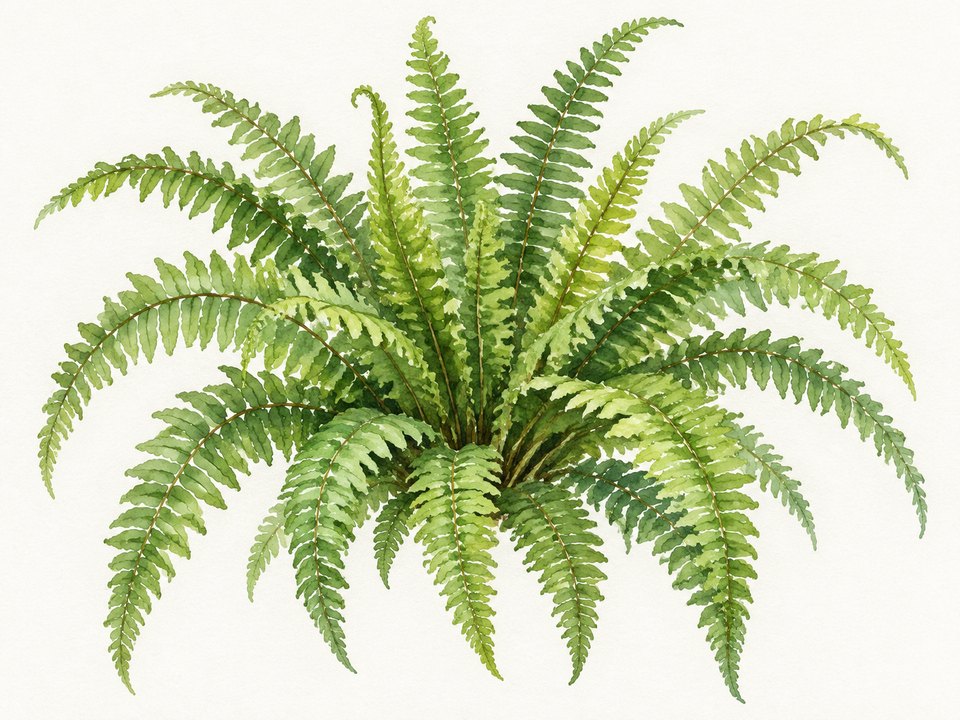 Illustration
Sword FernNephrolepis sppIllustration 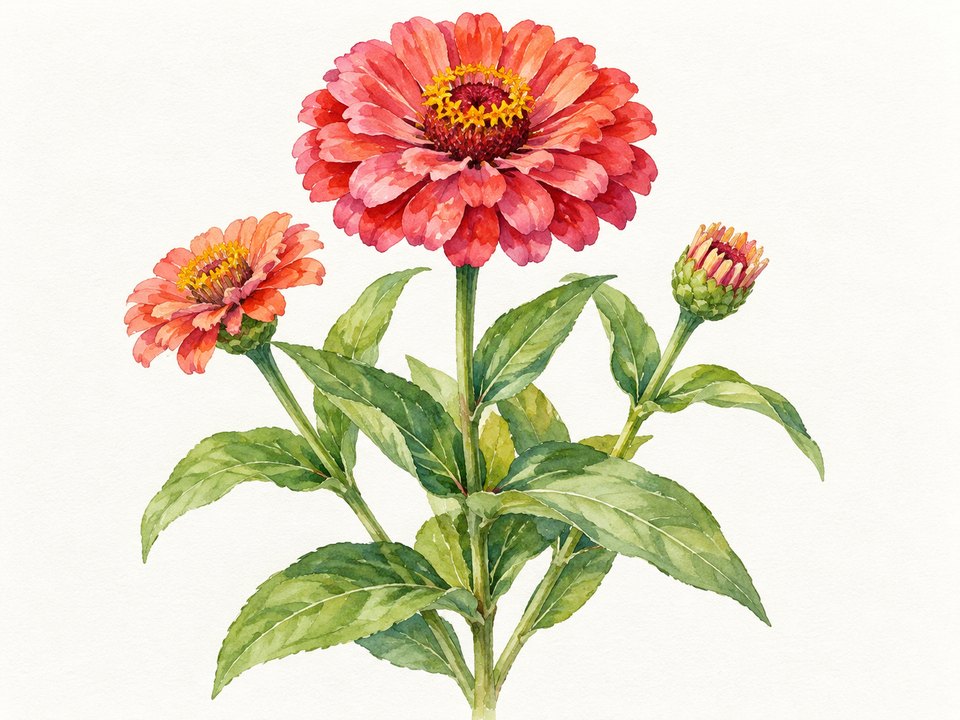 Illustration
ZinniaZinnia elegansIllustration 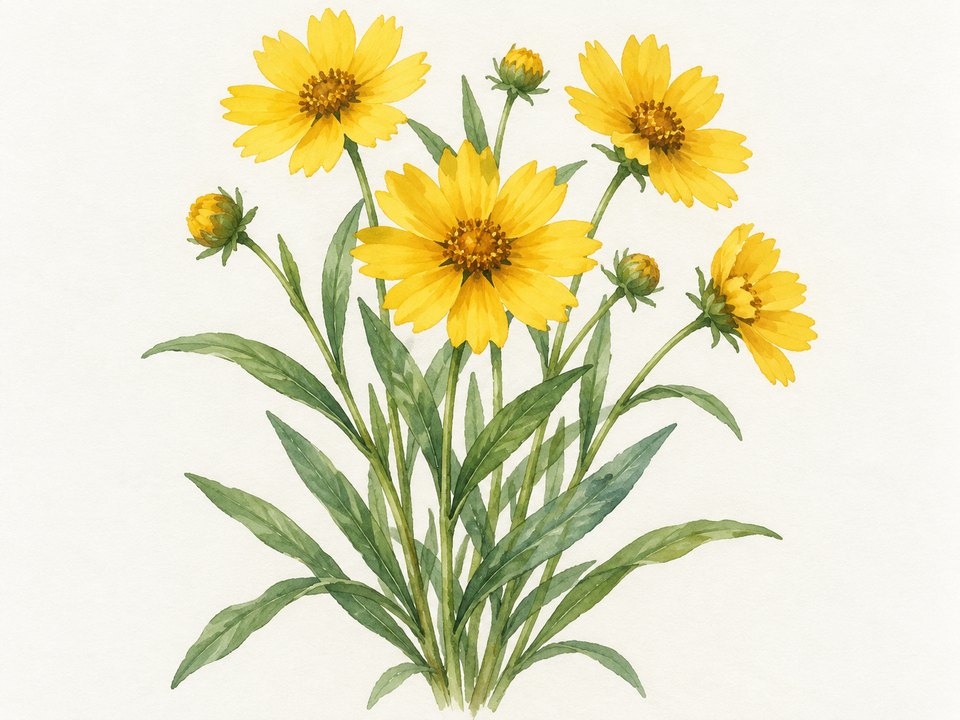 Illustration
Lanceleaf CoreopsisCoreopsis lanceolataIllustration 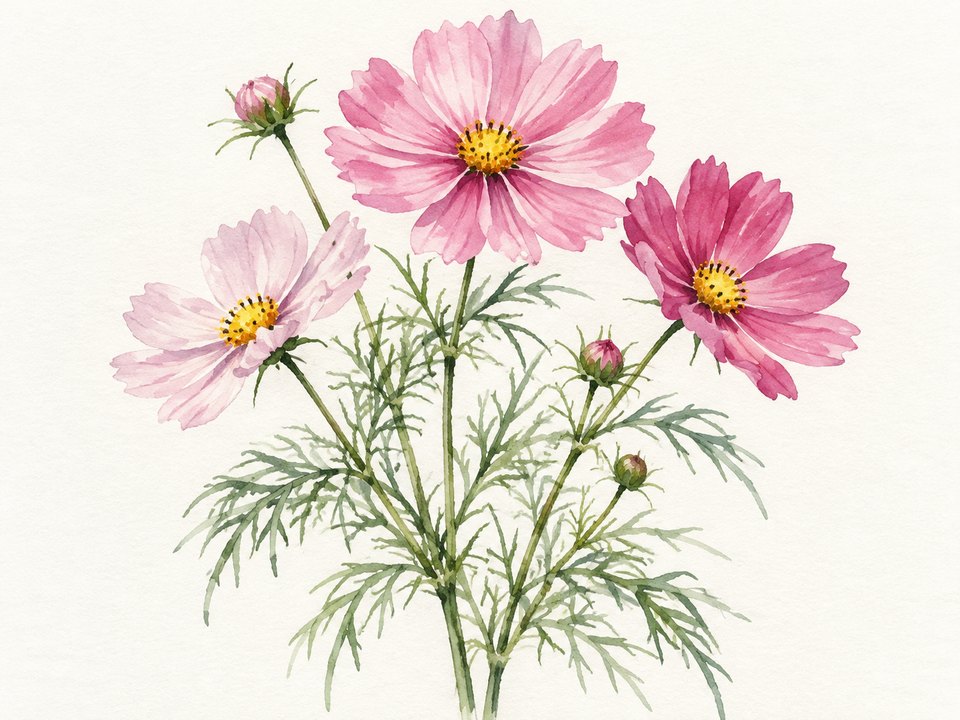 Illustration
CosmosCosmos bipinnatusIllustration 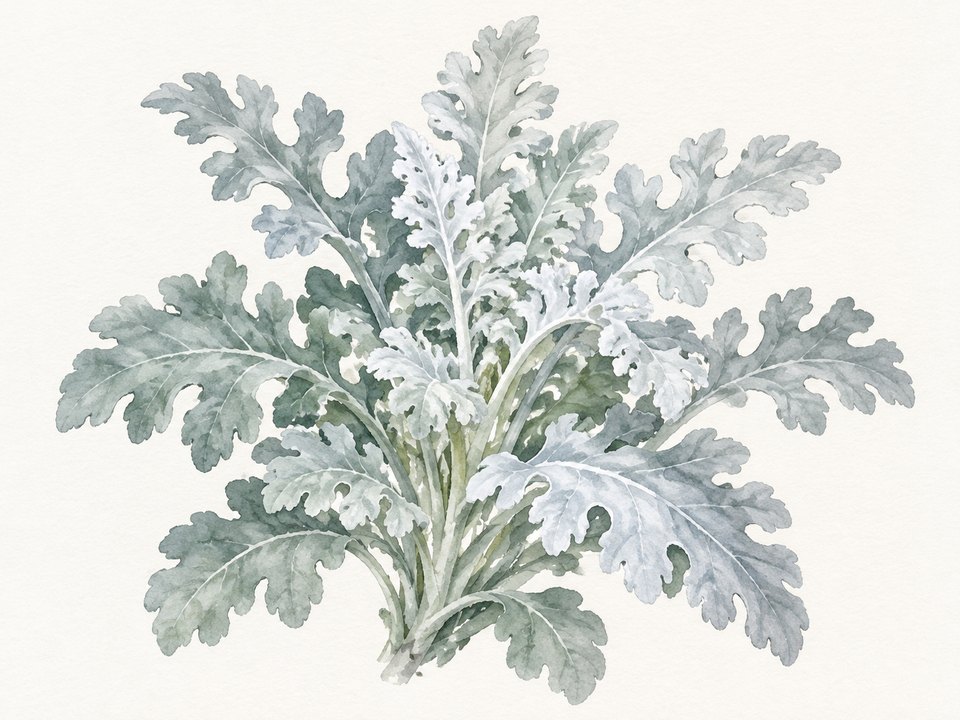 Illustration
Dusty MillerJacobaea maritimaIllustration 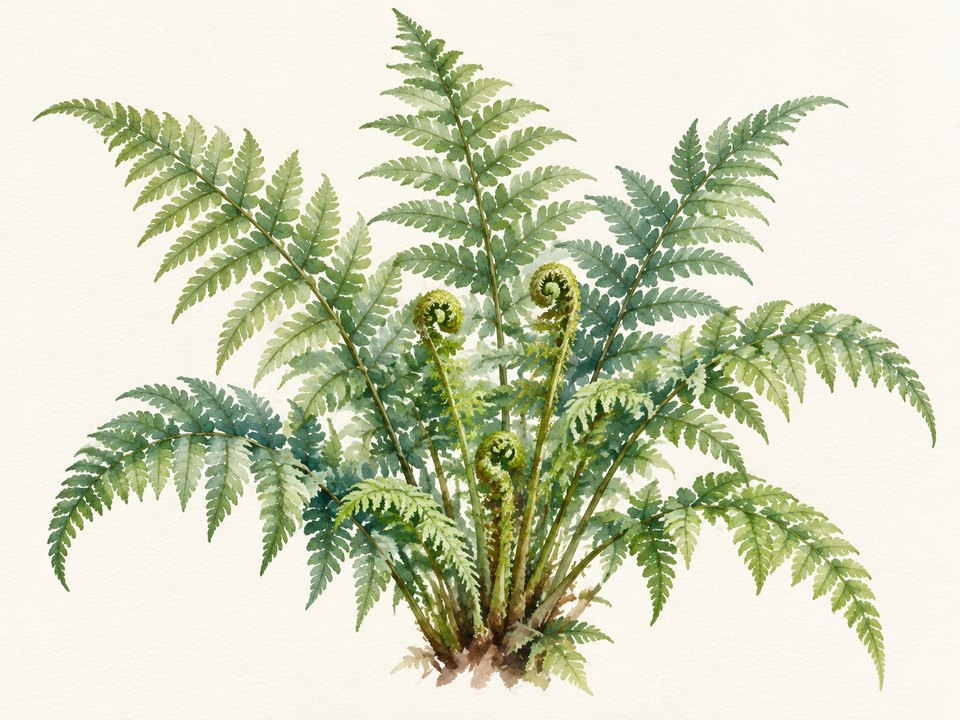 Illustration
Wood FernThelypteris kunthiiIllustration 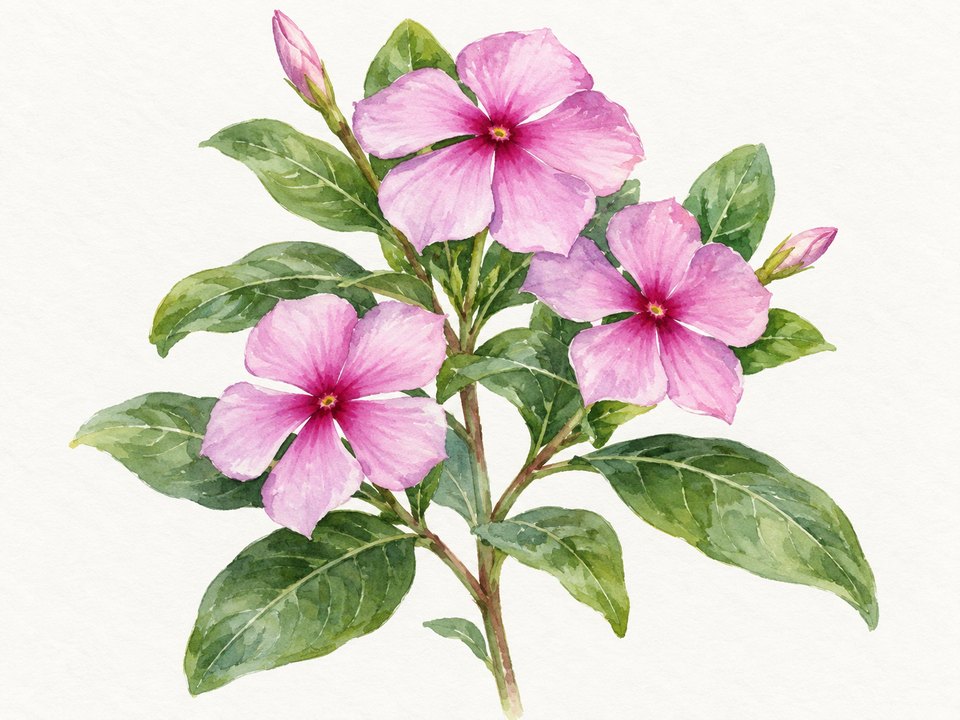 Illustration
PeriwinkleCatharanthus roseusIllustration 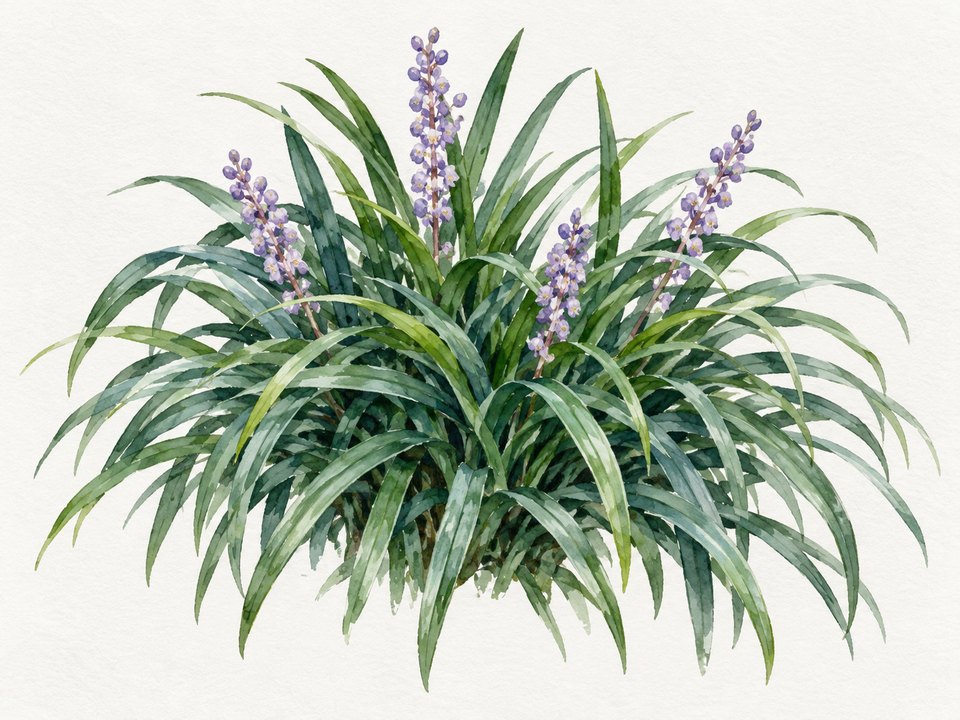 Illustration
Mondo GrassOphiopogon japonicusIllustration 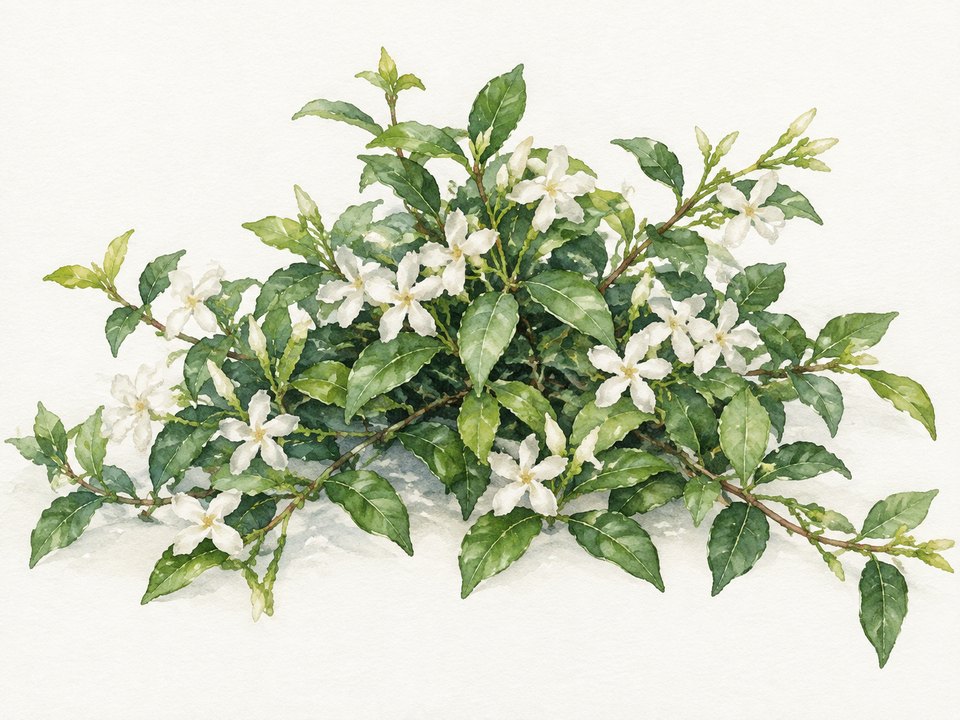 Illustration
Asian JasmineTrachelospermum asiaticumIllustration 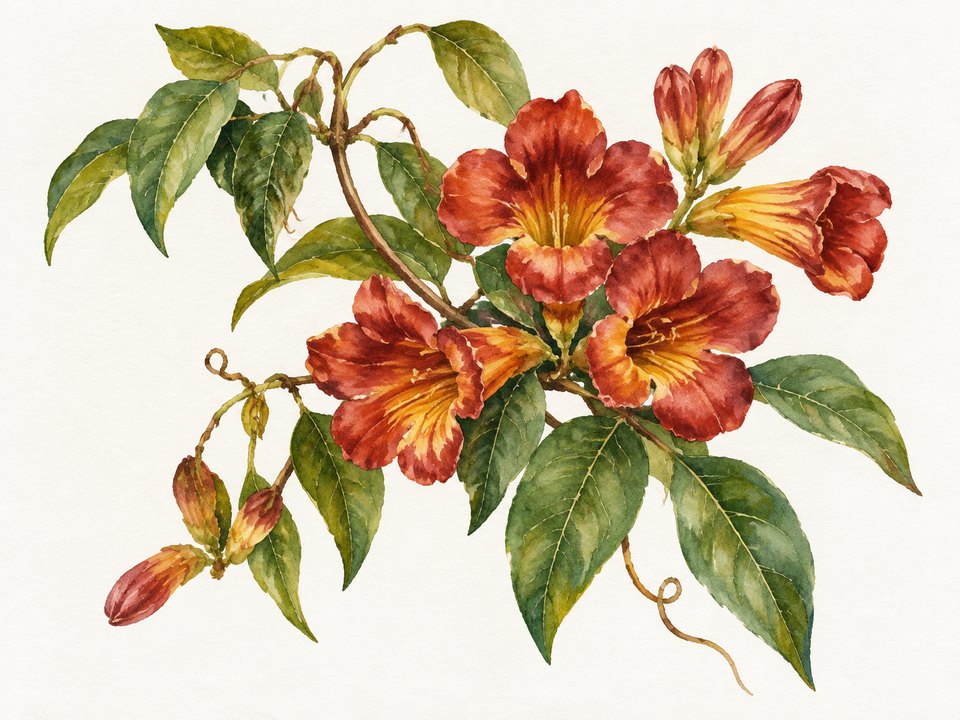 Illustration
CrossvineBignonia capreolataIllustration 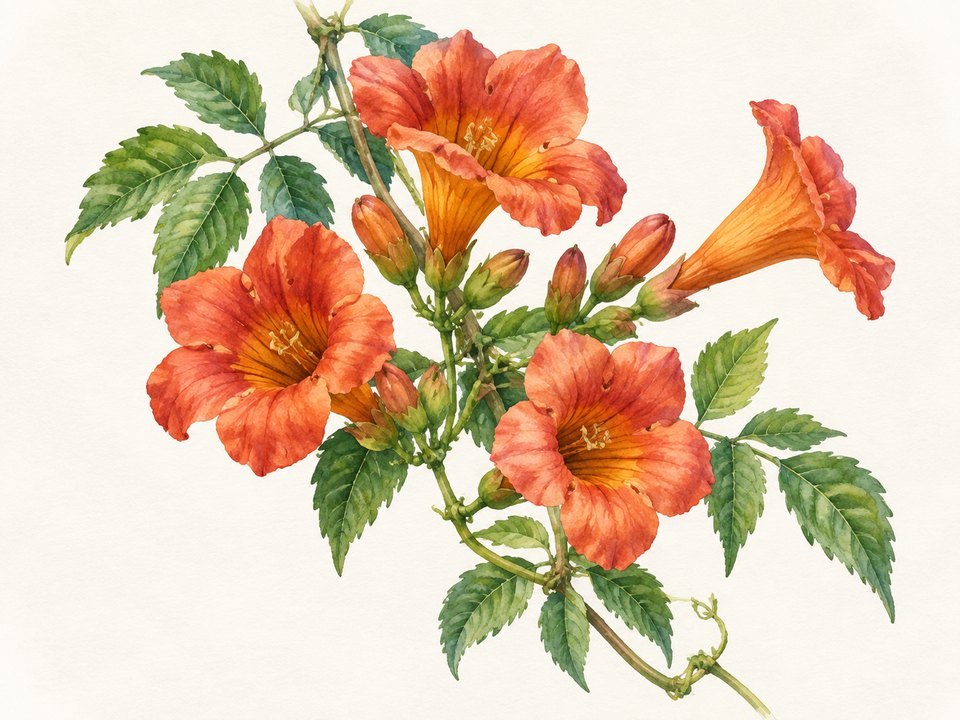 Illustration
Trumpet VineCampsis radicansIllustration 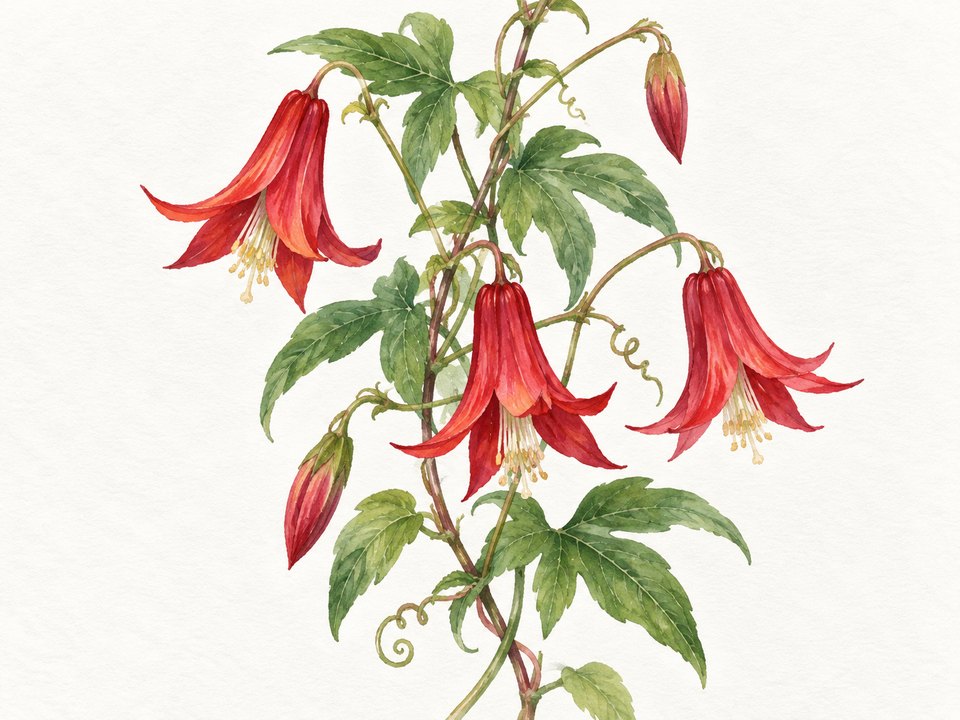 Illustration
Scarlet Leather-FlowerClematis texensisIllustration 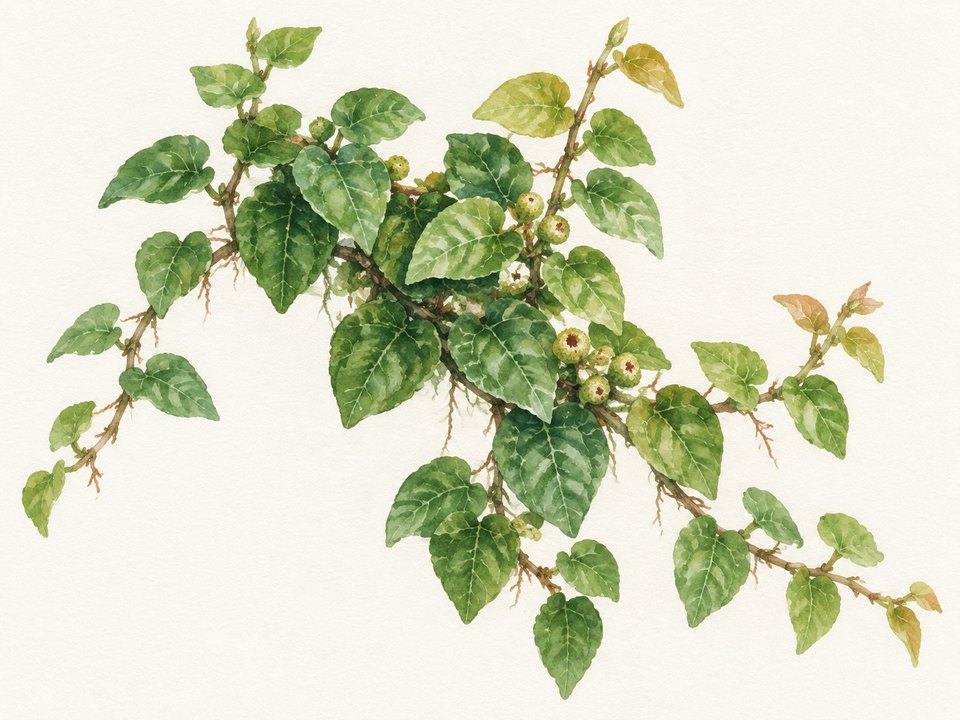 Illustration
Fig IvyFicus pumilaIllustration 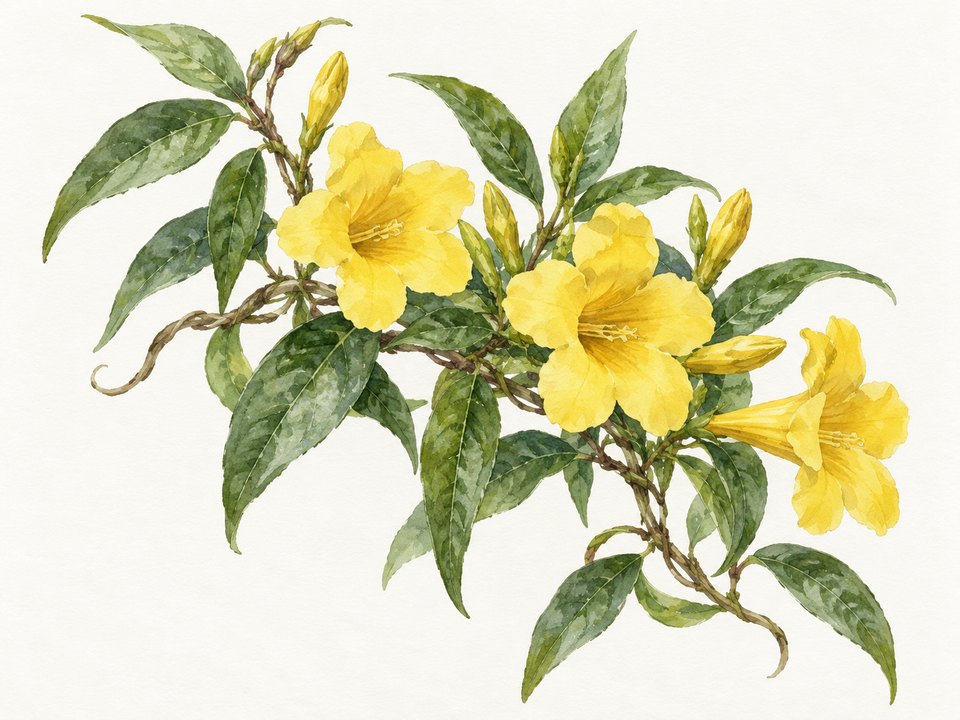 Illustration
Carolina JessamineGelsemium sempervirensIllustration 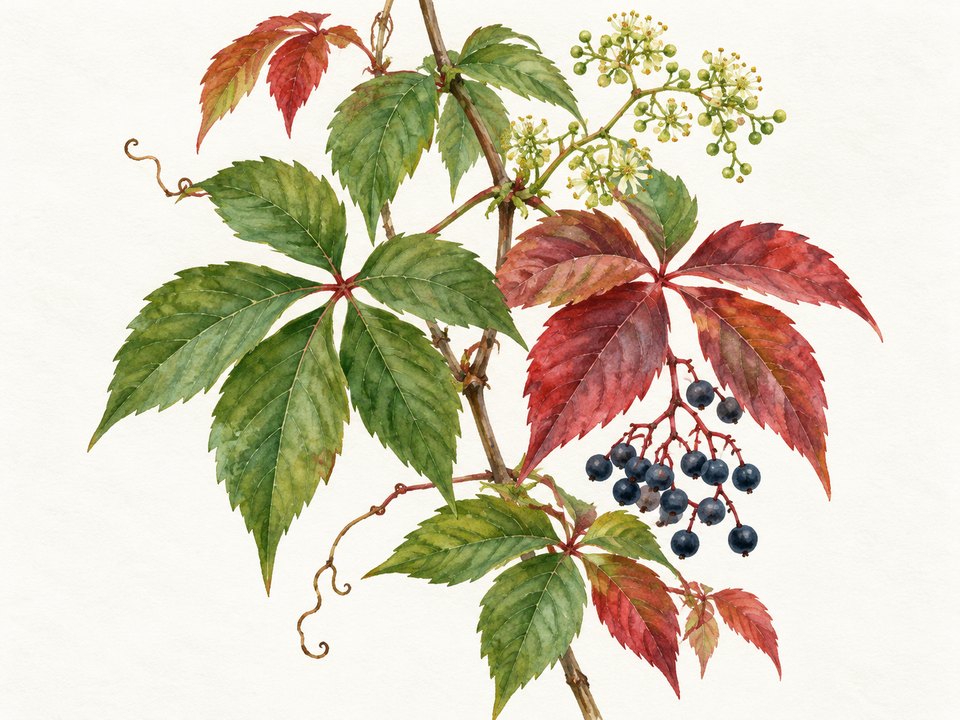 Illustration
Virginia CreeperParthenocissus quinquefoliaIllustration 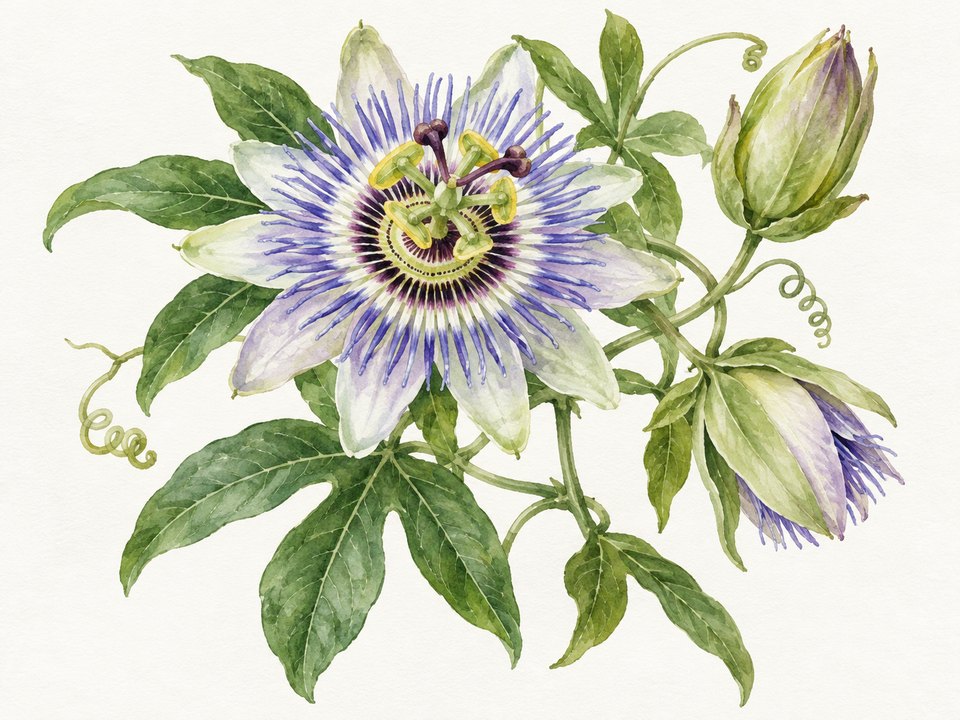 Illustration
Passion FlowerPassiflora incarnataIllustration 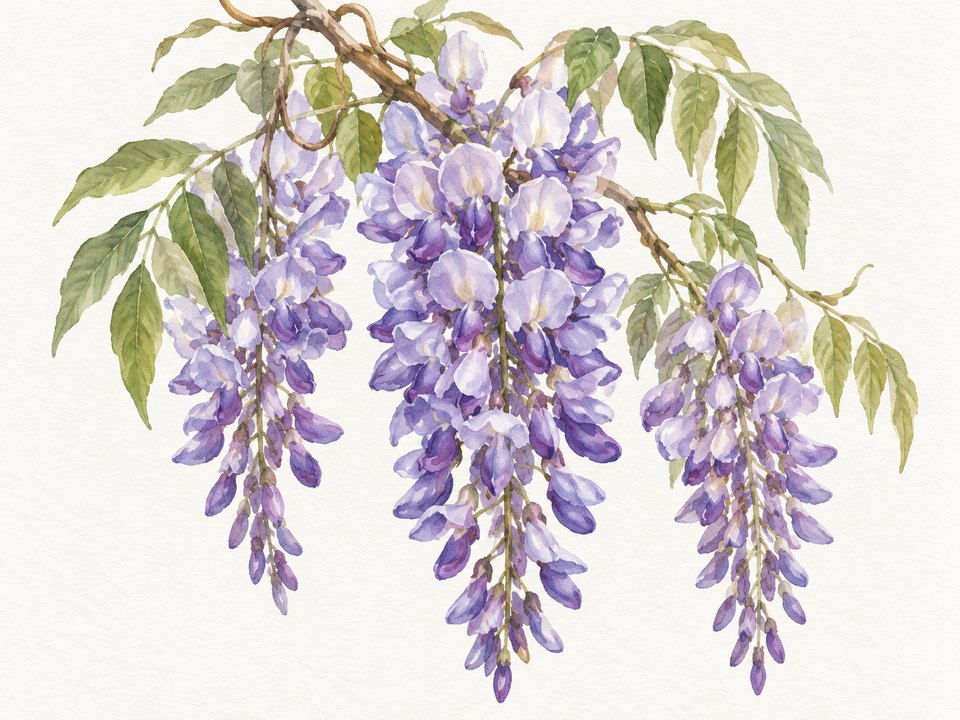 Illustration
WisteriaWisteria sinensisIllustration
Units 5 and 9: separate the preserve from the landscape area
The initial group for Units 2 and 3 Phase 1 appears here too. It covers trees, shrubs and annuals/perennials/grasses. Here, it falls under Natural Vegetation Preserve. Those plants may be used throughout the lot. Both copies use Redbud and Cactus. Both retain the unresolved Chilopsis linearis / Mesquite pair. The broader additional group above is for clearly bounded landscape areas directly related to the home. Beyond those boundaries, only the NVP group is allowed.[4][5]
Their native grass blend for restoration in the NVP names Blue Grama, Texas Panicum, Sideoats Grama, Little Bluestem, Green Sprangletop, Indiangrass and Buffalo Grass.[4][5]
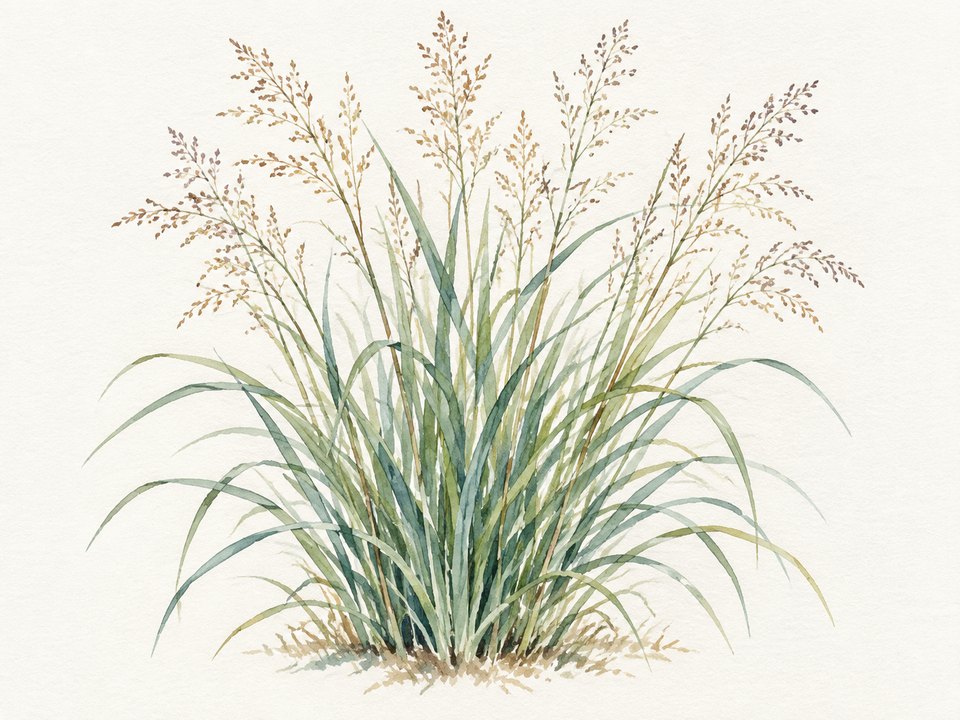 Illustration
Texas PanicumPanicum texanumIllustration 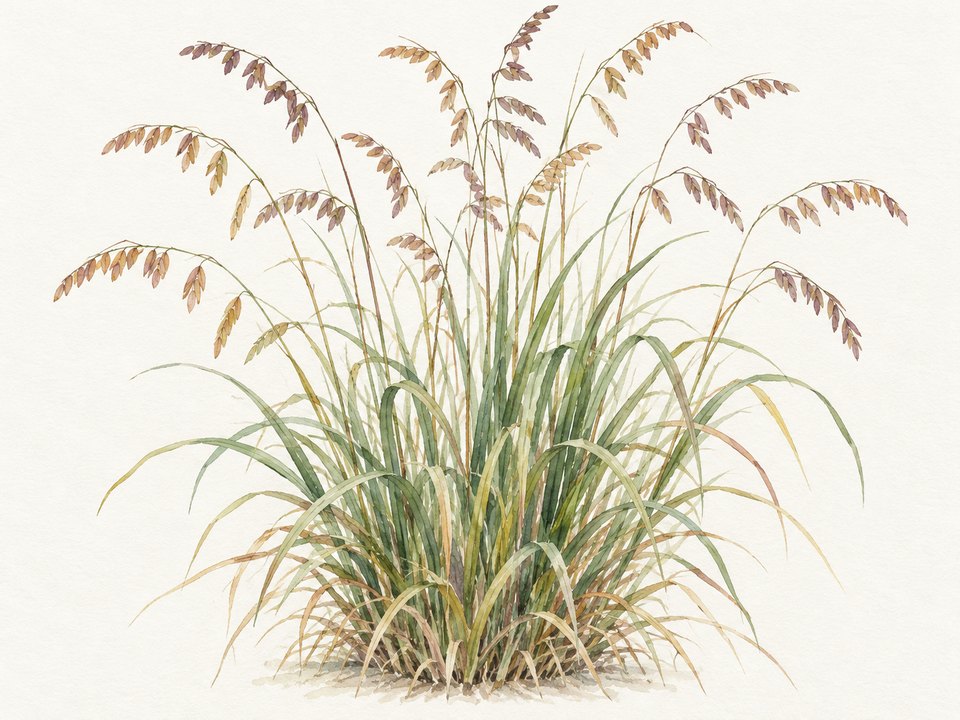 Illustration
Sideoats GramaBouteloua curtipendulaIllustration 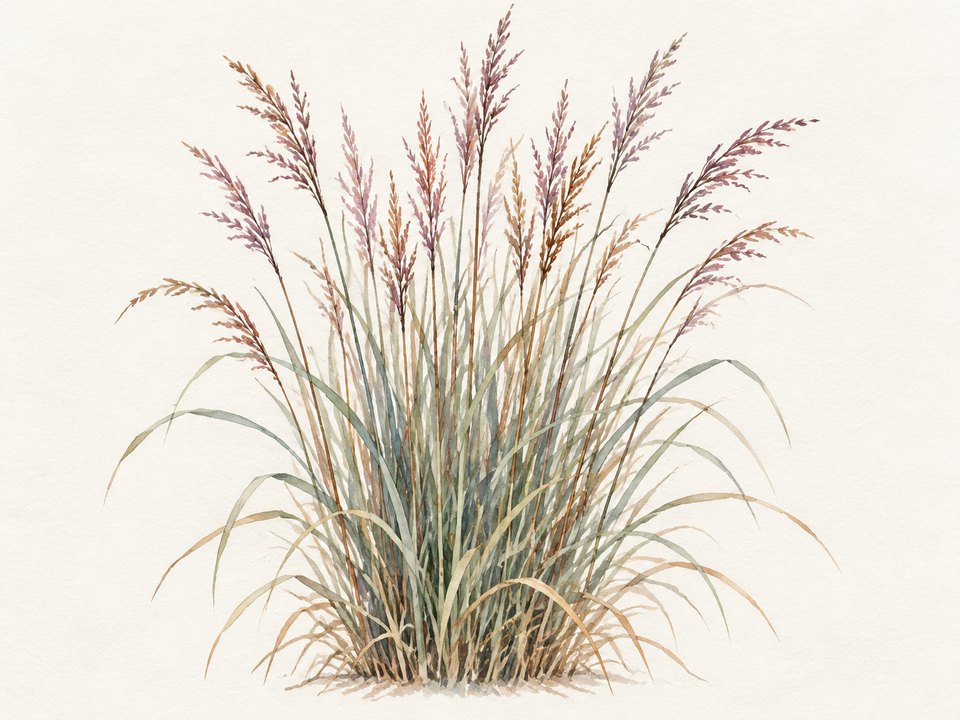 Illustration
Little BluestemSchizachyrium scopariumIllustration 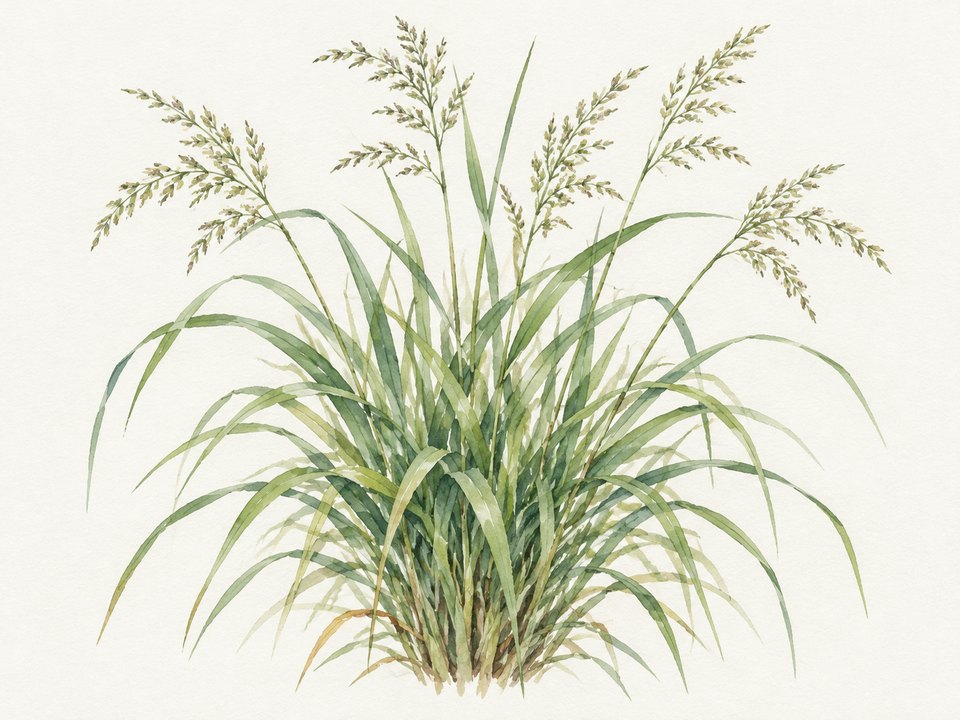 Illustration
Green SprangletopLeptochloa dubiaIllustration 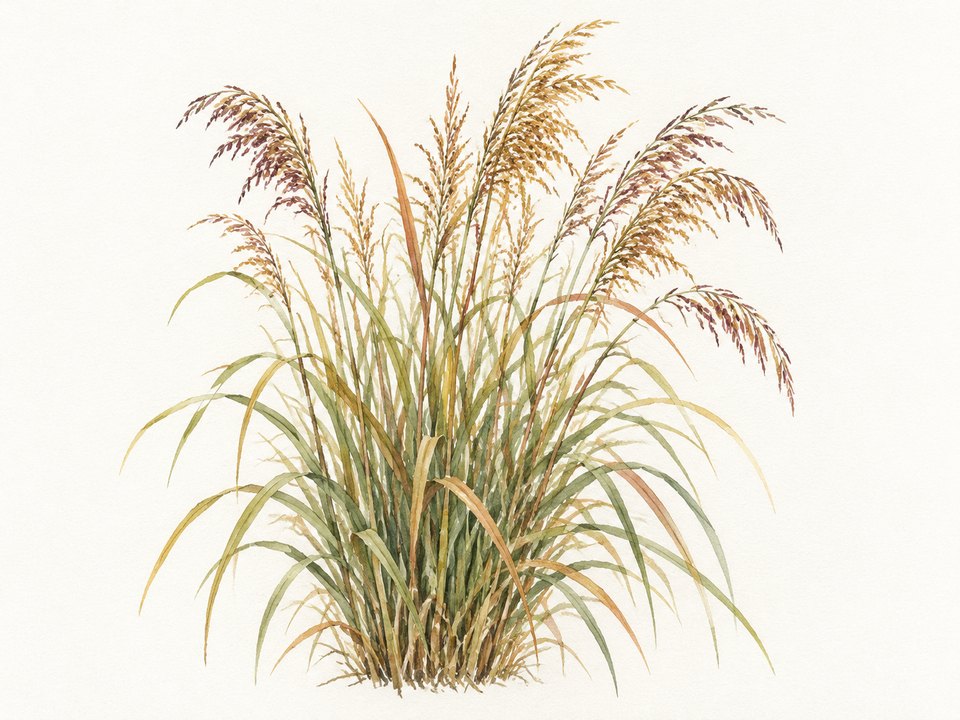 Illustration
IndiangrassSorghastrum nutansIllustration
Units 4, 3 Phase 2 and 6: the expanded list
These units have a much larger list. Use the correct unit copy when submitting a plan. The names below retain the listed cultivars and groups. A generic picture does not replace them. The printed sizes describe expected mature plants. They are not property-line setbacks. The lists use one asterisk for shade. Two means sun and shade. Three means some deer resistance. Some inherited marks are inconsistent. No plant is deer-proof.[14][13][15]
Perennials and grasses
The list includes Yarrow; Turks cap; Mexican Oregano; Sacahuista (Nolina texana); Fountain Grass; Mexican Bush Sage (printed Salvia leucanthia); Cedar Sage (Salvia roemeriana, repeated twice); Blue Grama; Bermuda Grass 'Tif 419'; Common Bermuda Grass; Zoysia Grass 'JaMur'; Zoysia Grass 'El Toro'; Buffalo Grass; Bronze Fennel.
St. Augustine is prohibited.
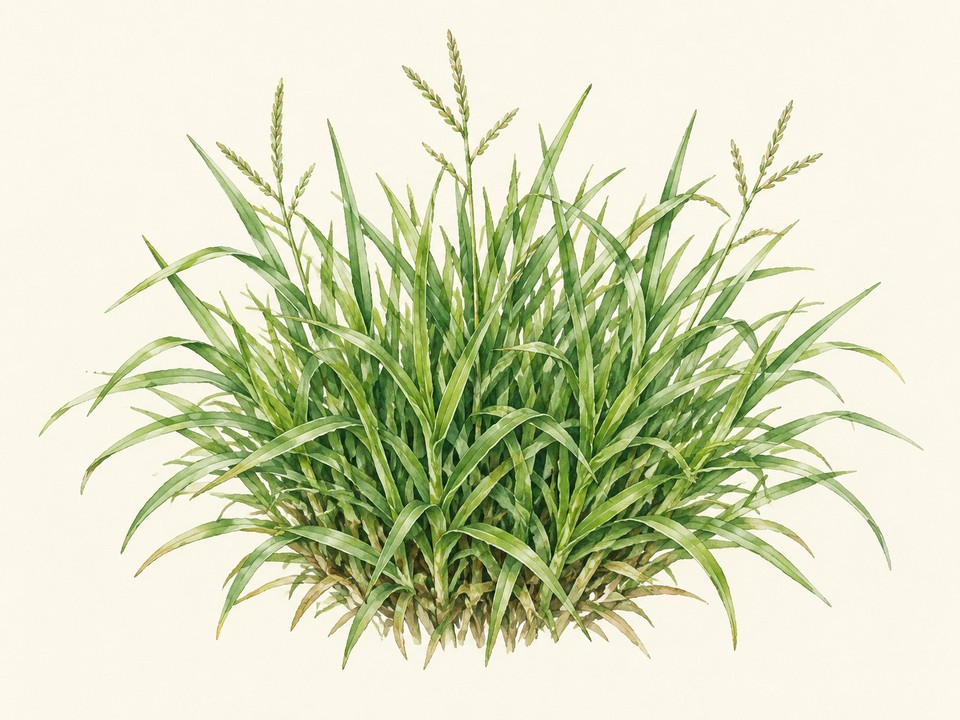 Illustration
Bermuda Grass Tif 419Cynodon dactylon x transvaalensisIllustration 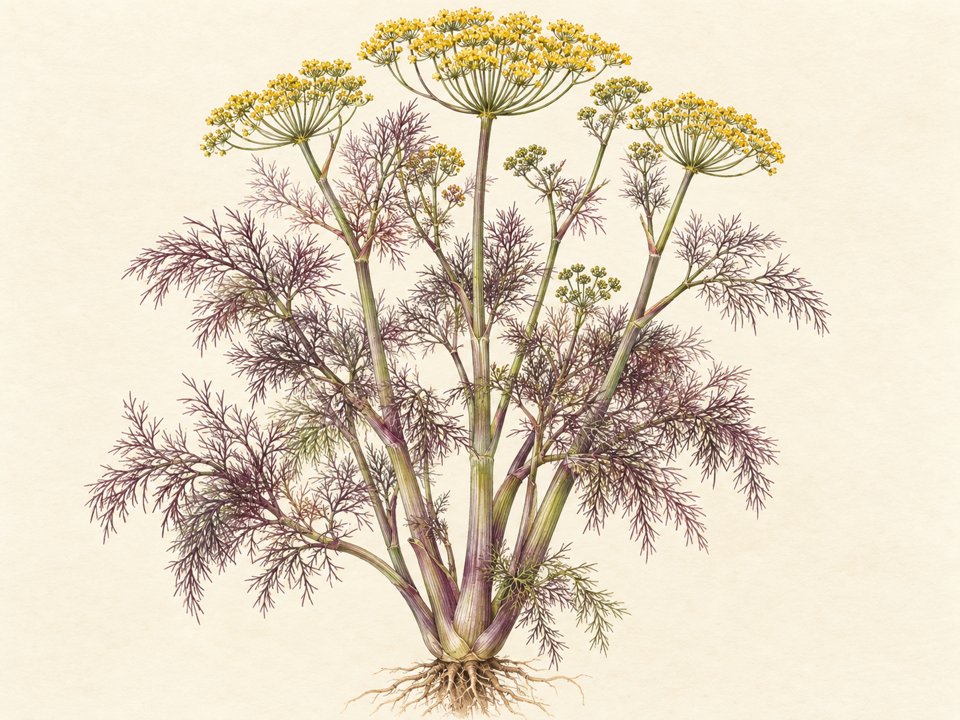 Illustration
Bronze FennelFoeniculum vulgareIllustration
Flowers, ferns and herbs
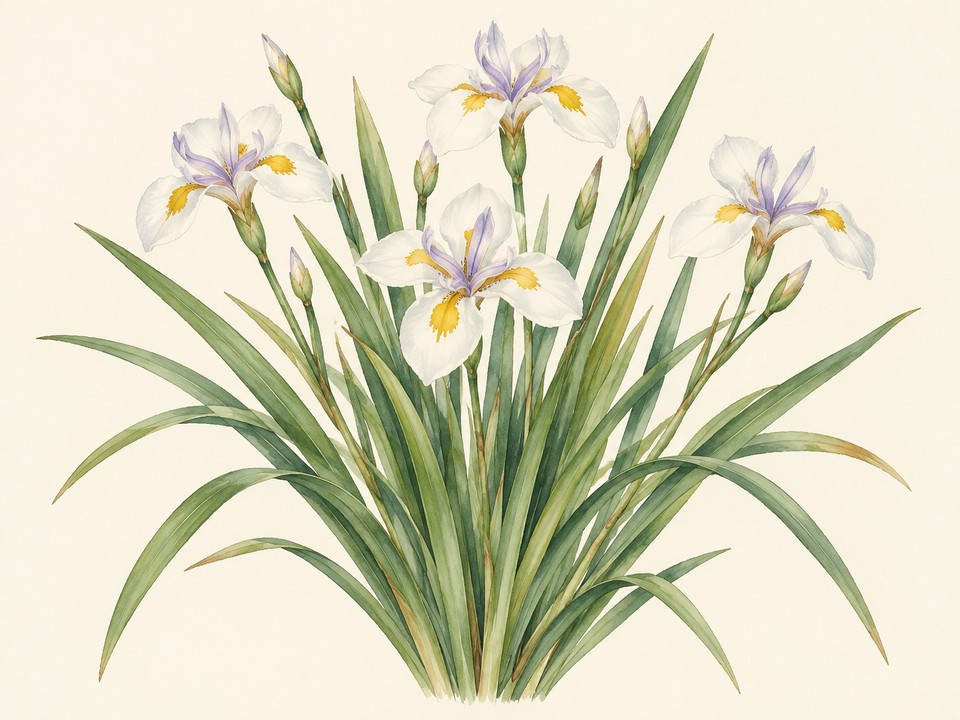
The list includes Ageratum; Begonia; Coreopsis; Lanceleaf Coreopsis; Cosmos; Purple Cone Flower; Iris; Bluebonnet; Sword Fern; Mealy Blue Sage; Indigo Spires; Dusty Miller; Mexican Mint Marigold; Wood Fern; Moss Verbena; Periwinkle; Zinnia; Huisache Daisy (printed Huisaache); Autumn Aster; Indian Paintbrush; Calliopsis; Indian Blanket; Gayfeather; Blue Flax; Blackfoot Daisy; Three/lower Melic; Seep Muhly; Turks cap; Black-eyed Susan; Scarlet Sage; Englemann Sage (printed Englemamm); Mealy Blue Sage (repeated); African Iris; Amaryllis; Asparagus Fern; Chives; Elephant Ear; Four Nerve Daisy; Foxtail Fern; Gardenia; Gaura; Lady Bird's Centaury; Lamb's Ear; Lavender; Lemon Grass.
 Illustration
African IrisDietes iridioidesIllustration 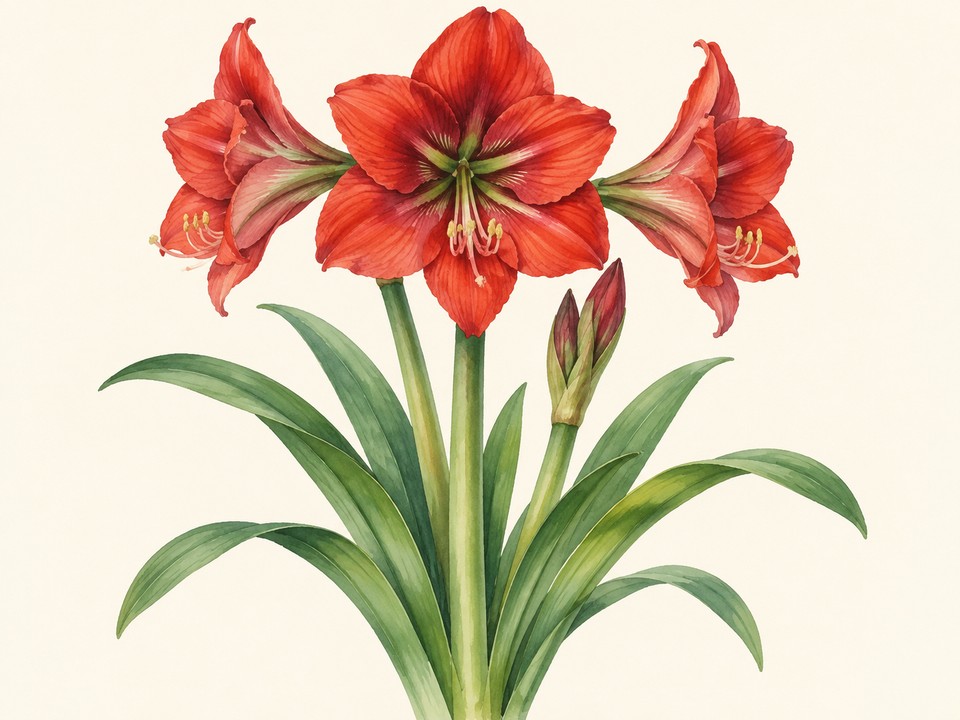 Illustration
AmaryllisHippeastrumIllustration 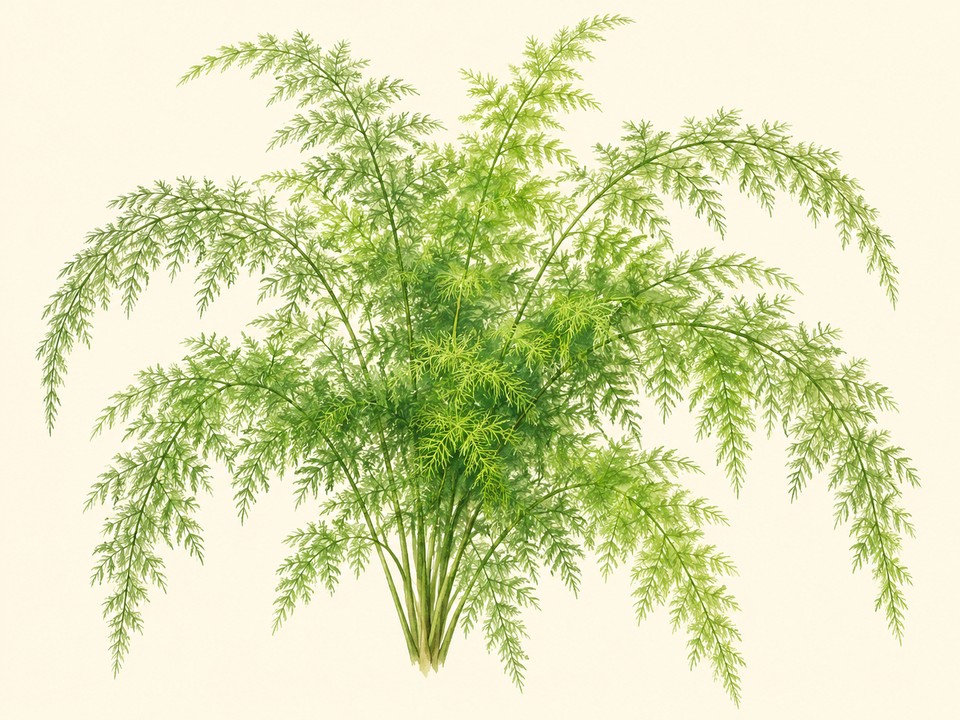 Illustration
Asparagus FernAsparagus densiflorusIllustration 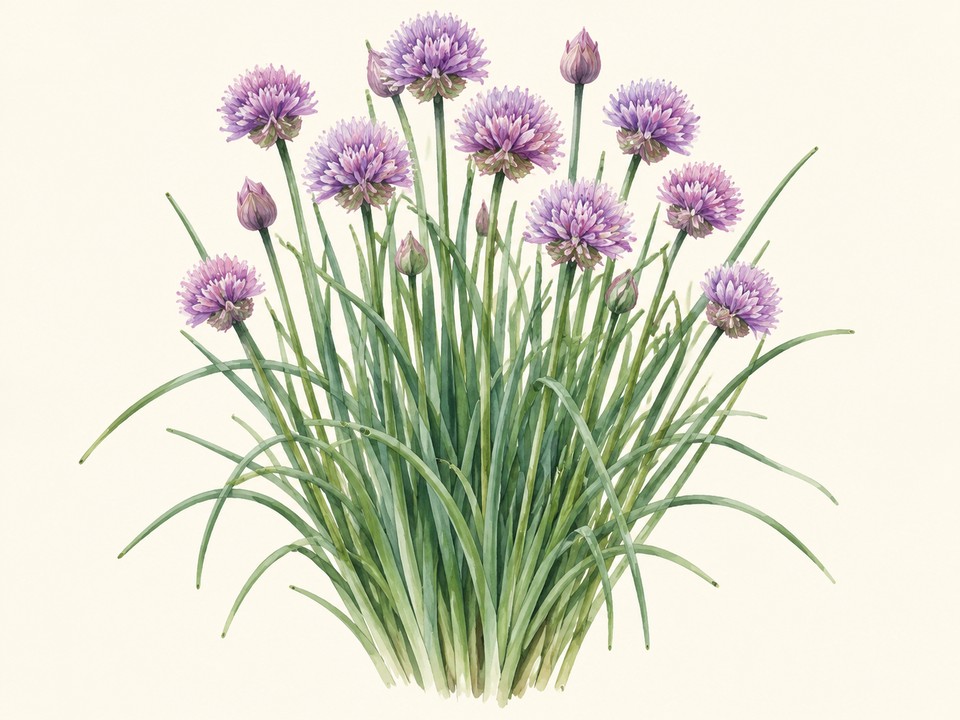 Illustration
ChivesAllium schoenoprasumIllustration 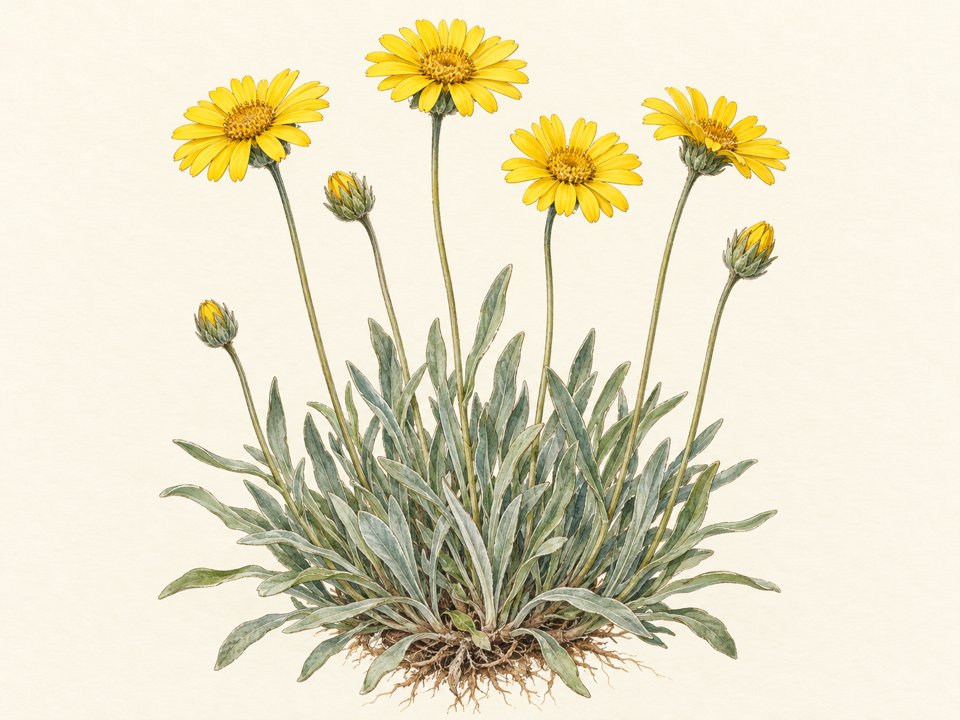 Illustration
Four Nerve DaisyTetraneuris scaposaIllustration 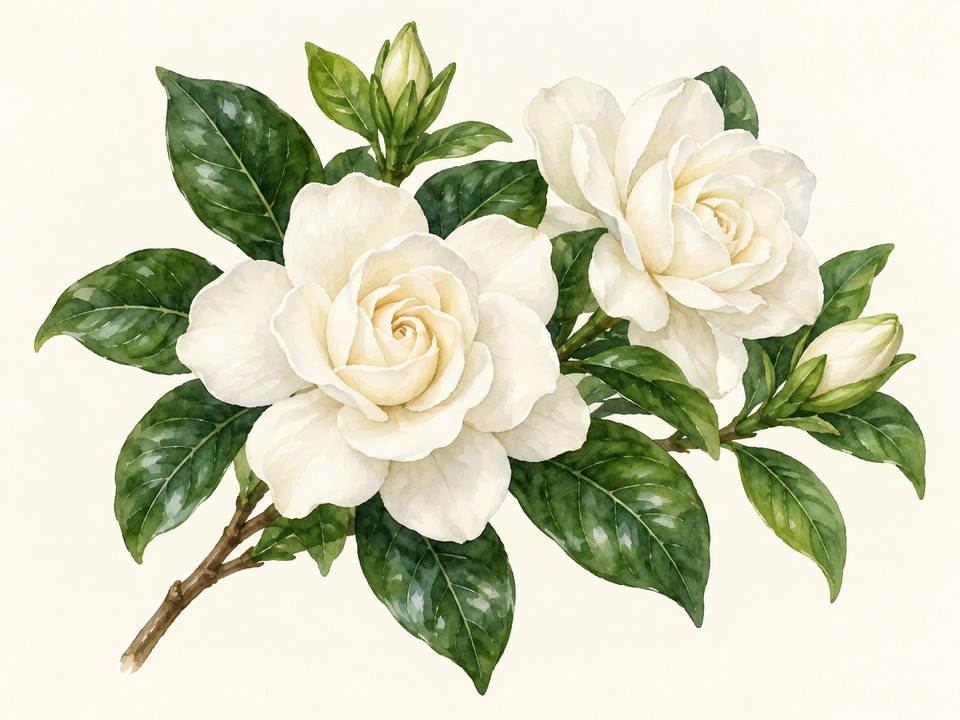 Illustration
GardeniaGardenia jasminoidesIllustration 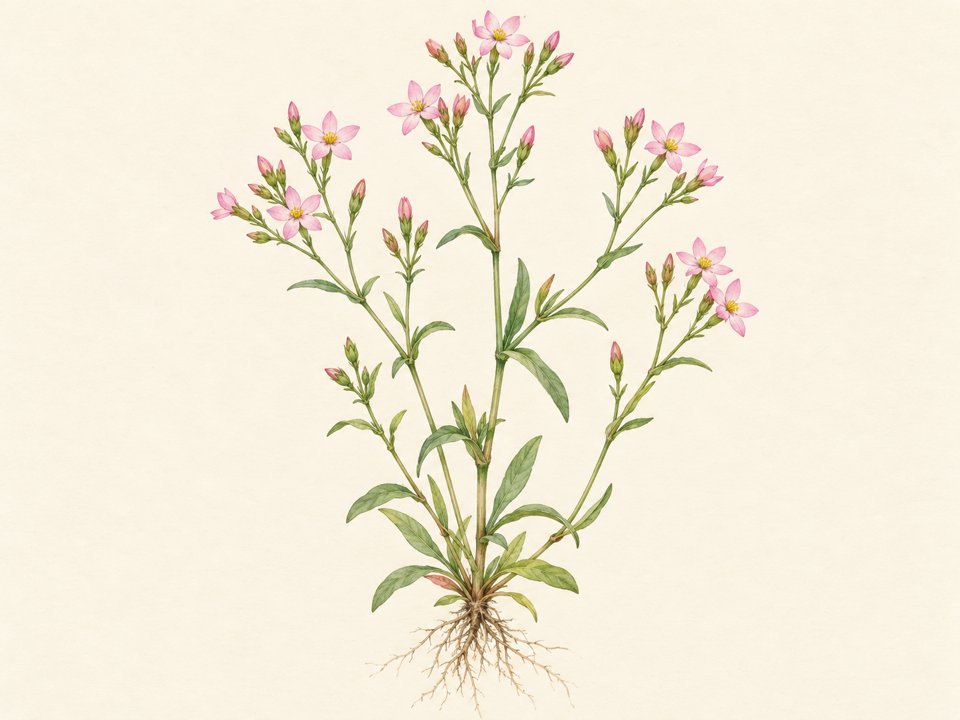 Illustration
Lady Bird's CentauryZeltneraIllustration 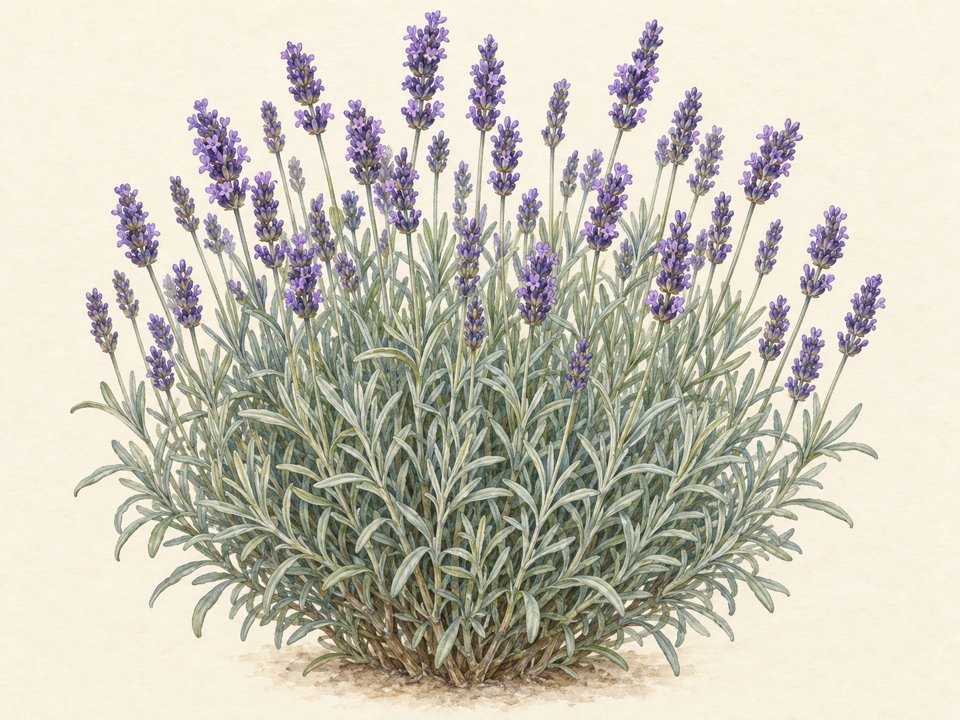 Illustration
LavenderLavandulaIllustration 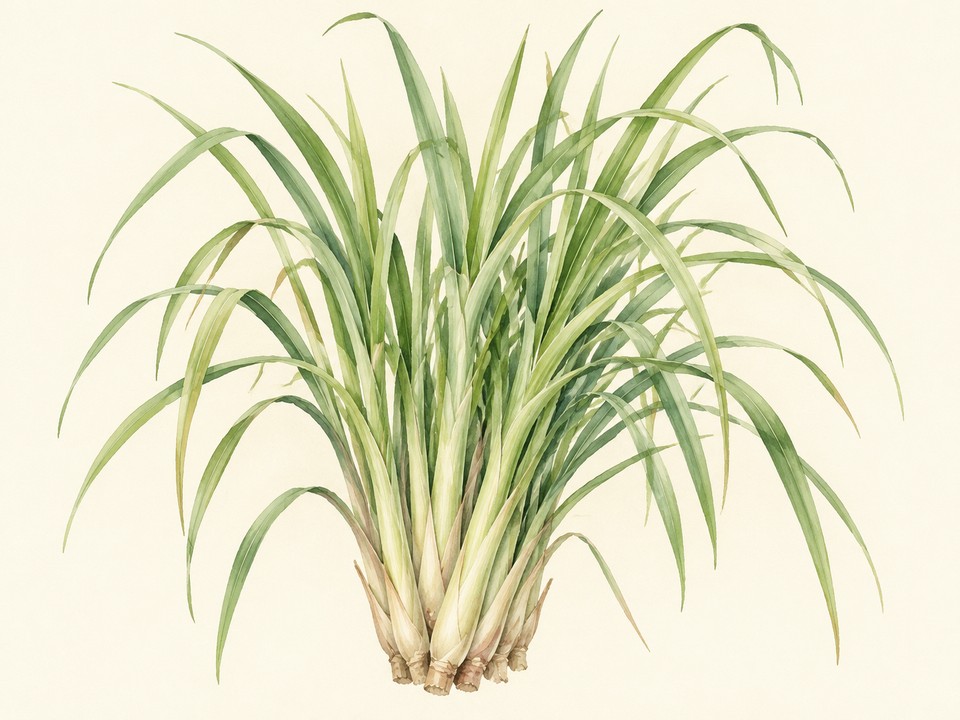 Illustration
Lemon GrassCymbopogonIllustration
Ground covers, stated spacing one foot apart
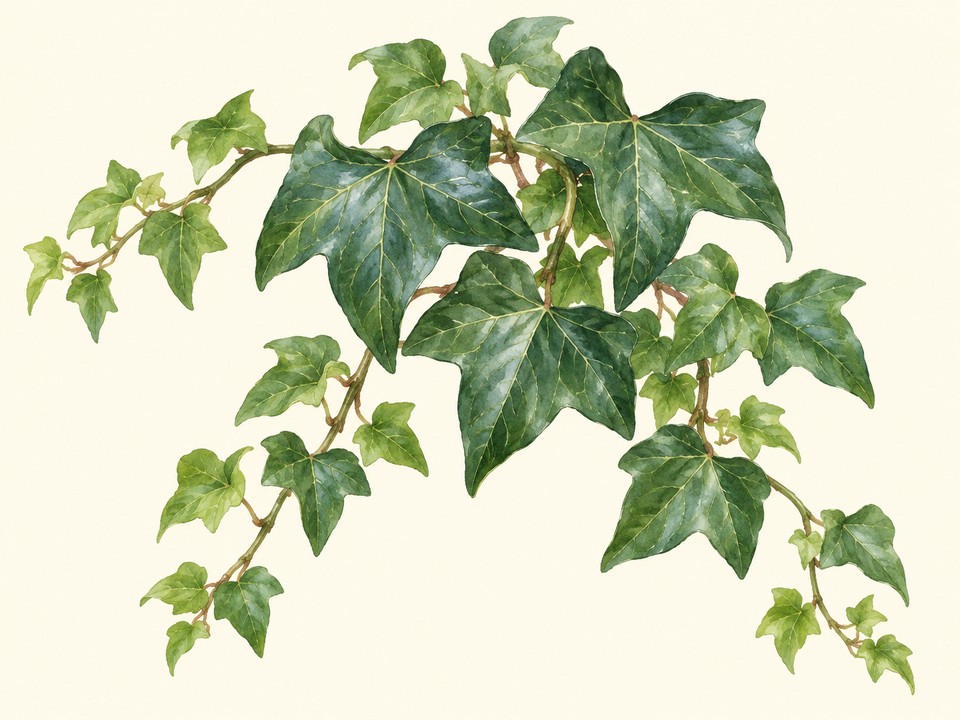
The list includes Algerian Ivy; Plumbago (deciduous); Asiatic Jasmine; Prostrate Rosemary (herb); Bearded Iris; Ruellia Dwarf Series (pink, purple, white); Confederate Jasmine; Santolina (gray and green); Day Lilies; Texas Gold Columbine; English Ivy; Trailing Juniper; Japanese Purple Honeysuckle; Trailing Lantana ('Harbors Dwarf', 'New Gold'); Liriope (standard, 'Big Blue', 'Giganta', printed Lirope); Nandina domestica, var.; Verbena 'Tex Tuf' (perennial, red, rose, purple); Oregano; Vinca Major; Wedelia (deciduous); Monkey Grass / Mondo Grass.
 Illustration
Algerian IvyHedera algeriensisIllustration 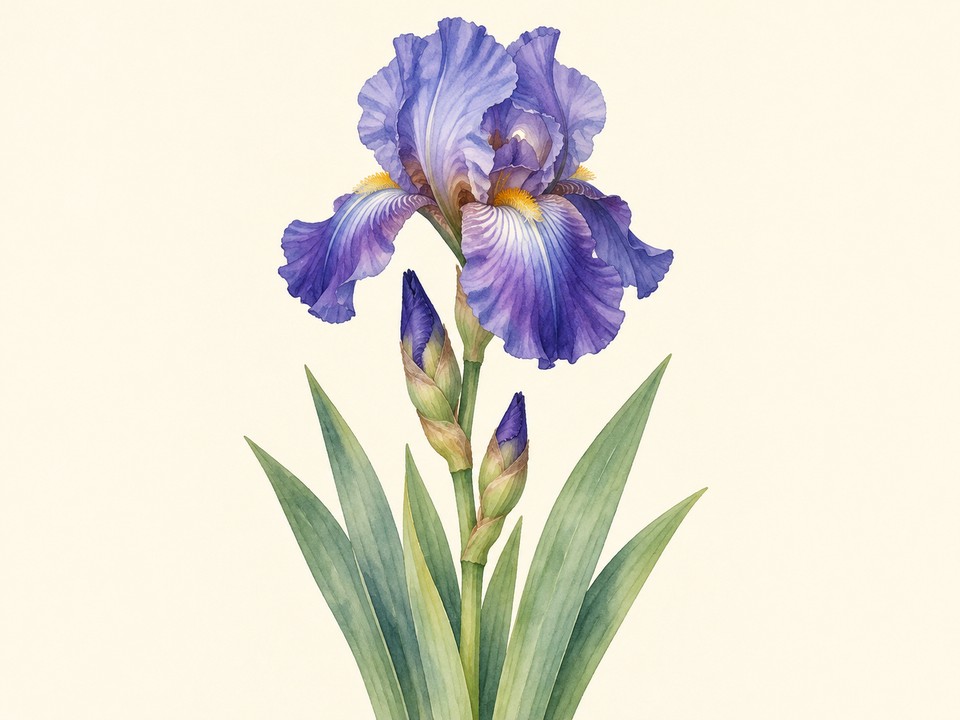 Illustration
Bearded IrisIris germanicaIllustration 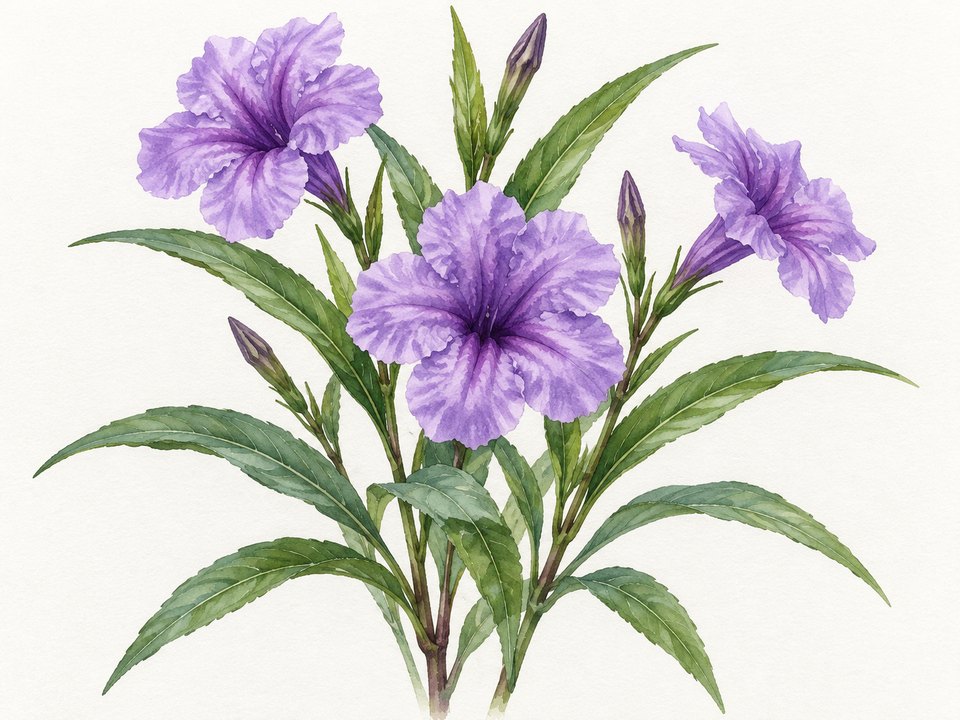 Illustration
RuelliaRuellia simplexIllustration 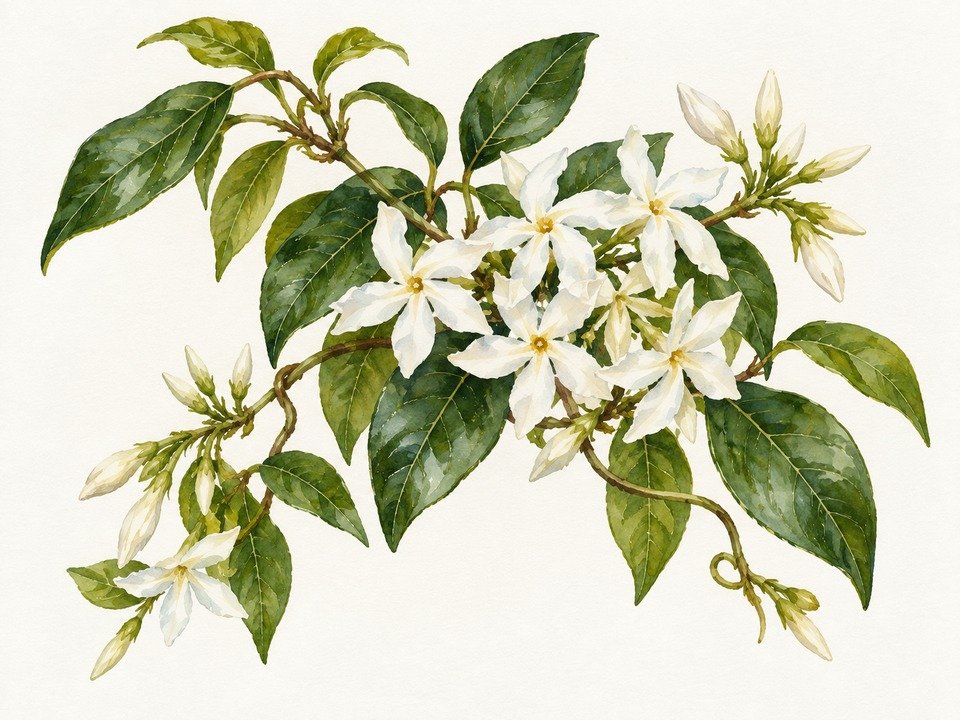 Illustration
Confederate JasmineTrachelospermum jasminoidesIllustration 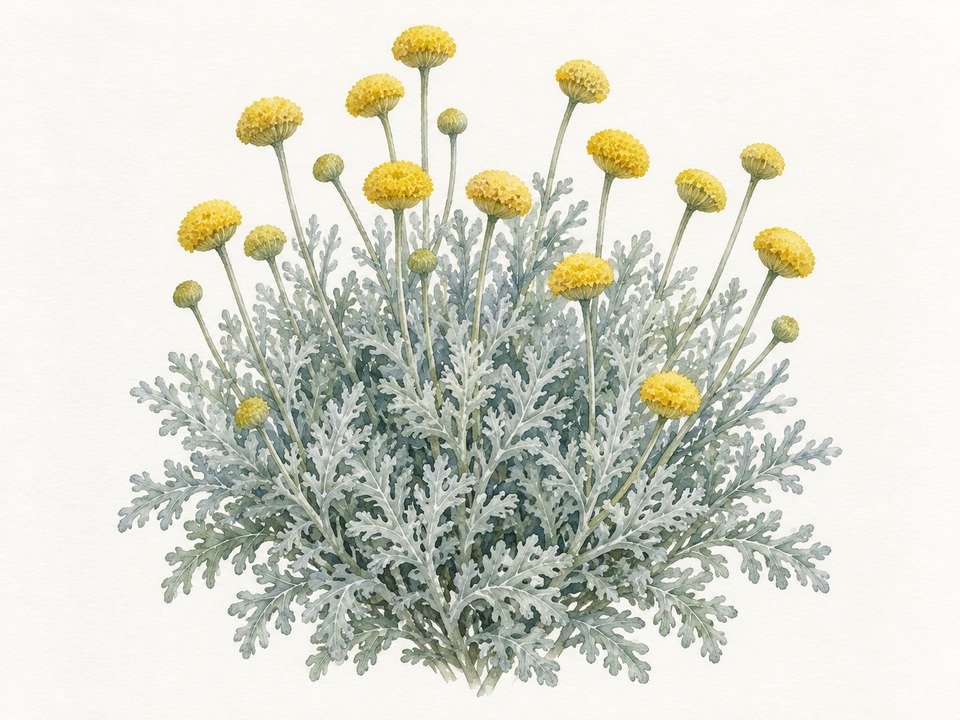 Illustration
SantolinaSantolina sp.Illustration 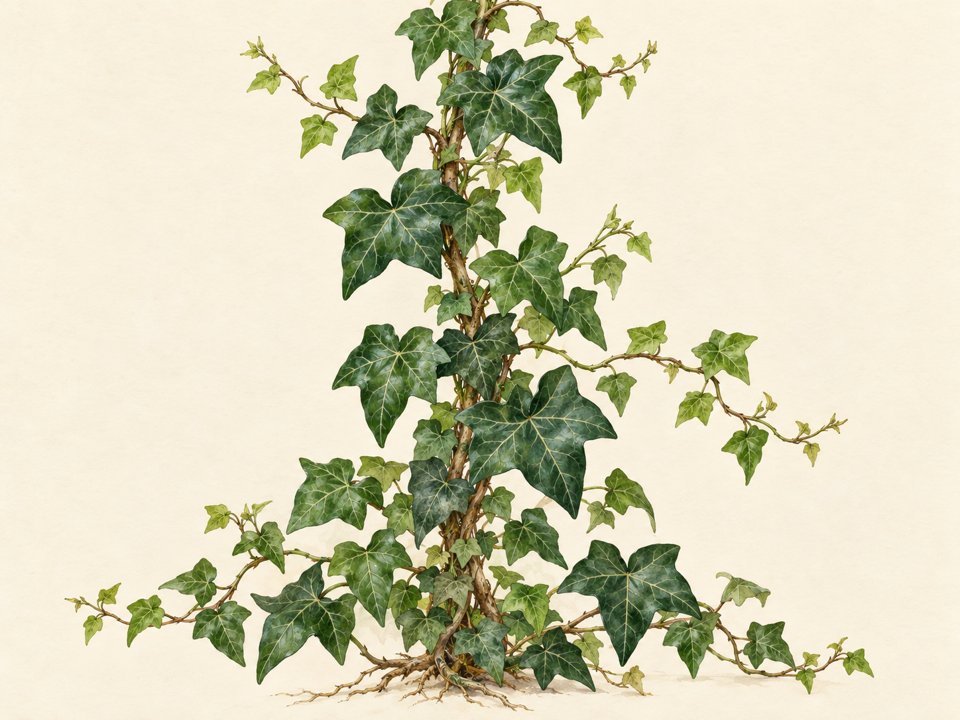 Illustration
English IvyHedera helixIllustration 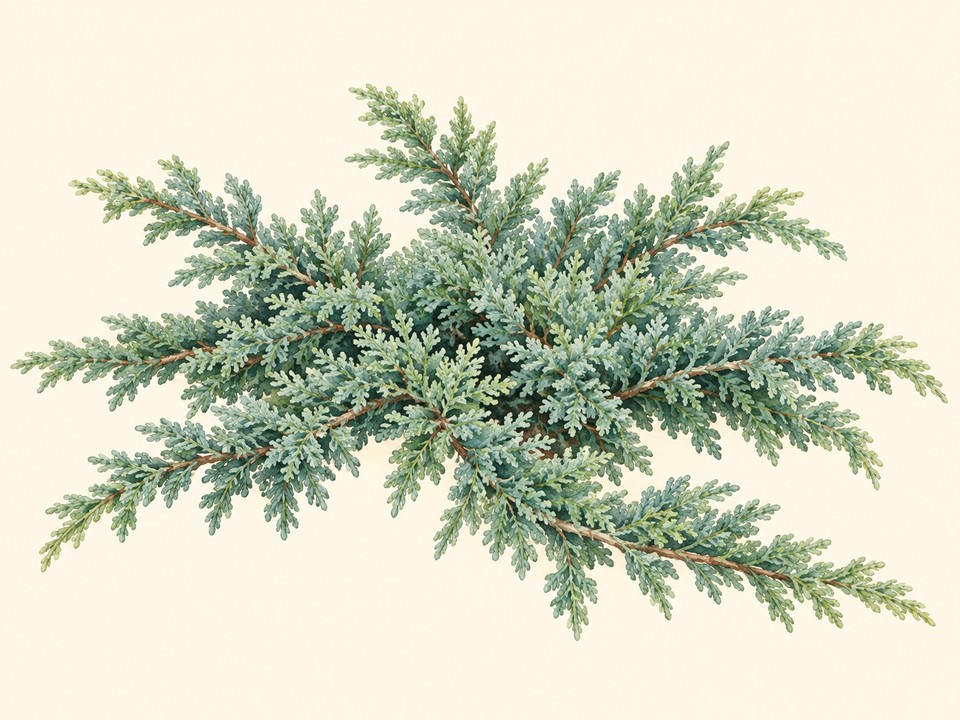 Illustration
Trailing JuniperJuniperus horizontalisIllustration 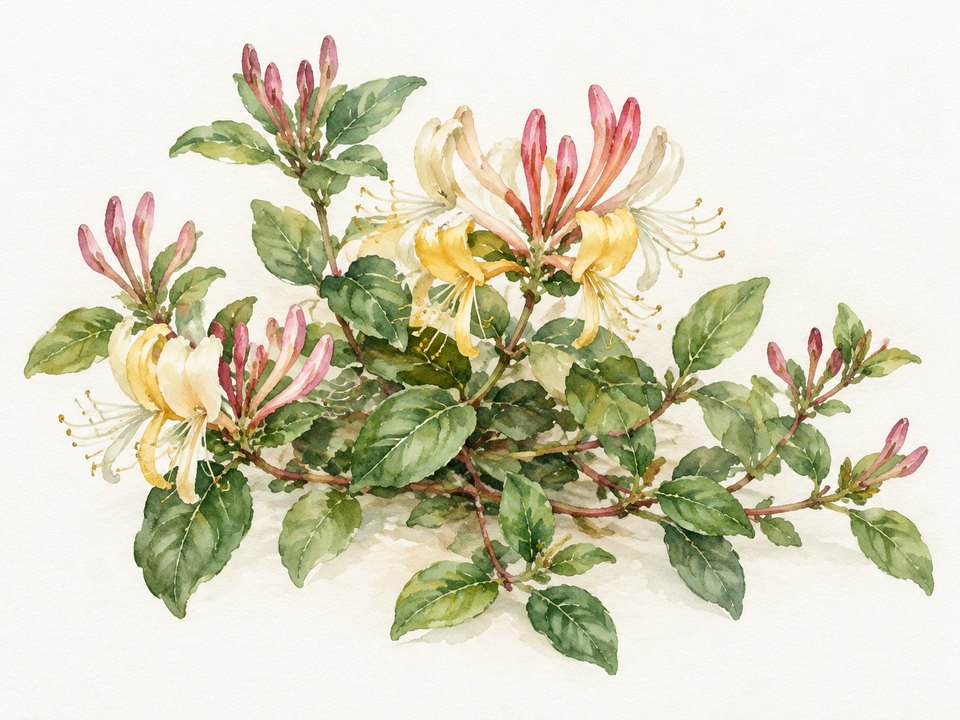 Illustration
HoneysuckleIllustration 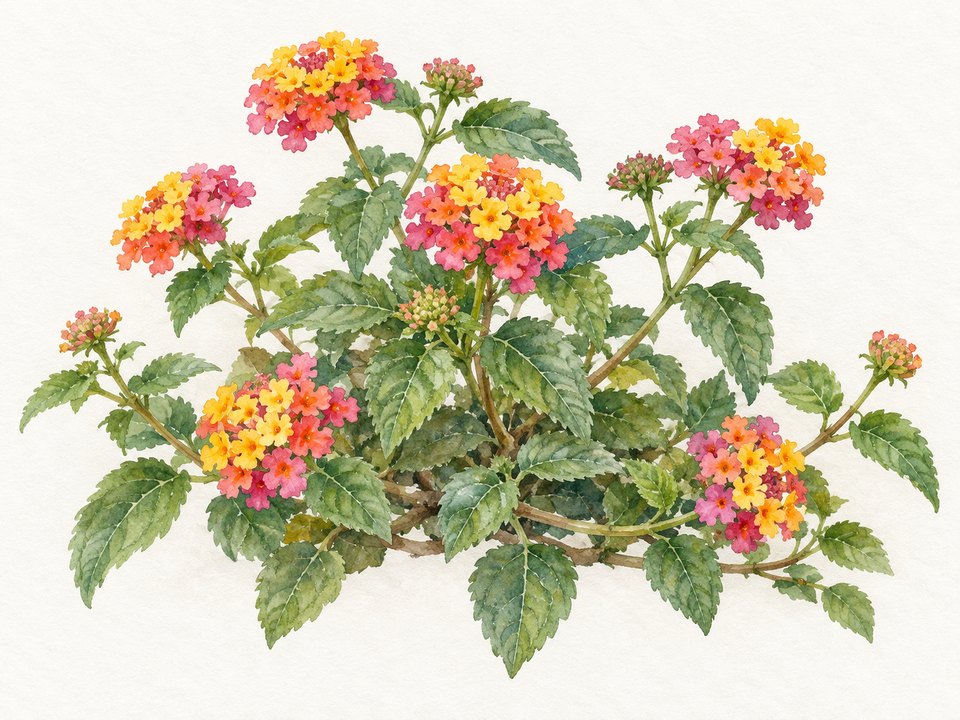 Illustration
LantanaLantana camaraIllustration 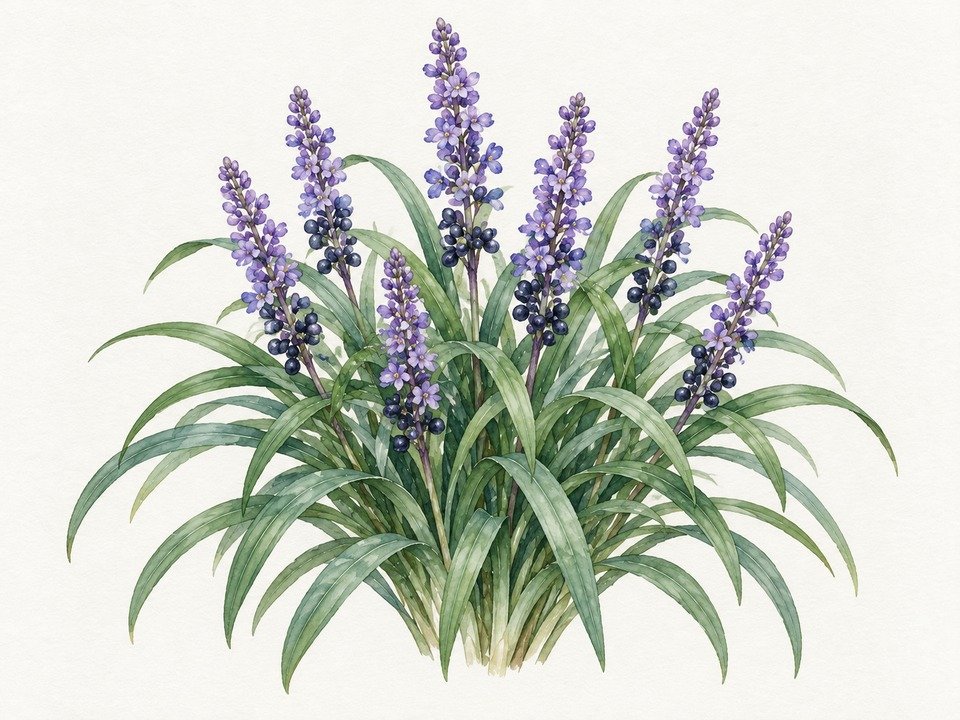 Illustration
LiriopeLiriope muscariIllustration 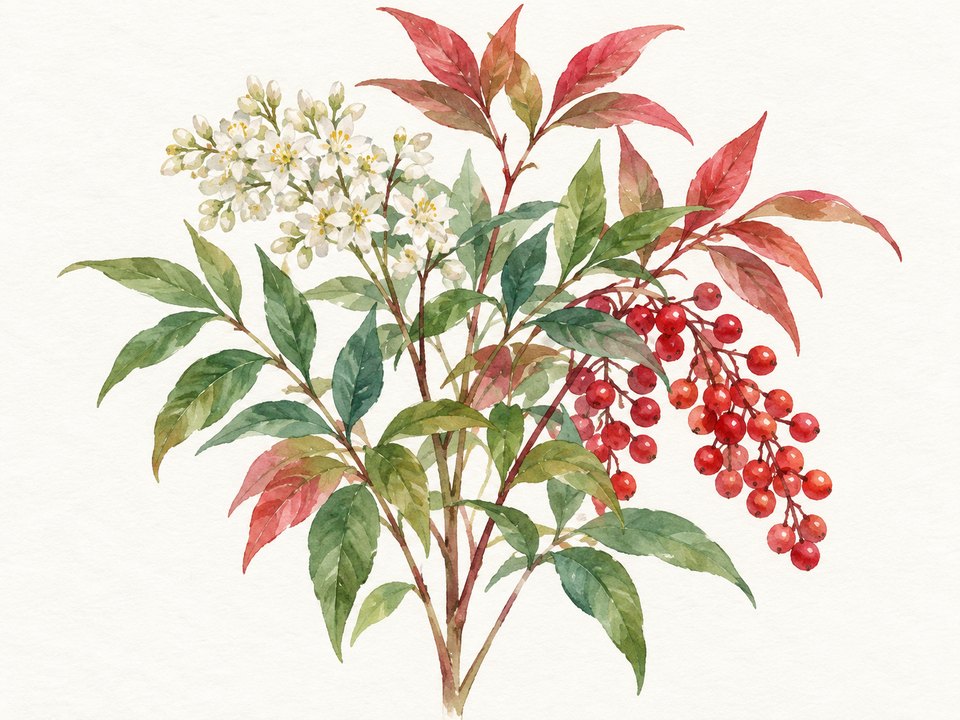 Illustration
NandinaNandina domesticaIllustration 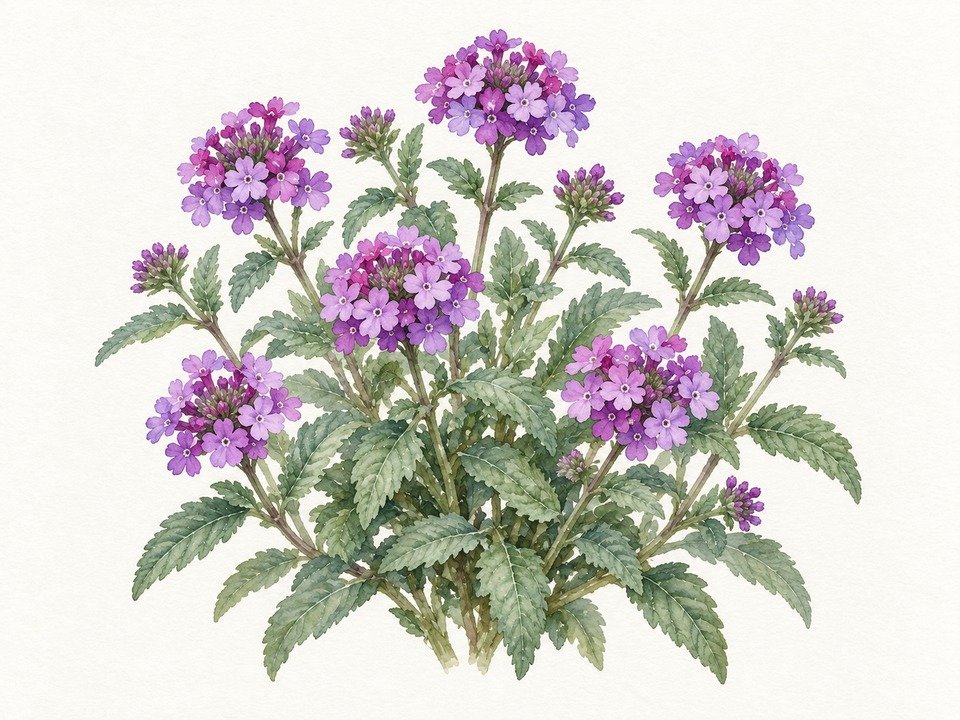 Illustration
VerbenaVerbena cvs.Illustration 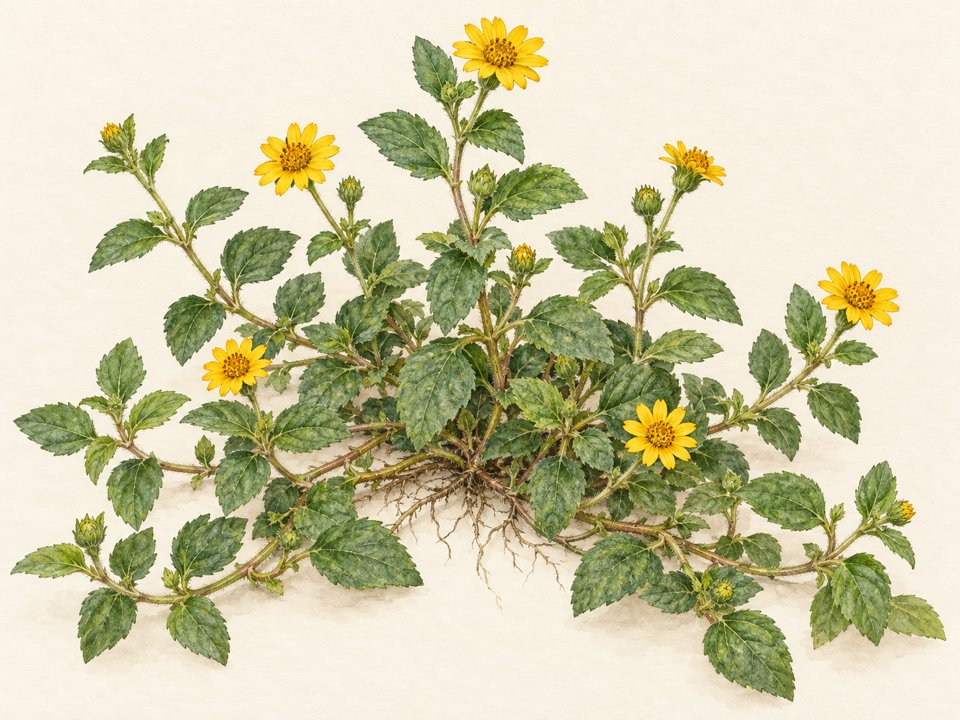 Illustration
WedeliaWedelia acapulcensis var. hispidaIllustration
Vines
The list includes Boston Ivy (4 feet apart, deciduous); English Ivy (3 feet); Carolina Jessamine (4 feet); Grapes, var. Champanel or Black Spanish (deciduous); Climbing Cecile Brunner (sweetheart rose, 10 feet); Hall's Honeysuckle (6 feet); Confederate Jasmine (4 feet); Improved Trumpet Vine (12 feet, deciduous); Coral Honeysuckle (3 feet); La Marque Rose (10 feet); Coral Vine (8 feet, deciduous); Lady Banks Rose (12 feet); Creeping Fig (4 feet); Wisteria; Cross Vine (8 feet); Butterfly Vine (4 feet); Virginia Creeper (3 feet, deciduous); Sweet Autumn Clematis (4 feet); Crossvine (repeated); Scarlet leather/flower.
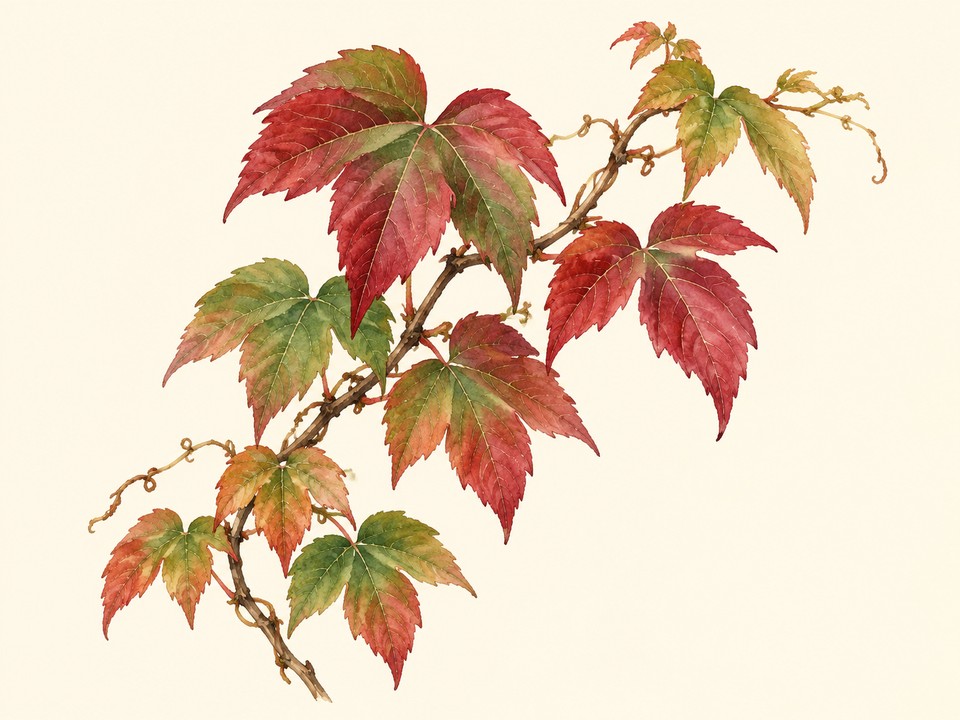 Illustration
Boston IvyParthenocissus tricuspidataIllustration 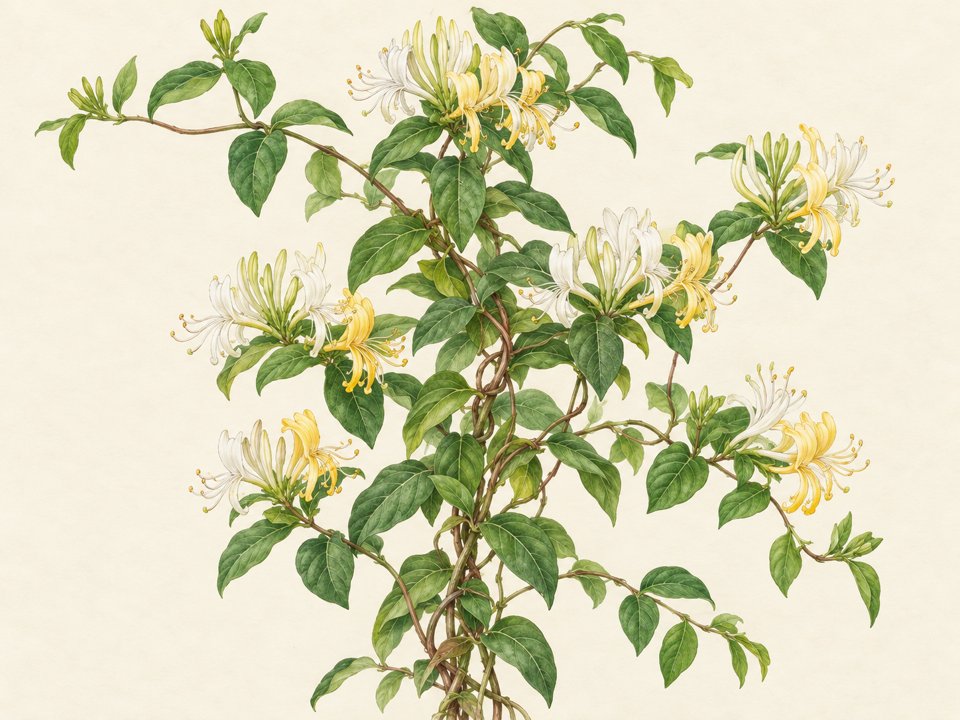 Illustration
Hall's HoneysuckleLonicera japonica 'Halliana'Illustration 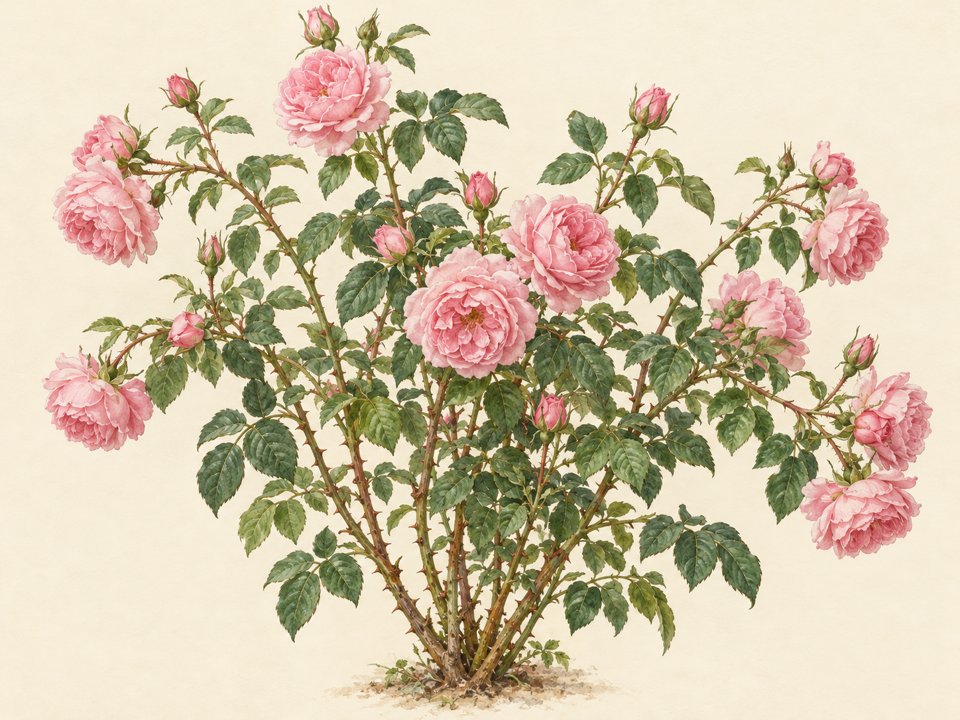 Illustration
La Marque RoseRosaIllustration 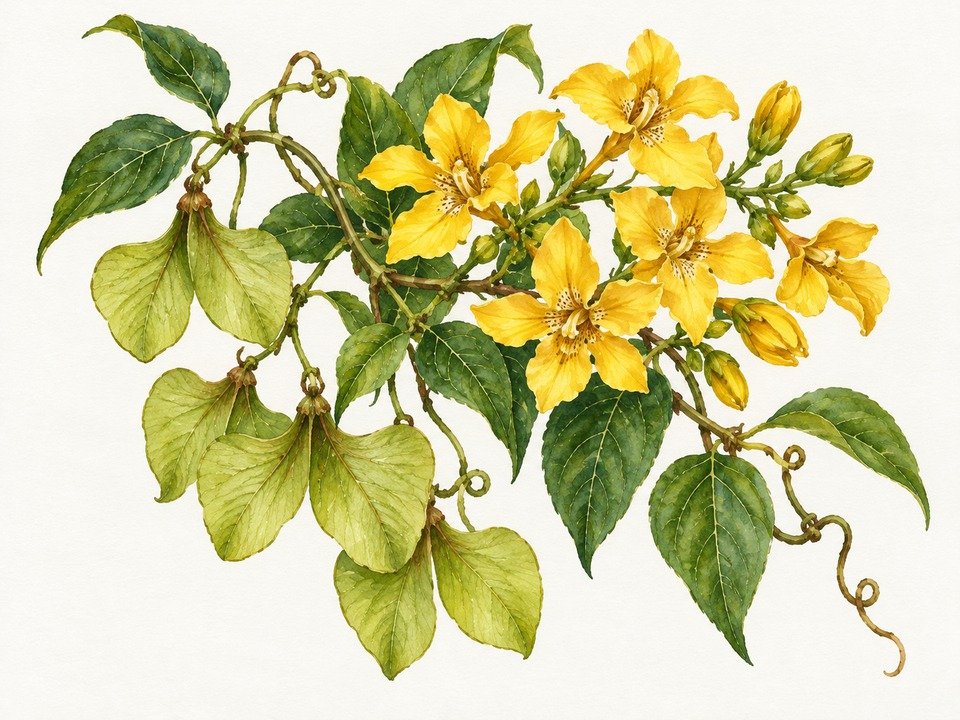 Illustration
Butterfly VineMascagnia macropteraIllustration 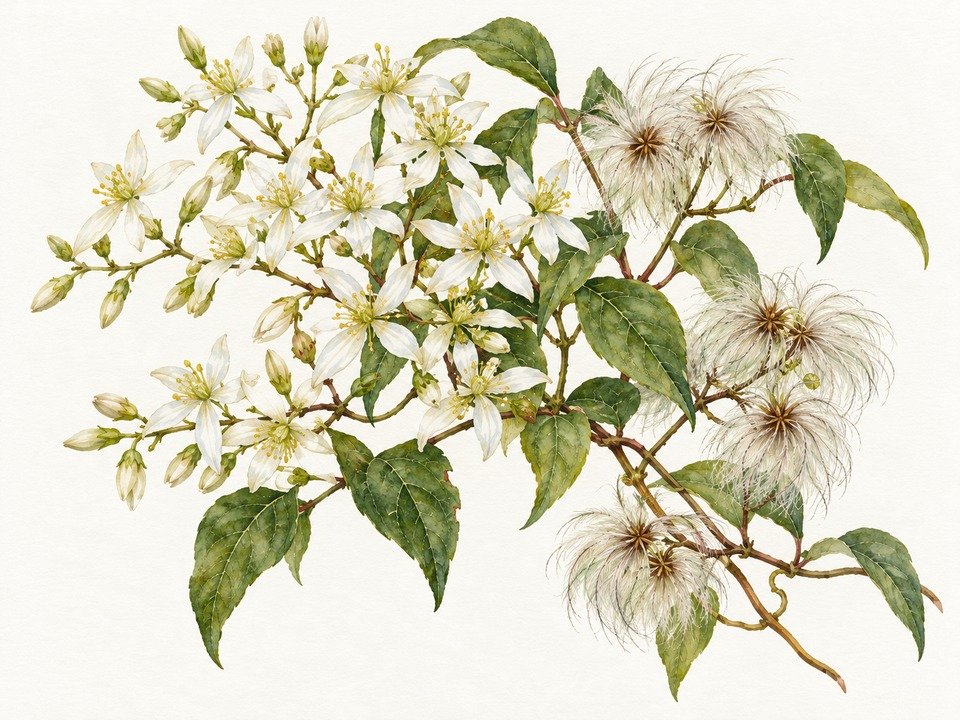 Illustration
Sweet Autumn ClematisClematis dioscorifoliaIllustration
Dwarf shrubs
The list includes Crimson Pygmy Barberry (2 by 3 feet); Nandina domestica 'Harbor Dwarf' (2 by 2); Dwarf Chinese Holly (3 by 2); Dwarf Abelia (3 by 2); Pomegranate (2 by 2); Plumbago (3 by 3); Dwarf Yaupon Holly (2 by 2); Rosemary (3 by 3, herb); Gray Cotoneaster (3 by 3); Santolina (green and gray, 1.5 by 1); Mexican Oregano (3 by 4, herb); Nandina domestica Dwarf 'Compacta' (4 by 3).
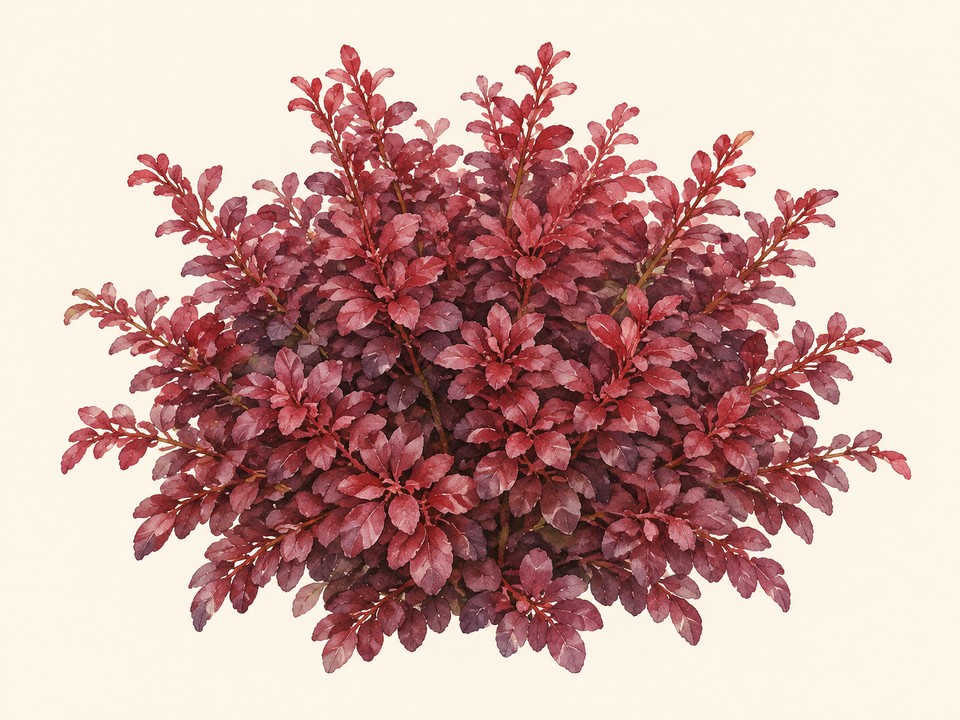 Illustration
Crimson Pygmy BarberryBerberis thunbergii 'Crimson Pygmy'Illustration 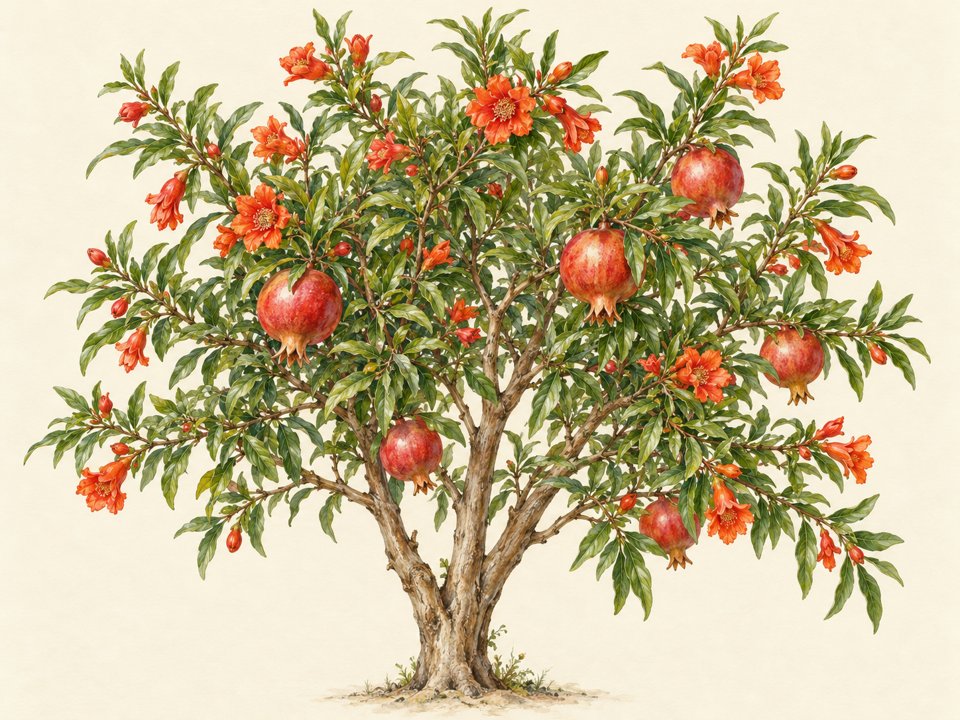 Illustration
PomegranatePunica granatumIllustration 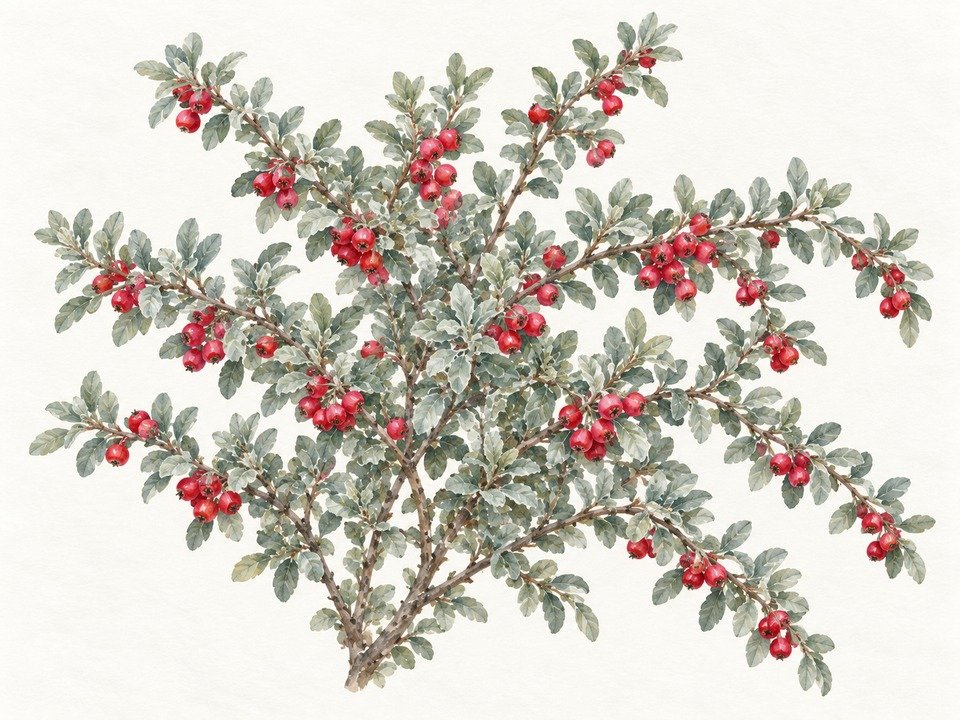 Illustration
Gray CotoneasterCotoneaster buxifoliusIllustration
Small shrubs
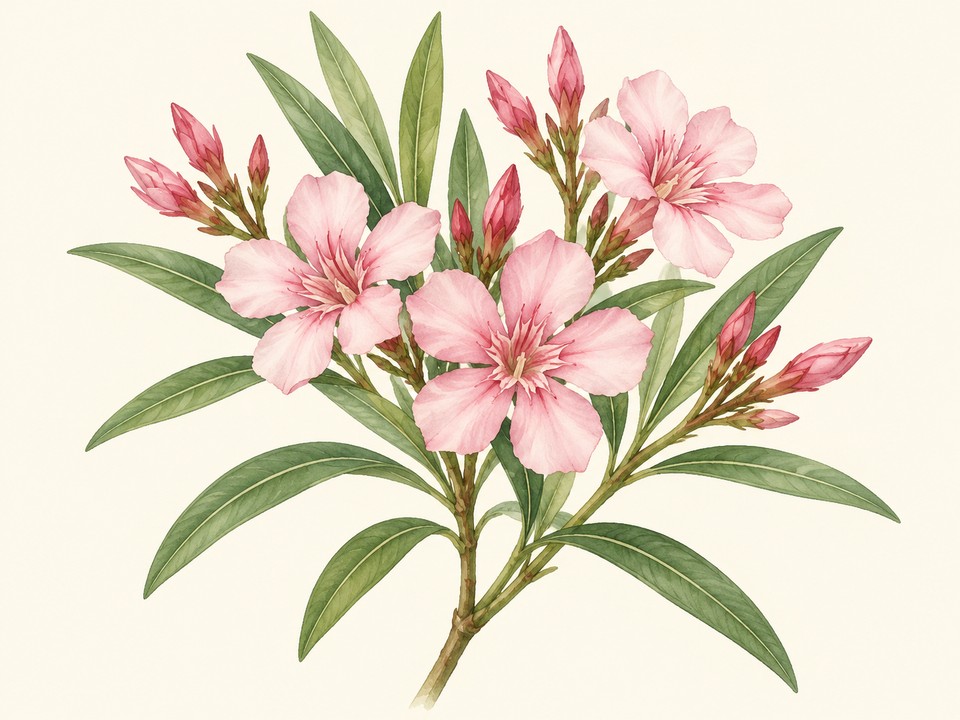
The list includes Dwarf Burford Holly (5 by 4 feet); Red Leaf Japanese Barberry (5 by 5, semi-deciduous); Dwarf Oleander (4 by 3); Sago Palm (4 by 5); Flowering Quince (4 by 4, deciduous); Salvia farinacea / Mealy Sage (2 by 3); Glossy Abelia (6 by 4); Salvia greggii / Autumn Sage (3 by 2); Japanese Aucuba (4 by 4, printed Acuba); Standard Nandina (5 by 3); Salvia leucantha (2 by 2); Japanese Boxwood (4 by 4); Flame Acanthus; Cast Iron Plant; Elaeagnus (printed Elaegnus); Red Yucca; Indian Hawthorn; Bird of Paradise; Butterfly Bush.
 Illustration
Dwarf OleanderNerium oleanderIllustration 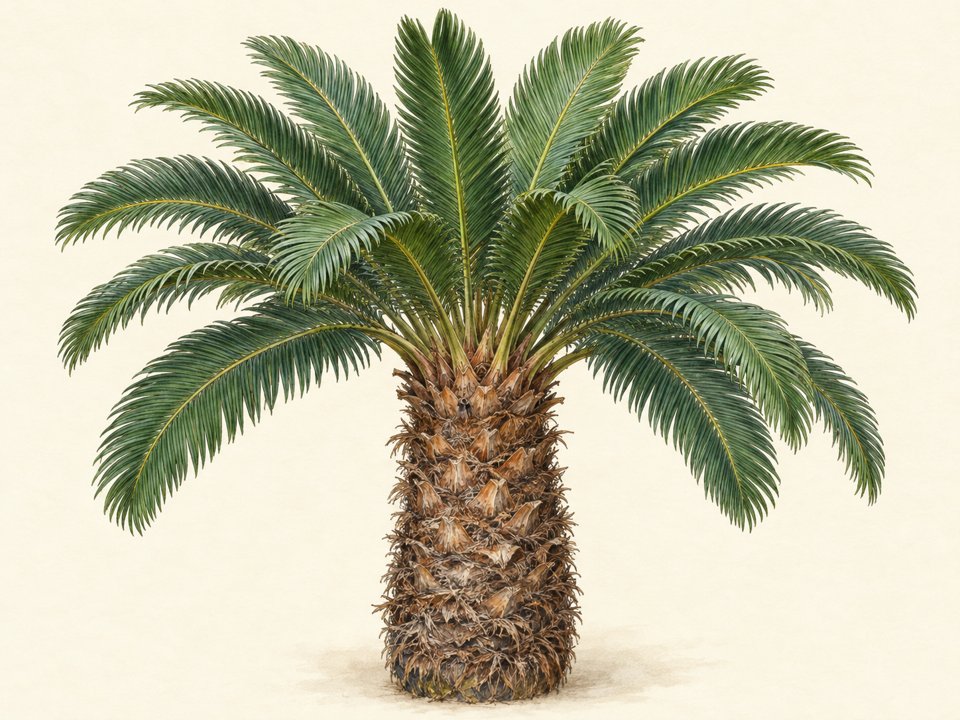 Illustration
Sago PalmCycas revolutaIllustration 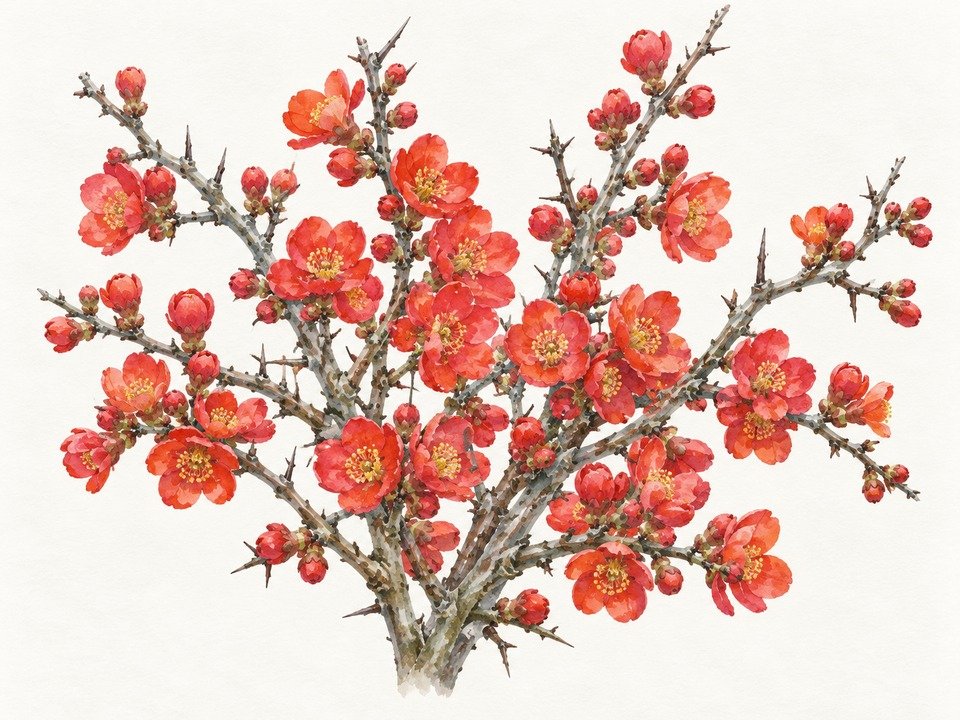 Illustration
Flowering QuinceChaenomeles speciosaIllustration 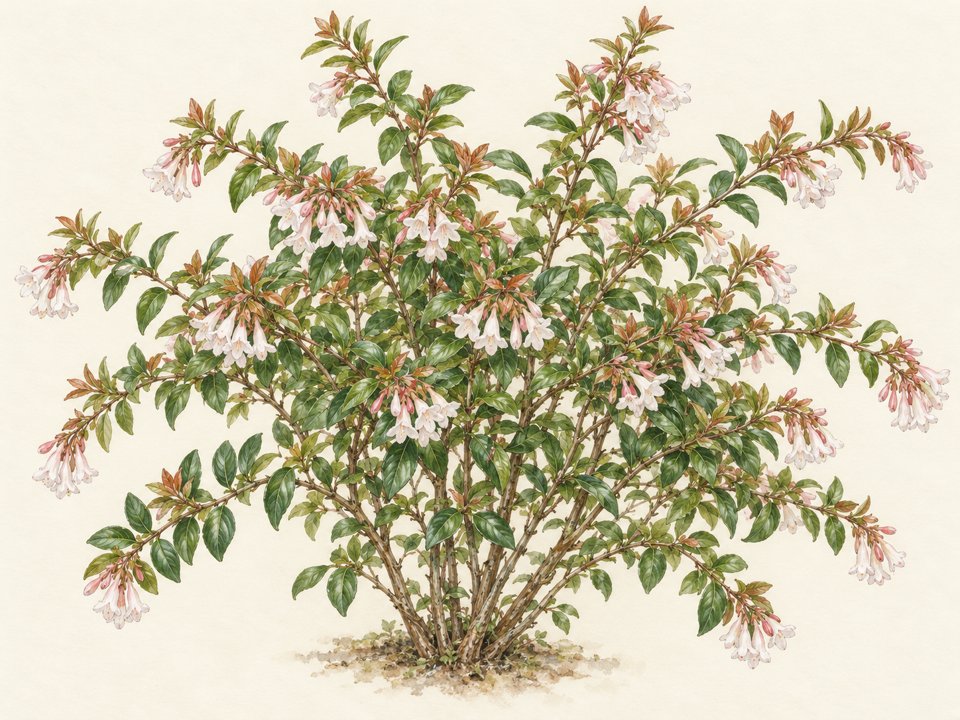 Illustration
Glossy AbeliaAbelia x grandifloraIllustration 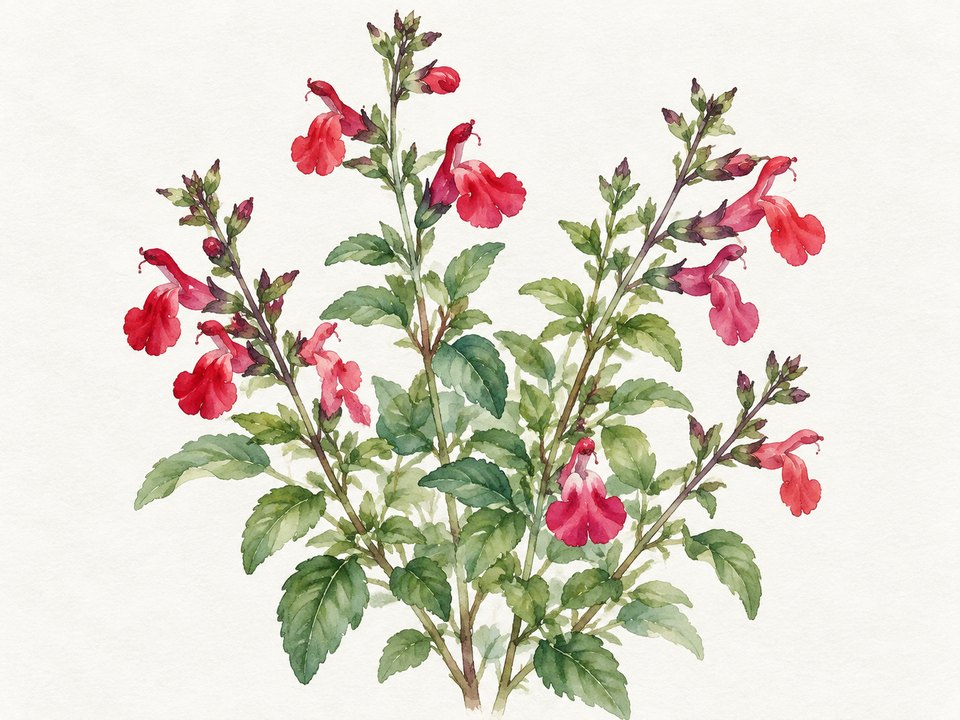 Illustration
Salvia GreggiiSalvia greggiiIllustration 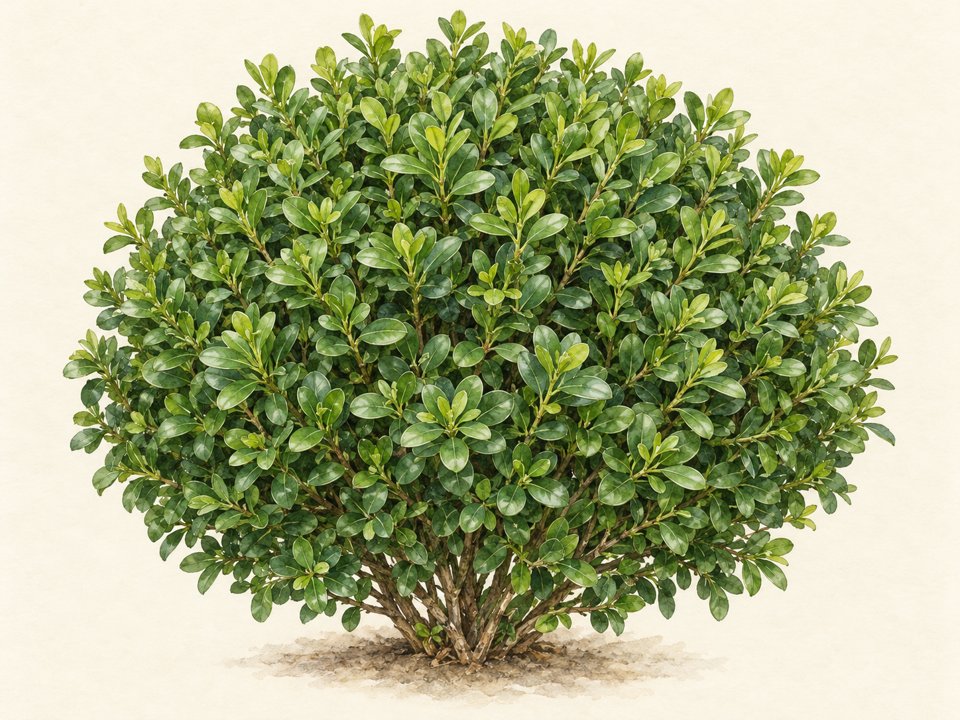 Illustration
Japanese BoxwoodBuxus microphylla var. japonicaIllustration
Medium shrubs
The list includes Agarita (3 to 8 feet); Italian Jasmine (5 by 3); Standard Burford Holly (10 by 8); Nellie R. Stevens Holly (8 by 6); Chinese Holly (9 by 6); Oleander (9 by 8); Coppertone Loquat (7 by 5); Primrose Jasmine (5 by 7); Fatsia (5 by 4, shade/tropical effect); Crape Myrtle, Dwarf (6 by 5); Texas Sage / Ceniza (6 by 6); Sandankwa Viburnum (8 by 6); Flowering Pomegranate (8 by 5); Tea Rose 'Mrs. B.R. Cant' (5 by 4); Tea Rose 'Mrs. Dudley Cross' (5 by 4); Hypericum; Pyracantha.
 Illustration
Italian JasmineJasminum humileIllustration 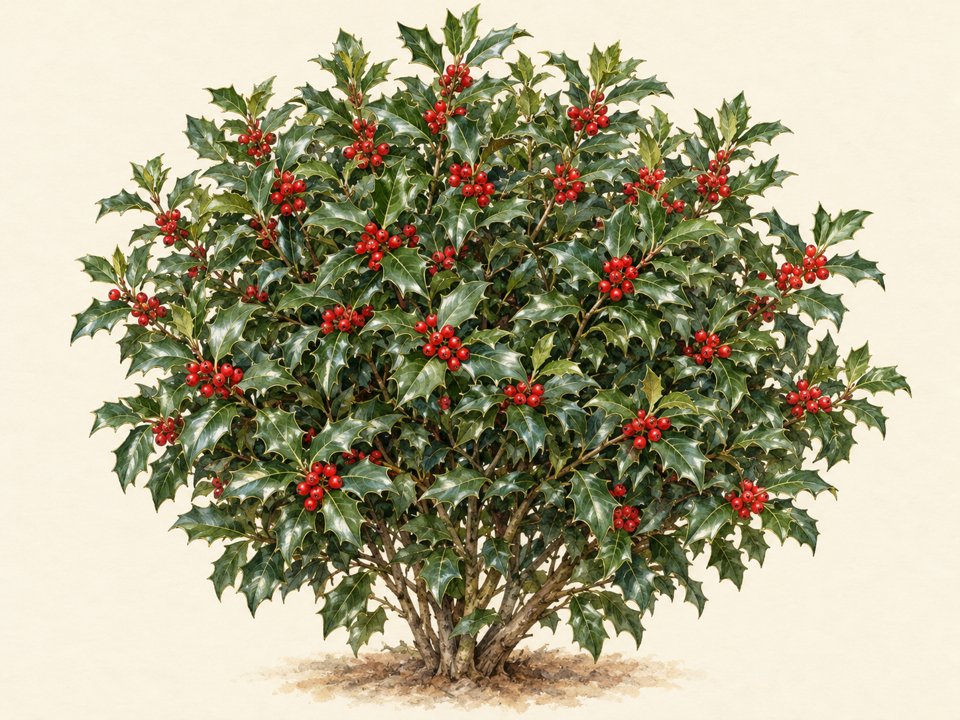 Illustration
Burford HollyIlex cornuta 'Burfordii'Illustration 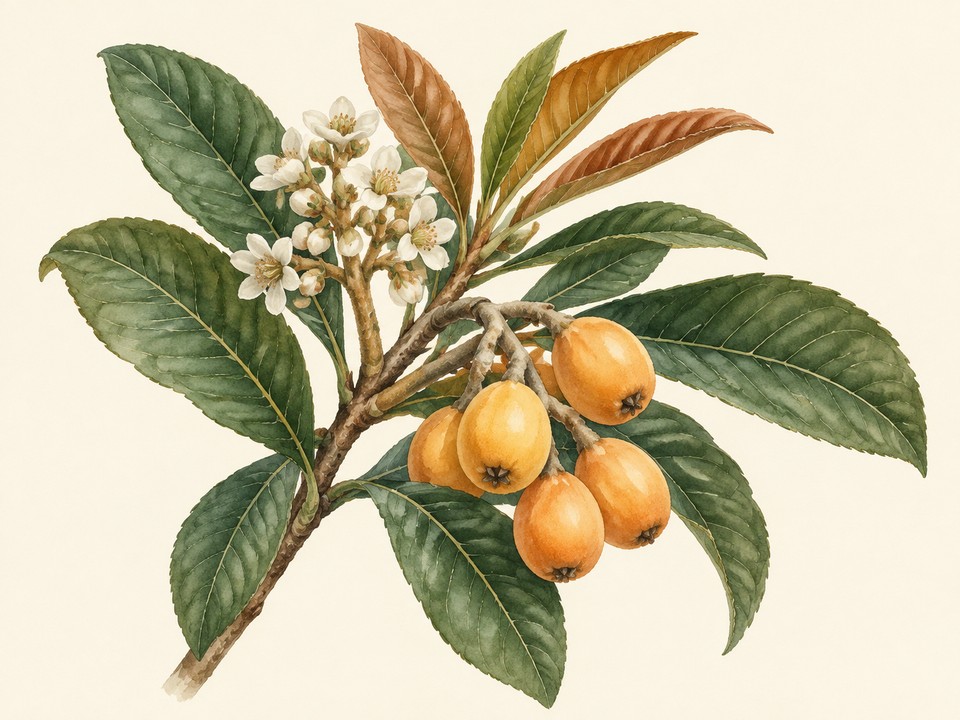 Illustration
Coppertone LoquatEriobotryaIllustration 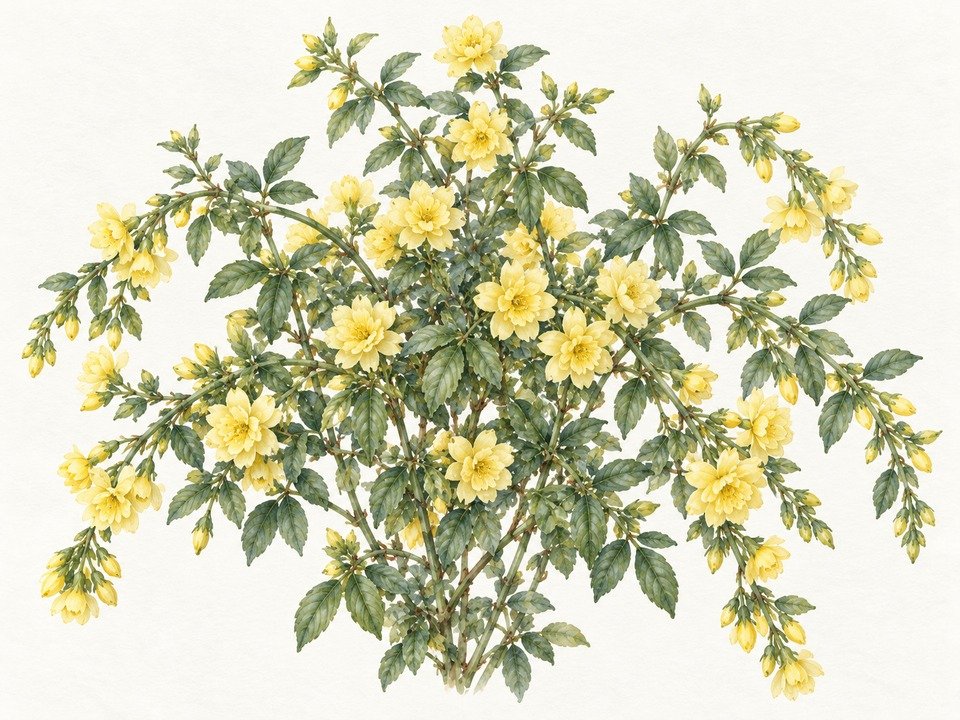 Illustration
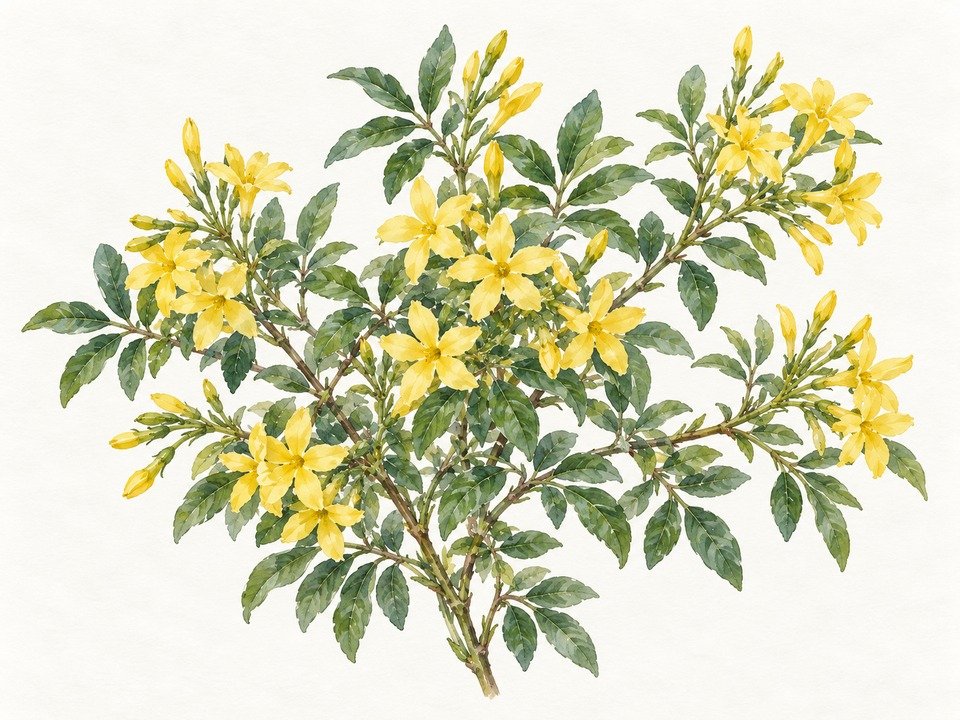
Primrose JasmineJasminum mesnyiIllustration 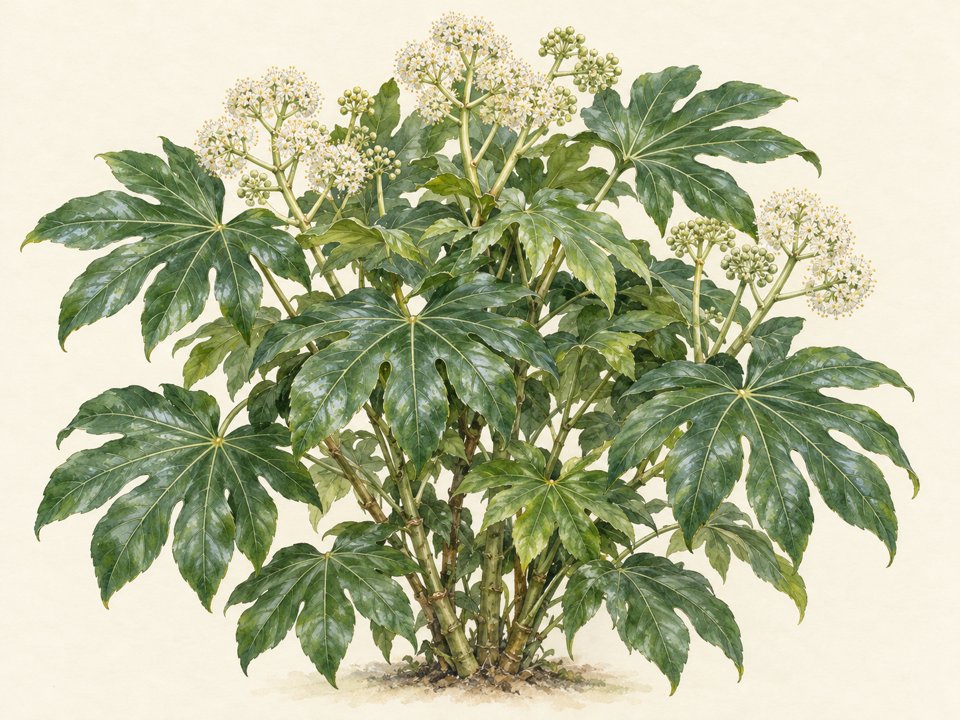 Illustration
FatsiaFatsia japonicaIllustration 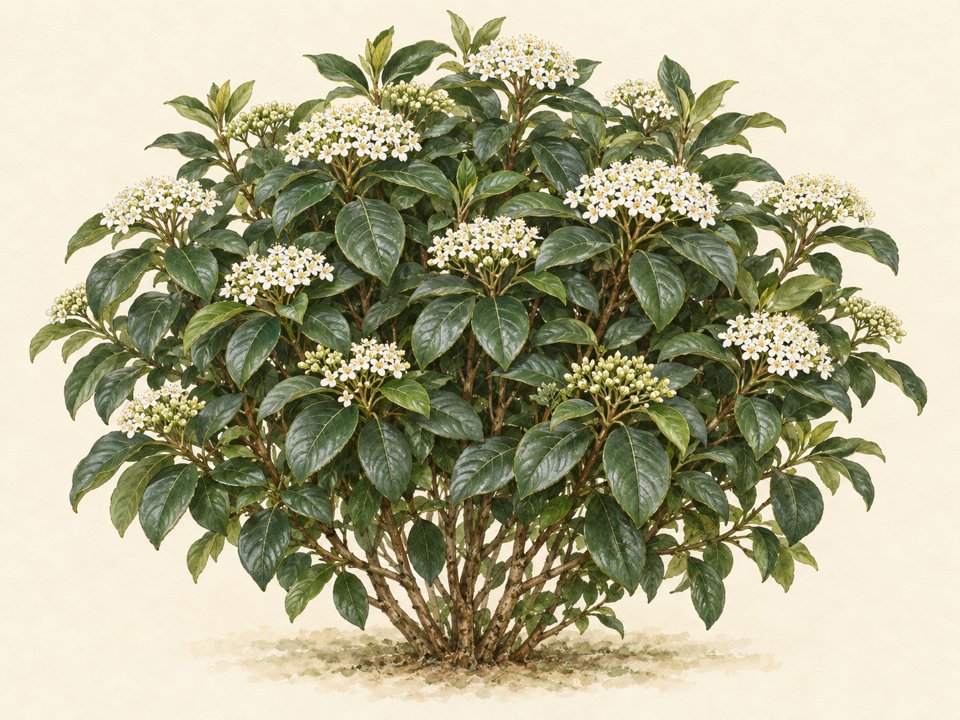 Illustration
Sandankwa ViburnumViburnum suspensumIllustration 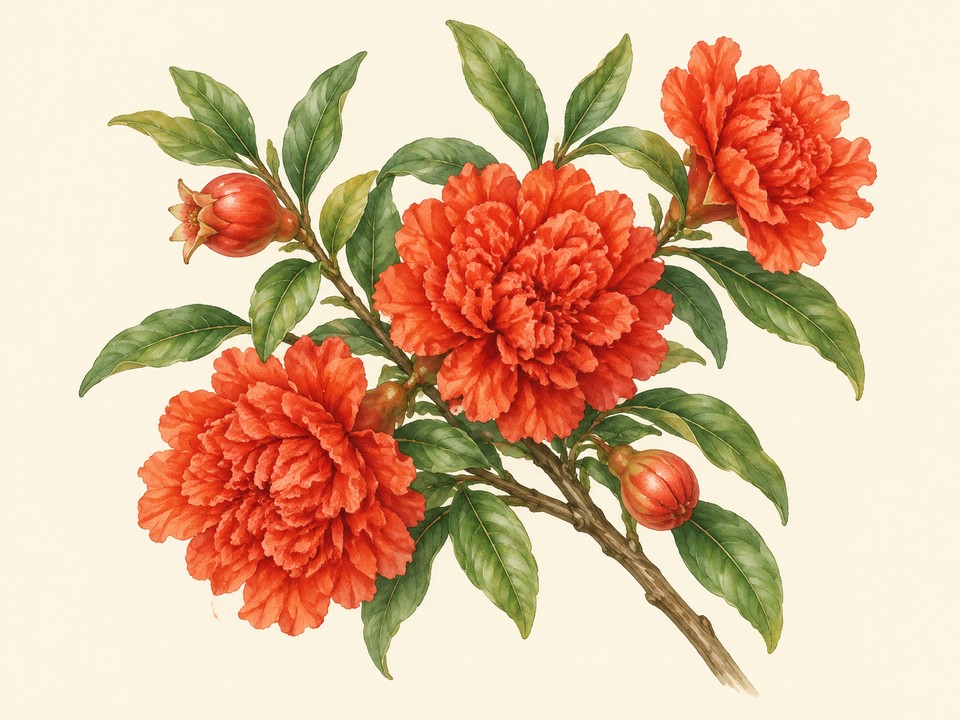 Illustration
Flowering PomegranatePunica granatumIllustration 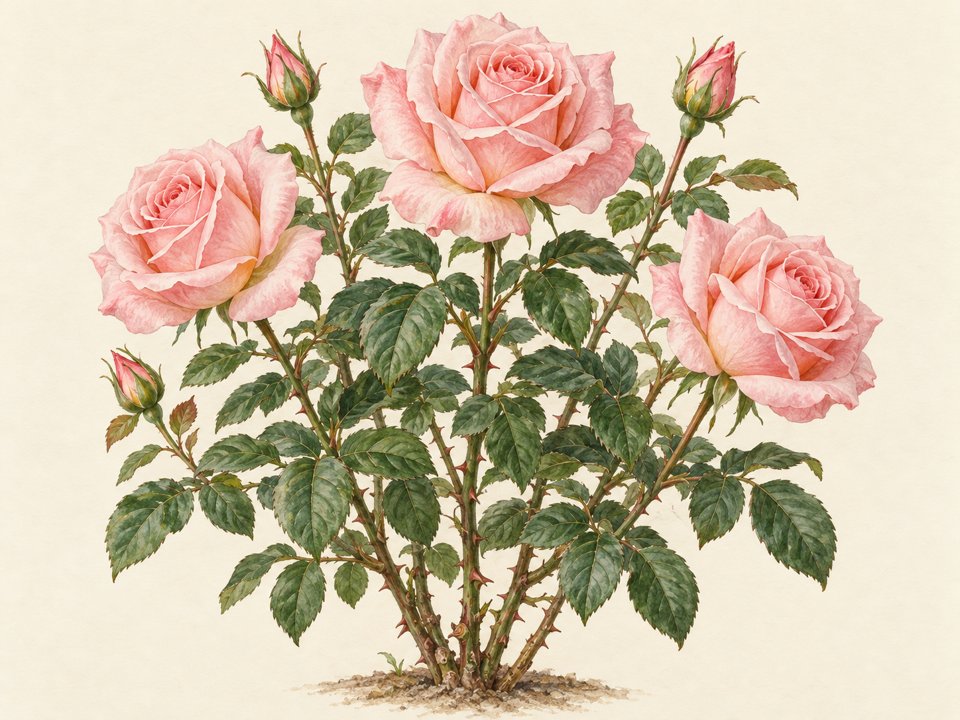 Illustration
Tea RoseRosa (hybrid tea)Illustration
Large shrubs
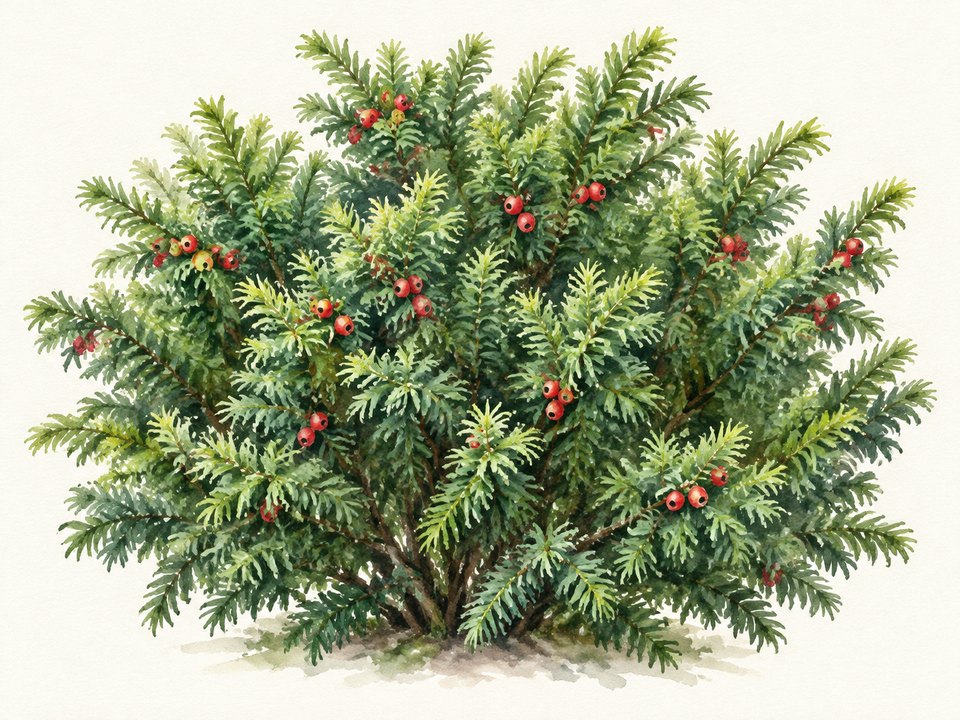
The list includes Crape Myrtle (9 by 8 feet); Pineapple Guava / Feijoa (12 by 11); Elaeagnus (10 by 8); Sweet Viburnum (10 by 8); Standard Burford Holly (10 by 8); Texas Mountain Laurel (15 by 10); Southern Wax Myrtle; Xylosma (12 by 8); Japanese Yew (12 by 5); Yaupon Holly (10 by 8); Texas Lilac (10 by 3); Pampas Grass (10 by 6); Prickly Pear; Evergreen Sumac; Japanese Aralia.
 Illustration
Japanese YewIllustration 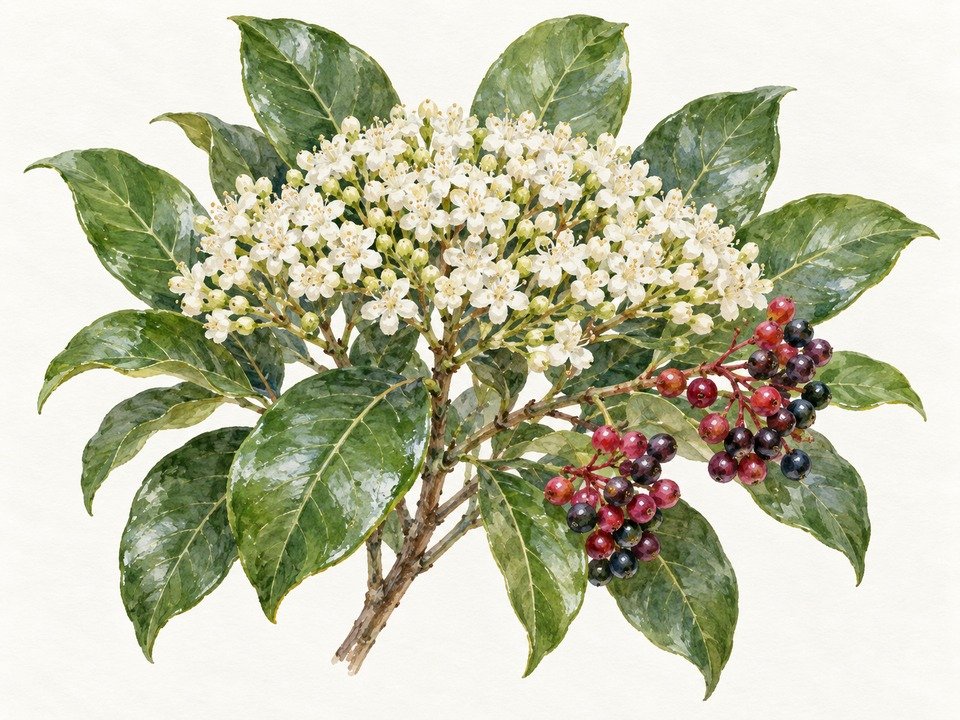 Illustration
Sweet ViburnumViburnum odoratissimum var. AwabukiIllustration 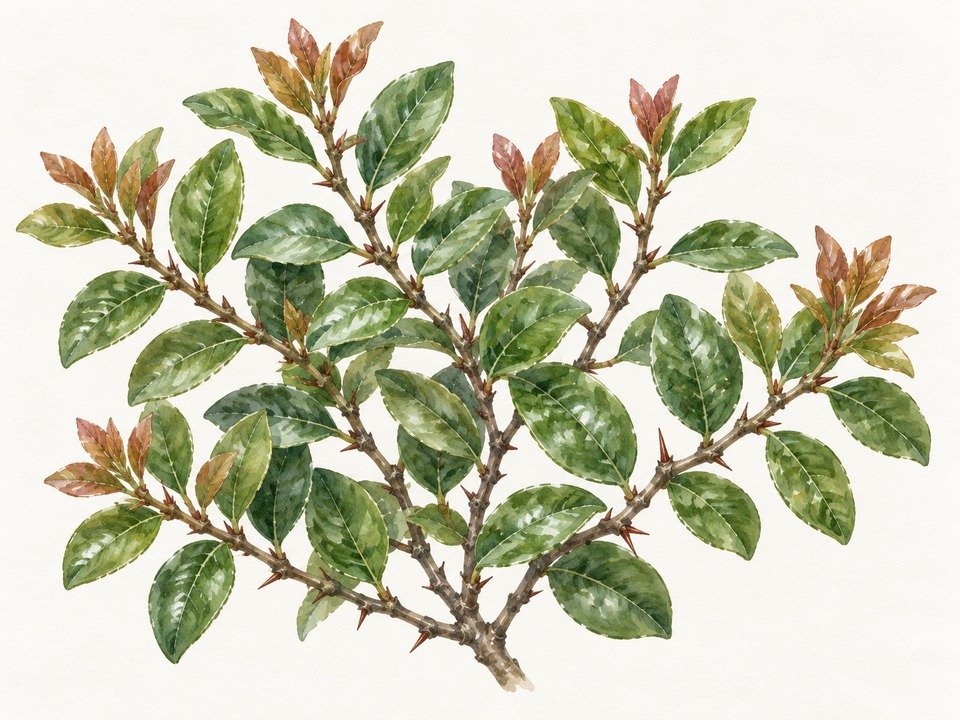 Illustration
XylosmaXylosma senticosaIllustration 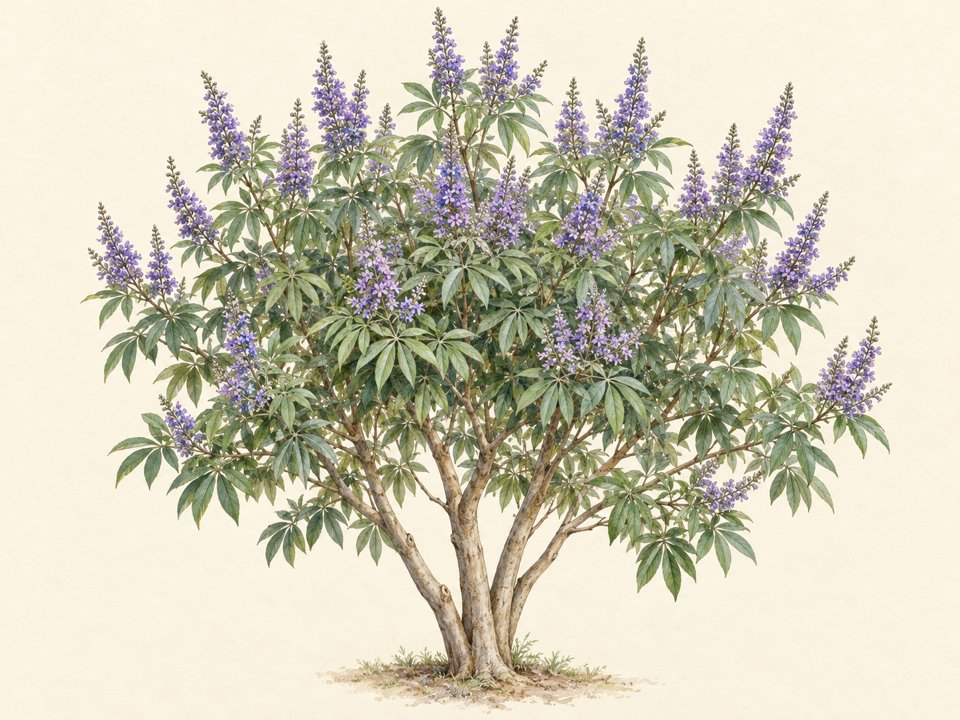 Illustration
Texas LilacVitex agnus-castusIllustration 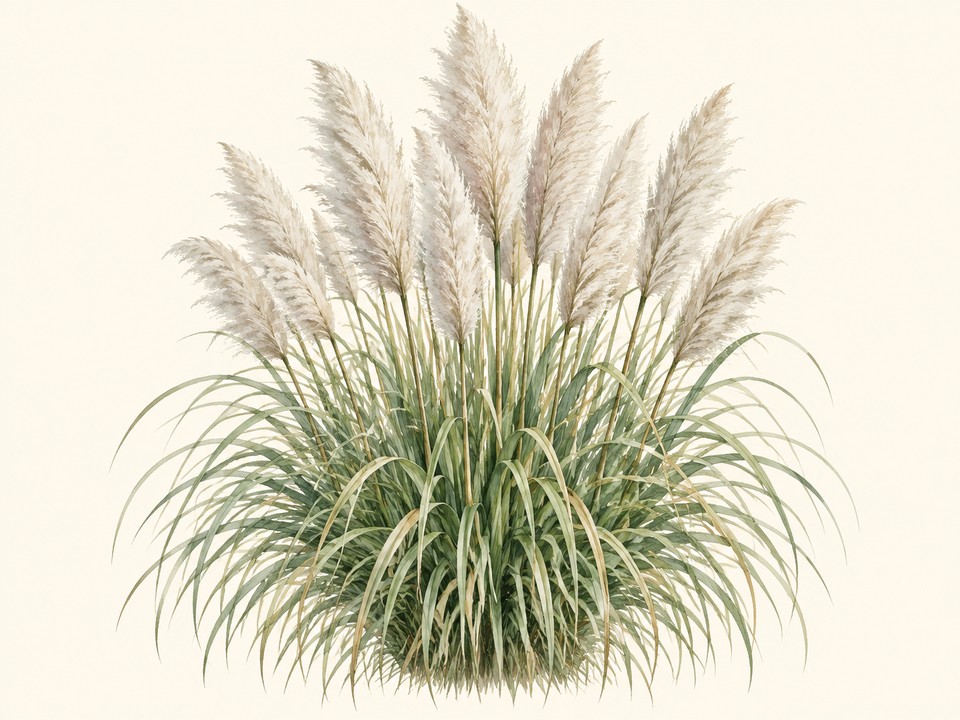 Illustration
Pampas GrassCortaderia selloanaIllustration
Small trees
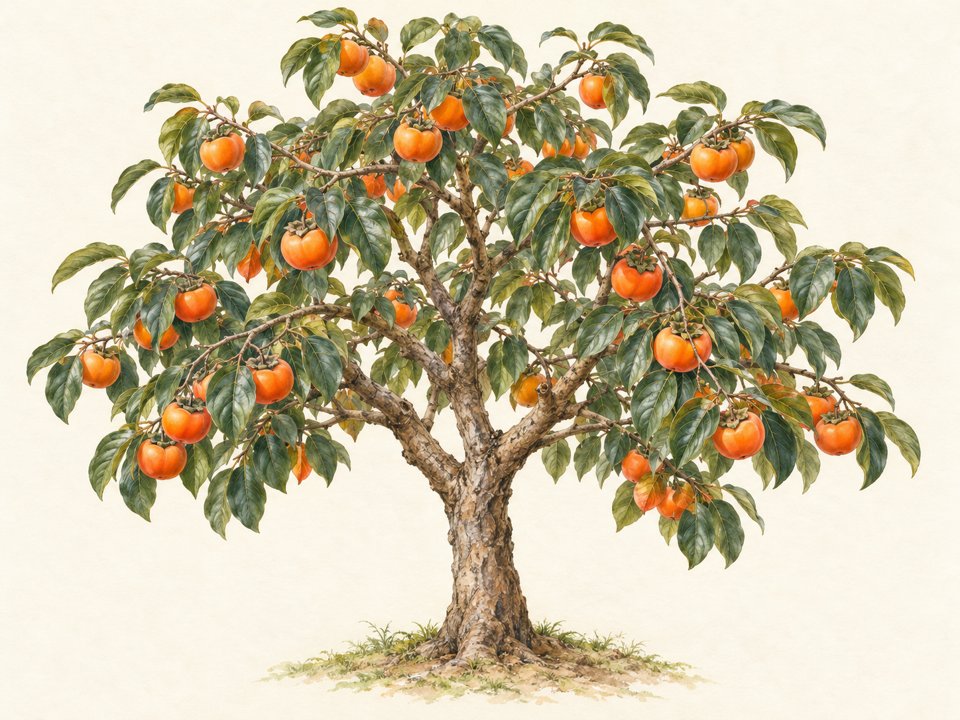
The list includes Crape Myrtle (25 by 15 feet); Possumhaw / Deciduous Holly (12 by 8); Esperanza (3 to 6 by 4); Mexican Redbud (first row prints 20 feet by 15 inches; separate understory row clearly 20 by 15 feet); Japanese Persimmon (25 by 20); Texas Mountain Laurel (15 by 10); Loquat (15 by 12); Texas Redbud (20 by 15); Yaupon Holly (understory, 15 by 10); Vitex; Mexican Buckeye; Mexican Plum (12 by 10); Japanese Black Pine (25 by 20); Flameleaf Sumac.
 Illustration
Japanese PersimmonDiospyros kakiIllustration 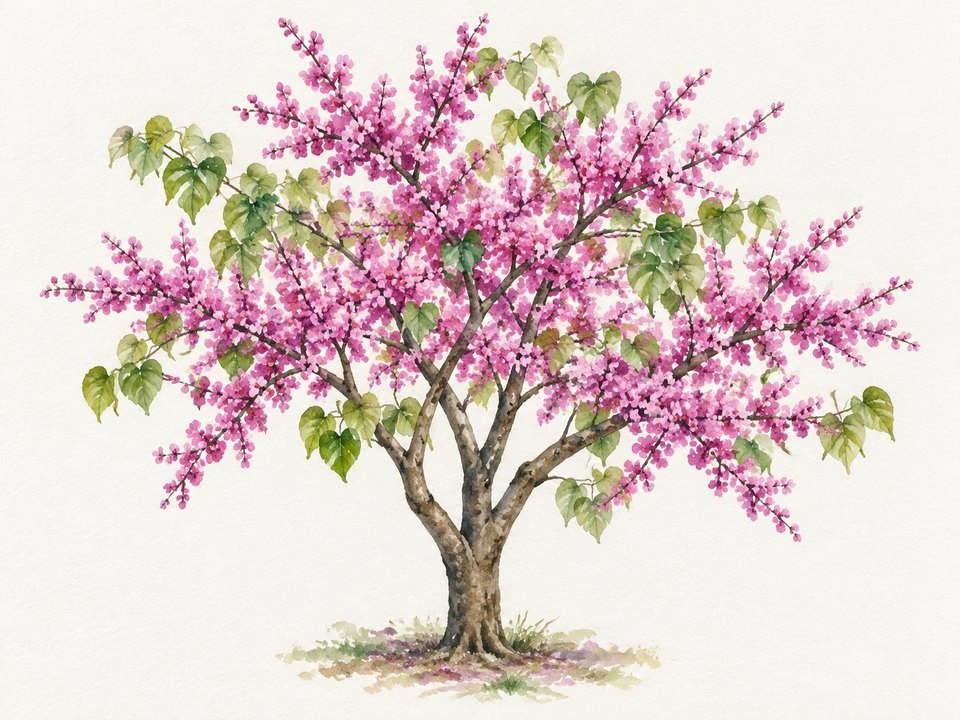 Illustration
Texas RedbudCercis canadensisIllustration 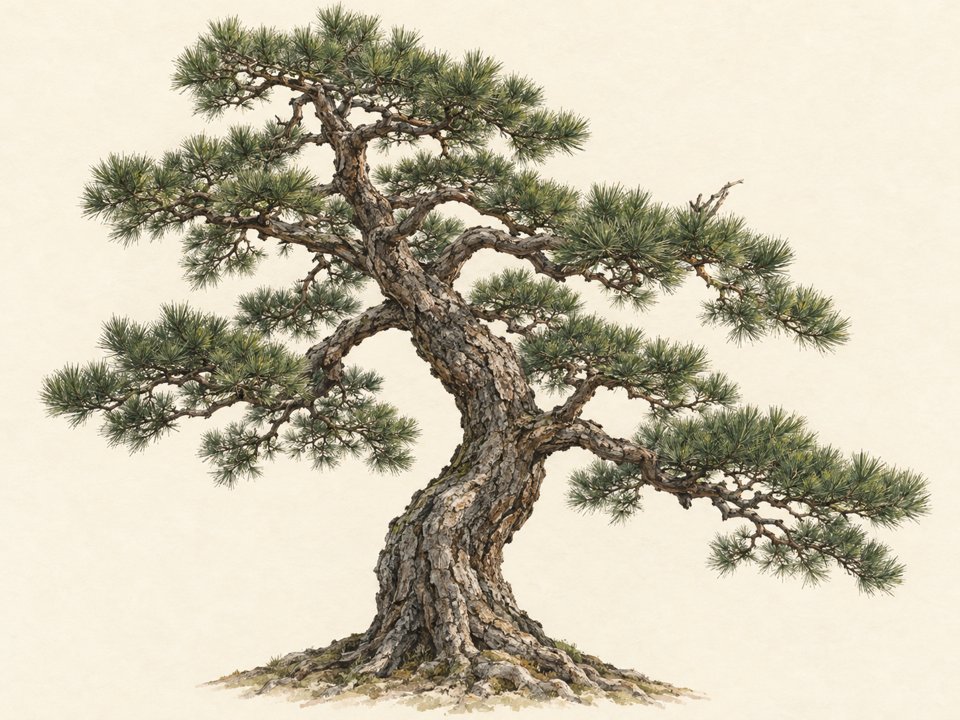 Illustration
Japanese Black PinePinus thunbergiiIllustration
Medium trees
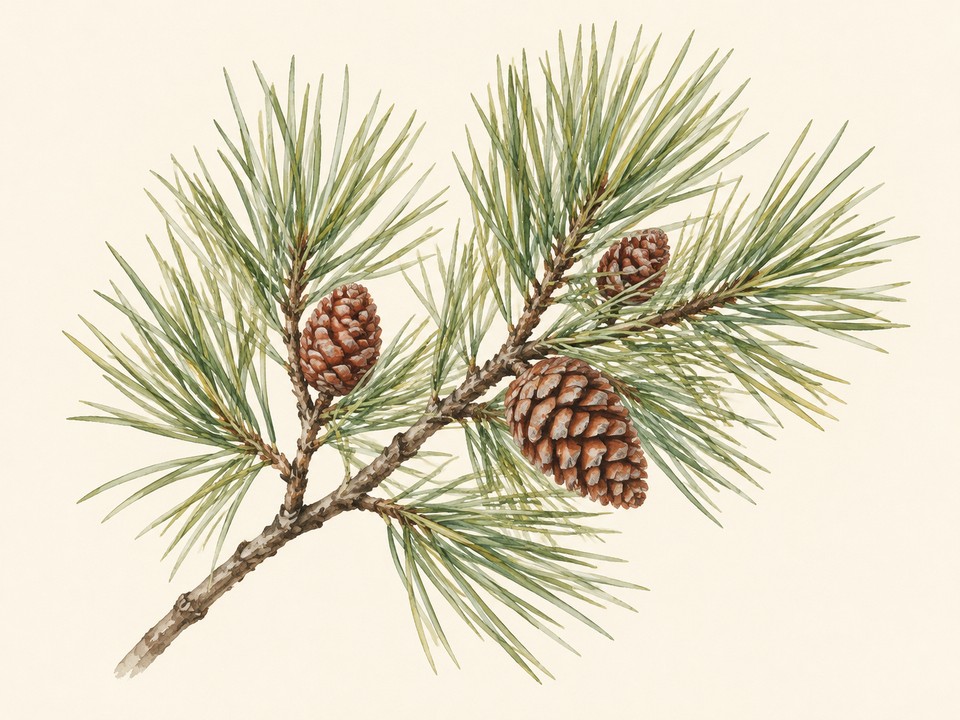
The list includes Aleppo Pine (20 by 15 feet); Lacey Oak (45 by 40); Anaqua (40 by 25); Osage Orange (40 by 30); Bradford Pear (25 by 15); Fan-Tex Ash (40 by 40); Cedar Elm (45 by 30); Sierra Red Oak (40 by 30); Chinese Pistache (40 by 30, printed Pisache); Texas Red Oak (25 by 20); Escarpment Live Oak; Mesquite; Goldenball Leadtree; Flowering Dogwood or Roughleaf Dogwood; Lacebark Elm.
 Illustration
Aleppo PinePinus halepensisIllustration 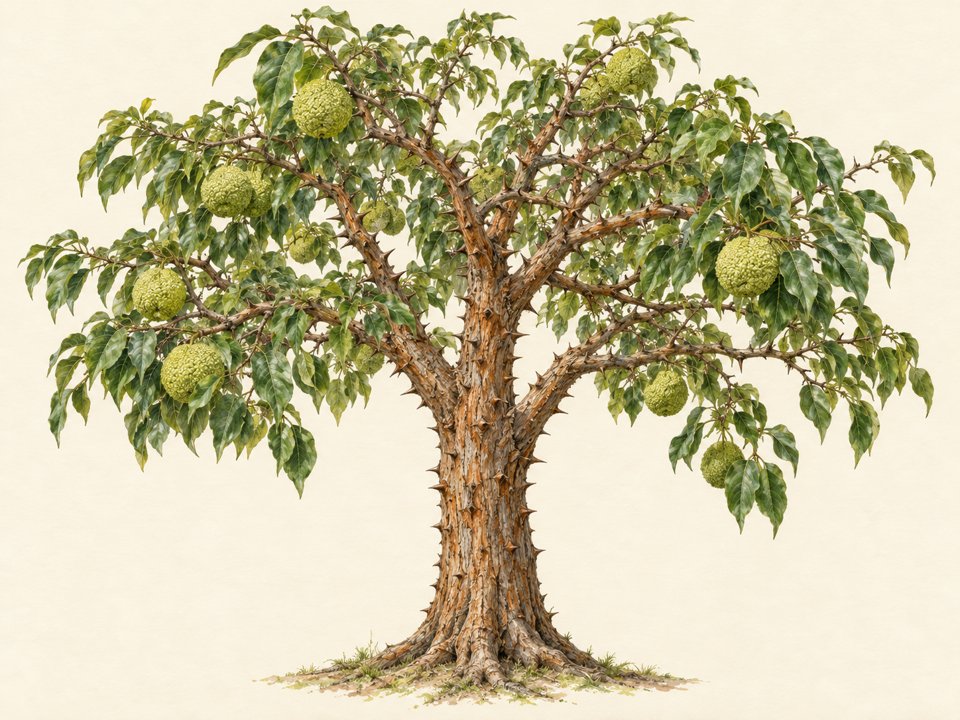 Illustration
Osage OrangeMaclura pomiferaIllustration 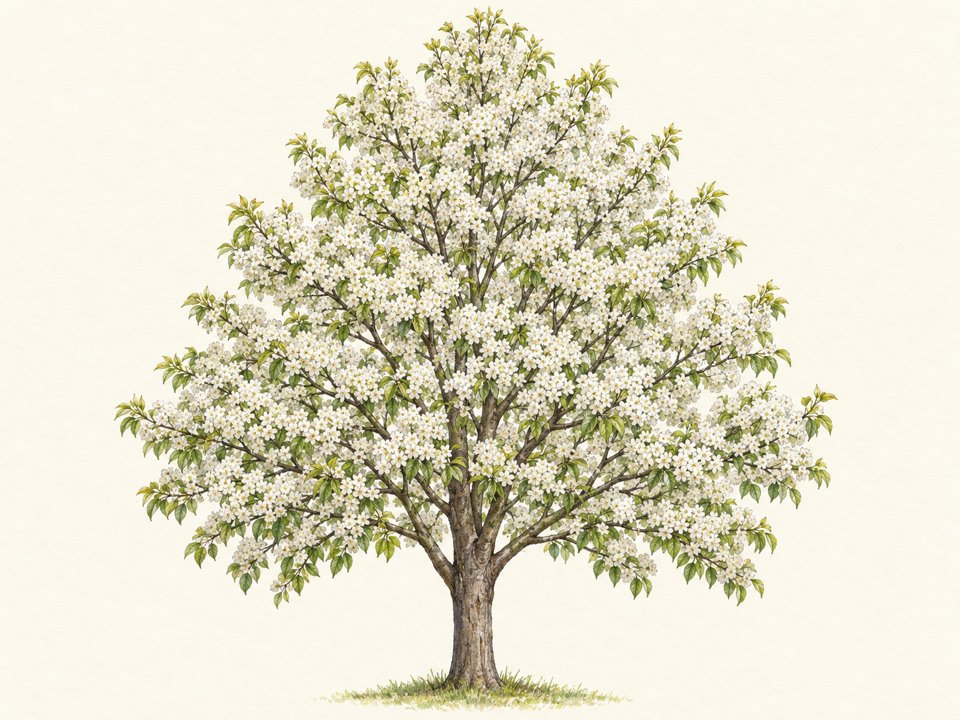 Illustration
Bradford PearPyrus calleryana 'Bradford'Illustration 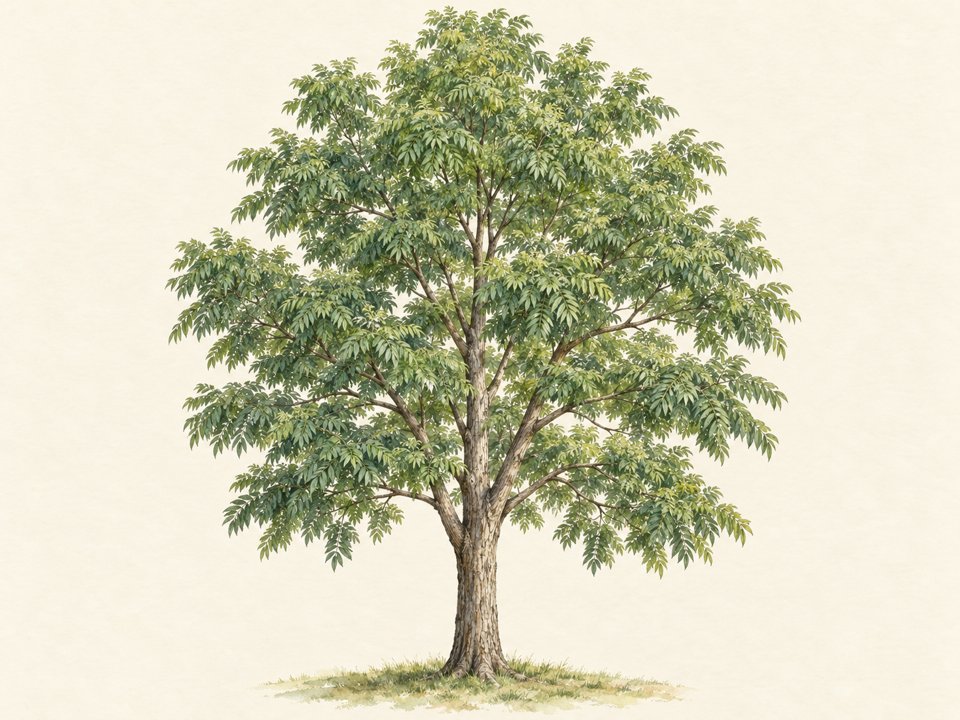 Illustration
Fan-Tex AshFraxinus velutina 'Fan-Tex'Illustration
Large trees
The list includes Bur Oak (deep soils only, 60 by 30 feet); Monterrey Oak / Mexican White Oak (40 by 40); Live Oak (50 by 50); Pecan (50 by 30); Chinkapin Oak (50 by 30); 'Texas' Shumard Oak (60 by 40).
The expanded lists above are recorded in these three unit copies.[14][13][15]
 Illustration
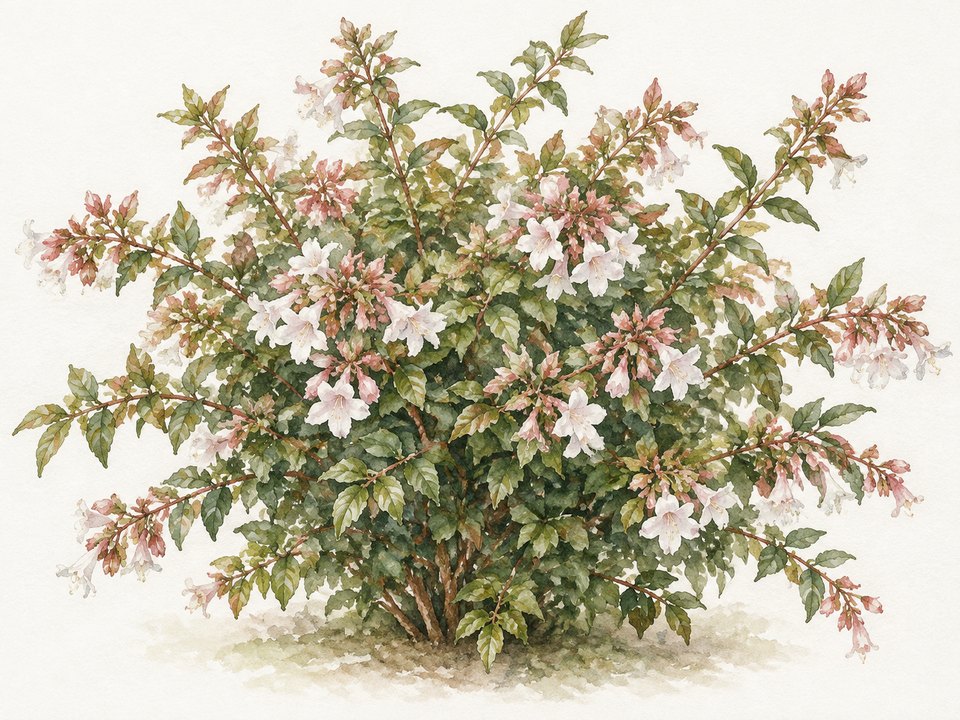
AbeliaAbelia x grandifloraIllustration 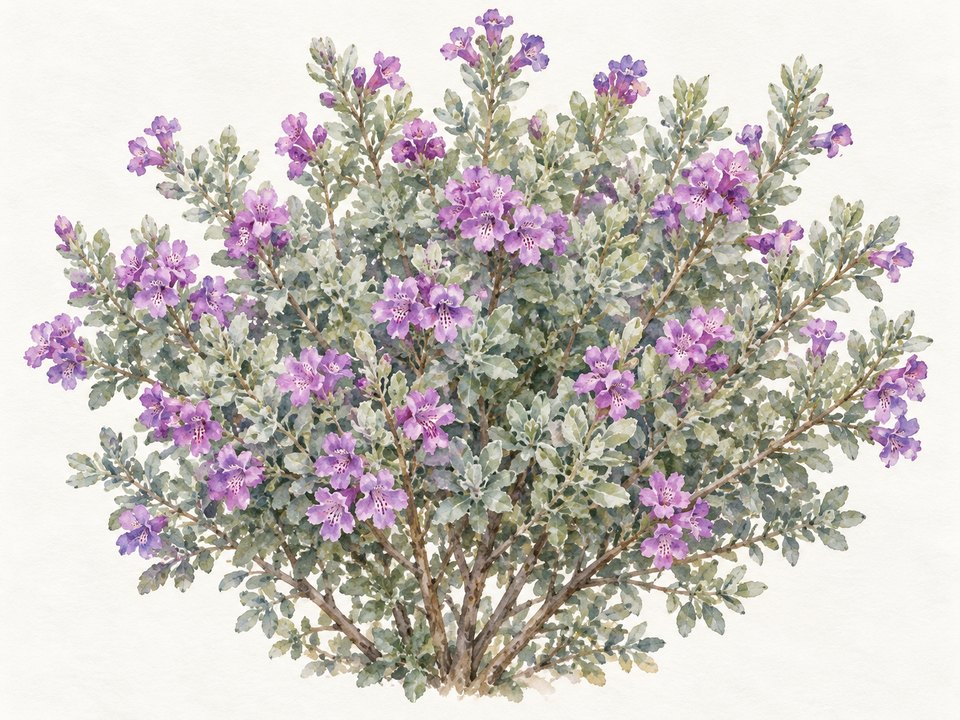 Illustration
Texas SageLeucophyllum frutescensIllustration 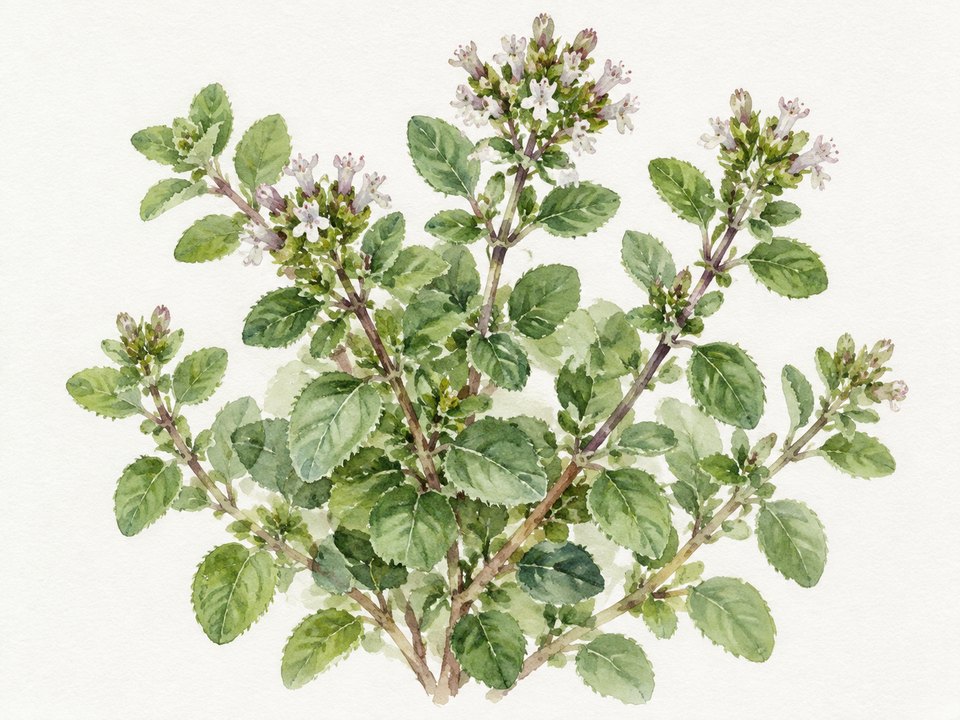 Illustration
Mexican OreganoPoliomintha longifoliaIllustration 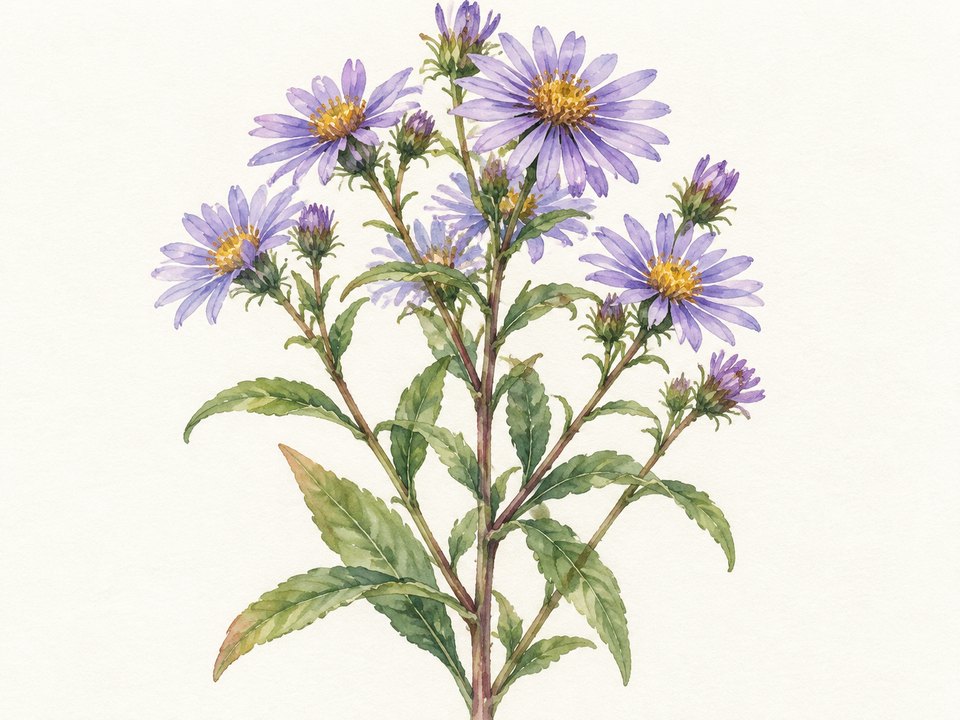 Illustration
Autumn AsterSymphyotrichum oblongifoliumIllustration 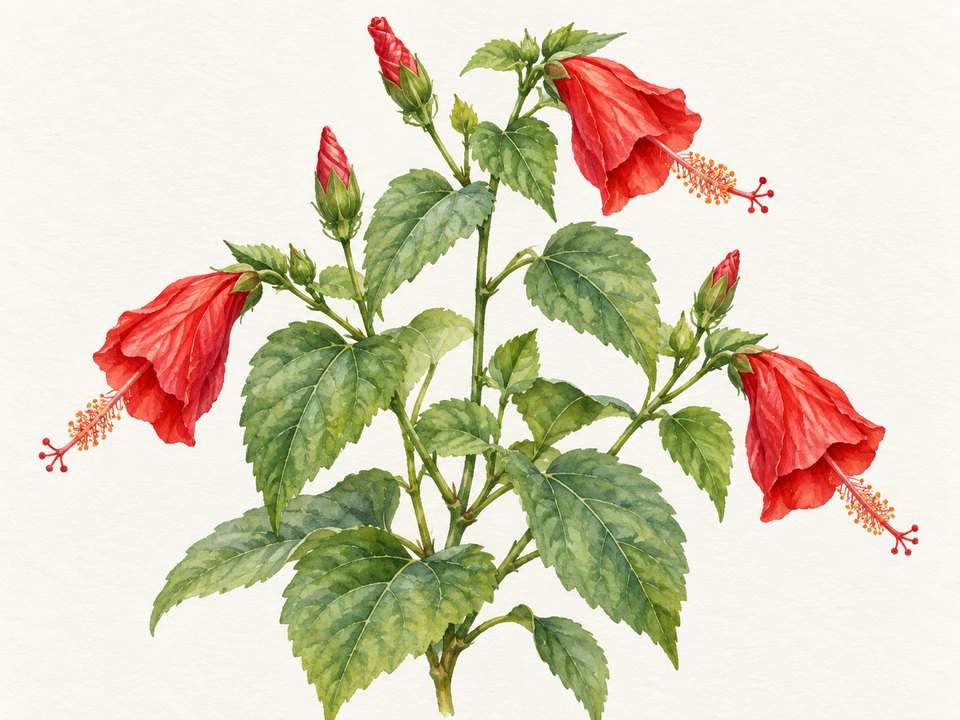 Illustration
Turk's CapMalvaviscus arboreus var. drummondiiIllustration 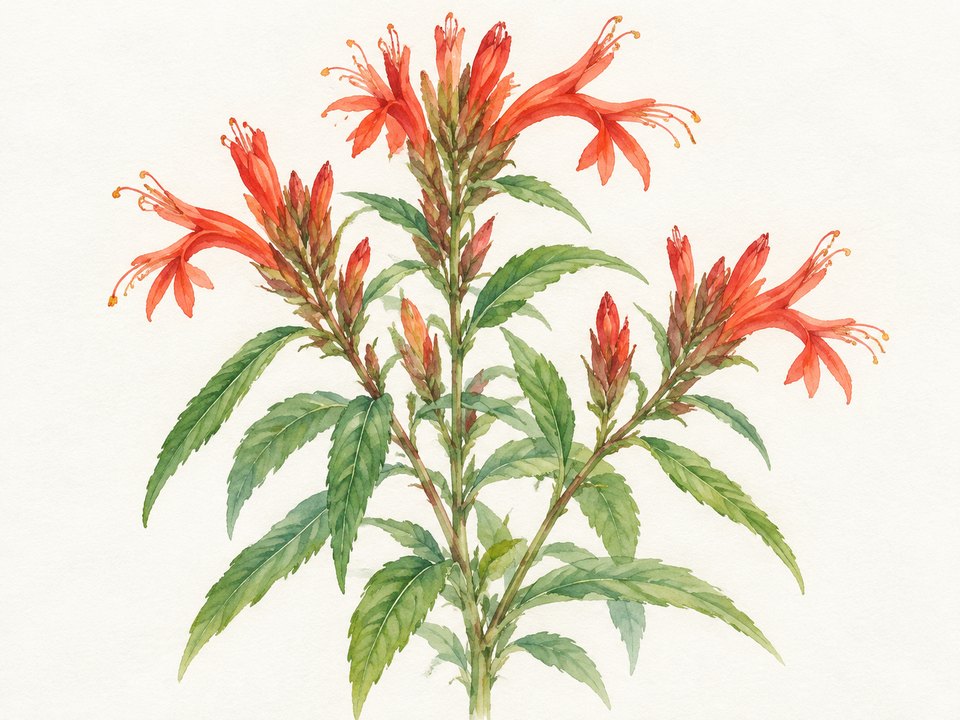 Illustration
Flame AcanthusAnisacanthus quadrifidus var. wrightiiIllustration 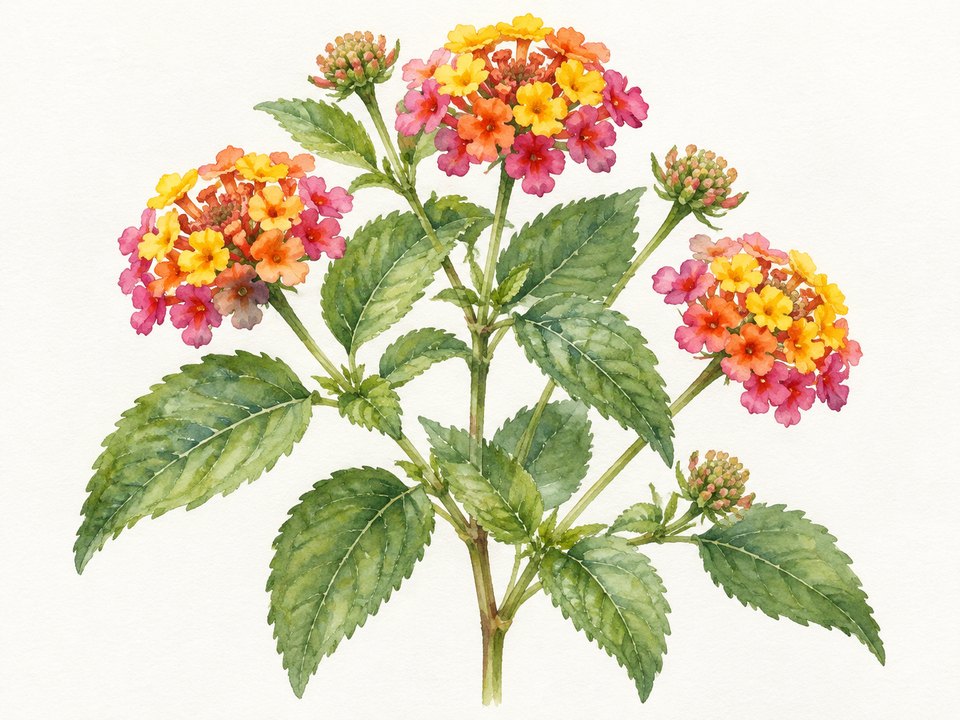 Illustration
Texas LantanaLantana urticoidesIllustration 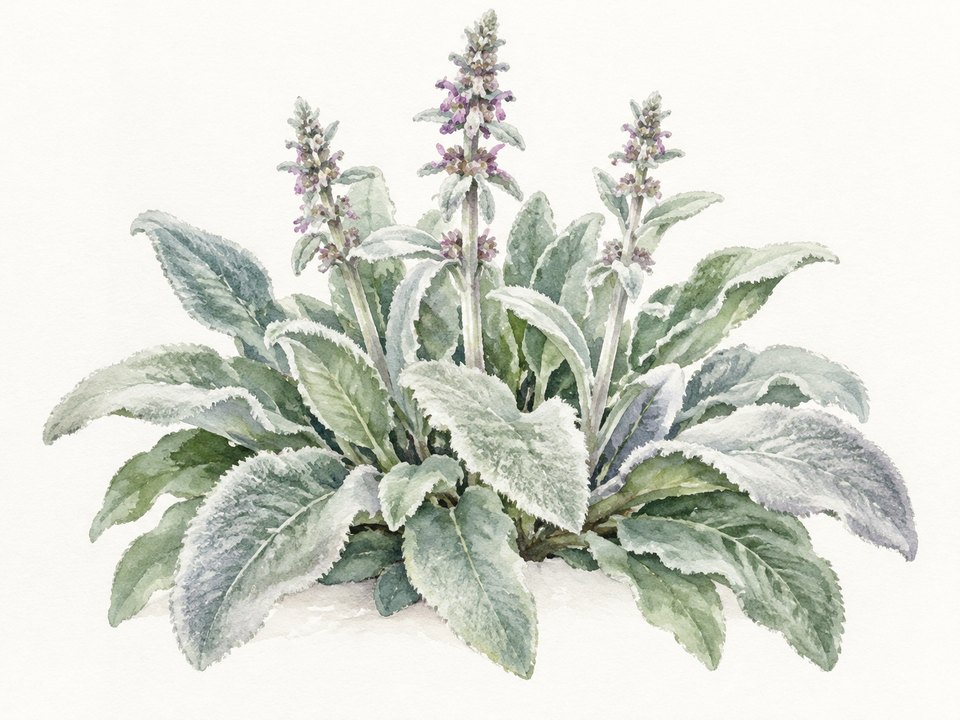 Illustration
Lamb's EarStachys byzantinaIllustration 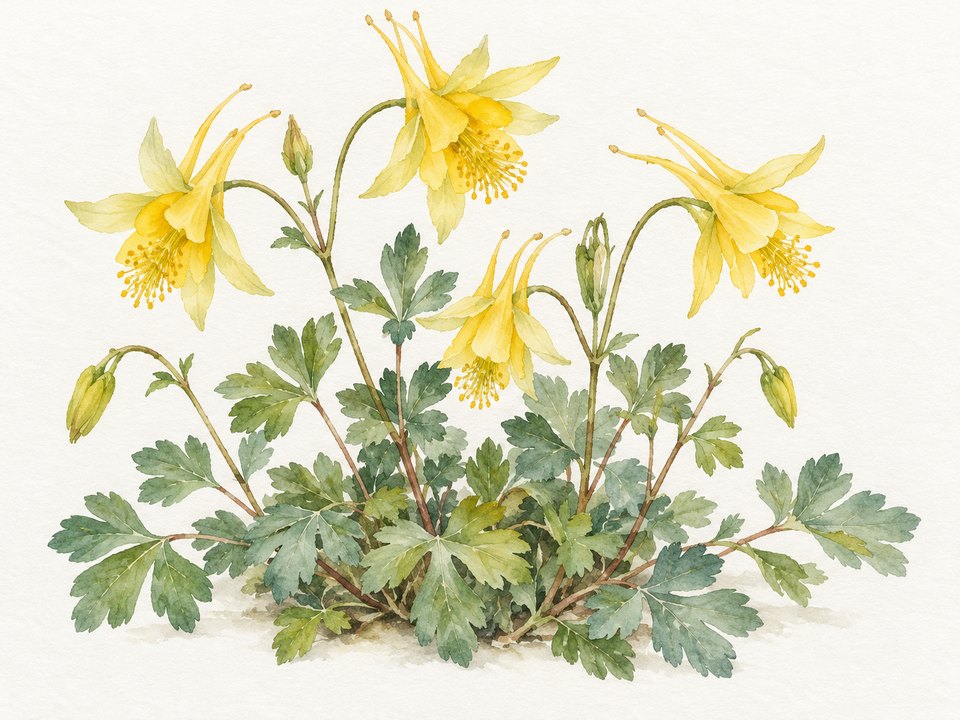 Illustration
Texas Gold ColumbineAquilegia chrysantha var. hinckleyanaIllustration 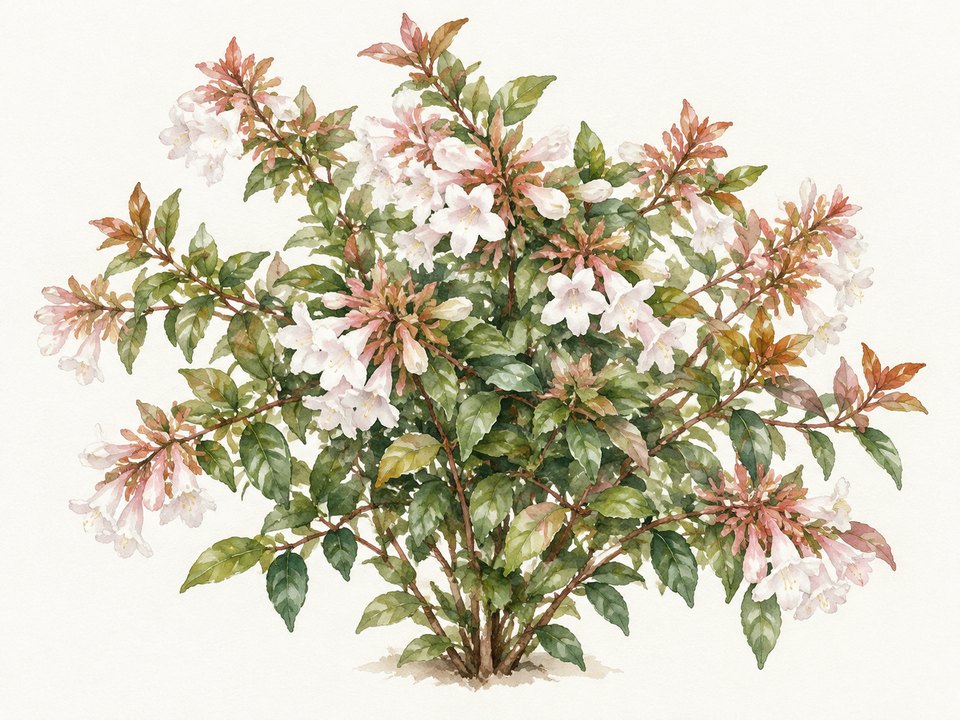 Illustration
Dwarf AbeliaAbelia × grandifloraIllustration 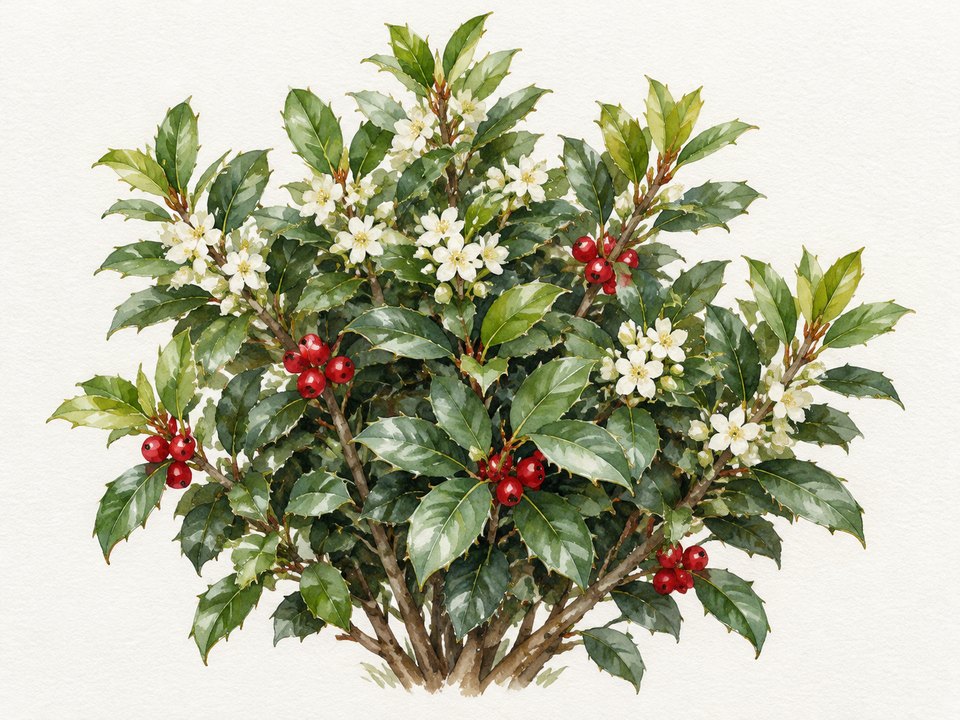 Illustration
Dwarf Burford HollyIlex cornutaIllustration 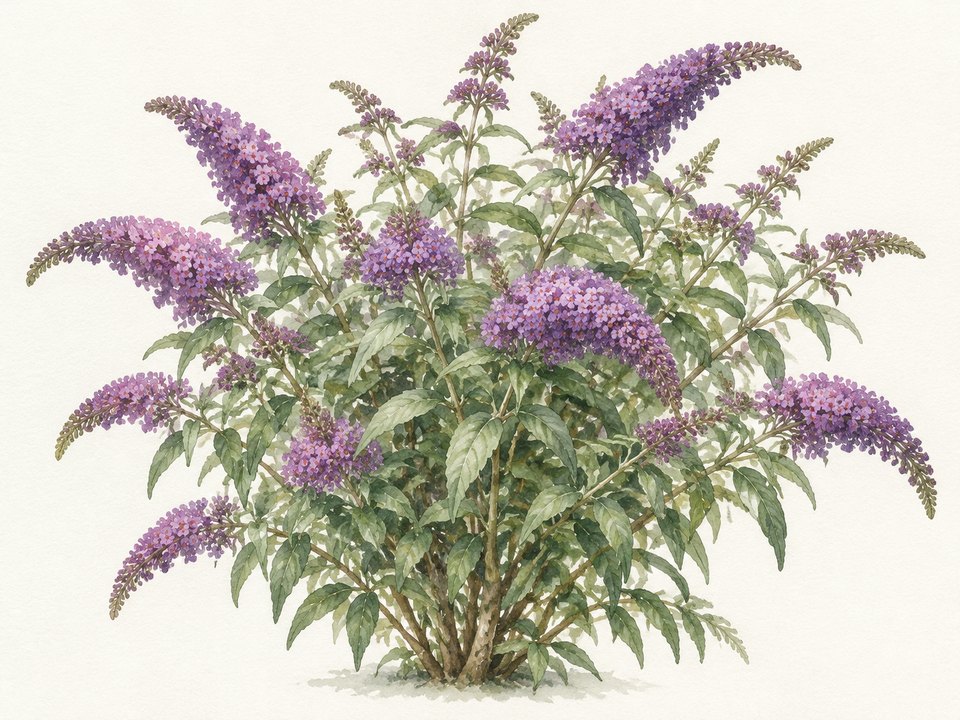 Illustration
Butterfly BushBuddleja davidiiIllustration 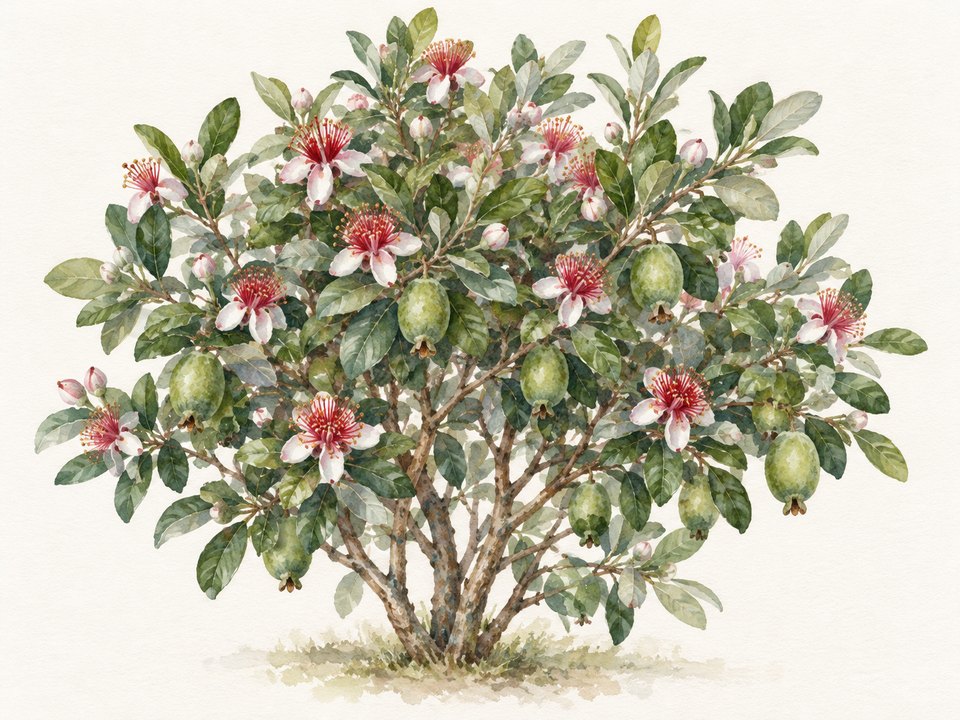 Illustration
Pineapple GuavaAcca sellowianaIllustration 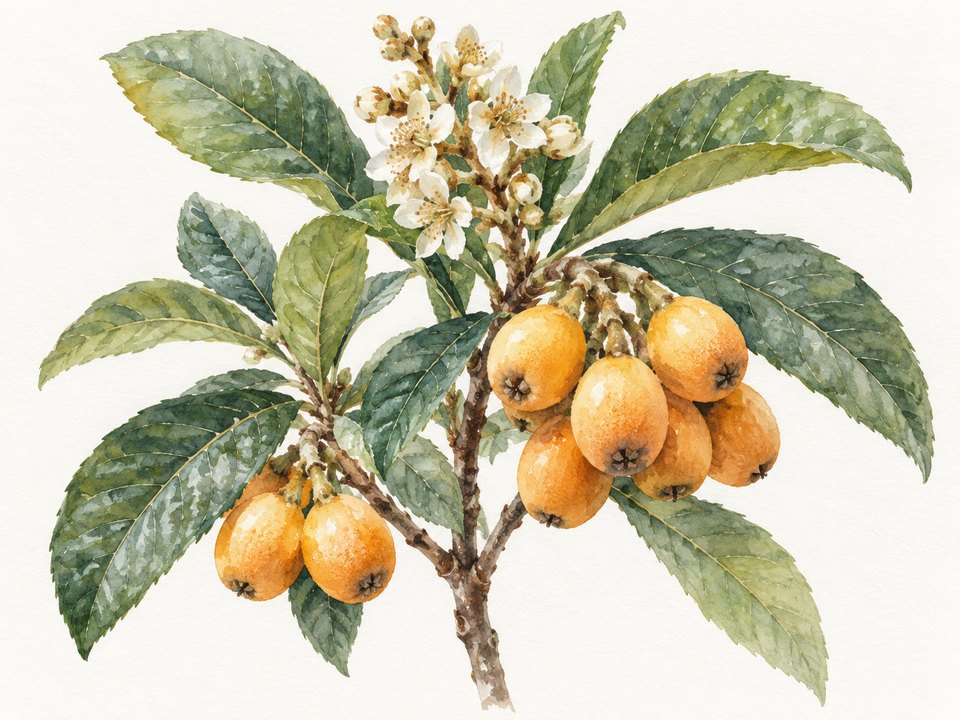 Illustration
LoquatEriobotrya japonicaIllustration 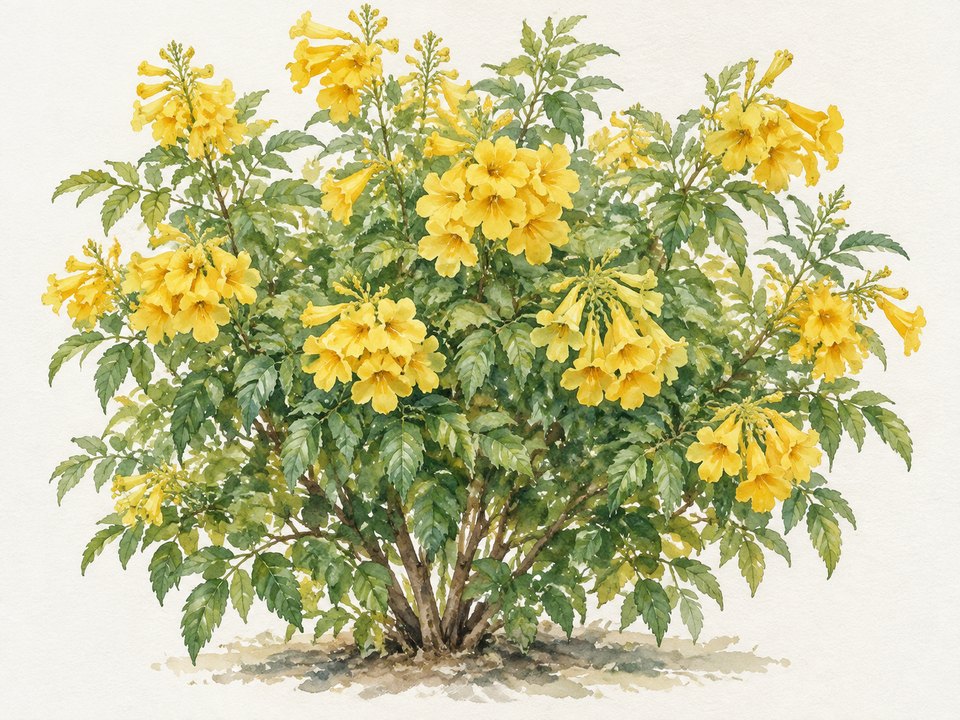 Illustration
EsperanzaTecoma stansIllustration 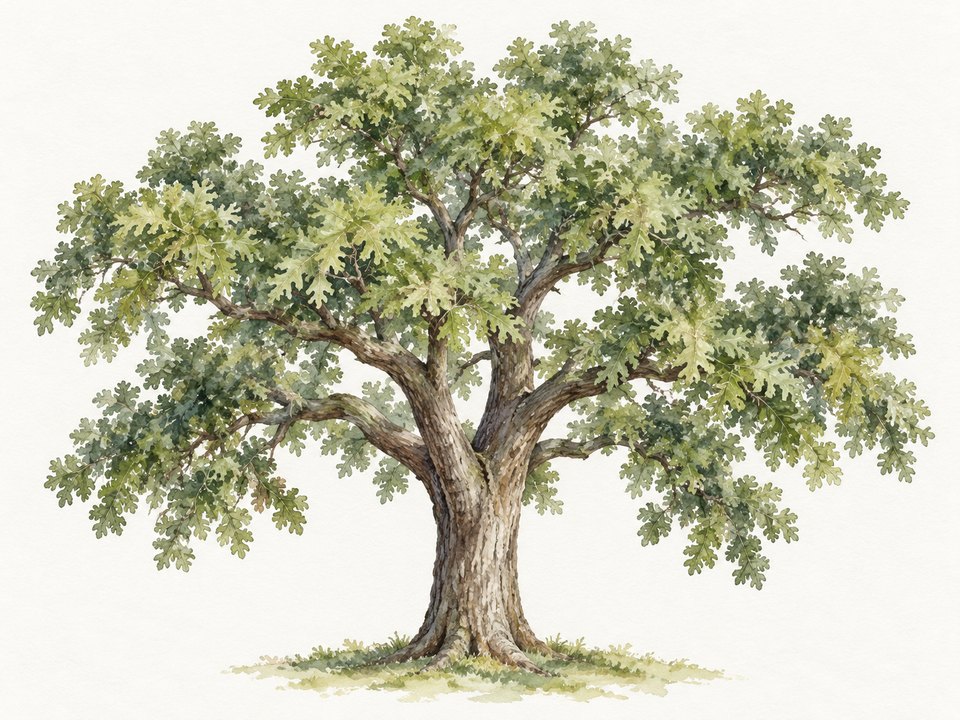 Illustration
Lacy OakQuercus laceyiIllustration 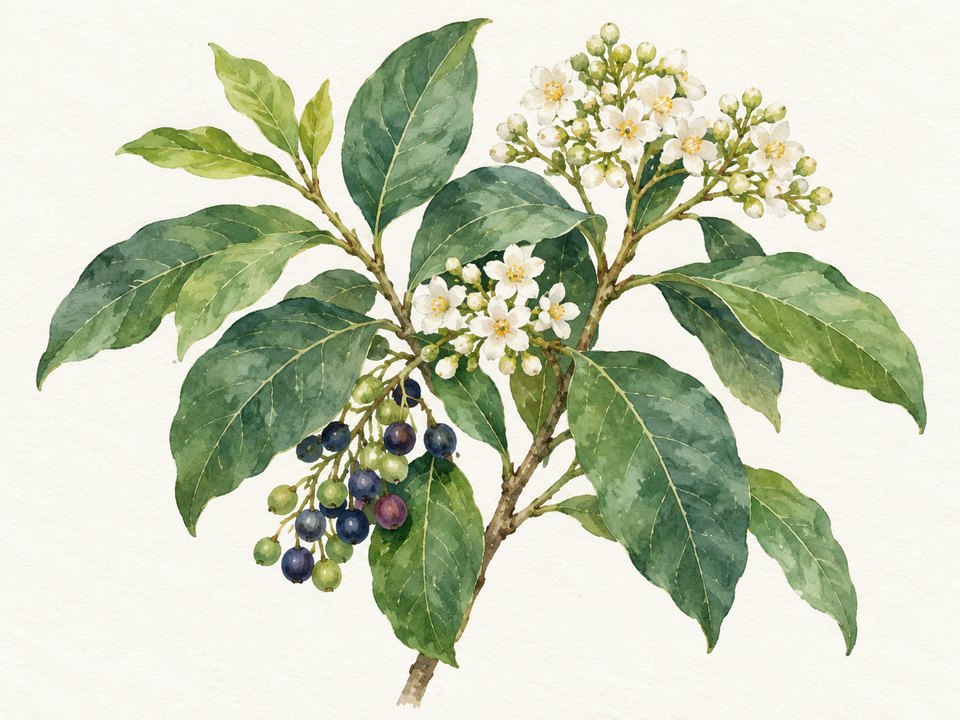 Illustration
AnaquaEhretia anacuaIllustration 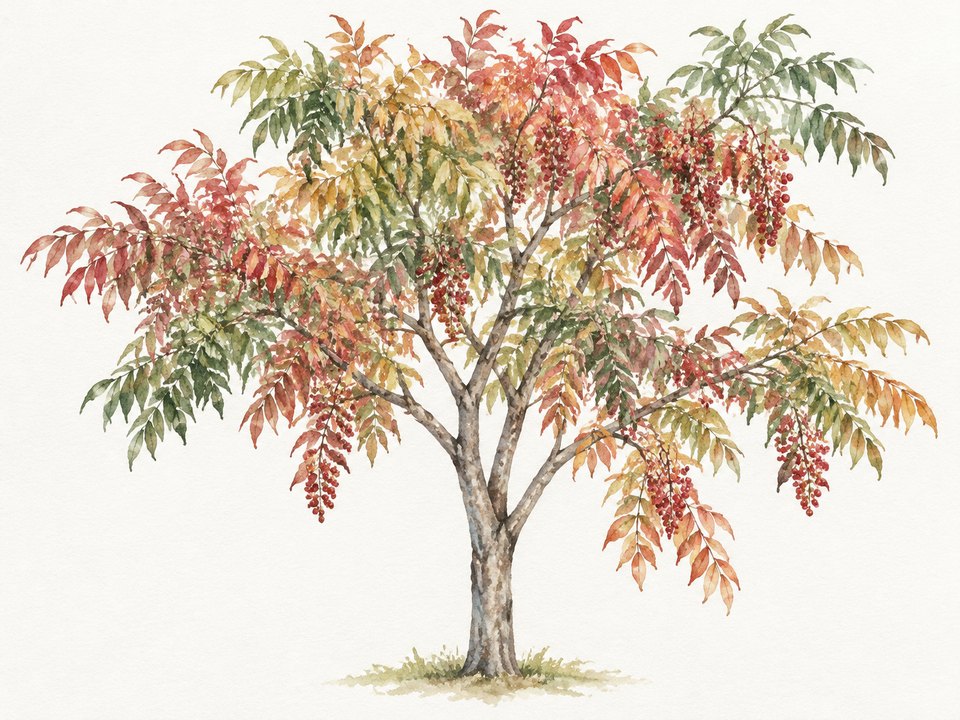 Illustration
Chinese PistachePistacia chinensisIllustration 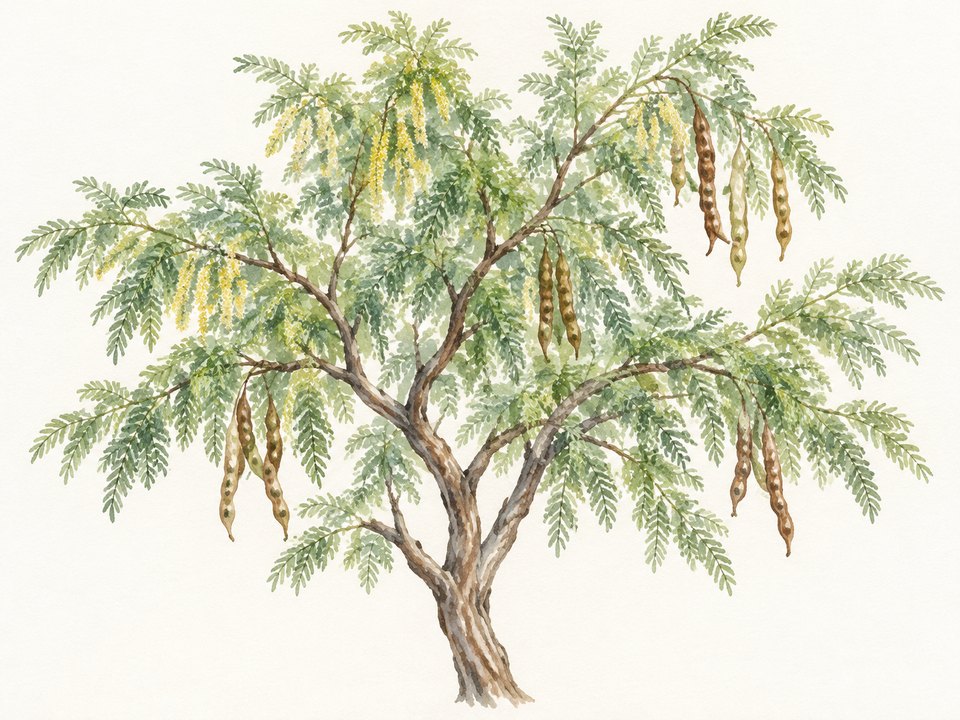 Illustration
MesquiteProsopis glandulosaIllustration 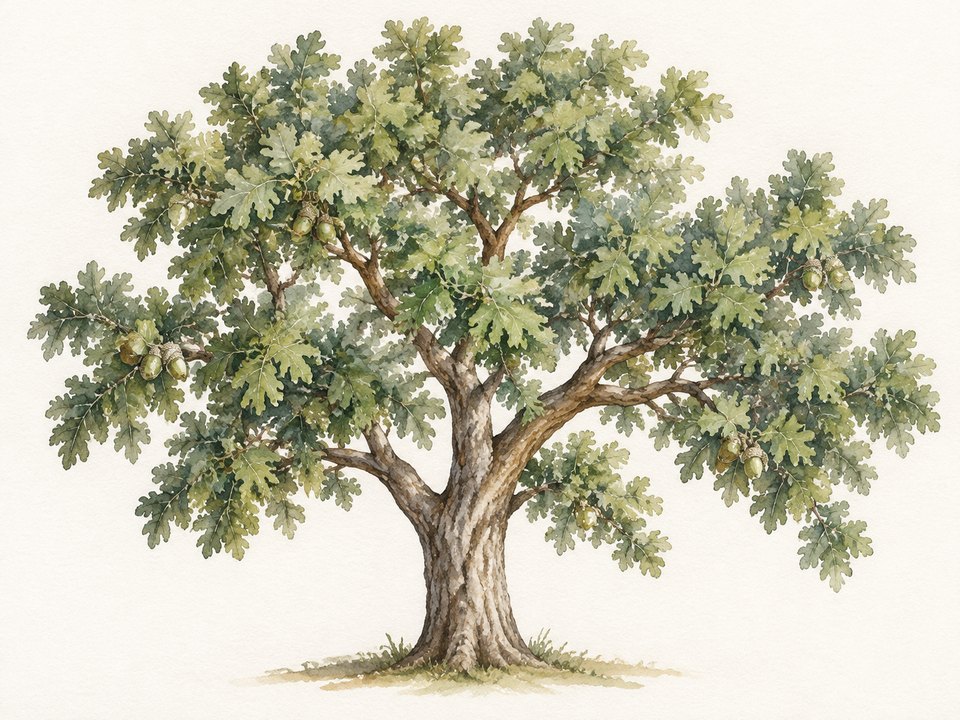 Illustration
Monterrey OakQuercus polymorphaIllustration 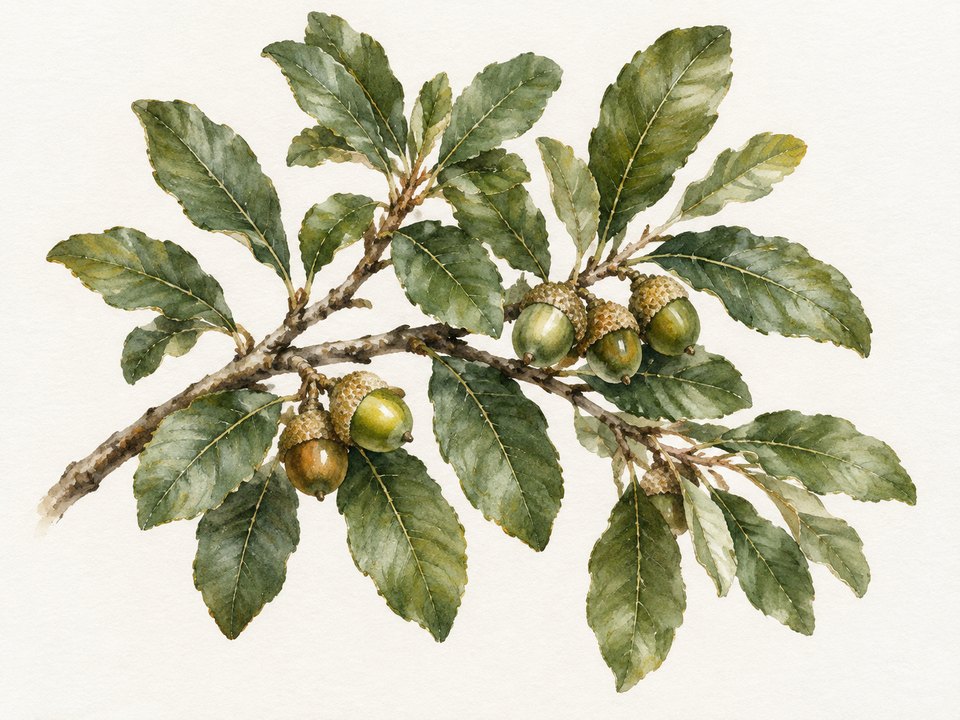 Illustration
Live OakQuercus virginianaIllustration 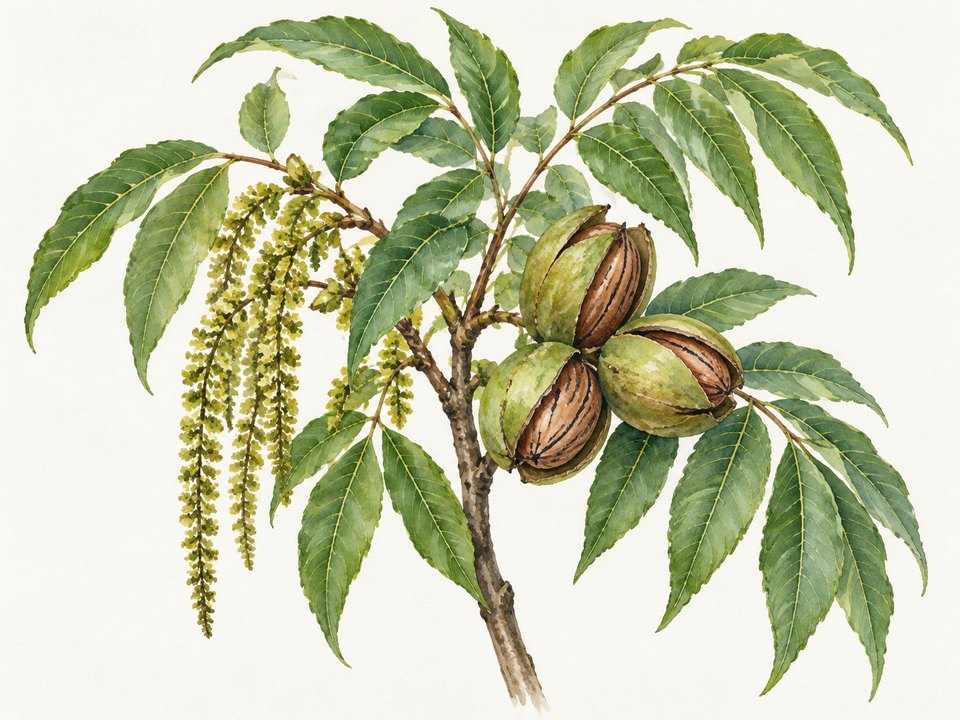 Illustration
PecanCarya illinoinensisIllustration 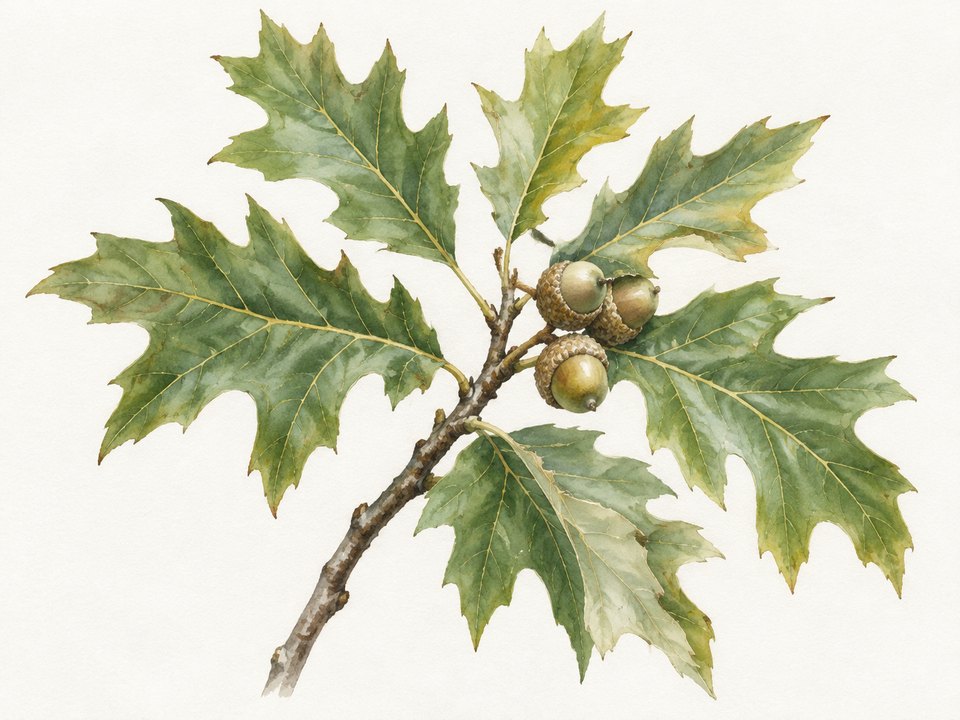 Illustration
Chinquapin OakQuercus muehlenbergiiIllustration 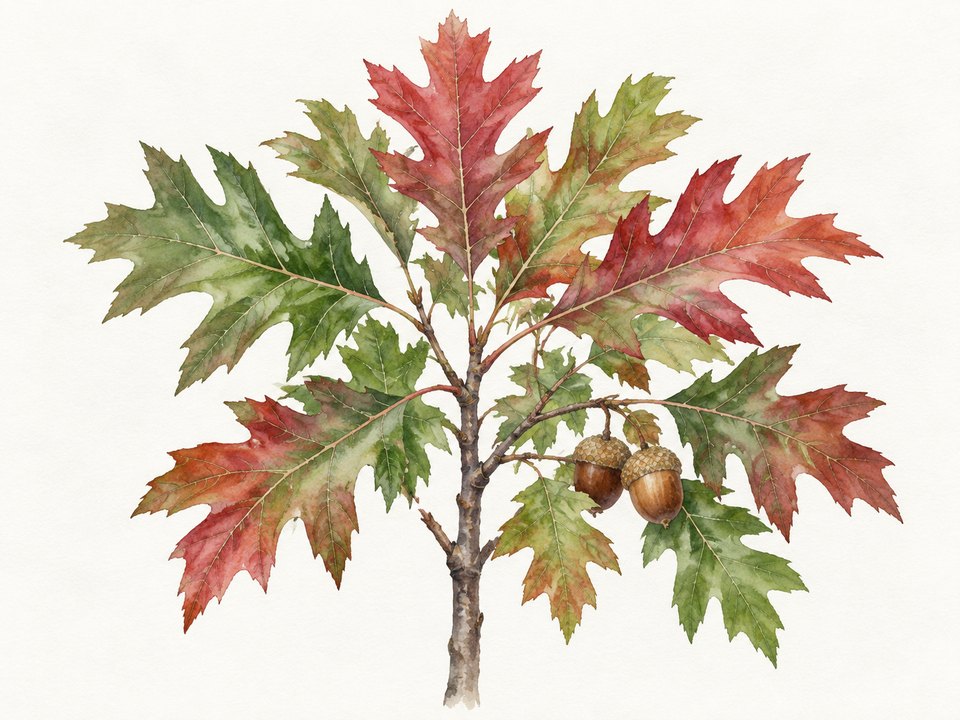 Illustration
Shumard Red OakQuercus shumardiiIllustration 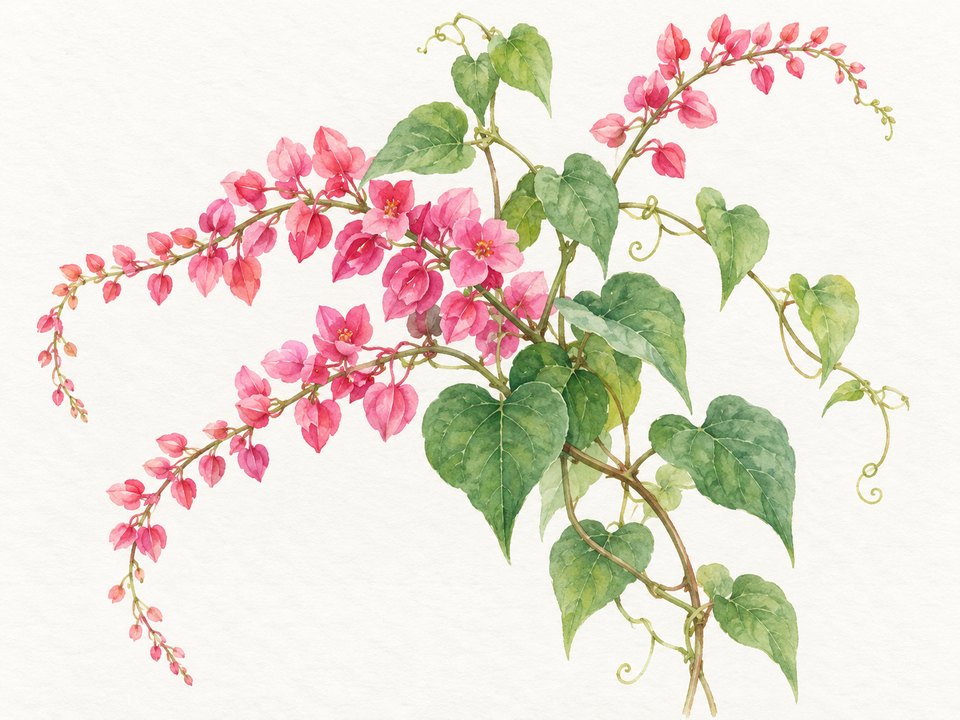 Illustration
Coral VineAntigonon leptopusIllustration 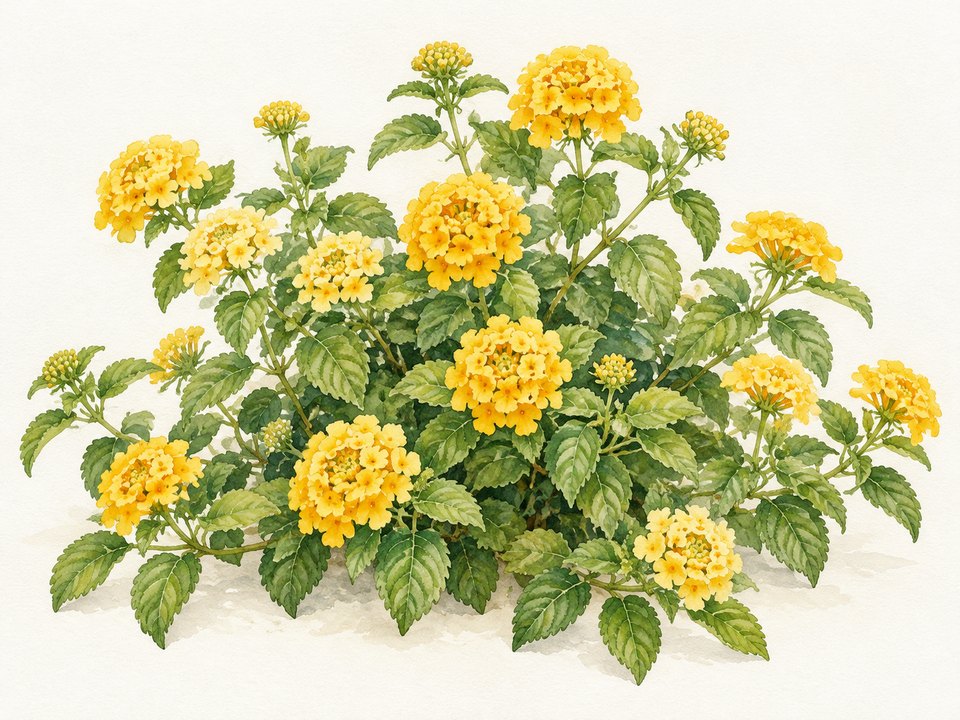 Illustration
New Gold LantanaLantana camara 'New Gold'Illustration 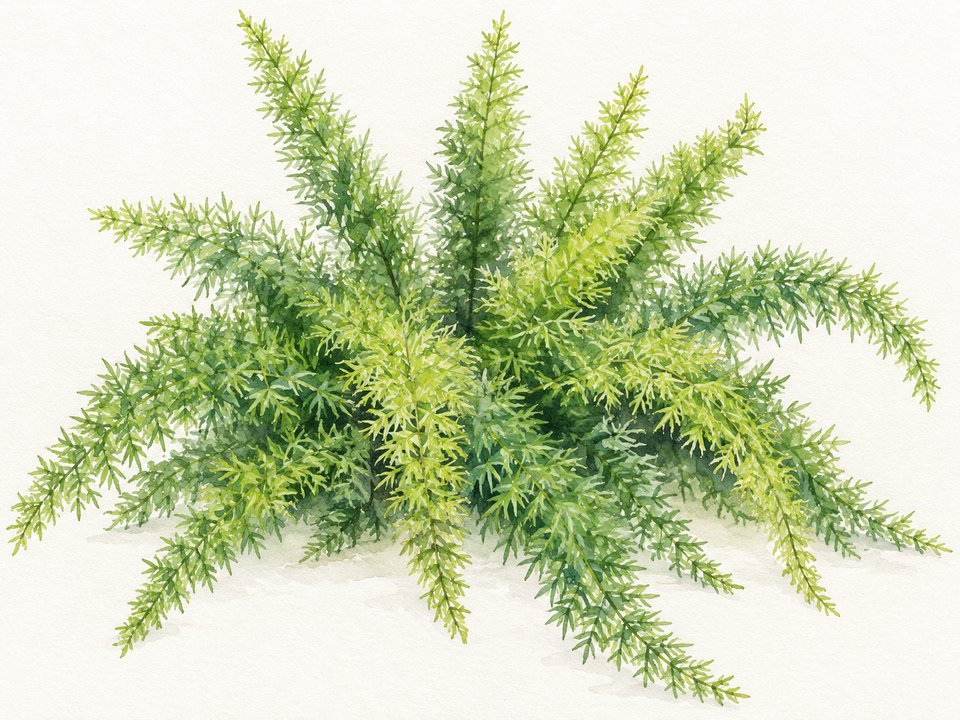 Illustration
Foxtail FernAsparagus densiflorusIllustration 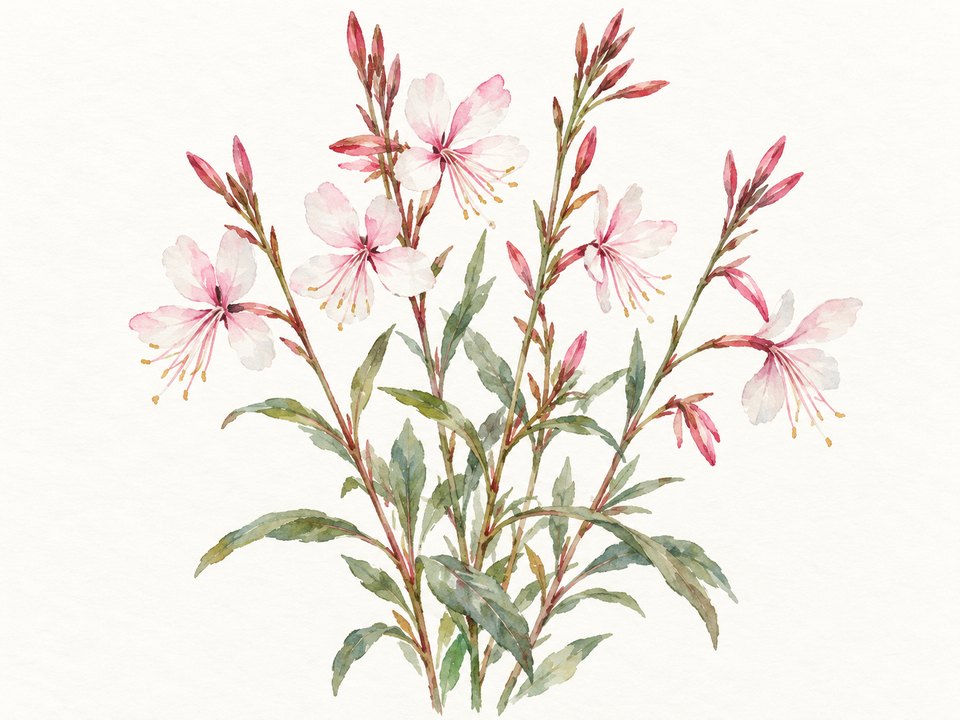 Illustration
GauraOenothera lindheimeriIllustration 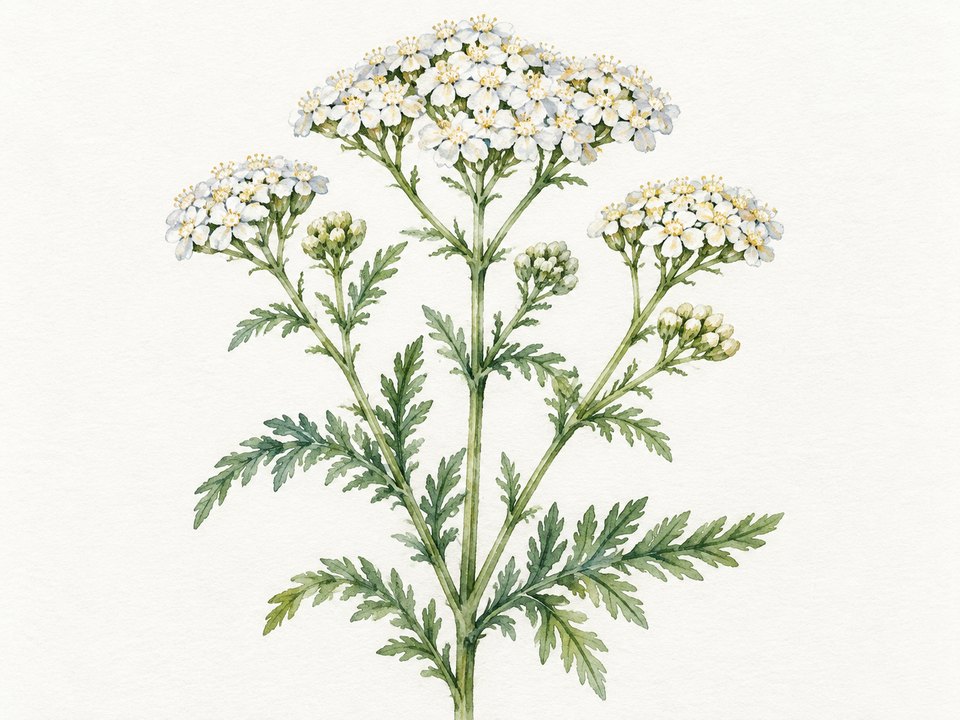 Illustration
YarrowAchillea millefoliumIllustration 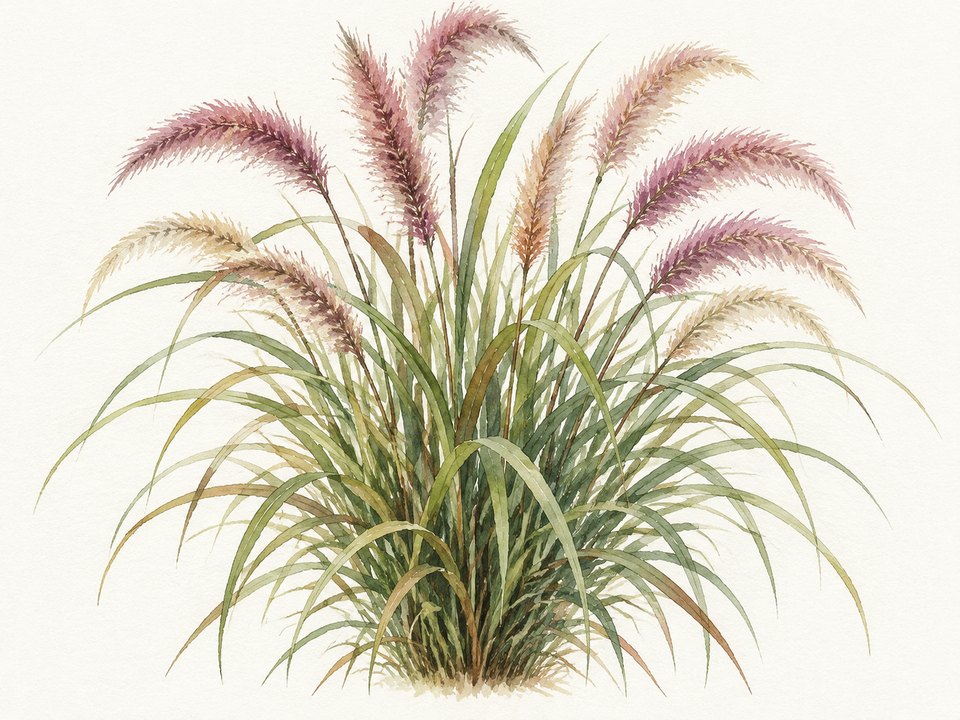 Illustration
Fountain GrassPennisetum setaceumIllustration 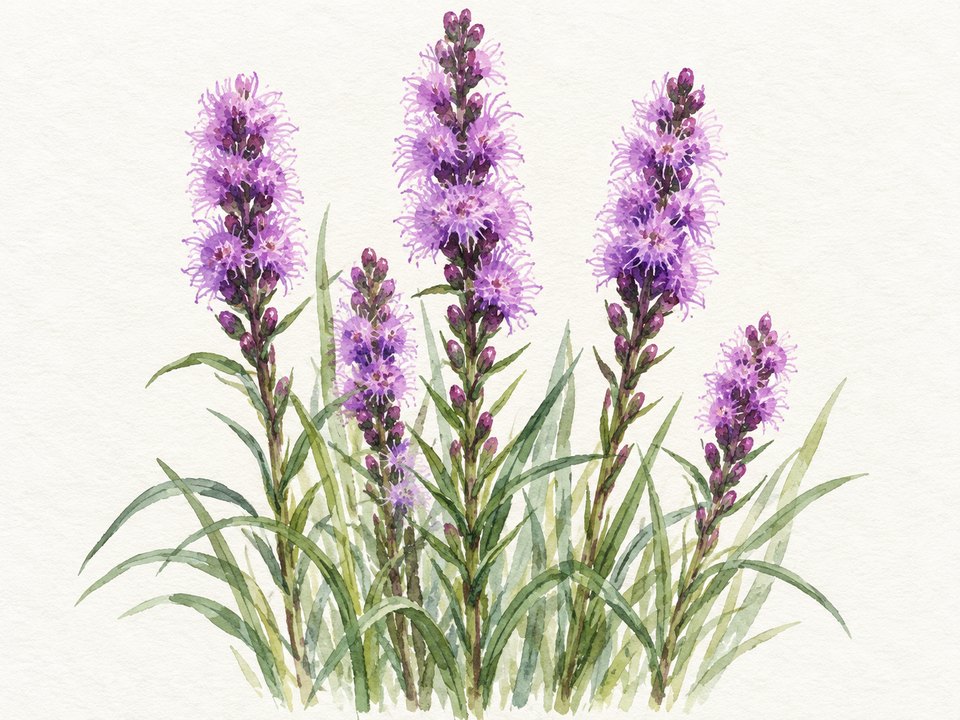 Illustration
GayfeatherLiatrisIllustration 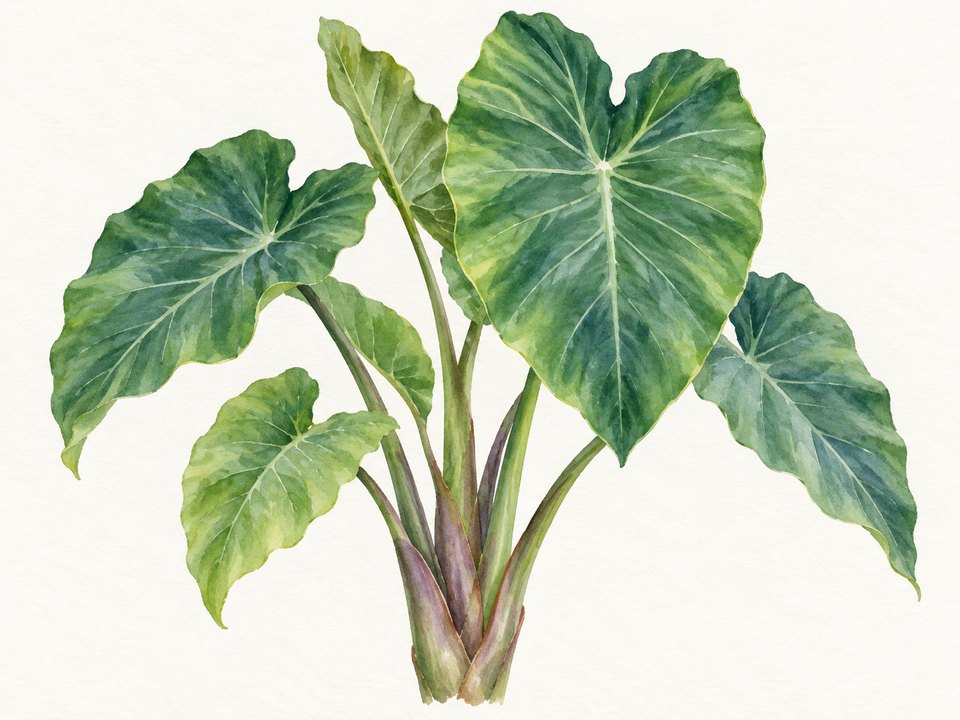 Illustration
Elephant EarColocasia esculentaIllustration 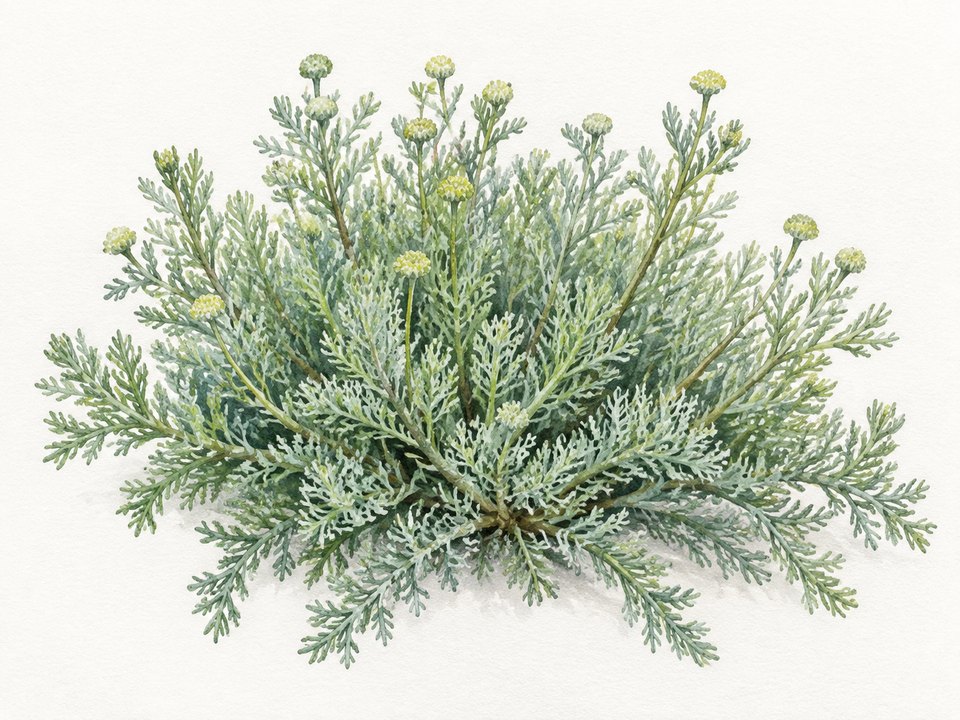 Illustration
Green SantolinaSantolina virensIllustration 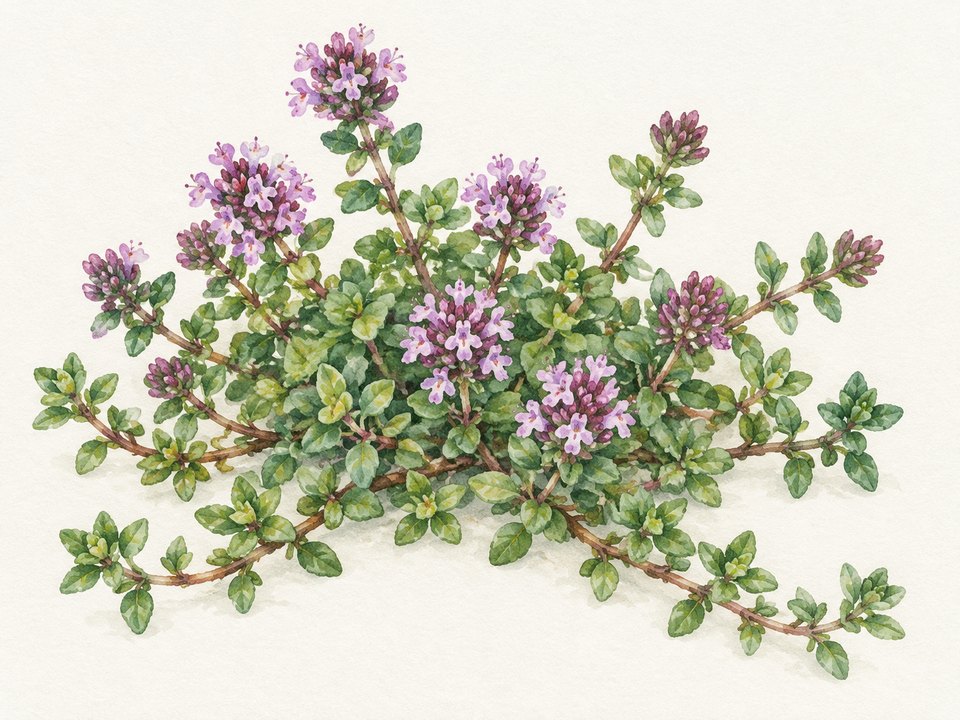 Illustration
Creeping ThymeThymus serpyllumIllustration
Names that need a closer check
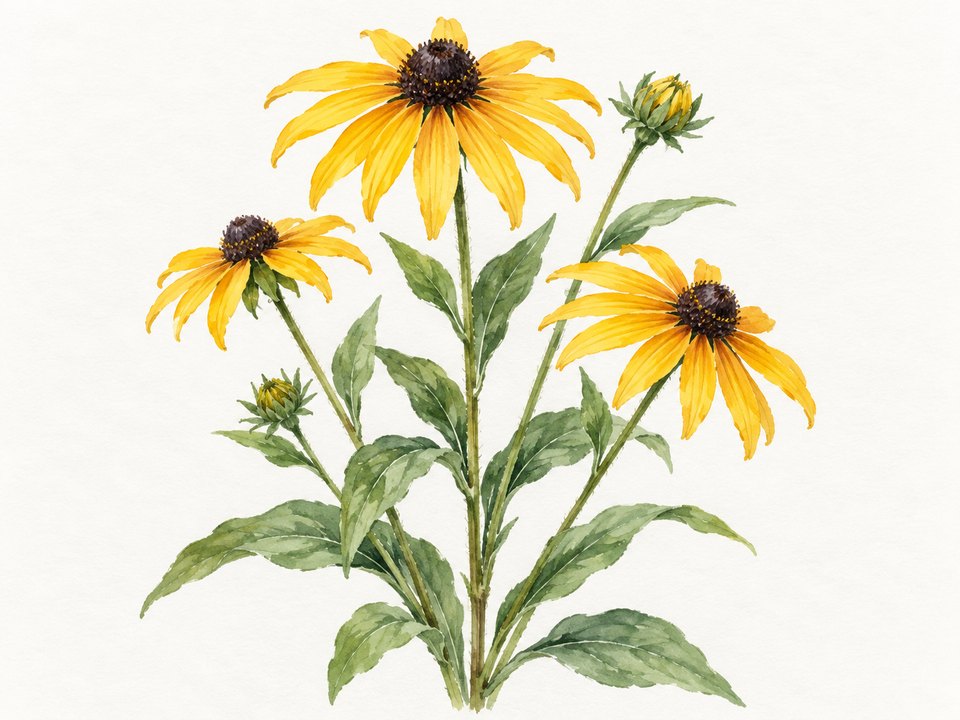
A picture should not silently change the recorded plant. In particular, the catalog's Black Eyed Susan is Rudbeckia fulgida 'Goldsturm', while the narrower recorded lists name Rudbeckia hirta. Their card is not used as an exact match here. The catalog's Desert Willow is a named cultivar and does not settle the Chilopsis linearis / Mesquite mismatch. The provisional Begonia, Eleagnus, Hypericum, Iris, Gayfeather and Sword Fern cards identify broad groups, not a verified species or cultivar. They do not approve every plant sold under those labels. Generic Cactus and Yucca references also remain broad.
The source lists use the common names Ageratum, Creeping Thyme, Elephant Ear, Fountain Grass, Moss Verbena, Yarrow and Zinnia without settling every species; their cards illustrate the catalog identity, not a new species requirement. Japanese Yew remains text-only because the provisional catalog entry has no botanical identity. Named roses, turf cultivars, Ruellia colors, Verbena series and Lantana cultivars stay in the written list even where there is no exact picture.[3][14][4][5][20]
 Illustration
Black Eyed SusanRudbeckia fulgida 'Goldsturm'Illustration 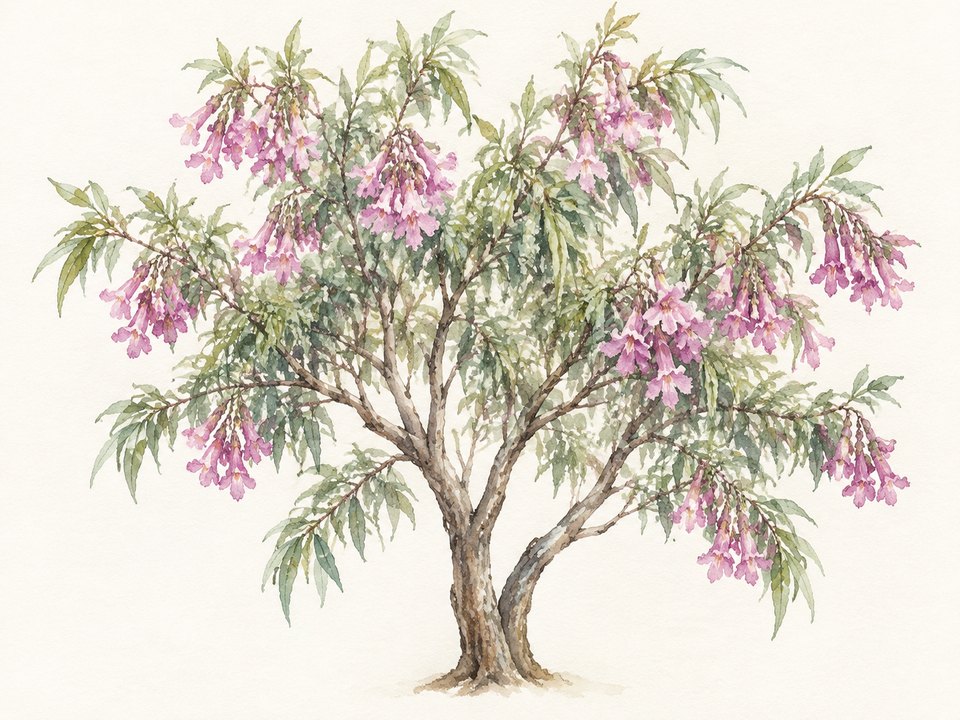 Illustration
Desert WillowChilopsis linearis 'Art's Seedless'Illustration
Trees, fences and other visible work
In Units 5 and 9, the specimen-tree rule covers certain healthy trees. They must have uniform canopies and be at least six inches in diameter. Measure 24 inches above ground. Juniper is excluded. Prior written approval is required for removal. The other unit guidelines use different 12-inch and 18-inch thresholds. These are tied to the building envelope. A builder-specific exception applies too. That builder exception is not general permission for owners. They cannot use it to remove trees. Confirm the tree survey and exact rule before cutting.[3][4][6][5]
Oak pruning is discouraged from February 1 through June 15 under the older unit rules. Use clean tools and treat wounds. Those rules stop short of a full pruning ban.[3][14]
Fence rules vary sharply. Units 5 and 9 describe optional fencing except for pools and a 54-inch King Ranch style. North prohibits wire and chain-link fences in its declaration. Other units have side/rear fence requirements. They have different greenbelt, panel, stain and setback rules. Do not buy fencing based on a neighboring unit's fence. Current Texas law also limits HOA restrictions on pool enclosures. It limits some security-fencing restrictions too.[4][5][16][21]
Lighting differs too. Units 7 and 9 use lumen and color-temperature language. Several older units use wattage limits. Walls, drainage, outdoor art, gardens and utility screening can need review. North also restricts vegetable and herb gardens in front or side yards. This applies to rear yards visible from the street too.[3][6][5][16]
Rainwater systems and drought protections
For rainwater systems, submit the location, color, dimensions, manufacturer and a photo. They restrict placement between the house front and an adjacent street. They require a color consistent with the home. They also address unusual text on the tank. Visible-system rules also protect affordable installation where enough space exists.[17][18][19]
Several unit rules add small-tank and screening limits, including two 55-gallon barrels. Do not treat that older text as the final word. State law protects rainwater harvesting and efficient irrigation. It protects drought-resistant landscaping and water-conserving natural turf too. It sets certain limits on how they may be regulated. It permits plan review. It bars unreasonable denial or withholding of approval for drought-resistant landscaping. The same applies to water-conserving natural turf. It also allows regulation of gravel, rocks and cacti. This is not automatic approval for every design.[21]
State law protects against certain fines during a mandatory residential watering restriction. The restriction must reasonably be able to cause brown or discolored vegetation. Protection also applies before the 60th day after the restriction is lifted. It covers the specified grass, turf and green-vegetation rules. It does not cover every landscaping violation. On November 11, 2026, the water provider's retail-customer page said Non-Drought. It said no restrictions were in effect. That page includes Johnson Ranch. That dated notice does not establish when an earlier restriction ended. It does not establish whether the 60-day protection applies to a particular fine. Check the live notice again before scheduling work.[21][22]
Ask for the current fee in writing
Review fees and compliance deposits are allowed. The current amount for a routine landscape change remains unverified. Unit 5's new-home process lists a $200 review fee. Unit 9's text lists $300. Its application lists $200. That conflict remains unresolved. Both describe a $2,500 builder deposit. Both describe a $1,000 owner construction/landscape deposit too. Ask for a separate current quote for a small-bed change.[1][4][5]
Keep working-capital assessments and collection charges separate from landscape application fees. Confirm the fee before filing.[2][23]
Notices, fines and maintenance charges
The complete 2025 fine policy adds pages missing from the earlier copy. Use that complete policy when checking a notice. Courtesy and violation letters are optional. A demand letter can be the first notice. For a curable violation, the policy provides a specific cure deadline. There is no fine if it is cured in time. It describes a written hearing request within 30 days after the notice is mailed. Hearing and evidence-packet deadlines apply. Repeat, uncurable and safety-related violations have different treatment, subject to current law.[24]
The fine schedule lists $50 for a first demand. It lists $75 for a second and $100 for a third. Later demands are $125. It lists $200 for uncurable or safety violations. Construction items have separate amounts. They include $500 for premature clearing. Work without reviewer approval is $500 too. These are written policy amounts. They do not prove that an owner has violated a rule. They do not promise that every charge is valid. The Board retains stated case-by-case discretion. State-law protections still apply.[24][21]
Owners must maintain the landscaped yard and irrigation. If they fail, maintenance work and charges are allowed. Entry requires the stated notice. Limits apply to altering or demolishing private improvements. Do not combine maintenance costs, deposits, fines and collection charges into one landscape fee.[1][17][16]
Johnson Ranch landscape questions
Can I use a neighbor's plant list?
Can I start if I have no answer after 30 days?
Wait for written approval. A request without an approval or rejection after 30 days is treated as disapproved.[1]
Can I use rock instead of all my lawn?
Submit the design for review. Separate coverage limits use the front yard, back yard and whole lot as their base. Have the reviewer show how each limit applies to your plan.[2]
Plan your Johnson Ranch yard
Share your address, survey and yard ideas with Texas Allied Landscape. We can help plan planting, outdoor space and irrigation. We can prepare the review package and build approved work. Ongoing help includes maintenance and plant care. It includes irrigation checks and repairs or bed refreshes. Turf reduction and native planting fit too, within the approved scope.
Documents and limits of this guide
This review covers the Master Covenant and Community Manual. It covers the located residential declarations. It includes the design guidelines for Units 1 through 9. Both phases of Unit 3 are included. Commercial, school, senior-housing and EMS restrictions have their own scope. Use the rules that cover your residential lot. County records were checked November 10, 2026, with the index reporting verification through November 8. This is a bounded document review. It is not a title opinion. It does not confirm that every later rule has been located.[1][2]
Several gaps stay open. The recorded Unit 1 guidelines are missing the first plant-list page. The surviving pages begin partway through the list. Unit 1 Phase 2 expressly adopts those Unit 1 guidelines. It shares that gap. Unit 7's declaration leaves its plat and applicability-notice numbers blank in the body. A 2025 assignment headed Johnson Ranch North cites a different unit's declaration. Have the current reviewer confirm the documents for your address before using a unit's rules.[11][25][26][10]
A 2023 withdrawal describes North Unit 4 Lot 26, Block A. It names the detention-pond Lot 1, Block A. It also names North Unit 8 Lot 62, Block A. North Unit 8 Lot 14, Block B is included too. It withdraws those parcels from the Master Covenant. Any applicable area declarations or notices are withdrawn too. A separate 2020 record withdraws a 5.039-acre North tract. These parcels may have later restrictions. Ask for an address-specific document check before applying the rules below.[27][28]
Before ordering plants, ask for the current declaration and amendments. Ask for unit rules, the application, reviewer and fee too. Have the reviewer confirm the unresolved items that affect your lot. Keep the written approval, plant list and tree decisions together. Keep the irrigation plan and finish deadline with them. Your lot's written approval is still required.
The public resident-portal page and water notice were rechecked November 11, 2026. A fresh fetch of the county fine-policy preview returned no readable content. This rewrite keeps the earlier bounded review. It is not a new full county or member-only document audit.
More community guides
Your community profile
Johnson Ranch in Comal County has different plant lists and rules by unit. Johnson Ranch North and the numbered units have their own documents. So do the commercial and EMS tracts. Check your deed and survey before choosing plants. Find your unit, phase, block and lot.[1][16]
Community profile
Johnson Ranch
Get written approval before landscape work. Plant lists and yard limits vary by unit. Missing plant-list text, reviewer questions and fee conflicts stay open.
1 permissive5 protective
| Design latitude | — |
|---|---|
| Approval scope | 5/5 |
| Approval layers | — |
| Approval cost | — |
| Plan preparation | — |
| Enforcement capability | — |
Higher means more documented control or burden, not a better community.
Johnson Ranch Master Community: Master Covenant, Community Manual, located unit guidelines and declarations, policy chain and applicability/withdrawal records read November 10, 2026. Bounded county review, not a title report or certification of the complete current set.
Design latitude
—
- 1
- 2
- 3
- 4
- 5
How much of the plant and design palette is prescribed. A higher score means less design freedom.
Why this score
Plant lists, tree rules, turf and preserve limits differ by unit. The recorded Unit 1 copy is missing its first plant-list page. A community-wide design score stays blank while that gap remains.
Approval scope
5/5
- 1
- 2
- 3
- 4
- 5 (this score)
How much exterior work needs written sign-off.
Why this score
Get written approval for landscape work, clearing and tree removal. Plans, specifications and the contractor need approval before work. This score covers the named Master Covenant, with later unit-specific rules still to confirm.
Approval layers
—
- 1
- 2
- 3
- 4
- 5
Counts distinct required community reviewers only. City, county and state permits, optional steps and repeat submissions are not counted.
Why this score
A community reviewer handles projects, with separate rules for delegation and some variances. Older and later assignments have conditions and scope conflicts. The complete current reviewer chain remains unverified. Review stages do not count as separate committees.
Approval cost
—
- 1
- 2
- 3
- 4
- 5
What the community's own approval process costs to apply.
Why this score
Review fees and deposits are allowed. Unit 5 lists $200 for new-home review. Unit 9 says $300 in its text and $200 on its form. Both name construction deposits. Confirm the fee for an ordinary landscape change.
Plan preparation
—
- 1
- 2
- 3
- 4
- 5
How much drawing and documentation an application needs.
Why this score
Prepare written plans, specifications and contractor details. Unit and xeriscape rules add plant names, quantities, surveys and area totals. The complete current package for an existing-home project remains unverified, so this score stays blank.
Enforcement capability
—
- 1
- 2
- 3
- 4
- 5
Which remedies the verified governing documents and adopted policies provide. The score reflects verified documented provisions, not observed enforcement practice or legal conclusions. Not finding an express clause is not a conclusion that no authority exists.
Get written approval before landscape work or clearing. Plant lists, preserve areas and review details vary by unit. Some document gaps remain open, including part of Unit 1's plant list. The coverage notes below explain those limits.[1][11]
Sources
- Johnson Ranch Master Covenant, 2013 . All 82 pages read; Sections 1.11, 2.02, 3.07, 5.13, 6.01-6.04, 9.04-9.05, 10.07 and 10.09.https://comal.landrecordsonline.com/comal/search.do?indexName=comalimages&templateName=imagepreview&lq=Instrument%3A201306010124&page=1&view=FitV&scrollbar=0&navpanes=0&statusbar=0&messages=0?iframe=true&width=50%25&height=95%25abcdefghijklmno
- Johnson Ranch Community Manual, 2013 . All 43 pages read; Attachment 7, PDF pages 41-42, xeriscaping.https://comal.landrecordsonline.com/comal/search.do?indexName=comalimages&templateName=imagepreview&lq=Instrument%3A201306048607&page=1&view=FitV&scrollbar=0&navpanes=0&statusbar=0&messages=0?iframe=true&width=50%25&height=95%25abcdefghi
- Unit 2 Design Guidelines . All 27 pages read, including landscape requirements, review process and plant-list pages.https://comal.landrecordsonline.com/comal/search.do?indexName=comalimages&templateName=imagepreview&lq=Instrument%3A201406016227&page=1&view=FitV&scrollbar=0&navpanes=0&statusbar=0&messages=0?iframe=true&width=50%25&height=95%25abcdefghijklmnop
- Unit 5 Design Guidelines . All 36 pages read, including landscape requirements, review process and plant-list pages.https://comal.landrecordsonline.com/comal/search.do?indexName=comalimages&templateName=imagepreview&lq=Instrument%3A202006023256&page=1&view=FitV&scrollbar=0&navpanes=0&statusbar=0&messages=0?iframe=true&width=50%25&height=95%25abcdefghijklmnopqrstuvw
- Unit 9 Design Guidelines . All 37 pages read, including landscape requirements, review process and plant-list pages.https://comal.landrecordsonline.com/comal/search.do?indexName=comalimages&templateName=imagepreview&lq=Instrument%3A202506020630&page=1&view=FitV&scrollbar=0&navpanes=0&statusbar=0&messages=0?iframe=true&width=50%25&height=95%25abcdefghijklmnopqrstuvwx
- Unit 7 Design Guidelines . All 26 pages read, including landscape requirements, review process and plant-list pages.https://comal.landrecordsonline.com/comal/search.do?indexName=comalimages&templateName=imagepreview&lq=Instrument%3A202506001382&page=1&view=FitV&scrollbar=0&navpanes=0&statusbar=0&messages=0?iframe=true&width=50%25&height=95%25abcdefghi
- Unit 8 Design Guidelines . All 26 pages read, including landscape requirements, review process and plant-list pages.https://comal.landrecordsonline.com/comal/search.do?indexName=comalimages&templateName=imagepreview&lq=Instrument%3A202406037158&page=1&view=FitV&scrollbar=0&navpanes=0&statusbar=0&messages=0?iframe=true&width=50%25&height=95%25abcde
- Johnson Ranch official home page . Official community identity and current website, read November 10, 2026.https://www.johnsonranchlife.com/home/↑
- Johnson Ranch resident portal . Current portal route rechecked November 11, 2026; member-only documents not represented as read.https://www.johnsonranchlife.com/resident-portal/↑
- Assignment headed Johnson Ranch North, 2025 . All three pages read. Heading and conflicting declaration reference visually checked.https://comal.landrecordsonline.com/comal/search.do?indexName=comalimages&templateName=imagepreview&lq=Instrument%3A202506011594&page=1&view=FitV&scrollbar=0&navpanes=0&statusbar=0&messages=0?iframe=true&width=50%25&height=95%25ab
- Unit 1 Design Guidelines . All 26 pages read, including landscape requirements, review process and plant-list pages. First plant-list page is absent from this recorded copy.https://comal.landrecordsonline.com/comal/search.do?indexName=comalimages&templateName=imagepreview&lq=Instrument%3A201306043334&page=1&view=FitV&scrollbar=0&navpanes=0&statusbar=0&messages=0?iframe=true&width=50%25&height=95%25abcdefg
- Unit 3 Phase 1 Design Guidelines . All 27 pages read, including landscape requirements, review process and plant-list pages.https://comal.landrecordsonline.com/comal/search.do?indexName=comalimages&templateName=imagepreview&lq=Instrument%3A201406016224&page=1&view=FitV&scrollbar=0&navpanes=0&statusbar=0&messages=0?iframe=true&width=50%25&height=95%25abcd
- Unit 3 Phase 2 Design Guidelines . All 28 pages read, including landscape requirements, review process and plant-list pages.https://comal.landrecordsonline.com/comal/search.do?indexName=comalimages&templateName=imagepreview&lq=Instrument%3A201906033882&page=1&view=FitV&scrollbar=0&navpanes=0&statusbar=0&messages=0?iframe=true&width=50%25&height=95%25abcde
- Unit 4 Design Guidelines . All 27 pages read, including landscape requirements, review process and plant-list pages.https://comal.landrecordsonline.com/comal/search.do?indexName=comalimages&templateName=imagepreview&lq=Instrument%3A201706054176&page=1&view=FitV&scrollbar=0&navpanes=0&statusbar=0&messages=0?iframe=true&width=50%25&height=95%25abcdefg
- Unit 6 corrected Design Guidelines . All 29 pages read, including landscape requirements, review process and plant-list pages.https://comal.landrecordsonline.com/comal/search.do?indexName=comalimages&templateName=imagepreview&lq=Instrument%3A202006041686&page=1&view=FitV&scrollbar=0&navpanes=0&statusbar=0&messages=0?iframe=true&width=50%25&height=95%25abcd
- Johnson Ranch North Development Area Declaration, 2014 . All 30 pages read; Sections 3.07, 3.11 and 5.07; Exhibit A scope qualification.https://comal.landrecordsonline.com/comal/search.do?indexName=comalimages&templateName=imagepreview&lq=Instrument%3A201406041939&page=1&view=FitV&scrollbar=0&navpanes=0&statusbar=0&messages=0?iframe=true&width=50%25&height=95%25abcdef
- Unit 2 Development Area Declaration, 2014 . All 19 pages read; Sections 3.07 and 3.11. County index label differs; the document itself says Unit 2.https://comal.landrecordsonline.com/comal/search.do?indexName=comalimages&templateName=imagepreview&lq=Instrument%3A201406016226&page=1&view=FitV&scrollbar=0&navpanes=0&statusbar=0&messages=0?iframe=true&width=50%25&height=95%25abc
- Unit 5 Development Area Declaration, 2020 . All 28 pages read, including Access Easement attachment. Sections 3.07 and 3.11.https://comal.landrecordsonline.com/comal/search.do?indexName=comalimages&templateName=imagepreview&lq=Instrument%3A202006023255&page=1&view=FitV&scrollbar=0&navpanes=0&statusbar=0&messages=0?iframe=true&width=50%25&height=95%25ab
- Unit 9 Development Area Declaration, 2025 . All 18 pages read; Sections 3.07 and 3.11.https://comal.landrecordsonline.com/comal/search.do?indexName=comalimages&templateName=imagepreview&lq=Instrument%3A202506020631&page=1&view=FitV&scrollbar=0&navpanes=0&statusbar=0&messages=0?iframe=true&width=50%25&height=95%25ab
- Texas Allied Landscape plant catalog . Current names and botanical identities read November 10, 2026. Illustrations are not approval evidence.https://texasalliedlandscape.com/plants↑
- Texas Property Code Chapter 202 . Current official text read November 10, 2026; Sections 202.007, 202.008, 202.022 and 202.023.https://statutes.capitol.texas.gov/GetStatute.aspx?Code=PR&Value=202.007abcd
- GBRA retail water customers . Live notice rechecked November 11, 2026: Non-Drought, no restrictions currently in effect; includes Johnson Ranch.https://www.gbra.org/retail-customers/↑
- Working Capital Assessment policy, 2014 . Both pages read. Not a landscape application fee.https://comal.landrecordsonline.com/comal/search.do?indexName=comalimages&templateName=imagepreview&lq=Instrument%3A201406037530&page=1&view=FitV&scrollbar=0&navpanes=0&statusbar=0&messages=0?iframe=true&width=50%25&height=95%25↑
- Fine Enforcement Policy, complete re-recording, 2025 . All 11 pages read; Sections 3-6 and Schedule of Fines, PDF pages 9-10. Re-recorded to add omitted pages.https://comal.landrecordsonline.com/comal/search.do?indexName=comalimages&templateName=imagepreview&lq=Instrument%3A202506003487&page=1&view=FitV&scrollbar=0&navpanes=0&statusbar=0&messages=0?iframe=true&width=50%25&height=95%25ab
- Unit 1 Phase 2 Notice of Applicability, 2015 . All four pages read; selected lots and Section 4 adopting Unit 1 guidelines.https://comal.landrecordsonline.com/comal/search.do?indexName=comalimages&templateName=imagepreview&lq=Instrument%3A201506028110&page=1&view=FitV&scrollbar=0&navpanes=0&statusbar=0&messages=0?iframe=true&width=50%25&height=95%25↑
- Unit 7 Development Area Declaration, 2025 . Full body compared against the fully read Unit 2 declaration; every changed word/context read. PDF page 3 blank plat and notice references visually checked.https://comal.landrecordsonline.com/comal/search.do?indexName=comalimages&templateName=imagepreview&lq=Instrument%3A202506001381&page=1&view=FitV&scrollbar=0&navpanes=0&statusbar=0&messages=0?iframe=true&width=50%25&height=95%25↑
- Notice of Withdrawal of Land, 2023 . All five pages read. Operative Section 3 and exact Exhibit A parcels visually checked.https://comal.landrecordsonline.com/comal/search.do?indexName=comalimages&templateName=imagepreview&lq=Instrument%3A202306006990&page=1&view=FitV&scrollbar=0&navpanes=0&statusbar=0&messages=0?iframe=true&width=50%25&height=95%25↑
- Notice of Withdrawal of 5.039-acre tract, 2020 . All eight pages read; a specific North tract, not every North lot.https://comal.landrecordsonline.com/comal/search.do?indexName=comalimages&templateName=imagepreview&lq=Instrument%3A202006014099&page=1&view=FitV&scrollbar=0&navpanes=0&statusbar=0&messages=0?iframe=true&width=50%25&height=95%25↑