
Property owners
Vitex
- Plant
- Vitex
- Botanical name
- Vitex agnus-castus
- Group
- Prohibited examples
Vitex: sourced height, pruning and seasonal behavior.
On this page
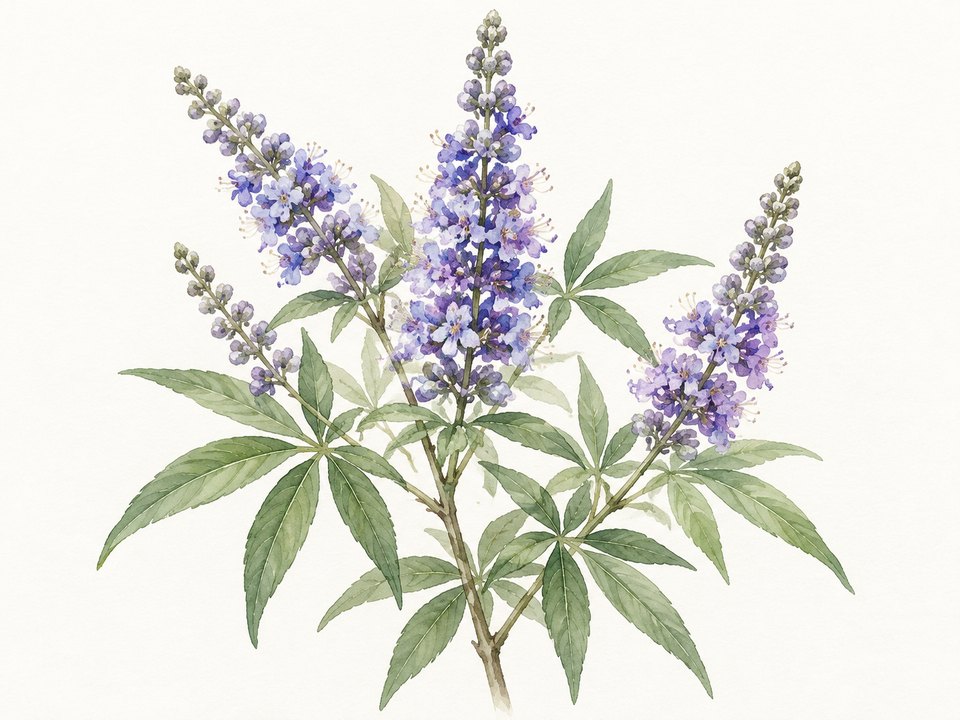
Its botanical name is Vitex agnus-castus.
Height
It is a sprawling shrub or small tree 10 to 20 feet tall and about as wide.[1]
Pruning
Its flowers are produced on new wood.
Seasonal behavior
Branched violet-to-blue flower clusters in late spring and early summer make the plant look like a hazy purple cloud. Bloom continues sporadically into fall. The flowers are fragrant and attract bees and hummingbirds. Note the caution: it is listed as an invasive plant in Texas.
Why Vitex is a problem here
Vitex (lilac chastetree) is listed as an invasive species in Texas. Its seed spreads into creek corridors and natural areas, especially in Central Texas. There it crowds out native plants.[1]
What to plant instead
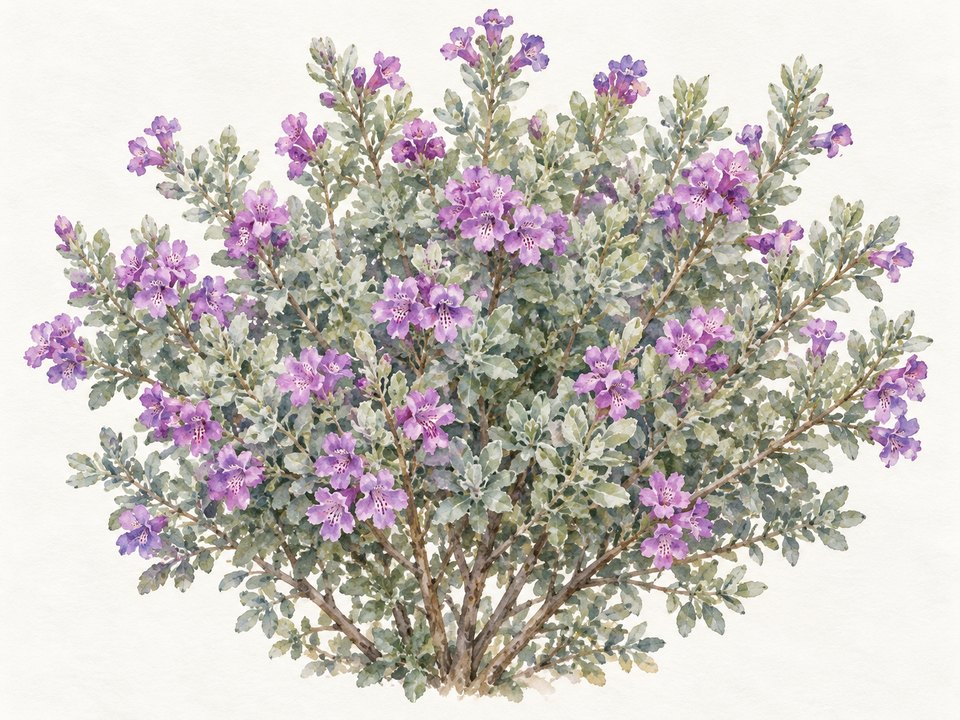
For summer bloom and easy care that stays in your yard:
 Illustration
Texas SageLeucophyllum frutescensIllustration 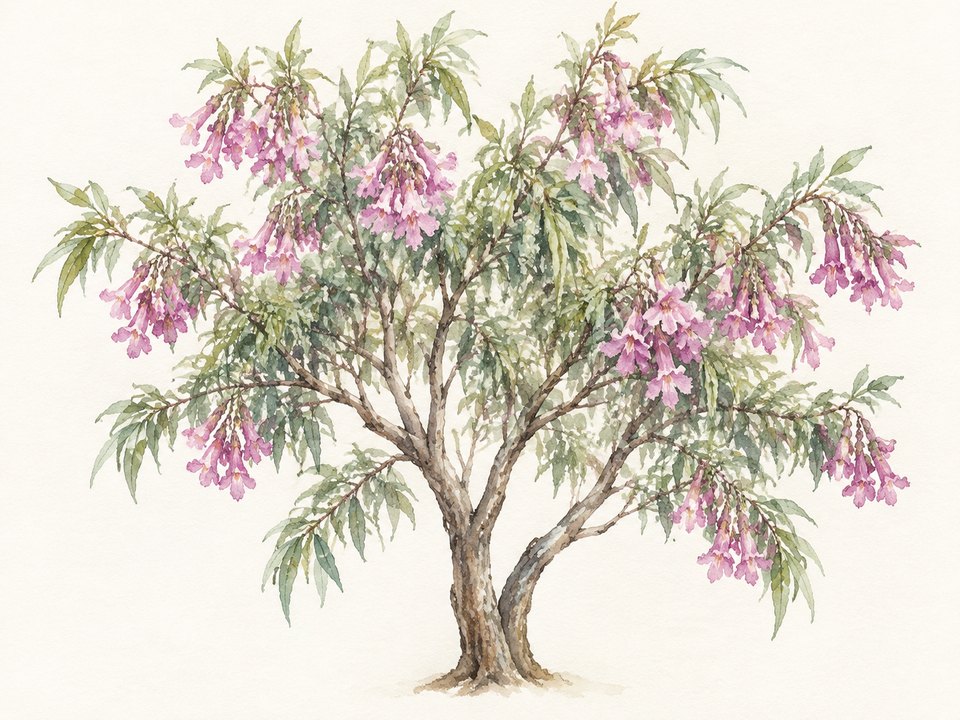 Illustration
Desert WillowChilopsis linearis 'Art's Seedless'Illustration 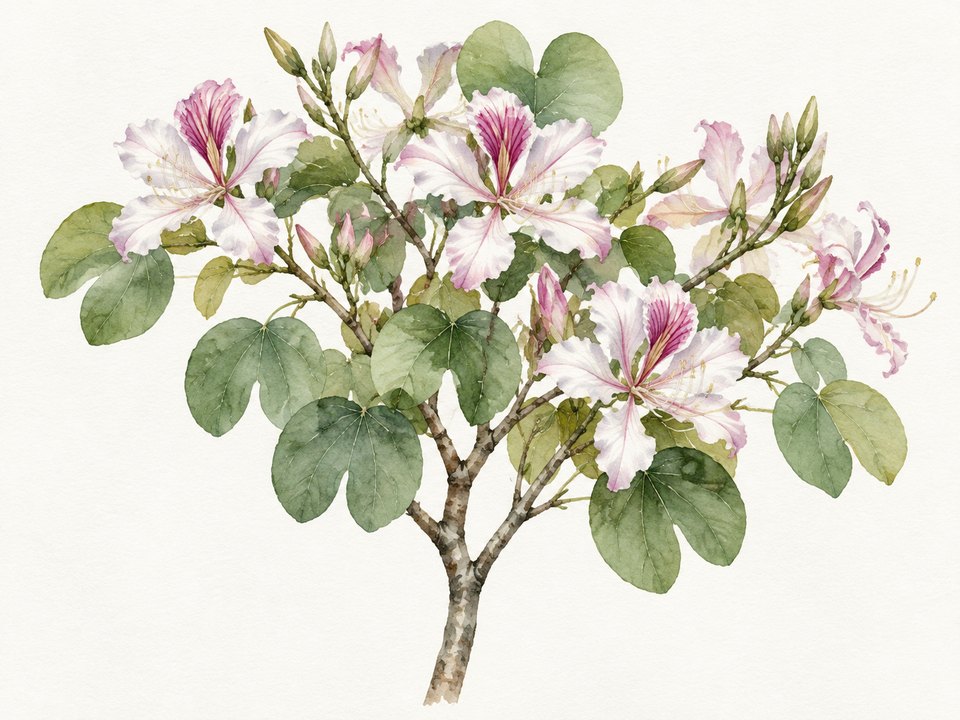 Illustration
Anacacho OrchidBauhinia lunarioidesIllustration
If it is already on your property, the Texas Allied Landscape team can talk through removal and a replacement plan.
Care Instructions for Your Vitex
How to Water a Vitex
Mature height and spread
It is a sprawling shrub or small tree 10 to 20 feet tall and about as wide.[1]
Pruning
Its flowers are produced on new wood.
Normal seasonal behavior
Branched violet-to-blue flower clusters in late spring and early summer make the plant look like a hazy purple cloud. Bloom continues sporadically into fall. The flowers are fragrant and attract bees and hummingbirds. Note the caution: it is listed as an invasive plant in Texas.
Vitex questions
Is vitex invasive in Texas?
It is listed on the Texas invasive plant database. Vitex seeds spread into creeks and natural areas, especially along the Hill Country corridors. If you plant one, deadhead spent flower clusters before they set seed. Or choose a sterile cultivar.[2]
When and how do I prune vitex?
Prune it in late winter, since vitex blooms on new wood. You can train it as a multi-trunk small tree by removing lower branches. Or cut the whole shrub back hard to keep it compact. It responds to both.[3]
Next step: Our horticulturalists can convert an overgrown vitex into a clean tree form over one or two pruning visits.
Why didn't my vitex bloom this year?
The common causes are too much shade, a hard prune after spring growth started, or a late freeze that killed the new shoots. That hard prune removes the wood that flowers. Full sun and a late-winter-only prune keep it blooming.[4]
Does vitex freeze back in Central Texas?
Hard freezes can kill branch tips or take it to the ground. But established plants regrow vigorously from the roots. Wait for spring growth, then cut out what stays dead.[5]
In these community guides

Illustration. Illustration based on reference photos of Arbors of Fair Oaks. Not a single literal view. Arbors of Fair Oaks Landscaping
Bring your address, unit and yard ideas. Texas Allied Landscape helps design the planting and irrigation, prepare the…
- Art in progress
Cordillera Ranch Landscaping
Bring your address, survey and yard ideas. We check the right guideline set, plan planting and irrigation, prepare the…

Illustration. Illustration based on reference photos of Johnson Ranch. Not a single literal view. Johnson Ranch Landscaping
Share your Johnson Ranch address, survey and yard ideas. Texas Allied Landscape can help plan planting, irrigation and…
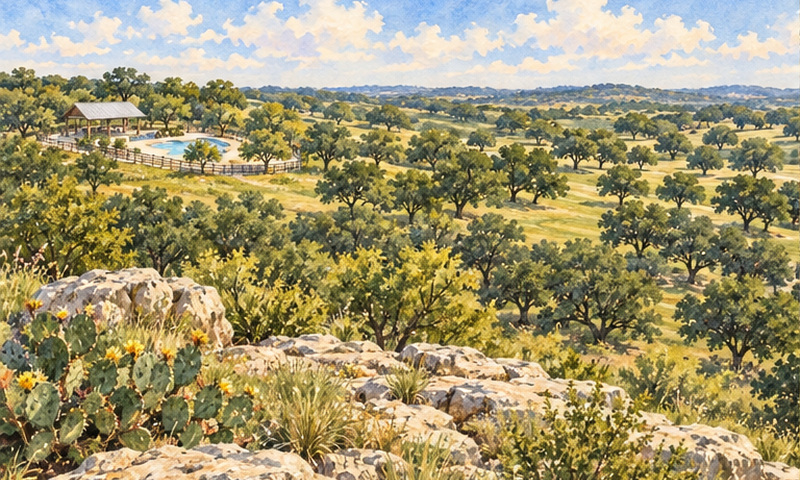
Illustration. Illustration based on reference photos of Mountain Springs Ranch. Not a single literal view. Mountain Springs Ranch Landscaping
Plan your Mountain Springs Ranch yard with planting, lawn and irrigation guidance. Get help from the review package…
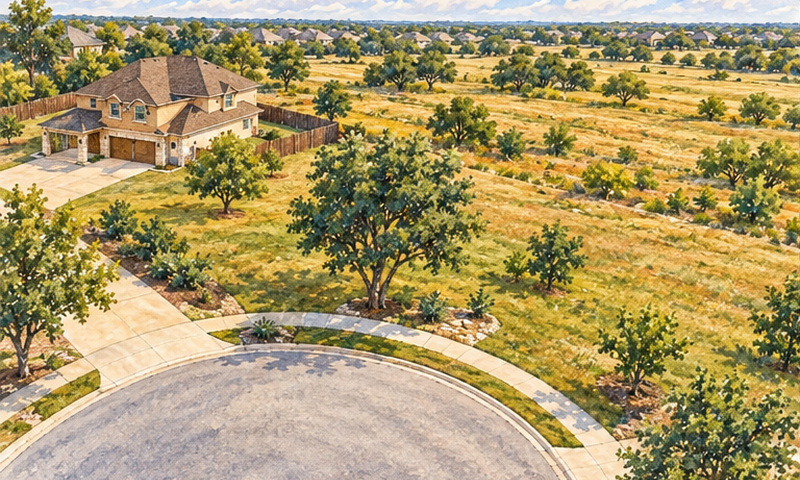
Illustration. Illustration based on reference photos of The Reserve at Schertz II. Not a single literal view. Reserve at Schertz II Landscaping
Plan your Reserve at Schertz II yard with lawn, tree and irrigation guidance. Get help with the review package…
Sources
- Lilac chastetree (Vitex agnus-castus), Texas Invasives.https://www.texasinvasives.org/plant_database/detail.php?symbol=VIAGabc
- Texas Invasives, "Lilac chastetree (Vitex agnus-castus)."https://www.texasinvasives.org/plant_database/detail.php?symbol=VIAG↑
- Lady Bird Johnson Wildflower Center, plant profile for Vitex agnus-castus.https://www.wildflower.org/plants/result.php?id_plant=VIAG2↑
- Lady Bird Johnson Wildflower Center, Ask Mr. Smarty Plants on vitex.https://www.wildflower.org/expert/show.php?id=11083↑
- Texas A&M AgriLife Extension, "Dealing with Freeze Damage on Plants."https://txmg.org/grayson/files/2021/03/Freeze-Damage.pdf↑