
Property owners
Arbors of Fair Oaks Landscaping
Enjoy gated streets, nearby trails and a yard that fits the outdoor setting. Texas Allied Landscape helps bring shade, planting and irrigation together at your Arbors of Fair Oaks home.
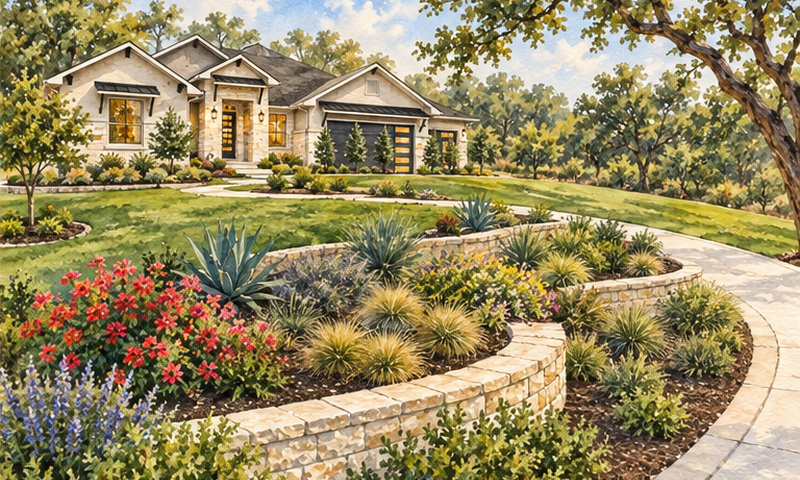
Get a quoteIllustration based on reference photos of Arbors of Fair Oaks. Not a single literal view.
On this page
Gated streets and nearby walking trails define Arbors of Fair Oaks. A wildlife-preserve setting gives it a close connection to the outdoors.[1] Your yard can build on that feeling with shade, color and a place to gather. Texas Allied Landscape helps plan planting, irrigation and hard surfaces around your lot. We guide the review steps and keep the unit's rules in view. You can enjoy both the design process and the finished space.
Plan, submit, review, then build
Prepare the full plan.
Show plants, bed locations, counts, hard surfaces and materials. Include trees to keep or remove, irrigation, drainage, screening, fences and walls. For xeriscaping, also show the location, plant types, borders and hard surfaces. Add a photo or accurate drawing. Show each yard's share of gravel, rocks and cacti.[2][3]
Submit before clearing or installation.
Get written approval for improvements and all plants. Compliant landscape plans may qualify for the guideline's submission exception. Significant changes still need review. Get written confirmation for your exact project. It must be approved or covered by a documented exception. The current public route uses TownSq and a $60 nonrefundable application fee.[2][3][4]
Install the approved plan and report completion.
General approval allows 120 days to start. It gives one year to finish. The ACC may set another period. Xeriscaping must start within 30 days of approval. Move steadily toward completion. Existing-landscape changes must finish within 14 days after starting. An extension may be granted. New-home landscaping has two deadlines. It must be installed within 30 days of completion and before occupancy. Tell the ACC when the approved work is done. It may inspect.[2][3]
Use a laptop or desktop for the current TownSq application. Open Architectural Review. Pay the application fee and select Submit Project. Complete the fields. Add the plans and pictures, then save to submit. If TownSq is unavailable, the public instructions offer an ACC form. Email it to ACCReview@GoodwinTX.com. The current process allows up to 60 full days for a decision.[4]
Lay out lawn, beds and rock
Prepare the soil and mulch
Use at least two inches of mulch in shrub and bed areas. Use at least four inches of native or improved soil under turf. Caliche does not count as soil. Plant grass within three days after its topsoil is delivered.[3]
Unit 2 also requires front- and side-yard grass. You may request a lot-specific variance about grass placement. Wait for the written decision before using an exception.[5]
Use rock as an approved accent
Gravel, rocks and cacti together have a limit. It is 10% of the front yard and 10% of the backyard. A different limit needs written approval. Overall rock or crushed-rock ground cover is prohibited. Approved accents are allowed. Match the plan to the surrounding landscape. Avoid bringing in harmful diseases or insects.[2][3]
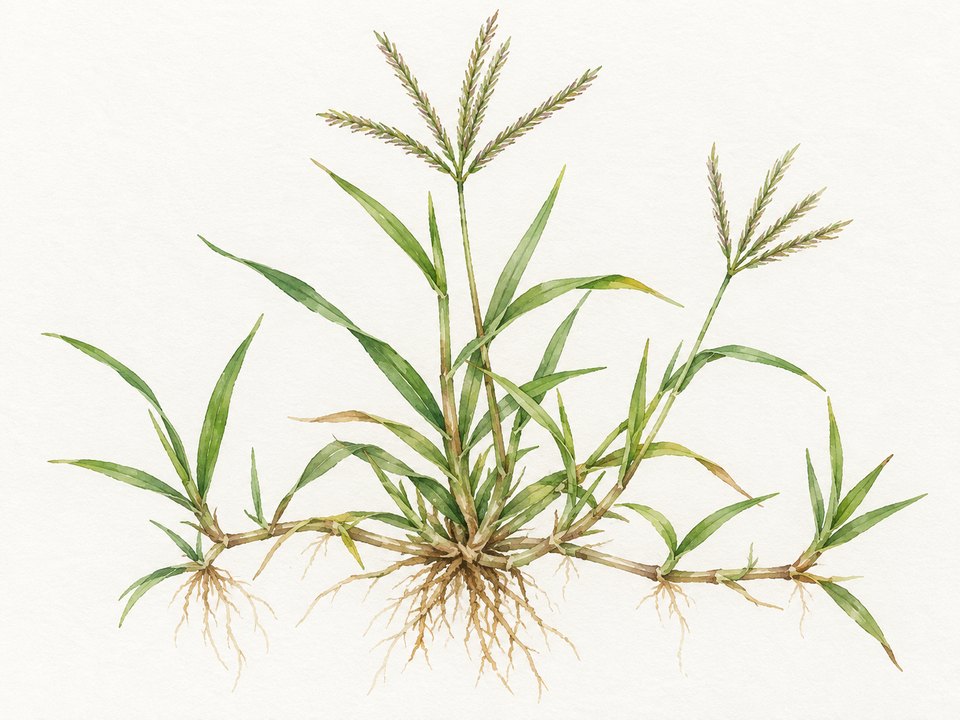
The dated plant list includes Bermuda, Buffalo, St. Augustine and Zoysia grasses. Choose for your site and get ACC approval for installation.[3]
 Illustration
Bermuda grassCynodon dactylonIllustration 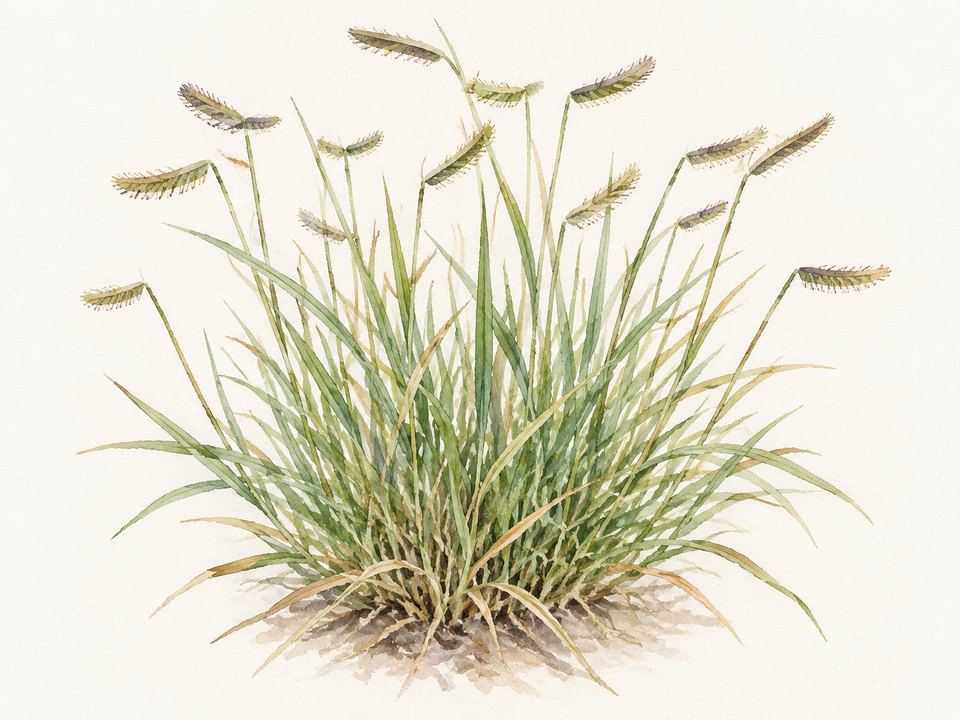 Illustration
Buffalo grassBouteloua dactyloidesIllustration 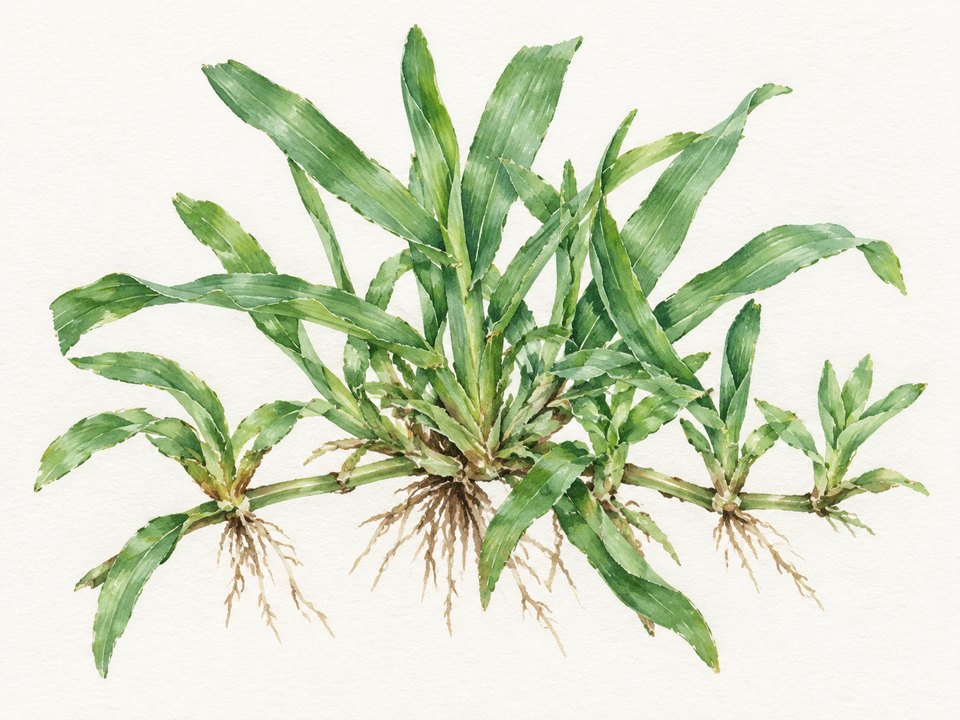 Illustration
St. Augustine grassStenotaphrum secundatumIllustration 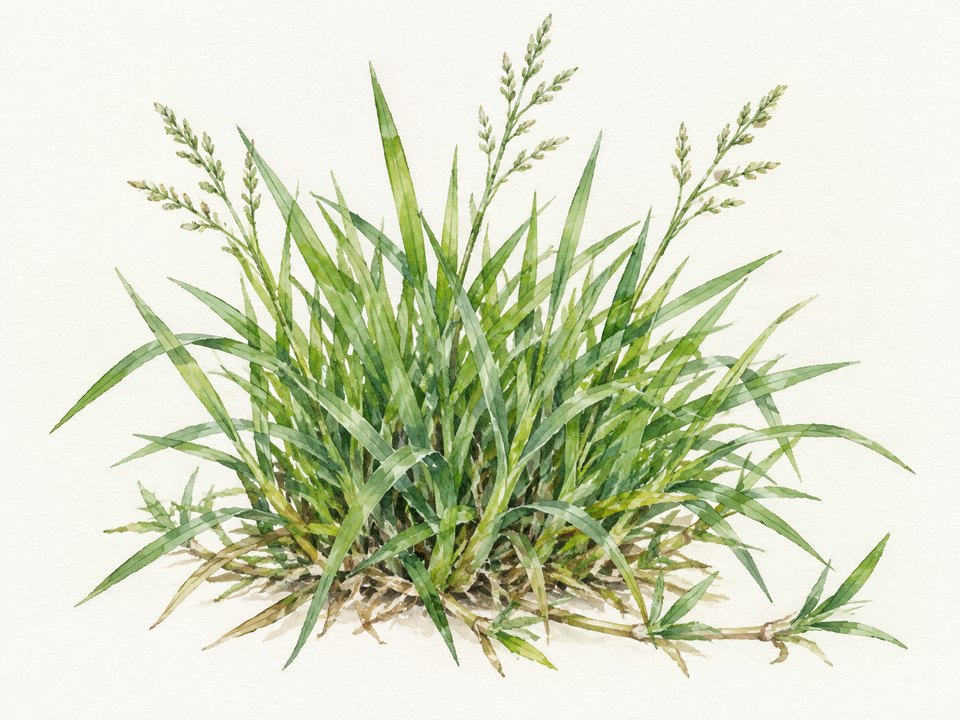 Illustration
Zoysia grassZoysiaIllustration
Plan for trees, shade and yard care
Install at least two trees with a three-inch caliper on each lot. Unit 2 has an exception. Two native trees of at least that size must already stand in the front yard.[3][5]
Get written ACC approval before removing a tree. The declaration's broader removal rule controls a conflict. Additional protection covers healthy, even-canopied specimen trees, other than junipers. It covers those at least 12 inches outside the building envelope. Within it, the size is 18 inches. Measure 24 inches above ground. The homebuilder's smaller-tree provision has its own scope. Have your removal plan checked separately.[2][3]
Sterilize tools before and between cutting oaks. Paint pruning cuts or wounds immediately. Cover firewood. Oak pruning from February 1 through June 15 is discouraged in the recorded guidance. Check current tree-care guidance when scheduling the work.[3]
Mow, prune, water and control weeds. Keep turf out of planting beds. Keep lawn and garden areas alive and attractive. Maintain the strip from your lot boundary to the curb. The association may take that duty. Leave drainage easements clear and keep their approved shape.[2]
Plants named in the recorded list
Attachment 1 is a recommended, non-exclusive list. All plants selected for installation still need ACC approval. The categories below preserve the common names and cultivar limits in that list. Some printed names are dated or unclear. Confirm the nursery identity rather than guessing from a label. Card images help identify plants. A card may show a particular cultivar. The source's wording and ACC approval govern your selection.[3]
Canopy trees
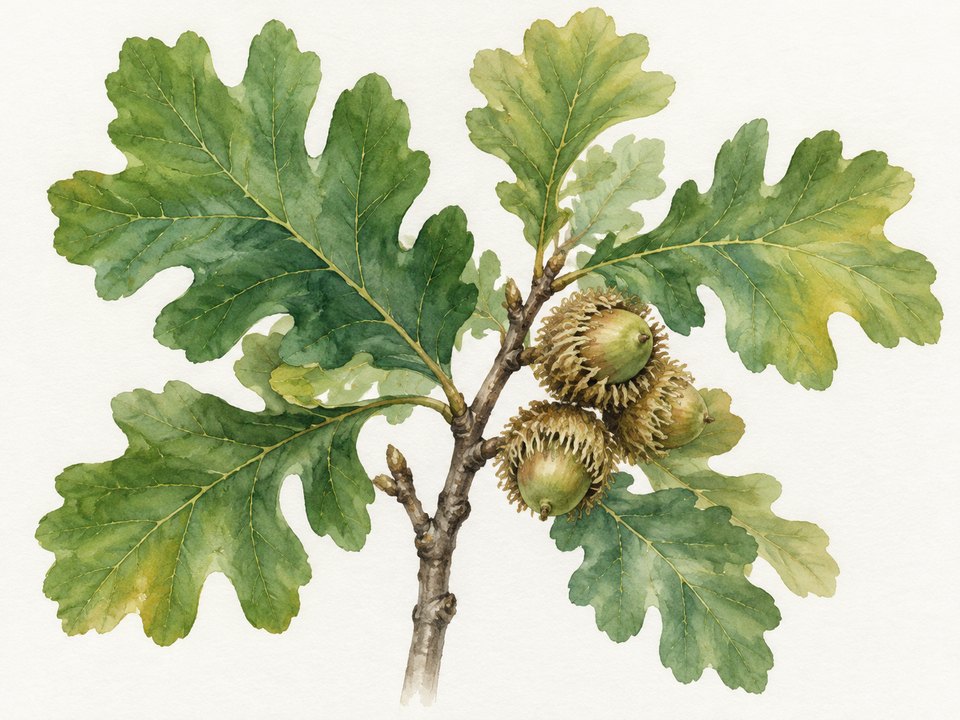
The list includes Bigtooth Maple; Pecan; Texas Ash; Texas Black Walnut; Chinese Pistache; Texas Pistache; Sycamore; Cottonless Cottonwood; Burr Oak; Lacey Oak; Chinquapin Oak; Shumard Oak; Shin Oak; Western Soapberry; Bald Cypress; American Elm; Cedar Elm; Chinese Elm; 'Drake' Elm.[3]
 Illustration
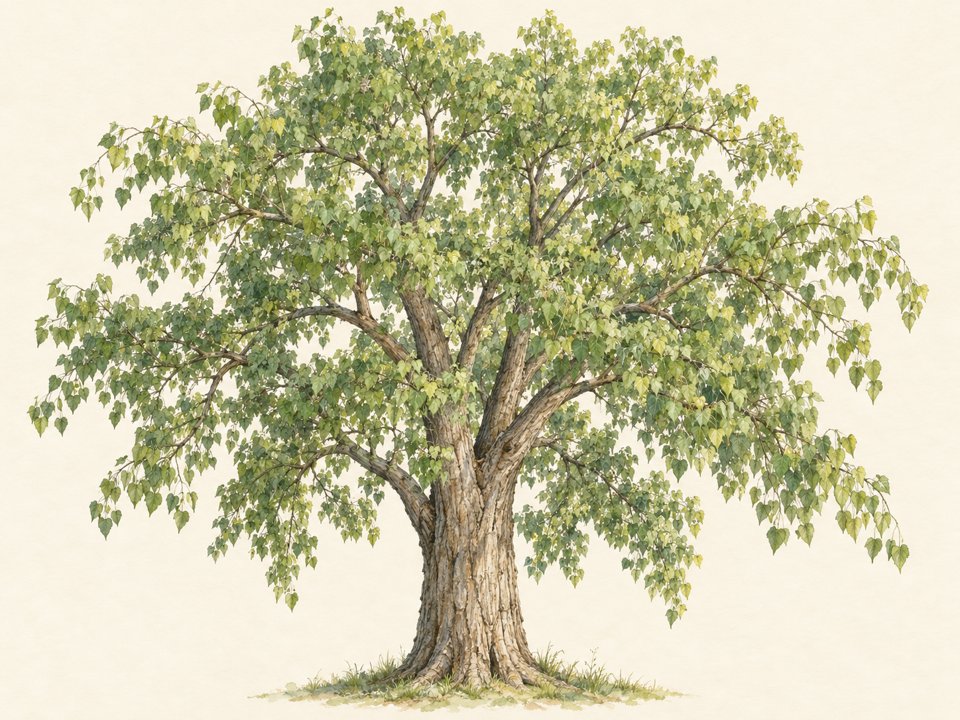
CottonwoodPopulus deltoidesIllustration 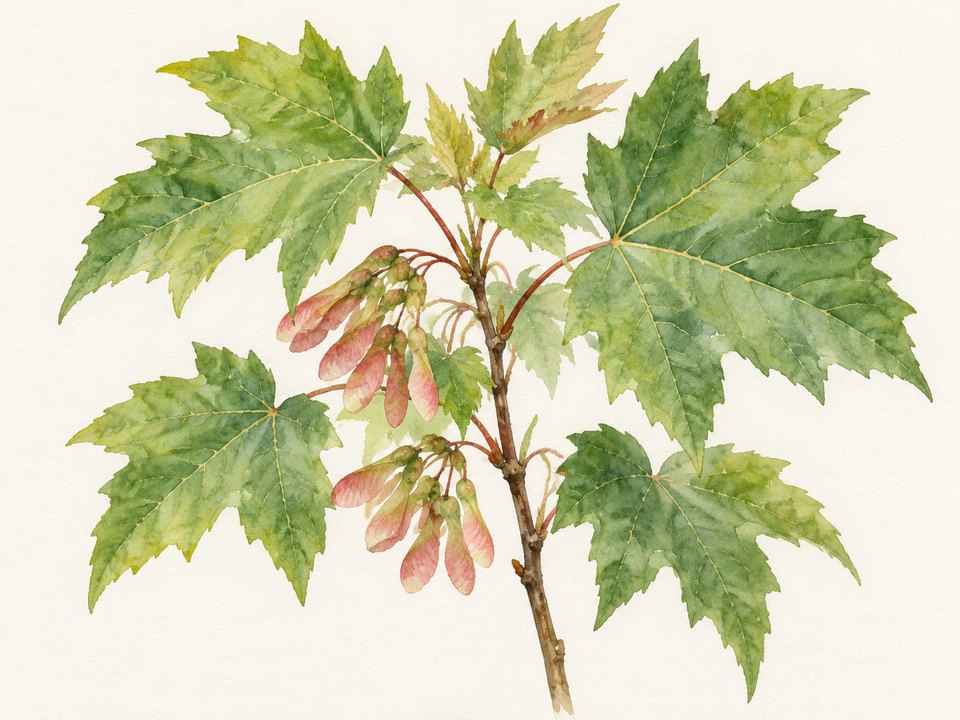 Illustration
Bigtooth MapleAcer grandidentatumIllustration 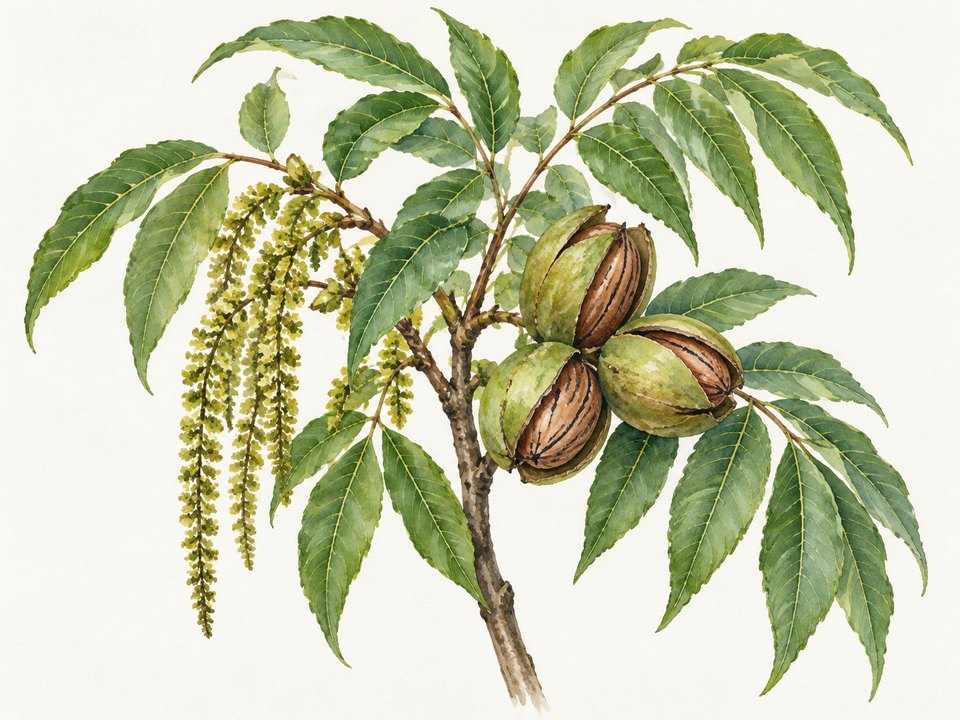 Illustration
PecanCarya illinoinensisIllustration 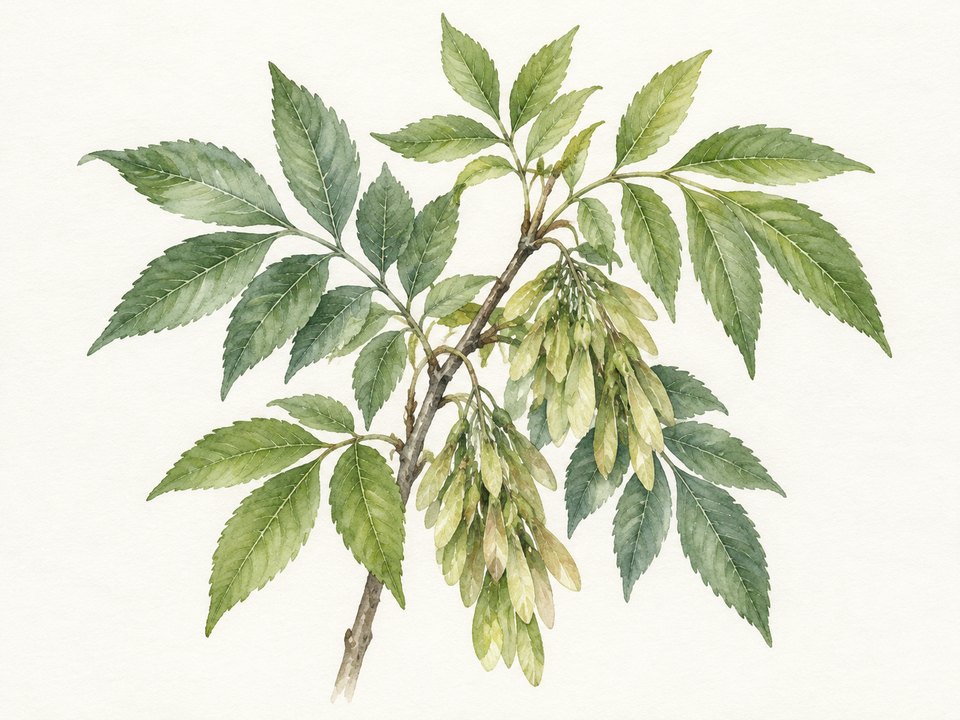 Illustration
Texas AshFraxinus texensisIllustration 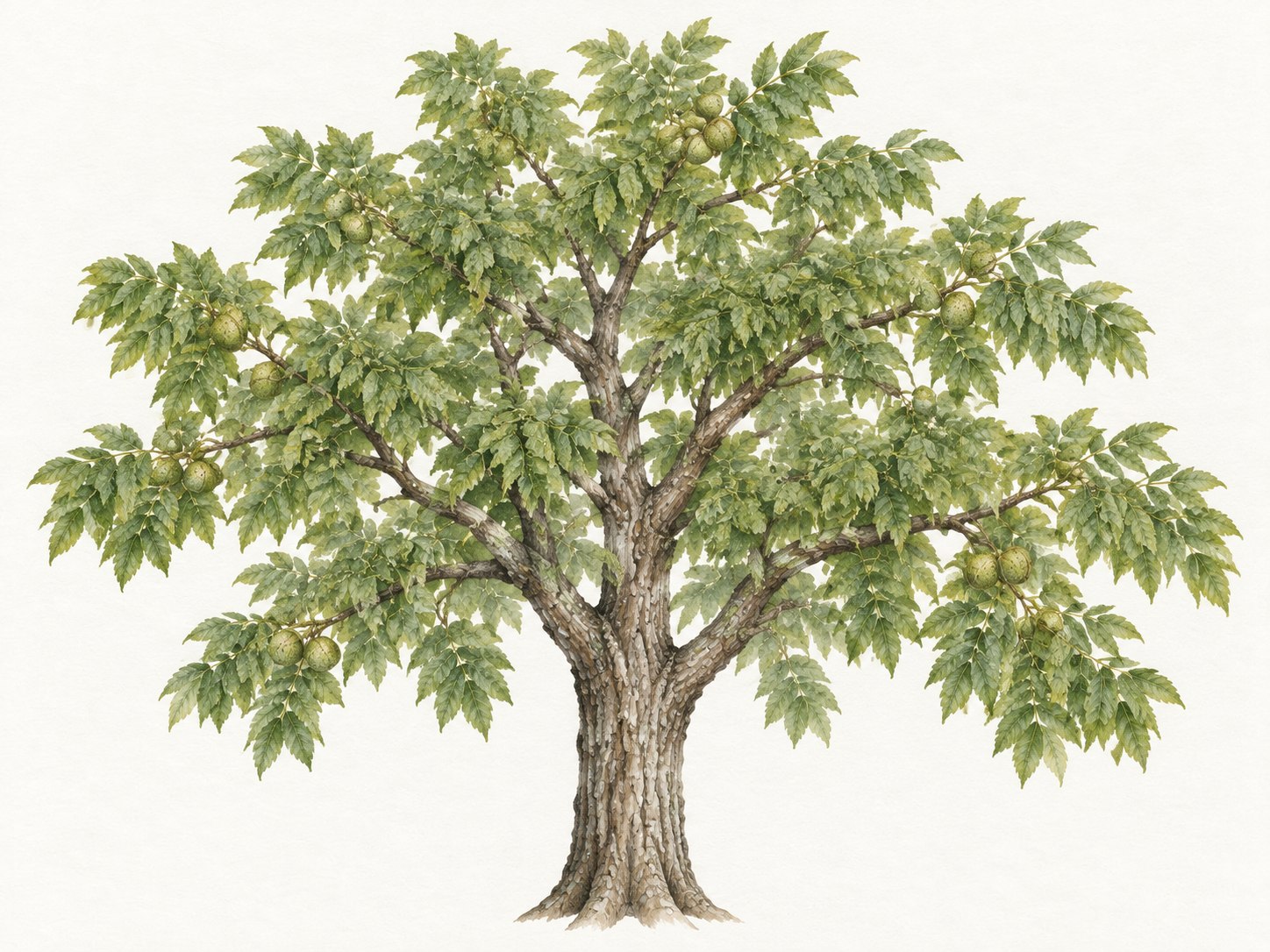 Illustration
Texas Black WalnutJuglans macrocarpaIllustration 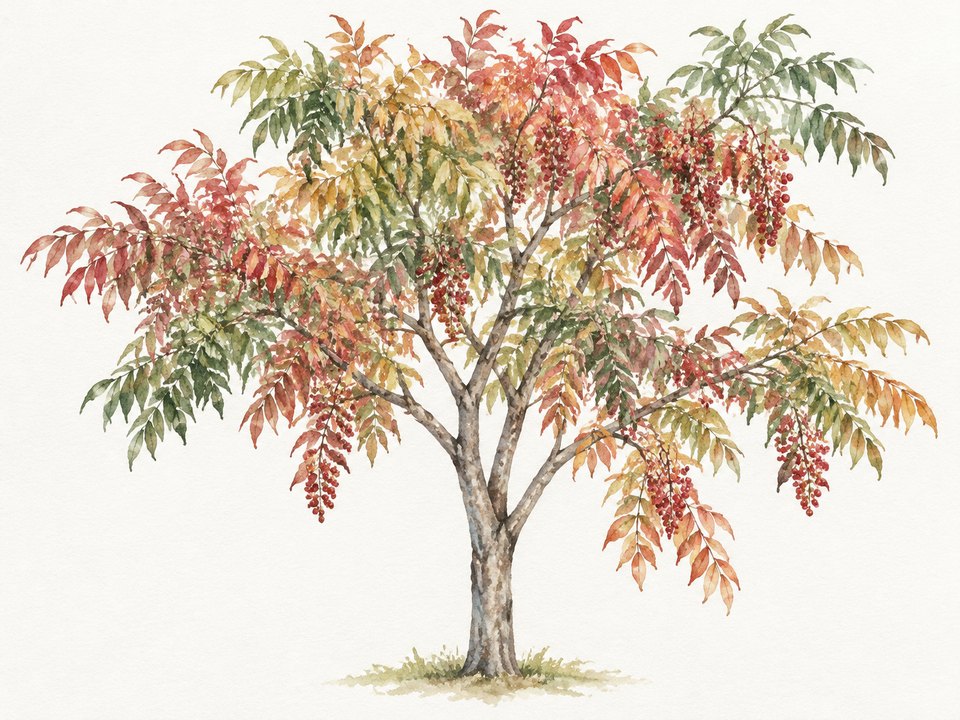 Illustration
Chinese PistachePistacia chinensisIllustration 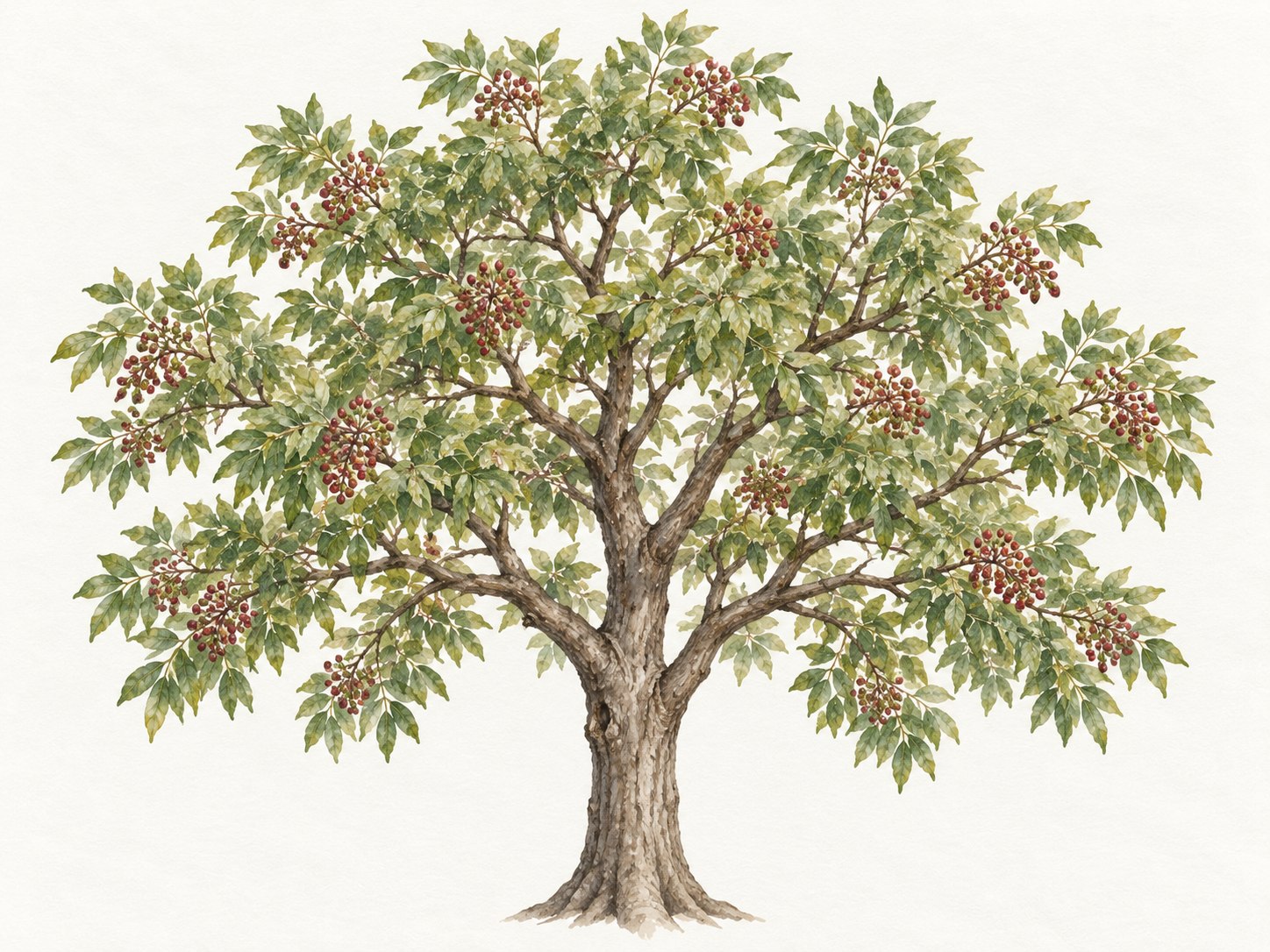 Illustration
Texas PistachePistacia texanaIllustration
Sycamore
Cottonless Cottonwood
 Illustration
Bur OakQuercus macrocarpaIllustration 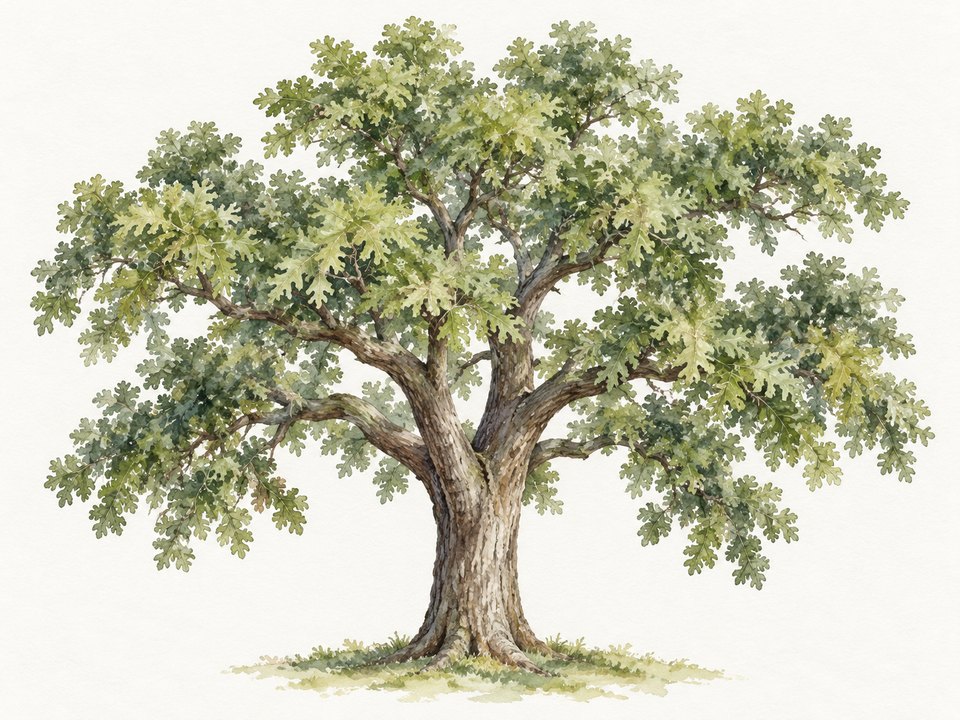 Illustration
Lacy OakQuercus laceyiIllustration 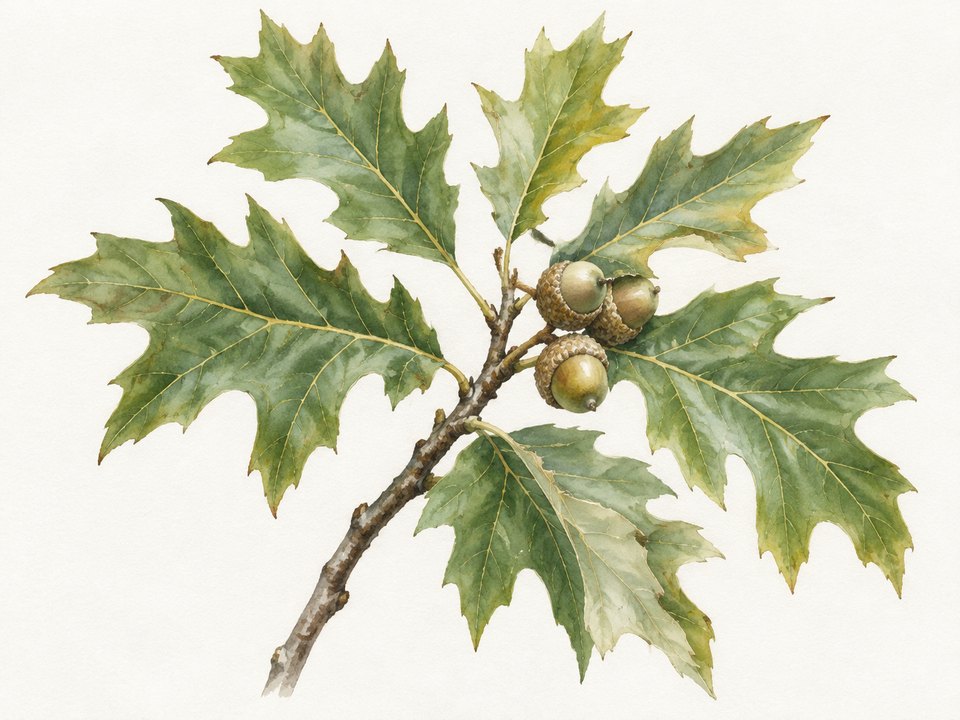 Illustration
Chinquapin OakQuercus muehlenbergiiIllustration 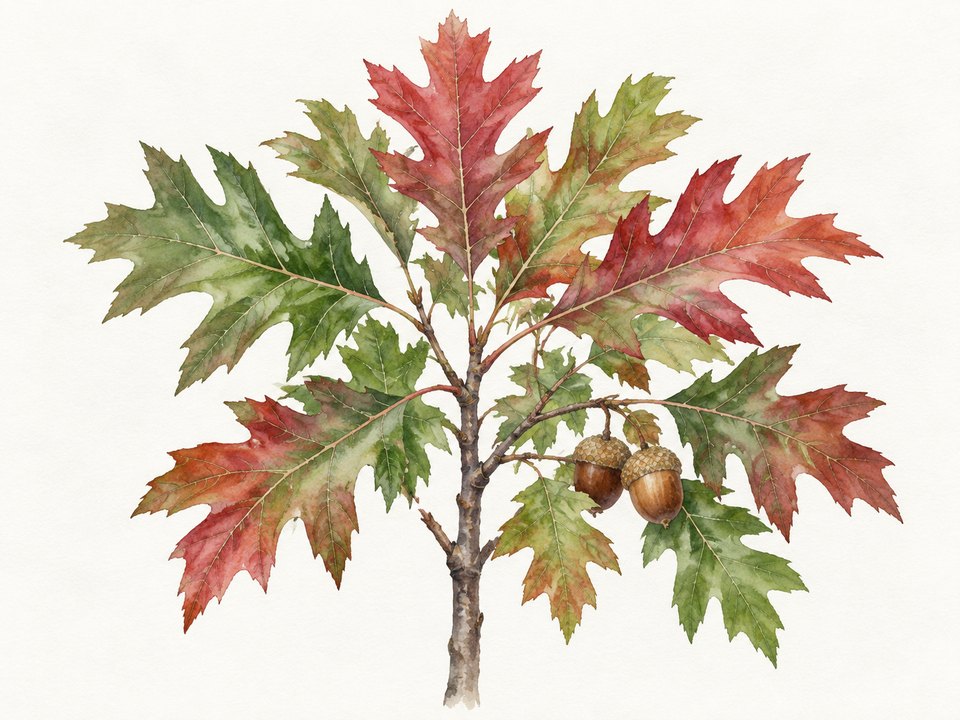 Illustration
Shumard Red OakQuercus shumardiiIllustration 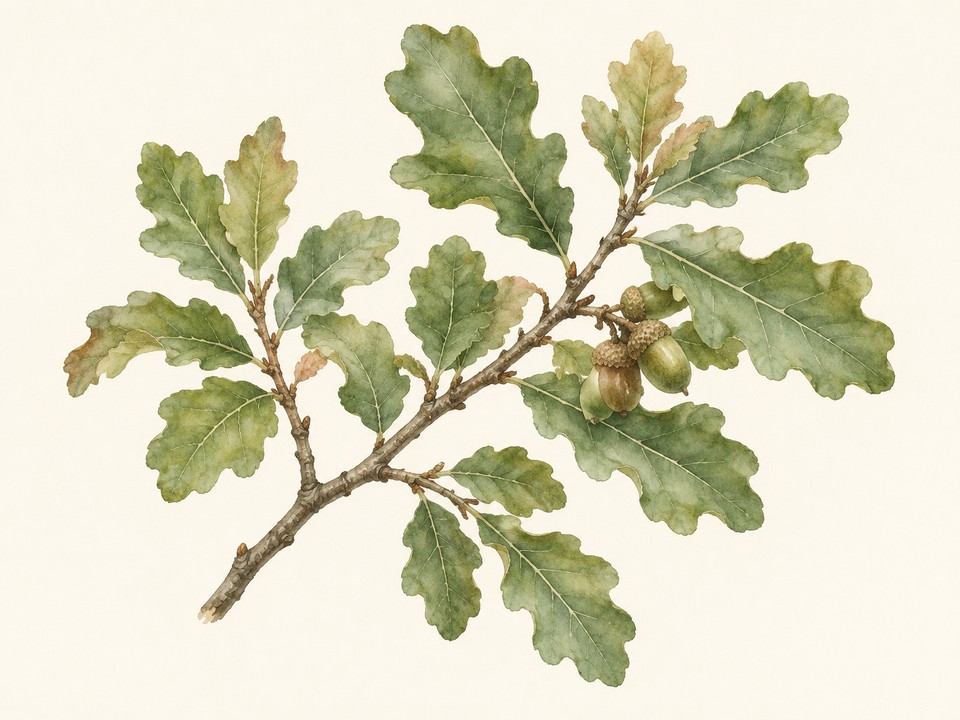 Illustration
Shin OakQuercus sinuata var. brevilobaIllustration 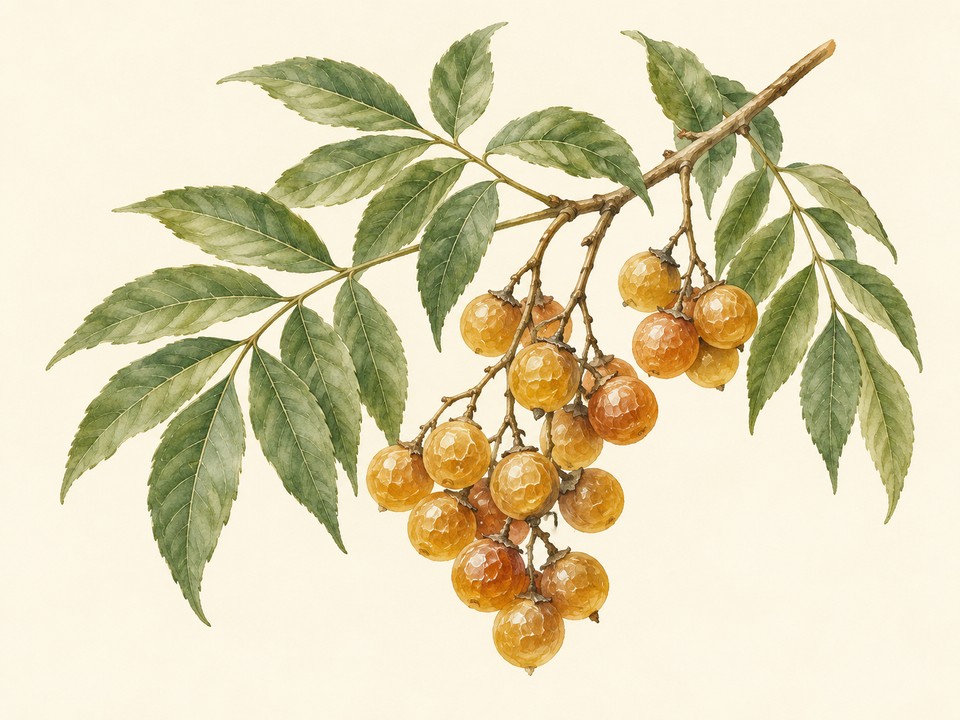 Illustration
Western SoapberrySapindus saponaria var. drummondiiIllustration 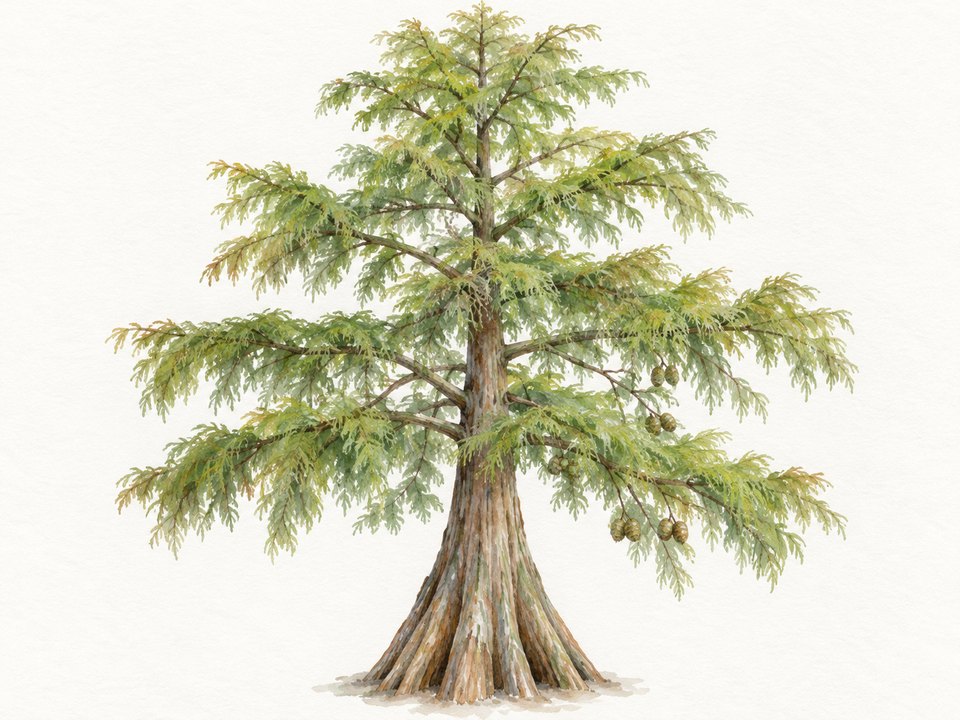 Illustration
Bald CypressTaxodium distichumIllustration 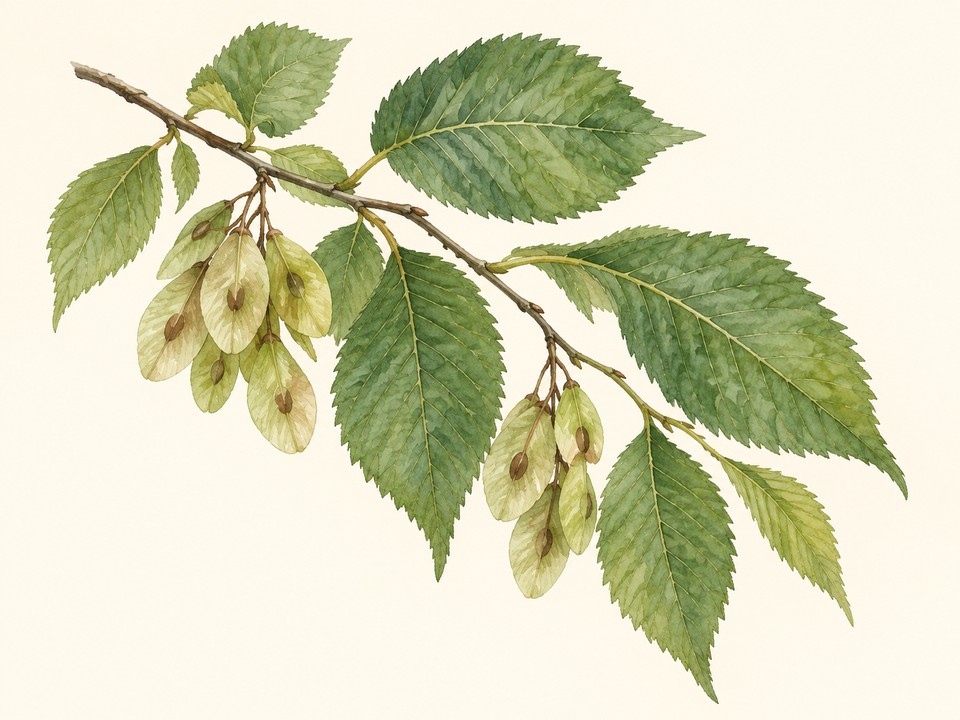 Illustration
American ElmUlmus americanaIllustration 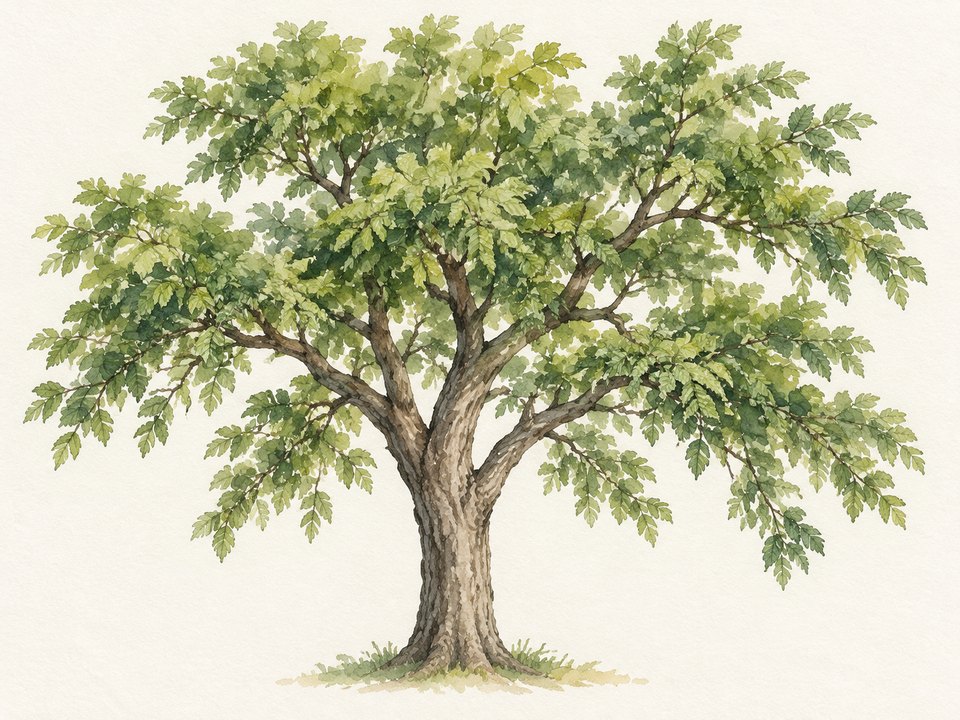 Illustration
Cedar ElmUlmus crassifoliaIllustration 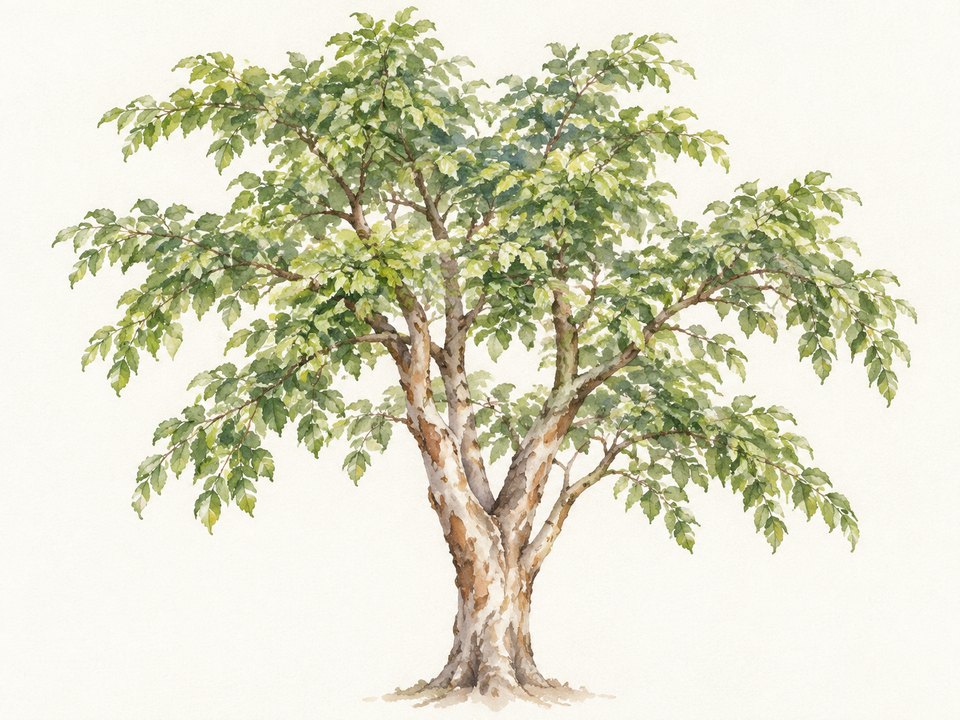 Illustration
Lacebark ElmUlmus parvifoliaIllustration
'Drake' Elm
Ornamental trees
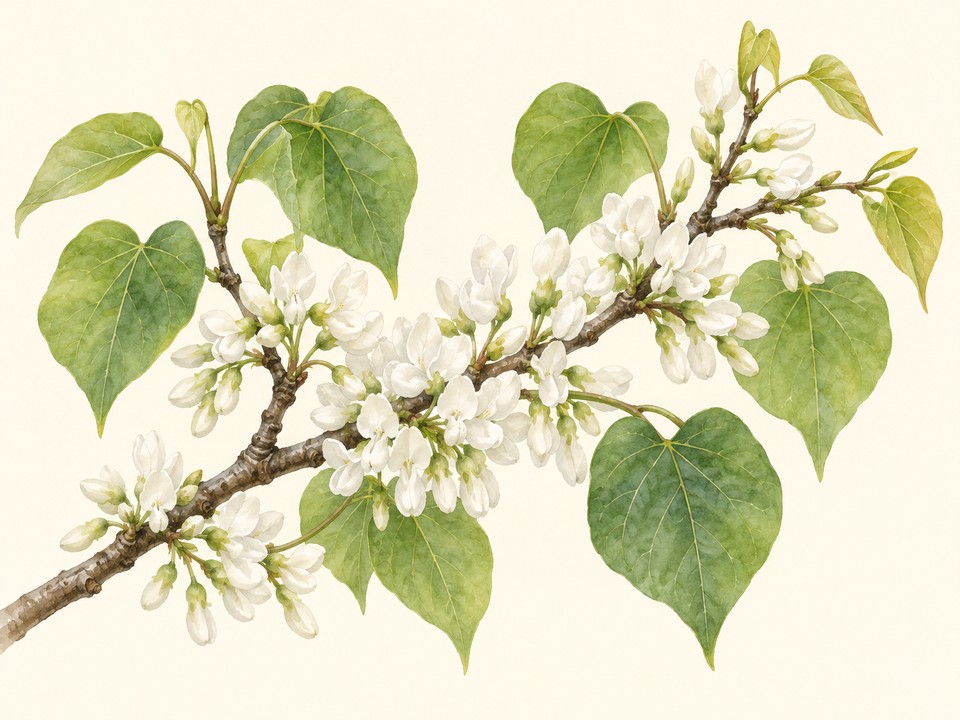
The list includes Wright Acacia; Texas Buckeye; Red Buckeye; Wooly-Bucket Bumelia; Whitebud; Texas Redbud; Desert Willow; Rough Leaf Dogwood; Reverchon Hawthorn; Mountain Hawthorn; Texas Persimmon; Possumhaw Holly; Yaupon Holly; Ashe Juniper (listed as Cedar); Goldenrain Tree; Crape Myrtle; Jerusalem Thorn; Afghan Pine (printed as Afgan Pine); Mexican Plum; American Plum; Carolina Laurel Cherry; Escarpment Black Cherry; 'Bradford' Pear; Carolina Buckthorn; Prairie Flameleaf Sumac; Smooth Sumac; Texas Mountain Laurel; Mexican Buckeye; Lilac Chaste Tree.[3]
 Illustration
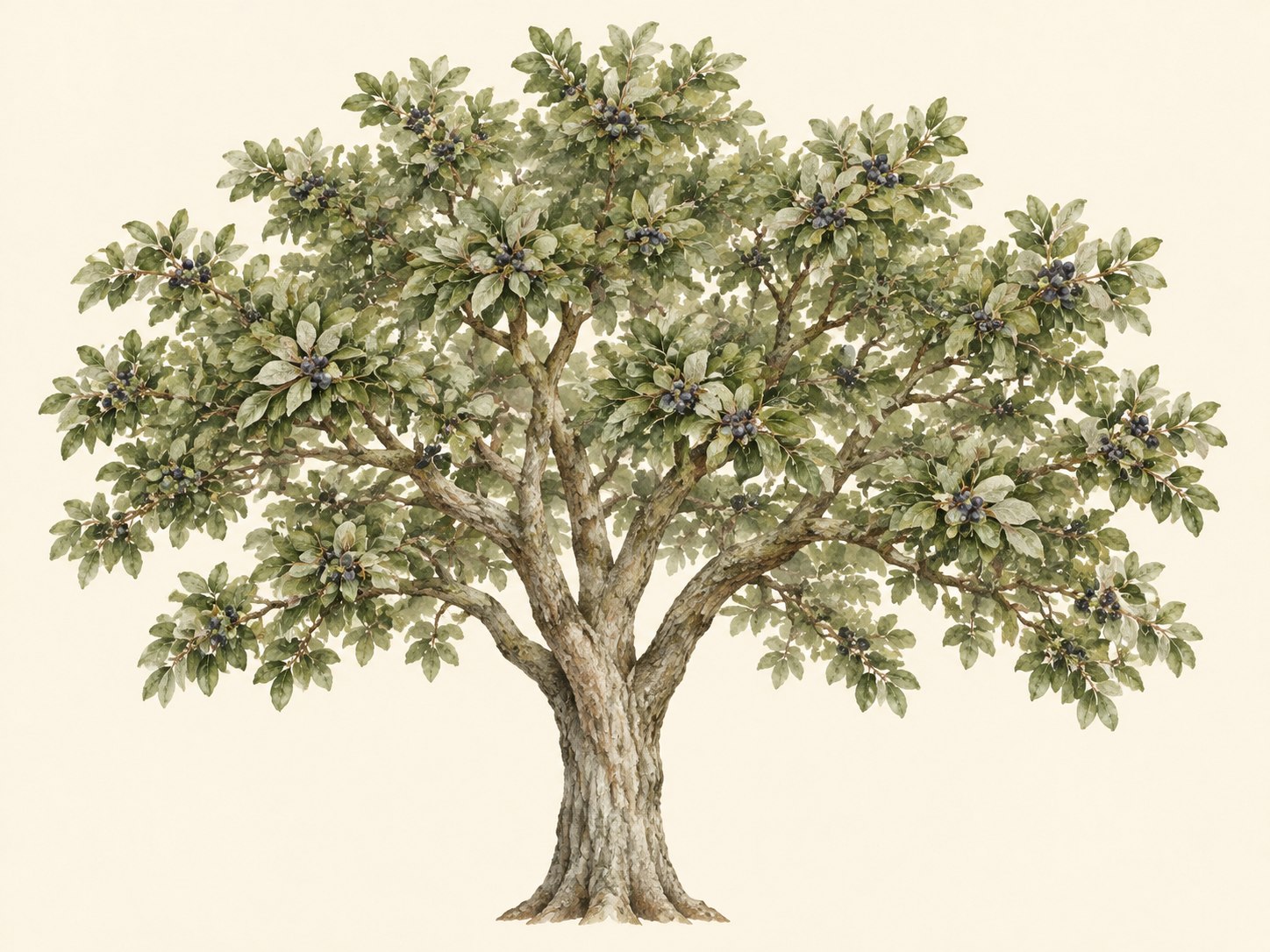
Wooly BumeliaSideroxylon lanuginosumIllustration 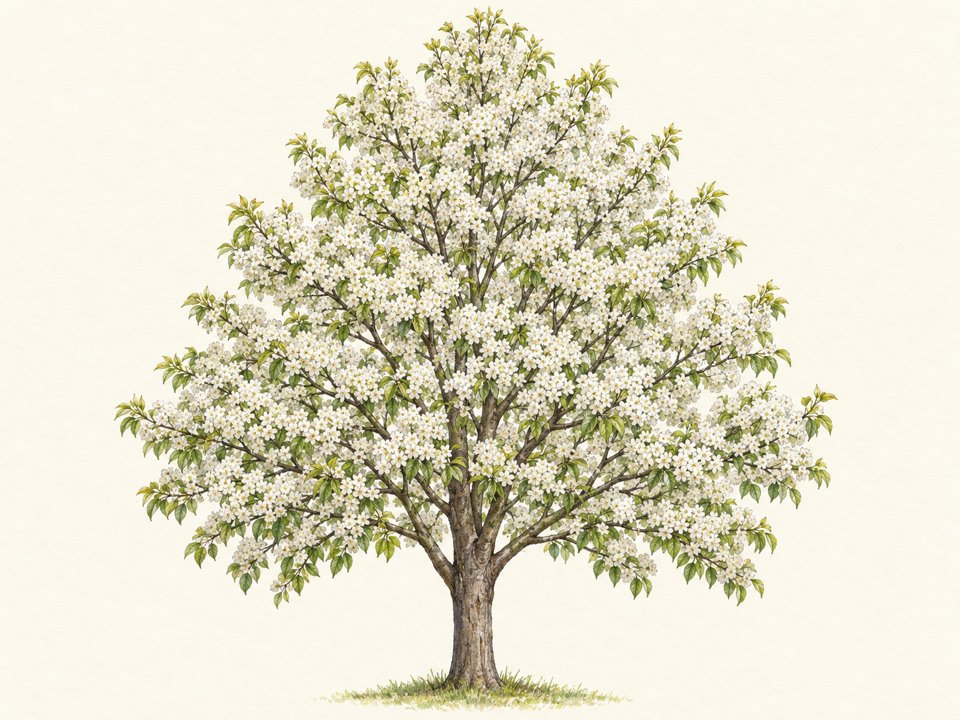 Illustration
Bradford PearPyrus calleryana 'Bradford'Illustration 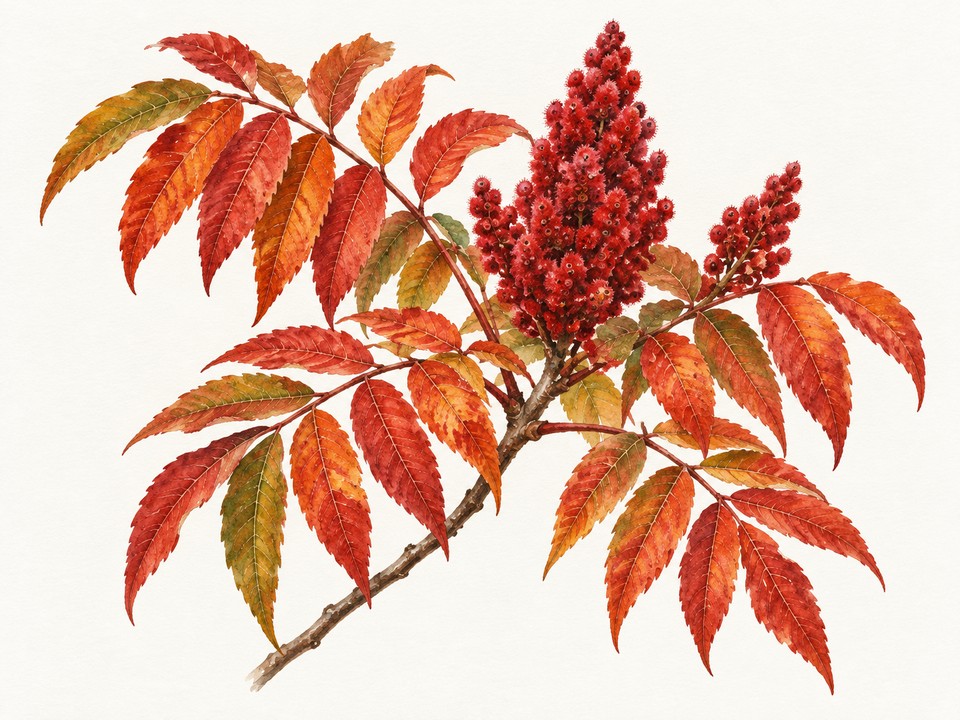 Illustration
Flameleaf SumacRhus copallinaIllustration 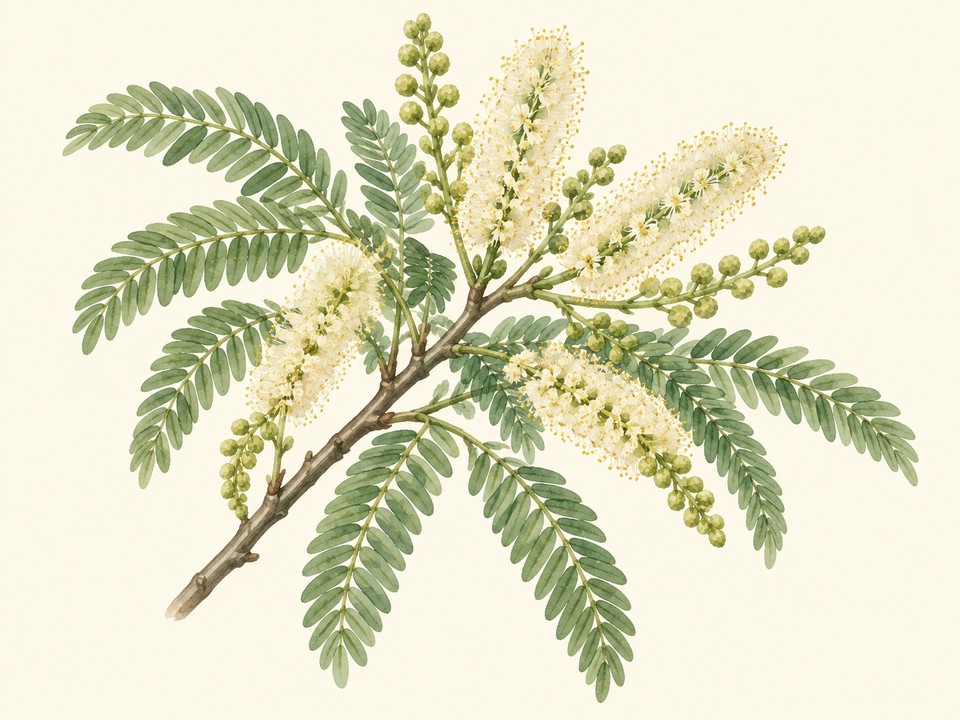 Illustration
Wright AcaciaSenegalia wrightiiIllustration 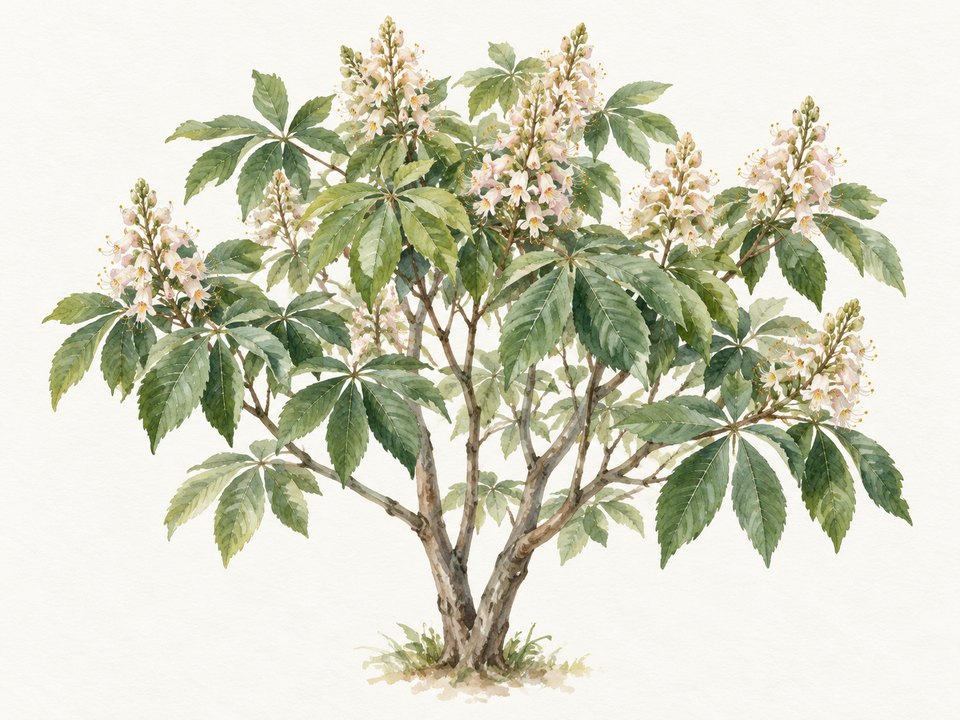 Illustration
Texas BuckeyeAesculus glabra var. argutaIllustration 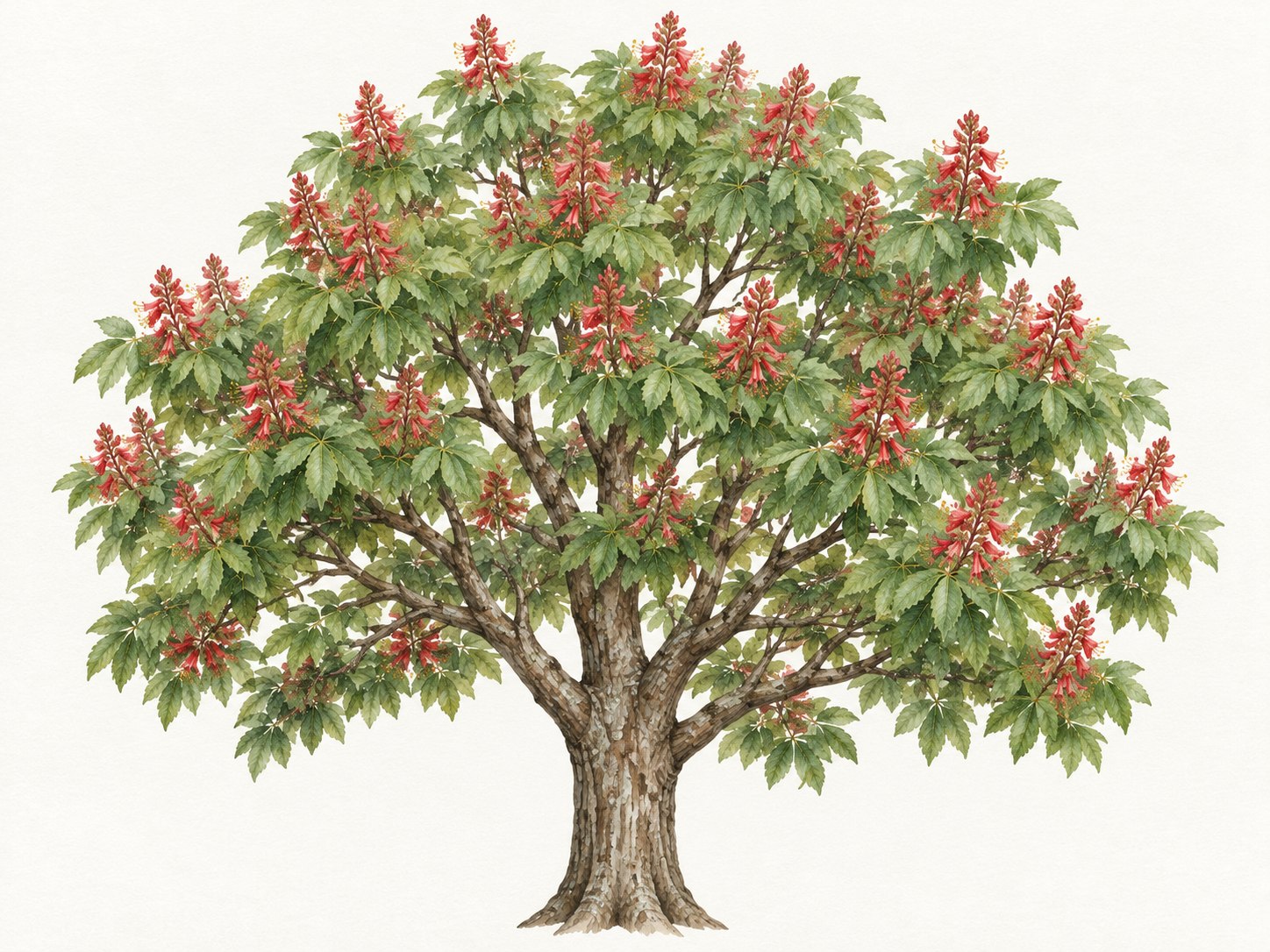 Illustration
Red BuckeyeAesculus paviaIllustration
Wooly-Bucket Bumelia
 Illustration
WhitebudCercis canadensis var. texensisIllustration 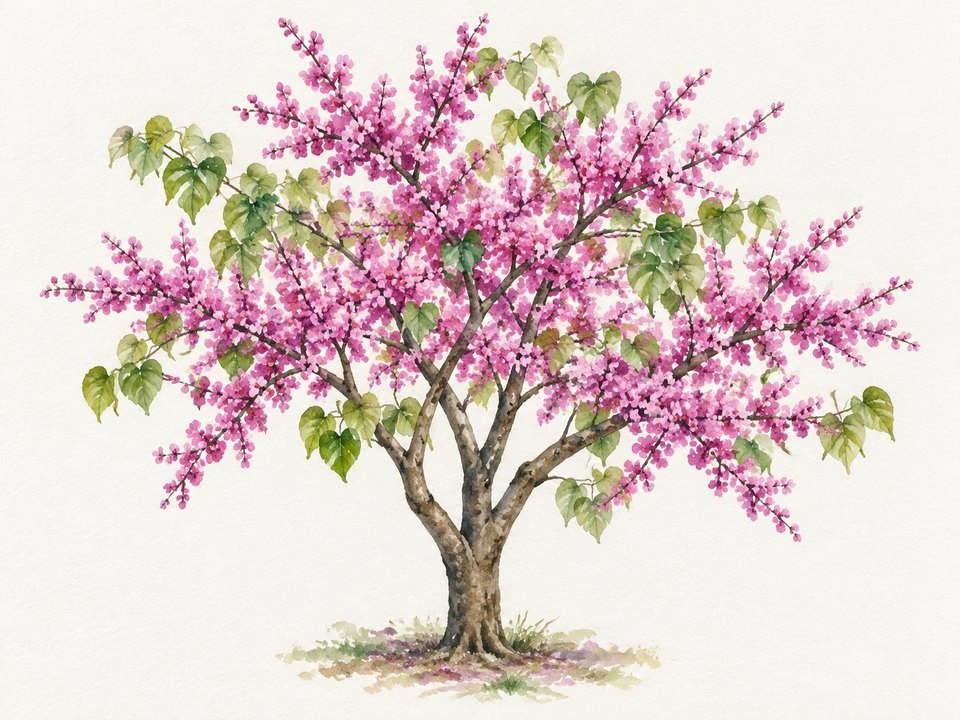 Illustration
Texas RedbudCercis canadensisIllustration 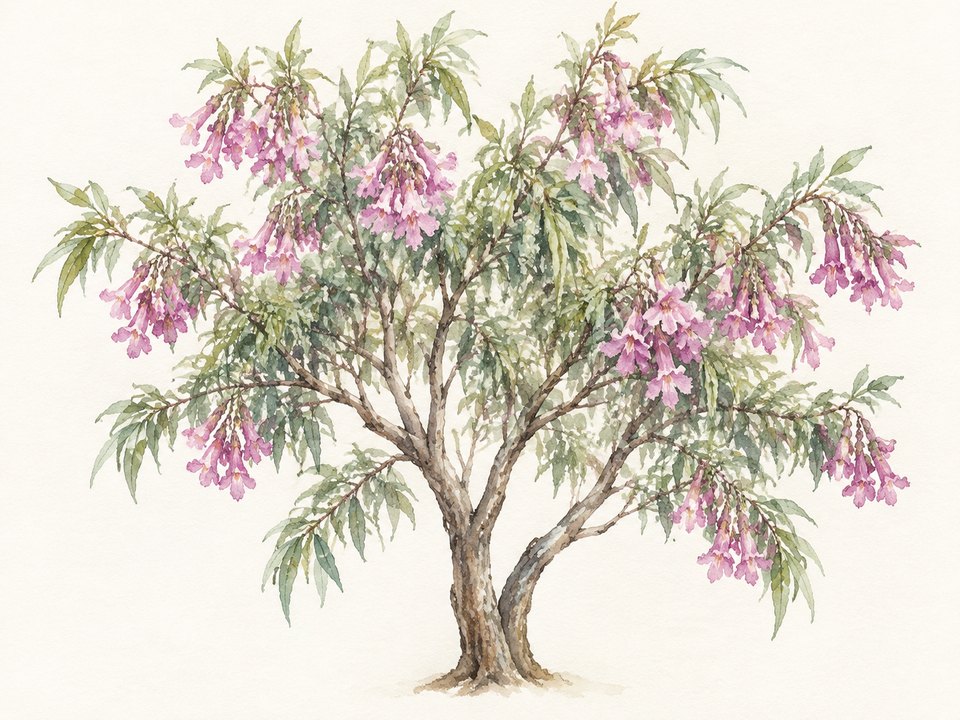 Illustration
Desert WillowChilopsis linearis 'Art's Seedless'Illustration 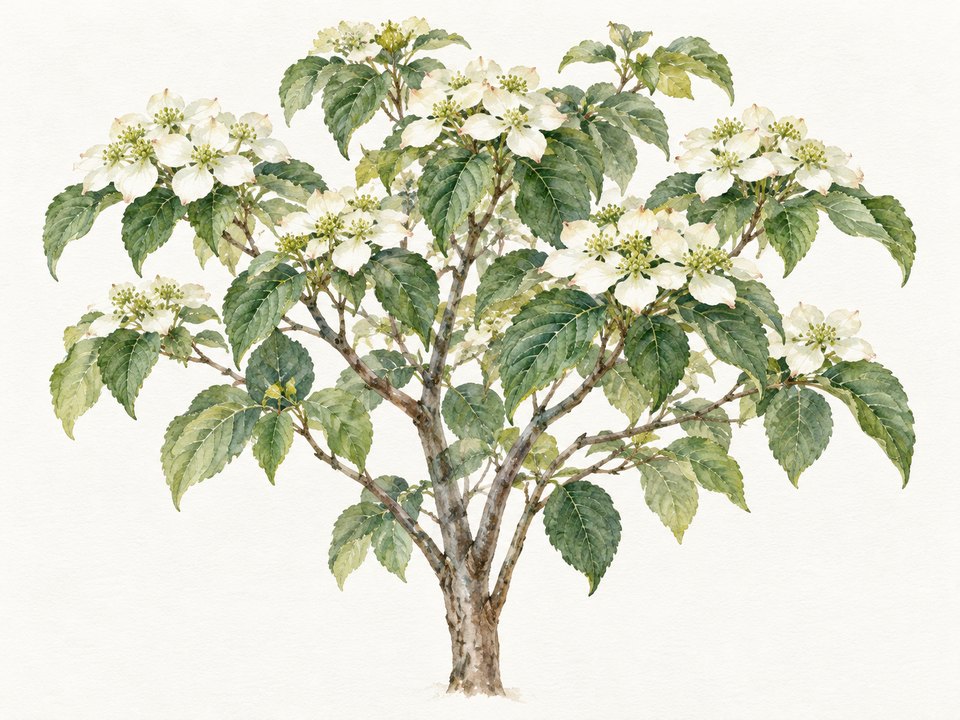 Illustration
Roughleaf DogwoodCornus drummondiiIllustration 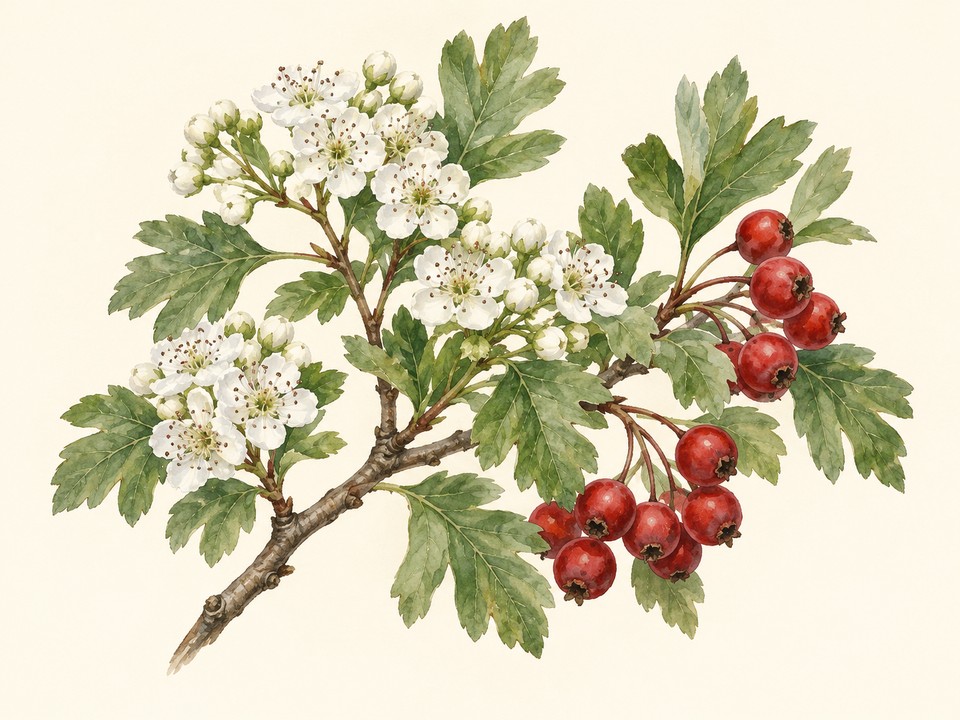 Illustration
Reverchon HawthornCrataegus reverchoniiIllustration 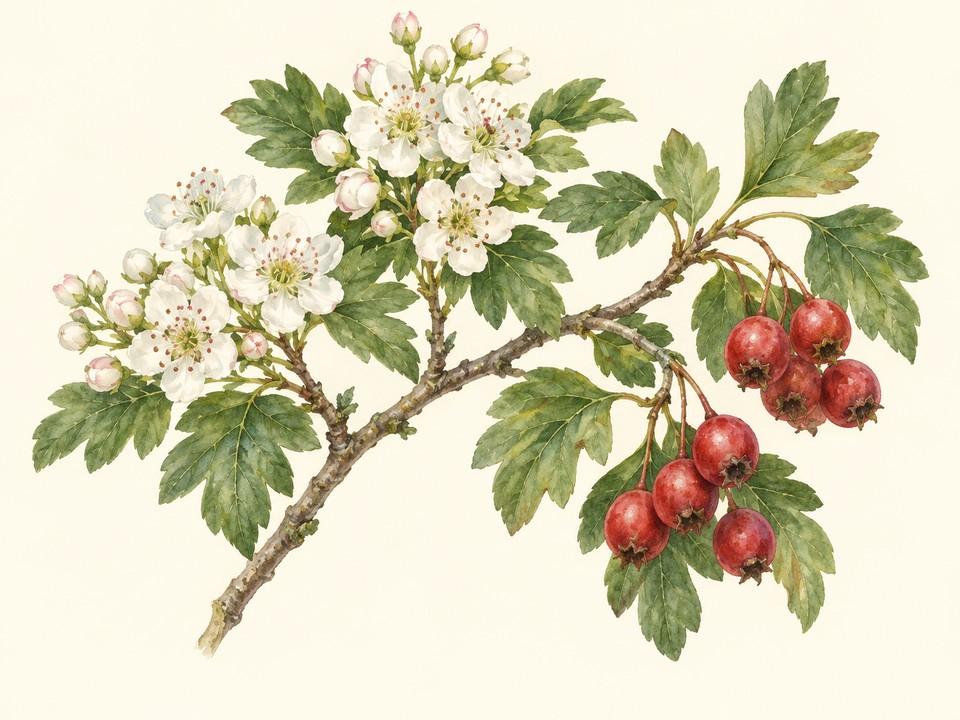 Illustration
Mountain HawthornCrataegusIllustration 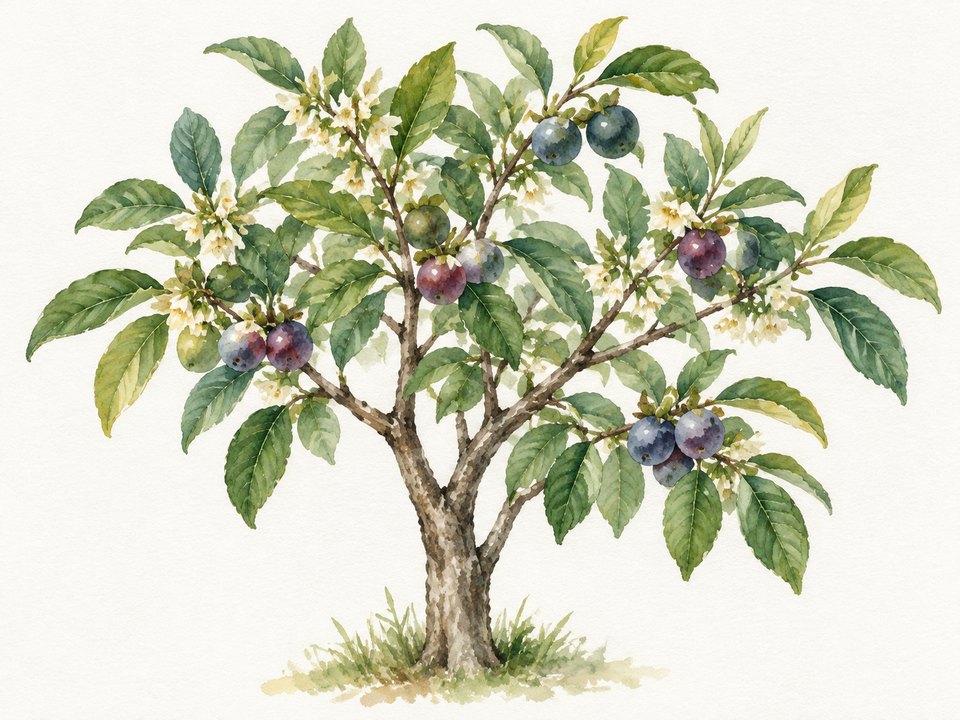 Illustration
Texas PersimmonDiospyros texanaIllustration 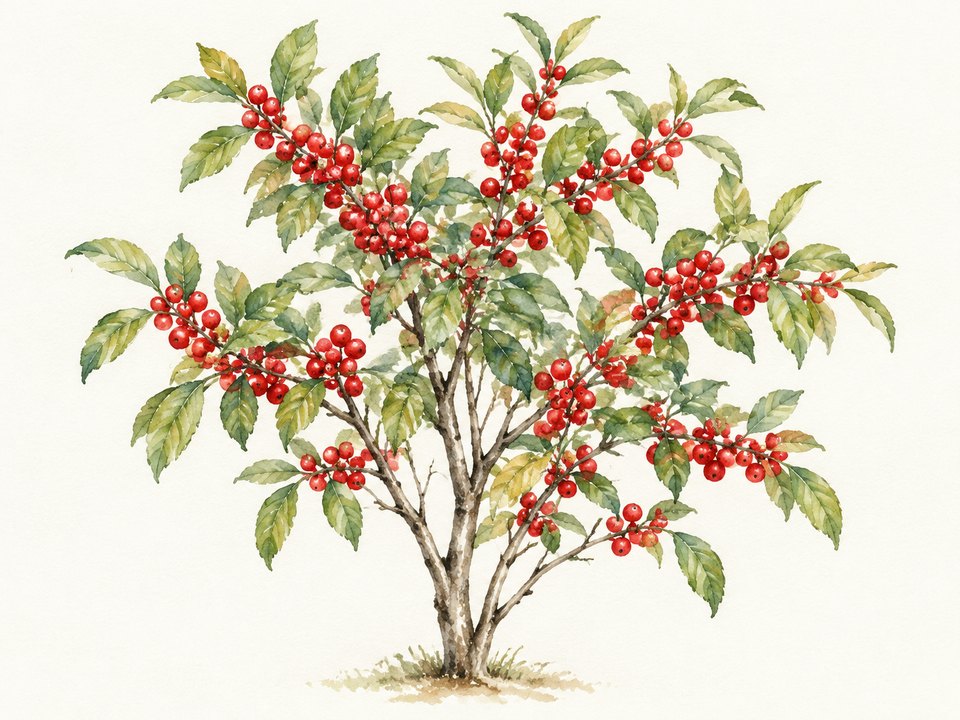 Illustration
Possumhaw HollyIlex deciduaIllustration 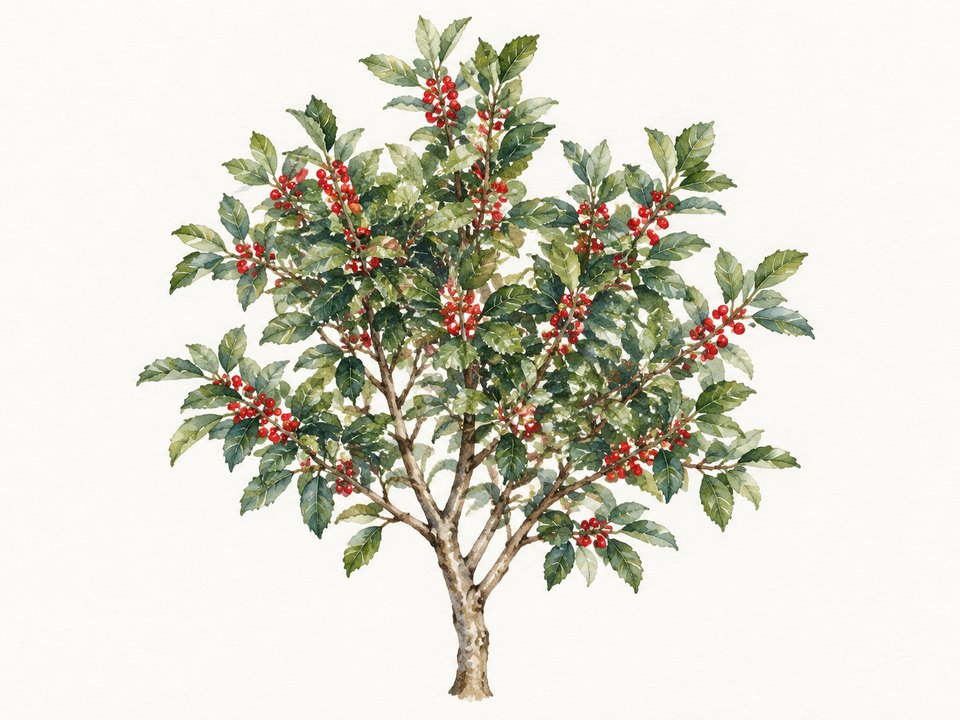 Illustration
Yaupon HollyIlex vomitoriaIllustration 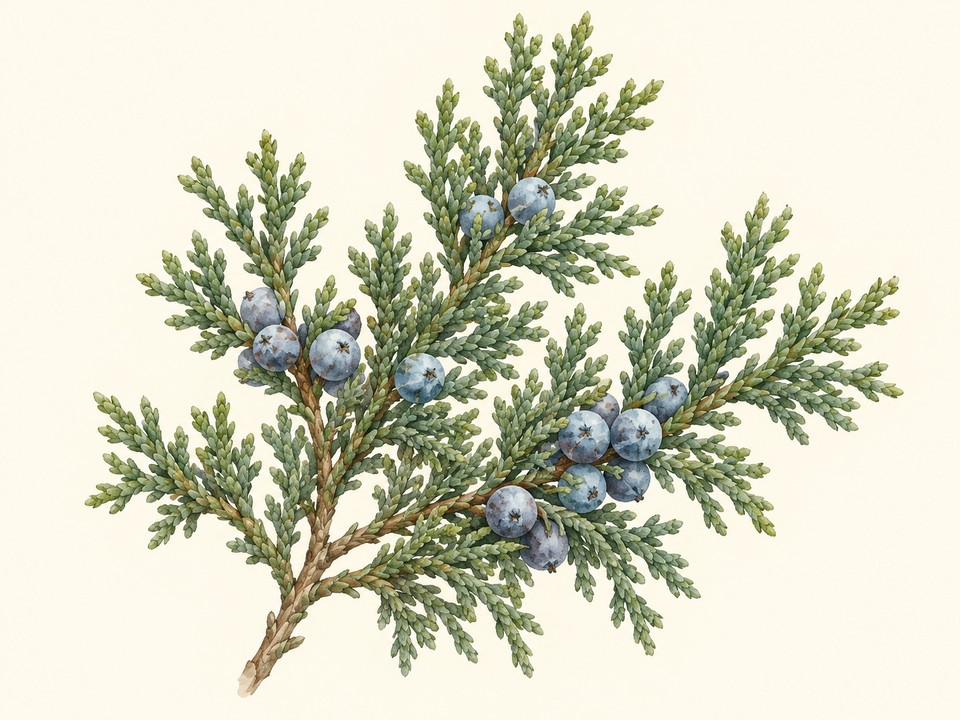 Illustration
Ashe JuniperJuniperus asheiIllustration 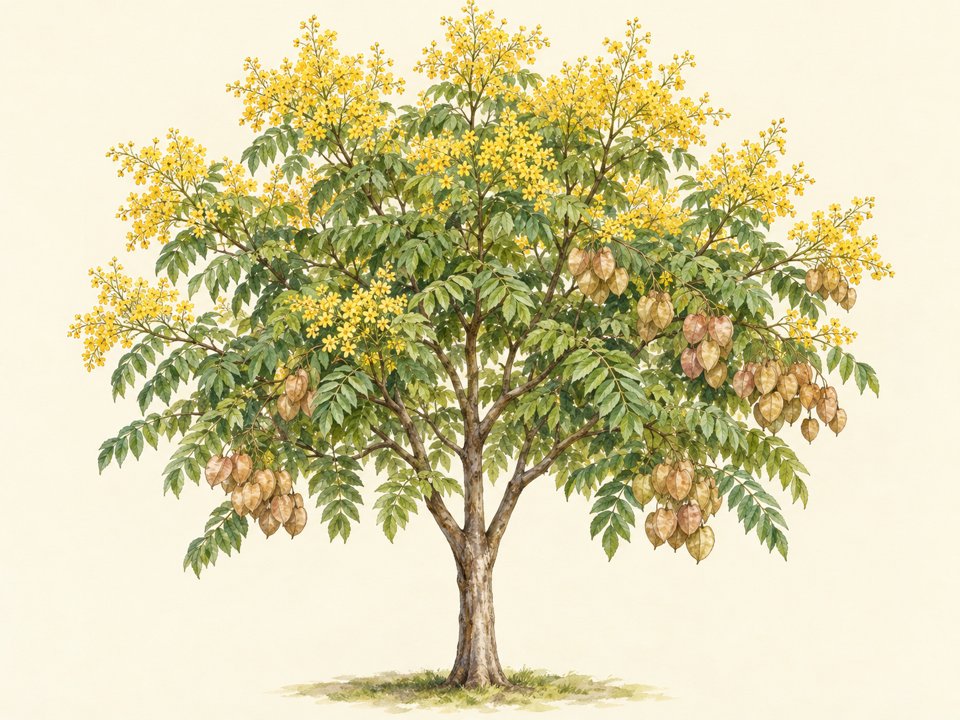 Illustration
Goldenrain TreeKoelreuteria paniculataIllustration 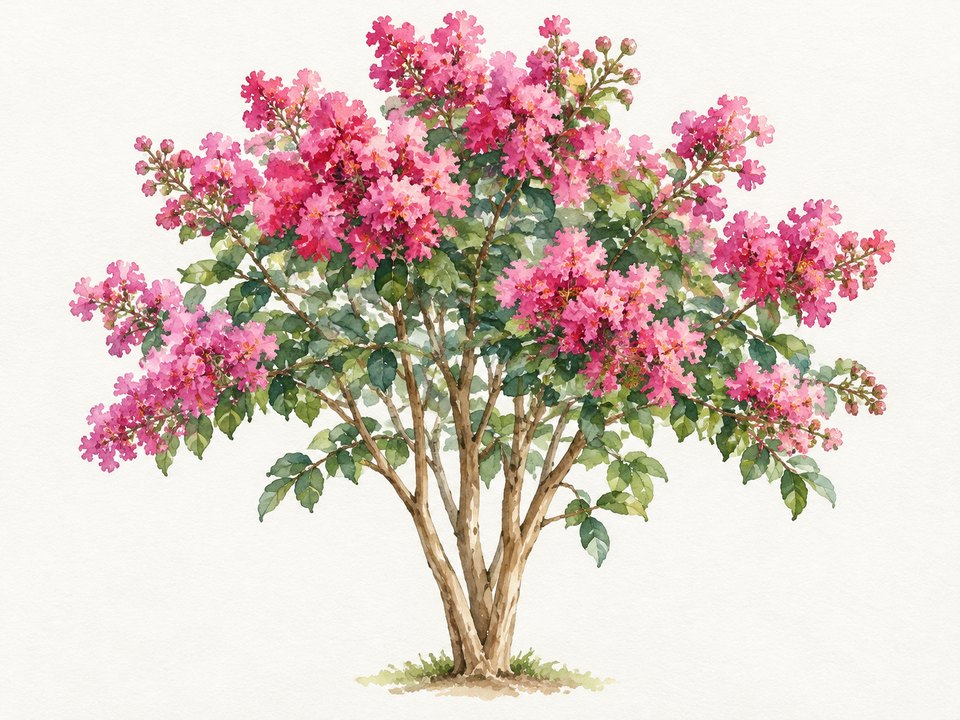 Illustration
Crape MyrtleLagerstroemia indicaIllustration 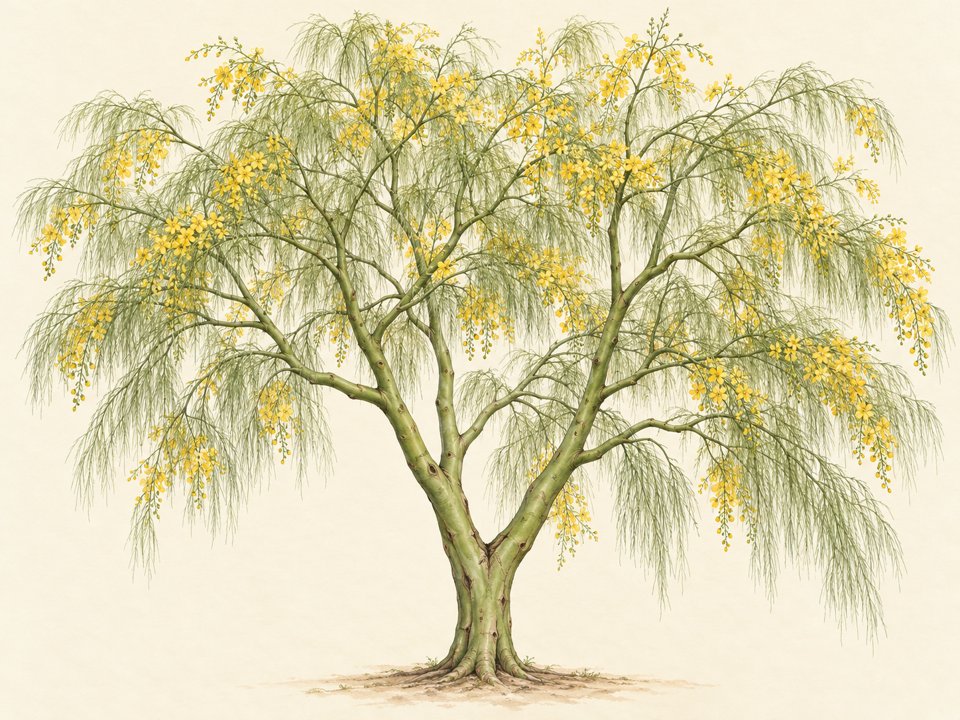 Illustration
Jerusalem ThornParkinsonia aculeataIllustration 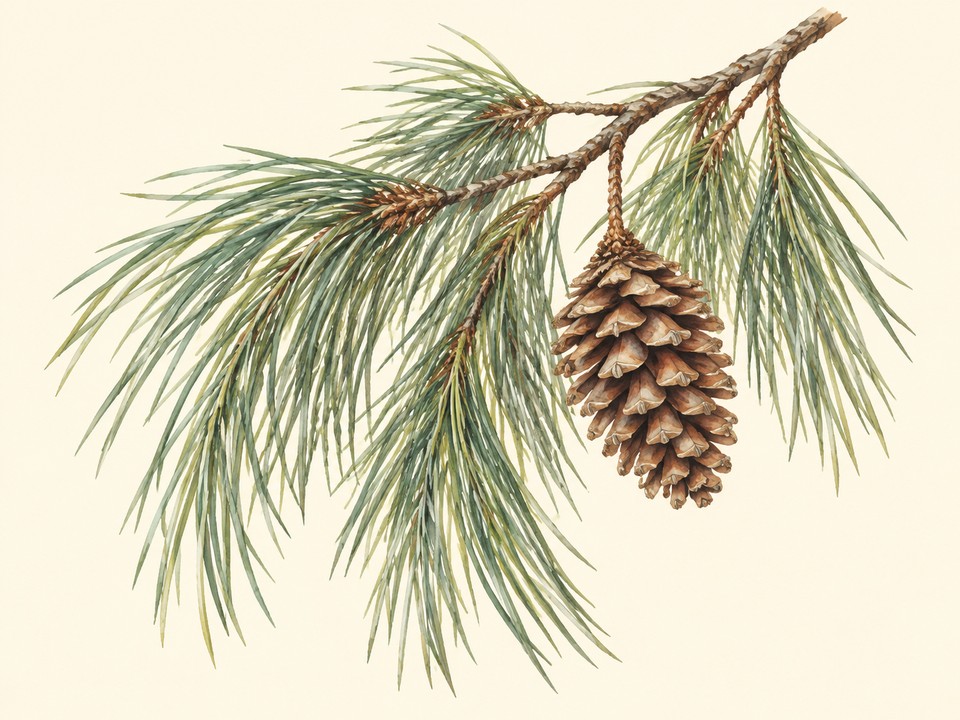 Illustration
Afghan PinePinus eldaricaIllustration 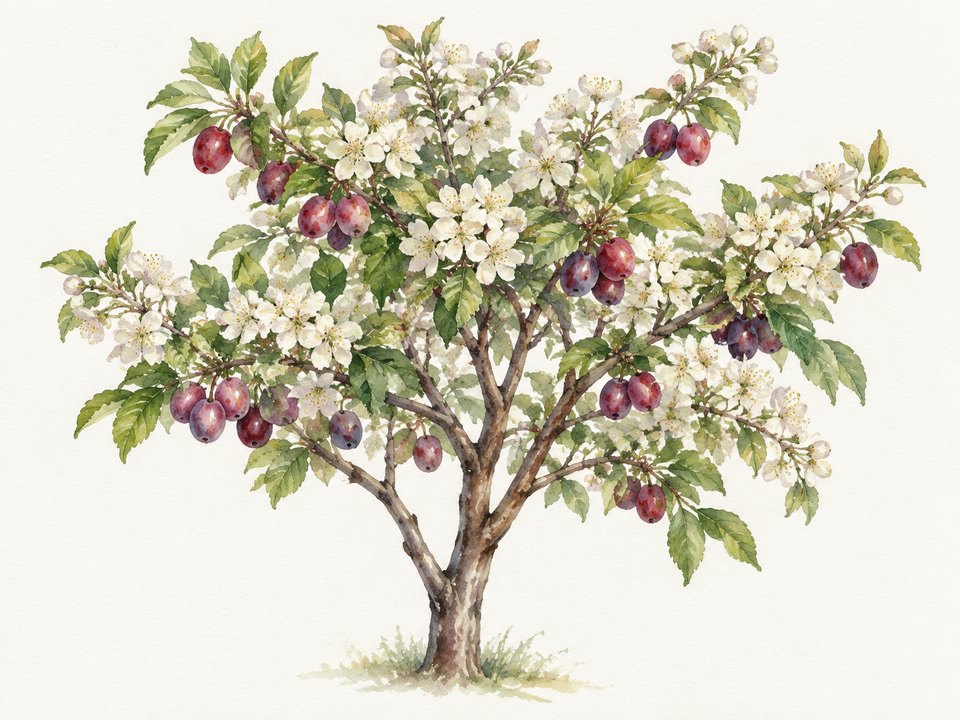 Illustration
Mexican PlumPrunus mexicanaIllustration 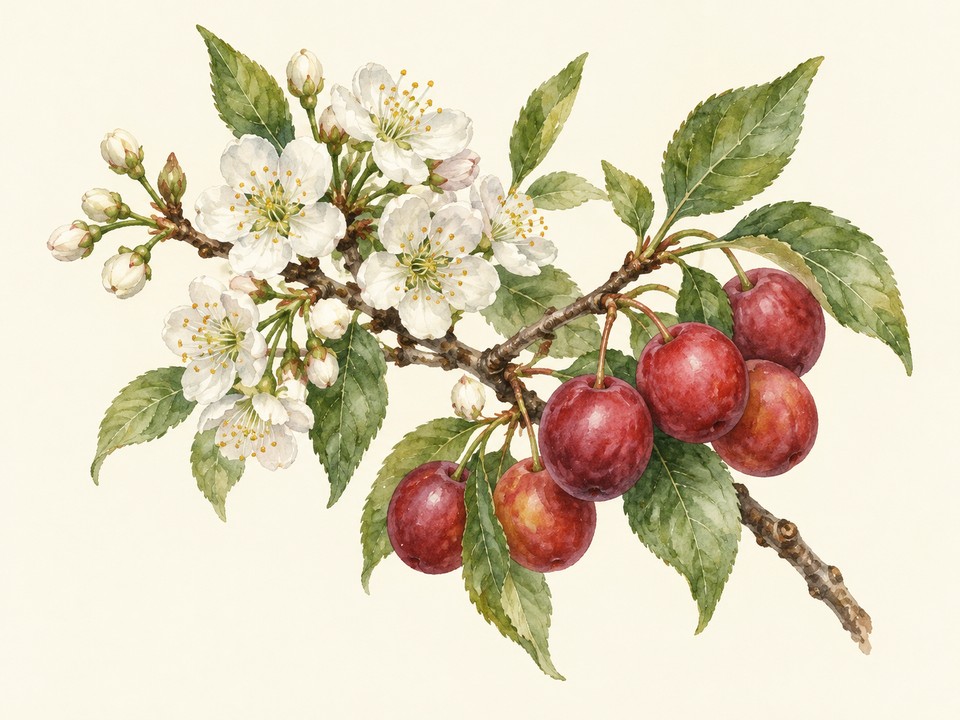 Illustration
American PlumPrunus americanaIllustration 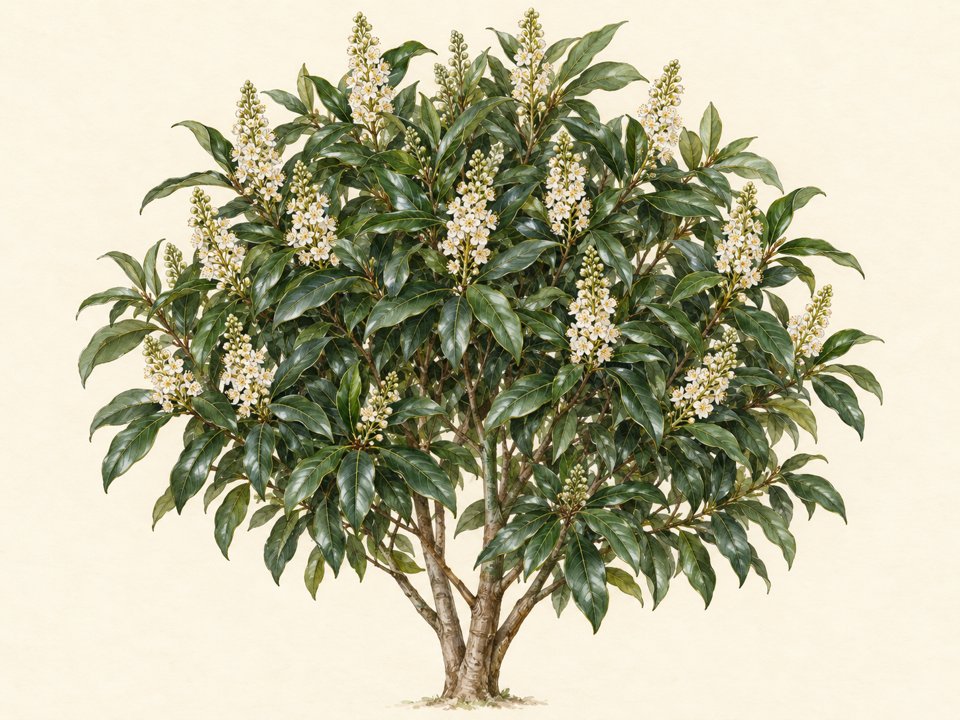 Illustration
Carolina Laurel CherryPrunus carolinianaIllustration 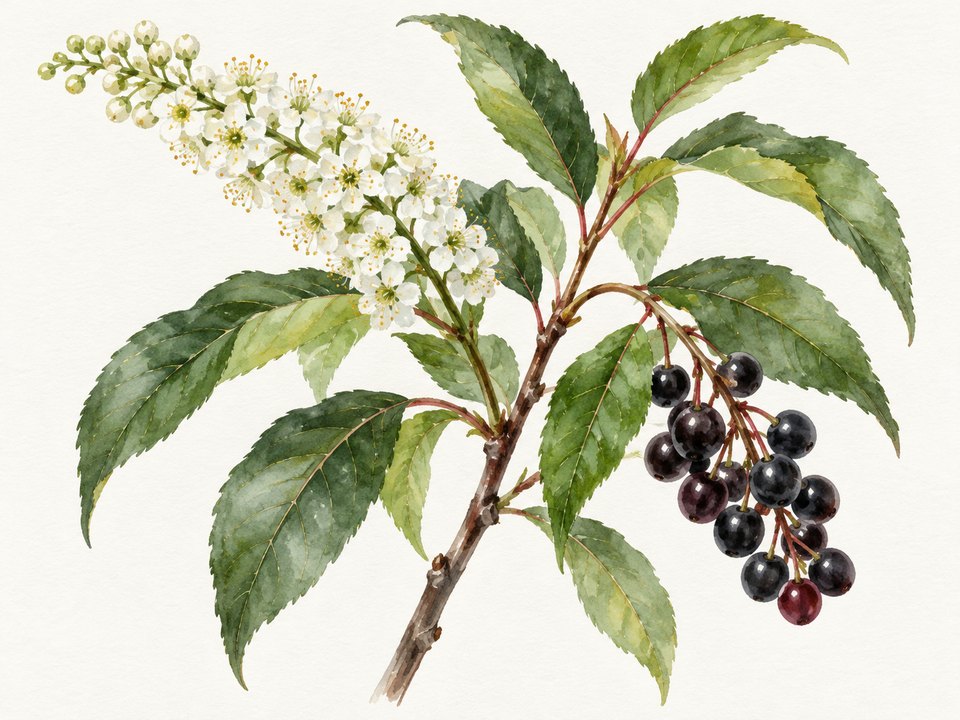 Illustration
Escarpment Black CherryPrunus serotina var. eximiaIllustration
'Bradford' Pear
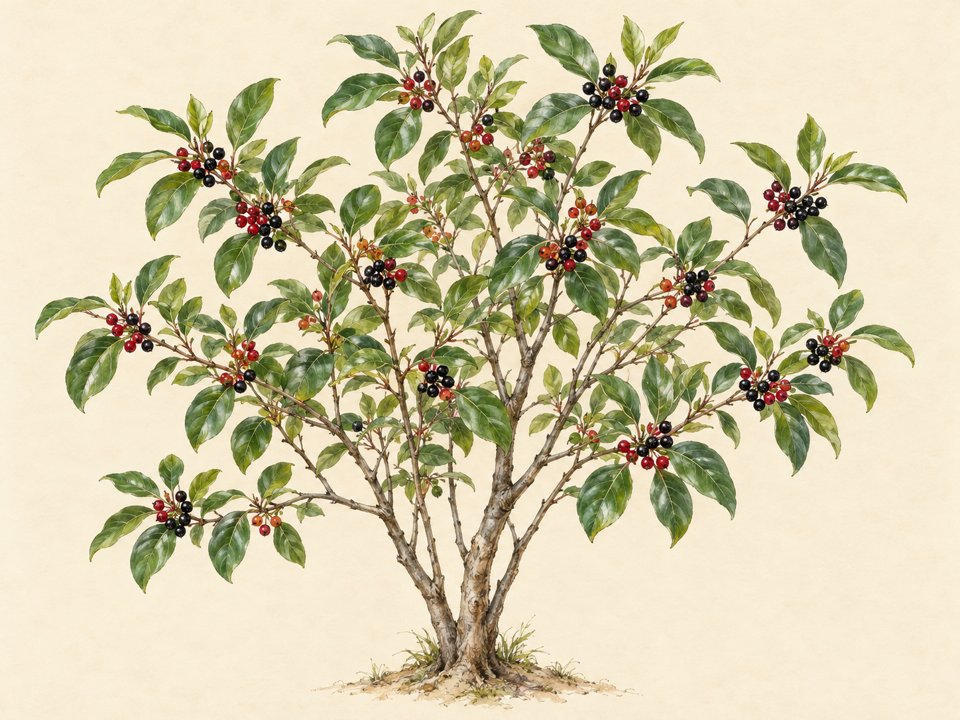 Illustration
Carolina BuckthornFrangula carolinianaIllustration
Prairie Flameleaf Sumac
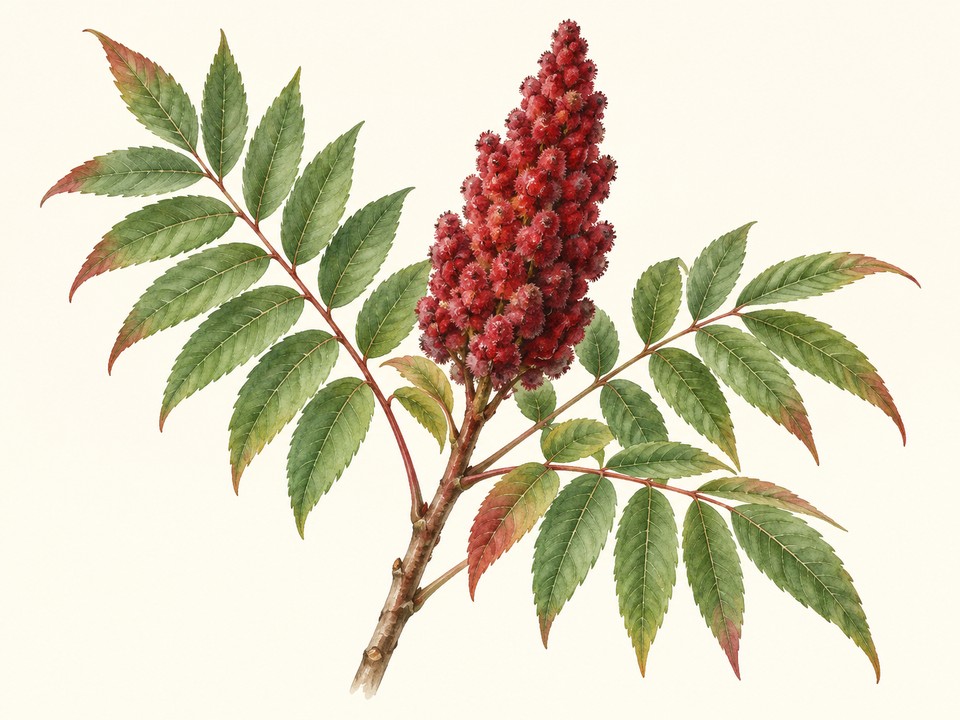 Illustration
Smooth SumacRhus glabraIllustration 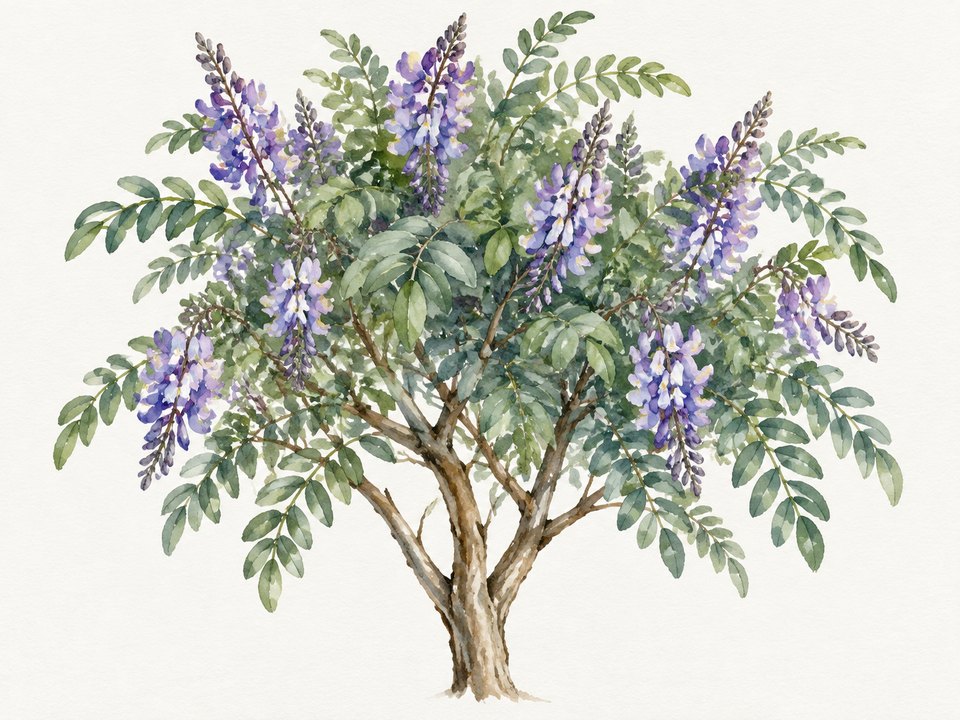 Illustration
Mountain LaurelSophora secundifloraIllustration 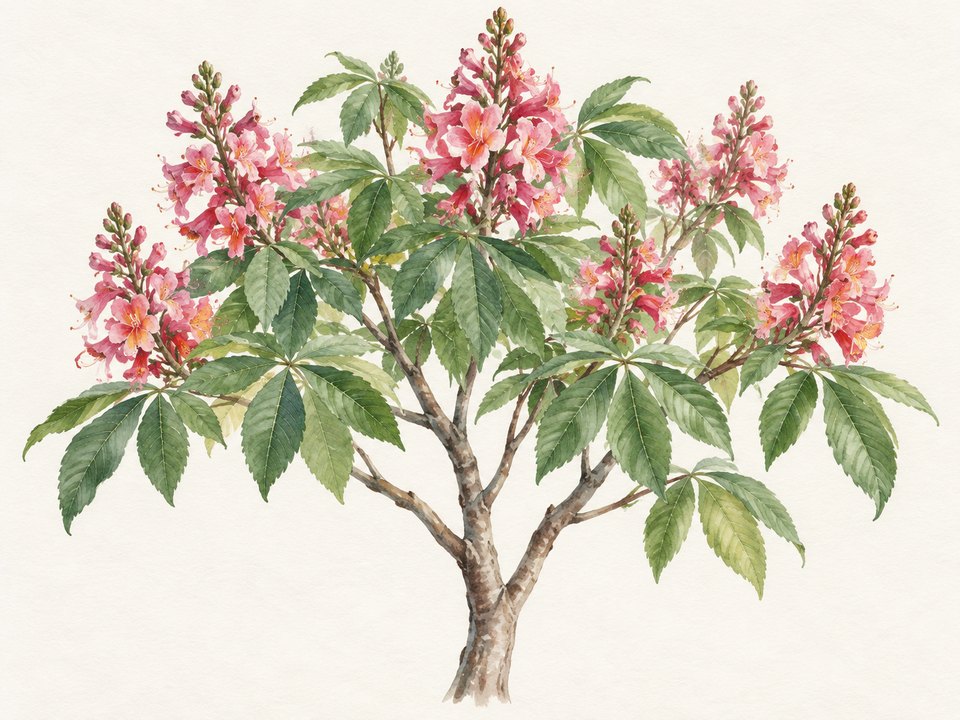 Illustration
Mexican BuckeyeUngnadia speciosaIllustration 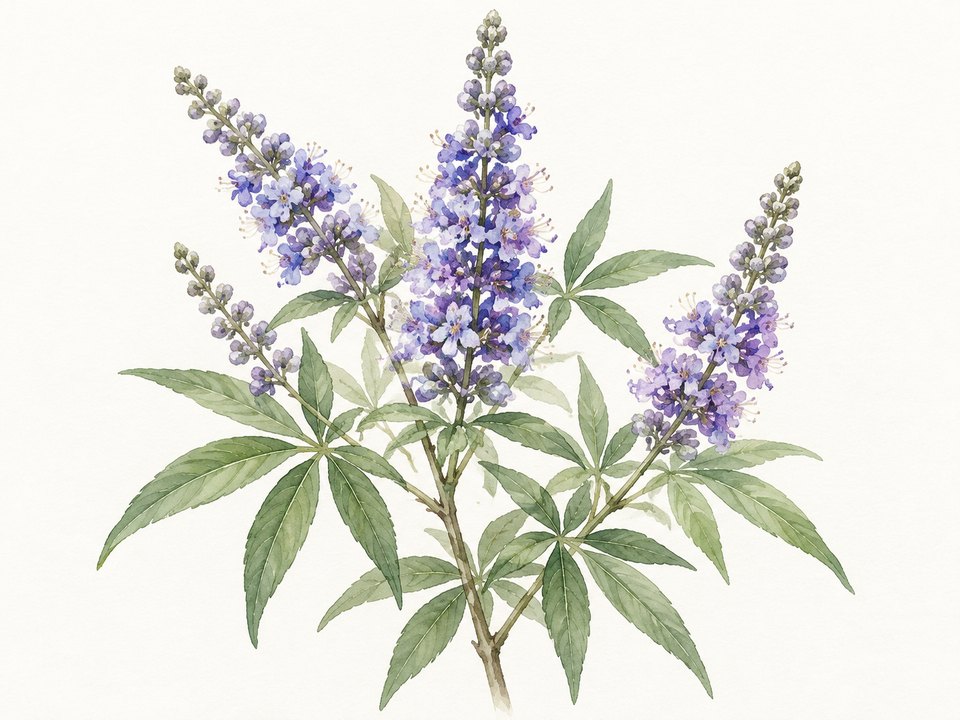 Illustration
VitexVitex agnus-castusIllustration
Shrubs
The list includes Glossy Abelia; Agave/Century Plant; Flame Acanthus; French Mulberry; Button Bush; Cotoneaster horizontalis; Texas Sotol; Escallonia species; Shrubby Boneset; Texas Kidneywood; Texas Elbow Bush; Ocotillo; Silk Tassel; Red Yucca; Yaupon Holly; 'Nana' Dwarf Yaupon; Texas Lantana; Texas Sage (the row prints "Texas shade"); Spice-bush; Agarita; Texas Mahonia; Wax Myrtle; Texas Pistache; Creek Plum; Reverchon Hog Plum; Fragrant Sumac; Evergreen Sumac; Rosemary; Texas Sabal Palm; Eve's Necklace; Coralberry; Pale Leaf Yucca; two unclear neighboring entries printed as "Orbiculatus / Rusty Blackhaw" and "Viburnum rufidulum / Viburnum." Confirm those last two names with the ACC before ordering.[3]
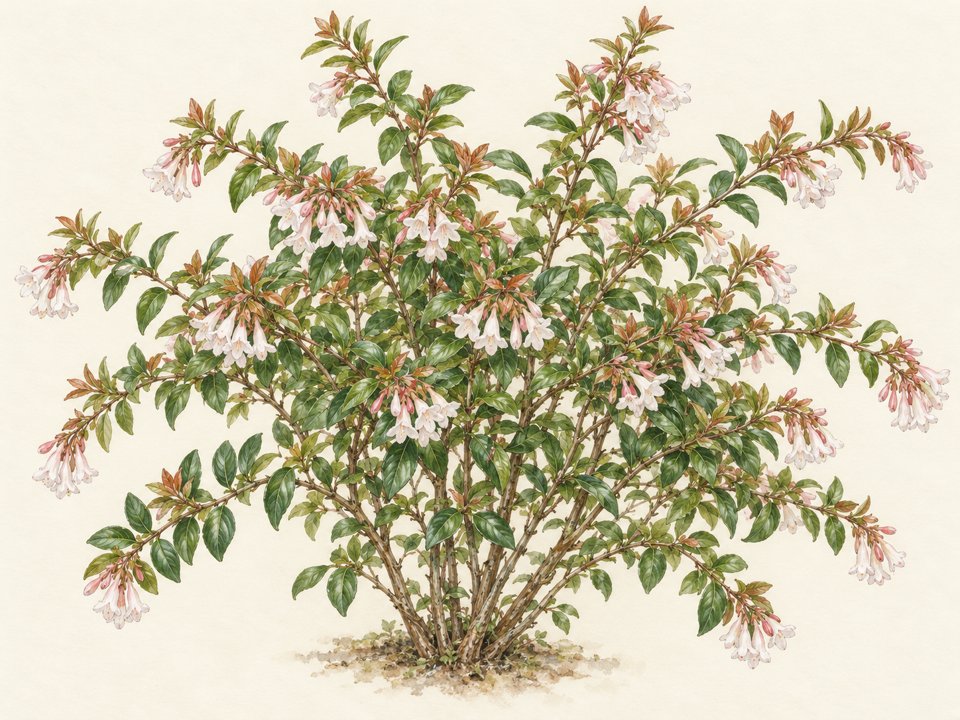 Illustration
Glossy AbeliaAbelia x grandifloraIllustration 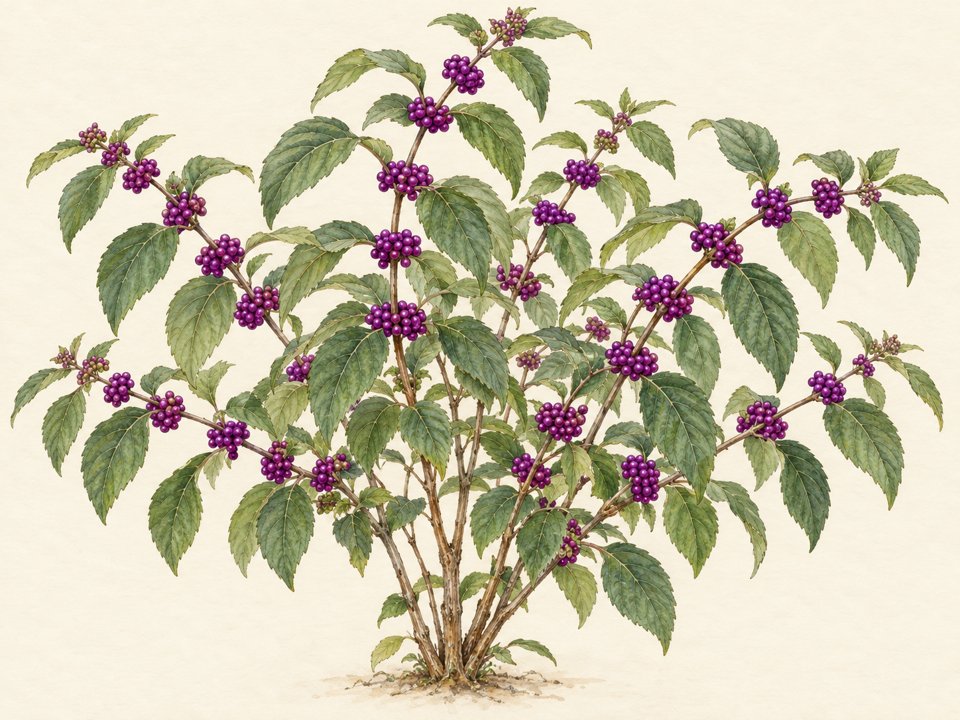 Illustration
French MulberryCallicarpa americanaIllustration 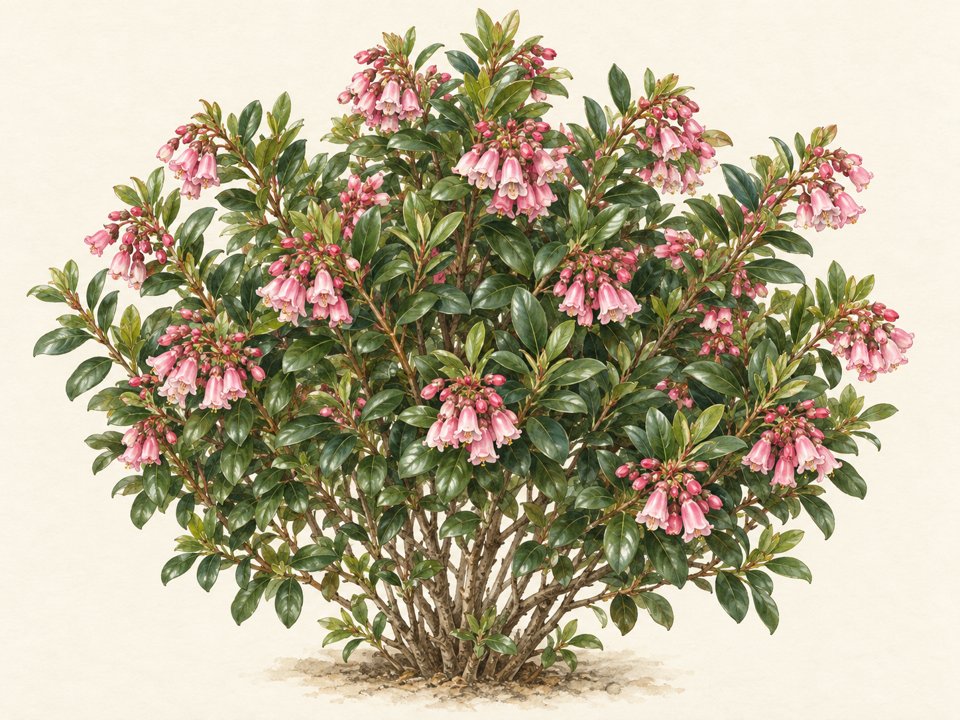 Illustration
EscalloniaEscalloniaIllustration 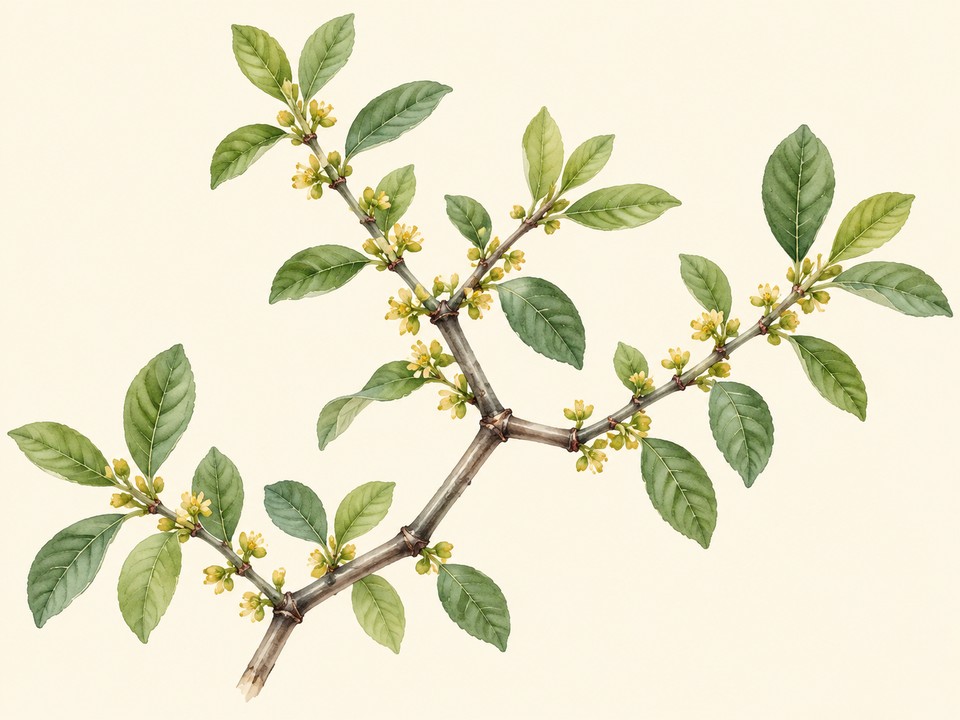 Illustration
Elbow BushForestiera pubescensIllustration 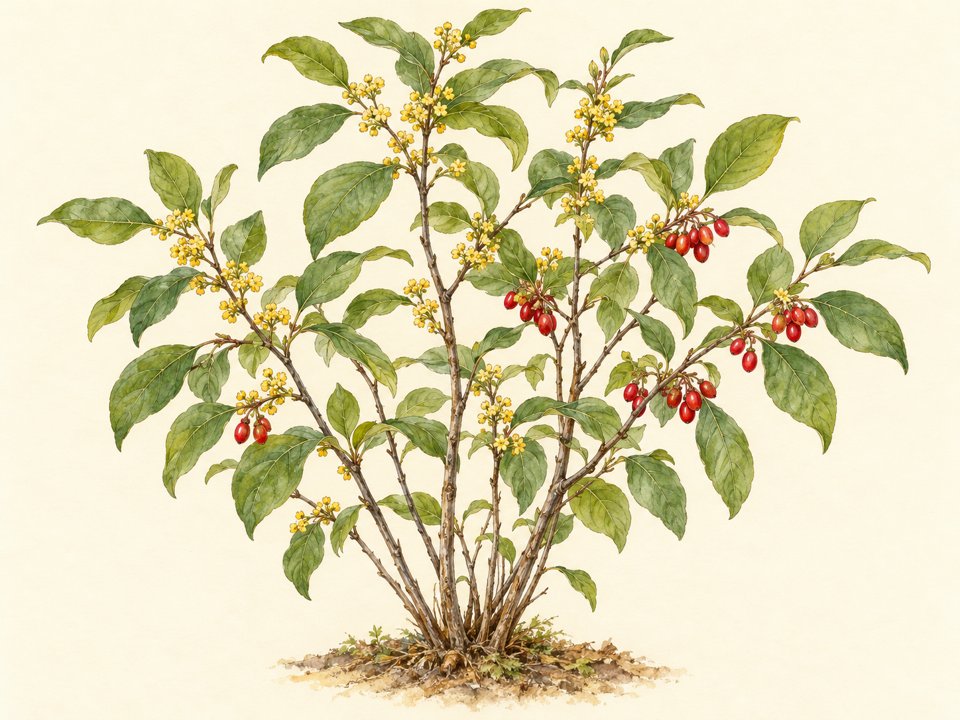 Illustration
Spice BushLindera benzoinIllustration 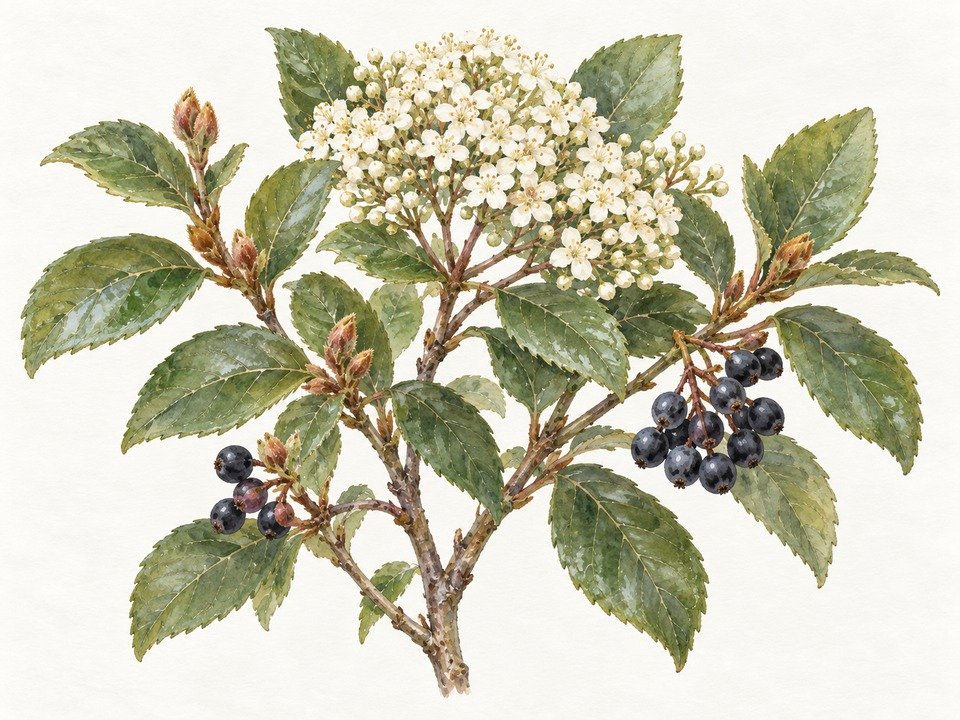 Illustration
Rusty BlackhawViburnum rufidulumIllustration 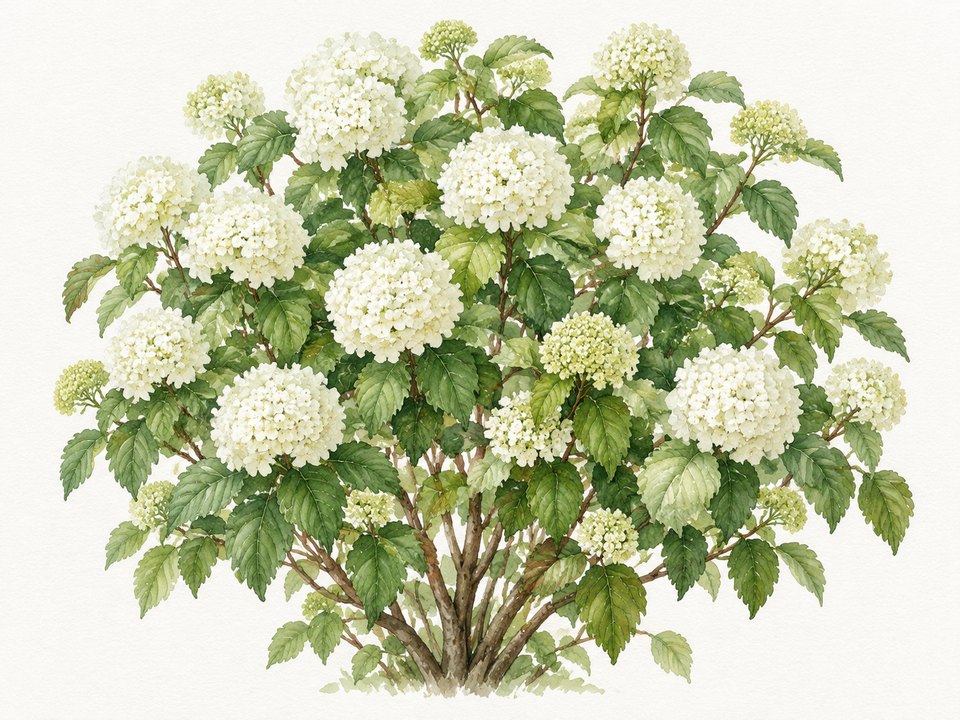 Illustration
ViburnumIllustration 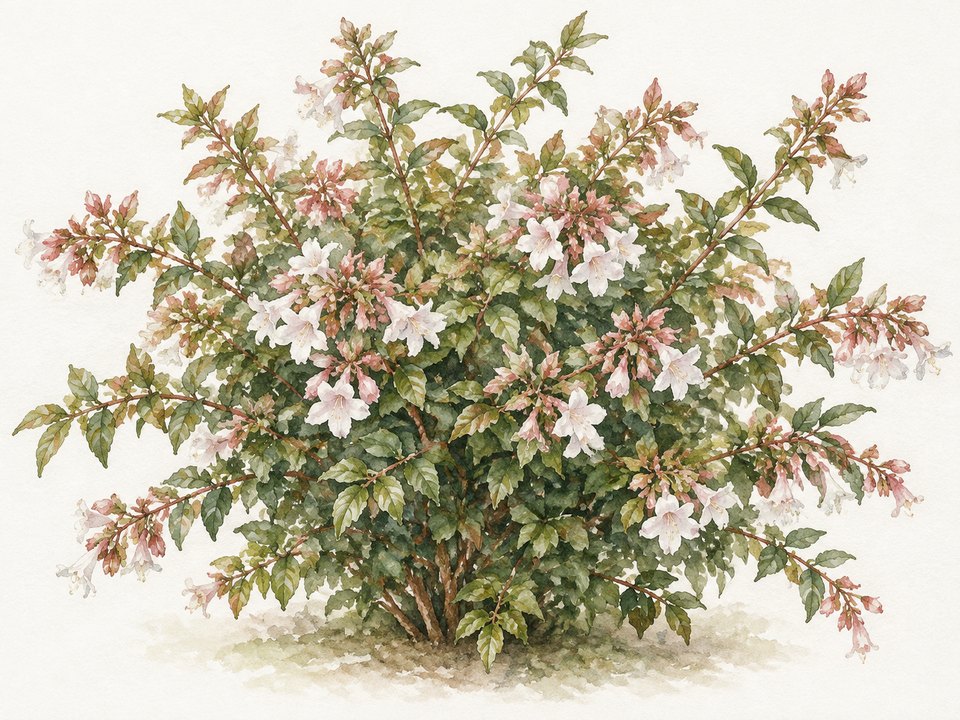 Illustration
AbeliaAbelia x grandifloraIllustration 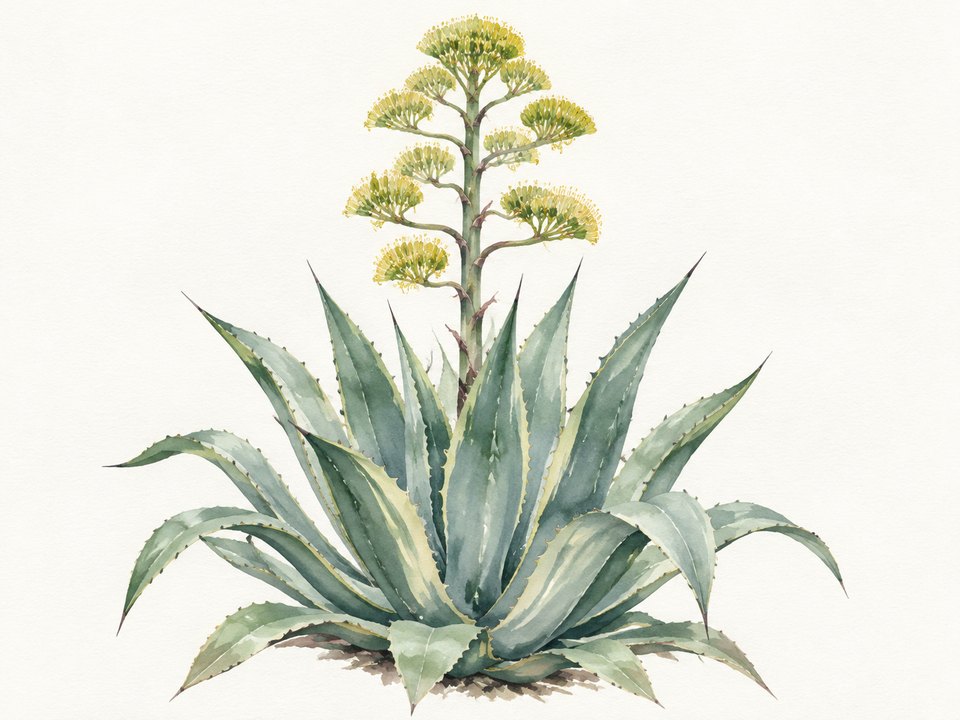 Illustration
Century PlantAgave americanaIllustration 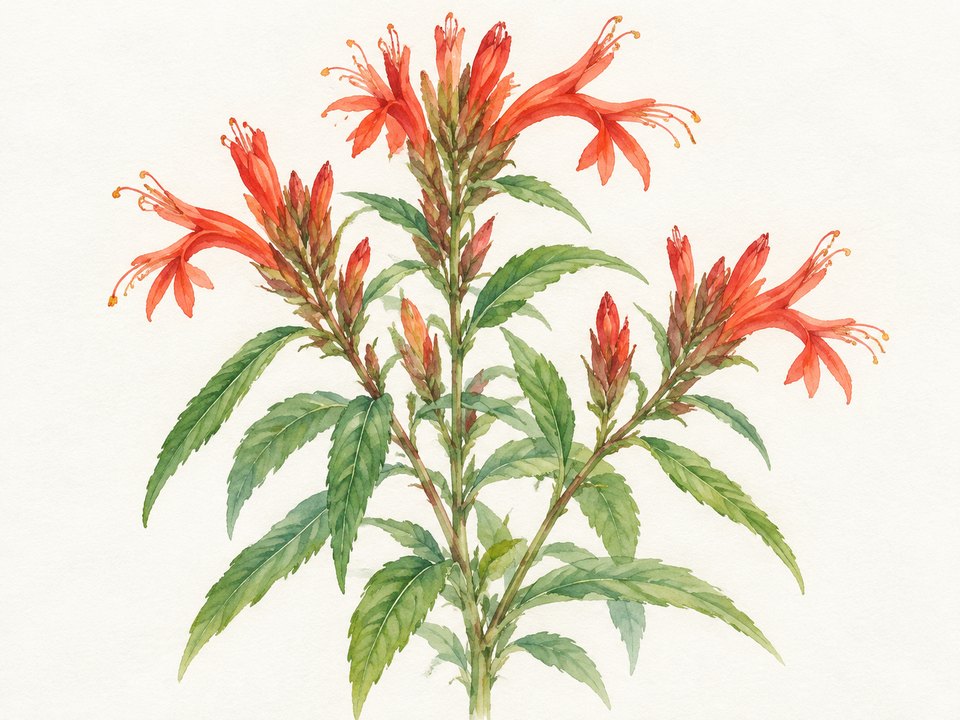 Illustration
Flame AcanthusAnisacanthus quadrifidus var. wrightiiIllustration 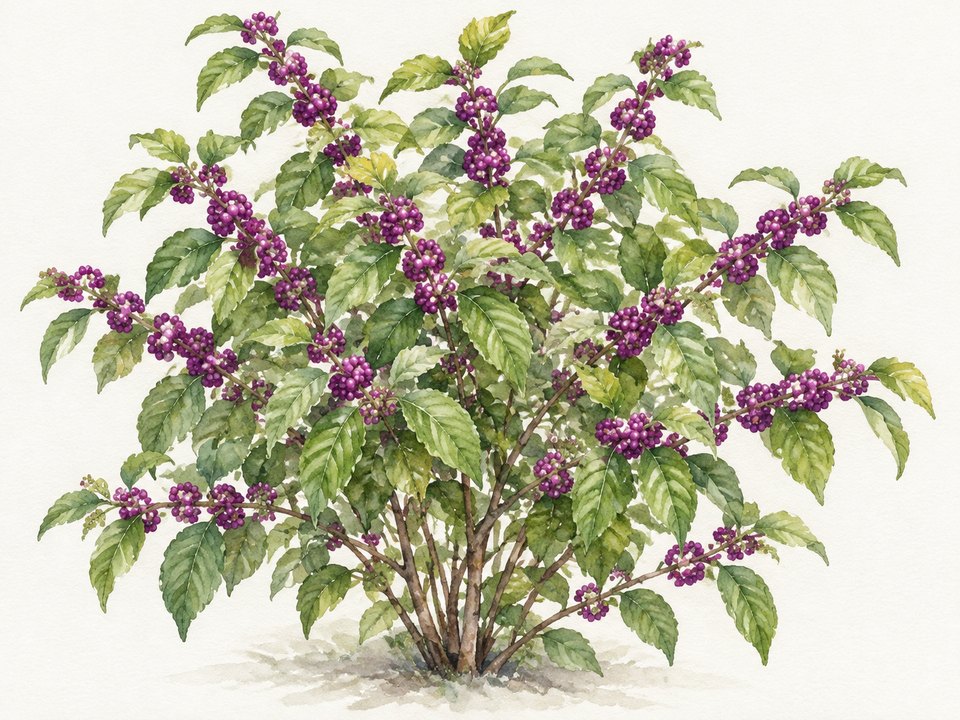 Illustration
American BeautyberryCallicarpa americanaIllustration 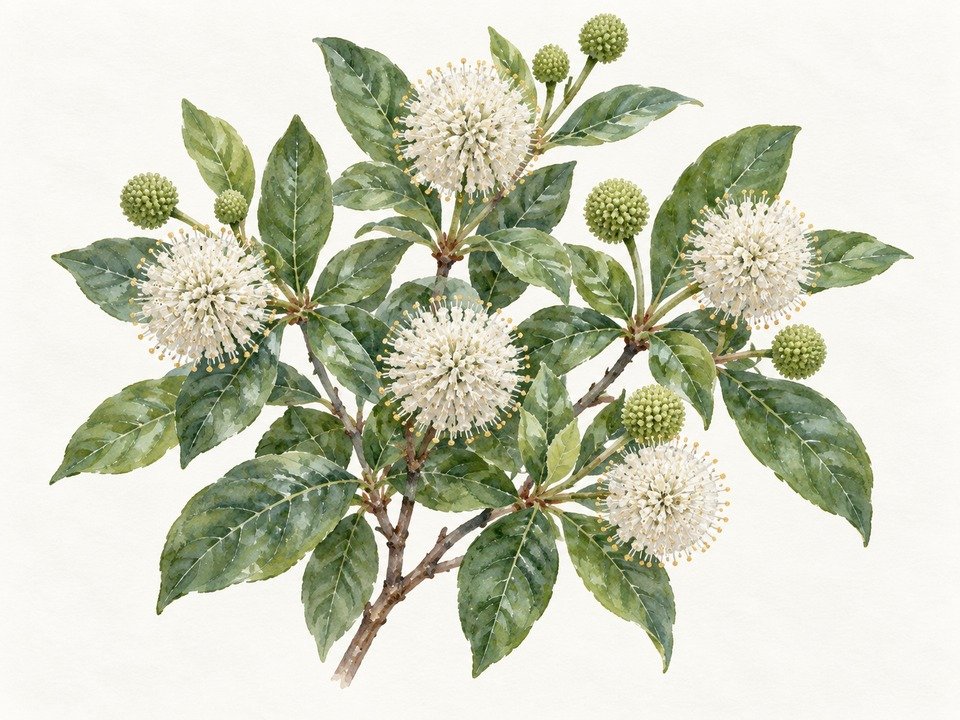 Illustration
BottonbushCephalanthus occidentalisIllustration 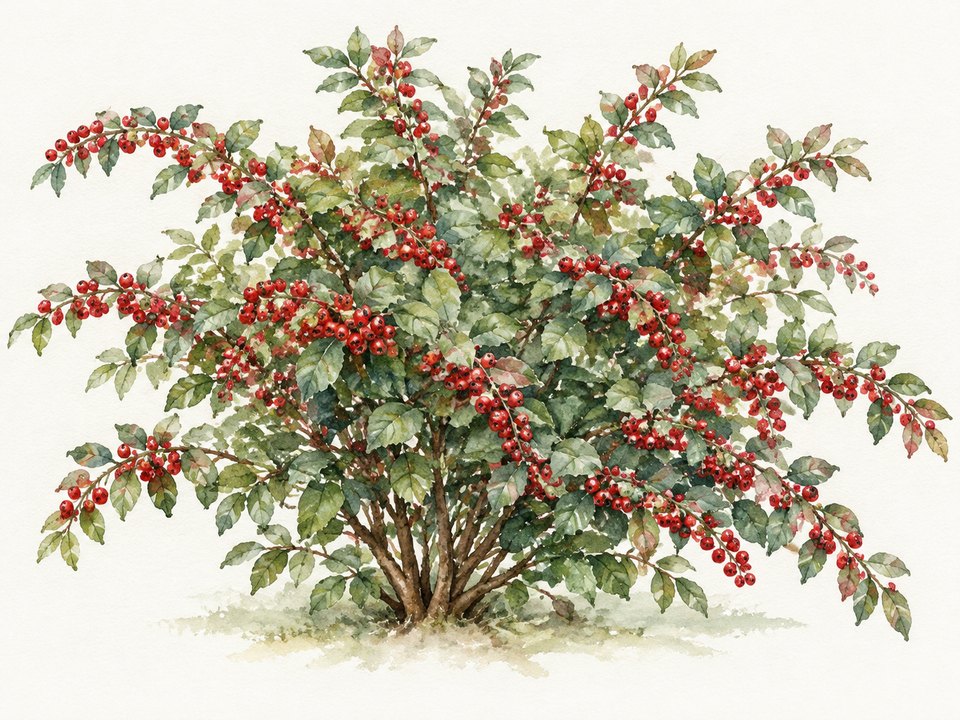 Illustration
CotoneasterIllustration 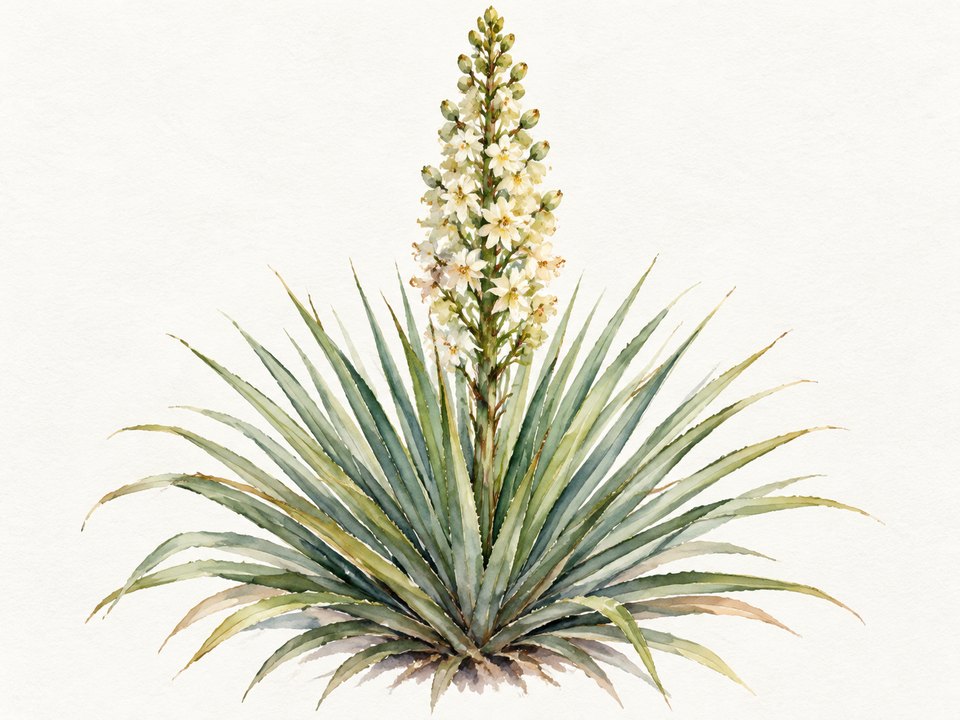 Illustration
SotolIllustration
Escallonia species
 Illustration
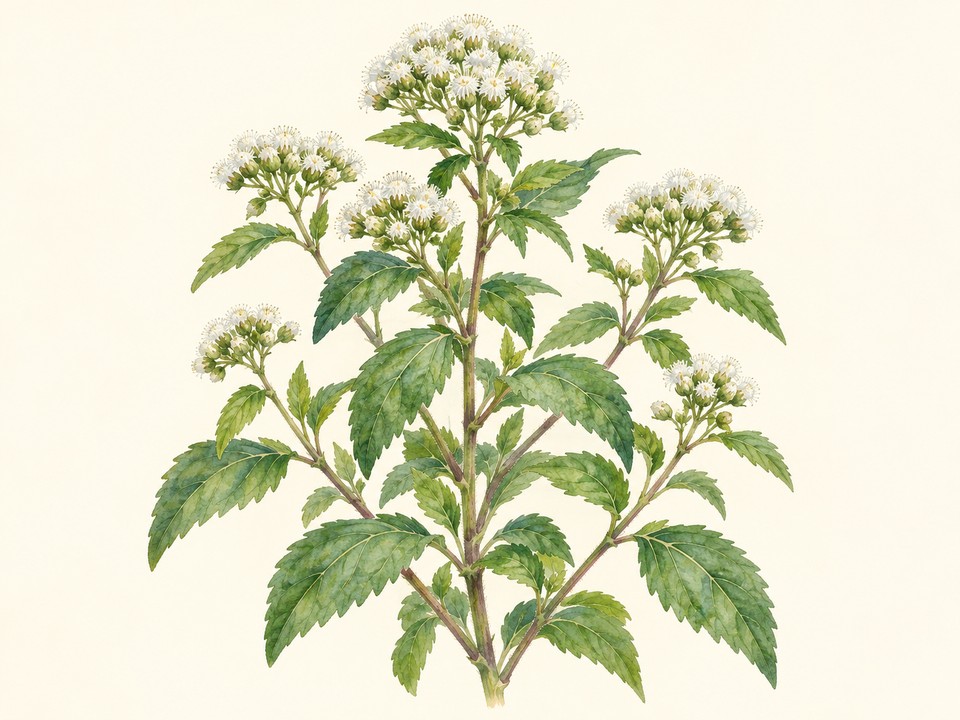
Shrubby BonesetAgeratina havanensisIllustration 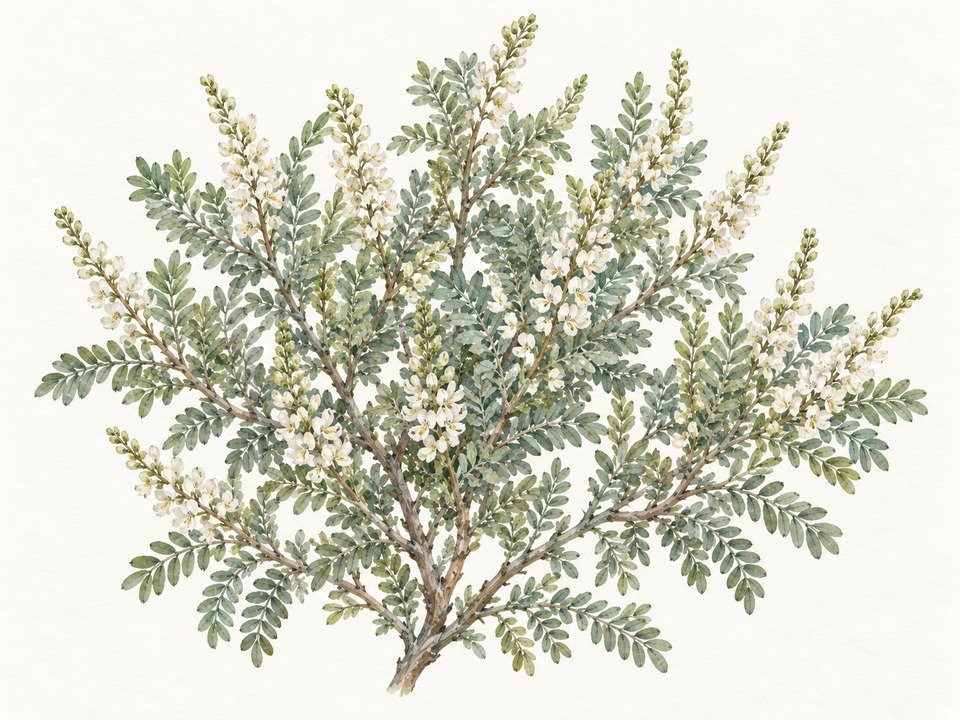 Illustration
Texas KidneywoodEysenhardtia texanaIllustration
Texas Elbow Bush
 Illustration
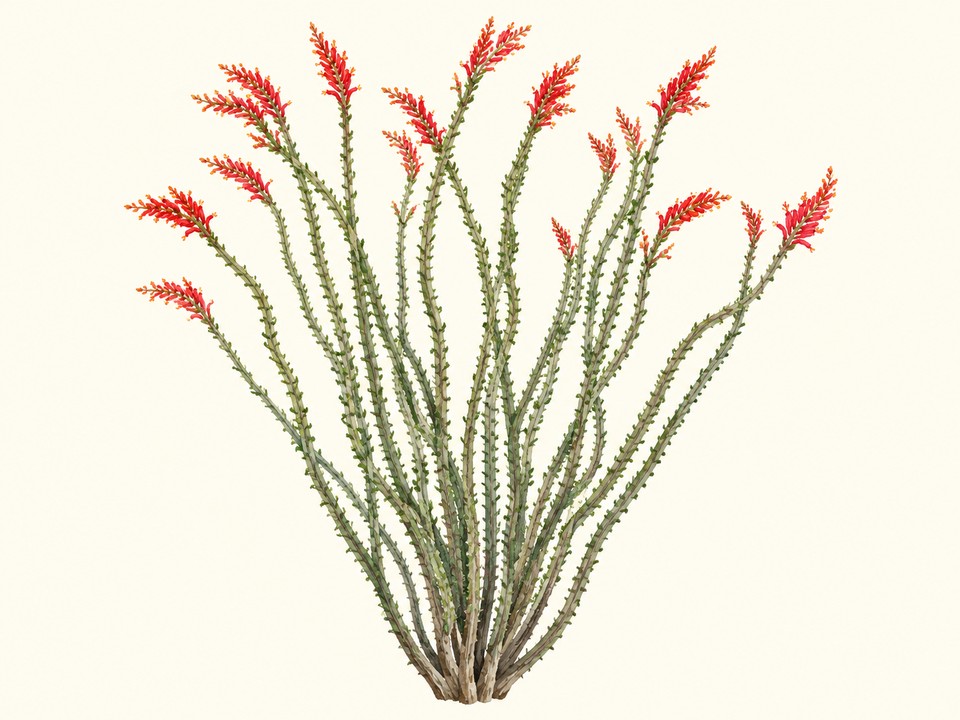
OcotilloFouquieria splendensIllustration 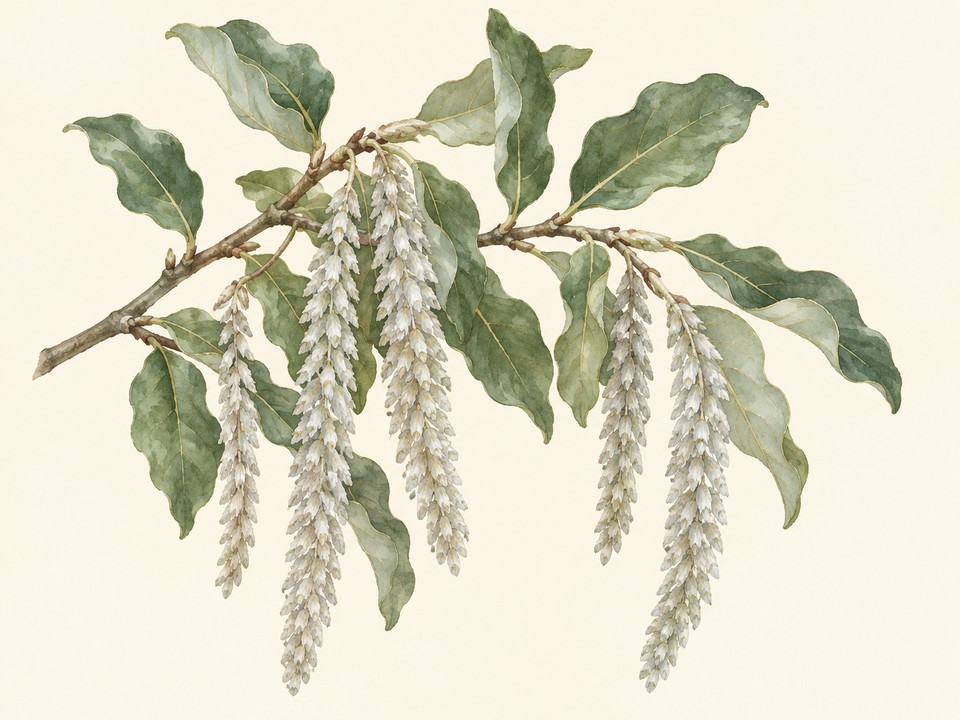 Illustration
Silk TasselGarrya ovata ssp. lindheimeriIllustration 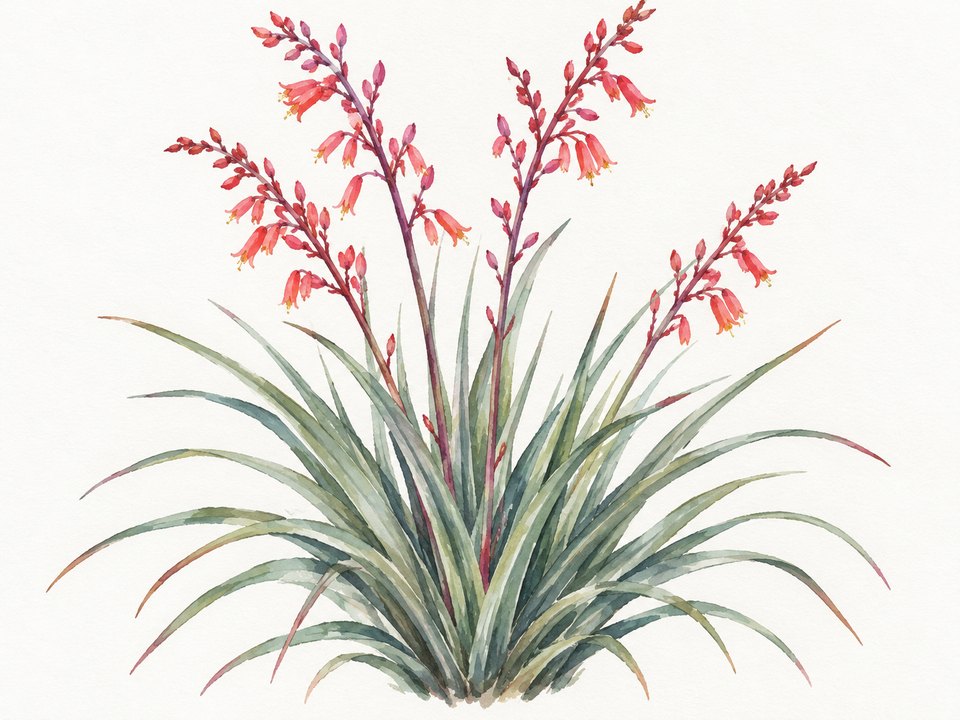 Illustration
Red YuccaHesperaloe parvifloraIllustration - Illustration
Yaupon HollyIlex vomitoriaIllustration 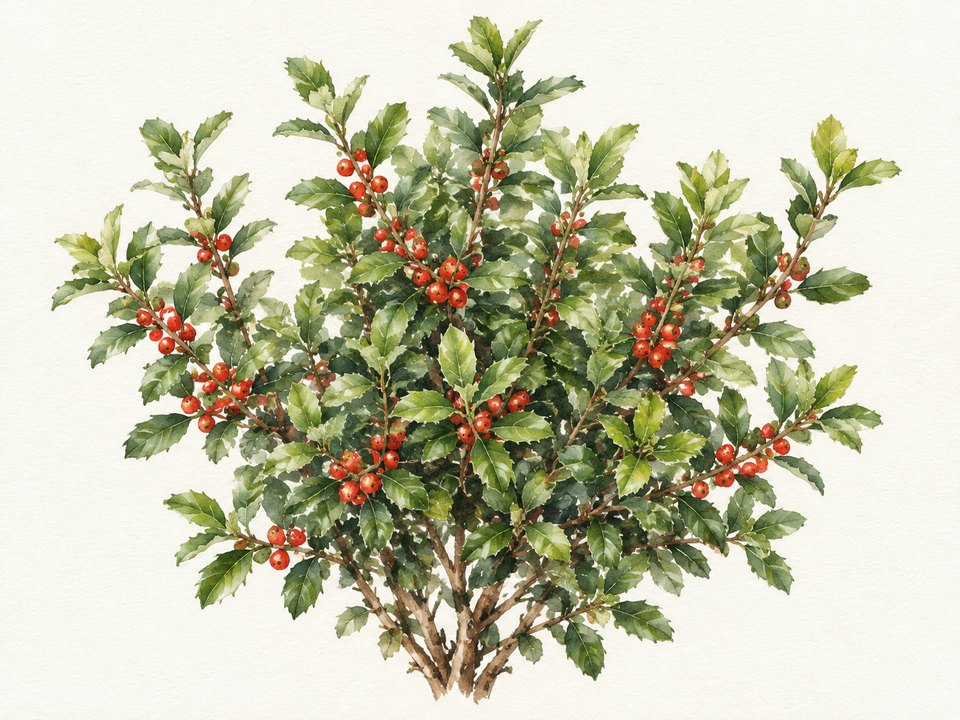 Illustration
Dwarf Yaupon HollyIlex vomitoriaIllustration 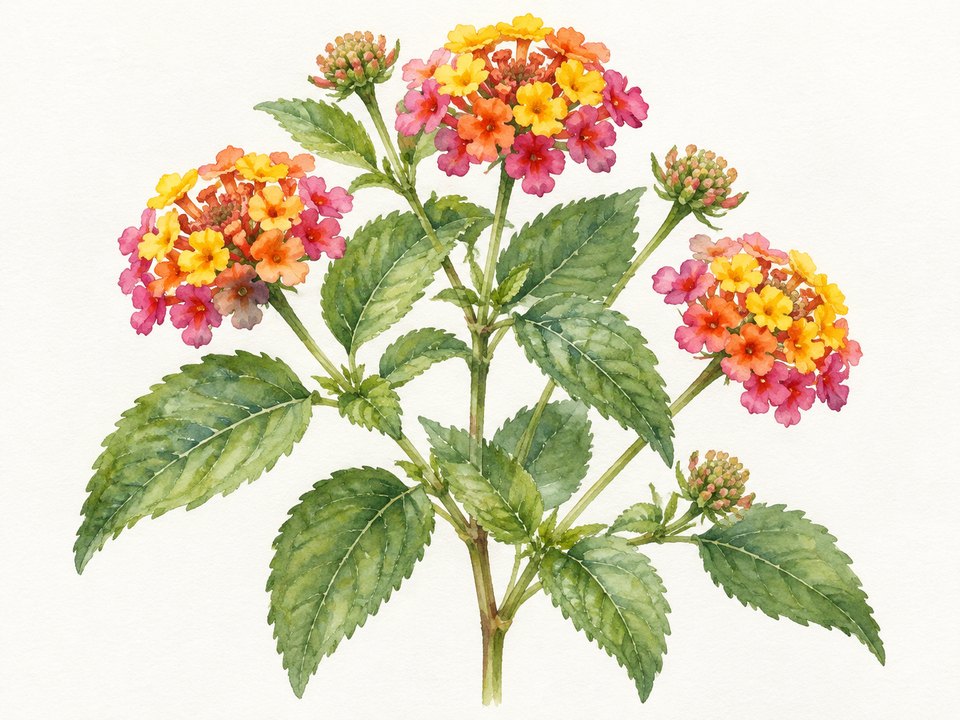 Illustration
Texas LantanaLantana urticoidesIllustration 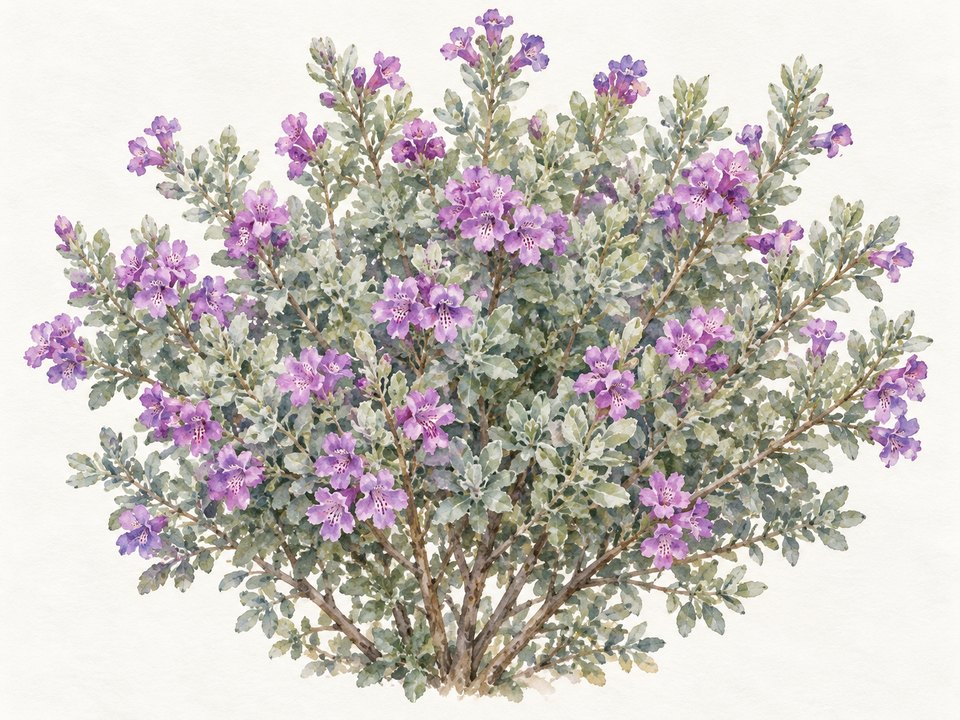 Illustration
Texas SageLeucophyllum frutescensIllustration
Spice-bush
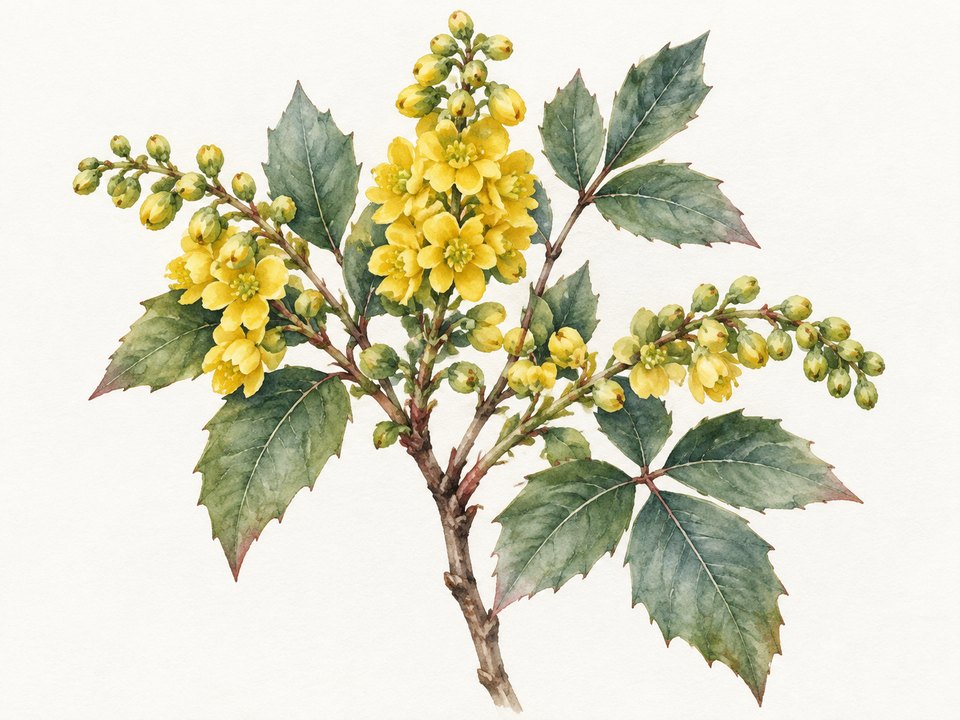 Illustration
AgaritaMahonia trifoliolataIllustration 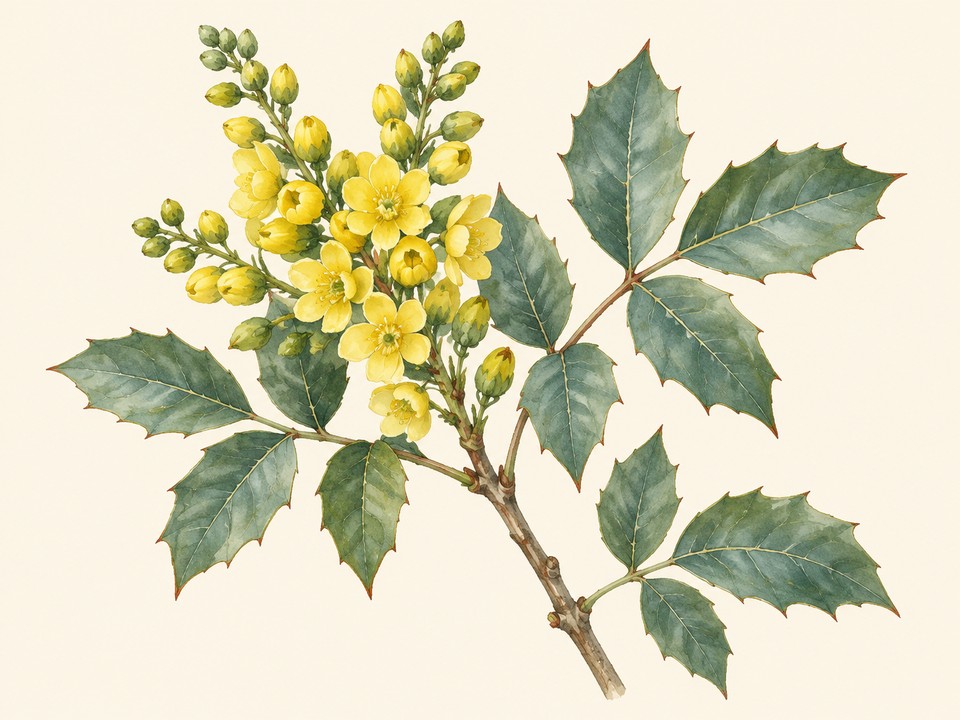 Illustration
Texas MahoniaMahonia swaseyiIllustration 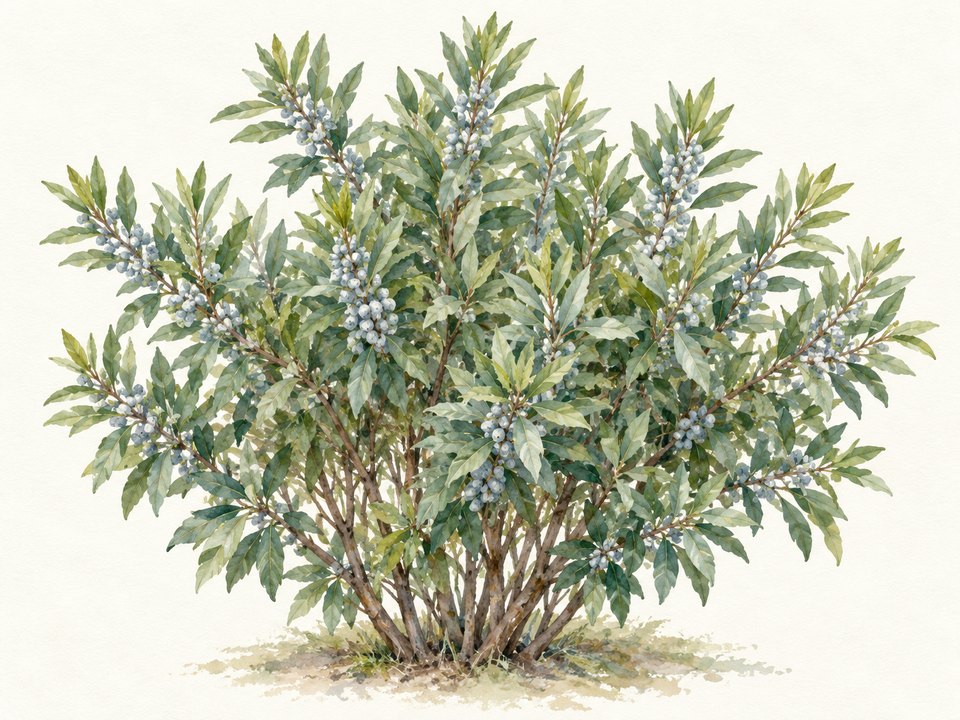 Illustration
Wax MyrtleMorella ceriferaIllustration - Illustration
Texas PistachePistacia texanaIllustration 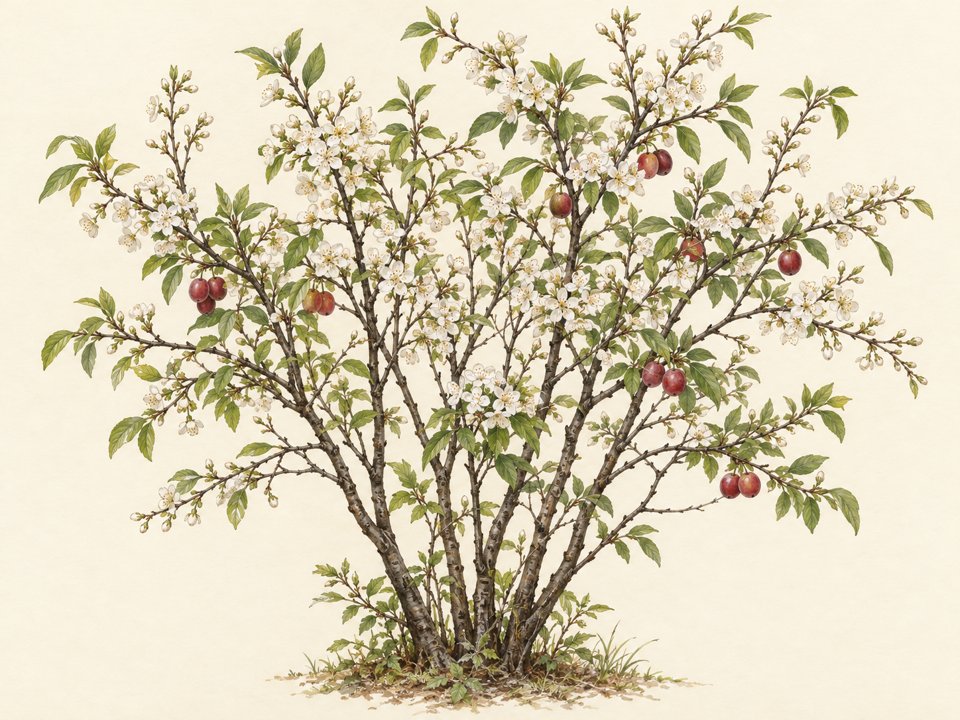 Illustration
Creek PlumPrunus rivularisIllustration
Reverchon Hog Plum
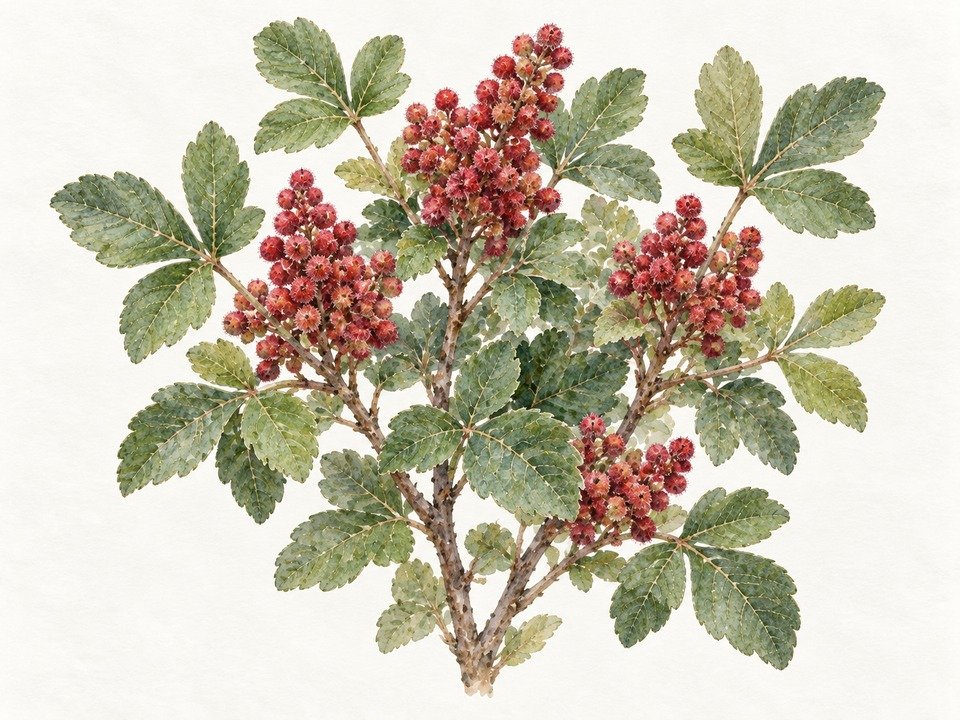 Illustration
Fragrant SumacRhus triloba var. aromaticaIllustration 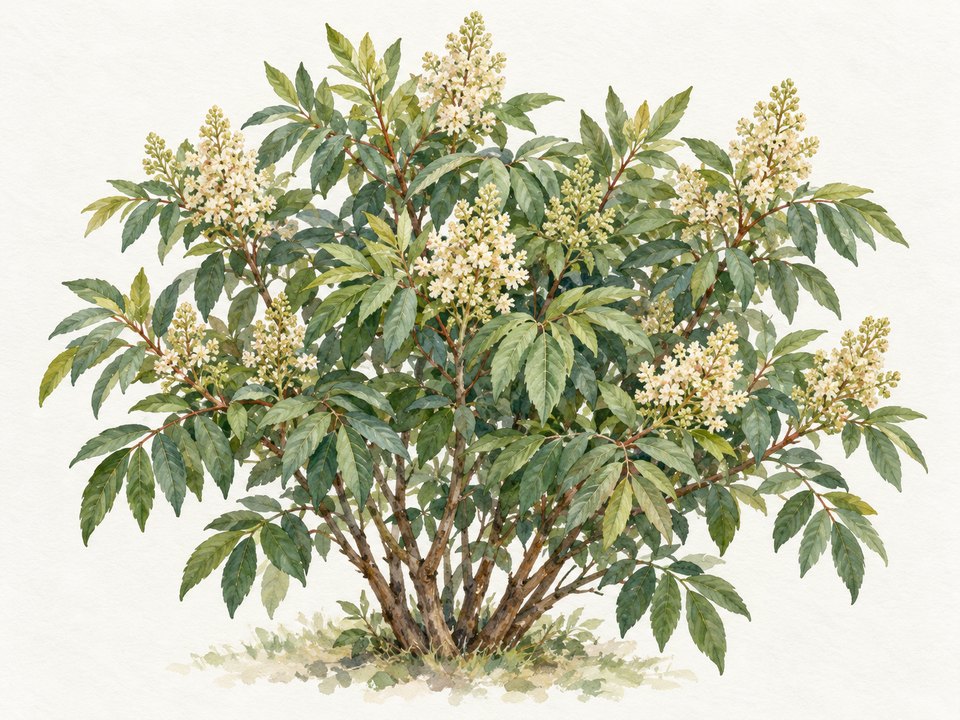 Illustration
Evergreen SumacRhus virensIllustration 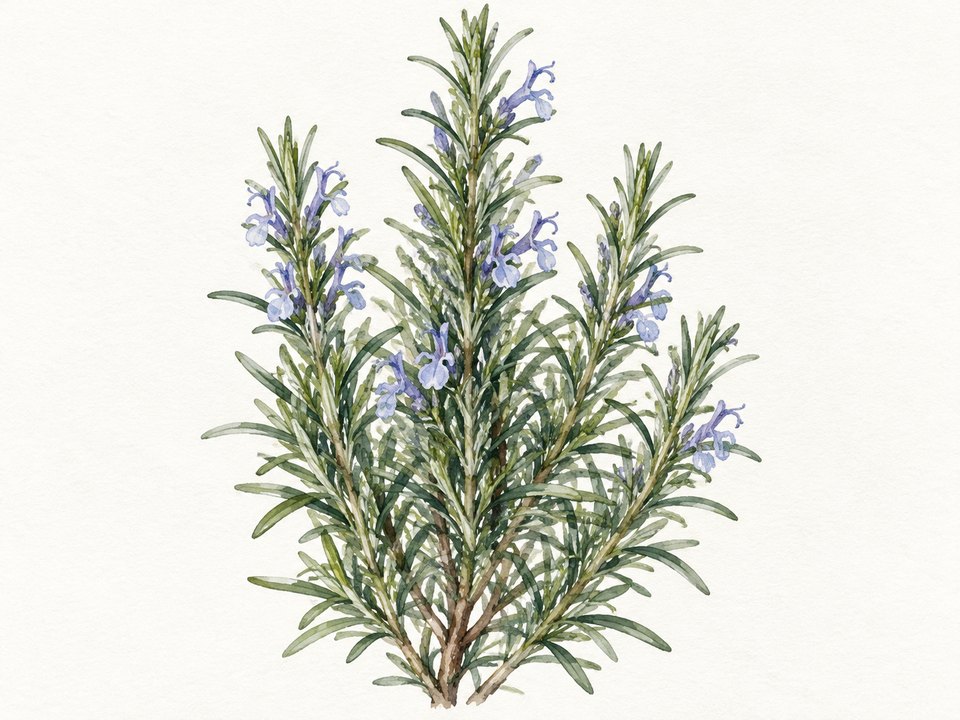 Illustration
Rosemary (upright)Salvia rosmarinusIllustration
Texas Sabal Palm
 Illustration
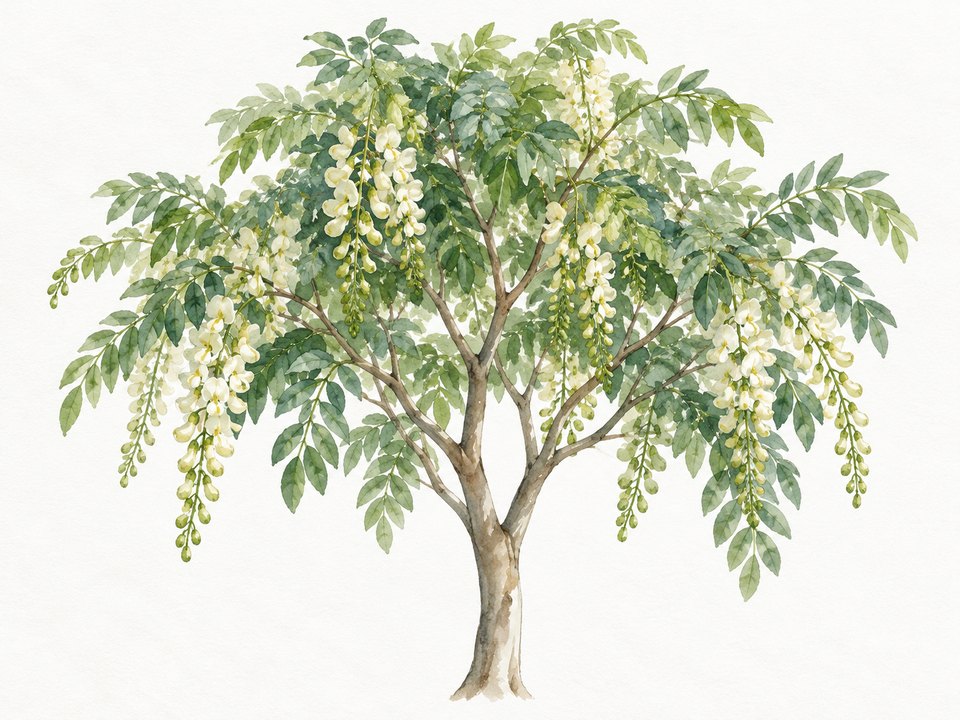
Eve's NecklaceStyphnolobium affineIllustration 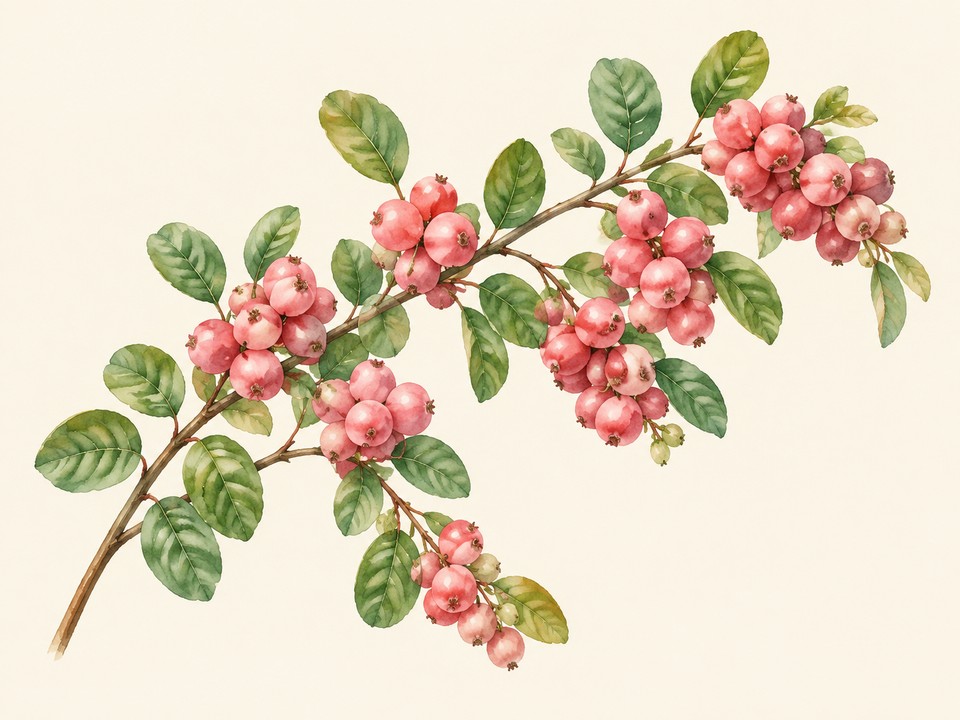 Illustration
CoralberrySymphoricarpos orbiculatusIllustration 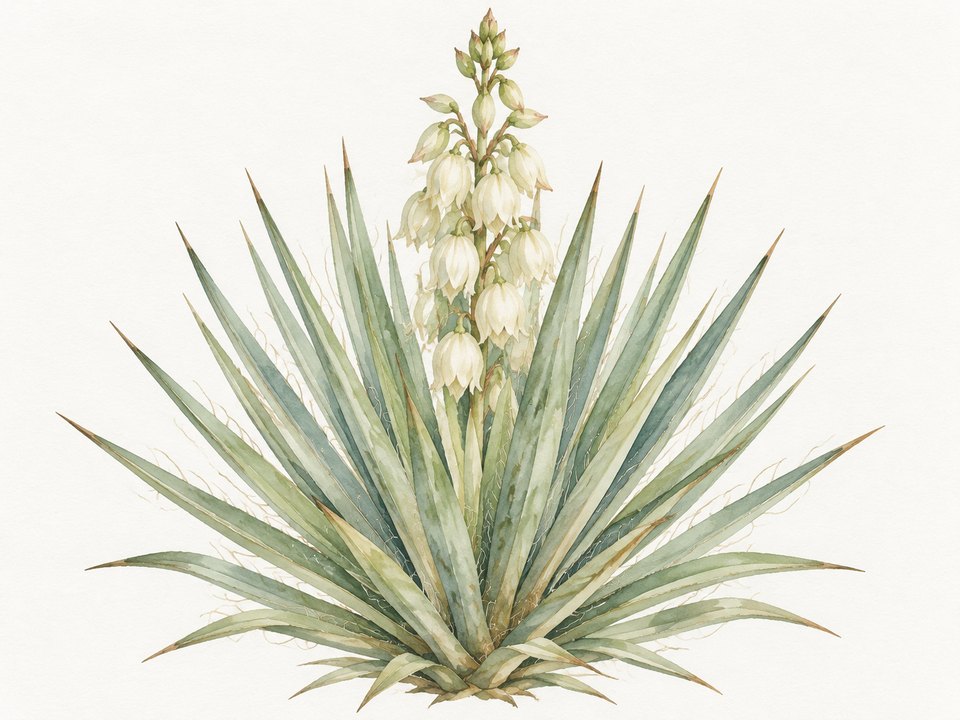 Illustration
Pale Leaf YuccaYucca pallidaIllustration
Groundcovers and low-growing plants
The list includes Yarrow; Maidenhair Fern; Ajuga; Columbine; Holly Fern; Wood Fern species; English Ivy; 'Blue Pacific' Shore Juniper; Liriope; Coral Honeysuckle; Creeping Mahonia; Bear Grass; Monkey Grass; Pavonia; Drummond's Phlox; Thrift; Mexican Oregano; Trailing Rosemary; Mealy Sage; Cherry Sage; Cedar Sage; Gray Santolina; Green Santolina; Spiderwort species; Prairie Verbena; Hardy Verbena ('asperata'); Bigleaf Periwinkle; Twisted-leaf Yucca.[3]
 Illustration
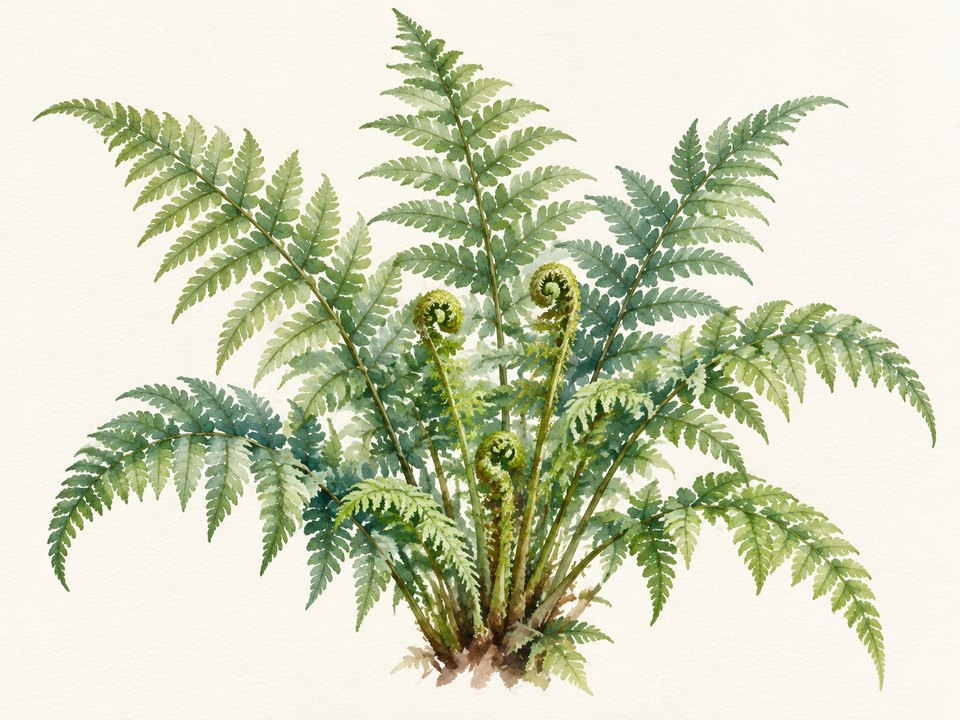
Wood FernThelypteris kunthiiIllustration 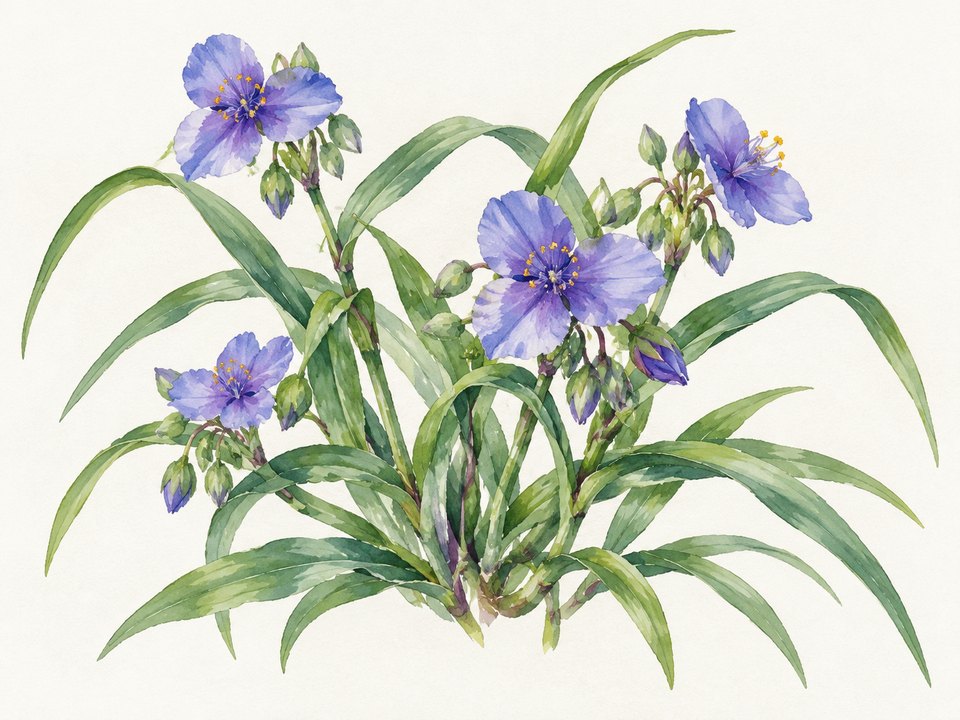 Illustration
SpiderwortTradescantia virginianaIllustration 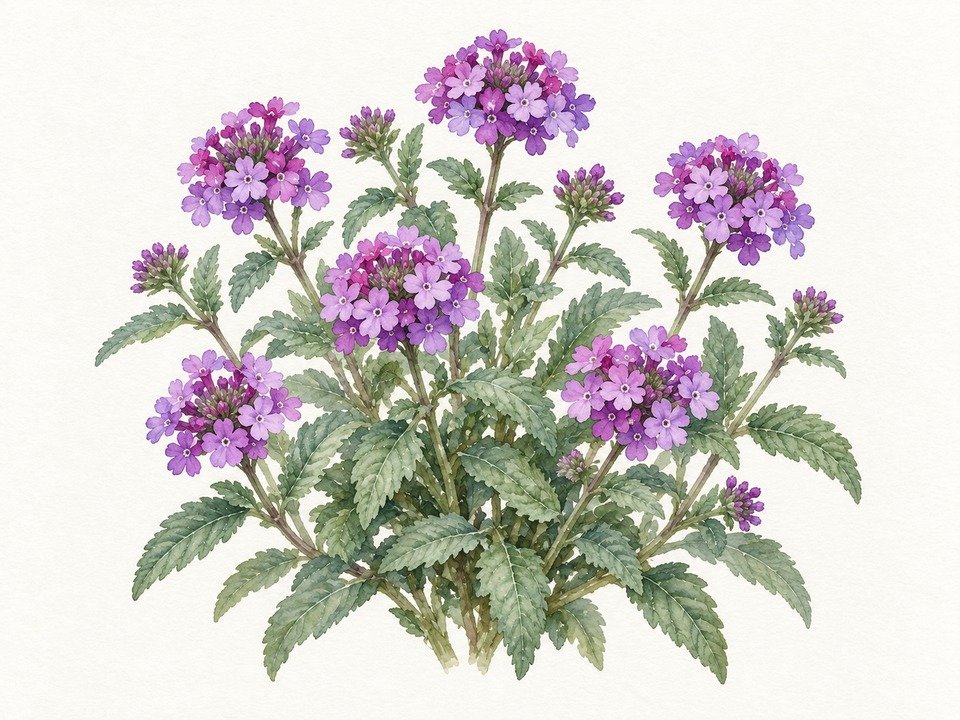 Illustration
VerbenaVerbena cvs.Illustration 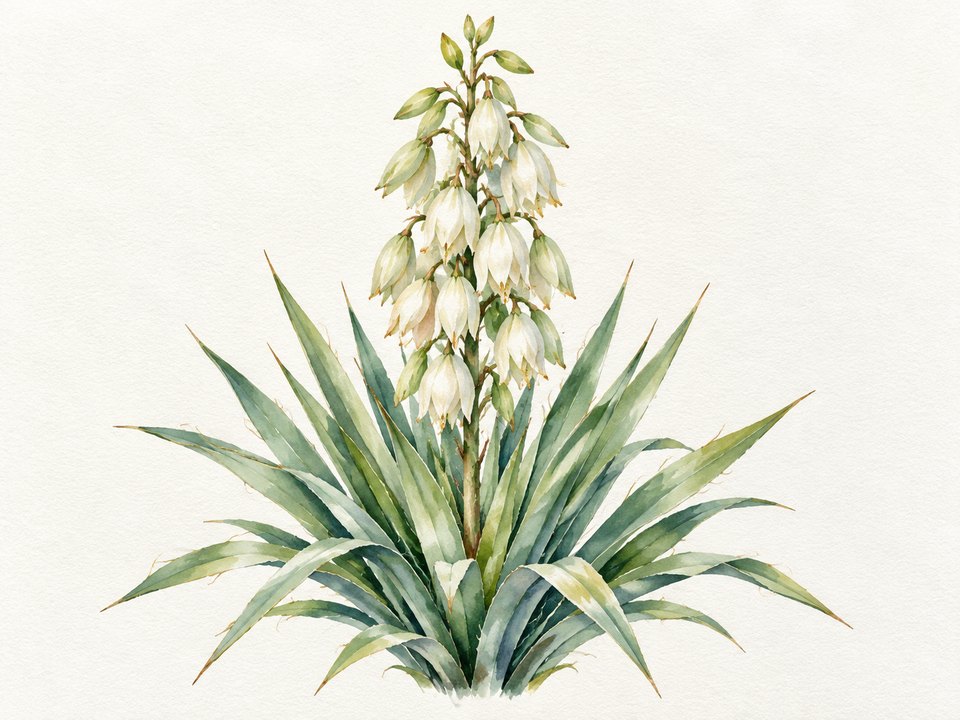 Illustration
YuccaYucca sppIllustration 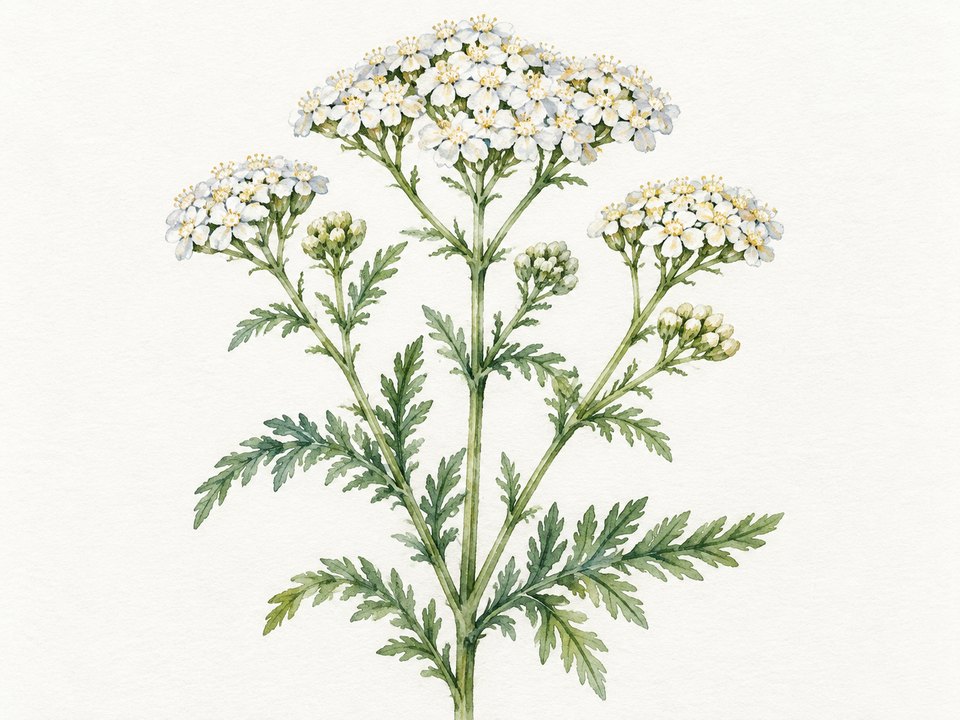 Illustration
YarrowAchillea millefoliumIllustration
Maidenhair Fern
 Illustration
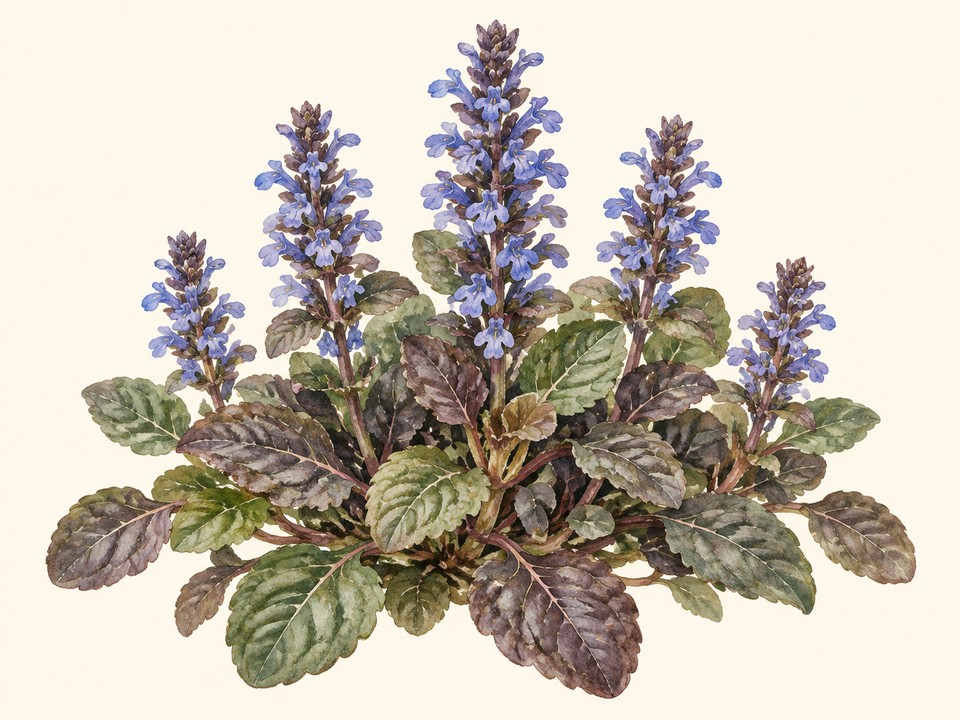
AjugaAjuga reptansIllustration 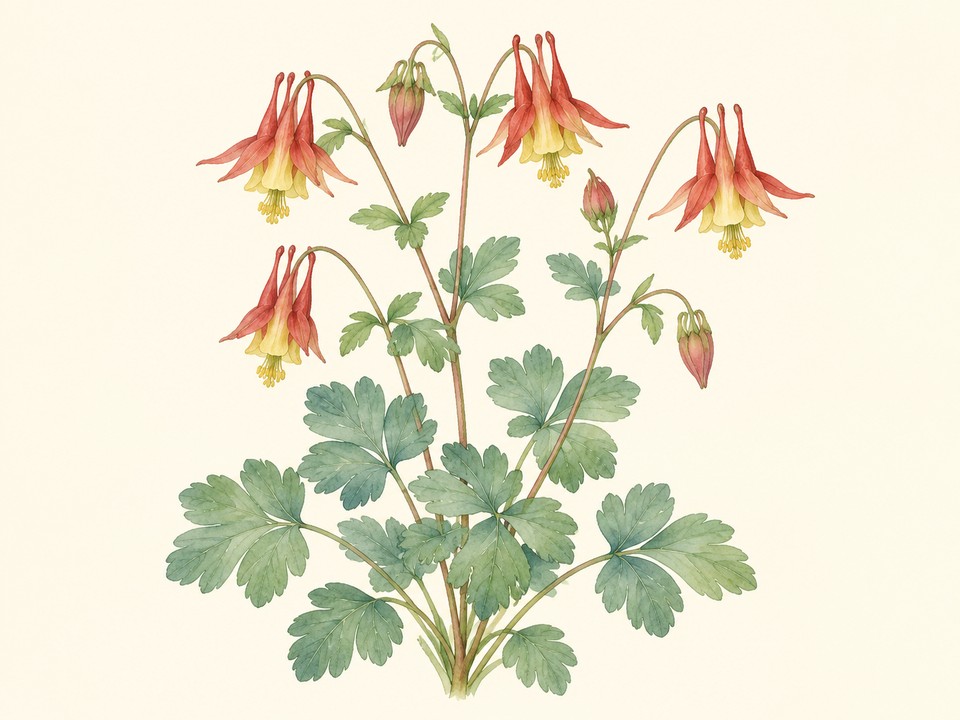 Illustration
ColumbineAquilegiaIllustration 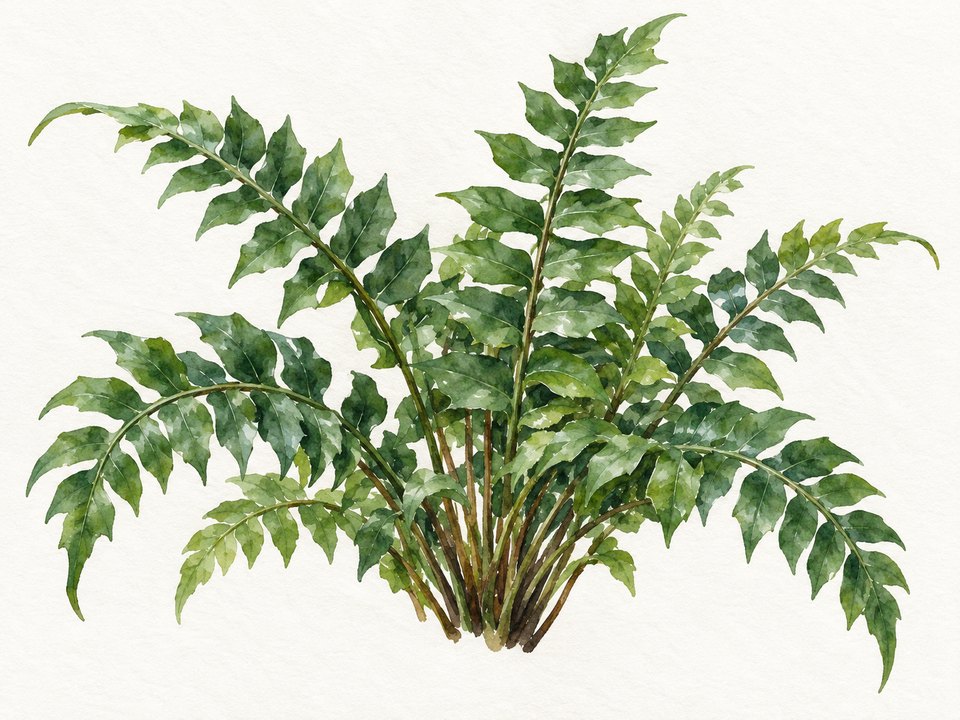 Illustration
Holly FernCyrtomium falcatumIllustration
Wood Fern species
 Illustration
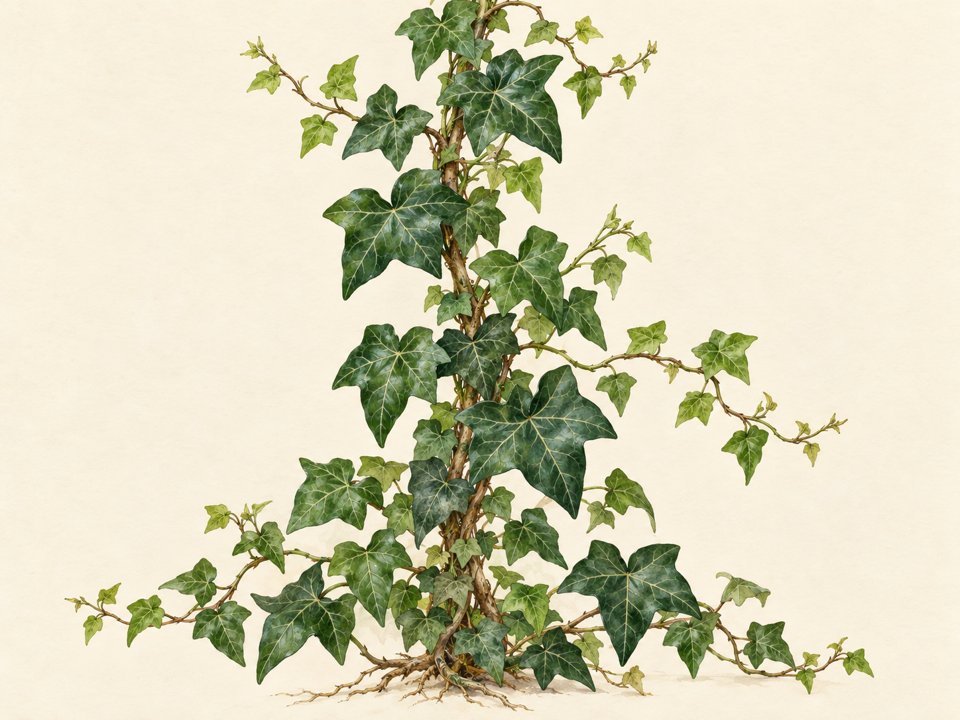
English IvyHedera helixIllustration
'Blue Pacific' Shore Juniper
 Illustration
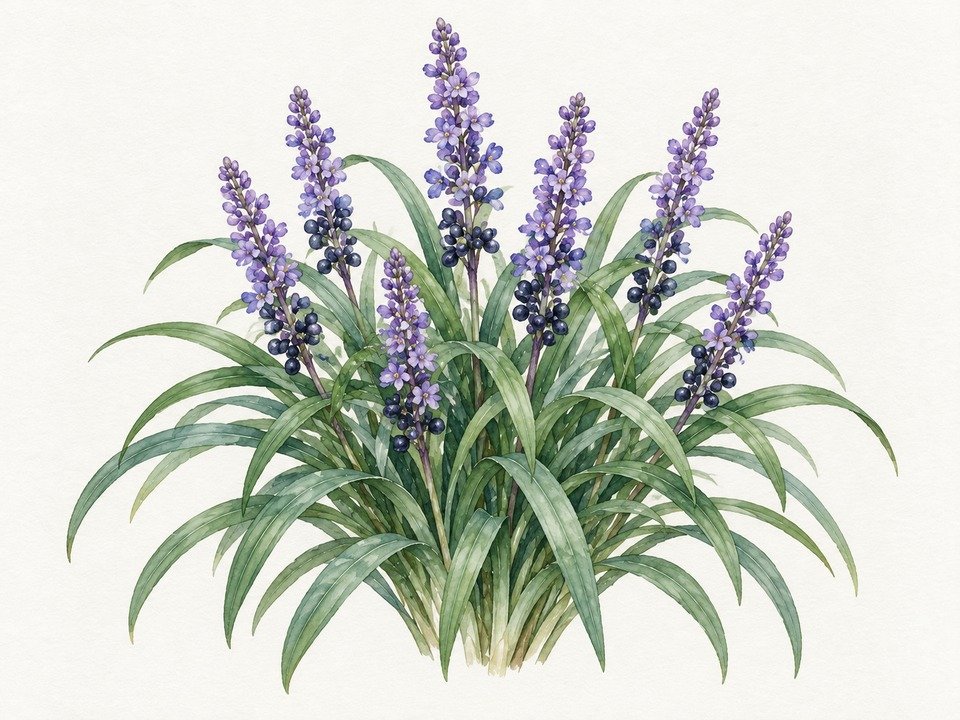
LiriopeLiriope muscariIllustration 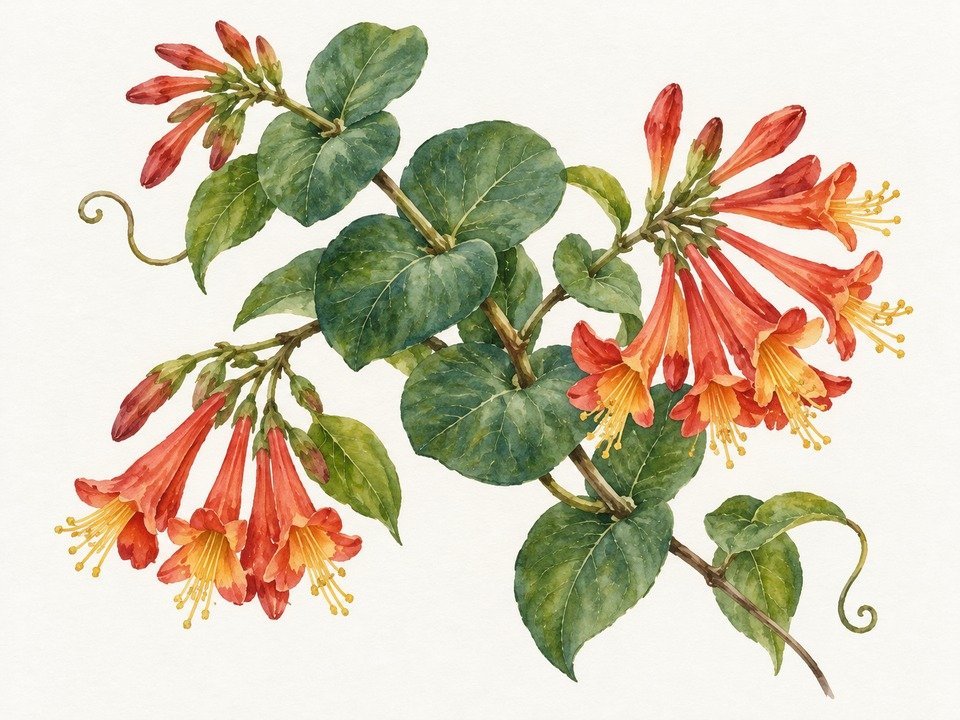 Illustration
Coral HoneysuckleLonicera sempervirensIllustration 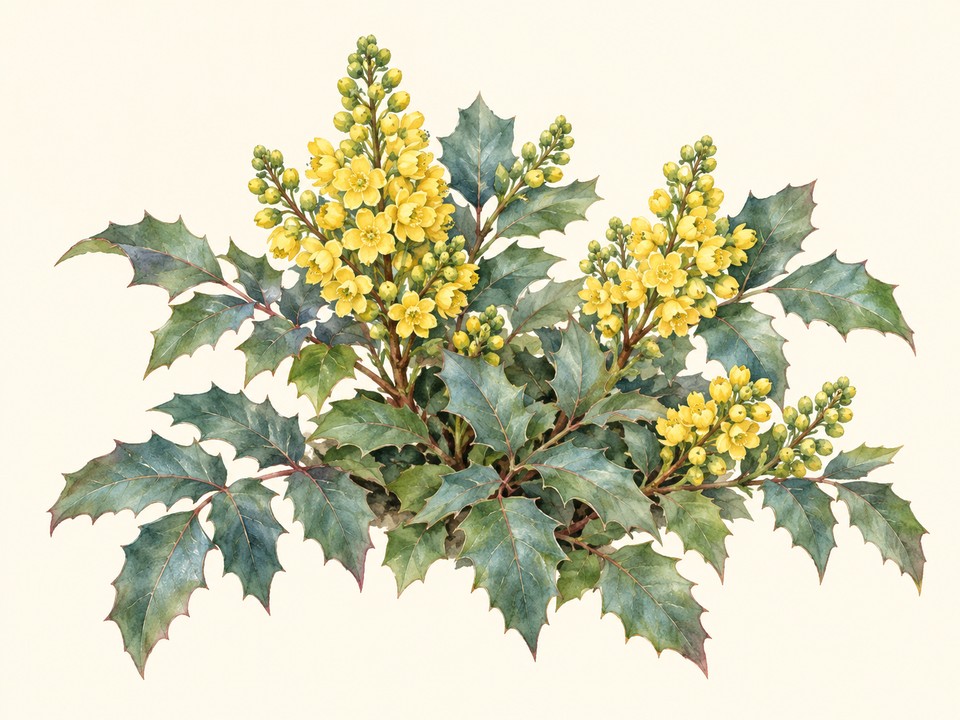 Illustration
Creeping MahoniaMahonia repensIllustration 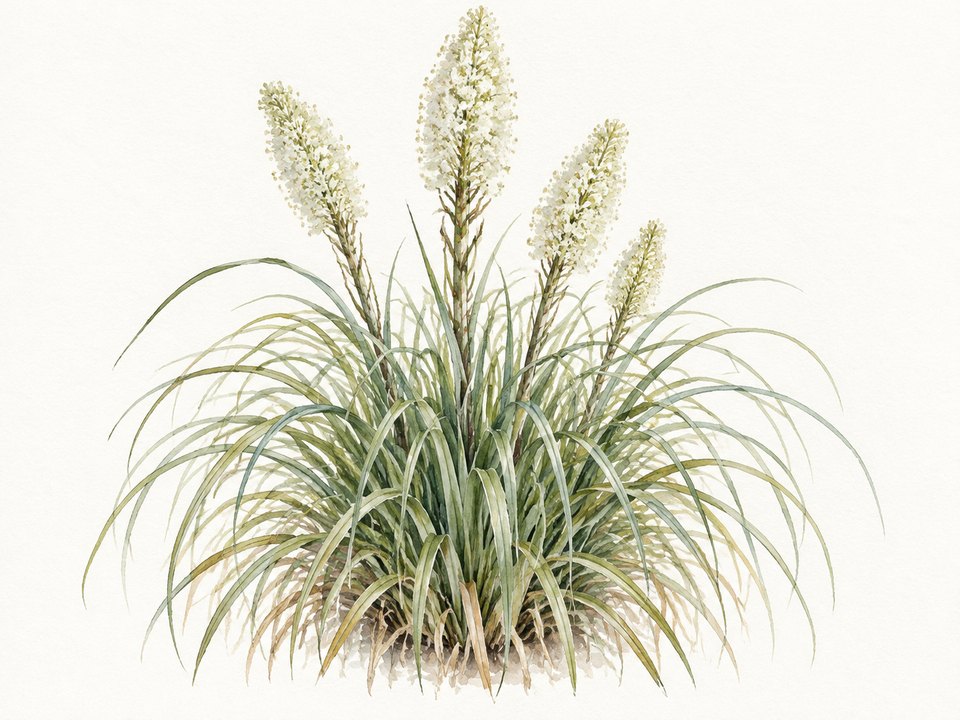 Illustration
Bear GrassNolina microcarpaIllustration
Monkey Grass
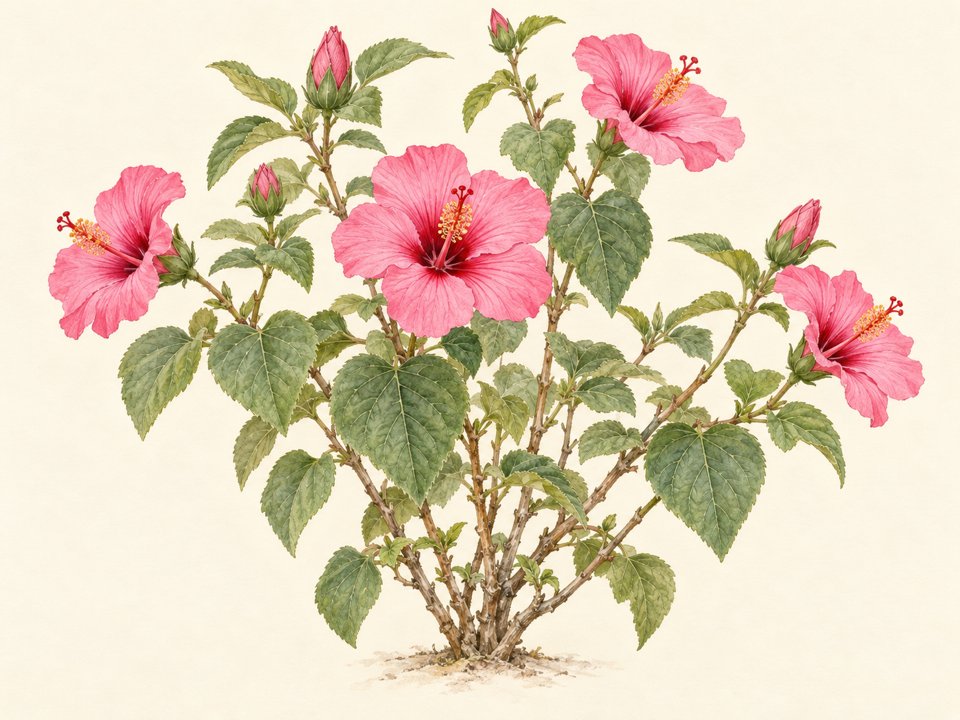 Illustration
PavoniaPavonia lasiopetalaIllustration 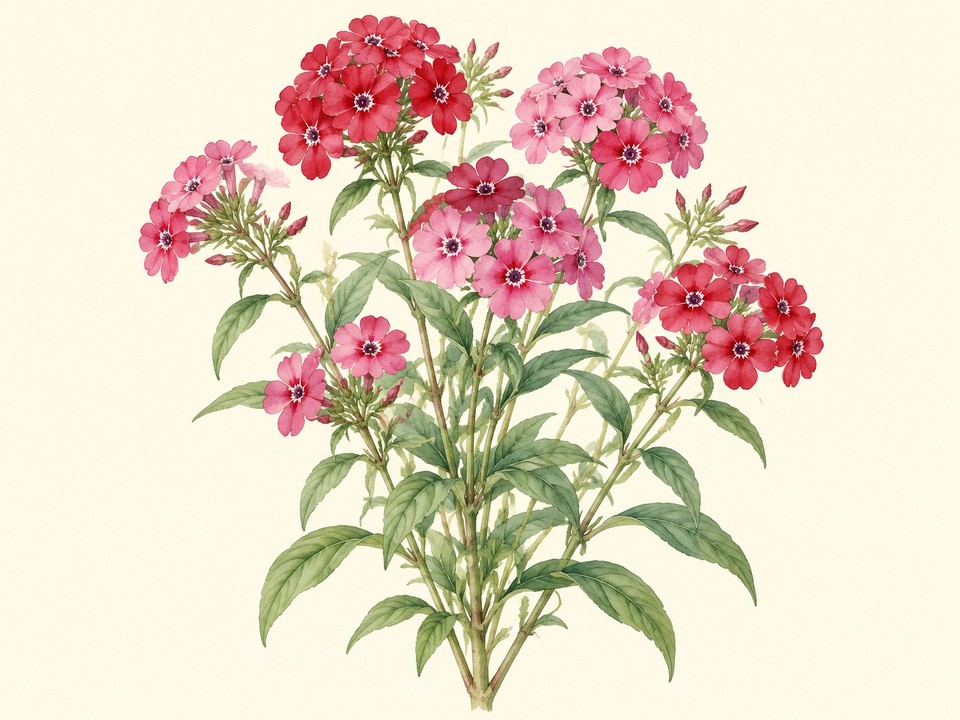 Illustration
Drummond's PhloxPhlox drummondiiIllustration 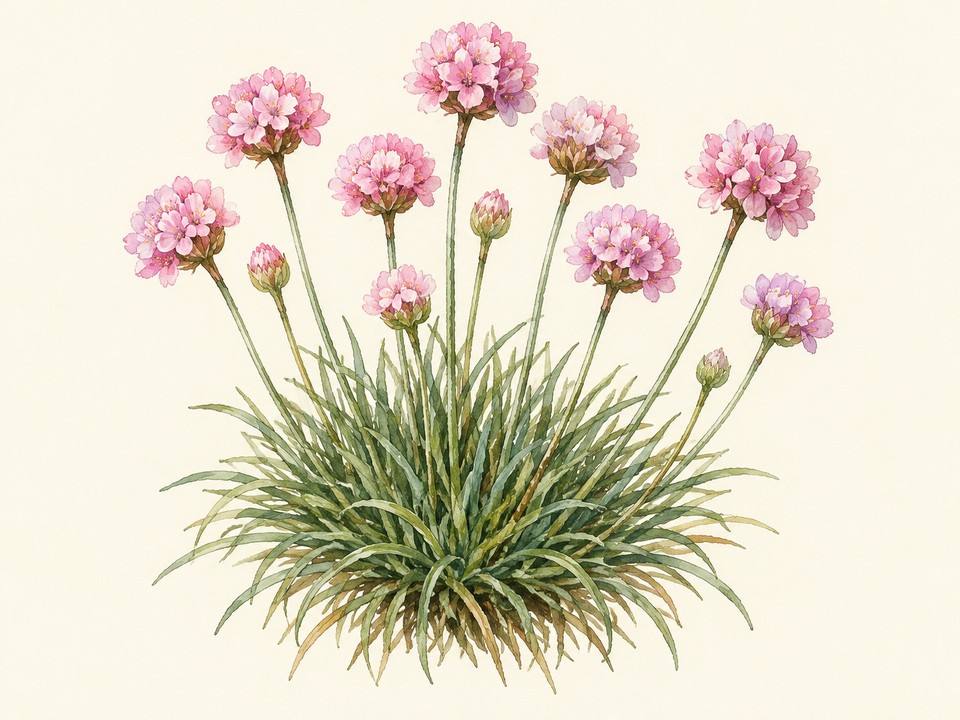 Illustration
ThriftArmeria maritimaIllustration 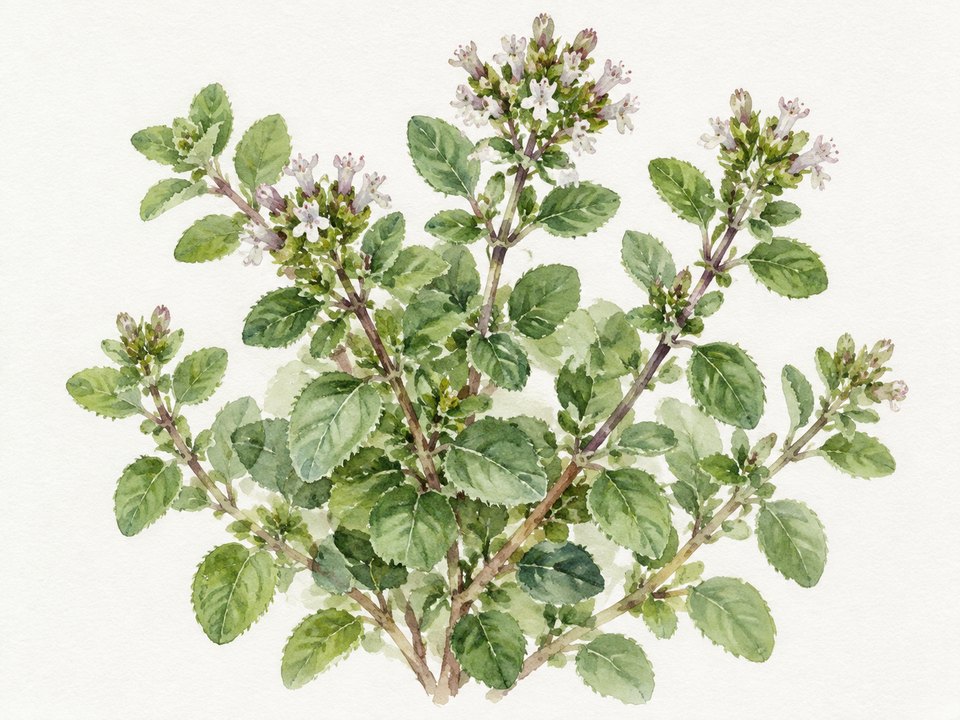 Illustration
Mexican OreganoPoliomintha longifoliaIllustration 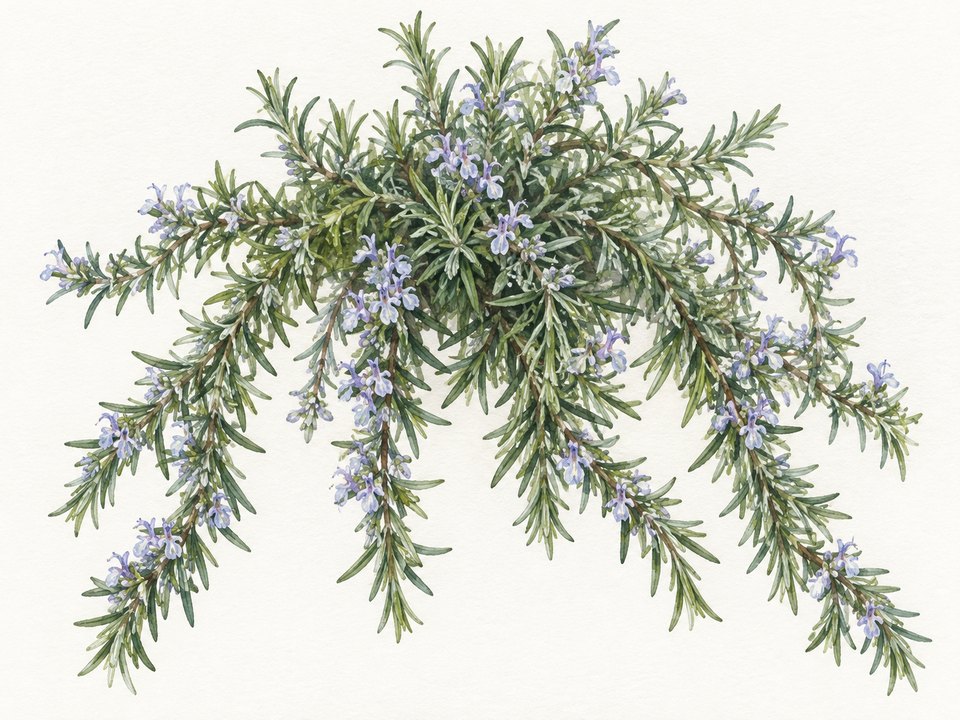 Illustration
Rosemary (trailing)Salvia rosmarinusIllustration 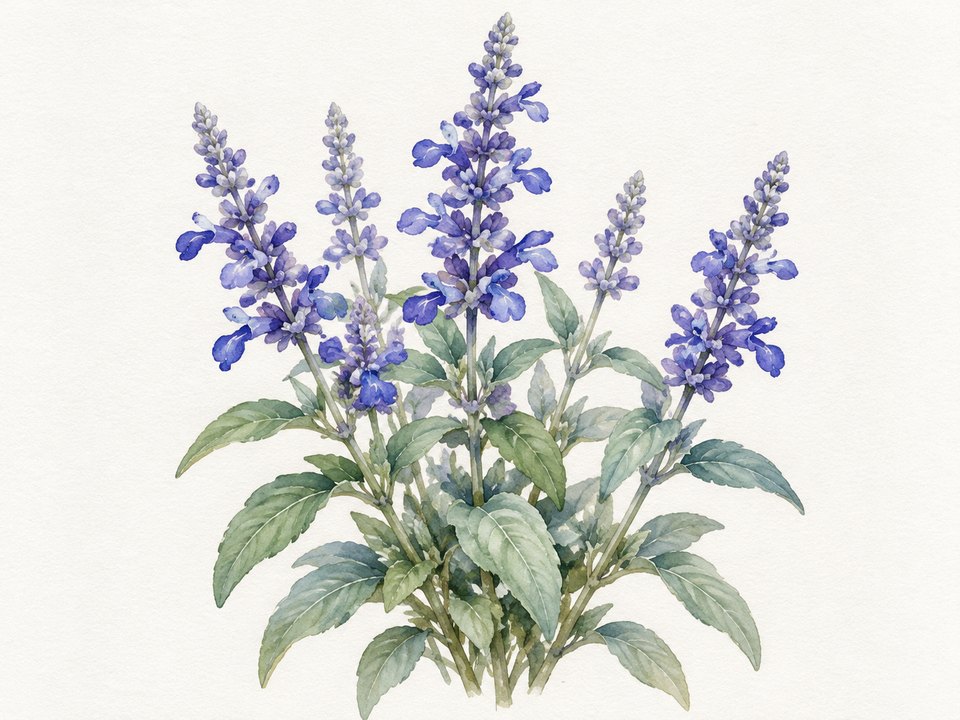 Illustration
Mealy Blue SageSalvia farinaceaIllustration 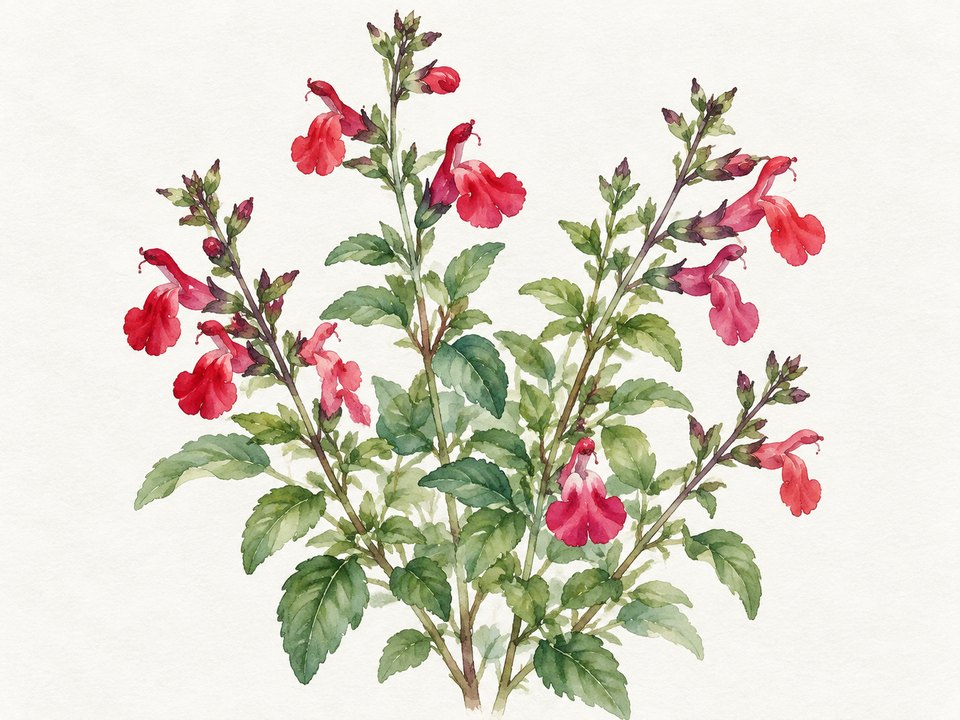 Illustration
Salvia GreggiiSalvia greggiiIllustration 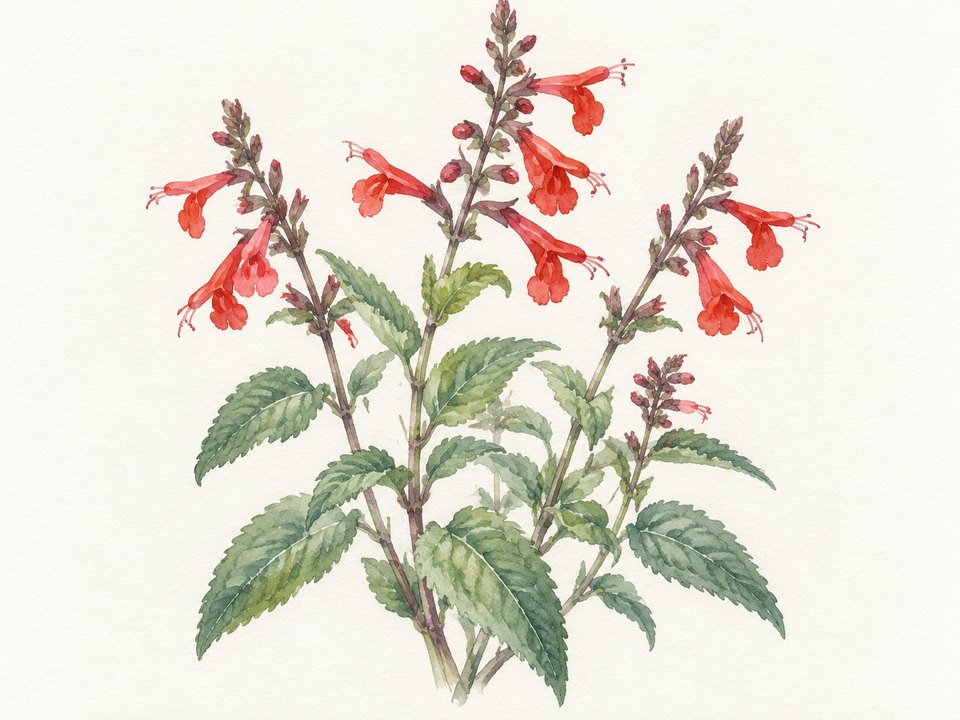 Illustration
Cedar SageSalvia roemerianaIllustration 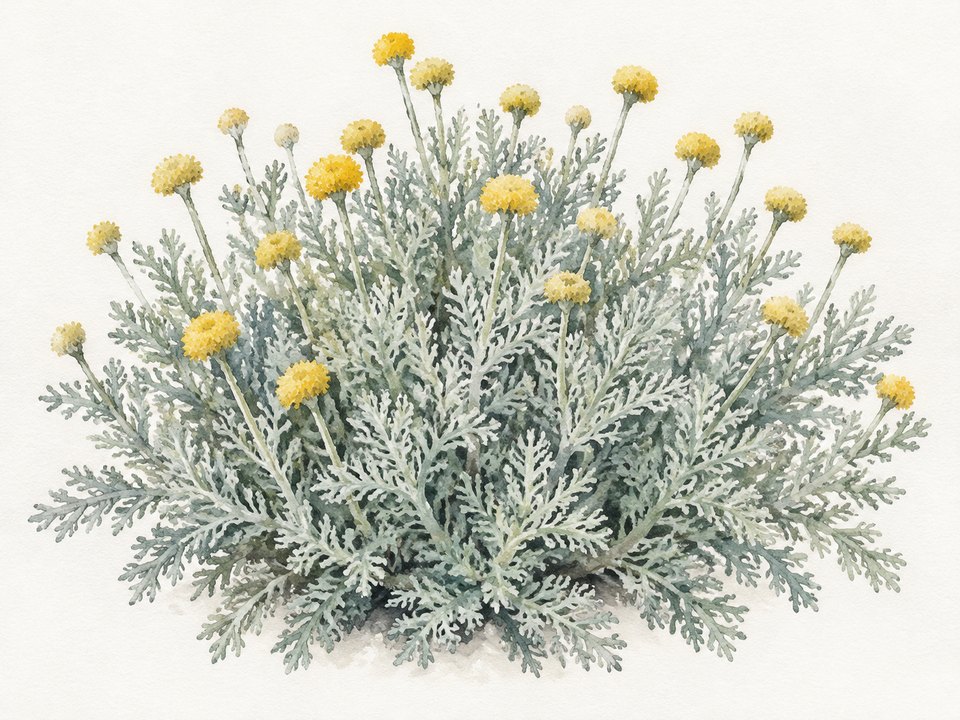 Illustration
Gray SantolinaSantolina chamaecyparissusIllustration 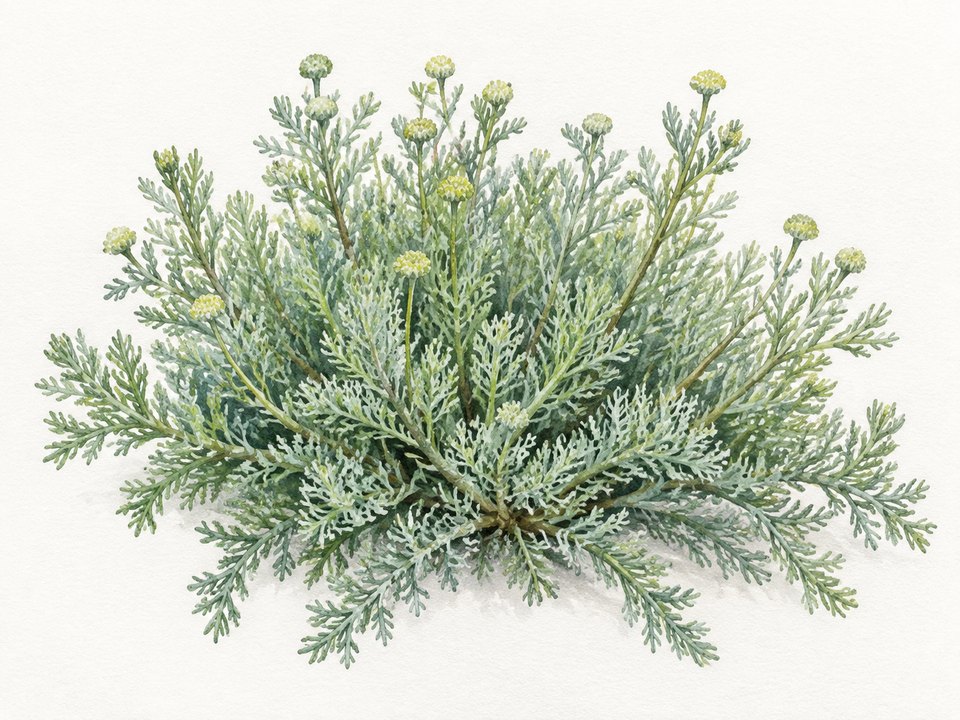 Illustration
Green SantolinaSantolina virensIllustration
Spiderwort species
 Illustration
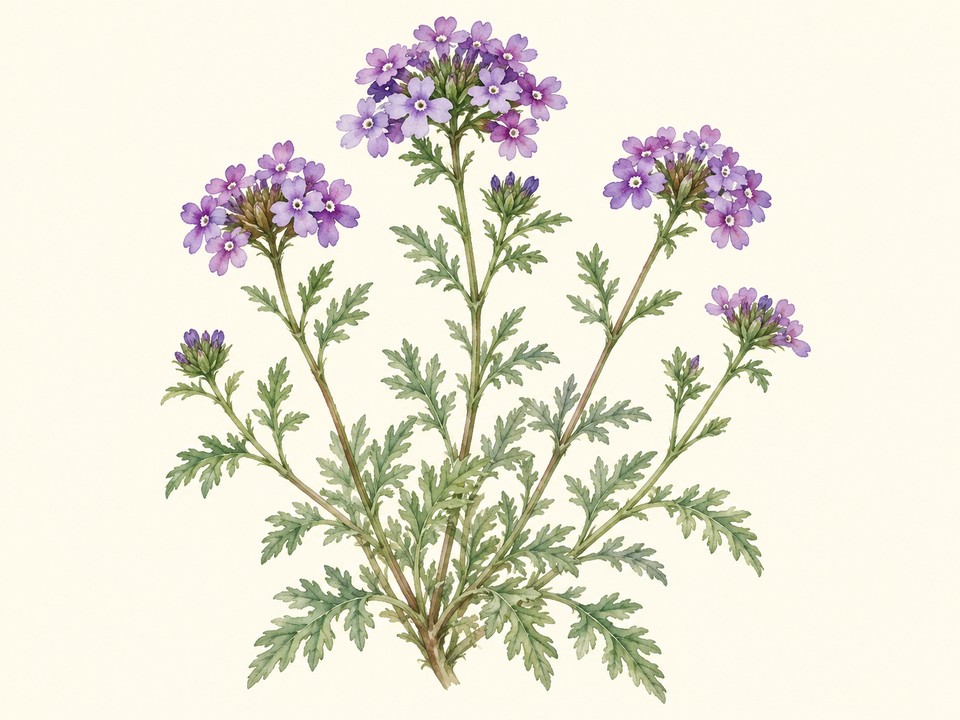
Prairie VerbenaGlandularia bipinnatifidaIllustration
Hardy Verbena
 Illustration
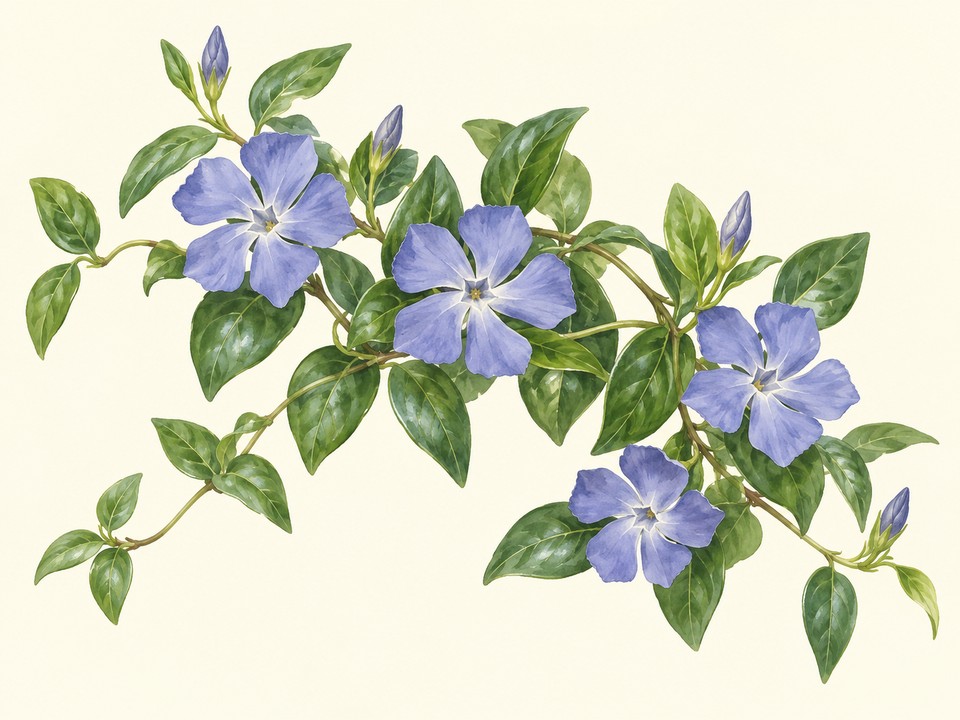
Bigleaf PeriwinkleVinca majorIllustration 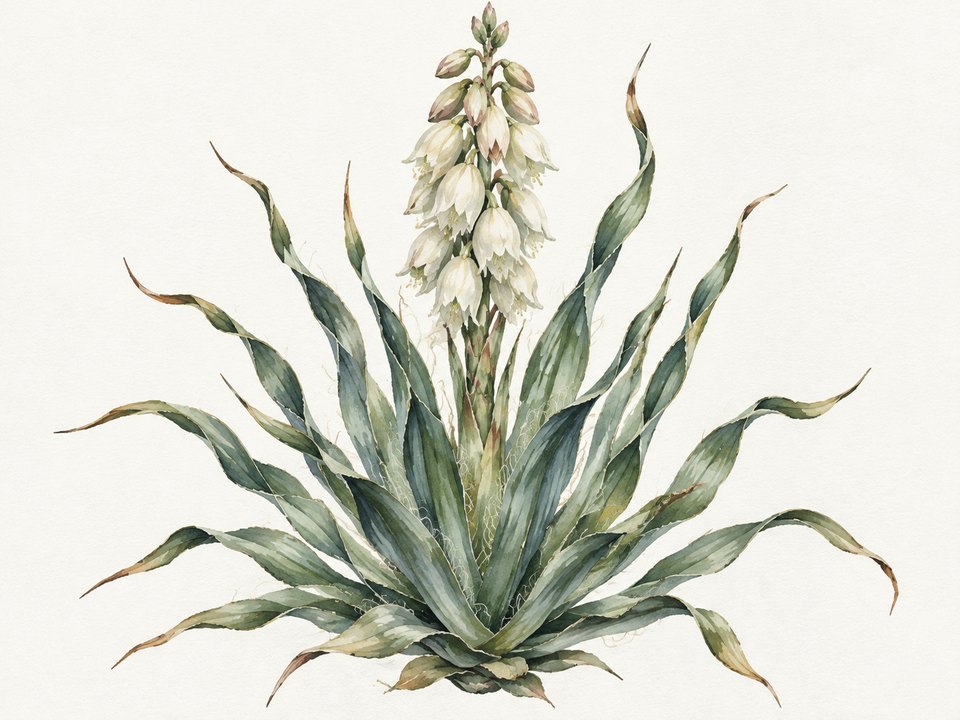 Illustration
Twisted Leaf YuccaYucca rupicolaIllustration
Grasses
The list includes Big Bluestem; Little Bluestem; Sideoats Grama; Blue Grama; Buffalo Grass; Bermuda Grass; Blue Fescue; 'Arid' Tall Fescue; Common Curly Mesquite; Green Sprangletop; 'Zebrinus' Zebra Grass; Lindheimer's Big Muhly; Switchgrass; Indiangrass; St. Augustine Grass; Eastern Gamagrass; Zoysia species.[3]
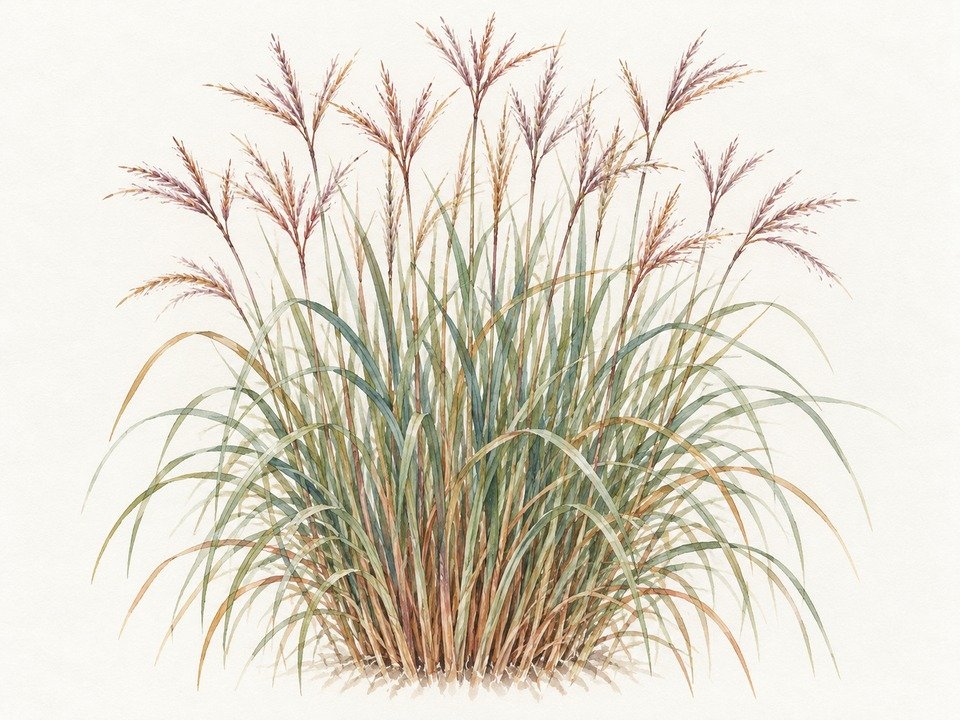 Illustration
Big BluestemAndropogon gerardiiIllustration 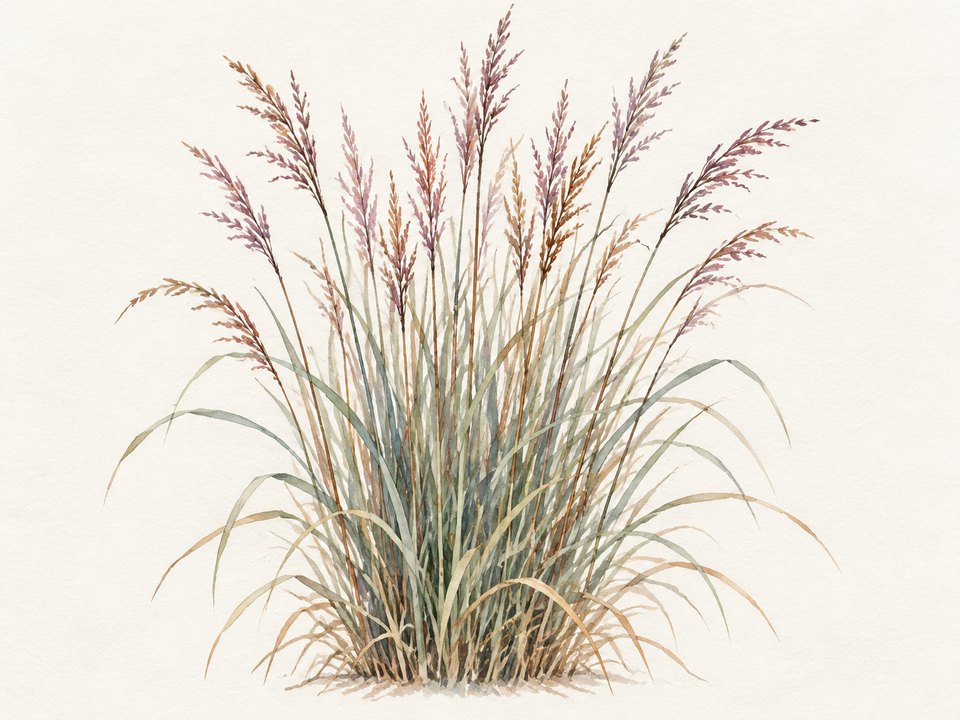 Illustration
Little BluestemSchizachyrium scopariumIllustration 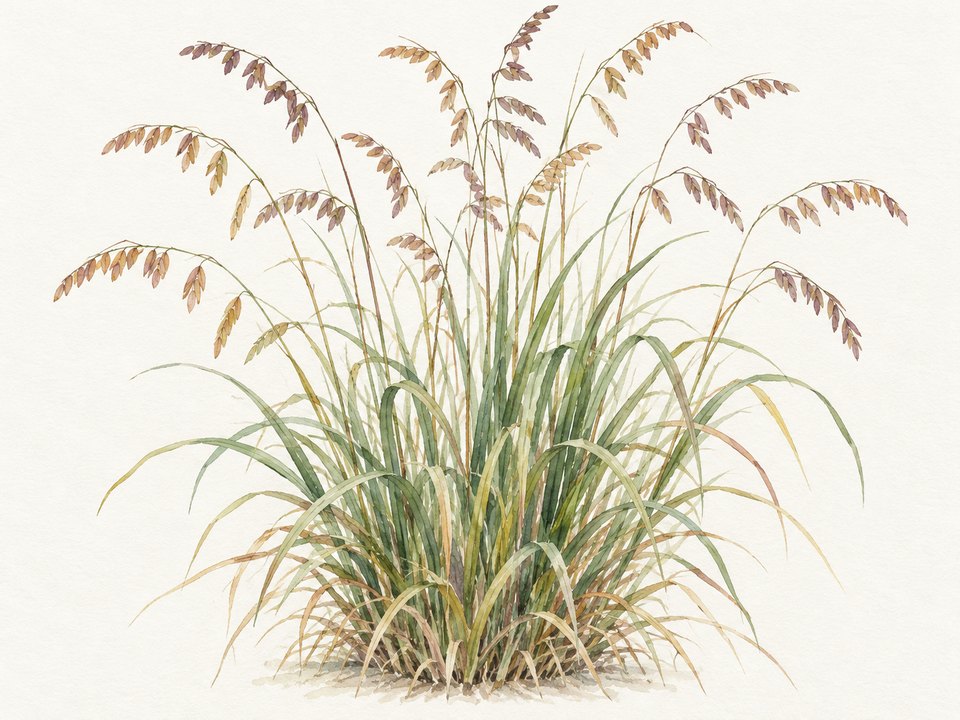 Illustration
Sideoats GramaBouteloua curtipendulaIllustration 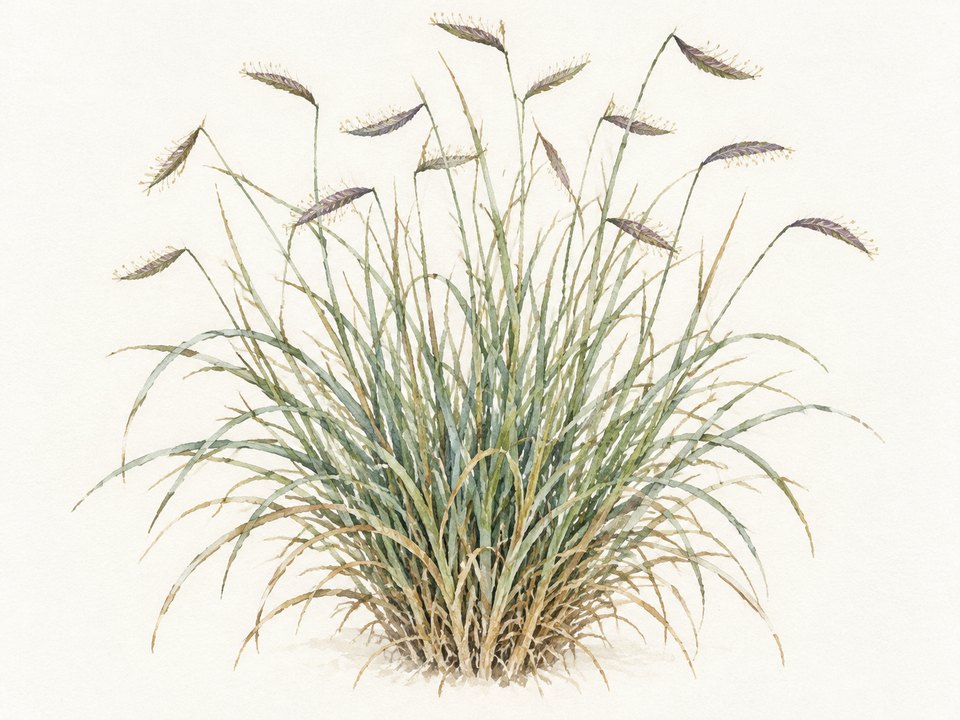 Illustration
Blue GramaBouteloua gracilisIllustration - Illustration
Buffalo grassBouteloua dactyloidesIllustration - Illustration
Bermuda grassCynodon dactylonIllustration 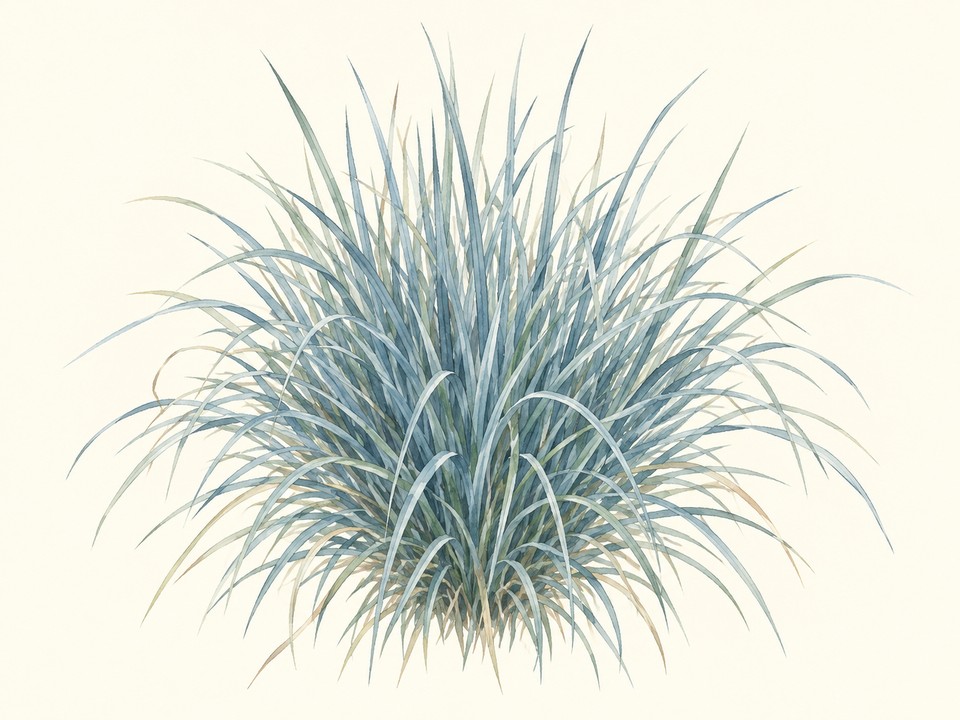 Illustration
Blue FescueFestuca glaucaIllustration
'Arid' Tall Fescue
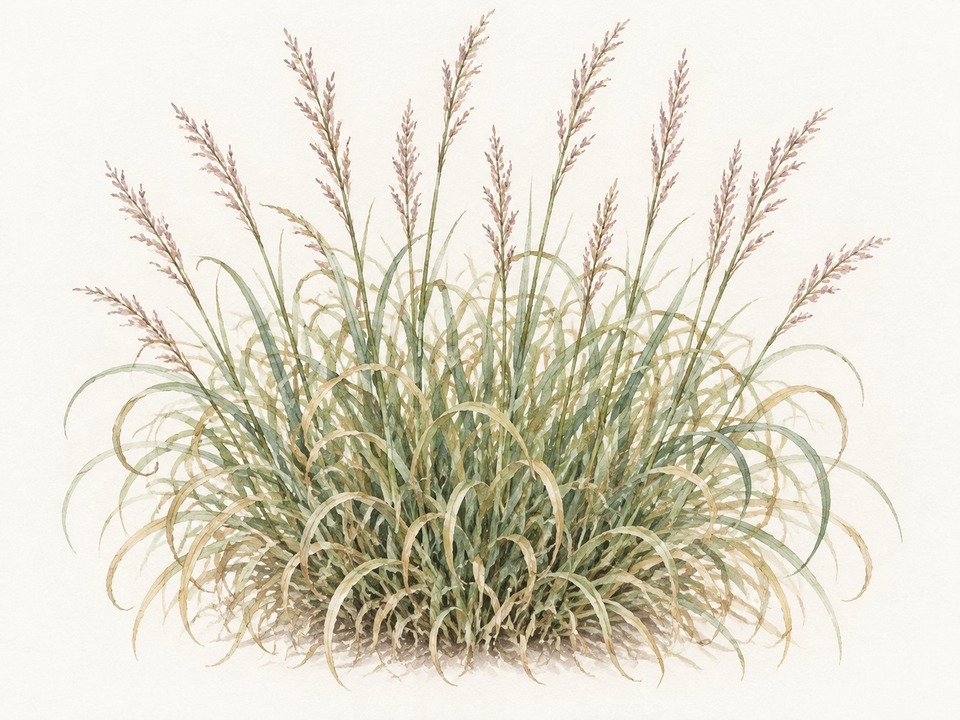 Illustration
Curly Mesquite GrassHilaria belangeriIllustration 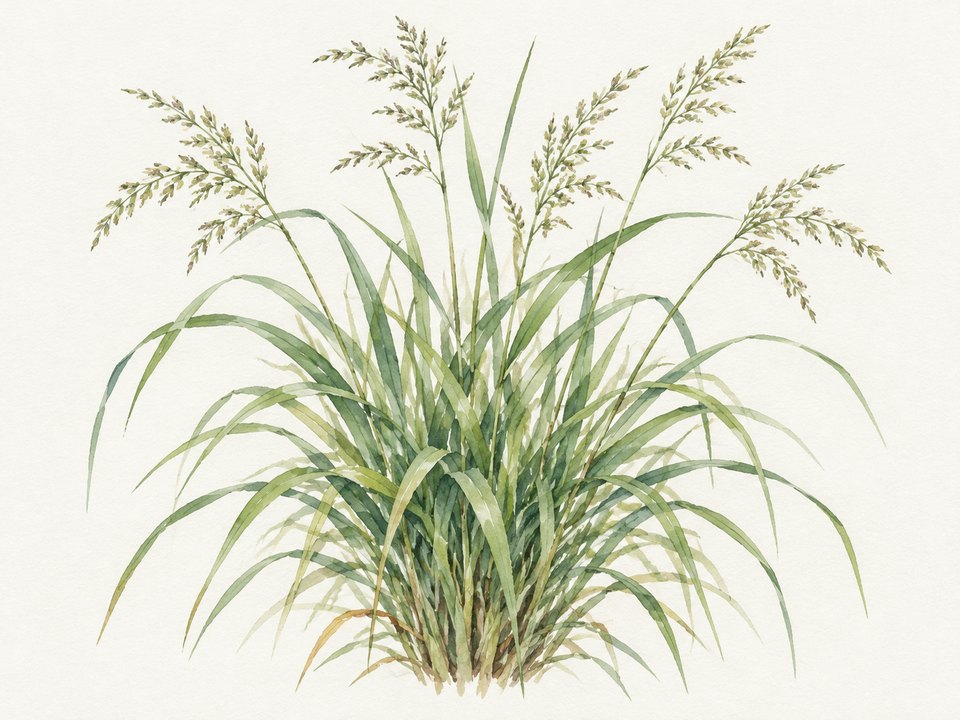 Illustration
Green SprangletopLeptochloa dubiaIllustration
'Zebrinus' Zebra Grass
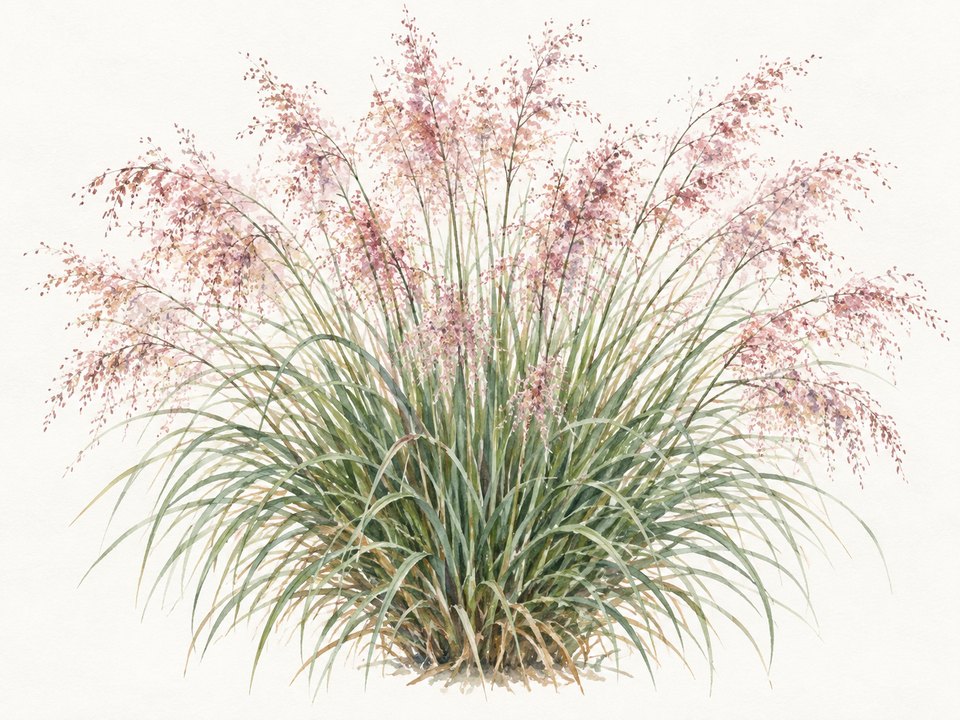 Illustration
Lindheimer's MuhlyMuhlenbergia lindheimeriIllustration 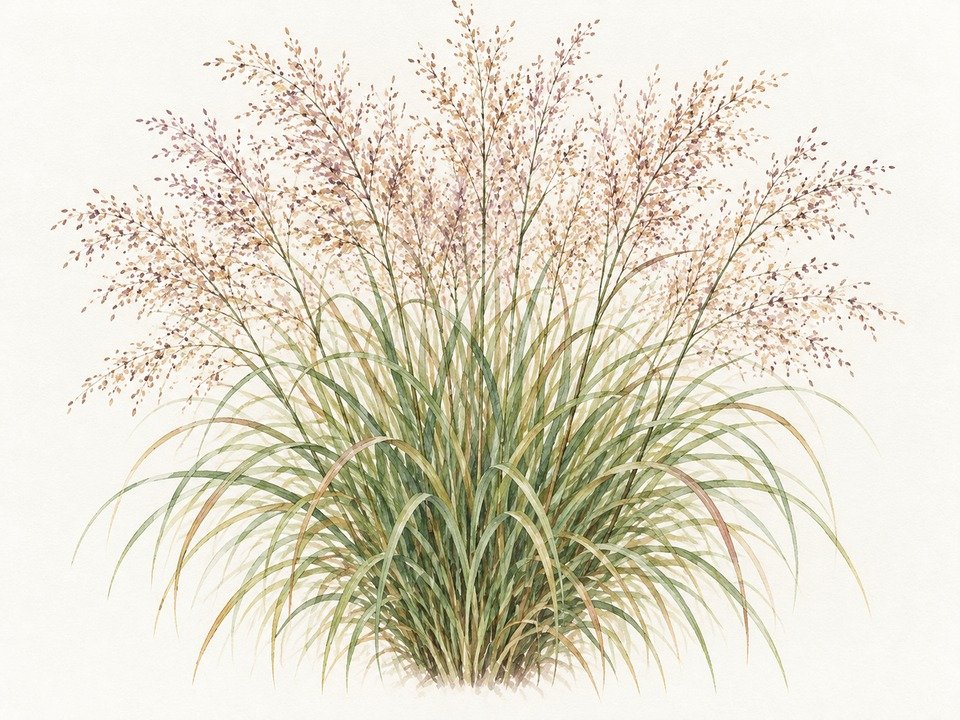 Illustration
Switch GrassPanicum virgatumIllustration 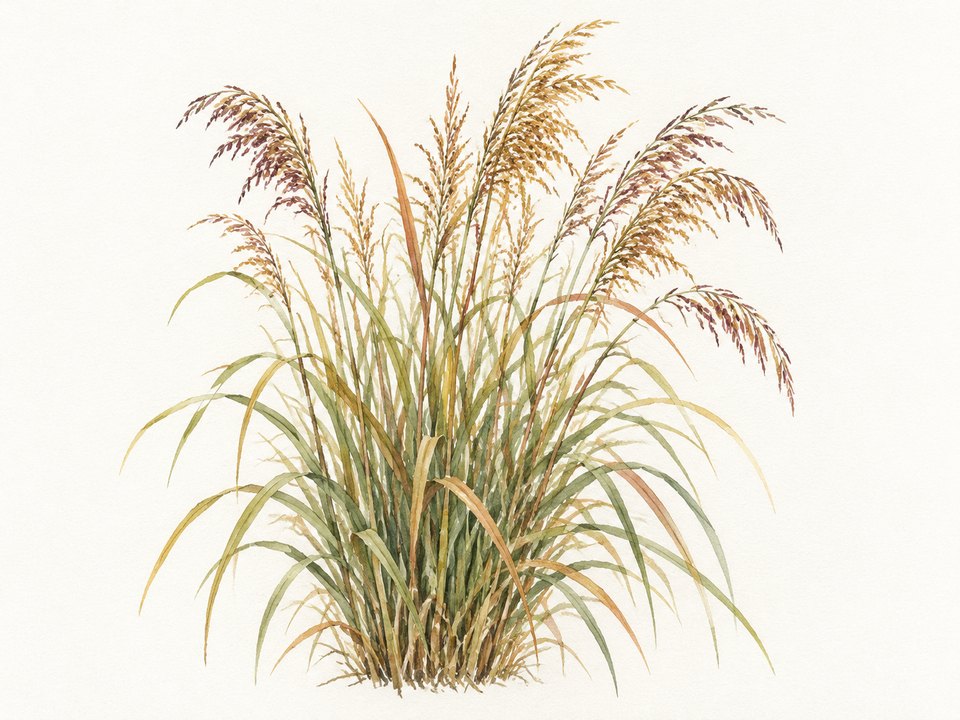 Illustration
IndiangrassSorghastrum nutansIllustration - Illustration
St. Augustine grassStenotaphrum secundatumIllustration 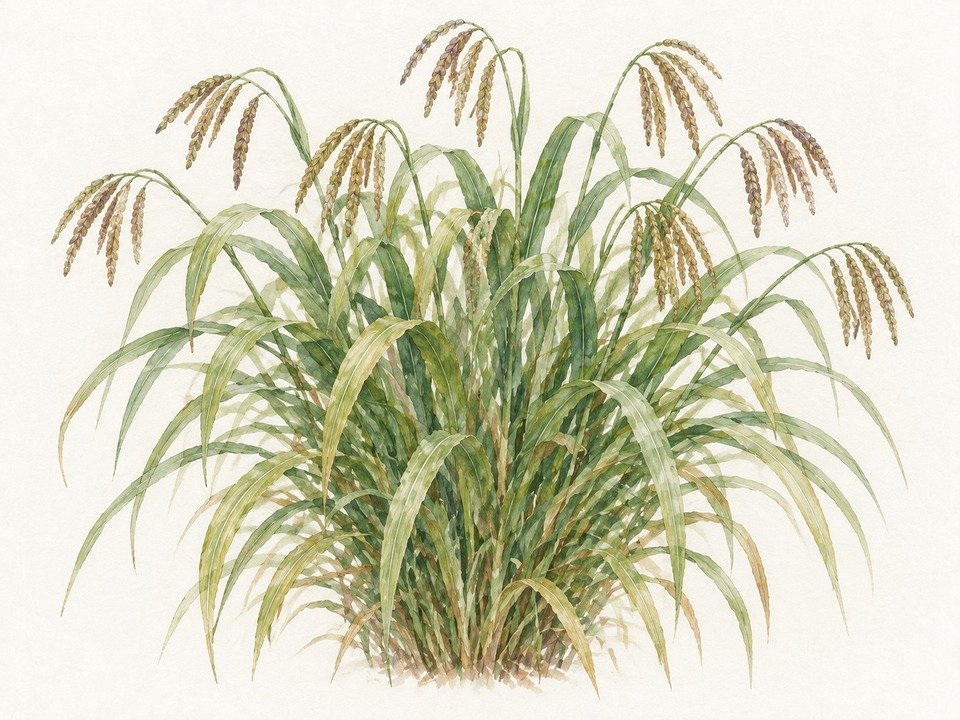 Illustration
Eastern Gama GrassTripsacum dactyloidesIllustration - Illustration
Zoysia grassZoysiaIllustration
Vines
The list includes Crossvine; Trumpet Creeper; Leather Flower; Carolina Yellow Jasmine; Cypress Vine; Coral Honeysuckle; Snapdragon Vine; Virginia Creeper.[3]
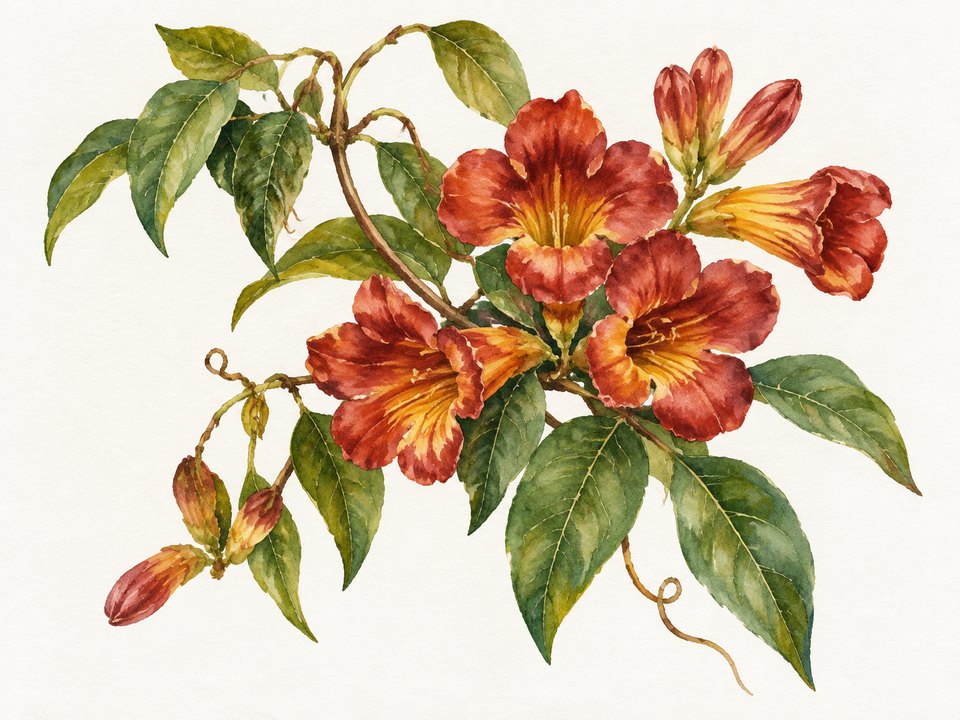 Illustration
CrossvineBignonia capreolataIllustration 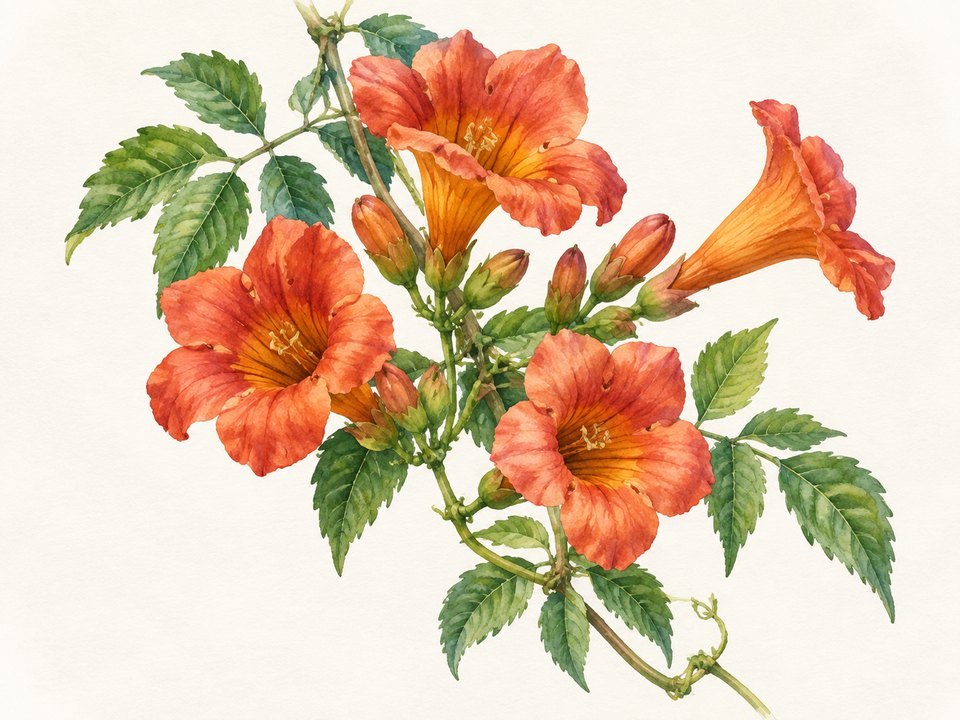 Illustration
Trumpet VineCampsis radicansIllustration
Leather Flower
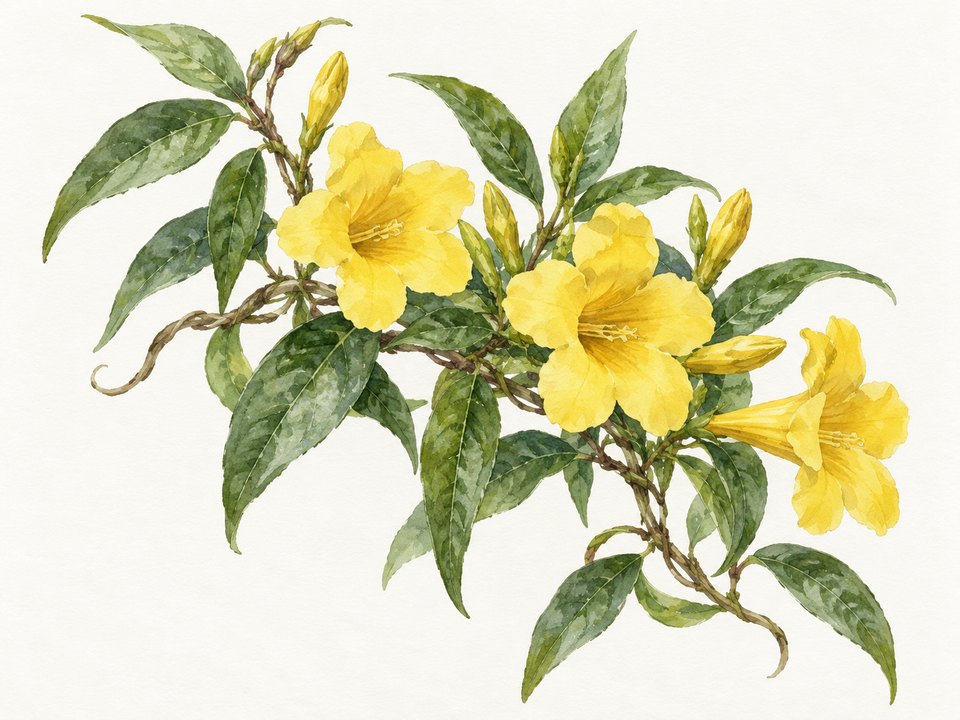 Illustration
Carolina JessamineGelsemium sempervirensIllustration 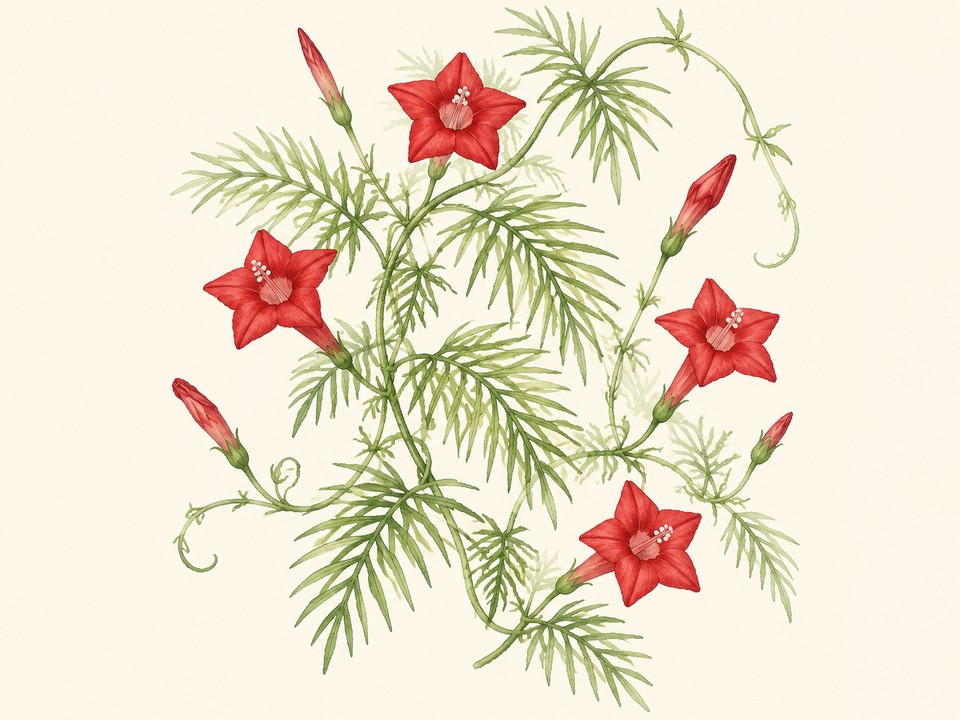 Illustration
Cypress VineIpomoea quamoclitIllustration - Illustration
Coral HoneysuckleLonicera sempervirensIllustration 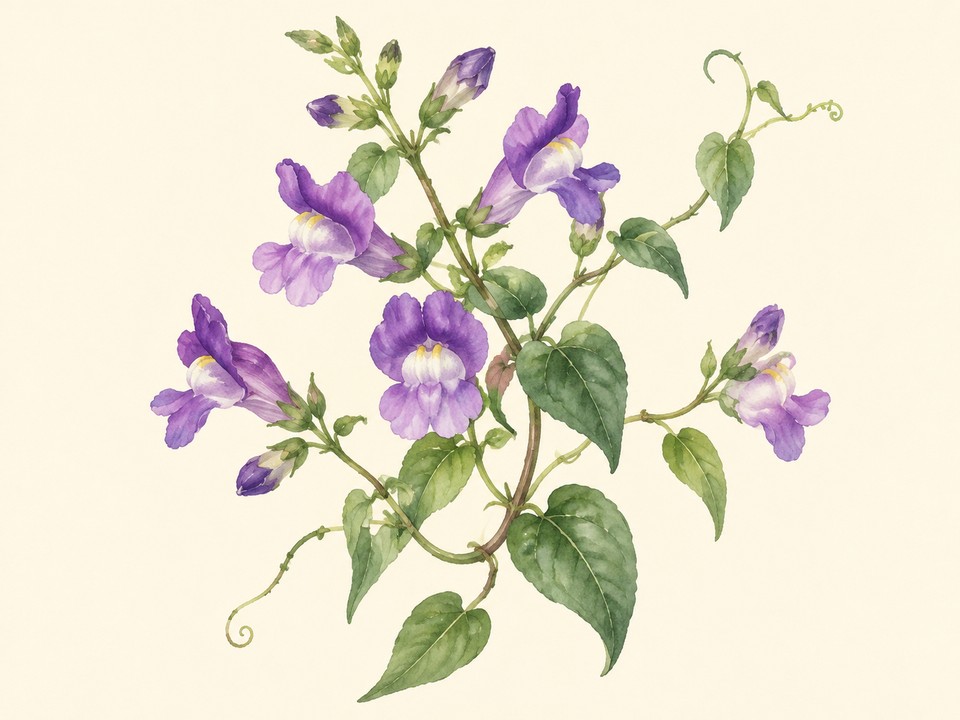 Illustration
Snapdragon VineMaurandella antirrhinifloraIllustration 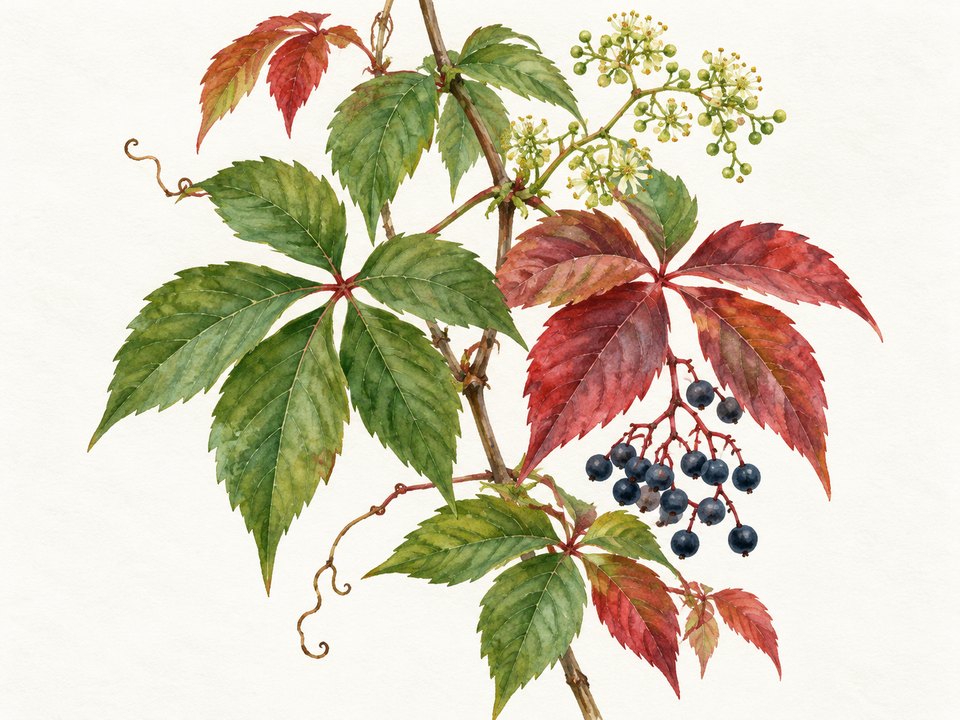 Illustration
Virginia CreeperParthenocissus quinquefoliaIllustration
Seasonal flowers and foliage
Winter/spring choices include Calendula, Daffodil bulbs, Hyacinth bulbs and Ornamental Kale. Pansy, Poppy, Primula and Snapdragon are also listed. So are Tulip bulbs, Ornamental Pepper and Dianthus.[3]
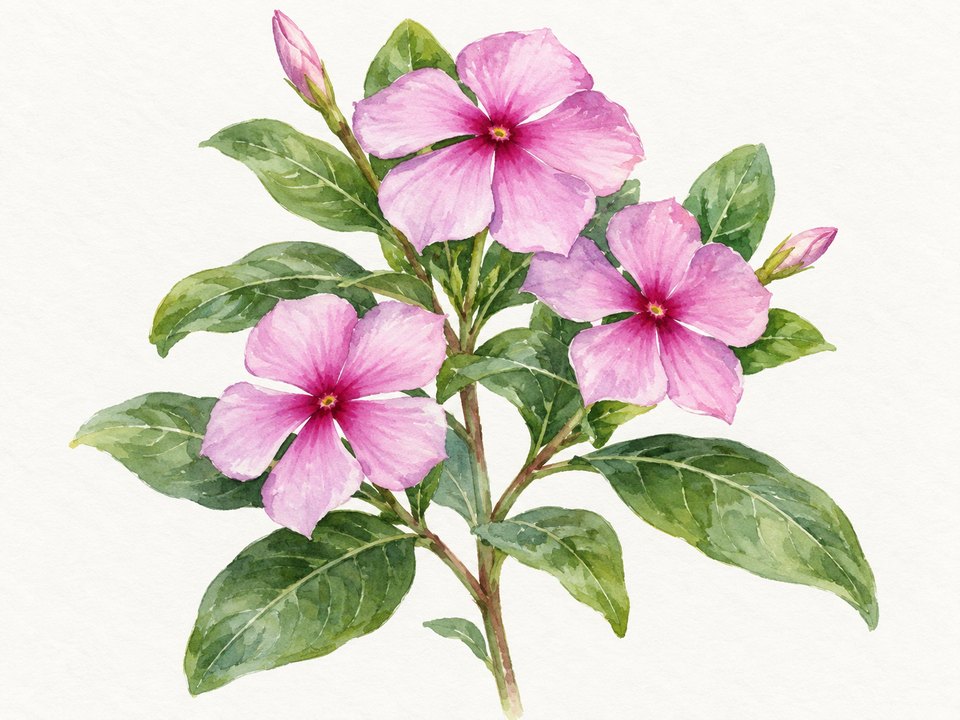
Spring/summer choices include Geranium, Marigold, Periwinkle and Petunia.[3]
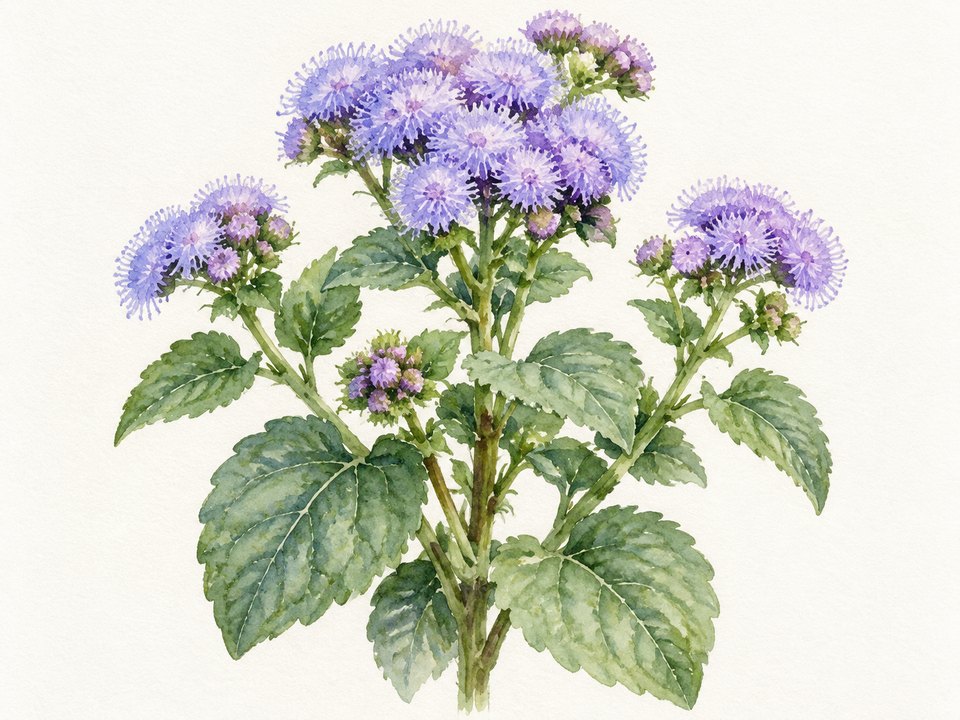
Summer/fall choices include Acalypha, Ageratum, Alyssum, Amaranthus, Caladium, Chrysanthemum, Coleus, Impatiens, Marigold, Periwinkle, Phlox, Portulaca and Purslane.[3]
Calendula
Daffodil bulbs
Hyacinth bulbs
Ornamental Kale
Pansy
Poppy
Primula
Snapdragon
Tulip bulbs
Ornamental Pepper and Dianthus
Geranium
Marigold
Periwinkle and Petunia
Acalypha
 Illustration
AgeratumAgeratum houstonianumIllustration
Alyssum
Amaranthus
Caladium
Chrysanthemum
Coleus
Impatiens
 Illustration
PeriwinkleCatharanthus roseusIllustration
Phlox
Portulaca and Purslane
Plants the list prohibits
Attachment 1 expressly prohibits Red Tip Photinia, Oleander, Chinaberry, Nandina, Ligustrum japonicum, Japanese Honeysuckle and Tree of Heaven. The list pairs the label Red Tip Photinia with the printed name "Photonia glabra." Confirm the intended nursery plant with the ACC. Do not rely on that label alone.[3]
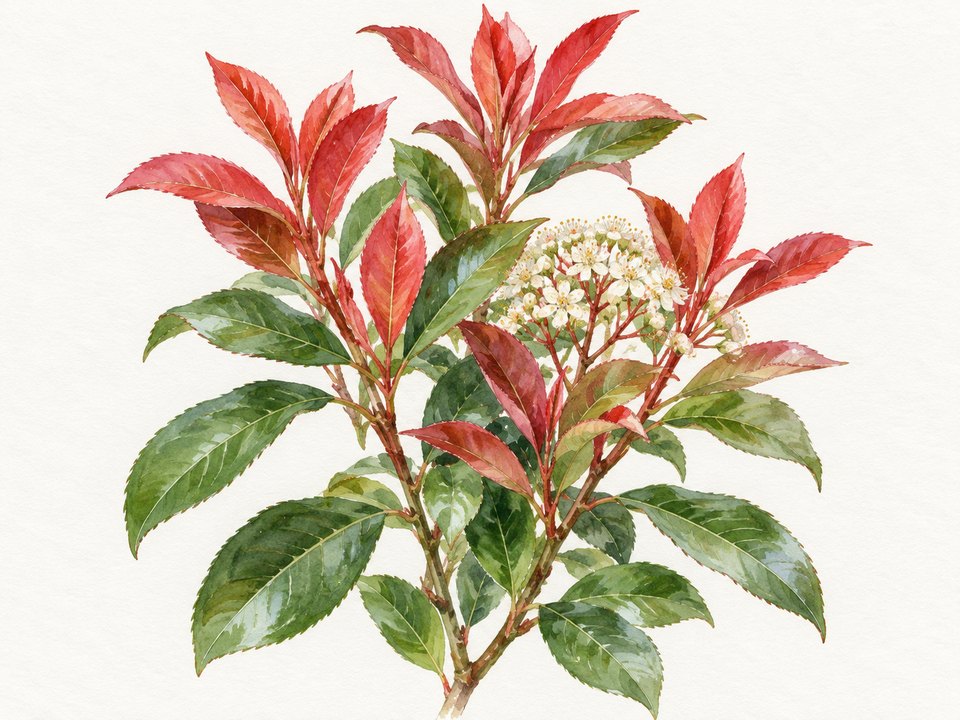 Illustration
PhotiniaPhotinia x fraseriIllustration 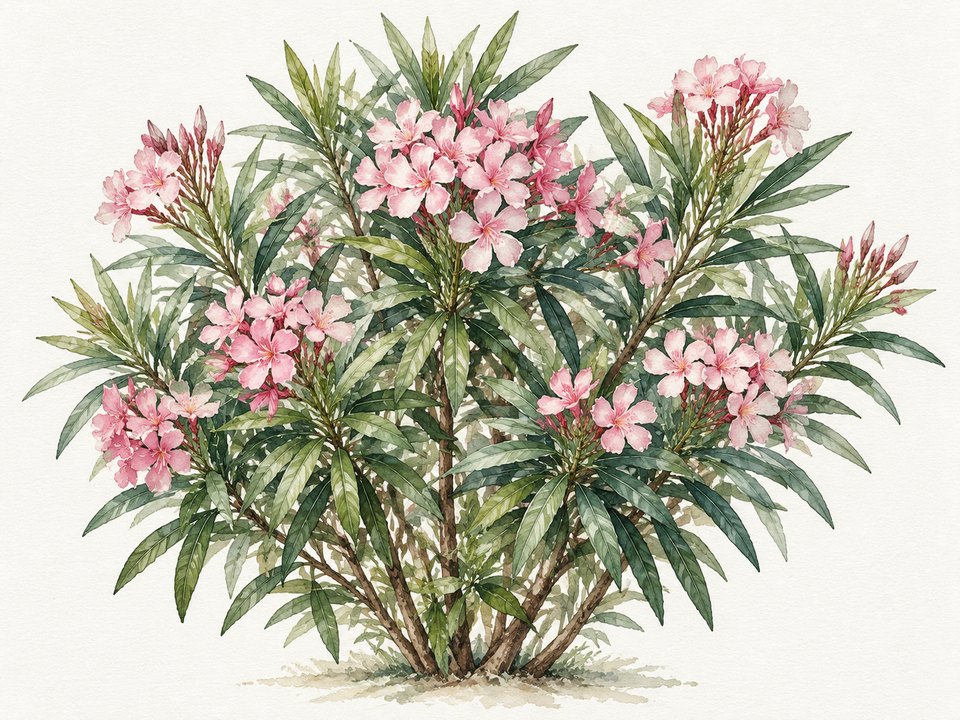 Illustration
OleanderNerium oleanderIllustration 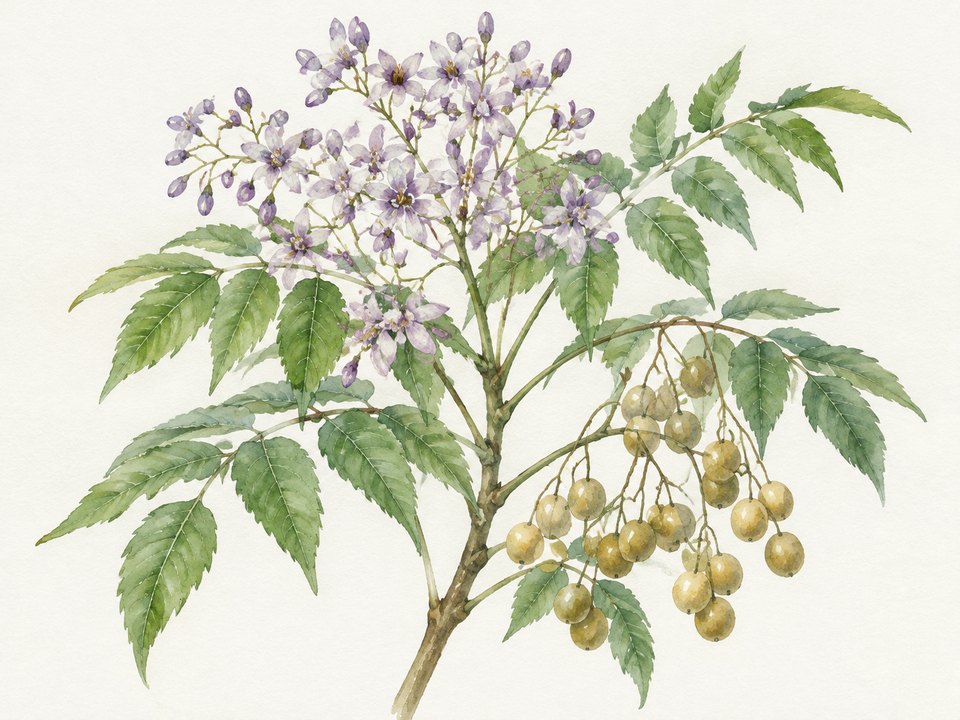 Illustration
ChinaberryMelia azedarachIllustration 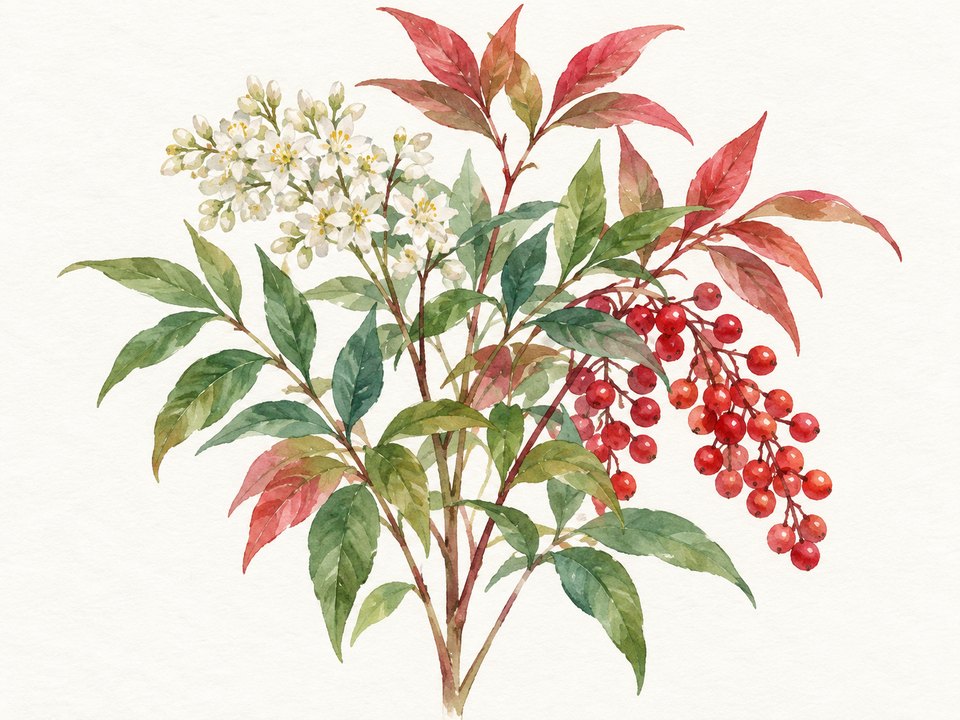 Illustration
NandinaNandina domesticaIllustration 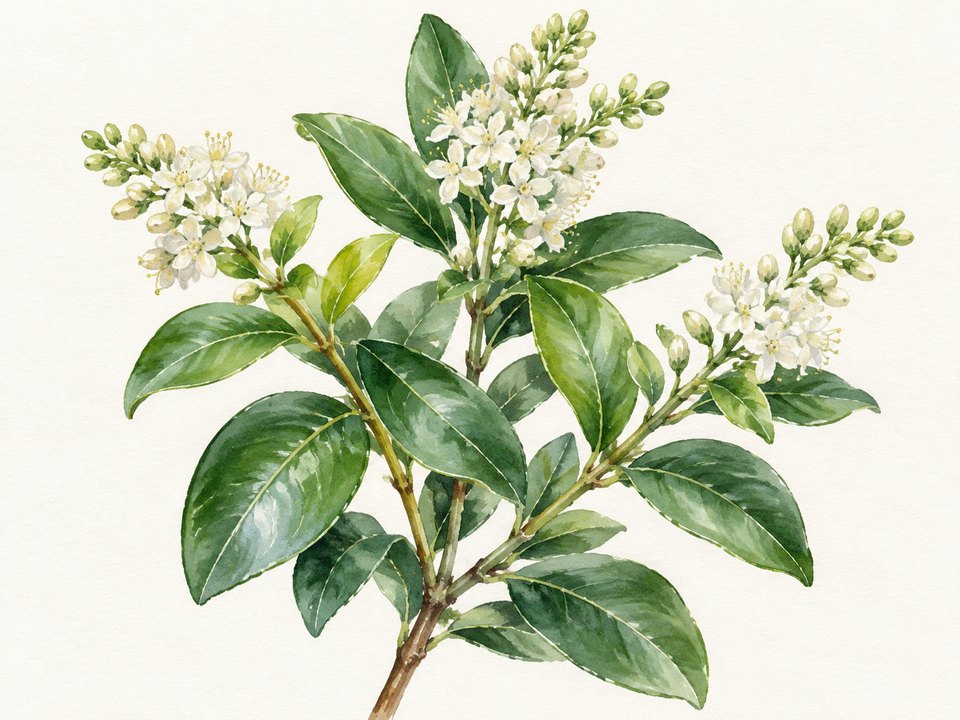 Illustration
Waxleaf LigustrumIllustration 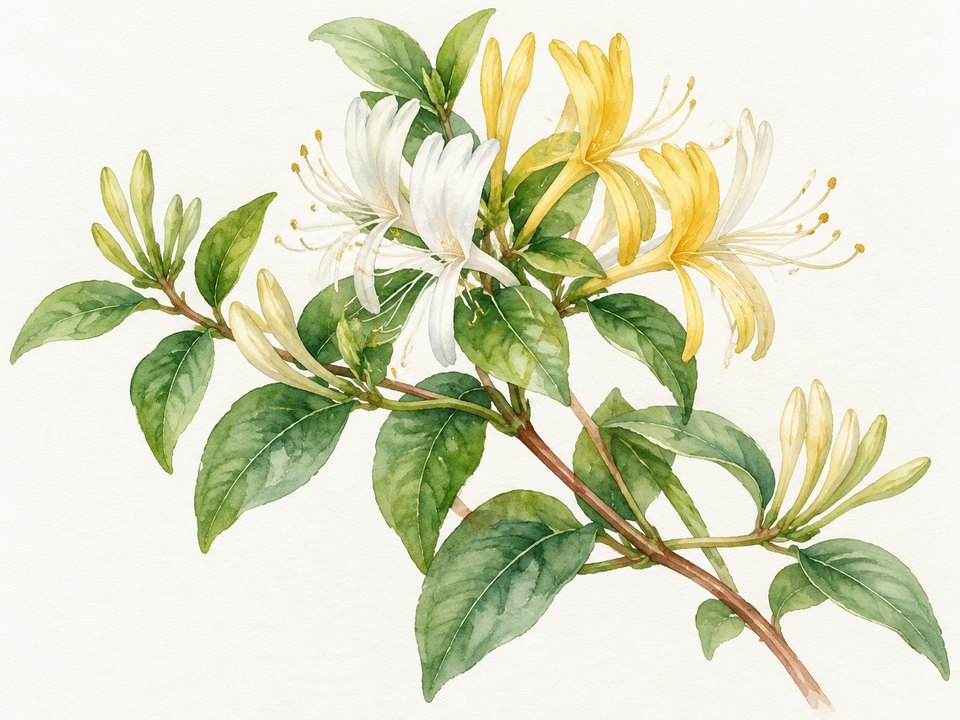 Illustration
Japanese HoneysuckleLonicera japonicaIllustration 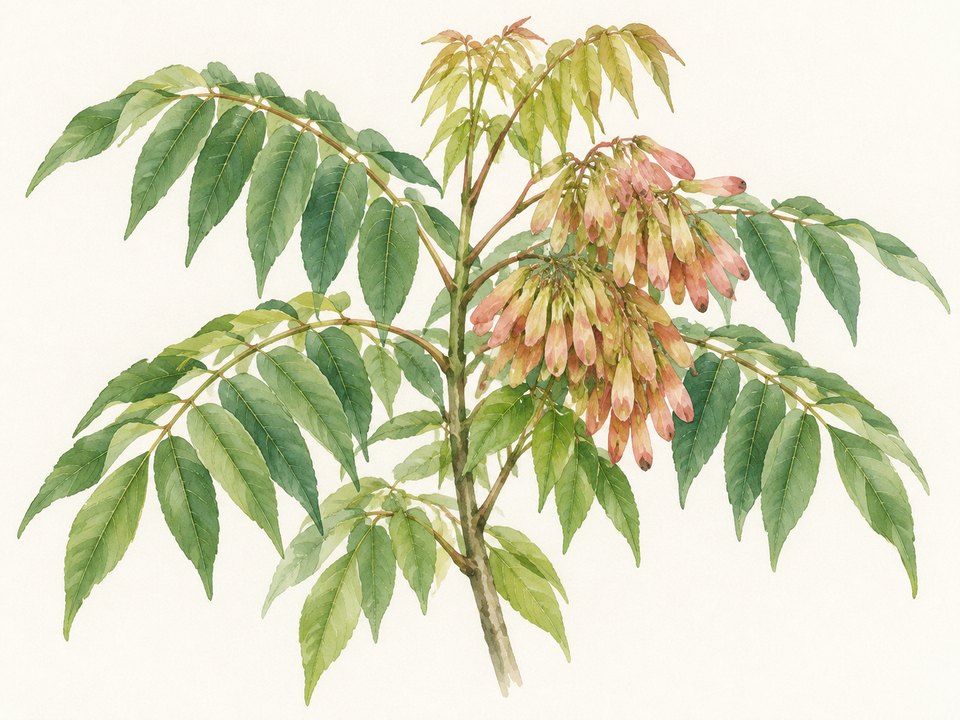 Illustration
Tree of HeavenAilanthus altissimaIllustration
Coral Honeysuckle is listed in the recommended palette; Japanese Honeysuckle is prohibited. Keep their identities separate when choosing plants. Bradford Pear and St. Augustine appear in the recorded list; have their fit for the site and the plan checked.[3]
Plan irrigation, rainwater storage and drainage
An irrigation system is optional. If installed, it needs prior ACC approval and a TCEQ-licensed irrigator. It needs backflow prevention and rain sensors. Match zones to plant water needs. Drip is encouraged. Sprinkler heads must use large drops instead of fine mist. Have the irrigator and ACC check the five-foot perimeter provision around the home. Confirm how it applies to the plan. Backflow devices need yearly inspection by a licensed tester.[3]
Get advance approval for rainwater storage. The reviewed guidelines allow two 55-gallon tanks. Each is two feet in diameter and four feet tall. Keep them inside the fenced yard and hidden from the street. Check the declaration's color, screening and placement terms too. It includes protection for an economical installation. Confirm the plan against both documents and current law.[2][3]
A change to established drainage needs a professionally certified provision. It also needs prior ACC approval. Keep area drains from extending through the curb. Screen above-ground utility connections, air-conditioning and pool equipment as required.[3]
Match Unit 2 fences to the lot
Unit 2 generally requires side and rear fencing. There is an exception for Estate Lots 78-91. Rear lines of Lots 71-77 beside the greenbelt have specific choices. Use black powder-coated steel or ornamental wrought iron without columns. Lot 36 has special fence directions. So do the south sides of Lots 55, 56, 70 and 71. Use the correct lot detail.[5][6]
Fence and wall plans need an accurate site plan and prior ACC approval. Retaining walls have a stamped-plan rule. It applies to walls over four feet tall or within a right-of-way. A licensed engineer must stamp the plans. The amended Unit 2 rules prohibit front-yard fences. Shadowbox or pallet fences are prohibited too. So are solid walls enclosing the whole site.[6]
The later pool/security policy also requires written approval before installation. It protects approval of a pool enclosure that meets applicable law. It must use black transparent mesh in metal frames. Its defined enclosure is designed to resist climbing. It is no more than six feet high. Front-yard fencing remains prohibited.[7]
Review costs, notices and fines
Application cost
The current public application instructions list a $60 nonrefundable fee. It is paid through TownSq regardless of the decision. Confirm the charge shown for your application before submitting. The recorded declaration also allows a review fee.[4][2]
If a violation notice arrives
Read the notice, check the cited rule and respond within its deadline. The declaration allows fines under an adopted policy. Correction costs and court action are also allowed. A continuing violation may count separately each day after written notice.[2]
The 2022 fine policy adds the following general schedule. The board may adjust amounts based on severity or frequency. It may also set reasonable case-specific fines:[7]
- A new violation has a $25 fine. A curable violation may avoid that fine by being fixed within the notice's cure period.
- Repeat or uncurable violations have fines of $50, $75, $100 and $125. These apply at the first through fourth notice levels.
- A continuous violation has an amount set by the board. The policy allows daily, monthly or quarterly amounts for the stated uncured-continuing case. It sets no fixed daily dollar figure.
The policy generally requires certified written notice. It must identify the violation, the rule and any cure steps. It must state the possible fine and hearing rights. It has separate provisions for uncurable or health-and-safety violations. Separate provisions also cover repeats of the same or similar violation. Those are within six months after notice and a reasonable cure opportunity.[7]
Request a hearing promptly and follow the notice's stated deadline. The notice clause uses 30 days from mailing. The hearing clause uses 30 days from receipt. Have that difference and current law checked. Do not wait for the later date. The policy calls for a hearing within 30 days of the request. A hearing notice and evidence packet are due at least 10 days beforehand. A 15-day postponement applies if the packet is late. A requested postponement of up to 10 days is also allowed. Further delays need agreement.[7]
Fine due dates depend on the cure and hearing rules. The policy bars foreclosure for a debt consisting only of fines. Confirm the applicable current policy and law for an actual notice.[7]
These are documented procedures. The enforcement score stays blank. The public FAQ describes typical twice-monthly compliance visits and spot checks. That posted schedule does not establish how a particular landscape rule is enforced.[1]
Arbors landscape questions
Planning your yard
Can I make an all-rock yard?
How long does approval last?
Are the plant cards an approved shopping list?
Use them to explore the named plants and build a plan. The recorded list is recommended and non-exclusive. All plants still need ACC approval. Keep cultivar limits and the separate prohibited list in view.[3]
Plan your Arbors of Fair Oaks landscape
Bring your address, unit and ideas for time outside. Texas Allied Landscape develops the design. We check the rules for your lot. We prepare the review package and build to the approved plan. We help make the steps clear. You choose the planting and spaces you want to enjoy.
Sources and lot coverage
These are dated findings. Current public application instructions were checked November 11, 2026. Confirm the lot's plat, unit and later amendments before work. The official index has a file named "20211019 DESIGN GUIDELINES." It contains the same recorded 2019 instrument, Doc. 20190020598. The 2022 Policy Manual adds the fine/hearing provisions summarized above. It adds the pool/security provisions too. Page numbers below refer to recorded image pages.[7][4]
Your community profile
Community profile
Arbors of Fair Oaks
1 permissive5 protective
| Design latitude | 4/5 |
|---|---|
| Approval scope | 5/5 |
| Approval layers | 1/5 |
| Approval cost | — |
| Plan preparation | 3/5 |
| Enforcement capability | — |
Higher means more documented control or burden, not a better community.
2016 declaration; 2018 First Amendment and linked scope records; 2019 Design Guidelines; both 2022 Unit 2 supplements. Read November 9, 2026. Lot/title, later-record and FORHA document checks remain.
Design latitude
4/5
- 1
- 2
- 3
- 4 (this score)
- 5
How much of the plant and design palette is prescribed. A higher score means less design freedom.
Why this score
The recorded framework prescribes a plant palette, prohibited plants, mulch and turf-soil minimums, tree requirements, rock limits and Unit 2 front/side-yard grass. Attachment 1 is recommended and non-exclusive, with ACC approval still required. Unit-specific differences need an address check.
Approval scope
5/5
- 1
- 2
- 3
- 4
- 5 (this score)
How much exterior work needs written sign-off.
Why this score
The declaration covers landscape and other exterior improvements, tree removal and clearing. Written approval is the baseline. The guideline exception for compliant landscape plans does not remove review for significant changes or plant approval.
Approval layers
1/5
- 1 (this score)
- 2
- 3
- 4
- 5
Counts distinct required community reviewers only. City, county and state permits, optional steps and repeat submissions are not counted.
Why this score
The reviewed Arbors instruments name one community reviewer, the ACC. The 2018 amendment also requires FORHA membership; its articles and bylaws were not reviewed here, so a separate review step is not verified or ruled out. Public permits and utility requirements are not counted.
Approval cost
—
- 1
- 2
- 3
- 4
- 5
What the community's own approval process costs to apply.
Why this score
The current public architectural instructions list a $60 nonrefundable application fee through TownSq. No numerical cost rating is assigned here. Confirm the fee shown before submitting.
Plan preparation
3/5
- 1
- 2
- 3 (this score)
- 4
- 5
How much drawing and documentation an application needs.
Why this score
A site plan and landscape layout show plants, locations, hardscape, materials and other improvements. Xeriscaping needs specified plant, border, hardscape and coverage details. Engineered plans are conditional for drainage changes and qualifying retaining walls, not every planting job.
Enforcement capability
—
- 1
- 2
- 3
- 4
- 5
Which remedies the verified governing documents and adopted policies provide. The score reflects verified documented provisions, not observed enforcement practice or legal conclusions. Not finding an express clause is not a conclusion that no authority exists.
This guide covers the 2016 declaration and 2018 First Amendment. It covers the 2019 Design Guidelines too. Both 2022 Unit 2 supplements are included. It also includes the 2022 Policy Manual's fine and hearing terms. The current public application route is included too. Unit 2 has added lawn, tree and fence rules. Check your unit, plat and later amendments. Check current review requirements before preparing the project.[2][3][5][6][8][7][4]
Arbors of Fair Oaks has its own association. Covered owners must also belong to Fair Oaks Ranch Homeowners Association (FORHA). They must follow its articles and bylaws. Those FORHA documents remain outside this review. Check both memberships' duties. Keep the Arbors landscape requirements matched to the lot. A second landscape-review step has not been verified.[8]
Property coverage needs a title and plat check. The 2018 withdrawal removes three tracts. Unit 1 and Unit 2 notices identify covered residential lots. They withdraw other plat areas. A 2022 deed covers named reserves, open space and private-street lots. It places them under the declaration as common area. Confirm the exact property, especially for a reserve or common-area project.[9][10][11][12]
Other linked records were read in full. One was the 2017 partial assessment exemption (Doc. 20170220058). Another was the 2018 termination of the separate May 2016 residential restrictions (Doc. 20180248621). It says the December 2016 declaration replaced them. The 2018 easement release (Doc. 20180248623) was read too. So was the 2019 working-capital assessment (Doc. 20190258887). These are not a current landscape-review fee schedule. 2017 exemption | 2018 termination | 2018 easement release | 2019 capital assessment
Sources
- Arbors of Fair Oaks community FAQ . Gated community, walking-trail and preserve context, maintenance responsibilities and posted compliance-visit guidance. Read November 11, 2026.https://safo.sites.townsq.io/1ab
- Declaration of Covenants, Conditions and Restrictions for Arbors of Fair Oaks, recorded December 29, 2016, Bexar Doc. 20160256086, 68 pages. Article 1; sections 2.15-2.17, 2.36, 3.01, 3.10-3.11, 6.14-6.15 and 7.01-7.02. Sourcehttps://bexar.tx.publicsearch.us/doc/13429136abcdefghijklm
- Arbors of Fair Oaks Design Guidelines, recorded February 5, 2019, Bexar Doc. 20190020598, 29 pages. Review and priority pp. 4-5, 20; landscape pp. 13-16; complete plant list and prohibitions pp. 21-26. All six plant-list images were read, including rows missing from OCR. Sourcehttps://bexar.tx.publicsearch.us/doc/16799488abcdefghijklmnopqrstuvwxyz272829
- Current architectural application instructions . TownSq route, nonrefundable $60 fee, backup email form and up-to-60-day review. Read November 11, 2026.https://safo.sites.townsq.io/3abcde
- Supplemental Design Guidelines [Unit 2], recorded February 10, 2022, Bexar Doc. 20220034674, 6 pages. Applicability and Estate Lots p. 4; trees, soil, mulch and front/side-yard grass p. 5. Its original fence paragraphs were replaced by the June 2022 amendment. Sourcehttps://bexar.tx.publicsearch.us/doc/107119486abcde
- First Amendment to Supplemental Design Guidelines [Unit 2], recorded June 29, 2022, Bexar Doc. 20220161243, 6 pages. Replacement fencing requirements pp. 2-4; Estate Lots, greenbelt lots and named-lot exceptions. Sourcehttps://bexar.tx.publicsearch.us/doc/117819714abc
- Official Arbors association document library . September 8, 2022 Policy Manual, Bexar Doc. 20220218632: fine/enforcement policy pp. 25-28 and pool/security policy p. 48. Read November 11, 2026. The library file labeled 20211019 Design Guidelines is the 2019 recorded instrument, Doc. 20190020598.https://safo.sites.townsq.io/4abcdefg
- First Amendment to Declaration, recorded March 19, 2018, Bexar Doc. 20180050848, 5 pages. Replaces section 6.15 with mandatory FORHA membership and related duties; deletes shared-amenities easement section 10.06. It does not replace the Arbors landscape palette. Sourcehttps://bexar.tx.publicsearch.us/doc/15409975ab
- Notice of Withdrawal of Land, recorded December 20, 2018, Bexar Doc. 20180248624, 15 pages. Removes the described 72.37-acre, 5-acre and 18.22-acre tracts. Sourcehttps://bexar.tx.publicsearch.us/doc/16767858↑
- Notice of Plat Recordation, Unit 1, recorded December 20, 2019, Bexar Doc. 20190258886, 4 pages. Names Lots 1-31 and 36-48; withdraws the rest of that plat from the declaration. Sourcehttps://bexar.tx.publicsearch.us/doc/37613318↑
- Notice of Plat Recordation, Unit 2, recorded January 13, 2022, Bexar Doc. 20220010687, 4 pages. Names Lots 32-35 and 49-90; withdraws the rest of that plat from the declaration. This notice and the later Unit 2 supplements use different lot descriptions, so confirm the current plat rather than assuming the numbers alone settle coverage. Sourcehttps://bexar.tx.publicsearch.us/doc/106552801↑
- Special Warranty Deed, recorded December 28, 2022, Bexar Doc. 20220294664, 4 pages. Conveys named Unit 1 and Unit 2 reserves, open space and private-street lots to the association as common area under the declaration. Sourcehttps://bexar.tx.publicsearch.us/doc/153439857↑