
Property owners
Mountain Laurel
- Plant
- Mountain Laurel
- Botanical name
- Sophora secundiflora
- Group
- Ornamental trees
Mountain Laurel: sourced light needs, height, spread, foliage, water needs, seasonal behavior and planting.
On this page
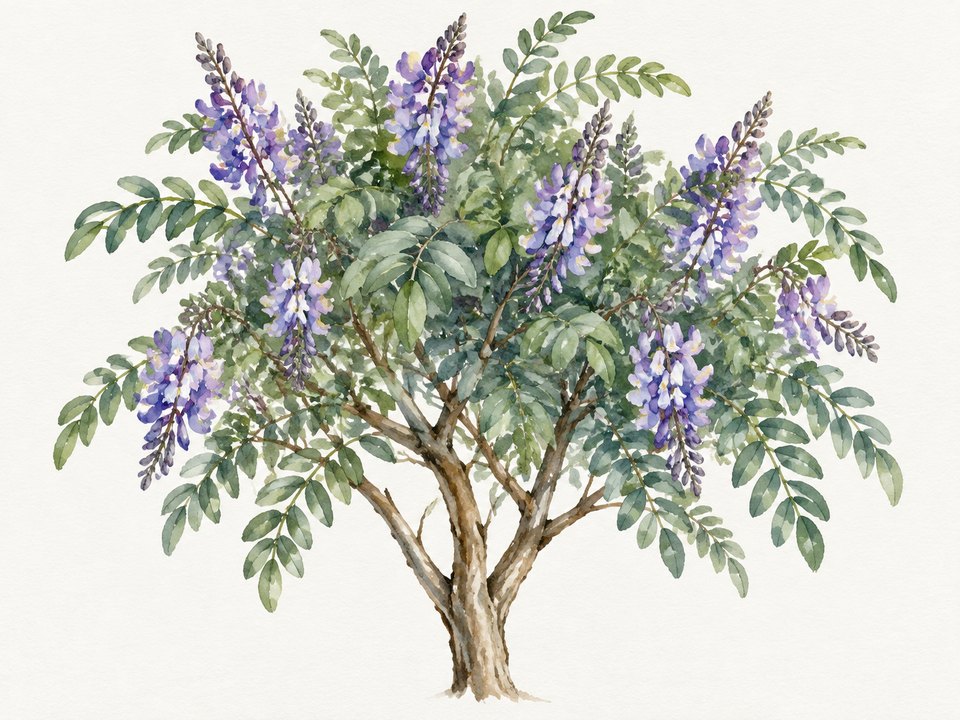
Its botanical name is Sophora secundiflora.
Light
Mountain Laurel grows in sun to part shade.[1]
Height
It grows 12 ft to 20 ft tall or more.
Spread
It spreads 8 ft to 12 ft.
Foliage
It is evergreen and slow-growing.
Water
It needs very low water. Provide good drainage. If watering ever feels like a guessing game, our horticulturists can care for your Mountain Laurel on a schedule that fits your yard.
Seasonal behavior
It has showy purple spring flowers with a grape bubble-gum fragrance. The seeds are poisonous. Prune to shape it or raise the canopy if you like.
When to Plant Mountain Laurel
In Central Texas, the best time to plant Mountain Laurel is fall through late winter, roughly October through February. Cooler weather and fall rains let the roots establish before summer heat arrives.[2]
Container-grown trees can also go in the ground in spring. They can even go in during summer if you can commit to deep, regular watering through the first growing season. Spring and summer planting demand more from you and the tree.
If you would like a hand, the Texas Allied Landscape team can plant your Mountain Laurel and keep it thriving.
Planting
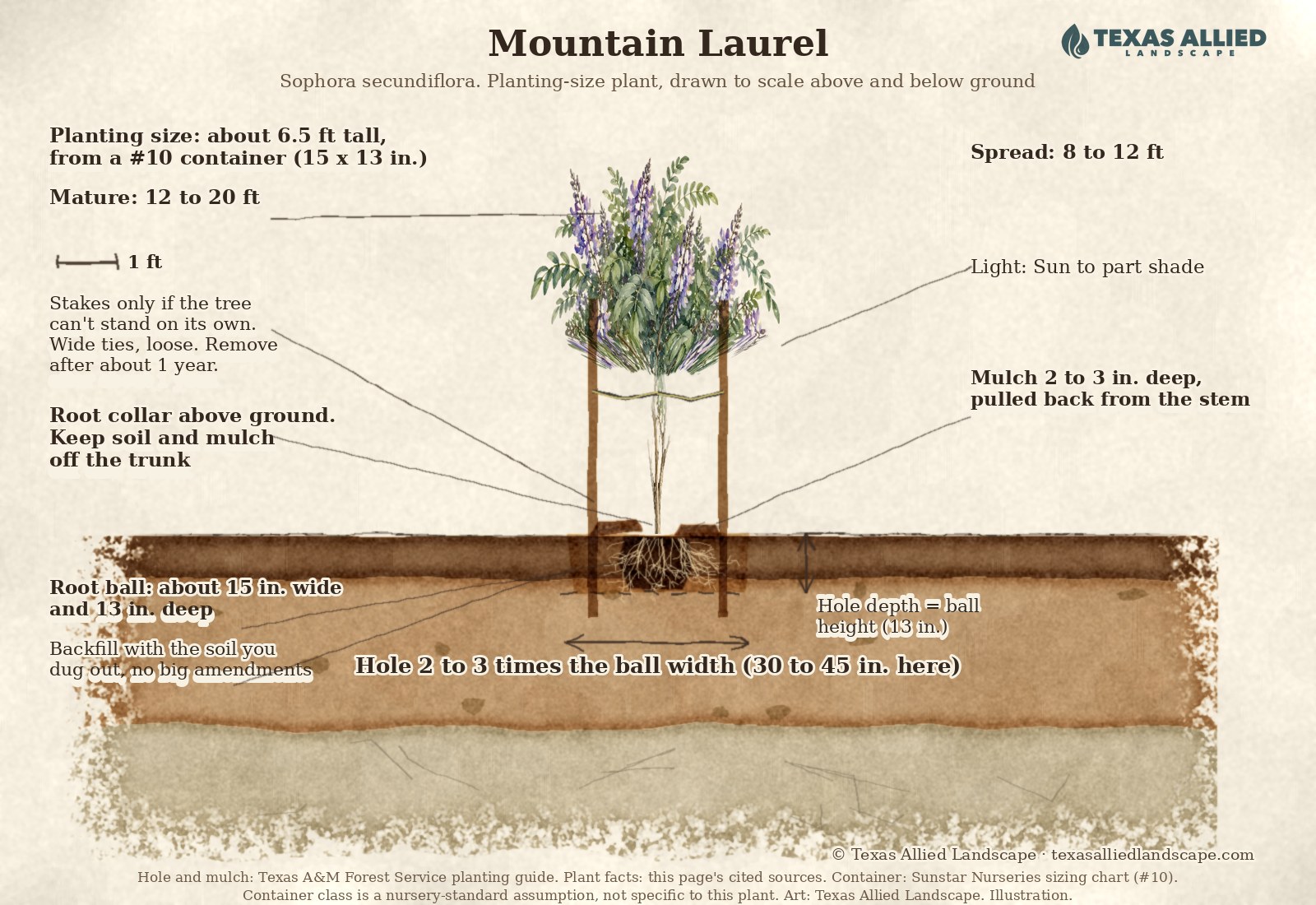
- Dig a hole at least twice as wide as the root ball and no deeper - a square hole keeps the roots from settling too deep while letting them grow out into the surrounding soil.[3]
- Fill the empty hole with water and check the drainage. If it takes longer than 24 hours to drain, choose another spot: roots sitting under water will kill the tree.[3]
- Set it with the root collar (the flare just above the roots) level with or slightly above the ground, and take off all wire, twine, containers and bags before backfilling.[3]
- Backfill with the same soil that came out of the hole, without amendments, and settle it with water rather than packing it down.[3]
- Choose a site with sun to part shade.[1]
- For timing, the best time to plant Mountain Laurel is fall through late winter, roughly October through February. Cooler weather and fall rains let the roots establish before summer heat arrives.[2]
- Water for at least the first two years, without overwatering: a thorough soaking beats light, frequent watering.[3]
- Mulch 2 to 3 inches deep, out to the drip line and up to but not touching the trunk. Stake only if it cannot stand on its own and take stakes off within a year - most need no support. Do not fertilize during the first growing season.[3]
Care Instructions for Your Mountain Laurel
How to Water a Mountain Laurel
It needs very low water. Provide good drainage.
Sunlight
Mountain Laurel grows in sun to part shade.[1]
Mature height and spread
It grows 12 ft to 20 ft tall or more. It spreads 8 ft to 12 ft.
Normal seasonal behavior
It has showy purple spring flowers with a grape bubble-gum fragrance. The seeds are poisonous. Prune to shape it or raise the canopy if you like.
Texas mountain laurel questions
Are Texas mountain laurel seed pods poisonous?
Yes. The bright red seeds inside the pods are toxic if eaten, so they call for care where kids and pets play. Clip the pods off after flowering if that is a concern in your yard, and the tree loses nothing.[4]
Keep in mind: Check with your veterinarian or poison control if a pet or child eats a seed.
Why is my mountain laurel growing so slowly?
That is simply how this tree grows. Texas mountain laurel is famously slow, often adding only a few inches a year, and there is no fertilizer trick that changes it. The payoff is a long-lived, nearly indestructible native tree with grape-soda spring blooms.[5]
Next step: If you want the look faster, our horticulturalists can start you with the largest specimen your site can handle and care for it while it establishes.
Why won't my mountain laurel bloom?
The cause is usually age or light. Young plants can take years before their first bloom, and a tree in shade blooms lightly if at all. A mature plant in full sun that never blooms may be getting too much nitrogen from nearby lawn fertilizer.[6]
Can I grow a mountain laurel from seed?
Yes, with one extra step. The seeds have a rock-hard coat, so nick or file the coat before planting, then be patient, since seedlings grow slowly for their first years. Most homeowners start with a nursery tree instead.[7]
Let Texas Allied Landscape care for your Mountain Laurel
Mountain Laurel does best with steady, knowledgeable care: the right water, pruning at the right time, and a trained eye for stress. The horticulturists at Texas Allied Landscape care for plants like yours across the San Antonio area, backed by over 40 years of landscape experience.
In these community guides
Illustration. Illustration based on reference photos of Vicinia. Not a single literal view. Vicinia Landscaping
Bring your address, survey and ideas. Texas Allied Landscape helps check the rules, design the space and prepare for…
Illustration. Illustration based on reference photos of Stone Oak. Not a single literal view. Stone Oak Landscaping
Bring your Stone Oak address, survey and ideas. Texas Allied can plan the yard, prepare the review package, build it…
- Art in progress
Oakwell Farms Landscaping
Bring your survey, unit and lot details. Texas Allied Landscape helps design a yard you will enjoy and prepare the…
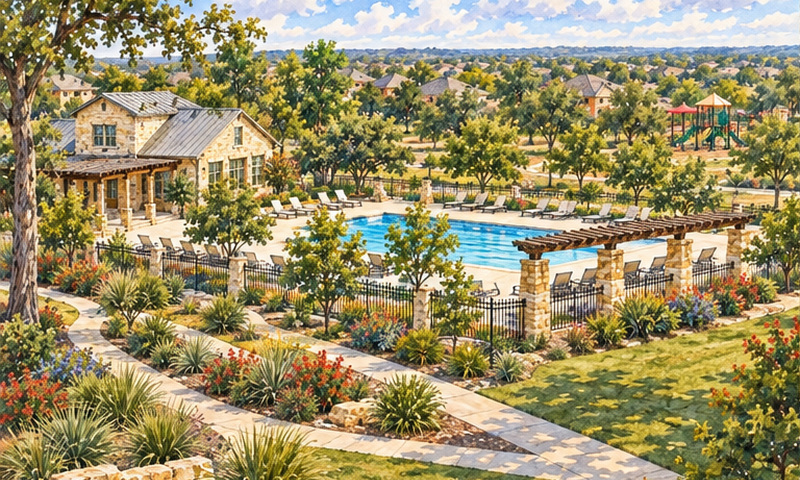
Illustration. Illustration based on reference photos of Redbird Ranch. Not a single literal view. Redbird Ranch Landscaping
Bring your survey and yard ideas. Texas Allied Landscape helps design planting and irrigation, prepare the review…
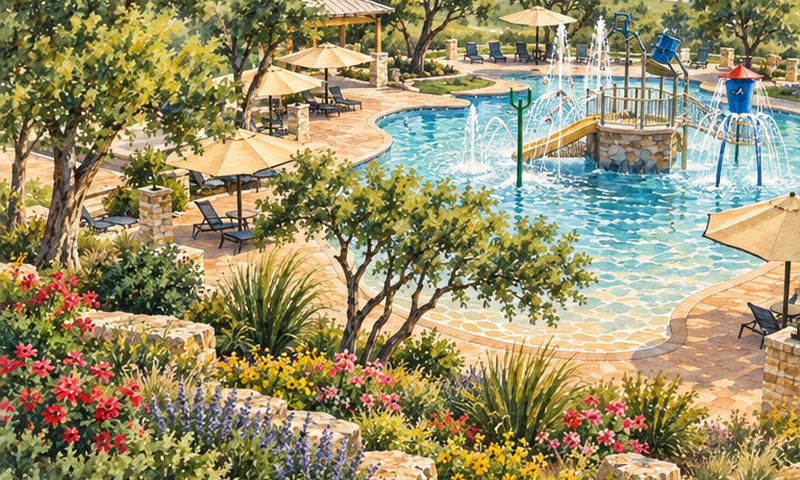
Illustration. Illustration based on reference photos of Alamo Ranch. Not a single literal view. Alamo Ranch Landscaping
Bring your yard ideas and survey. Texas Allied Landscape helps plan planting and irrigation, prepare review details and…
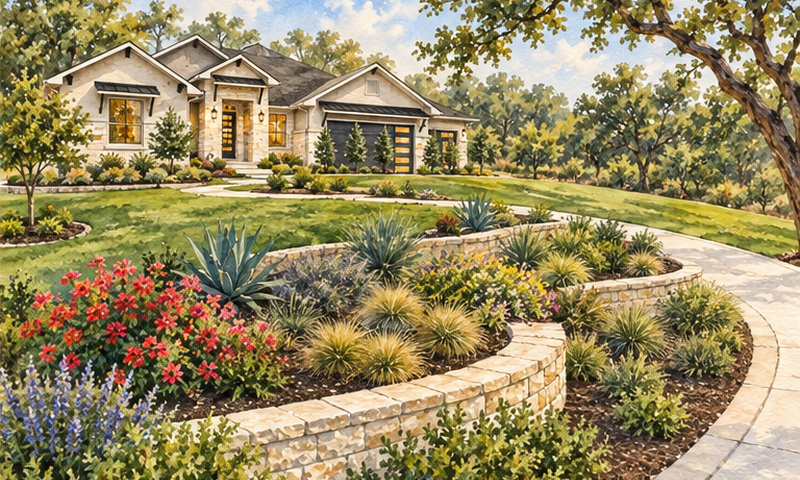
Illustration. Illustration based on reference photos of Arbors of Fair Oaks. Not a single literal view. Arbors of Fair Oaks Landscaping
Bring your address, unit and yard ideas. Texas Allied Landscape helps design the planting and irrigation, prepare the…
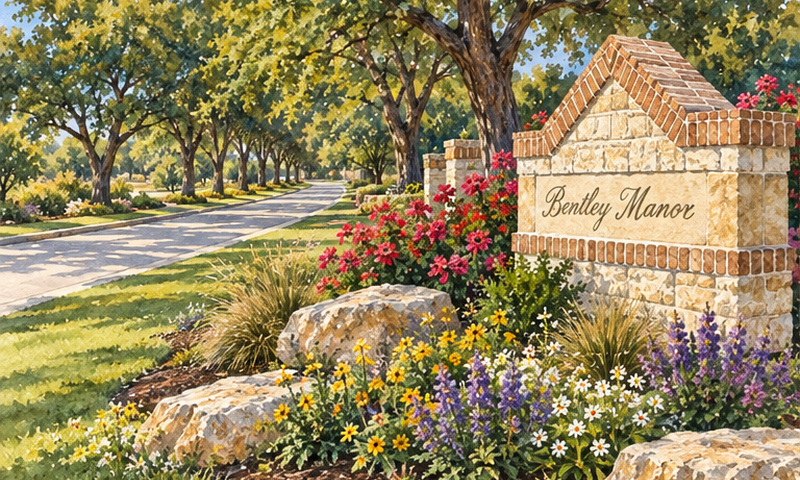
Illustration. Illustration based on reference photos of Bentley Manor. Not a single literal view. Bentley Manor Landscaping
Bring your survey, unit and yard ideas. We help check the lot rules, prepare the review plan and build the approved…
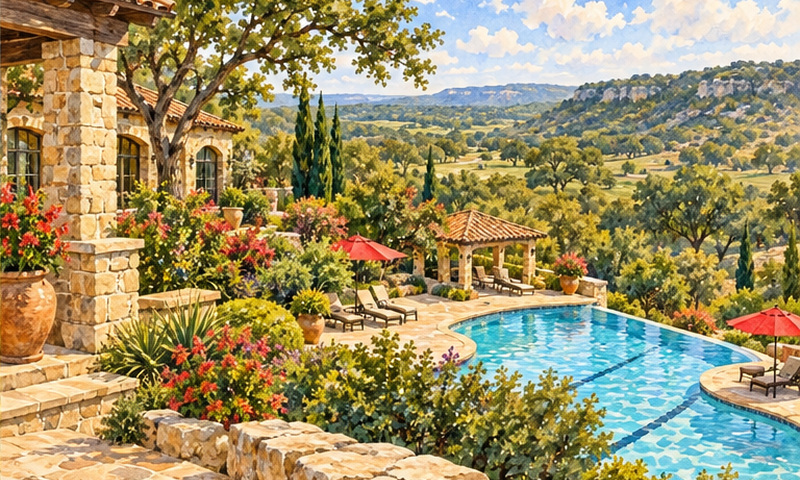
Illustration. Illustration based on reference photos of Cibolo Canyons. Not a single literal view. Cibolo Canyons Landscaping
Bring your address, survey and yard ideas. We help check your section's rules, prepare the review package and build the…
- Art in progress
Cordillera Ranch Landscaping
Bring your address, survey and yard ideas. We check the right guideline set, plan planting and irrigation, prepare the…
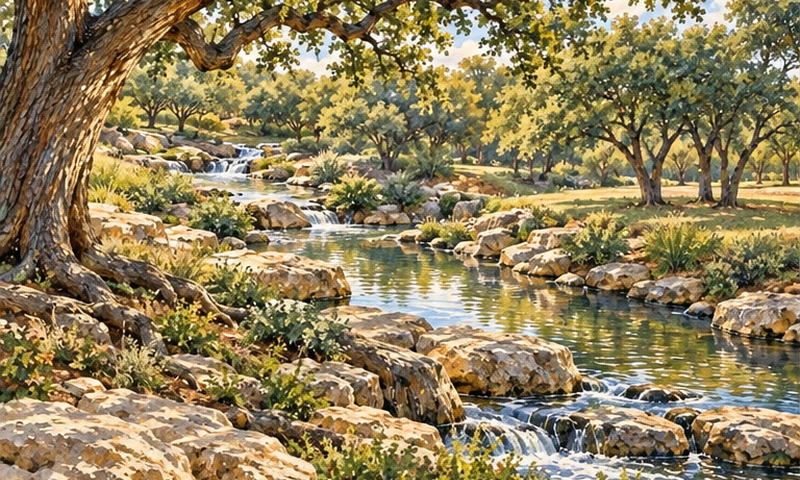
Illustration. Illustration based on reference photos of The Dominion. Not a single literal view. The Dominion Landscaping
Plan your Dominion landscape with help on planting, irrigation and the ACC package. We check your lot's standards and…
- Art in progress
Homestead Landscaping
Share your Homestead address, survey and yard ideas with Texas Allied Landscape. We help prepare a clear plan for…
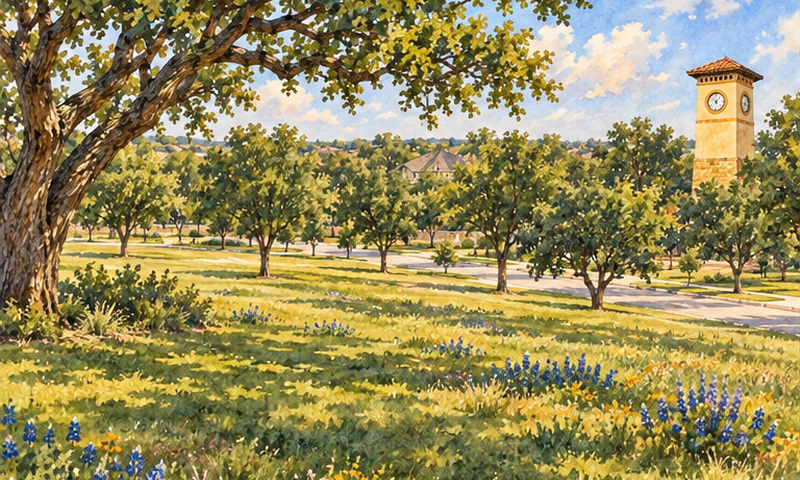
Illustration. Illustration based on reference photos of Huntington. Not a single literal view. Huntington Landscaping
Share your Huntington address, survey and yard ideas with Texas Allied Landscape. We help plan planting, irrigation and…
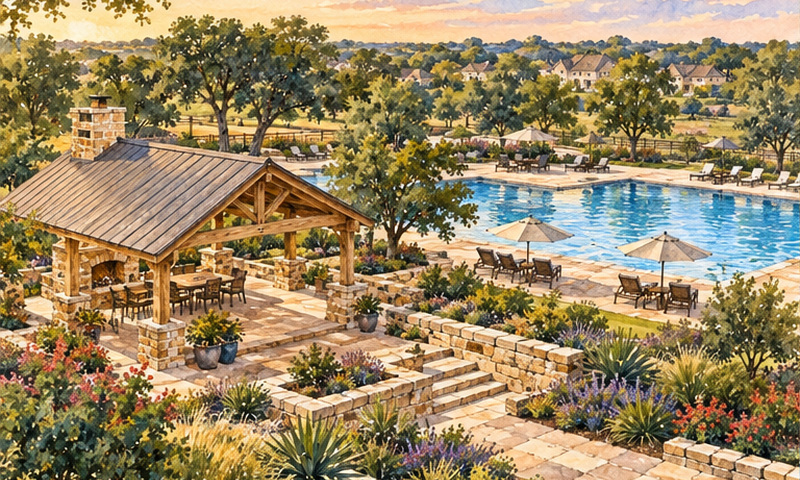
Illustration. Illustration based on reference photos of John Newcombe Estates. Not a single literal view. John Newcombe Estates Landscaper and Landscaping
Request a quote for your John Newcombe Estates yard. Share your address, survey and yard ideas with Texas Allied…

Illustration. Illustration based on reference photos of Johnson Ranch. Not a single literal view. Johnson Ranch Landscaping
Share your Johnson Ranch address, survey and yard ideas. Texas Allied Landscape can help plan planting, irrigation and…
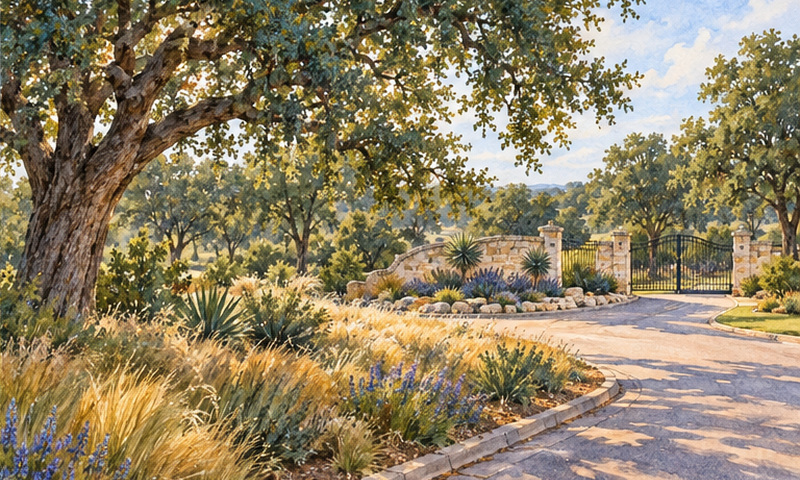
Illustration. Illustration based on reference photos of Menger Springs. Not a single literal view. Menger Springs Landscaping
Plan planting, irrigation and outdoor improvements that fit your Menger Springs lot. Get help with the review package…
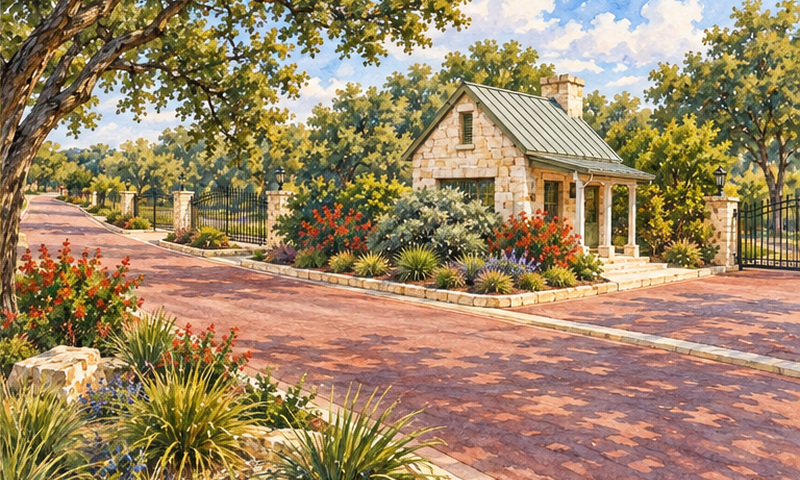
Illustration. Illustration based on reference photos of Rogers Ranch - Point Bluff and other neighborhoods. Not a single literal view. Rogers Ranch Landscaping
Plan your Rogers Ranch landscape with lawn, tree and irrigation guidance. Get help with the review package, approved…
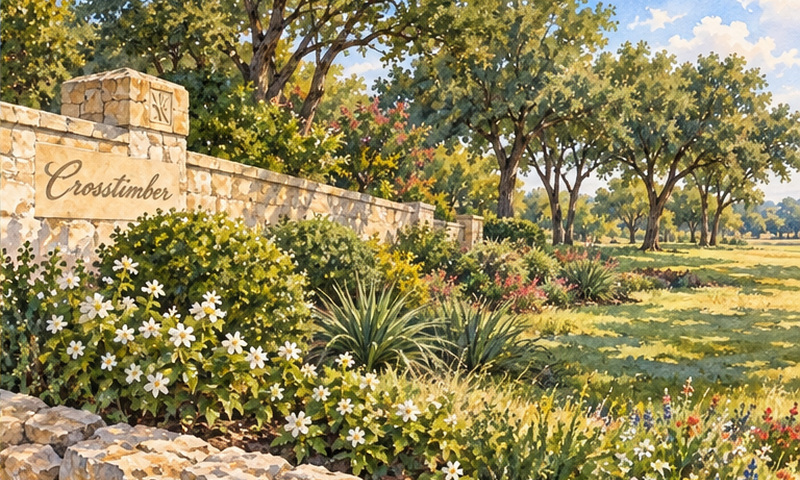
Illustration. Illustration based on reference photos of Shavano Rogers Ranch - Crosstimber. Not a single literal view. Crosstimber Landscaping
Plan your Crosstimber plants, shade and irrigation. Get help matching your lot rules, preparing the review package and…
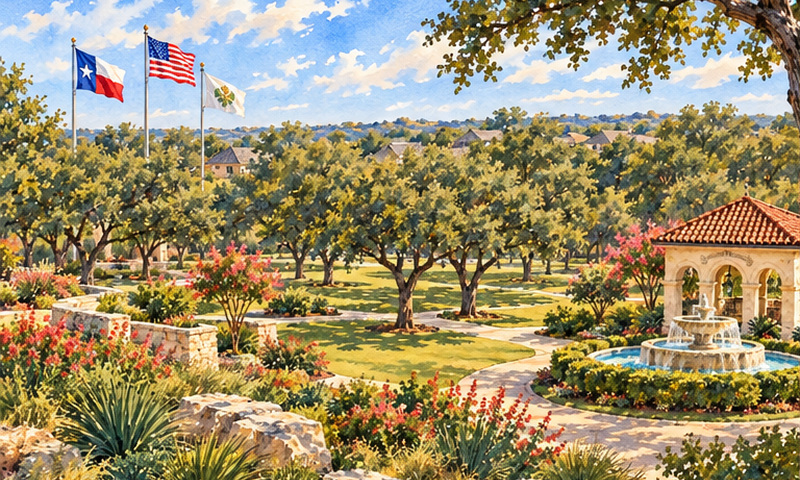
Illustration. Illustration based on reference photos of Sonterra. Not a single literal view. Sonterra Landscaping
Bring your Sonterra address and ideas. Texas Allied can design the yard, prepare the review package, build the approved…
- Art in progress
The Springs at Stone Oak Landscaping
Bring your address and ideas for The Springs at Stone Oak. Texas Allied can design the yard, prepare the review…
Sources
- Mountain Laurel, City of Austin Grow Green plant guide.https://www.austintexas.gov/watershed-protection/plant-guide/mountain-laurel-texasabc
- October Gardening Checklist, Travis County AgriLife Extension.https://travis-tx.tamu.edu/about-2/horticulture/monthly-gardening-calendar-for-austin-area/october-gardening-checklist-for-austin-and-central-texas/ab
- Tree Care - Planting, Texas A&M Forest Service.https://tfsweb.tamu.edu/trees/tree-care/planting/abcdef
- Texas A&M AgriLife Extension, "Texas mountain laurel - mescal bean."https://rangeplants.tamu.edu/plant/texas-mountain-laurel-mescal-bean/↑
- Neil Sperry, "What will make Texas mountain laurel grow faster?"https://neilsperry.com/faq/what-make-texas-mountain-laurel-grow-faster-10-feet-tall-isnt-making-progress-10298/↑
- Lady Bird Johnson Wildflower Center, Mr. Smarty Plants.https://www.wildflower.org/expert/show.php?id=8426↑
- University of Texas, "Texas mountain laurel propagation."http://w3.biosci.utexas.edu/prc/DigFlora/SOSE3/MtL-propagation.html↑