
Property owners
Crosstimber Landscaping
Enjoy a shady Crosstimber yard. Texas Allied Landscape helps plan, submit, build and care for approved landscape changes.
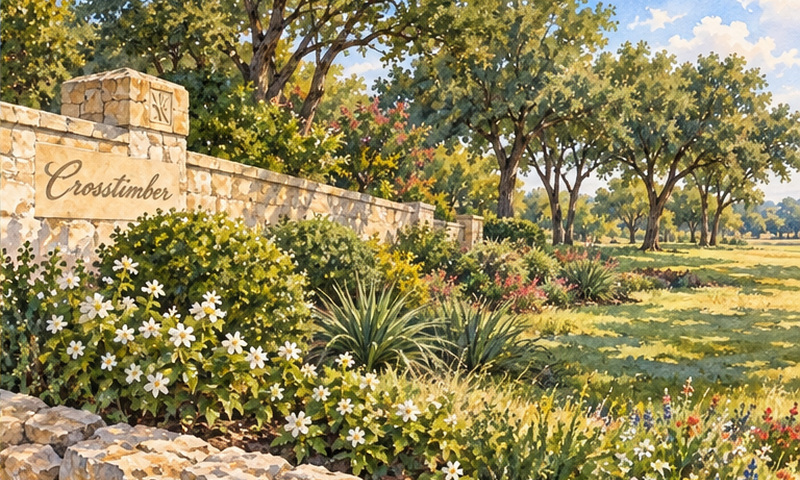
Get a quoteIllustration based on reference photos of Shavano Rogers Ranch - Crosstimber. Not a single literal view.
On this page
Enjoy a shady yard with plants that suit your Crosstimber home. Texas Allied Landscape can help you plan the space, prepare the review package, build the approved changes and care for the finished yard. Start by matching the rules to your lot. Then choose the plants, paths and watering plan together.
Prepare, submit and build
1. Prepare your plan
Prepare two landscape plans. Name each plant and show its size and location. Name the landscape contractor. The contractor also needs ACC approval under a separate rule.[1][2]
For initial home construction, send a detailed landscape plan at a scale of at least 1 inch to 10 feet, unless the ACC changes the requirements. Show structures, paving and existing trees at least 6 inches wide. The rule to name a professional contractor does not mean a professional designer must draw the plan.[1][2]
2. Submit before clearing or installing
Include a clearing plan that lists each tree 6 inches or wider that you plan to remove. Get ACC approval before any clearing. A separate landscape rule also requires specific approval to remove a tree over 6 inches. A tree exactly 6 inches wide belongs in the clearing review.[1][2]
Check the current submission route, checklist and fee before you file. The management certificate recorded November 3, 2026 lists Diamond Association Management and Consulting and crosstimberhoa.com. It gives contacts and property-transfer charges. It does not set a confirmed landscape-review price.[3]
3. Get the written decision
Allow the stated 30 days after the ACC receives a complete package. An incomplete plan does not start that clock. Get written confirmation before work, even where a deemed-approval clause may apply.[1][2]
Deemed approval cannot allow a covenant violation, a change you did not submit or a matter that needs a written variance. A variance requires written approval. For a variance, silence after 30 days means denial.[1][2]
4. Build the approved plan
Sign and return the acceptance letter before construction. Keep the approval and drawings. Follow them during work. Get written approval for later changes.[1][2]
Finish the first landscape and irrigation install within 90 days of move-in. Confirm the deadline for a project on an existing yard. The new-home deadline does not apply to every change.[1][2]
Plan the layout for your lot
For Unit 4, keep rock and material other than dirt and plants to 10% of the front-yard area. Driveways and sidewalks do not count. This area runs from the front lot line back to a line drawn across the front of the house between the side lot lines. Artificial plants are banned in front and side yards. Plan a water-wise yard within those limits.[2]
Keep outdoor equipment out of view from streets and common areas. You can also screen it fully with evergreen plants or fencing. Keep hedges behind the front setback line of the main structure. That hedge limit does not set a setback for every flower or groundcover.[2]
Keep corner views clear
In Unit 4's defined corner triangle, keep fences, walls, hedges and shrubs from blocking views between 2 and 6 feet above the road. The triangle uses points 25 feet from where the curb lines meet. Keep tree foliage high enough to leave the view clear.[2]
Lot 11, Block 3 has a stricter platted clear-vision easement. No tree or object over 2 feet high may remain there. Check the recorded plat before you choose plants or place objects.[2]
Unit 2's sightline sentence is unclear in the original record. Confirm the limit that applies to you instead of borrowing another unit's dimensions. Building setbacks, easement widths and conservation boundaries each do a different job. A building offset alone does not set a planting clearance.[1][2]
Protect drainage and shared land
In Unit 4's platted drainage easements, plant only under an ACC-approved landscape plan. Follow the approved engineering plans for grading and drainage work. Do not block, speed up, divert or add to the natural flow.[2]
Get the required approval before you trim, cut or remove plants in common areas. Keep that land separate from the part of the yard you maintain.[2]
Check retaining walls and yard features
On Unit 16A lots, get ACC approval of retaining-wall materials. Railroad-tie retaining walls are banned. Statues, statuary fountains, multi-tier planters, concrete and other lawn furniture are also banned in front and side yards.[4]
Choose plants, mulch and irrigation
On Unit 2 lots, plan around natural areas, wildscapes, native plants and drought-tolerant plants. The ACC decides how those terms fit your design. At least 4 inches of native mulch is recommended. It is not a fixed required depth.[1]
Complete the front-yard landscaping. On corner lots, complete the street-side landscaping too. Water-efficient irrigation and xeriscaping are encouraged. Water and maintain the planting, including the landscape and pedestrian easements. Circular-drive planting areas have a separate 24-inch screening rule.[1]
Unit 4 and Unit 16A also call for naturalistic planting, written review of later landscape changes and complete front-yard landscaping. Both recommend at least 4 inches of native mulch. The ACC may require trees to meet the subdivision's landscape goals. These rules do not set a fixed tree count for every yard.[2][4]
Confirm the private-yard plant list
Ask for the separate native plant list and the current ACC guidelines before you order. The Unit 2 rules send owners to a list available from the Declarant. That list and the current guidelines were not found in the sources checked for this guide. Confirm the plants for your own property before you buy.[1]
Plan rainwater collection
Send a written request and get approval before you install a rainwater system. Apart from normal gutters and downspouts, screen the equipment so it is mostly hidden from streets and common areas. Approved screening can be a solid fence, a structure, plants, buried tanks or an approved outbuilding.[5]
A small visible barrel is allowed only under a narrow exception when the gutter layout prevents screening. The tank may hold no more than 40 gallons. Place it close to the structure on a concrete base. Connect it to a downspout that runs nearly straight up and down. Paint it one color that blends with the structure. Store the hose out of view when you are not using it. The ACC decides whether the barrel is barely visible.[5]
Hide overflow and keep it from harming neighboring property or common areas. Open-top containers are banned. Cover openings with seals or mesh. Keep the system working and use the stored water so it does not go stale. Remove a broken system as the policy requires. Check the current policy and the law before you design.[5]
Keep the conservation plant list separate
Use the list below for its stated purpose. That purpose is replanting Secondary Conservation Areas after the specified utility, road or passive-recreation clearing. Harm existing plants as little as possible. Restore the area with suitable plants from the list where practicable. The list does not allow you to clear common land or work in a conservation area.[6]
For a private yard, get the separate native plant list and lot approval. The conservation list includes non-native plants. It cannot fill that private-yard research gap.[1][4][6]
The six groups below keep all 177 recorded rows, including repeats and apparent spelling errors. The cards show clear matches. They do not approve a plant for your yard, and they do not correct a recorded name. Of the 177 rows, 77 match 76 distinct catalog cards. The other 100 rows stay named in full where a card is missing or the species does not match. Linked names open the 28 matched plant pages that were live when checked.[6]
Large Trees
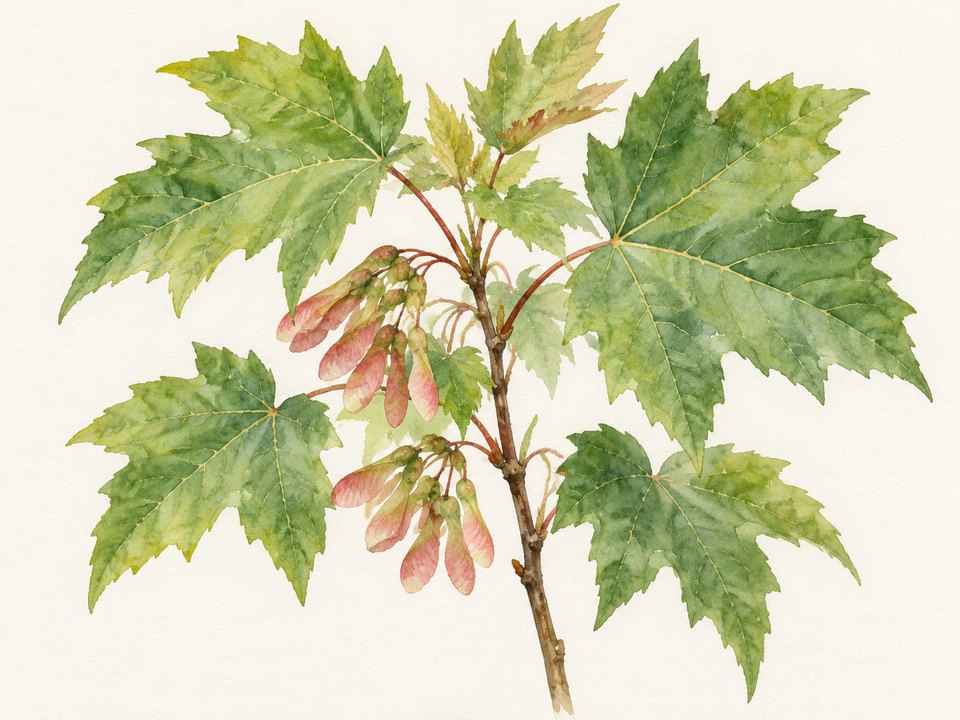
Bigtooth Maple (Acer grandidentaum); Black Walnut (Juglans nigra); Bur Oak (Quercus macrocarpa); Cedar Elm (Ulmas crassifolia); Chinquapin Oak (Quercus muhlenbergii); Escarpment Live Oak (Q. fusiformis); Lacebark Elm (Ulmus parvifolia); Mexican Sycamore (Platanus mexicana); Monterrey Oak (Quercus polyomorpha); Montezuma Cypress (Taxodium mucronatum); Pecan (Carya illinoinensis); Pinon Pine (Pinus remota); Post Oak (Quercus stellata); Spanish Oak (Quercus buckleyi); Texas Ash (Fraxinus texensis); Texas Red Oak (Quercus texana); Chinese Pistache (Pistacia chinensis); Texas Sycamore (Platanus occidentalis v. glabrata).[6]
 Illustration
Bigtooth MapleAcer grandidentatumIllustration 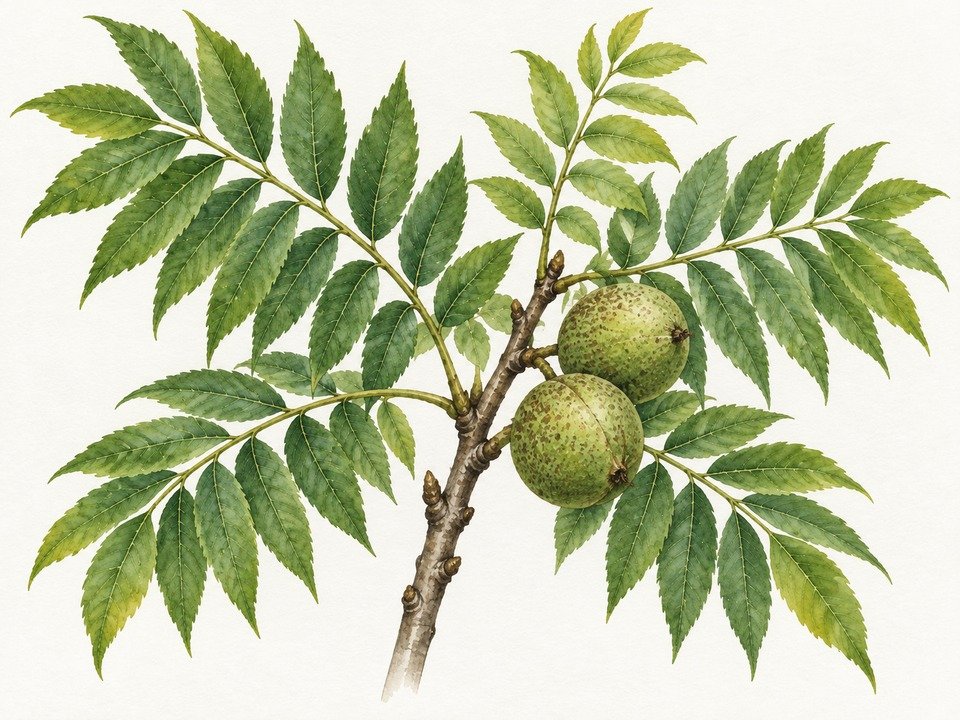 Illustration
Black WalnutJuglans nigraIllustration 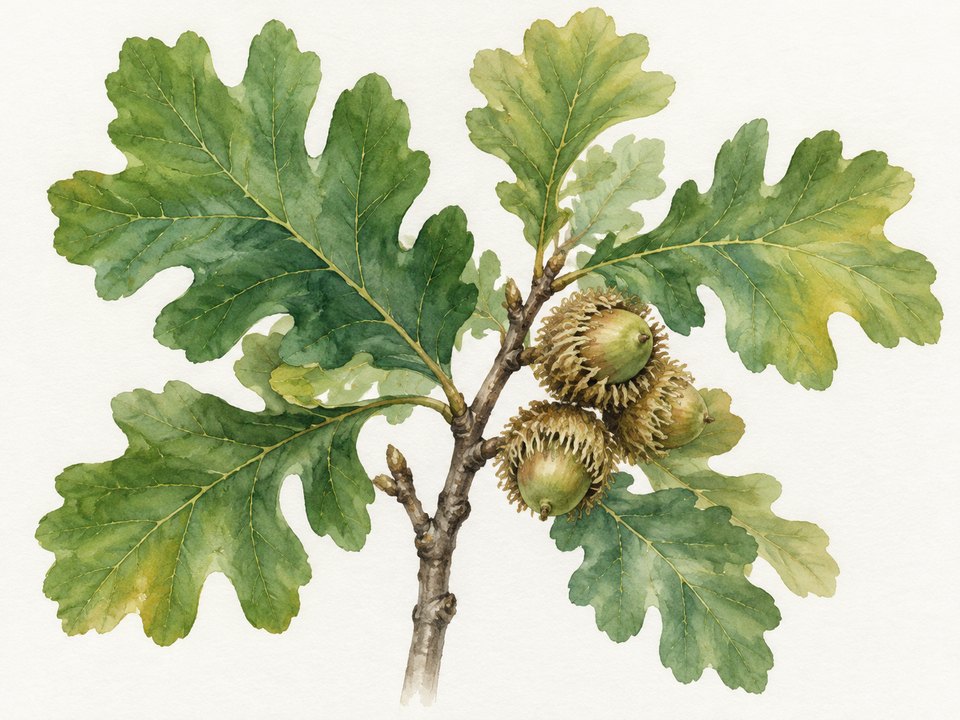 Illustration
Bur OakQuercus macrocarpaIllustration 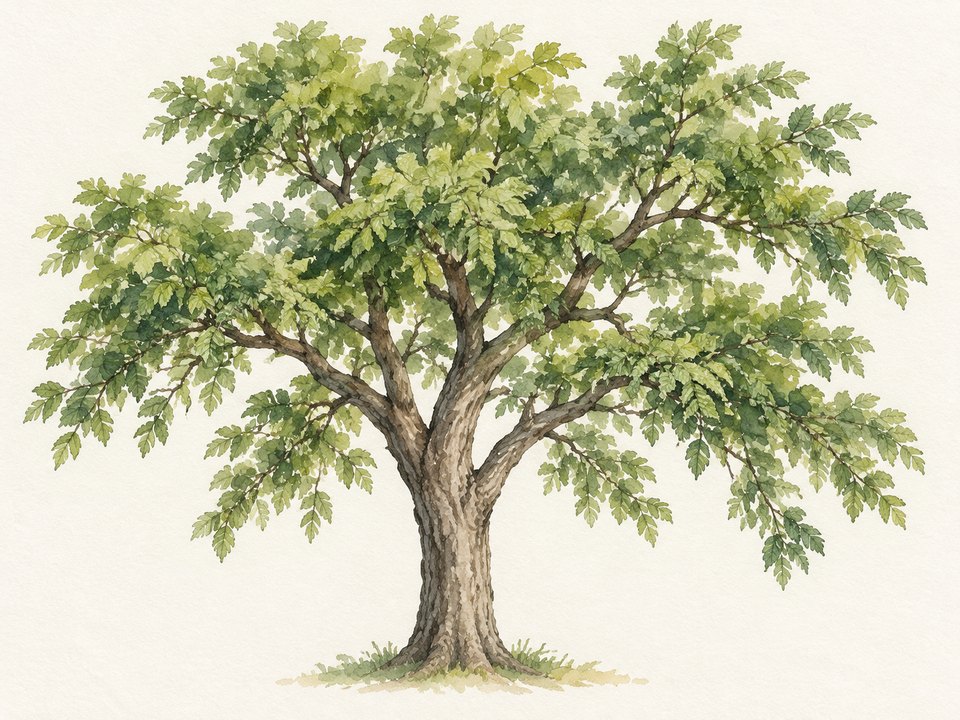 Illustration
Cedar ElmUlmus crassifoliaIllustration 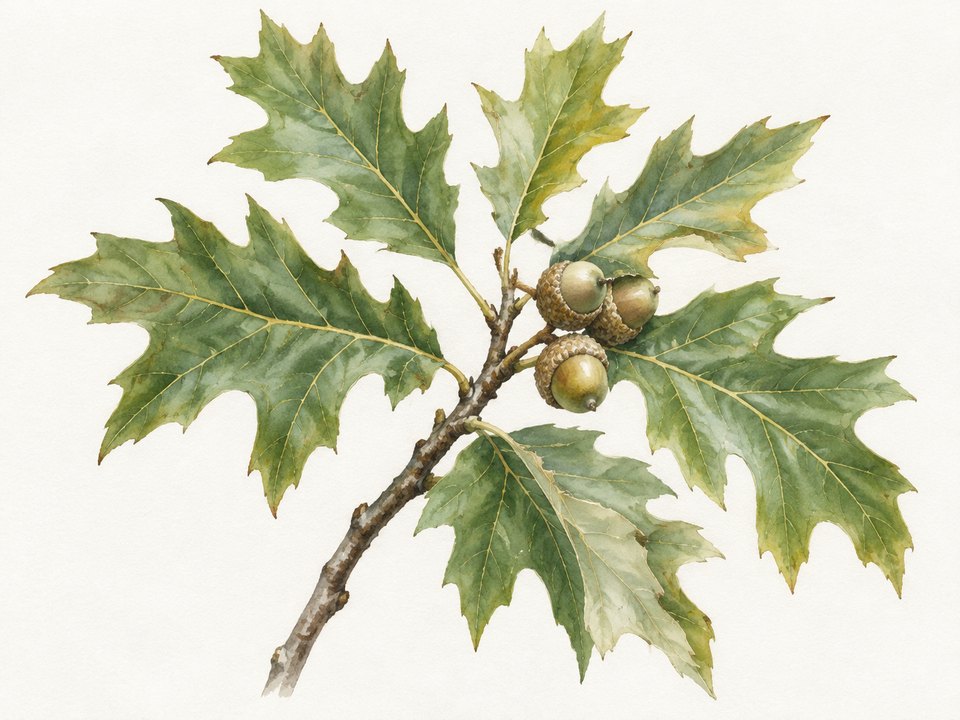 Illustration
Chinquapin OakQuercus muehlenbergiiIllustration 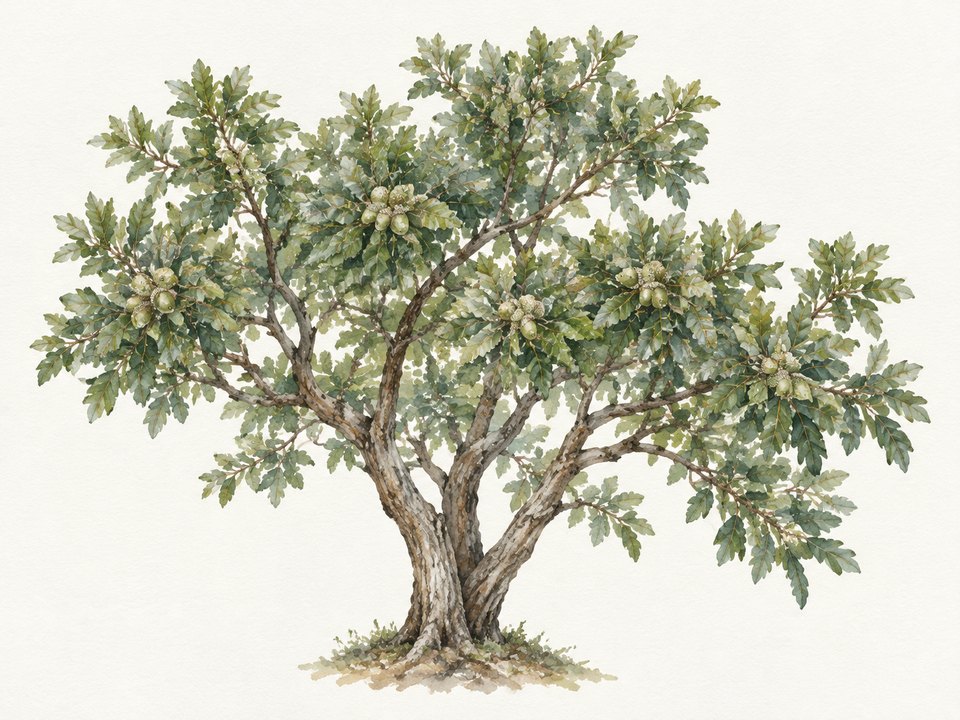 Illustration
Escarpment Live OakQuercus fusiformisIllustration 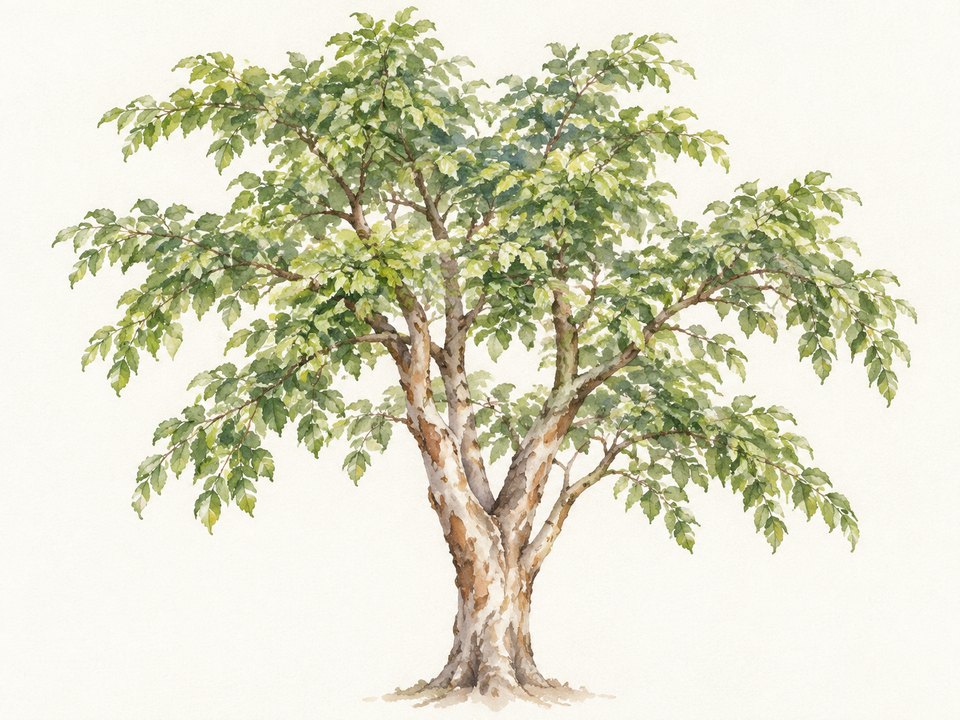 Illustration
Lacebark ElmUlmus parvifoliaIllustration 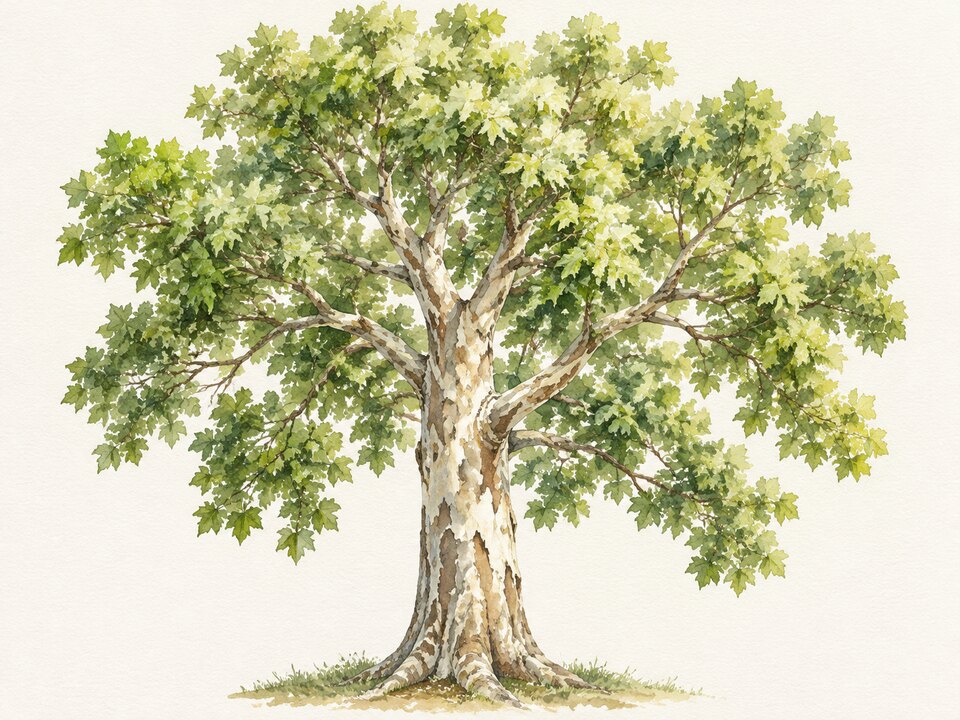 Illustration
Mexican SycamorePlatanus mexicanaIllustration 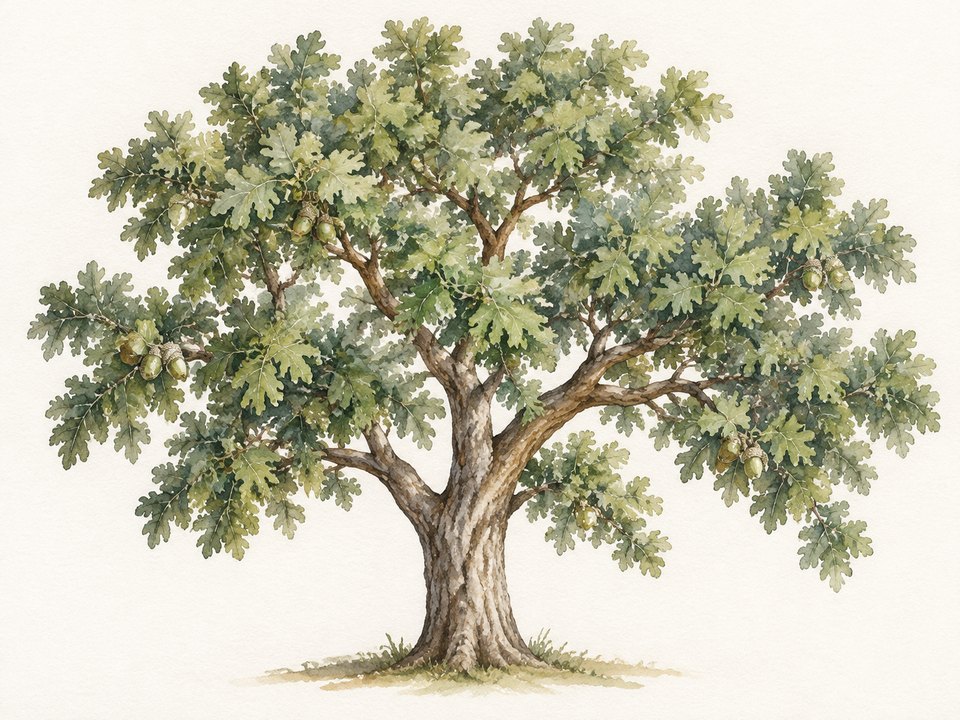 Illustration
Monterrey OakQuercus polymorphaIllustration 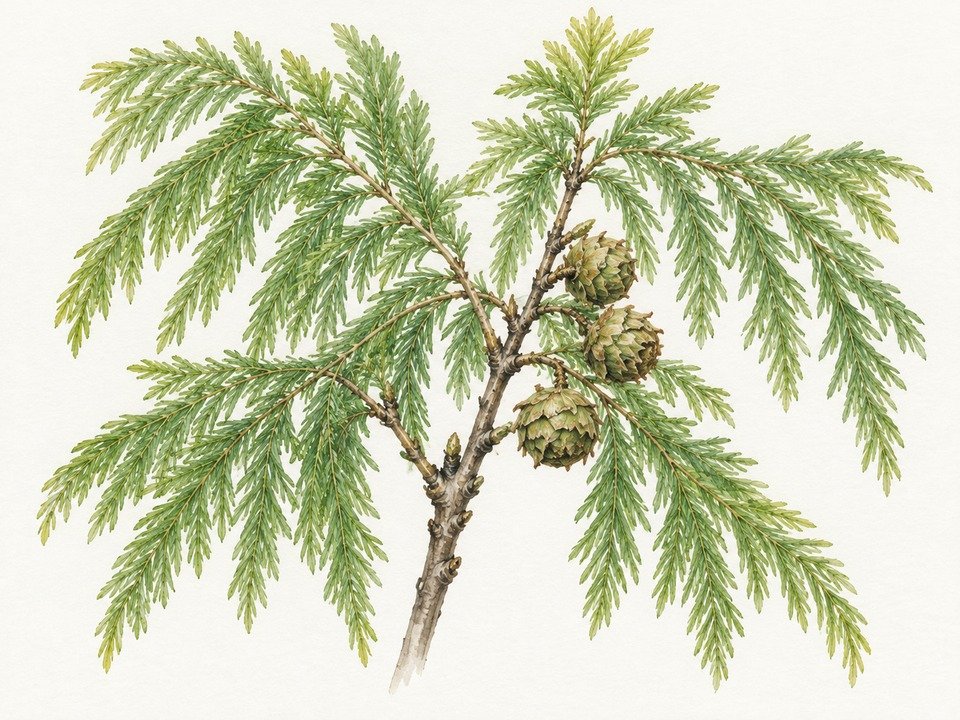 Illustration
Montezuma CypressTaxodium mucronatumIllustration 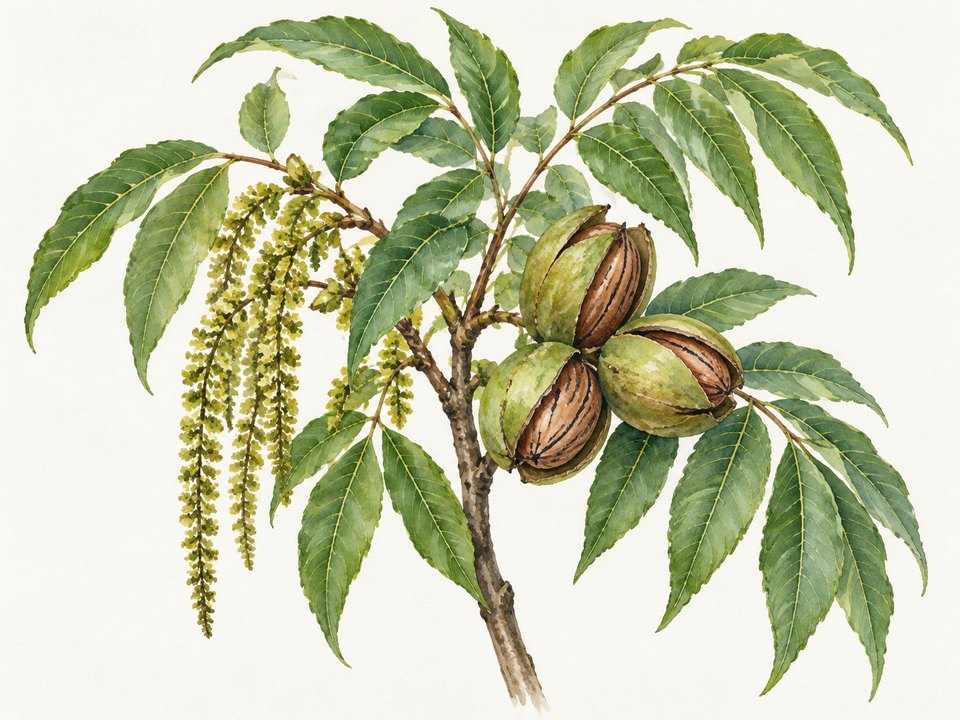 Illustration
PecanCarya illinoinensisIllustration 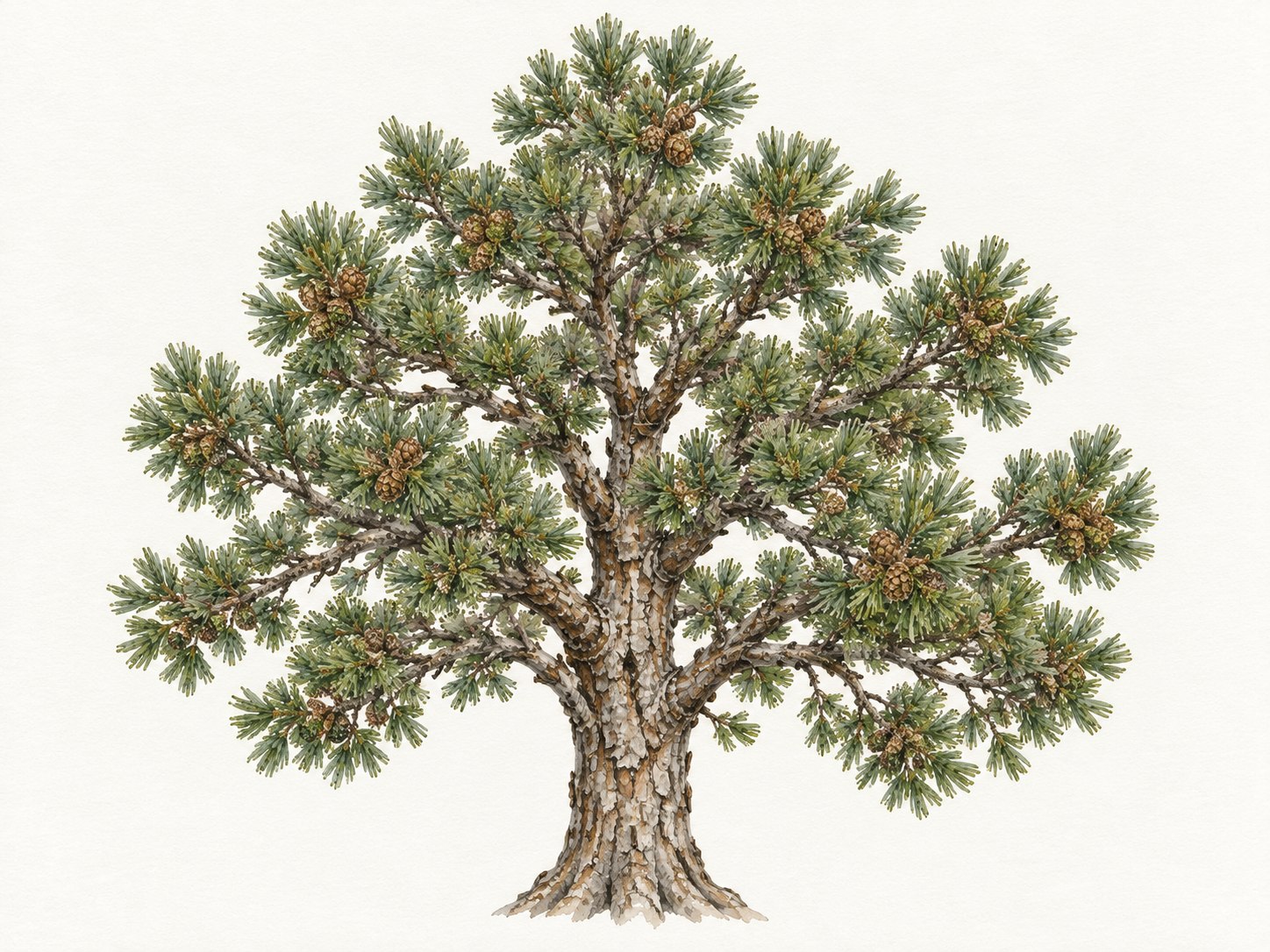 Illustration
Pinon PinePinus remotaIllustration 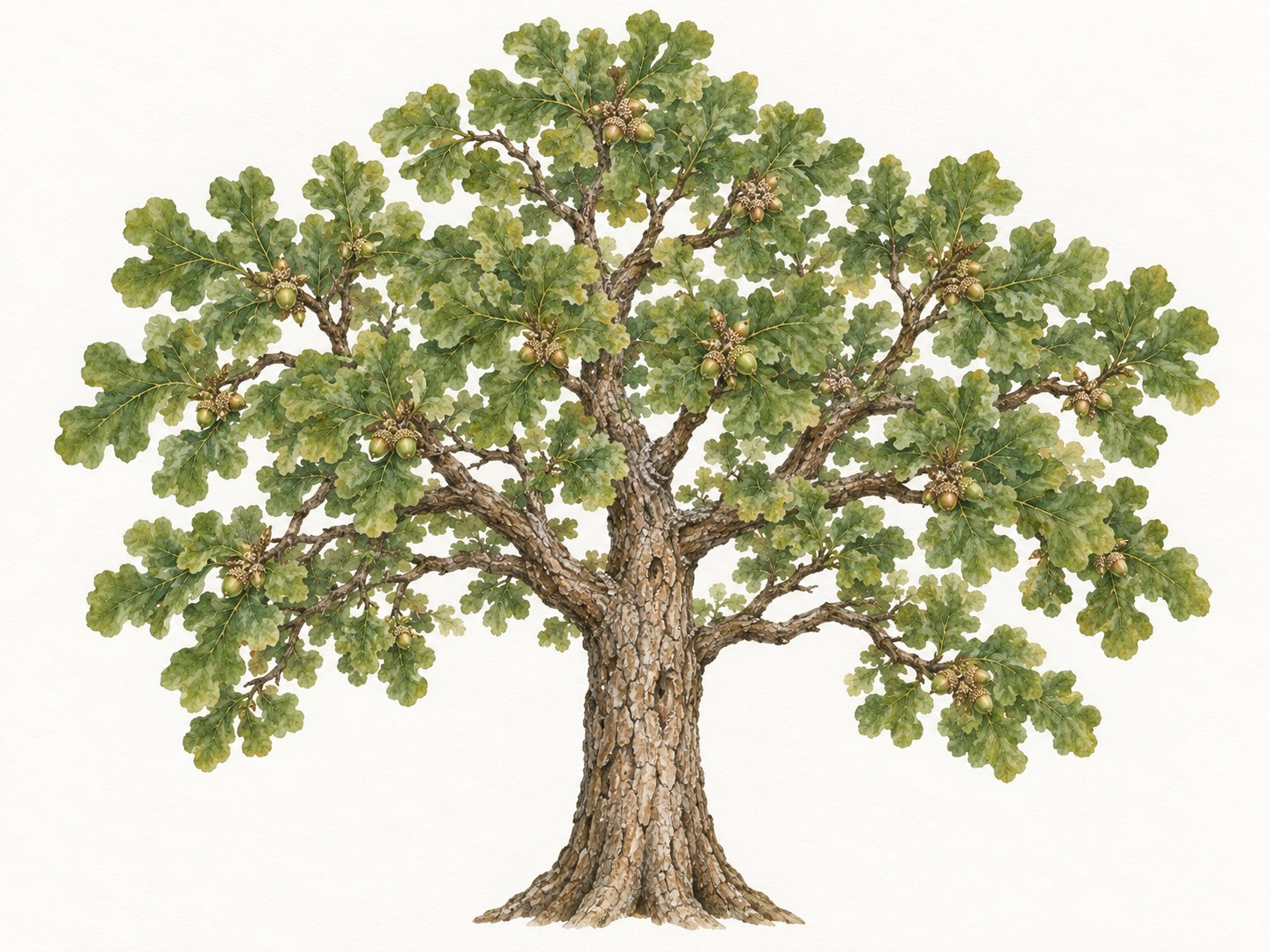 Illustration
Post OakQuercus stellataIllustration 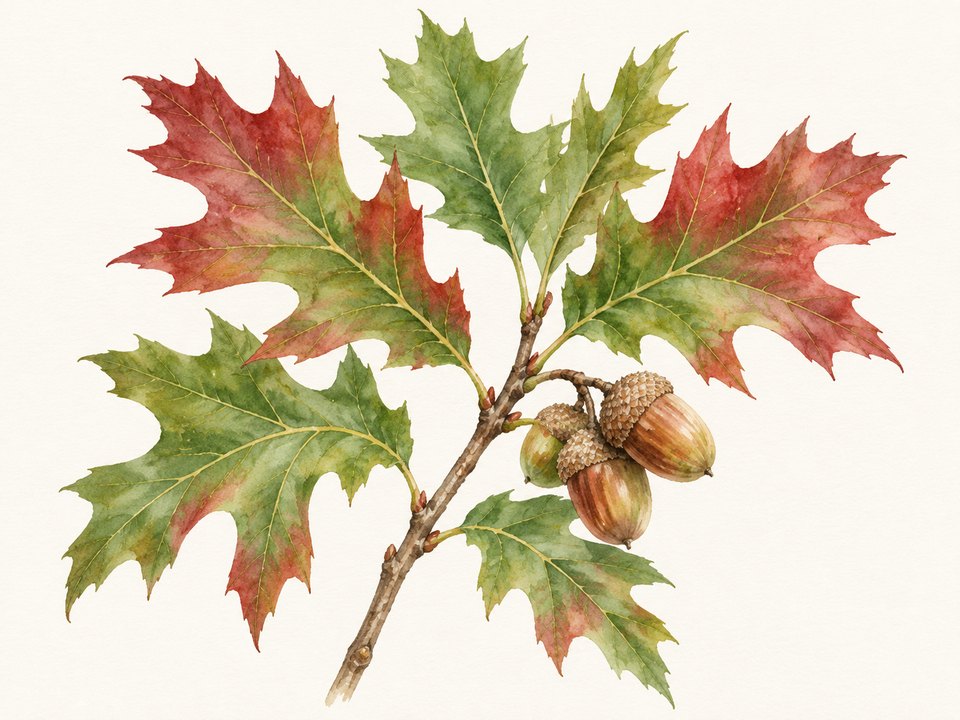 Illustration
Texas Red OakQuercus buckleyiIllustration 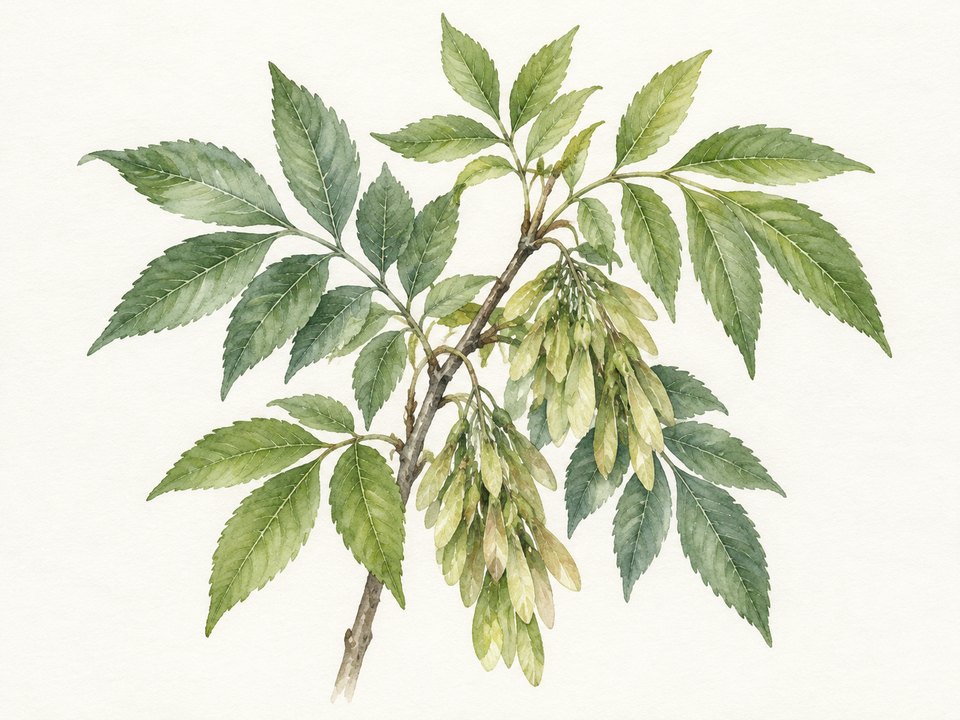 Illustration
Texas AshFraxinus texensisIllustration
Texas Red Oak (Quercus texana)
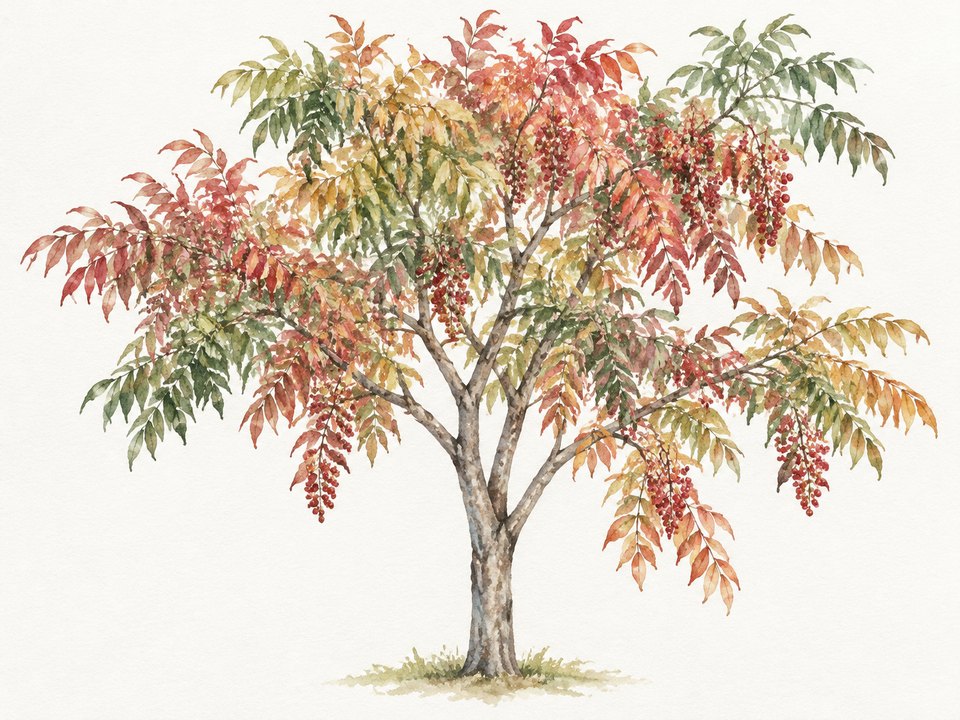 Illustration
Chinese PistachePistacia chinensisIllustration 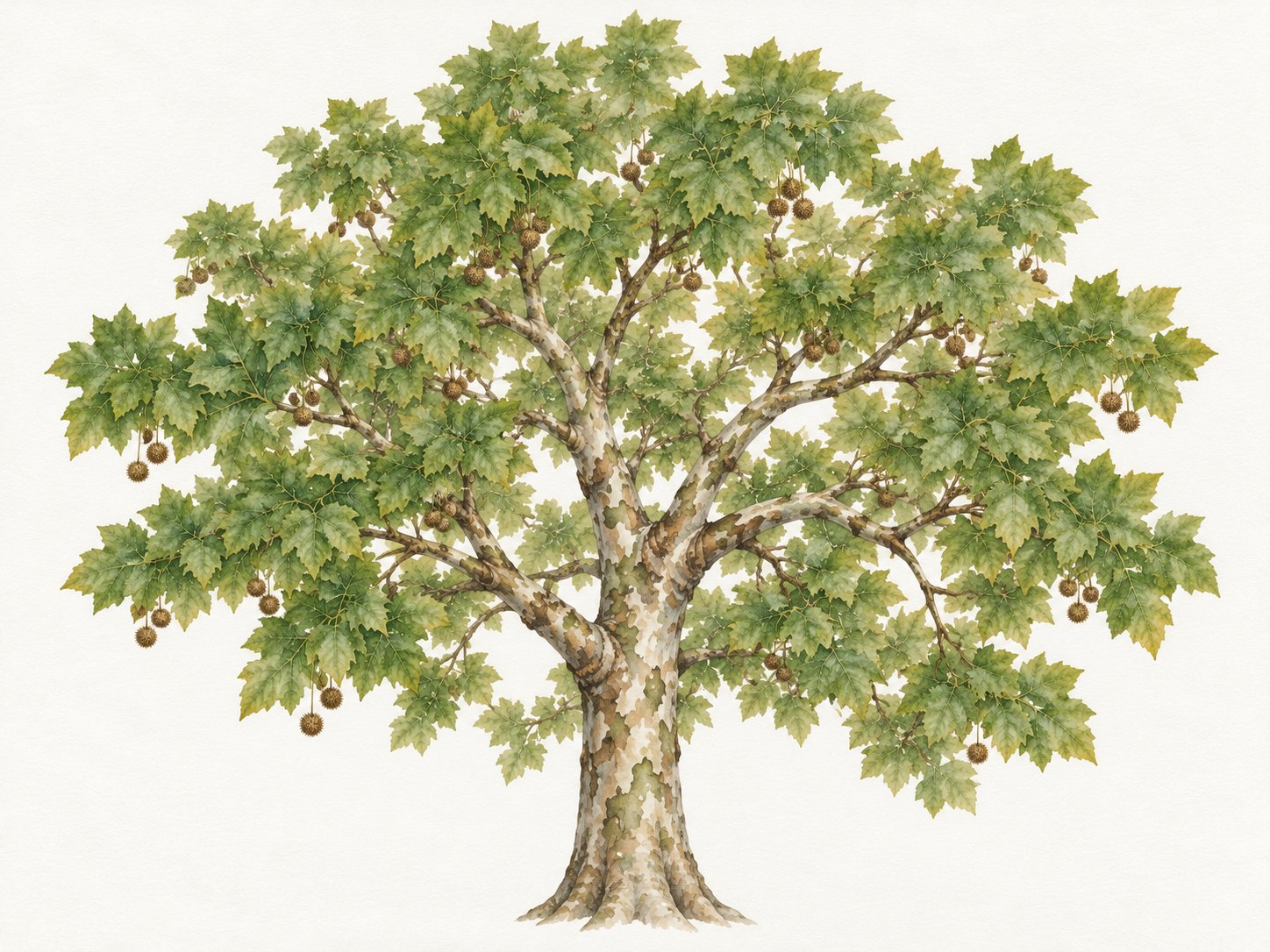 Illustration
Texas SycamorePlatanus occidentalis var. glabrataIllustration
Medium & Small Trees
Anacacho Orchid Tree (Bauhinia lunarioides); Chinese Pistache (Pistacia chinensis); Condalia (Condalia hookeri); Crapemyrtle (Lagerstroemia indica); Desert Willow (Chilopsis linearis); Honey Mesquite (Prosopis glandulosa); Hybrid Crapemyrtle (Lagerstroemia faueri x.); Little-leaf Sumac (Rhus microphylla); Little Walnut (Juglans microcarpa); Mexican Buckeye (Ungadia speciosa); Mexican Plum (Prunus mexicana); Mexican Poinciana (Caesalpinia mexicana); Mexican Redbud (C. canadensis v. mexicana); Mountain Cedar (Juniperus ashei); Possumhaw Holly (Ilex decidua); Prairie Flame Sumac (Rhus copallina v. lanceolata); Red Buckeye (Aesculus pavia); Smoke Tree (Cotinus obovatus); Texas Black Walnut (Juglans macrocarpa); Texas Buckeye (Aesculus arguta); Texas Mountian Laurel (Sophora secondiflora); Texas Persimmon (Diospyros texana); Texas Pistache (Pistacia texana); Texas Redbud (Cercis canadensis v. texensis).[6]
 Illustration
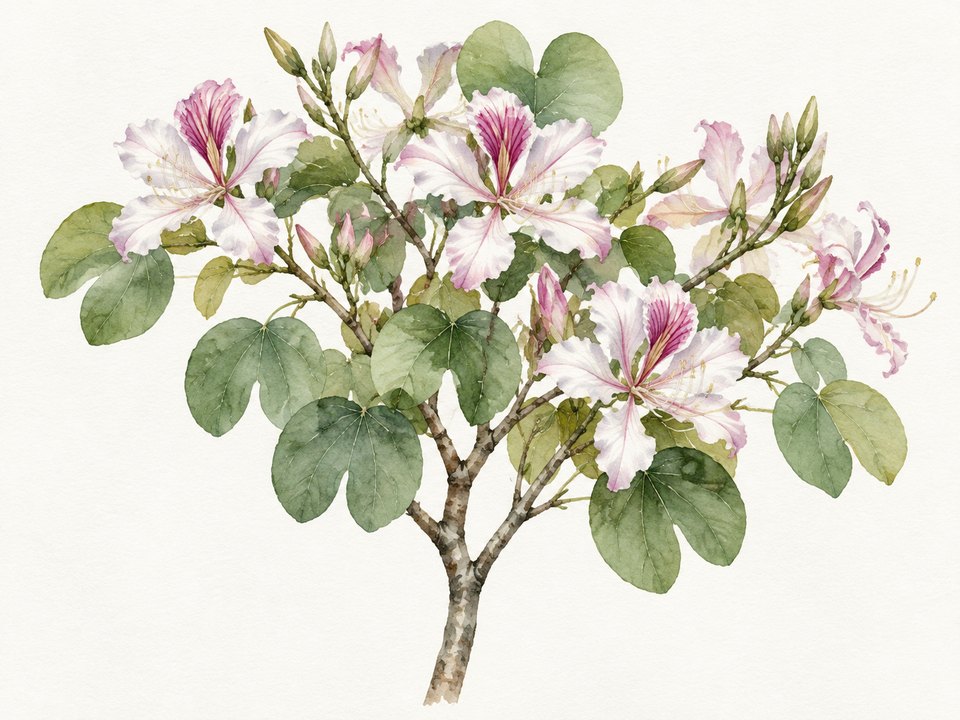
Anacacho OrchidBauhinia lunarioidesIllustration - Illustration
Chinese PistachePistacia chinensisIllustration 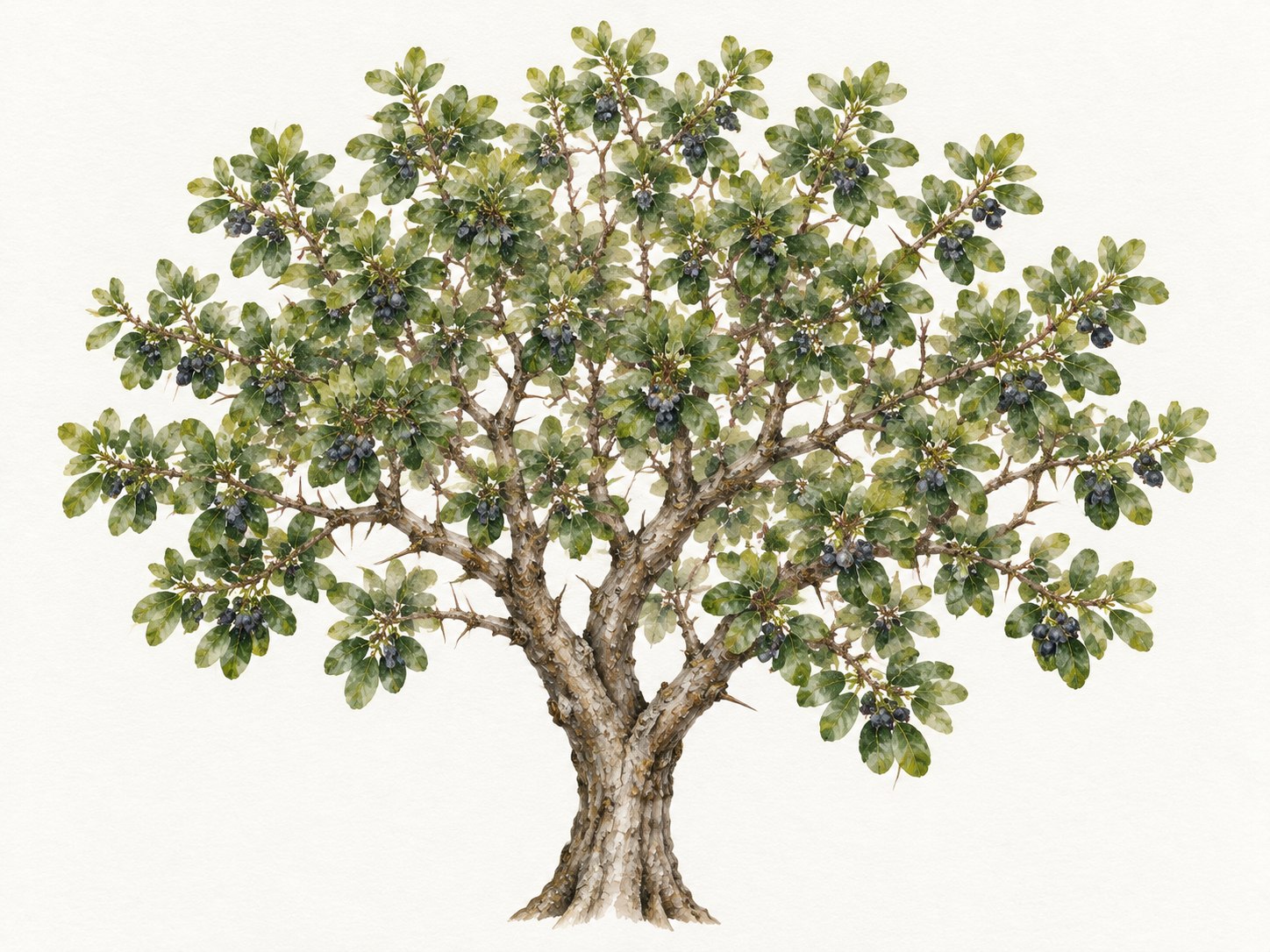 Illustration
CondaliaCondalia hookeriIllustration 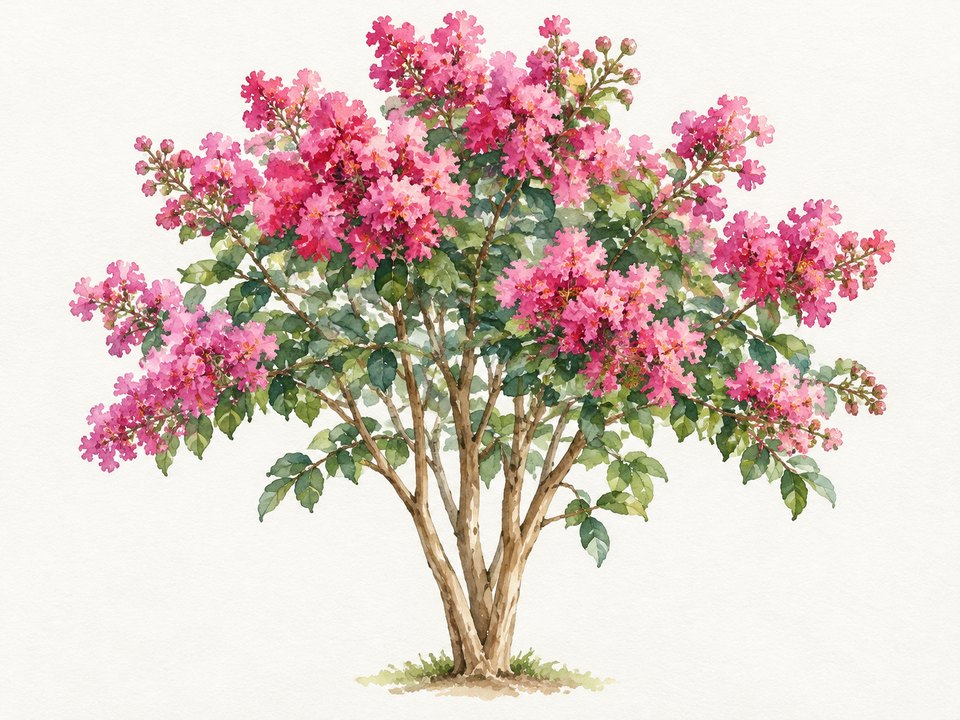 Illustration
Crape MyrtleLagerstroemia indicaIllustration 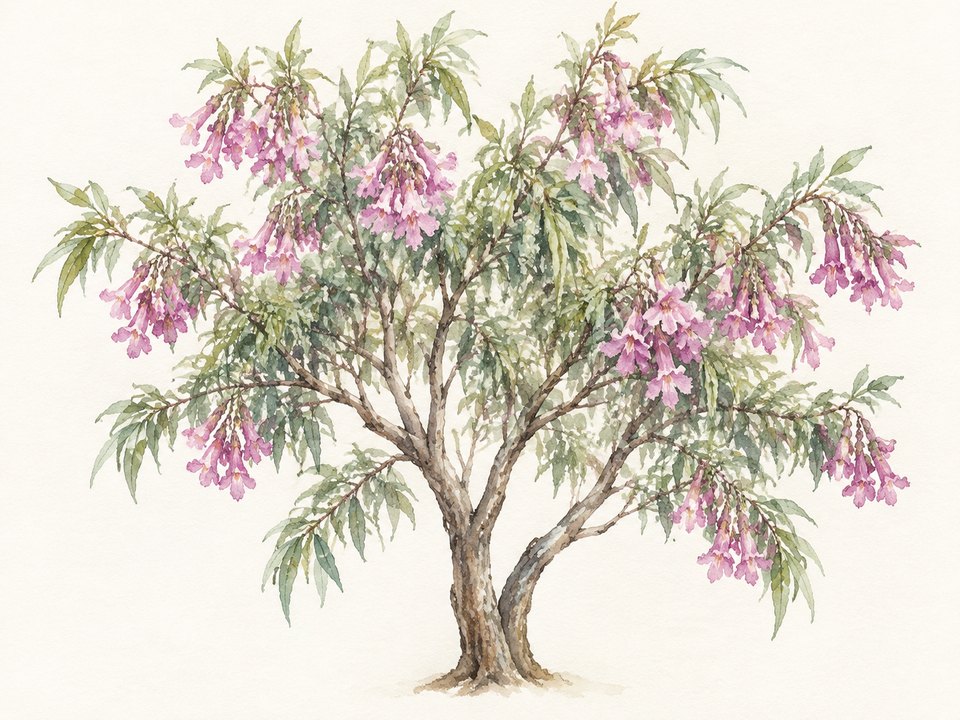 Illustration
Desert WillowChilopsis linearis 'Art's Seedless'Illustration 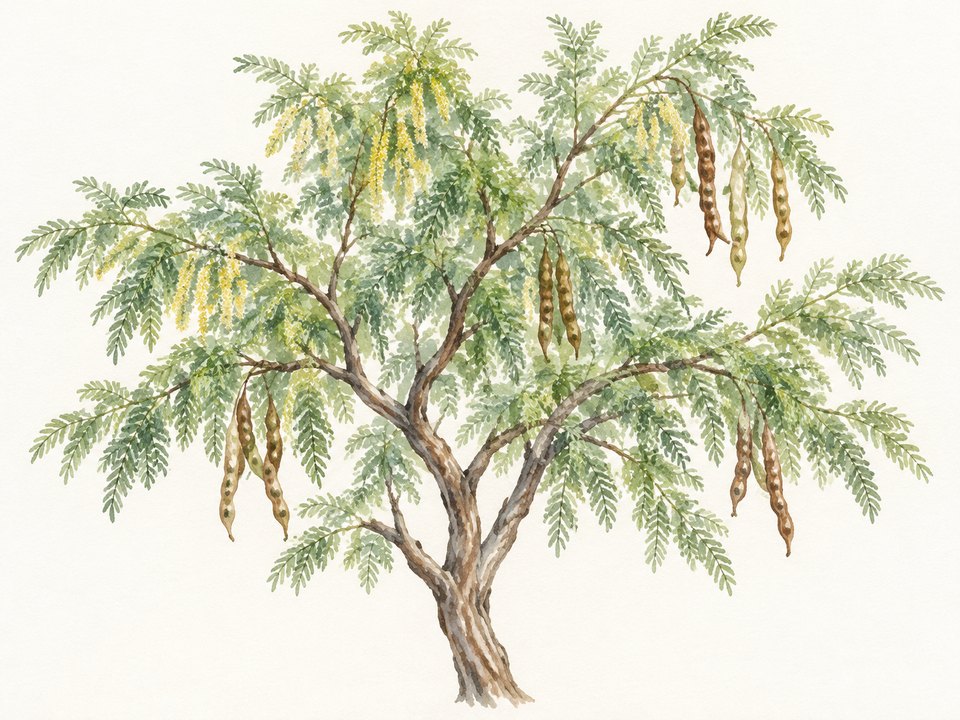 Illustration
MesquiteProsopis glandulosaIllustration 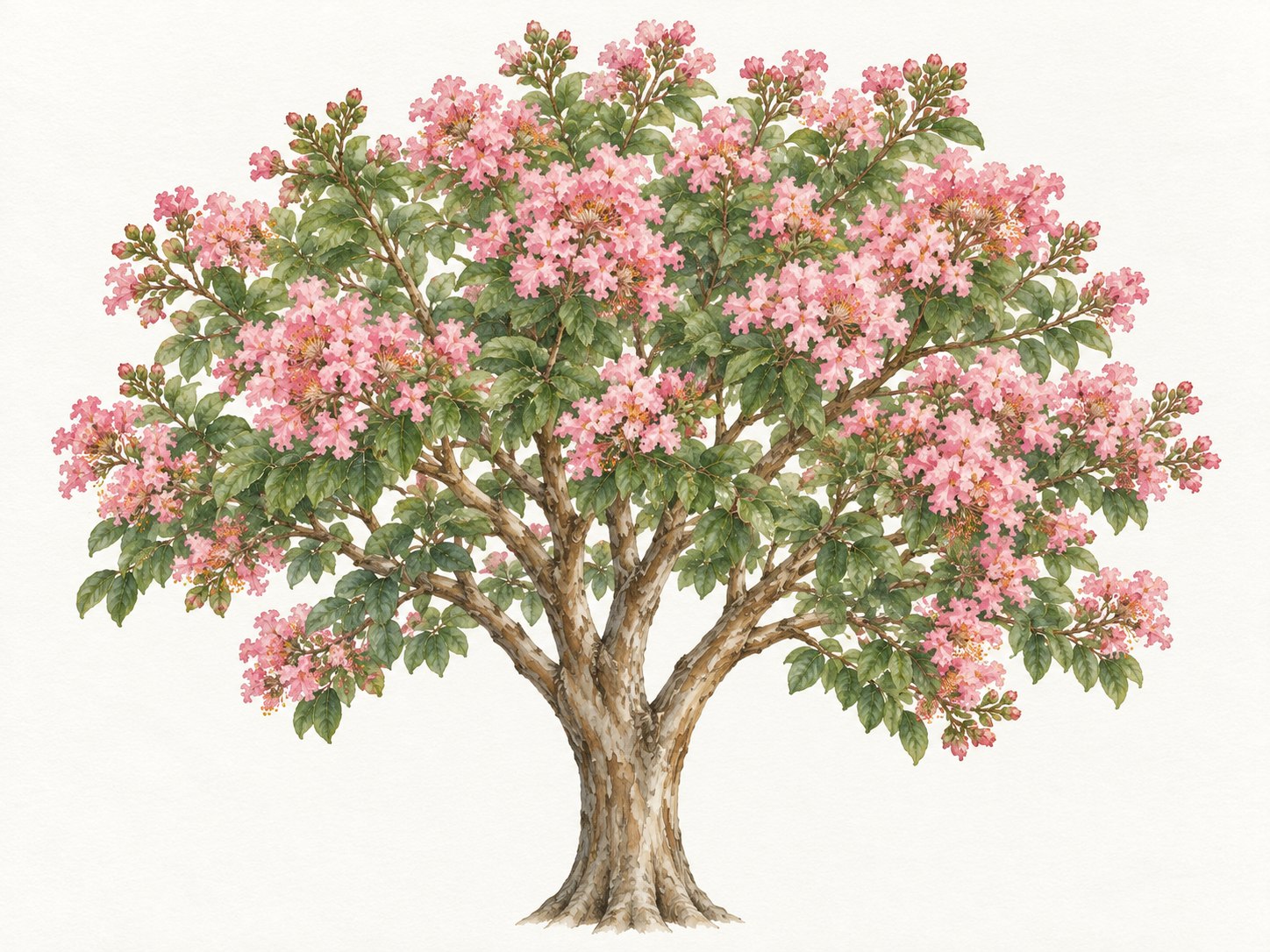 Illustration
Hybrid CrapemyrtleLagerstroemia fauriei hybridIllustration 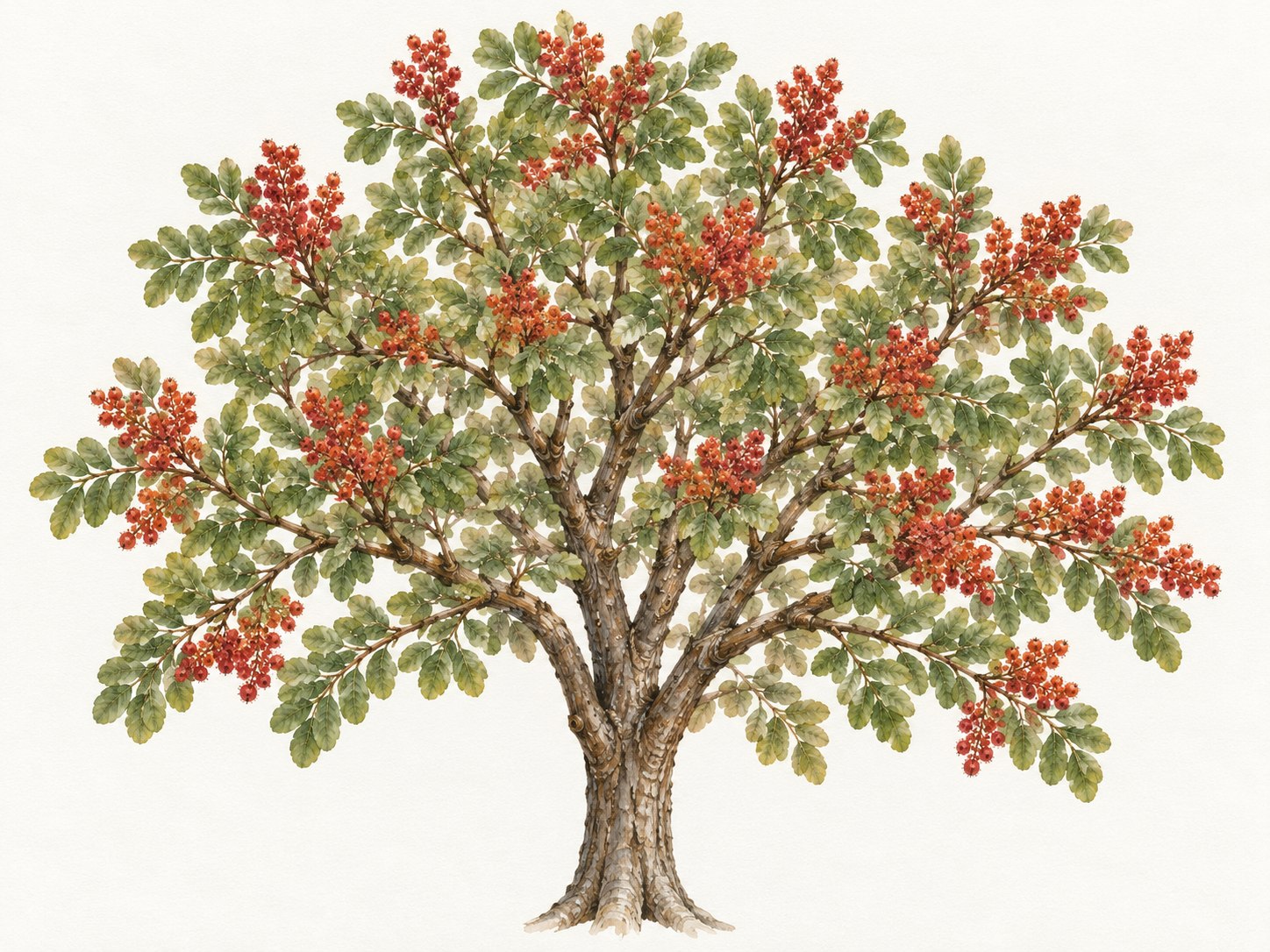 Illustration
Little-leaf SumacRhus microphyllaIllustration 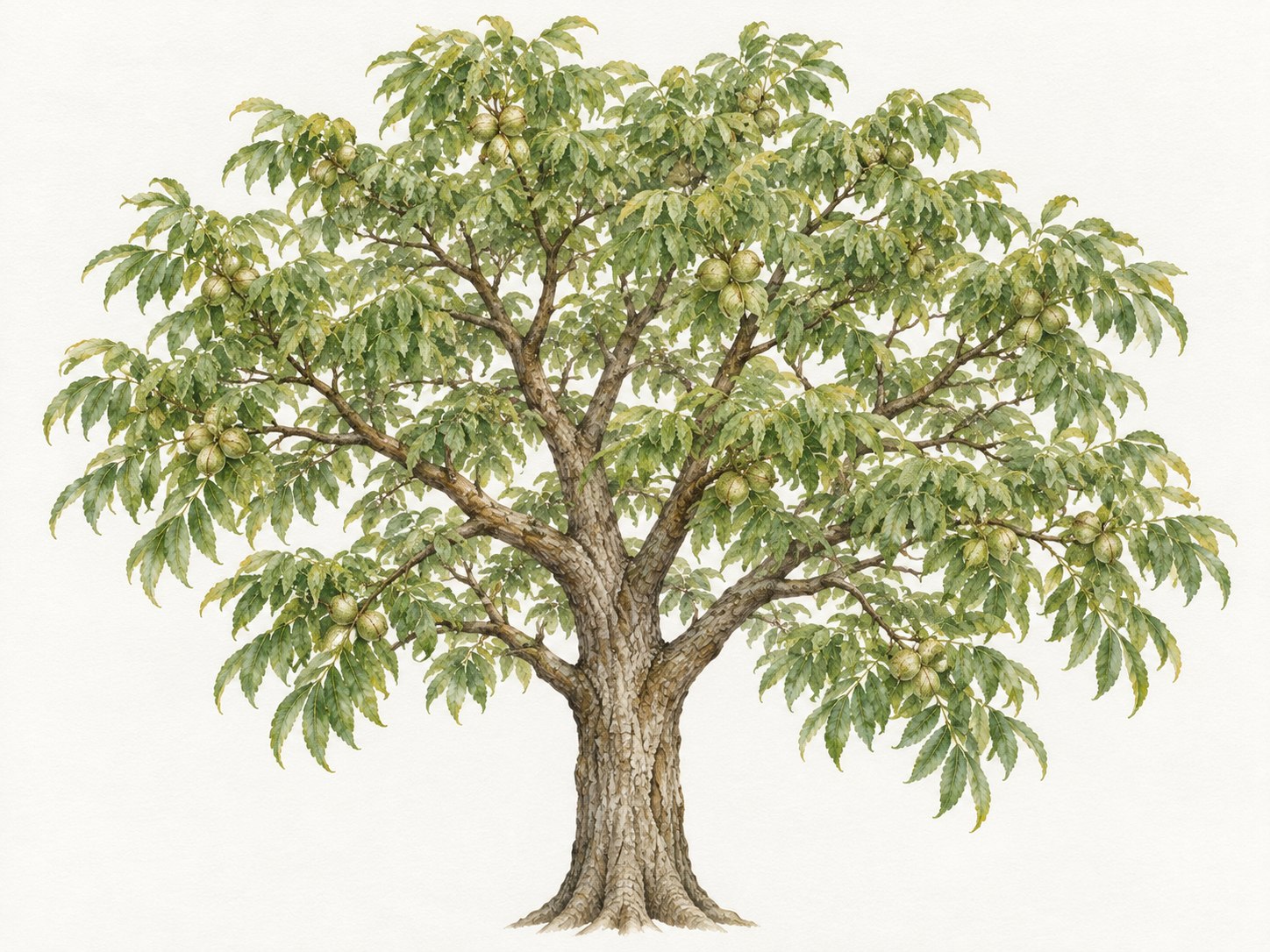 Illustration
Little WalnutJuglans microcarpaIllustration 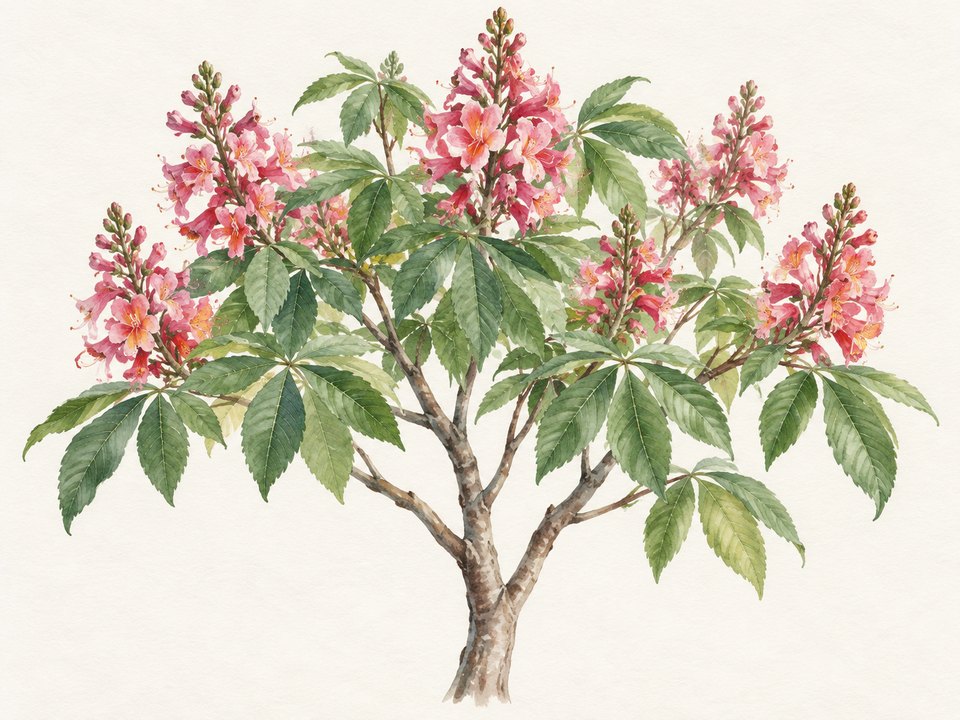 Illustration
Mexican BuckeyeUngnadia speciosaIllustration 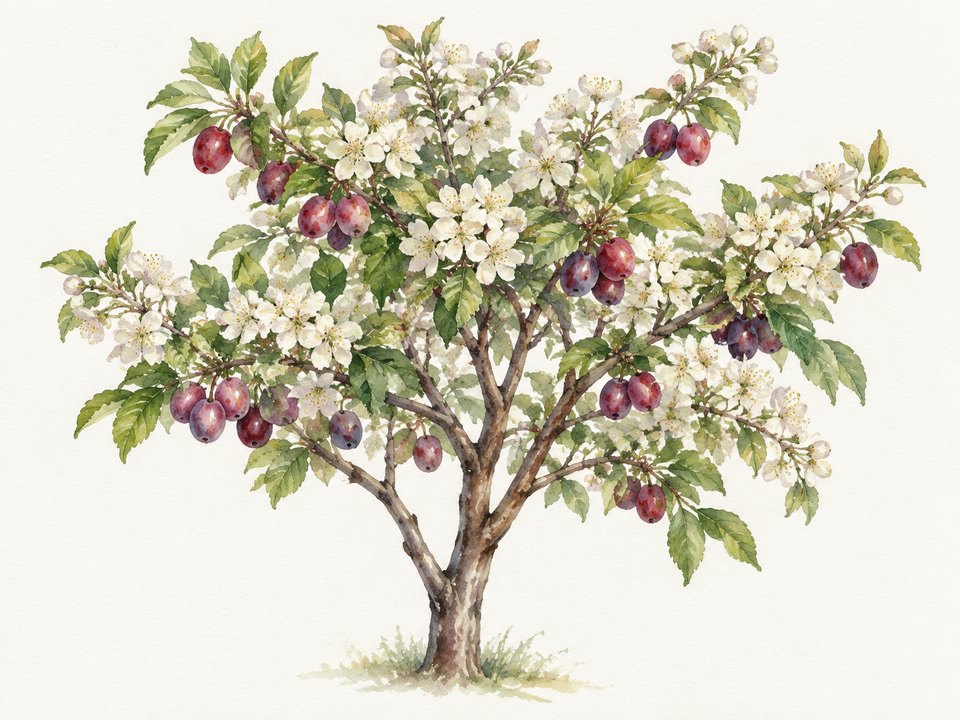 Illustration
Mexican PlumPrunus mexicanaIllustration 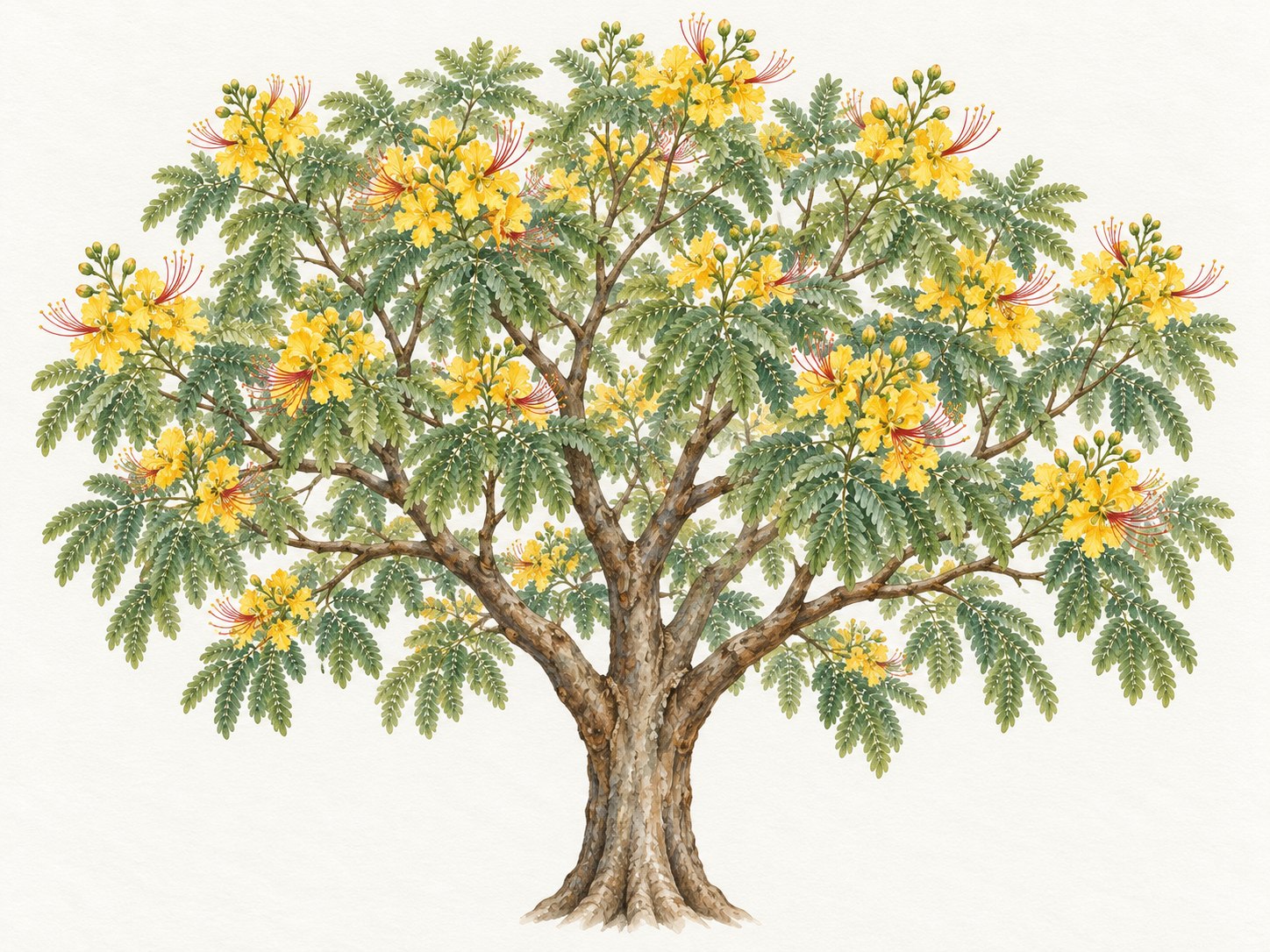 Illustration
Mexican PoincianaCaesalpinia mexicanaIllustration 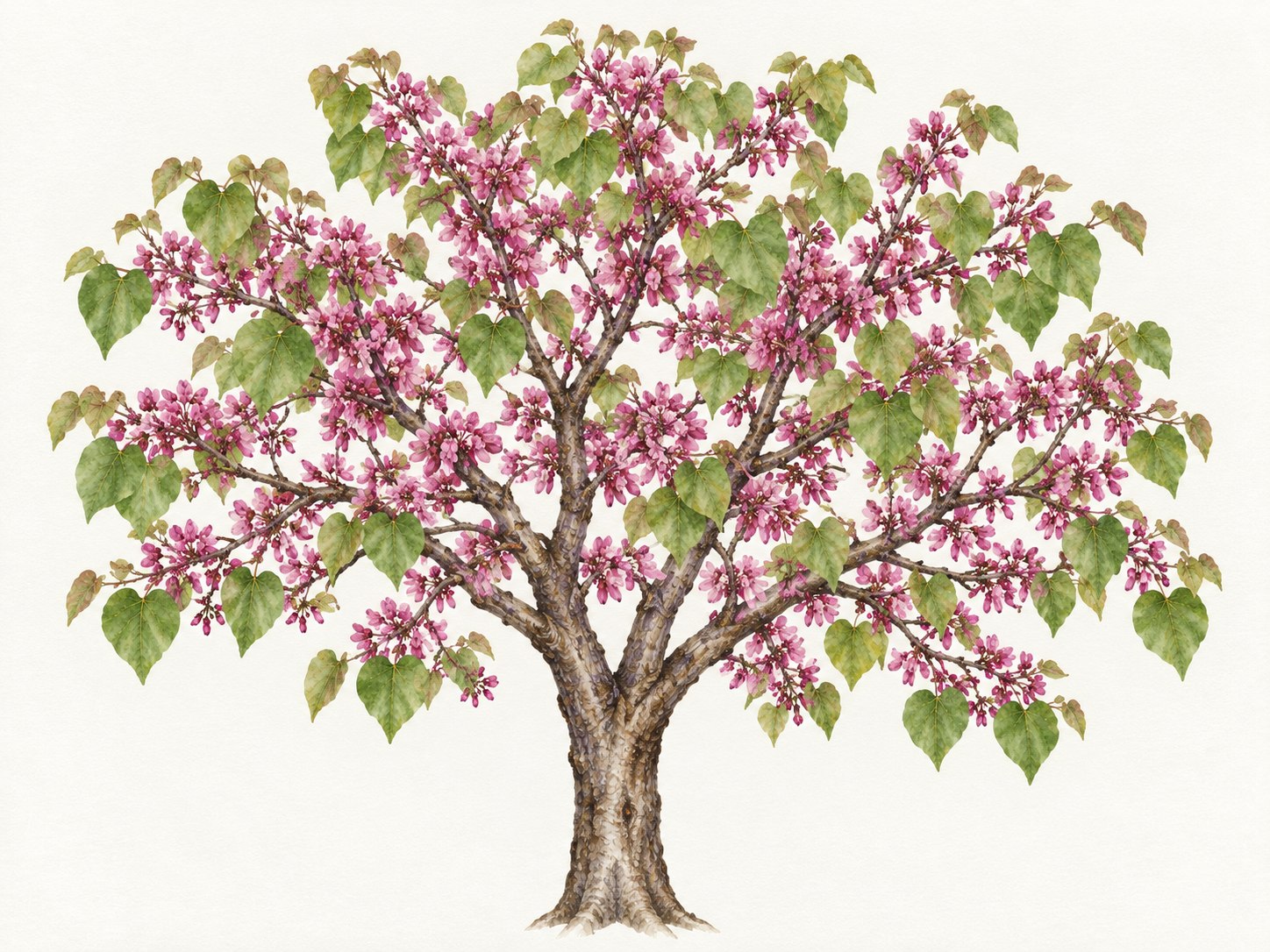 Illustration
Mexican RedbudCercis canadensis var. mexicanaIllustration 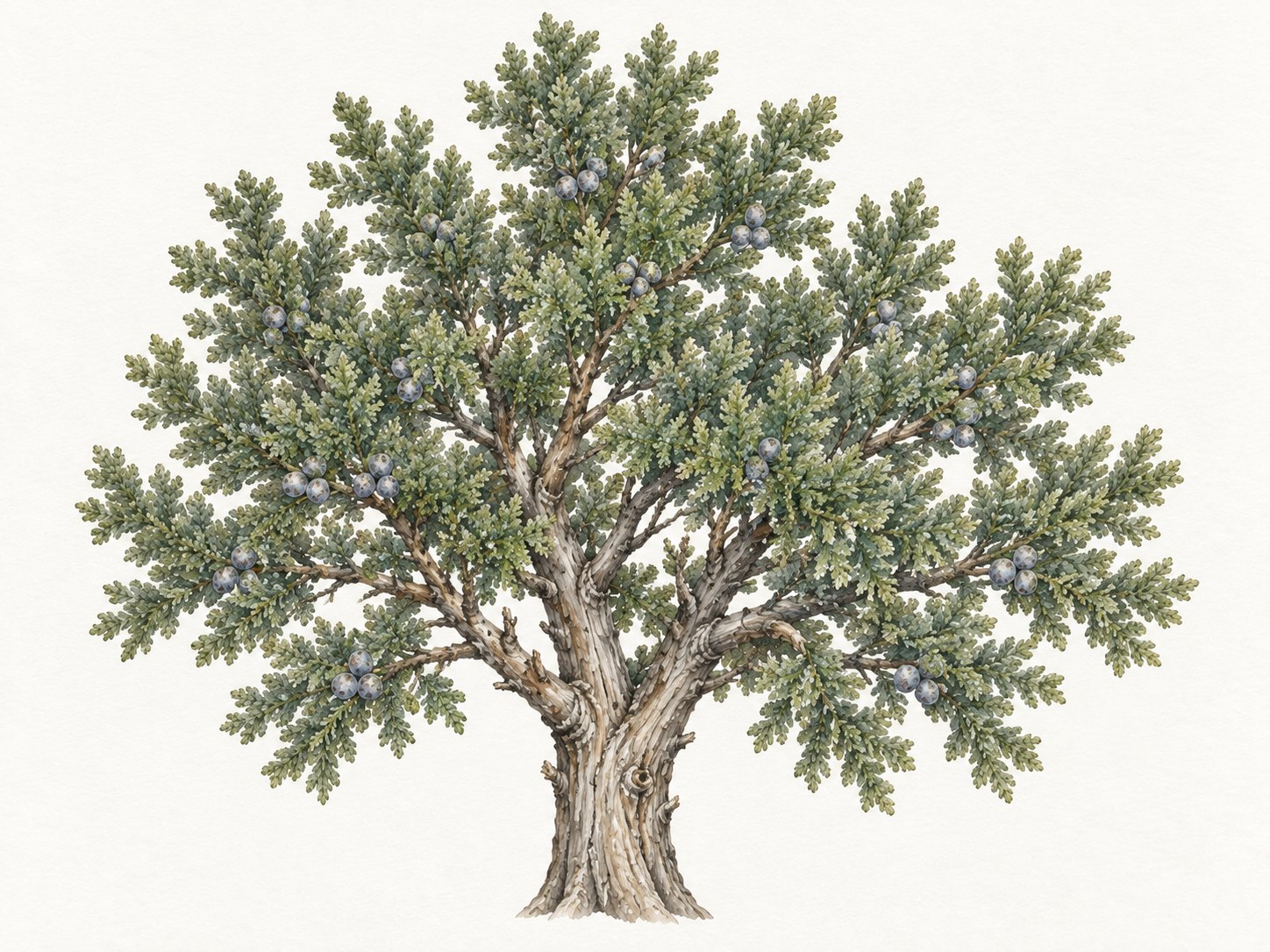 Illustration
Mountain CedarJuniperus asheiIllustration 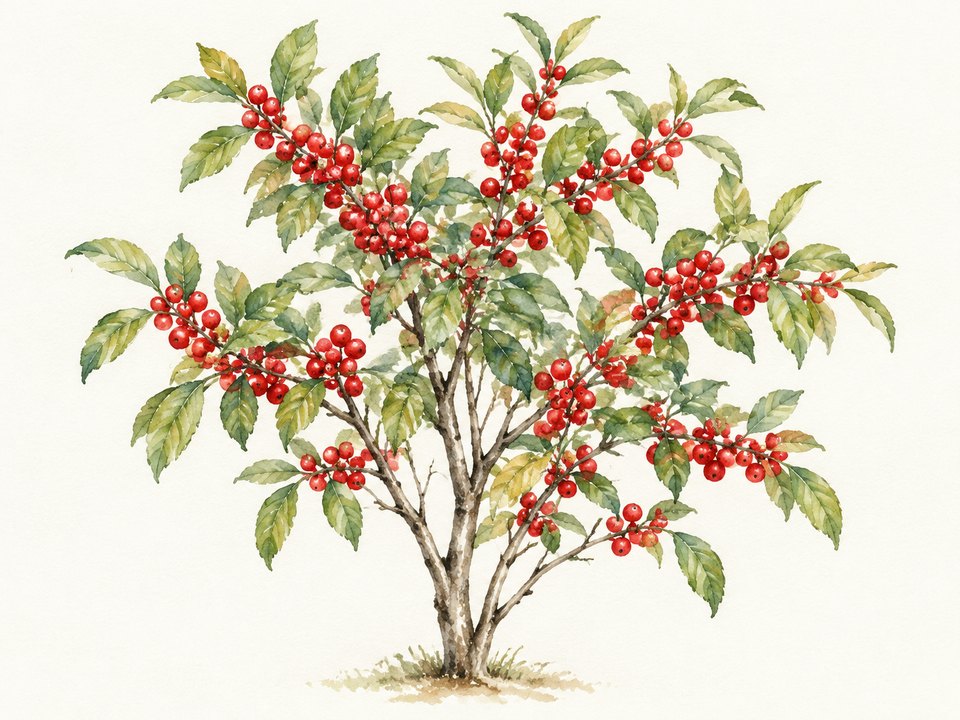 Illustration
Possumhaw HollyIlex deciduaIllustration 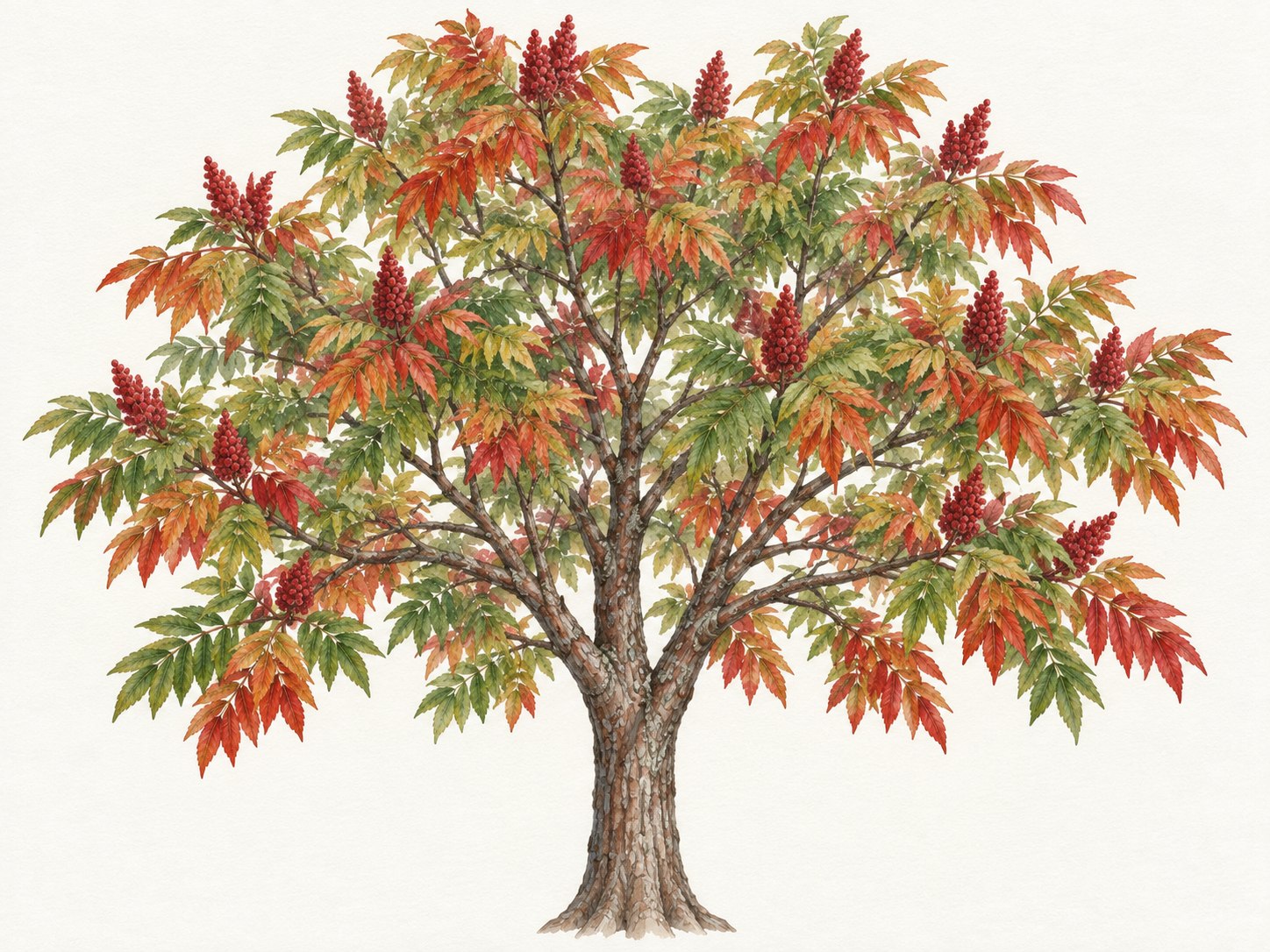 Illustration
Prairie Flame SumacRhus copallina var. lanceolataIllustration 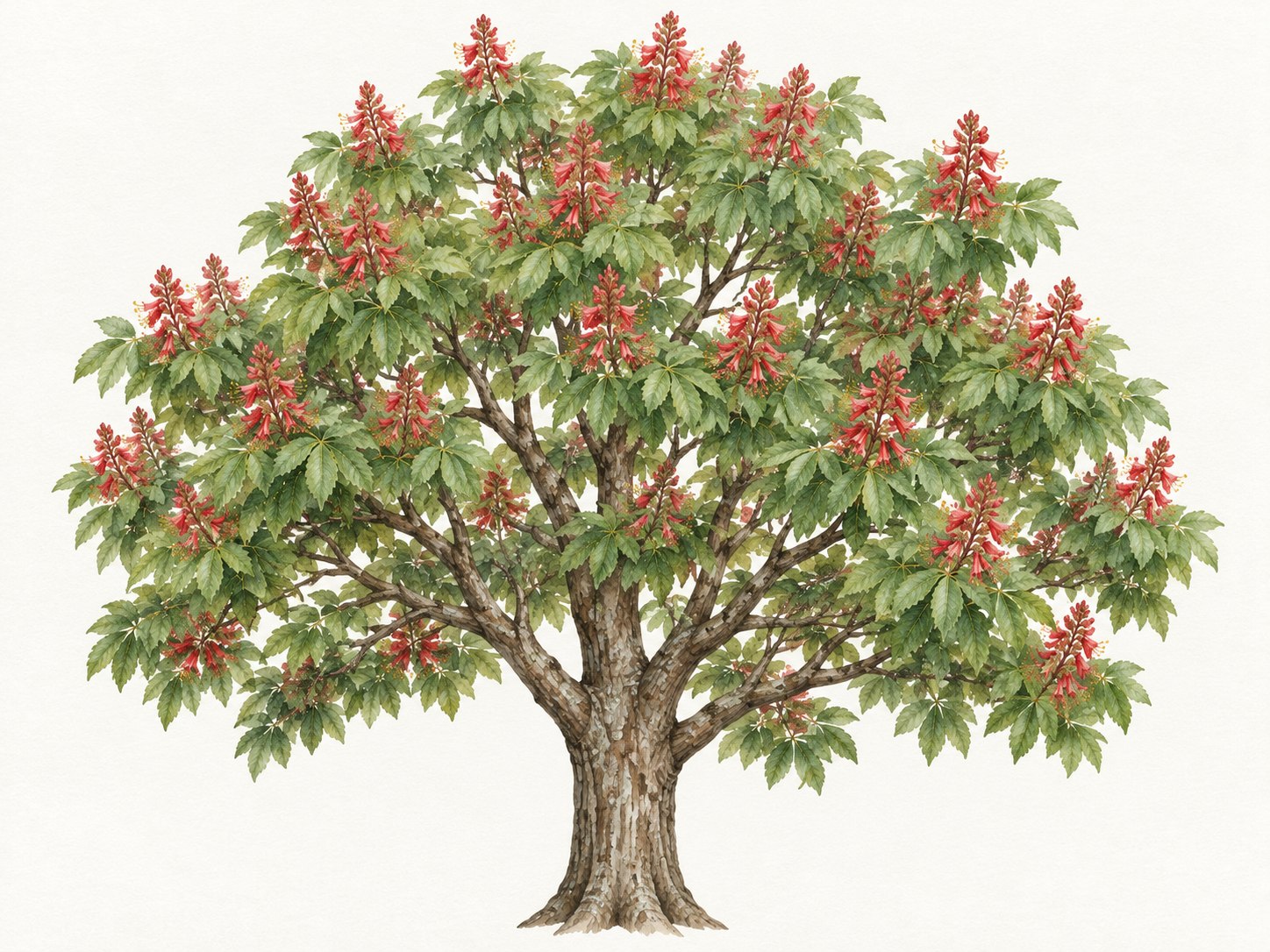 Illustration
Red BuckeyeAesculus paviaIllustration 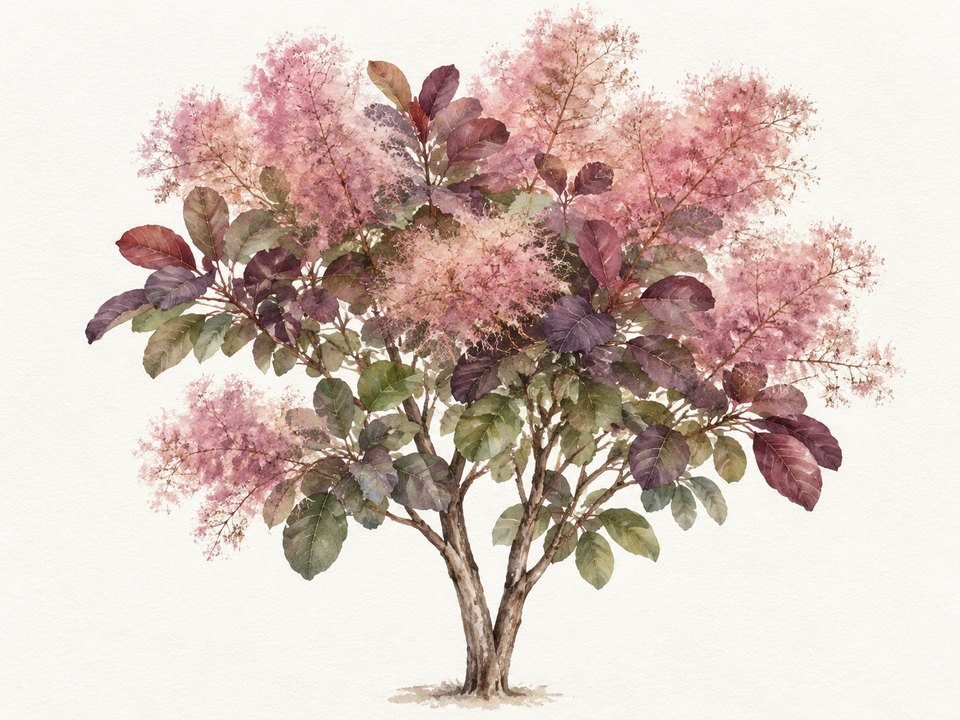 Illustration
American SmoketreeCotinus obovatusIllustration 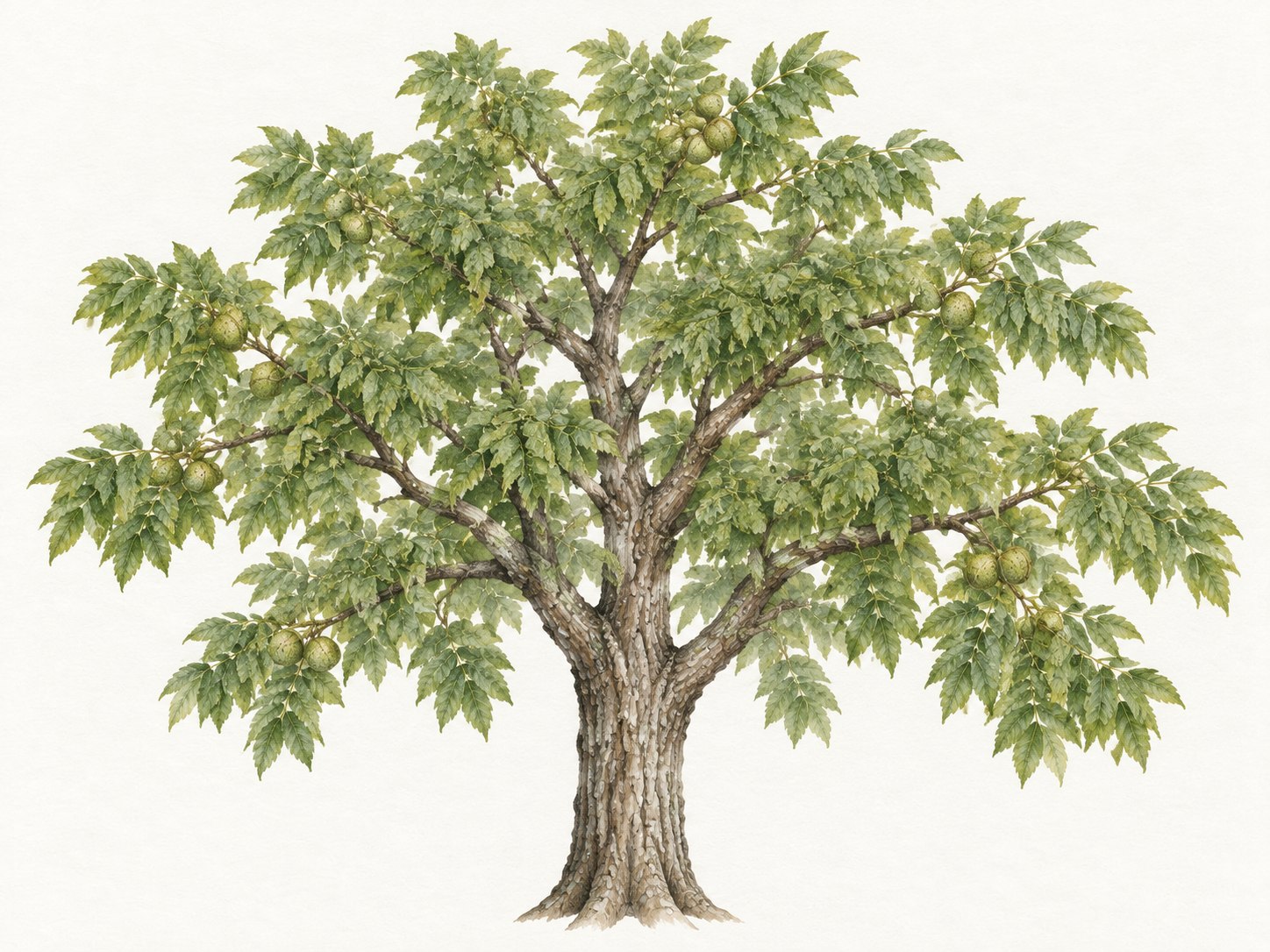 Illustration
Texas Black WalnutJuglans macrocarpaIllustration 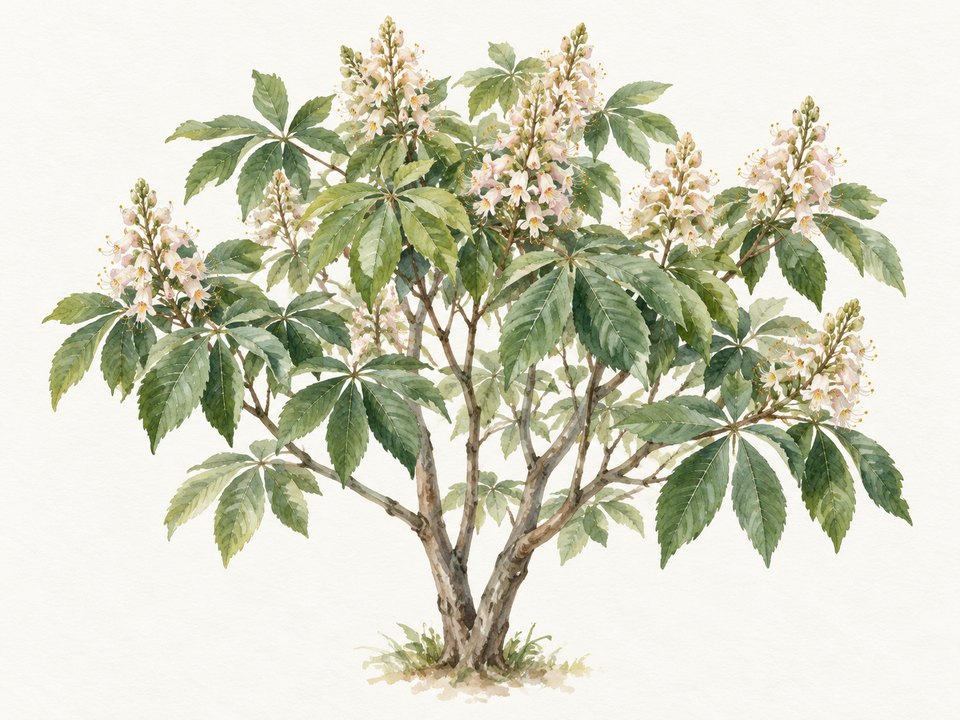 Illustration
Texas BuckeyeAesculus glabra var. argutaIllustration 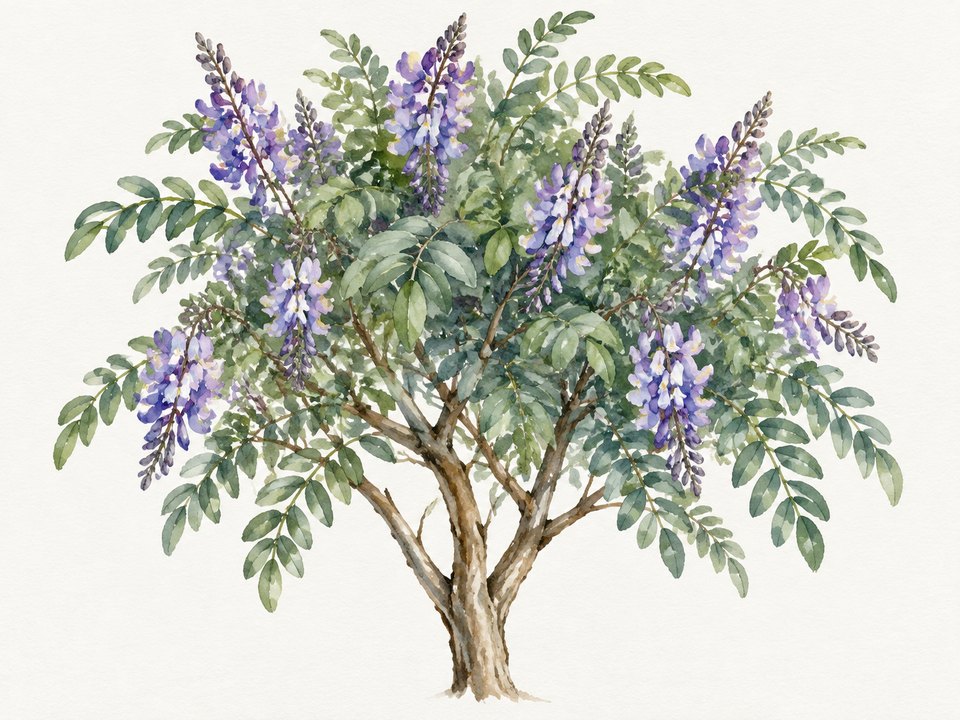 Illustration
Mountain LaurelSophora secundifloraIllustration 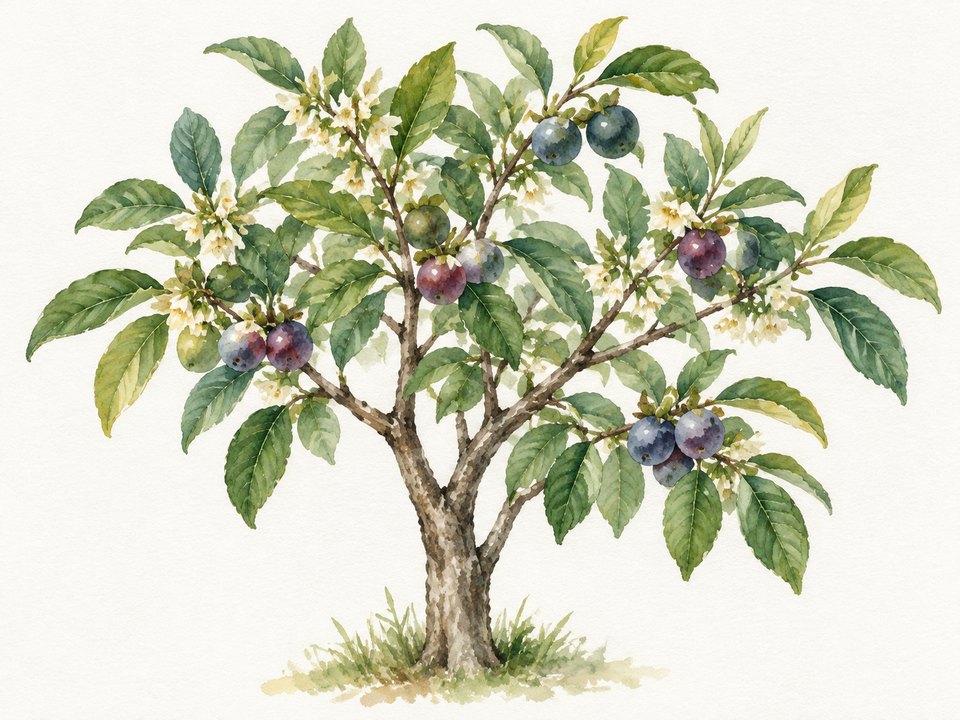 Illustration
Texas PersimmonDiospyros texanaIllustration 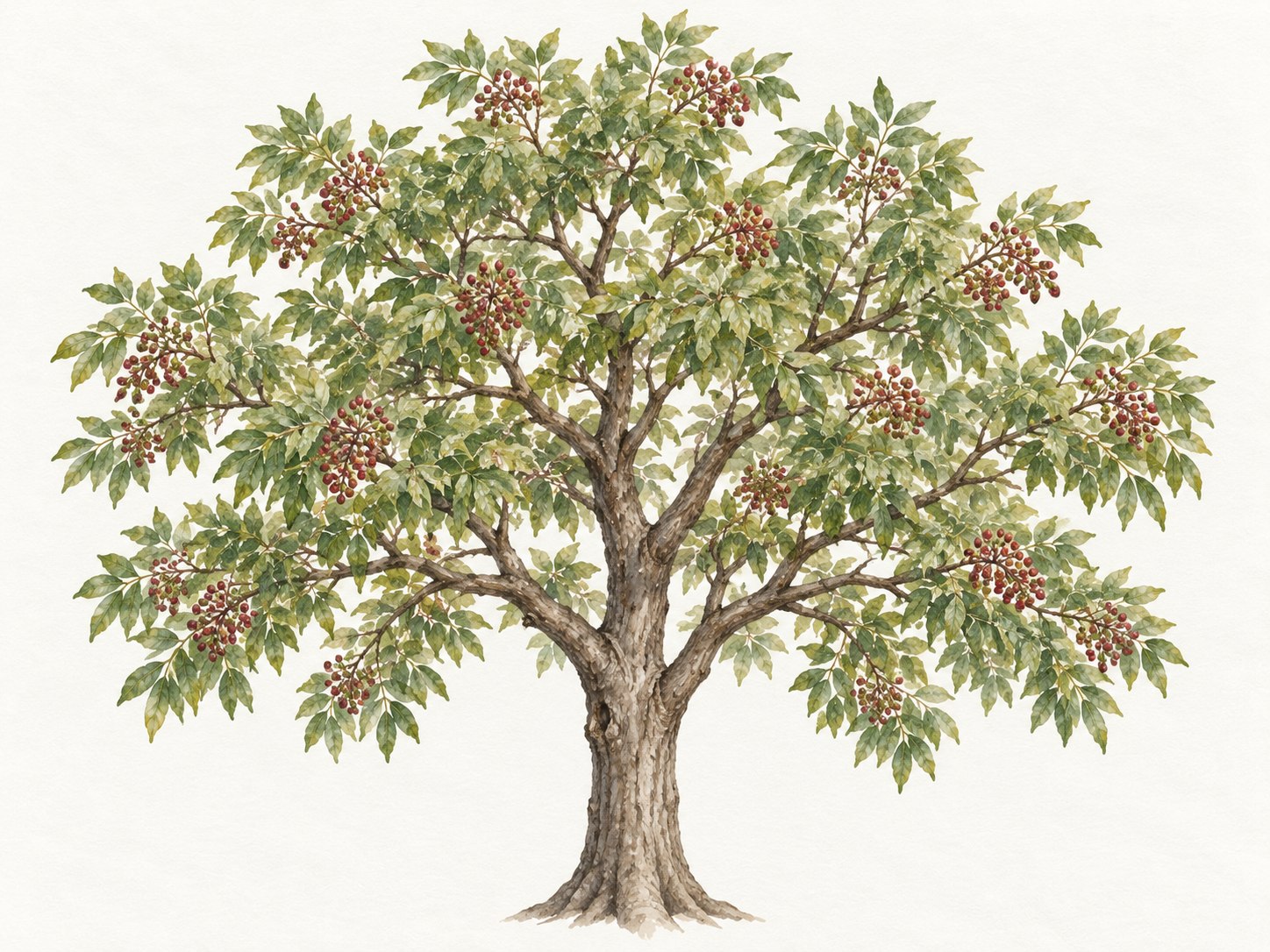 Illustration
Texas PistachePistacia texanaIllustration 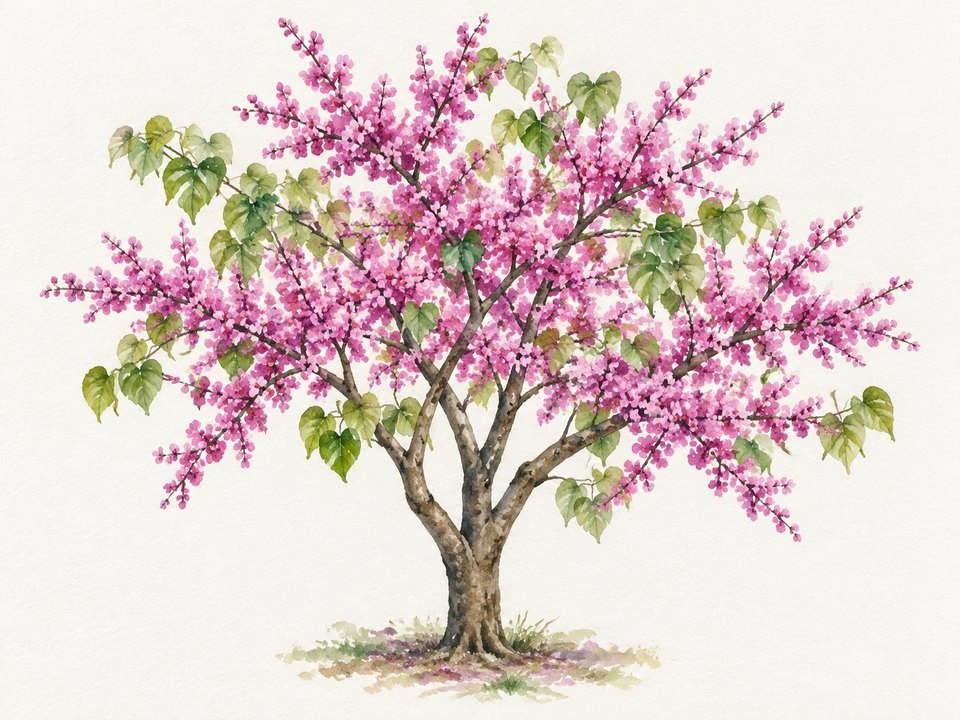 Illustration
Texas RedbudCercis canadensisIllustration
Shrubs
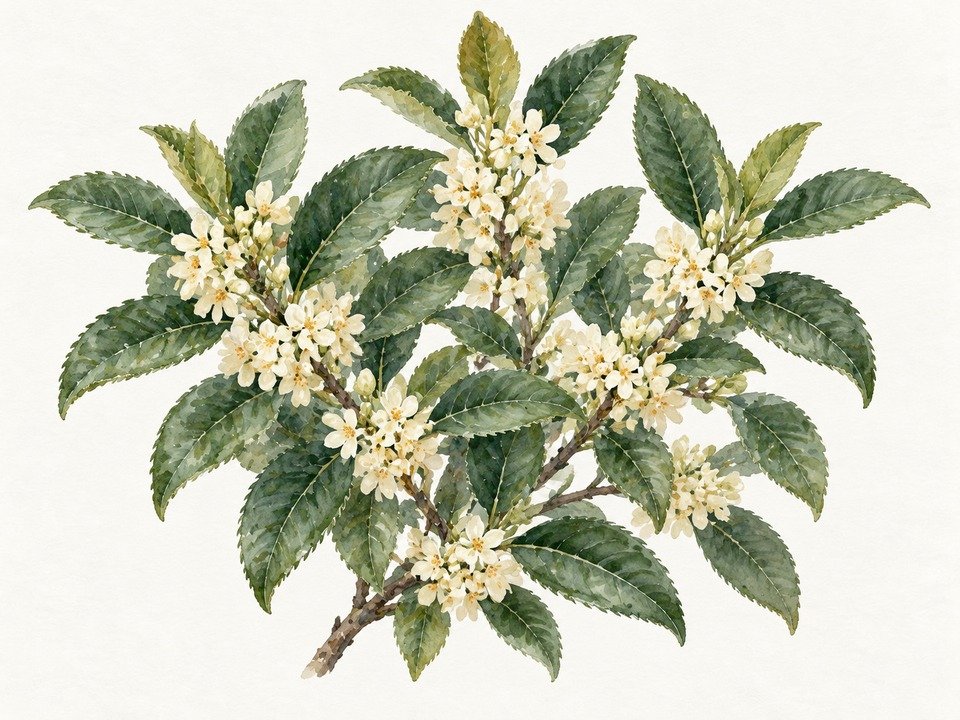
Agarito (Mahonia trifoliolata); American Beautyberry (Callicarpa americana); Autumn Sage (Salvia greggii); Big Red Sage (S. penstemonoides); Black Dalea (Dalea frutescens); Blue Salvia (Salvia farinacea); Blue Yucca (Yucca rostrata); Bottonbush (Cephalanthus occidentalis); Bridal Wreath Spirea (Spirea prunifolia); Burford Holly (Ilex cornuta 'Burford'); Butterfly Bush (Buddleia davidii); Cape Plumbago (Plumbago capensis); Chinese Horned Holly (Ilex cornuta); Chinese Photinia (Photinia serrulata); Cholla Cactus (Opuntia imbricata); Cow Tongue Cactus (O. lindheimeri linguiformis); Devil's Shoestring (Nolina lindheimeriana); Dusty Miller (Senecio cineraria); Dwarf Burford Holly (Ilex cornuta 'Dwarf Burford'); Dwarf Chinese Holly (Ilex cornuta 'Rotunda'); Dwarf Palmetto (Sabal minor); Evergreen Sumac (Rhus virens); Eve's Necklace (Sophora affinis); Flowering Quince (Chaenomeles speciosa "Rubra"); Flowery Senna (Cassia corymbosa); Fragrant Sumac (Rhus triloba v. aromatica); Fraser Photinia (Photinia x fraseri); Giant Hesperaloe (Hesperaloe funifera); Glossy Abelia (Abelia x grandiflora); Graceful Mahonia (Mahonia gracilis); Gray Cotoneaster (Cotoneaster buxifolius); Harbor Dwarf Nandina (Nandina domestica 'Harbor Dwarf); Indigo Spires Sage (Salvia x 'Indigo Spires'); Italian Jasmine (Jasminum humile); Japanese Yew (Podocarpus macrophylla); Jerusalem Sage (Phlomis fruticosa); Mexican Bush Sage (Salvia. leucantha); Mexican Honeysuckle (Justicia spicigera); Mexican Mahonia (Mahonia chochocco); Mexican Oregano (Poliomintha longiflora); Mexican Poinciana (Caesalpinia mexicana); Mock Orange (Philadelphus spp.); Narrow-leaf Viguera (Viguera stenoloba); Needlepoint Holly (Ilex cornuta 'Needlepoint'); Nellie R. Stevens Holly (Ilex x Nellie R. Stevens); Nelson's Beargrass (Nolina nelsoni); Pale-leaf Yucca (Yucca pallida); Primrose Jasmine (Jasminum mesneyi); Red Yucca (Hesperaloe parviflora); Rockrose (Pavonia lasiopetala); Rosemary (Rosmarinus officianalis); Rough-leaf Dogwood (Cornus drummondii); Russian Sage (Perovskia atriplicifolia); Rusty Blackhaw (Viburnum rufidulum); Savannah Holly (Ilex x attenuata 'Savannah'); Shrubby Blue Sage (Salvia ballottaeflora); Soft-leaf Yucca (Yucca recurvifolia); Spanish Bayonet (Yucca aloifolia); Spanish Broom (Spatium junceum); Spanish Dagger (Yucca treculeana); Spineless Prickly-Pear (Opuntia lindheimeri); Sweet Olive (Osmanthus fragrans); Sweet Viburnum (Viburnum odoratissimum v. Awabukii); Texas Barberry (Mahonia swayseyi); Texas Kidneywood (Eysenhardtia texana); Texas Pistache (Pistacia texana); Texas Sage (Leucophyllum frutescens); Tropical Sage (Salvia coccinea); Turk's Cap (Malvaviscus drummondii); Twist-leaf Yucca (Yucca rupicola); Winter Honeysuckle (Lonicera albiflora); Xylosma (Xylosma senticosa); Yaupon Holly (Ilex vomitoria); Yellow Bells (Tecoma stans v. angusta).[6]
 Illustration
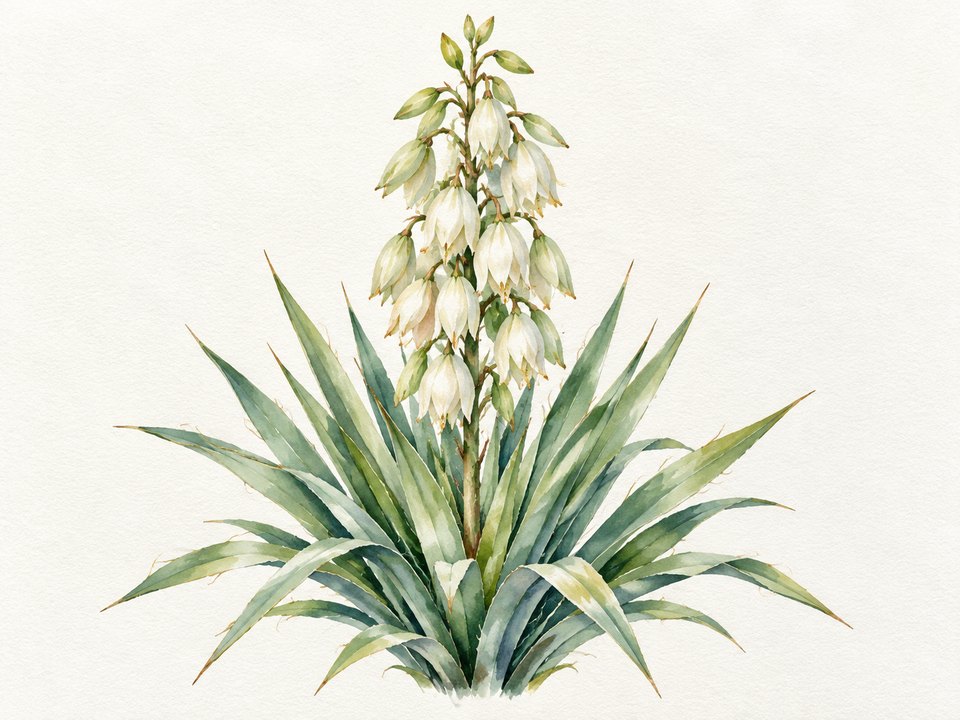
YuccaYucca sppIllustration 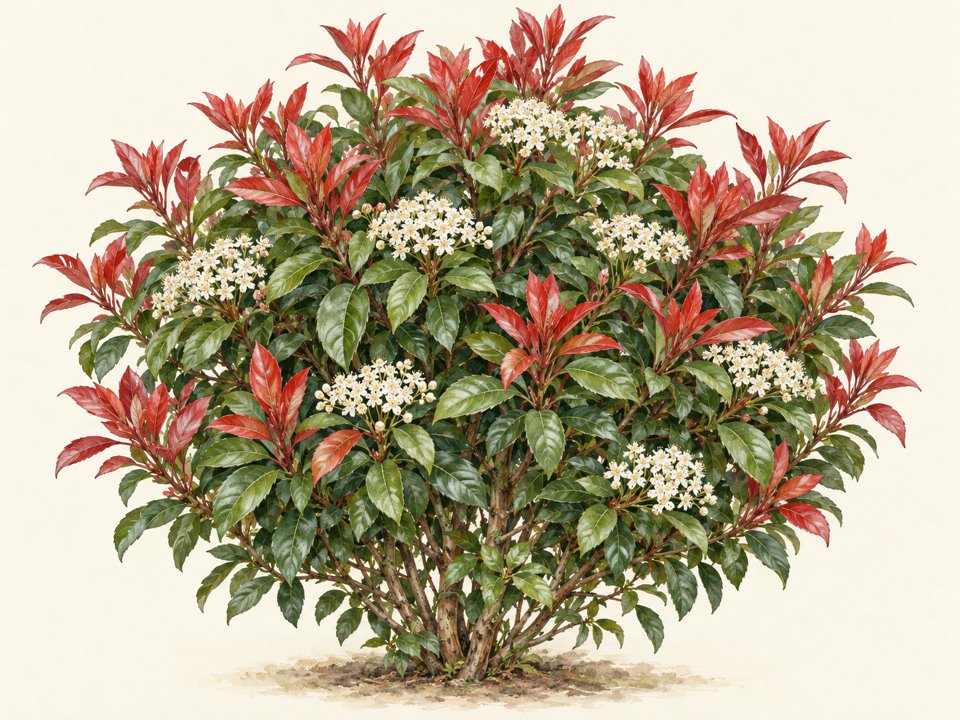 Illustration
Fraser PhotiniaPhotinia x fraseriIllustration 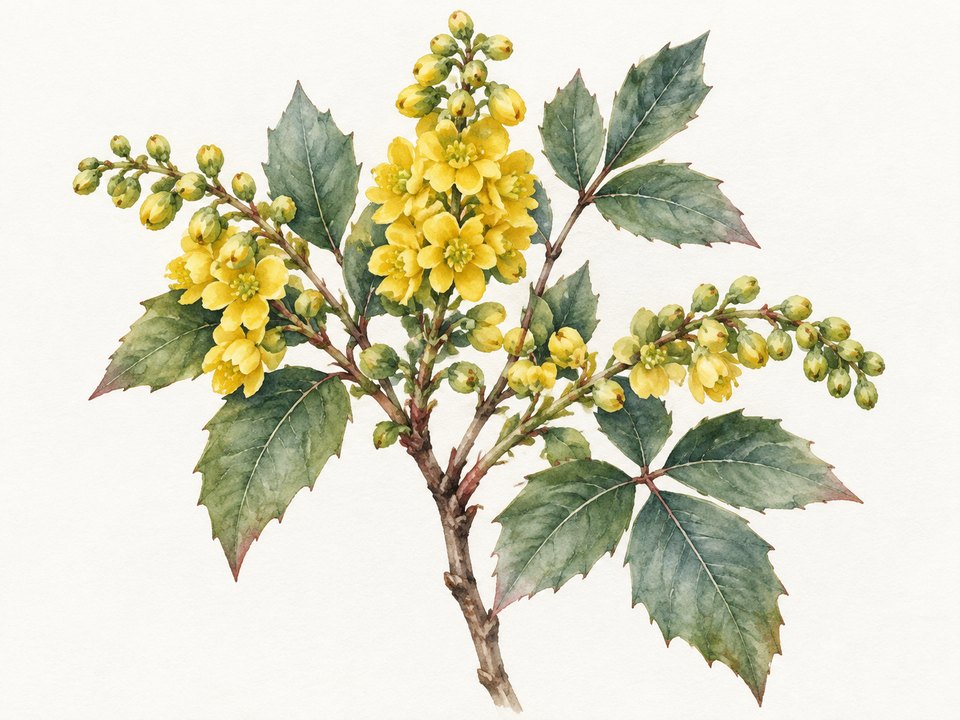 Illustration
AgaritaMahonia trifoliolataIllustration 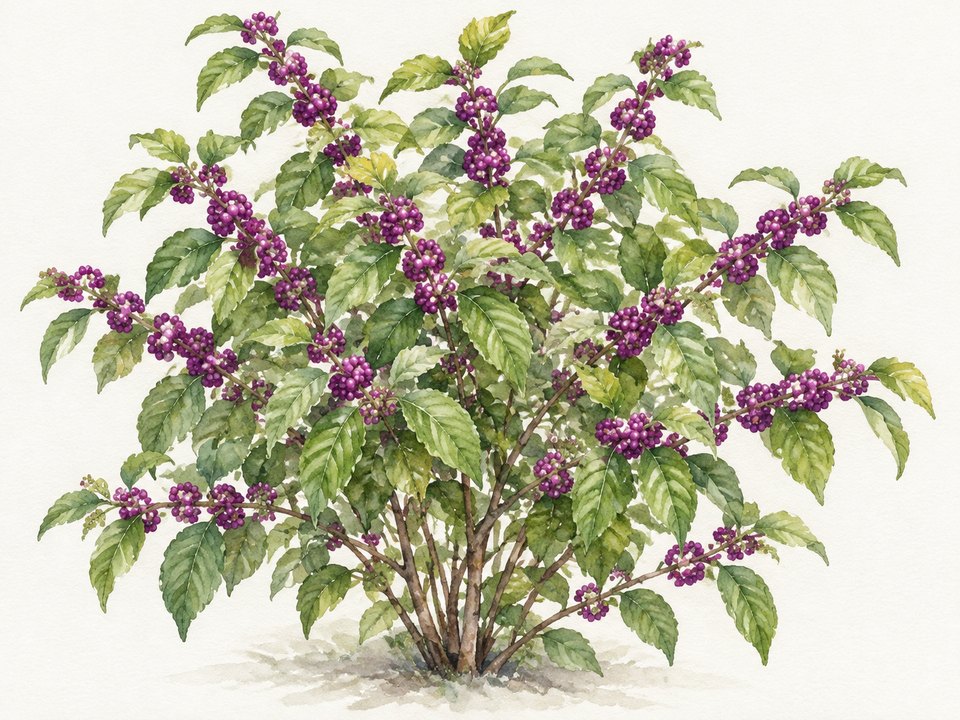 Illustration
American BeautyberryCallicarpa americanaIllustration 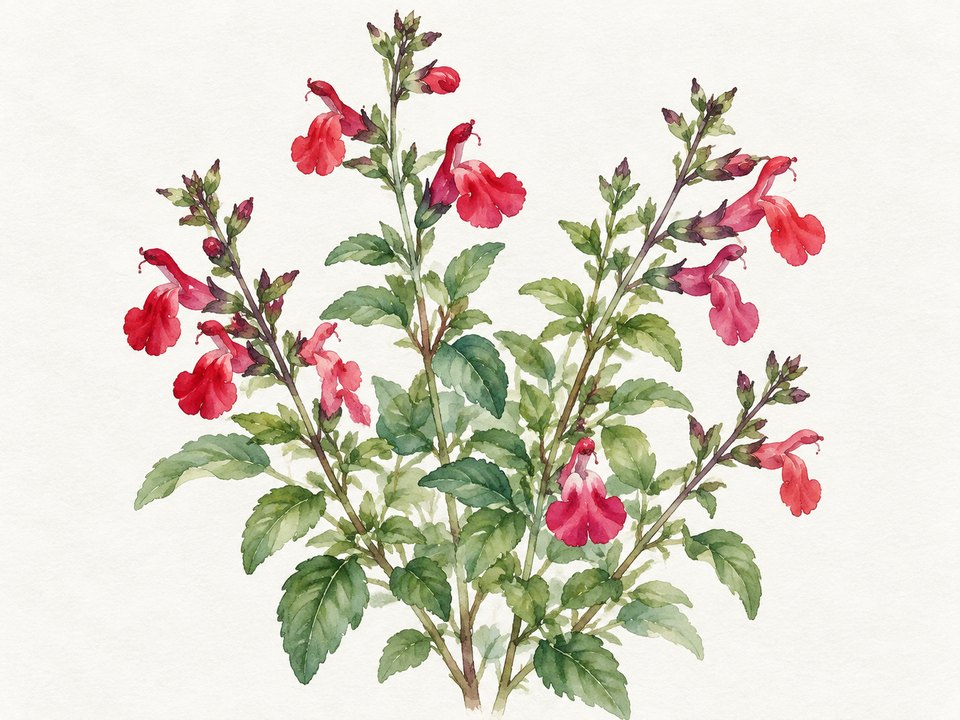 Illustration
Salvia GreggiiSalvia greggiiIllustration 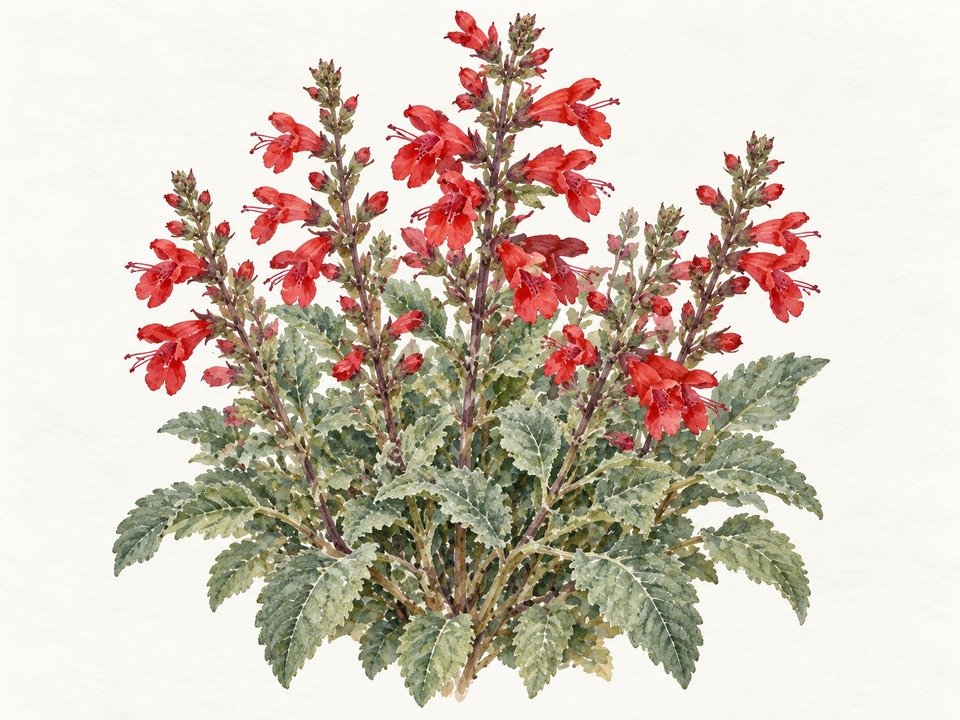 Illustration
Big Red SageSalvia penstemonoidesIllustration 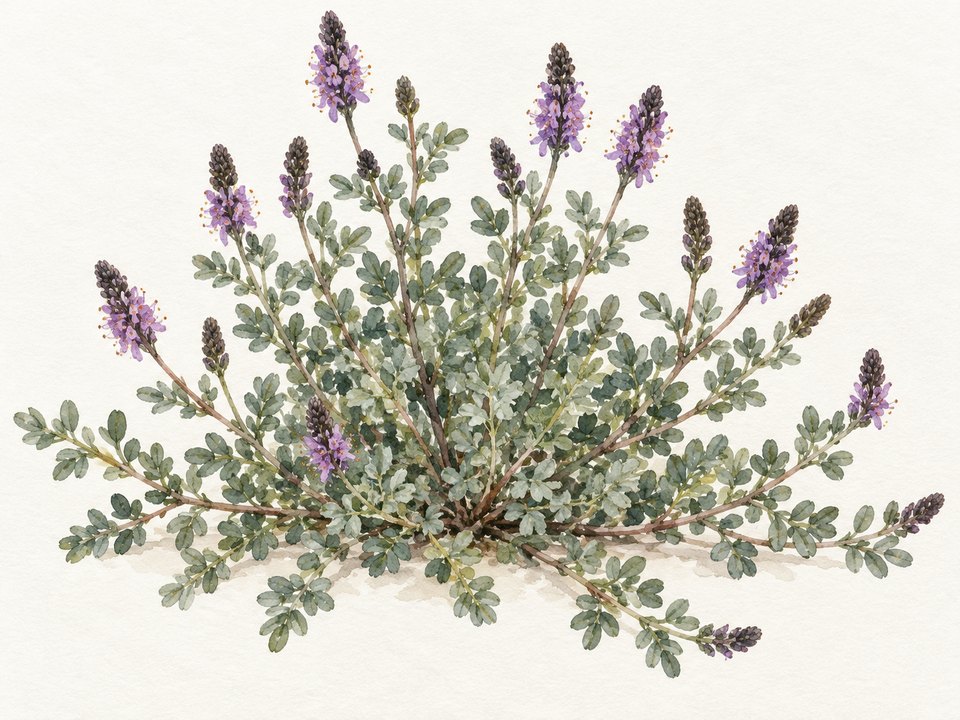 Illustration
Black DaleaDalea frutescensIllustration 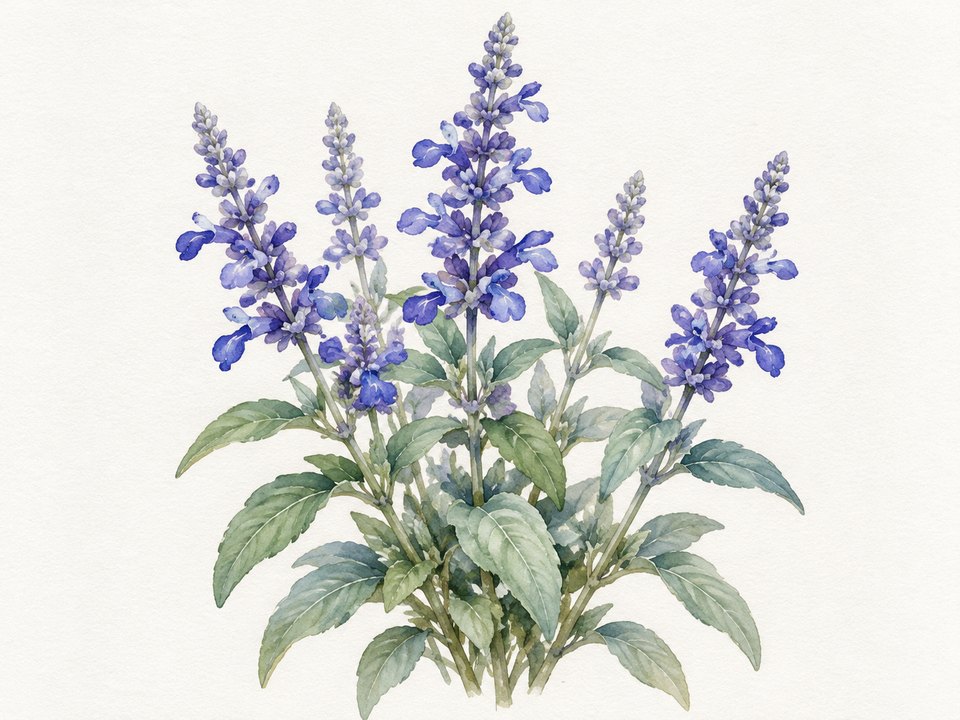 Illustration
Mealy Blue SageSalvia farinaceaIllustration 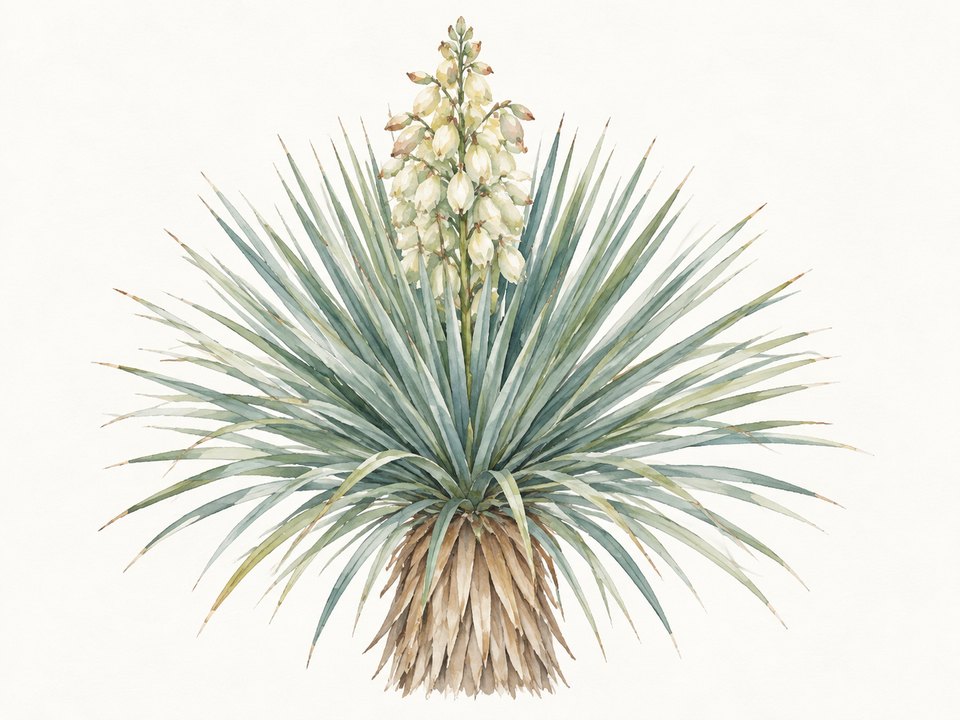 Illustration
Beaked YuccaYucca rostrataIllustration 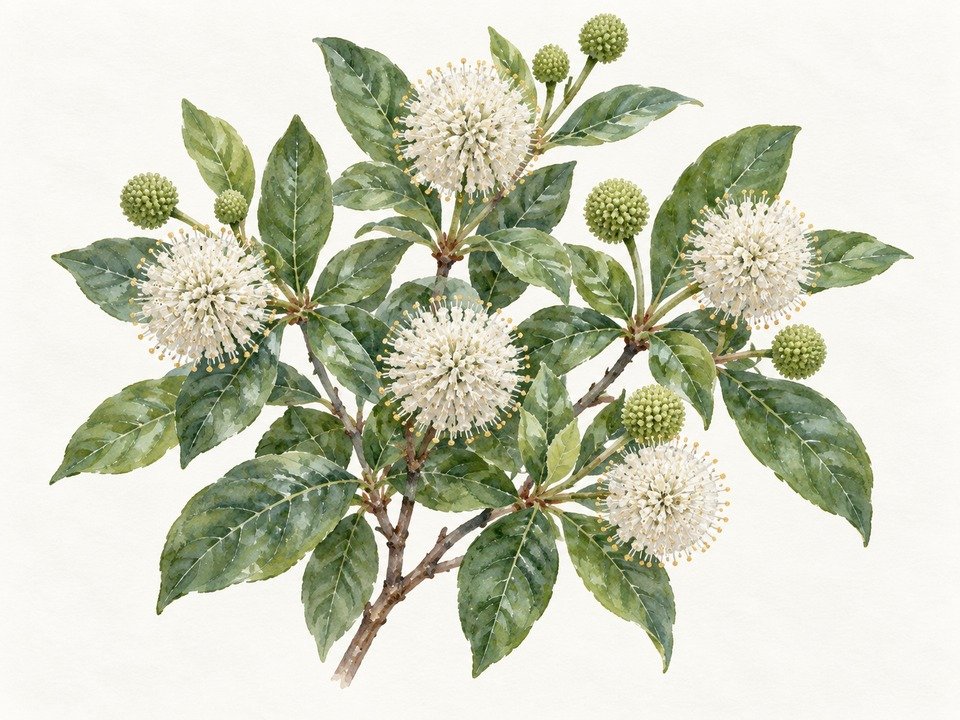 Illustration
BottonbushCephalanthus occidentalisIllustration 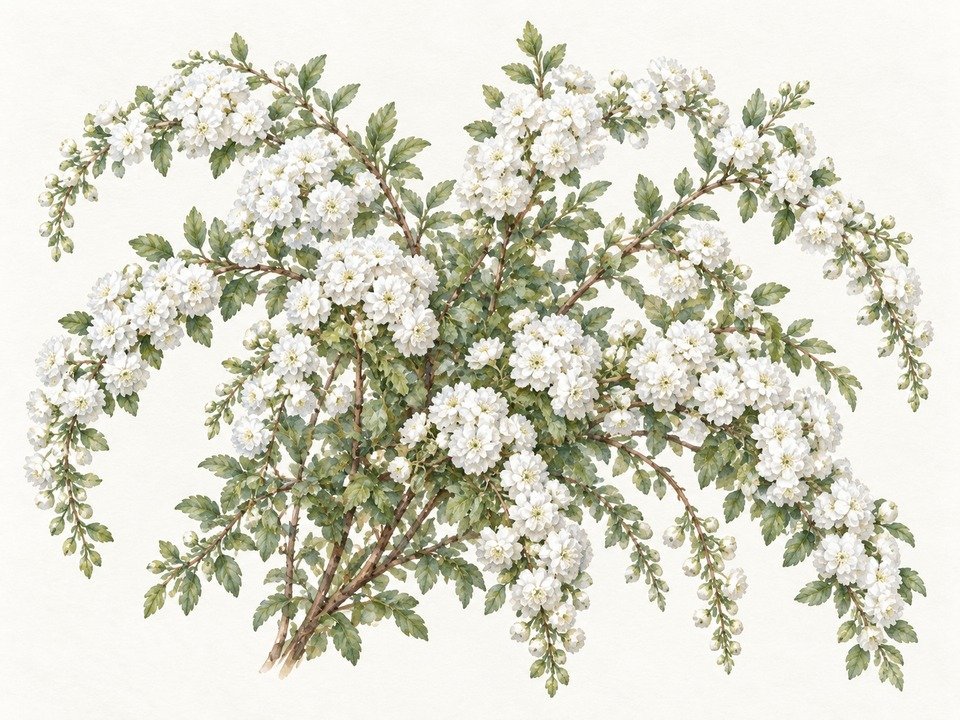 Illustration
Bridal Wreath SpireaSpiraea prunifoliaIllustration 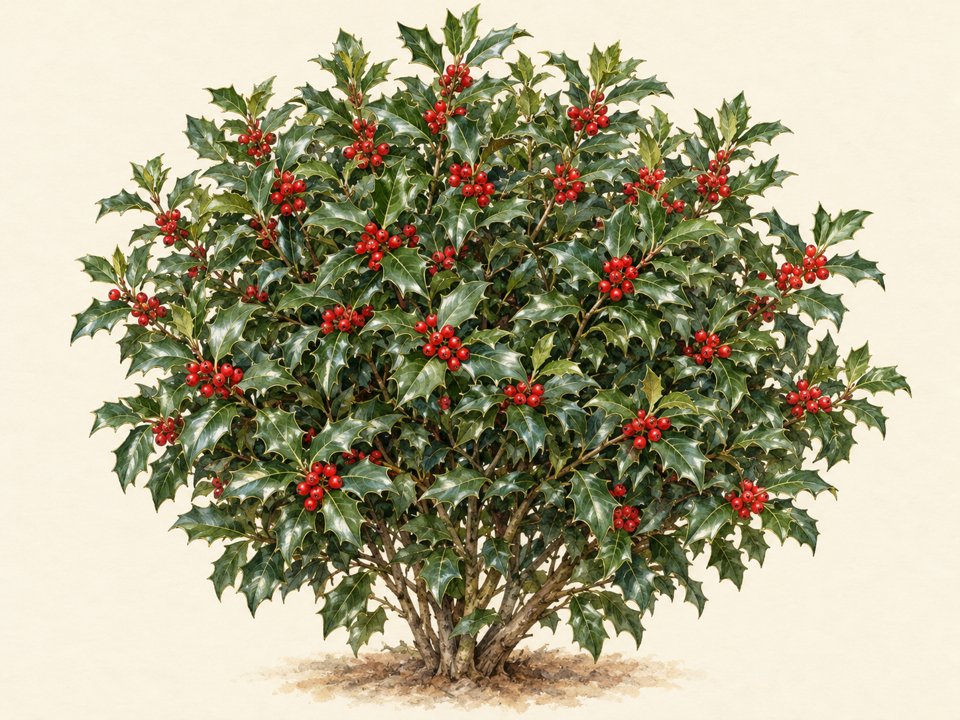 Illustration
Burford HollyIlex cornuta 'Burfordii'Illustration 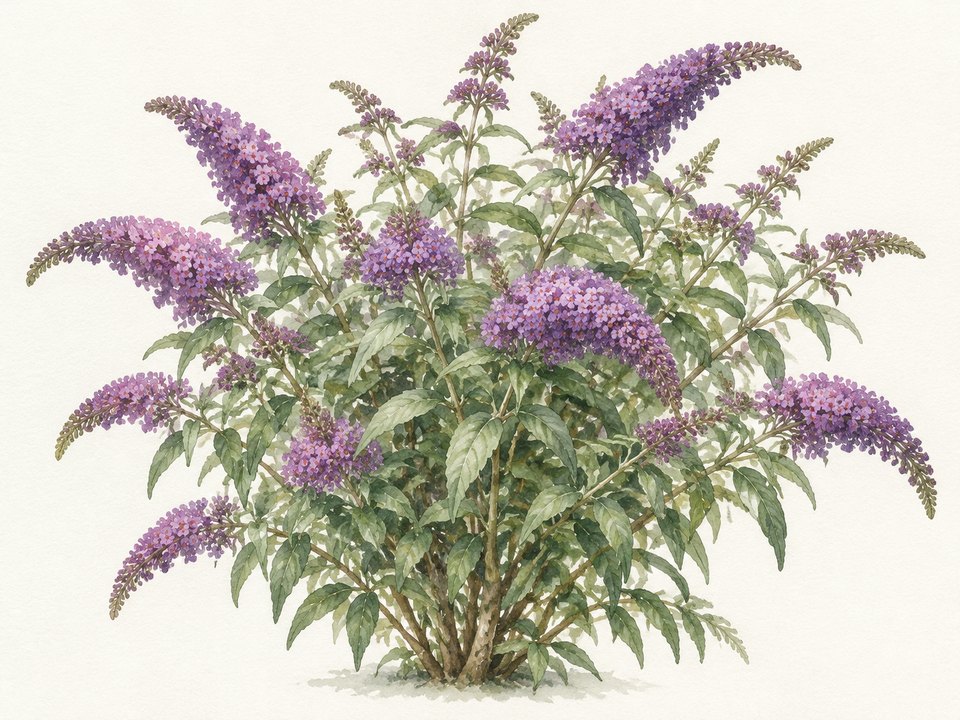 Illustration
Butterfly BushBuddleja davidiiIllustration 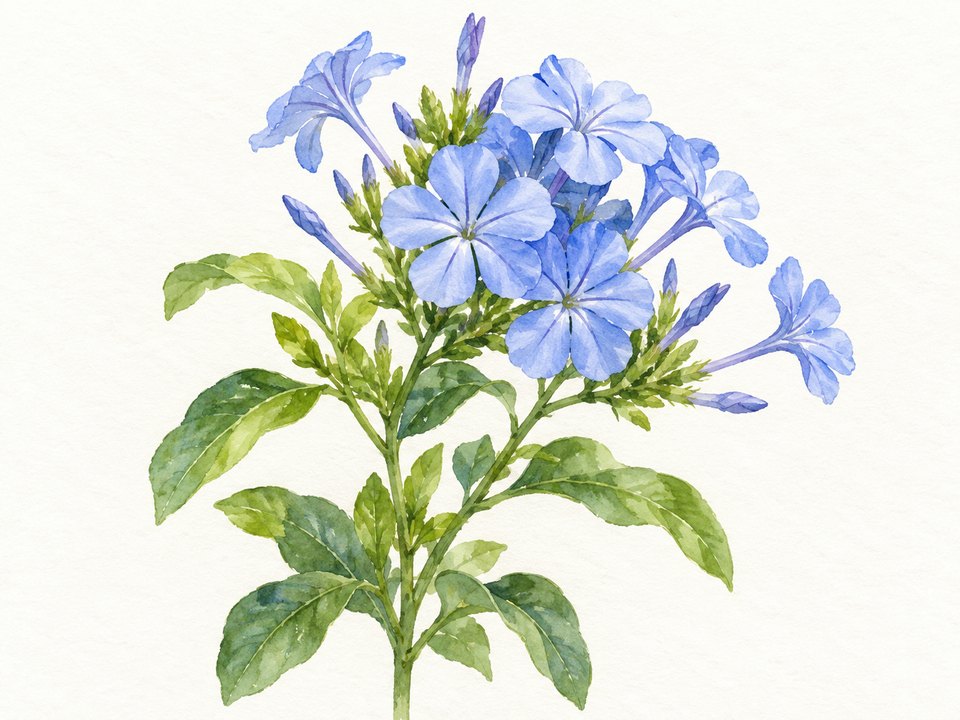 Illustration
Plumbago (Blue)Plumbago auriculataIllustration 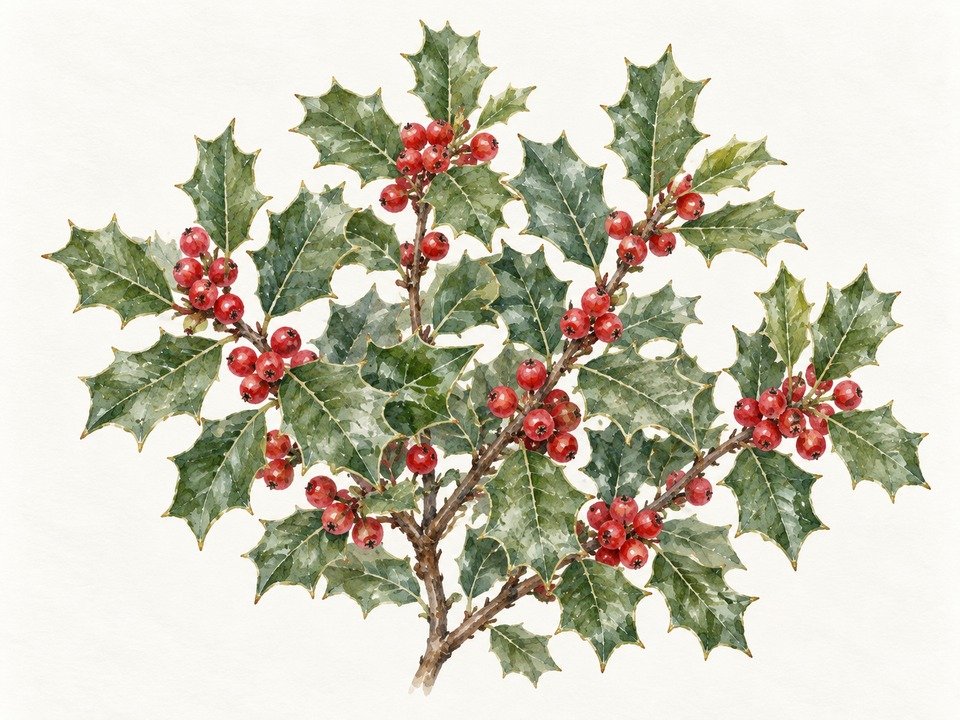 Illustration
Chinese Horned HollyIlex cornutaIllustration 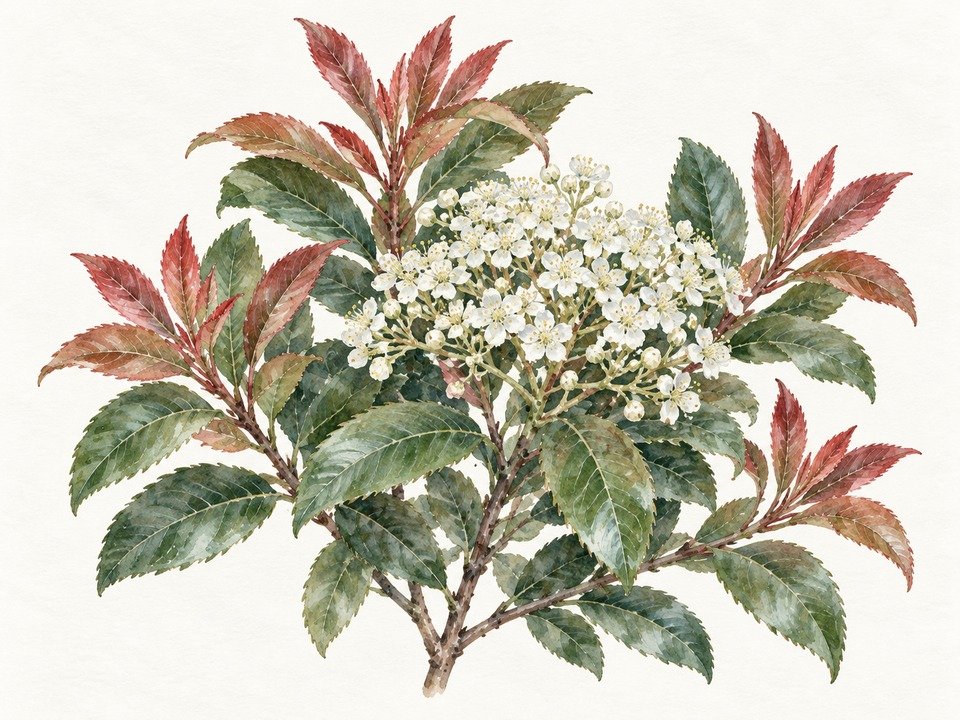 Illustration
Chinese PhotiniaPhotinia serrulataIllustration 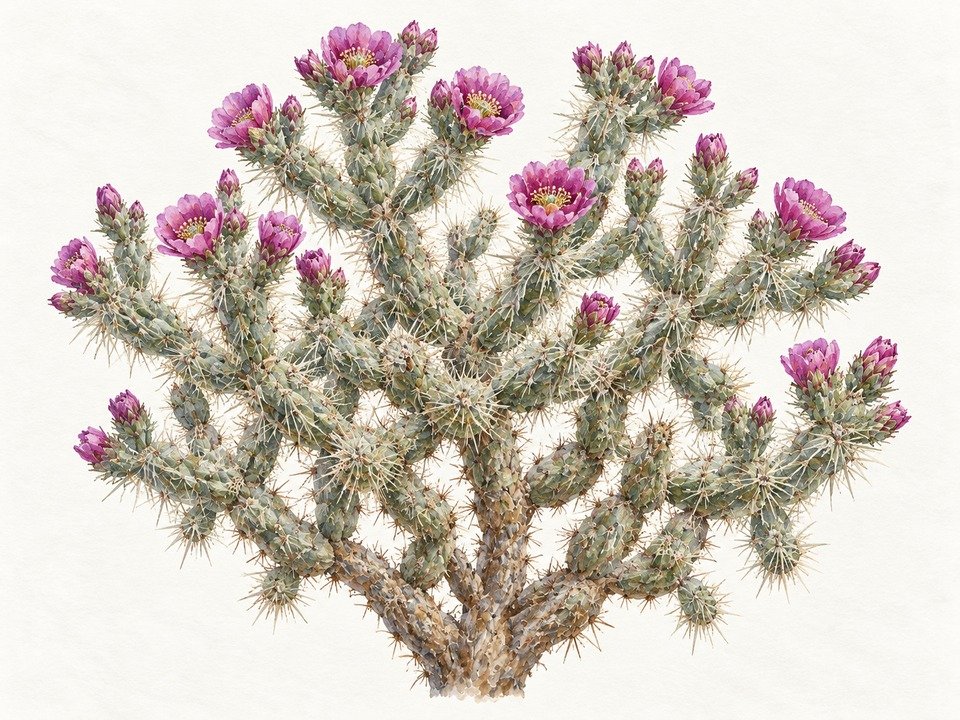 Illustration
Cholla CactusOpuntia imbricataIllustration 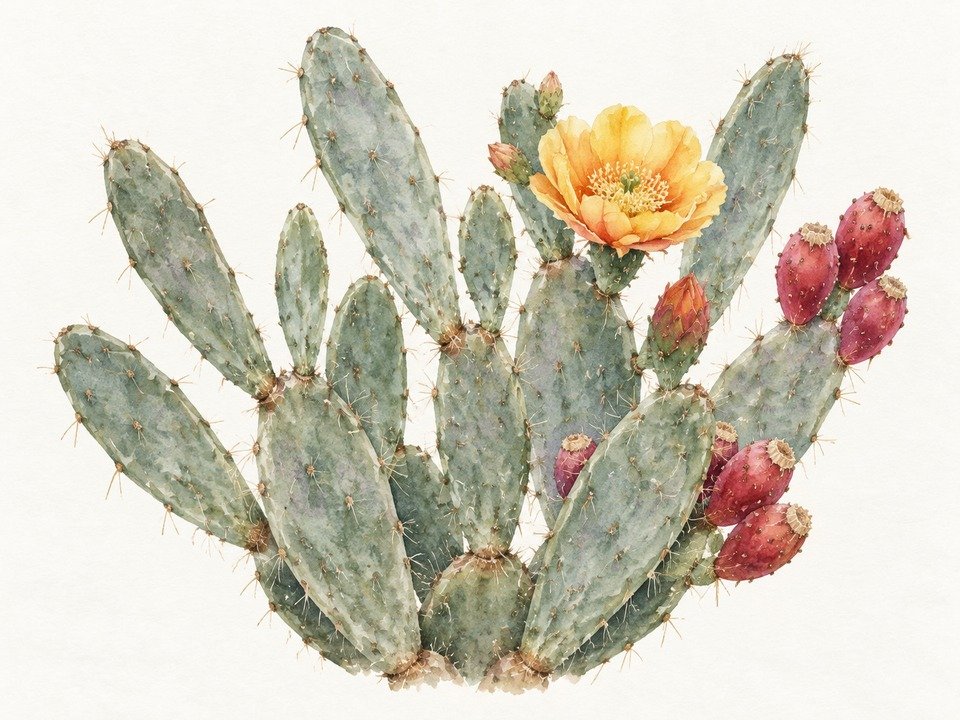 Illustration
Cow Tongue CactusOpuntia lindheimeri var. linguiformisIllustration 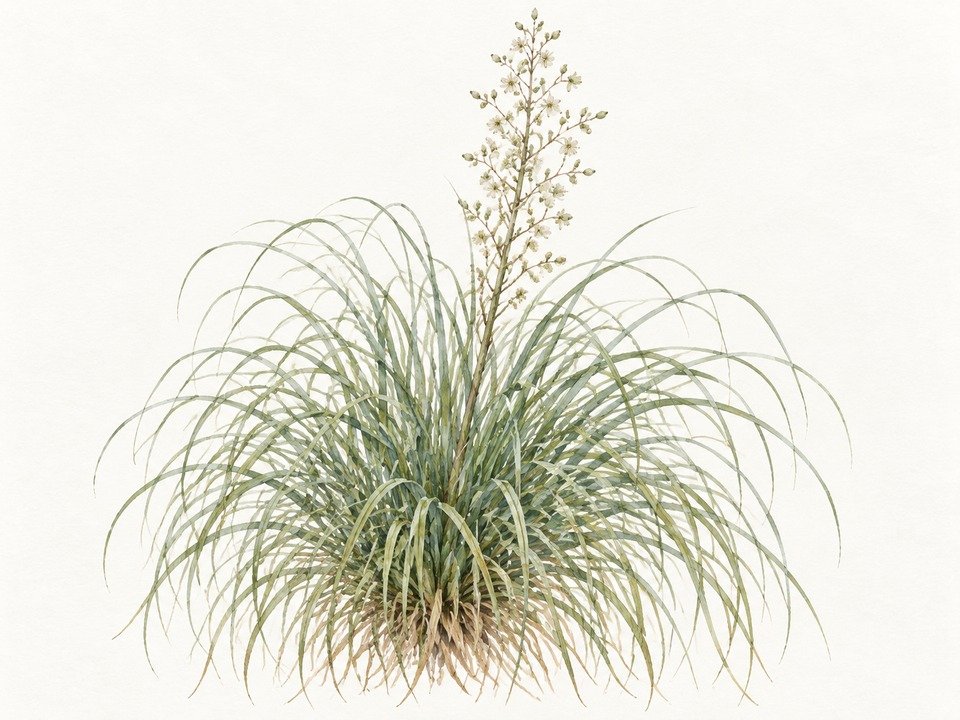 Illustration
Devil's ShoestringNolina lindheimerianaIllustration 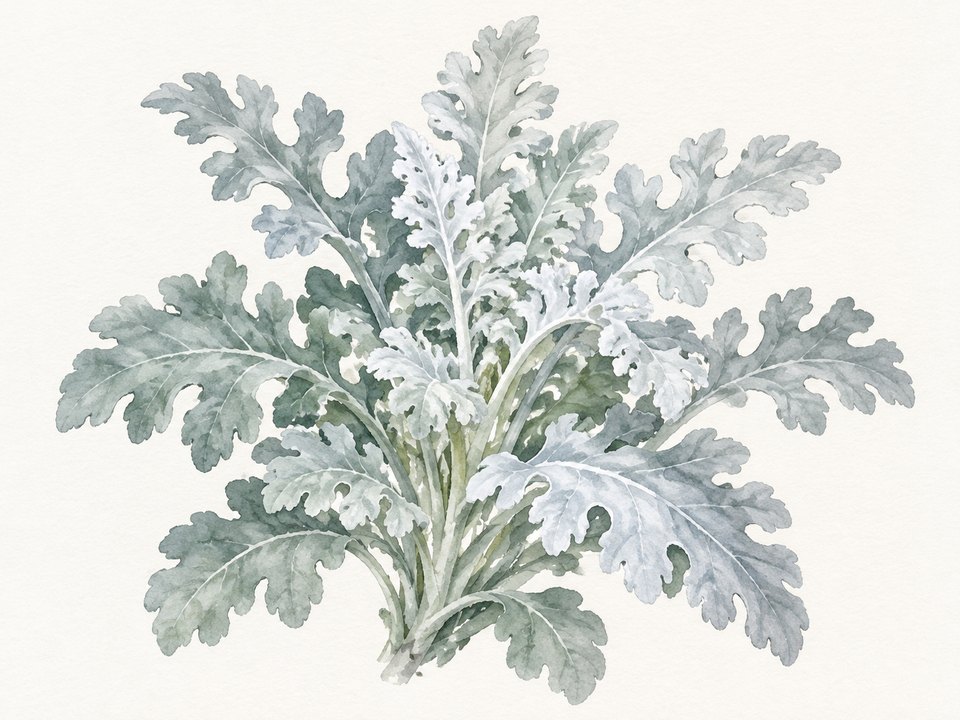 Illustration
Dusty MillerJacobaea maritimaIllustration 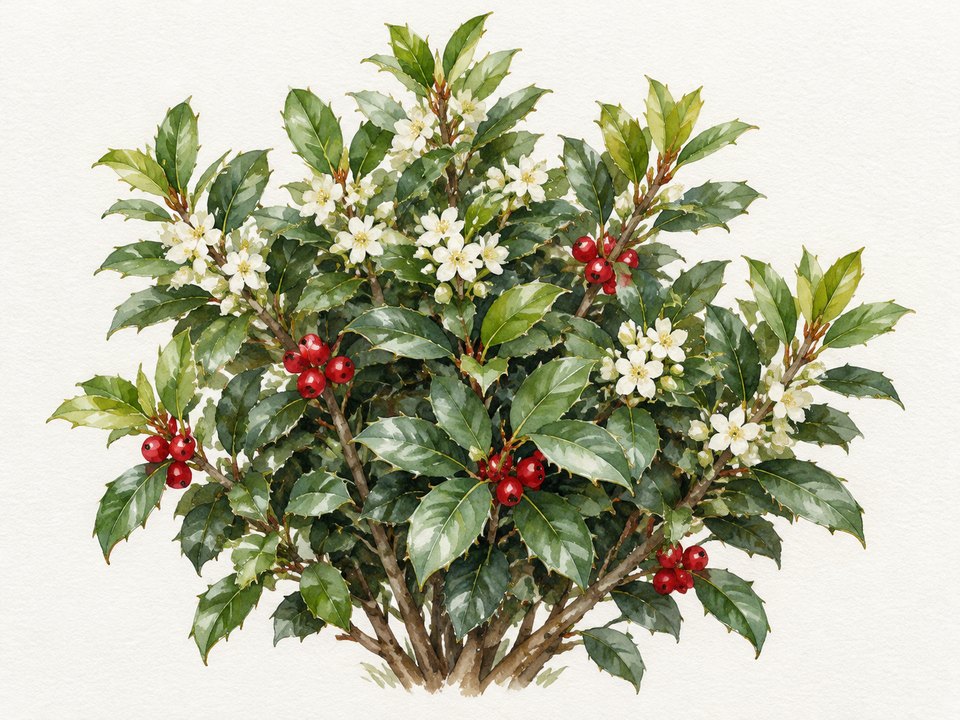 Illustration
Dwarf Burford HollyIlex cornutaIllustration 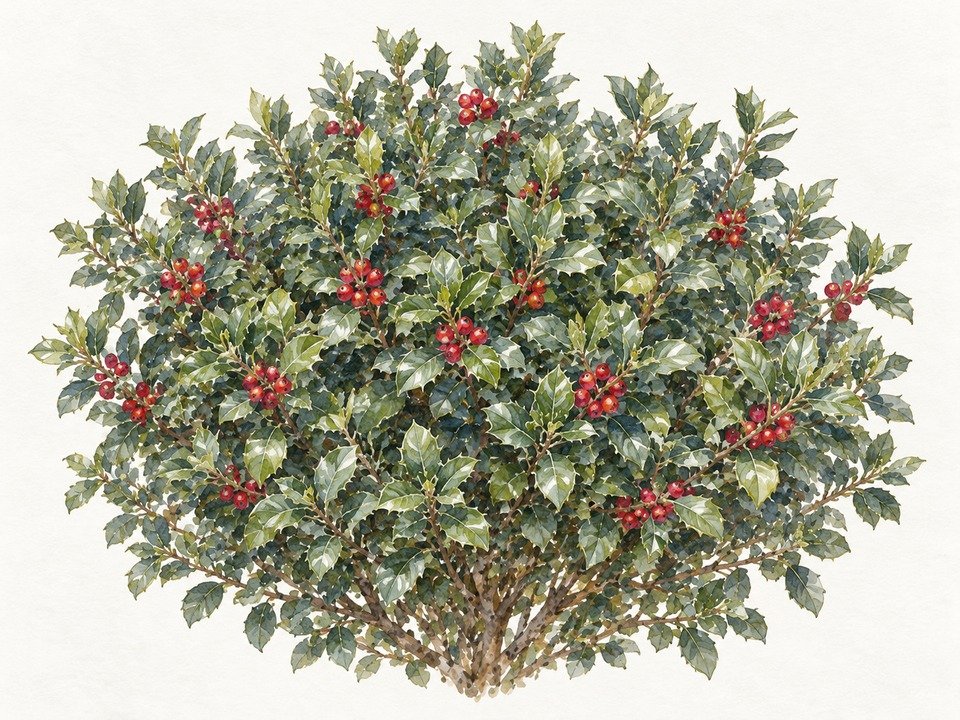 Illustration
Dwarf Chinese HollyIlex cornuta 'Rotunda'Illustration 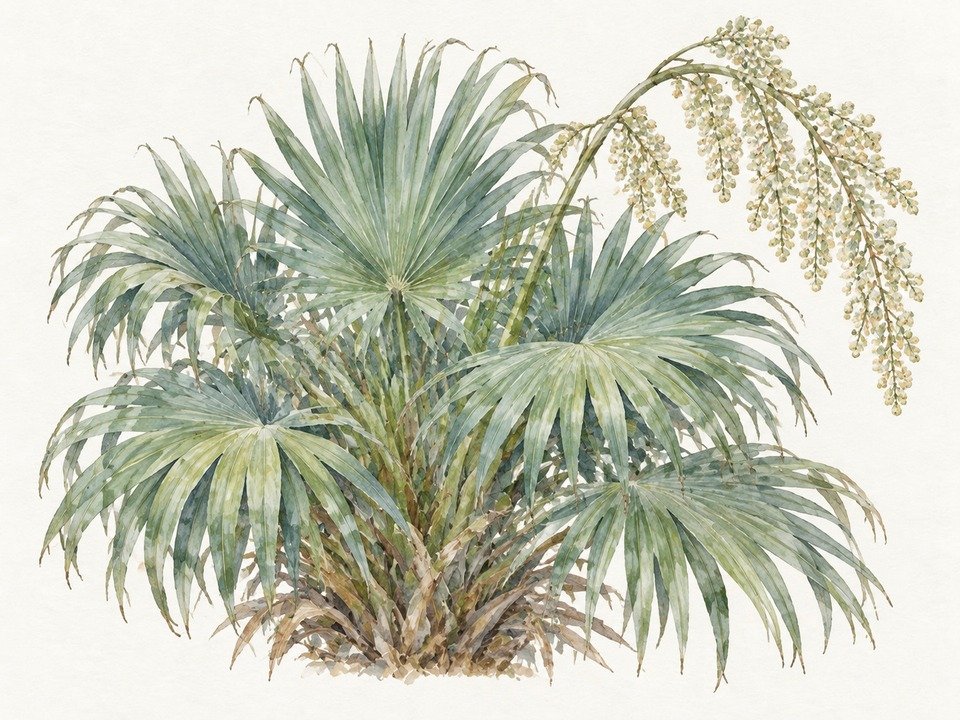 Illustration
Dwarf PalmettoSabal minorIllustration 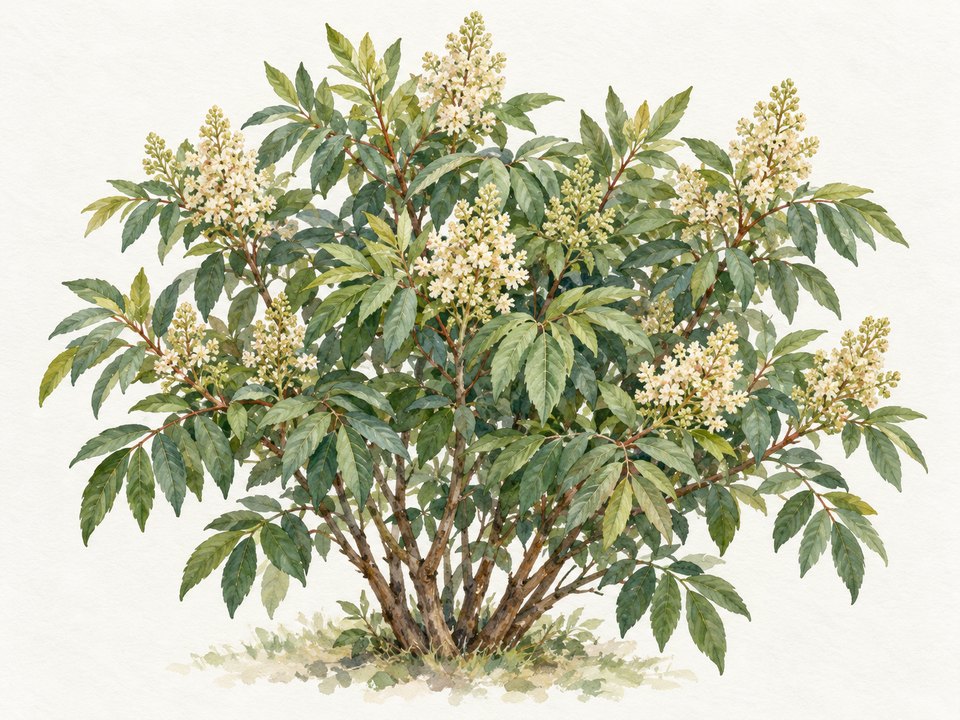 Illustration
Evergreen SumacRhus virensIllustration 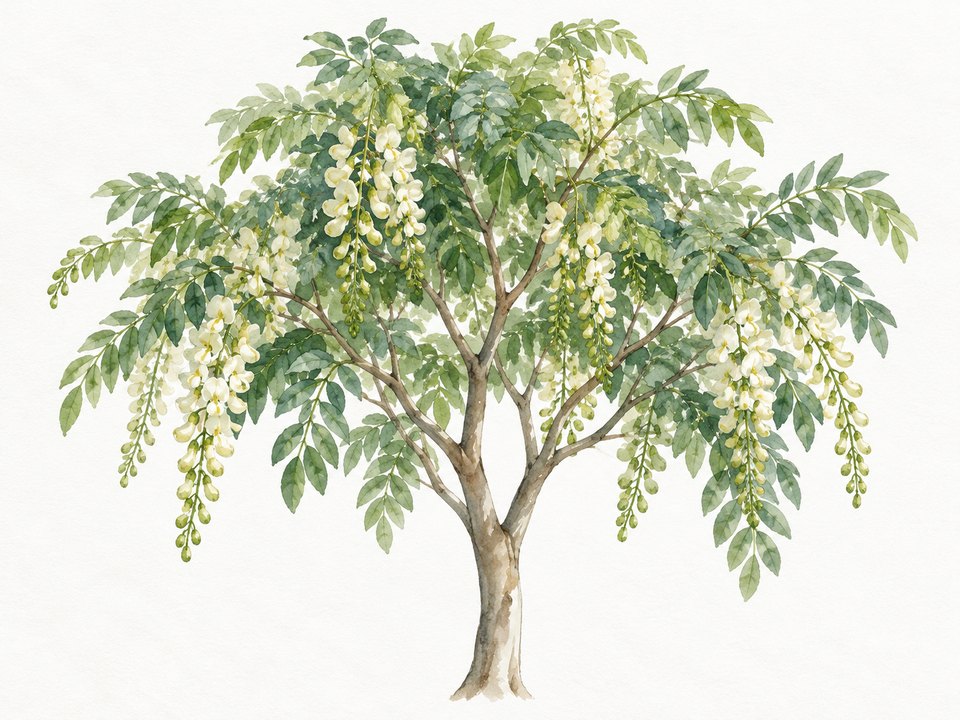 Illustration
Eve's NecklaceStyphnolobium affineIllustration 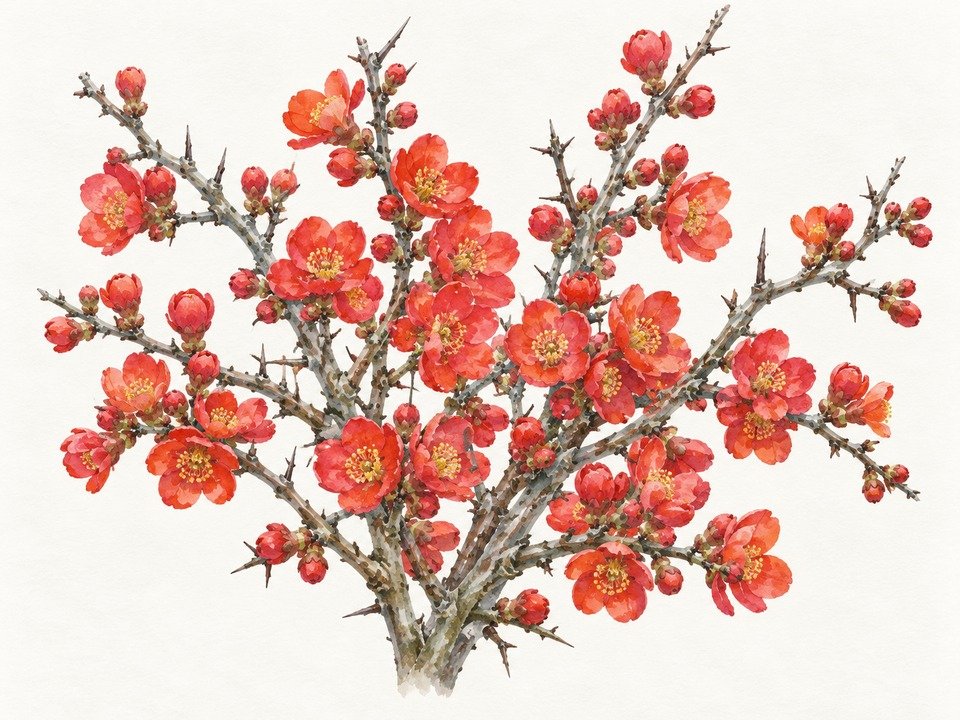 Illustration
Flowering QuinceChaenomeles speciosaIllustration 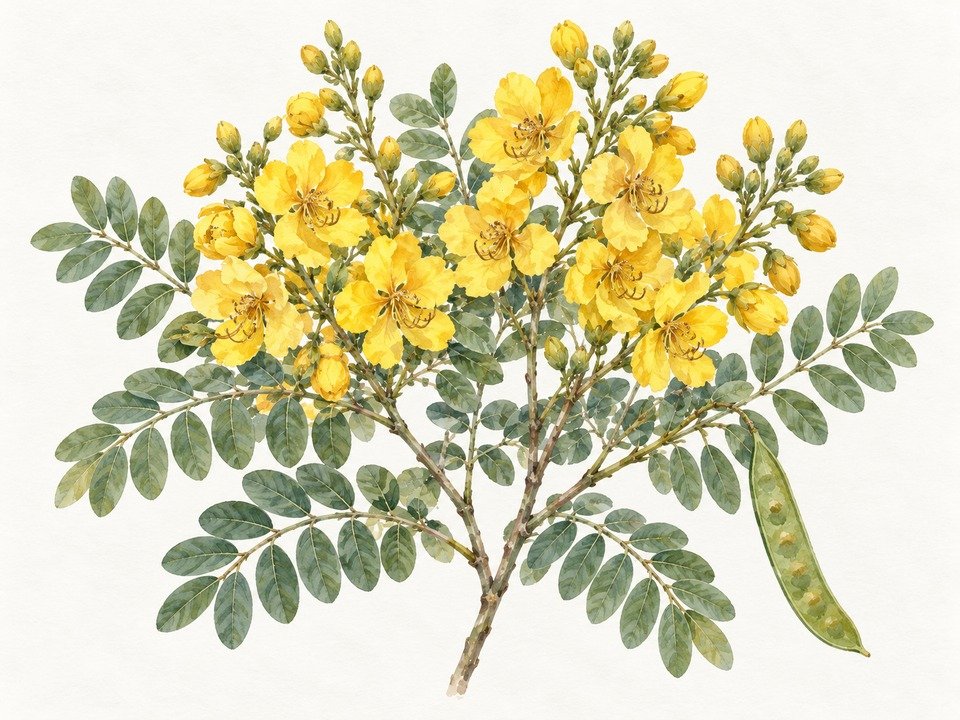 Illustration
Flowery SennaCassia corymbosaIllustration 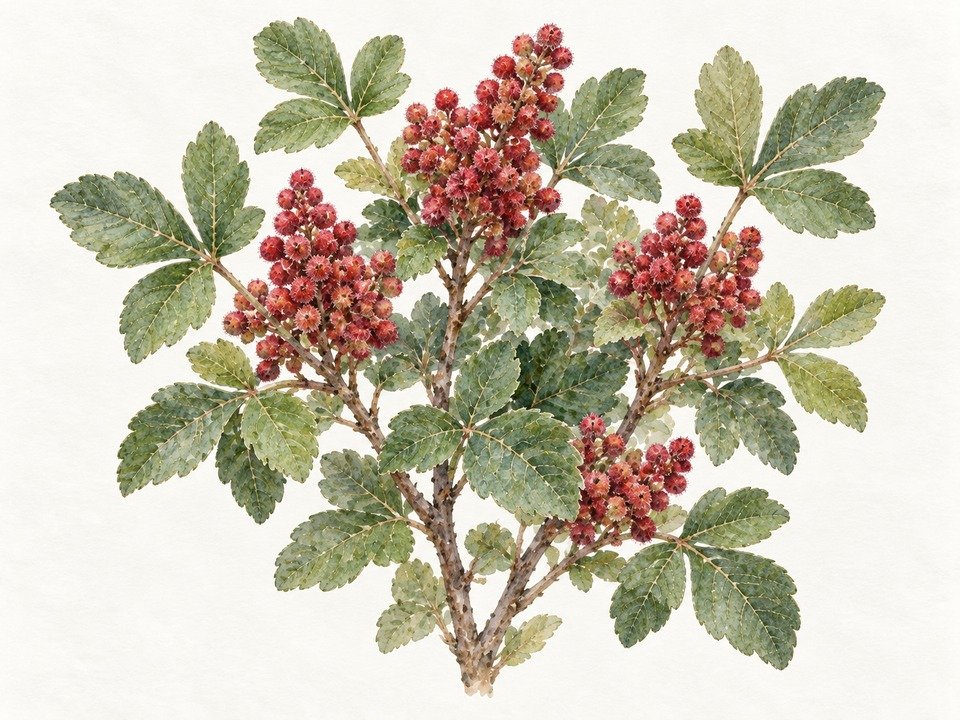 Illustration
Fragrant SumacRhus triloba var. aromaticaIllustration 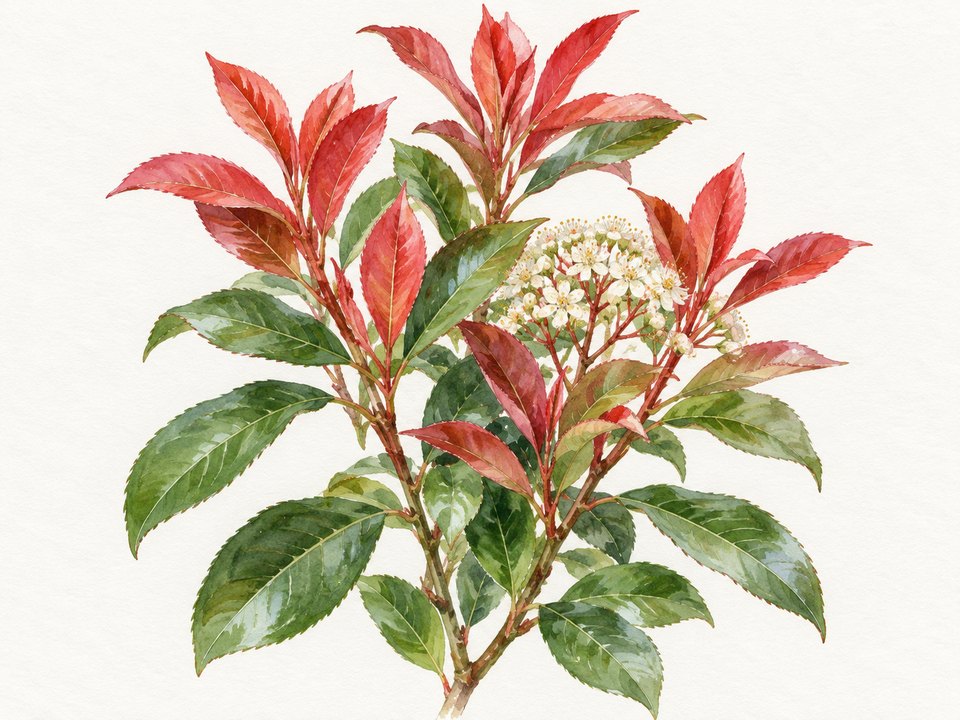 Illustration
PhotiniaPhotinia x fraseriIllustration 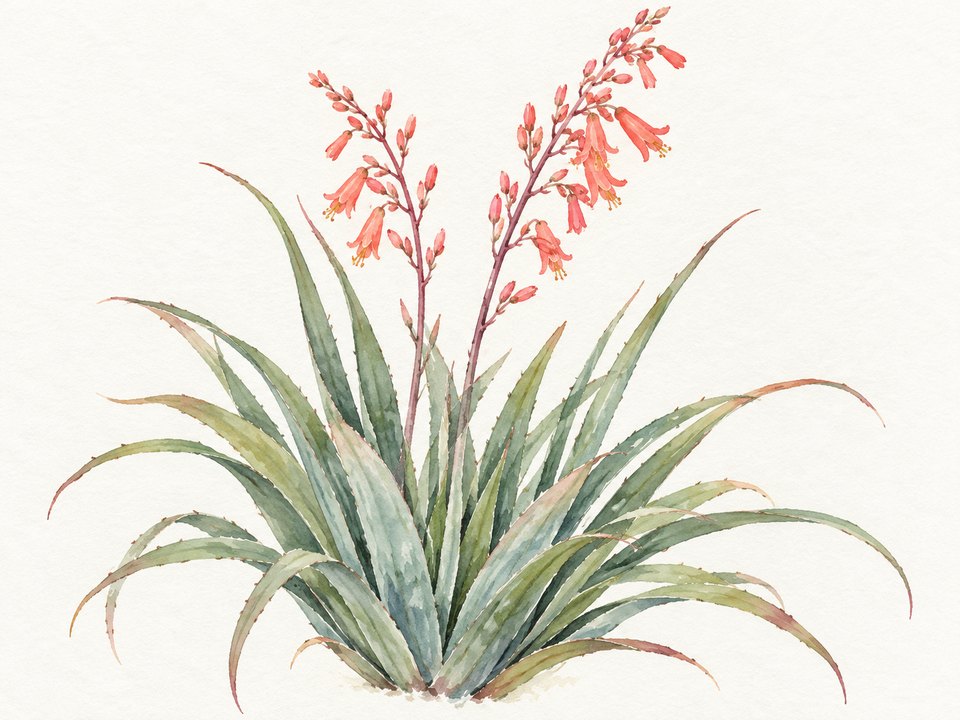 Illustration
Giant hesperaloeHesperaloe funiferaIllustration 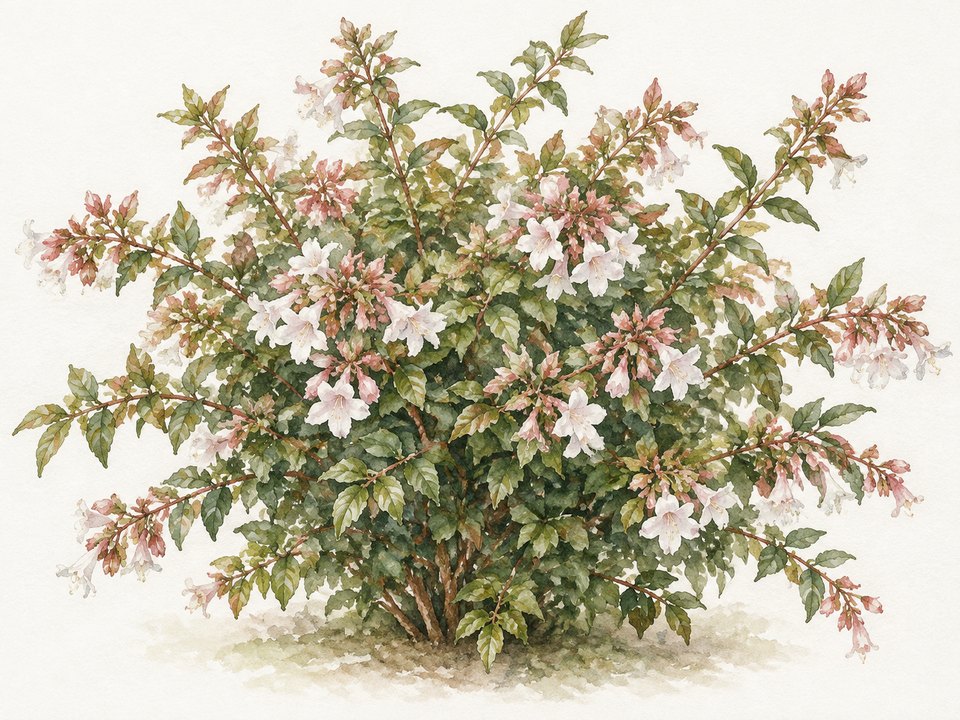 Illustration
AbeliaAbelia x grandifloraIllustration 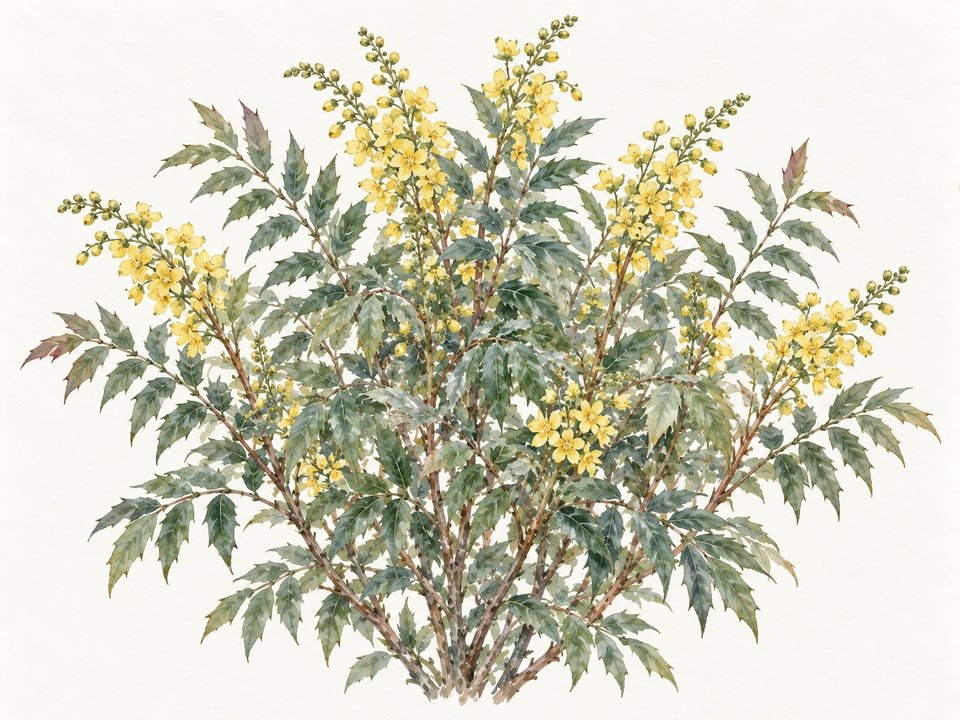 Illustration
Graceful MahoniaMahonia gracilisIllustration 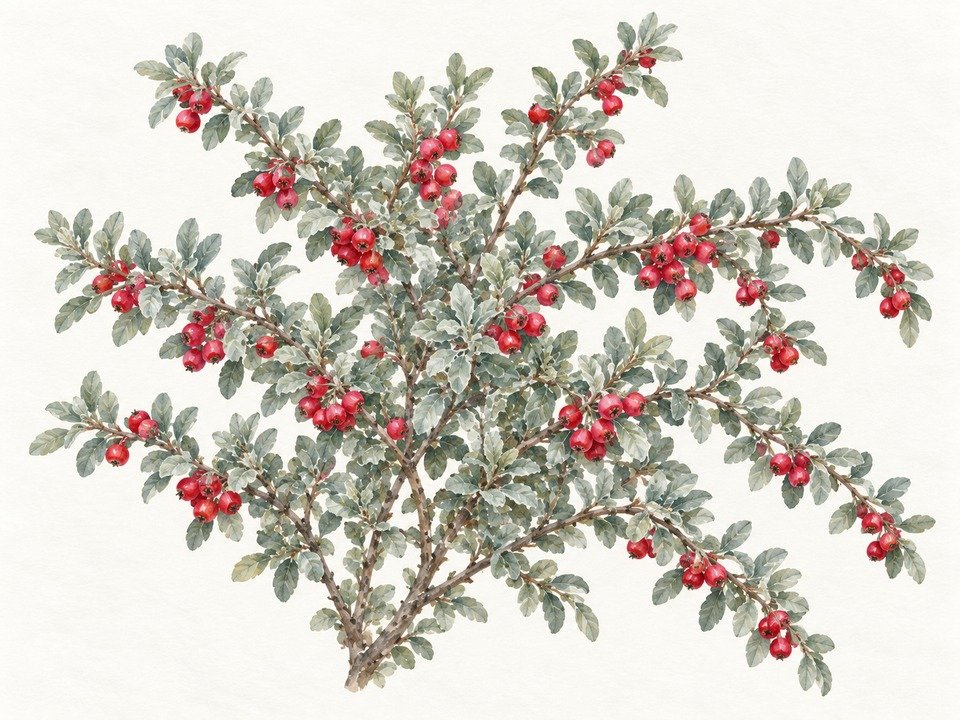 Illustration
Gray CotoneasterCotoneaster buxifoliusIllustration 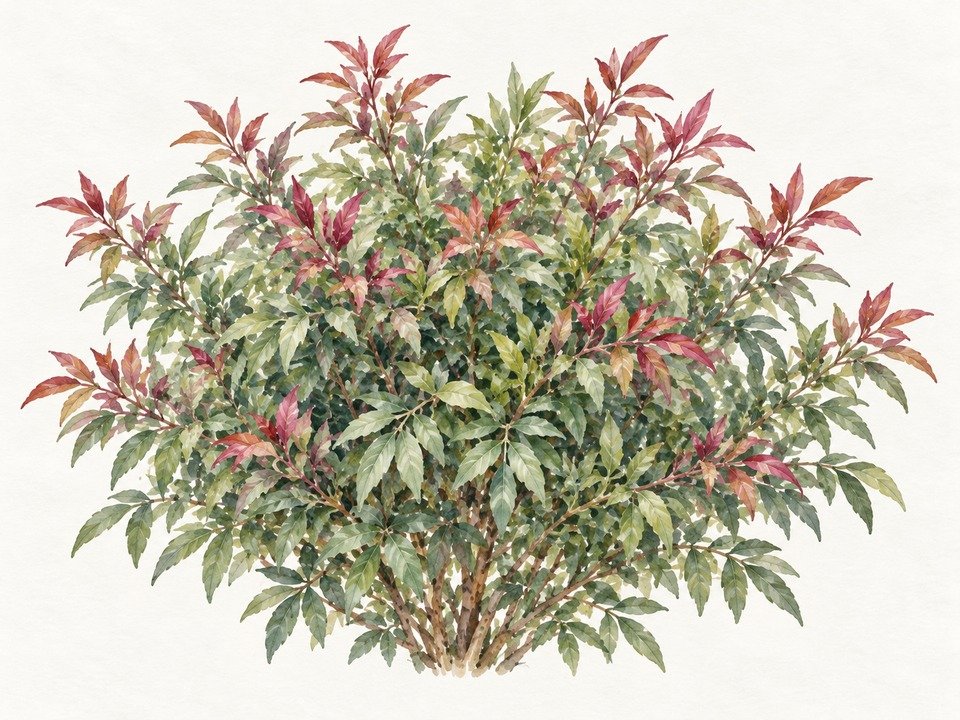 Illustration
Harbor Dwarf NandinaNandina domestica 'Harbour Dwarf'Illustration 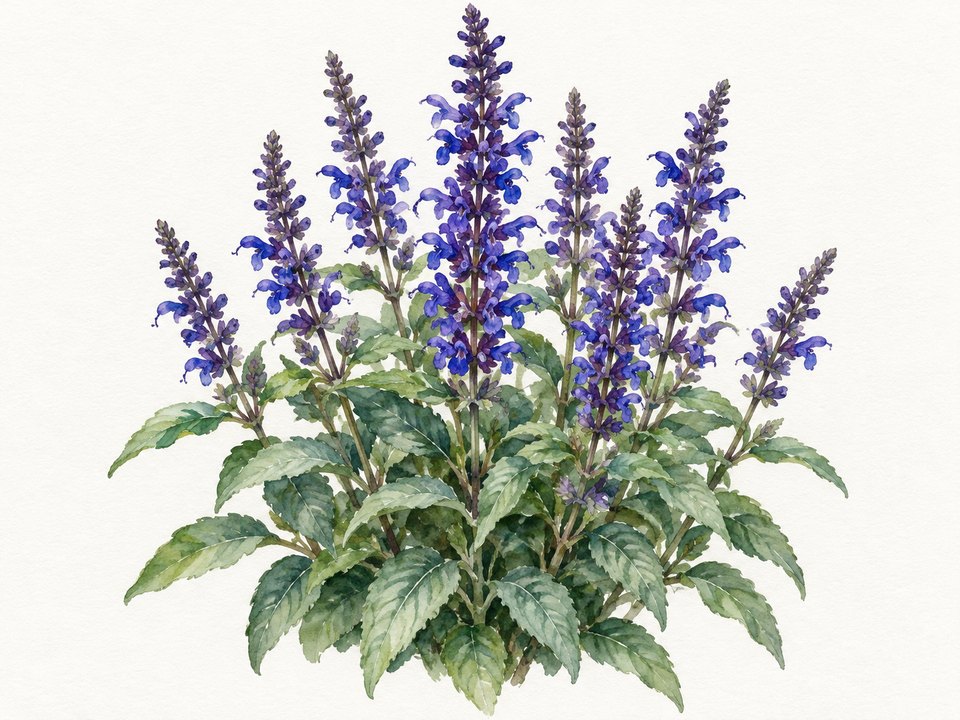 Illustration
Indigo SpiresSalvia 'Indigo Spires'Illustration 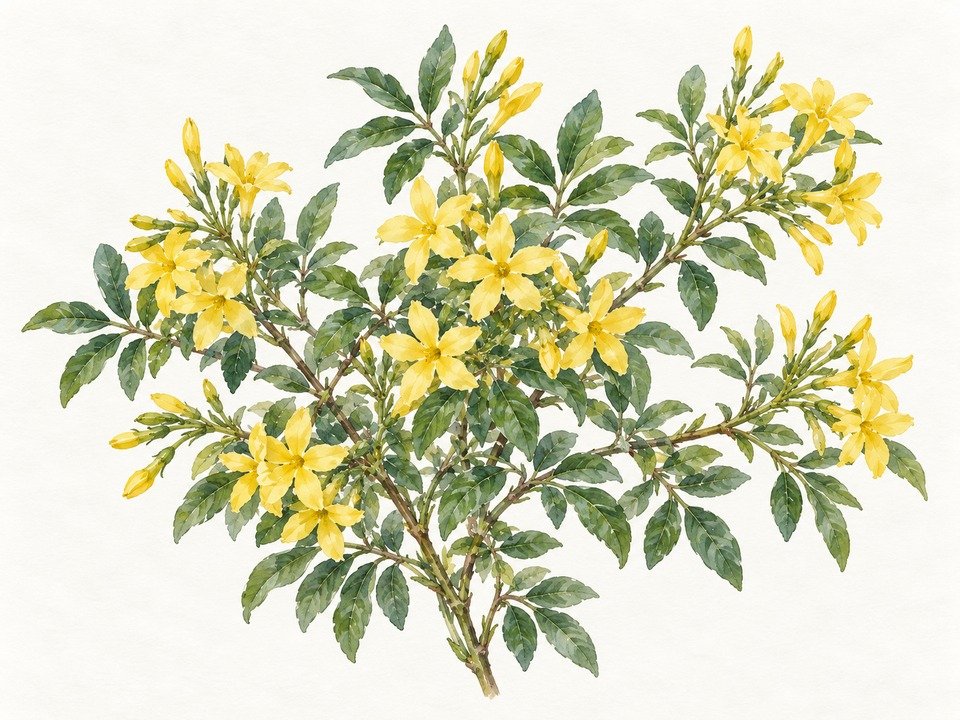 Illustration
Italian JasmineJasminum humileIllustration 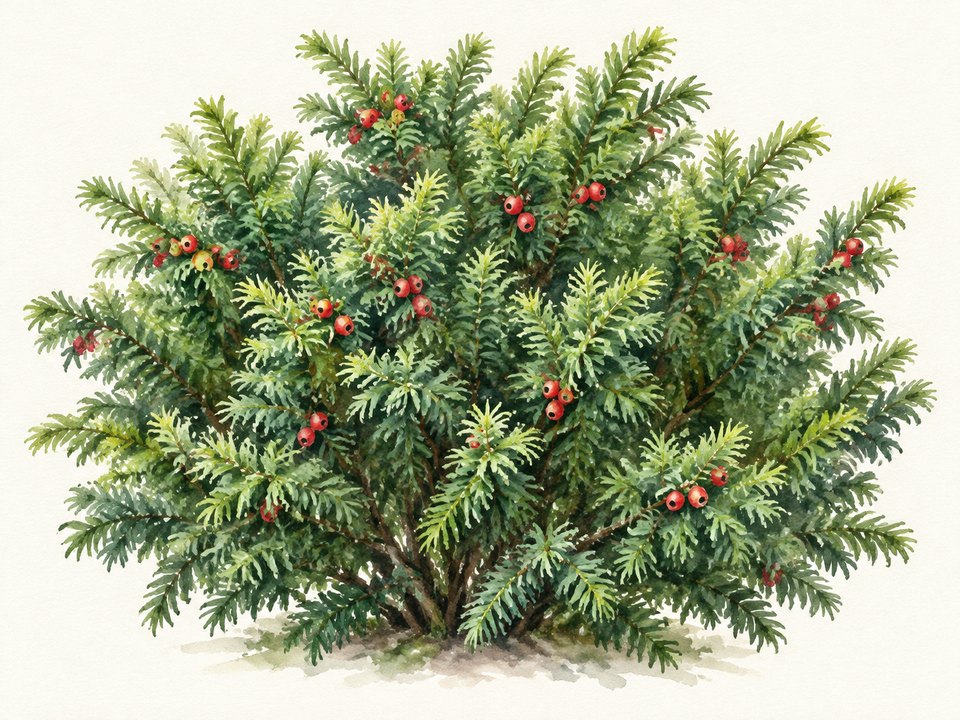 Illustration
Japanese YewIllustration 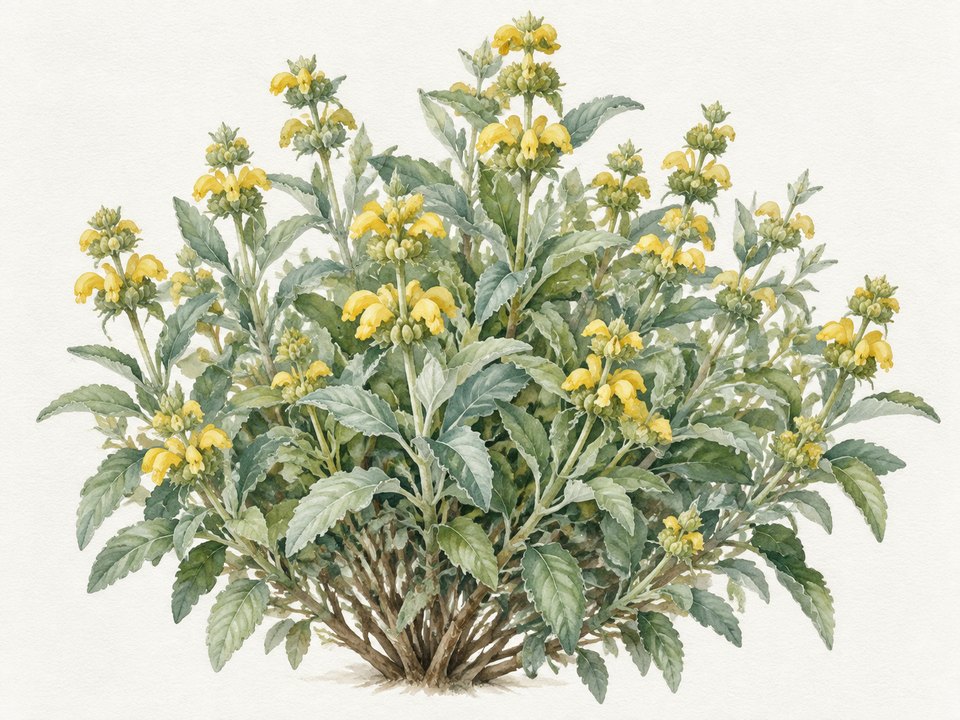 Illustration
Jerusalem SagePhlomis fruticosaIllustration 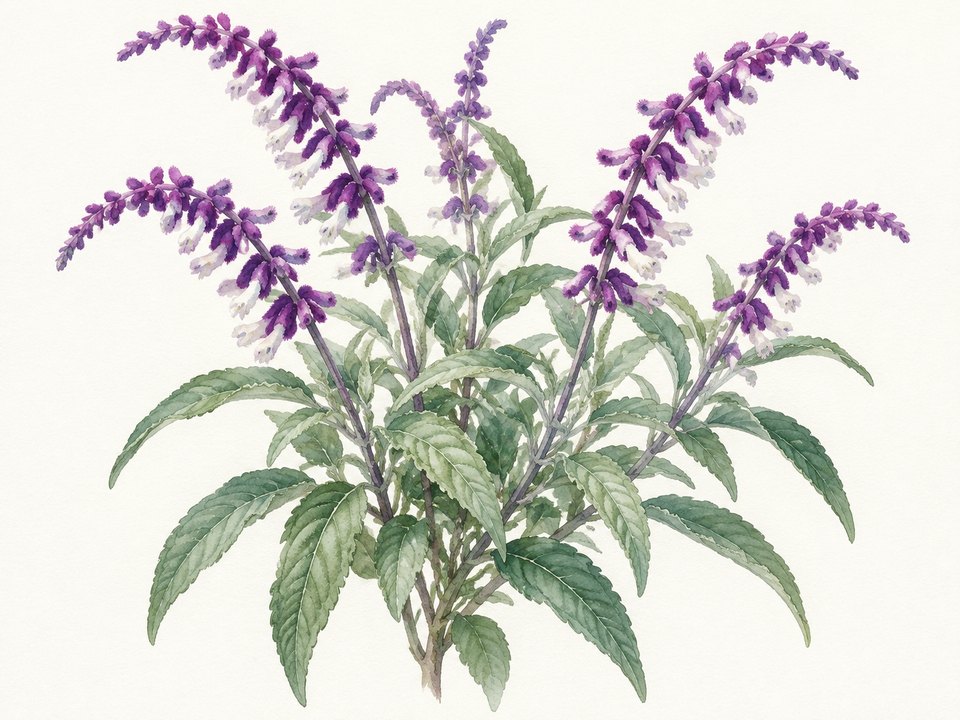 Illustration
Mexican Bush SageSalvia leucanthaIllustration 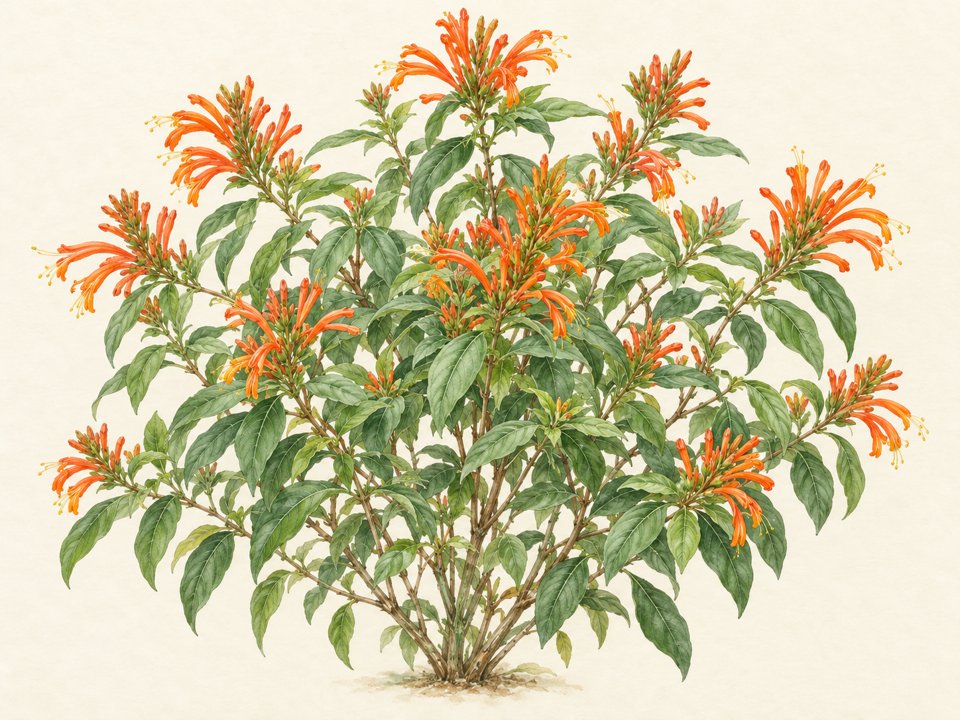 Illustration
Mexican HoneysuckleJusticia spicigeraIllustration 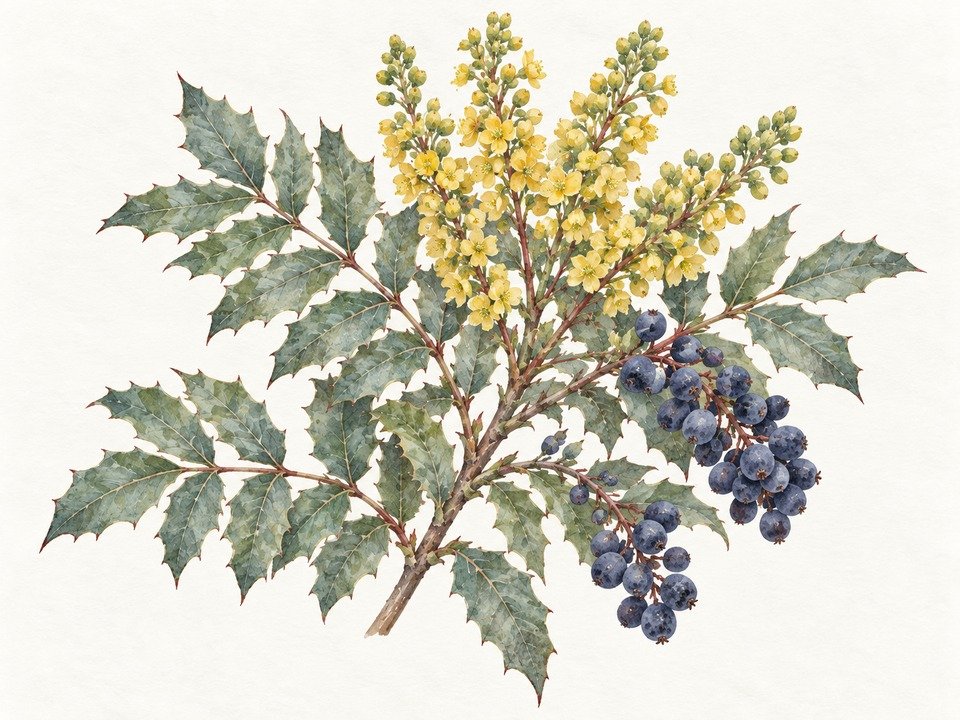 Illustration
Mexican MahoniaMahonia chochoccoIllustration 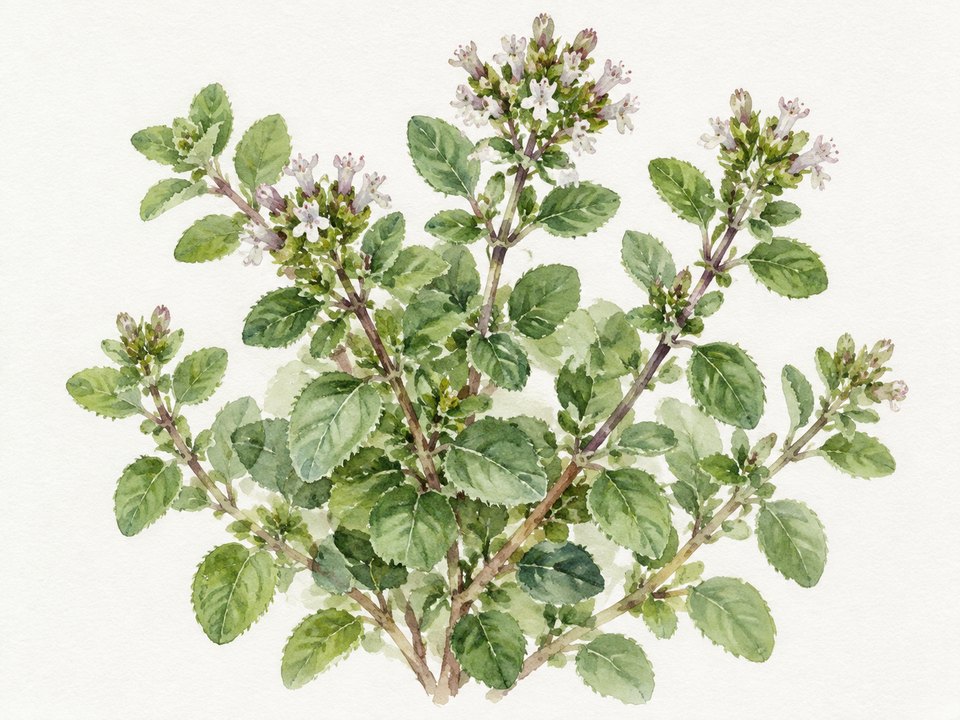 Illustration
Mexican OreganoPoliomintha longifoliaIllustration - Illustration
Mexican PoincianaCaesalpinia mexicanaIllustration 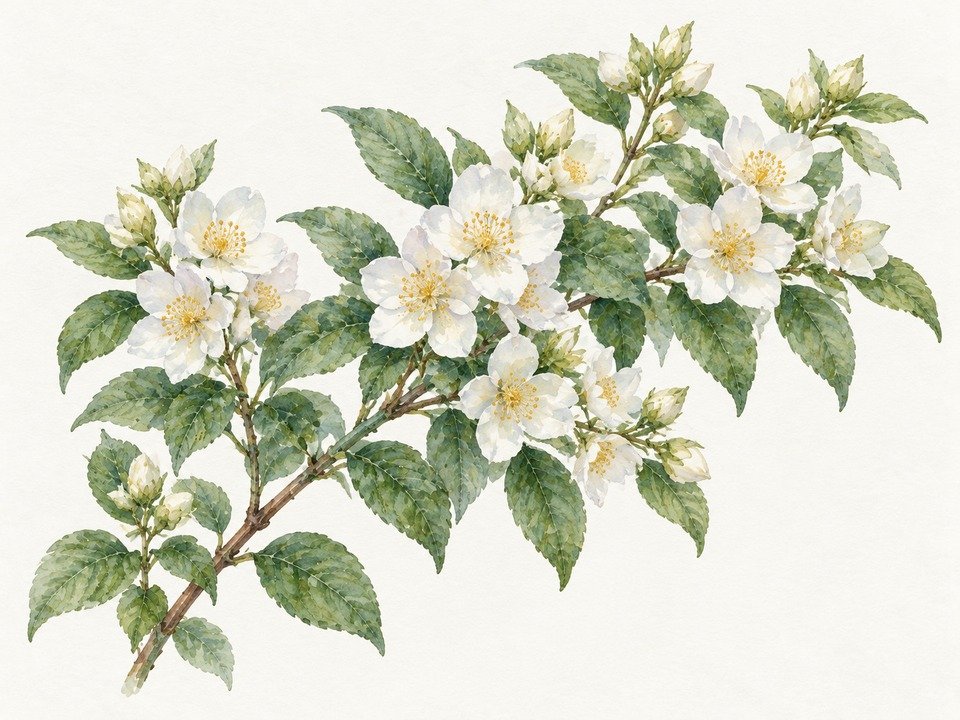 Illustration
Mock OrangePhiladelphus spp.Illustration 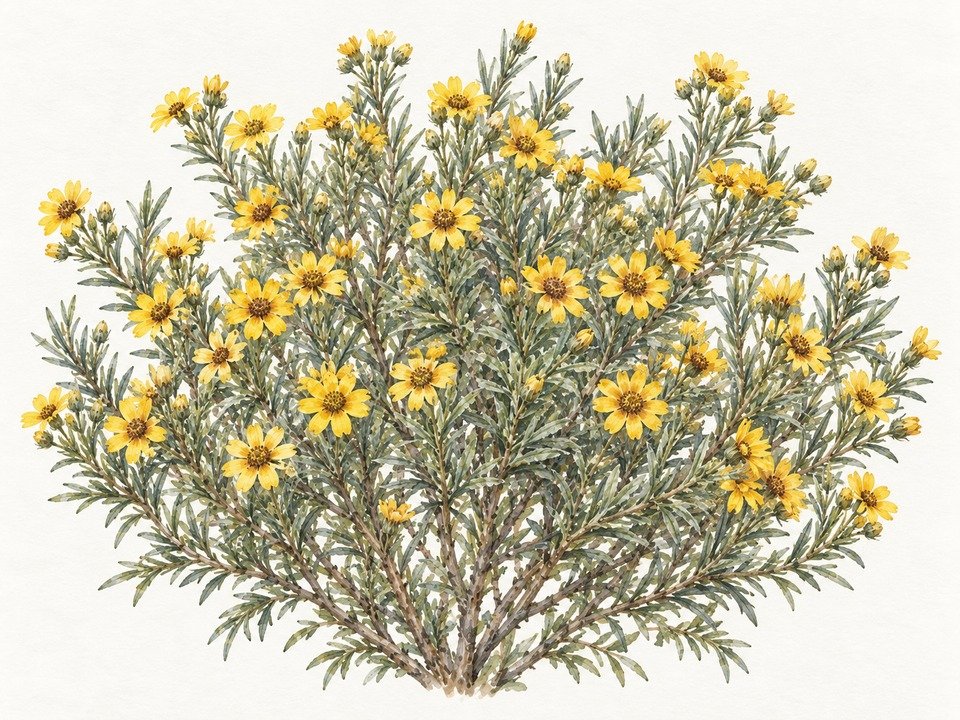 Illustration
Narrow-leaf VigueraViguera stenolobaIllustration 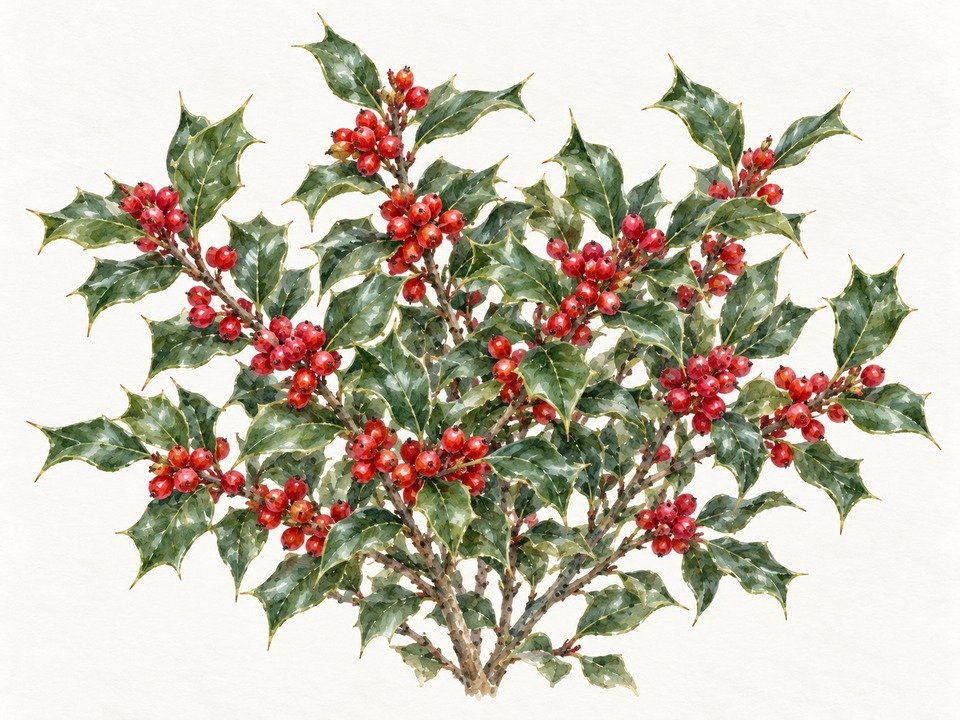 Illustration
Needlepoint HollyIlex cornuta 'Needlepoint'Illustration 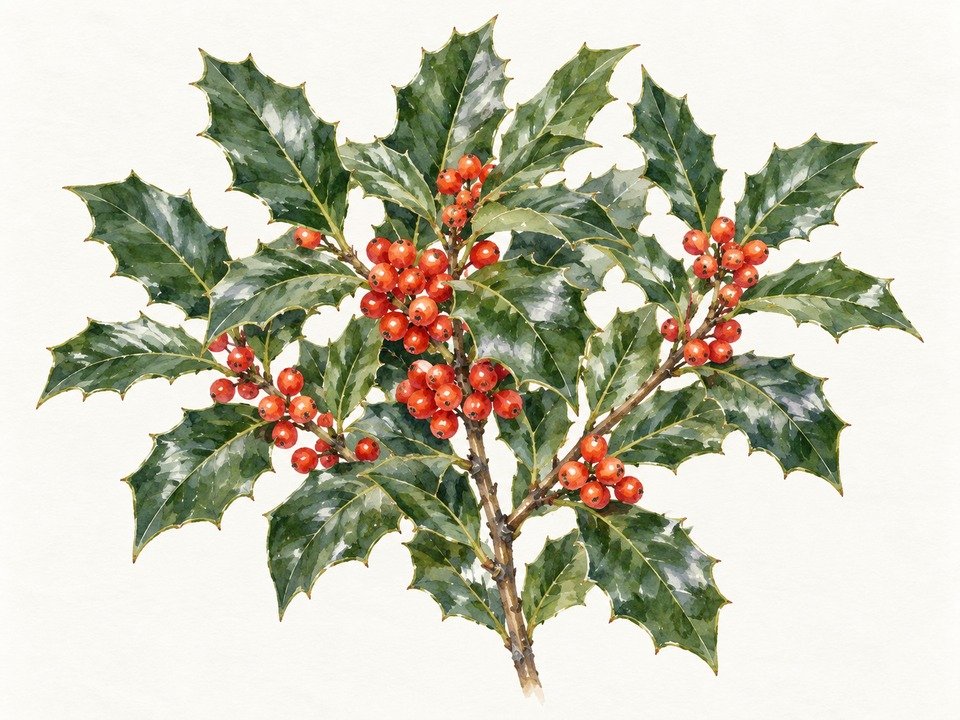 Illustration
Nellie R. Stevens HollyIlex x 'Nellie R. Stevens'Illustration 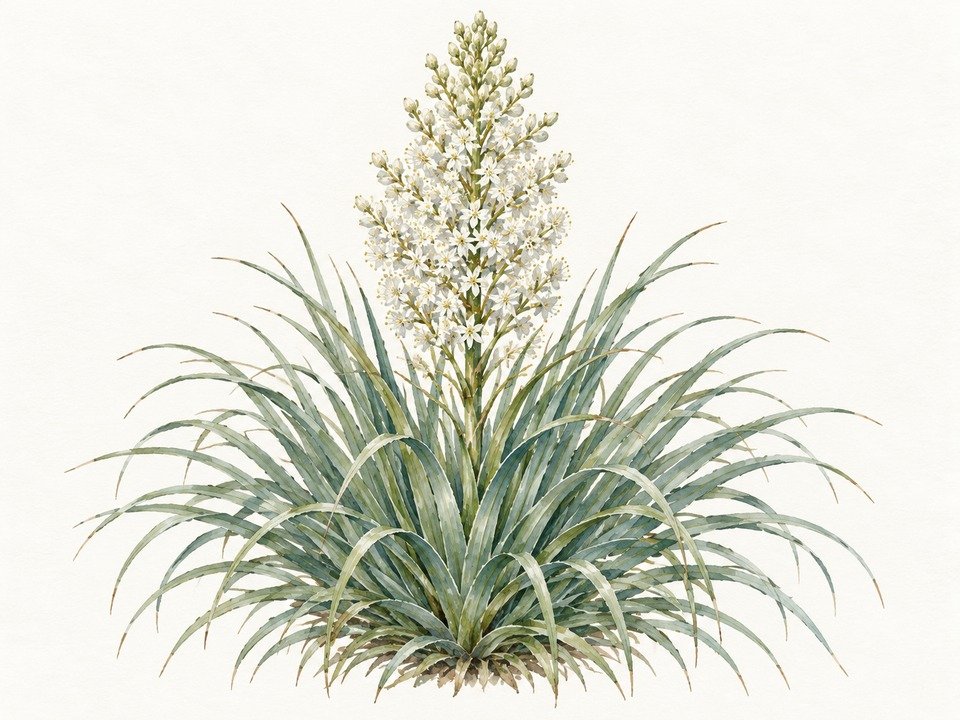 Illustration
Nelson's BeargrassNolina nelsoniIllustration 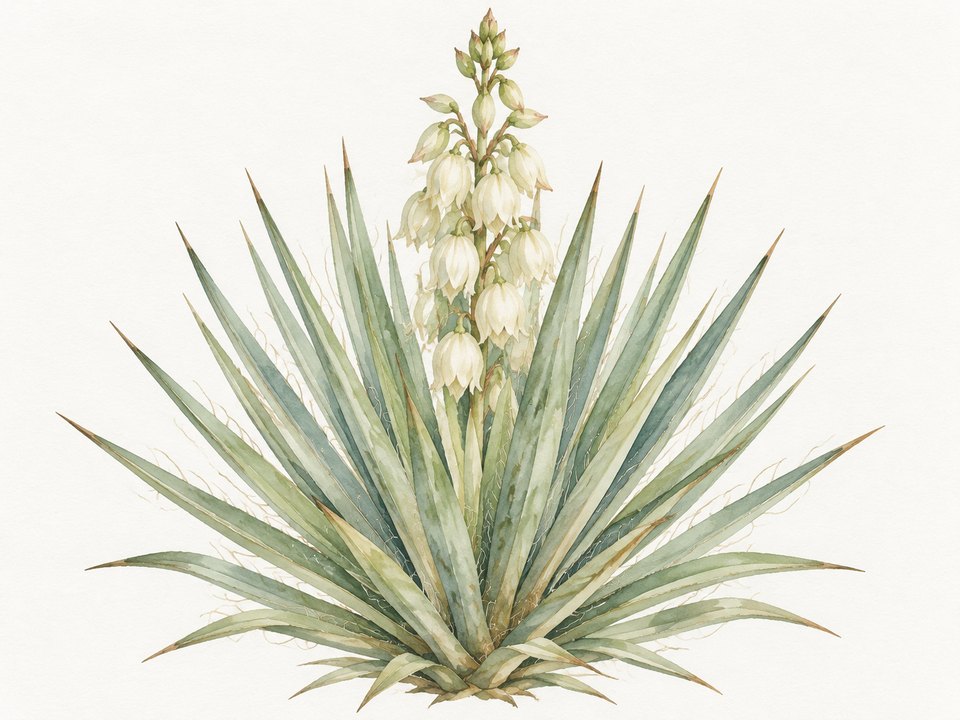 Illustration
Pale Leaf YuccaYucca pallidaIllustration 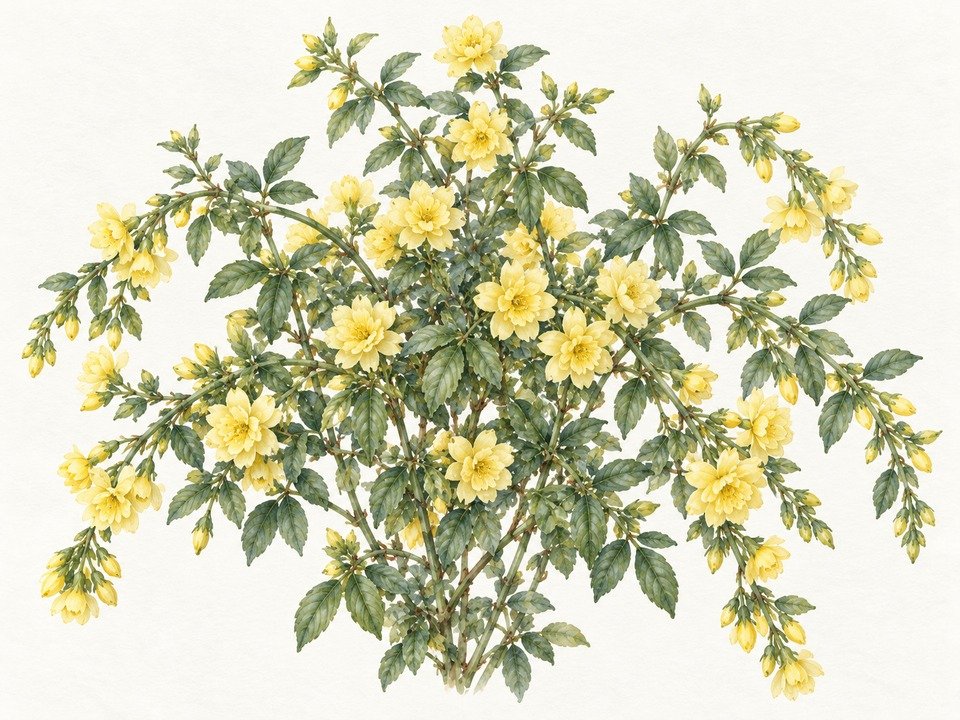 Illustration
Primrose JasmineJasminum mesnyiIllustration 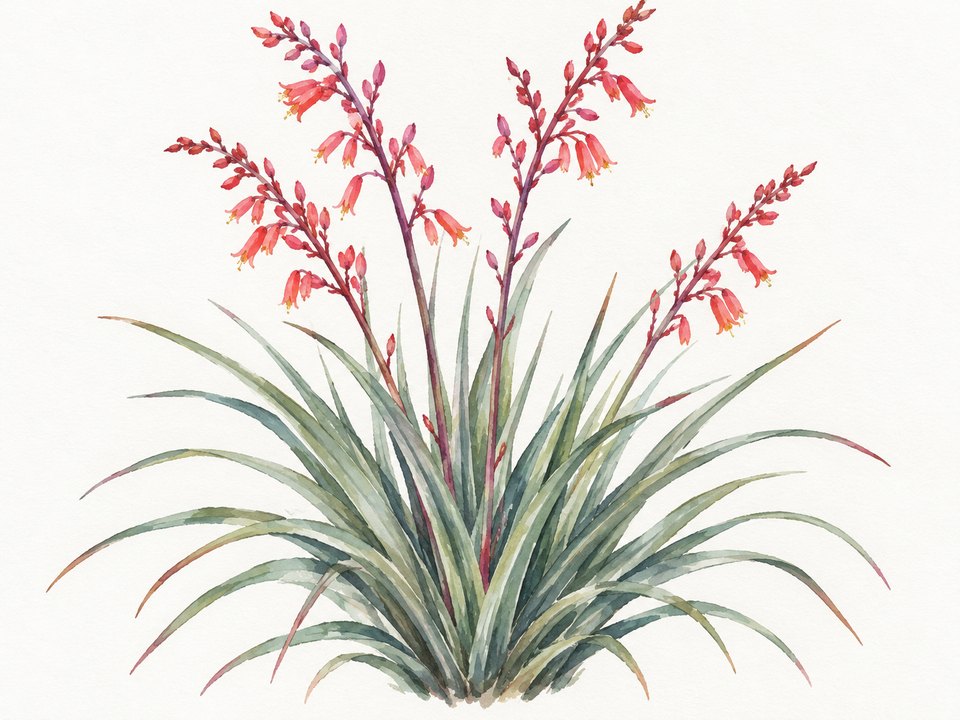 Illustration
Red YuccaHesperaloe parvifloraIllustration 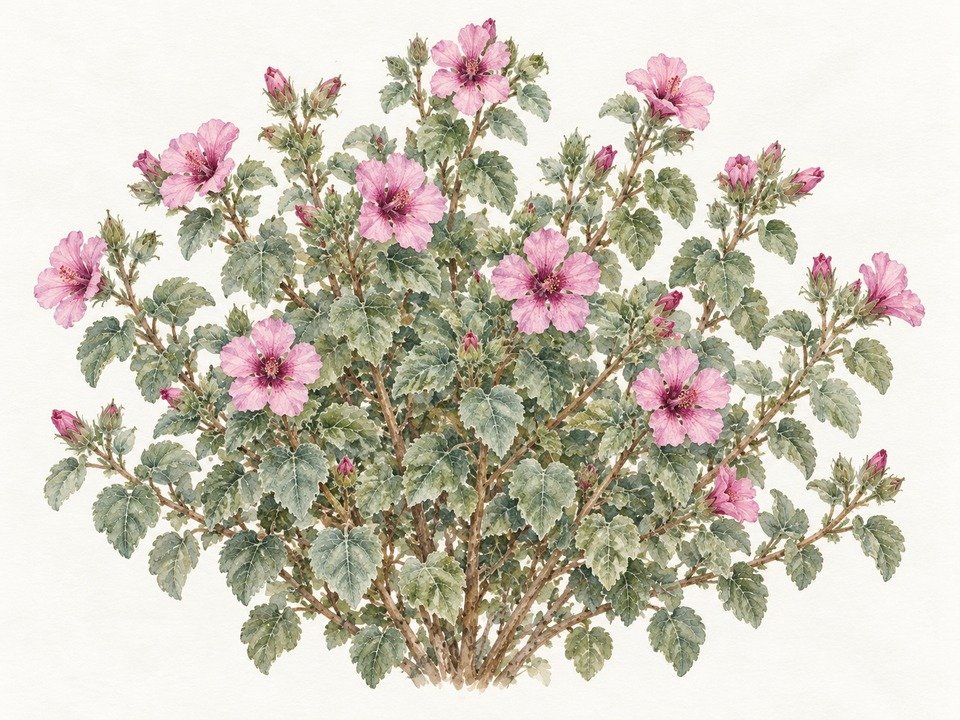 Illustration
RockrosePavonia lasiopetalaIllustration 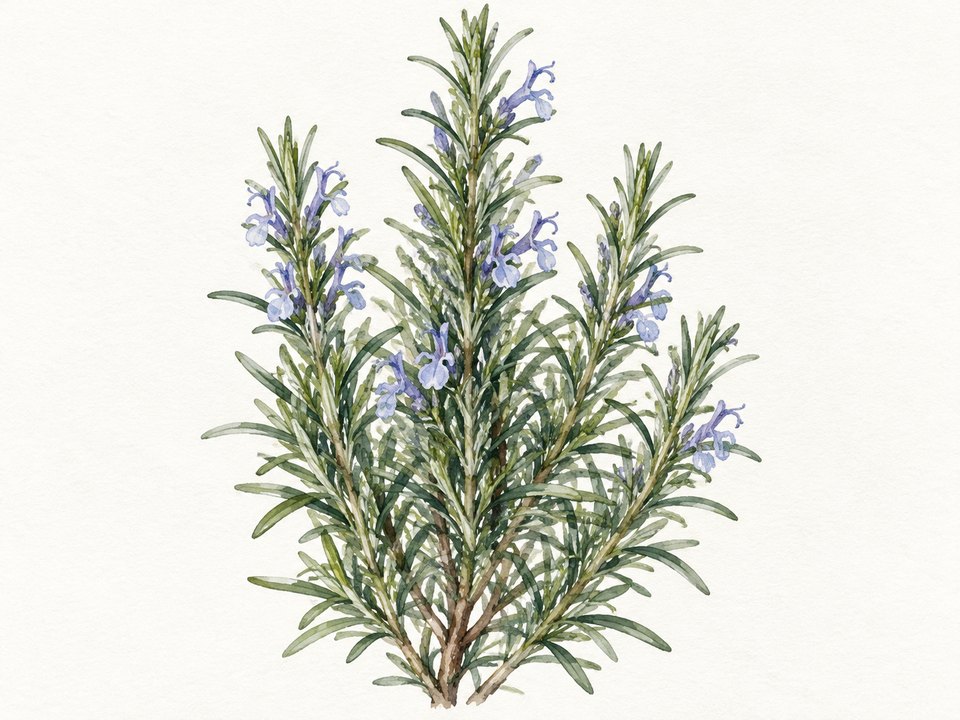 Illustration
Rosemary (upright)Salvia rosmarinusIllustration 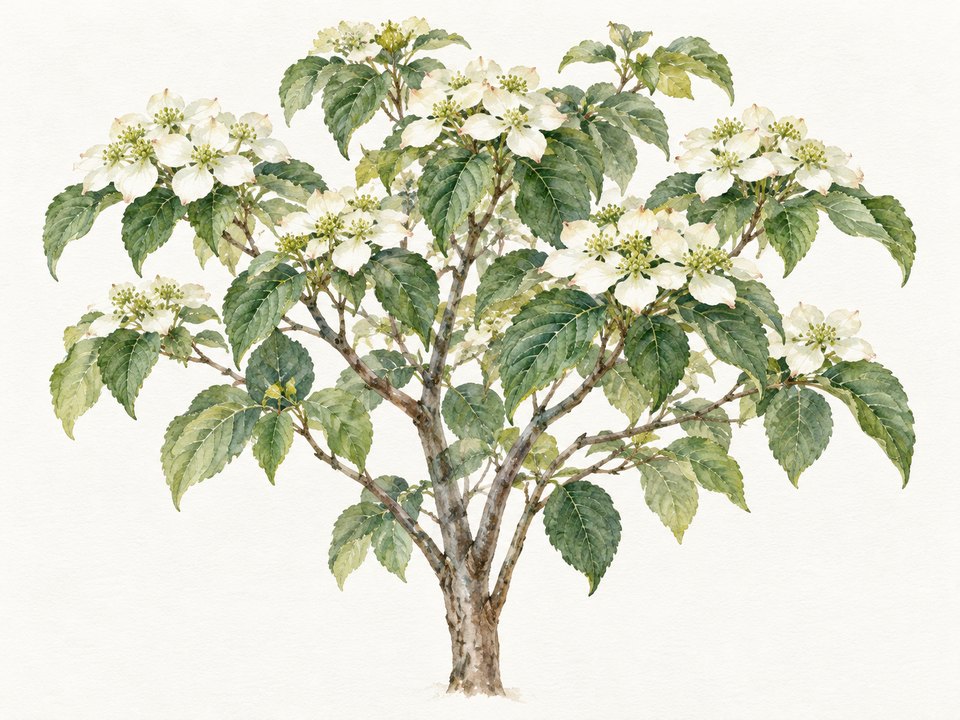 Illustration
Roughleaf DogwoodCornus drummondiiIllustration 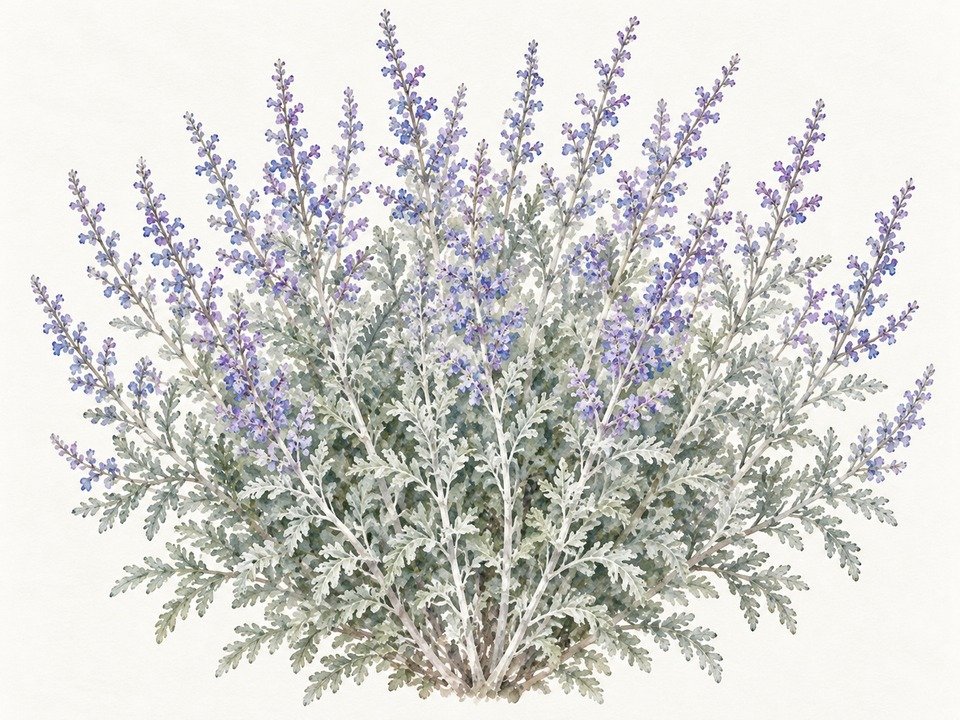 Illustration
Russian SagePerovskia atriplicifoliaIllustration 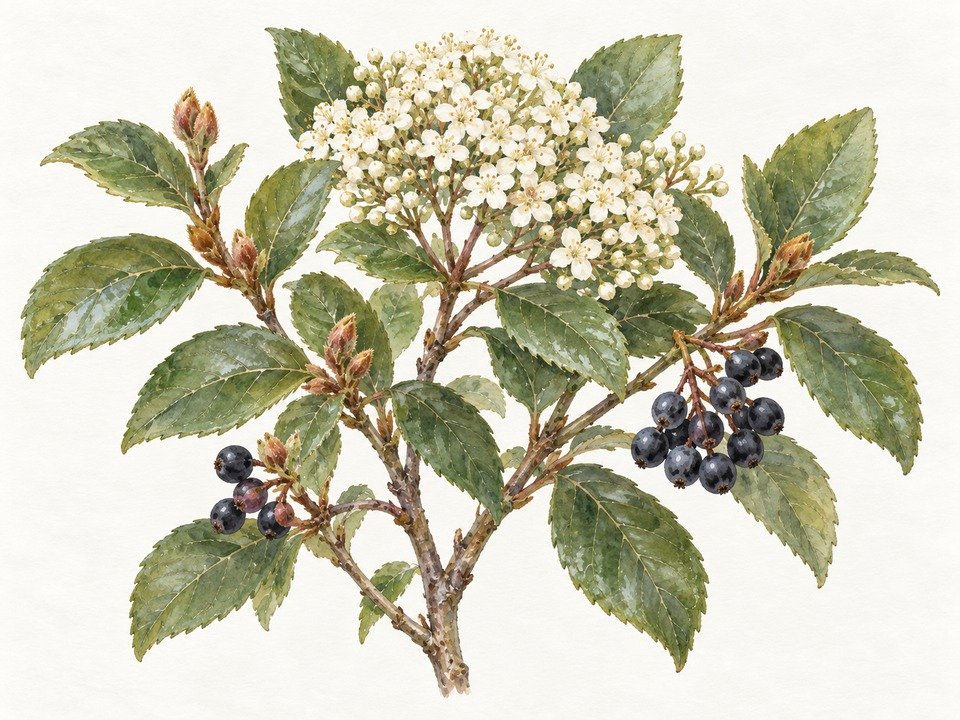 Illustration
Rusty BlackhawViburnum rufidulumIllustration 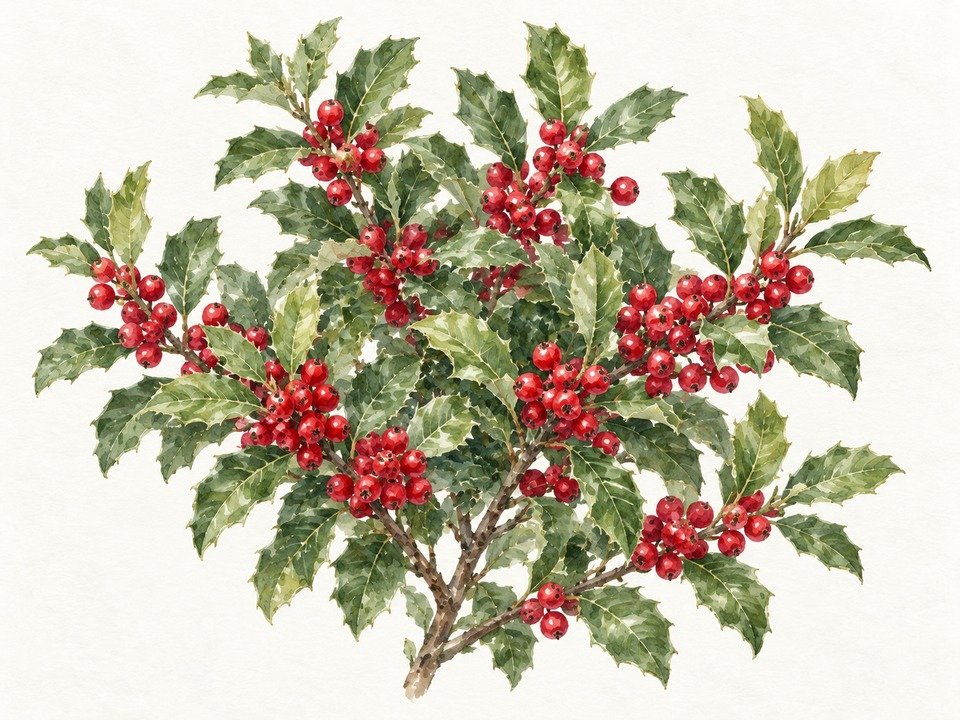 Illustration
Savannah HollyIlex x attenuata 'Savannah'Illustration 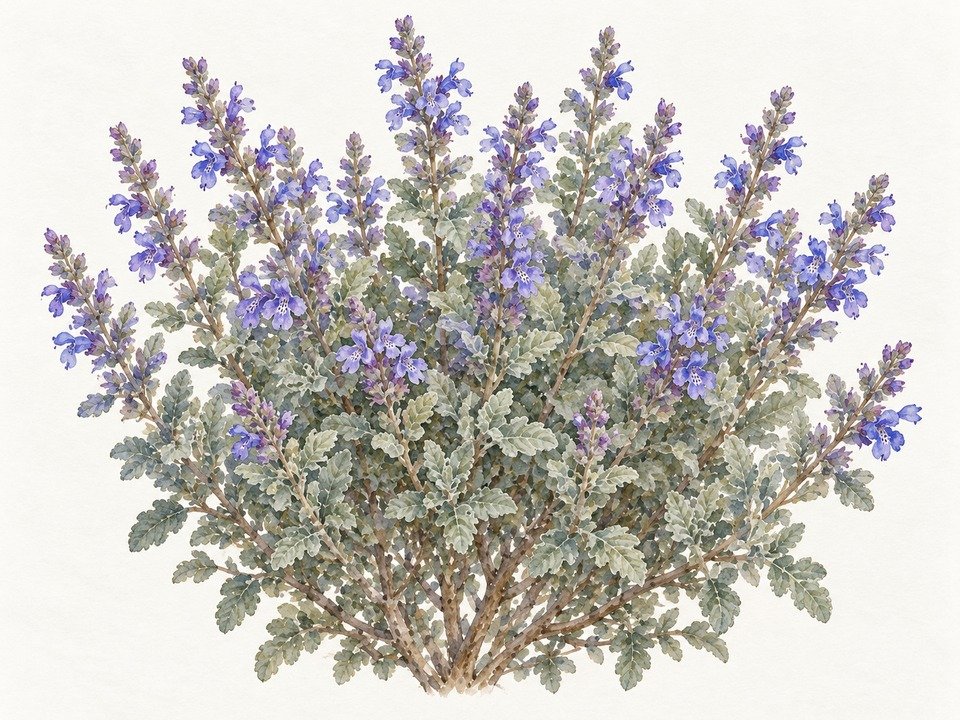 Illustration
Shrubby Blue SageSalvia ballotifloraIllustration 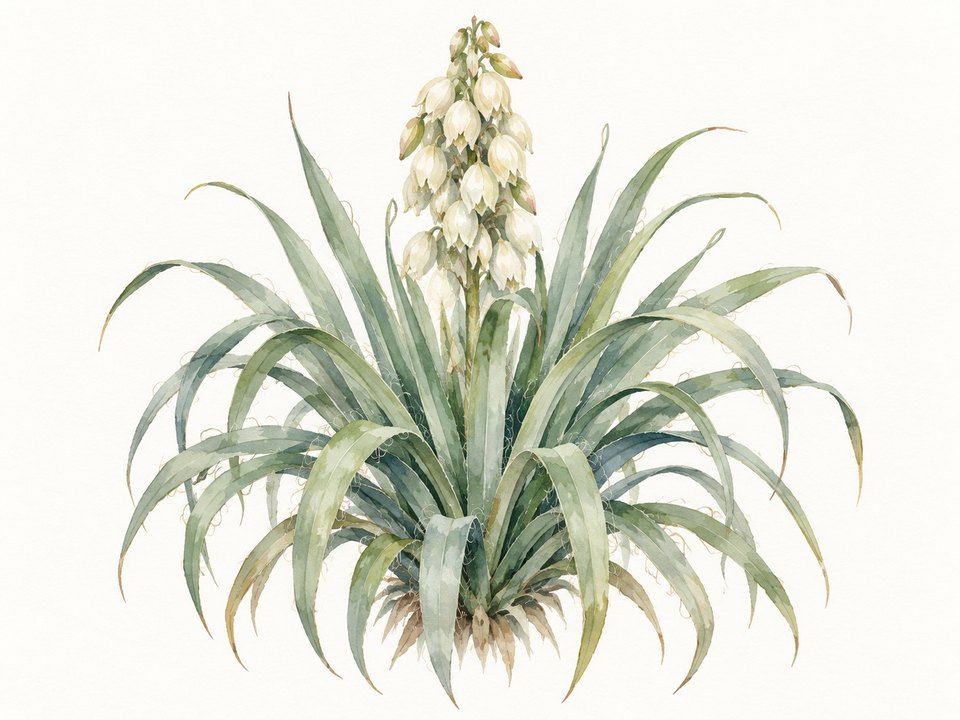 Illustration
Soft Leaf YuccaYucca recurvifoliaIllustration 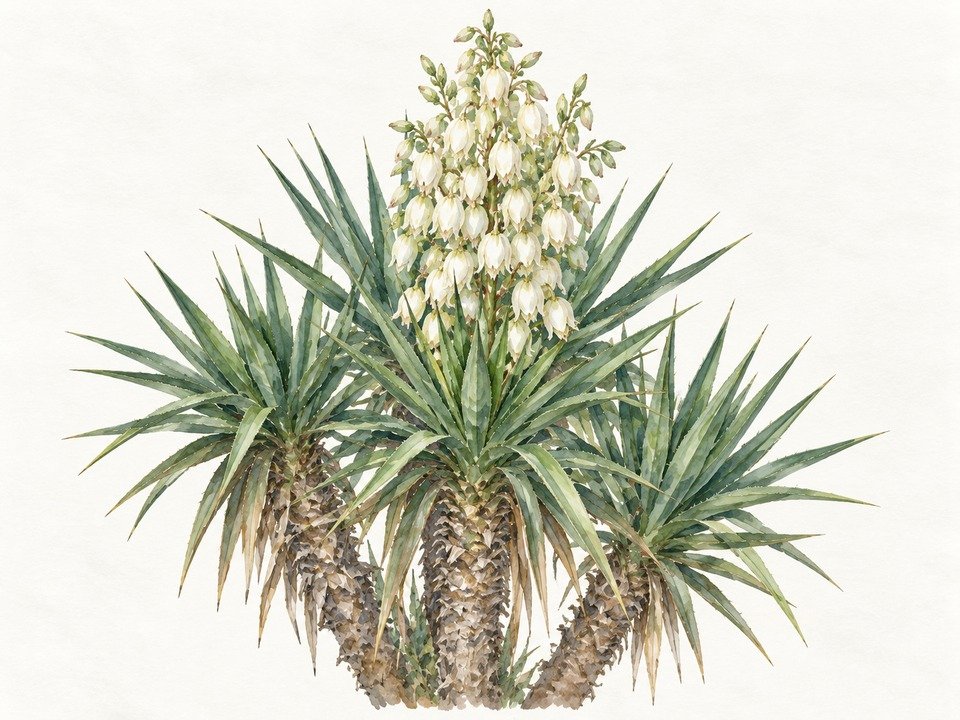 Illustration
Spanish BayonetYucca aloifoliaIllustration 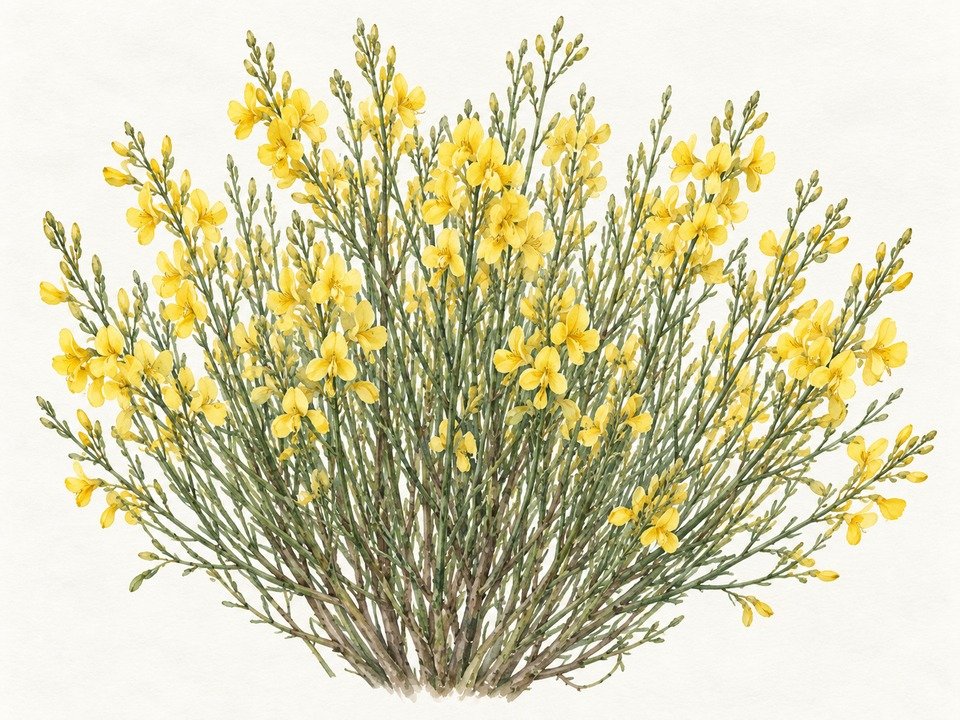 Illustration
Spanish BroomSpatium junceumIllustration
Spanish Dagger (Yucca treculeana)
 Illustration
Sweet OliveOsmanthus fragransIllustration 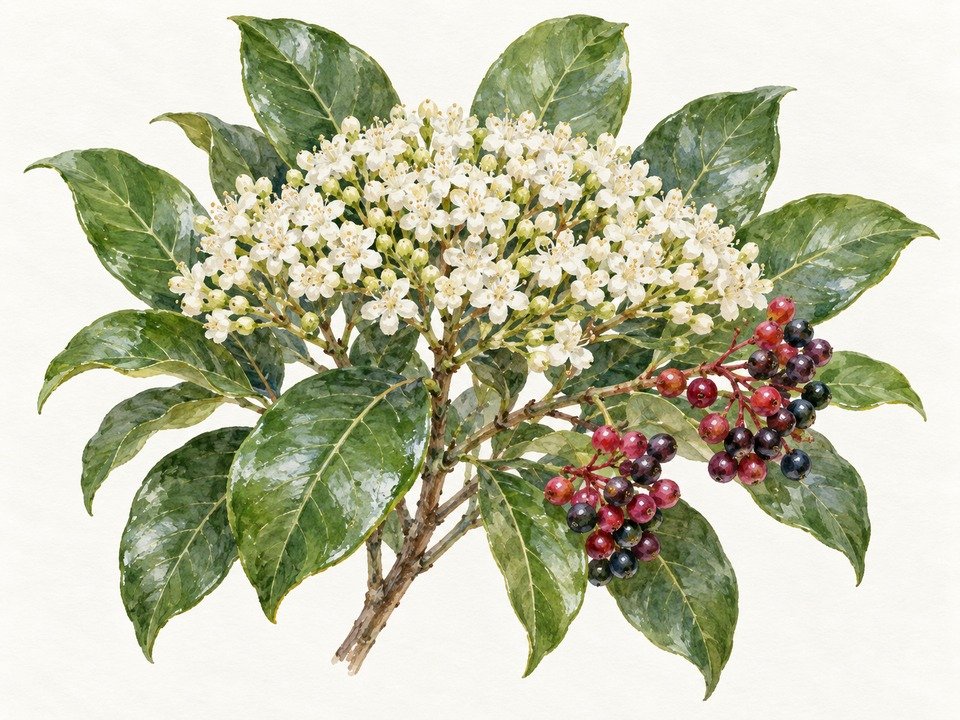 Illustration
Sweet ViburnumViburnum odoratissimum var. AwabukiIllustration 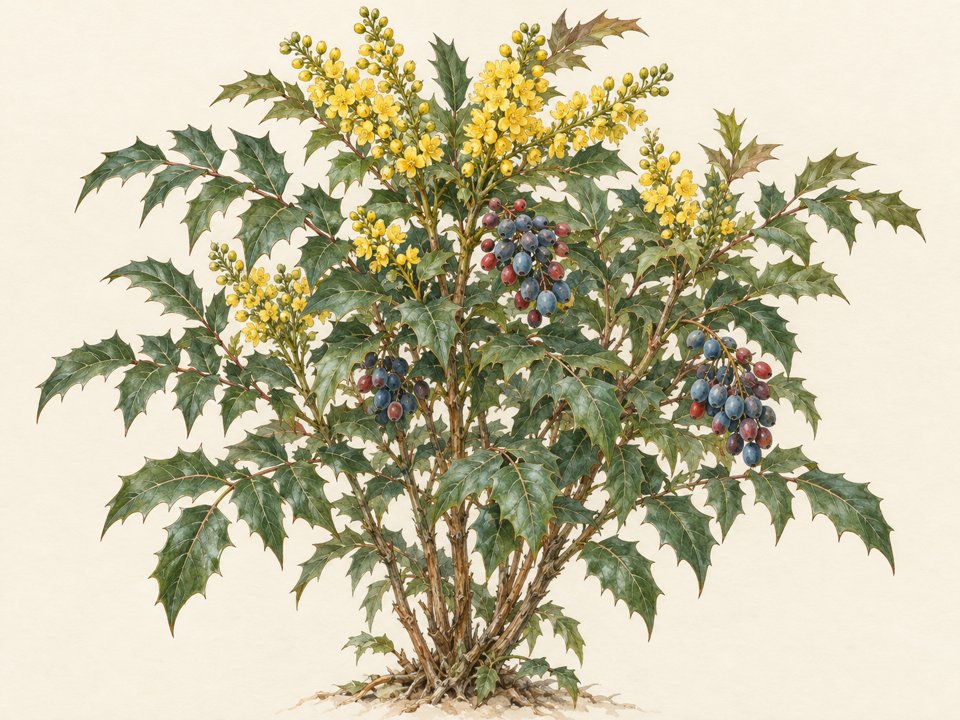 Illustration
Texas BarberryMahonia swaseyiIllustration 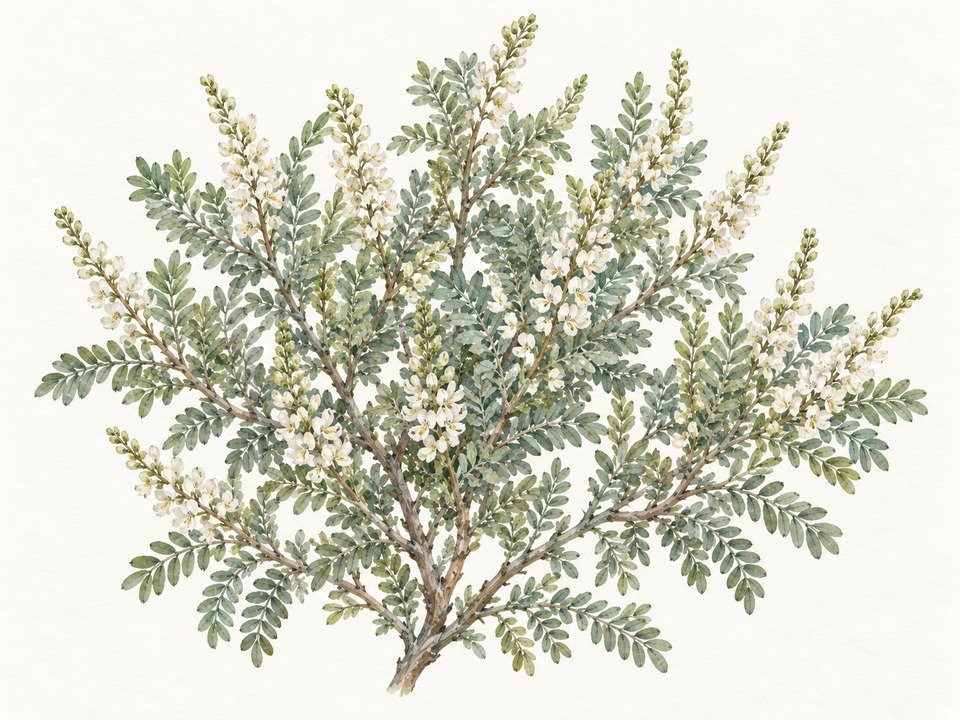 Illustration
Texas KidneywoodEysenhardtia texanaIllustration - Illustration
Texas PistachePistacia texanaIllustration 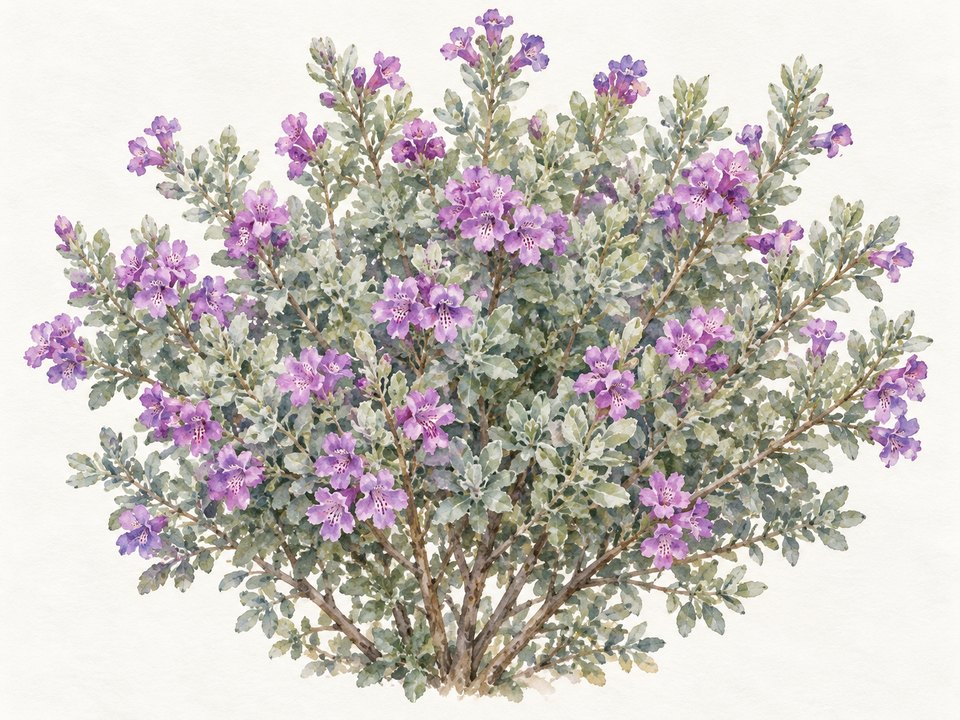 Illustration
Texas SageLeucophyllum frutescensIllustration 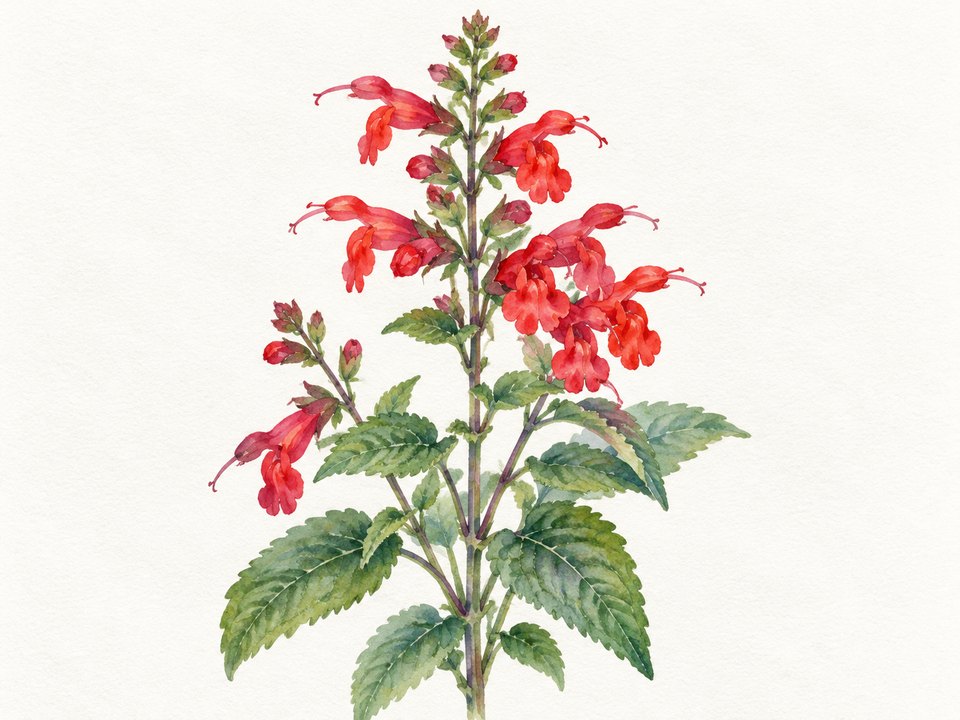 Illustration
Scarlet SageSalvia coccineaIllustration 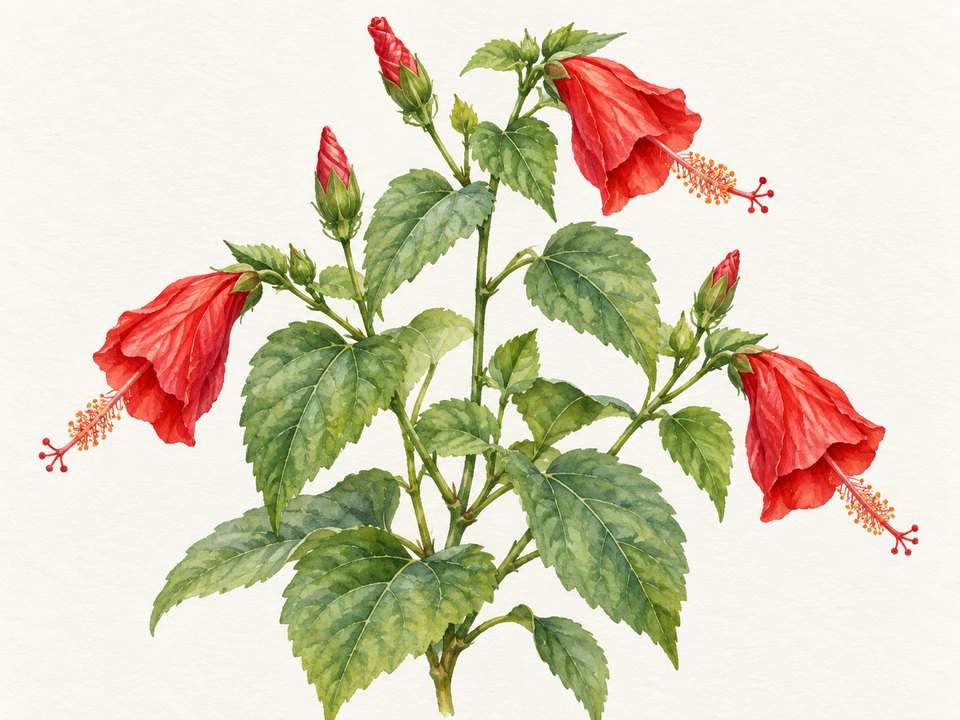 Illustration
Turk's CapMalvaviscus arboreus var. drummondiiIllustration 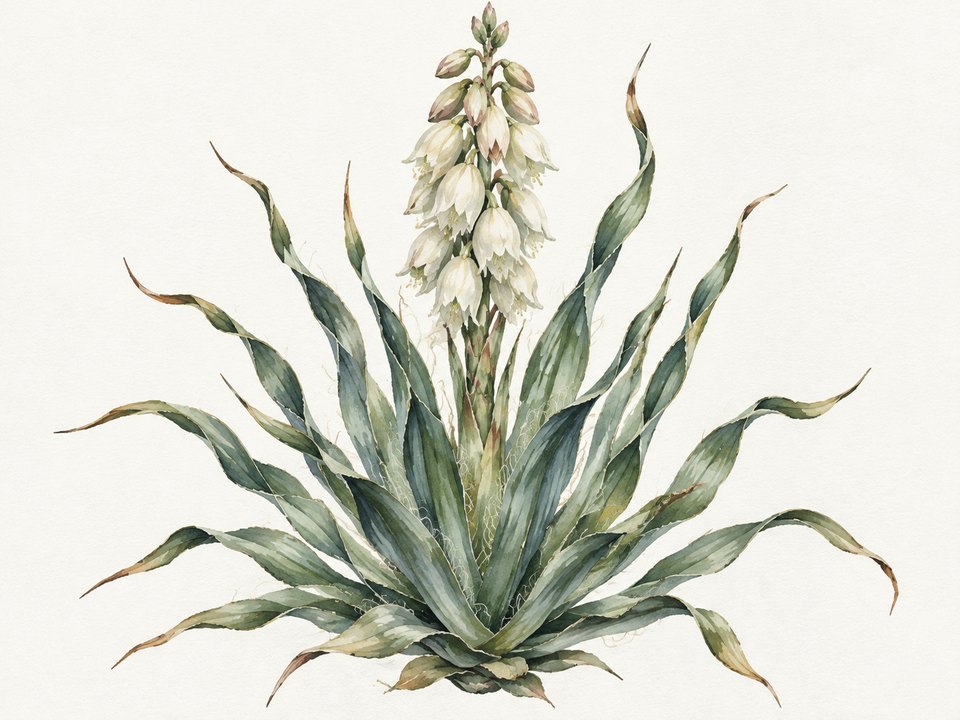 Illustration
Twisted Leaf YuccaYucca rupicolaIllustration 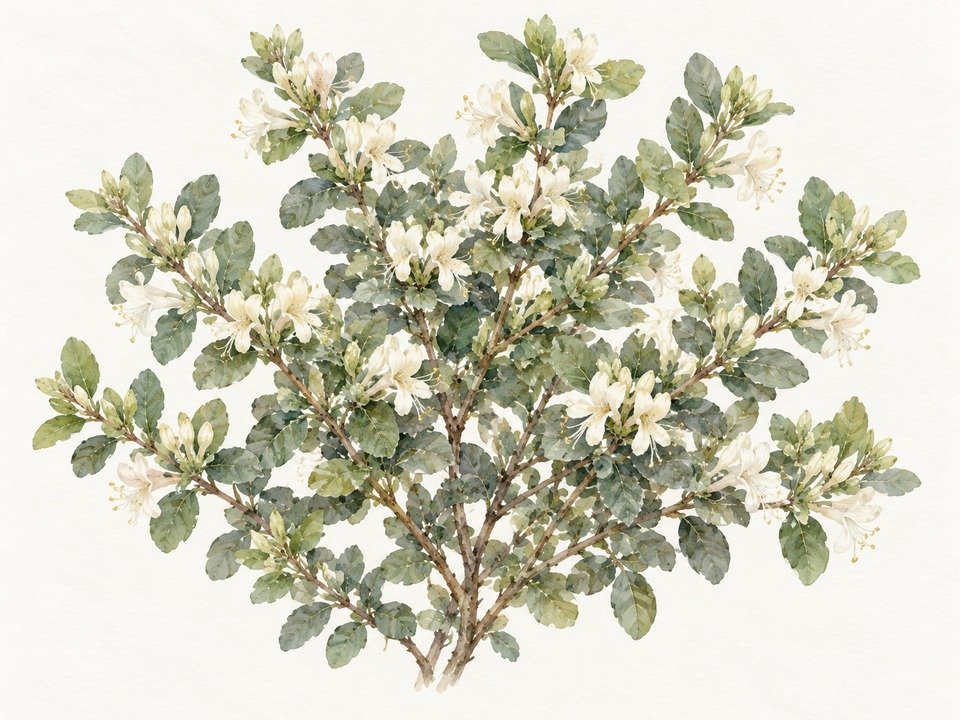 Illustration
Winter HoneysuckleLonicera albifloraIllustration 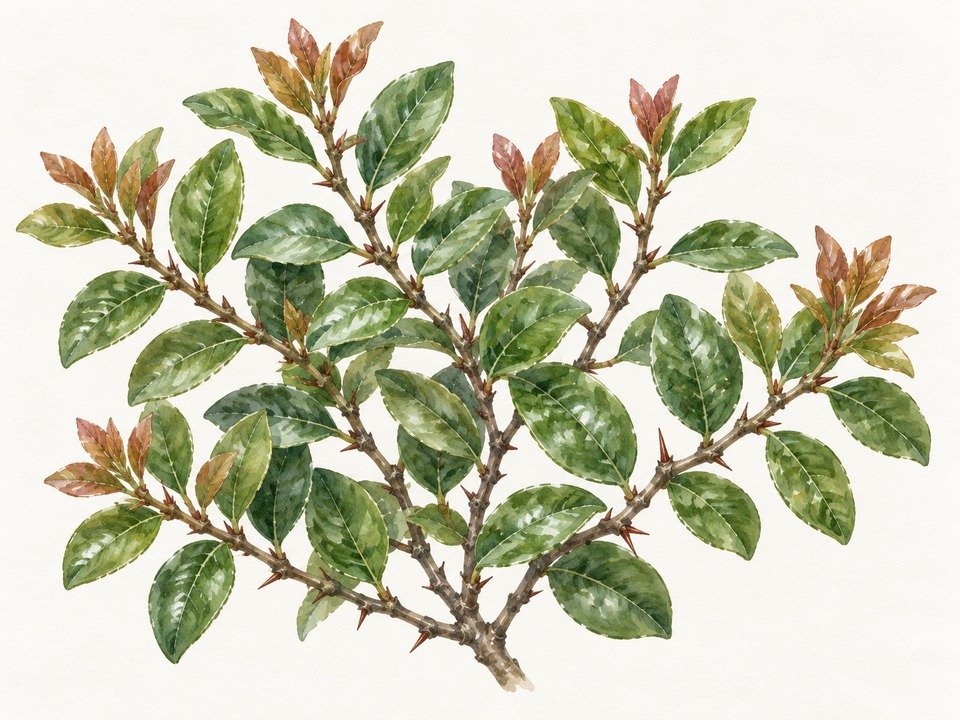 Illustration
XylosmaXylosma senticosaIllustration 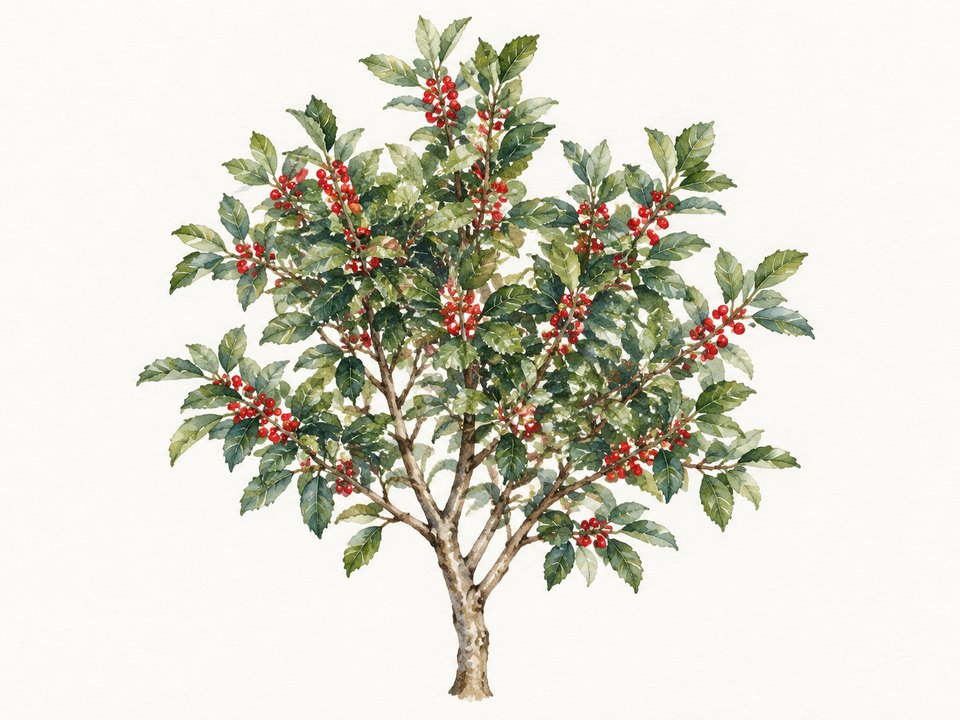 Illustration
Yaupon HollyIlex vomitoriaIllustration 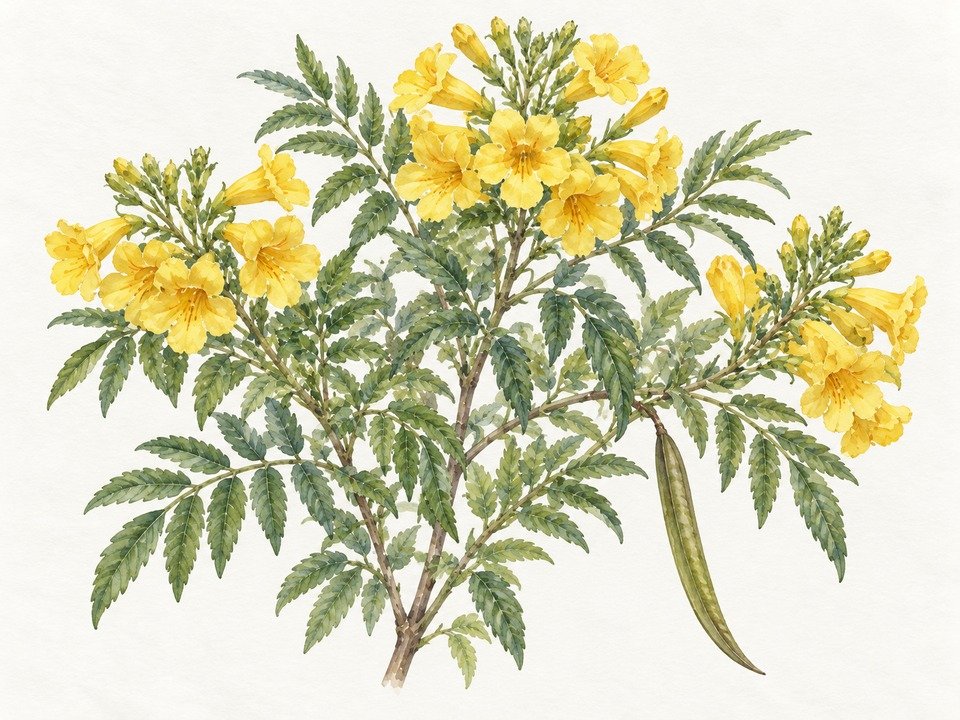 Illustration
Yellow BellsTecoma stans var. angustataIllustration
Ground Covers
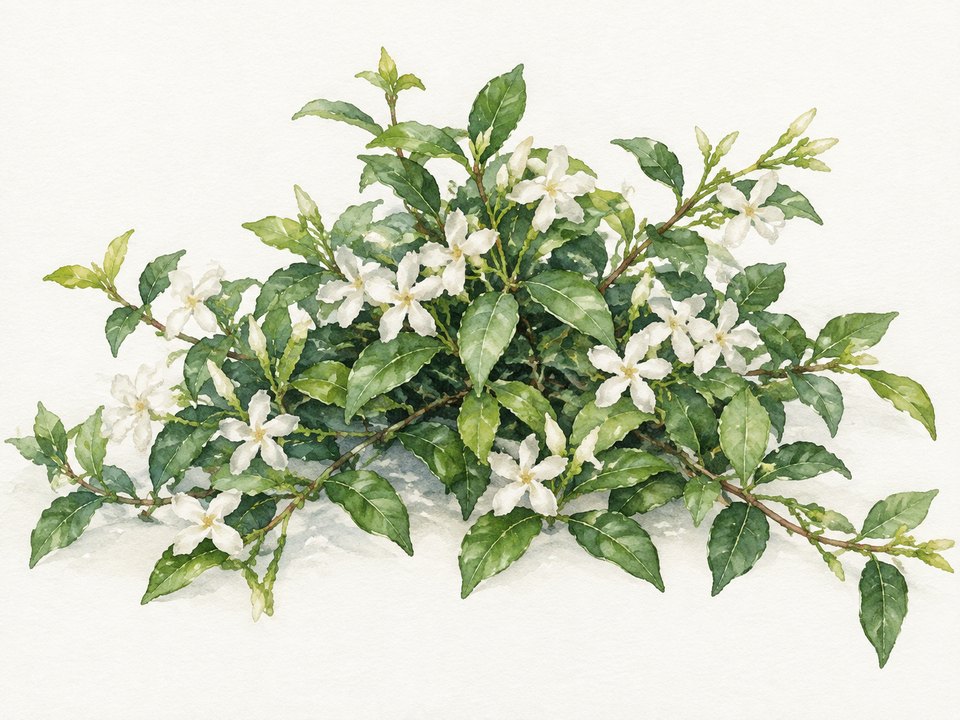
Asian Jasmine (Trachelospermum asiaticum); Blue Shade (Ruellia spp.); Bugle Weed (Ajuga reptens); Confederate Jasmine (Trachelospermum jasminoides); Cotton-lanender (Santolina chamaecyparissus); Clover Fern (Marselia macropoda); Creeping Plumbago (Ceratostigma plumbaginoides); Gray Sedum (Sedum potosinum); Green Moss Sedum (Sedum forrestianum); Holly Fern (Cyrtomium falcatum); Liriope (Liriope muscari); Mondo Grass (Ophiopogon japonicus); Ornamental Majorams (Origanum spp.); Periwinkle (Vinca major); River Fern (Thelypteris kunthii); Santolina (Santolina sp.); Silver Carpet Dalea (Dalea greggii); Sword Fern (Lephrolepis cordifolia); Sword Fern (Nephrolepis cordifolia); Texas Sedum (Sedum texanum); Trailing Lantana (Lantana montevidensis); Trailing Rosemary (Rosmarinus officinalis prostrata); Venus Maidenhair Fern (Adiantum capillus-veneris); Verbena (Verbena cvs.).[6]
 Illustration
Asian JasmineTrachelospermum asiaticumIllustration 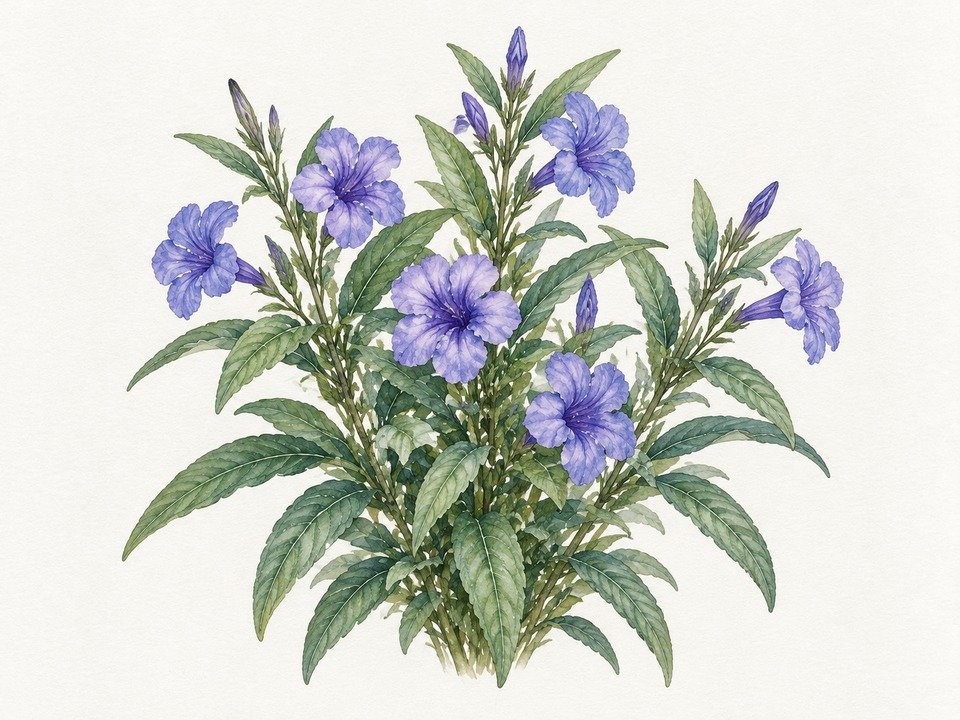 Illustration
Blue ShadeRuellia spp.Illustration 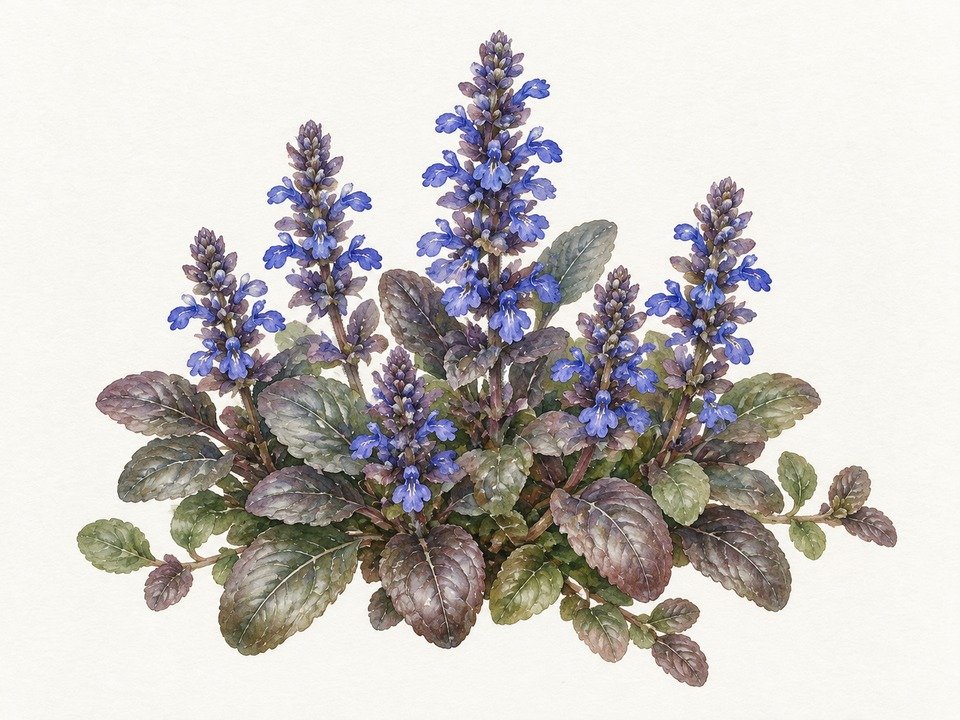 Illustration
Bugle WeedAjuga reptensIllustration 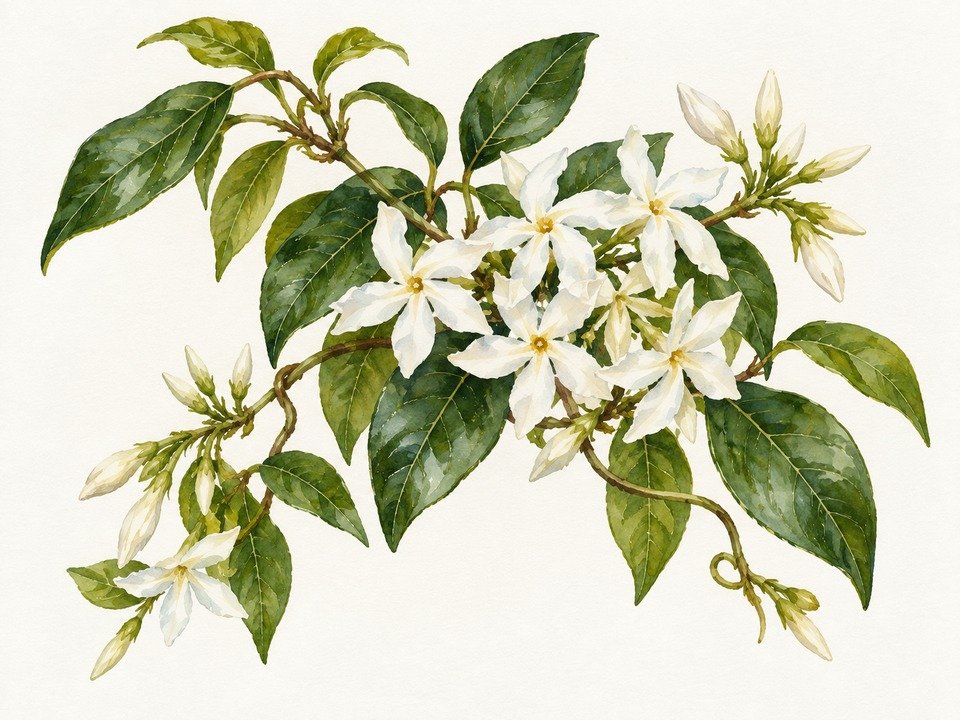 Illustration
Confederate JasmineTrachelospermum jasminoidesIllustration 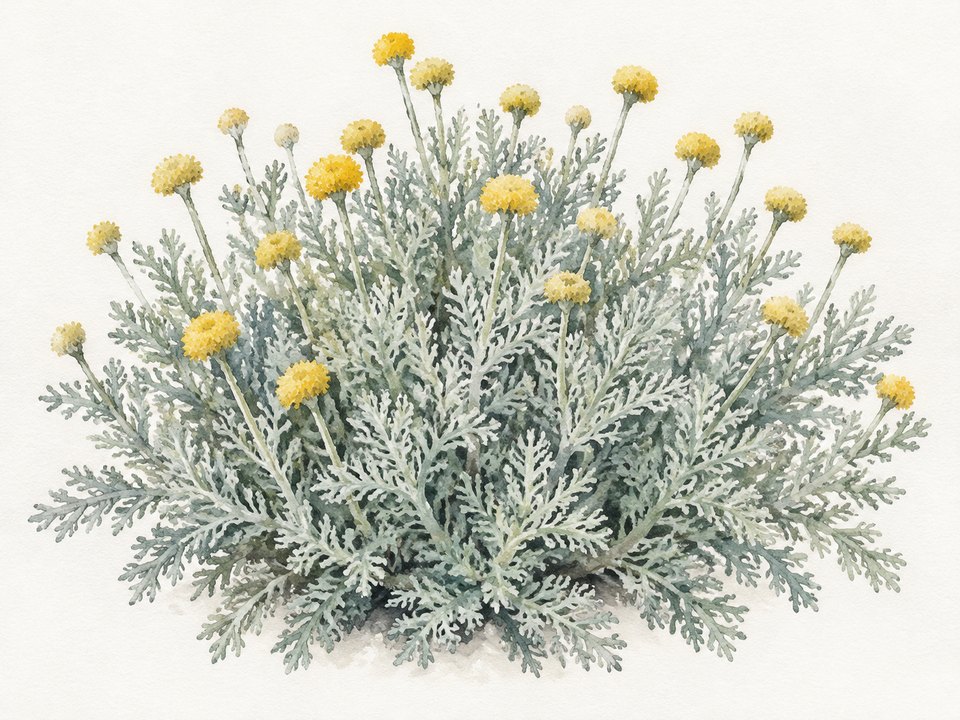 Illustration
Gray SantolinaSantolina chamaecyparissusIllustration 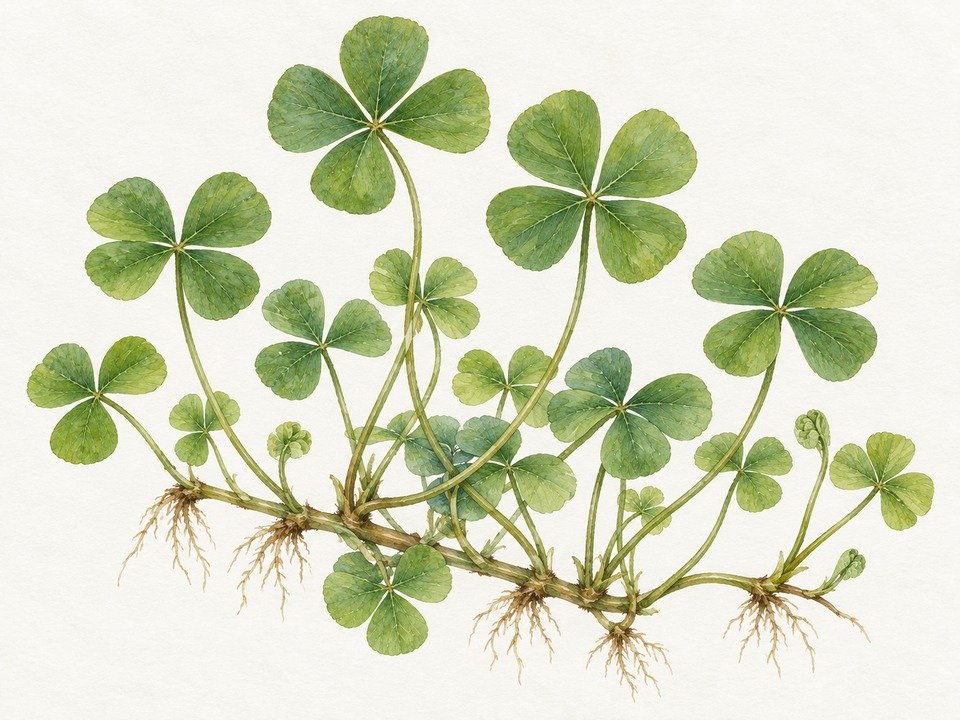 Illustration
Clover FernMarselia macropodaIllustration 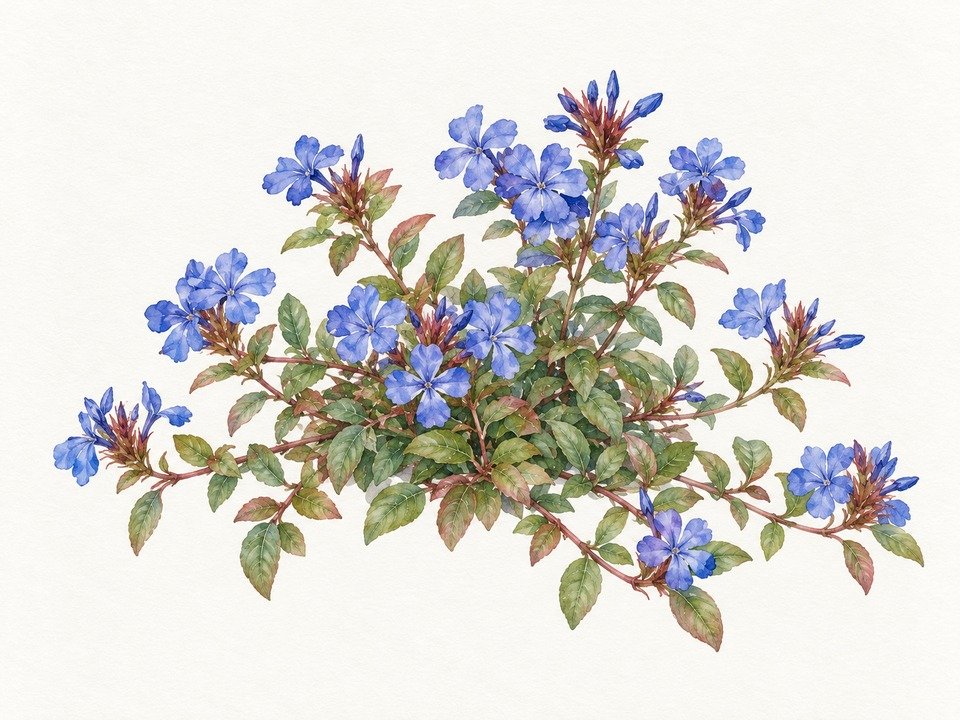 Illustration
Creeping PlumbagoCeratostigma plumbaginoidesIllustration 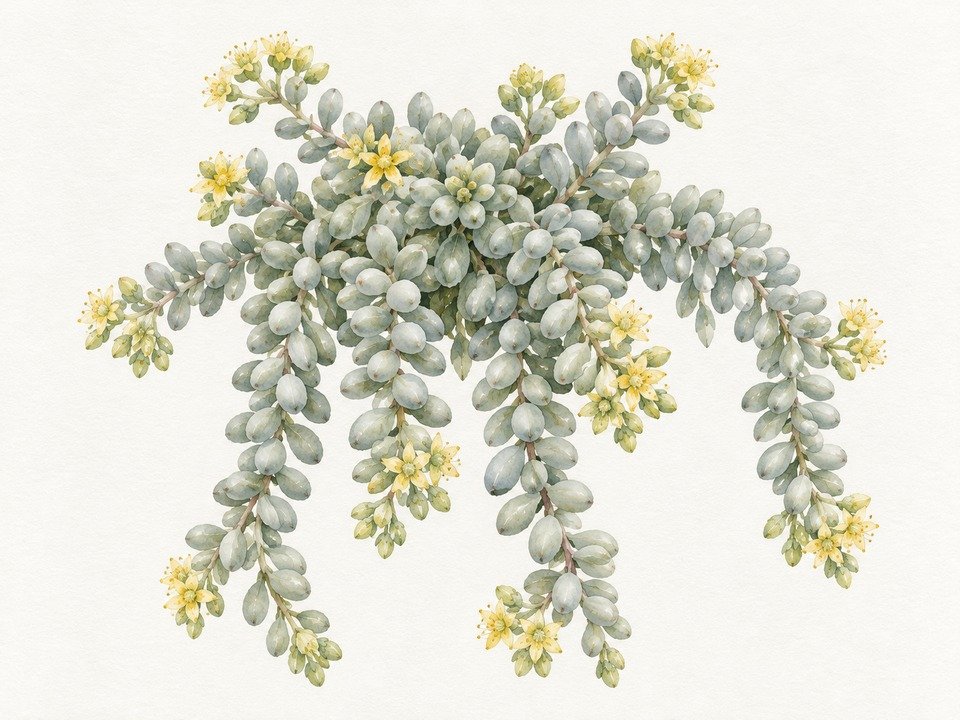 Illustration
Gray SedumSedum potosinumIllustration 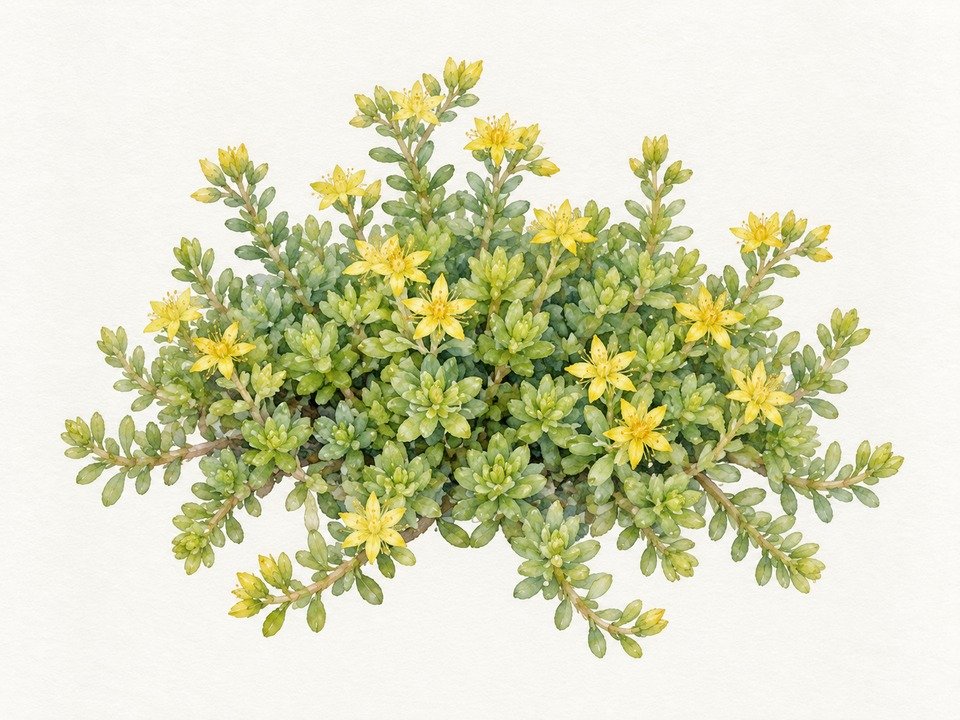 Illustration
Green Moss SedumSedum forrestianumIllustration 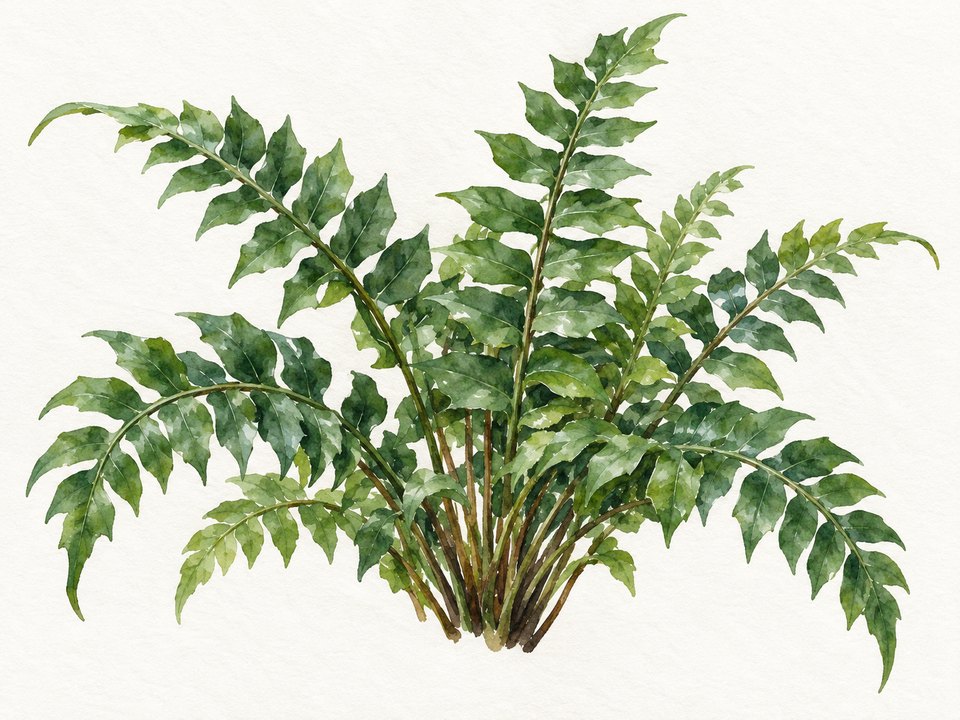 Illustration
Holly FernCyrtomium falcatumIllustration 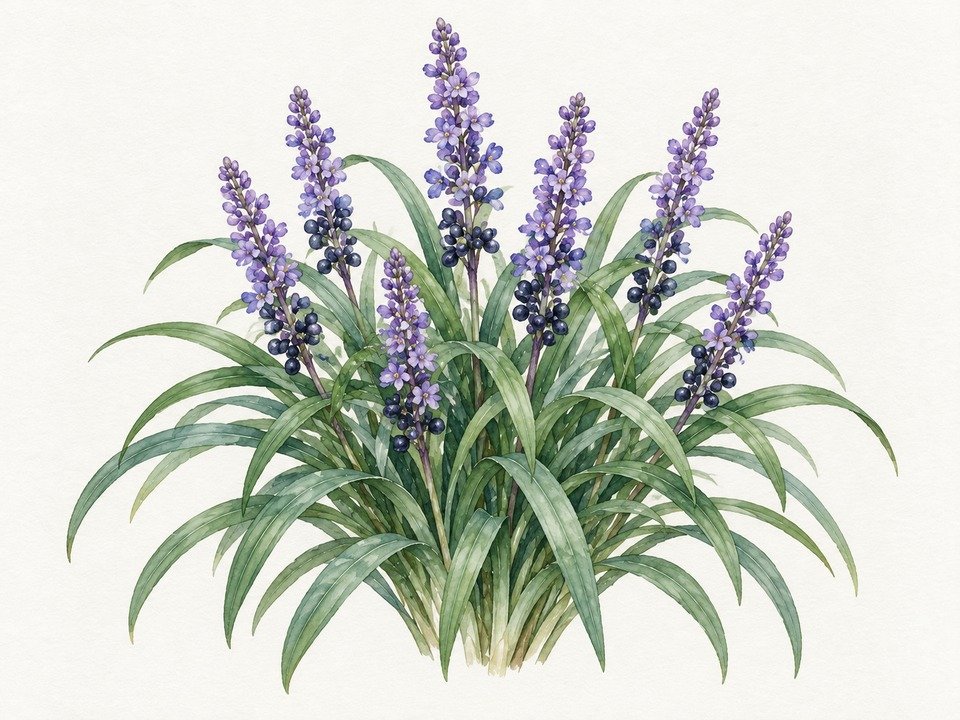 Illustration
LiriopeLiriope muscariIllustration 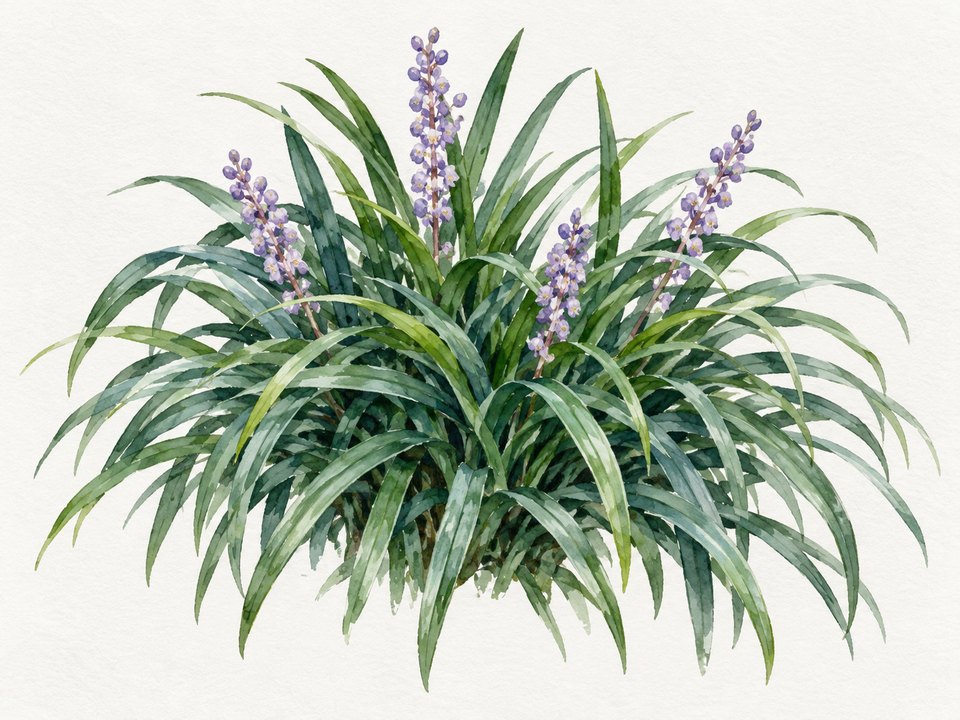 Illustration
Mondo GrassOphiopogon japonicusIllustration 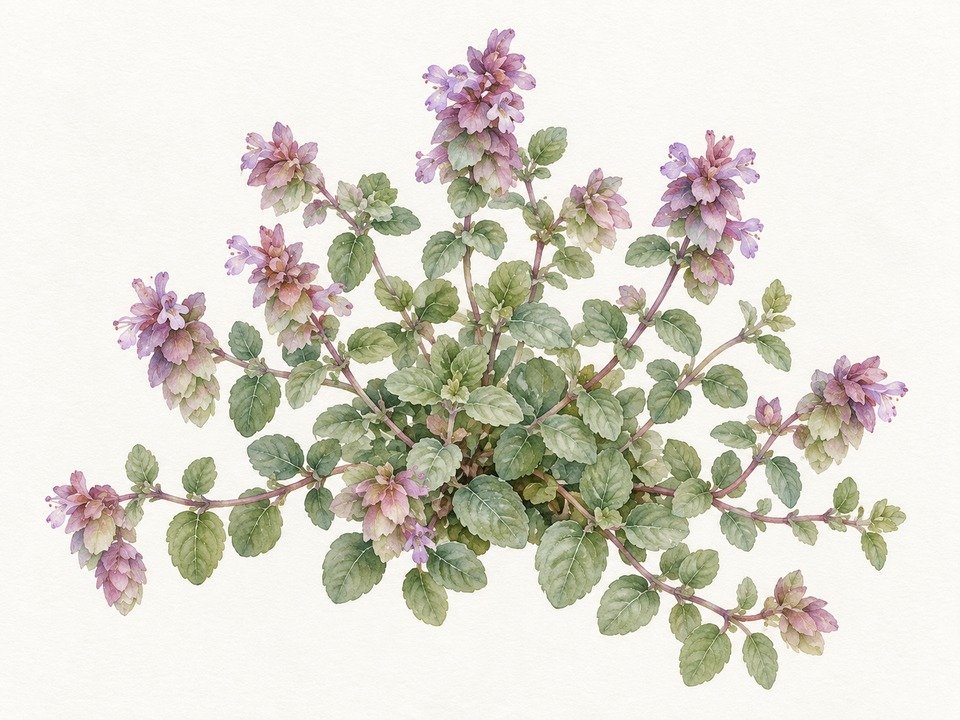 Illustration
Ornamental MajoramsOriganum spp.Illustration 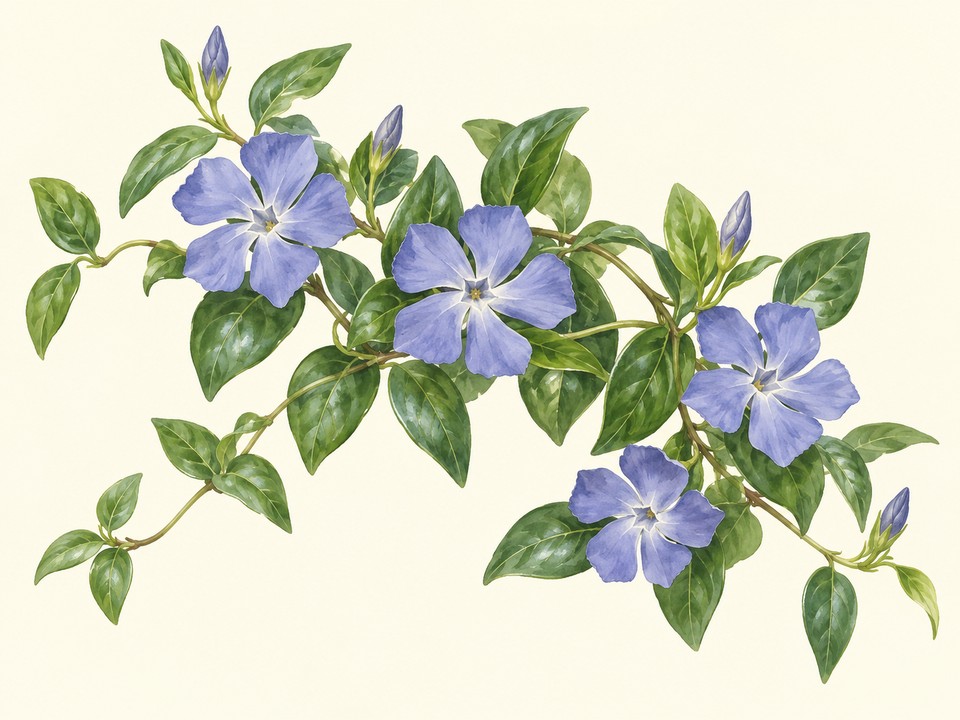 Illustration
Bigleaf PeriwinkleVinca majorIllustration 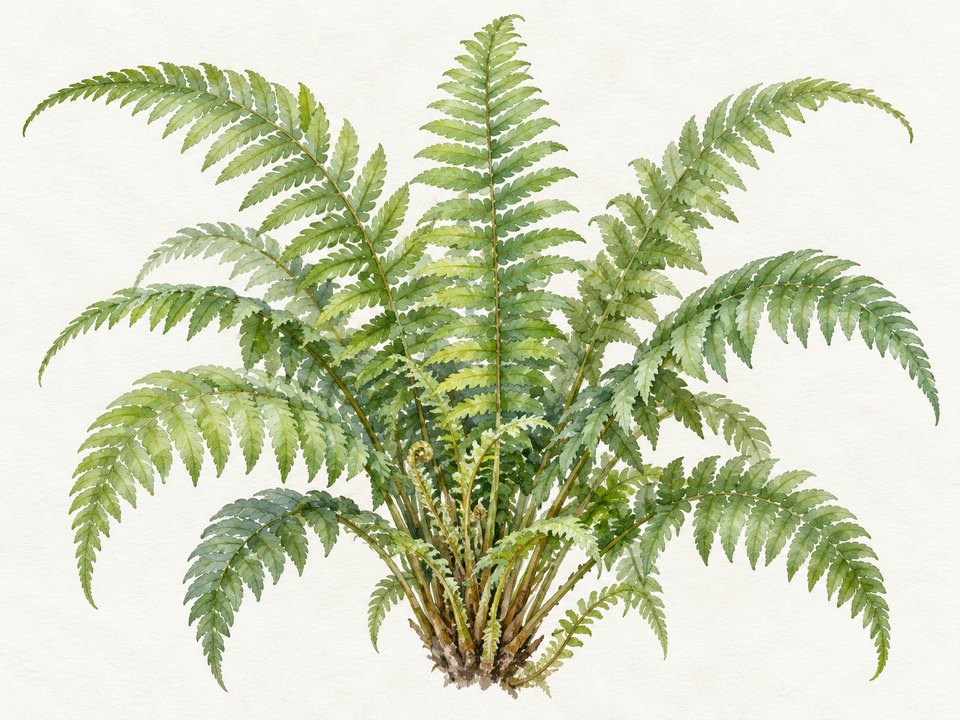 Illustration
River FernThelypteris kunthiiIllustration 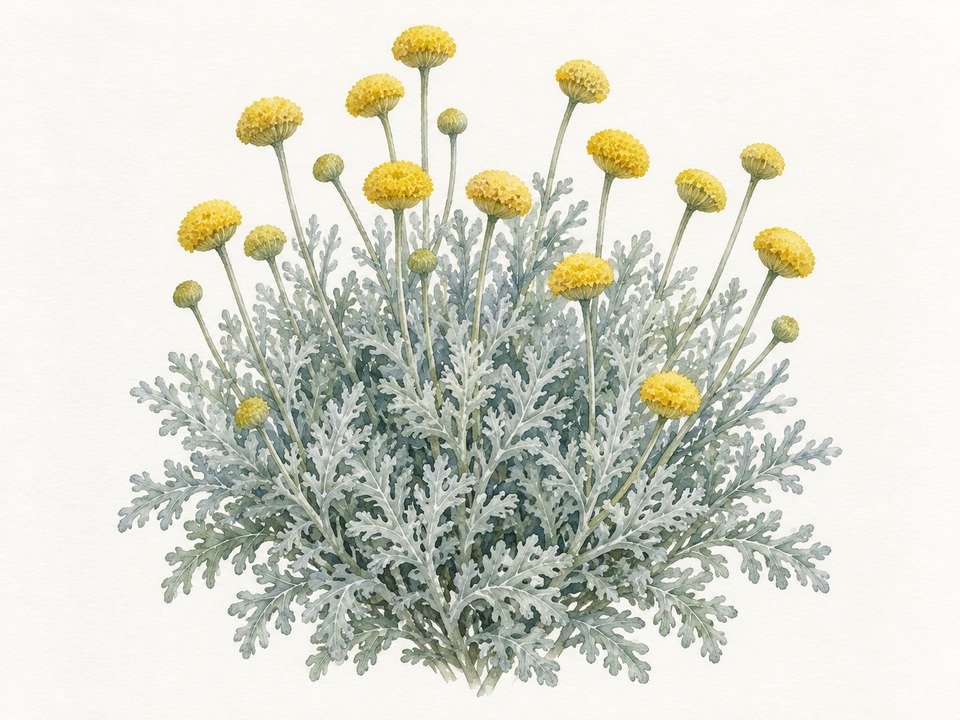 Illustration
SantolinaSantolina sp.Illustration 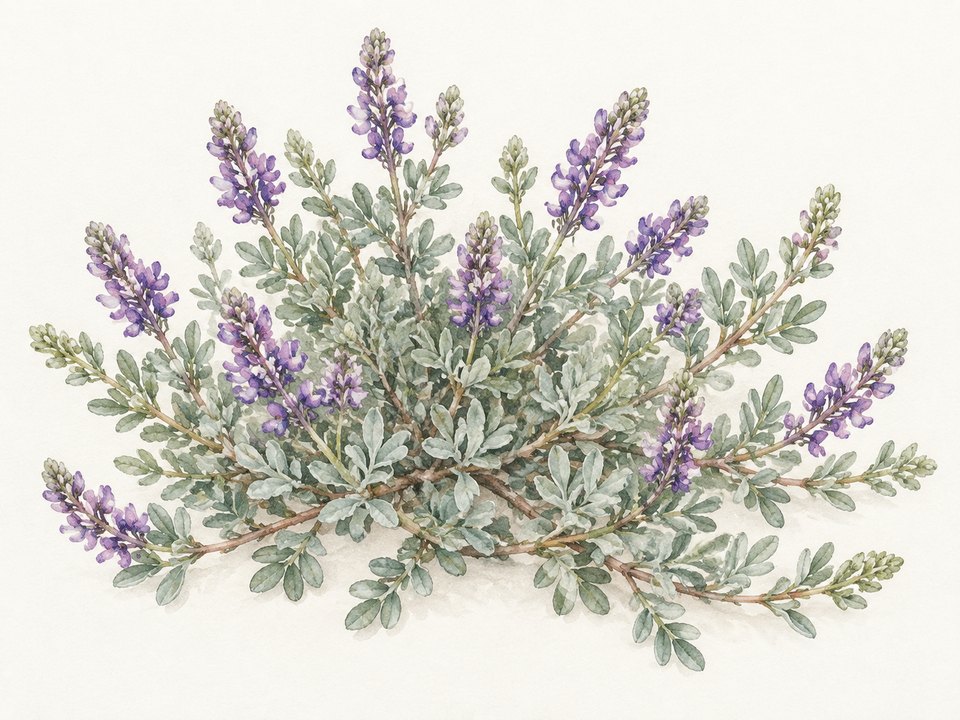 Illustration
Gregg's Silver DaleaDalea greggiiIllustration 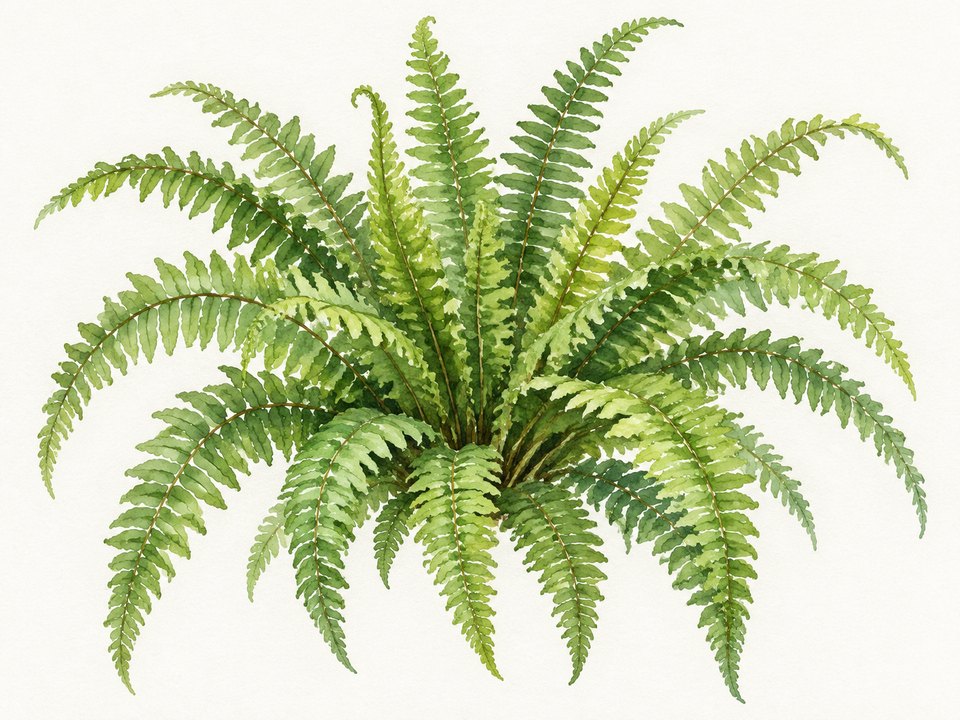 Illustration
Sword FernNephrolepis sppIllustration - Illustration
Sword FernNephrolepis sppIllustration 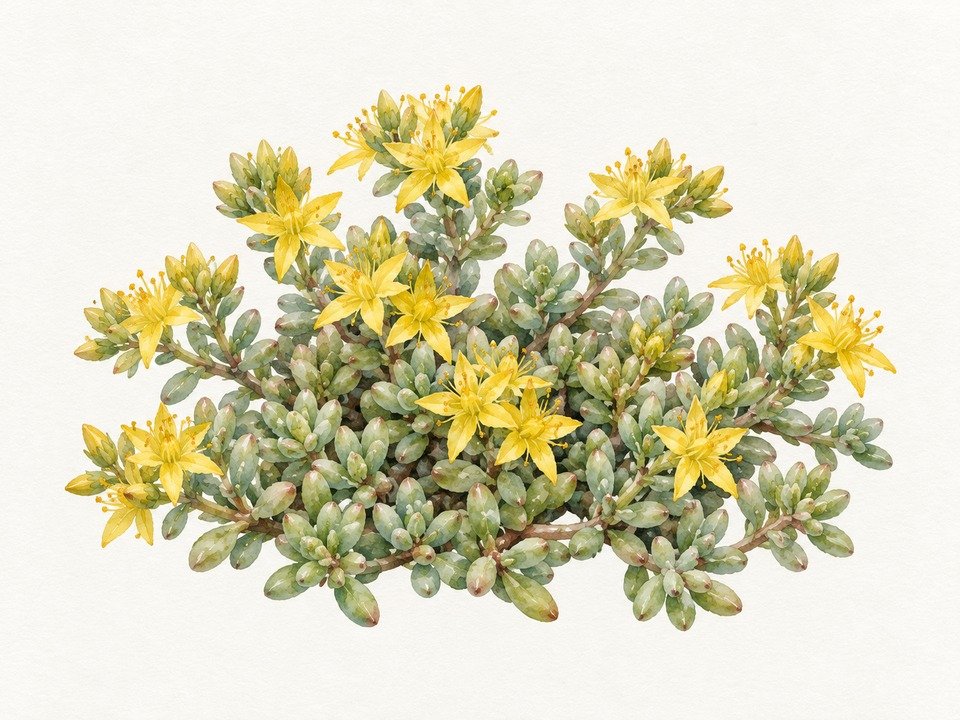 Illustration
Texas SedumSedum texanumIllustration 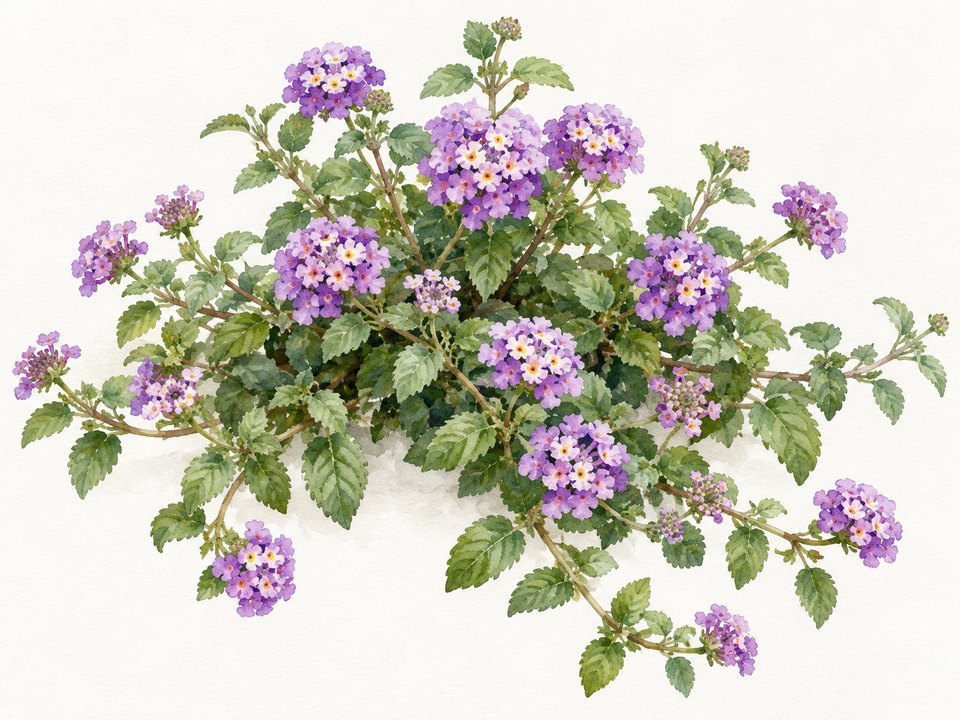 Illustration
Purple Trailing LantanaLantana montevidensisIllustration 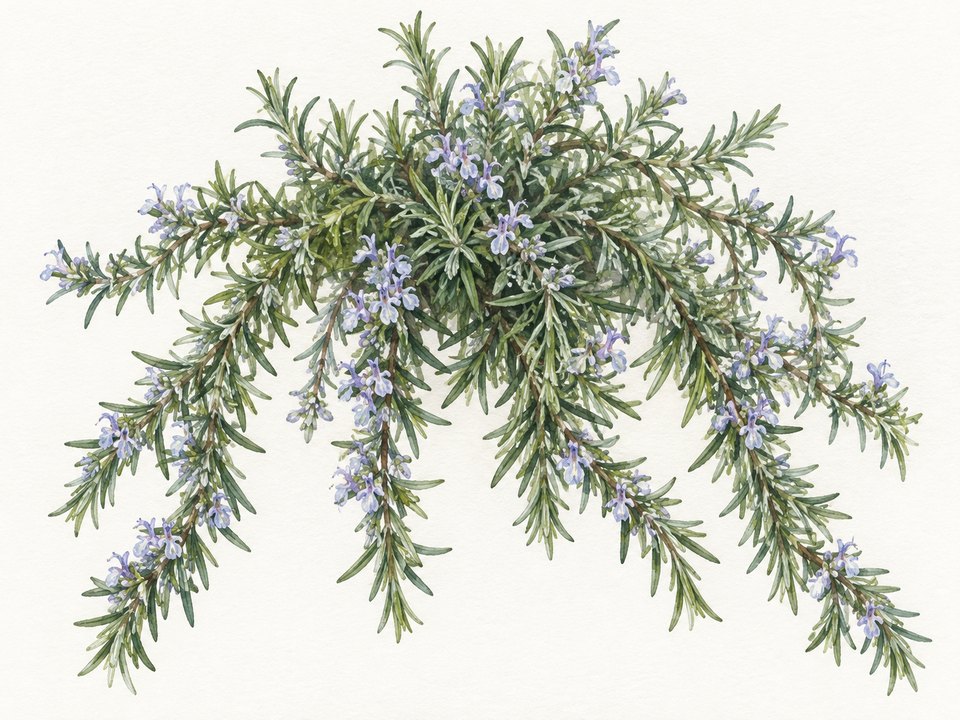 Illustration
Rosemary (trailing)Salvia rosmarinusIllustration 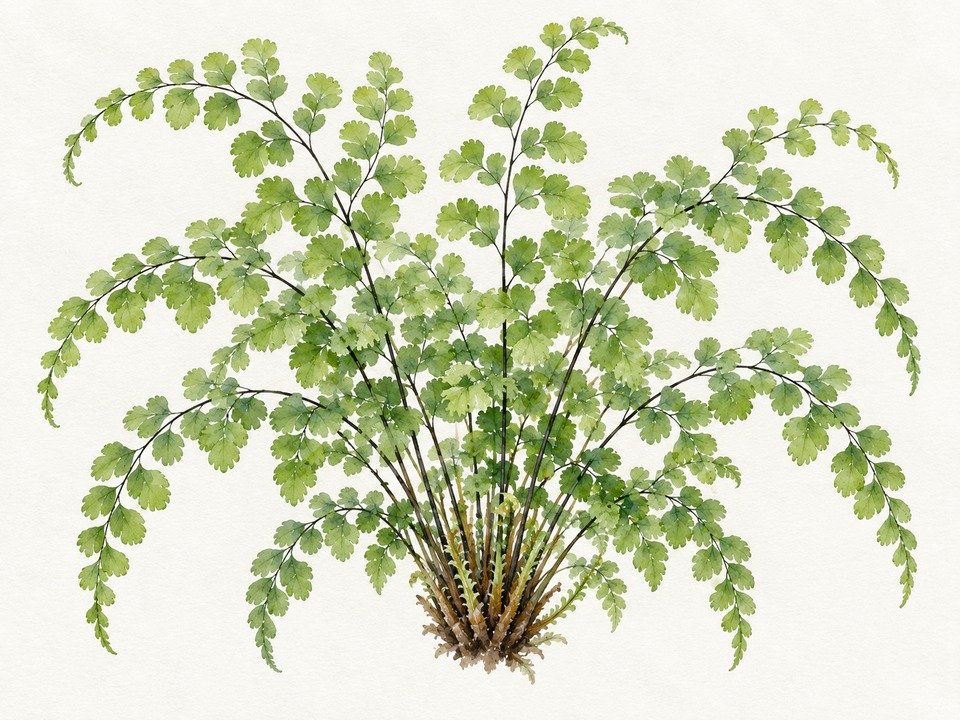 Illustration
Venus Maidenhair FernAdiantum capillus-venerisIllustration 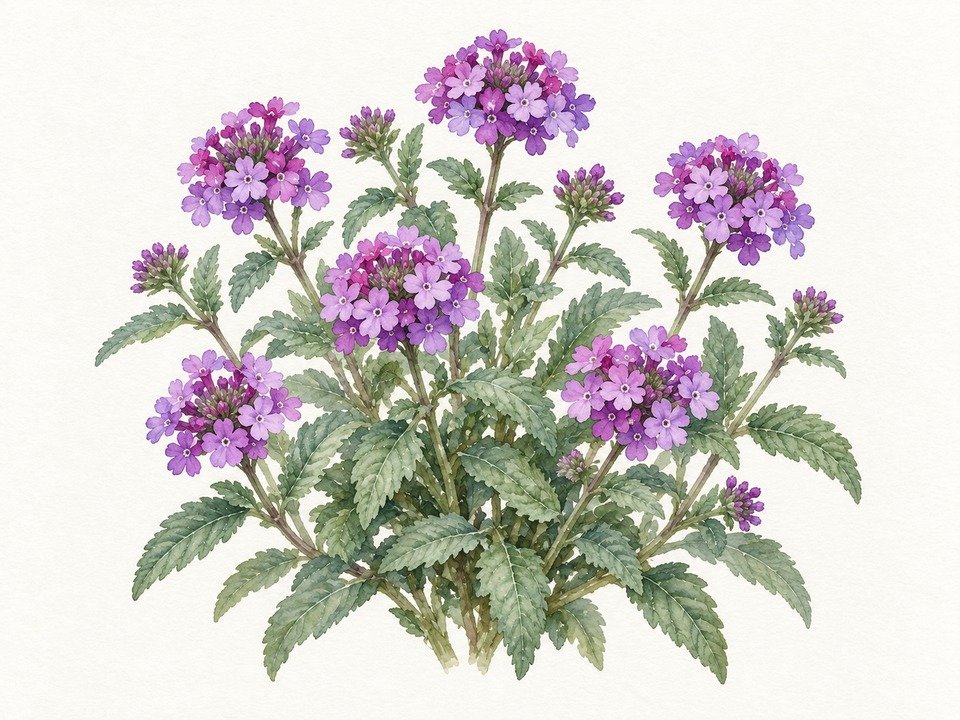 Illustration
VerbenaVerbena cvs.Illustration
Vines
Annual Morning Glory (Ipomoea tricolor); Butterfly Vine (Mascagnia macroptera); Carolina Jssamine (Gelsemium sempervirens); Chinese Wisteria (Wisteria sinensis); Confederate Jasmine (Trachelospermum jasminoides); Coral Honeysuckle (Lonicera sempervirens); Creeping Fig (Ficus pumila); Grape (Vitis sp.); Hardy Crossvine (Bignonia capreolata); Hybrid Clematis (Clematis viticella cvs.); Japanese Honeysuckle (Lonicera japonica); Lady Bank's Rose (Rosa banksiae); Orange Trumpetvine (Campsis x 'Madam Galen'); Pink Trumpet Vine (Podranea rica-soleana); Sweet Autumn Clematis (Clematis dioscorifolia); Virginia Creeper (Parthenocissus quinquefolia).[6]
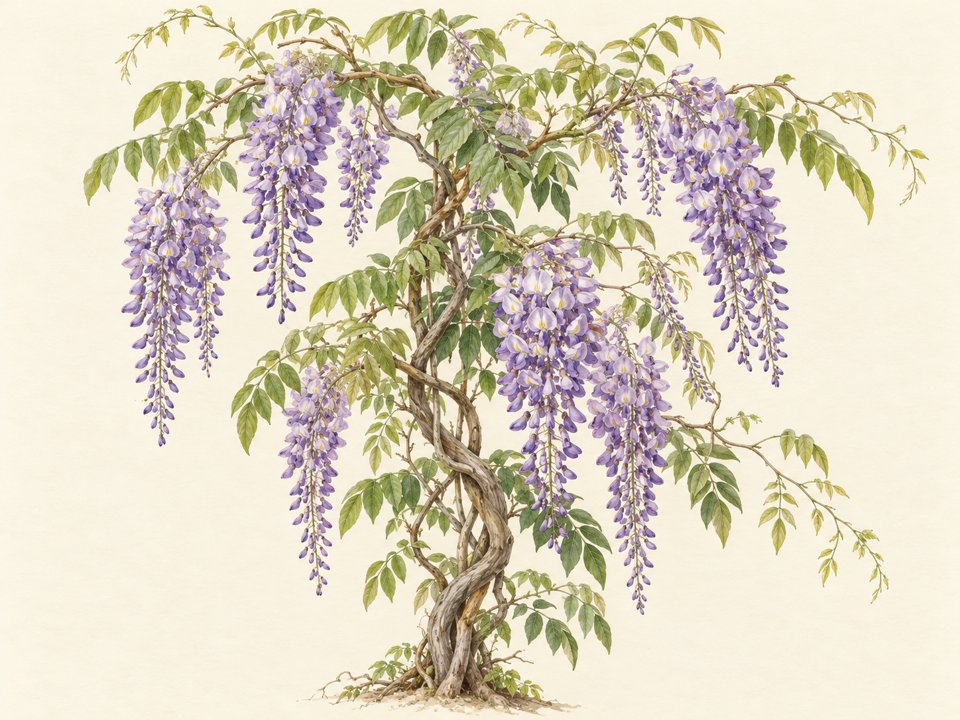 Illustration
Chinese WisteriaWisteria sinensisIllustration 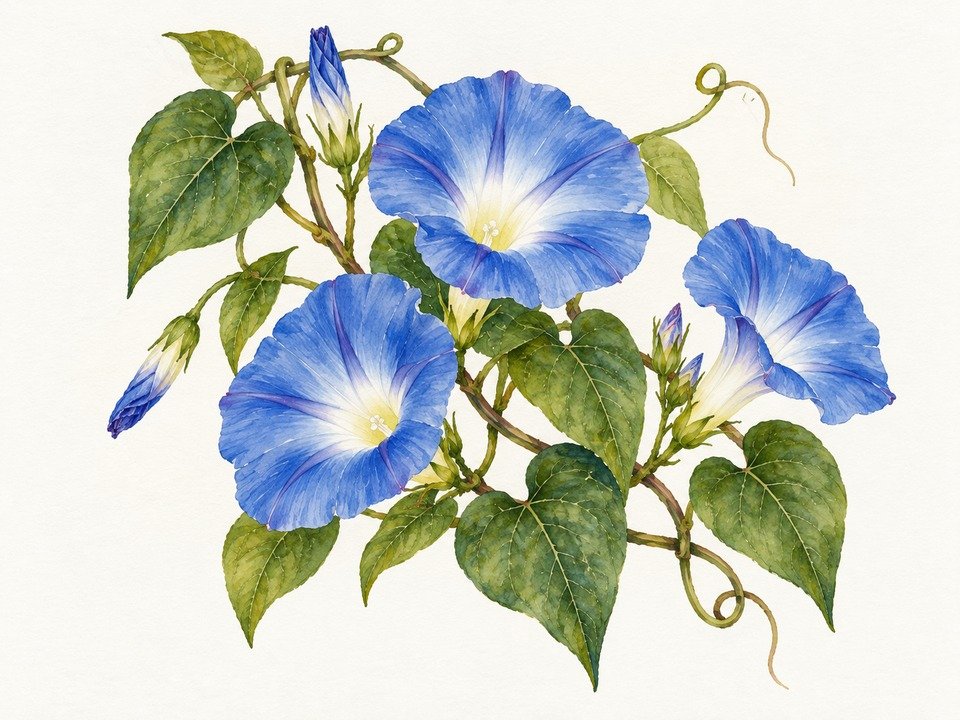 Illustration
Annual Morning GloryIpomoea tricolorIllustration 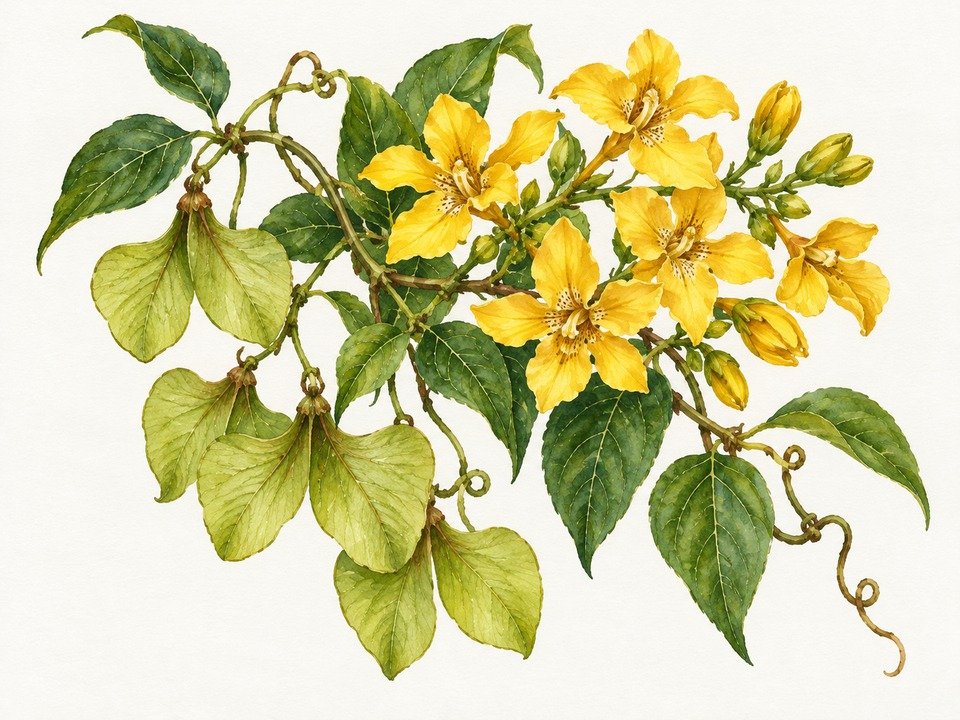 Illustration
Butterfly VineMascagnia macropteraIllustration 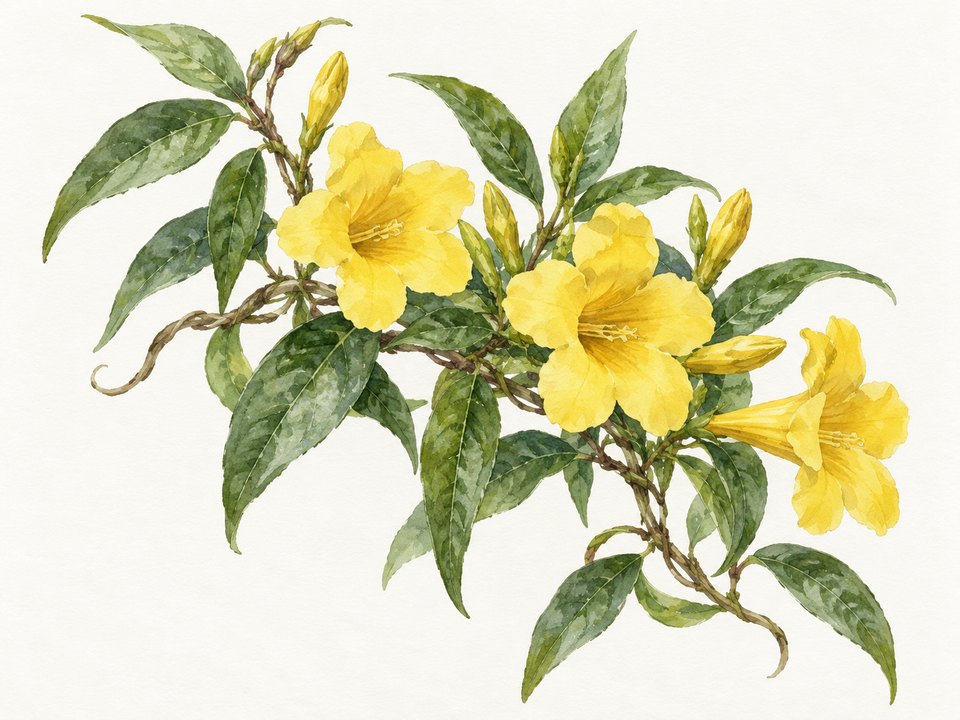 Illustration
Carolina JessamineGelsemium sempervirensIllustration 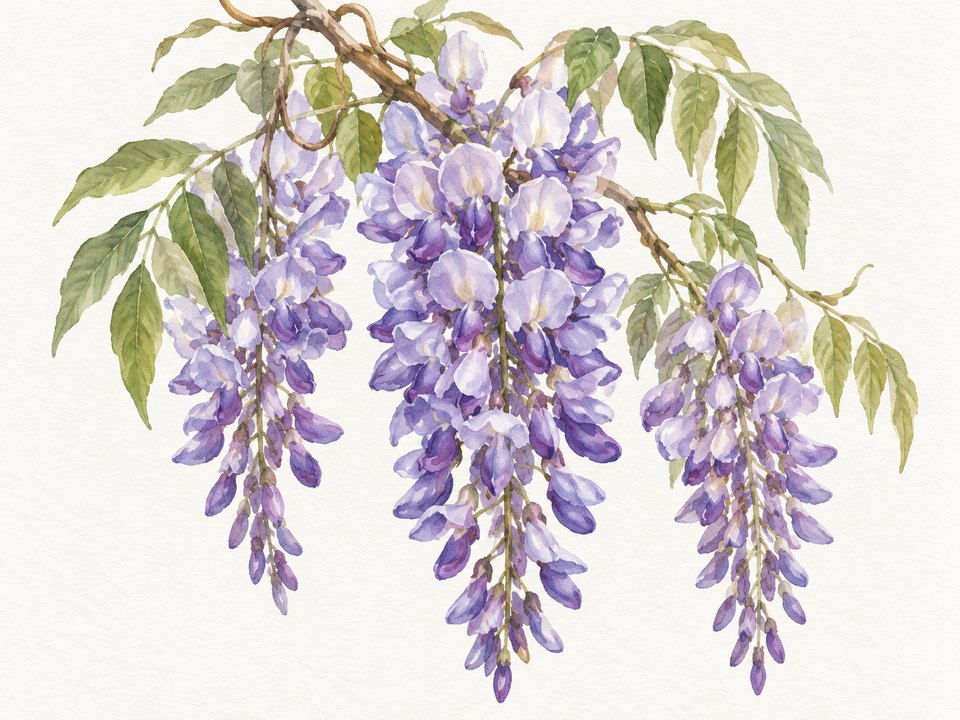 Illustration
WisteriaWisteria sinensisIllustration - Illustration
Confederate JasmineTrachelospermum jasminoidesIllustration 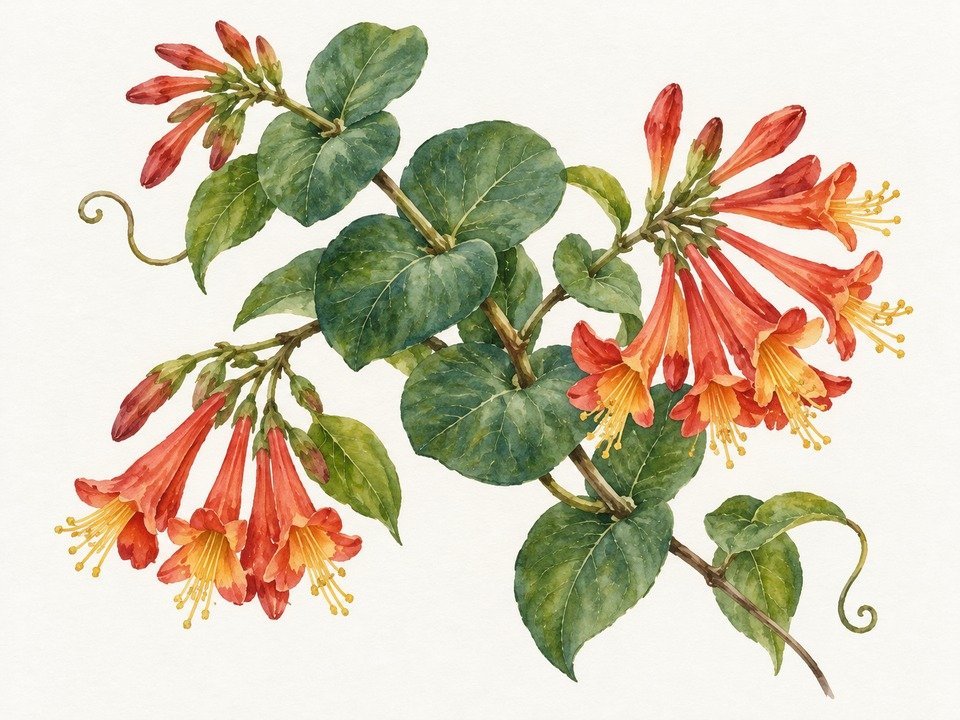 Illustration
Coral HoneysuckleLonicera sempervirensIllustration 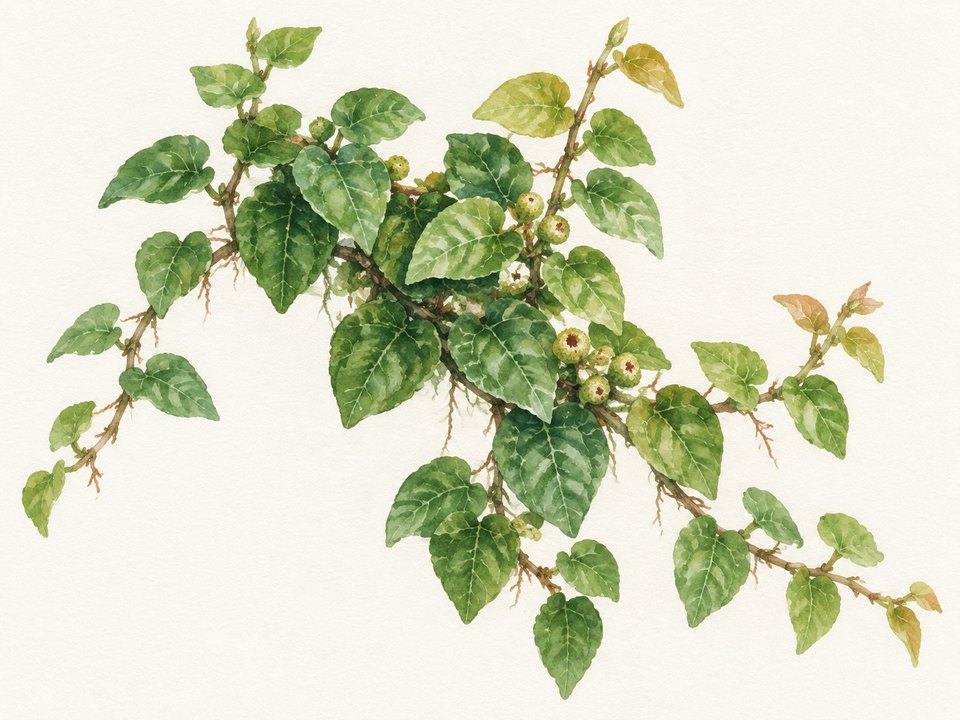 Illustration
Fig IvyFicus pumilaIllustration 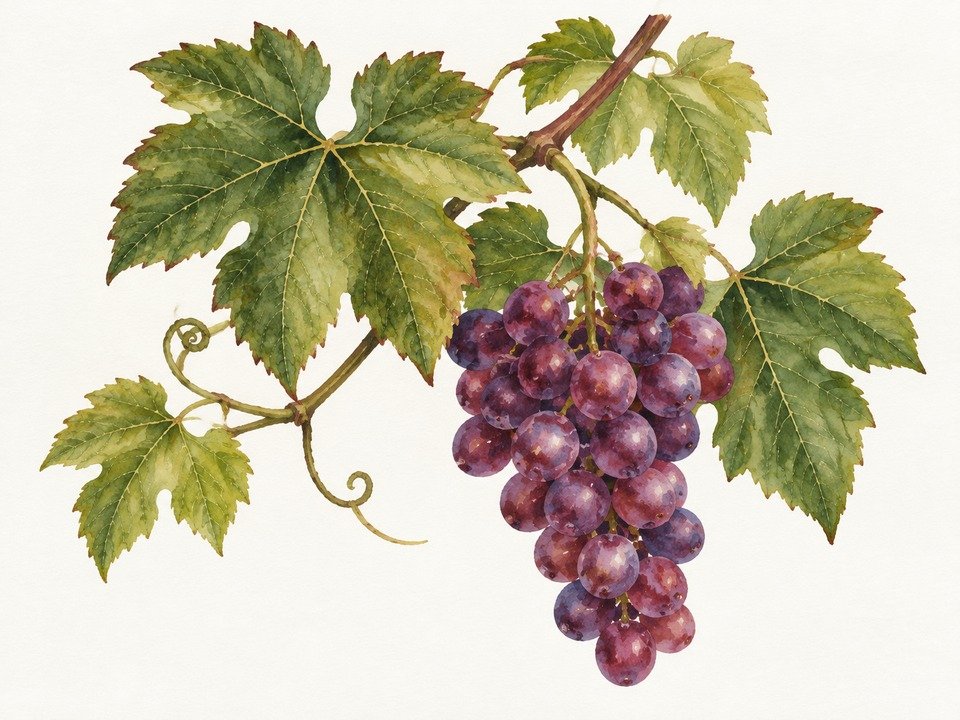 Illustration
GrapeVitis sp.Illustration 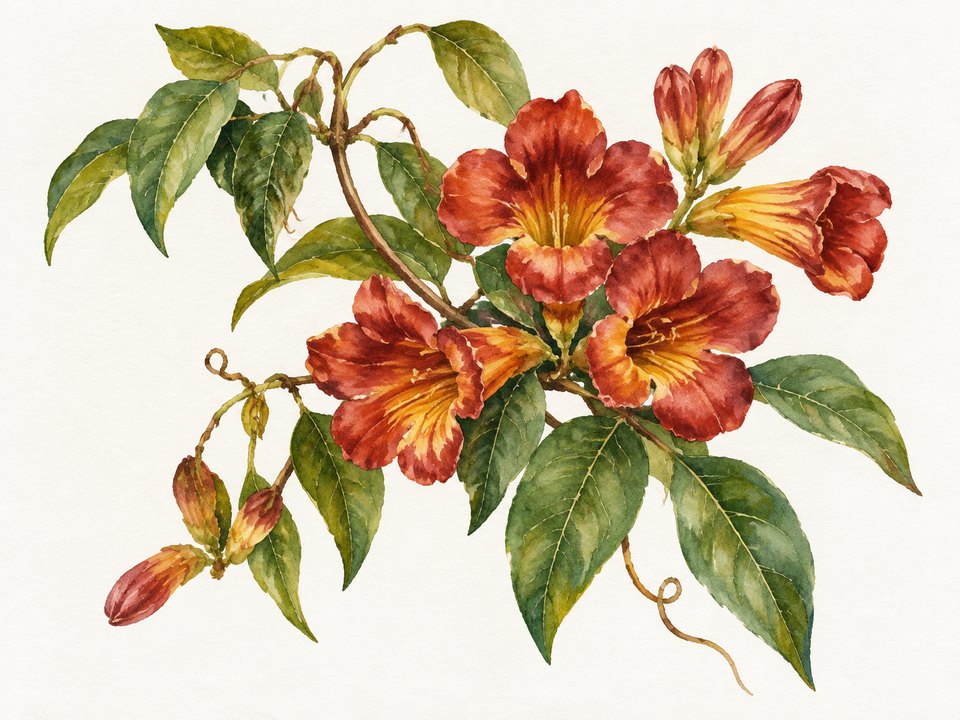 Illustration
CrossvineBignonia capreolataIllustration 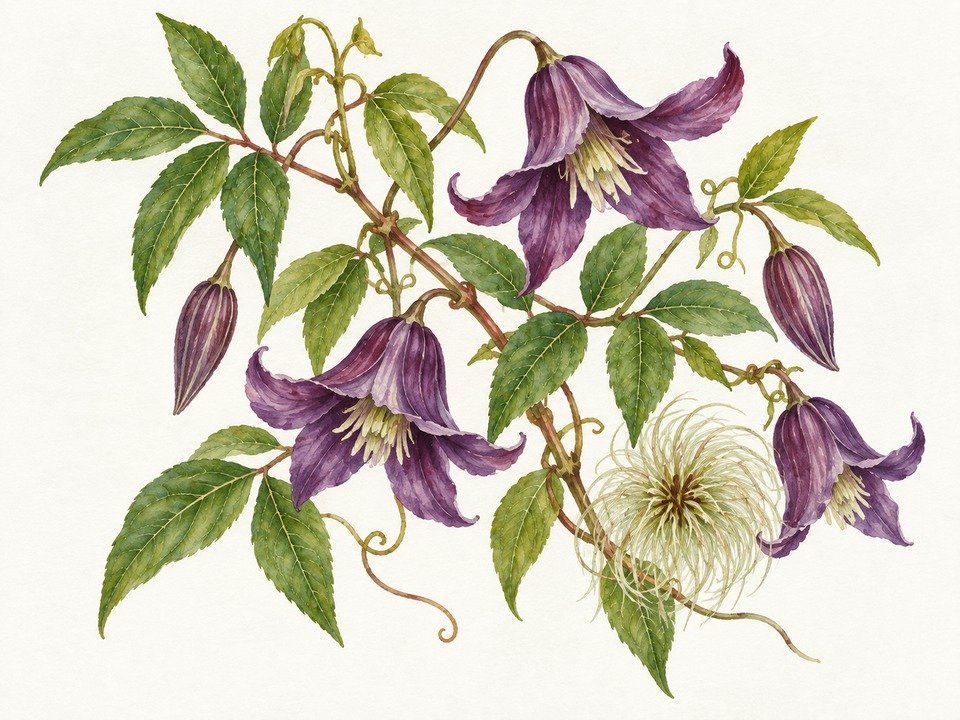 Illustration
Hybrid ClematisClematis viticella cvs.Illustration 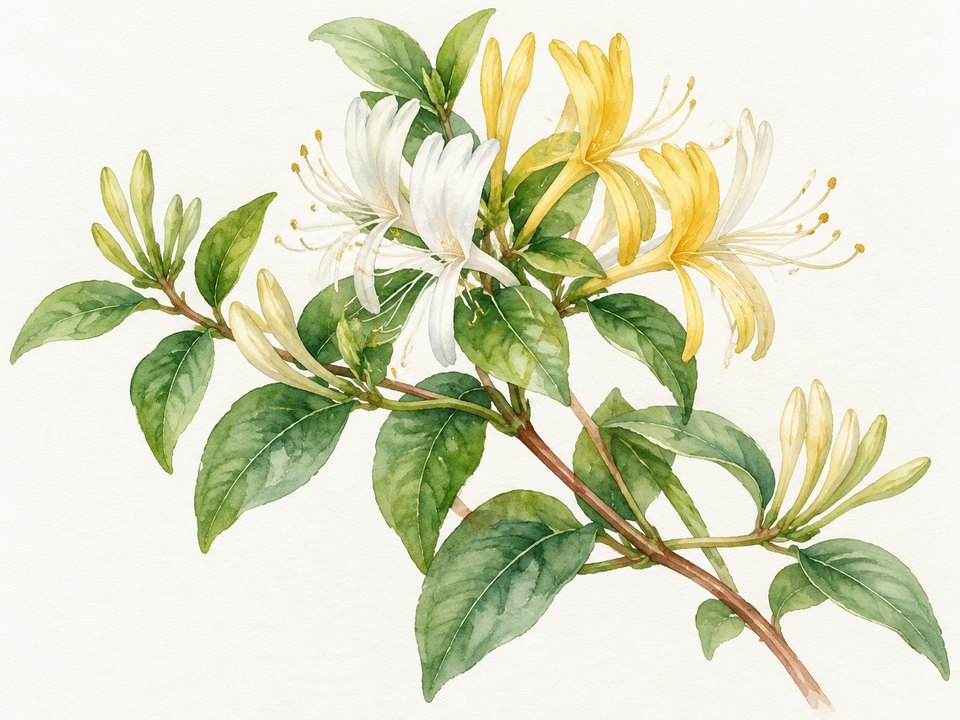 Illustration
Japanese HoneysuckleLonicera japonicaIllustration 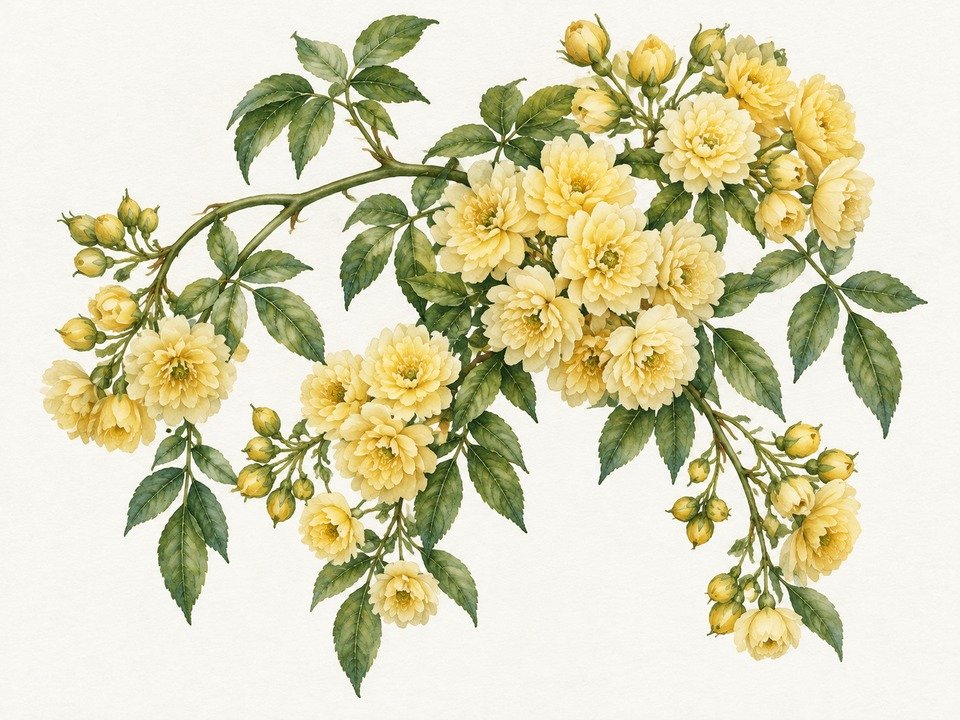 Illustration
Lady Bank's RoseRosa banksiaeIllustration 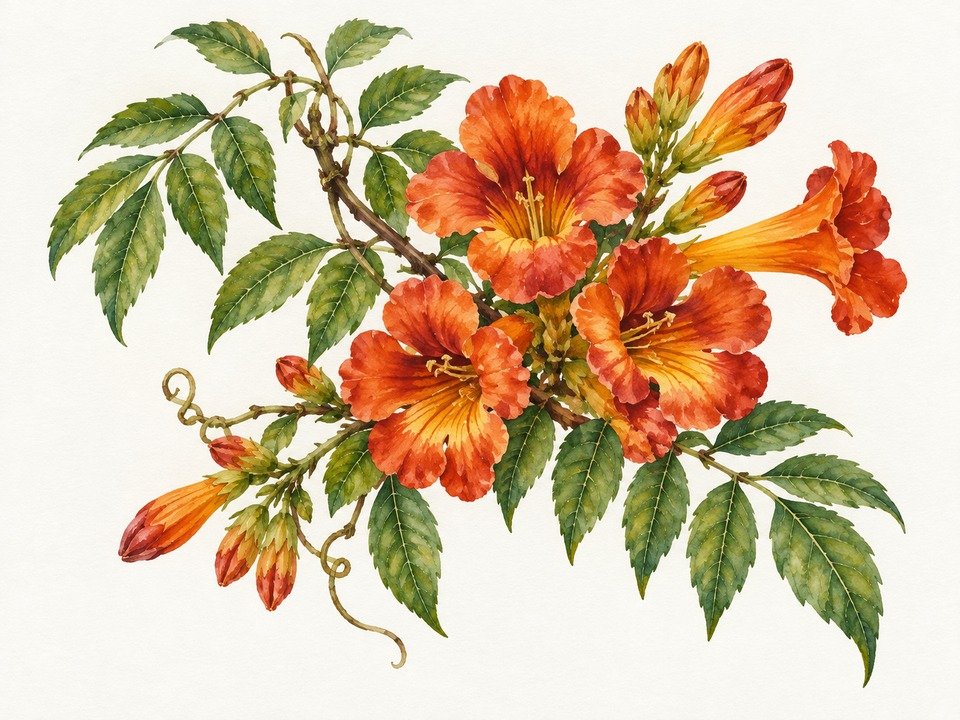 Illustration
Orange TrumpetvineCampsis x 'Madam Galen'Illustration 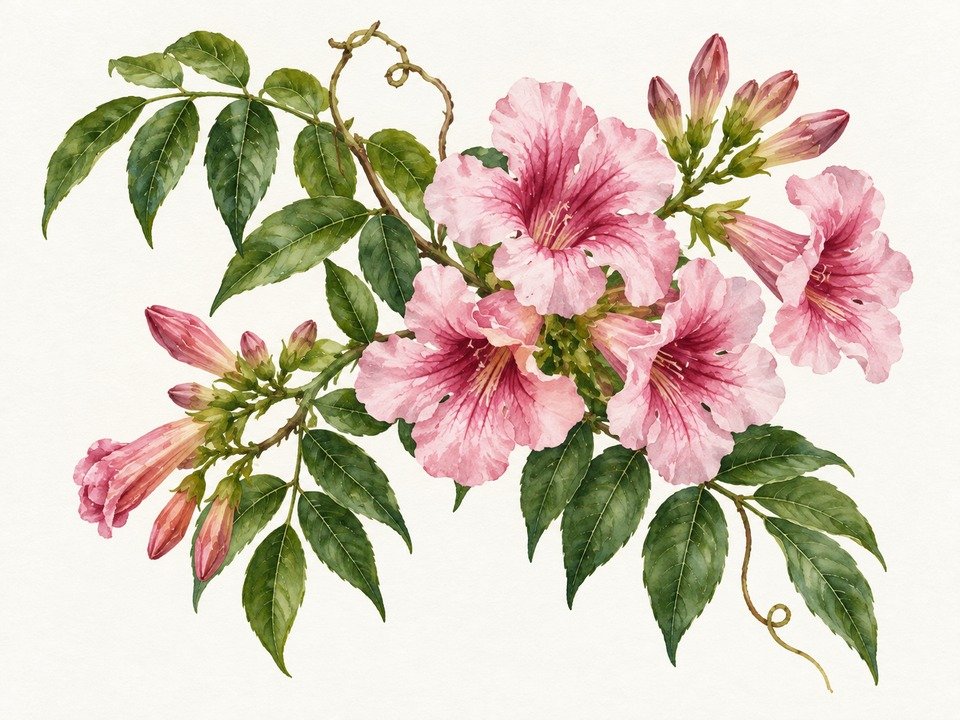 Illustration
Pink Trumpet VinePodranea rica-soleanaIllustration 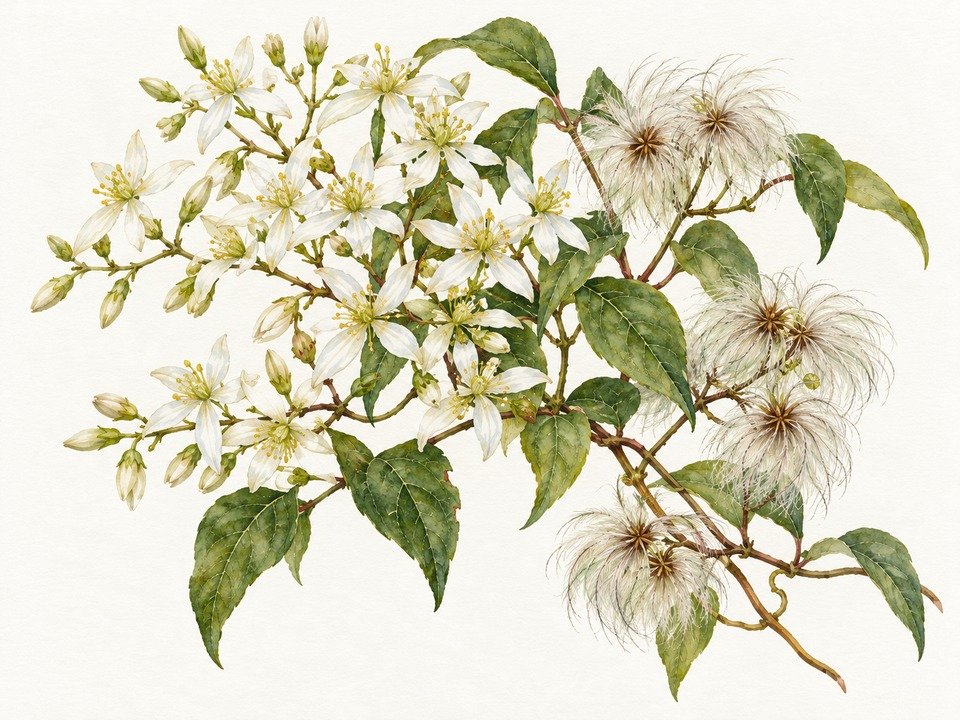 Illustration
Sweet Autumn ClematisClematis dioscorifoliaIllustration 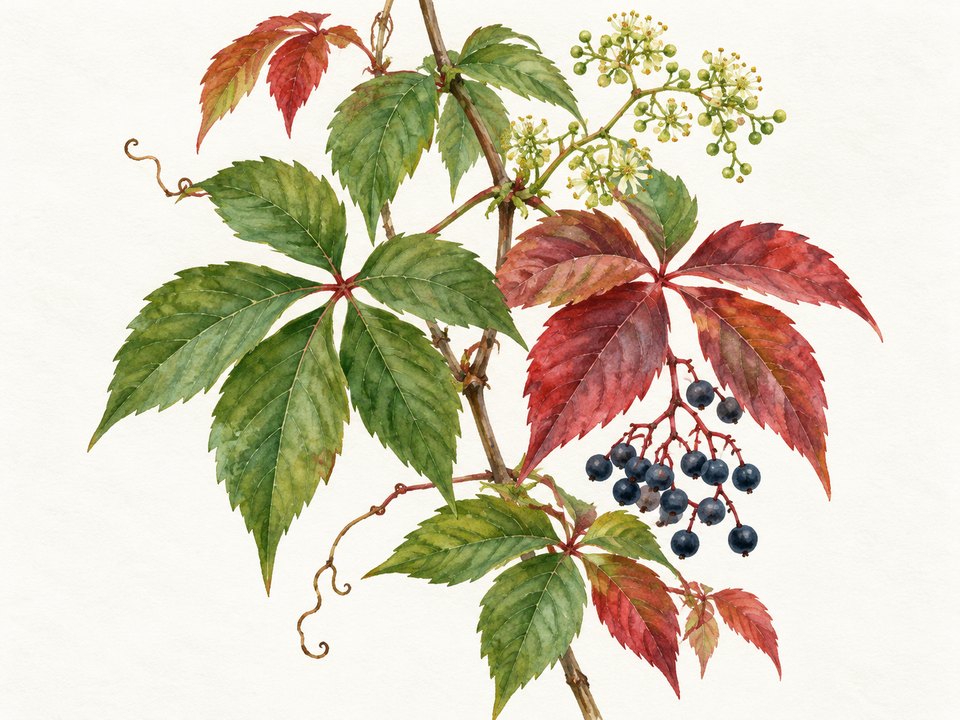 Illustration
Virginia CreeperParthenocissus quinquefoliaIllustration
Grasses
Big Bluestem (Andropogon gerardii); Blue Grama (Bouteloua gracilis); Buffalo Grass (Buchloe dactyloides); Burmuda (Cynodon dactylon); Burro Grass (Scleropogon brevifolius); Curly Mesquite Grass (Hilaria belangeri); Ear Muhly (Muhlenbergia arenacea); Eastern Gama Grass (Tripsacum dactyloides); Gulf Muhly (Muhlenbergia capillaris); Indian Grass (Sorghastrum nutans); Indian Ricegrass (Oryzopsis hymenoides); Inland Seaoats (Chasmanthium latifolium); Lindheimer Muhly (Muhlenbergia lindheimeri); Little Bluestem (Schizachyrium scoparium); Sideoats Grama (Bouteloua curtipendula); Splitbeard Bluestem (Andropogon ternarius); St. Augustine Grass (Stenotaphrum secundatum); Sugarcane Plume Grass (Erianthus giganteus); Switch Grass (Panicum virgatum); Two-flowered Trichloris (Trichloris crinita); Zoysia Grass (Zoysia cvs.).[6]
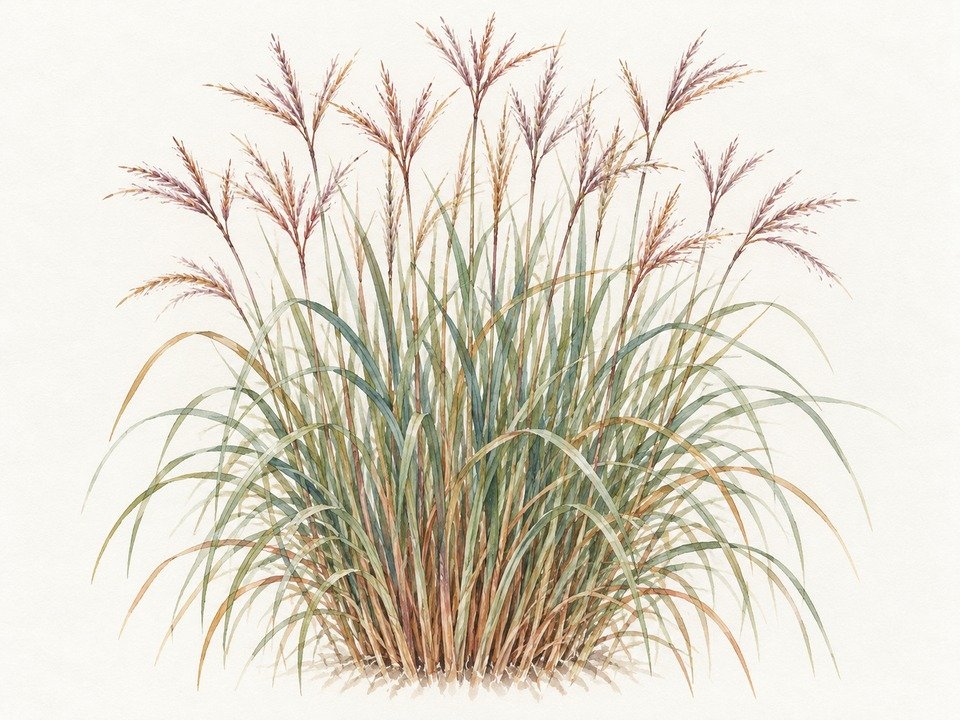 Illustration
Big BluestemAndropogon gerardiiIllustration 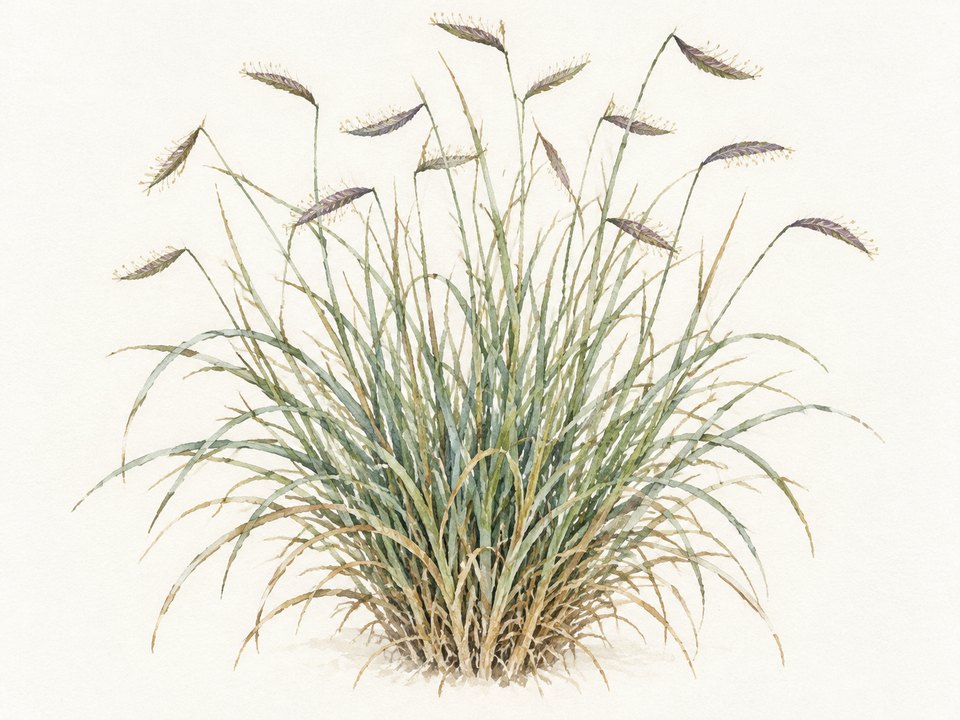 Illustration
Blue GramaBouteloua gracilisIllustration 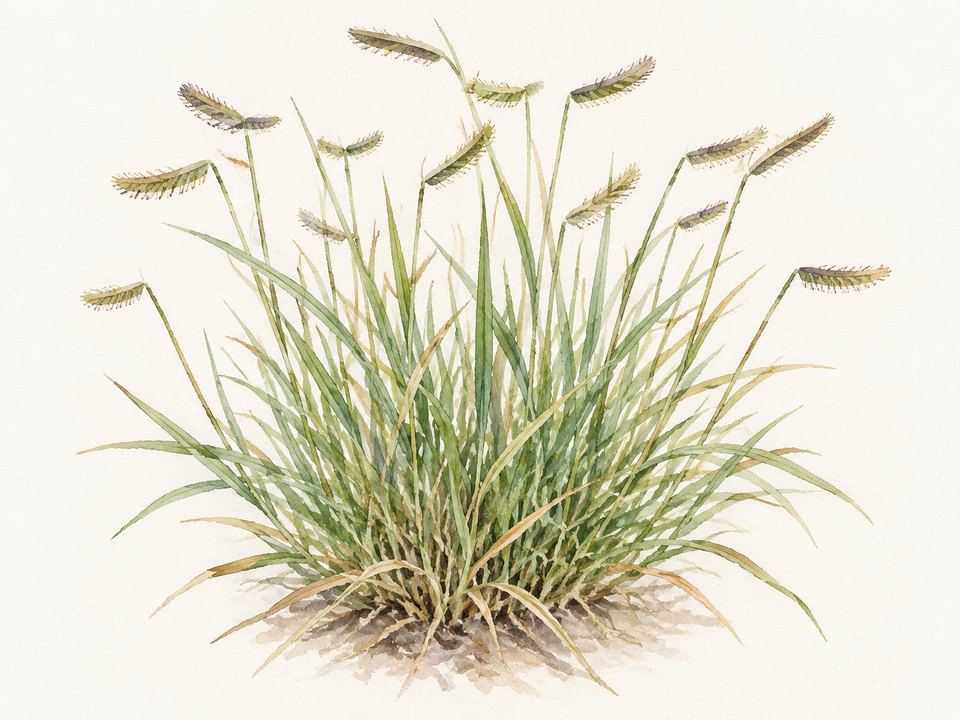 Illustration
Buffalo grassBouteloua dactyloidesIllustration 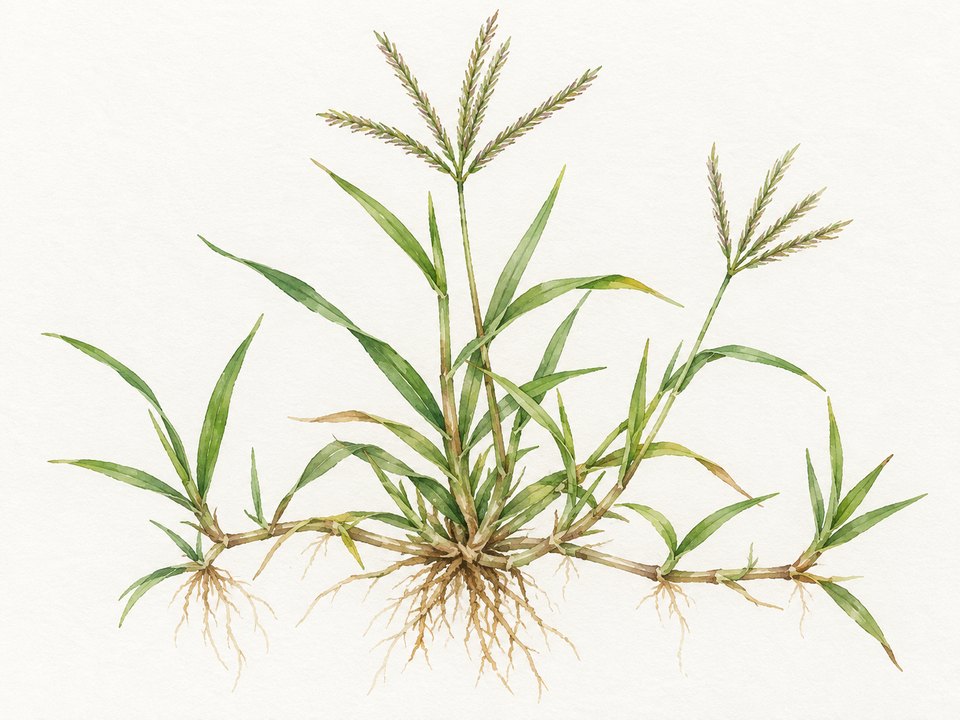 Illustration
Bermuda grassCynodon dactylonIllustration 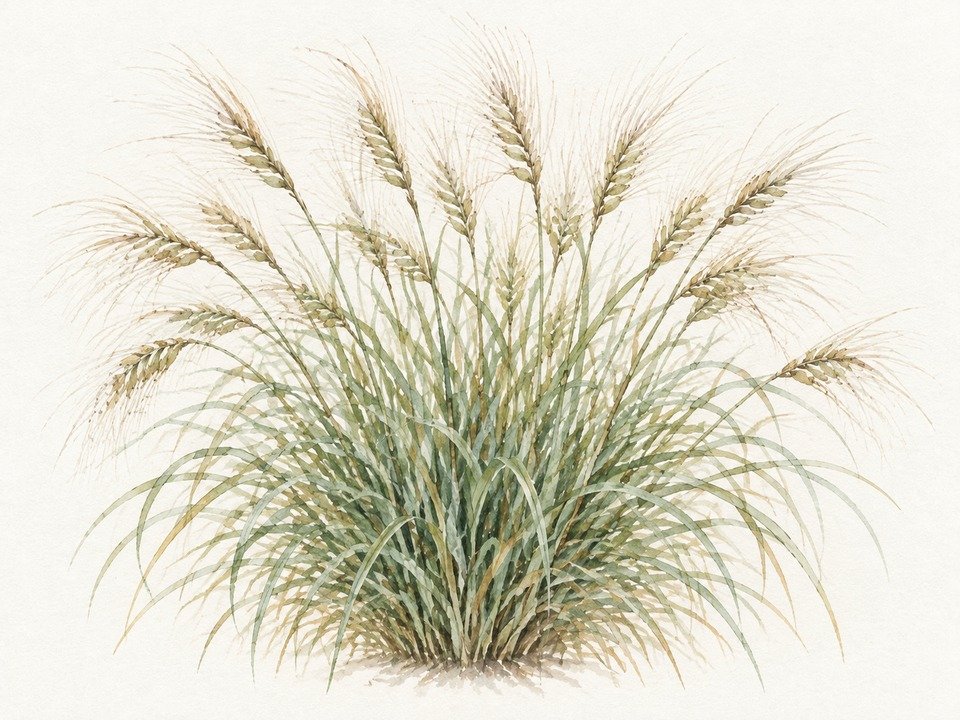 Illustration
Burro GrassScleropogon brevifoliusIllustration 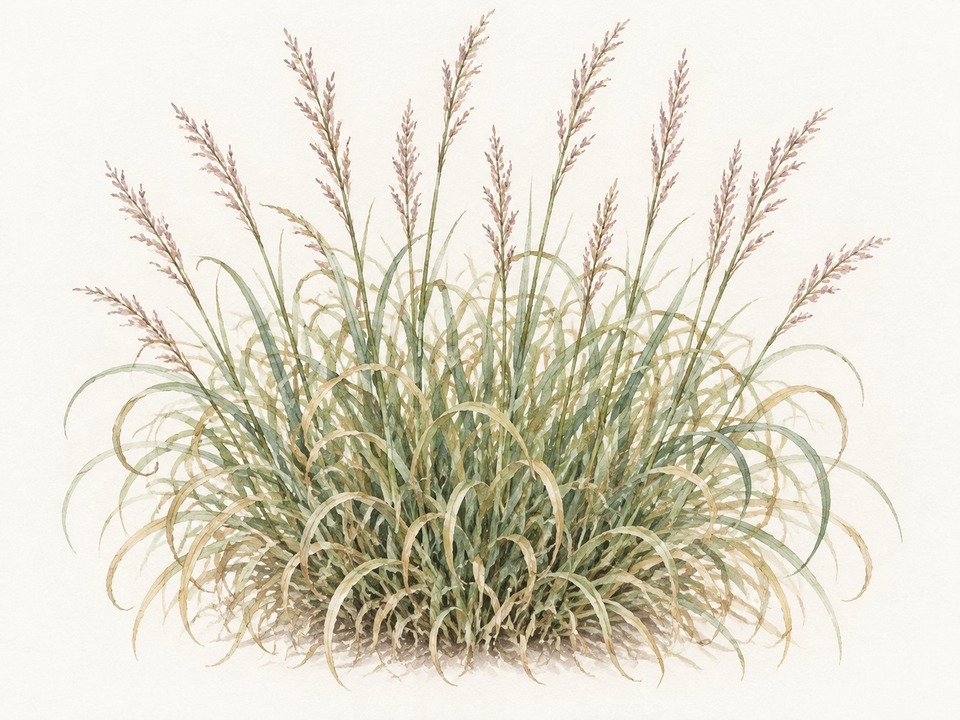 Illustration
Curly Mesquite GrassHilaria belangeriIllustration 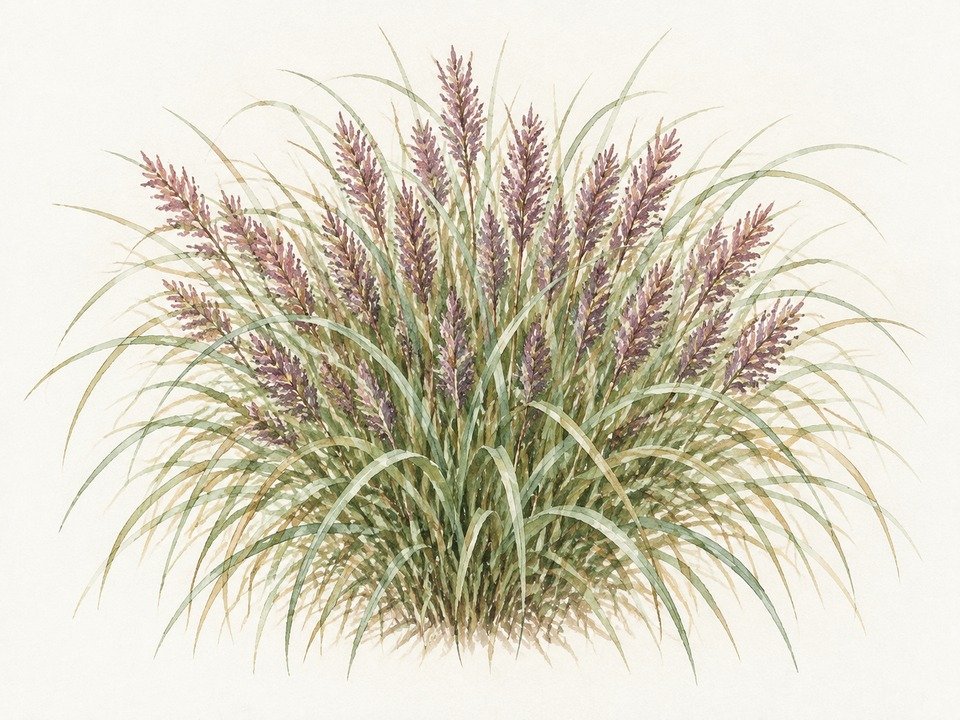 Illustration
Ear MuhlyMuhlenbergia arenaceaIllustration 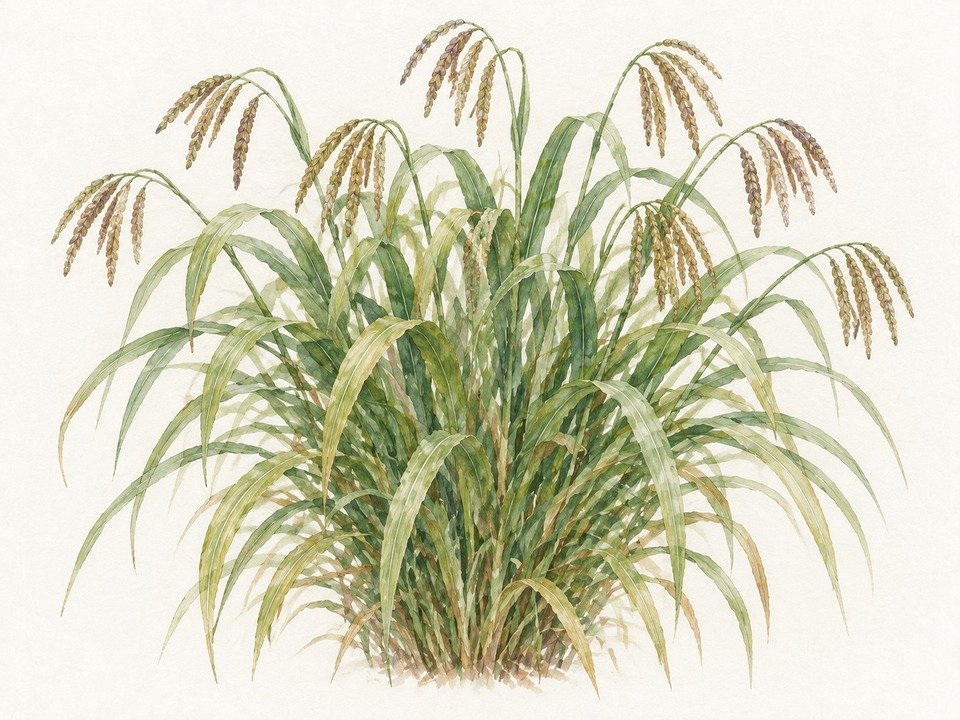 Illustration
Eastern Gama GrassTripsacum dactyloidesIllustration 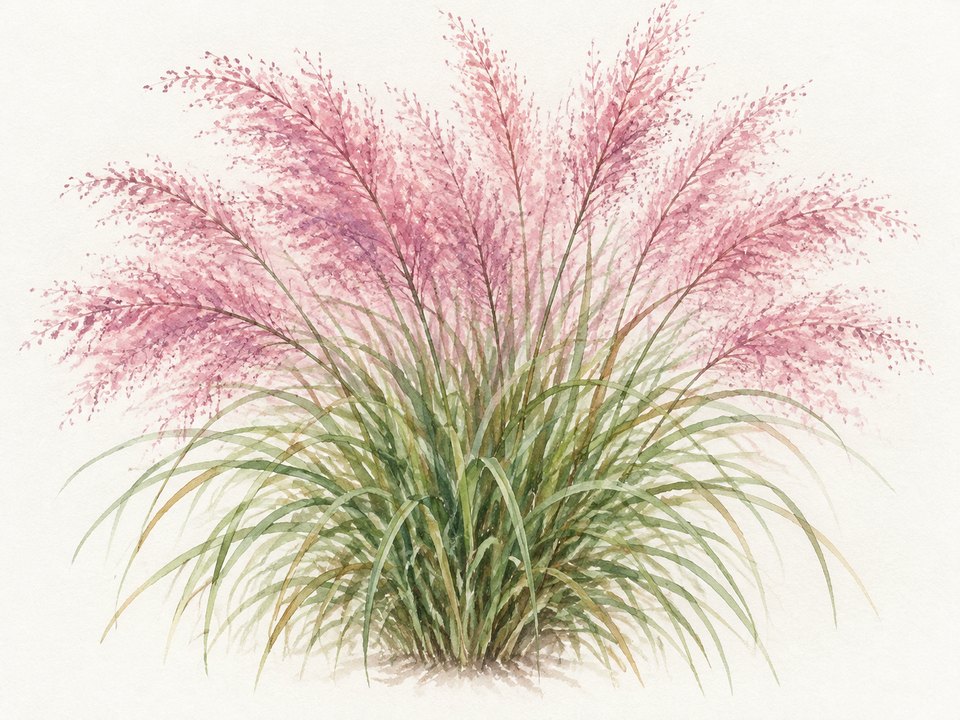 Illustration
Gulf MuhlyMuhlenbergia capillarisIllustration 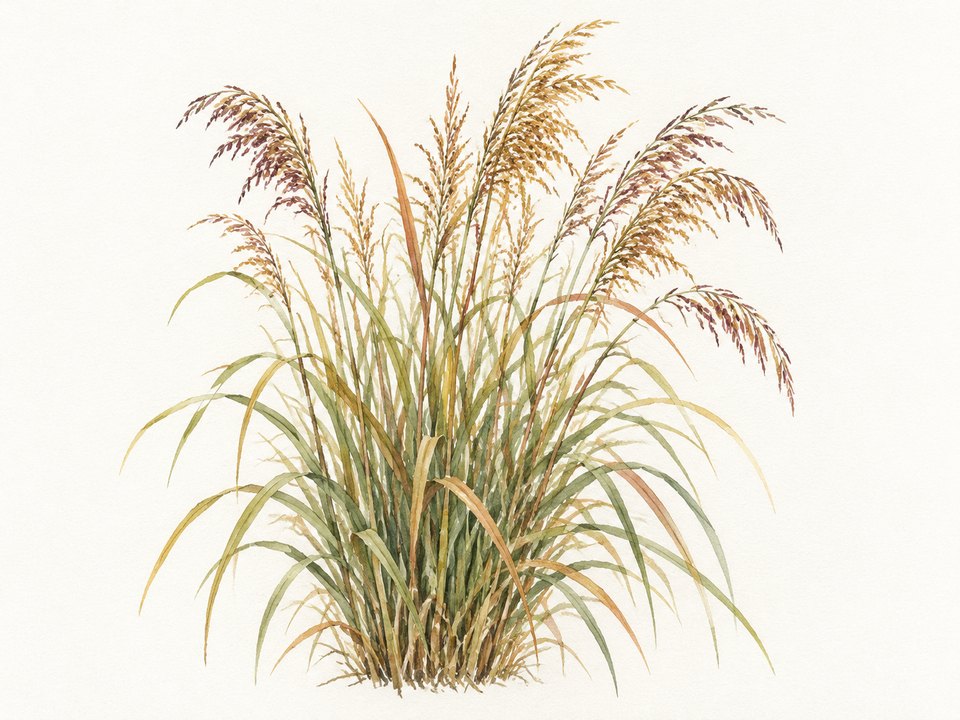 Illustration
IndiangrassSorghastrum nutansIllustration 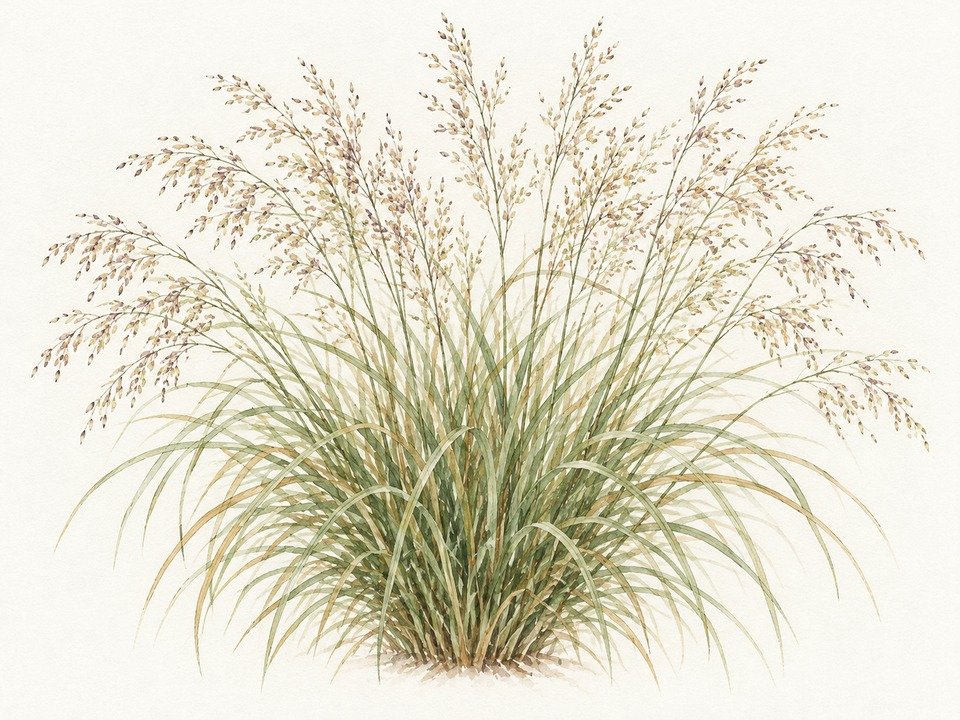 Illustration
Indian RicegrassOryzopsis hymenoidesIllustration 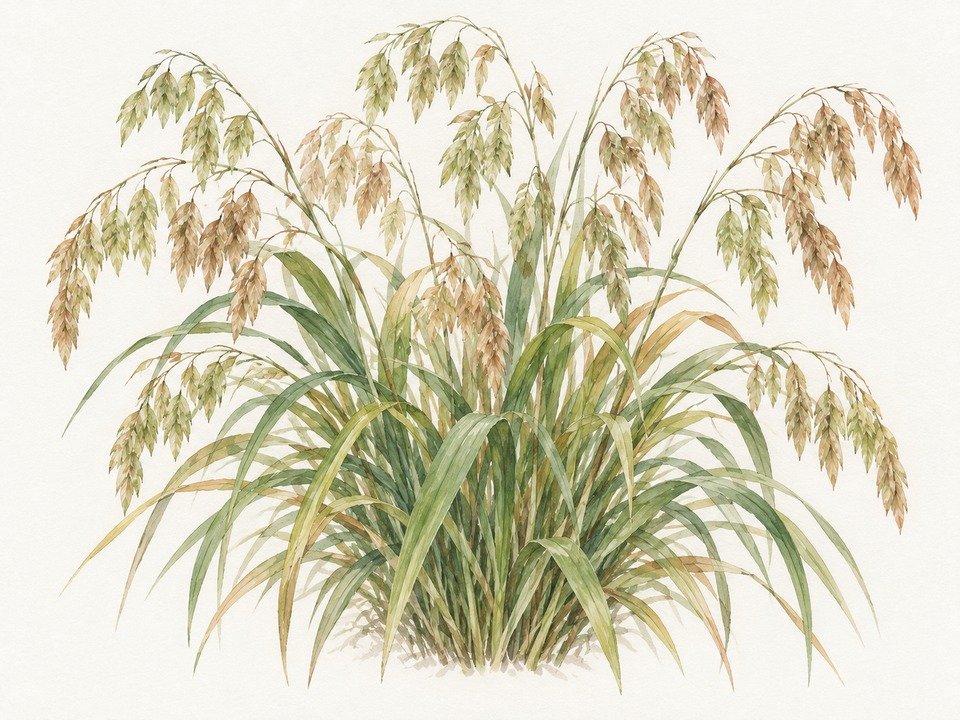 Illustration
Inland SeaoatsChasmanthium latifoliumIllustration 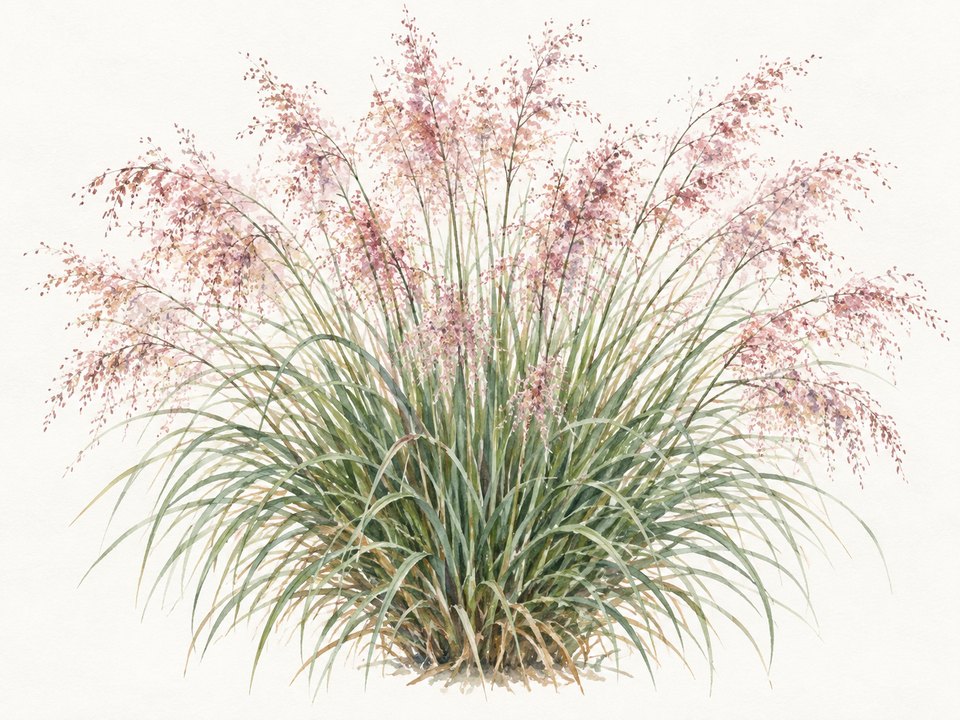 Illustration
Lindheimer's MuhlyMuhlenbergia lindheimeriIllustration 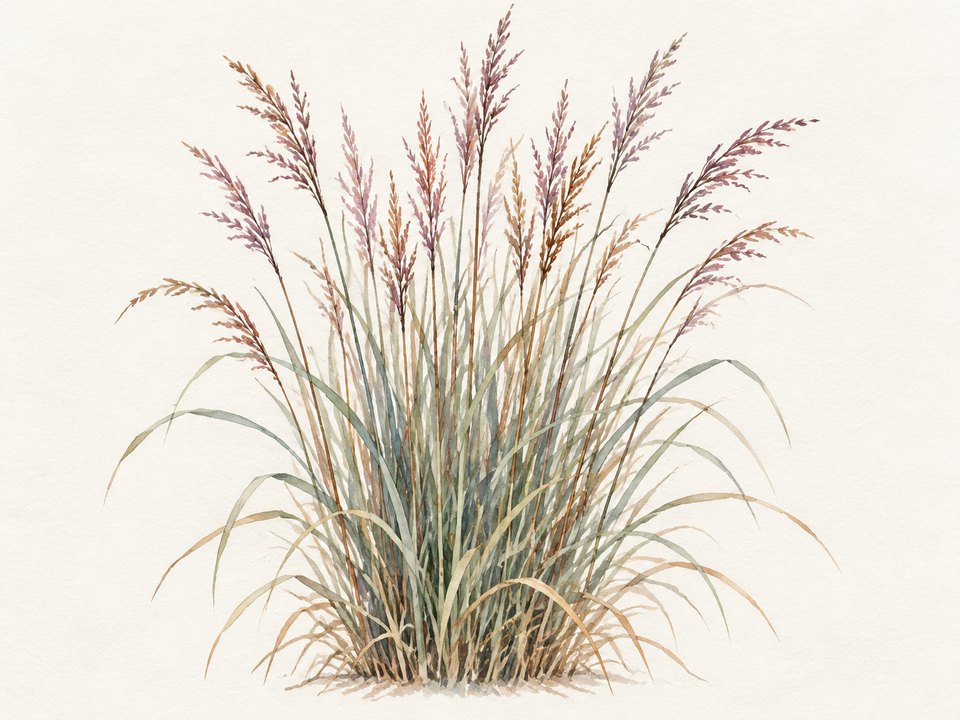 Illustration
Little BluestemSchizachyrium scopariumIllustration 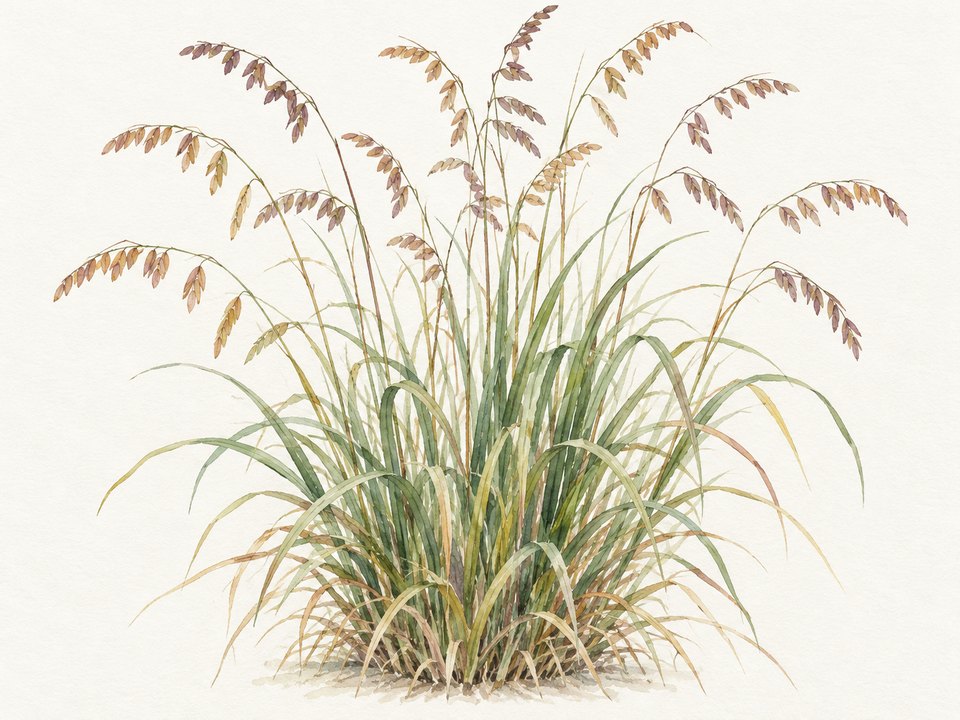 Illustration
Sideoats GramaBouteloua curtipendulaIllustration 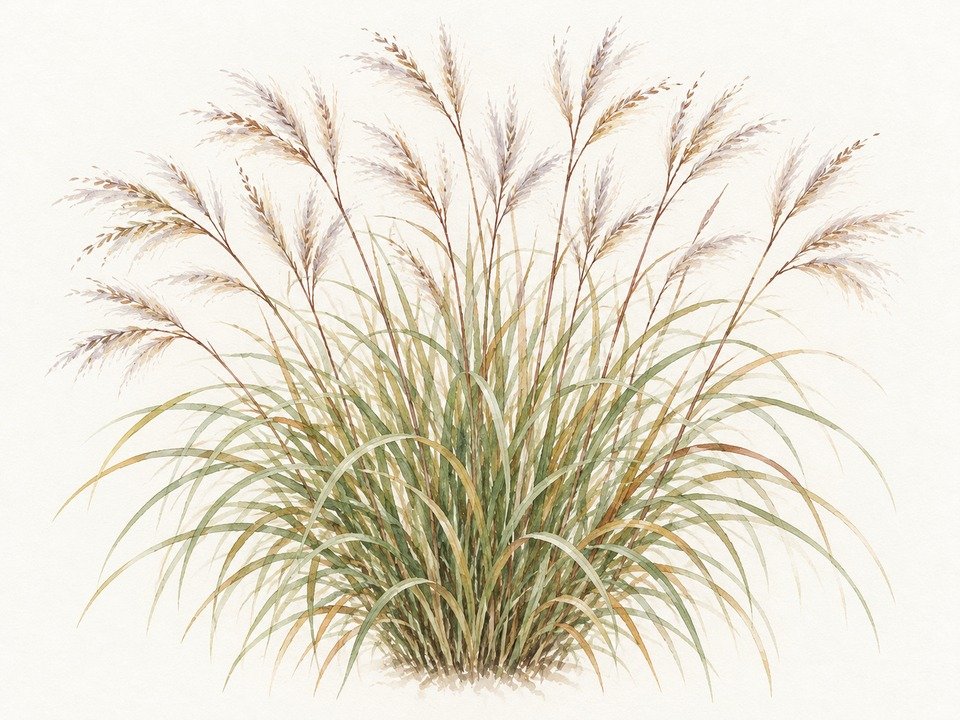 Illustration
Splitbeard BluestemAndropogon ternariusIllustration 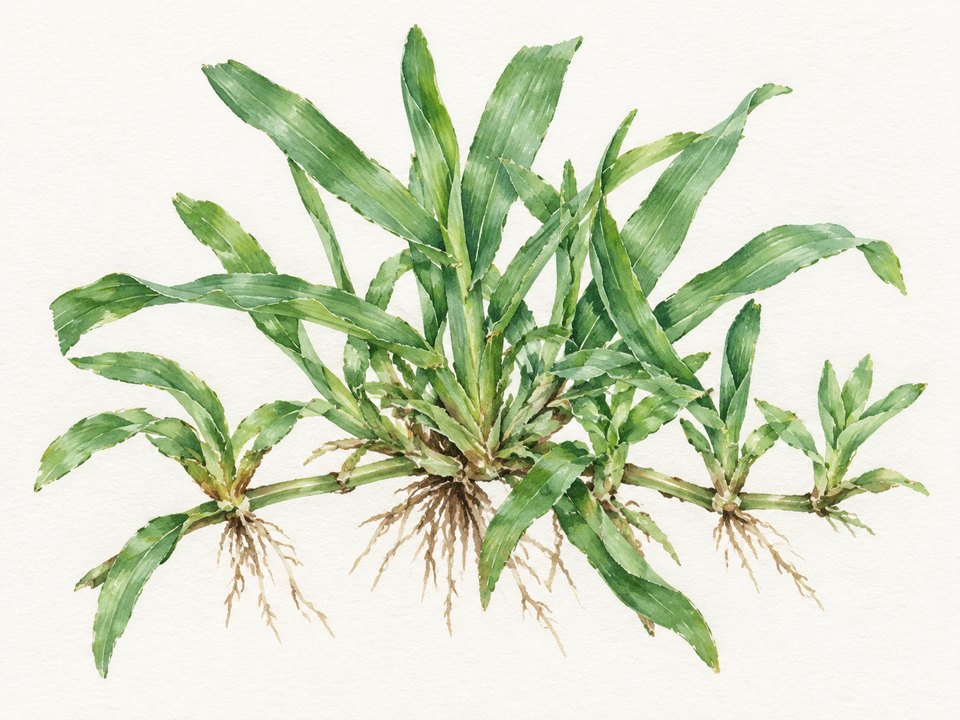 Illustration
St. Augustine grassStenotaphrum secundatumIllustration 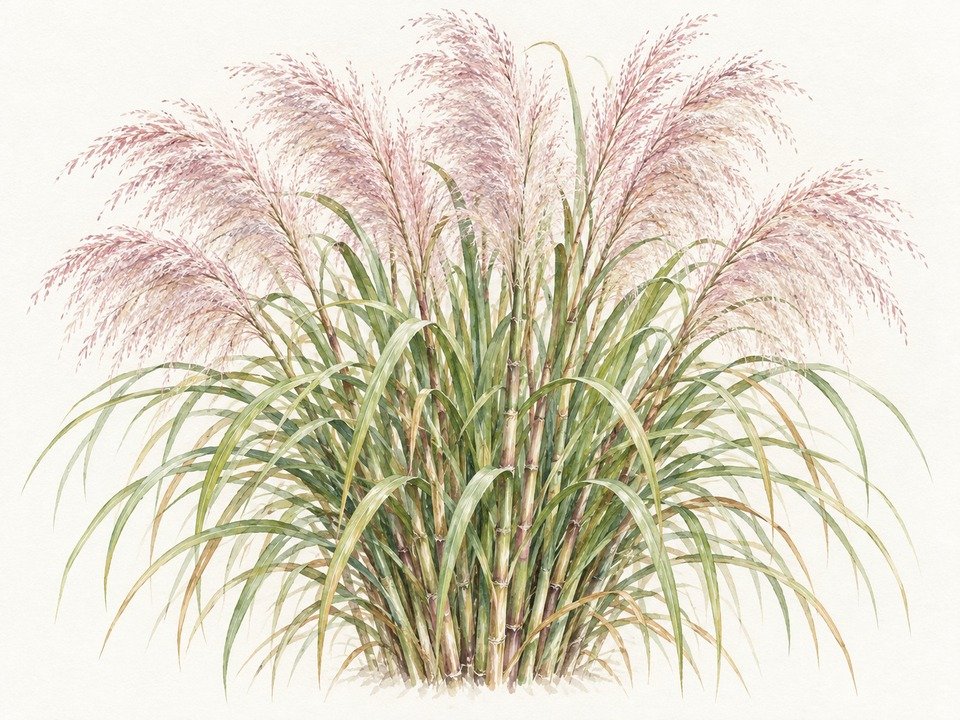 Illustration
Sugarcane Plume GrassErianthus giganteusIllustration 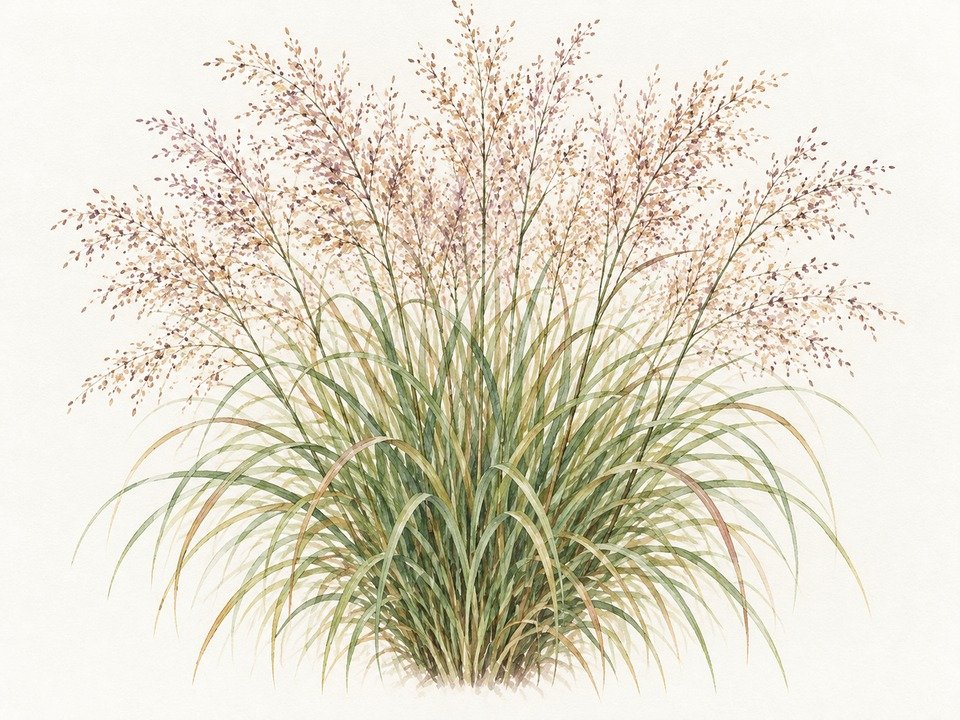 Illustration
Switch GrassPanicum virgatumIllustration 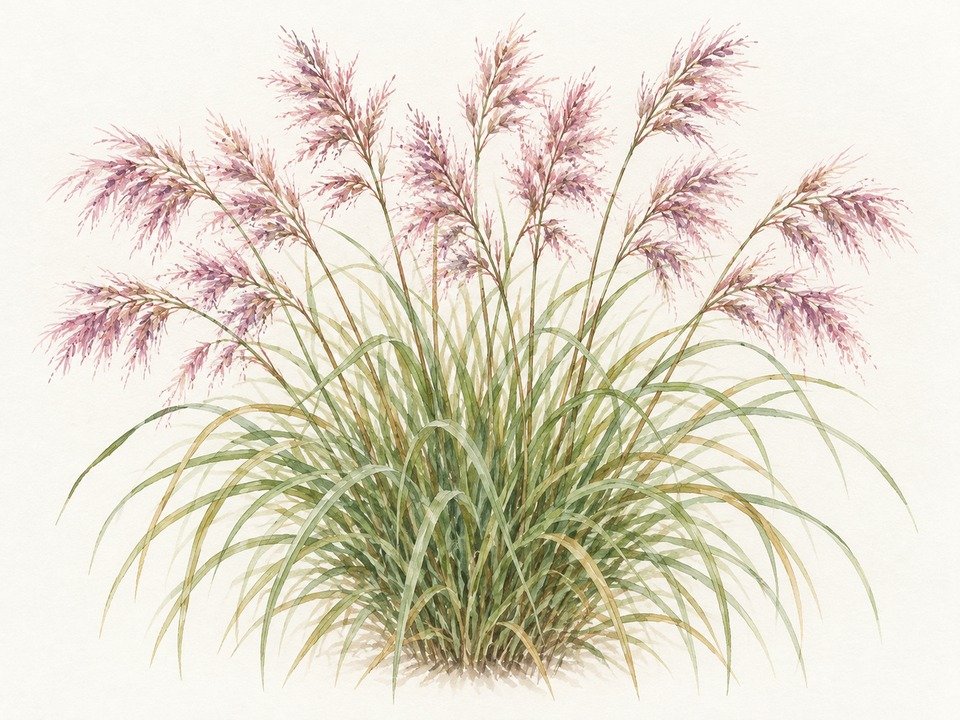 Illustration
Two-flowered TrichlorisTrichloris crinitaIllustration 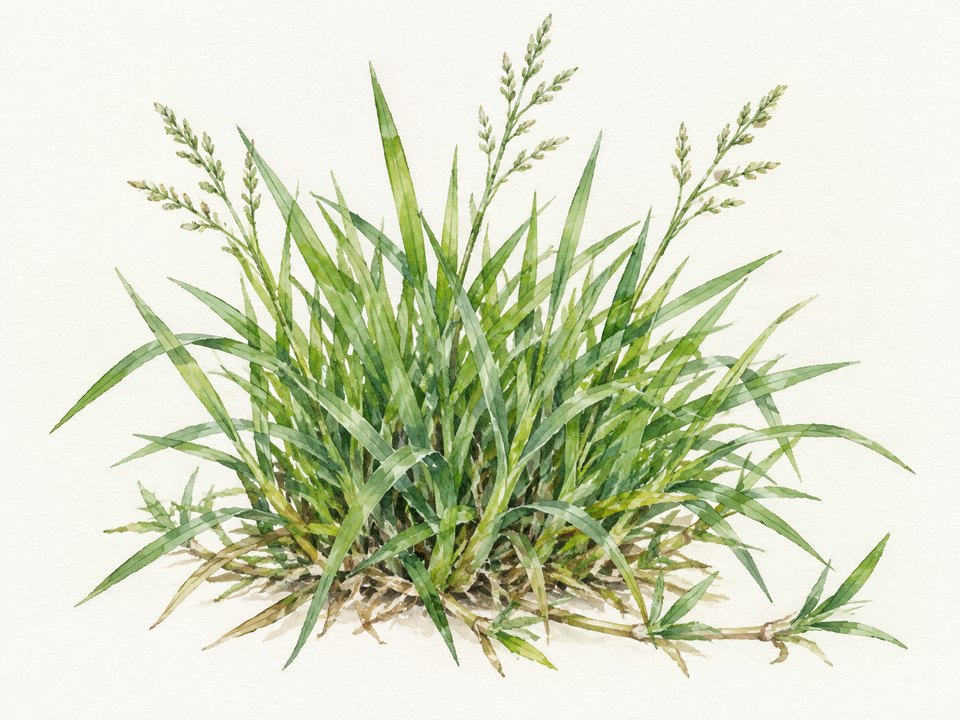 Illustration
Zoysia grassZoysiaIllustration
Care for the finished yard
On Unit 4 lots, keep the irrigation working, mow the lawn below 6 inches and remove weeds. Remove dead or diseased plants promptly. Get the required tree-removal approval even when the work is maintenance.[2]
Check tree-care and chemical rules
Get qualified tree-care advice and a written answer before you choose a chemical treatment. Unit 4's older maintenance clause names a fungicide. Its landscape clause bars traditional commercially produced chemicals. Read those rules together with current arborist advice and the law. A named treatment in the older record is not automatic permission to use it today.[2]
Unit 16A's dated rules call for minimal oak pruning. They set the work in dormant months, normally January and February, and call for dressing fresh cuts. They separately bar traditional commercially produced chemicals. They allow naturally occurring fertilizers and pesticides. These are recorded requirements, not current tree-care instructions. Check your unit, the present rules and a qualified tree-care professional's advice before you prune or treat.[4]
Check review fees and inspection costs
For Unit 4 projects, reasonable application-processing fees are allowed. The ACC may also use professional consultants. A current planting-only application price is not confirmed. Ask for the fee for your project before you file.[2]
An inspection clause also allows reasonable professional fees. This applies after a significant discrepancy is reported if the owner or builder does not give an adequate answer. The clause gives 10 working days to provide that answer. Keep the approved plan and respond promptly to an inspection question.[2]
Resale and transfer charges are separate property-transfer costs. Use the current submission route and checklist to confirm the landscape-review fee. Do not treat a transfer fee as the price of review.[3]
Crosstimber landscaping questions
Can I use the conservation list for my yard?
Can I start if I hear nothing after 30 days?
Does every yard need the same trees and setbacks?
Plan your Crosstimber landscape
Share your address, survey and ideas with Texas Allied Landscape. We can map the lot's rules, prepare the plant and materials plan and build after the required written approvals. Check tree work, drainage, irrigation and plant choices together so the finished yard fits the site.
Documents and limits of this guide
This rewrite keeps the findings from the earlier source review. It is not a new records audit or an address-specific approval. The rules cited here cover the reviewed Unit 2, Unit 4 and Unit 16A provisions, the master conservation-area list and the rainwater policy.
Before a project, confirm the address and unit, later amendments, the separate ACC guidelines, the private-yard plant list and the final conservation instruments. The Unit 2 First Amendment corrects a common-area legal description. It does not change the planting or review rules.[7]
The relationship between the two recovered Unit 12 declarations remains unresolved. A complete downloadable packet does not prove a complete governing chain. Get the current documents and written approval for your actual plants, materials and work. Use this guide for planning, not as an approval or legal opinion.
Your community profile
This guide covers the cited Unit 2, Unit 4 and Unit 16A rules, the master conservation-area plant list and the rainwater policy. Each unit can have different rules. Confirm your address and unit before you use this guide for a project. The separate private-yard plant list and the current fees are not confirmed yet.
Community profile
Crosstimber
1 permissive5 protective
| Design latitude | — |
|---|---|
| Approval scope | 5/5 |
| Approval layers | — |
| Approval cost | — |
| Plan preparation | 3/5 |
| Enforcement capability | — |
Higher means more documented control or burden, not a better community.
Design latitude
—
- 1
- 2
- 3
- 4
- 5
How much of the plant and design palette is prescribed. A higher score means less design freedom.
Why this score
Ask for the separate private-yard native list and current ACC guidelines. They were not recovered in this review. The conservation-area list cannot fill that gap.
Approval scope
5/5
- 1
- 2
- 3
- 4
- 5 (this score)
How much exterior work needs written sign-off.
Why this score
For the reviewed Unit 4 rules, get review for landscaping and other exterior improvements. Send the required package and get approval for changes. This dated private-yard profile does not confirm every unit or later rule.
Approval layers
—
- 1
- 2
- 3
- 4
- 5
Counts distinct required community reviewers only. City, county and state permits, optional steps and repeat submissions are not counted.
Why this score
Send ordinary landscape plans to the ACC under the reviewed unit rules. Later instruments, conservation limits and exact lot requirements remain unverified, so the full reviewer count is still unknown.
Approval cost
—
- 1
- 2
- 3
- 4
- 5
What the community's own approval process costs to apply.
Why this score
Ask for the current landscape application fee. Reasonable processing fees are allowed in Unit 4, but no current amount was verified. Transfer and resale fees are separate costs.
Plan preparation
3/5
- 1
- 2
- 3 (this score)
- 4
- 5
How much drawing and documentation an application needs.
Why this score
For the reviewed Unit 4 rules, prepare two landscape plans with plant names, sizes and locations, contractor details and existing-tree information. Initial-home plans need the stated scale. Naming a professional contractor does not itself require a professional designer to draw the plan.
Enforcement capability
—
- 1
- 2
- 3
- 4
- 5
Which remedies the verified governing documents and adopted policies provide. The score reflects verified documented provisions, not observed enforcement practice or legal conclusions. Not finding an express clause is not a conclusion that no authority exists.
The scores compare the reviewed private-yard rules with the other communities in this set. They cover the dated rules below, not every Crosstimber unit or later rule. A blank score means we could not confirm the facts.
Match the rules to your lot
Use your address, survey and recorded plat to confirm your unit, easements, fence rules and conservation limits. The approval steps below cover the reviewed Unit 2 and Unit 4 process. Confirm your own unit's rules and the current checklist before you file. These records do not promise today's review time.[1][2]
Sources
- Rogers Ranch Unit 2 Declaration, recorded February 10, 1997, Doc. 97-0018063, Vol. 7003 pp. 272-336. Landscape and irrigation pp. 28-30; ACC review, clearing, submittals, variances and acceptance pp. 39-42. Sourcehttps://gsc.vinteumneigbrs.com/cloud-storage/api/v1/contents/public/b4a769cc-85d5-48da-a58b-2068668e3a46abcdefghijklmnopqrst
- Rogers Ranch Unit 4 Declaration, Doc. 98-0021814, Vol. 7346 p. 1129. Maintenance PDF pp. 18-19; yards, screening, drainage and sightlines pp. 25, 28, 30-36; plan submittals, variances, inspections, acceptance and review PDF pp. 48-51. Sourcehttps://gsc.vinteumneigbrs.com/cloud-storage/api/v1/contents/public/c1693a42-600e-4eb5-9364-c4b1ae9ba019abcdefghijklmnopqrstuvwxyz
- Crosstimber management certificate recorded November 3, 2026, Doc. 20260215545. PDF pp. 1-5; contacts and transfer fees p. 4. Sourcehttps://bexar.tx.publicsearch.us/doc/332226849ab
- Rogers Ranch Unit 16A Declaration, Doc. 2000-0107347, Vol. 8471 p. 890. Landscape, irrigation, trees, chemicals and retaining walls PDF pp. 37-39, printed pp. 36-38. Sourcehttps://gsc.vinteumneigbrs.com/cloud-storage/api/v1/contents/public/347be9f7-eacb-4324-8c88-590e3284c1caabcdef
- Crosstimber Rainwater Recovery Systems Policy, Doc. 20120017335, Vol. 15332 p. 238, PDF pp. 1-3. Sourcehttps://gsc.vinteumneigbrs.com/cloud-storage/api/v1/contents/public/94fb5687-fc84-4189-bd82-479049385be6abc
- Eastern Rogers Ranch master declaration, Vol. 7004 p. 1007. Article 9.2(c)-(d), PDF pp. 22-23; Exhibit C plant list, PDF pp. 59-66. Secondary Conservation Area revegetation only. Sourcehttps://bexar.tx.publicsearch.us/doc/5890368abcdefghij
- Rogers Ranch Unit 2 First Amendment, effective July 22, 1997. PDF pp. 1-3 correct the common-area description in Article IV, Section A. Sourcehttps://bexar.tx.publicsearch.us/doc/5613880↑