
Property owners
Curly Mesquite Grass
- Plant
- Curly Mesquite Grass
- Botanical name
- Hilaria belangeri
- Group
- Ornamental grasses
Curly Mesquite Grass is a native low-water turf for sunny Central Texas lawns.
On this page
Botanical name: Hilaria belangeri.
Plant group: Ornamental grasses.
Light
Full sun - like most turf grasses it needs open light; it will not grow in shade.[1]
Soil and drainage
Adaptable - it colonizes dry soils from clay to gravelly, and it is part of the native lawn mix the Wildflower Center recommends for caliche, clay or loam in sun.[2][3]
Height
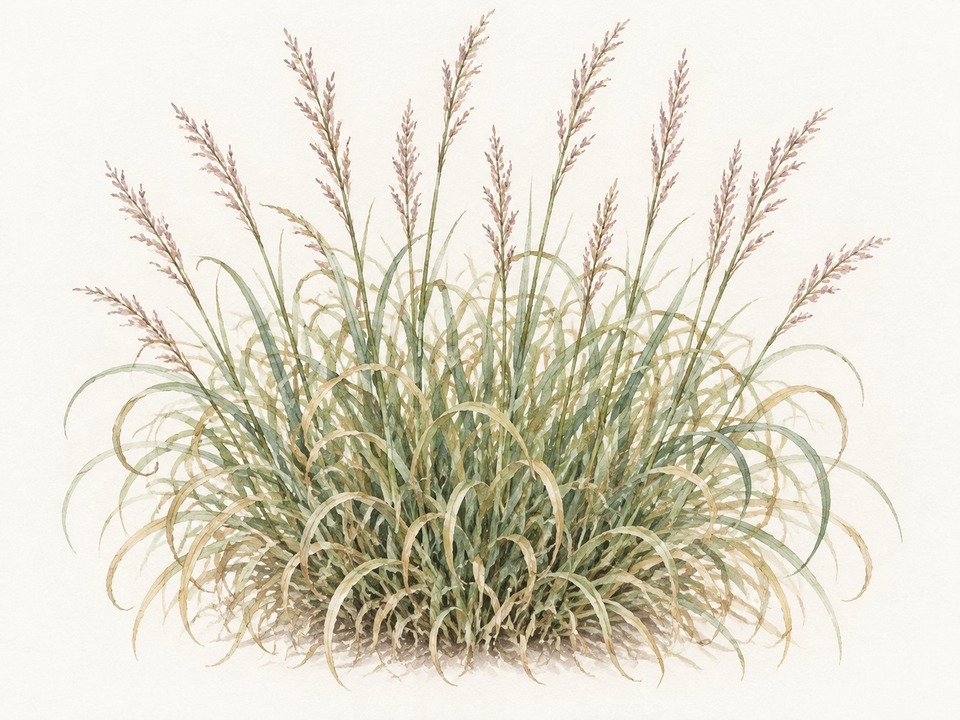
Low tufts a few inches tall, spreading by runners into a sod.[2]
Spread
Spreads by stolons (runners), knitting itself into turf - that spreading habit is what makes it a lawn grass rather than a bunchgrass.[2]
Foliage
Pale green, fine, curly-bladed - the curl gives it the name. Not related to mesquite trees at all.[2]
Water
Very low once established. It greens with rain and goes dormant tan in drought, then greens again - a lawn that lives on what the sky delivers.[4]
Pruning
Mow as a turf as needed, or let it grow loose and natural. No other cutting required.[3]
Seasonal behavior
A warm-season native: green and growing from spring through fall rains, dormant and tan through winter.[4]
When to Plant Curly Mesquite Grass
Seed or plant Curly Mesquite in early spring or in fall in Central Texas - the windows the Wildflower Center recommends for native turf grasses here.[3]
If you would like a hand, the Texas Allied Landscape team can plant your Curly Mesquite Grass and keep it thriving.
Planting
- Dig a hole twice as wide as the pot and no deeper, with sloping sides, and set the plant at the same depth it grew in its pot. Loosen any circling roots before backfilling.[5]
- For a new bed, clear grass and weeds first, roots and all.[5]
- Site: Full sun - like most turf grasses it needs open light; it will not grow in shade.[1]
- Soil: Adaptable - it colonizes dry soils from clay to gravelly, and it is part of the native lawn mix the Wildflower Center recommends for caliche, clay or loam in sun.[2][3]
- Timing: Seed or plant Curly Mesquite in early spring or in fall in Central Texas - the windows the Wildflower Center recommends for native turf grasses here.[3]
- Soak it well at planting and keep watering while the roots establish.[5]
- Mulch 2 to 4 inches, kept a few inches away from the stems to prevent crown rot. It needs no staking or other support.[5]
Care Instructions for Your Curly Mesquite Grass
Sunlight
Full sun - like most turf grasses it needs open light; it will not grow in shade.[1]
Soil and drainage
Adaptable - it colonizes dry soils from clay to gravelly, and it is part of the native lawn mix the Wildflower Center recommends for caliche, clay or loam in sun.[2][3]
Mature height and spread
Low tufts a few inches tall, spreading by runners into a sod.[2] Spreads by stolons (runners), knitting itself into turf - that spreading habit is what makes it a lawn grass rather than a bunchgrass.[2]
Pruning
Mow as a turf as needed, or let it grow loose and natural. No other cutting required.[3]
Normal seasonal behavior
A warm-season native: green and growing from spring through fall rains, dormant and tan through winter.[4]
Curly mesquite grass questions
Can curly mesquite be used as a lawn grass?
Yes - it is one of the native turf alternatives for Central Texas: a low, spreading grass that takes mowing and needs a fraction of bermuda's water.[6]
Is curly mesquite a Texas native?
Yes - Hilaria belangeri is a native shortgrass of Texas rangelands, named for the curly look of its leaf blades.[7]
Will curly mesquite grow in shade?
No - it needs full sun, like most turf-type grasses. For shade, sedges or inland sea oats are the native answers.[8]
How much water does curly mesquite need?
Very little once established - it is a rangeland native that greens with rain and goes dormant tan in drought and winter, greening again when conditions return.[9]
Next step: Our horticulturalists can convert a thirsty turf patch to a native grass lawn that lives on rainfall.
Let Texas Allied Landscape care for your Curly Mesquite Grass
Curly Mesquite does best with steady, knowledgeable care: the right water, mowing at the right height, and a trained eye for stress. The horticulturists at Texas Allied Landscape care for plants like yours across the San Antonio area, backed by over 40 years of landscape experience.
In these community guides
Sources
- Lady Bird Johnson Wildflower Center, Mr. Smarty Plants, "Native grasses that are shade tolerant."https://www.wildflower.org/expert/show.php?frontpage=true&id=5258abc
- West Texas Gardening, "Curly Mesquite."https://www.westtexasgardening.org/post/curly-mesquite-grassabcdefgh
- Lady Bird Johnson Wildflower Center, Mr. Smarty Plants, "Native grass seed for Austin."https://www.wildflower.org/expert/show.php?id=6402abcdefg
- Native Plant Society of Texas, "Hilaria belangeri."https://www.npsot.org/posts/native-plant/hilaria-belangeri/abcd
- Back to basics: Planting perennials, SAWS Garden Style San Antonio.https://www.gardenstylesanantonio.com/garden-articles/back-to-basics-planting-perennials/abcd
- Lady Bird Johnson Wildflower Center, Mr. Smarty Plants, "Native grass seed for Austin."https://www.wildflower.org/expert/show.php?id=6402↑
- Native Plant Society of Texas, "Hilaria belangeri."https://www.npsot.org/posts/native-plant/hilaria-belangeri/↑
- Lady Bird Johnson Wildflower Center, Mr. Smarty Plants, "Native grasses that are shade tolerant."https://www.wildflower.org/expert/show.php?frontpage=true&id=5258↑
- Native Plant Society of Texas, "Hilaria belangeri."https://www.npsot.org/posts/native-plant/hilaria-belangeri/↑