
Property owners
St. Augustine grass
- Plant
- St. Augustine grass
- Botanical name
- Stenotaphrum secundatum
- Group
- Turf grasses
Sourced light, mowing and lawn-establishment details for St. Augustine grass.
On this page
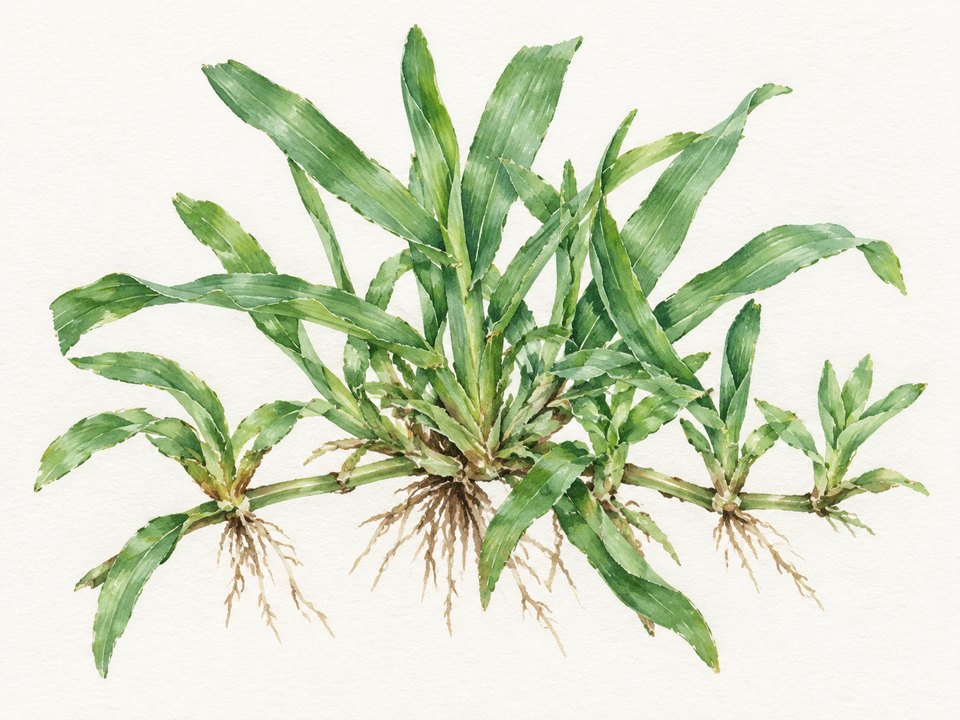
Botanical name: Stenotaphrum secundatum. The standard warm-season lawn grass for San Antonio, and the most shade-tolerant turf that thrives here.[1]
Light and soil
Full sun to part shade - it keeps growing with as little as four to six hours of sun - in almost any soil, including heavy clay.[1]
Height and spread
Mow at 2.5 to 4 inches. It spreads by above-ground runners to knit into a dense, coarse-bladed lawn.[2]
Foliage and seasonal behavior
Green and growing from spring green-up through fall; it goes tan and dormant after the first hard freeze and returns in spring. Watch for large patch disease in cool, wet weather and chinch bugs in hot, dry stretches.[3]
Water
Moderate. Deep, infrequent watering - about an inch a week in summer, rain included - grows the deepest roots.[1]
Pruning
Mow weekly in the growing season, removing no more than a third of the blade at a time.[2]
When to Plant St. Augustine grass
Lay St. Augustine grass as sod or plugs from late spring through summer, once the soil is warm and the grass is actively growing; in San Antonio that window runs roughly April through July.[1]
If you would like a hand, the Texas Allied Landscape team can install your St. Augustine grass and keep it thriving.
Planting
St. Augustine is installed as sod or plugs, never seed. Set sod on prepared, watered soil and keep it moist until the roots knit.[4]
Care Instructions for Your St. Augustine grass
How to Water a St. Augustine grass
Sunlight and soil
Sun to part shade; any soil.[1]
Mature height and spread
Mow at 2.5 to 4 inches; spreads by runners.[2]
Pruning
Weekly mowing in season; never scalp.[5]
Normal seasonal behavior
Tan winter dormancy is normal; green-up returns in spring.[1]
st. augustine grass questions
Why does my St. Augustine get brown patches in spring and fall?
That pattern points to large patch, a fungal disease active in cool, wet weather. Water in the morning and avoid excess nitrogen while it is active.[3]
Next step: Our team can confirm large patch versus chinch bug damage and treat the right one.
Why is my St. Augustine thinning in the hot, sunny spots?
Chinch bugs are the usual cause in summer, starting along driveways and curbs. Check the edge of the damage for tiny insects.[2]
Can I grow St. Augustine from seed?
No. It is installed as sod or plugs only.[1]
How short should I mow St. Augustine?
Keep it at 2.5 to 4 inches and never scalp it; taller blades shade the roots through summer.[2]
Let Texas Allied Landscape care for your St. Augustine grass
Want a st. augustine grass lawn? We install it, and our maintenance keeps it thick and healthy.
In these community guides
- Art in progress
Esperanza Landscaping
Plan your Esperanza landscape with help on plants, irrigation and the approval package. We check your neighborhood, lot…
Illustration. Illustration based on reference photos of Arbors of Fair Oaks. Not a single literal view. Arbors of Fair Oaks Landscaping
Bring your address, unit and yard ideas. Texas Allied Landscape helps design the planting and irrigation, prepare the…
Illustration. Illustration based on reference photos of Shavano Rogers Ranch - Crosstimber. Not a single literal view. Crosstimber Landscaping
Plan your Crosstimber plants, shade and irrigation. Get help matching your lot rules, preparing the review package and…
Illustration. Illustration based on reference photos of Rogers Ranch - Point Bluff and other neighborhoods. Not a single literal view. Rogers Ranch Landscaping
Plan your Rogers Ranch landscape with lawn, tree and irrigation guidance. Get help with the review package, approved…

Illustration. Illustration based on reference photos of Johnson Ranch. Not a single literal view. Johnson Ranch Landscaping
Share your Johnson Ranch address, survey and yard ideas. Texas Allied Landscape can help plan planting, irrigation and…
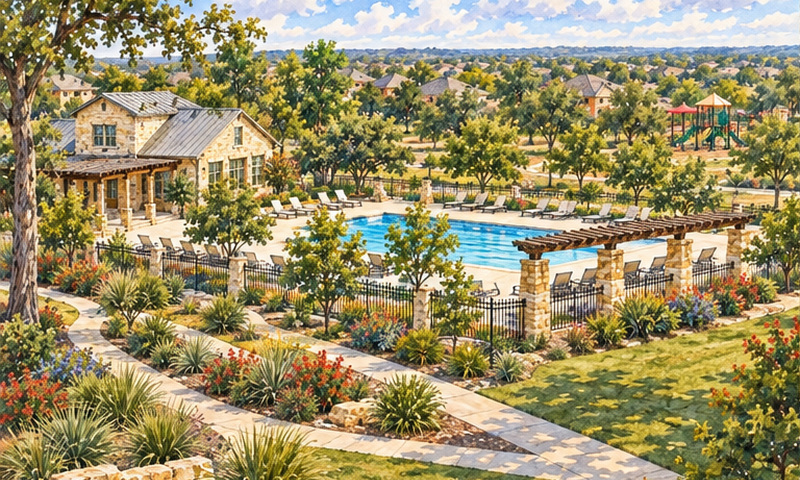
Illustration. Illustration based on reference photos of Redbird Ranch. Not a single literal view. Redbird Ranch Landscaping
Bring your survey and yard ideas. Texas Allied Landscape helps design planting and irrigation, prepare the review…
- Art in progress
Cordillera Ranch Landscaping
Bring your address, survey and yard ideas. We check the right guideline set, plan planting and irrigation, prepare the…
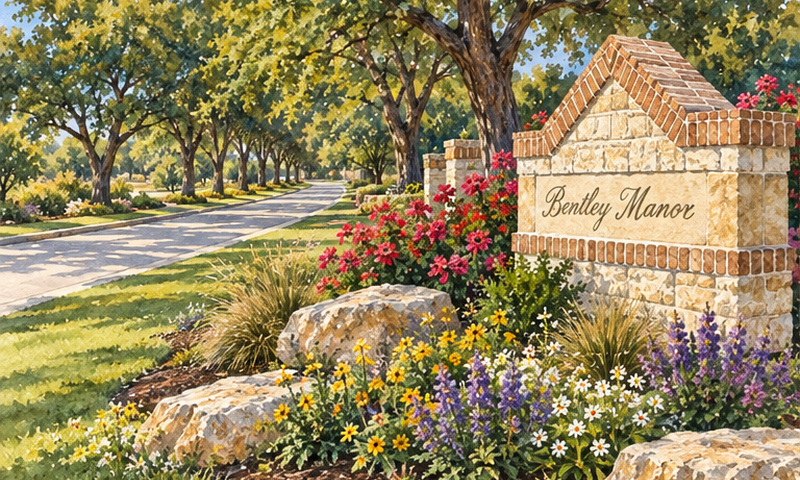
Illustration. Illustration based on reference photos of Bentley Manor. Not a single literal view. Bentley Manor Landscaping
Bring your survey, unit and yard ideas. We help check the lot rules, prepare the review plan and build the approved…

Illustration. Illustration based on reference photos of Sonoma Ranch. Not a single literal view. Sonoma Ranch Landscaping
Bring your Sonoma Ranch address and ideas. Texas Allied can design the yard, prepare the review package, build the…
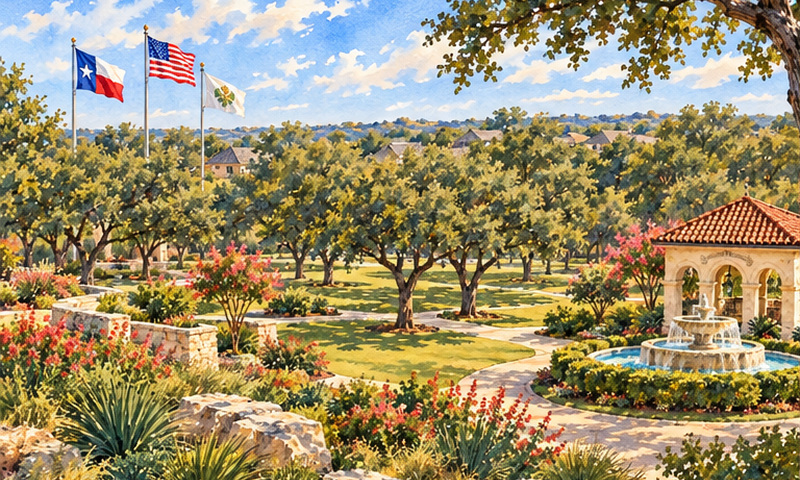
Illustration. Illustration based on reference photos of Sonterra. Not a single literal view. Sonterra Landscaping
Bring your Sonterra address and ideas. Texas Allied can design the yard, prepare the review package, build the approved…
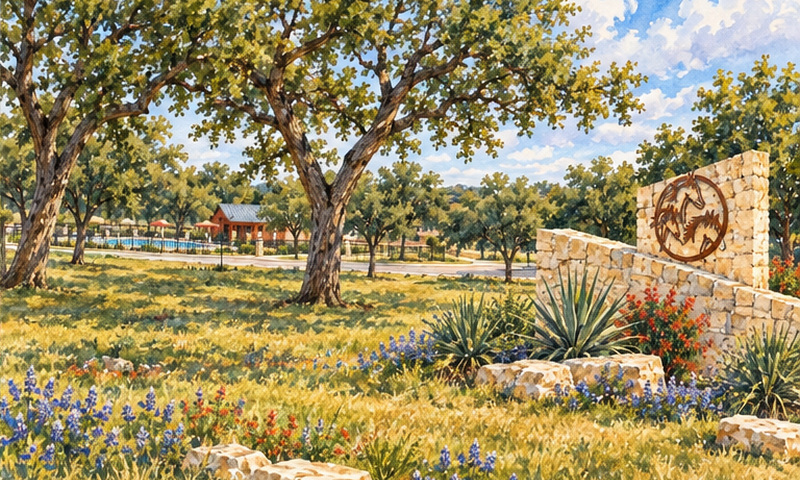
Illustration. Illustration based on reference photos of Remuda Ranch. Not a single literal view. Remuda Ranch Landscaping
Plan your Remuda Ranch yard with planting, lawn and irrigation guidance. Get help from the review package through…

Illustration. Illustration based on reference photos of Mission del Lago. Not a single literal view. Mission del Lago Landscaping
Plan planting, lawn and irrigation for your Mission del Lago address. Get help with the review package, approved work…
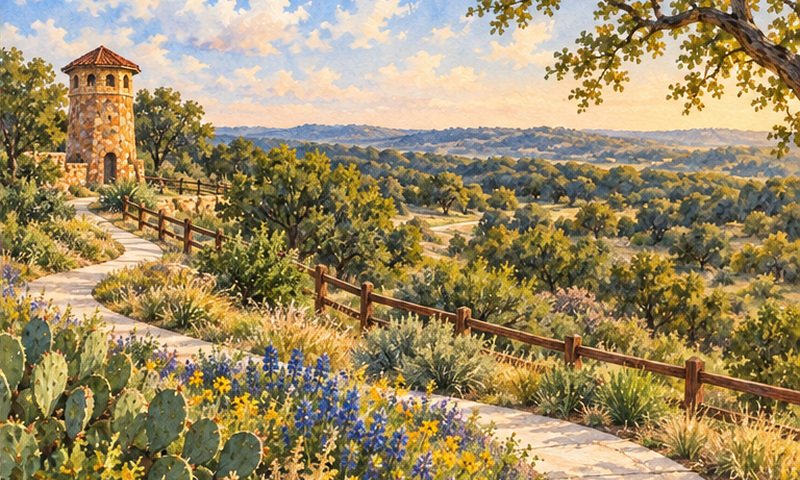
Illustration. Illustration based on reference photos of Bulverde Village. Not a single literal view. Bulverde Village Landscaping
Bring your address, survey and yard ideas. We help match planting, irrigation and the review package to your lot and…
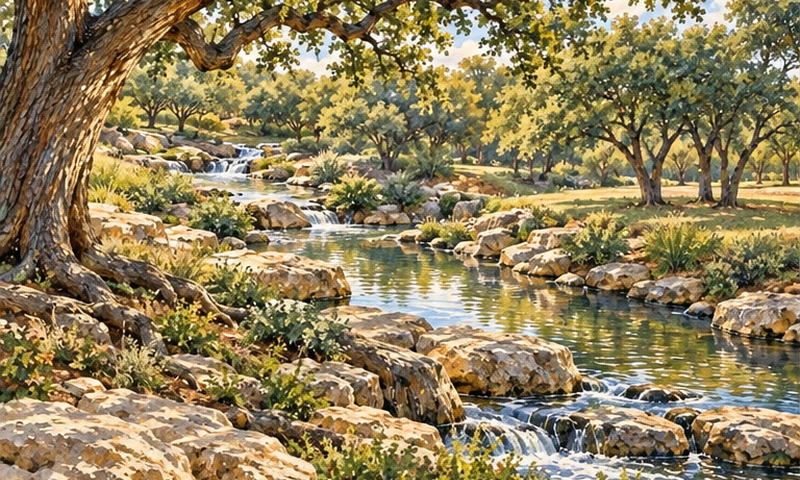
Illustration. Illustration based on reference photos of The Dominion. Not a single literal view. The Dominion Landscaping
Plan your Dominion landscape with help on planting, irrigation and the ACC package. We check your lot's standards and…
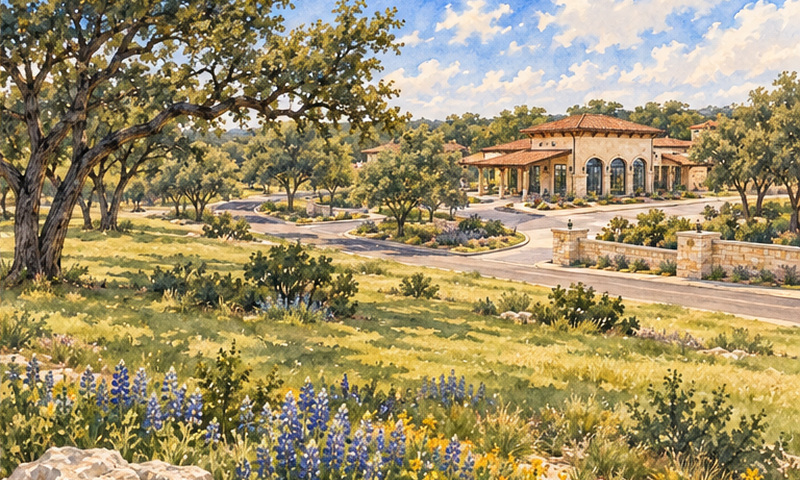
Illustration. Illustration based on reference photos of Vintage Oaks. Not a single literal view. Vintage Oaks Landscaping
Bring your Vintage Oaks address, survey and ideas. Texas Allied can match the unit rules, design the yard, prepare the…
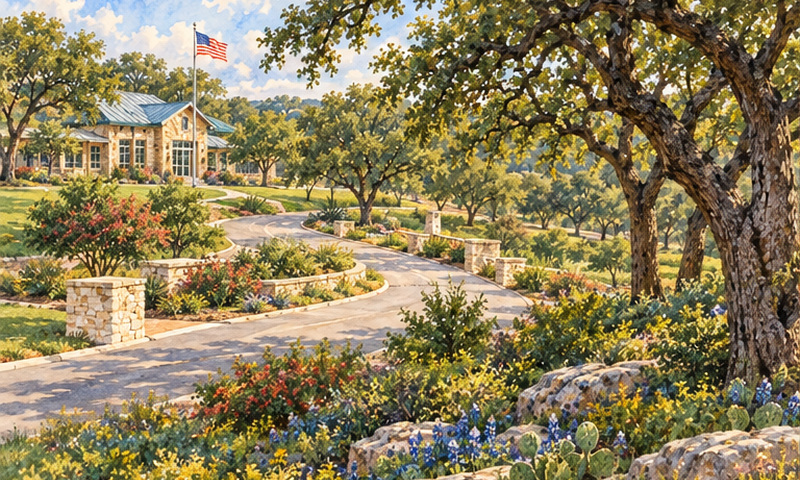
Illustration. Illustration based on reference photos of Encino Park. Not a single literal view. Encino Park Landscaping
Plan an Encino Park landscape with help on plants, irrigation and the review package. We confirm your association and…
Illustration. Illustration based on reference photos of Crown Ridge Manor. Not a single literal view. Crown Ridge Manor Landscaping
Plan your Crown Ridge Manor yard, prepare the approval package and build to the written design. We check local and…
Sources
- Texas A&M AgriLife Extension, "St. Augustinegrass lawn management."https://mytexas.ag.tamu.edu/wp-content/uploads/2026/02/st-augustinegrass-lawn-management-HORT-PU-173.pdfabcdefg
- Collin County Master Gardeners, "St. Augustine grass care."https://ccmgatx.org/resources/articles/article-repository/2020/april/st-augustine-grass-care/abcde
- Texas A&M AgriLife Extension, "How to diagnose and manage large patch disease in warm-season turfgrass."https://mytexas.ag.tamu.edu/publications/how-to-diagnose-and-manage-large-patch-disease-in-warm-season-turfgrass/ab
- Turfgrass Selection for Texas, Texas A&M AgriLife Extension, L-5519, June 2010.https://agrilifeextension.tamu.edu/wp-content/uploads/2025/06/Turfgrass-Selection-for-Texas.pdf↑
- Lawns in the Home Landscape, Texas A&M AgriLife Extension, Travis County.https://travis-tx.tamu.edu/about-2/horticulture/basic-landscape-design/lawns-in-the-home-landscape/↑