
Property owners
Sonterra Landscaping
Make room for outdoor living at Sonterra. Texas Allied Landscape helps plan planting and irrigation, prepare the review package and build the approved yard.
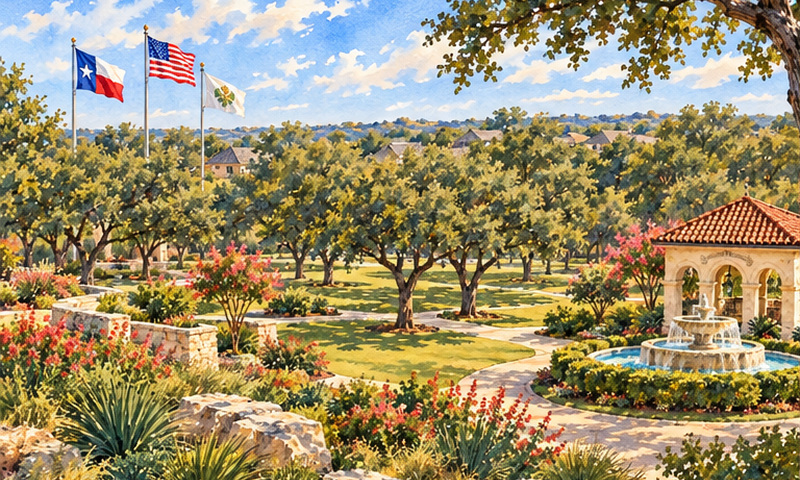
Get a quoteIllustration based on reference photos of Sonterra. Not a single literal view.
On this page
Make your Sonterra yard a comfortable place to gather, relax and enjoy life outside. Texas Allied Landscape can bring planting, irrigation and outdoor spaces into one plan. We prepare the review package and build the approved design. Start with your address and the changes that would make your yard work better for you.
Know your community and your lot
Sonterra's rolling terrain, mature oaks and tree-lined golf fairways give the neighborhood an outdoor feel. Golf and other club activities have their own membership arrangements.[1]
Fifteen neighborhoods share one Property Owners Association. Each neighborhood's recorded covenants can add to the community-wide design rules. Confirm the full requirements for your address before design. The master declaration's landscape rules have not yet been read for this guide. The same is true for all fifteen neighborhood covenant sets.[2]
Prepare your plan and get approval
Get Architectural Review Committee (ARC) approval before new landscaping or major changes to it. Send a scaled plan for the front and side yards. Show plants, trees, turf, mulch, irrigation, rock, gravel, paved areas and ground cover. Include a detailed plant list. The committee may also ask for contractor references, liability insurance and material samples.[2]
Confirm your lot's rules and prepare the package.
Texas Allied helps develop the design, scaled plan and plant list. Check the master and neighborhood rules, current forms, fees and any extra review steps for your address.[2]
Send a complete application and allow review time.
Allow 30 days after the full package is sent. Under the reviewed 2025 rules, a complete application is approved if the committee gives no decision within that time. Confirm the package is complete first. Also confirm the rule applies to your project before relying on that clock.[2]
Keep the decision and build the approved plan.
Get approval before starting work. Texas Allied can prepare and submit the package. Then we build to the approved scope. Keep the decision and approved plans with your project records.[2]
Rain barrels and rainwater collection systems also need ARC approval. Include a site plan and product photos or manufacturer brochures.[2]
Fit the layout to your lot
Map the front and side yard areas
For the front and side yard area counted under the rule, leave out the driveway, flatwork and foundation beds. At least 30% of the counted area must stay living vegetation. The limits for that area are:[2]
- Synthetic turf: up to 70%.
- Rock beds: up to 30%.
- Natural mulch beds: up to 30%.
- New concrete flatwork: up to 15%.
Plan these areas together before choosing materials. Keep evergreen plants in rock and mulch beds. They should cover at least 35% of each bed within two years. Keep those beds weed-free.[2]
Leave room for plants and safe paths
Start foundation plants in five-gallon containers. Keep thorny or sharp-edged plants at least six feet from a public sidewalk. Composting belongs in the rear yard, hidden from streets and common areas.[2]
The reviewed design rules also cover edging materials, tree and shrub sizes and clear sight lines. Check those details before design. Exact lot setbacks and easement widths have not been verified here. Use your survey and the full rules for your address before placing beds, irrigation or outdoor features.[2]
Choose plants, turf and irrigation
Use the named turf and ground covers
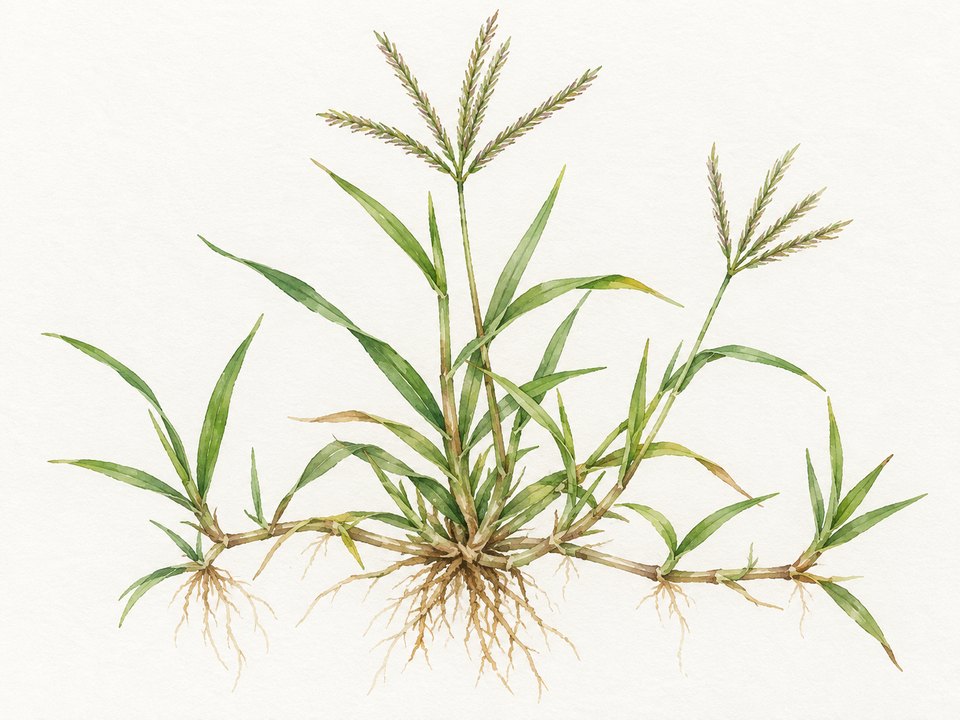
The approved turf choices named in the reviewed policy are Bermuda, St. Augustine, buffalo and zoysia. The named ground covers include Asian Jasmine, Purple Wintercreeper, Silver Ponysfoot and Creeping Jenny. Keep the yard-area limits and evergreen bed planting in your plan.[2]
 Illustration
Bermuda grassCynodon dactylonIllustration 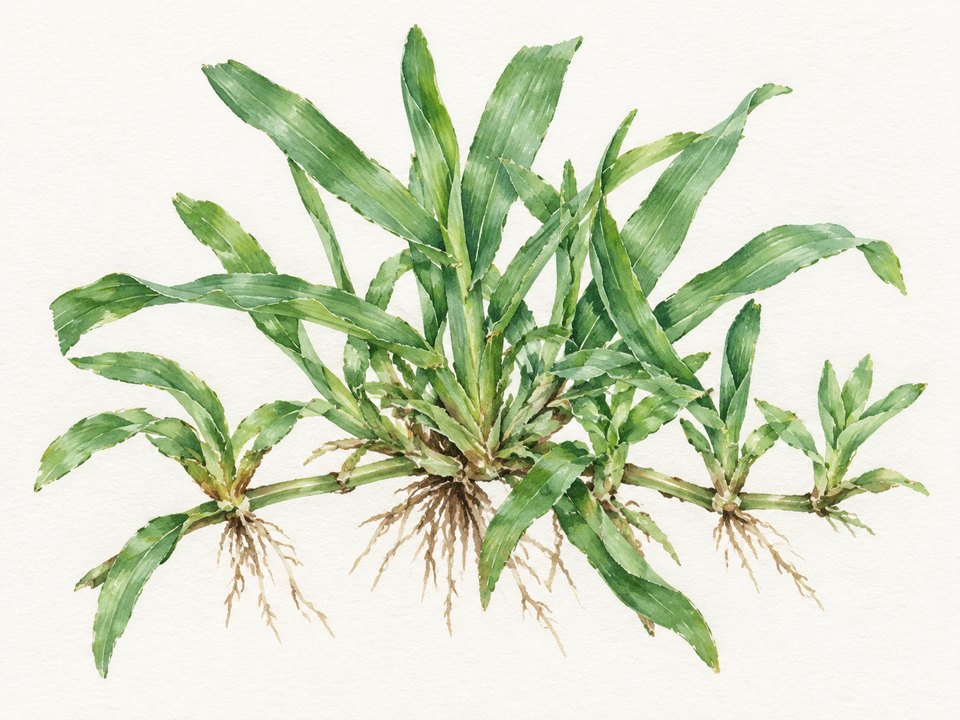 Illustration
St. Augustine grassStenotaphrum secundatumIllustration 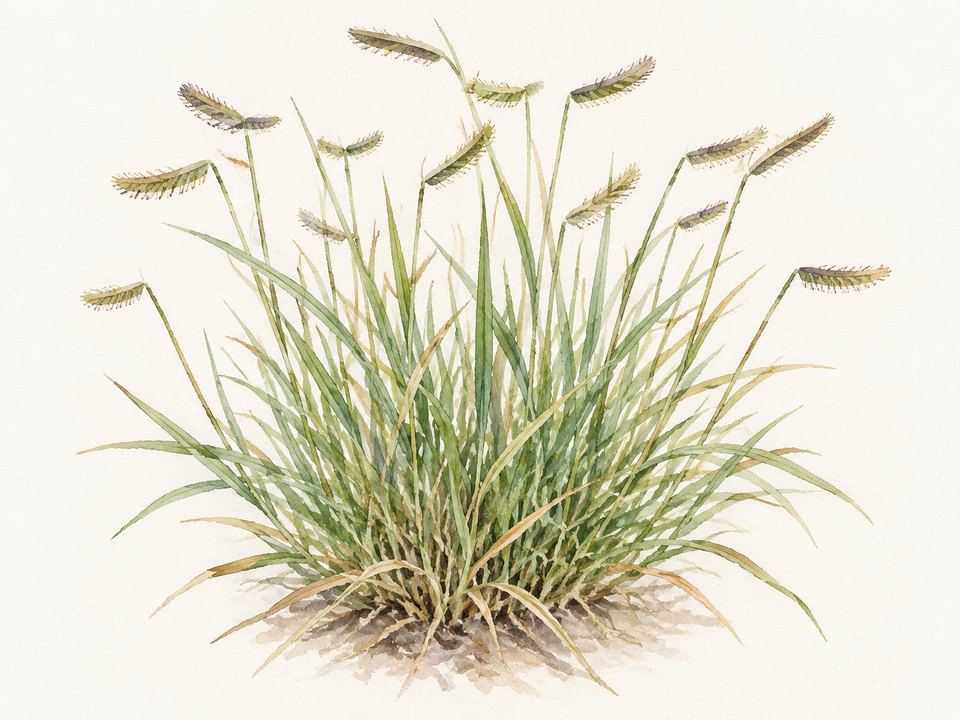 Illustration
Buffalo grassBouteloua dactyloidesIllustration 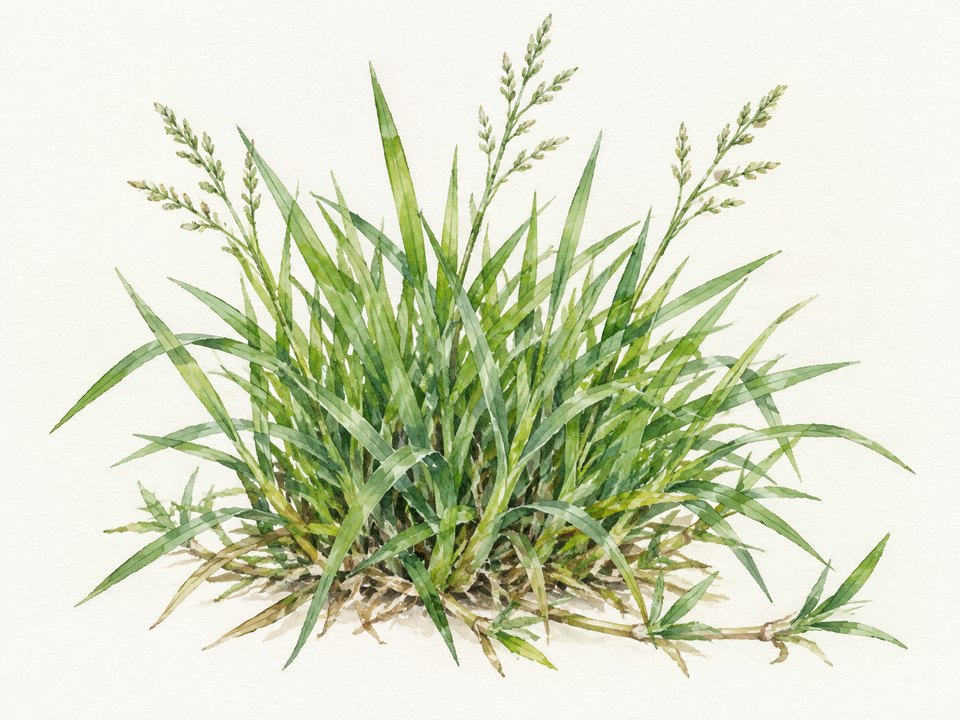 Illustration
Zoysia grassZoysiaIllustration 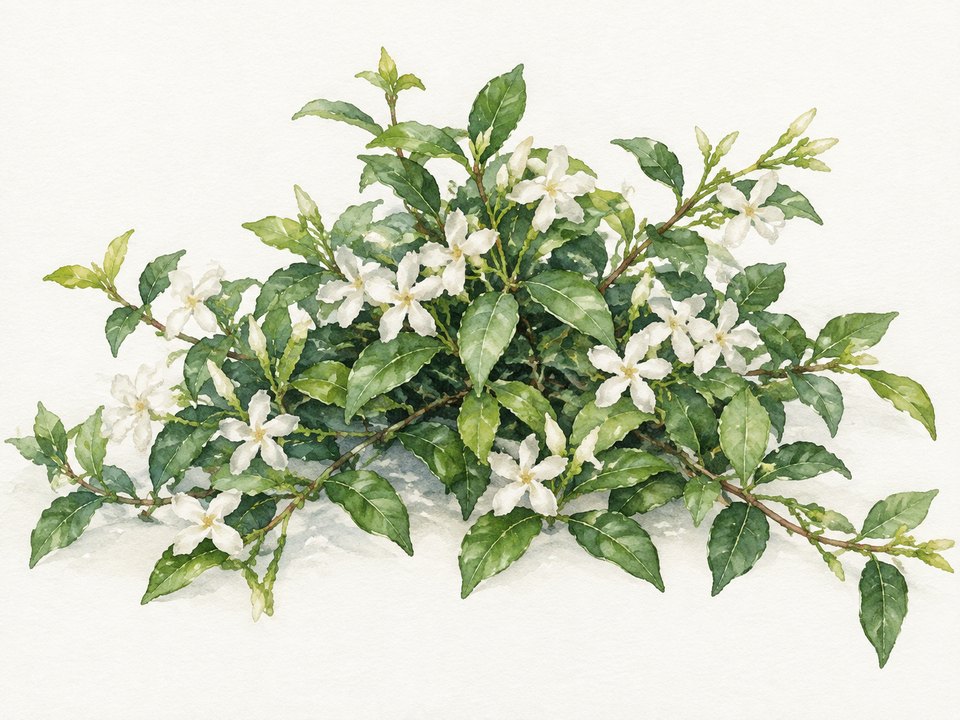 Illustration
Asian JasmineTrachelospermum asiaticumIllustration 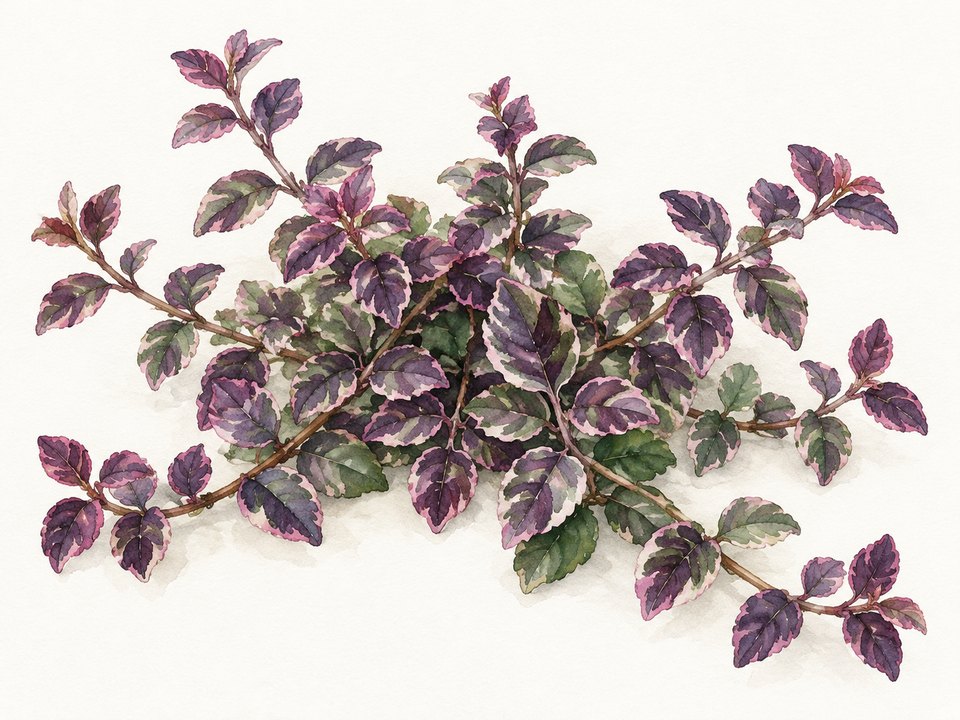 Illustration
Purple WintercreeperEuonymus fortuneiIllustration  Illustration
Silver PonyfootDichondra argenteaIllustration 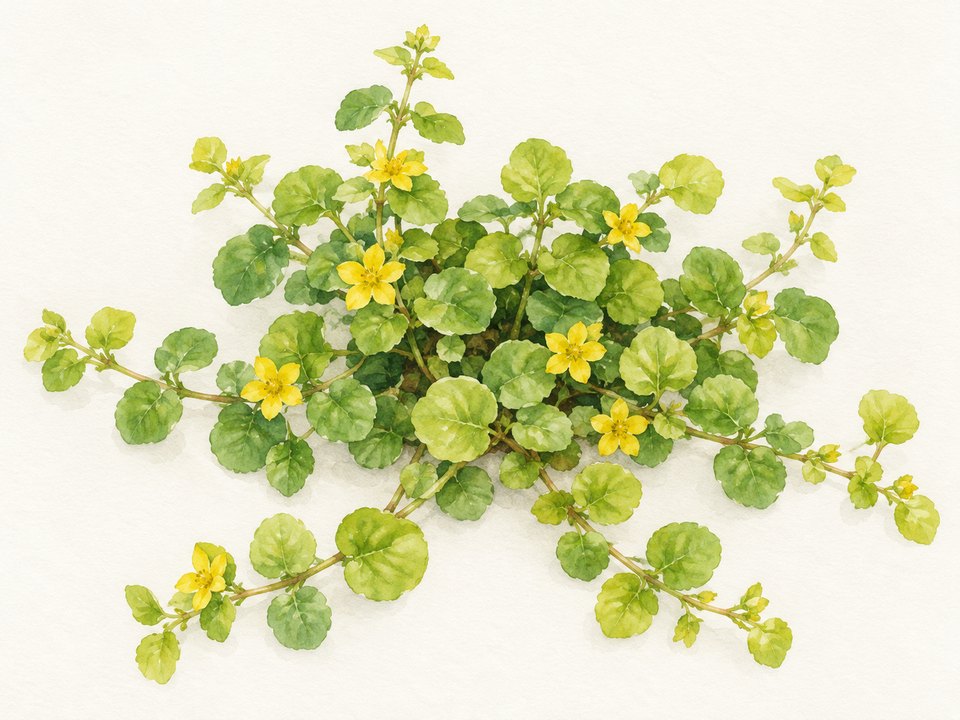 Illustration
Creeping JennyLysimachia nummulariaIllustration
Develop a plant palette for review
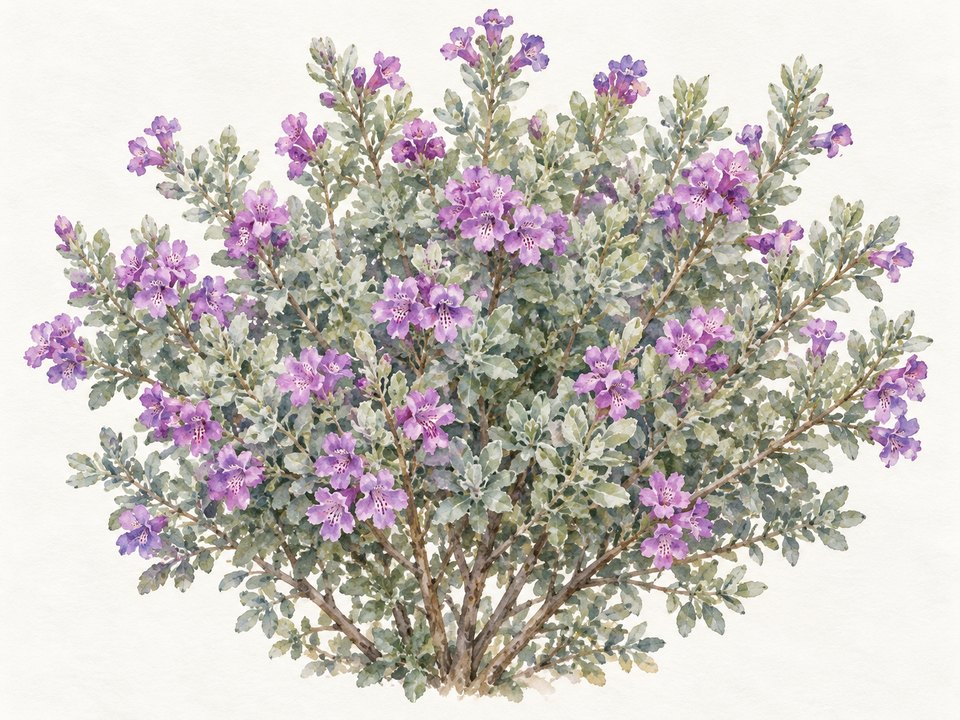
Texas Allied can develop a palette for you. It can draw on Texas Sage, Lantana, Red Yucca, Autumn Sage and Black Dalea. It can add Live Oak, Cedar Elm and Texas Mountain Laurel for structure and shade. These are design ideas to develop and submit for approval. They are not a verified association-approved ornamental list. Match each plant to your lot's sun, soil, available room and existing native cover.
 Illustration
Texas SageLeucophyllum frutescensIllustration  Illustration
LantanaLantana camaraIllustration 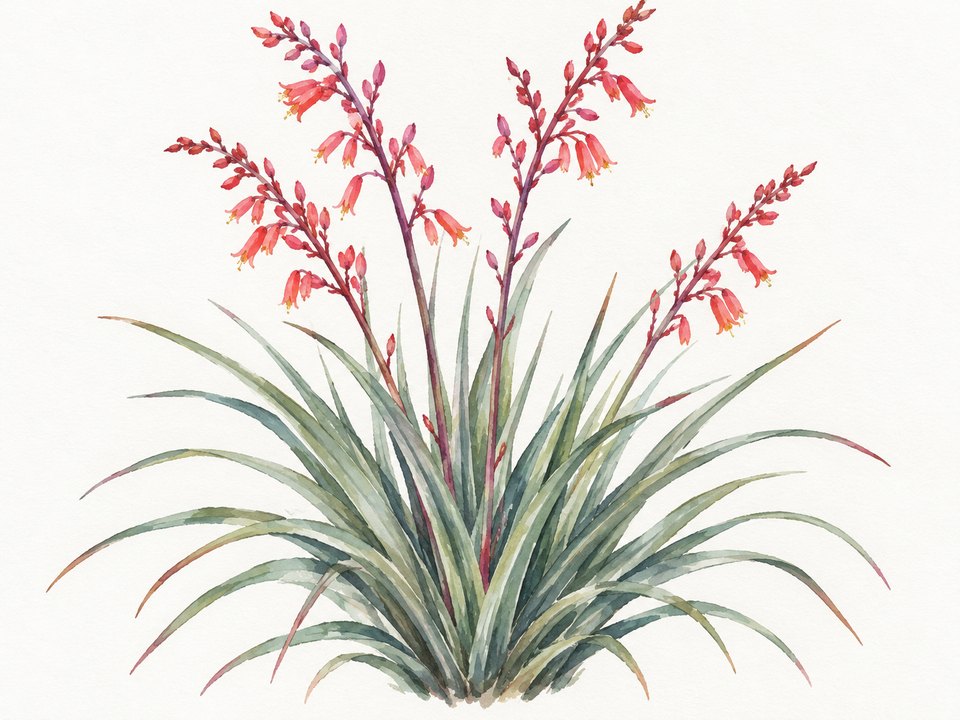 Illustration
Red YuccaHesperaloe parvifloraIllustration 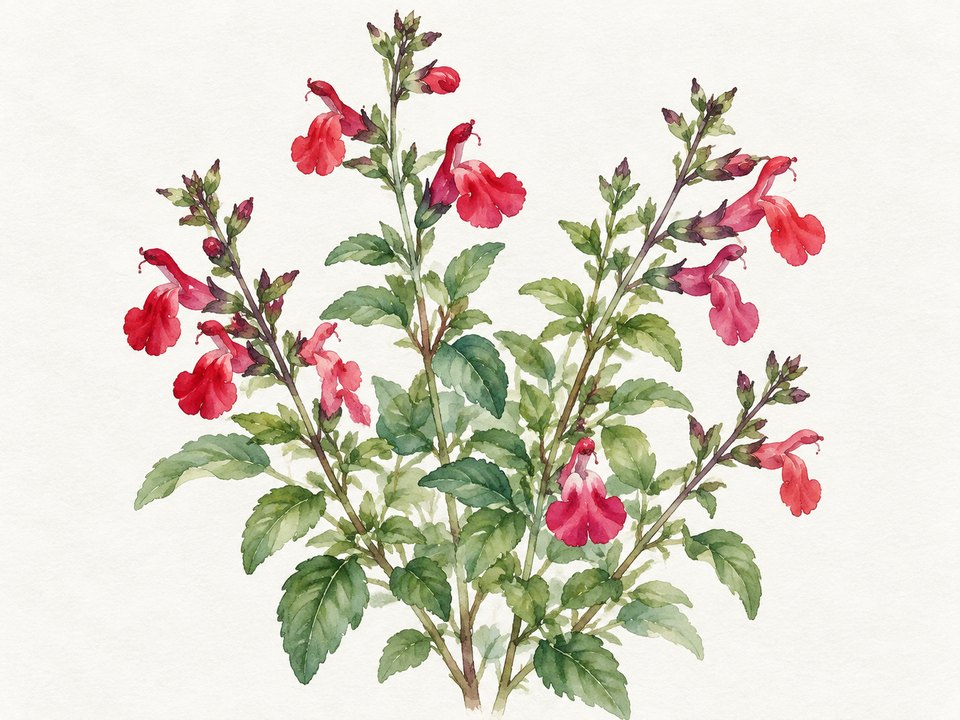 Illustration
Salvia GreggiiSalvia greggiiIllustration 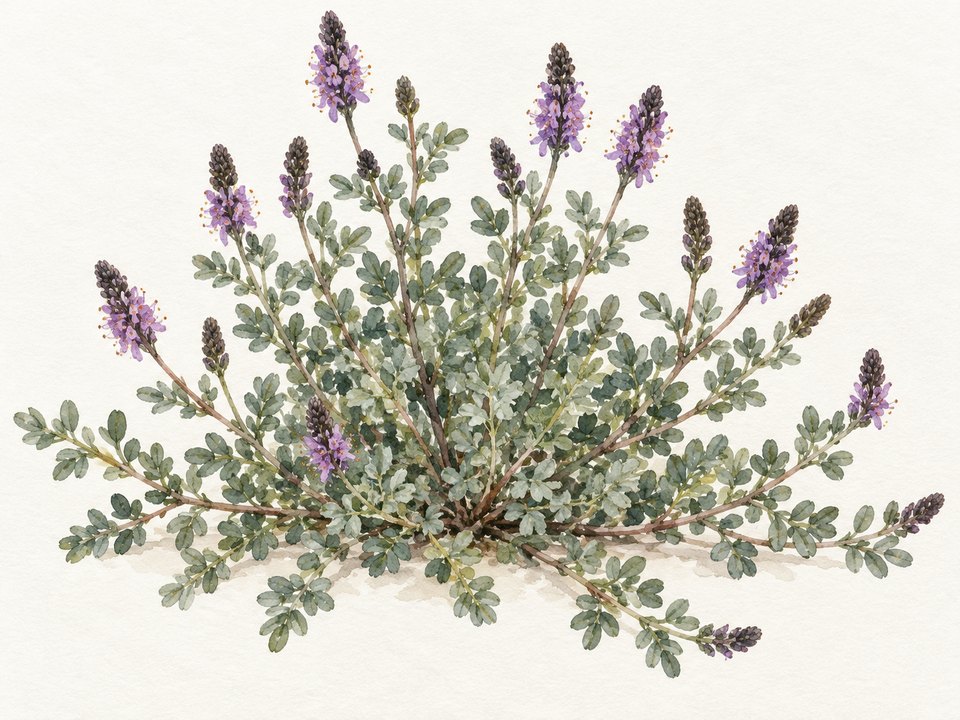 Illustration
Black DaleaDalea frutescensIllustration 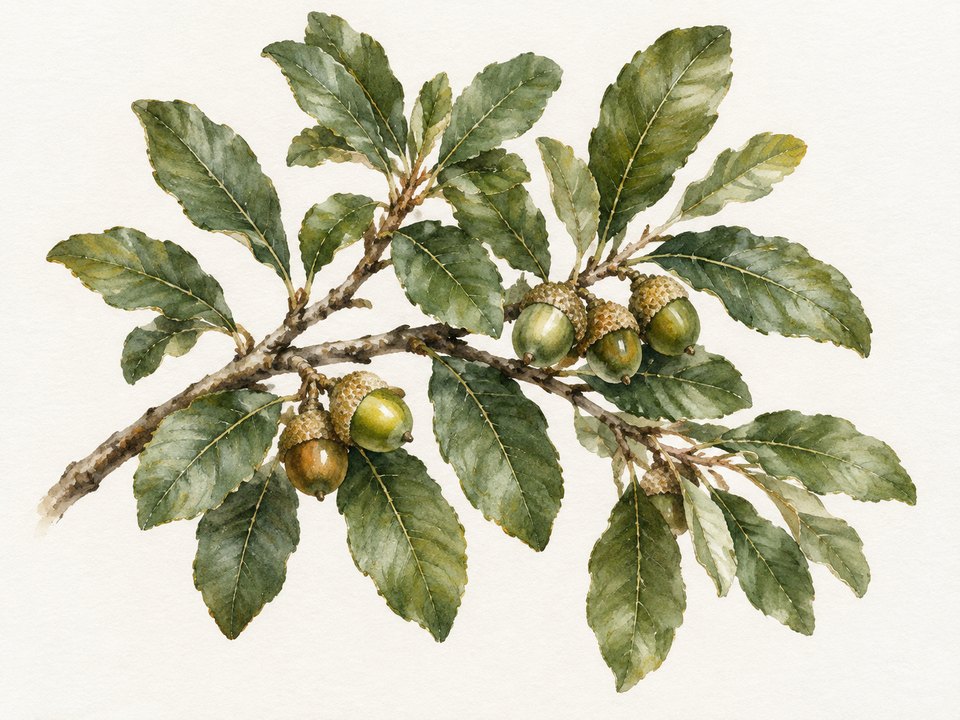 Illustration
Live OakQuercus virginianaIllustration 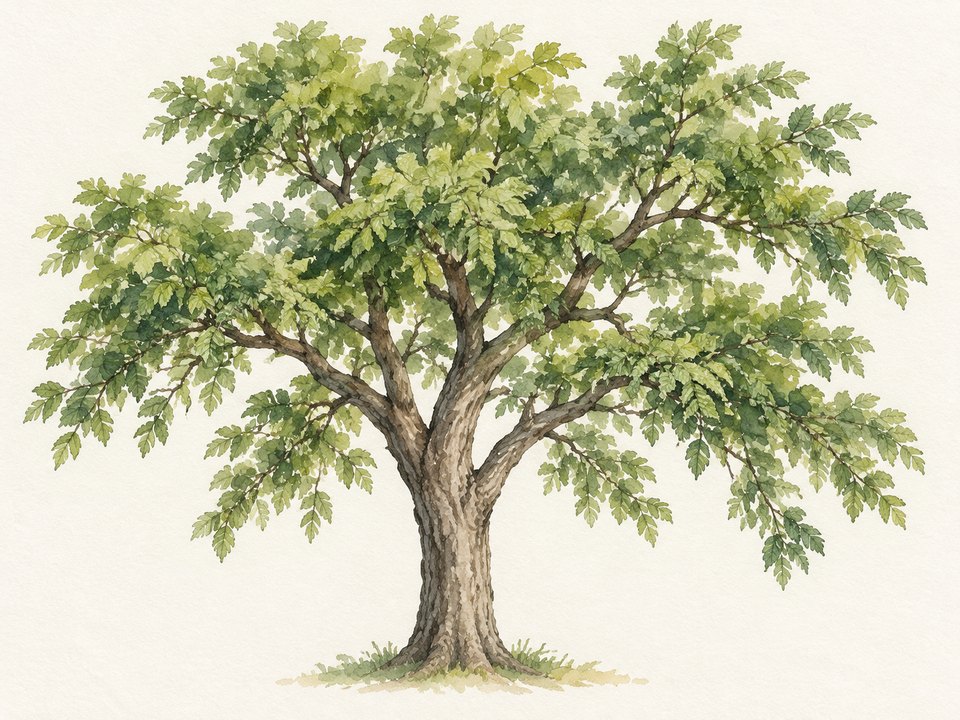 Illustration
Cedar ElmUlmus crassifoliaIllustration 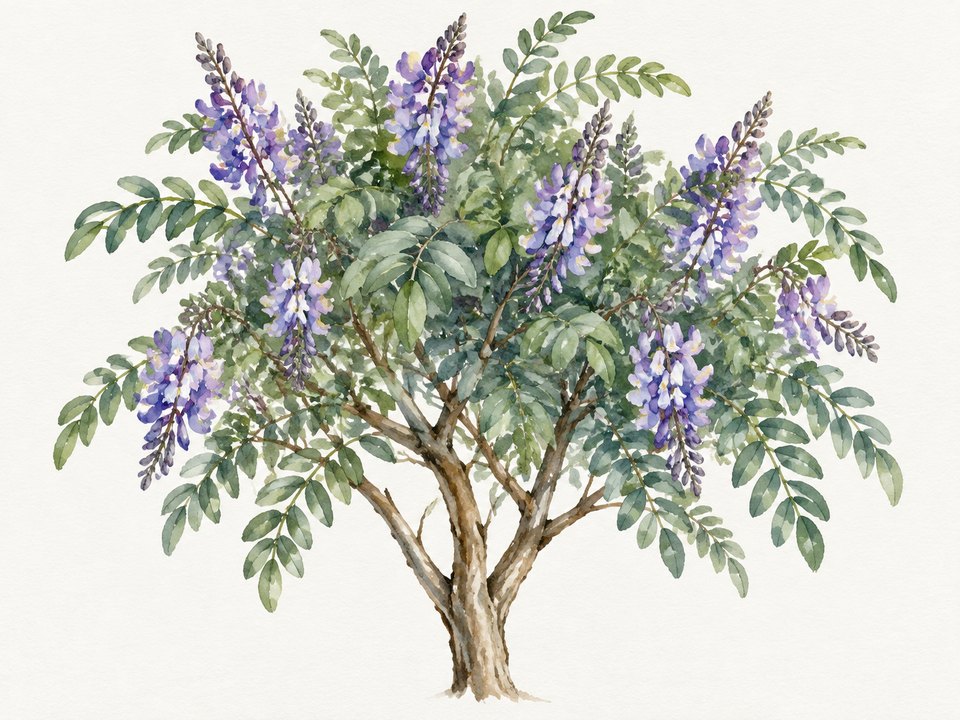 Illustration
Mountain LaurelSophora secundifloraIllustration
Include a detailed plant list with every submittal. Texas Allied can build that list with you. We can also plan irrigation around the finished planting and turf areas.[2]
Plan synthetic turf and water use
Synthetic turf needs professional installation on a firm base that lets water through. The product must have a 15-year warranty and meet minimum weight and drainage rates. Verify those product values against the full rules before choosing it. If the turf fades, replace the full area.[2]
The drought-resistant landscaping rules aim to reduce irrigation demand. Water-conserving turf, xeriscaping and synthetic turf have written standards. The committee may not unreasonably deny them. Plan to those standards and get the required approval.[2]
Place rainwater collection with care
Get ARC approval for rain barrels and rainwater collection systems. Use commercial-grade barrels that are fully enclosed to keep mosquitoes out. Pick colors that match your home. Keep the barrels out of the area between the front of the home and the adjoining street. A barrel visible from a street, neighboring lot or common area needs approved screening. Send the location plan and product photos or brochures with the application.[2]
Plan fees, care and changes
Major landscaping covers more than half of the front or rear yard area that can be landscaped. The reviewed fee schedule lists a $250 plan-review fee and a $1,250 project deposit. The deposit is refundable when the work meets the rules. Minor work has no fee under that schedule. Minor work includes replacing plants or adding a small tree. Confirm the current fees and deposit terms before sending your plan.[2]
Starting work before approval carries a $500 charge under the reviewed schedule. Work that differs from approved plans is $500 per occurrence. It adds $50 a day after a correction deadline passes. Repeat violations double each time. Unapproved work can be ordered changed, moved or removed at the owner's expense. Check the current schedule and keep work within the approved scope.[2]
Texas Allied can help maintain the approved yard. We offer lawn and landscape care, plant health care, irrigation checks and repairs, bed refreshes, turf reduction and native planting. Check review requirements before later changes.
Sonterra landscaping questions
What goes in a landscape application?
Send a scaled front- and side-yard plan. It should show plants, trees, turf, mulch, irrigation, rock, gravel, paving and ground cover. Add a detailed plant list. The committee may ask for contractor references, insurance and samples.[2]
Can I replace most of the lawn with synthetic turf?
Synthetic turf may cover up to 70% of the counted front and side yard area. Keep at least 30% living vegetation. Get approval and meet the installation, warranty, weight and drainage rules.[2]
What should I budget for review?
The reviewed schedule lists $250 for major-work plan review and a $1,250 refundable project deposit. Major work covers more than half of the front or rear yard area that can be landscaped. Minor work has no fee under that schedule. Confirm current amounts and terms before applying.[2]
Plan your Sonterra landscape
Share your Sonterra address and what you want to change. Texas Allied Landscape can design the yard, prepare and submit the review package, build the approved plan and care for it. Bring planting, irrigation and outdoor spaces together before work begins.
Documents and limits of this guide
This rewrite keeps the earlier review's findings from the dated design, compliance and rainwater policies listed below. It is not a new records audit or an address-specific approval. The master declaration's landscape rules and the fifteen neighborhood covenant sets remain unread. Later amendments have not been checked.[2]
The library link identifies where to find the named instruments rather than linking each document directly. Confirm the full current requirements, fees and approvals for your address and project. Use this guide for planning, not as an approval or legal opinion.
Community score card
Community profile
Sonterra
1 permissive5 protective
| Design latitude | — |
|---|---|
| Approval scope | 4/5 |
| Approval layers | — |
| Approval cost | 5/5 |
| Plan preparation | 3/5 |
| Enforcement capability | 4/5 |
Higher means more documented control or burden, not a better community.
Design latitude
—
- 1
- 2
- 3
- 4
- 5
How much of the plant and design palette is prescribed. A higher score means less design freedom.
Why this score
The 2025 landscape budgets are documented. Covenants we have not read may add standards, including foundation planting. We check the standards for your address.
Approval scope
4/5
- 1
- 2
- 3
- 4 (this score)
- 5
How much exterior work needs written sign-off.
Why this score
New or materially changed landscaping needs ARC approval.
Approval layers
—
- 1
- 2
- 3
- 4
- 5
Counts distinct required community reviewers only. City, county and state permits, optional steps and repeat submissions are not counted.
Why this score
The ARC is documented. We check whether master or neighborhood covenants add review requirements for your address.
Approval cost
5/5
- 1
- 2
- 3
- 4
- 5 (this score)
What the community's own approval process costs to apply.
Why this score
The fee schedule reviewed lists a $250 plan-review fee and a $1,250 refundable project deposit for major landscaping. Minor work is free under that schedule.
Plan preparation
3/5
- 1
- 2
- 3 (this score)
- 4
- 5
How much drawing and documentation an application needs.
Why this score
Submit a scaled site plan and plant list.
Enforcement capability
4/5
- 1
- 2
- 3
- 4 (this score)
- 5
Which remedies the verified governing documents and adopted policies provide. The score reflects verified documented provisions, not observed enforcement practice or legal conclusions. Not finding an express clause is not a conclusion that no authority exists.
Why this score
Construction commencement before ARC approval is $500; departing from approved plans is $500 per occurrence; violations of the governing documents are $250 per occurrence; failure to complete on time is $750; each repeat violation of the same requirement doubles.
These ratings keep the earlier review's findings. Higher scores mean more documented control or burden. Each axis covers a different part of the project. Unknowns stay unverified. Master and neighborhood covenants may add requirements.[2]
Sources
- Community character: Sonterra: public community description, checked November 8, 2026.https://www.clubatsonterra.com/golf↑
- Restated Xeriscape Design Policy (2025), Doc.20250062094: package, clock and landscape standards. ARC Compliance Agreement Policy (2015), Doc.20150060434: fees, deposits and charges. Rain Recovery Systems Policy (2013): approval, placement and screening.https://www.sonterrapoa.com/info.php?pnum=9abcdefghijklmnopqrstuv