
Property owners
Buffalo grass
- Plant
- Buffalo grass
- Botanical name
- Bouteloua dactyloides
- Group
- Turf grasses
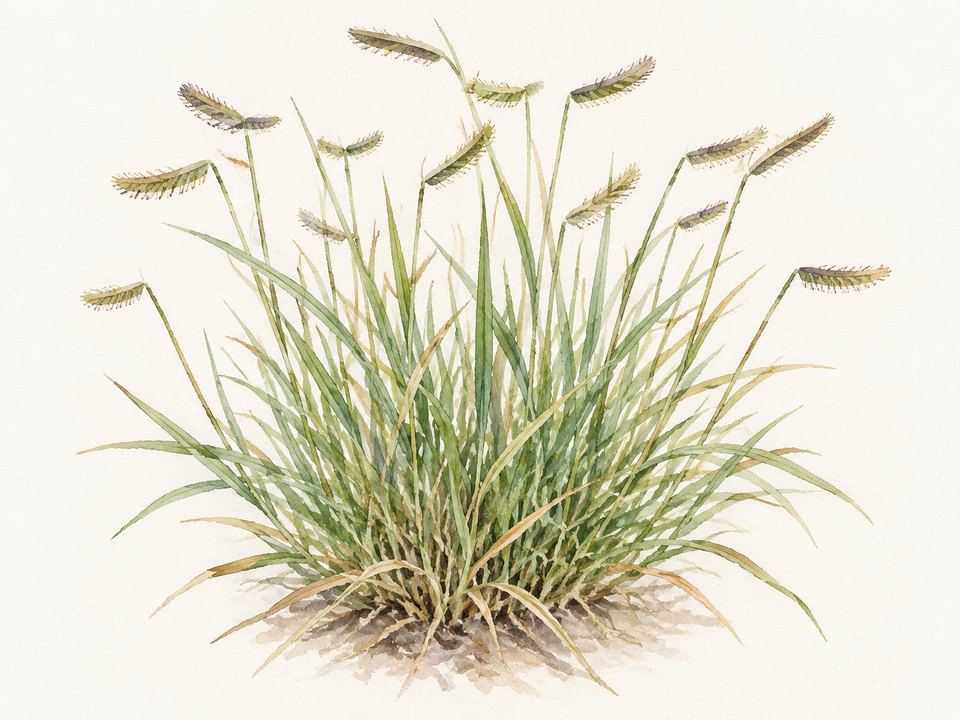
Buffalo grass is the Texas native lawn - soft, silver-green, and fine with almost no water or mowing in full sun.
On this page
Its botanical name is Bouteloua dactyloides.
It belongs to the turf grass group.
Light
It needs full sun. It needs open sun and thins out in shade.[1]
Soil and drainage
It is adapted to a wide range of soils, from clay to caliche. Good drainage keeps it happiest.[2]
Height
It reaches 4-8 inches unmowed. It can be kept as a lawn at 2-4 inches.[1]
Spread
It spreads by surface runners (stolons) and seed. It knits into a tight, soft turf.[2]
Foliage
It has fine, soft gray-green blades. It goes dormant tan with hard freezes and greens up late in spring.[1]
Water
Its water needs are very low. It is one of the most drought-tolerant lawn grasses there is. Extra water actually invites weeds into it.[3]
Mowing
Mow at 2-4 inches and mow rarely. Every 2-3 weeks or less is enough. Over-mowing and over-watering are the two ways people kill it.[3]
Seasonal behavior
It is a warm-season grass. It greens up late, often in May here. It stays green through summer heat on almost no water. It goes dormant tan after the first hard freeze.
When to Plant Buffalo grass
Plant buffalo grass seed or sod in late spring through early summer in Central Texas, once the soil is warm. It is a warm-season grass and will not establish from cool-season plantings.[3]
If you would like a hand, the Texas Allied Landscape team can plant your buffalo grass and keep it thriving.
Planting
- For timing, plant buffalo grass seed or sod in late spring through early summer in Central Texas, once the soil is warm. It is a warm-season grass and will not establish from cool-season plantings.[3]
- For water, its needs are very low. It is one of the most drought-tolerant lawn grasses there is. Extra water actually invites weeds into it.[3]
Care Instructions for Your Buffalo grass
Sunlight
It needs full sun. It needs open sun and thins out in shade.[1]
Soil and drainage
It is adapted to a wide range of soils, from clay to caliche. Good drainage keeps it happiest.[2]
Mature height and spread
It reaches 4-8 inches unmowed. It can be kept as a lawn at 2-4 inches.[1] It spreads by surface runners (stolons) and seed. It knits into a tight, soft turf.[2]
Mowing
Mow at 2-4 inches and mow rarely. Every 2-3 weeks or less is enough. Over-mowing and over-watering are the two ways people kill it.[3]
Normal seasonal behavior
It is a warm-season grass. It greens up late, often in May here. It stays green through summer heat on almost no water. It goes dormant tan after the first hard freeze.
Buffalo grass questions
Is buffalo grass a good lawn for Texas?
For a low-water, low-mow lawn in full sun, it is the best native option there is. It is soft underfoot and fine with drought. It will not take heavy foot traffic or shade.[4]
How often do you water buffalo grass?
Water it almost never once it is established. It is a short-grass prairie native. Watering it like St. Augustine makes it thin and weedy.[5]
Next step: Our horticulturalists can dial in an irrigation schedule that keeps it dense without spoiling it.
Why is my buffalo grass full of weeds?
The cause is usually too much water, too much fertilizer, or mowing too short. Buffalo grass beats weeds by staying lean and dense.[6]
Does buffalo grass turn brown in winter?
Yes. Like every warm-season grass, it goes dormant tan after hard freezes and greens back up in late spring. That is normal, not dead.[7]
Let Texas Allied Landscape care for your buffalo grass
Buffalo grass does best with steady, knowledgeable care. That means the right water, mowing at the right height, and a trained eye for stress. The horticulturists at Texas Allied Landscape care for lawns like yours across the San Antonio area. They bring over 40 years of landscape experience.
In these community guides
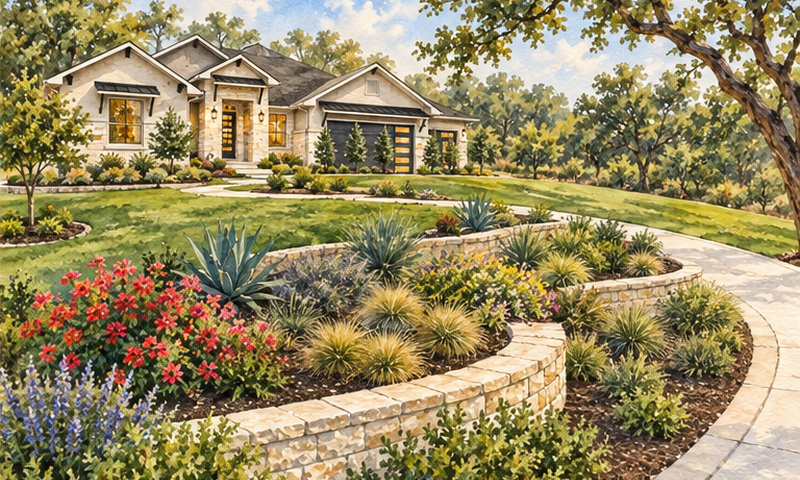
Illustration. Illustration based on reference photos of Arbors of Fair Oaks. Not a single literal view. Arbors of Fair Oaks Landscaping
Bring your address, unit and yard ideas. Texas Allied Landscape helps design the planting and irrigation, prepare the…
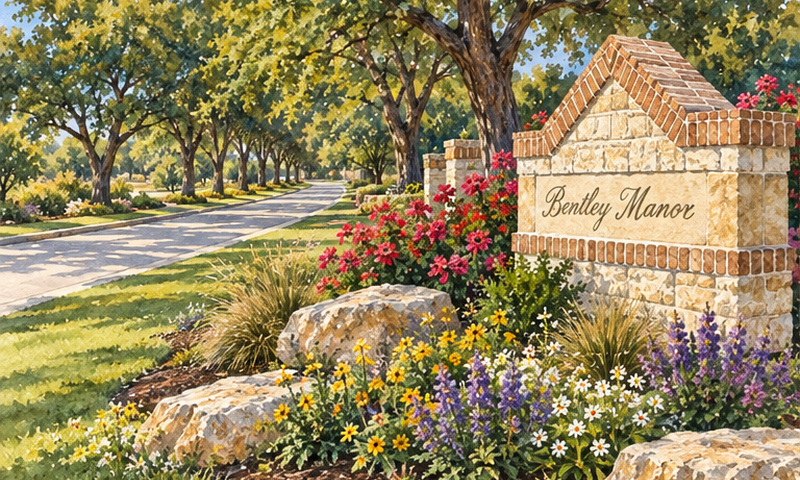
Illustration. Illustration based on reference photos of Bentley Manor. Not a single literal view. Bentley Manor Landscaping
Bring your survey, unit and yard ideas. We help check the lot rules, prepare the review plan and build the approved…
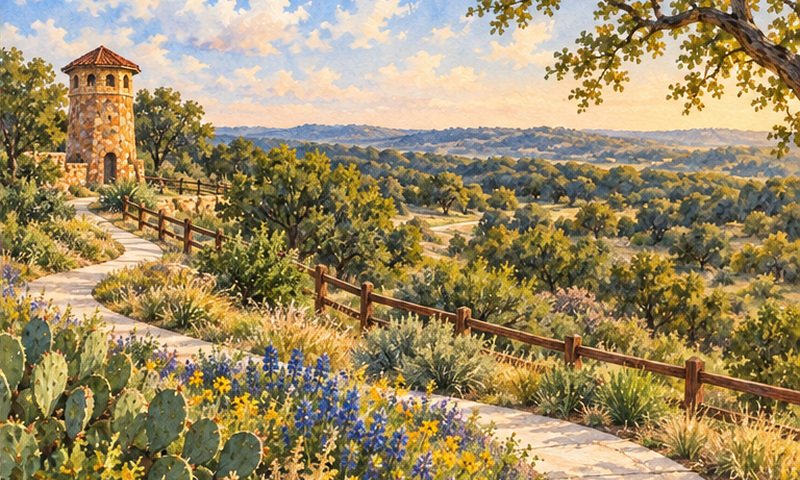
Illustration. Illustration based on reference photos of Bulverde Village. Not a single literal view. Bulverde Village Landscaping
Bring your address, survey and yard ideas. We help match planting, irrigation and the review package to your lot and…
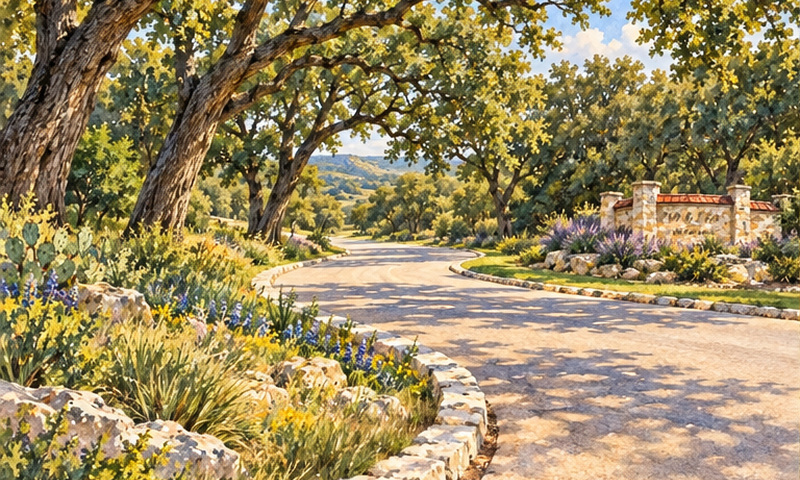
Illustration. Illustration based on reference photos of Cibolo Trails. Not a single literal view. Cibolo Trails Landscaping
Bring your address, survey and yard ideas. We help check private-yard and common-area rules, prepare the review package…
- Art in progress
Cordillera Ranch Landscaping
Bring your address, survey and yard ideas. We check the right guideline set, plan planting and irrigation, prepare the…
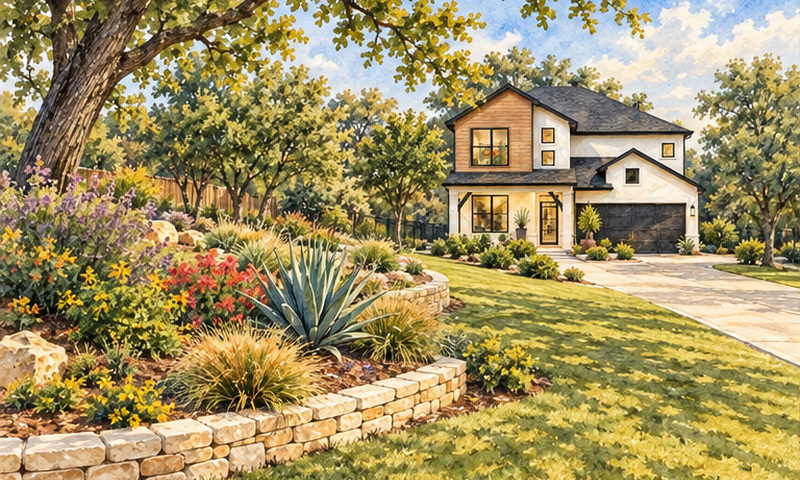
Illustration. Illustration based on reference photos of Crown Ridge Manor. Not a single literal view. Crown Ridge Manor Landscaping
Plan your Crown Ridge Manor yard, prepare the approval package and build to the written design. We check local and…
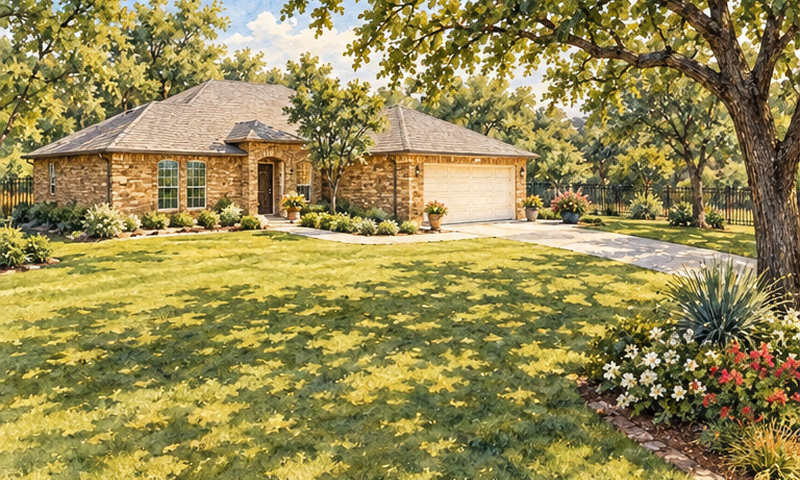
Illustration. Illustration based on reference photos of Deerfield. Not a single literal view. Deerfield Landscaping
Bring your survey, unit and yard ideas. Texas Allied Landscape helps design your outdoor space and prepare the right…
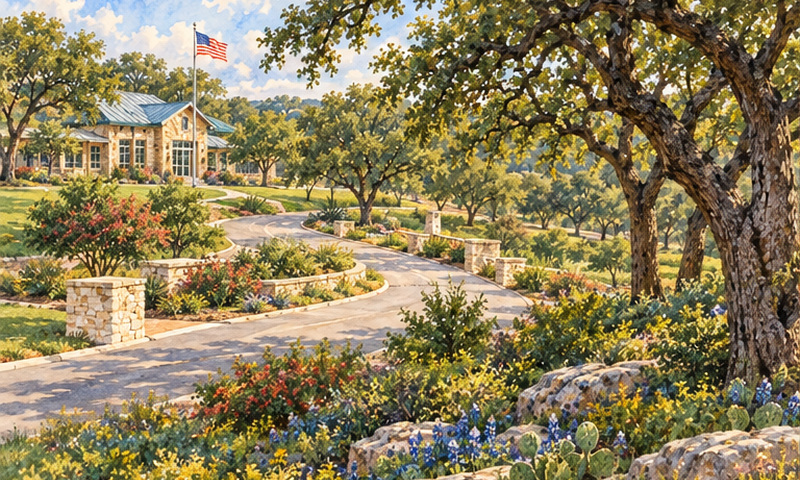
Illustration. Illustration based on reference photos of Encino Park. Not a single literal view. Encino Park Landscaping
Plan an Encino Park landscape with help on plants, irrigation and the review package. We confirm your association and…
- Art in progress
Esperanza Landscaping
Plan your Esperanza landscape with help on plants, irrigation and the approval package. We check your neighborhood, lot…
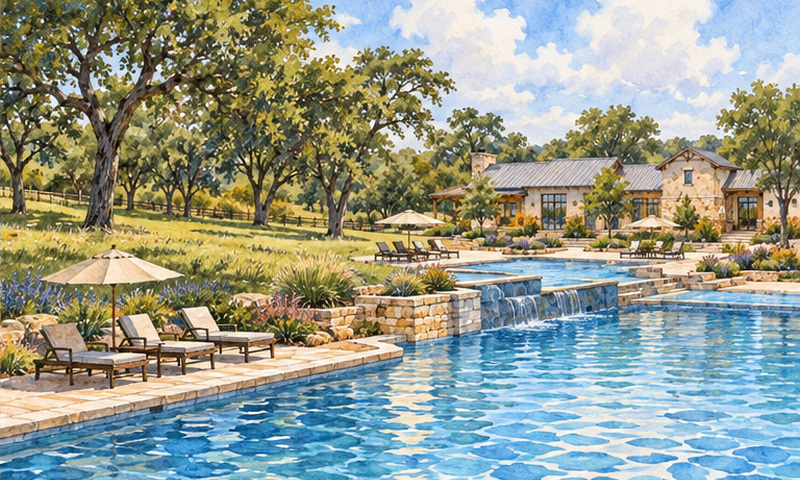
Illustration. Illustration based on reference photos of Johnson Ranch. Not a single literal view. Johnson Ranch Landscaping
Share your Johnson Ranch address, survey and yard ideas. Texas Allied Landscape can help plan planting, irrigation and…
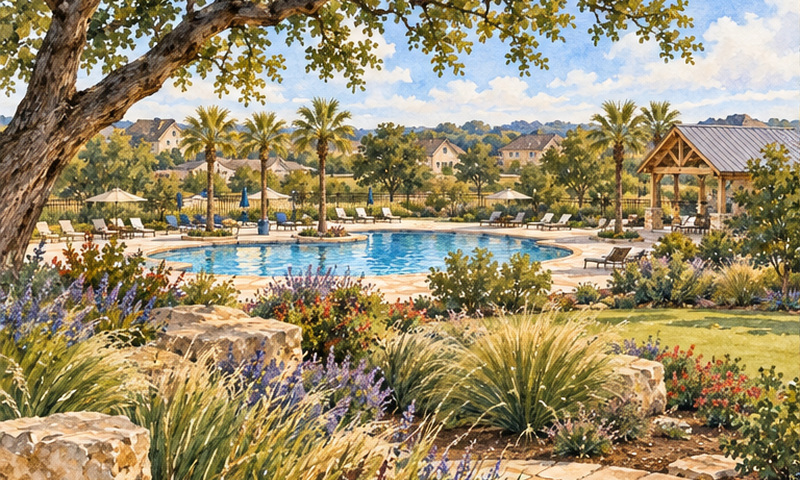
Illustration. Illustration based on reference photos of Kallison Ranch. Not a single literal view. Kallison Ranch Landscaping
Plan your Kallison Ranch lawn, trees, beds and irrigation with Texas Allied Landscape. We help prepare the review…
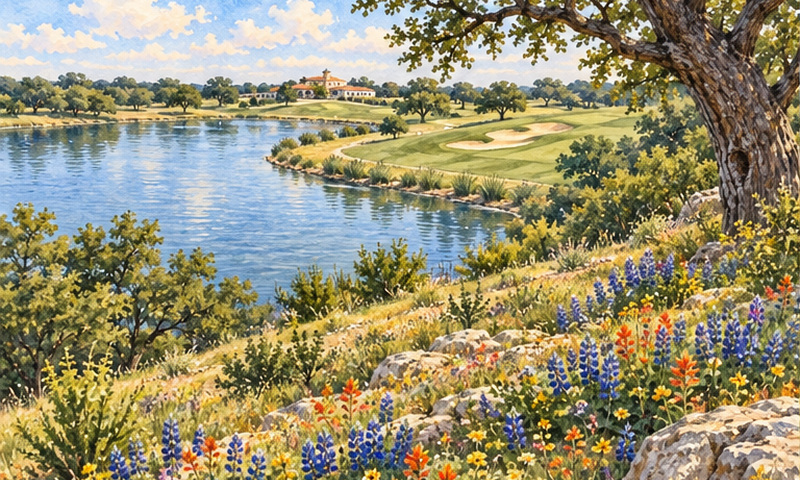
Illustration. Illustration based on reference photos of Mission del Lago. Not a single literal view. Mission del Lago Landscaping
Plan planting, lawn and irrigation for your Mission del Lago address. Get help with the review package, approved work…
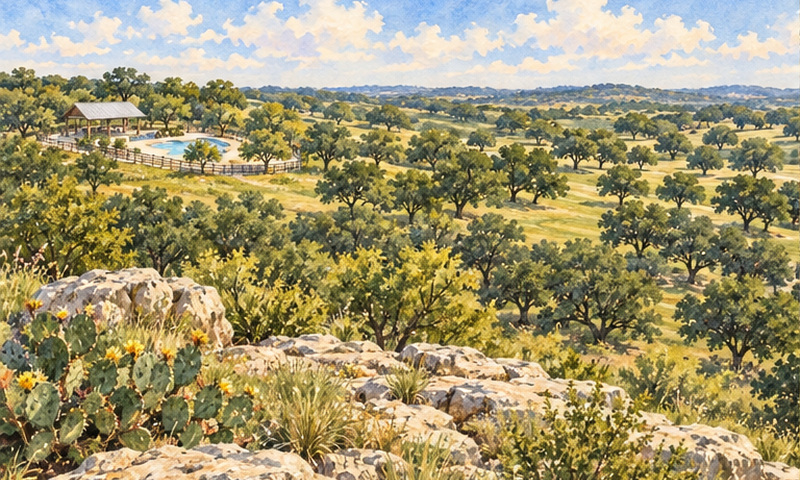
Illustration. Illustration based on reference photos of Mountain Springs Ranch. Not a single literal view. Mountain Springs Ranch Landscaping
Plan your Mountain Springs Ranch yard with planting, lawn and irrigation guidance. Get help from the review package…
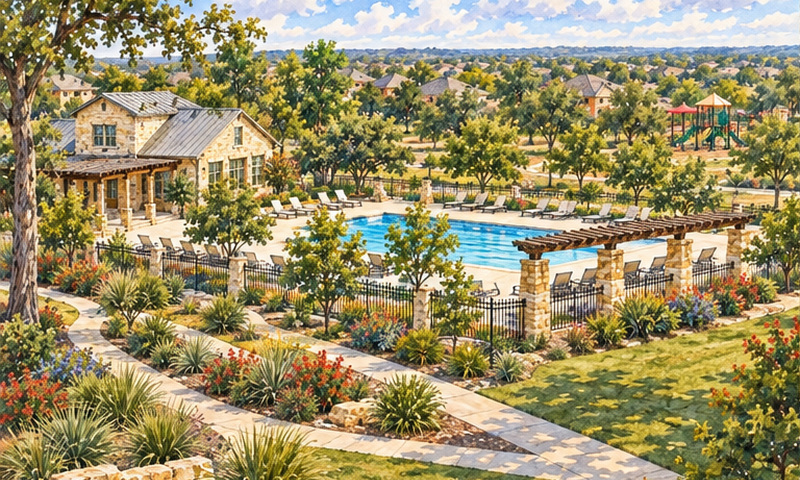
Illustration. Illustration based on reference photos of Redbird Ranch. Not a single literal view. Redbird Ranch Landscaping
Bring your survey and yard ideas. Texas Allied Landscape helps design planting and irrigation, prepare the review…
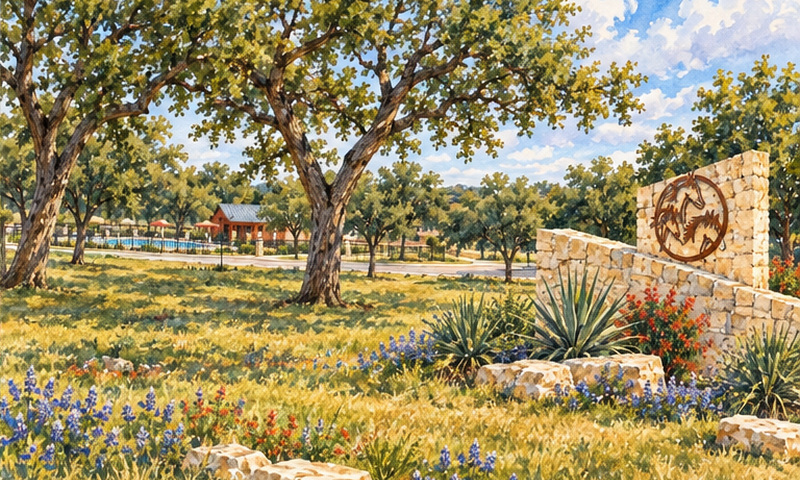
Illustration. Illustration based on reference photos of Remuda Ranch. Not a single literal view. Remuda Ranch Landscaping
Plan your Remuda Ranch yard with planting, lawn and irrigation guidance. Get help from the review package through…
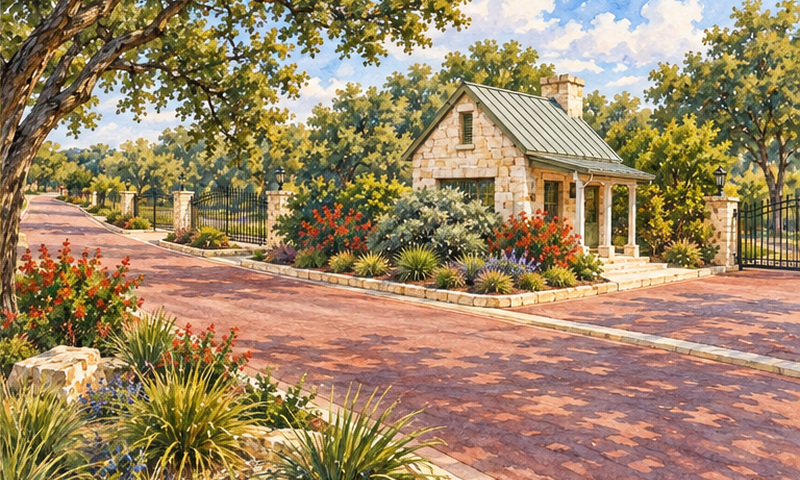
Illustration. Illustration based on reference photos of Rogers Ranch - Point Bluff and other neighborhoods. Not a single literal view. Rogers Ranch Landscaping
Plan your Rogers Ranch landscape with lawn, tree and irrigation guidance. Get help with the review package, approved…
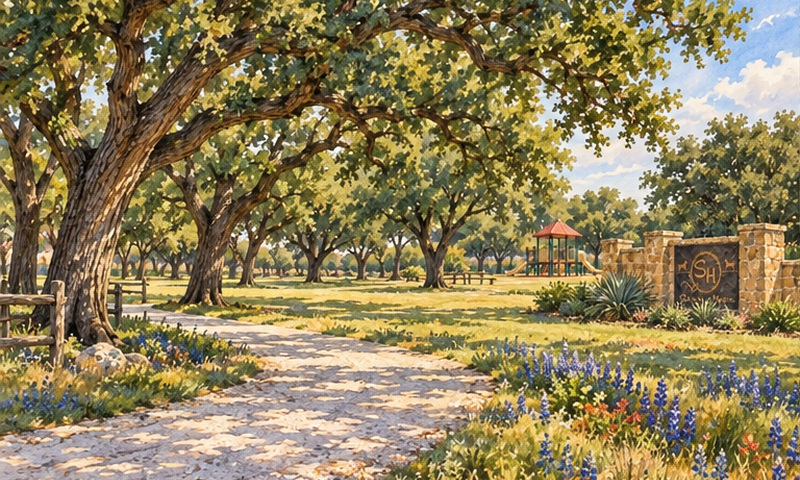
Illustration. Illustration based on reference photos of Saddlehorn. Not a single literal view. Saddlehorn Landscaping
Plan your Saddlehorn lawn, plants and irrigation. Get help with the review package, approved changes and ongoing…
Illustration. Illustration based on reference photos of Shavano Rogers Ranch - Crosstimber. Not a single literal view. Crosstimber Landscaping
Plan your Crosstimber plants, shade and irrigation. Get help matching your lot rules, preparing the review package and…
Illustration. Illustration based on reference photos of Smithson Ridge. Not a single literal view. Smithson Ridge Landscaping
Bring your survey and ideas. Texas Allied Landscape can plan your Smithson Ridge yard, prepare the review package and…
Illustration. Illustration based on reference photos of Sonoma Ranch. Not a single literal view. Sonoma Ranch Landscaping
Bring your Sonoma Ranch address and ideas. Texas Allied can design the yard, prepare the review package, build the…
Illustration. Illustration based on reference photos of Sonterra. Not a single literal view. Sonterra Landscaping
Bring your Sonterra address and ideas. Texas Allied can design the yard, prepare the review package, build the approved…
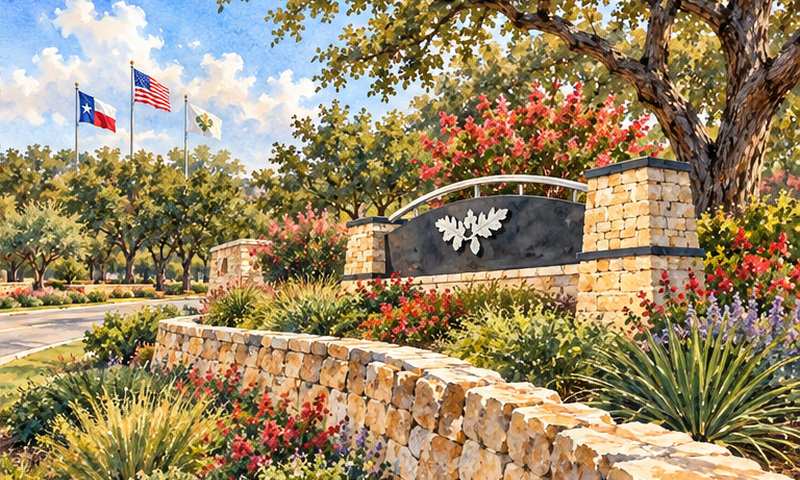
Illustration. Illustration based on reference photos of Stone Oak. Not a single literal view. Stone Oak Landscaping
Bring your Stone Oak address, survey and ideas. Texas Allied can plan the yard, prepare the review package, build it…
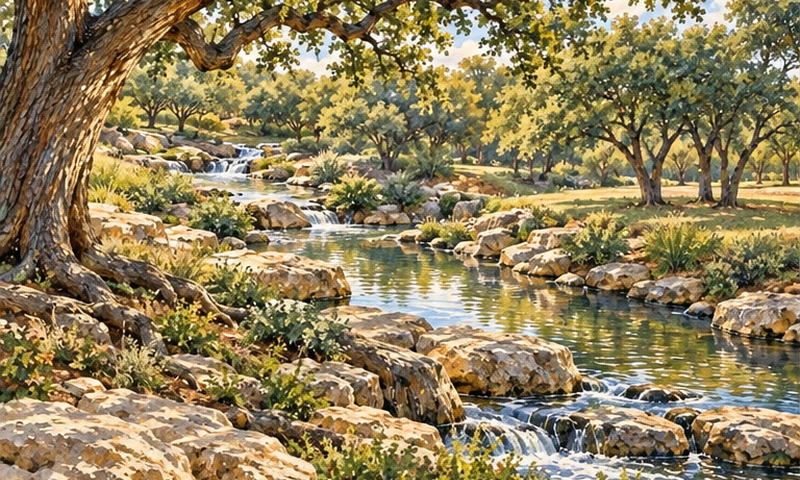
Illustration. Illustration based on reference photos of The Dominion. Not a single literal view. The Dominion Landscaping
Plan your Dominion landscape with help on planting, irrigation and the ACC package. We check your lot's standards and…
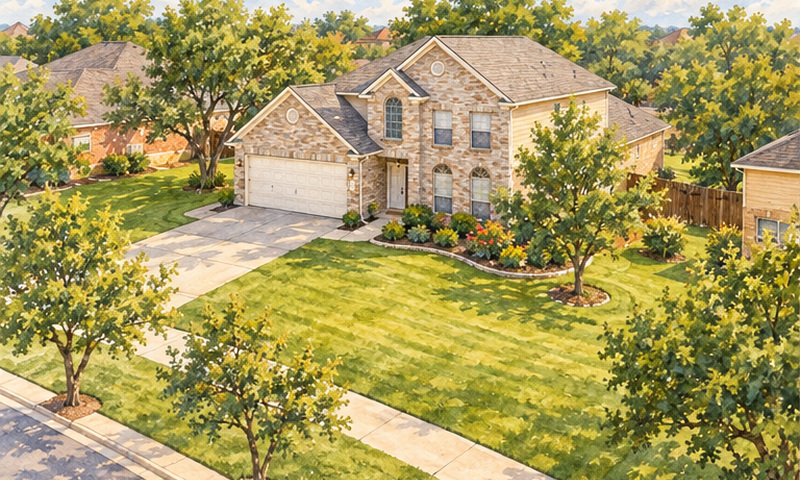
Illustration. Illustration based on reference photos of The Park at Woodland Oaks. Not a single literal view. The Park at Woodland Oaks Landscaping
Plan your Park at Woodland Oaks yard with planting, turf and review guidance. Get help from the approval package…
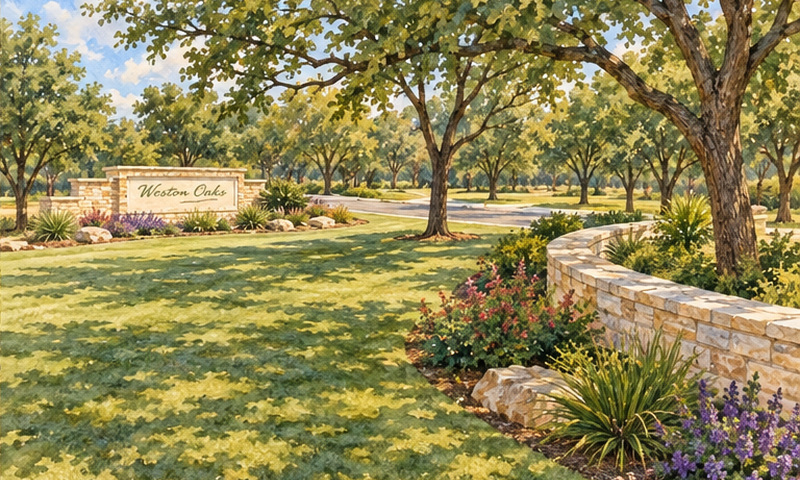
Illustration. Illustration based on reference photos of Weston Oaks. Not a single literal view. Weston Oaks Landscaping
Bring your Weston Oaks address and ideas. Texas Allied can check your unit rules, plan the yard, prepare the review…
Sources
- Buffalograss, Texas Parks & Wildlife.https://tpwd.texas.gov/wildlife/wildlife-diversity/wildscapes/buffalograss/abcde
- Buffalograss Plant Guide, USDA NRCS.https://plants.sc.egov.usda.gov/DocumentLibrary/plantguide/pdf/pg_boda2.pdfabcd
- Turfgrass Selection for Texas, Texas A&M AgriLife Extension.https://agrilifeextension.tamu.edu/wp-content/uploads/2024/05/L5519-turfgrass-selection-for-texas-ecological-turf-tips.pdfabcdefg
- Texas Parks & Wildlife, "Buffalograss."https://tpwd.texas.gov/wildlife/wildlife-diversity/wildscapes/buffalograss/↑
- Texas A&M AgriLife Extension, "Turfgrass Selection for Texas."https://agrilifeextension.tamu.edu/wp-content/uploads/2024/05/L5519-turfgrass-selection-for-texas-ecological-turf-tips.pdf↑
- Texas A&M AgriLife Extension, "Turfgrass Selection for Texas."https://agrilifeextension.tamu.edu/wp-content/uploads/2024/05/L5519-turfgrass-selection-for-texas-ecological-turf-tips.pdf↑
- USDA NRCS, "Buffalograss Plant Guide."https://plants.sc.egov.usda.gov/DocumentLibrary/plantguide/pdf/pg_boda2.pdf↑