
Property owners
Stone Oak Landscaping
Enjoy outdoor living in Stone Oak. Texas Allied Landscape can design your yard, prepare the neighborhood review package and build the approved plan.
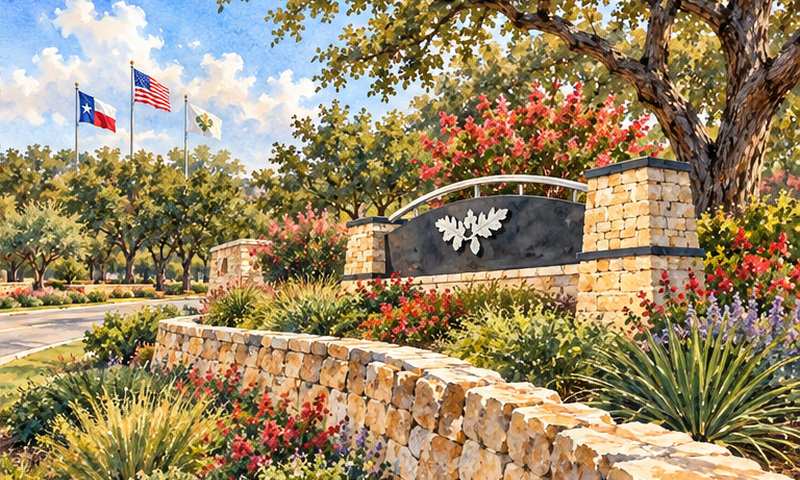
Get a quoteIllustration based on reference photos of Stone Oak. Not a single literal view.
On this page
Make your Stone Oak yard a place to relax and gather. Enjoy your time outside. Texas Allied Landscape can bring plants, lawn and irrigation into one plan. Outdoor spaces fit in too. We prepare the review package and build the approved design. Start with your address and ideas. Then the plan fits your neighborhood's rules. It also fits the way you want to use your yard.
Know your neighborhood and your lot
Stone Oak brings suburban neighborhoods close to businesses and everyday services.[1] Your address matters when planning the yard. The master association has community-wide standards. Neighborhood associations may add their own rules and handle exterior approvals. A neighborhood's own xeriscape policy takes priority where one exists.[2] [3]
This guide covers the master standards. It also covers selected neighborhood examples. They are The Springs at Stone Oak and The Heights at Stone Oak. The Heights' 2026 xeriscape rules apply there. They are not standards for every Stone Oak home. Check your deed, survey, association and current rules before design.[2] [3]
Prepare your plan and get approval
Get written Architectural Review Committee (ARC) approval first. That applies to landscaping, irrigation and new or materially changed xeriscaping. Start the xeriscape review early, before design. For Arrowhead, send outside projects to the Stone Oak POA ARC. Other residential neighborhoods use their own association's application process. Confirm the route. Also confirm whether your address needs one reviewer or two.[2] [3]
Confirm your association and meeting deadline.
The master ARC meets on the first and third Tuesday each month. Send plans by noon the Friday before. Check your neighborhood's own process and current dates before submitting.[3]
Send a complete package for written approval.
The master's General Improvement process covers landscape updates. It lists no application fee. Include the marked plat and project details below. Neighborhood forms and fees can differ.[3]
Keep the decision before work starts.
Allow 30 days for approval or denial of a complete submission. Under the 2009 rules, no answer means denial. Keep the written approval and build to the approved plan.[2]
For the master General Improvement package, mark the plat. Show new work and existing improvements on it. Add dimensions, materials and building details. Include a statement about drainage effects, contractor contacts and a project schedule. Get written consent from any affected neighbor. That means land the work will enter, cross or directly affect.[3]
New construction has a separate checklist and fee. A larger drawing package is also listed in the master documents. Its use for ordinary yard updates in every neighborhood remains unconfirmed. The Springs' professional-plan rule is specific to that neighborhood. Texas Allied can prepare the package after checking the requirements for your address.[2] [3]
Fit the layout to your lot
Use the survey to plan beds, lawn and irrigation. Plan fences and outdoor spaces together too. Confirm easements, drainage and any address-specific limits before placing the work.
Keep the front and side landscape area mostly alive. At least 50% must be living organic vegetation. Driveways and sidewalks are excluded from that area. Under the master xeriscape rule, synthetic turf counts toward that share. It can make up no more than 40% of it.[2]
Plan evergreen plants for the rock and mulch beds. They should cover at least 35% of those beds within two years. Place rock so runoff will not move it. Use approved edging.[2]
Keep plants with thorns, spines or sharp edges away from public sidewalks. Six feet is the minimum distance. Keep sight lines clear. Fences have a six-foot maximum. Chain-link may not be visible from a public street. Corner-lot sight-line triangles need their own check. So do neighborhood fence and wall rules.[2]
Check The Heights' separate limits
In The Heights, submit an Improvement Request Form first. It is due before new work or material changes. In the Reflections and the Gardens, turf minimums are higher. Turf must cover at least 65% of the front and side landscape area. Elsewhere in The Heights, the minimum is 50%. Artificial turf visible from the street needs written approval. You must also provide detailed product information. These neighborhood limits need to be checked separately from the master rule.[2]
Choose plants, lawn and irrigation
Start with the approved grasses
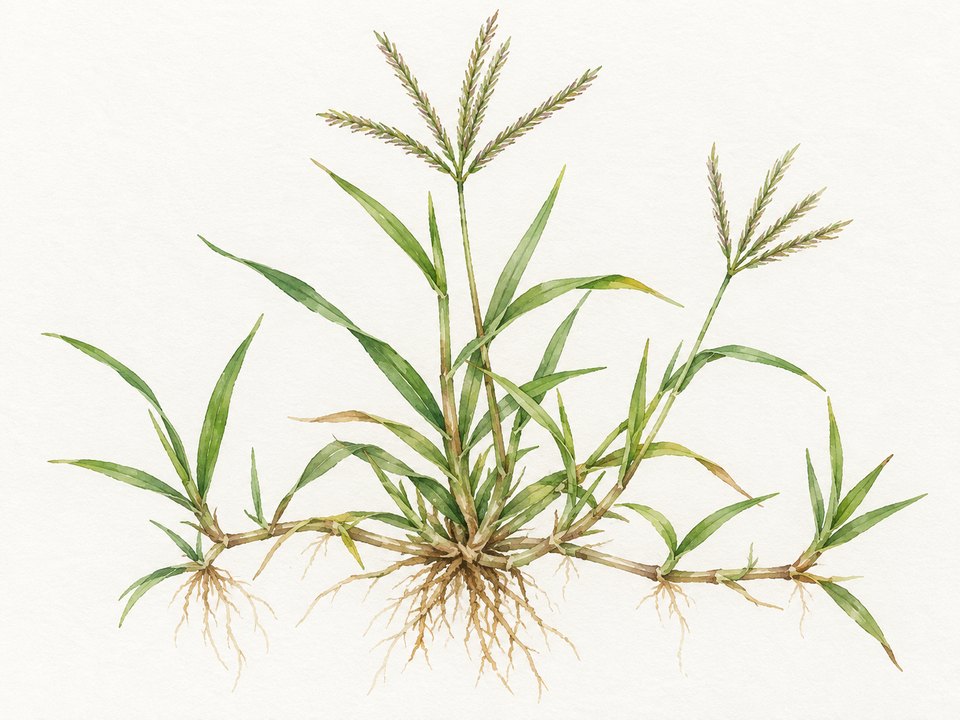
Use approved turf: Bermuda, buffalo or zoysia. Keep it free of bare spots and weeds.[2]
 Illustration
Bermuda grassCynodon dactylonIllustration 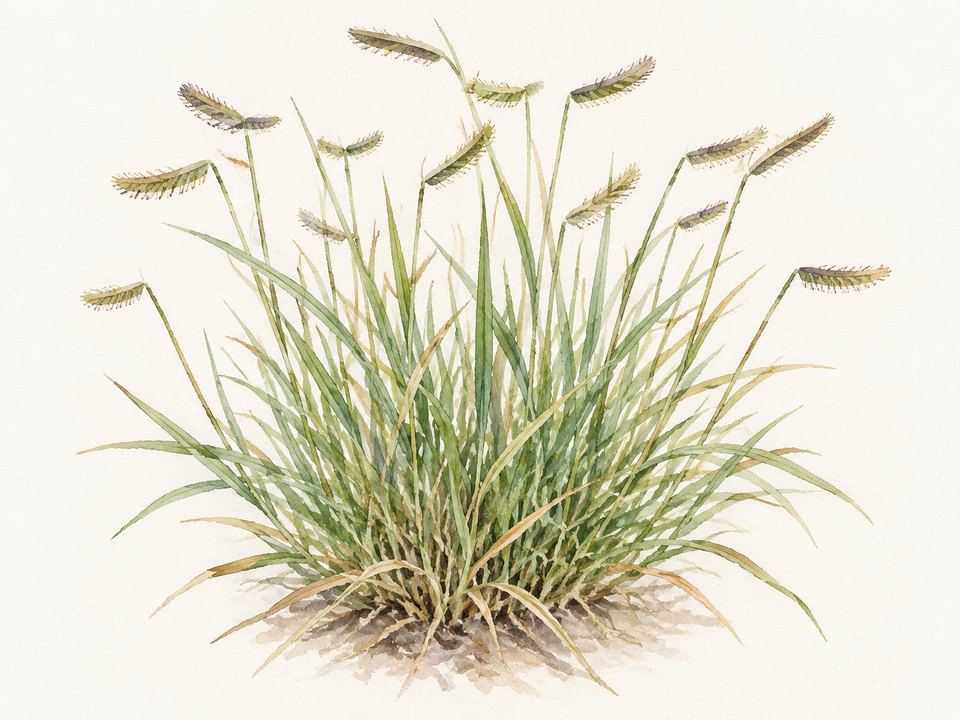 Illustration
Buffalo grassBouteloua dactyloidesIllustration 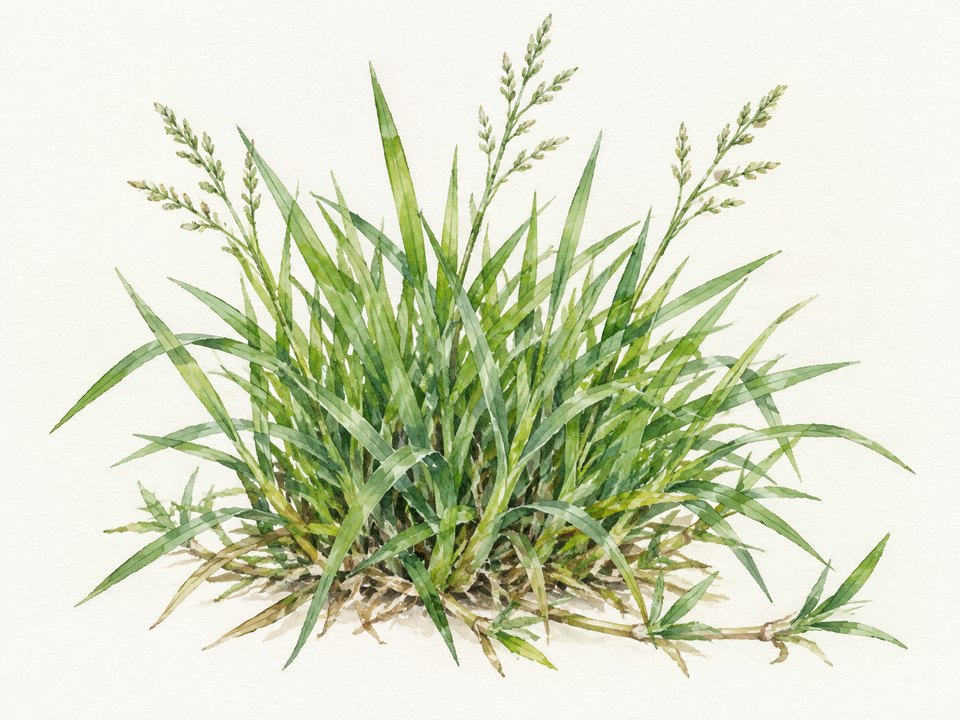 Illustration
Zoysia grassZoysiaIllustration
Build a water-wise palette for review
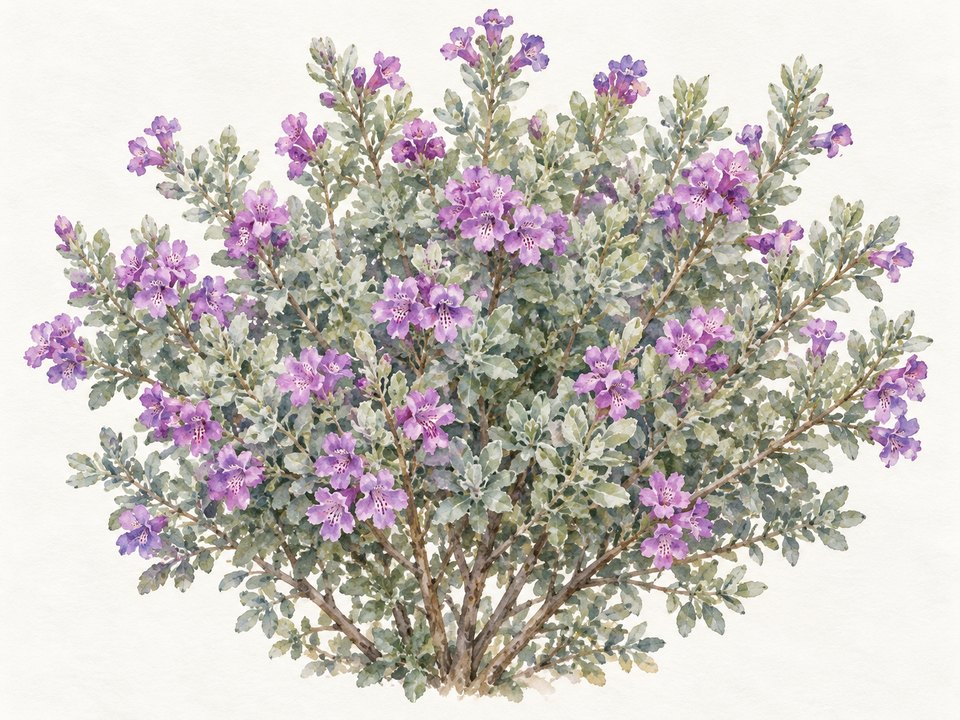
Drought-resistant landscaping is encouraged. Texas A&M AgriLife Extension and SAWS WaterSaver guidance are offered as resources.[2] Texas Allied can use that guidance to develop and submit a palette. Color picks include Texas Sage, Esperanza, Lantana, Red Yucca, Salvia Greggii and Mexican Feather Grass. For shade and structure, consider Cedar Elm, Live Oak and Mountain Laurel. These are design suggestions to submit for review. They are not a verified association-approved species list.
 Illustration
Texas SageLeucophyllum frutescensIllustration 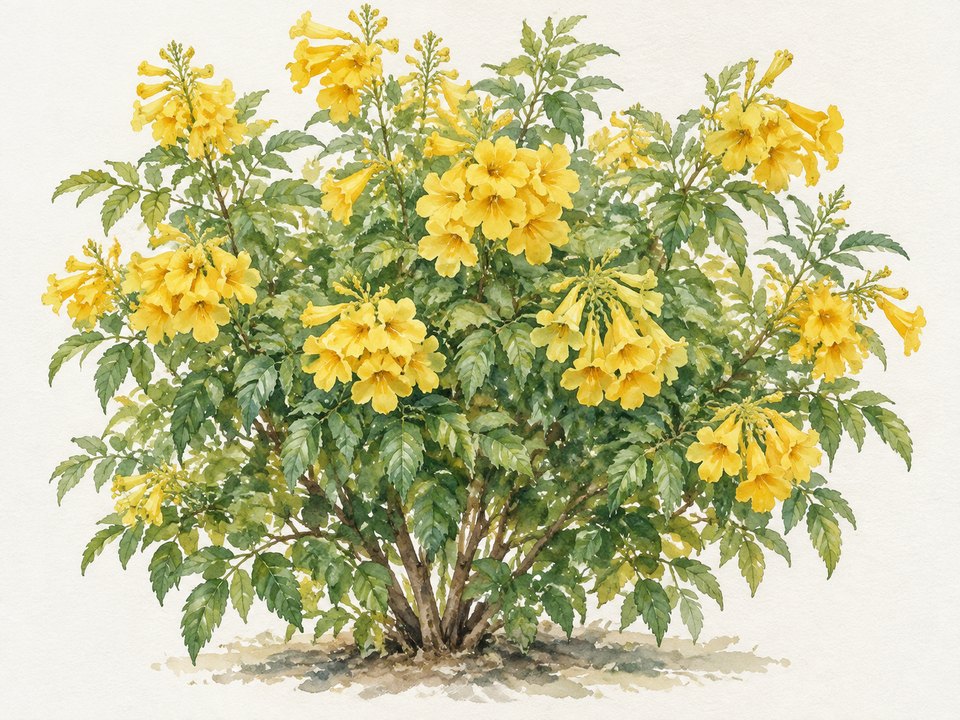 Illustration
EsperanzaTecoma stansIllustration  Illustration
LantanaLantana camaraIllustration 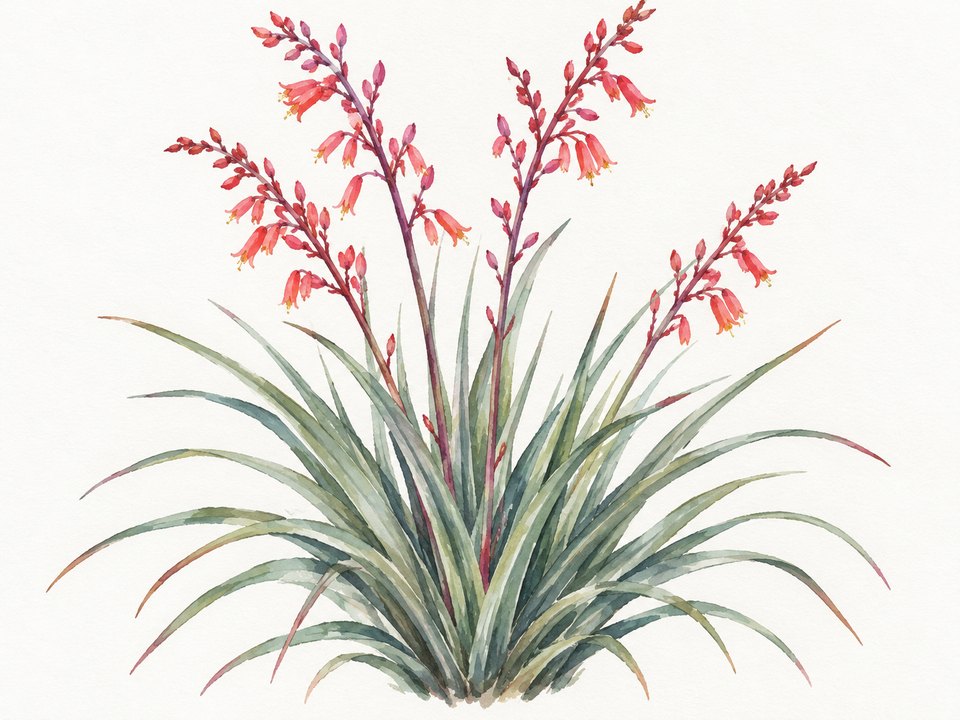 Illustration
Red YuccaHesperaloe parvifloraIllustration 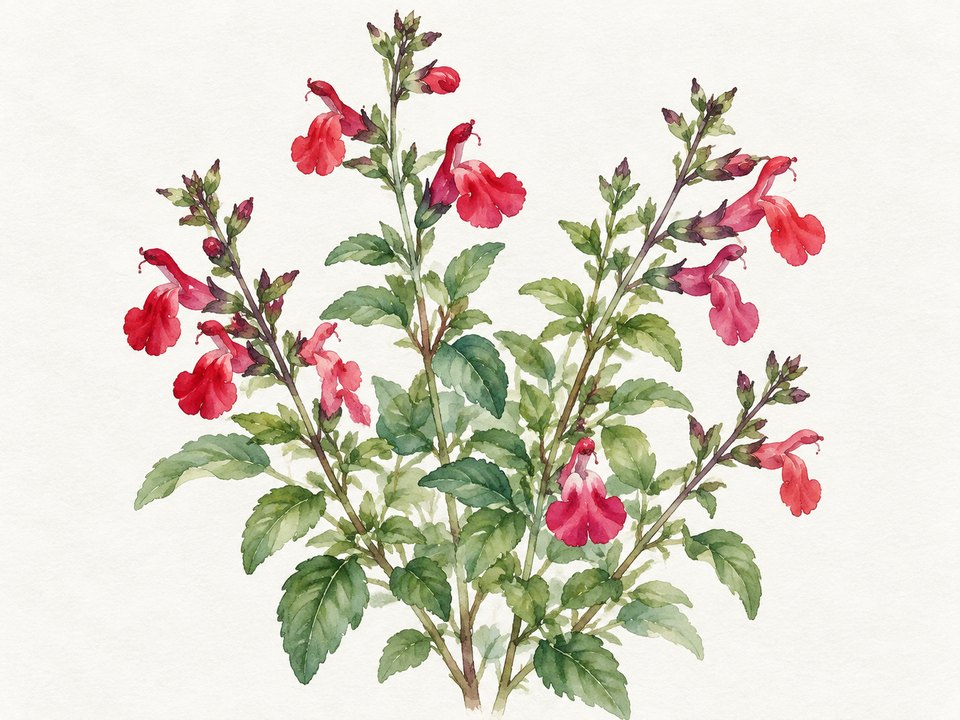 Illustration
Salvia GreggiiSalvia greggiiIllustration 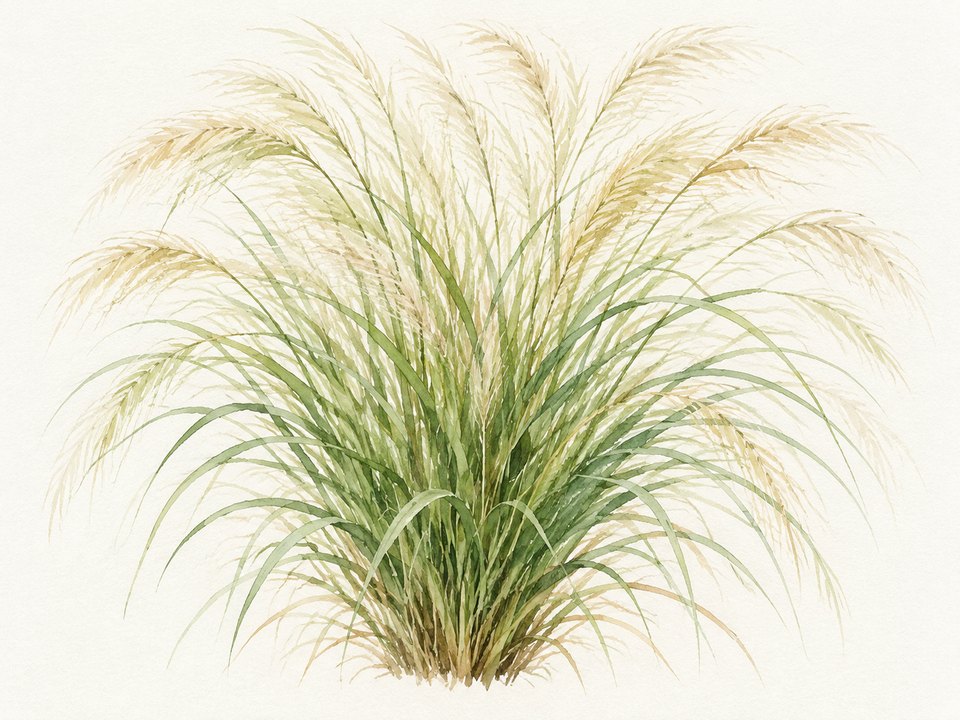 Illustration
Mexican Feather GrassNassella tenuissimaIllustration 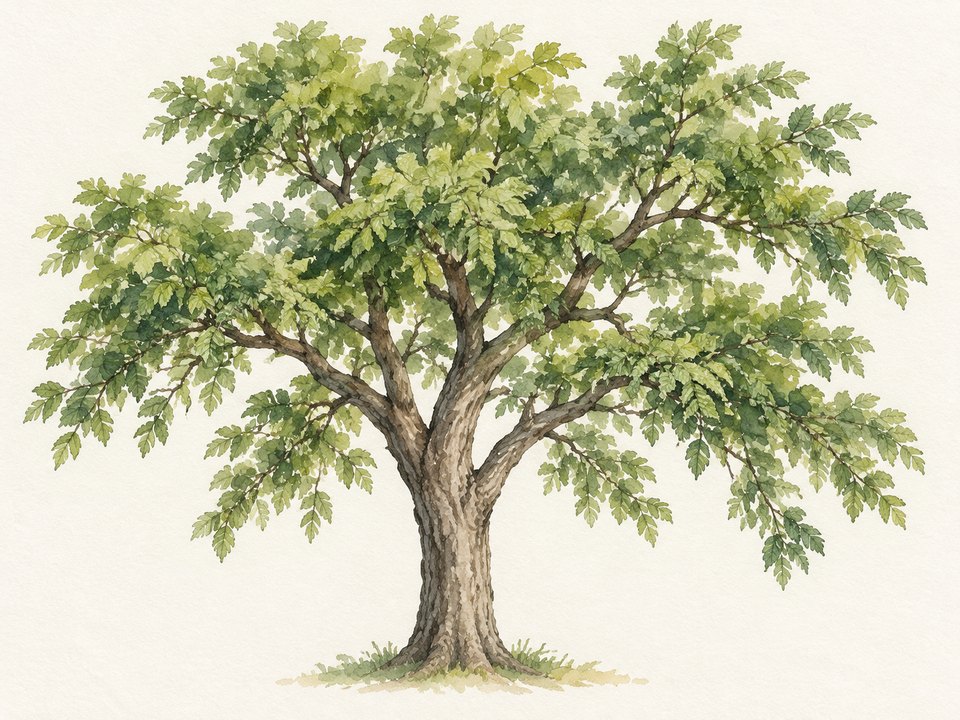 Illustration
Cedar ElmUlmus crassifoliaIllustration 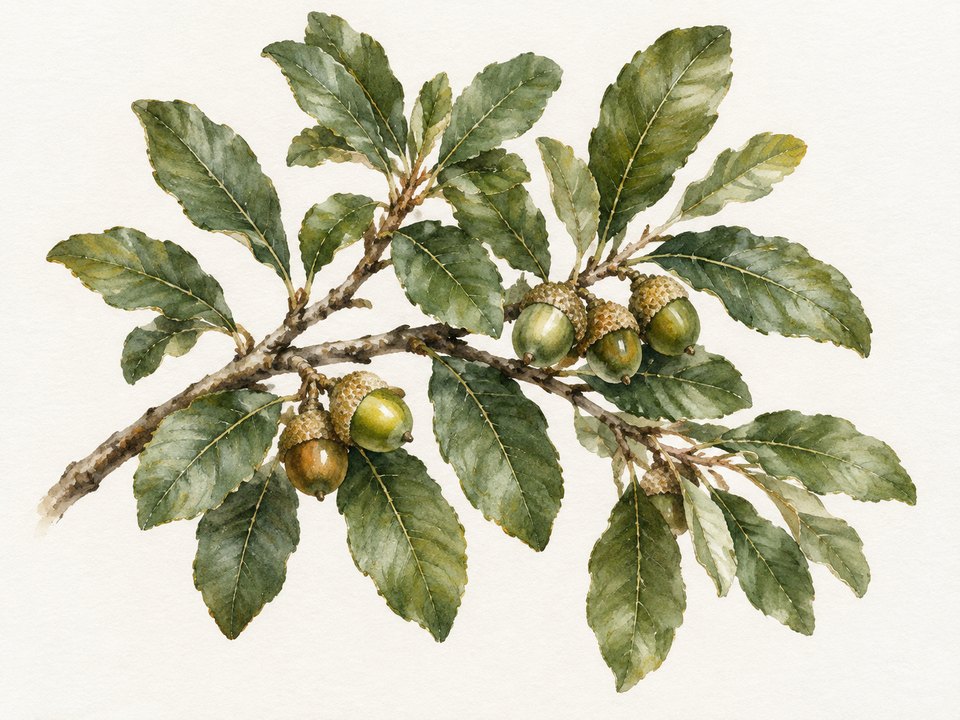 Illustration
Live OakQuercus virginianaIllustration 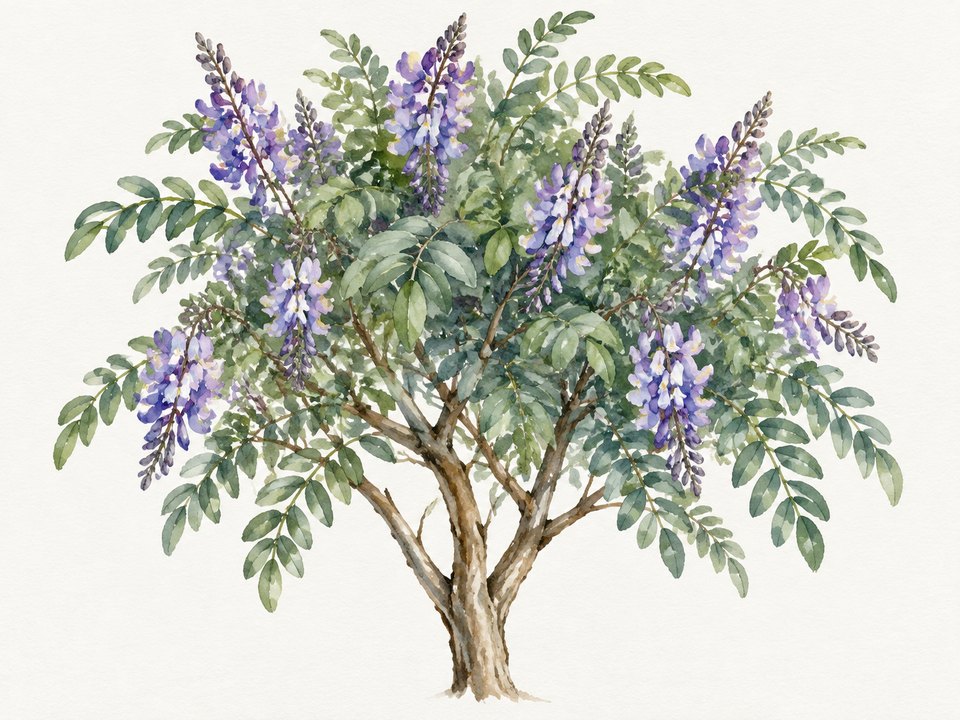 Illustration
Mountain LaurelSophora secundifloraIllustration
Plan irrigation around the approved lawn and beds. SAWS drought-stage watering rules also apply. So do City of San Antonio landscape requirements. Check the current restrictions when setting the watering schedule.
Get ARC approval before adding rainwater harvesting. Screen tanks, barrels, pumps and pipes from street and common-area view. A single painted 40-gallon barrel has an exception. It applies where the gutter layout prevents screening. Confirm that the proposed setup meets that exception before installation.[2]
Plan care, fees and enforcement
Mow, weed and trim the yard. Remove and replace dead plants. Keep the approved design in place. Ask about changes before making them.[2]
The master General Improvement application lists no fee. New construction and neighborhood reviews can have different fees. Confirm the cost for your address and project before submitting.[3]
The association can require unapproved work to be modified, moved or removed. That happens at the owner's expense. It can also maintain abandoned lots and place a lien for those costs. Written approval before work helps avoid that expense.[2]
Master association fines
The June 2026 master fine policy replaces earlier fine policies. Landscape-maintenance violations start at $50 plus $50 per day while they continue. That category covers grass, xeriscaping and general landscaping. Shrubs, trees and weeds are included too. Work done without ARC approval starts at $150 plus $250 per day. The same applies to work that differs from the approved plan.[4]
A separate schedule covers violations that cannot be undone. Set amounts range from $250 to $5,000 by category. The highest tier covers threats to health or safety. Brown or discolored grass cannot be fined during city watering restrictions. The protection runs for 60 days after they lift. These are the master's figures. Neighborhood associations may have their own schedules.[4]
The Heights at Stone Oak fines
The Heights' January 28, 2025 policy replaces its earlier fine policies. Violations that can be fixed begin with a written warning. A ten-day cure window follows. Poor landscape maintenance is one example.[5]
Some failures are classed as uncurable. Those are two failures. One is failing to submit a landscape plan or improvement application before work. The other is building work that differs from the submission. The fine is $250 per occurrence, with submission or cure. Lot-maintenance violations run $50 initially plus $50 per inspection. Policy-compliance violations run $100 initially plus $50 per inspection. That includes xeriscape-policy violations. Untreated oak wilt runs $50 per day. The cap is $2,500 per violation per six months, excluding attorney fees.[5]
The Heights II, also called Legend Oaks, fines
The Heights II has its own schedule. Violations that can be fixed begin with a notice. Then the fine is $50 plus administrative costs. Each later similar violation increases by $50, with no stated cap.[6]
Uncurable violations start at $100 plus administrative costs. So do threats to health or safety. Each later similar violation is $200. Property damage is listed as uncurable. That includes removing or altering landscape. The board may set lower or higher fines at its discretion. It may even set no fine.[6]
Confirm which association and schedule cover your lot before design. Texas Allied can also care for the finished yard. That covers maintenance, plant care, irrigation checks and repairs. It also covers refreshes and later planting work.
Landscaping questions at Stone Oak
Do all Stone Oak homes use the master ARC?
No. Arrowhead sends outside projects to the Stone Oak POA ARC. Other residential neighborhoods use their own association's application process. Confirm the current route for your address before design.[3]
Does a silent 30-day review mean approval?
No. Under the 2009 master rules, the ARC must act on a complete submission within 30 days. It can approve or deny. No answer means denial. Keep written approval before starting work.[2]
Does the master grass-fine exception cover drought restrictions?
The master policy bars fines for brown or discolored grass. That bar applies while city watering restrictions are in effect. The bar runs for 60 days after they lift. Check any separate neighborhood schedule for your address.[4]
Plan your Stone Oak landscape
Bring your address, survey and ideas. Texas Allied Landscape can check the neighborhood requirements. We bring planting, irrigation and outdoor spaces into one design. We prepare and submit the review package. Then we build the approved plan and care for the finished yard.
Documents and limits of this guide
This rewrite preserves the earlier document review. It is not a new records audit or an address-specific approval. The master standards reviewed include the 2005 Second Restated Master Plan as amended. They also include the 2009 ARC resolution. The 2023 xeriscape policy and the recorded rainwater policy are included too. The Heights' 2026 xeriscape policy is a neighborhood example only.[2]
The master, Heights and Heights II enforcement records were read November 8, 2026. The later-filing checks are described in the sources below. Forms and public process information were also checked November 8. Other later amendments remain unchecked. Confirm current documents, fees and watering restrictions before work. Also confirm the rules for your own address.[3] [4] [5] [6]
Use this guide for planning, not as an approval or legal opinion.
Community score card
Community profile
Stone Oak
1 permissive5 protective
| Design latitude | 4/5 |
|---|---|
| Approval scope | 4/5 |
| Approval layers | — |
| Approval cost | — |
| Plan preparation | — |
| Enforcement capability | 4/5 |
Higher means more documented control or burden, not a better community.
Design latitude
4/5
- 1
- 2
- 3
- 4 (this score)
- 5
How much of the plant and design palette is prescribed. A higher score means less design freedom.
Why this score
At least 50% of front and side landscaping must be living. The rules include an approved grass list and evergreen coverage in rock beds. Xeriscape approval starts early, before design.
Approval scope
4/5
- 1
- 2
- 3
- 4 (this score)
- 5
How much exterior work needs written sign-off.
Why this score
Landscape changes go to the ARC. Xeriscape review begins before design.
Approval layers
—
- 1
- 2
- 3
- 4
- 5
Counts distinct required community reviewers only. City, county and state permits, optional steps and repeat submissions are not counted.
Why this score
The master and neighborhood levels are documented. Before design, we check whether your address needs one reviewer or two.
Approval cost
—
- 1
- 2
- 3
- 4
- 5
What the community's own approval process costs to apply.
Why this score
The ARC may set fees. The master ARC publishes no fee for General Improvements. We check any neighborhood-association fees for your address before design.
Plan preparation
—
- 1
- 2
- 3
- 4
- 5
How much drawing and documentation an application needs.
Why this score
The master General Improvement form lists a marked plat, drainage statement, materials, contacts and timeline. We check any neighborhood-wide plan requirements for your address. The Springs' professional-plan rule applies to that neighborhood only.
Enforcement capability
4/5
- 1
- 2
- 3
- 4 (this score)
- 5
Which remedies the verified governing documents and adopted policies provide. The score reflects verified documented provisions, not observed enforcement practice or legal conclusions. Not finding an express clause is not a conclusion that no authority exists.
Why this score
The recorded 2026 schedule sets property maintenance violations, including landscaping, trees and weeds, at $50 initial plus $50 a day continuing; architectural violations at $150 initial plus $250 a day; uncurable violations are fined immediately, with Board discretion up to $5,000 per violation.
The ratings keep the earlier review's findings. High scores mean more documented control or burden. Each axis covers a different part of the project. Unknowns stay unverified. The neighborhood examples are not universal standards.[2]
Sources
- Community character: Stone Oak: public community description, checked November 8, 2026.https://www.stoneoakpoa.com/home/↑
- Second Restated Master Plan (2005, as amended): improvements, maintenance, fences and drawing package. ARC resolution (2009): decision clock/deemed denial. Xeriscape Design Policy (2023), Doc.20230234134: living/turf/bed standards and plan package. Rainwater Recovery Systems Policy, Book16388 p1094: screening and40-gallon exception. The Heights Restated Xeriscape Design Policy (2026): neighborhood example only.https://www.stoneoakpoa.com/stone-oak-poa-governing-documents/abcdefghijklmnopq
- ARC Forms/Basic Architectural Review Information and General Improvement Application (reviewedNov8,2026): route, no-fee General Improvement package and deadlines.https://www.stoneoakpoa.com/arc-forms/abcdefghij
- Governing Documents Enforcement and Fine Policy for Stone Oak Property Owners Association, Inc. (board-approved June 17, 2026; recorded June 24, 2026, Doc. 20260121419): supersedes prior recorded fine and enforcement policies; fine schedule in Section 6, read in full November 8, 2026.https://bexar.tx.publicsearch.us/doc/321005966abcd
- The Heights at Stone Oak Restated Fine Policy (adopted January 28, 2025; recorded February 12, 2025, Doc. 20250025296): supersedes prior fine policies; cure window, Exhibit 1 fine schedule and $2,500 cap read on policy pages 1-3, 6-8 and Exhibit 1, November 8, 2026; later filings through a certified November 4, 2026 search do not supersede.https://bexar.tx.publicsearch.us/doc/232501900abc
- Amended and Restated Declaration of Easements, Restrictions, Covenants and Conditions for the Heights at Stone Oak II, P.U.D., Parcel E, Units 1 and 2 (recorded June 6, 2023, Doc. 20230101922), Article XXXII Sections 32.2-32.6: curable/uncurable classification, fine schedule and board discretion; declaration pages 26-31 read November 8, 2026; a 31-instrument grantor sweep through November 4, 2026 found no later fine change.https://bexar.tx.publicsearch.us/doc/169178963abc