
Property owners
Cibolo Trails Landscaping
Make the most of your Cibolo Trails garden-home yard with shade, color and a comfortable place outside. Texas Allied Landscape brings the plan, approval help, planting and irrigation together.
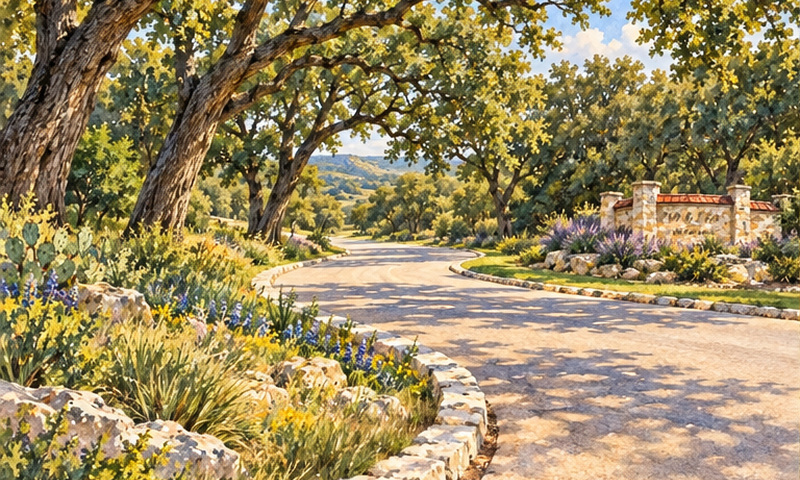
Get a quoteIllustration based on reference photos of Cibolo Trails. Not a single literal view.
On this page
Garden-home yards and shared greenbelt space give Cibolo Trails room for both a personal retreat and open views.[1] [2] A well-planned yard can bring shade, color and a comfortable place to spend time outside. Texas Allied Landscape brings planting, irrigation and outdoor improvements together around your home and trees. We check your lot's rules, prepare the plan, help with approval and build the approved work.
Get the right approval before work
Private-yard landscape plans need Restrictions Committee approval. Show the types and locations of trees, grass and plants. Improvements include landscaping, grading, tree removal and drainage changes. We check your property line. That way private-yard work and common-area requests follow the right route.[1] [2]
Private-yard review timeline
Private-yard approval
Submit your landscape plan before installation.
Show the types and locations of trees, grass and plants for Restrictions Committee approval.[1]
Get written approval before scheduling work.
For some application types, no answer within 30 days can mean approval. Conditions apply. Check which rule covers your work. Also check what makes your package complete before relying on that deadline.[1]
For common-area planting, send the application and diagram through FORHA to the Board. The committee may offer advice. The Board makes the decision. Review time depends on Board review and available meetings. This route covers common-area requests. A Board appeal is optional if your application is denied. Request it within 30 days.[1] [2] [3]
Lay out the yard and protect drainage
Keep drainage open and avoid sending water onto another lot. Residence and patio setbacks are generally 20 feet at the front and 5 feet at the sides and rear. Lots 1943 and 1902-1915 have a 10-foot rear exception. Corner lots have street-front controls on both streets.[1]
The diagram shows the ordinary interior-lot case for residences and patios. Planting offsets need their own check. Confirm your survey, easements, lot and project before setting the layout.[1]
Hover over the drawing to magnify it.Press and hold the drawing to magnify it.With a keyboard, focus the drawing and press Enter or Space to open the magnifier, use the arrow keys to move it and Escape to close it. Every distance is also listed below.
- Property boundary
- Building setback (no buildings past this line)
- Vegetation preserve (natural vegetation stays)
- Easement (utility or drainage access)
- Project footprint (proposed work)
The dashed lines mark where buildings may not go. Inside the setback lines, other limits (easements, ACC) still apply.
Band widths are drawn in proportion to each other; the lot is a schematic rectangle, not a survey.
Choose private-yard trees and lawn
Keep at least three trees. Two go between your home's front wall and front property line. One goes between the back wall and rear line. Each must be at least 3 inches in diameter and 10 feet tall. Get committee approval for all locations and any tree outside the named list.[1]
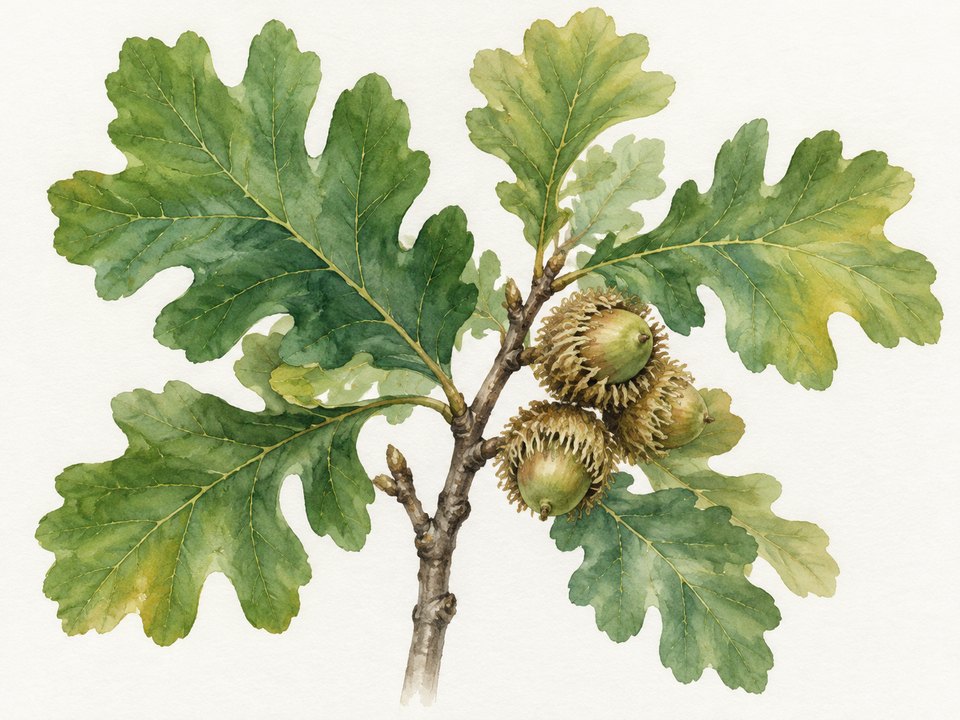
The named choices are Bur Oak, Monterey Oak, Live Oak, Shumard Red Oak, Texas Red Oak, Maple, Big Tooth Aspen, Cedar Elm and Blue Pyramid Cypress. Confirm generic or unusual names before ordering. The city bans new red-oak-group plantings. Leave Shumard and Texas Red Oak out of new planting plans.[1] [4]
 Illustration
Bur OakQuercus macrocarpaIllustration 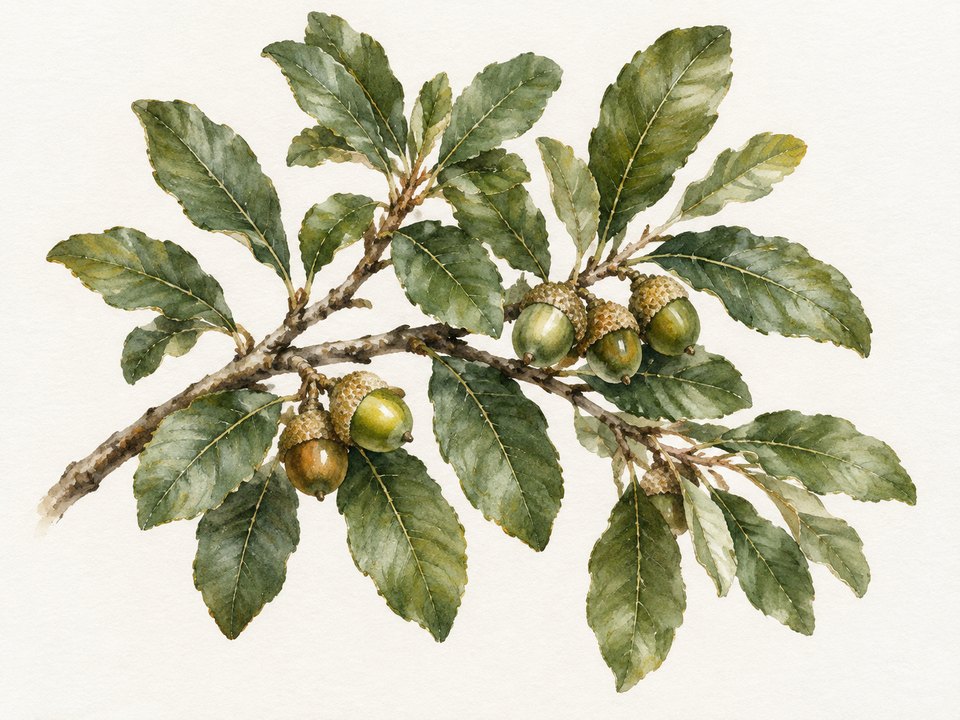 Illustration
Live OakQuercus virginianaIllustration 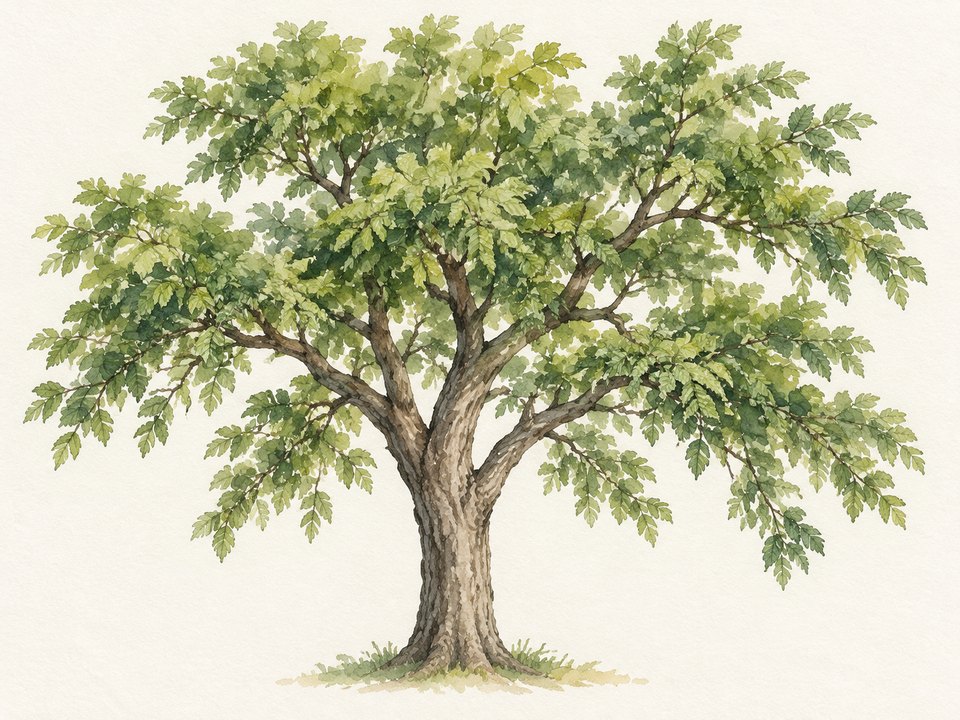 Illustration
Cedar ElmUlmus crassifoliaIllustration
Replace a required dead or dying tree with an approved tree within 30 days. Remove dead extra trees. You may choose whether to replace them. Use stakes while new roots get established. Keep beds free of excessive weeds and grass.[1]
Choose lawn from Floratam, Bermuda, Buffalo and Zoysia. Drought-tolerant, deer-resistant shrubs are strongly recommended, especially outside a fence. We plan for your yard's sun, shade and deer exposure. We show the planting on your application.[1]
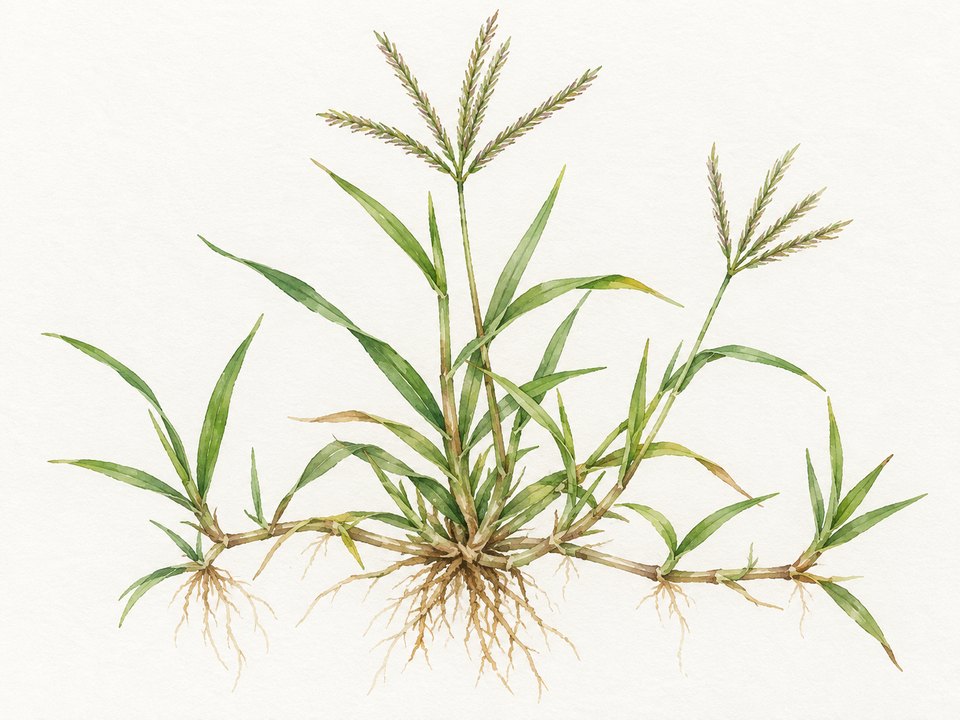 Illustration
Bermuda grassCynodon dactylonIllustration 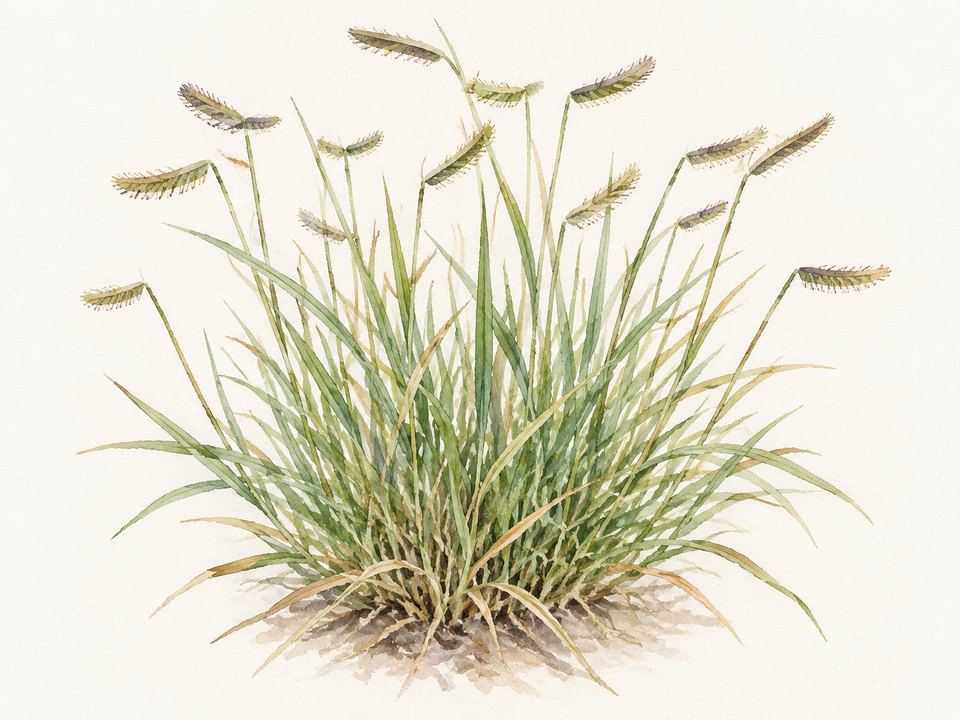 Illustration
Buffalo grassBouteloua dactyloidesIllustration 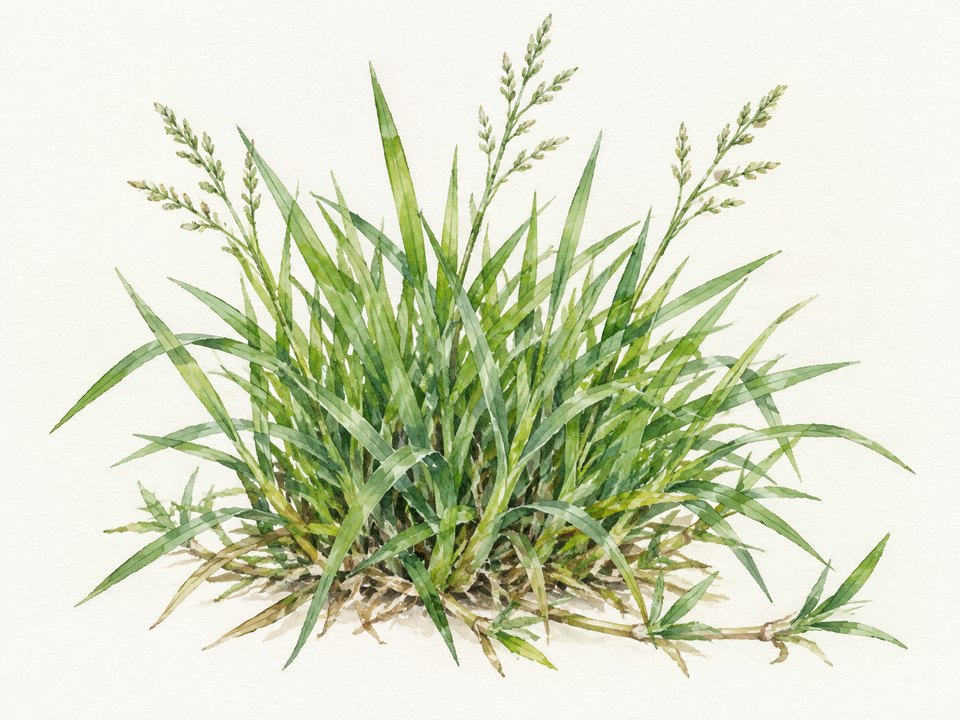 Illustration
Zoysia grassZoysiaIllustration
Red oaks: no new planting
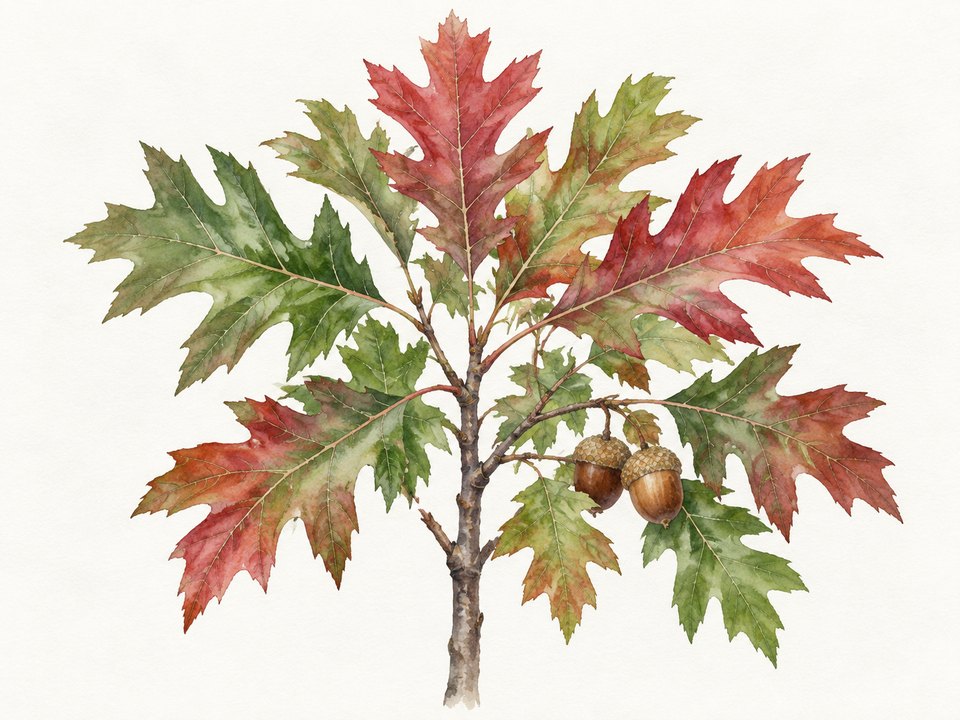
All red-oak-group species are prohibited as new plantings in the city. This rule applies to the dated private-yard and common-area lists in this guide. Shumard and Texas Red Oak appear below so you can identify the restricted trees.[4]
 Illustration
Shumard Red OakQuercus shumardiiIllustration 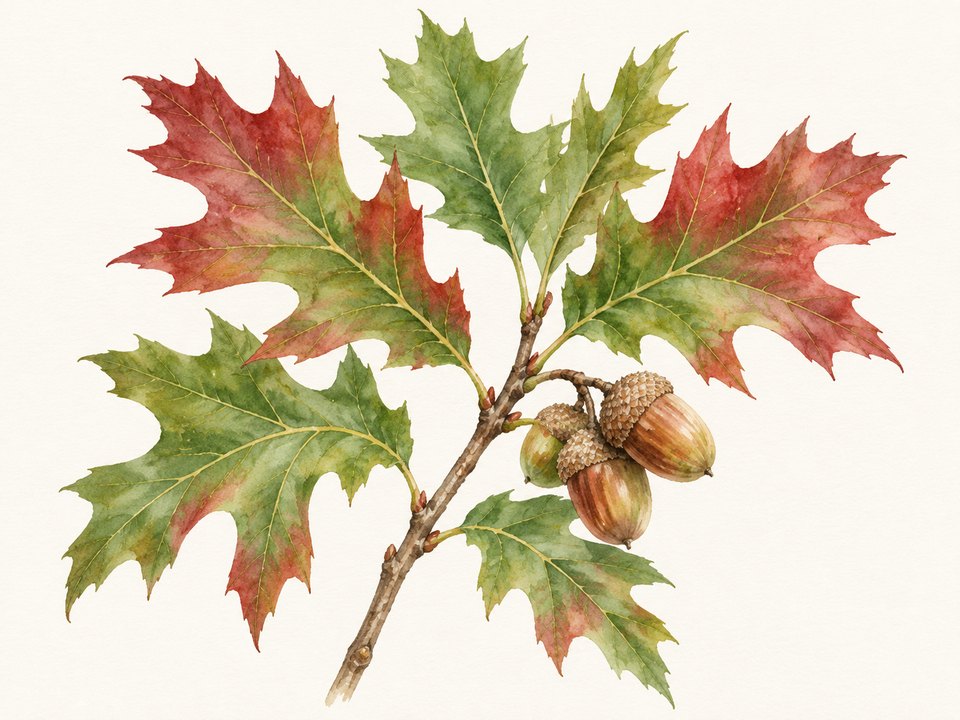 Illustration
Texas Red OakQuercus buckleyiIllustration
Plan rock, xeriscape and artificial turf
Decorative ground-cover rock may replace grass in front and side yards. The limit is 30% of their total plantable area. Xeriscape can use native and adaptive plants suited to dry conditions. Get landscape approval before work.[1]
Artificial turf needs prior committee approval. It is limited to the backyard and 50% of plantable area unless the committee approves an exception. Choose a color that blends with nearby natural grass. Replace worn turf before it becomes unsightly.[1]
Request common-area planting
You may request planting behind your property and beside certain cul-de-sac end lots. The common-area route allows up to three approved trees. Beds, shrubs and added berms are prohibited in this area. Use the private-yard rules above for your own yard.[2]
The common-area recommendations name Live Oak, Texas Red (Shumard) Oak, Cedar Elm, Mexican Sycamore, Burr Oak, Mexican White Oak, "Chinese Pastiche" and Chinquapin Oak. Leave the red-oak choice out of new planting plans under the city ban. Confirm what "Chinese Pastiche" means before matching a species. Trees must resist drought and deer, be noninvasive and bear no fruit.[2] [4]
- Illustration
Live OakQuercus virginianaIllustration - Illustration
Cedar ElmUlmus crassifoliaIllustration - Illustration
Bur OakQuercus macrocarpaIllustration 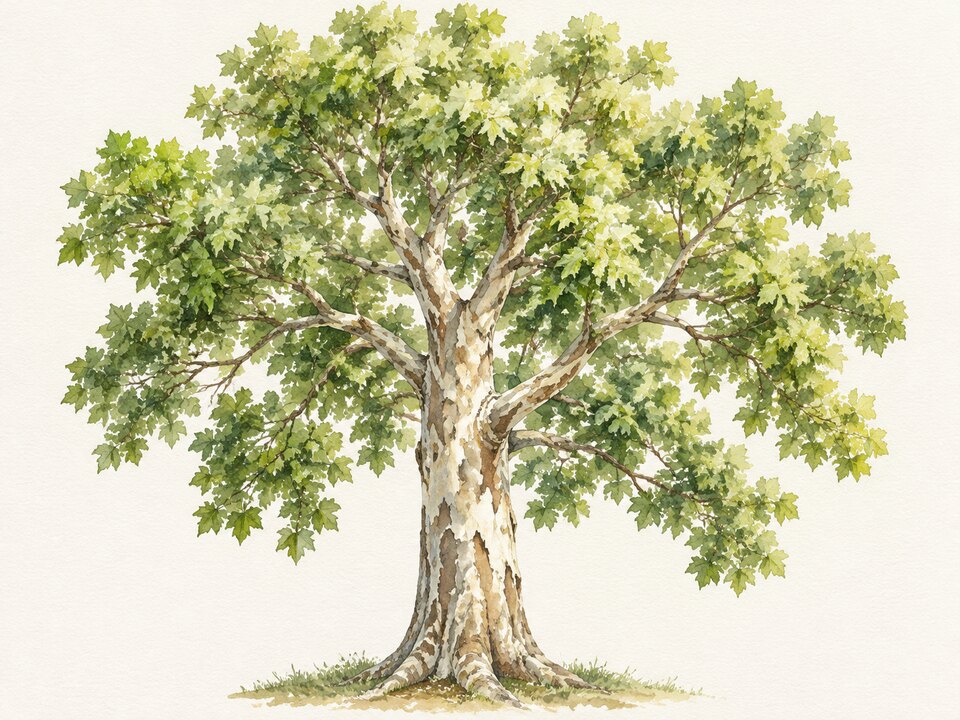 Illustration
Mexican SycamorePlatanus mexicanaIllustration 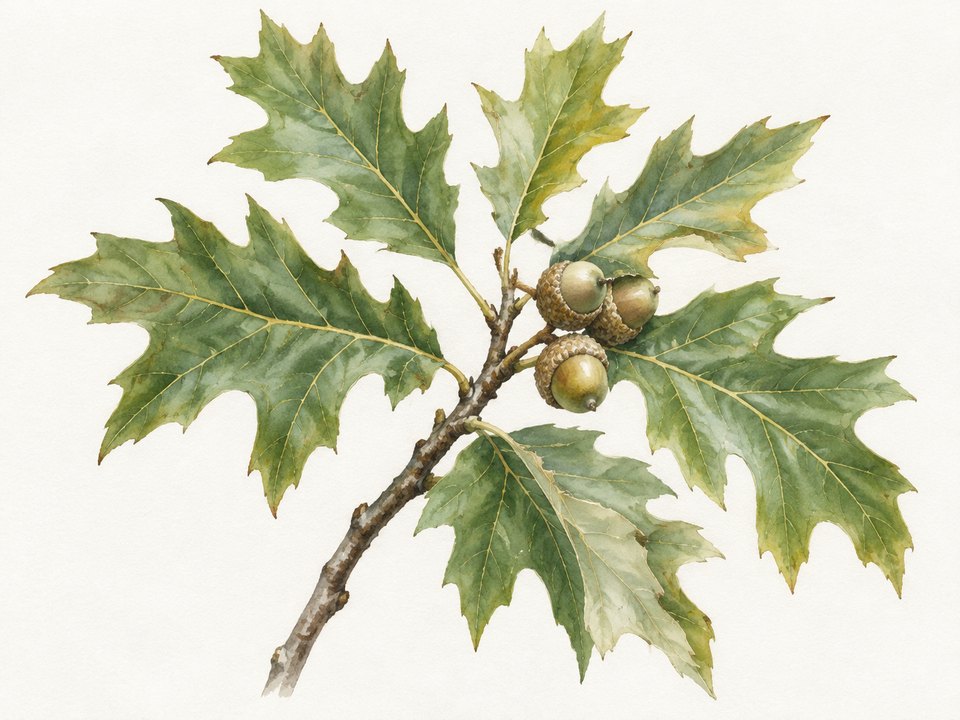 Illustration
Chinquapin OakQuercus muehlenbergiiIllustration
Keep prohibited plants out of common areas
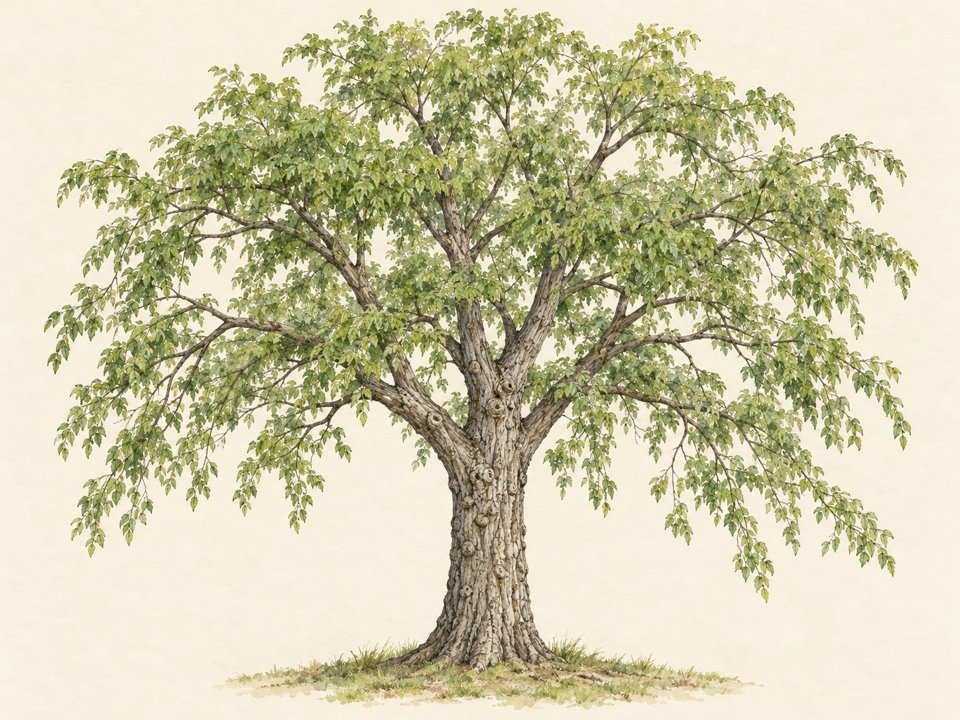
Bamboo, Oleander, Pecan, Hackberry, Chinaberry, Mulberry, Chinese Tallow, American Sycamore and Pampas Grass are prohibited for this common-area work. This ban is limited to that scope. Confirm private-yard choices through the separate review.[2]
 Illustration
HackberryCeltisIllustration 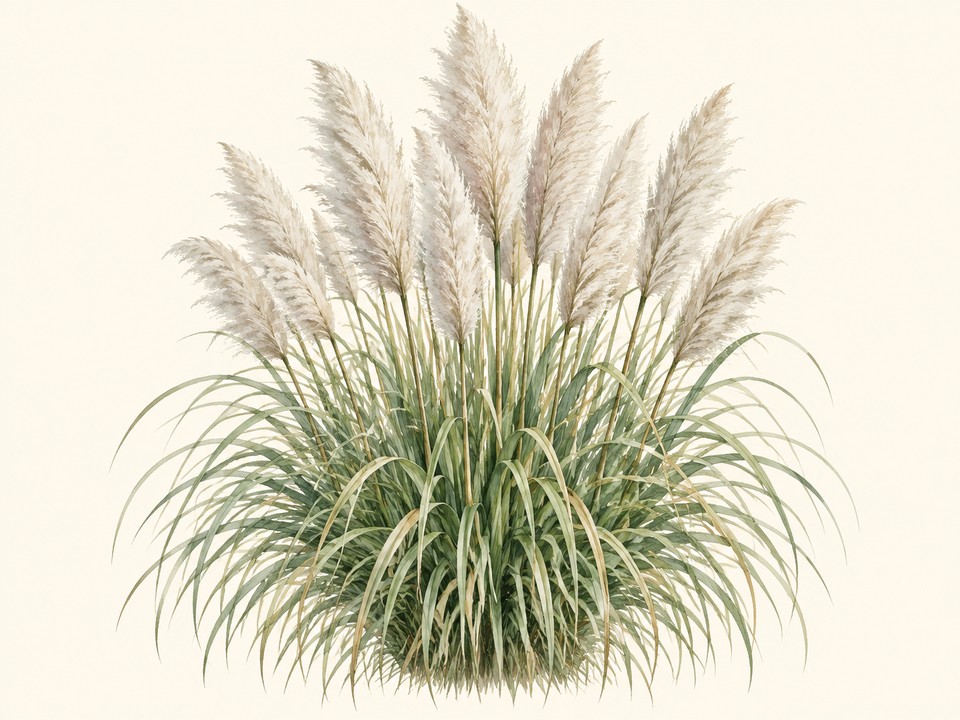 Illustration
Pampas GrassCortaderia selloanaIllustration 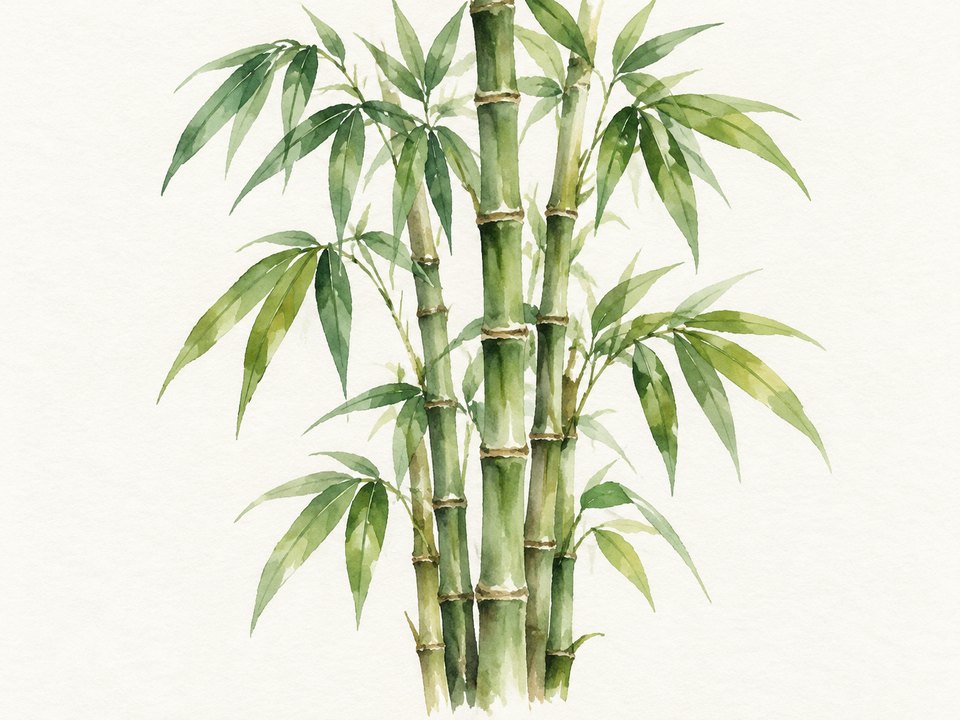 Illustration
BambooIllustration 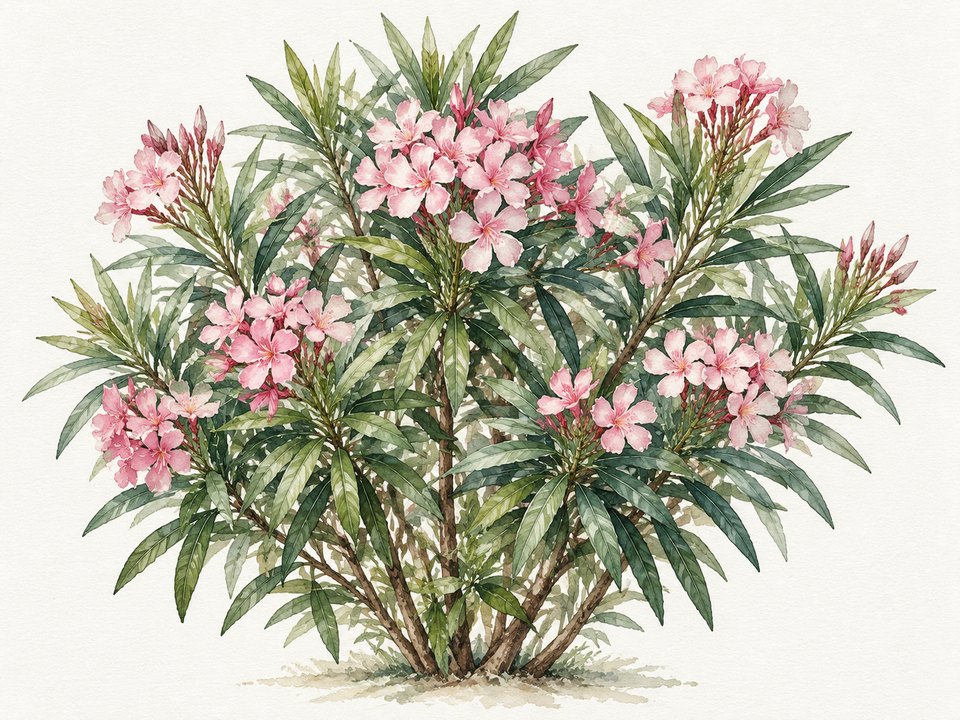 Illustration
OleanderNerium oleanderIllustration 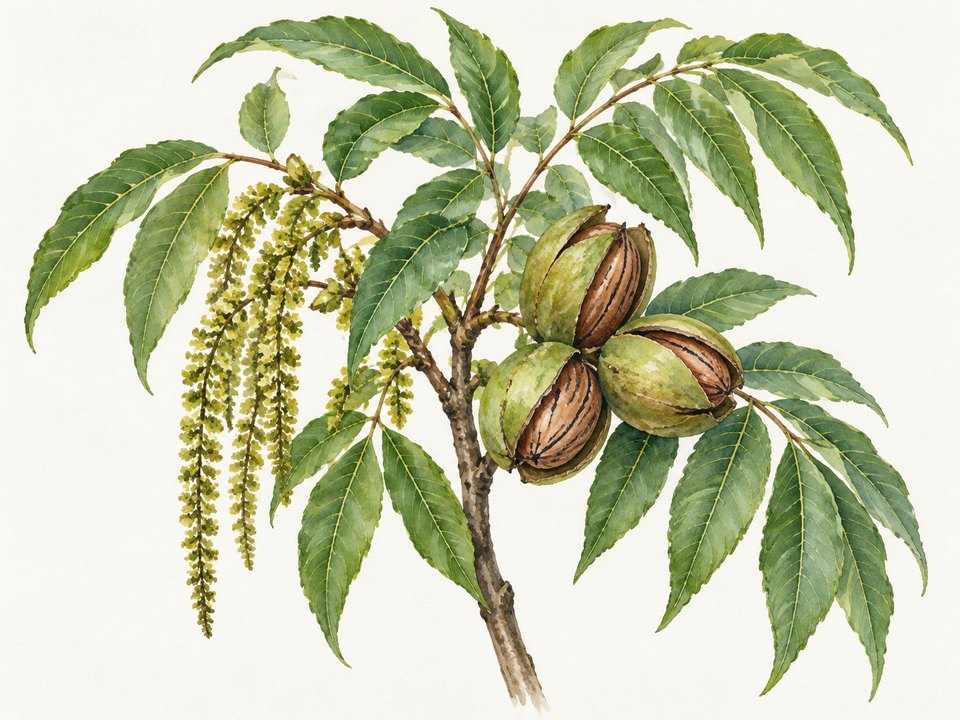 Illustration
PecanCarya illinoinensisIllustration 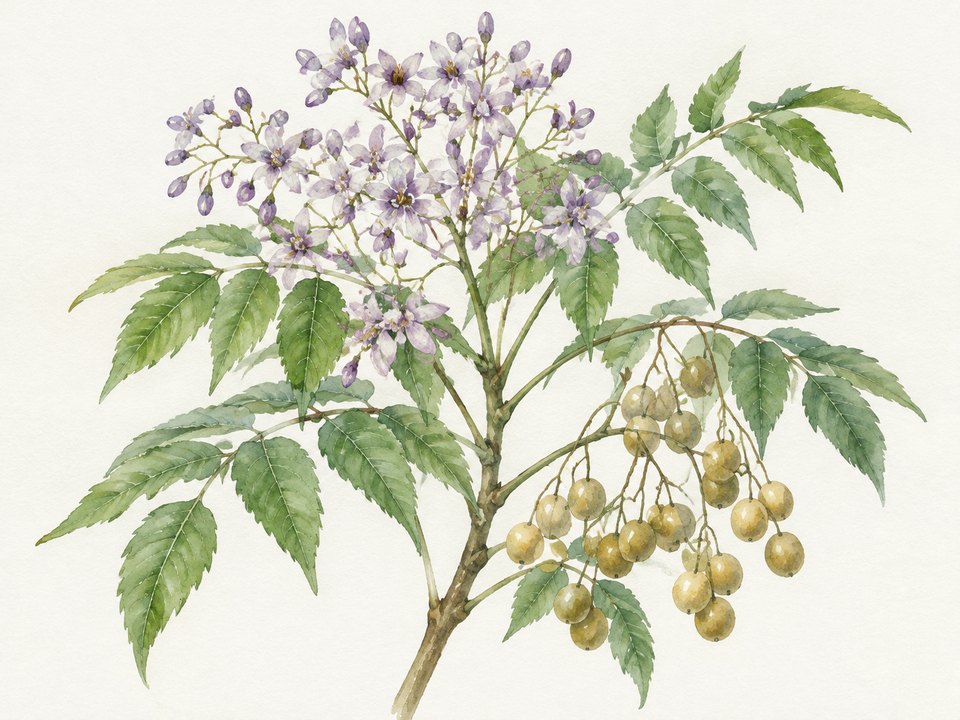 Illustration
ChinaberryMelia azedarachIllustration 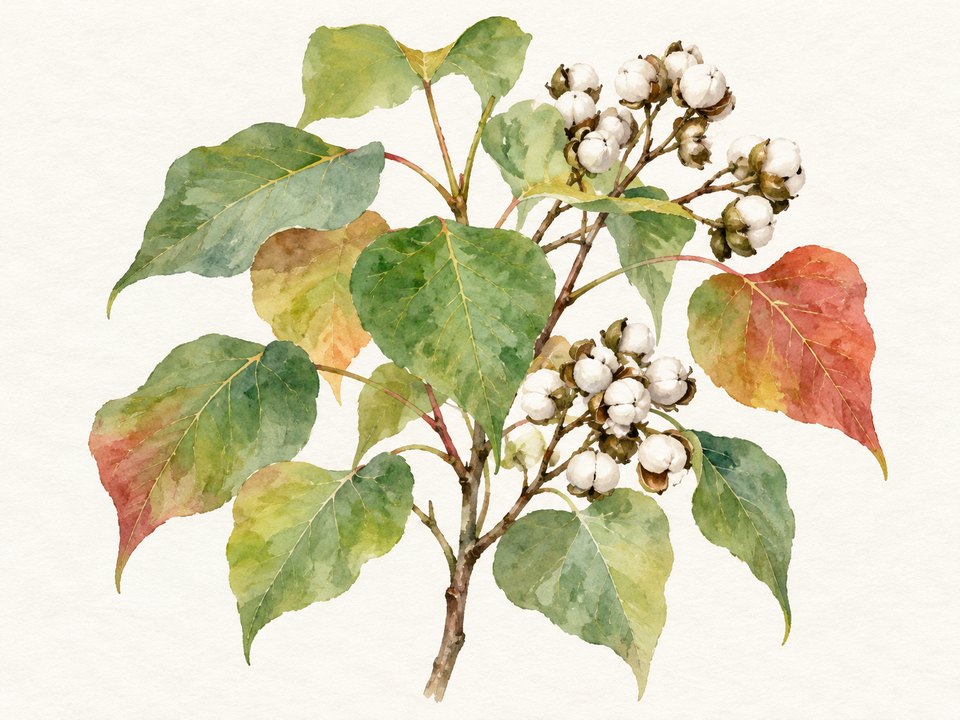 Illustration
Chinese TallowTriadica sebiferaIllustration
Keep 6 feet clear for mowing beside the property line or fence. The planting area extends up to 25 feet, with sides angled at 30 degrees. Give trees protective wraps and keep barbed wire out. Use the actual boundary and approved plan to place trees. The application diagram is only an illustration.[2] [3]
Owners pay for watering, care and any required correction or removal. The Board can require removal at the owner's cost. When you sell, restore the area unless the future owner accepts the approved maintenance duty.[1] [2]
Care for oaks and plan watering
Schedule oak cutting, trimming, pruning and removal from July 1 through January 31. Exceptions cover dangerous branches, qualifying development and utility, phone or cable work. Submit the required exemption form before qualifying work outside that season.[4]
Paint all oak wounds immediately. This includes wounds from trimming, cutting, pruning or trenching. Any black paint meets the stated requirement. Tree contractors must be registered with the city. Owners may care for trees on their own property without a permit or registration. They must still follow the prevention rules.[4]
We plan irrigation around the approved planting and site conditions. For common-area trees, include watering and ongoing care in your plan and budget.[2]
Check fees and enforcement
The $75 fee and full-plan package apply to houses, detached garages and fences. Extra review costs may increase that fee. A planting-only fee remains unconfirmed. We check the cost for your project before submitting.[1]
Violations can lead to notice, cleanup charged to the owner, a lien for unpaid cleanup, correction costs, legal action or a court order to stop or fix the work. Common-area planting can be removed at the owner's cost. Common-area rule penalties and suspension require notice and a hearing. We have not located a fixed landscape-fine schedule in the documents reviewed.[1] [2] [5]
Plan your yard with Texas Allied Landscape
Bring your address, survey and ideas for the yard. We help check your lot's rules, plan planting and irrigation, prepare the right review package and build the approved work. The goal is a yard that fits your home and the way you want to spend time outside.
Cibolo Trails landscape questions
Who approves my landscape plan?
Can I plant Shumard or Texas Red Oak?
No new red-oak-group plantings are allowed in the city. That ban applies even though the dated HOA lists name these trees.[4]
Can I replace my whole front lawn with rock?
Decorative ground-cover rock is limited to 30% of the combined front and side yards' plantable area. Landscape approval still applies.[1]
More community guides
Your community profile
Community profile
Cibolo Trails
Private-yard landscape profile for Units 1-3. Common-area work follows a separate Board process; city requirements remain separate.
1 permissive5 protective
| Design latitude | 3/5 |
|---|---|
| Approval scope | 5/5 |
| Approval layers | 1/5 |
| Approval cost | — |
| Plan preparation | 2/5 |
| Enforcement capability | — |
Higher means more documented control or burden, not a better community.
Dated 2023 restrictions and 2020 common-area policy read November 9, 2026. Later amendments and separate design guidelines unchecked. Higher means more control or burden, not better. No combined score.
Design latitude
3/5
- 1
- 2
- 3 (this score)
- 4
- 5
How much of the plant and design palette is prescribed. A higher score means less design freedom.
Why this score
Tree and lawn choices, tree minimums and the 30% front/side rock cap guide the design. Backyard artificial turf needs approval and has limits. City rules ban new red-oak plantings, including the red oaks on the dated HOA list.
Approval scope
5/5
- 1
- 2
- 3
- 4
- 5 (this score)
How much exterior work needs written sign-off.
Why this score
Get Restrictions Committee approval for private-yard landscape plans. Show tree, grass and plant types and locations. Landscaping, grading, tree removal and drainage changes count as improvements. Common-area planting follows a separate Board review.
Approval layers
1/5
- 1 (this score)
- 2
- 3
- 4
- 5
Counts distinct required community reviewers only. City, county and state permits, optional steps and repeat submissions are not counted.
Why this score
One Restrictions Committee reviews private-yard work. The Board reviews common-area requests and may seek committee advice. A Board appeal is optional. City requirements are checked separately from this reviewer count.
Approval cost
—
- 1
- 2
- 3
- 4
- 5
What the community's own approval process costs to apply.
Why this score
The $75 fee and possible extra review costs apply to houses, detached garages and fences. A planting-only fee is still unconfirmed. We check the cost for your project before submitting.
Plan preparation
2/5
- 1
- 2 (this score)
- 3
- 4
- 5
How much drawing and documentation an application needs.
Why this score
Show the types and locations of trees, grass and plants. The fuller house, garage and fence package has its own scope. We still need to check separate design guidelines before applying them to planting-only work.
Enforcement capability
—
- 1
- 2
- 3
- 4
- 5
Which remedies the verified governing documents and adopted policies provide. The score reflects verified documented provisions, not observed enforcement practice or legal conclusions. Not finding an express clause is not a conclusion that no authority exists.
This guide covers private yards in Units 1-3 using the posted March 2023 restrictions. Common-area planting follows a separate Board process. Later amendments and separate design guidelines remain unchecked. We match the rules to your address before design.[1] [2]
Each score measures one kind of control or application burden. Higher scores mean more control or work to prepare. Unverified scores and the enforcement rating stay blank.
Sources
- Posted 2023 restrictions . All 38 pages read November 9, 2026; operative images checked. Article 2 F/U/Z. Cover identifies Comal 202306008908, March 24, 2023. Posted original, not county copy; later amendments unchecked. Unit 3 references differ from the 2020 policy.https://irp.cdn-website.com/9d74e042/files/uploaded/Cibolo%20Trails%20Restrictions%20-%20Final%20March%202023.pdfabcdefghijklmnopqrstuv
- 2020 common-area policy . Comal 202006018144; all 5 pages read November 9, 2026, plant page visually checked. Common areas only.https://irp.cdn-website.com/9d74e042/files/uploaded/2020-05-18_CALP.pdfabcdefghijkl
- Application and planting diagram . Both pages read and diagram visually checked November 9, 2026.https://irp.cdn-website.com/9d74e042/files/uploaded/2020-05-18_CALP%20APP.pdfabc
- City Oak Wilt guidance , checked November 9, 2026: new red-oak planting ban and maintenance requirements.https://fairoaksranchtx.org/163/Oak-Wiltabcdef
- 2016 bylaws . Comal 201606045661, December 2, 2016; all 16 pages read November 9, 2026, Article VII.https://irp.cdn-website.com/9d74e042/files/uploaded/Cibolo%20Trails%20Bylaws%20Amended%202016.06.09.pdf↑