
Property owners
Chinese Tallow
- Plant
- Chinese Tallow
- Botanical name
- Triadica sebifera
- Group
- Prohibited examples
Chinese Tallow: height, foliage, seasonal changes and invasive behavior.
On this page
Its botanical name is Triadica sebifera.
Height
It is a deciduous tree that grows to 60 feet tall.[1]
Foliage
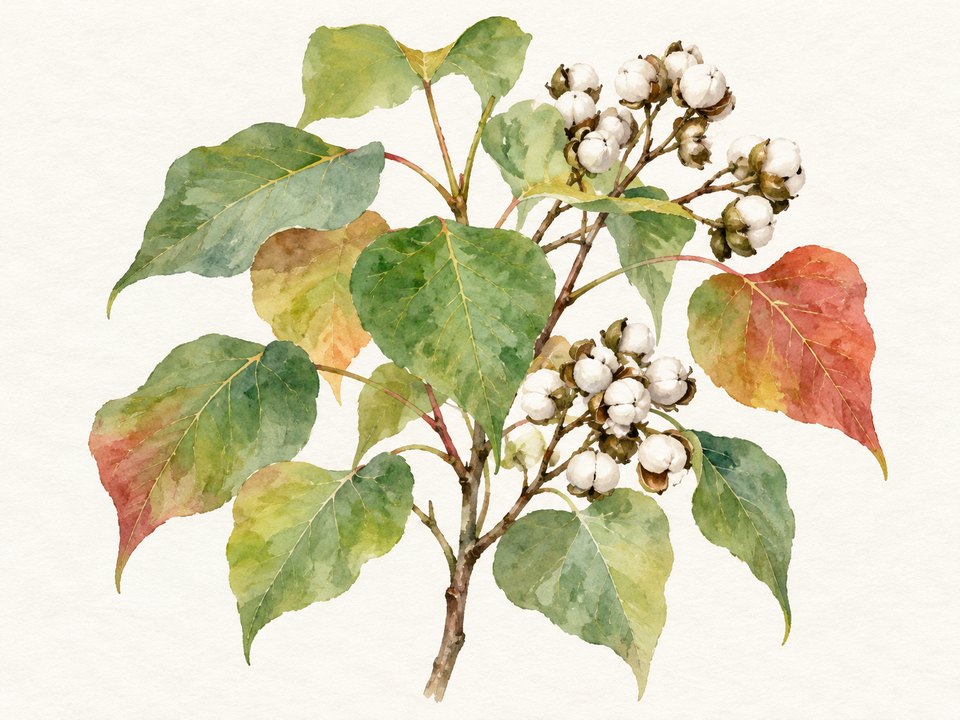
It is deciduous, with oval to diamond-shaped leaves.
Seasonal behavior
Dangling yellowish flower spikes appear in spring. Three-lobed fruit follows, splitting open to show popcorn-like white seeds in fall and winter. Be careful, because Chinese tallow is highly invasive. Left unmanaged, it can turn native habitat into single-species tallow forest.
Why Chinese Tallow is a problem here
Chinese tallow is listed as an invasive species in Texas. It spreads aggressively into prairies, woodlands, and waterways. It forms dense stands that displace native plants. Along the Texas Gulf Coast it has converted native prairie into tallow thickets.[1]
What to plant instead
Chinese tallow was sold for quick shade and red fall color. These trees give you that without the invasion:
 Illustration
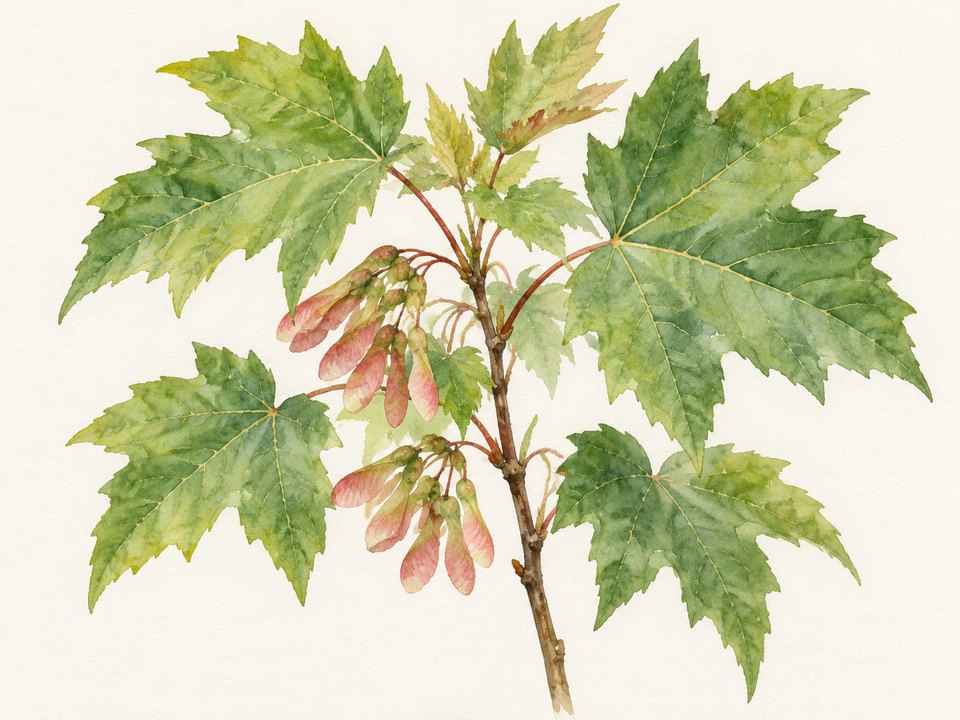
Bigtooth MapleAcer grandidentatumIllustration 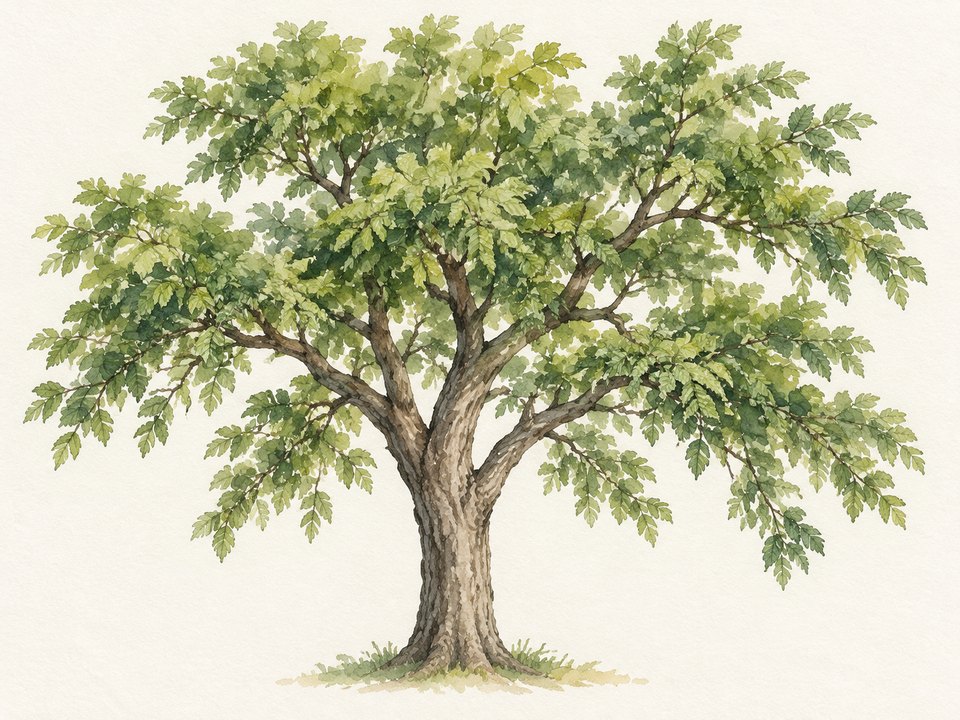 Illustration
Cedar ElmUlmus crassifoliaIllustration 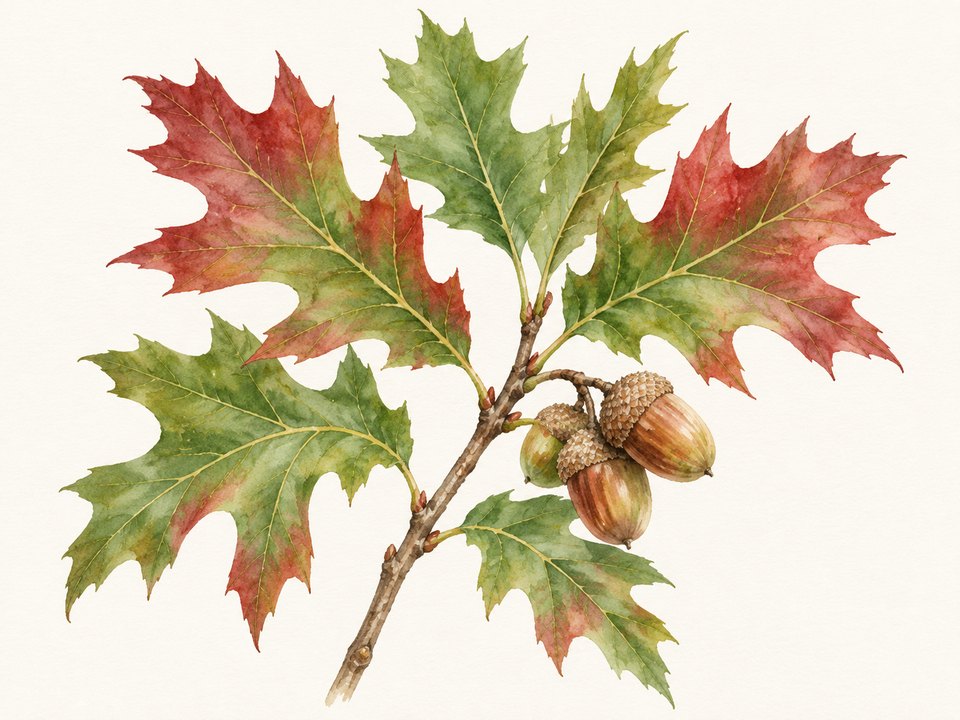 Illustration
Texas Red OakQuercus buckleyiIllustration
If Chinese tallow is already on your property, the Texas Allied Landscape team can help. They can talk through removal and a replacement plan.
Care Instructions for Your Chinese Tallow
How to Water a Chinese Tallow
Mature height and spread
It is a deciduous tree that grows to 60 feet tall.[1]
Normal seasonal behavior
Dangling yellowish flower spikes appear in spring. Three-lobed fruit follows, splitting open to show popcorn-like white seeds in fall and winter. Be careful, because Chinese tallow is highly invasive. Left unmanaged, it can turn native habitat into single-species tallow forest.
Chinese tallow questions
Is Chinese tallow invasive in Texas?
Yes, badly. It is one of the worst invasive trees in Texas. It takes over prairies, creek banks, and yards.[2]
Next step: Our horticulturalists can remove it and suggest a native with fall color instead.
How do I kill a Chinese tallow?
Cut it down. Then treat the stump immediately with herbicide. Untreated stumps and roots resprout aggressively.[3]
Why does tallow keep coming back?
It makes prolific seeds, and birds spread them. It also sends up stubborn root sprouts. One cut never finishes it.[4]
But the fall color is great - why remove it?
Its seeds feed nothing useful. It forms monocultures that displace native habitat. Natives like flameleaf sumac give equal color without the damage.[5]
In these community guides

Illustration. Illustration based on reference photos of Cibolo Trails. Not a single literal view. Cibolo Trails Landscaping
Bring your address, survey and yard ideas. We help check private-yard and common-area rules, prepare the review package…

Illustration. Illustration based on reference photos of Deerfield. Not a single literal view. Deerfield Landscaping
Bring your survey, unit and yard ideas. Texas Allied Landscape helps design your outdoor space and prepare the right…

Illustration. Illustration based on reference photos of The Reserve at Schertz II. Not a single literal view. Reserve at Schertz II Landscaping
Plan your Reserve at Schertz II yard with lawn, tree and irrigation guidance. Get help with the review package…
Sources
- Chinese tallow tree (Triadica sebifera), Texas Invasives.https://www.texasinvasives.org/plant_database/detail.php?symbol=TRSE6abc
- Texas Invasives, "Triadica sebifera."https://texasinvasives.org/plant_database/detail.php?symbol=TRSE6↑
- Texas A&M AgriLife, "How to Take Out Tallow Trees."https://mytexas.ag.tamu.edu/publications/how-to-take-out-tallow-trees/↑
- Texas A&M AquaPlant, "Tallow/Popcorn Tree."https://aquaplant.tamu.edu/management-options/tallowpopcorn-tree-non-native/↑
- Weslaco Heritage Foundation, "Chinese Tallow: Invasive Species."https://whf-texas.org/chinese-tallow-invasive-species/↑