
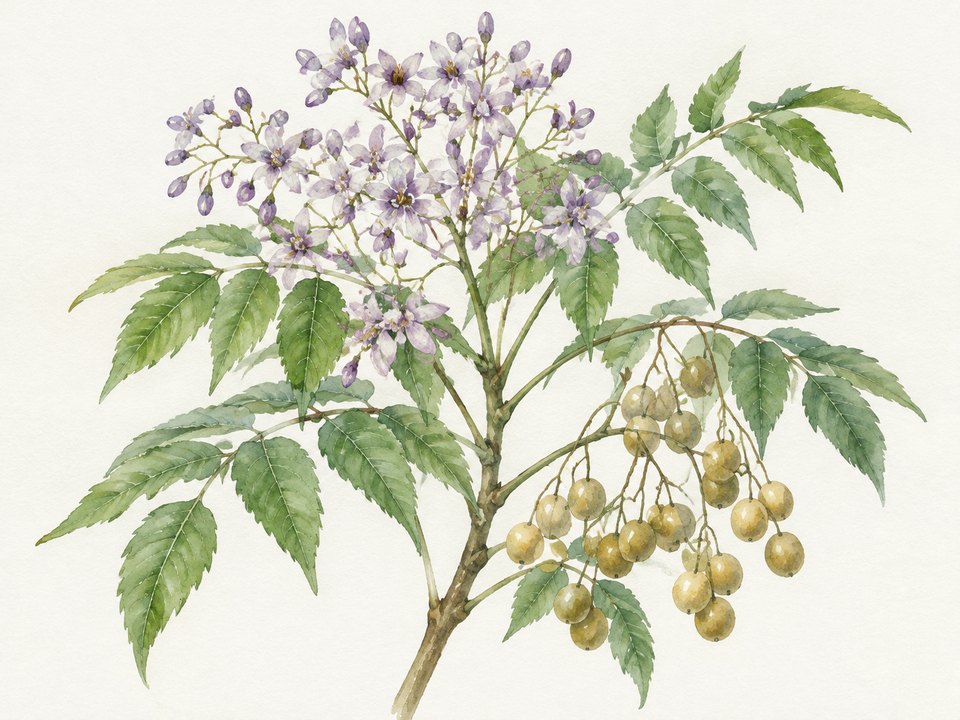
Property owners
Chinaberry
- Plant
- Chinaberry
- Botanical name
- Melia azedarach
- Group
- Prohibited examples
Chinaberry: height, foliage, poisonous berries and invasive behavior.
On this page
Its botanical name is Melia azedarach.
Height
It is a deciduous tree that grows to 50 feet tall. It is much-branched and very fast growing. It can reach 18 to 24 feet in 4 years.[1]
Foliage
It is deciduous. Its lacy dark-green leaves have a musky odor.
Seasonal behavior
Clusters of lavender flowers in spring yield persistent yellow berries that are poisonous. Be careful, because chinaberry is invasive. It outcompetes native plants. Its leaf litter raises soil pH and changes conditions for native plants.
Why Chinaberry is a problem here
Chinaberry is listed as an invasive species in Texas. Birds spread its seeds into fencerows, alleys, and woodlands, where it displaces native trees. Its berries are poisonous to people and pets.[1][2]
What to plant instead
For a fast, flowering small tree that belongs in a Texas yard, consider one of these:
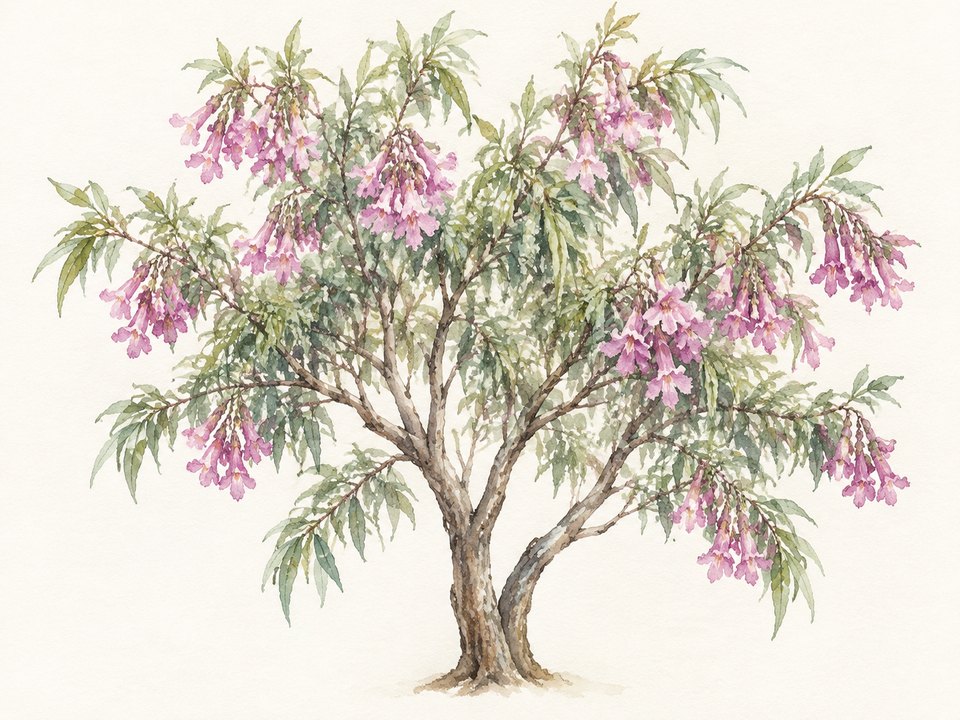 Illustration
Desert WillowChilopsis linearis 'Art's Seedless'Illustration 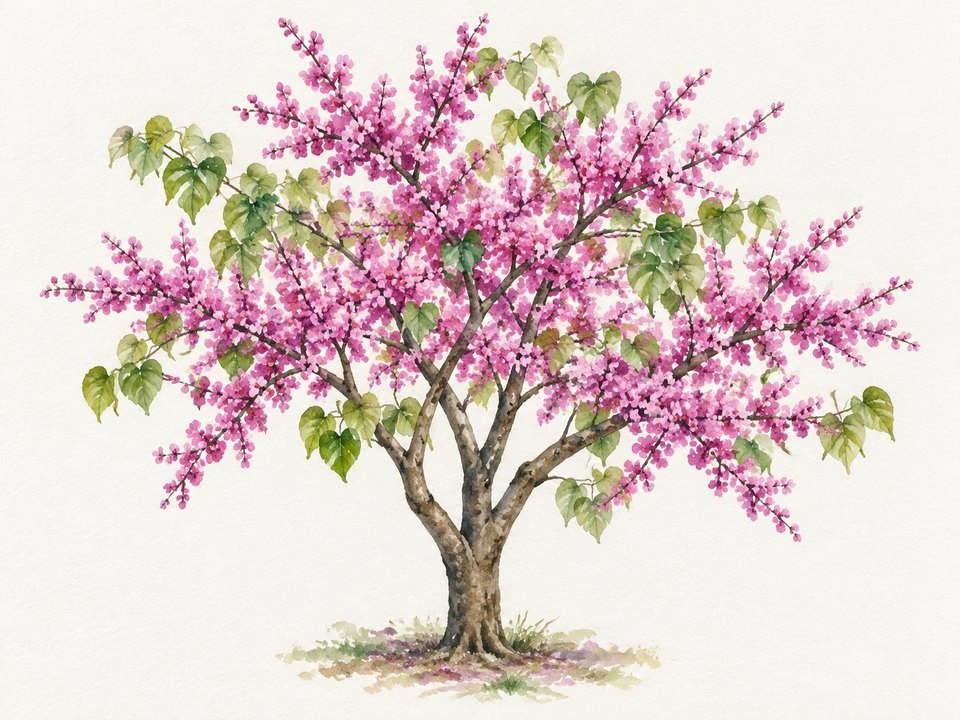 Illustration
Texas RedbudCercis canadensisIllustration 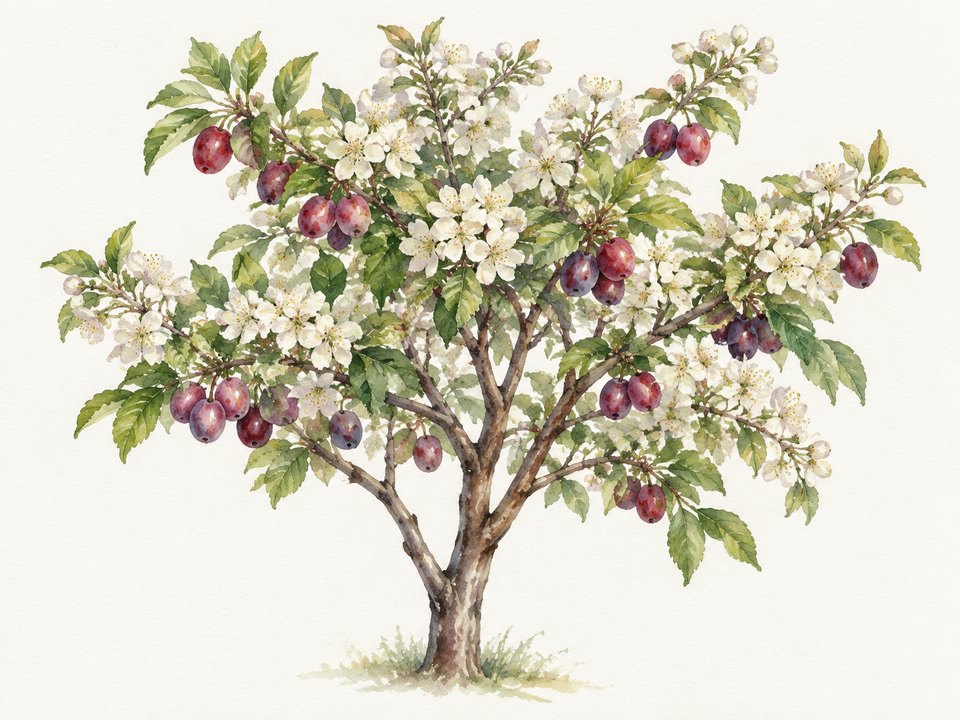 Illustration
Mexican PlumPrunus mexicanaIllustration
If it is already on your property, the Texas Allied Landscape team can talk through removal and a replacement plan.
Care Instructions for Your Chinaberry
How to Water a Chinaberry
Mature height and spread
It is a deciduous tree that grows to 50 feet tall. It is much-branched and very fast growing. It can reach 18 to 24 feet in 4 years.[1]
Normal seasonal behavior
Clusters of lavender flowers in spring yield persistent yellow berries that are poisonous. Be careful, because chinaberry is invasive. It outcompetes native plants. Its leaf litter raises soil pH and changes conditions for native plants.
Chinaberry questions
Is chinaberry invasive in Texas?
Yes. Melia azedarach spreads by bird-carried seed into fencerows, creek banks, and yards across Texas.[3]
Next step: Our horticulturalists can remove it and suggest a native shade tree instead.
Are chinaberry berries poisonous?
Yes. The yellow berries are toxic to people and pets. That is a real concern with kids and dogs.[2]
Why does chinaberry keep sprouting?
It resprouts from stumps and roots, and every berry is a seed. Removal takes stump treatment plus follow-up on seedlings.[4]
Is chinaberry wood good for anything?
It is weak-wooded and drops limbs. Between the weak wood, the poison berries, and the invasiveness, removal is usually right.[5]
In these community guides

Illustration. Illustration based on reference photos of Cibolo Trails. Not a single literal view. Cibolo Trails Landscaping
Bring your address, survey and yard ideas. We help check private-yard and common-area rules, prepare the review package…
- Art in progress
Esperanza Landscaping
Plan your Esperanza landscape with help on plants, irrigation and the approval package. We check your neighborhood, lot…

Illustration. Illustration based on reference photos of The Reserve at Schertz II. Not a single literal view. Reserve at Schertz II Landscaping
Plan your Reserve at Schertz II yard with lawn, tree and irrigation guidance. Get help with the review package…
Sources
- Chinaberry tree (Melia azedarach), Texas Invasives.https://www.texasinvasives.org/plant_database/detail.php?symbol=MEAZabc
- Texas A&M Plants of Texas Rangelands, "Chinaberry."https://rangeplants.tamu.edu/plant/chinaberry/ab
- Texas Invasives, "Melia azedarach."https://www.texasinvasives.org/plant_database/detail.php?symbol=MEAZ↑
- Texas Invasives, "Chinaberry Management."https://www.texasinvasives.org/professionals/management_detail.php?symbol=MEAZ↑
- Native Plant Society of Texas, "Melia azedarach (Invasive)."https://www.npsot.org/posts/invasive-plant/melia-azedarach/↑