
Property owners
Redbird Ranch Landscaping
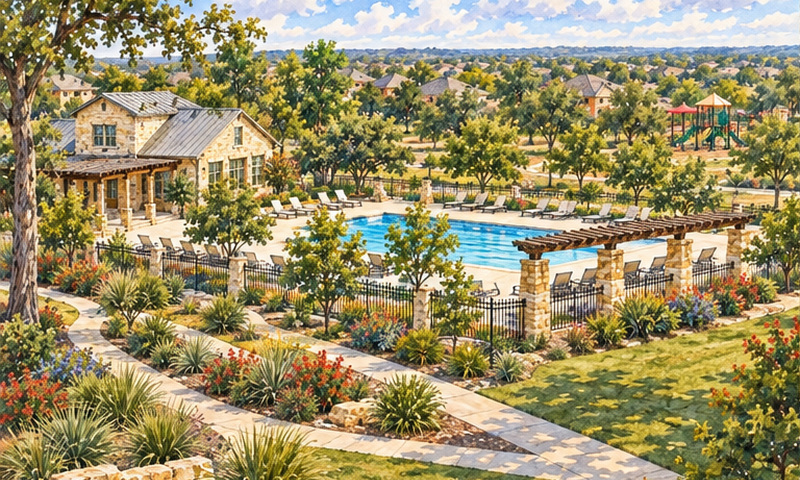
Pools, play spaces and sports courts make outdoor time part of Redbird Ranch. Make your yard another place to enjoy shade, friends and time at home.
Get a quoteIllustration based on reference photos of Redbird Ranch. Not a single literal view.
On this page
Redbird Ranch brings outdoor fun close to home, with pools, a splash pad, playgrounds and sports courts. The clubhouse and fitness center add more ways to spend time with neighbors.[1] Your own yard can be part of that life. Think shade for a break, room to gather and planting you enjoy each season. Texas Allied Landscape helps bring those ideas together with a design, watering plan and review package for your home.
From yard ideas to an approved plan
Get written approval before installing any landscaping. Tree removal, clearing, grading, irrigation, hardscape, lighting and drainage changes also need review. Leave the lot uncleared while the plan is being reviewed.[2][3]
Match your unit, block and lot to your deed and survey. Rules are recorded in both Bexar and Medina counties. This guide covers Redbird Ranch Homeowners Association, Inc. The 2023 base records, later land notices, 2025 design rules and later policies all help define the rules for a lot. Have your address matched to the current set before buying materials.[2][4][5]
Prepare the design.
Plan at least 30 days before installation. Show lot lines, the house, existing and new plants, names and counts, beds, lawn, hardscape and materials. Include screens for above-ground utility connections visible from streets or neighbors. Water-wise plans also need plant types and locations, borders, hardscape, a drawing or photo, and gravel, rock and cactus percentages.[3][4]
Send the full package.
Confirm the current submission route and reviewer for your project. A normal yard plan goes to the community reviewer or Architectural Control Committee. A new home or developer-controlled project may follow a different route. An owner may apply, or a tenant with the owner's written consent. Check the fee, deposit and plan-copy count before sending.[2][6][4][3]
Get written approval.
Keep the plan, delivery record, questions, revisions and decision together. A plan is deemed disapproved after 60 days without approval or rejection. Review may wait until all required details arrive. Ask about a late decision and get written approval before work.[2]
Build and close out the yard.
Follow the approved plants, counts, layout and materials. Get major changes approved before making them. Ask how to arrange a final inspection and get written closeout. Keep the final plan, approval, receipts and completion photos.[3]
Texas Allied Landscape can help turn your ideas into one clear package and work through questions before the crew starts.
Plan copies, meetings and exceptions
There are two plan-copy counts to settle. The main instructions ask for four preliminary and five final copies. Their attached forms ask for two copies each. Confirm today's submission method and copy count. A large building project and a small yard change may need different supporting papers.[3]
The committee generally meets monthly and at least every other month. Ask when your complete package can be reviewed. The meeting schedule means the decision date for your own plan still needs to be confirmed.[6]
Request any variance in writing. A Board hearing is required, and the developer keeps an approval role during the Development Period where stated. A variance applies to its own lot and terms. Have any exception for your design approved separately.[2][6]
If government approval is needed, first get the community reviewer to approve what you plan to submit. After government approval, send that version back to the reviewer and get the required Notice to Proceed. Keep both approvals with the project.[2]
Yard layout, drainage, screens and lighting
Have lot lines, easements, drainage and utility access marked on your survey. Get advance approval and a professional engineer's certification before changing drainage. The certification must show that proper drainage has been provided.[2][4][3]
Keep water flowing between lots. Owners must correct water-flow changes caused by their work.[4][3]
Street strips and shared fences
Owners generally maintain planting between their lot boundary and the pavement of an adjoining street or alley. A recorded document may instead place an area with the association. Get the Board's advance written consent before adding or removing plants in that strip. You also need the normal yard-plan approval.[4]
Some road-facing fences and walls are designated common area. Have the association confirm who controls the exact strip, fence or wall before planning changes.[7]
Screens and landscape lights
Plant screens must hide the item when installed. Choose the size and placement for that job, and show visible utility equipment in the plan. Pools, cabanas and other hardscape may need added planting.[3]
Keep path and landscape lights at or below 500 lumens and 36 inches high, with a warm tone of 2700K-3000K. Upward-facing lights that shine on the house or trees are banned. Strobe lights are also banned.[3]
Lawn, plants and irrigation
Keep the required sod areas
Provide sod across the front yard, five feet of each side yard and ten feet of the rear yard. Where a retaining wall is close to the house, sod the area from the side of the house to the top of the wall too. Show new beds alongside these duties and have the full layout approved.[3]
Use at least four inches of native or improved soil under turf. Caliche does not count toward that soil depth. Plant grass within three days after its topsoil arrives. Use at least two inches of mulch in shrub and bed areas, including tree and plant beds. Edging is encouraged. Tree rings that match the house may be approved.[3]
St. Augustine grass is expressly allowed. Native plants that tolerate drought and resist deer are favored. Other allowed species come from the City of San Antonio's Recommended Plant List below. Choose for your own lot and include the plants in the written approval.[3][8]
Water-wise areas and artificial turf
For xeriscaping, gravel, rock and cacti may cover up to 30% of the front yard and 10% of the backyard. Get advance written approval for more. Show the exact percentages and the requested exception in the application.[4][3]
Artificial turf may be approved in the backyard, covering no more than 50% of it. It is banned in the front yard. Owners may apply for water-conserving natural front-yard turf through the stated process. Include a proposed lawn change in the review package.[3]
Plant choices for your plan
The full referenced plant list follows, in the same groups as City Appendix E. It has 162 category entries, with some names in more than one group. Scientific names and unusual spellings stay as printed so you can compare your plan with the list. Broad names such as Juniper and Lantana leave the species or cultivar open.[8]
 Illustration
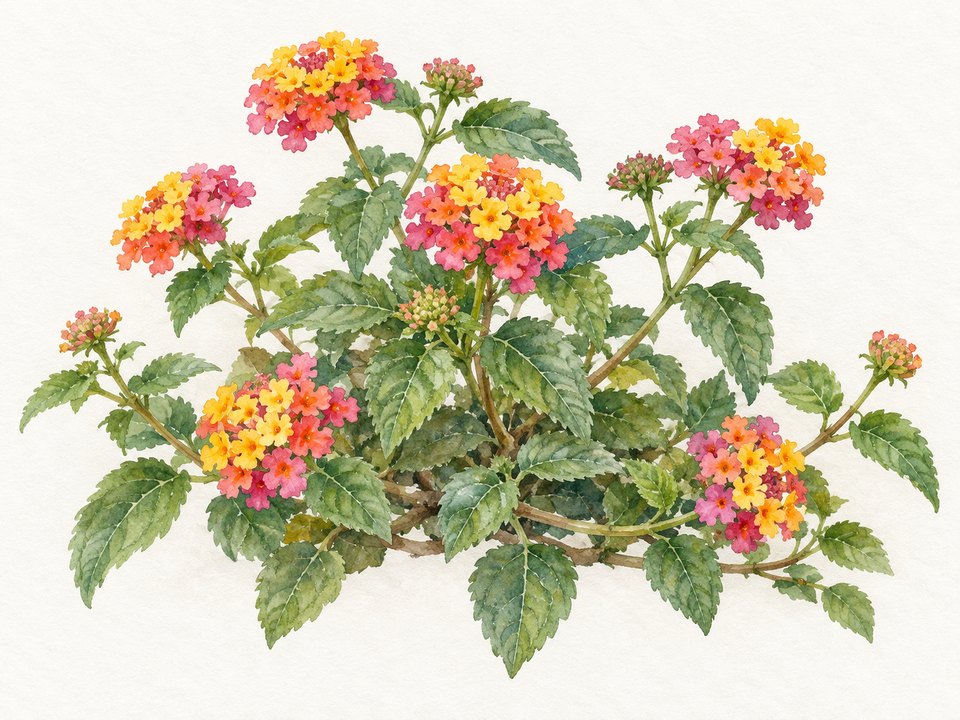
LantanaLantana camaraIllustration
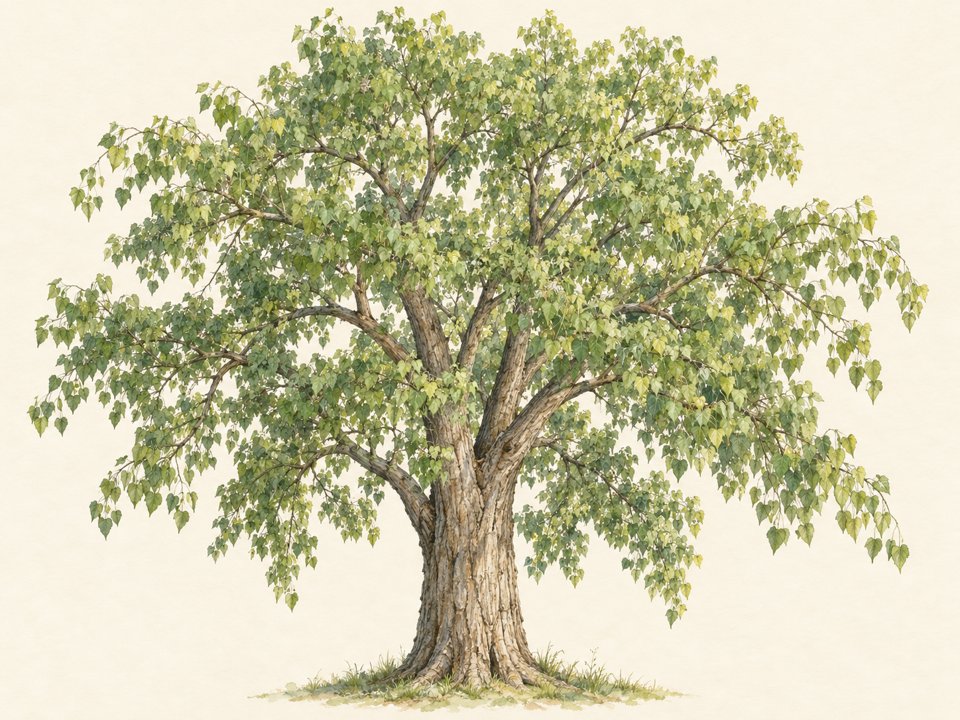
Choose plants for their size, water needs and growing conditions. The original table marks Texas natives with an asterisk. The full list includes other plants too. Cottonwood is not recommended for parking lots. St. Augustine is listed for shade and has poor drought tolerance. Check the table's site notes before choosing.[8]
 Illustration
CottonwoodPopulus deltoidesIllustration
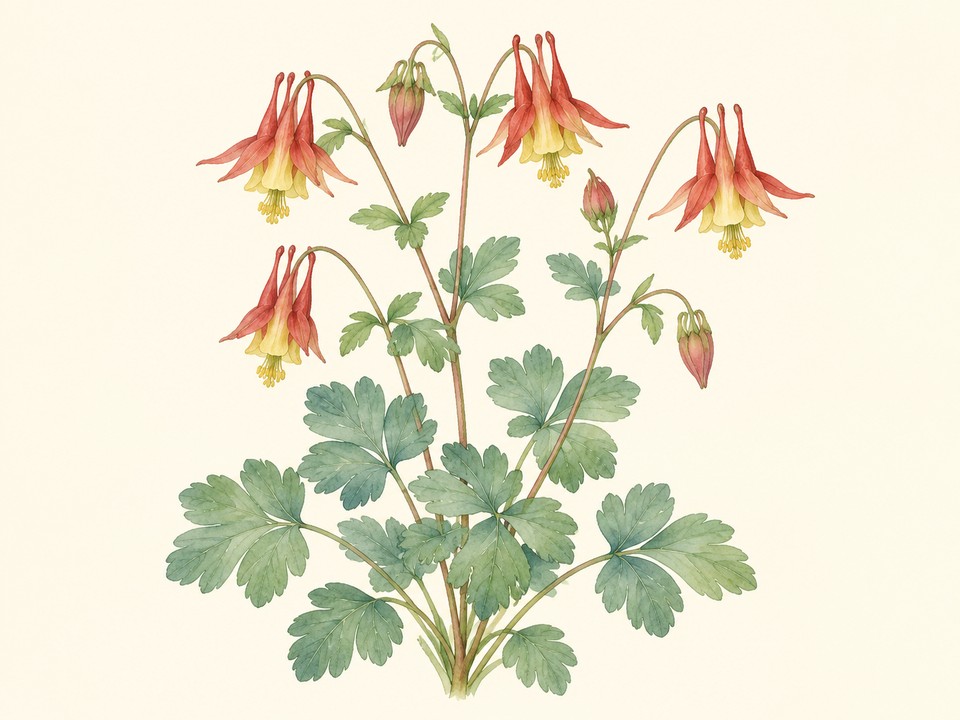
Cards show matched plants while the names below carry the full list. Some cards use a newer scientific name. The generic Yucca card is still provisional. The Hinckley columbine card shows that named choice only. Wild Olive is printed as "Cordia boisserieri". Its card uses the accepted spelling Cordia boissieri. Mexican Oregano stays unlinked while its printed and catalog names need checking. Have any proposed substitute checked and approved.[9][10][11][12]
 Illustration
ColumbineAquilegiaIllustration 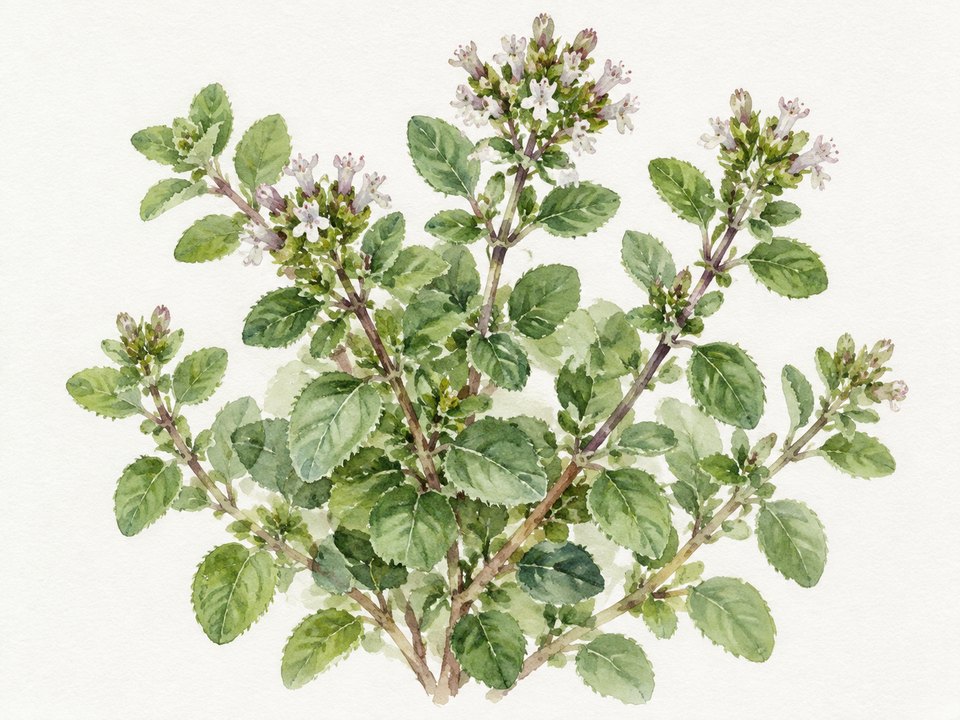 Illustration
Mexican OreganoPoliomintha longifoliaIllustration
Trees
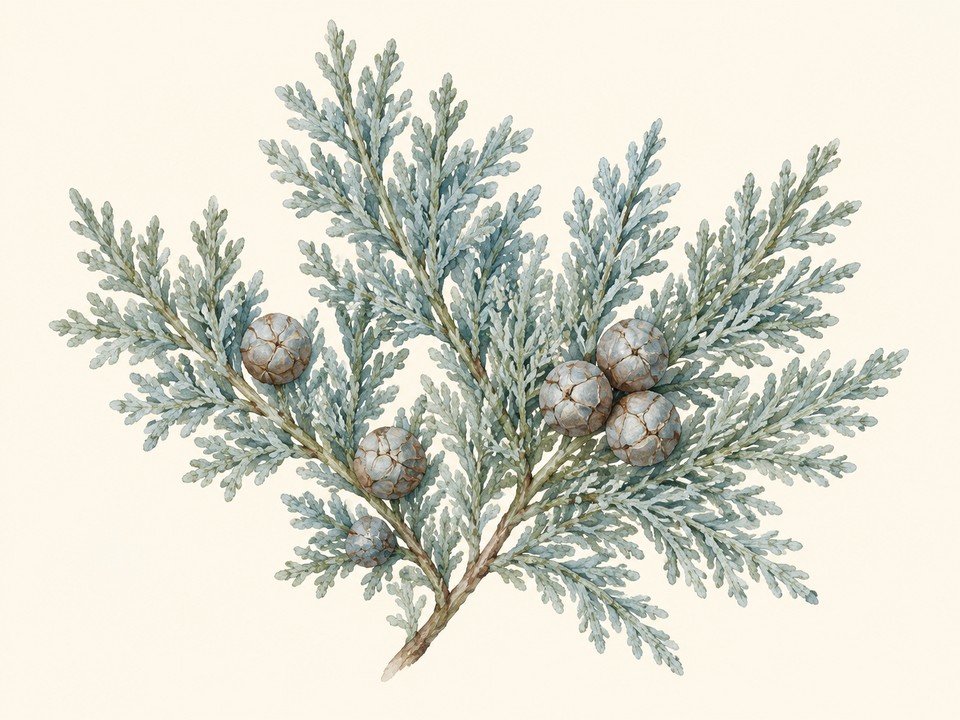
Anacacho, Orchid tree (Bauhania congesta); Anaqua, Sandpaper tree (Ehretia anacua); Arizona Cypress (Cupressus arizonica); Texas Ash, Green Ash (Fraxinus sp.); Ashe Juniper (Juniperus ashei); Bald Cypress (Taxodium distichum); Big Tooth Maple (Acer grandidentatum); Black Willow (Salix nigra); Bur Oak (Quercus macrocarpa); Carolina Buckthorn (Rhamnus caroliniana); Cedar Elm (Ulmus crassifolia); Chinquapin Oak (Quercus muhlenbergii); Condalia, Brazil Tree, Bluewood Condalia (Condalia hookeri, C. viridis); Cottonwood (Populus deltoides); Crabapple, Texas (Mollis texana); Desert Willow (Chilopsis linearis); Deodar Cedar (Cedrus deodara); Ebony, Texas (Pithecellobium flexicaule); Escarpment Black Cherry (Prunus serotina var. eximia); Eve's Necklace (Sophora affinis); Goldenball Lead Tree (Leucaena retusa); Hackberry (Celtis spp.); Honey Locust (Gleditsia triacanthos); Huisache (Acacia farnesiana); Italian Stone pine (Pinus pinea); Kidneywood (Eysenhardtia polystachya); Lacy Oak (Quercus laceyi); Live Oak (Quercus virginiana); Mesquite (Prosopis glandulosa); Monterrey Oak (Quercus polymorpha); Montezuma cypress (Taxodium mucronatum); Mexican Buckeye (Ungnadia speciosa); Pecan (Carya illinoensis); Persimmon, Texas (Diospyros texana); Plum, Mexican (Prunus mexicana); Possum Haw (Ilex decidua); Retama, Paloverde (Parkinsonia texana); Red Oak, Shumard (Shumard Quercus shumardii); Red Oak, Texas (Quercus texana); Redbud, Texas, Oklahoma, Mexican (Cercis canadensis var texana); Rusty Blackhaw (Viburnum rufidulum); Silk-tassle (Garrya ovata); Spiny Hackberry (Celtis pallida); Sycamore, Mexican (Platanus mexicana); Sycamore, Texas (Platanus glabrata); Texas Mountain Laurel (Sophora secundiflora); Texas Pistache (Pistacia texana); Wafer Ash, Hop tree (Ptelea trifoliata); Western Soapberry (Sapindus drummondii); Wild Olive (Cordia boisserieri); Yaupon Holly (Ilex vomitora).[8]
 Illustration
Arizona CypressHesperocyparis arizonicaIllustration 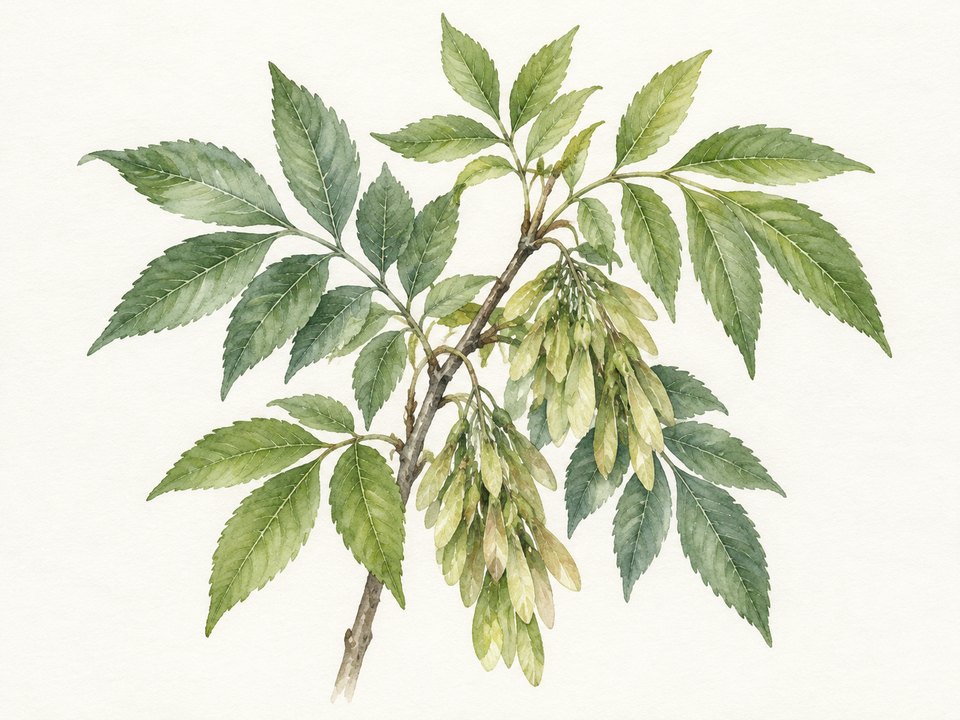 Illustration
Texas AshFraxinus texensisIllustration 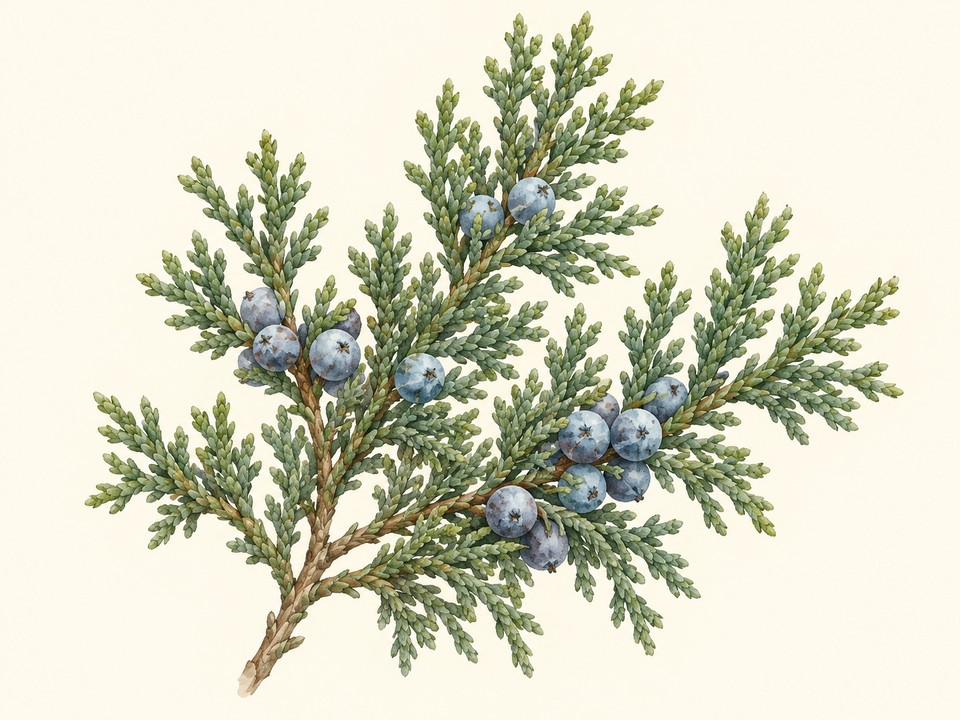 Illustration
Ashe JuniperJuniperus asheiIllustration 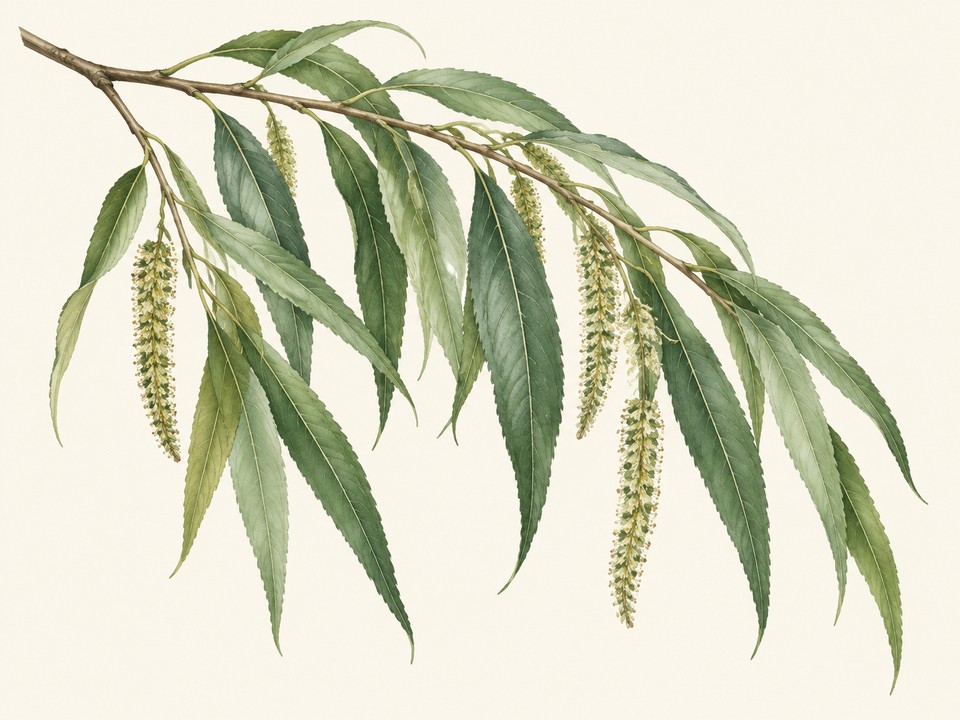 Illustration
Black WillowSalix nigraIllustration 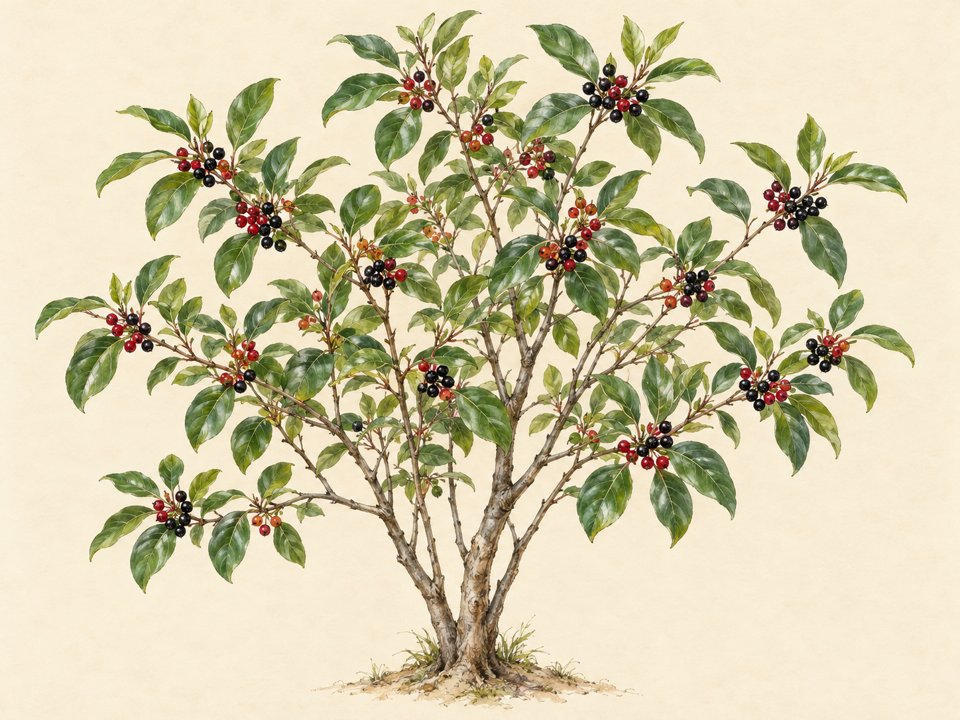 Illustration
Carolina BuckthornFrangula carolinianaIllustration 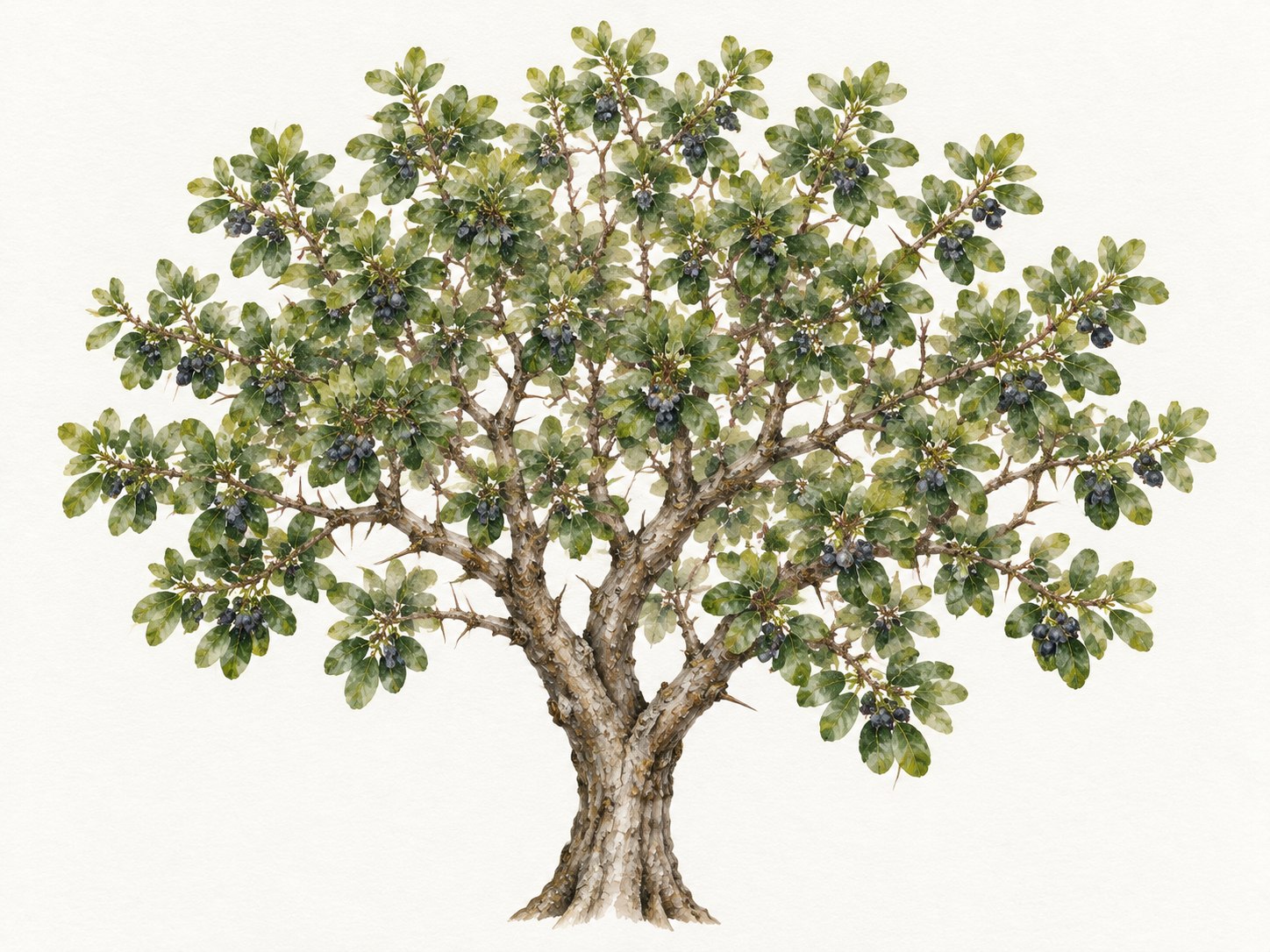 Illustration
CondaliaCondalia hookeriIllustration 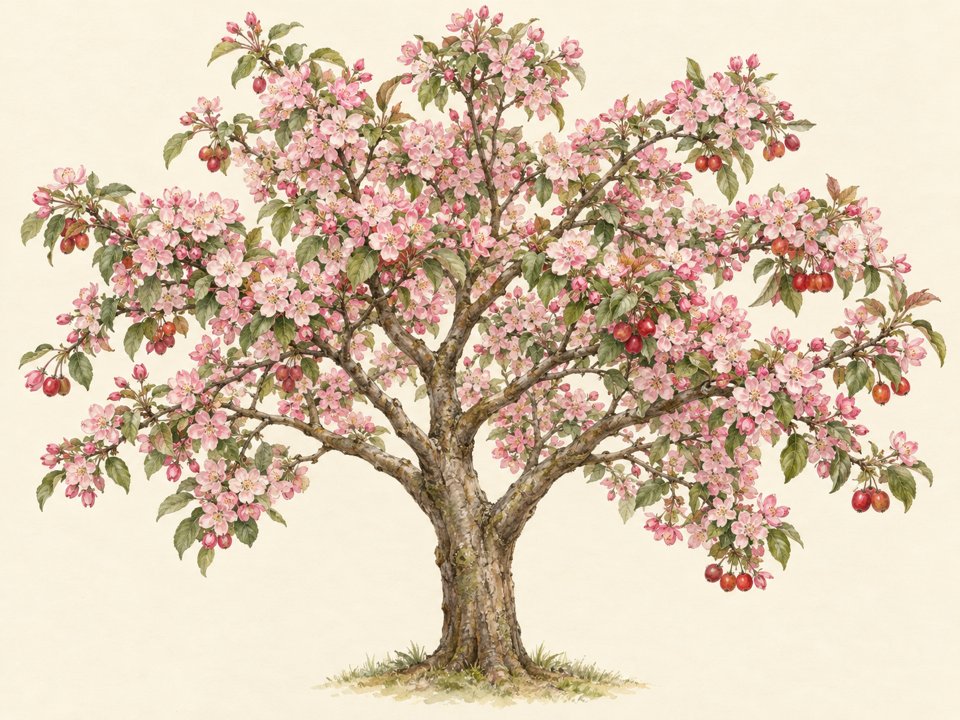 Illustration
CrabappleMalusIllustration 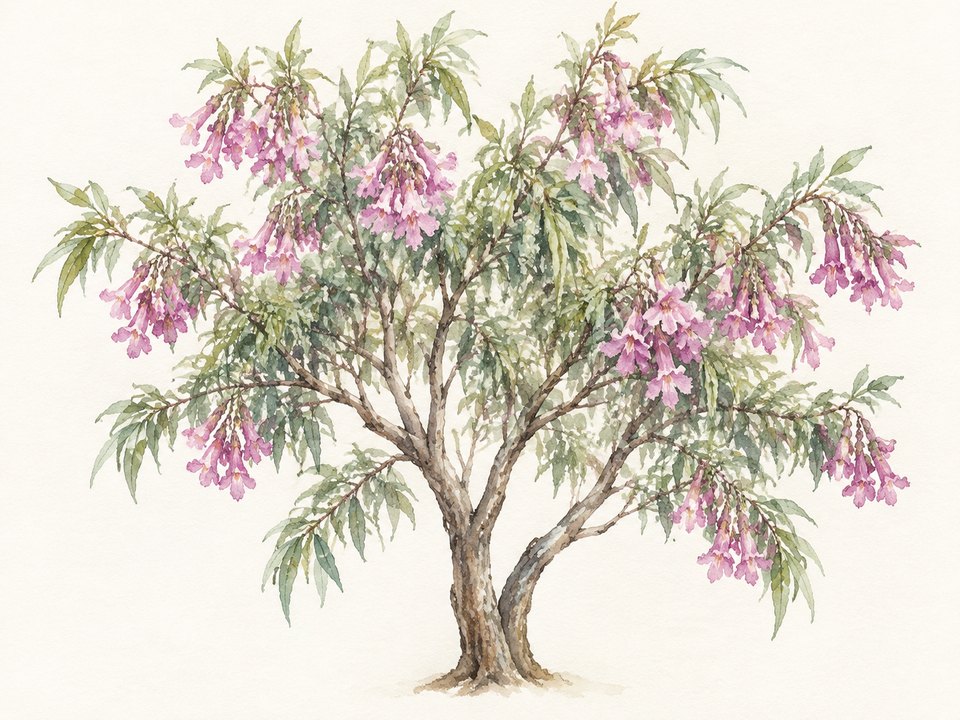 Illustration
Desert WillowChilopsis linearis 'Art's Seedless'Illustration 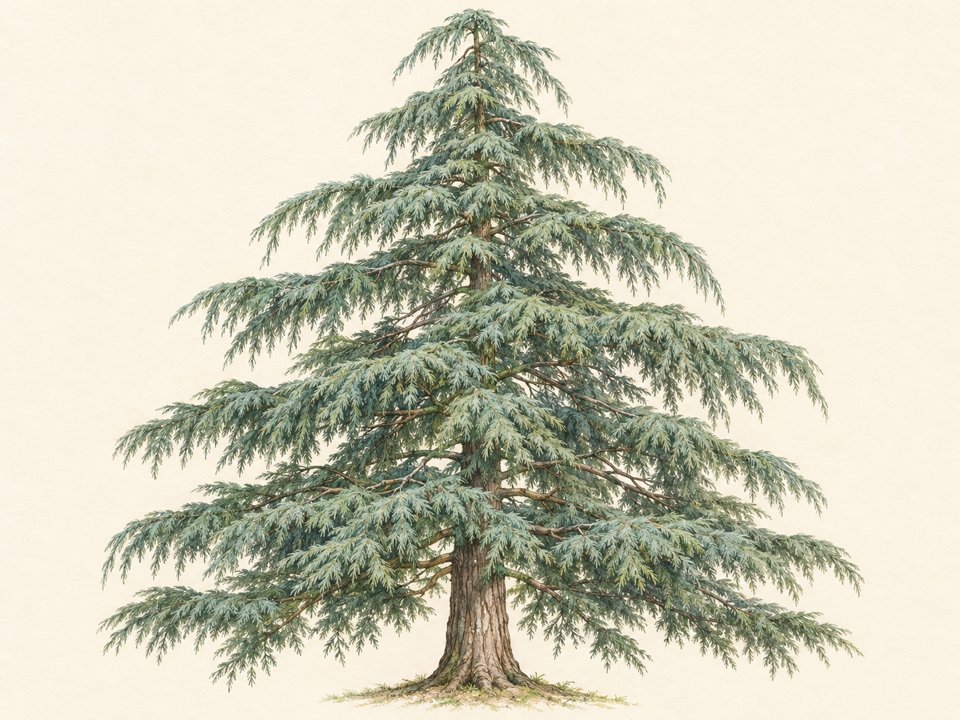 Illustration
Deodar CedarCedrus deodaraIllustration 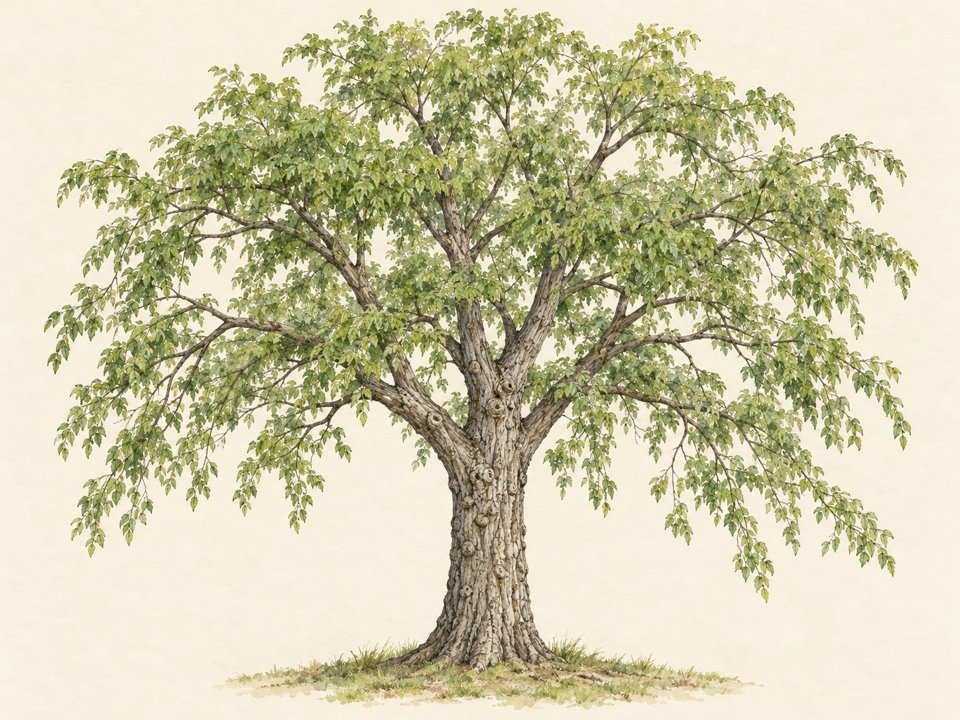 Illustration
HackberryCeltisIllustration 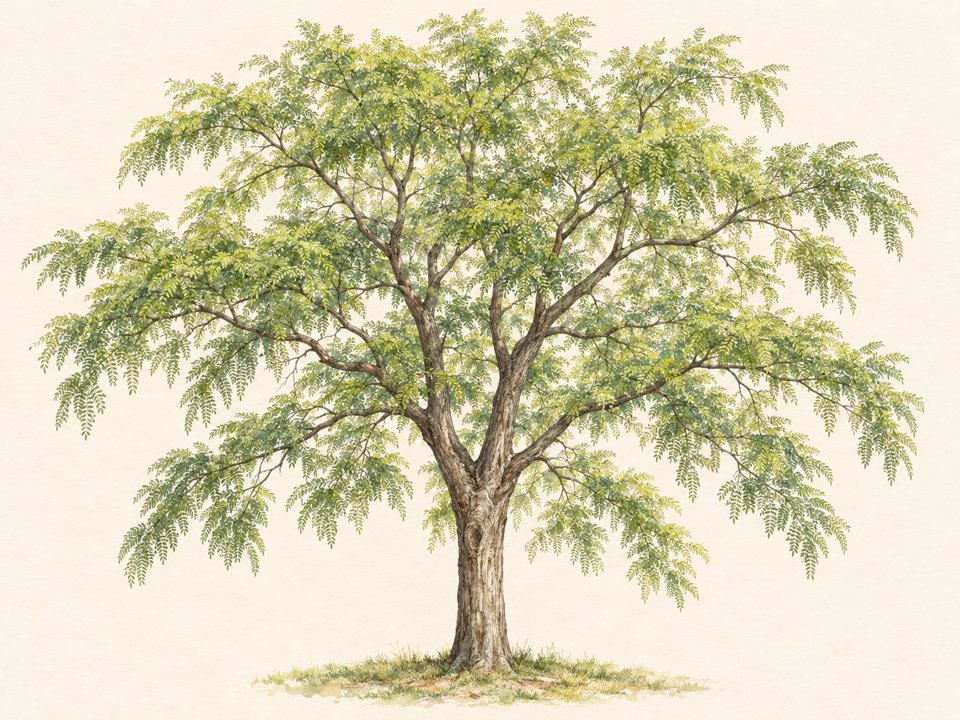 Illustration
Honey LocustGleditsia triacanthosIllustration 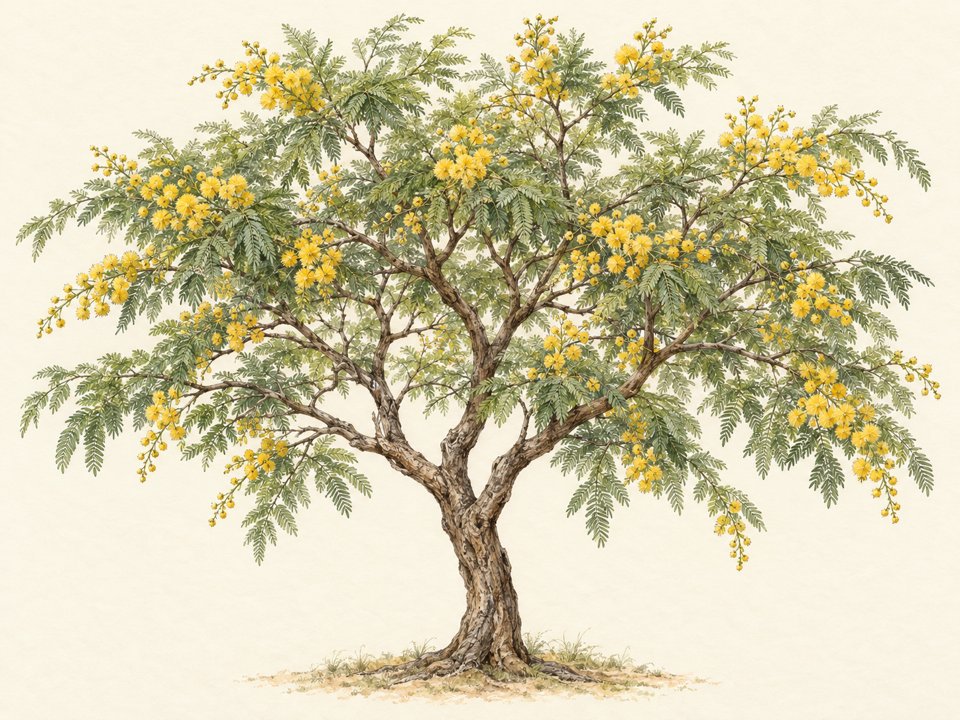 Illustration
HuisacheVachellia farnesianaIllustration 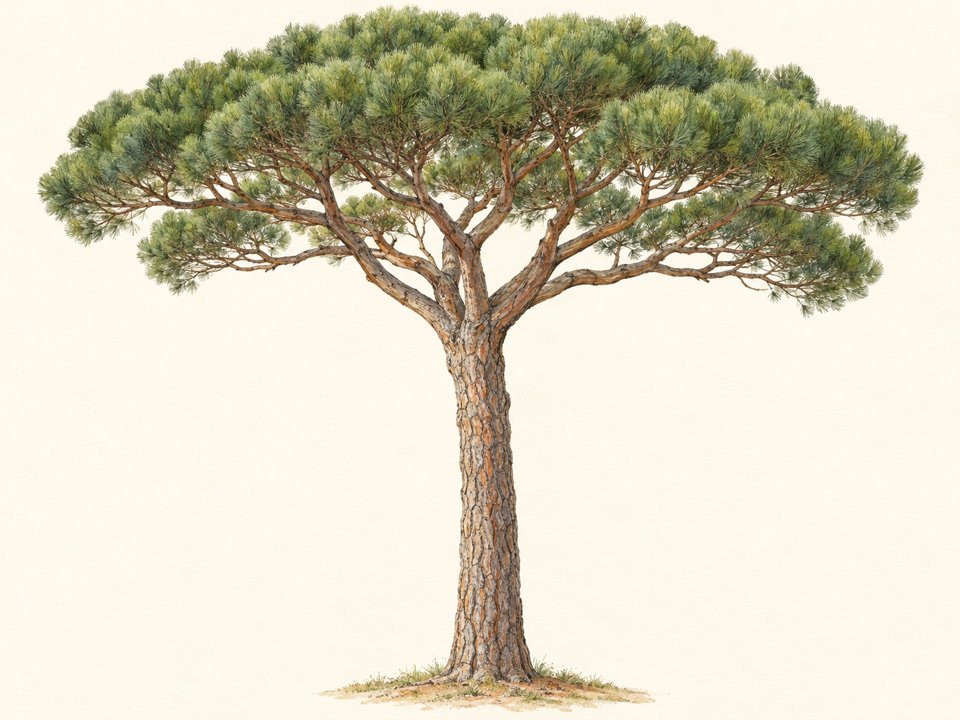 Illustration
Italian Stone PinePinus pineaIllustration 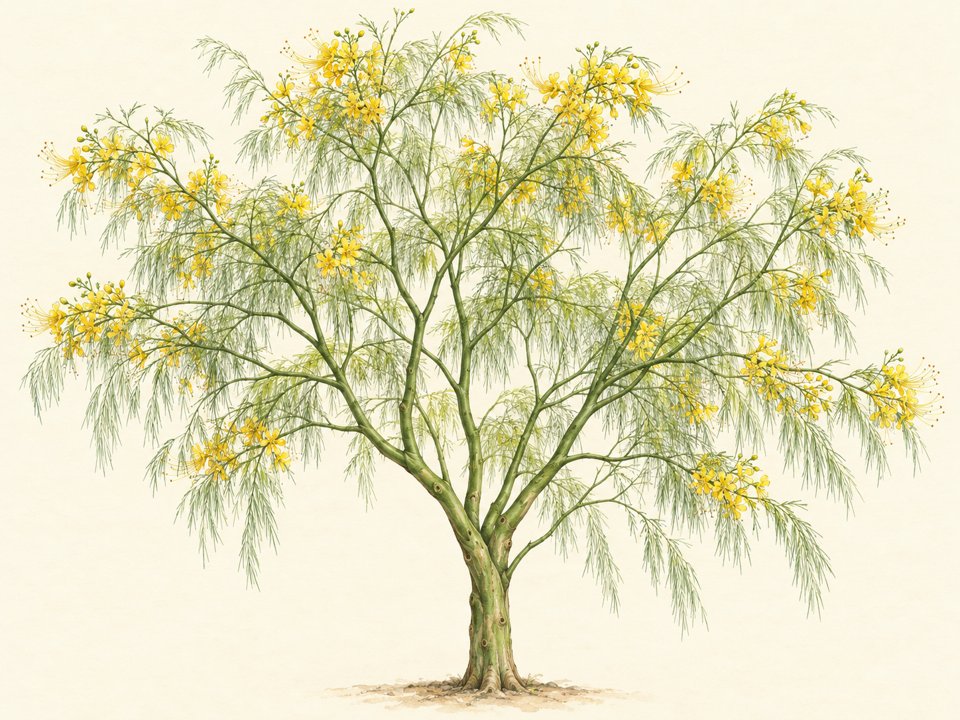 Illustration
RetamaParkinsonia aculeataIllustration 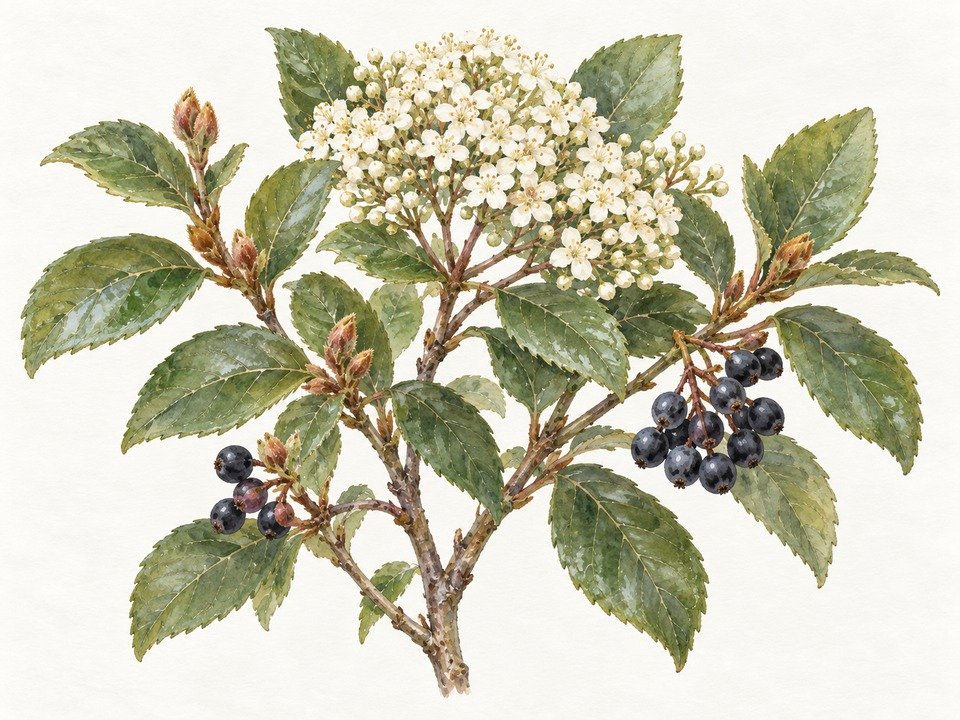 Illustration
Rusty BlackhawViburnum rufidulumIllustration 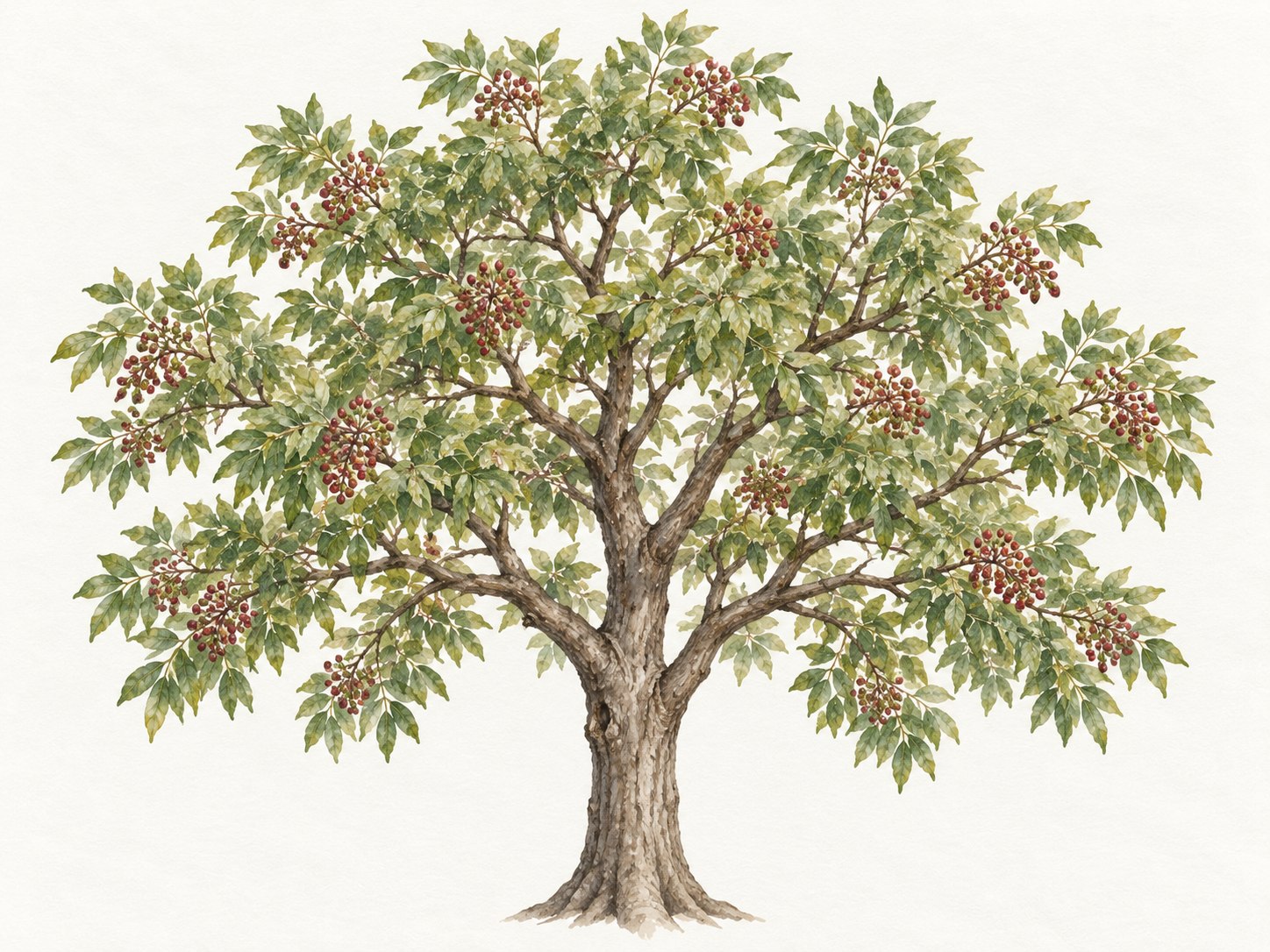 Illustration
Texas PistachePistacia texanaIllustration 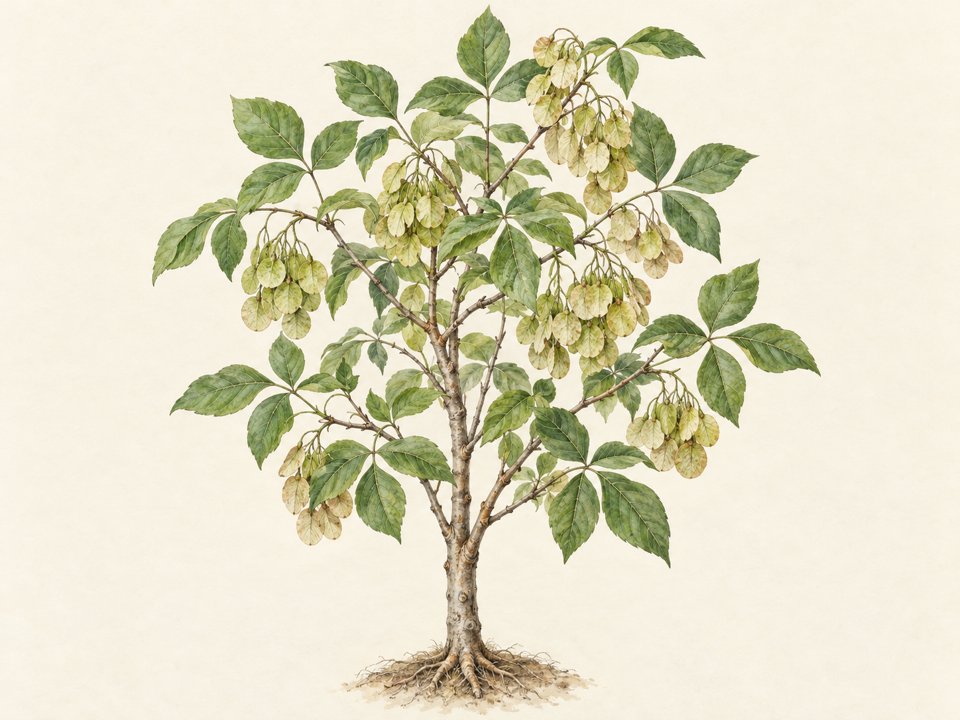 Illustration
Wafer AshPtelea trifoliataIllustration 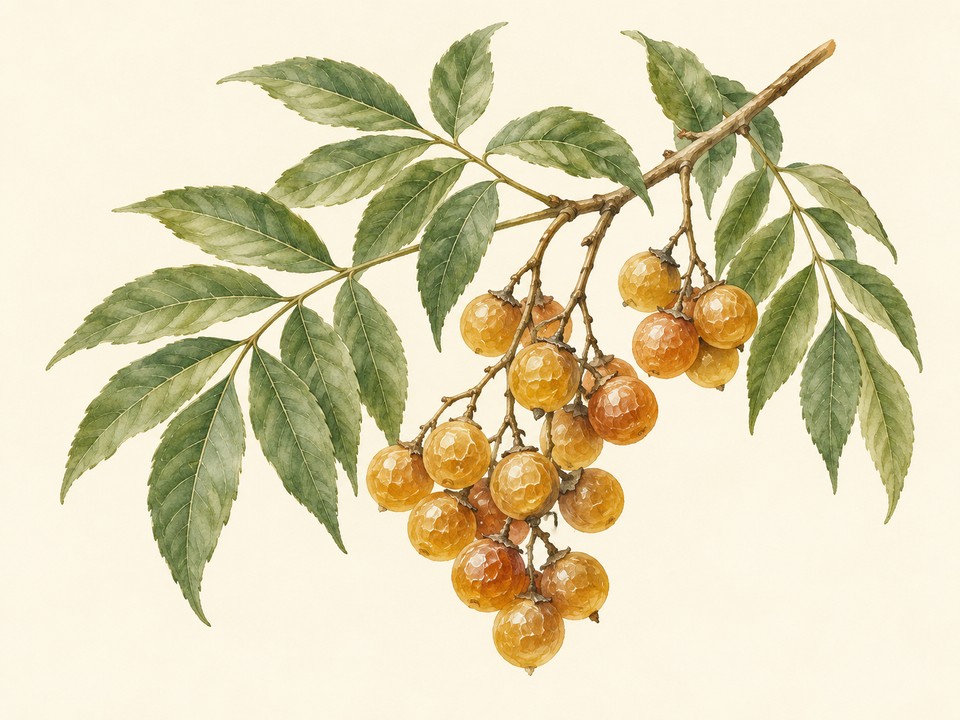 Illustration
Western SoapberrySapindus saponaria var. drummondiiIllustration 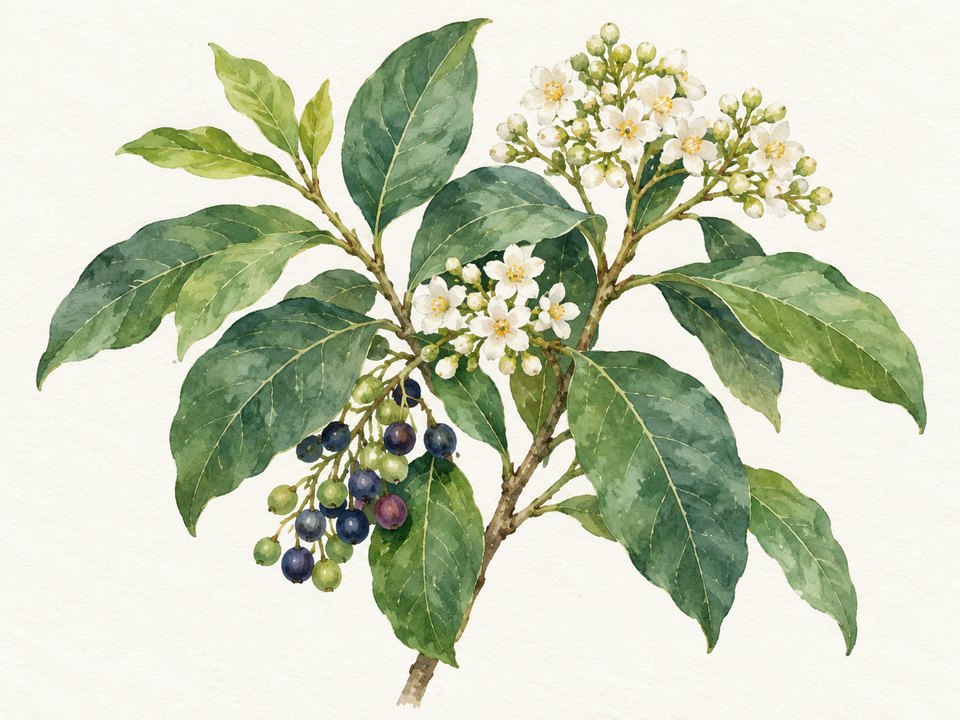 Illustration
AnaquaEhretia anacuaIllustration 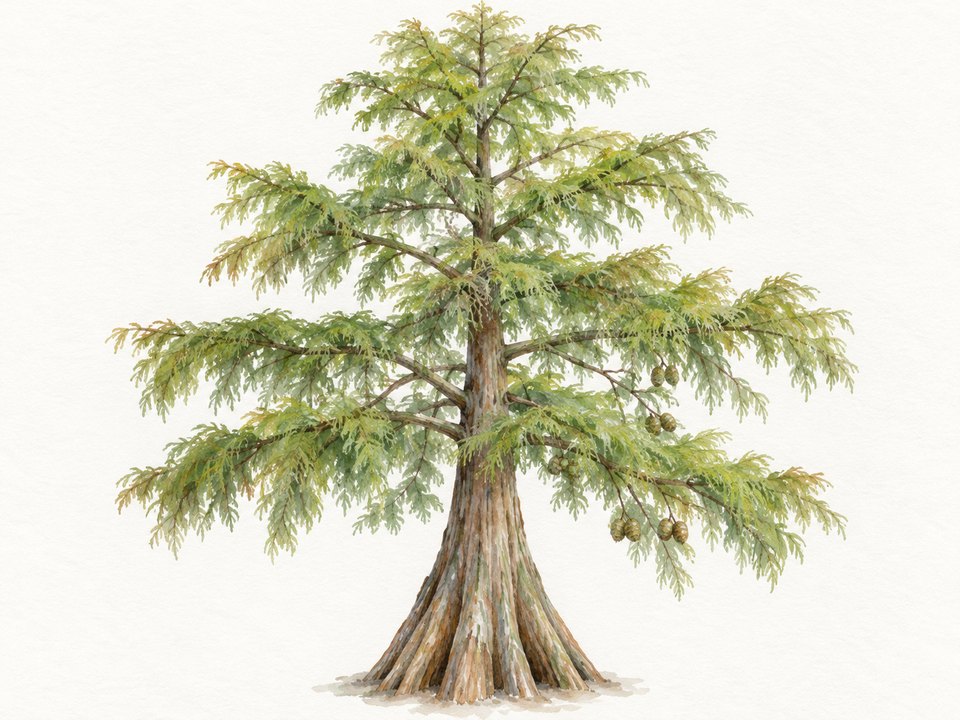 Illustration
Bald CypressTaxodium distichumIllustration 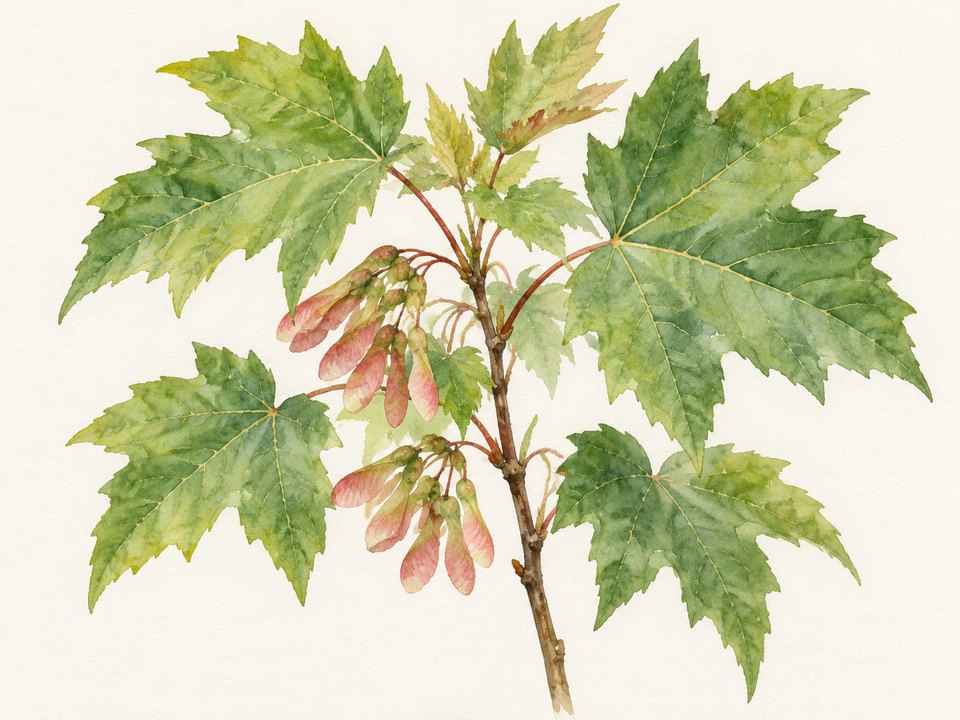 Illustration
Bigtooth MapleAcer grandidentatumIllustration 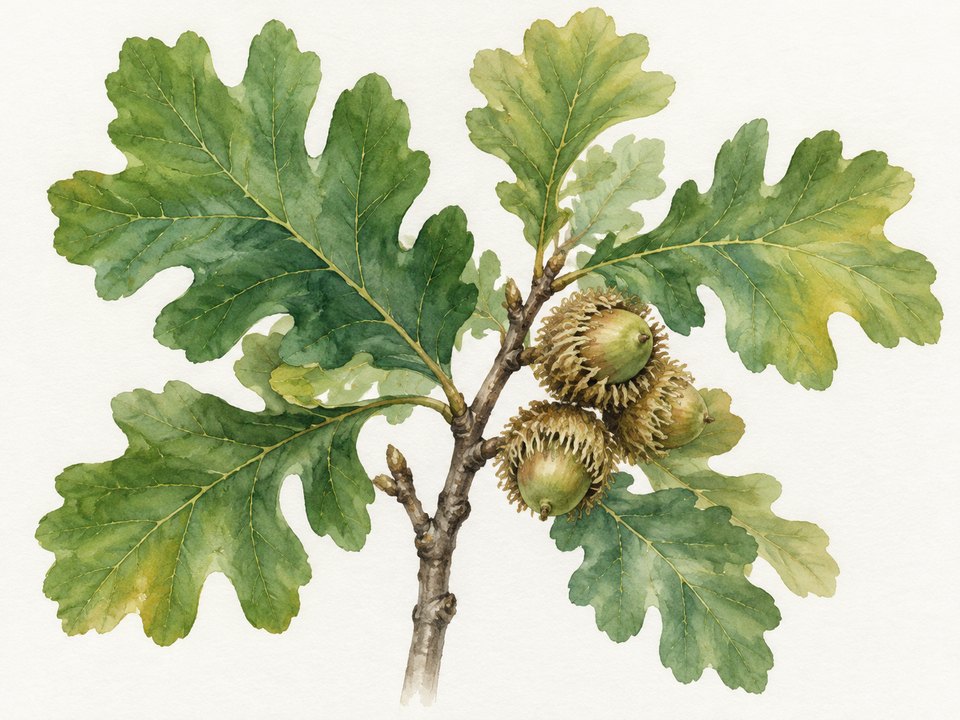 Illustration
Bur OakQuercus macrocarpaIllustration 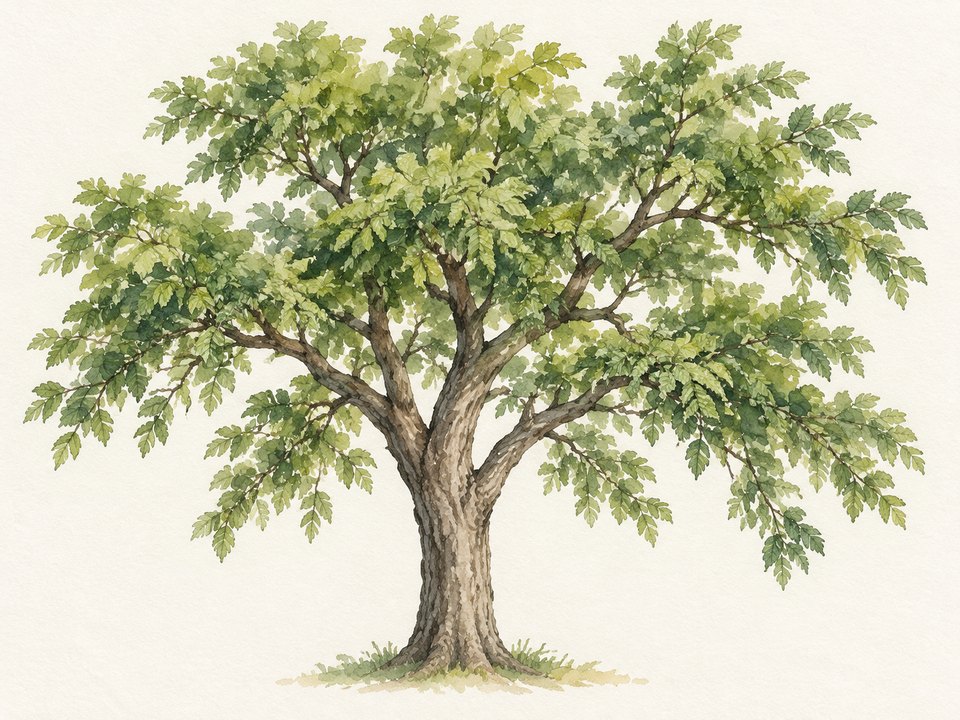 Illustration
Cedar ElmUlmus crassifoliaIllustration 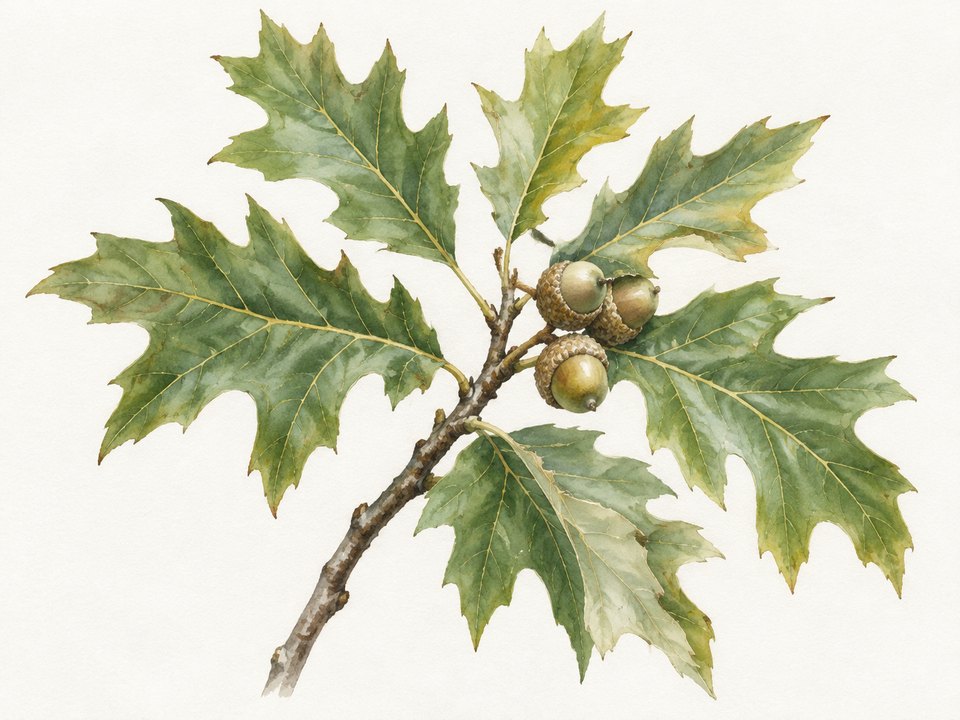 Illustration
Chinquapin OakQuercus muehlenbergiiIllustration 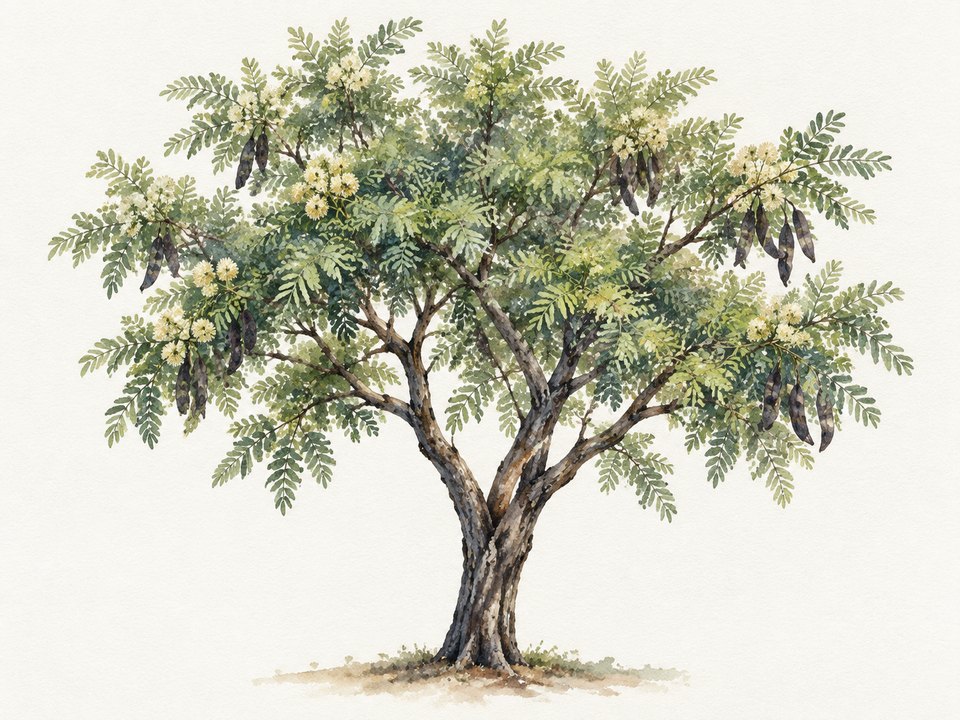 Illustration
Texas EbonyEbenopsis ebanoIllustration 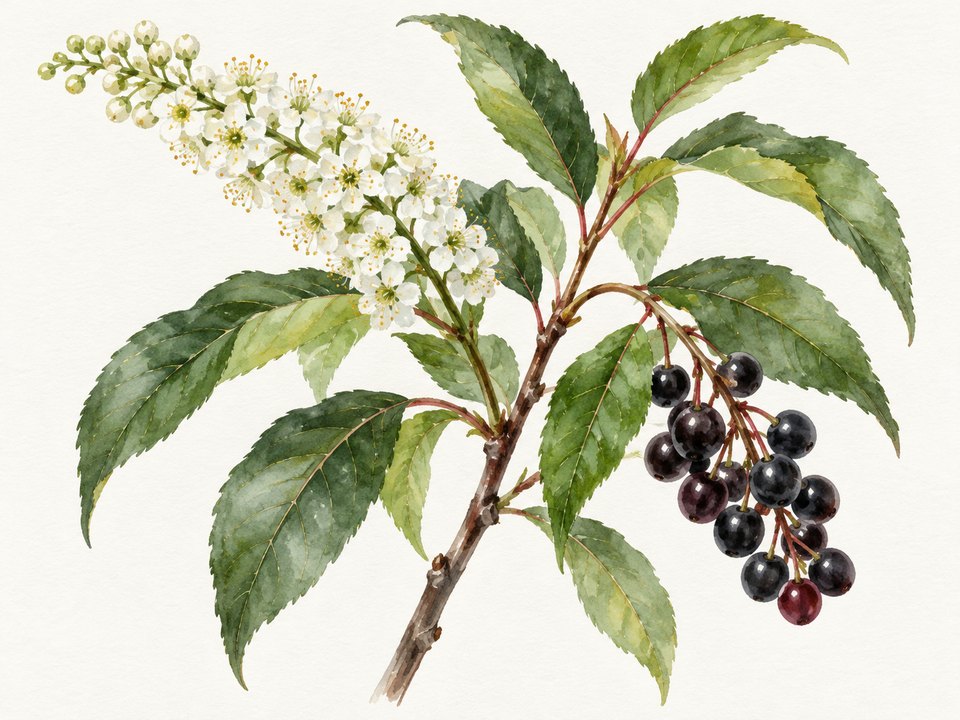 Illustration
Escarpment Black CherryPrunus serotina var. eximiaIllustration 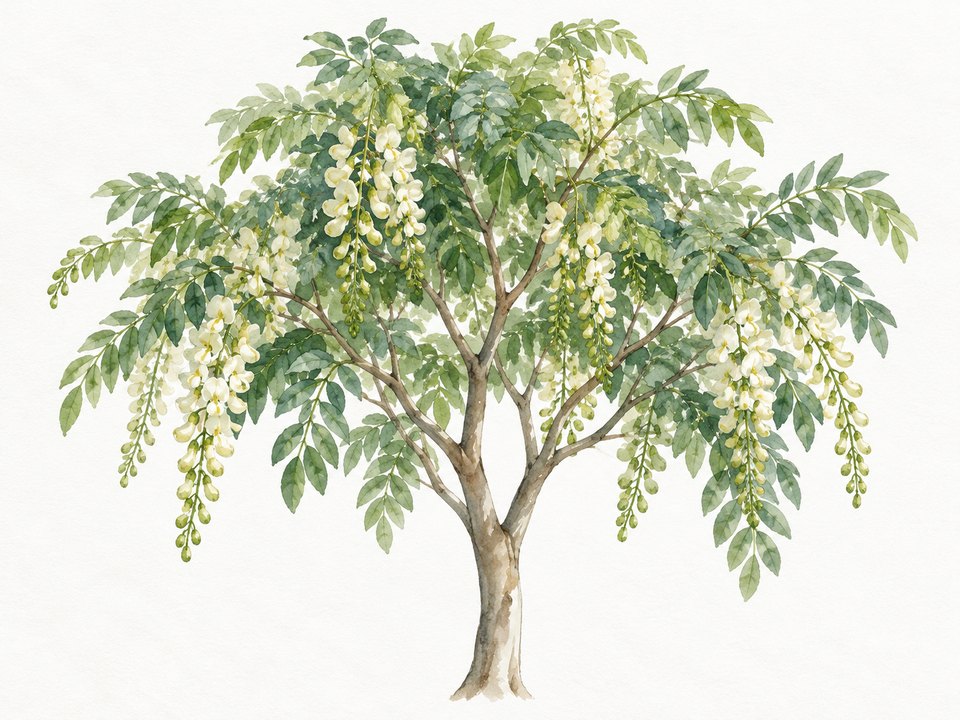 Illustration
Eve's NecklaceStyphnolobium affineIllustration 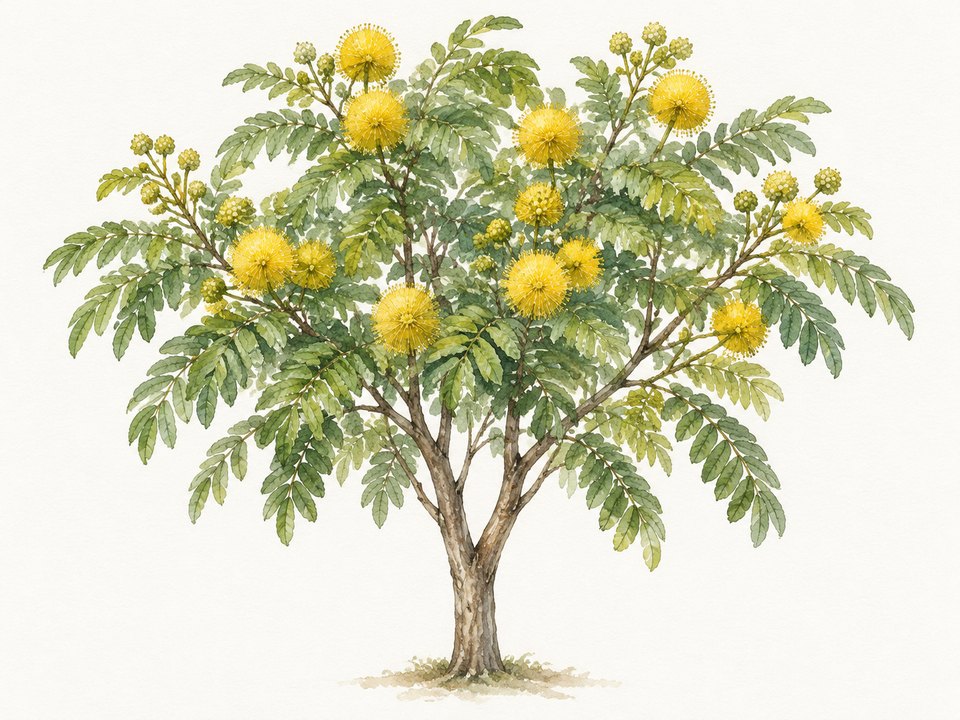 Illustration
Goldenball LeadtreeLeucaena retusaIllustration 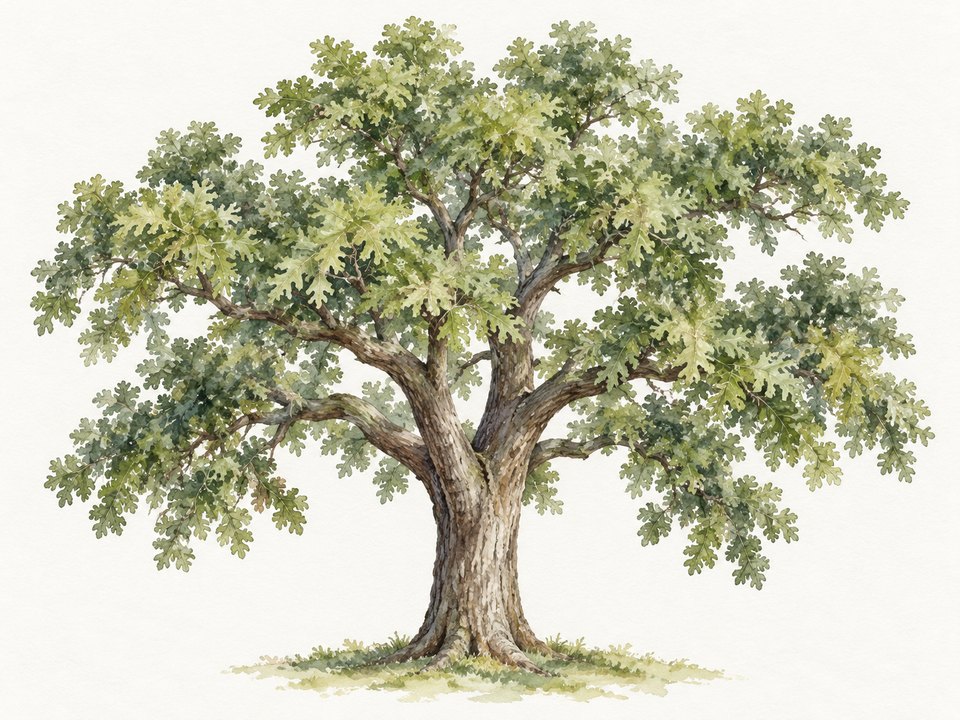 Illustration
Lacy OakQuercus laceyiIllustration 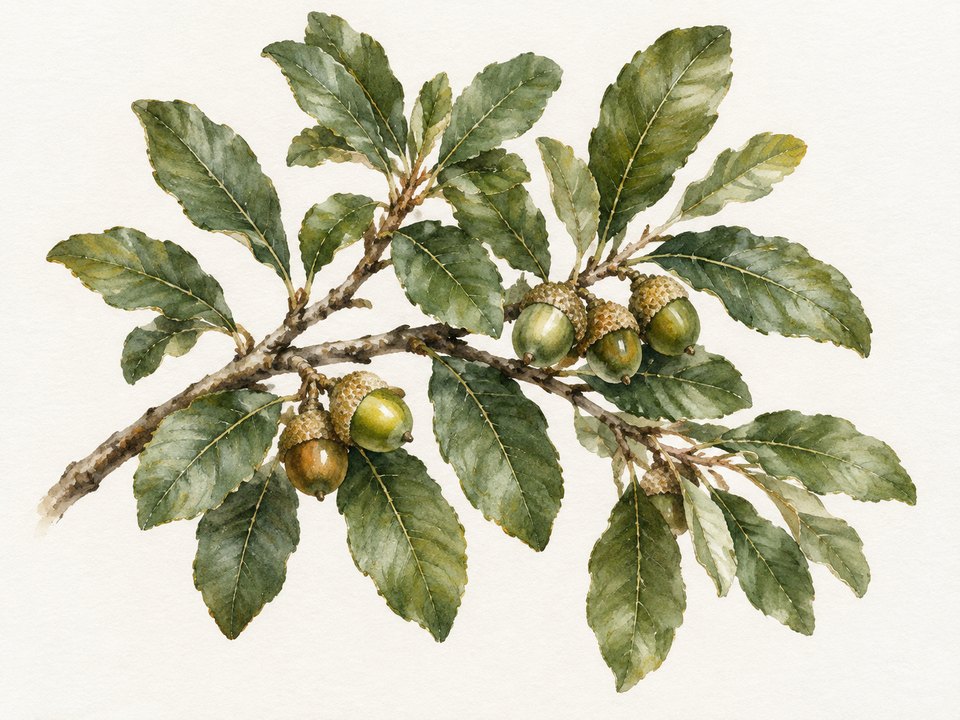 Illustration
Live OakQuercus virginianaIllustration 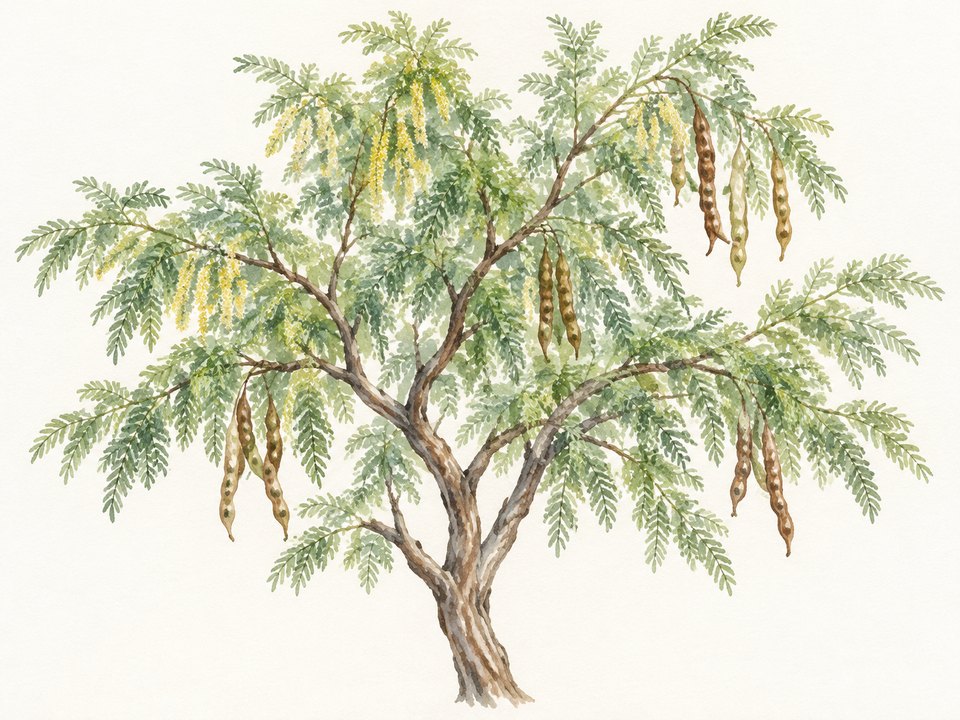 Illustration
MesquiteProsopis glandulosaIllustration 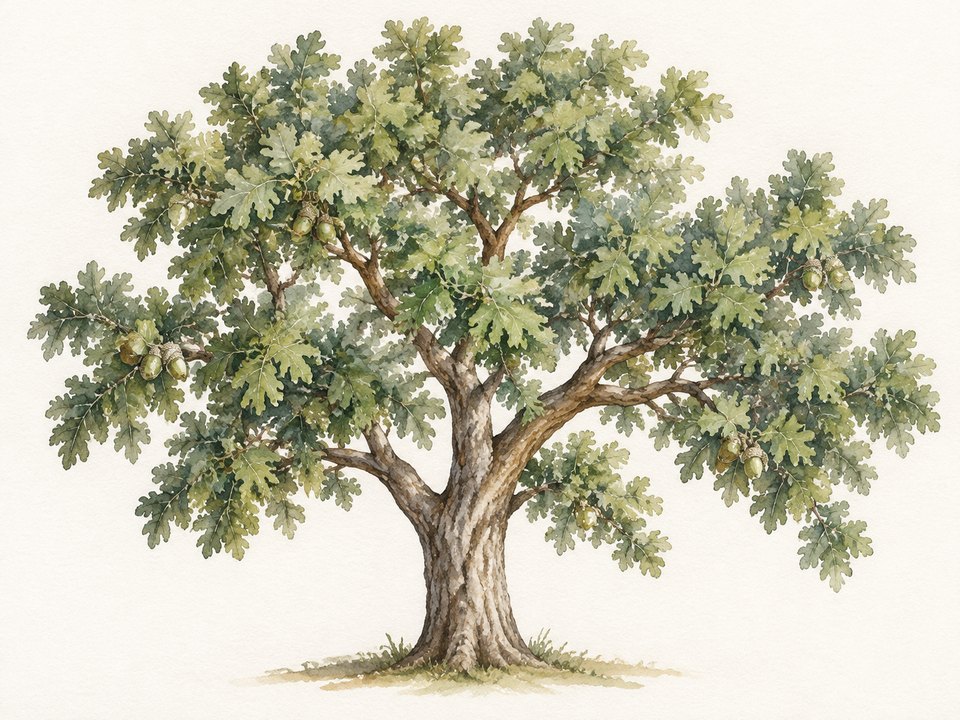 Illustration
Monterrey OakQuercus polymorphaIllustration 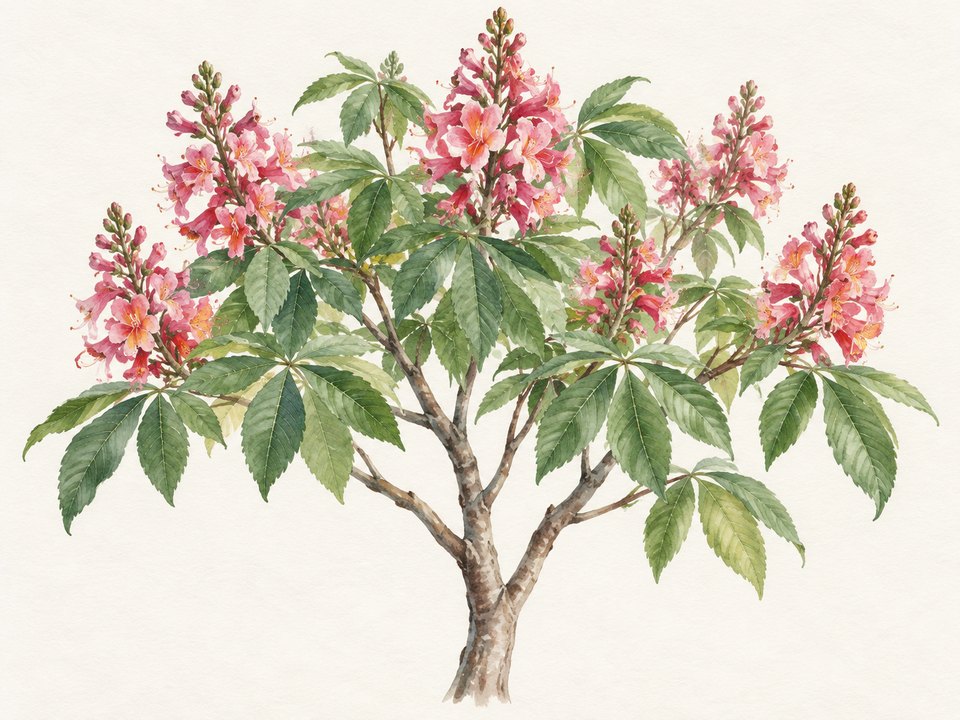 Illustration
Mexican BuckeyeUngnadia speciosaIllustration 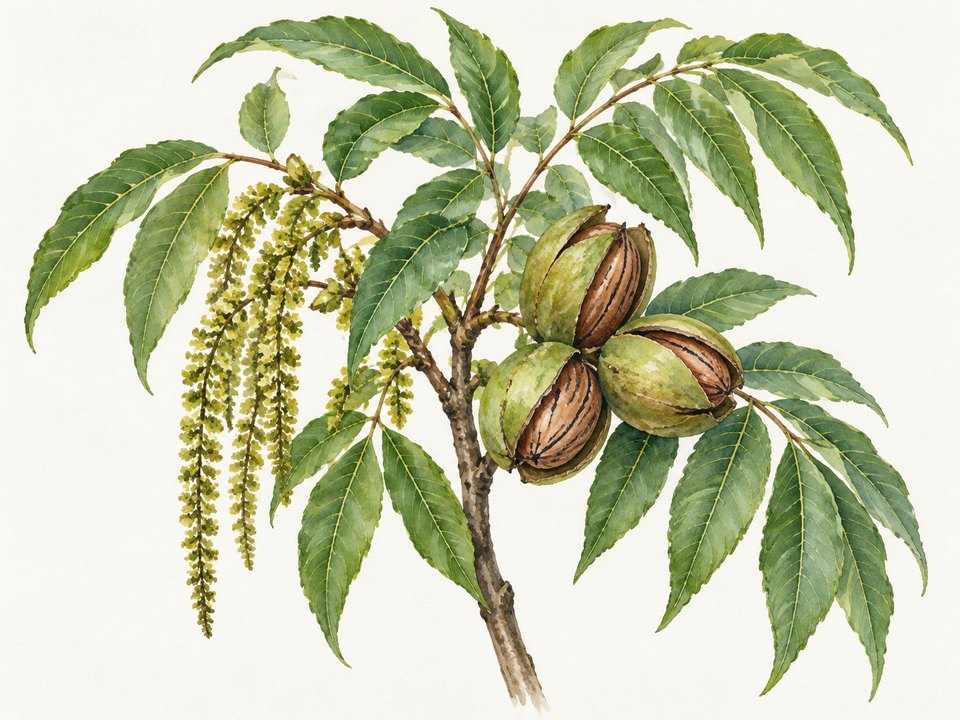 Illustration
PecanCarya illinoinensisIllustration 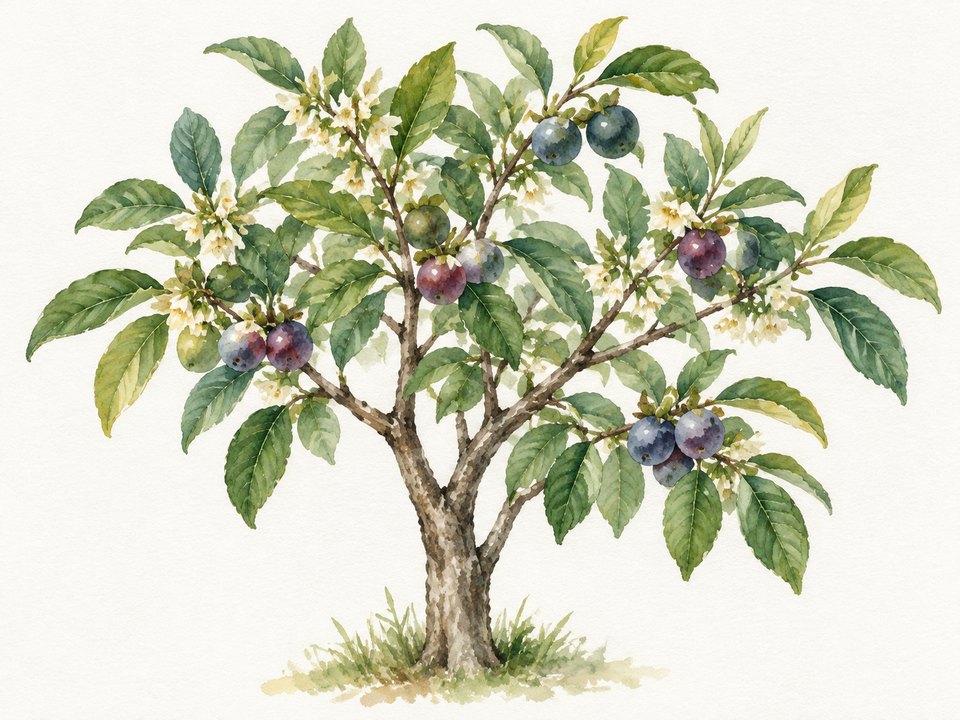 Illustration
Texas PersimmonDiospyros texanaIllustration 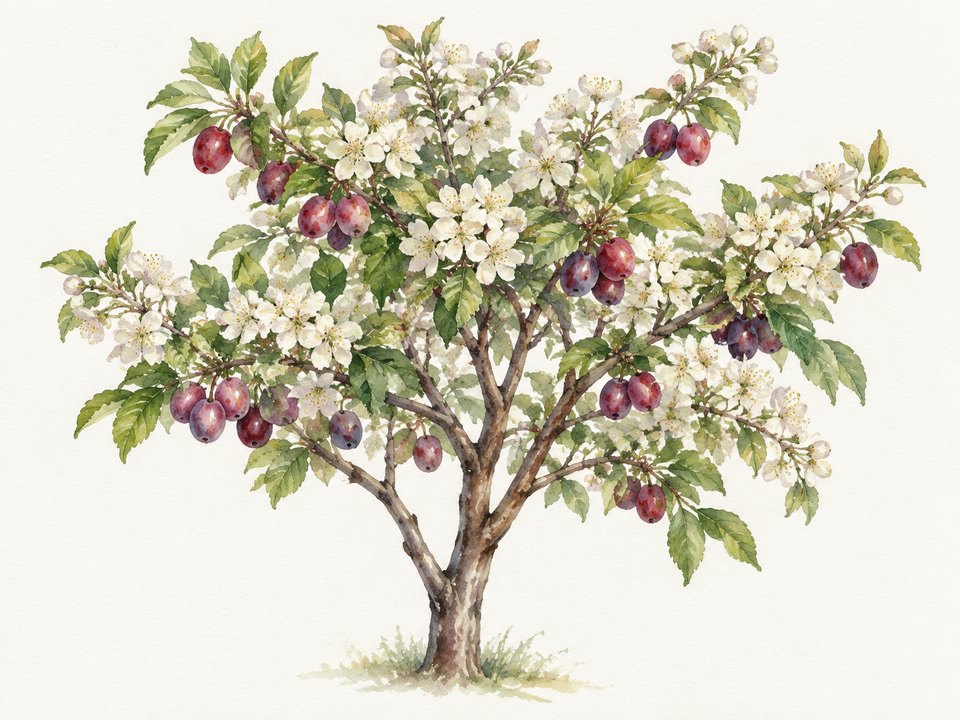 Illustration
Mexican PlumPrunus mexicanaIllustration 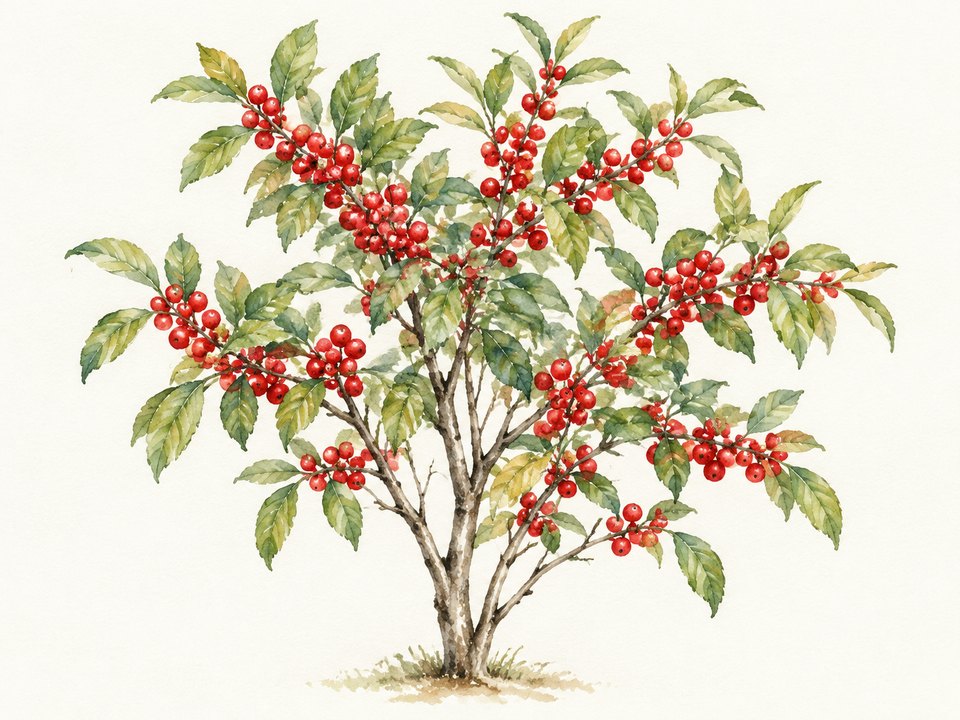 Illustration
Possumhaw HollyIlex deciduaIllustration 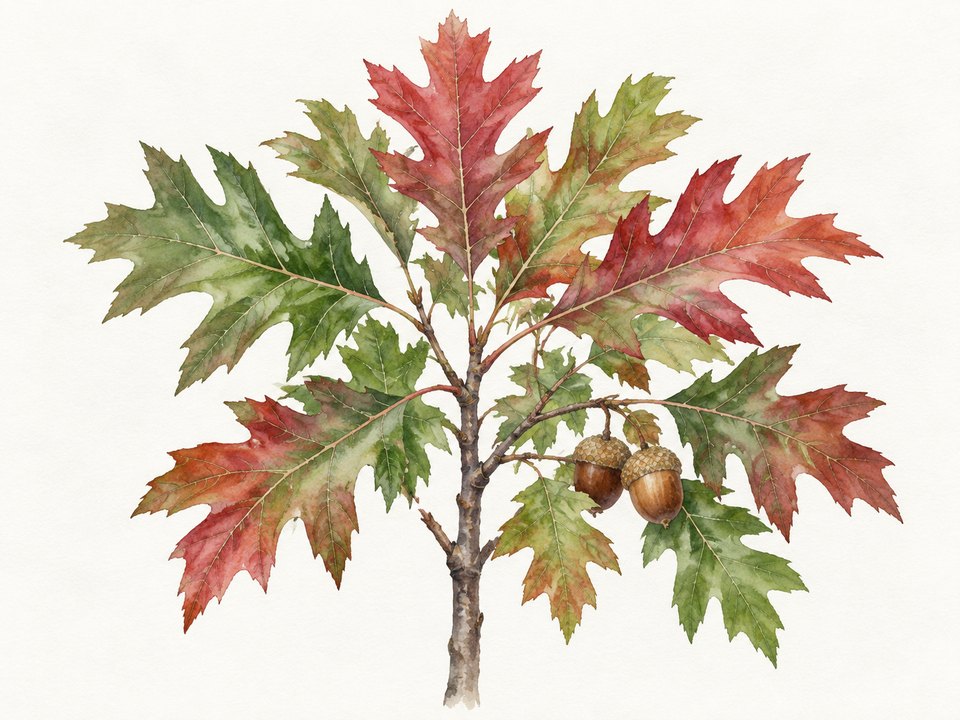 Illustration
Shumard Red OakQuercus shumardiiIllustration 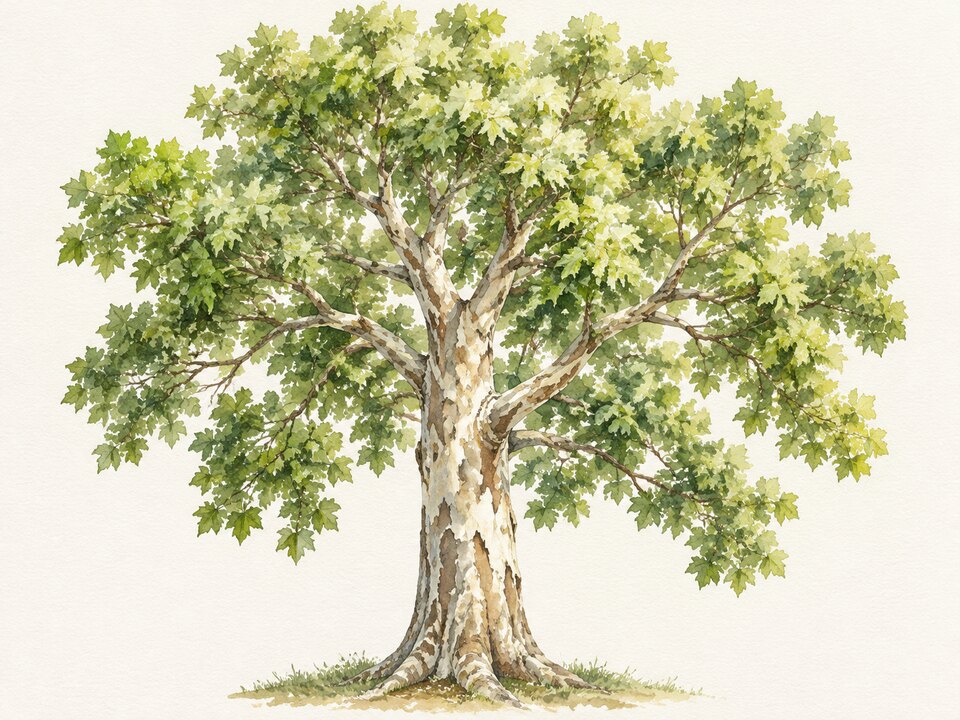 Illustration
Mexican SycamorePlatanus mexicanaIllustration 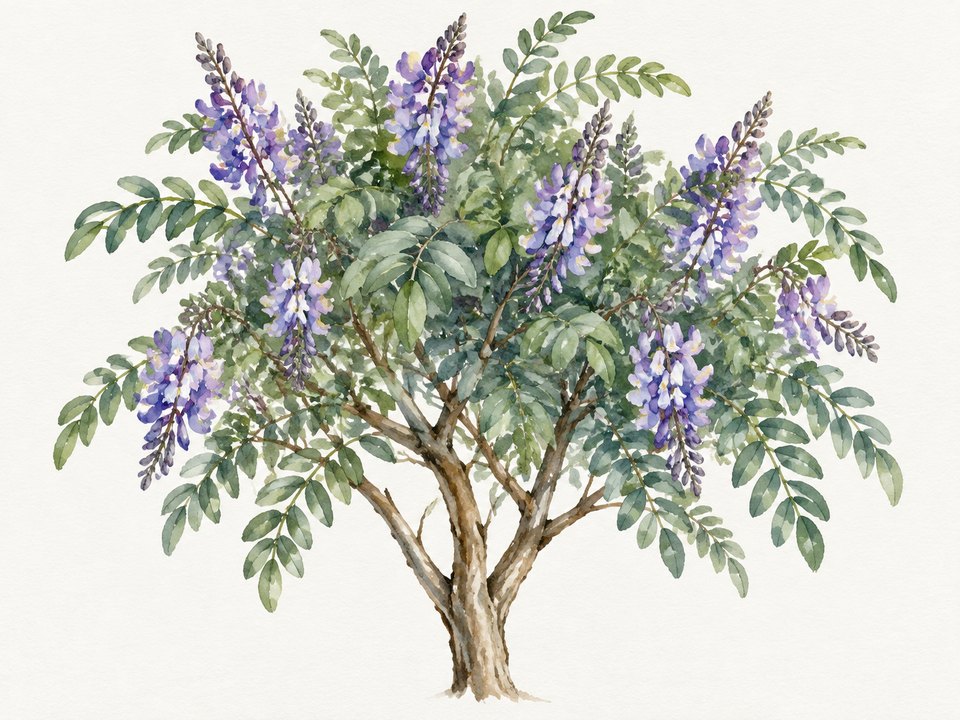 Illustration
Mountain LaurelSophora secundifloraIllustration 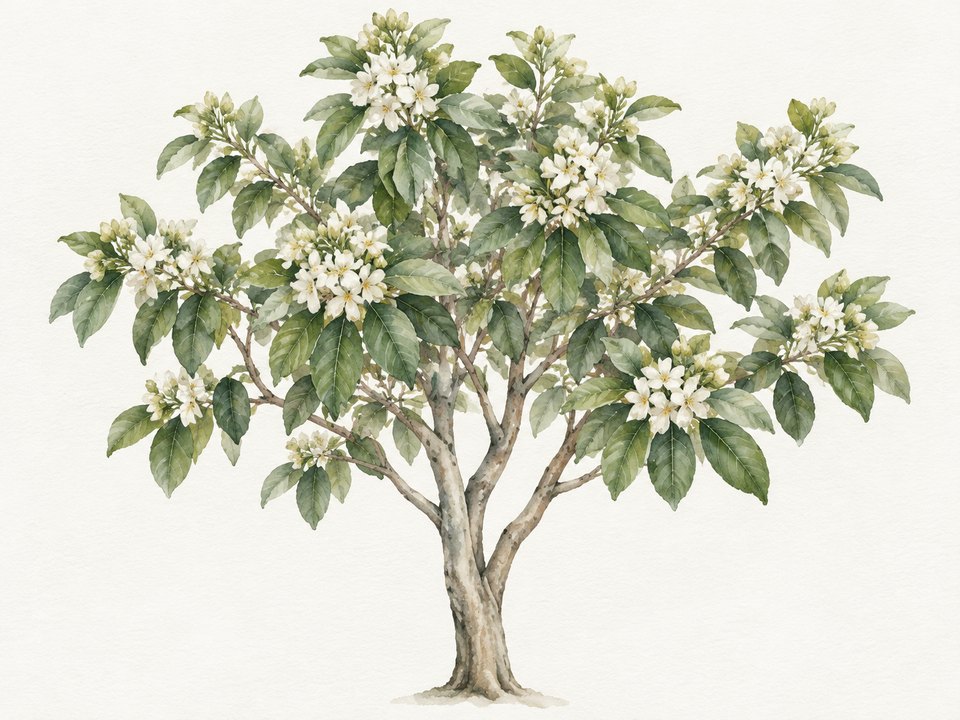 Illustration
Mexican OliveCordia boissieriIllustration 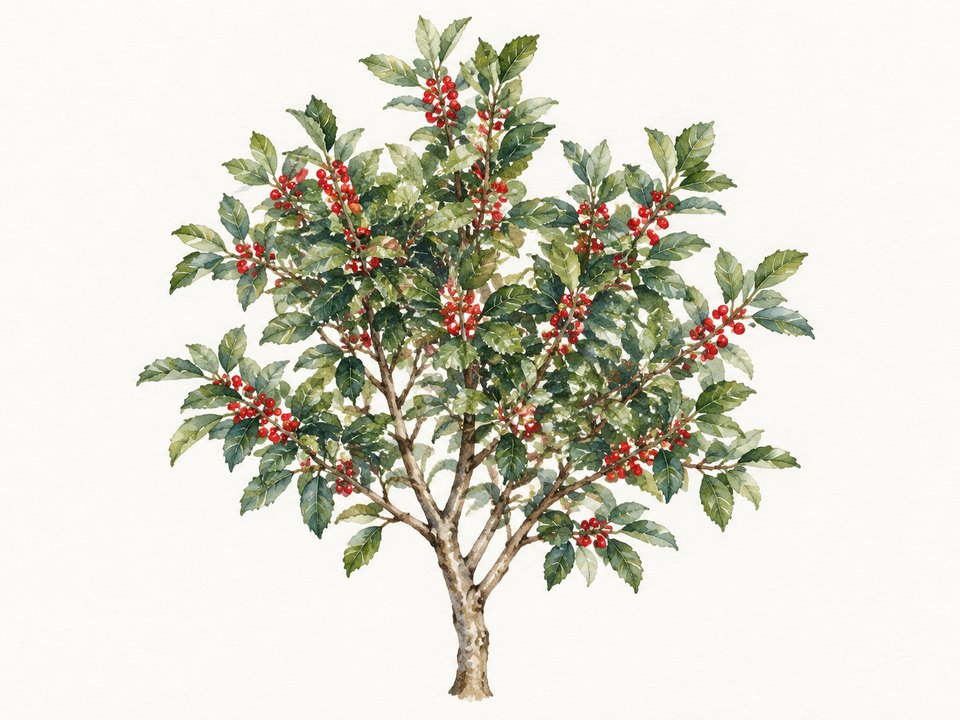 Illustration
Yaupon HollyIlex vomitoriaIllustration
Large shrubs
Bay (Laurel noblis); Buckeye (Aesculus pavia); Evergreen Sumac (Rhus virens); Flameleaf Sumac (Rhus lancelota); Texas Mountain Laurel (Sophora secundiflora); Texas Pistache (Pistacia texana).[8]
 Illustration
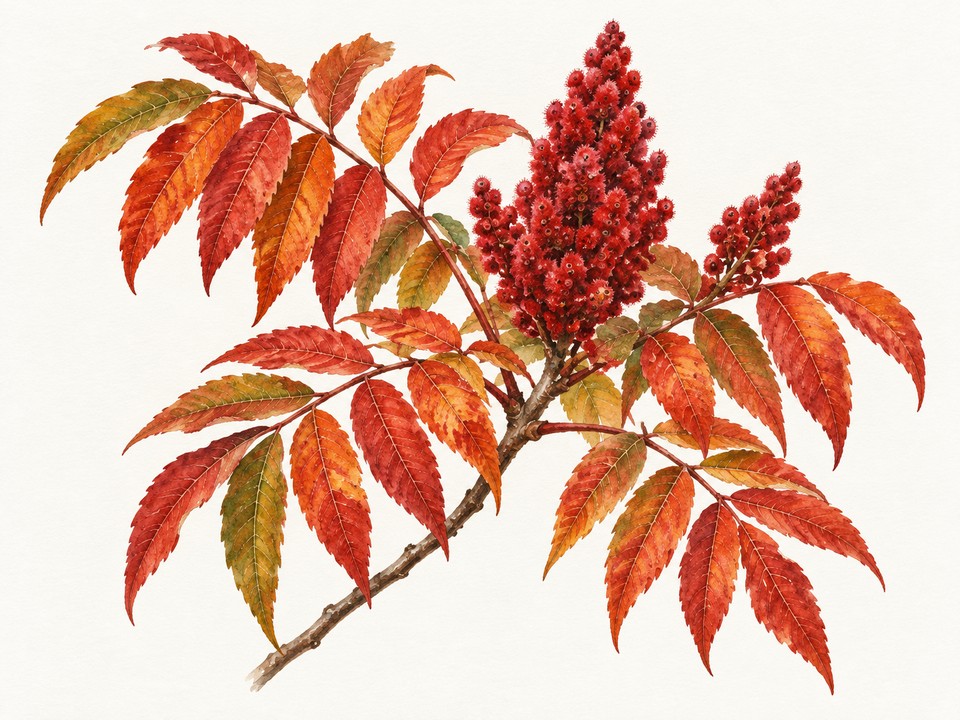
Flameleaf SumacRhus copallinaIllustration 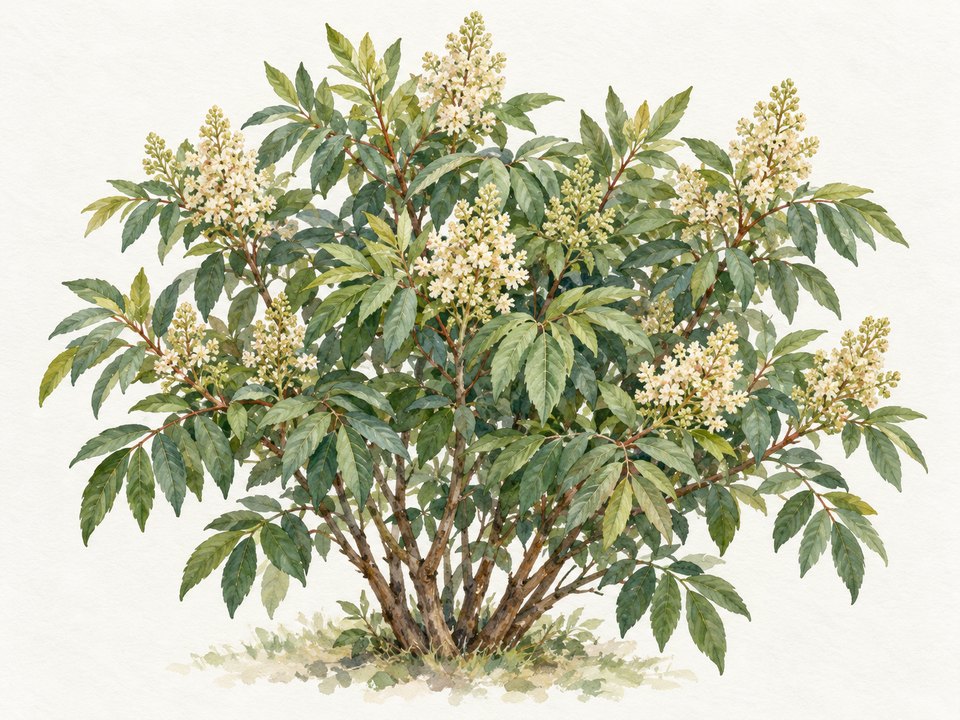 Illustration
Evergreen SumacRhus virensIllustration - Illustration
Mountain LaurelSophora secundifloraIllustration
Medium shrubs
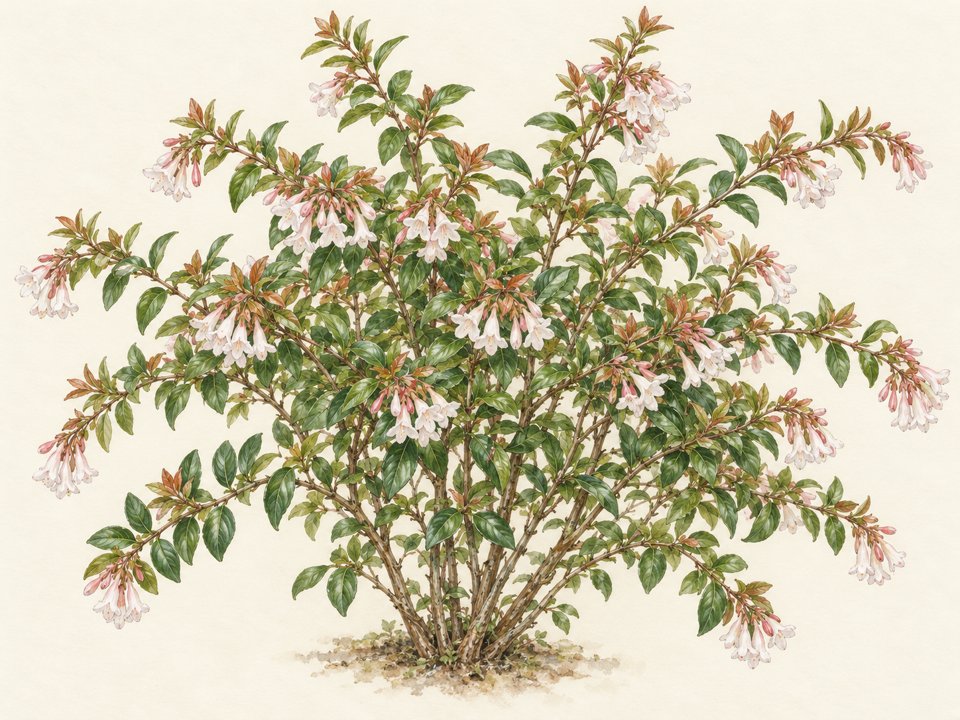
Glossy Abelia (Abelia grandiflora); Agarita (Mahonia trifoliata); Cenizo, Texas Sage (Leucophyllum sp.); Elbow Bush (Forestiera pubescens); Frangrant Sumac (Rhus aromatica); Hogplum (Colubrina texensis); Juniper (Juniperus sp.); Mutablis Rose, Butterfly Rose, Old Blush (Rosa chinensis x (Mutablis)); Pomegranate (Punica granatum); Primrose Jasmine (Jasminum mesnyi); Southern Wax Myrtle (Myrica cerifera); White Brush (Aloysia gratissima).[8]
 Illustration
Glossy AbeliaAbelia x grandifloraIllustration 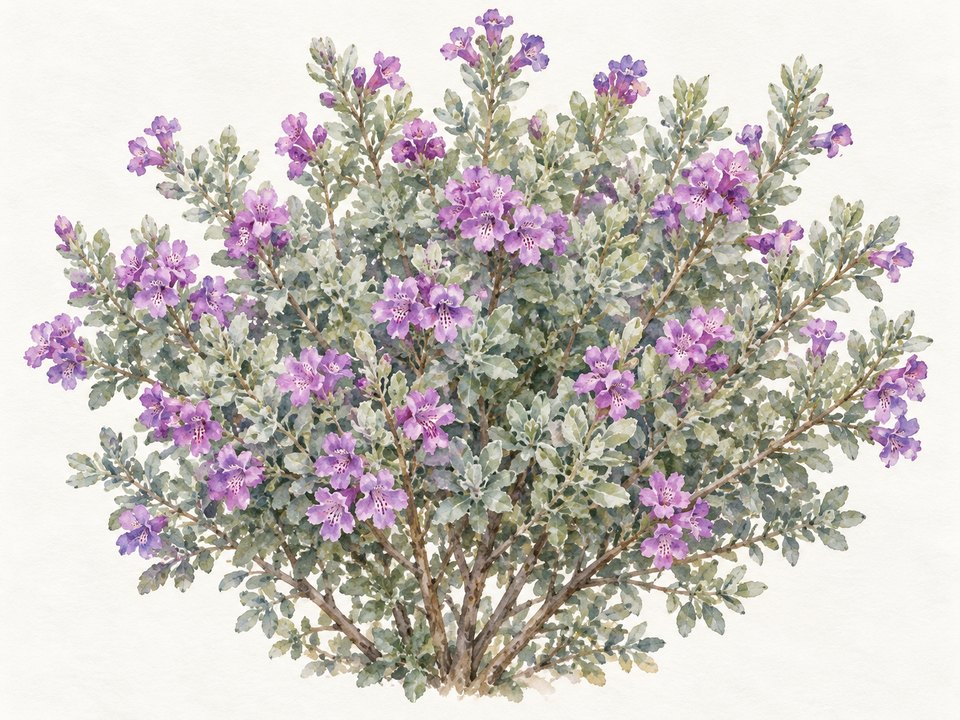 Illustration
Texas SageLeucophyllum frutescensIllustration 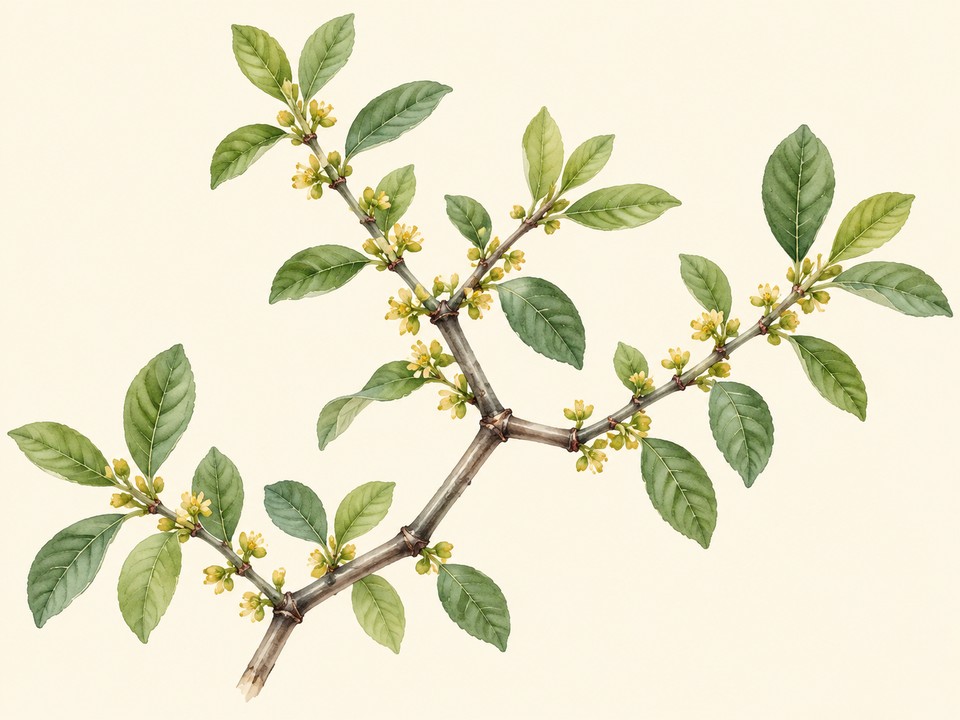 Illustration
Elbow BushForestiera pubescensIllustration 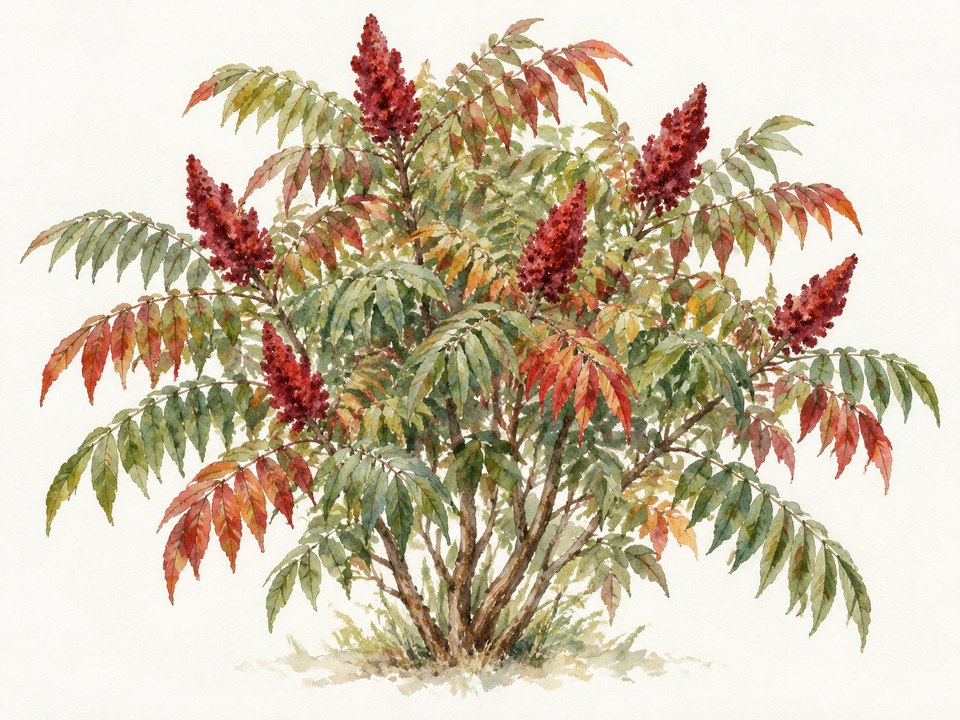 Illustration
SumacIllustration 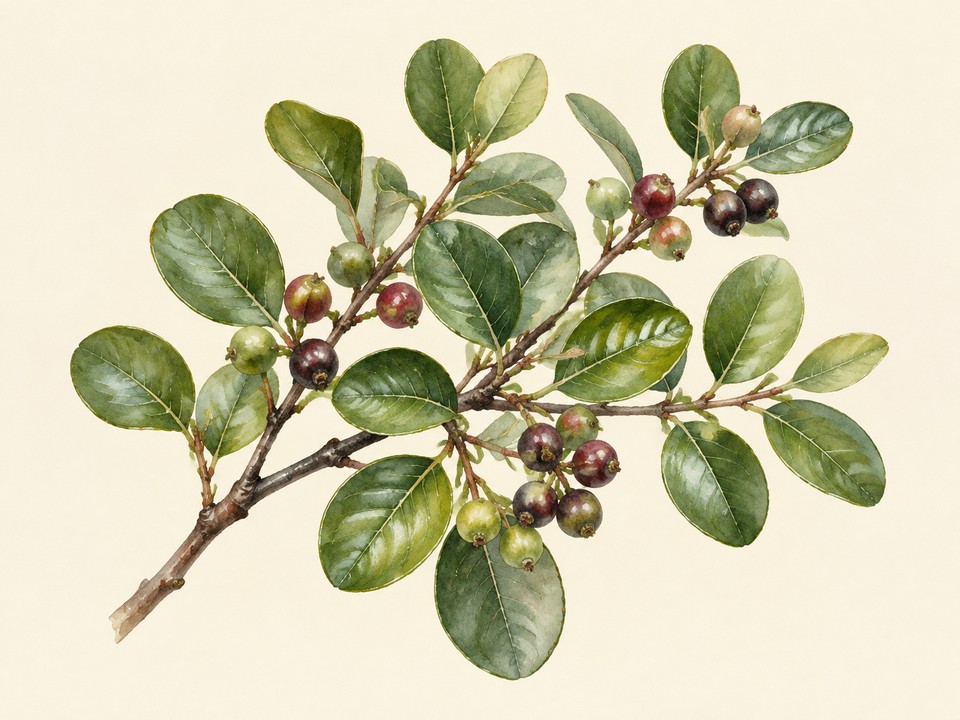 Illustration
HogplumXimenia americanaIllustration 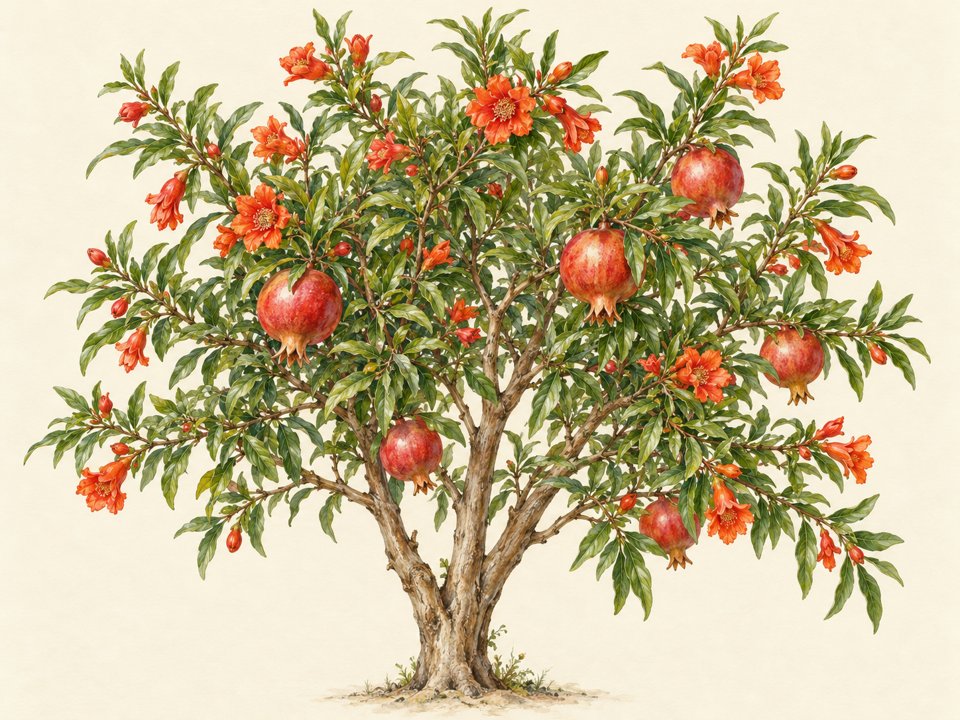 Illustration
PomegranatePunica granatumIllustration 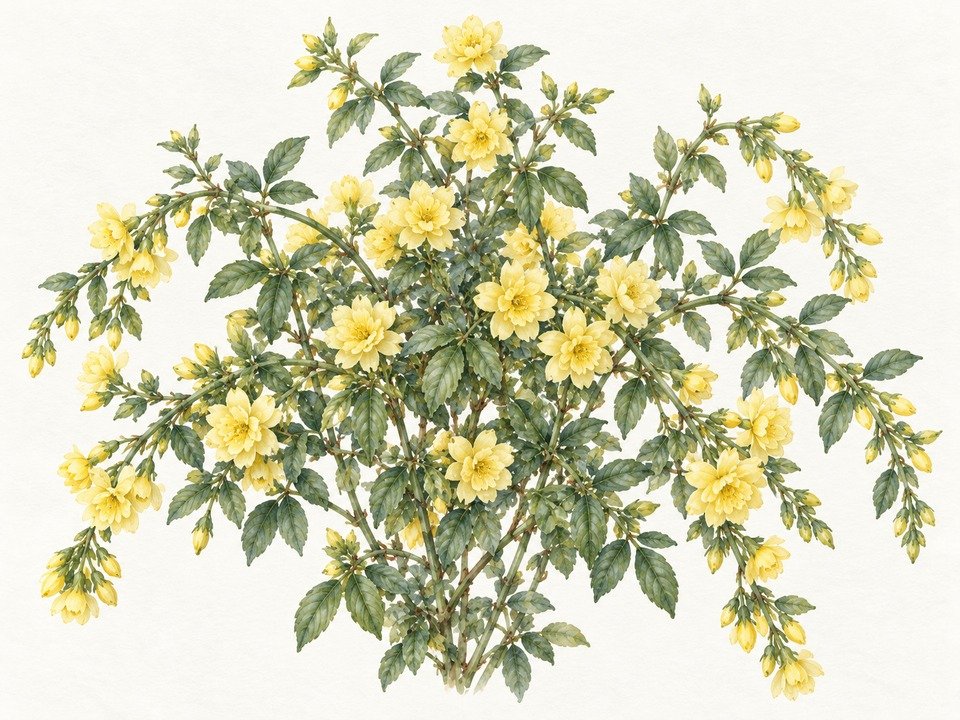 Illustration
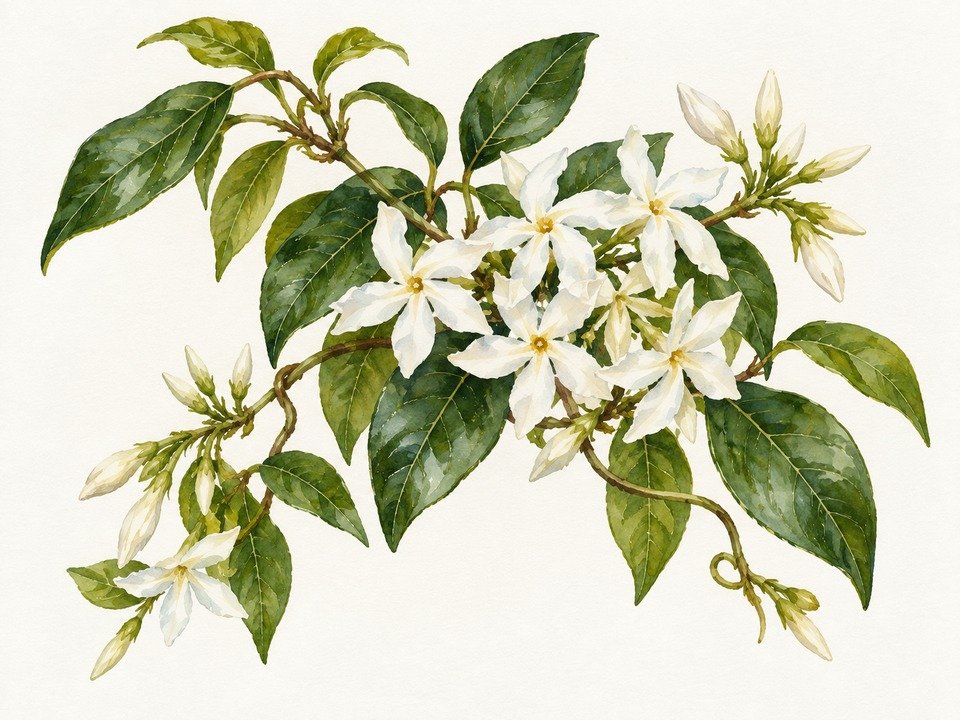
Primrose JasmineJasminum mesnyiIllustration 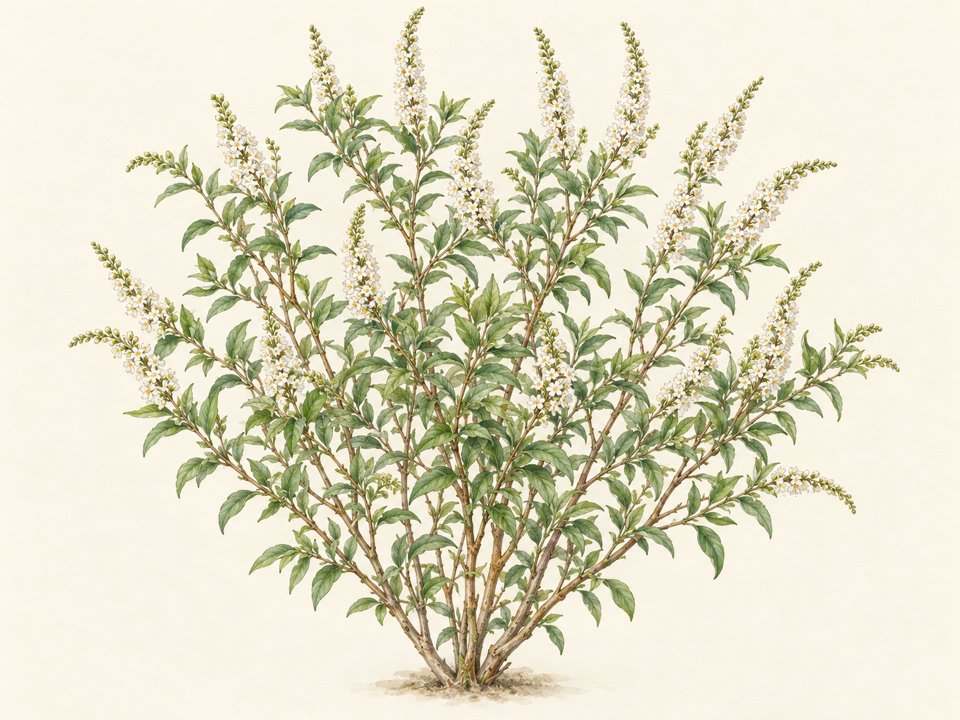 Illustration
White BrushAloysia gratissimaIllustration 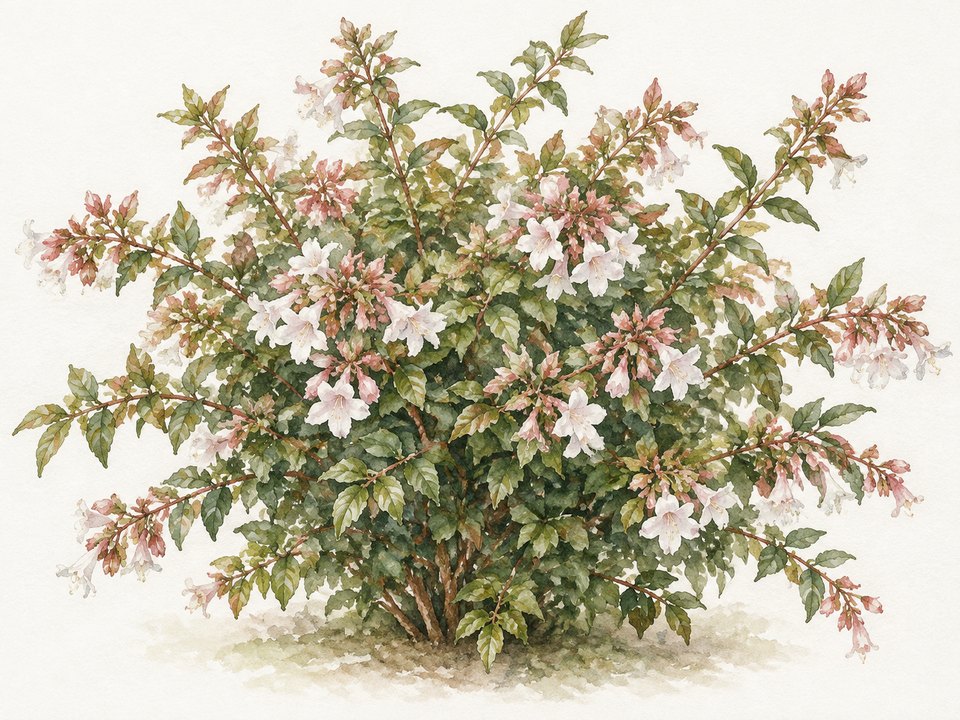 Illustration
AbeliaAbelia x grandifloraIllustration 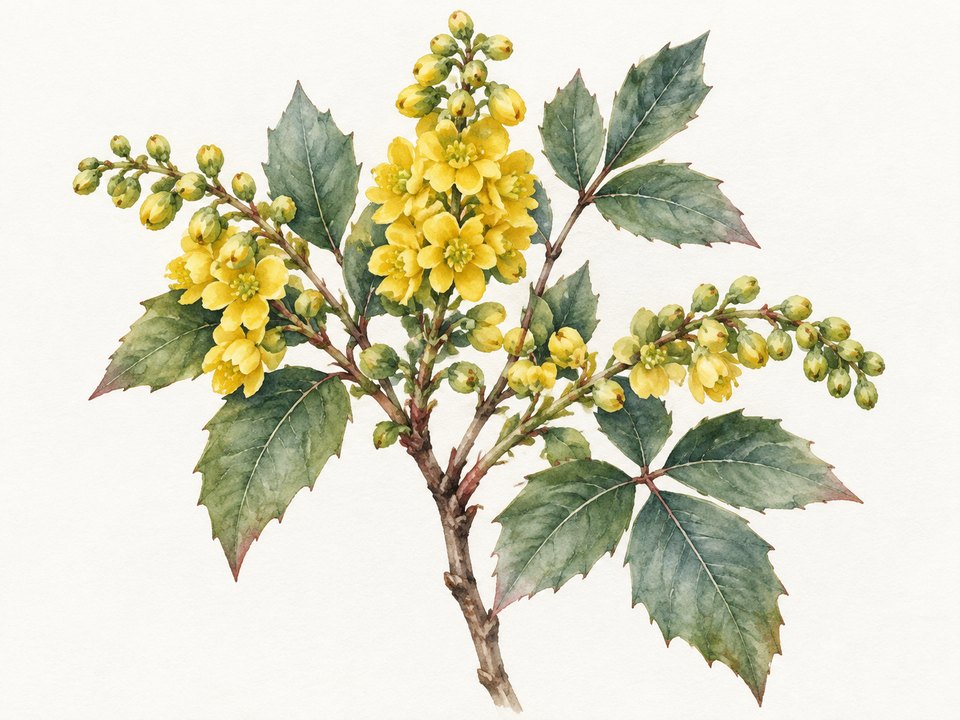 Illustration
AgaritaMahonia trifoliolataIllustration 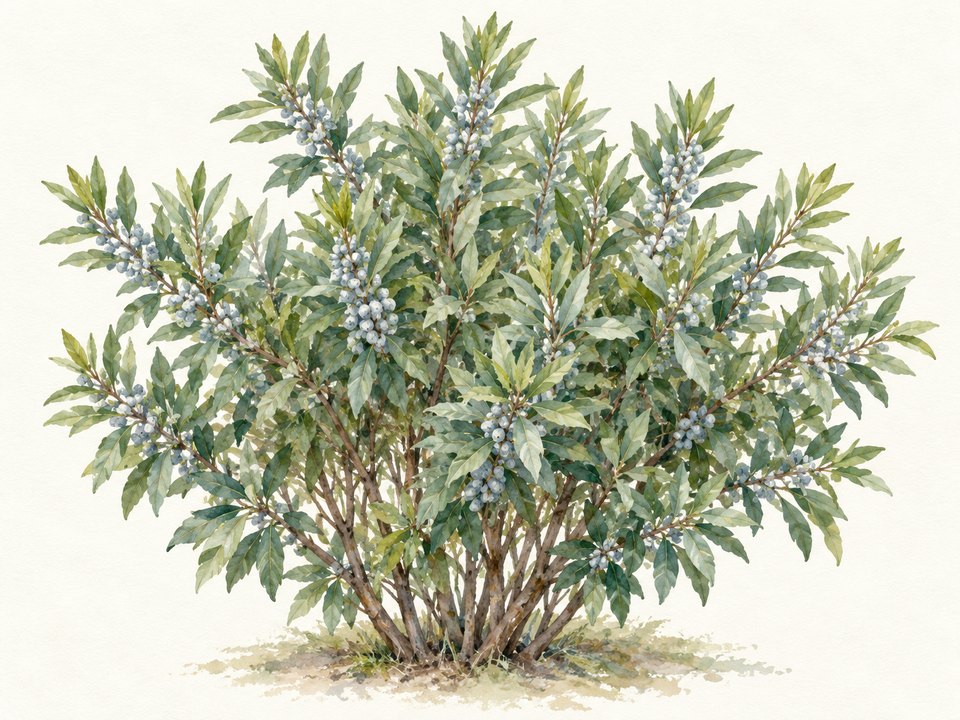 Illustration
Wax MyrtleMorella ceriferaIllustration
Small shrubs
American Beautyberry (Callicarpa americana); Agave, century plant (Agave americana); Barbados Cherry (Malpighia glabra); Barberry (Berberis thunbergii atropurpurea); Grayleaf Cotoneaster (Cotoneaster glaucophylla); Juniper (Juniperus sp.); Mexican Butterfly Weed (Asclepias tuberosa); Mexican Oregano (Poliomentha longiflora); Rock rose (Pavonia lasiopetala); Rosemary, Upright (Rosmarinus officinalis); Red Yucca (Hesperaloe parviflora); Yucca (Yucca spp.).[8]
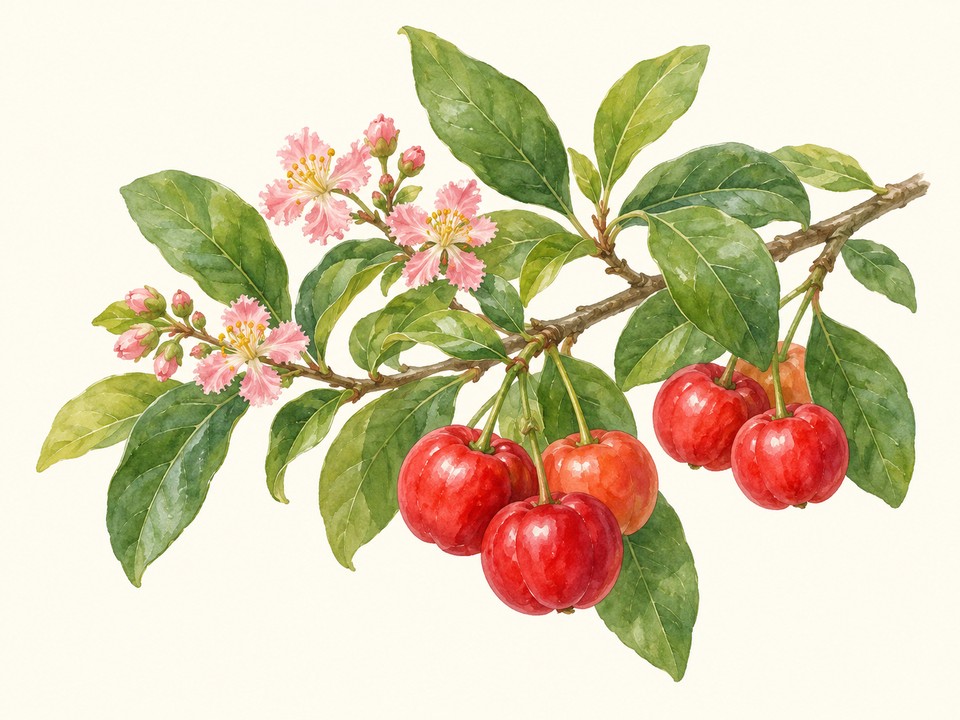 Illustration
Barbados CherryMalpighia glabraIllustration 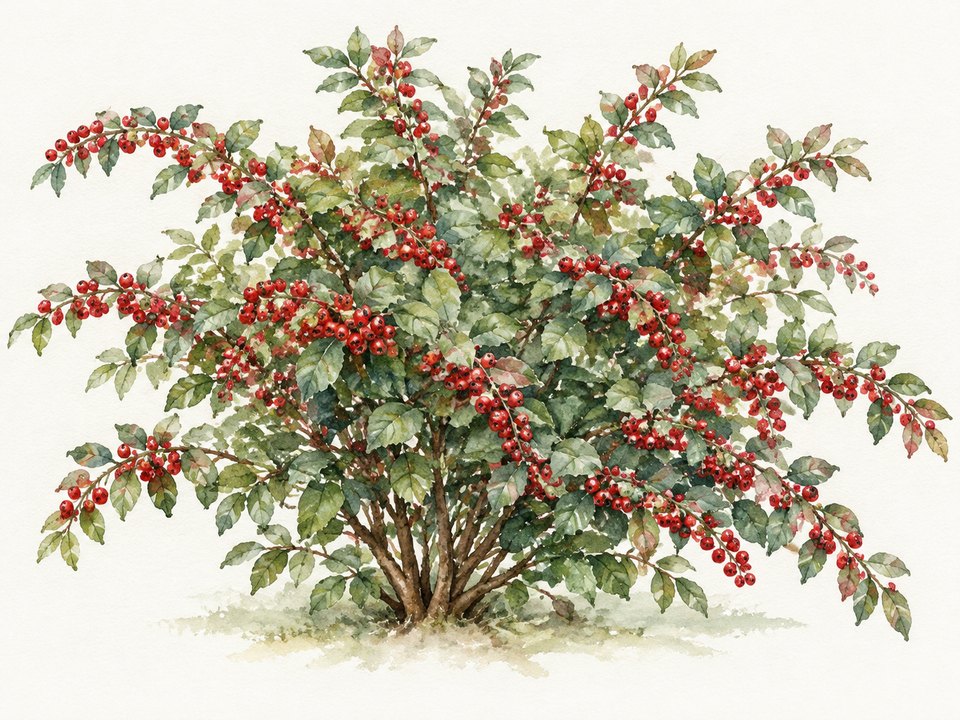 Illustration
CotoneasterIllustration 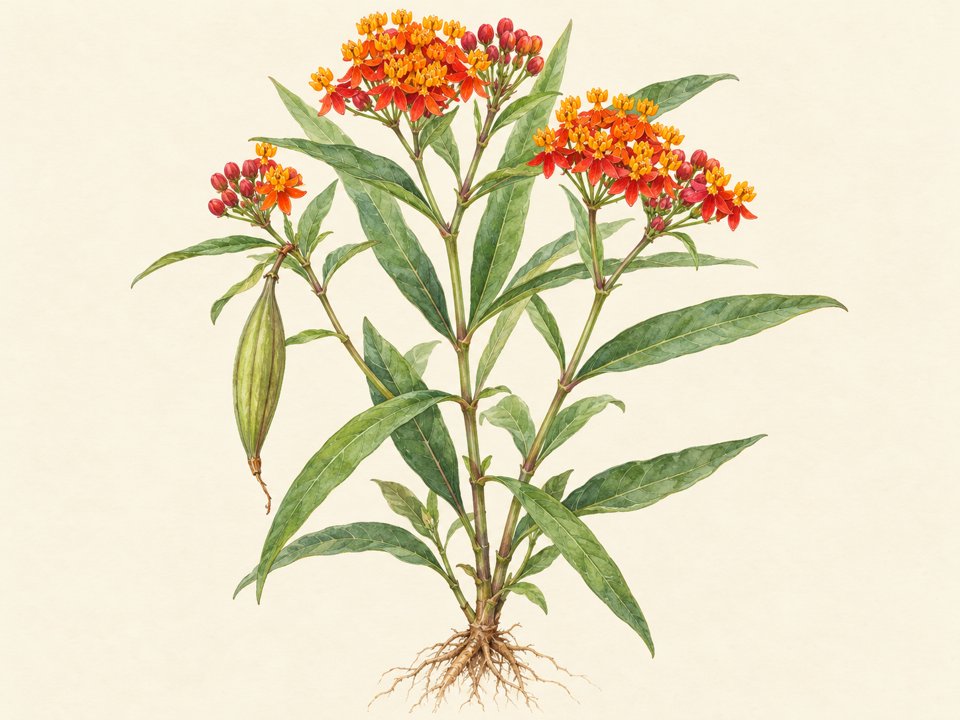 Illustration
Mexican Butterfly WeedAsclepias curassavicaIllustration 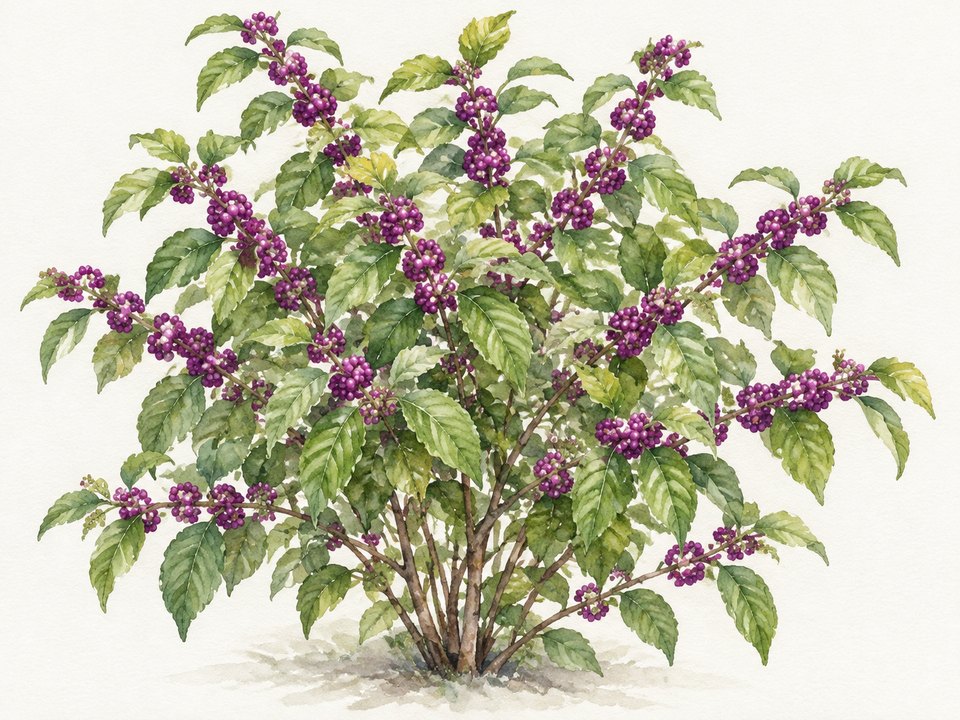 Illustration
American BeautyberryCallicarpa americanaIllustration 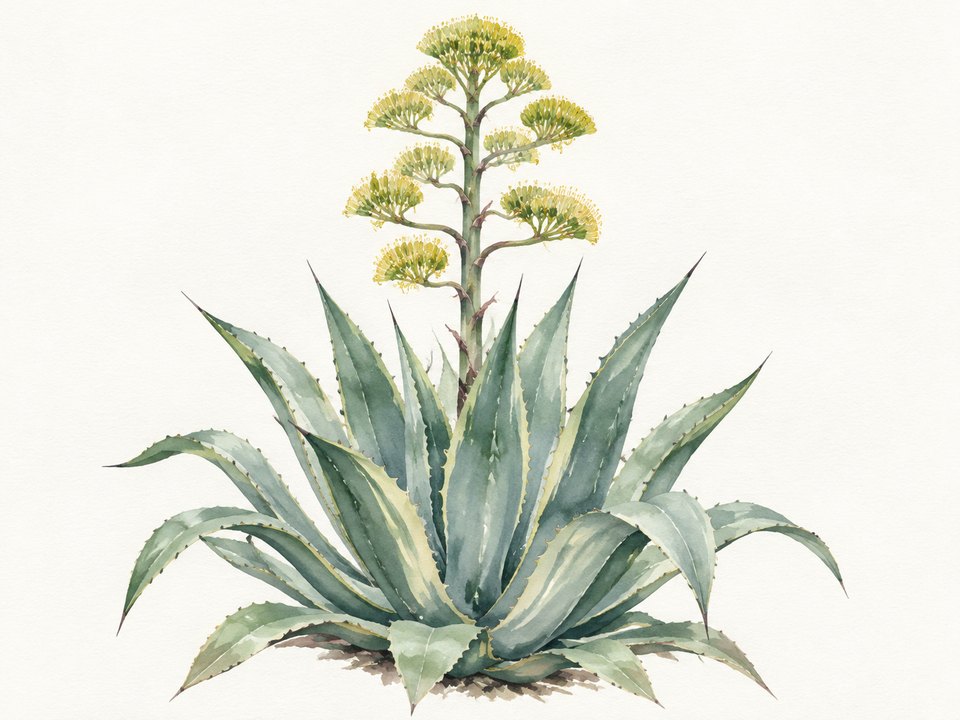 Illustration
Century PlantAgave americanaIllustration 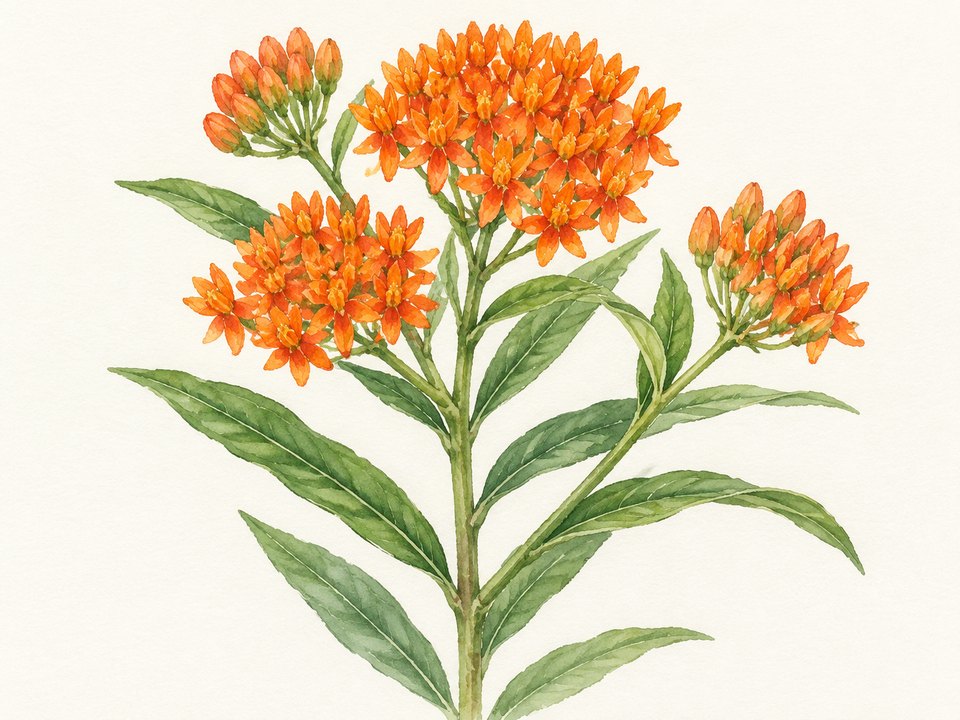 Illustration
Butterfly MilkweedAsclepias tuberosaIllustration 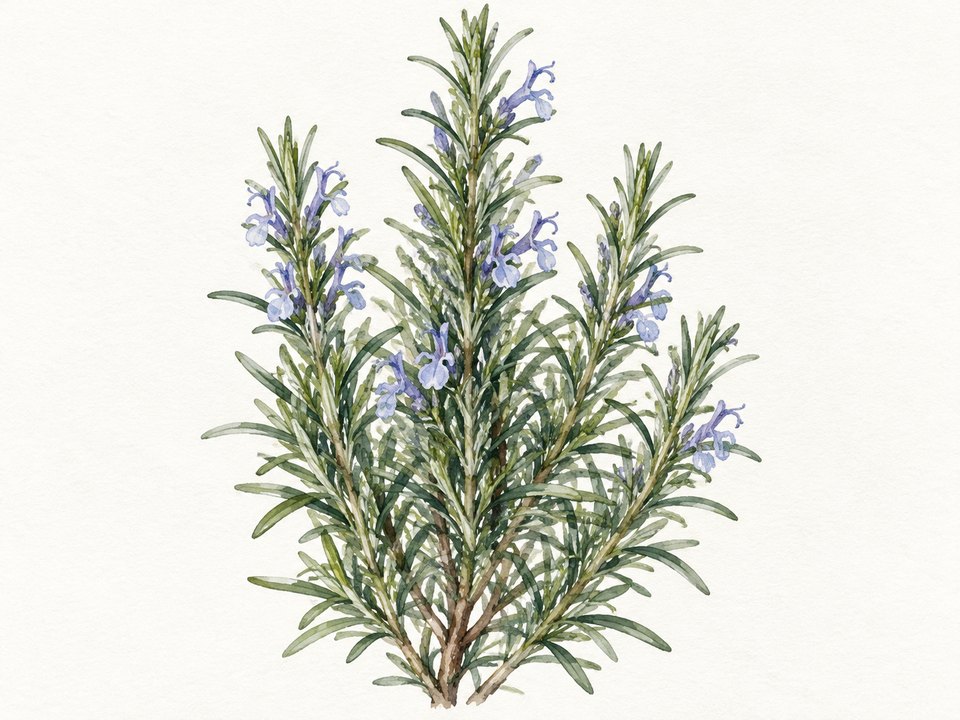 Illustration
Rosemary (upright)Salvia rosmarinusIllustration 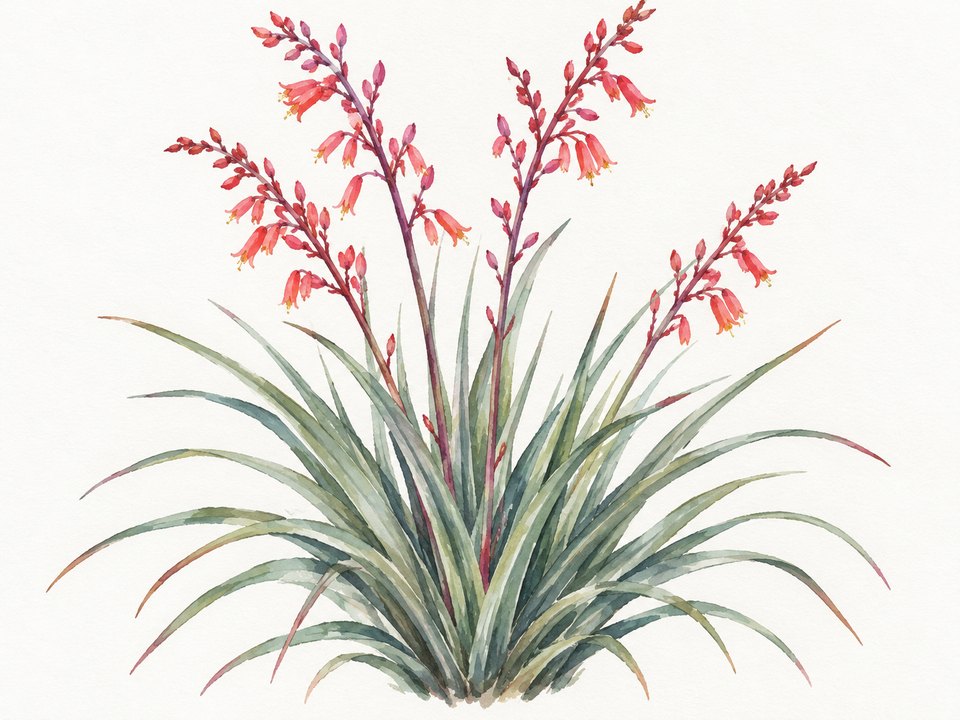 Illustration
Red YuccaHesperaloe parvifloraIllustration 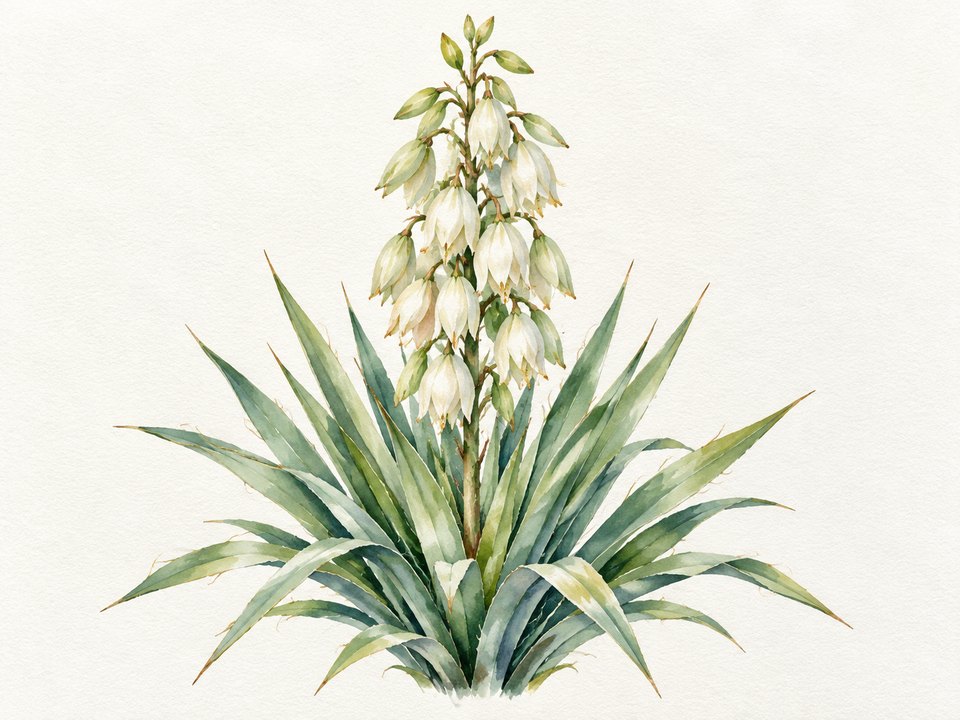 Illustration
YuccaYucca sppIllustration
Vines
Autumn Clematis (Clematis sp.); Carolina Jessamine (Gelsemium sempervirens); Confederate Jasmine (Trachelospermum jasminoides); Coral honeysuckle (Lonicera sempervirens); Coral vine, Queen's wreath (Antigonon leptopus); Fig Ivy (Ficus pumila (repens)); Lady Banksia (Rosa banksia); Scarlet Clematis (Clematis texana); Silverlace Vine (Polygonum ambertii); Virginia Creeper (Parthenocissus quinquefolia).[8]
 Illustration
Confederate JasmineTrachelospermum jasminoidesIllustration 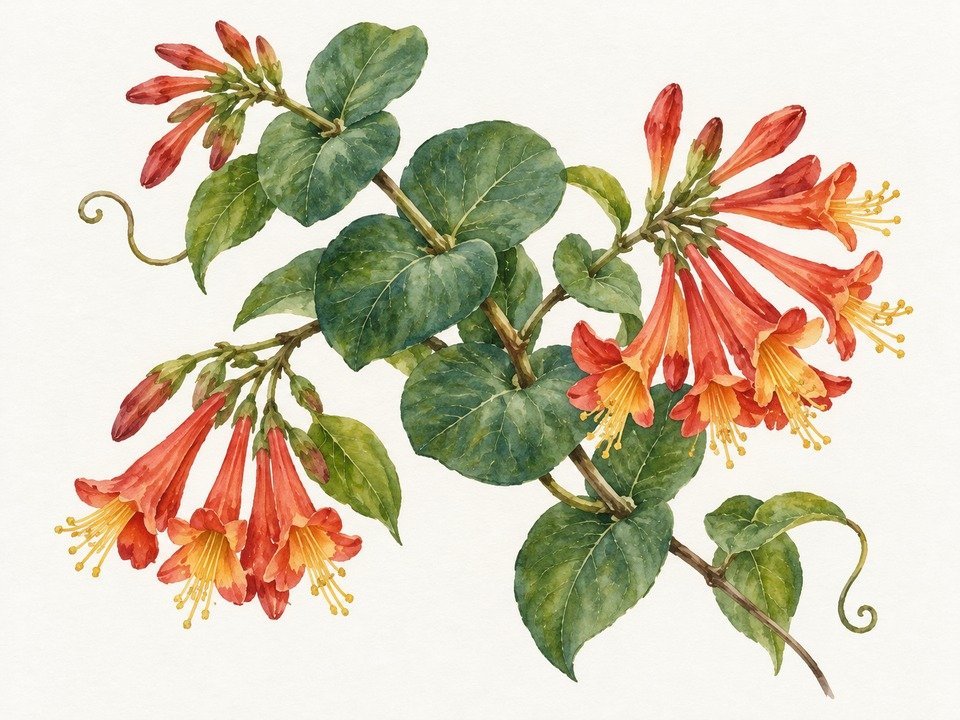 Illustration
Coral HoneysuckleLonicera sempervirensIllustration 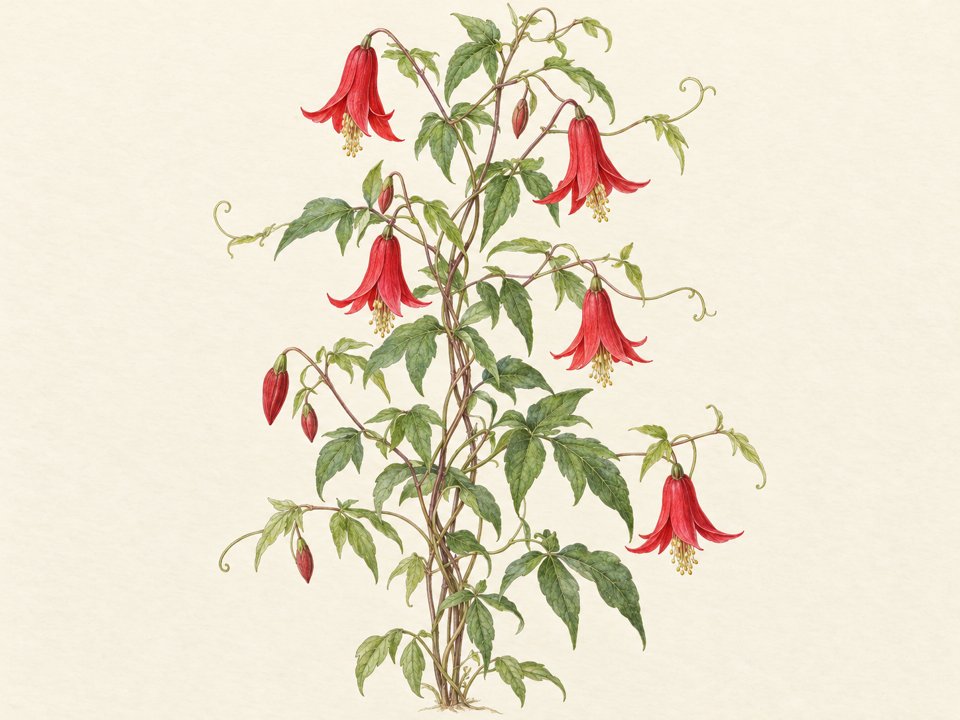 Illustration
Scarlet ClematisClematis texensisIllustration 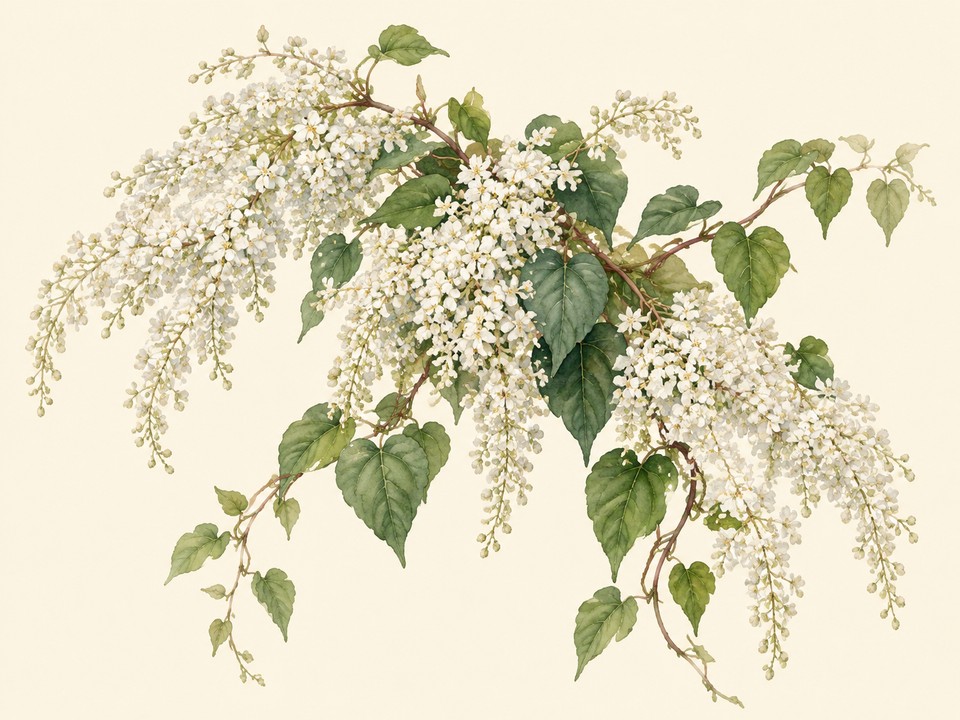 Illustration
Silverlace VineFallopia aubertiiIllustration 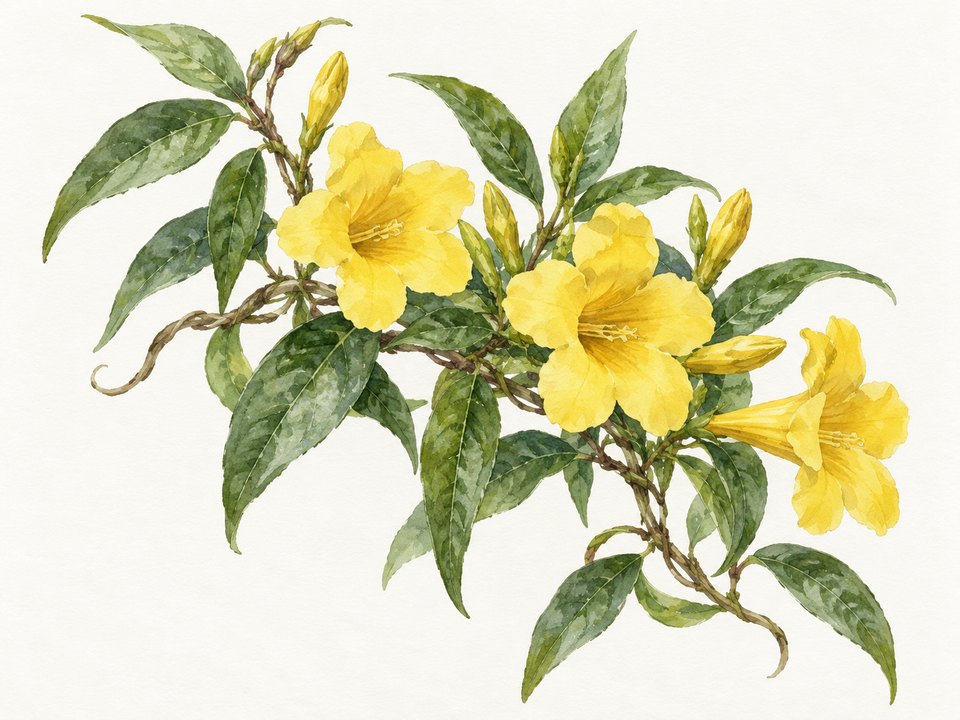 Illustration
Carolina JessamineGelsemium sempervirensIllustration 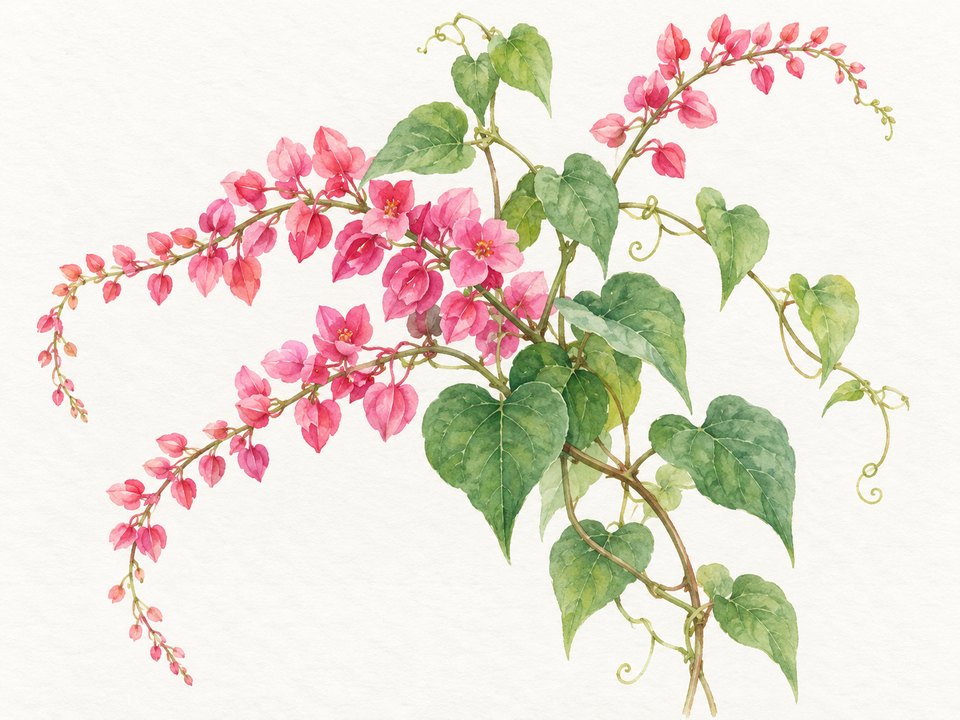 Illustration
Coral VineAntigonon leptopusIllustration 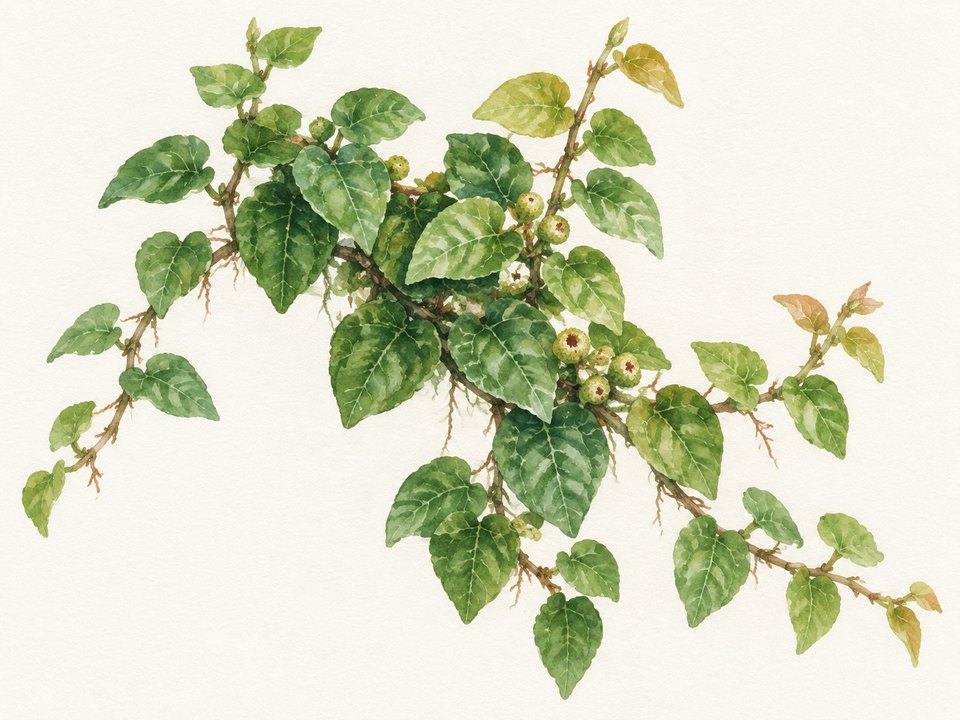 Illustration
Fig IvyFicus pumilaIllustration 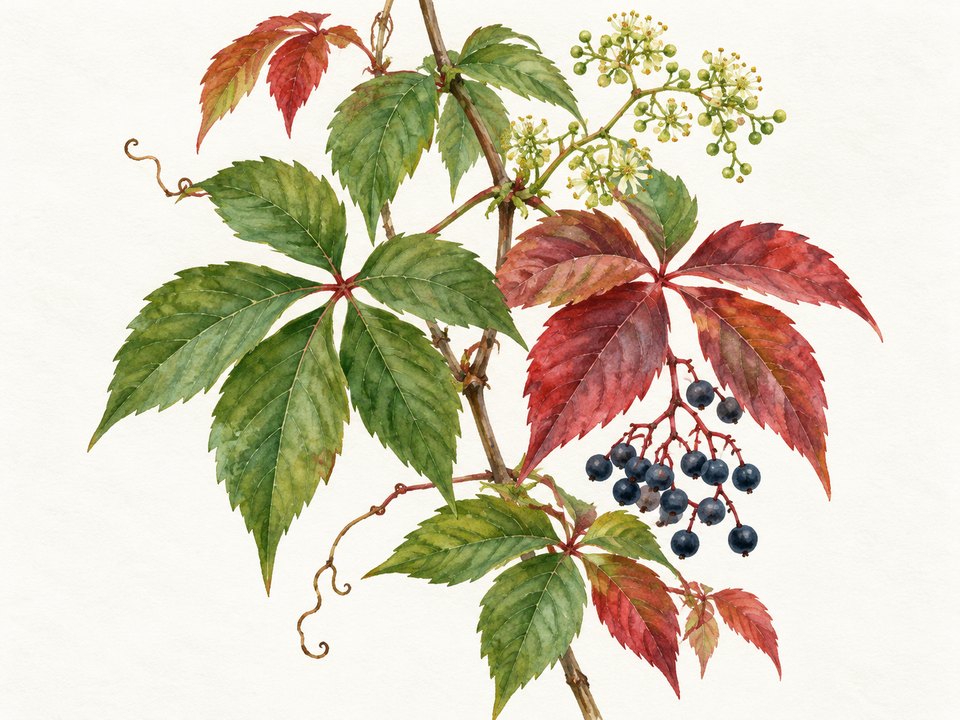 Illustration
Virginia CreeperParthenocissus quinquefoliaIllustration
Groundcover
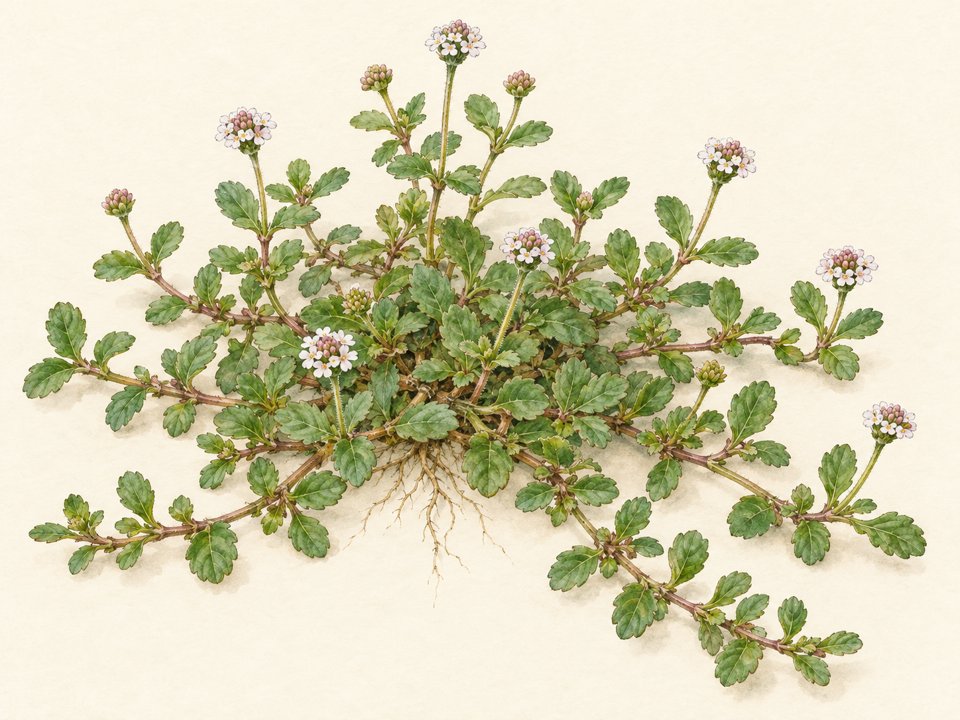
Asiatic Jasmine (Trachelospermum asiaticum); Columbine, Hinckley Columbine (Aquilegia spp.; A. hinckleyana); Confederate Jasmine (Trachelospermum jasminoides); Frogfruit (Phyla incise (nodiflora)); Lantana purple, gold (Lantana sp.); Pigeonberry (Rivina humilis); Rosemary, prostrate (Rosmarinus officinalis); Santolina (Santolina sp.); Trailing Juniper (Juniperus sp.); Verbena (Verbena spp.); Yarrow (Achillea millefolium).[8]
 Illustration
FrogfruitPhyla nodifloraIllustration 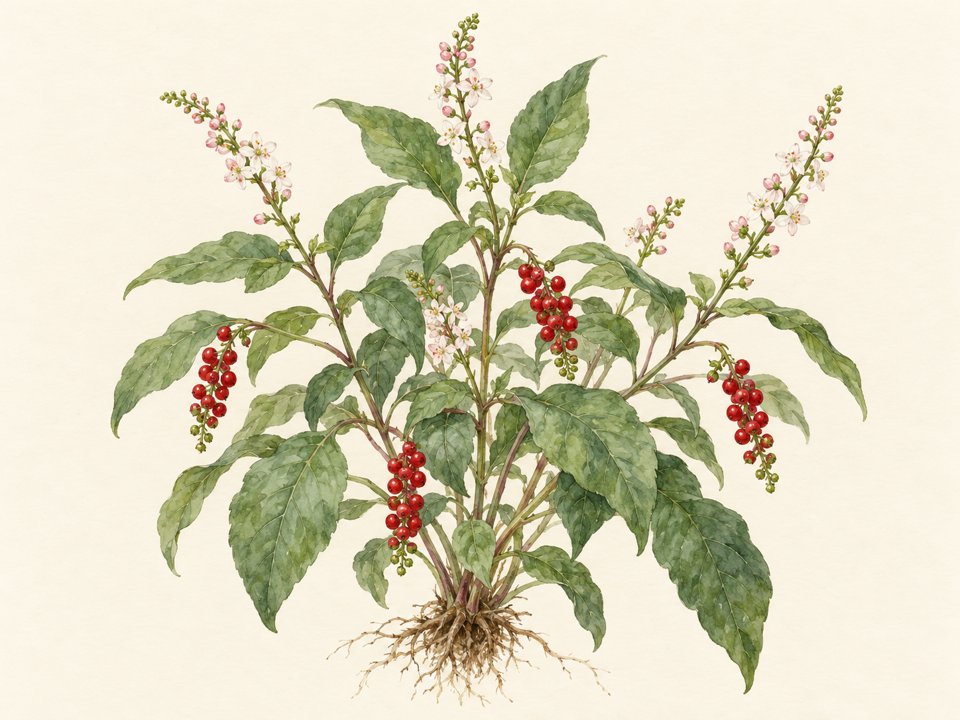 Illustration
PigeonberryRivina humilisIllustration 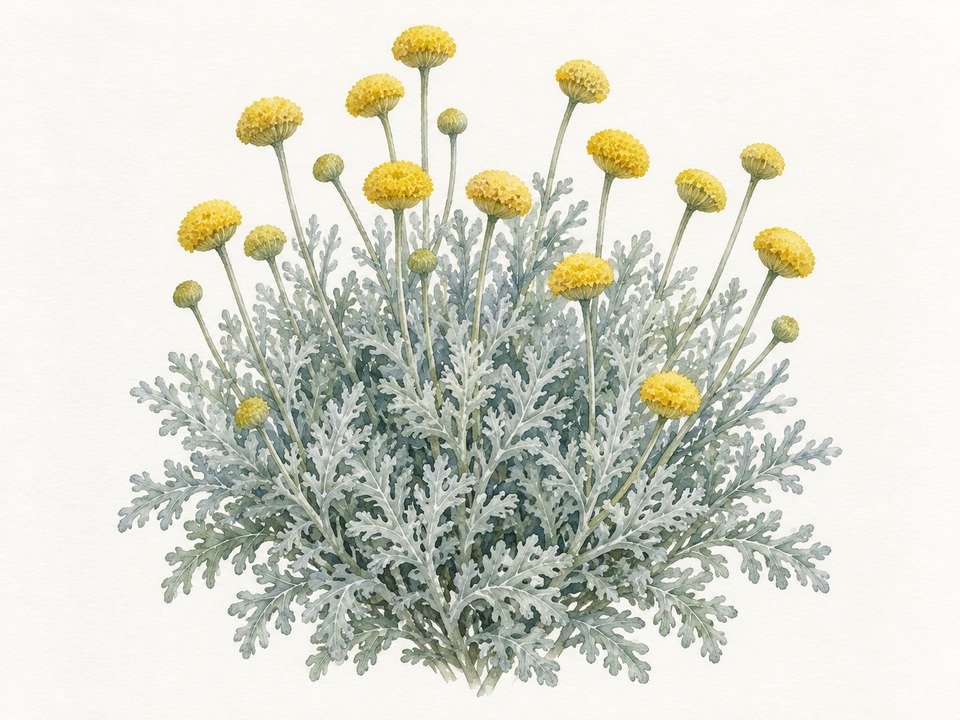 Illustration
SantolinaSantolina sp.Illustration 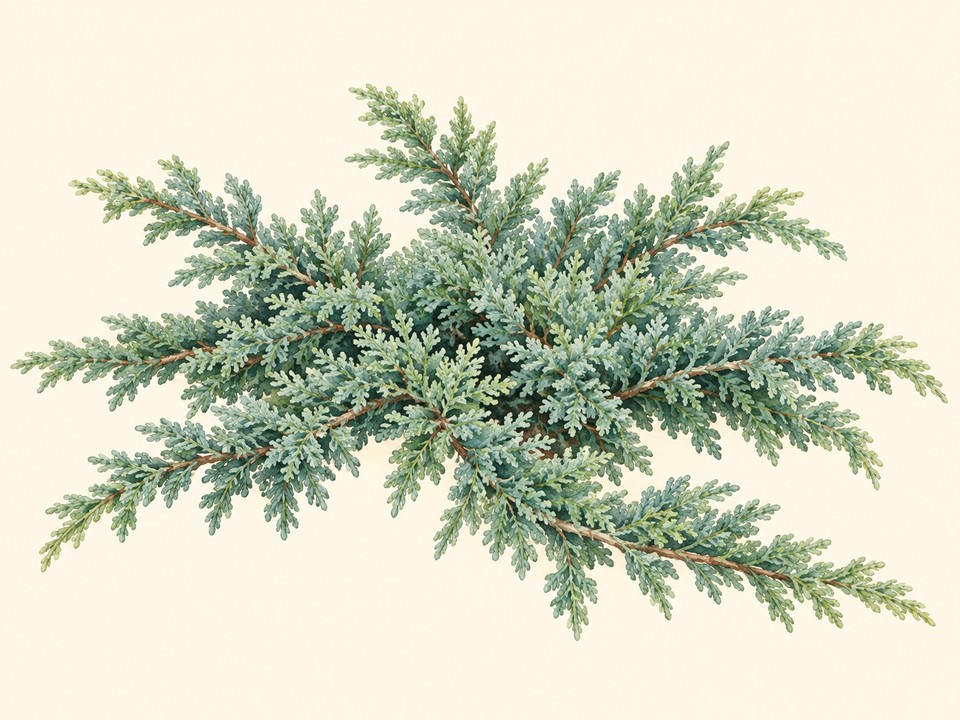 Illustration
Trailing JuniperJuniperus horizontalisIllustration 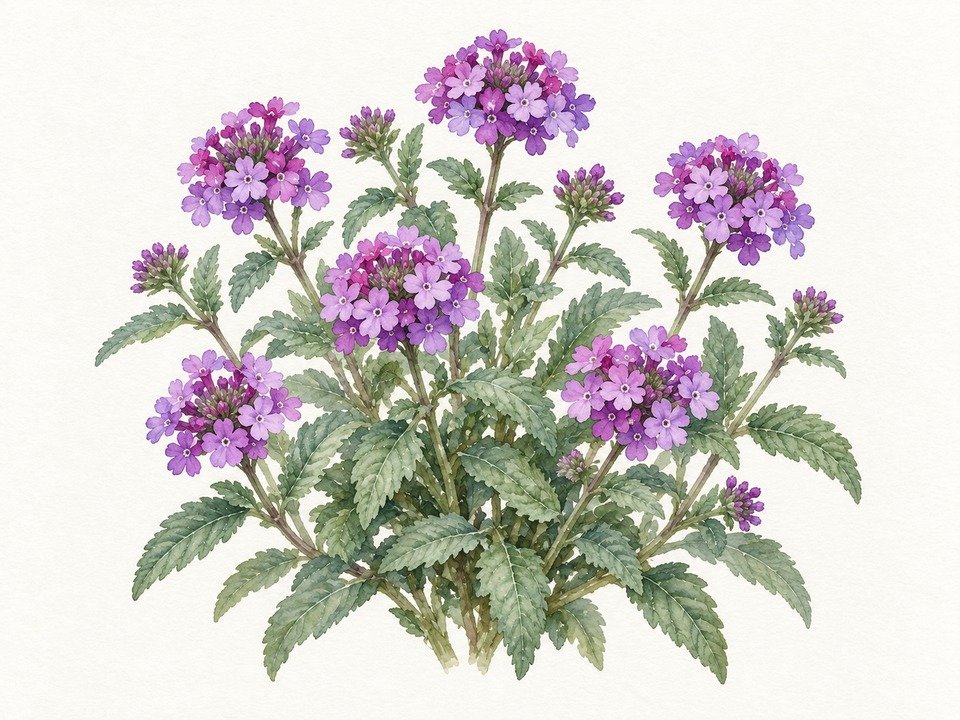 Illustration
VerbenaVerbena cvs.Illustration 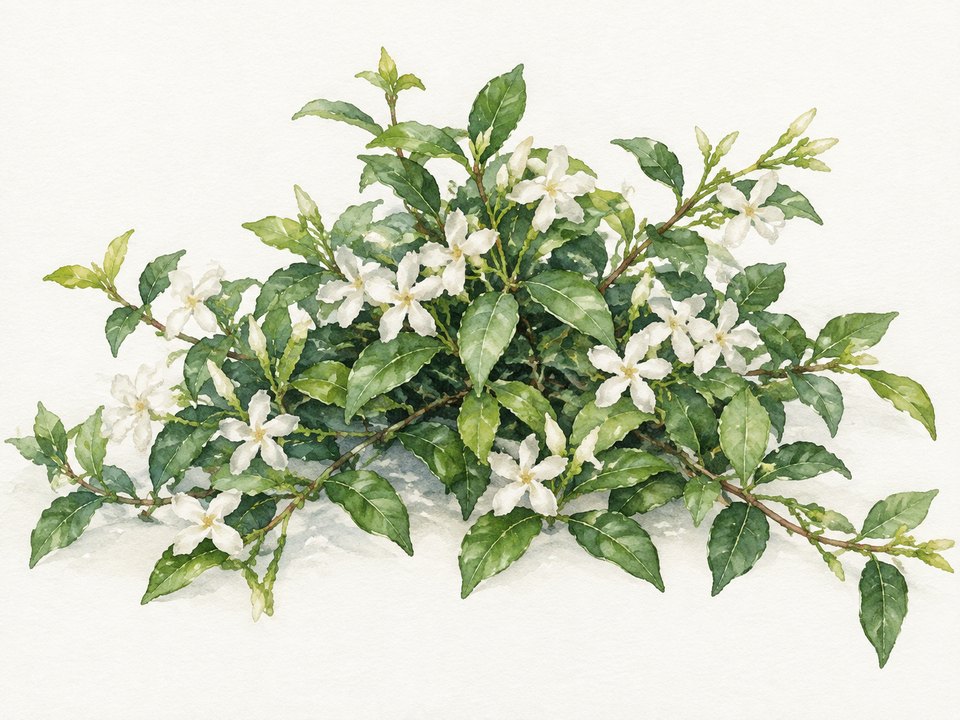 Illustration
Asian JasmineTrachelospermum asiaticumIllustration 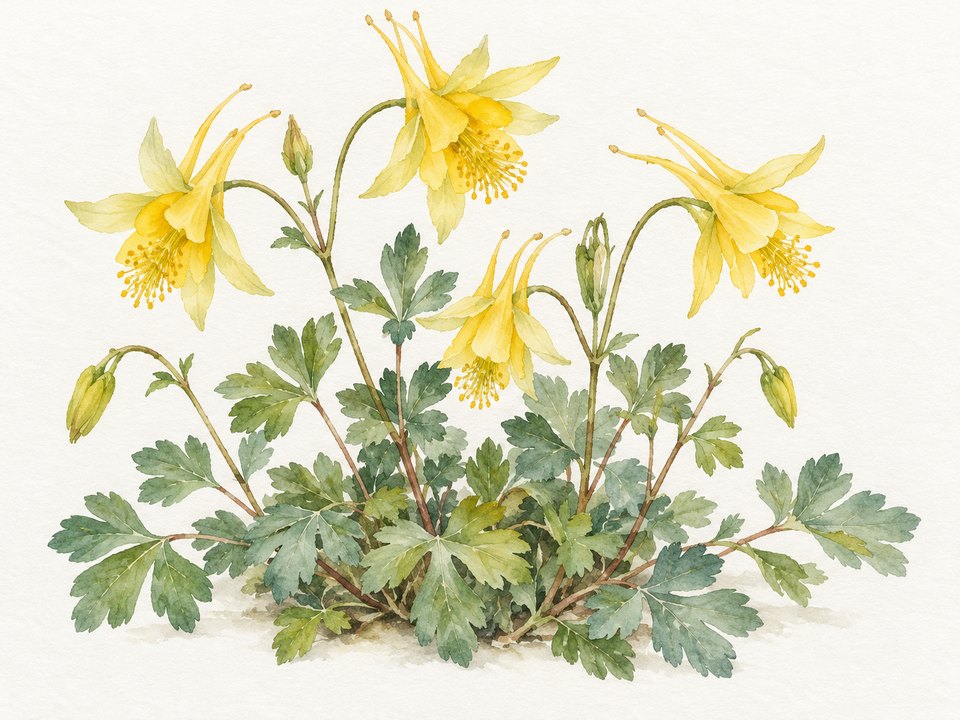 Illustration
Texas Gold ColumbineAquilegia chrysantha var. hinckleyanaIllustration 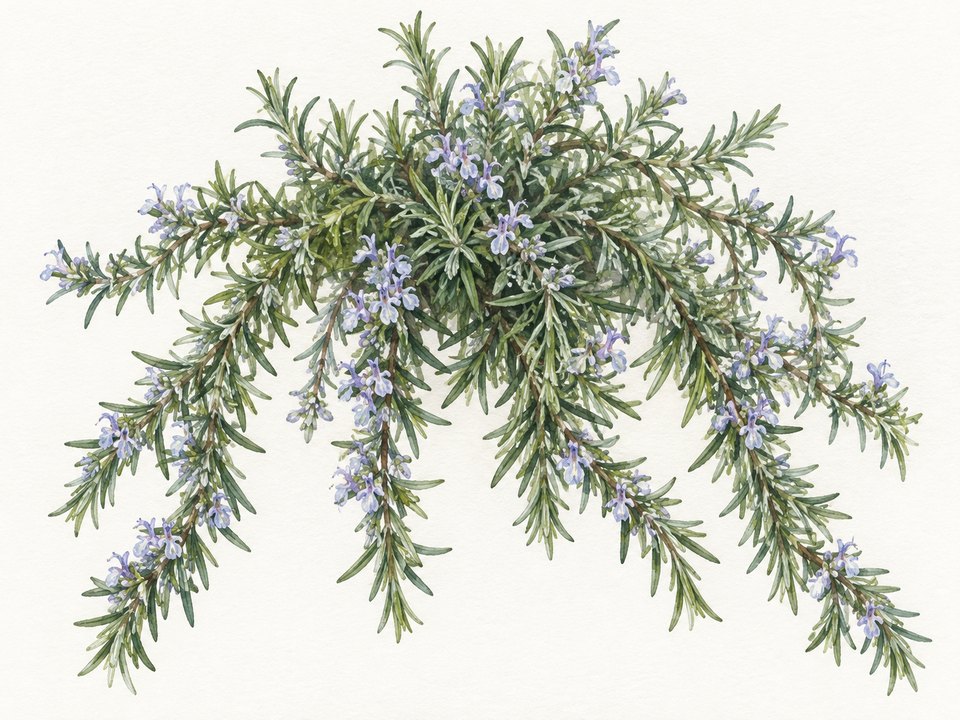 Illustration
Rosemary (trailing)Salvia rosmarinusIllustration 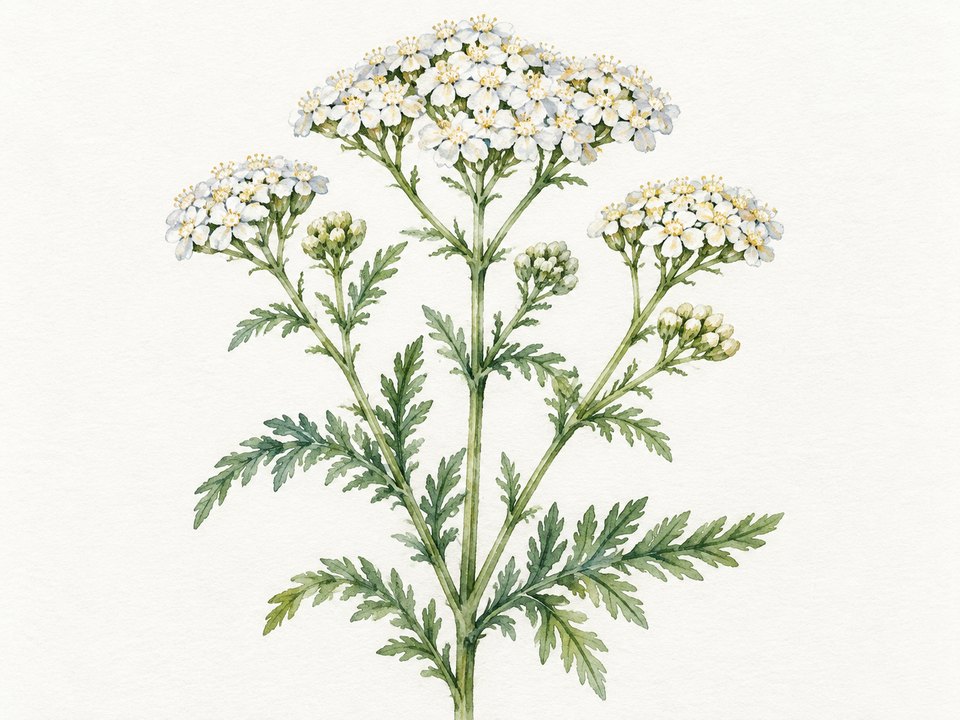 Illustration
YarrowAchillea millefoliumIllustration
Turf grasses
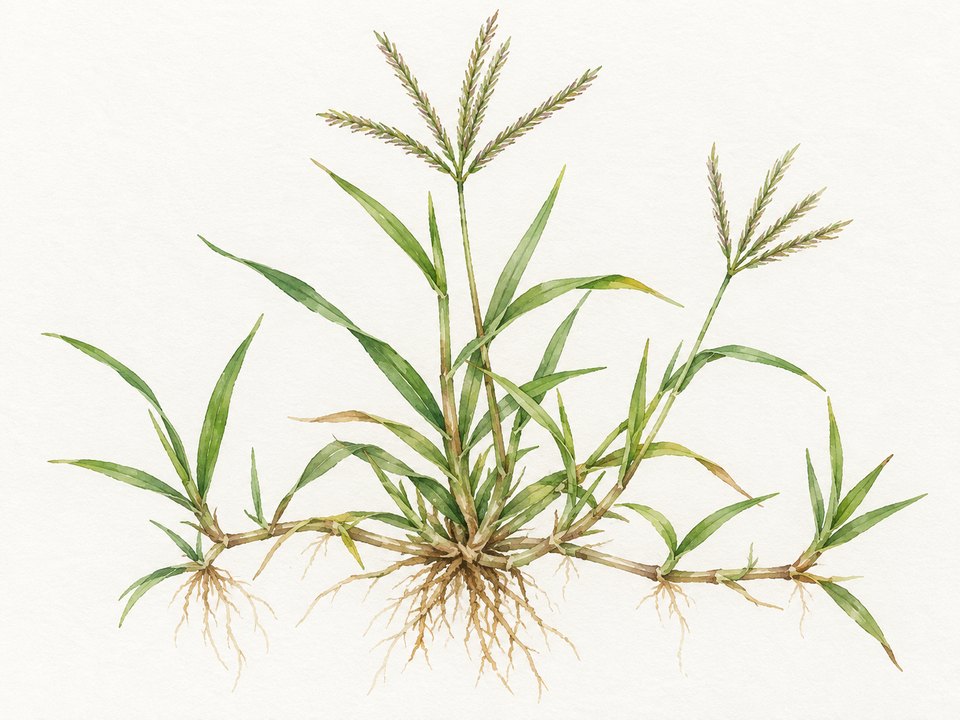
Bermuda grass (Cynodon dactylon); Buffalograss (Buchloe dactyloides); Prarie mix (n/a); St. Augustine grass (Stenotaphrum secundatum).[8]
 Illustration
Bermuda grassCynodon dactylonIllustration 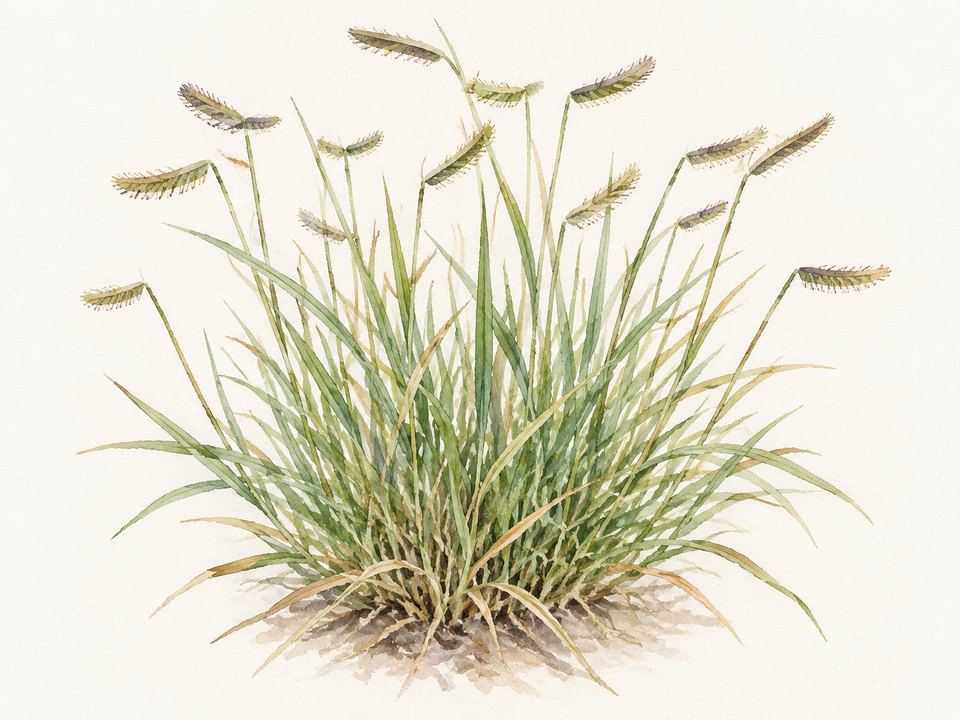 Illustration
Buffalo grassBouteloua dactyloidesIllustration 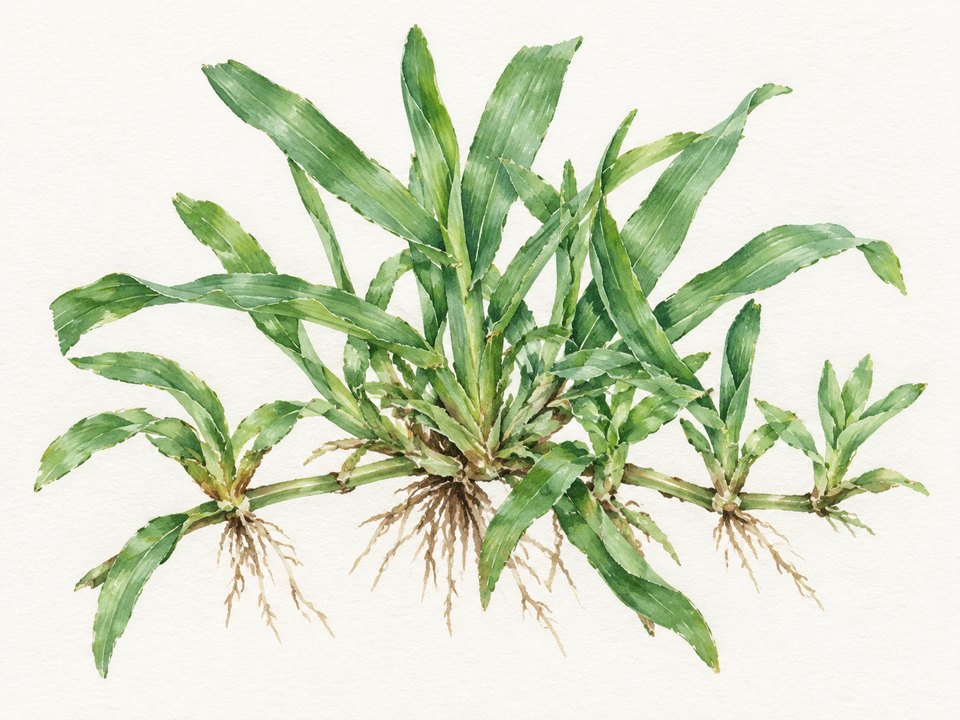 Illustration
St. Augustine grassStenotaphrum secundatumIllustration
Perennials
Butterfly Weed (Asclepias spp.); Cigar Plant (Cuphea micropetala); Fall Aster (Aster spp.); Firebush (Hamelia patens); Hinckley's Columbine (Aquilegia hinckleyana); Indigo Spires (Sage Salvia spp.); Lantana (Lantana sp.); Mealy Cup Sage (Salvia farinacea); Mexican Oregano (Poliomentha longiflora); Mexican Petunia (Ruellia sp.); Mexican Sage (Salvia leucantha); Mist flower, Boneset (Eupatorium spp. and Ageratum spp.); Muhly Grass (Muehlenbergia lindheimeri); Pigeonberry (Rivina humilis); Purple Cone Flower (Echinacea purpurea); Perennial verbena (Glandularia bipinnatifida); Rock rose (Pavonia lasiopetala); Rosemary (Rosmarinus officinalis); Shrimp Plant (Justicia spp.); Skullcap (Scutellaria frutescens); Texas Betony (Stachys coccinea); Tropical Sage (Salvia coccinea); Turk's Cap (Malvaviscus drummondii); White Rain Lily (Zephyranthes candida).[8]
 Illustration
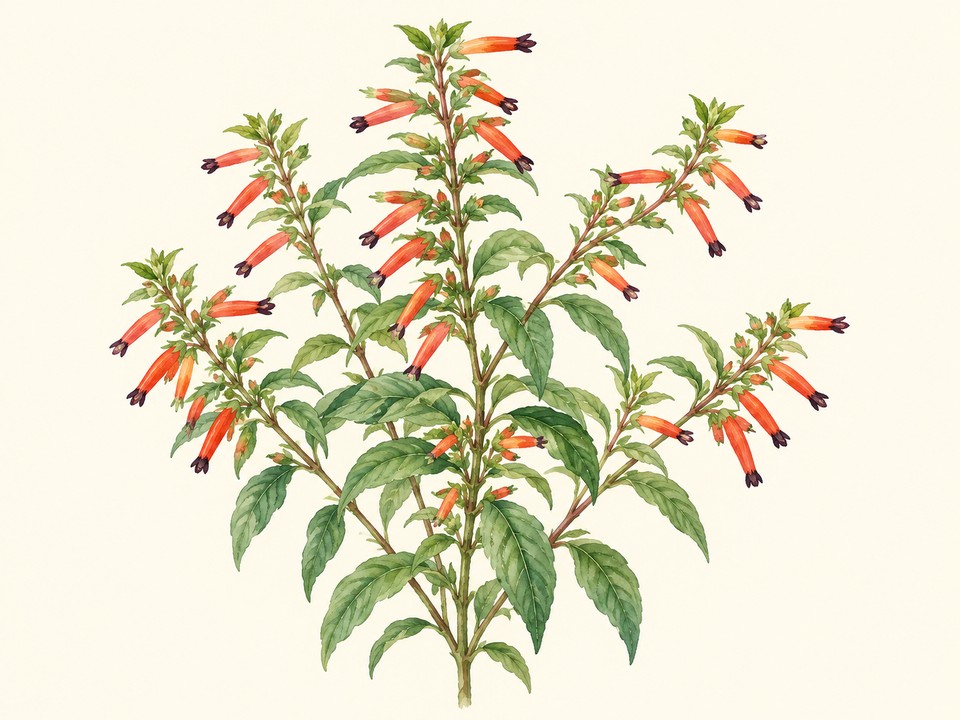
Cigar PlantCuphea igneaIllustration 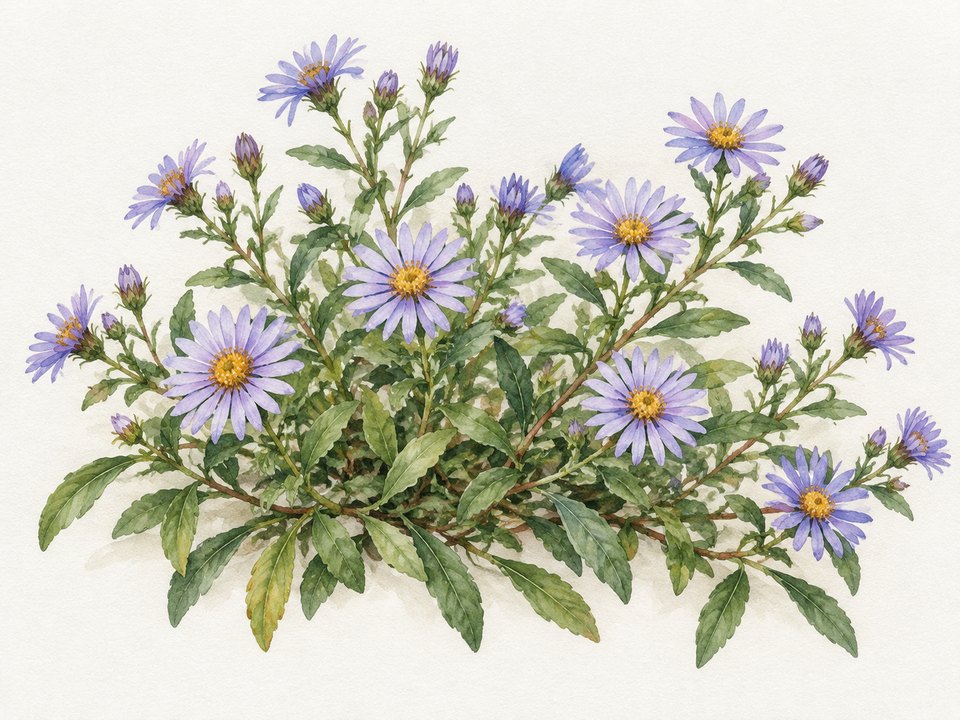 Illustration
Fall AsterSymphyotrichum oblongifoliumIllustration 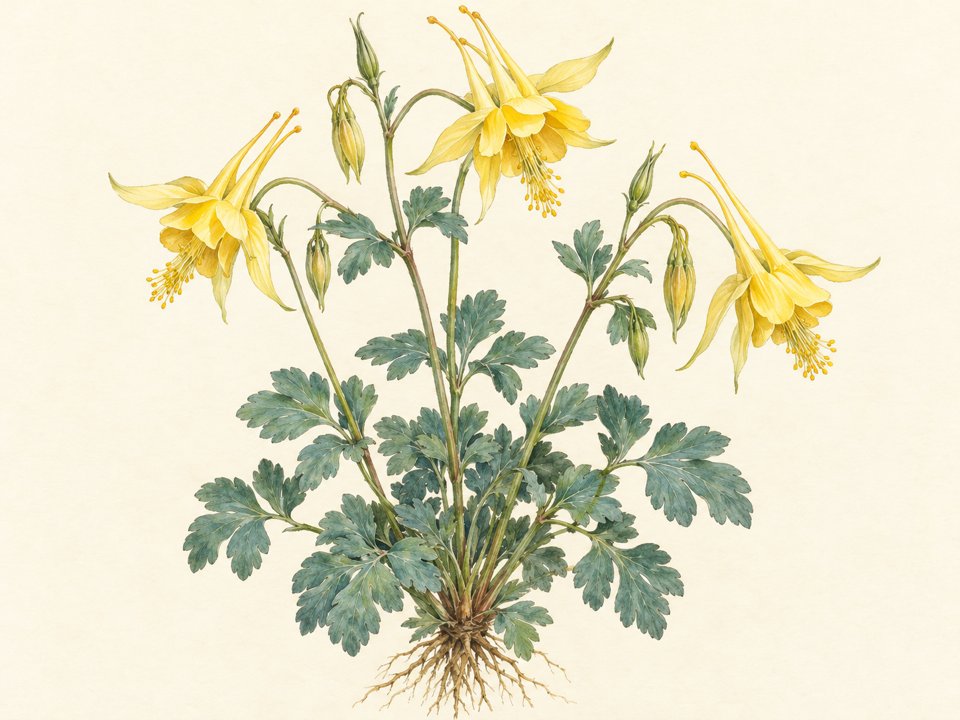 Illustration
Hinckley's ColumbineAquilegia chrysantha var. hinckleyanaIllustration 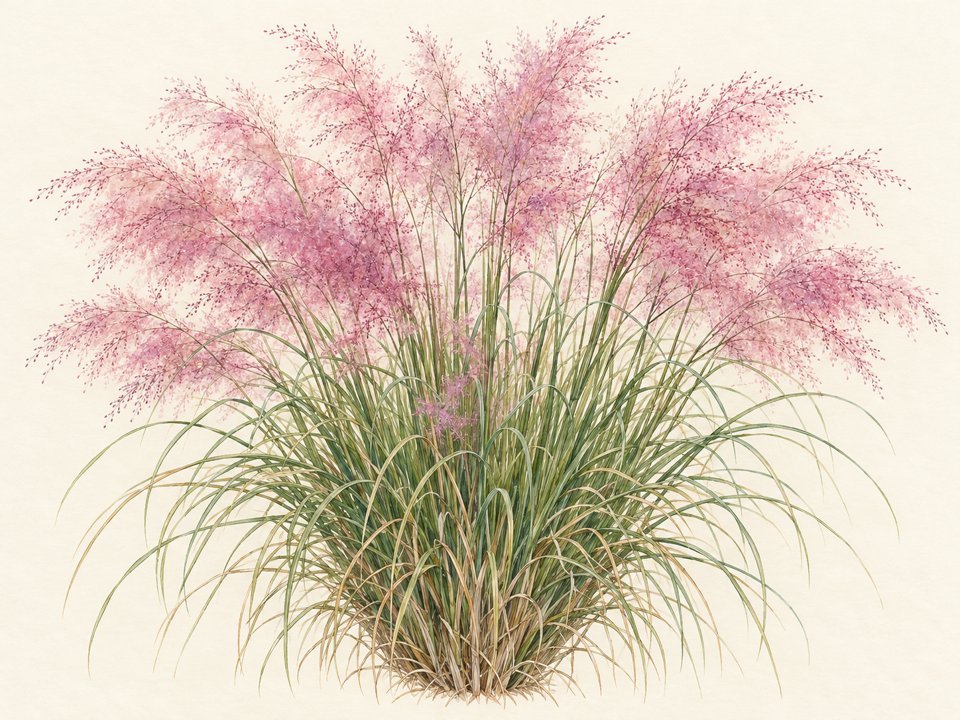 Illustration
Muhly GrassMuhlenbergiaIllustration 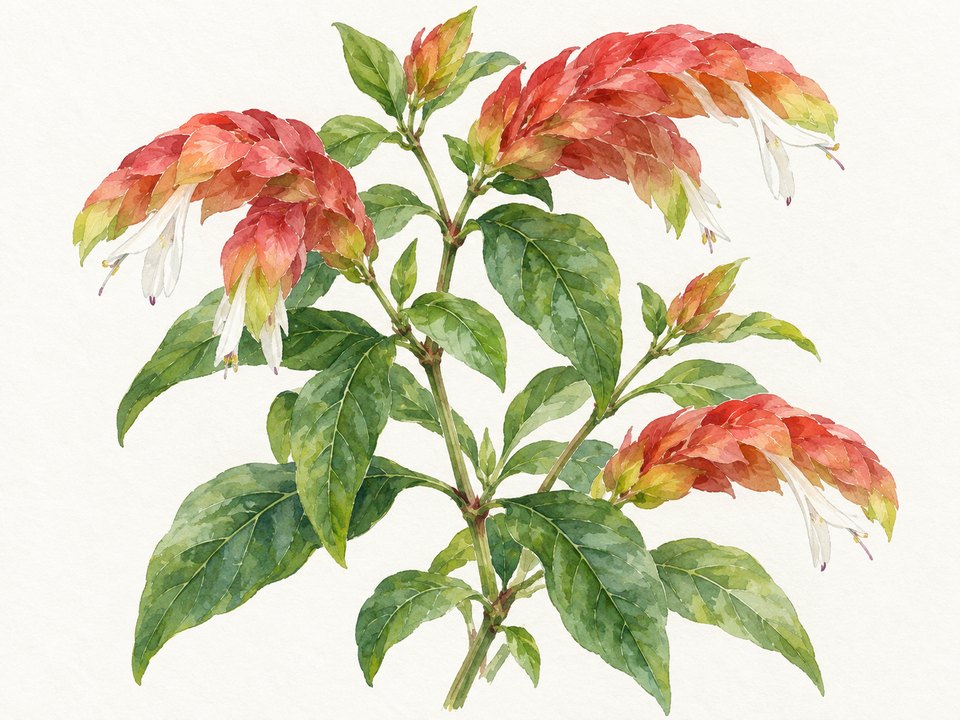 Illustration
Shrimp PlantJusticia brandegeeanaIllustration 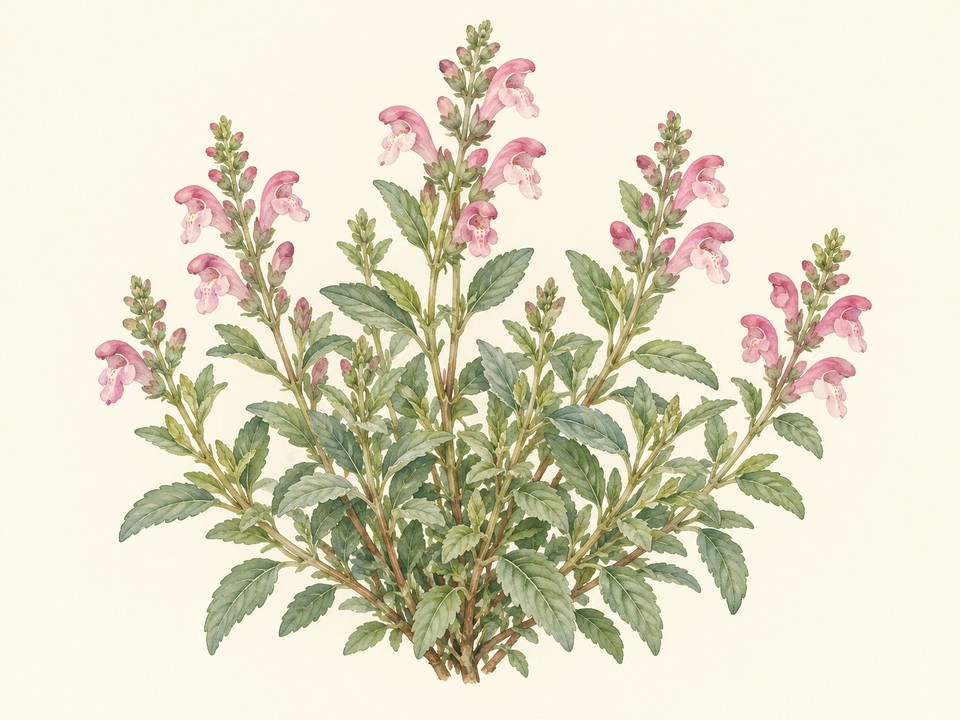 Illustration
SkullcapScutellaria spp.Illustration 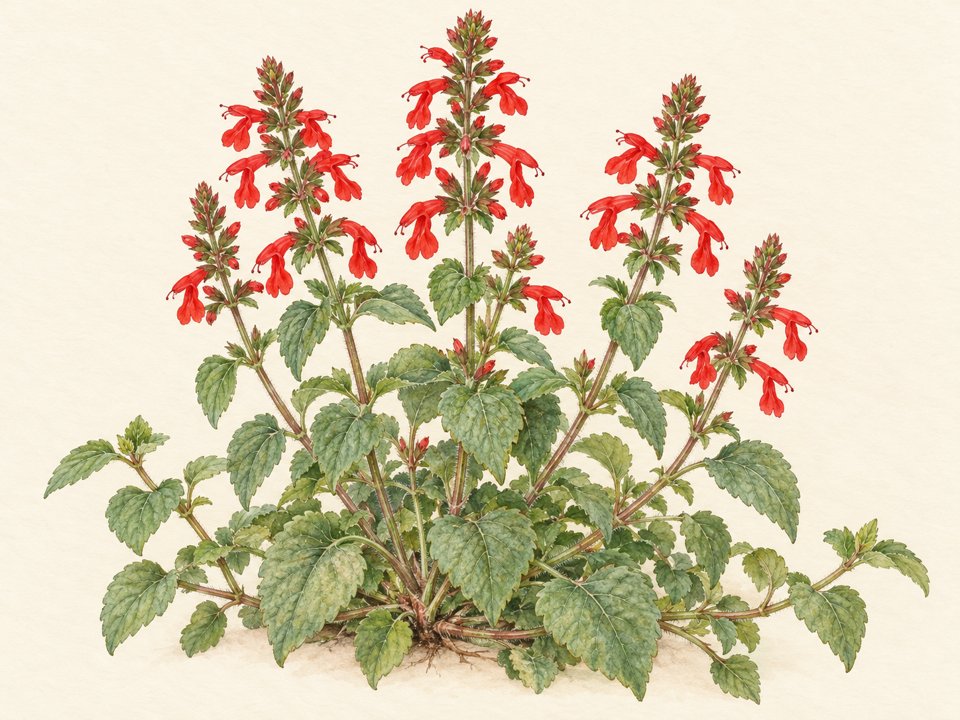 Illustration
Texas BetonyStachys coccineaIllustration 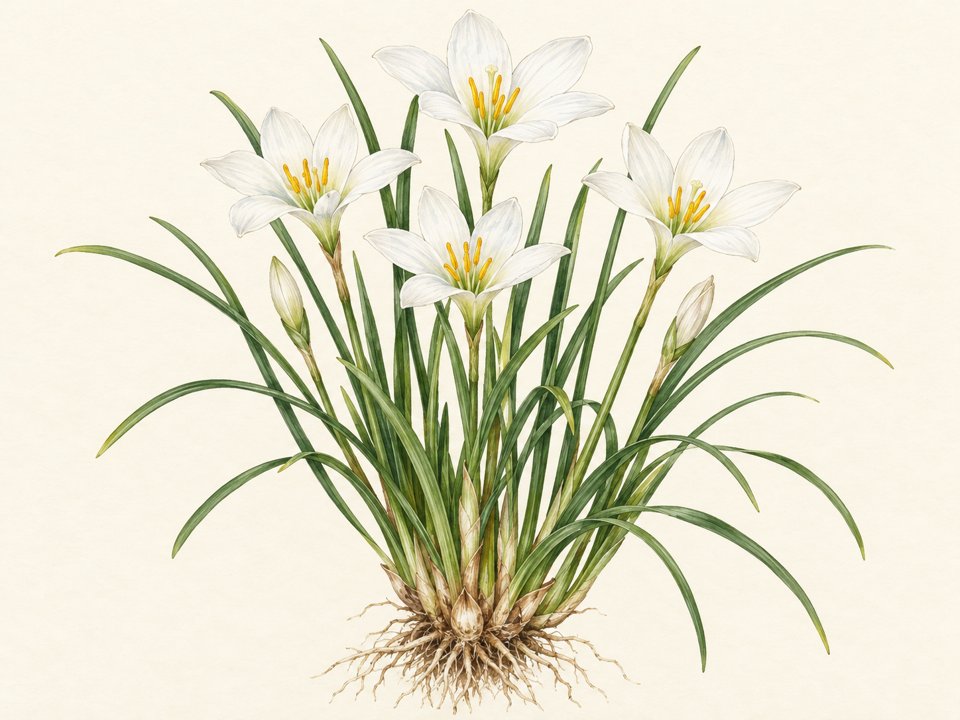 Illustration
White Rain LilyZephyranthes chlorosolenIllustration 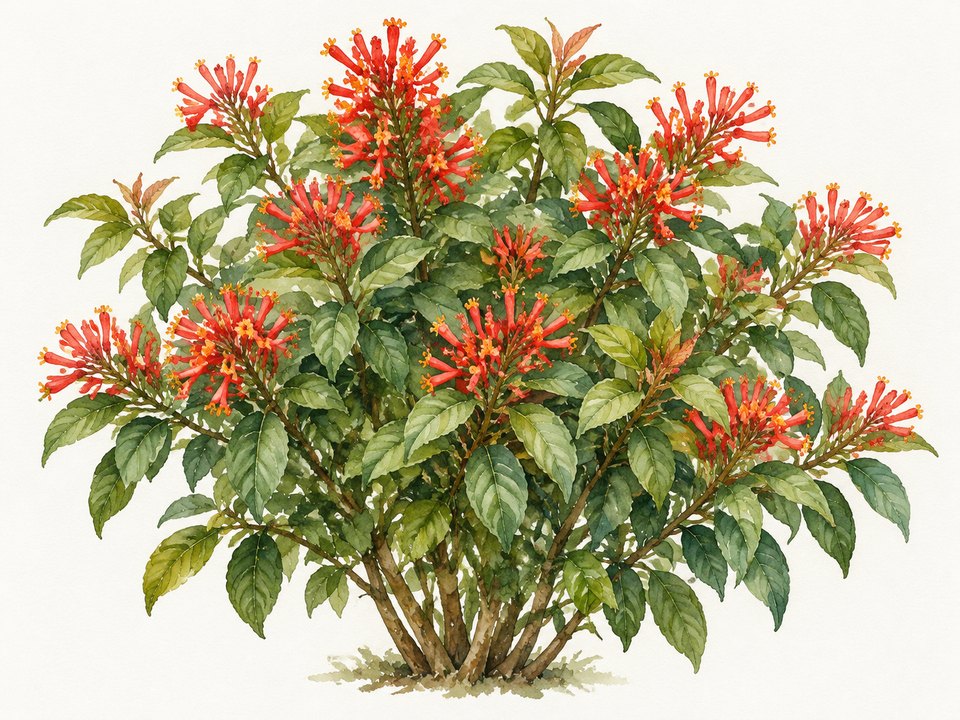 Illustration
Red FirebushHamelia patensIllustration - Illustration
Texas Gold ColumbineAquilegia chrysantha var. hinckleyanaIllustration 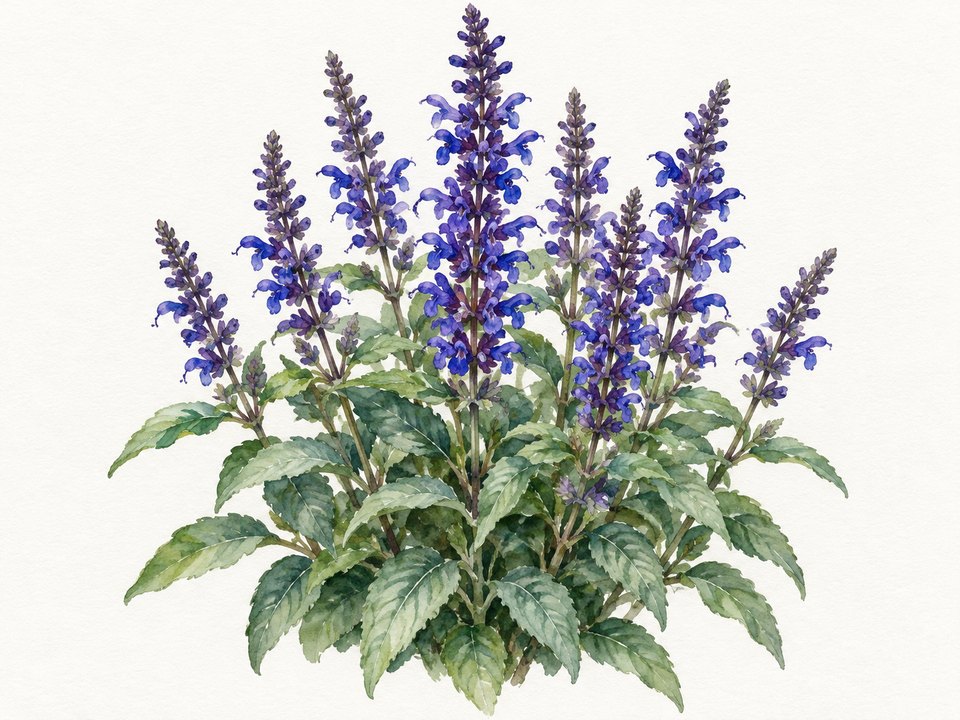 Illustration
Indigo SpiresSalvia 'Indigo Spires'Illustration 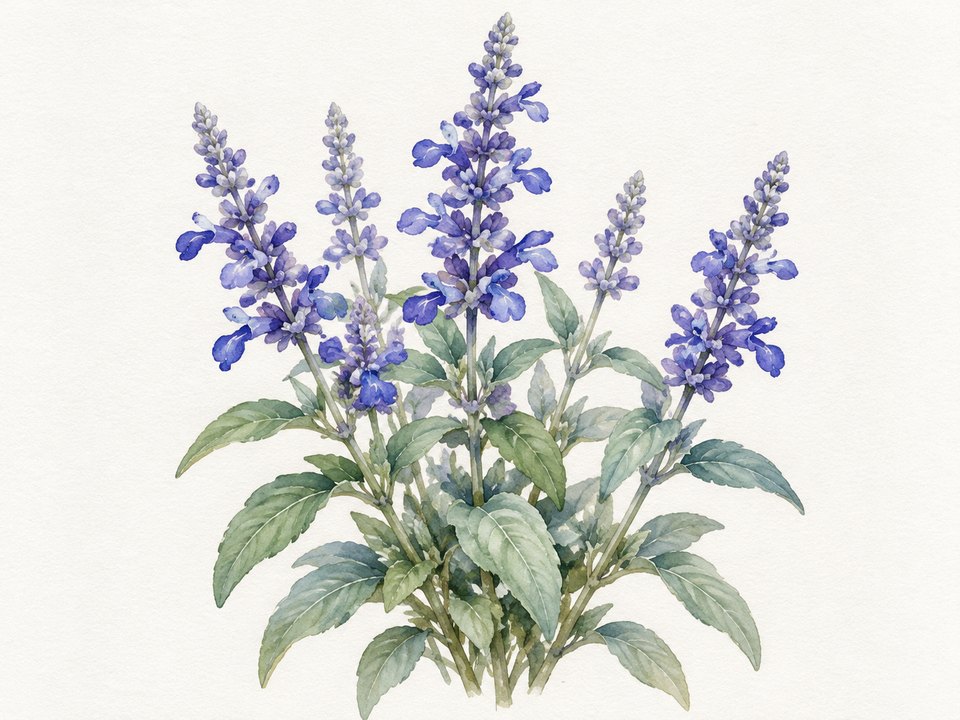 Illustration
Mealy Blue SageSalvia farinaceaIllustration 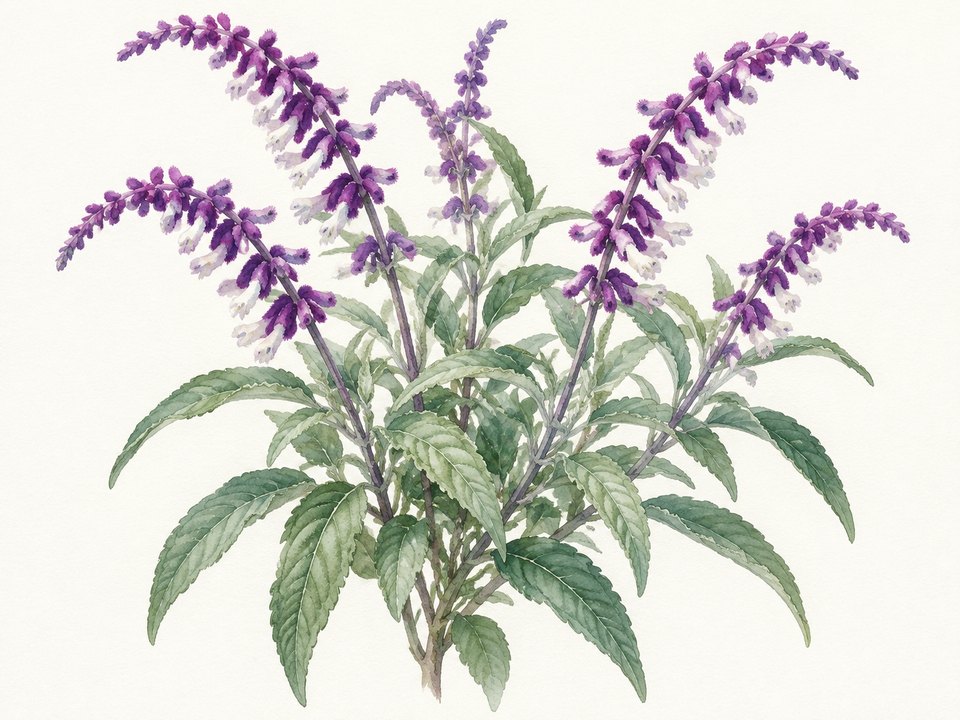 Illustration
Mexican Bush SageSalvia leucanthaIllustration 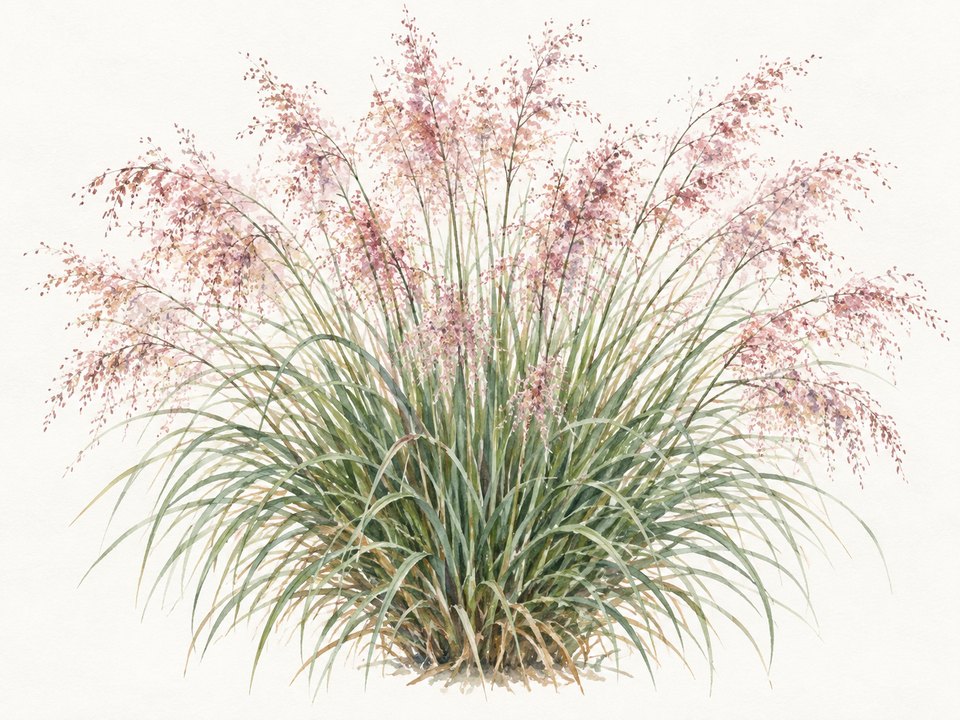 Illustration
Lindheimer's MuhlyMuhlenbergia lindheimeriIllustration 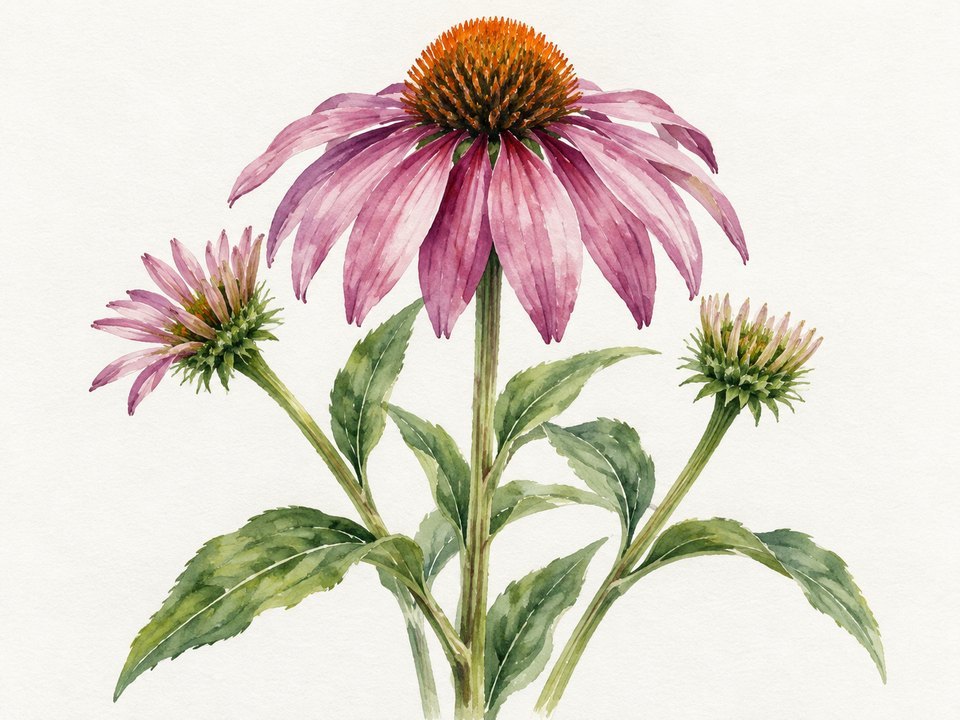 Illustration
Purple ConeflowerEchinacea purpureaIllustration 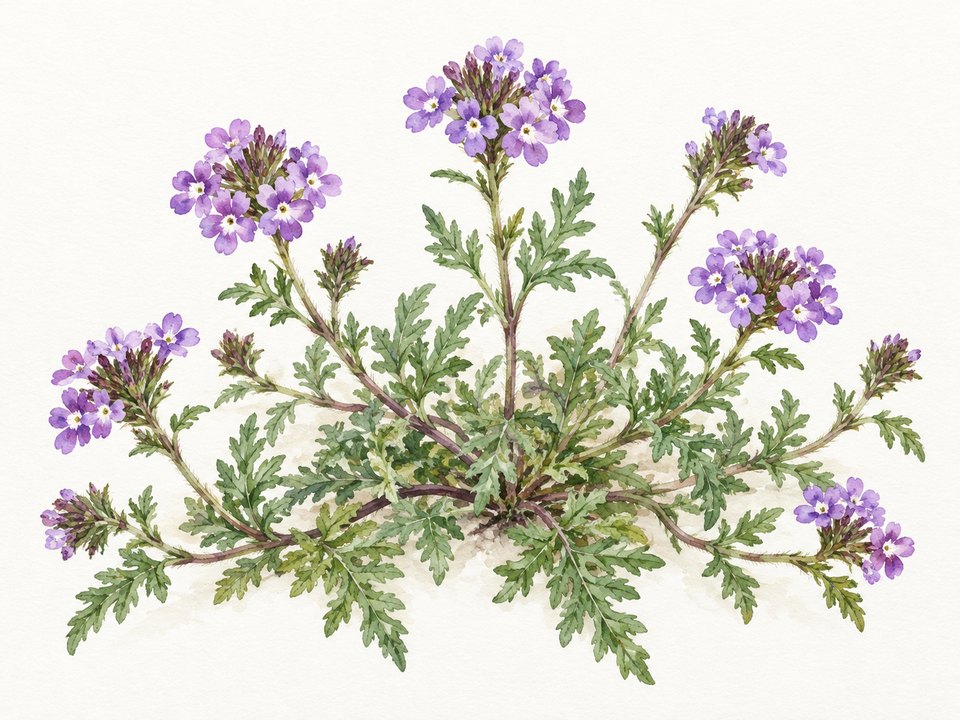 Illustration
Prairie Purple VerbenaVerbena bipinnatifidaIllustration 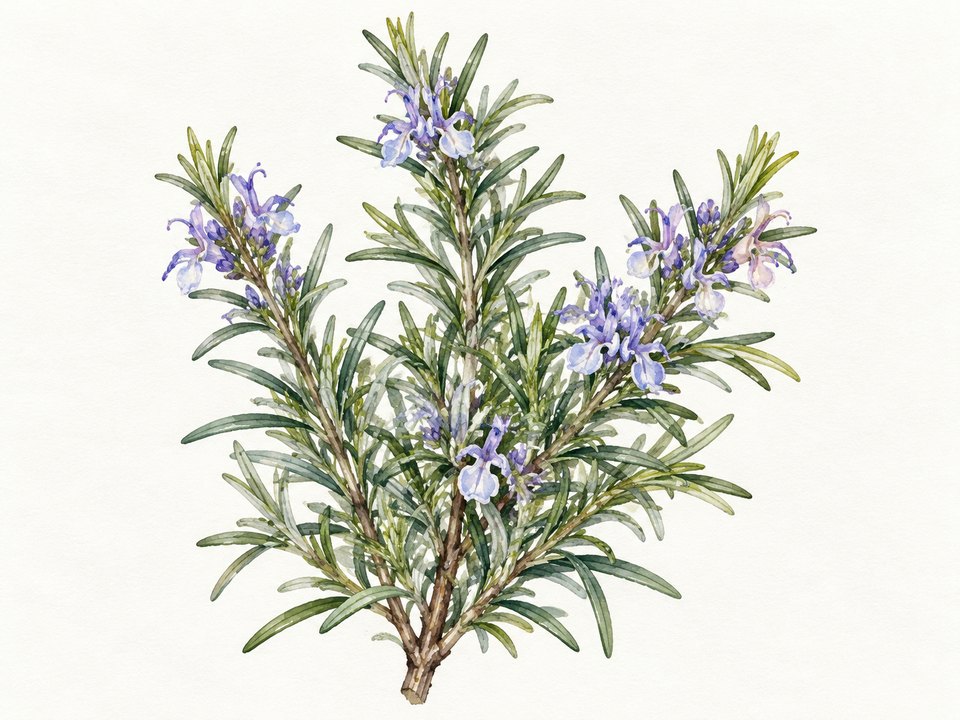 Illustration
RosemarySalvia rosmarinusIllustration 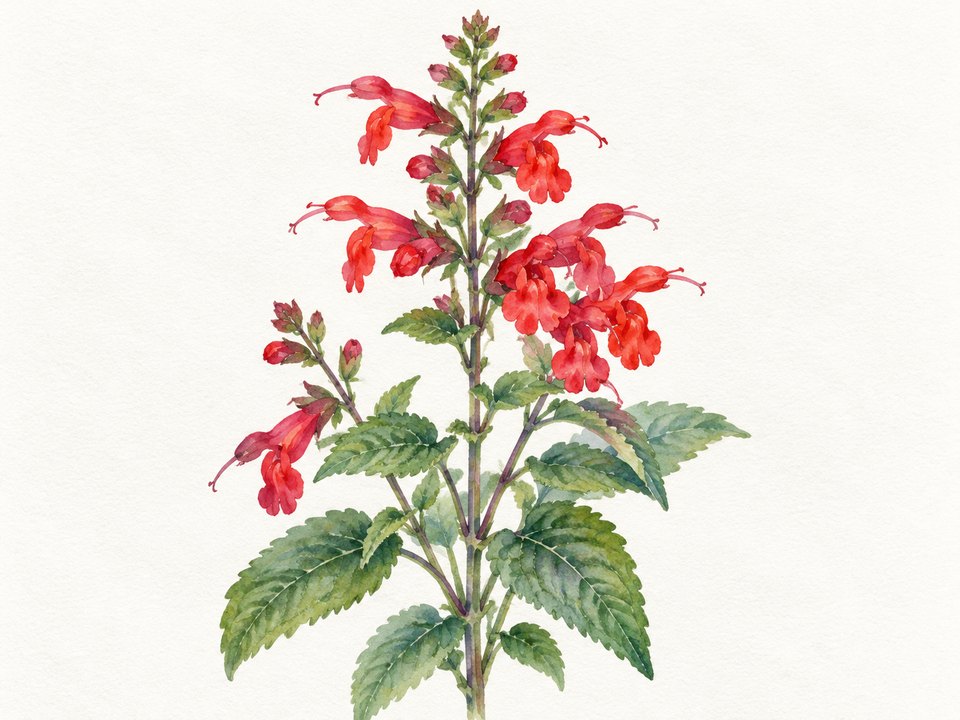 Illustration
Scarlet SageSalvia coccineaIllustration 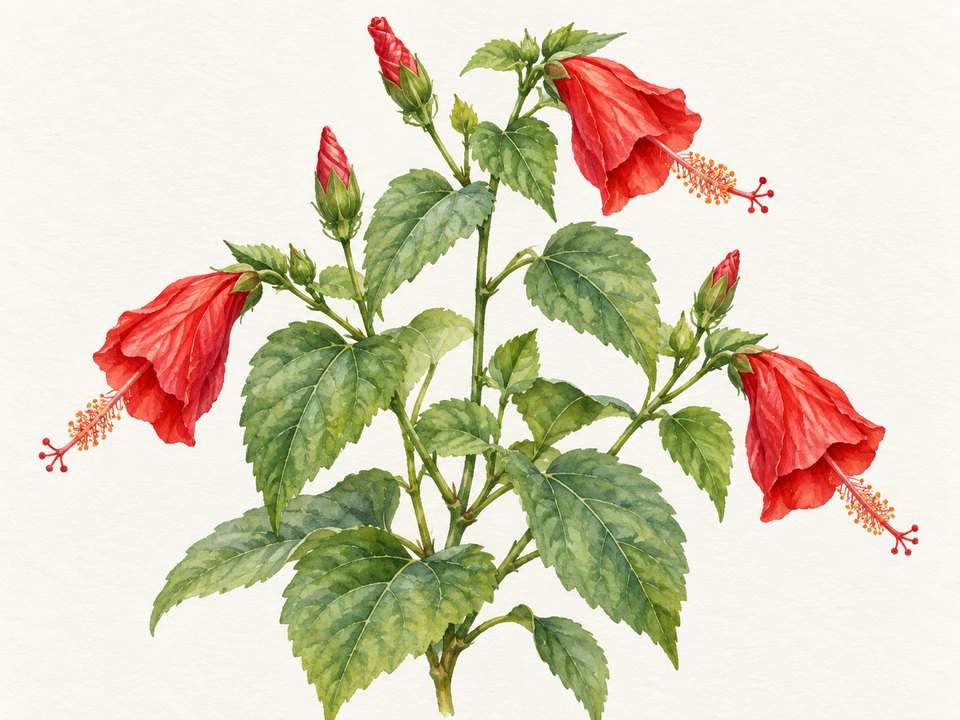 Illustration
Turk's CapMalvaviscus arboreus var. drummondiiIllustration
Palms
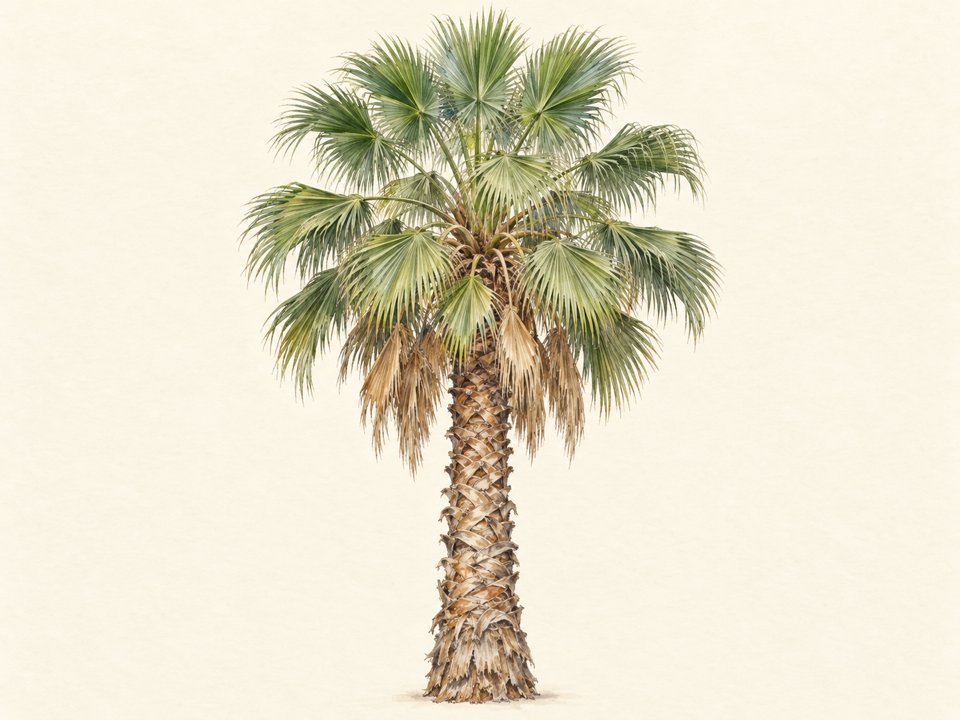
California Fan Palm (Washingtonia filifera); Dwarf Palmetto (Sabal minor); Texas Palmetto (Sabal texana); Windmill Palm (Trachycarpus fortunei); Mexican Blue Palm (Brahea armata); Butia or Jelly Palm (Butia capitata); European Fan Palm (Chamaerops humilis); Mazari Palm (Nannorrhops ritchiana); Canary Island Date Palm (Phoenix canariensis); Needle Palm (Rhapidophyllum hystrix); Silver Saw Palmetto (Sorenoa repens).[8]
 Illustration
California Fan PalmWashingtonia filiferaIllustration 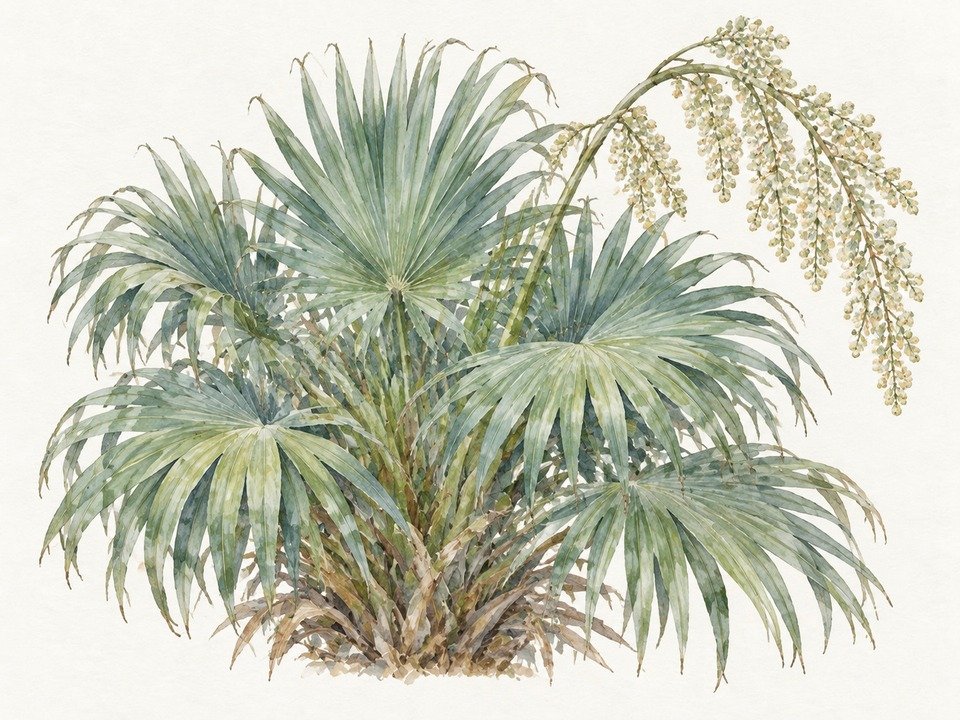 Illustration
Dwarf PalmettoSabal minorIllustration 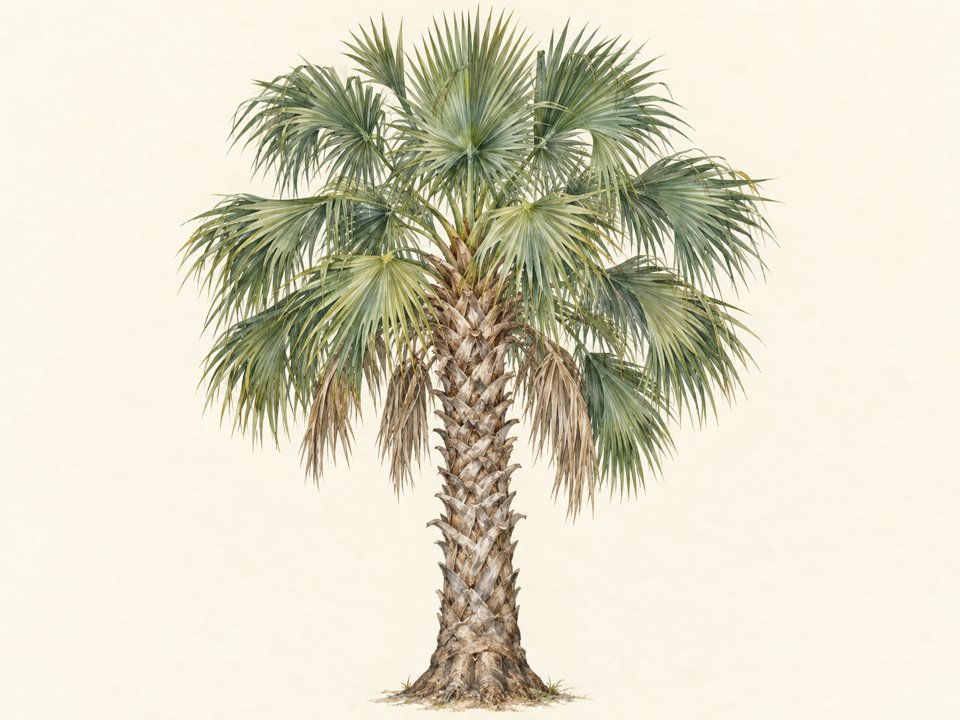 Illustration
Texas PalmettoSabal mexicanaIllustration 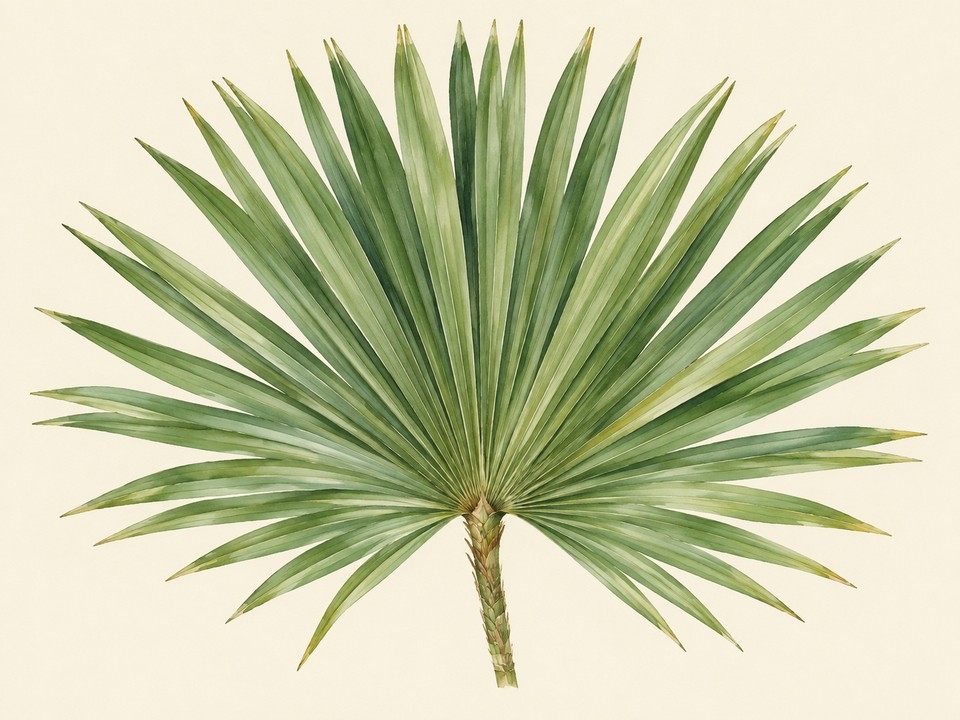 Illustration
Windmill PalmTrachycarpus fortuneiIllustration 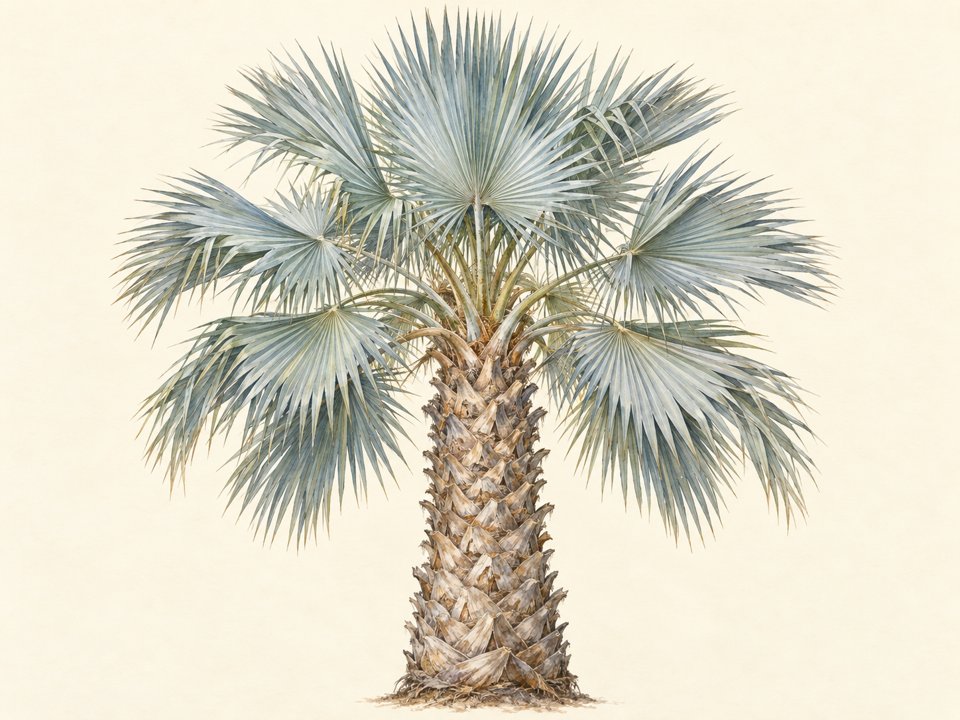 Illustration
Mexican Blue PalmBrahea armataIllustration 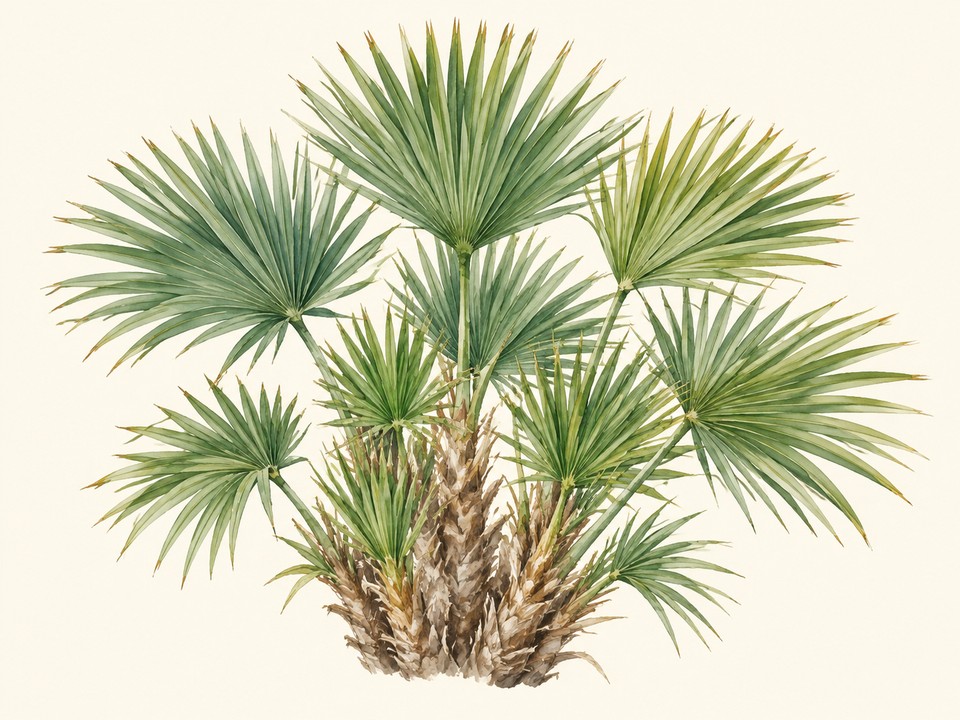 Illustration
European Fan PalmChamaerops humilisIllustration 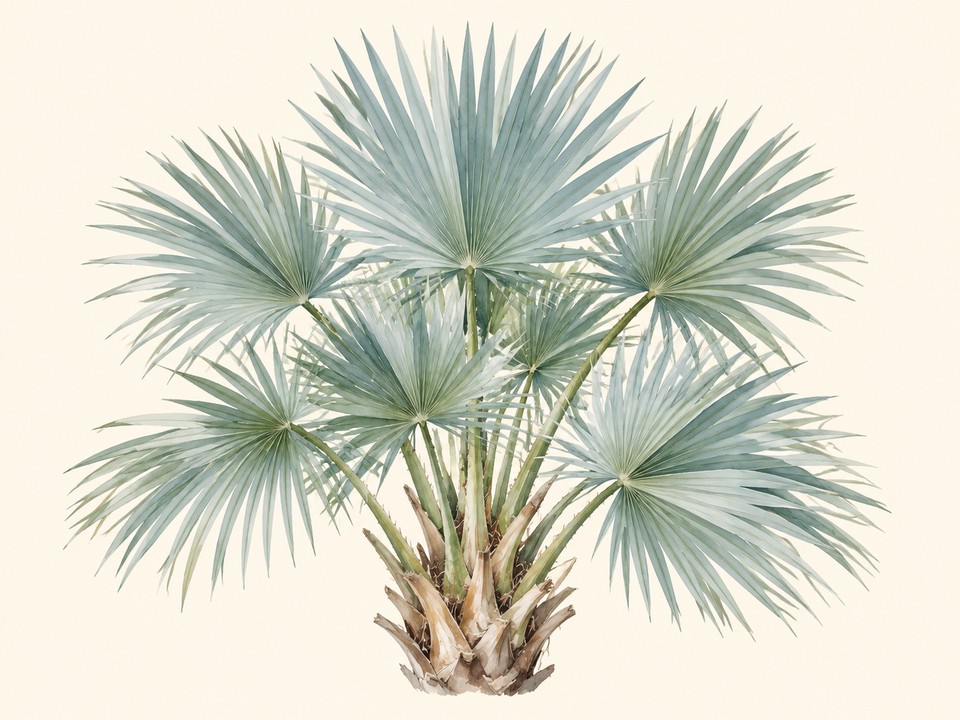 Illustration
Mazari PalmNannorrhops ritchieanaIllustration 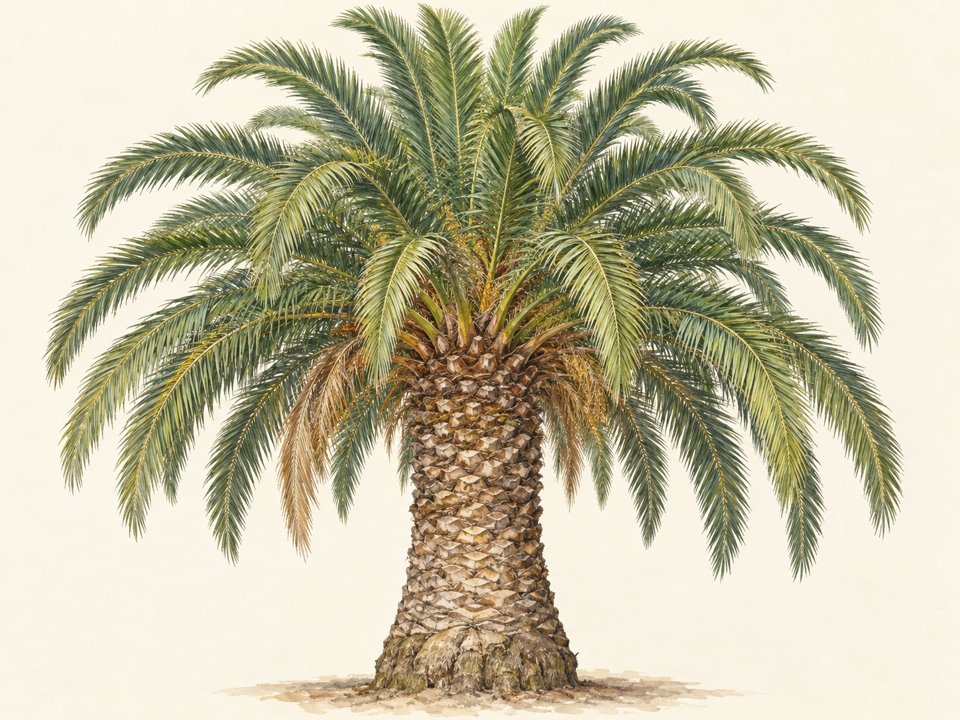 Illustration
Canary Island Date PalmPhoenix canariensisIllustration 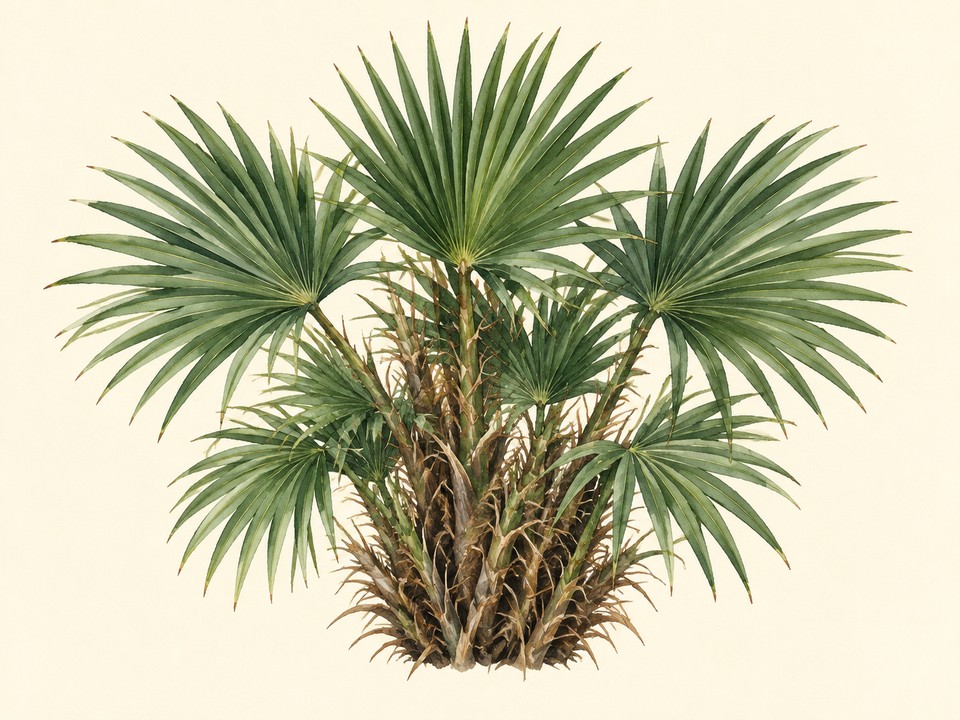 Illustration
Needle PalmRhapidophyllum hystrixIllustration
Ornamental grasses
Big Bluestem (Andropogon gerardi); Eastern Gamagrass (Tripsacum dactyloides); Inland Seaoats (Chasmanthium latifolium); Little Bluestem (Schixachyrium scoparium); Maiden Grass (Miscanthus sinensis); Muhly Grass (Muehlenbergia lindheimeri); Purple Fountain Grass (Pennisetum setaceum 'Rubrum'); Sideoats Grama (Bouteloua curtipendula); Switchgrass (Panicum virgatum).[8]
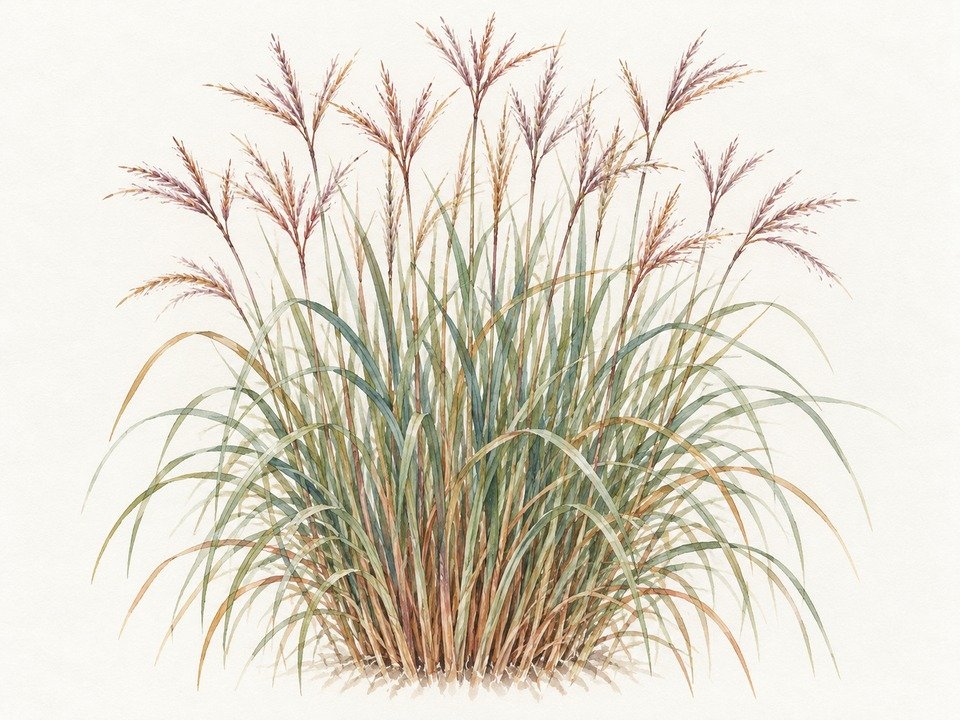 Illustration
Big BluestemAndropogon gerardiiIllustration 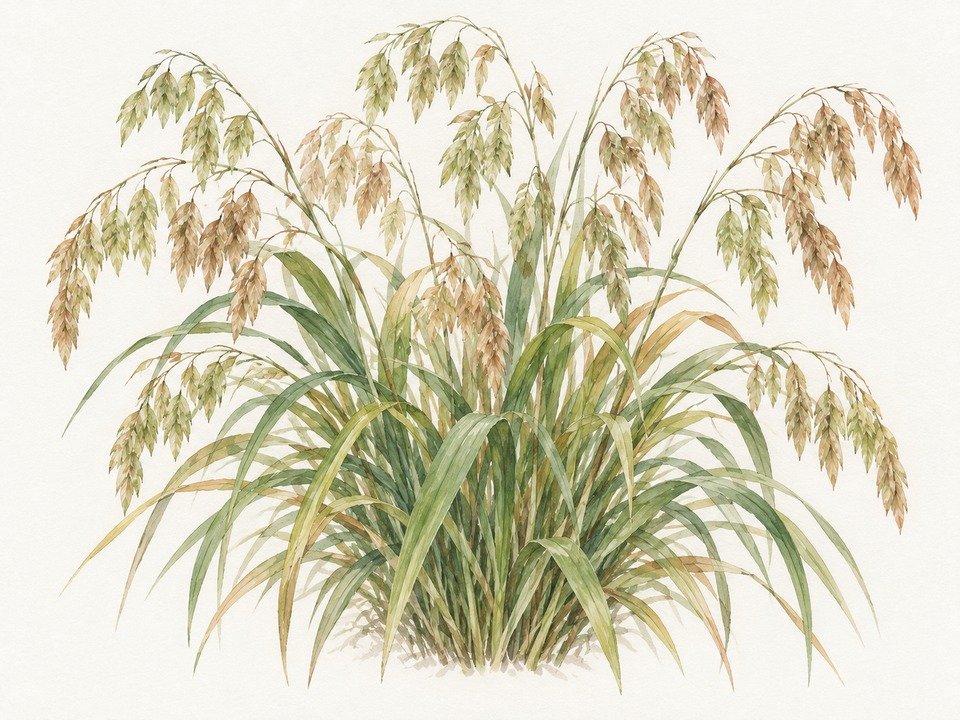 Illustration
Inland SeaoatsChasmanthium latifoliumIllustration 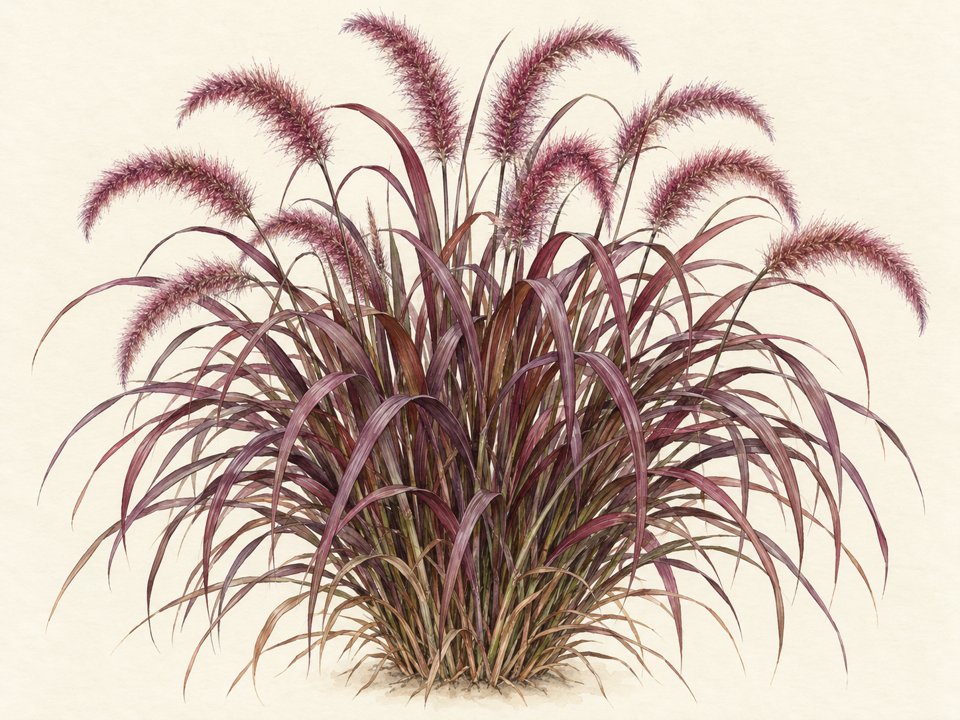 Illustration
Purple Fountain GrassCenchrus setaceusIllustration 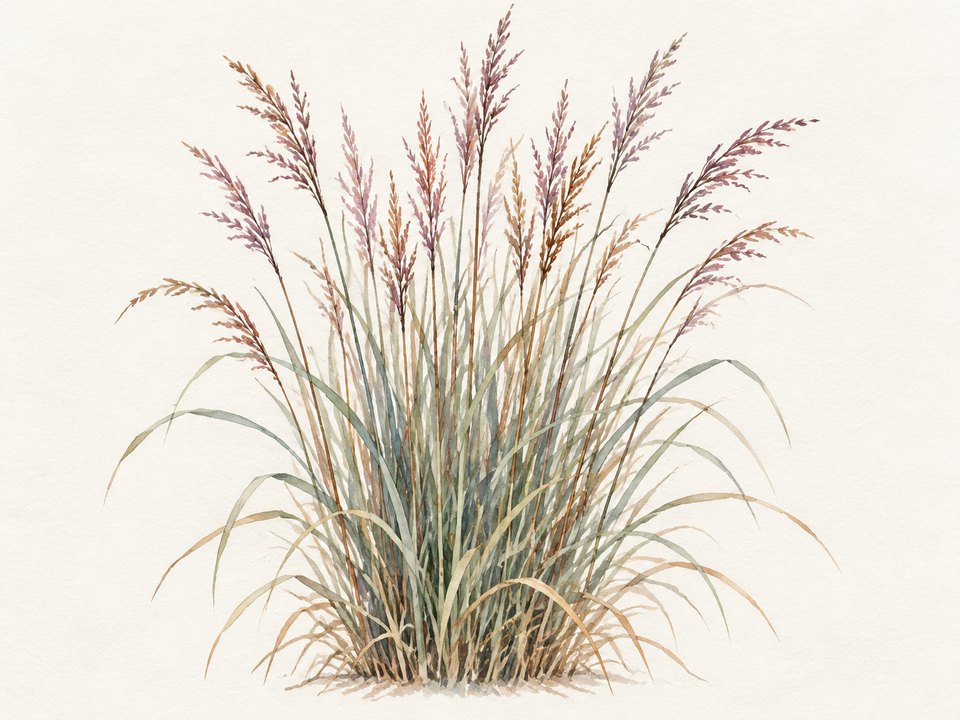 Illustration
Little BluestemSchizachyrium scopariumIllustration 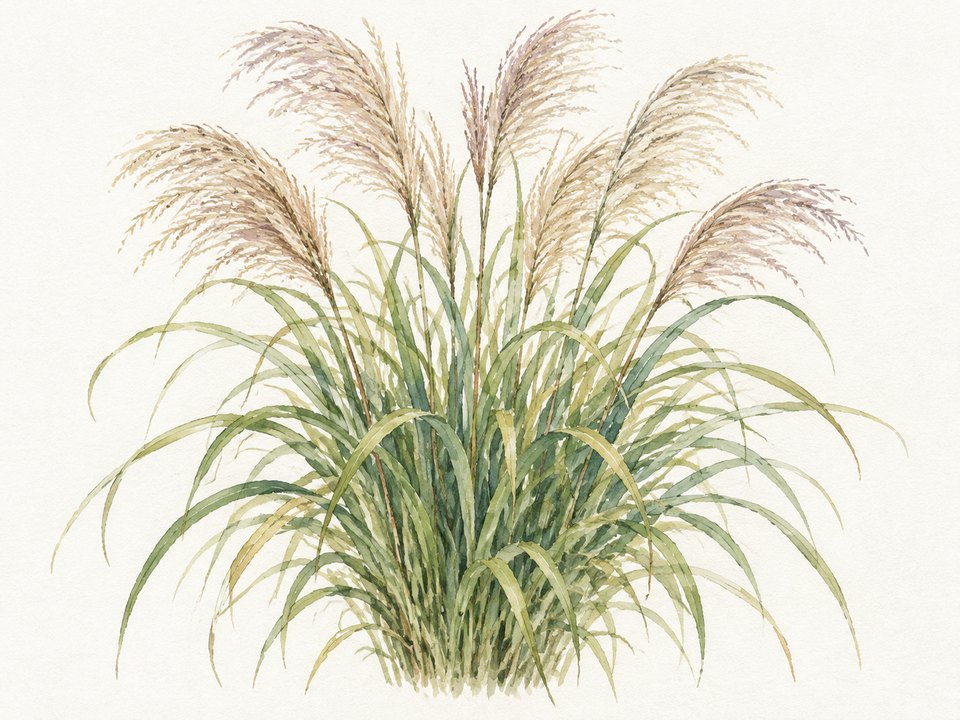 Illustration
MiscanthusMiscanthus sinensisIllustration - Illustration
Lindheimer's MuhlyMuhlenbergia lindheimeriIllustration 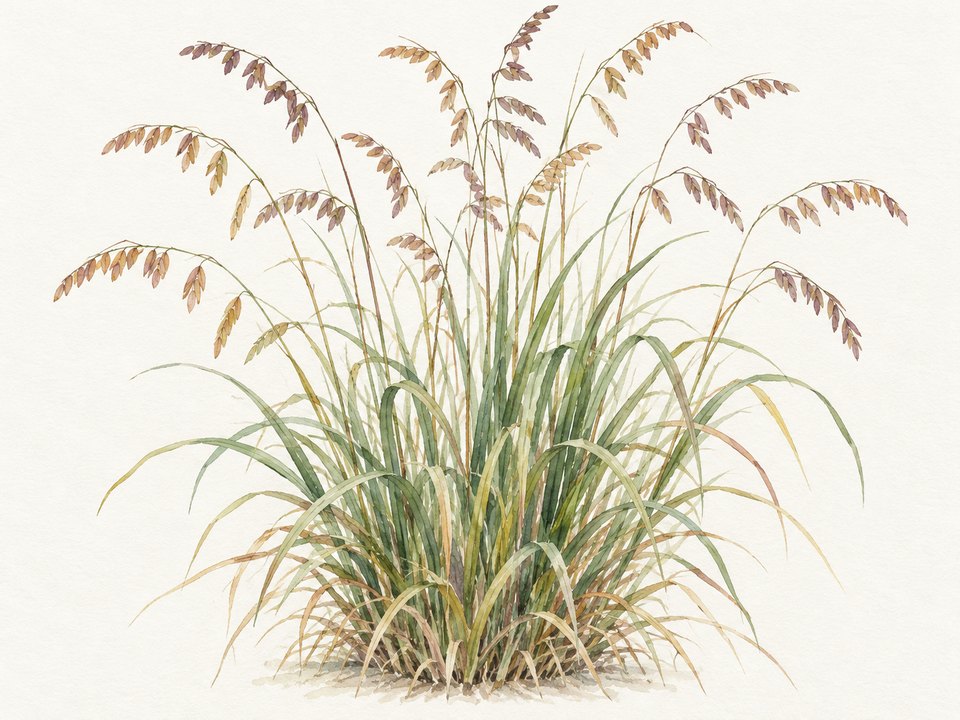 Illustration
Sideoats GramaBouteloua curtipendulaIllustration
Riparian and aquatic plants
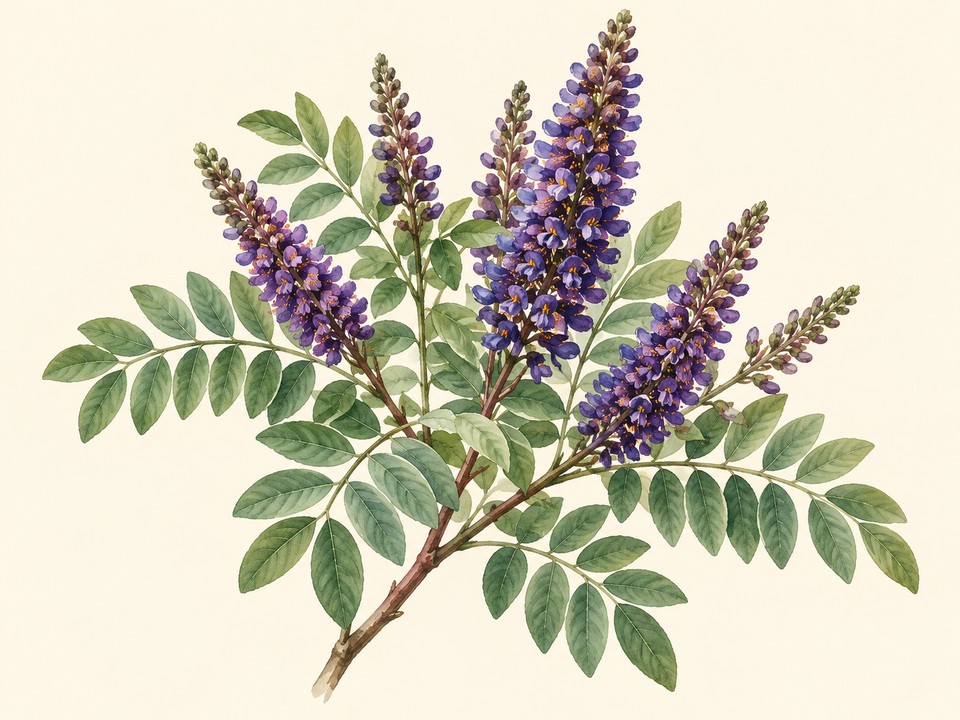
Button Bush (Cephalanthus occidentalis); Indigobush (Amorpha fruiticosa); Roughleaf Dogwood (Cornus drummondii); Crab Apple (Crategus texana); Wooly Rosemallow (Hibiscus lasiocarpus); Edwards Plateau Sedge (Carex microdonta); Bear Grass (Nolina sp); Purple Iris (Iris brevicaulis); Pickerelweed (Pontoderia cordata); Horsetail (Equisetum laevigatum); Blue Water Lily (Nymphaea); Pond Weed (Potamogeton illinoiensis).[8]
 Illustration
IndigobushAmorpha fruticosaIllustration 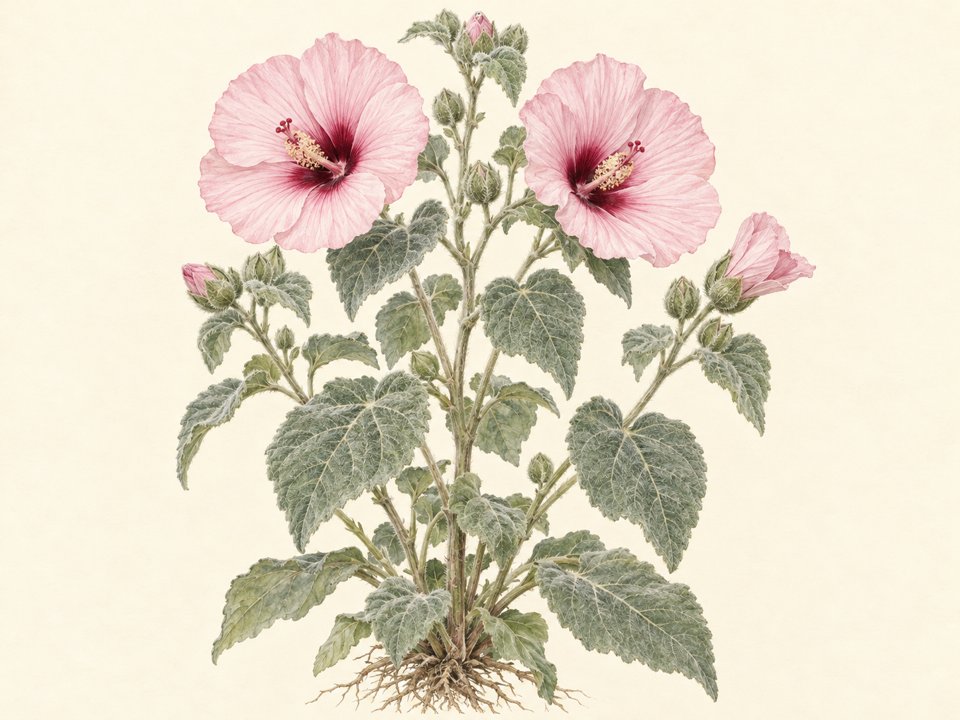 Illustration
Wooly RosemallowHibiscus lasiocarposIllustration 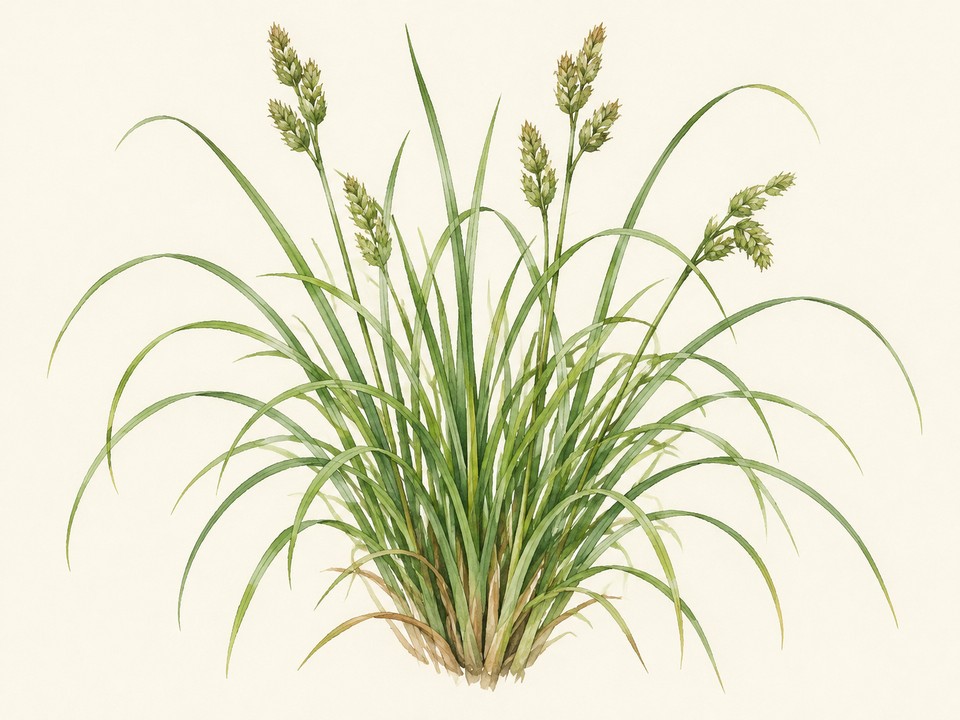 Illustration
Edwards Plateau SedgeCarexIllustration 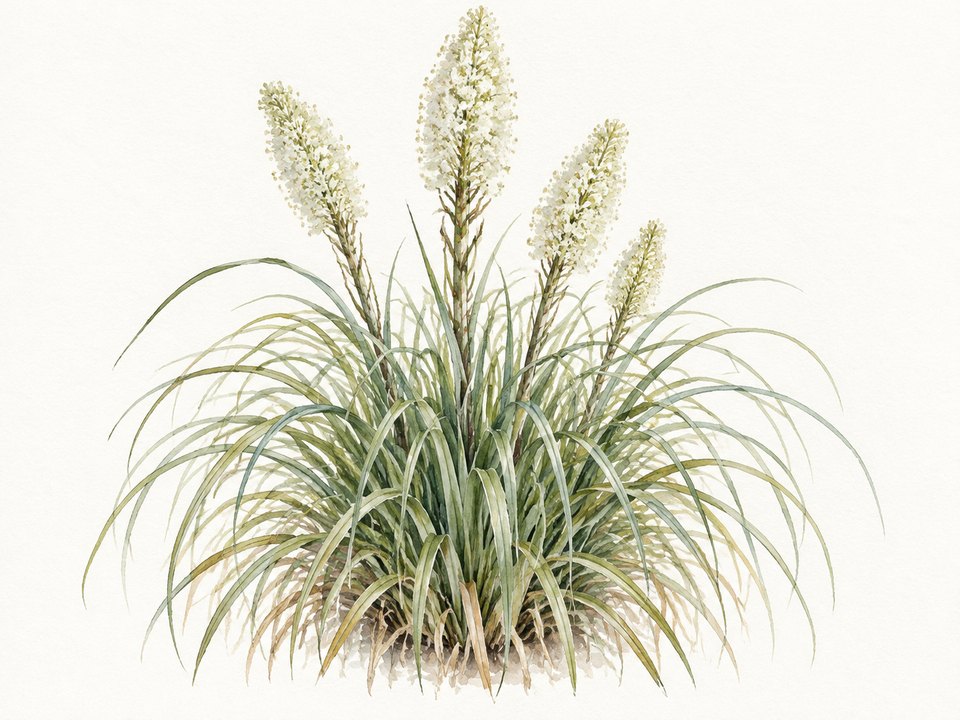 Illustration
Bear GrassNolina microcarpaIllustration 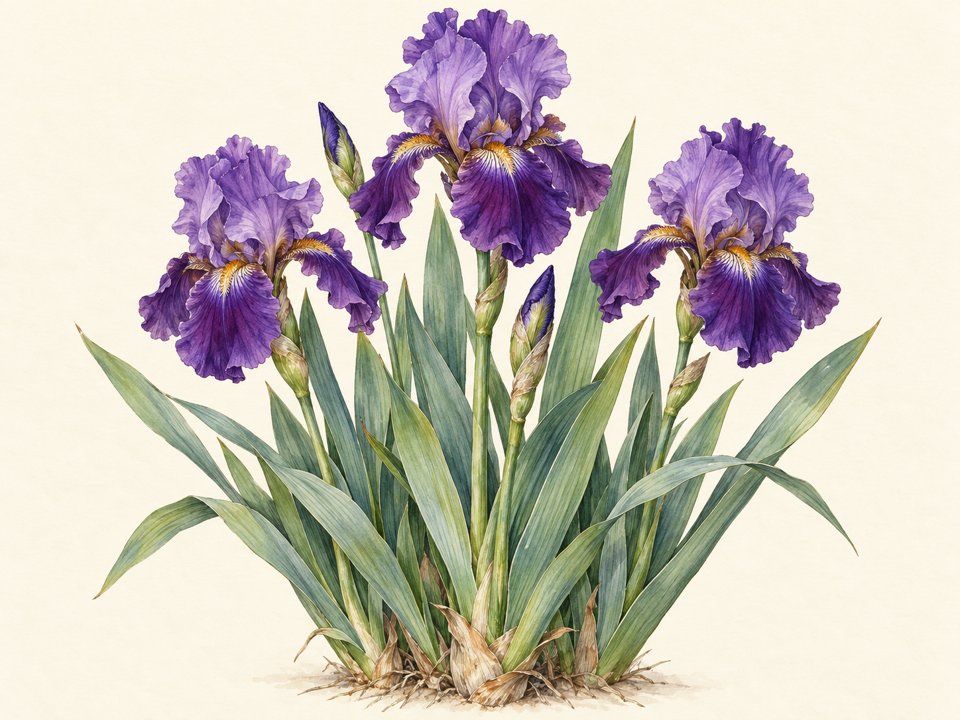 Illustration
Purple IrisIris x germanicaIllustration 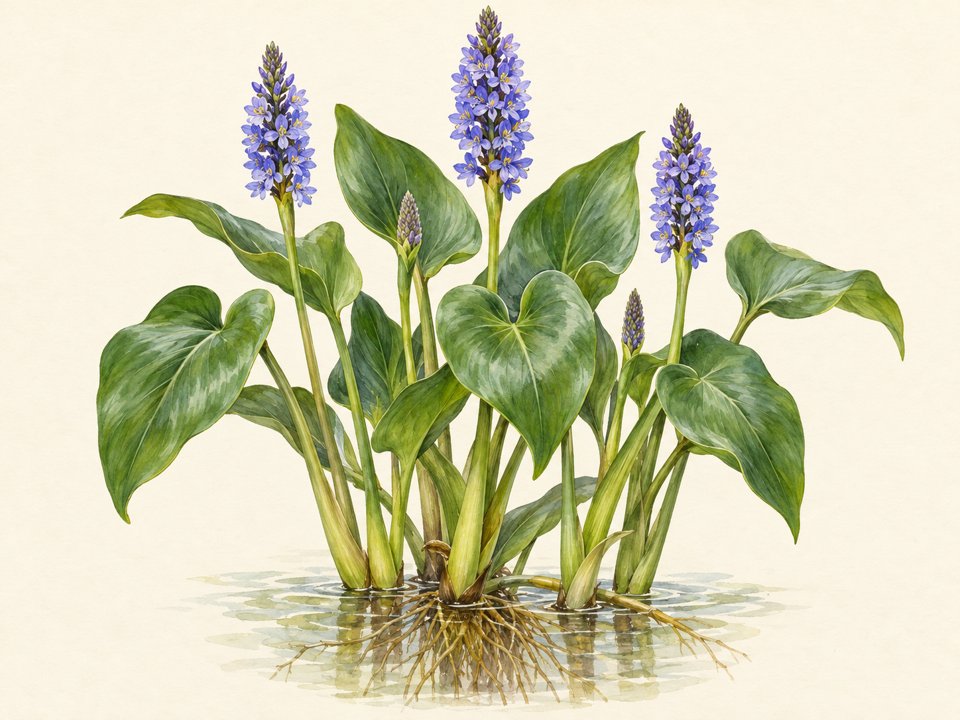 Illustration
PickerelweedPontederia cordataIllustration 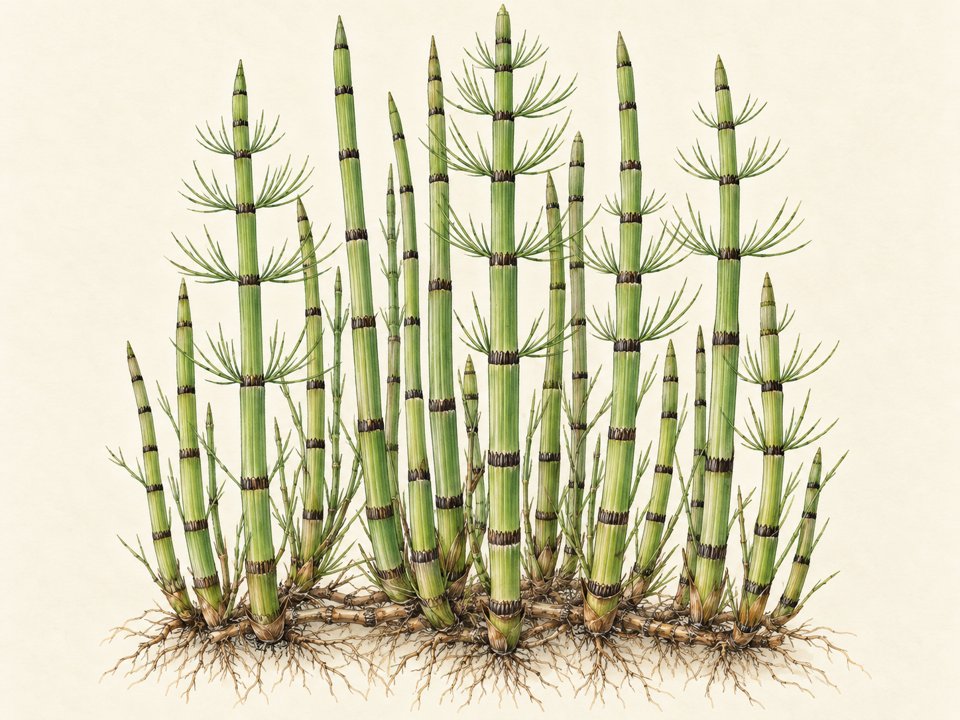 Illustration
HorsetailEquisetumIllustration 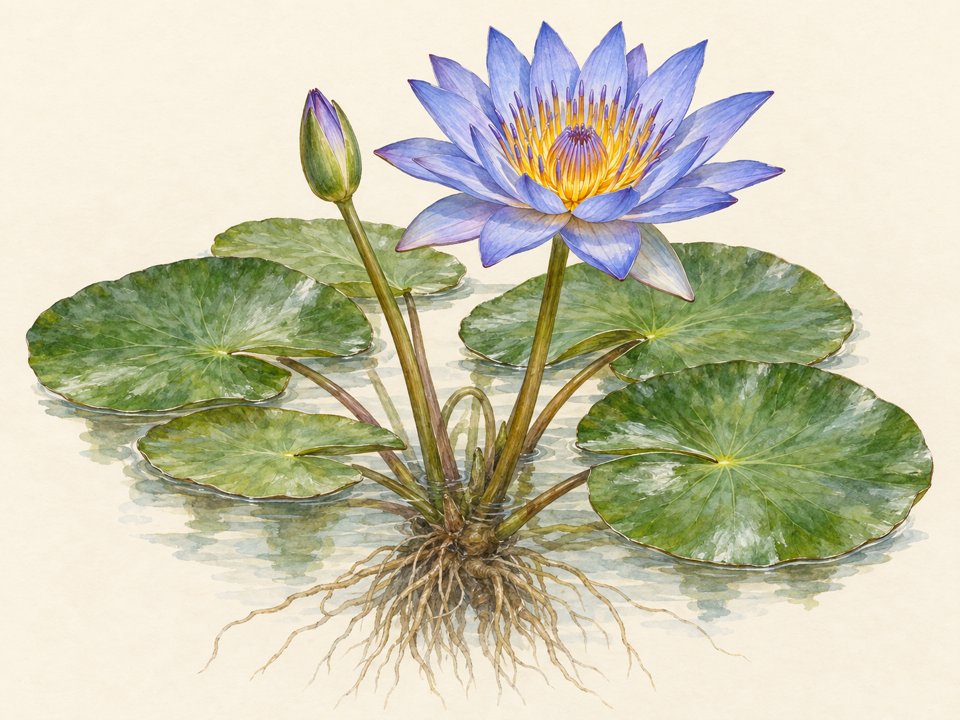 Illustration
Blue Water LilyNymphaeaIllustration 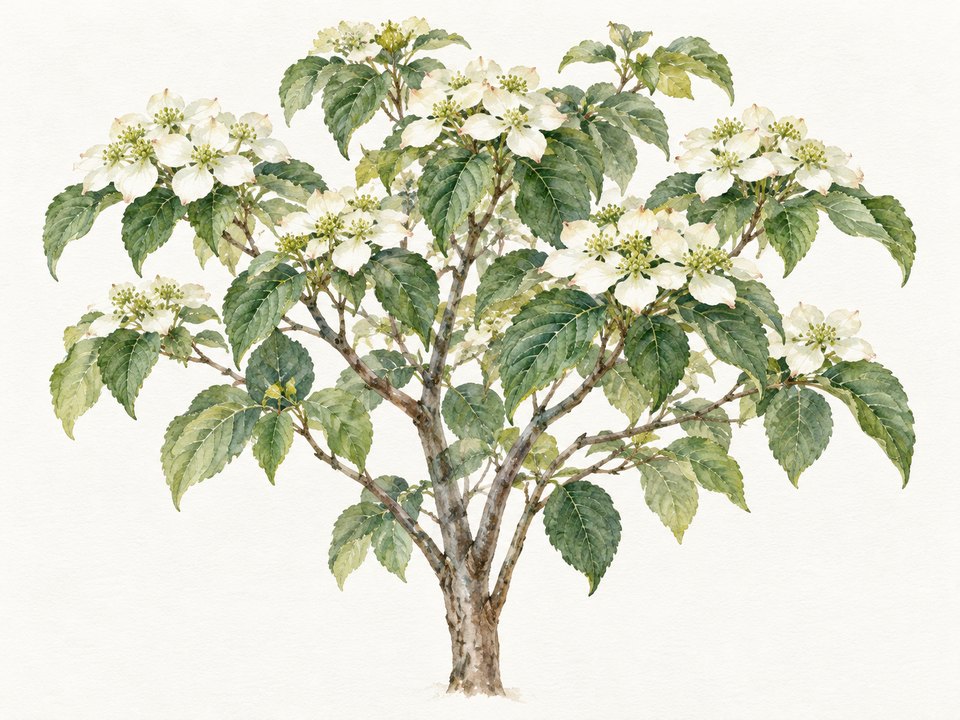 Illustration
Roughleaf DogwoodCornus drummondiiIllustration
Plants no longer recommended
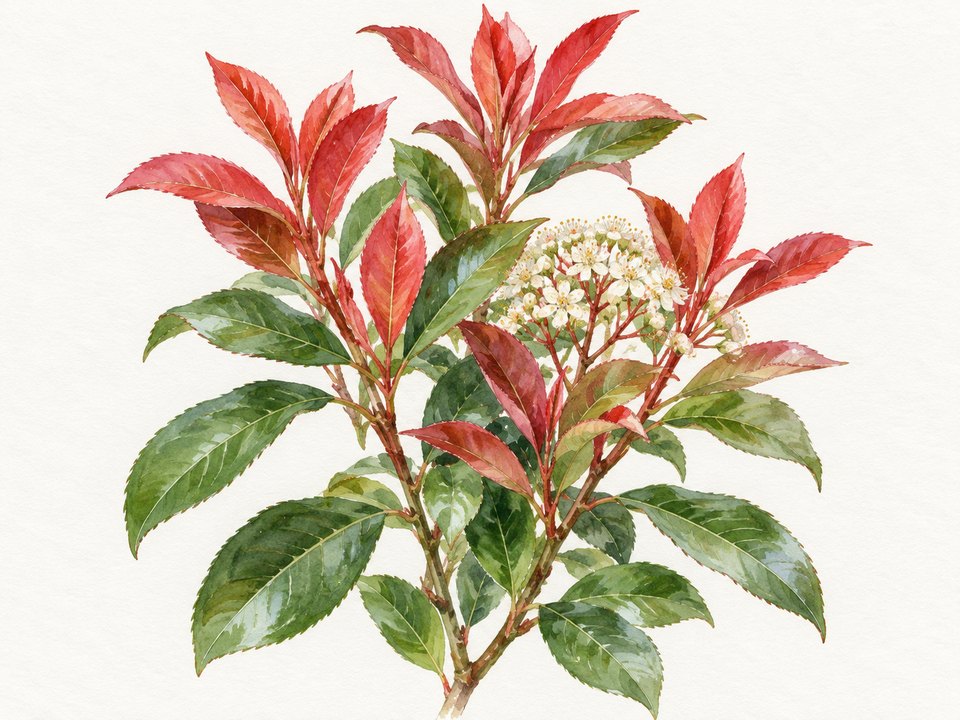
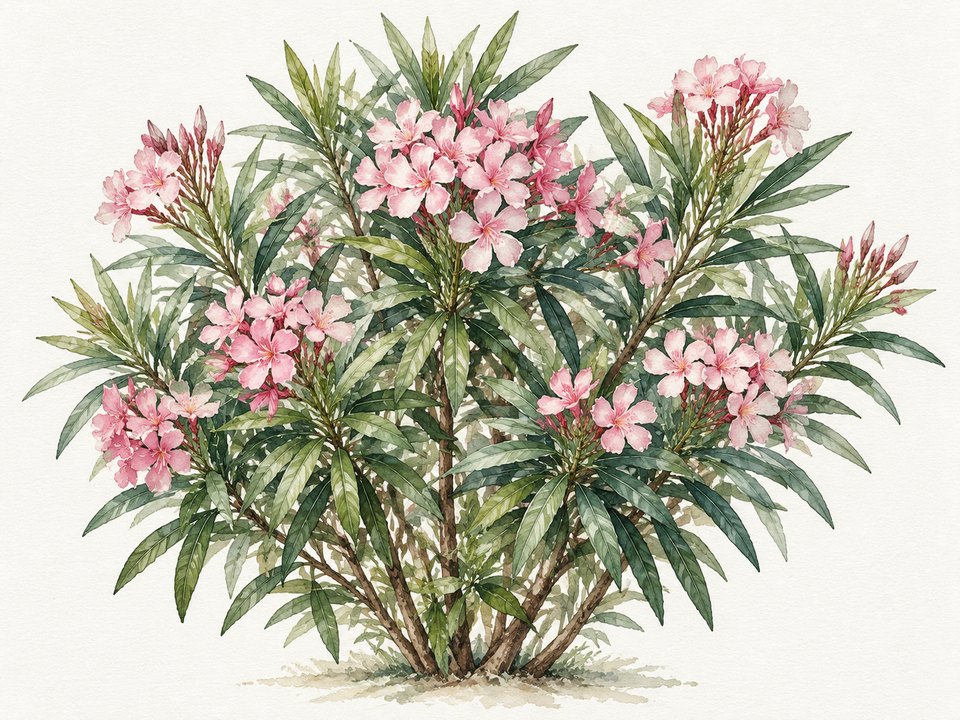
Red Tip Photinia and Oleander are no longer recommended in the City list because of new diseases. Keep that caution with the plant choice and ask about it during design. This note is not a separate Redbird Ranch ban.[8]
Tree care and watering
Keep trees planted by the homebuilder. If a tree dies for any reason, replace it within 60 days with the reviewer's approval. Have the replacement species and location approved before planting.[3]
For oak-wilt prevention, sterilize tools before and between cuts on oaks. Pruning is discouraged from February 1 through June 15. Paint cuts and wounds right away with tree paint. Treekote is a named approved example. Have current tree-health guidance and the law checked before pruning.[3]
All sodded areas need a programmable irrigation system that meets state and local water rules. Use heads that make large drops. Group zones by plant water needs. Drip irrigation is encouraged. Where a backflow device is required, arrange a yearly inspection by a licensed TCEQ backflow-prevention assembly tester.[3]
Check the water provider and current watering limits for your lot before setting the controller. No single live schedule covers all service areas yet. Some landscape-maintenance fines are limited when required watering limits could reasonably cause a lawn to brown. That protection runs while the limits apply and for 60 days after they end. Other yard-care and approval duties still apply.[13]
Project dates, costs and yard care
Start and finish dates
Final-plan approval lasts 180 days. Start within that time. Then work steadily and finish within one year after approval, unless the reviewer sets another allowed period. The design instructions mention a longer one-year start window for home construction. The master covenant controls if the two conflict. Get a written answer before relying on that longer window.[2][3]
Xeriscaping must start within 30 days after approval and move steadily to completion. Finish changes to an existing landscape within 14 days after starting. The reviewer may grant an extension and may require a deposit. Arrange an extension before the deadline.[4][3]
For a new home, install landscaping within 30 days after completion and before move-in. Meet both limits when planning your move-in date.[3]
Build the approved design. Keep work out of neighboring lots and common areas. Protect pavement, curbs and plants. Control runoff. Remove mud and debris. Have major plan changes approved before the crew makes them.[3]
Review fees and deposits
A review fee and compliance deposit may be charged. A current landscape-application amount is not confirmed. Ask for the amount, deposit terms and refund conditions before paying. Annual assessments and working-capital charges have a separate purpose.[2][3][6]
Keep the finished yard healthy
Maintain permanent and temporary planting, lawn, screens and irrigation. Water within current restrictions. Provide suitable fertilizer, pruning, mowing, weed control and seasonal mulch. Take care of pests and disease. Replace dead or diseased plants.[3]
Written enforcement rules provide for notices, hearings, fines and collections. The 2023 replacement policies and the later 2025 limits and protections need to be read together. How often landscaping enforcement happens is not confirmed.[14][13]
Redbird Ranch landscape questions
Planning your yard
Can I replace lawn with water-wise planting?
May I remove a builder-planted tree?
Keep trees the homebuilder planted. A tree that dies must be replaced within 60 days with approval. We can help you choose and submit the replacement species and location.[3]
Can I plant the strip next to the street?
Have the association confirm who controls it. Adding or removing plants there needs the Board's advance written consent. Include that check with the review of your yard plan so both are ready before work.[4]
Plan your Redbird Ranch landscape
Bring your survey and ideas for enjoying the yard. Texas Allied Landscape helps design planting, irrigation and outdoor spaces, prepare the review package and install the approved plan. We work through lawn areas, tree care and water use with you so the finished space fits your home.
Sources and lot coverage
The earlier reading for this guide covers all 48 PDF link positions in the official library. It includes both counties' master covenant, development-area declaration, manual, policies, charters, design rules, amendments, lot-coverage notices and fence-color sheet. One notice link repeats a plat-recording document. The Medina design-rule link holds a Bexar scan, so the actual Medina recording was read too. A later Bexar first amendment and the added Medina Phase 2 Unit 3M-3B notice were also checked.[5][15][16][17][18][19][20]
All 14 pages of City Appendix E were read for the plant list. Older scientific names, spelling errors, broad choices and unmatched plants stay visible so you can check them against the source.[8]
Have your lot's coverage, later rules, current reviewer, submission route, fees, watering limits and written approval checked before work. Wider title searches are outside this guide.
Community profile
Redbird Ranch
Plan a yard you enjoy with the right lawn areas, plant choices and water use. We help prepare your Redbird Ranch design and approval package.
1 permissive5 protective
| Design latitude | 4/5 |
|---|---|
| Approval scope | 5/5 |
| Approval layers | 1/5 |
| Approval cost | — |
| Plan preparation | 3/5 |
| Enforcement capability | — |
Higher means more documented control or burden, not a better community.
All 48 official-library PDF link positions read, with county scan gaps recovered; later named records and the incorporated 14-page City plant list checked November 10, 2026. Not a complete title search.
Design latitude
4/5
Required lawn and a listed palette
- 1
- 2
- 3
- 4 (this score)
- 5
How much of the plant and design palette is prescribed. A higher score means less design freedom.
Why this score
Plan for required sod areas, soil and mulch depths, tree care and water-wise coverage limits. A broad City plant list offers choices. Get written approval for any exception.
Approval scope
5/5
All landscaping needs written approval
- 1
- 2
- 3
- 4
- 5 (this score)
How much exterior work needs written sign-off.
Why this score
Get written approval for all landscaping before installation. Tree removal, clearing, irrigation, grading, lights and hardscape also need review. Have major plant, layout, count and material changes approved again.
Approval layers
1/5
One reviewer for a typical yard plan
- 1 (this score)
- 2
- 3
- 4
- 5
Counts distinct required community reviewers only. City, county and state permits, optional steps and repeat submissions are not counted.
Why this score
A normal yard plan goes to one community reviewer or committee. Street-strip planting also needs Board consent, and variances need a Board hearing. Developer approval may apply during development. Check the extra steps for your project.
Approval cost
—
- 1
- 2
- 3
- 4
- 5
What the community's own approval process costs to apply.
Why this score
A review fee and compliance deposit may be charged. A current landscape-application amount remains unverified. Ask for the charges and refund terms before paying. Annual assessments have a separate purpose.
Plan preparation
3/5
Detailed plan and supporting package
- 1
- 2
- 3 (this score)
- 4
- 5
How much drawing and documentation an application needs.
Why this score
Prepare a detailed plan at least 30 days before installation. Show plants, counts, locations, materials, hardscape and utility screens. Water-wise plans add coverage percentages. Confirm the plan-copy count. A drainage change also needs engineer certification.
Enforcement capability
—
- 1
- 2
- 3
- 4
- 5
Which remedies the verified governing documents and adopted policies provide. The score reflects verified documented provisions, not observed enforcement practice or legal conclusions. Not finding an express clause is not a conclusion that no authority exists.
Sources
- Redbird Ranch amenities . Pools, splash pad, playground, courts, clubhouse and fitness center. Checked November 11, 2026.https://www.redbirdranchlife.com/redbird-ranch-amenities/↑
- Amended and Restated Master Covenant . All 82 pages. Definitions and article 6, especially sections 6.3-6.4.8; PDF pages 45-47 for approval, government submissions, silence, variances and duration. Read November 10, 2026.https://bexar.tx.publicsearch.us/doc/168922060abcdefghi
- Design Guidelines . All 25 pages, including forms and recording page; sections V, VI, VII, VIII and IX. Actual lighting page image checked because extracted text incorrectly changed "not" to "now." Read November 10, 2026.https://bexar.tx.publicsearch.us/doc/260229613abcdefghijklmnopqrstuvwxy
- Amended, Restated and Consolidated Development Area Declaration . All 42 pages; sections 2.20, 2.30 and 3.13, street landscape, drainage and xeriscaping. Read November 10, 2026.https://bexar.tx.publicsearch.us/doc/168929355abcdefghij
- Redbird Ranch official document library . All 48 posted PDF link positions reviewed, including separate county counterparts and duplicate links. Read November 10, 2026.https://www.redbirdranchlife.com/documents/ab
- Community Charters . All 25 pages, including Architectural Control Committee charter, meeting frequency, review scope and Board variance hearing. Read November 10, 2026.https://bexar.tx.publicsearch.us/doc/232819583abcd
- Official recorded-document library . Notice of Designation of Common Area [Fences], Bexar and Medina copies, read in full. Confirm the exact road-facing segment against the instrument. Read November 10, 2026.https://www.redbirdranchlife.com/documents/↑
- City of San Antonio Appendix E: Recommended Plant List . All 14 pages; complete trees, shrubs, vines, groundcover, turf, perennial, palm, ornamental-grass and riparian/aquatic tables, plus notes. This is the list incorporated by the guidelines, not a substitute list from another community. Read November 10, 2026.https://docsonline.sanantonio.gov/FileUploads/dsd/CurrentAppendixE.pdfabcdefghijklmnop
- Kew Plants of the World Online: Turk's Cap . Synonym check for plant identity. Read November 10, 2026.https://powo.science.kew.org/taxon/urn:lsid:ipni.org:names:150445-2↑
- Kew Plants of the World Online: perennial verbena . Synonym check for plant identity. Read November 10, 2026.https://powo.science.kew.org/taxon/urn:lsid:ipni.org:names:865055-1↑
- Kew Plants of the World Online: Hinckley's columbine . Synonym check for plant identity. Read November 10, 2026.https://powo.science.kew.org/taxon/urn:lsid:ipni.org:names:272435-2↑
- Kew Plants of the World Online: Cordia boissieri . Accepted spelling; plant identity only. Read November 10, 2026.https://powo.science.kew.org/taxon/urn:lsid:ipni.org:names:113994-1↑
- Official recorded-document library . Supplemental Policies [2025 Legislative Update], all 11 pages in each county copy. Landscape-watering restriction protection and later notice/hearing rules. Read November 10, 2026.https://www.redbirdranchlife.com/documents/ab
- Official recorded-document library . Community Manual and Supplemental Policies [Fine & Enforcement, Collections], both county copies read in full. The August 2023 supplement replaces the older fine and collection policies. Read November 10, 2026.https://www.redbirdranchlife.com/documents/↑
- Medina master covenant . Full operative text and missing scan pages recovered and read November 10, 2026.https://medina.tx.publicsearch.us/doc/168919713↑
- Medina development-area declaration . Full operative text read November 10, 2026.https://medina.tx.publicsearch.us/doc/168928163↑
- Medina community manual . Full operative text read November 10, 2026.https://medina.tx.publicsearch.us/doc/168928162↑
- Actual Medina guidelines recording . Full operative text and missing scan pages recovered and read November 10, 2026.https://medina.tx.publicsearch.us/doc/260227677↑
- Later Bexar first amendment . All five pages; no new plant palette. Read November 10, 2026.https://bexar.tx.publicsearch.us/doc/289423298↑
- Medina applicability notice for Phase 2 Unit 3M-3B . All four pages; no new plant palette. Read November 10, 2026.https://medina.tx.publicsearch.us/doc/194649309↑