
Property owners
Cordillera Ranch Landscaping
Bring Cordillera Ranch's Hill Country setting into your own yard with shade, color and places to enjoy life outside. Texas Allied Landscape helps plan, submit and build the right design for your lot.
Get a quoteWhere is Cordillera Ranch?
Kendall County, east of Boerne
On this page
Guadalupe River frontage, preserved parkland and Hill Country trails give Cordillera Ranch room to enjoy life outdoors.[1] Its range of homesites offers different ways to make that setting your own. Texas Allied Landscape helps connect planting and outdoor living. We keep the natural character of your property. We use the right guideline set for your part of the community.
Approval before installation
Get ARC approval for initial planting plans. Replacement landscaping also needs approval if it falls outside the Design Guidelines. In the unit rules checked, replacements that follow those guidelines are exempt. We confirm the rule for your lot before work.[2] [3]
Landscape approval
Prepare the package for your project.
New-home review includes a site study, an early review and a final review. Later additions, such as landscaping and lighting, need drawings too. We check what your remodel needs.[4]
Allow 60 days after all requested information is sent.
The earlier 30-day rule for approval without an answer has been replaced. Meeting-response times are separate from this 60-day review period.[5]
Get written approval before work begins.
No answer means denial. Wait for written approval before scheduling installation.[5]
The ARC reviews an ordinary landscape application. For an exception, get majority approval from both the ARC and Board. The developer must also consent during the development period. These added signoffs apply when you seek an exception.[5]
Use a professional landscape architect or ARC-approved designer. Use a licensed irrigator too. They are needed for the reviewed landscape package. Include scaled planting, irrigation and restoration plans. We help prepare the right package.[4] [6] [7]
Fine-hearing procedures changed in 2024. Deposits and fines are separate from the written approval you need before work.[8]
Design around your lot's natural preserve
Start your layout with the Natural Vegetation Preserve, or NVP. This area protects the lot's natural growth. Its boundary depends on your guideline set and lot. So does the work allowed there. In the Golf area, it runs around the perimeter outside the Area of Disturbance. In the Springs, unit, block and lot tables set the details. The NVP has its own boundary, separate from the building envelope. We find that line before planning lawn and beds.[4] [6] [7]
Keep permanent irrigation out of the Golf and Springs preserve. Temporary watering may be required to restore it. For Unit 301A, Block B in the Springs, limited hand trimming may be allowed. It needs prior written approval. That exception is specific to those lots.[6] [7]
A dated Springs lot example
This diagram uses the dated Springs requirements. It applies only to Unit 301A, Block A, Lots 1, 10 and 15. Check setbacks on the final plat. Other lots and the Ranch and Golf areas differ. Measure vertical improvements to the roof edge, except approved fences and driveways.[7]
The NVP is separate from the building envelope. It is not shown on the plat. Leave it undisturbed. A stated exception or prior written ARC consent must allow any work. No side NVP band is specified for these three lots. Master changes through the corrected 2024 Ninth Amendment make no landscape-standard changes. Unit-level supplements remain under review.[7]
Hover over the drawing to magnify it.Press and hold the drawing to magnify it.With a keyboard, focus the drawing and press Enter or Space to open the magnifier, use the arrow keys to move it and Escape to close it. Every distance is also listed below.
- AFront (street): Setback 75 ft [7], Preserve 50 ft [7]
- BRear: Setback 50 ft [7], Preserve 50 ft [7]
- CInterior side: Setback 20 ft [7]; no preserve shown
- DStreet side: Setback 30 ft [7]; no preserve shown
- Property boundary
- Building setback (no buildings past this line)
- Vegetation preserve (natural vegetation stays)
- Easement (utility or drainage access)
- Project footprint (proposed work)
The dashed lines mark where buildings may not go. Inside the setback lines, other limits (easements, ACC) still apply.
A preserve means natural vegetation stays; it does not mean all work is excluded. Crossings and variances are not shown here.
Band widths are drawn in proportion to each other; the lot is a schematic rectangle, not a survey.
Lawn and irrigation are designed together
Limit turf grass and its related irrigation. The limit is 2.5 times your house-and-garage foundation footprint. The maximum is 12,000 square feet. Leave driveways and patios out of that footprint. Site-specific layout changes may be allowed. We check the right plan for your lot.[4] [6] [7]
Lawn widths differ by area. Ranch lots generally need 15 feet of lawn at the front and rear. They need 10 feet at the sides. Golf lots use 15 feet front and rear. They use 5 feet at the sides. Springs lots combine front-and-rear beds with lawn. Side-yard treatment varies by unit and block. We use your lot's guideline set and table.[4] [6] [7]
Use automatic irrigation for the designed landscape. Include rain or moisture sensing. Match zones to plant needs. Submit an irrigation design. Drip is encouraged. Existing vegetation and restored preserve areas have separate watering requirements.[4] [6] [7]
Protect the trees and finish the disturbed areas
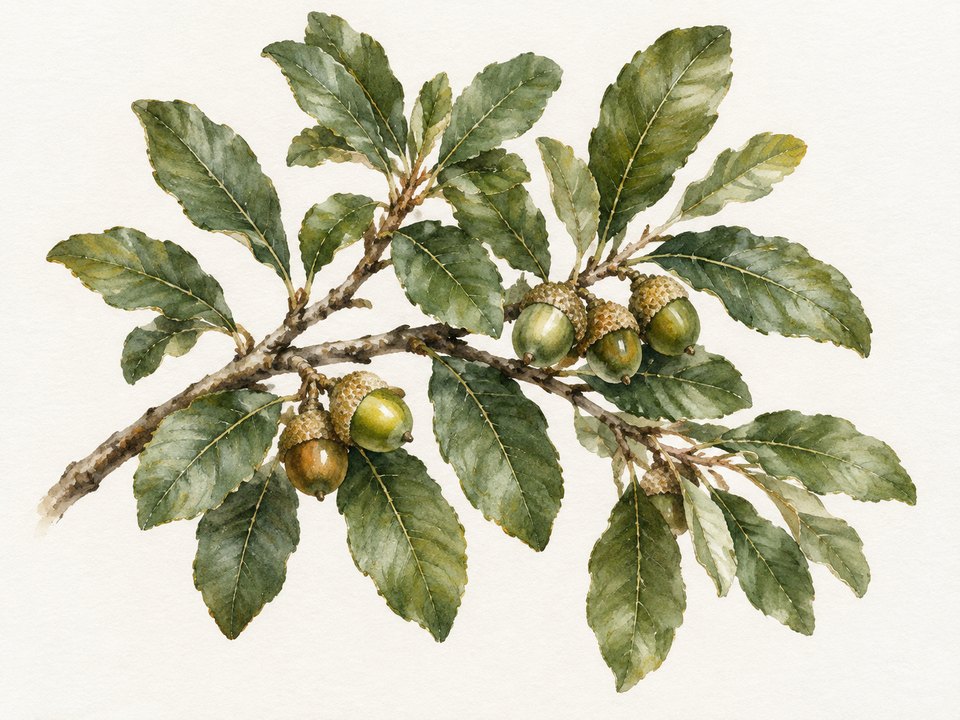
Get written ARC approval before removing trees over 6 inches in diameter. Measure 24 inches above natural grade. We plan tree and root protection from the start. Follow oak-wilt precautions during work. Live oak, red oak and water oak are named as susceptible. Cut shared roots with trenches at least 48 inches deep. Use a trained, licensed arborist for treatment.[4] [6] [7] [9]
 Illustration
Live OakQuercus virginianaIllustration
Restore disturbed areas outside the finished lawn and beds. Include a restoration plan in the landscape package. Keep protective vegetation fencing in place through installation. At final inspection, the ARC can require added planting. Irrigation or restoration may be required too.[4] [6] [7]
Plants for Cordillera Ranch
Choose plants for the right part of your lot. The native and preserve palette applies across the lot. Extra choices belong inside the Enhanced Landscape Zone near the home. Beyond that clear boundary, use only the native-zone palette.[4] [6] [7]
Your lot may have tighter or more flexible rules. Its location and existing native plants can affect them. Confirm your guideline set and plant schedule with the ARC before installation. The Ranch and Golf plant lists also appear in a recorded community instrument.[4] [6] [7] [10]
Native and preserve palette
Native trees
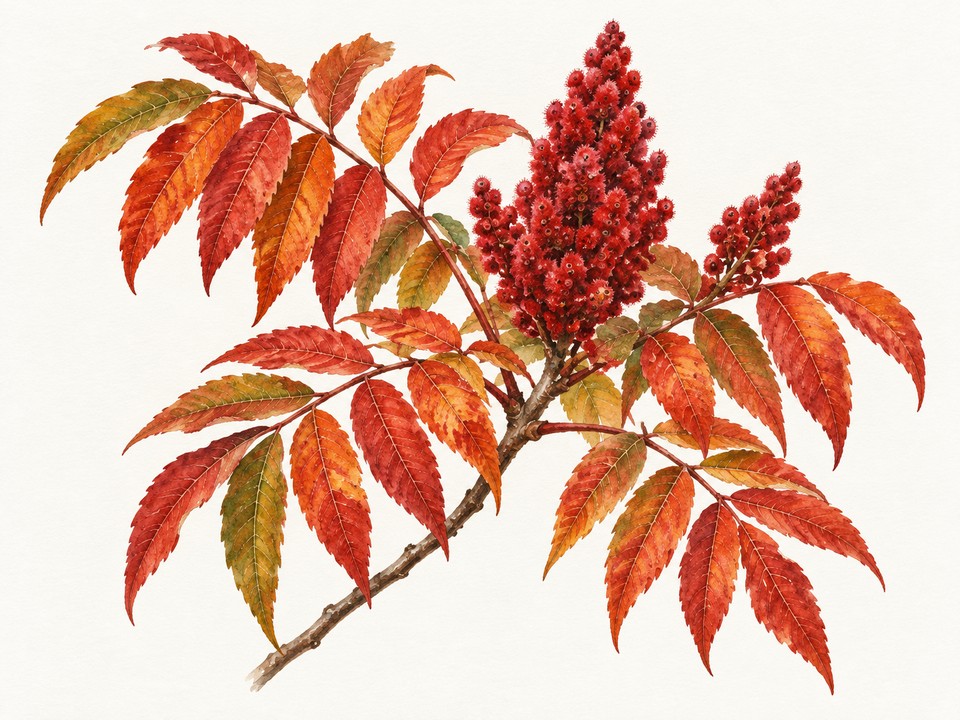
Native tree choices include Texas buckeye, redbud and roughleaf dogwood. Native tree choices include Texas persimmon, Texas ash and goldenball leadtree. Native tree choices include escarpment live oak, flameleaf sumac and mountain laurel. Native tree choices include cedar elm and Mexican buckeye. One entry pairs Chilopsis linearis with the common name Mesquite. Those names conflict. Confirm which plant is intended before selecting it.[4] [6] [7]
 Illustration
Flameleaf SumacRhus copallinaIllustration 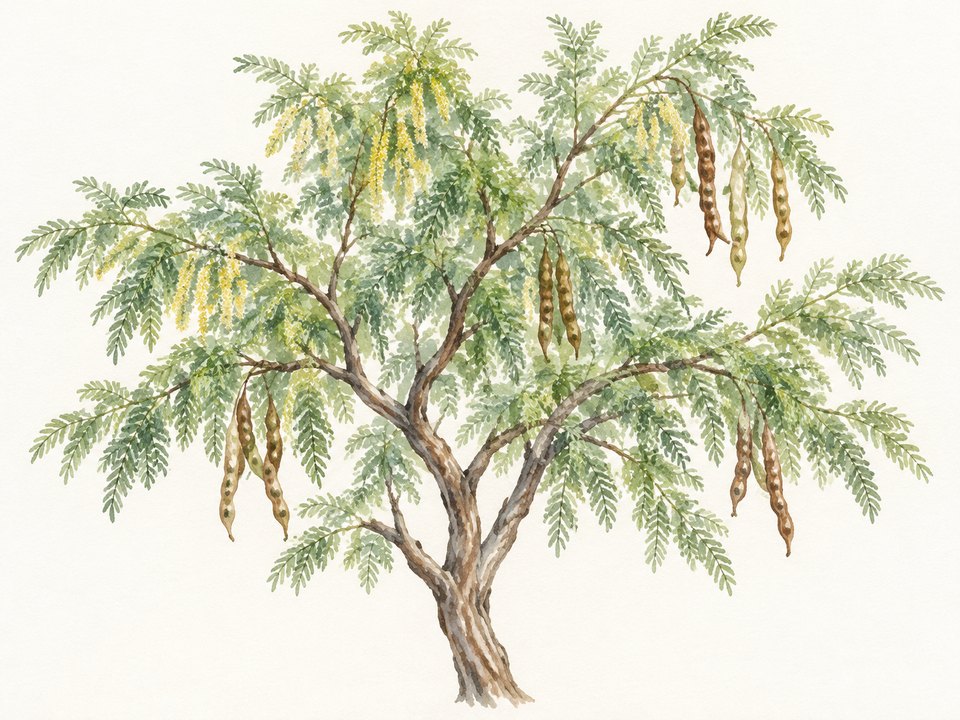 Illustration
MesquiteProsopis glandulosaIllustration 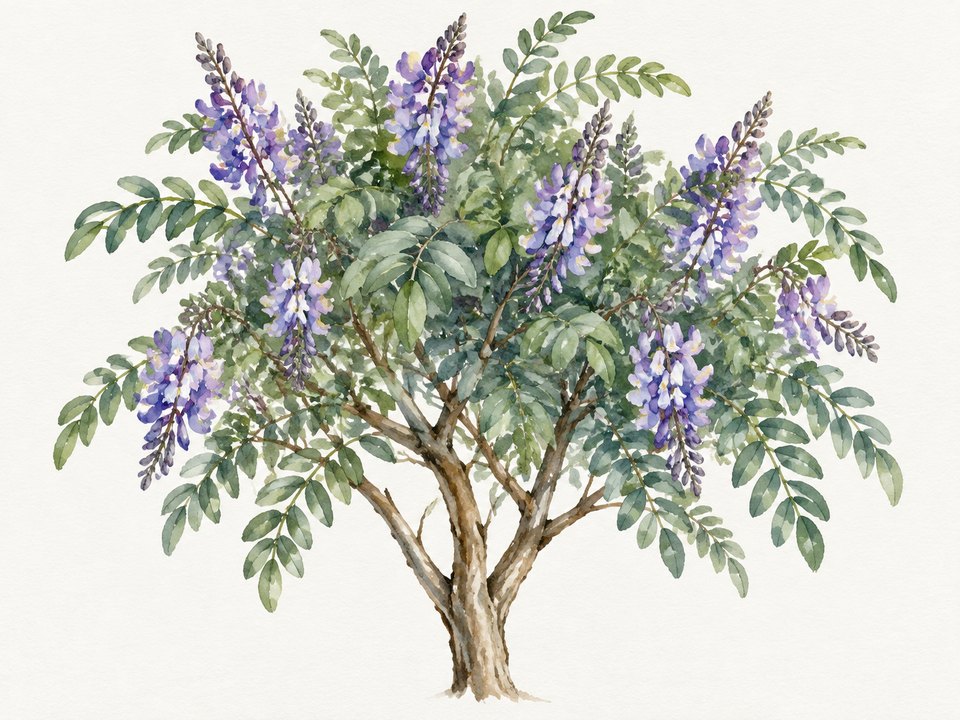 Illustration
Mountain LaurelSophora secundifloraIllustration 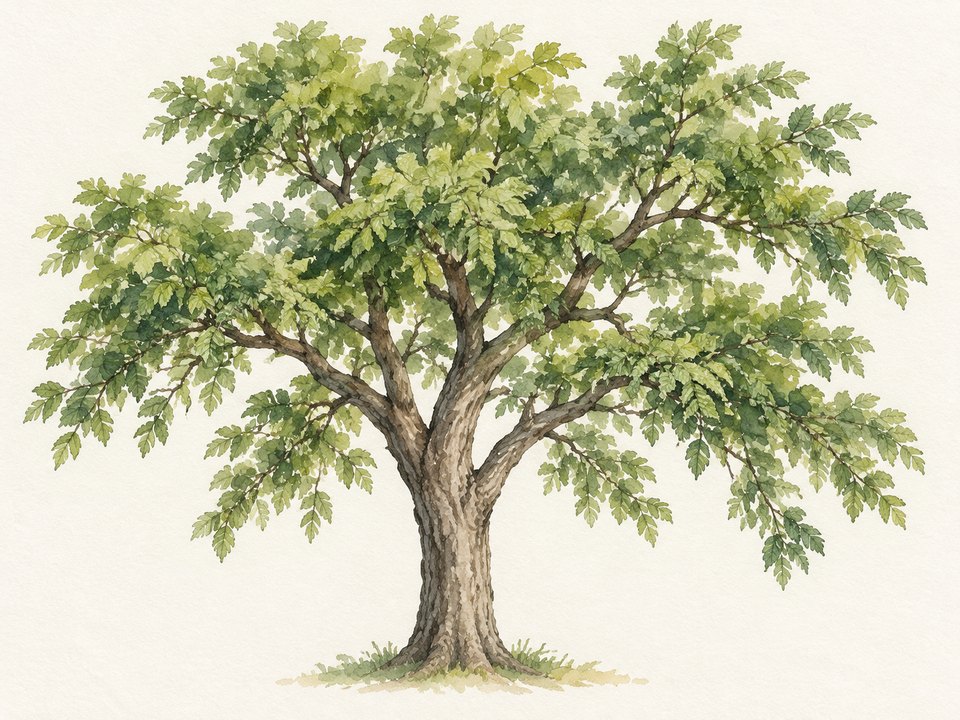 Illustration
Cedar ElmUlmus crassifoliaIllustration 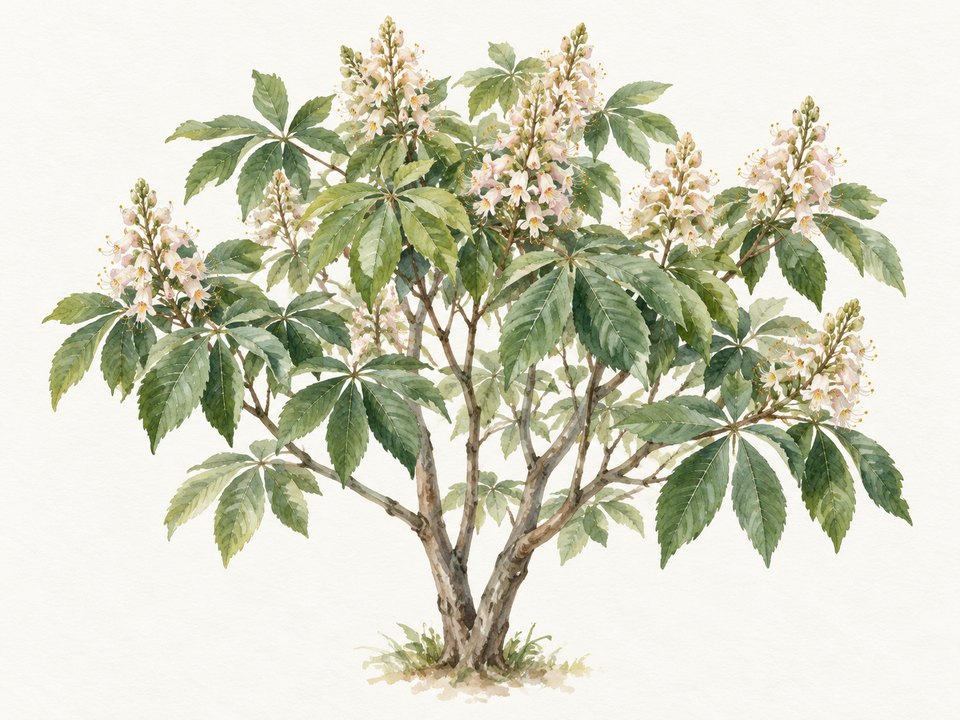 Illustration
Texas BuckeyeAesculus glabra var. argutaIllustration 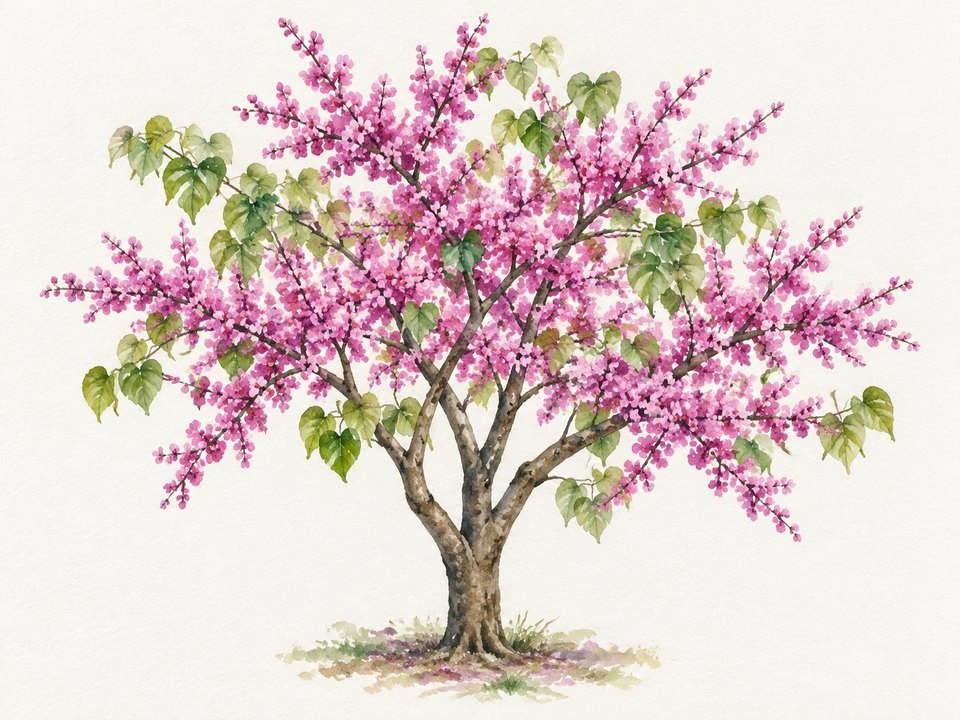 Illustration
Texas RedbudCercis canadensisIllustration 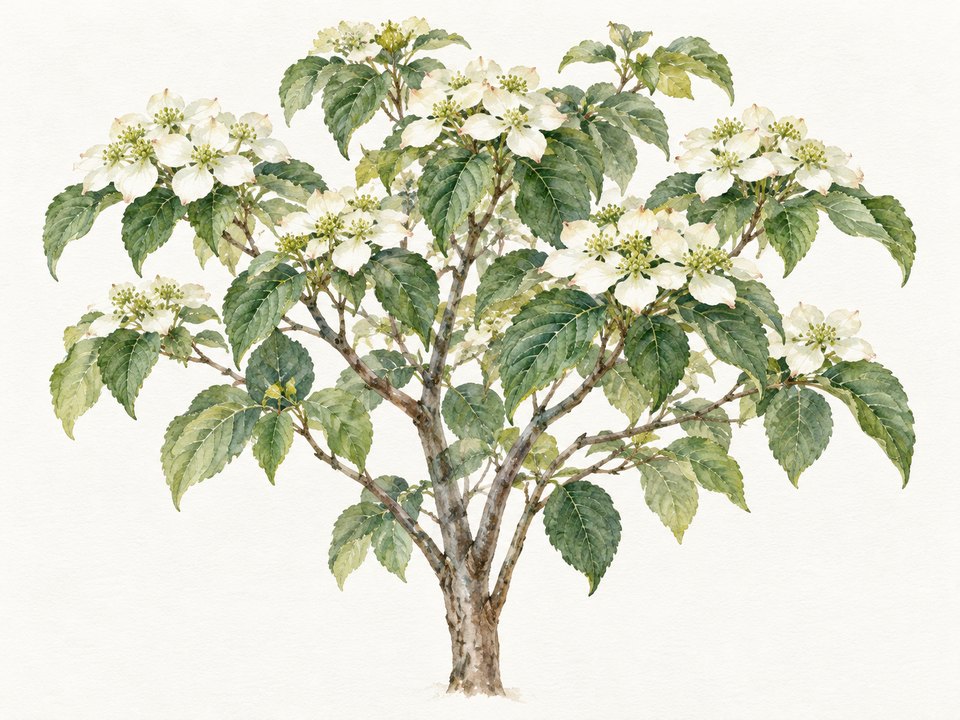 Illustration
Roughleaf DogwoodCornus drummondiiIllustration 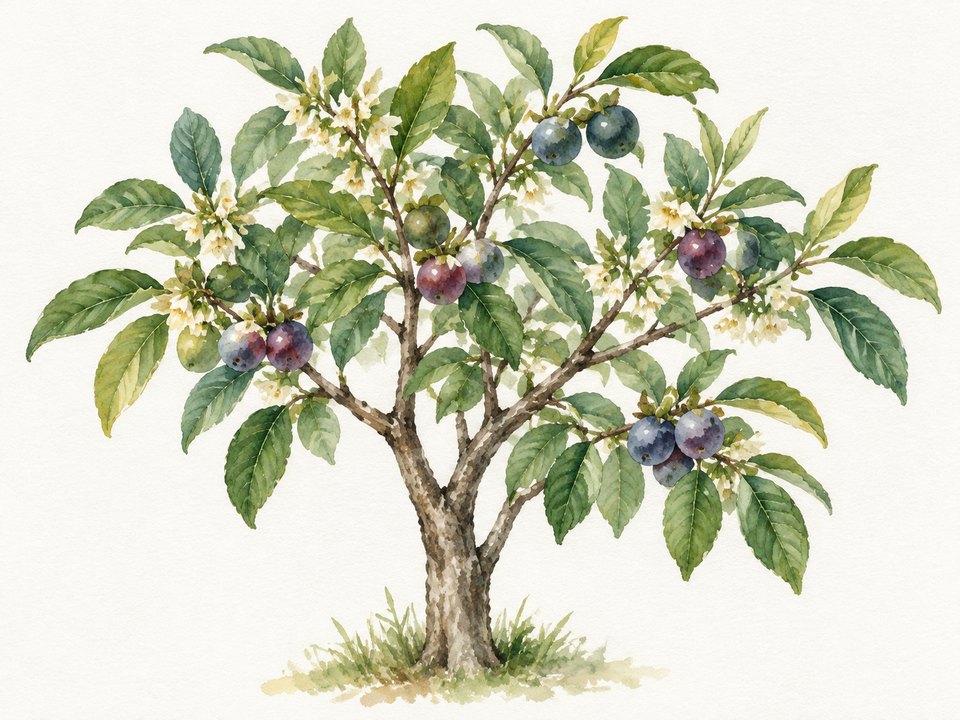 Illustration
Texas PersimmonDiospyros texanaIllustration 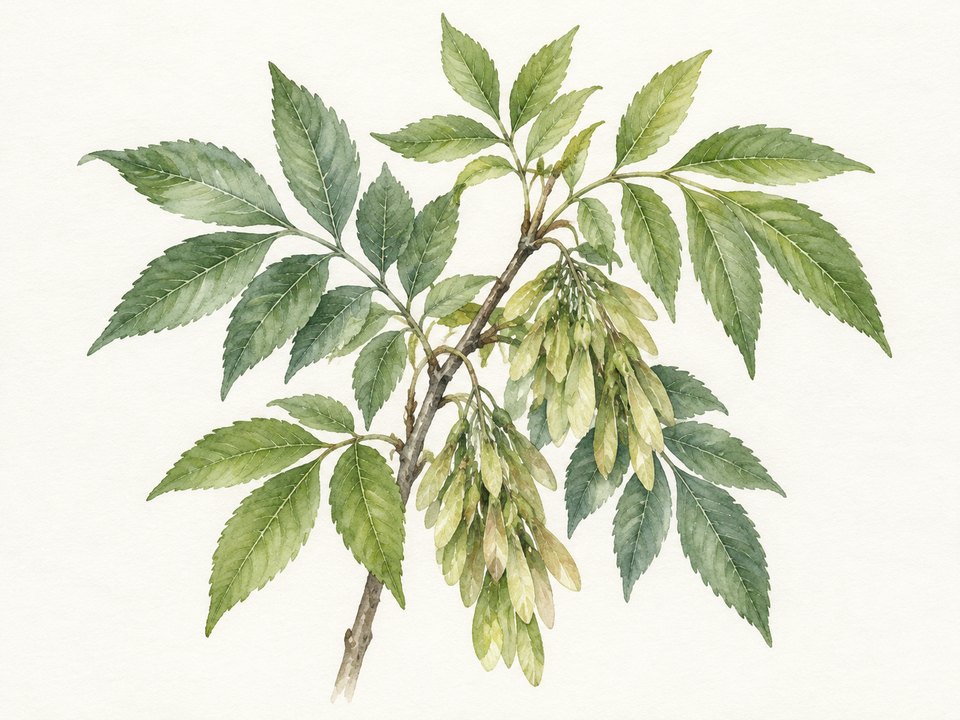 Illustration
Texas AshFraxinus texensisIllustration 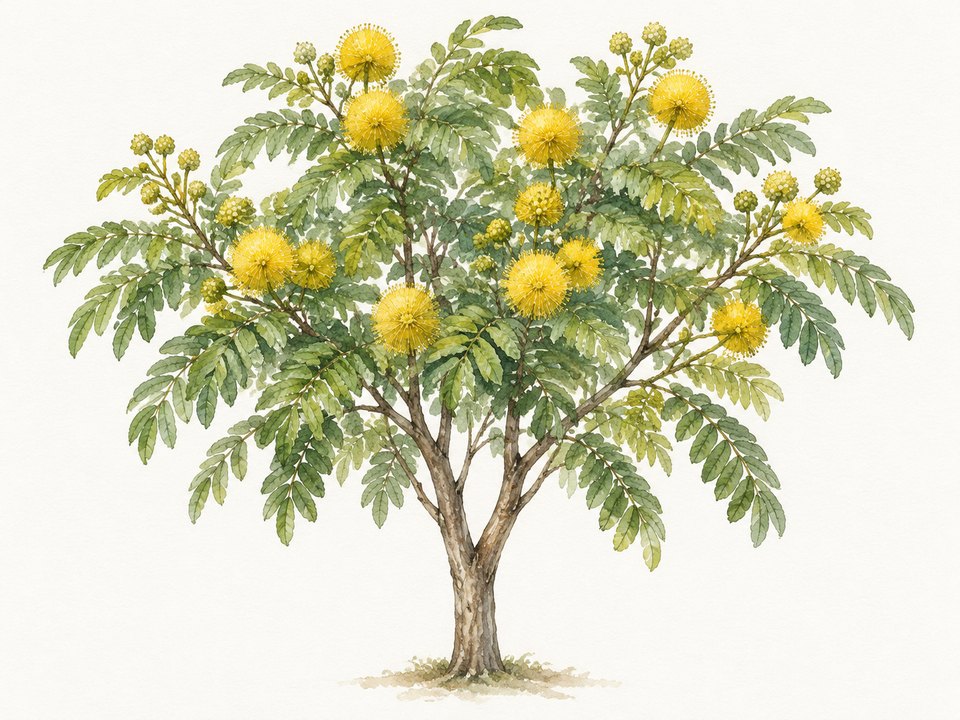 Illustration
Goldenball LeadtreeLeucaena retusaIllustration 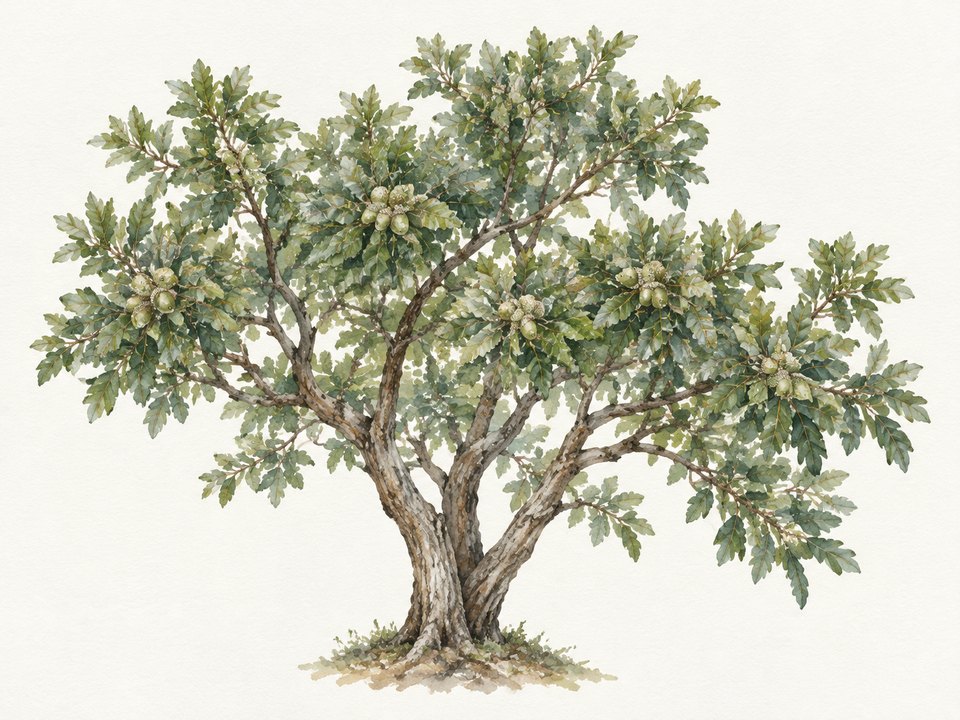 Illustration
Escarpment Live OakQuercus fusiformisIllustration 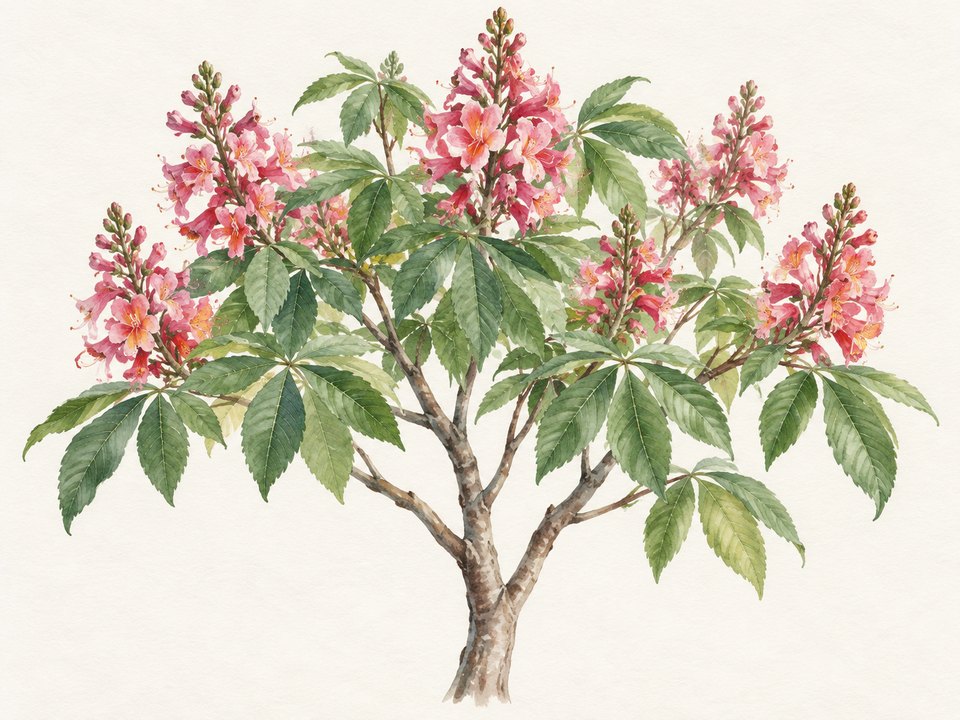 Illustration
Mexican BuckeyeUngnadia speciosaIllustration
Native shrubs
Native shrub choices include flame acanthus, Texas lantana and Opuntia cactus. Native shrub choices include evergreen sumac and autumn sage (Salvia greggii).[4] [6] [7]
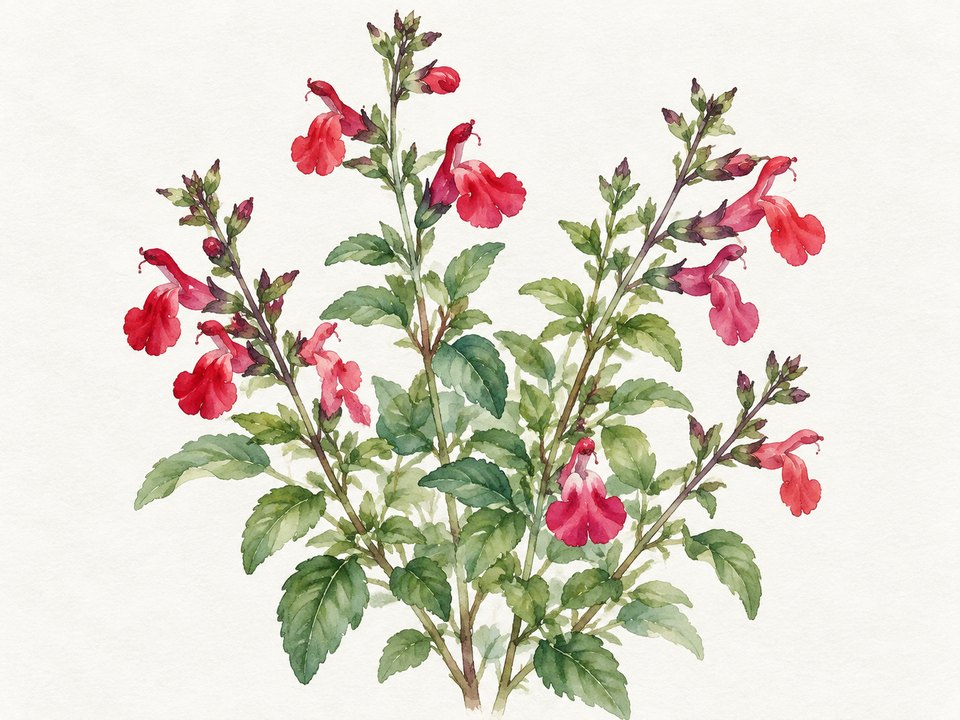 Illustration
Salvia GreggiiSalvia greggiiIllustration 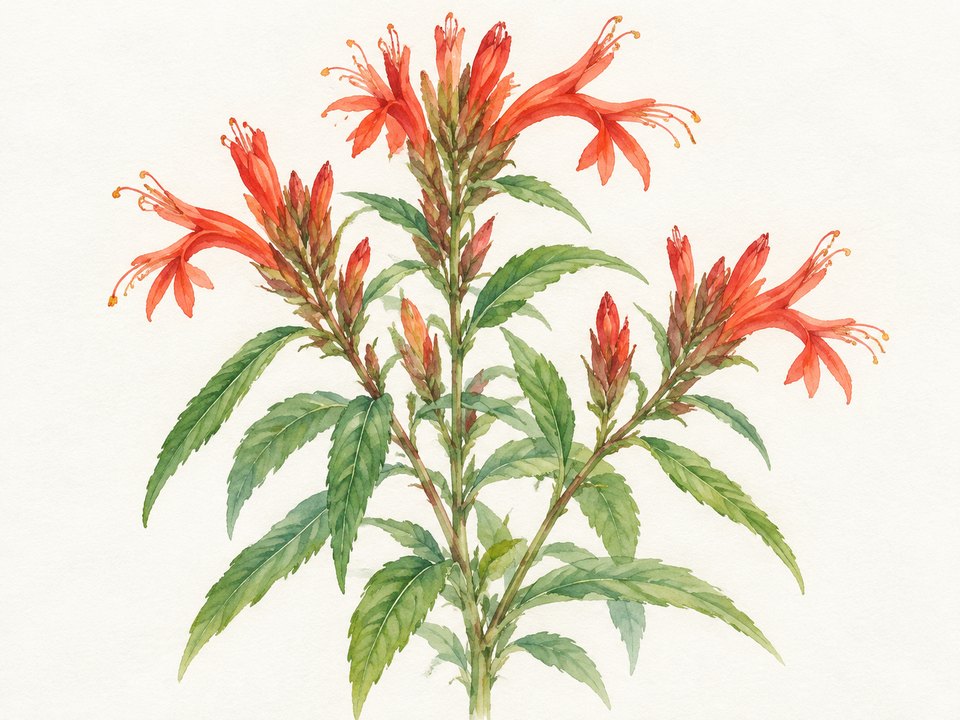 Illustration
Flame AcanthusAnisacanthus quadrifidus var. wrightiiIllustration 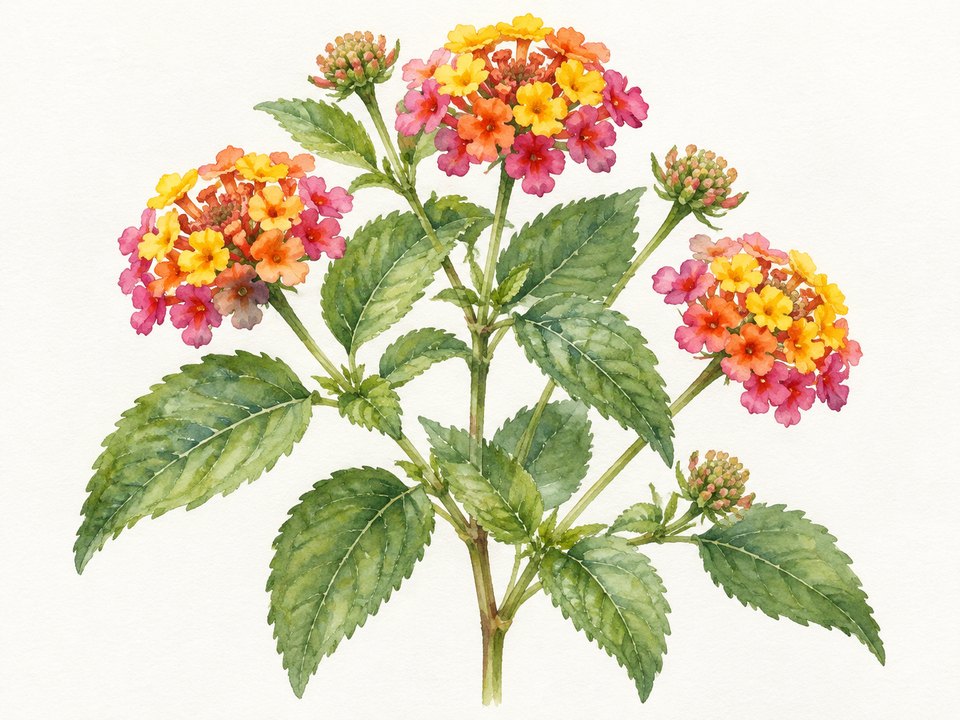 Illustration
Texas LantanaLantana urticoidesIllustration 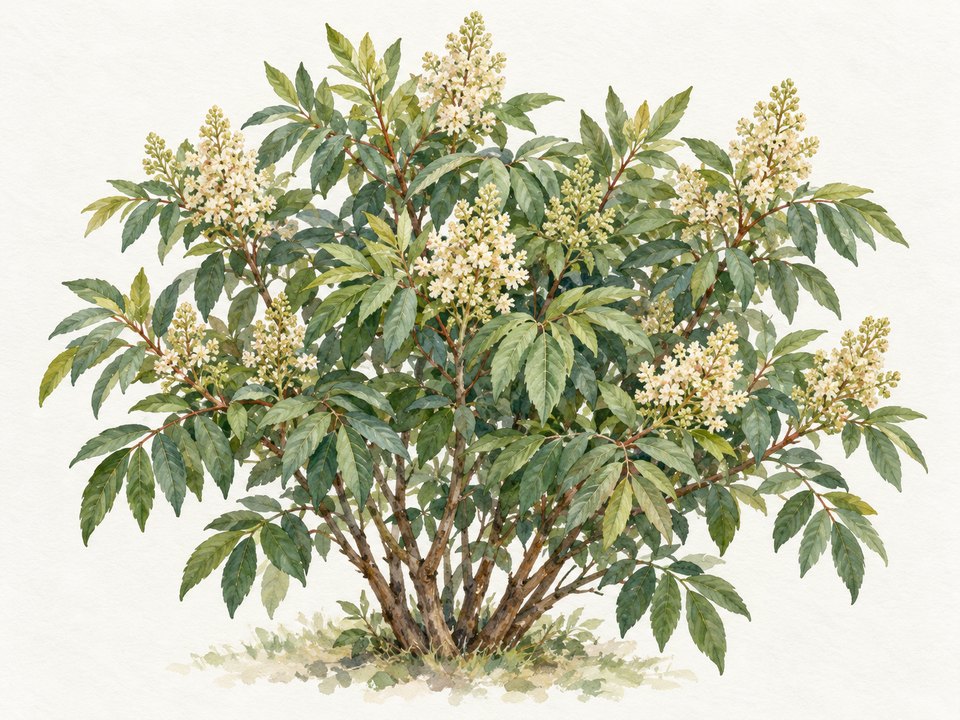 Illustration
Evergreen SumacRhus virensIllustration
Native annuals, perennials and grasses
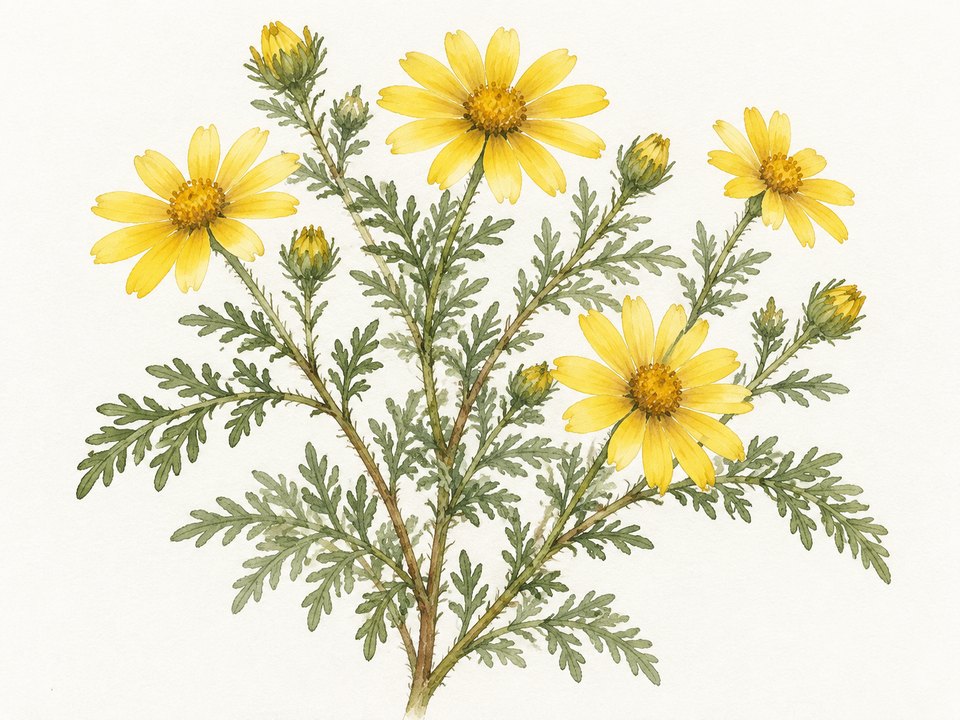
The list includes huisache daisy, autumn aster and blue grama. The list includes buffalo grass, cedar sedge (Carex planostachys) and Indian paintbrush. The list includes calliopsis, Indian blanket and gayfeather. The list includes blue flax, bluebonnet and blackfoot daisy. The list includes three-flower melic, seep muhly and Turk's cap. The list includes black-eyed Susan, scarlet sage and Engelmann sage. The list includes mealy blue sage. Check the botanical names in your applicable plant list. Do this before accepting a nursery substitution.[4] [6] [7]
 Illustration
Huisache DaisyAmblyolepis setigeraIllustration 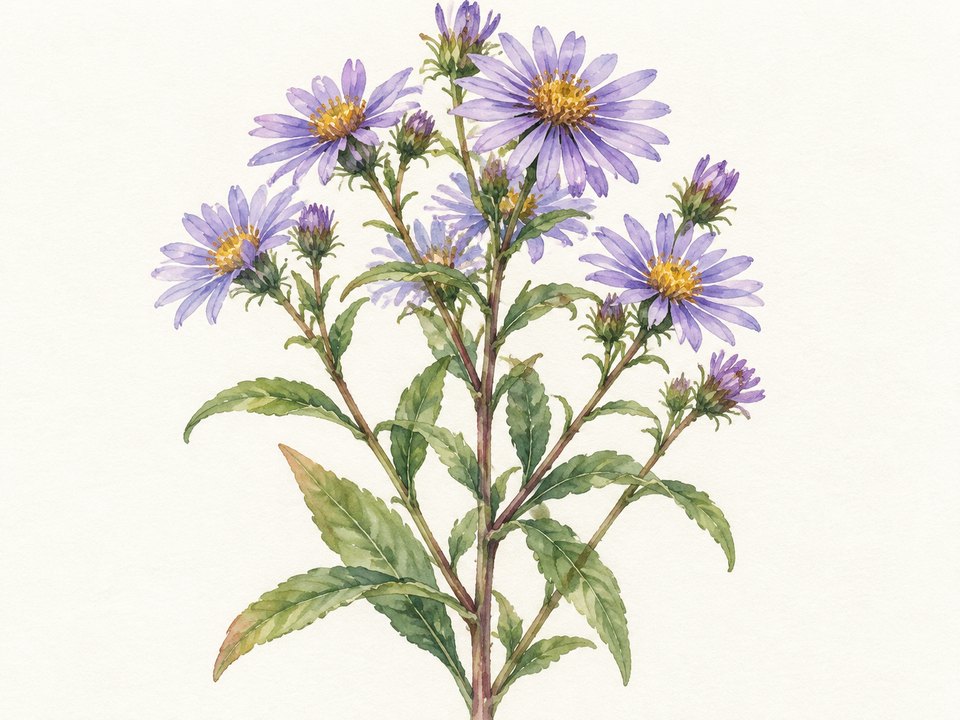 Illustration
Autumn AsterSymphyotrichum oblongifoliumIllustration 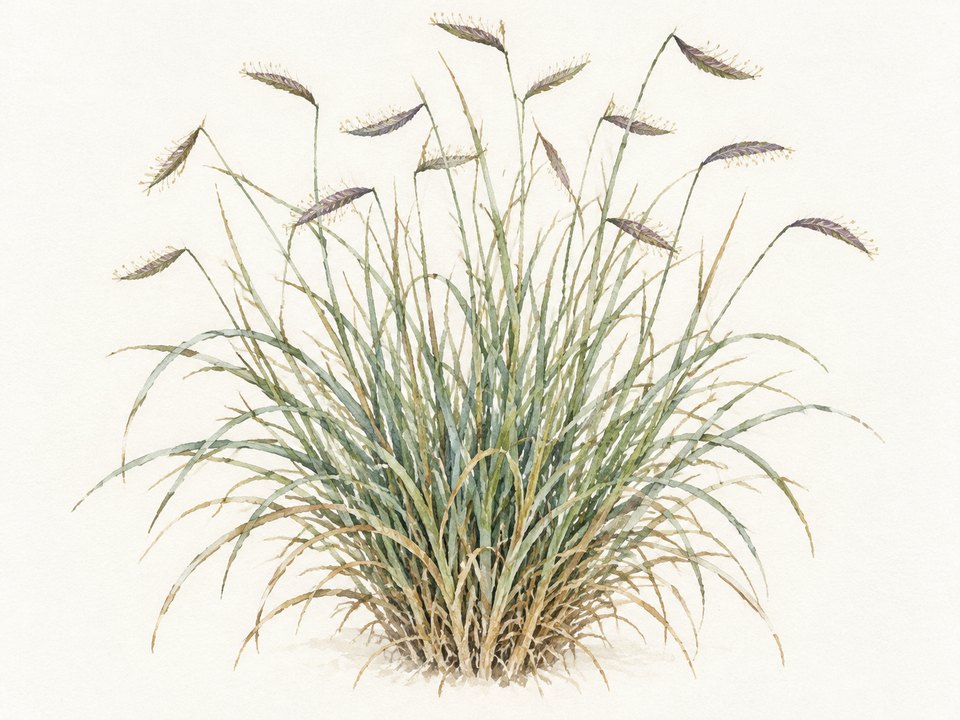 Illustration
Blue GramaBouteloua gracilisIllustration 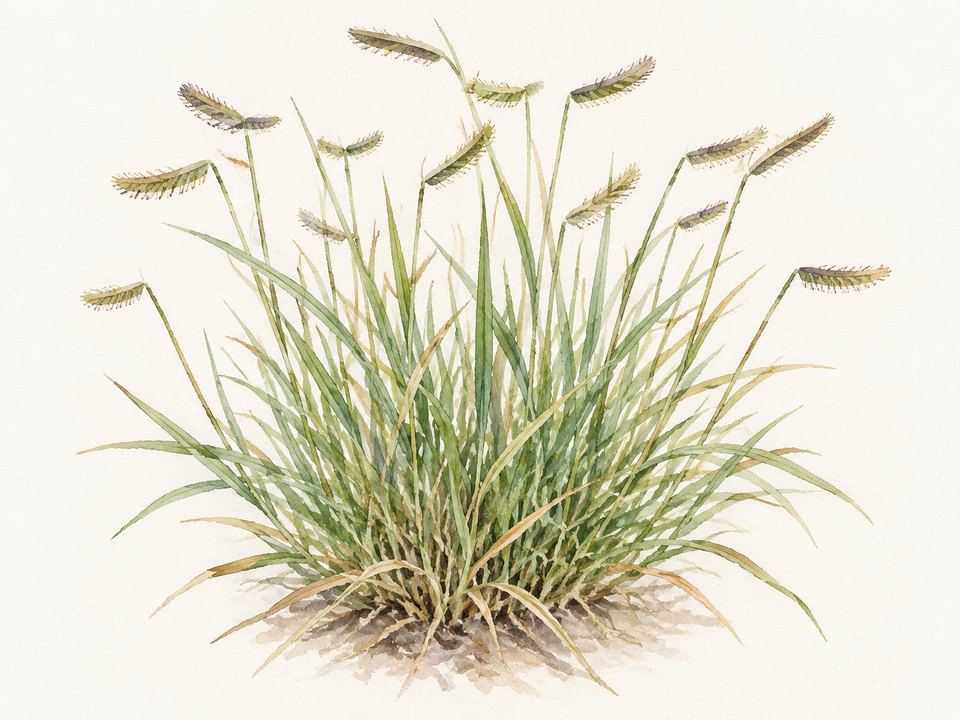 Illustration
Buffalo grassBouteloua dactyloidesIllustration 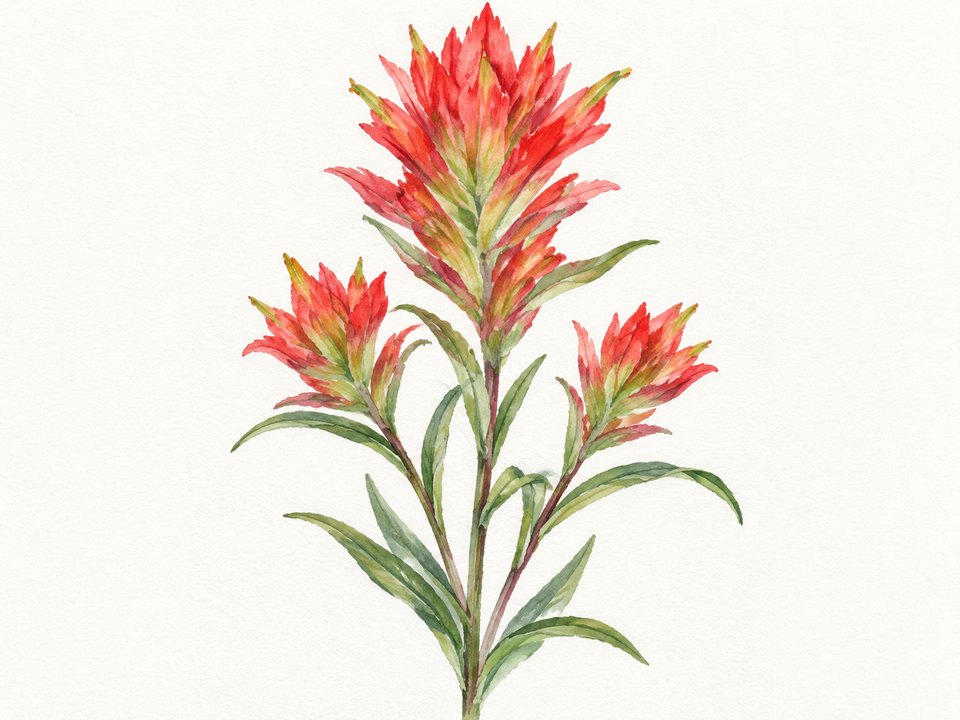 Illustration
Indian PaintbrushCastilleja indivisaIllustration 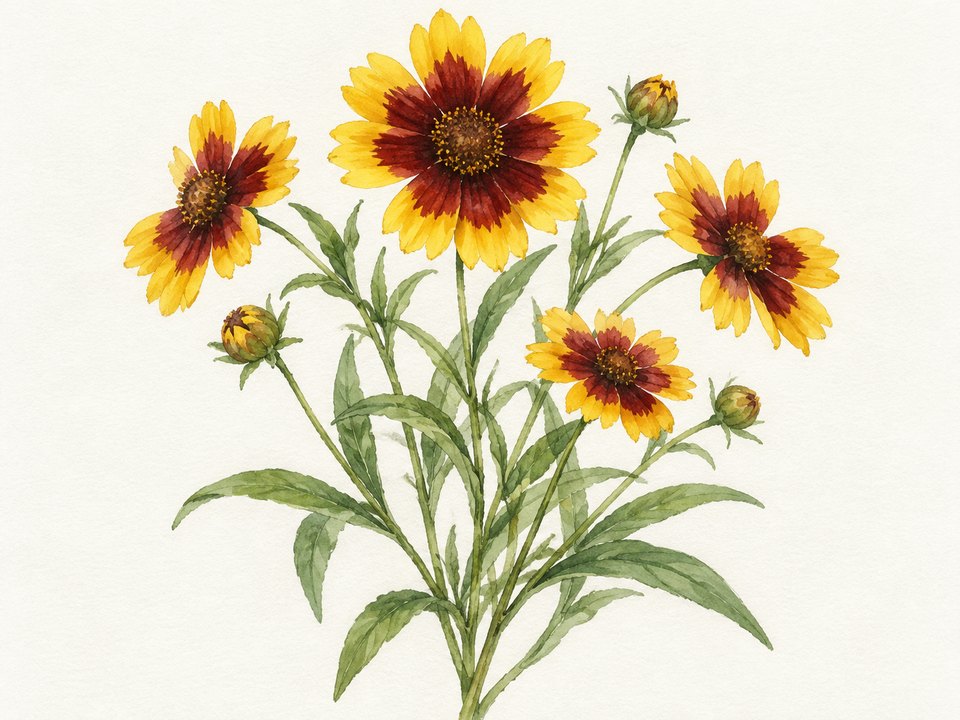 Illustration
CalliopsisCoreopsis tinctoriaIllustration 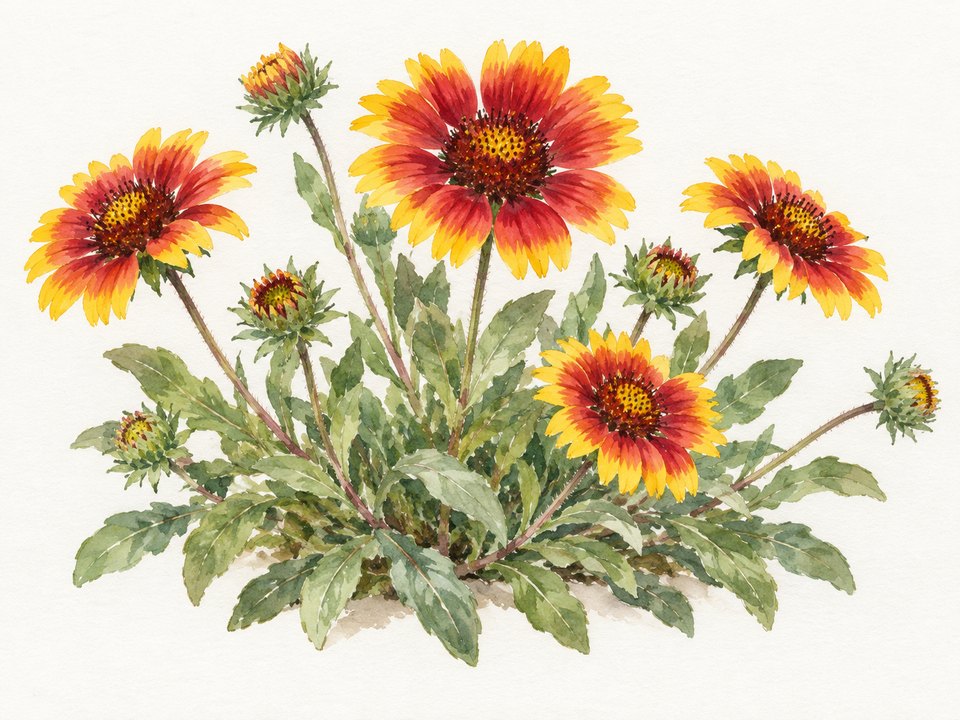 Illustration
Indian BlanketGaillardia pulchellaIllustration 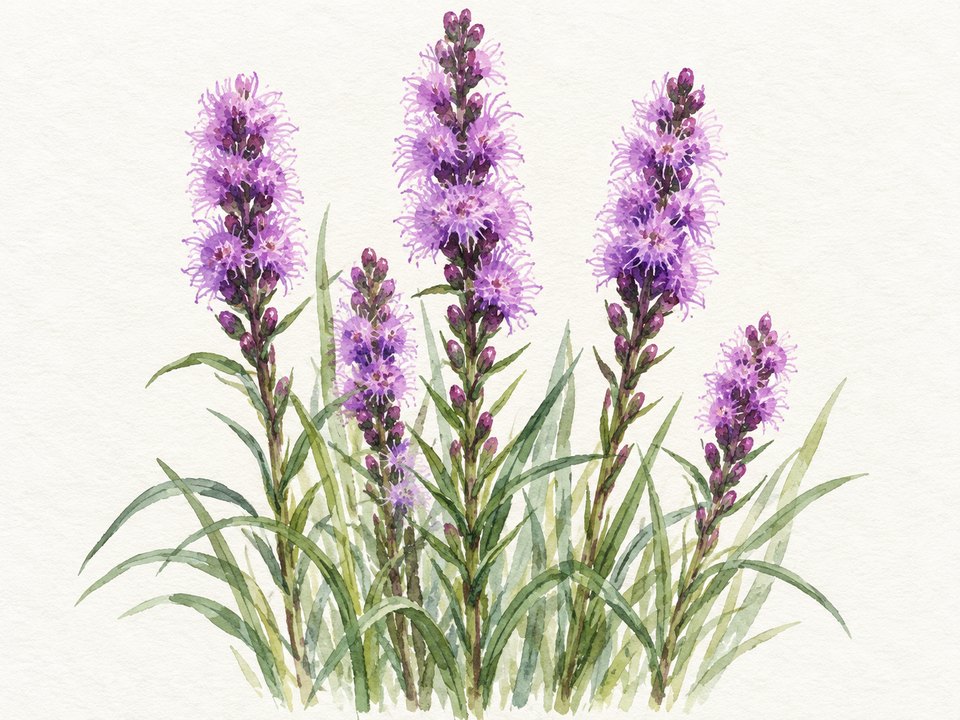 Illustration
GayfeatherLiatrisIllustration 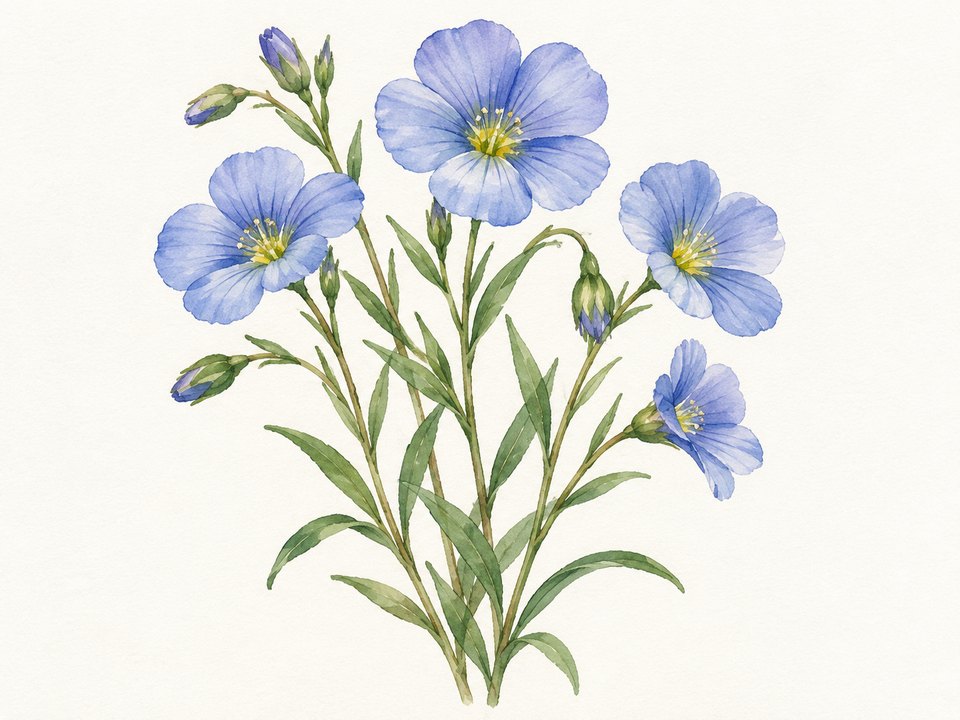 Illustration
Blue FlaxLinum lewisiiIllustration 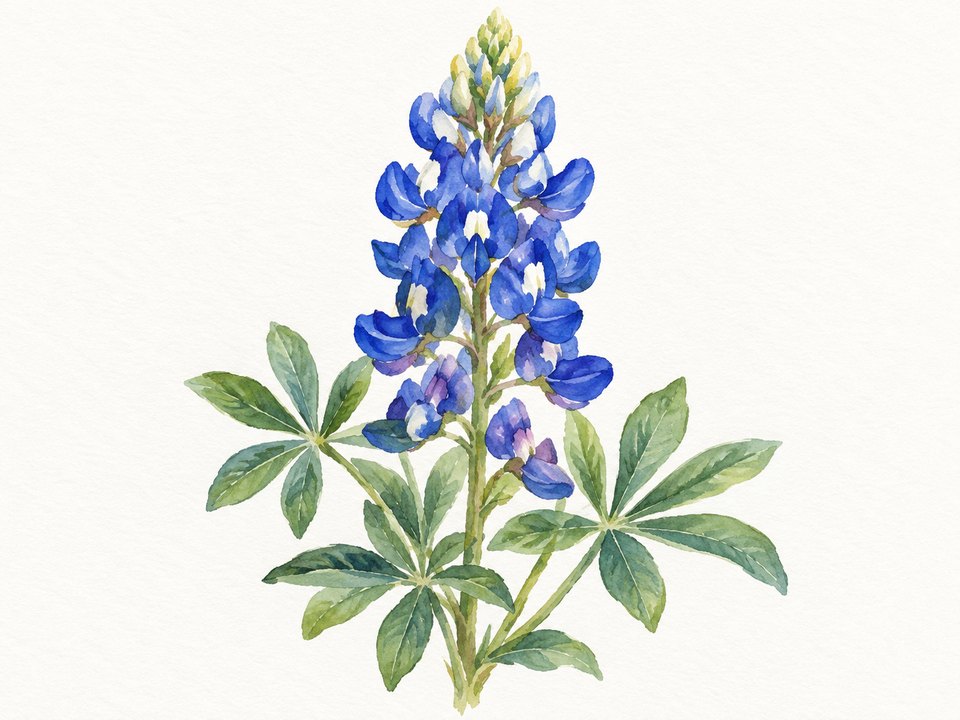 Illustration
BluebonnetLupinus texensisIllustration 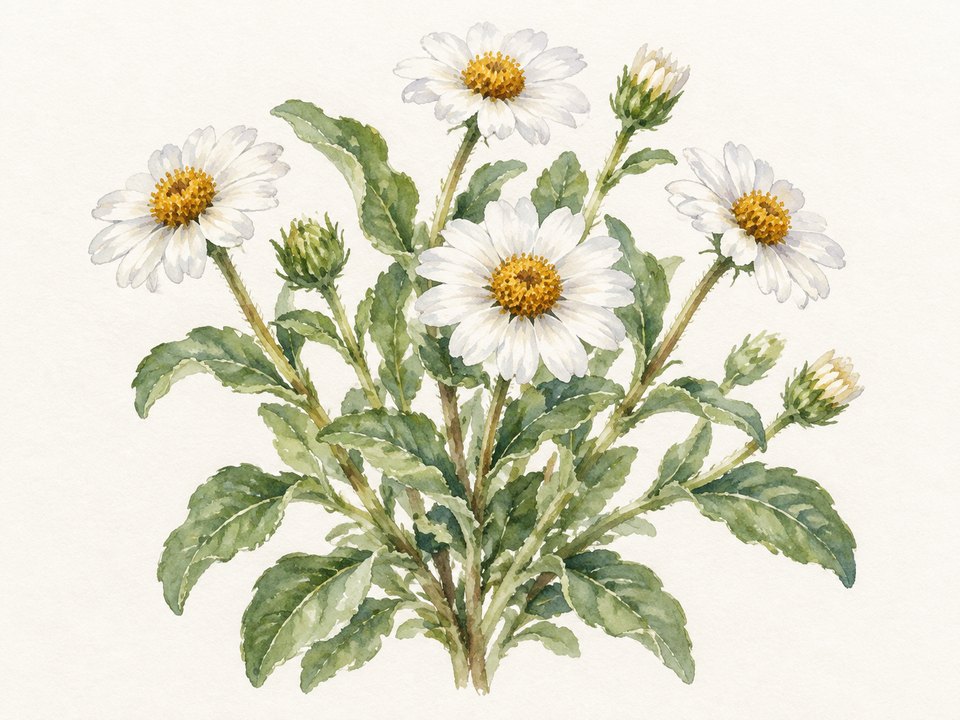 Illustration
Blackfoot DaisyMelampodium leucanthumIllustration 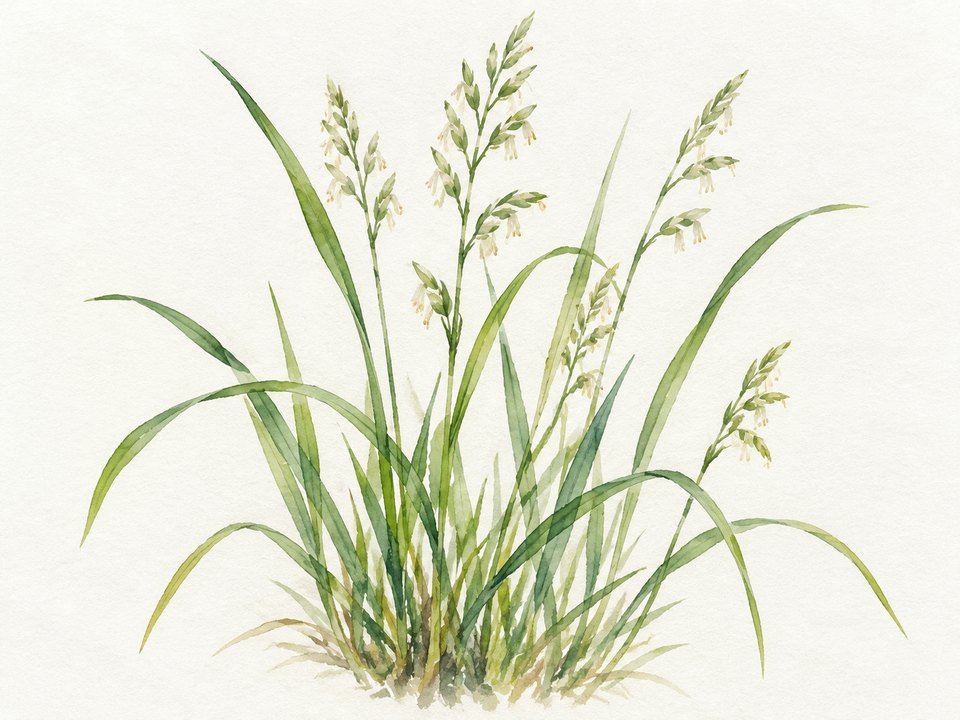 Illustration
Three-Flower MelicMelica nitensIllustration 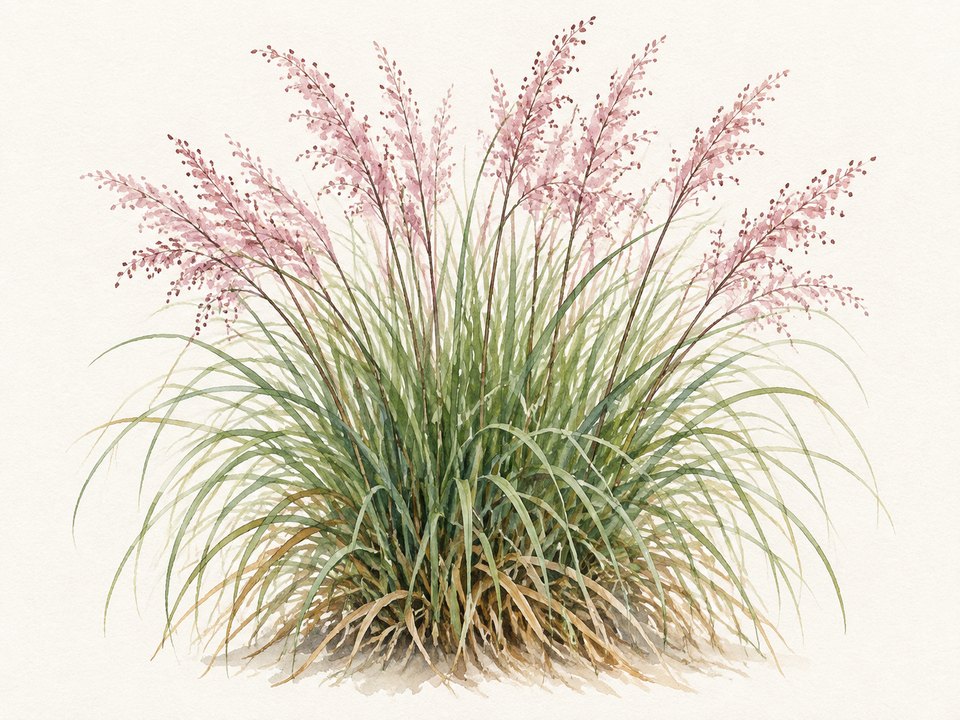 Illustration
Seep MuhlyMuhlenbergia reverchoniiIllustration 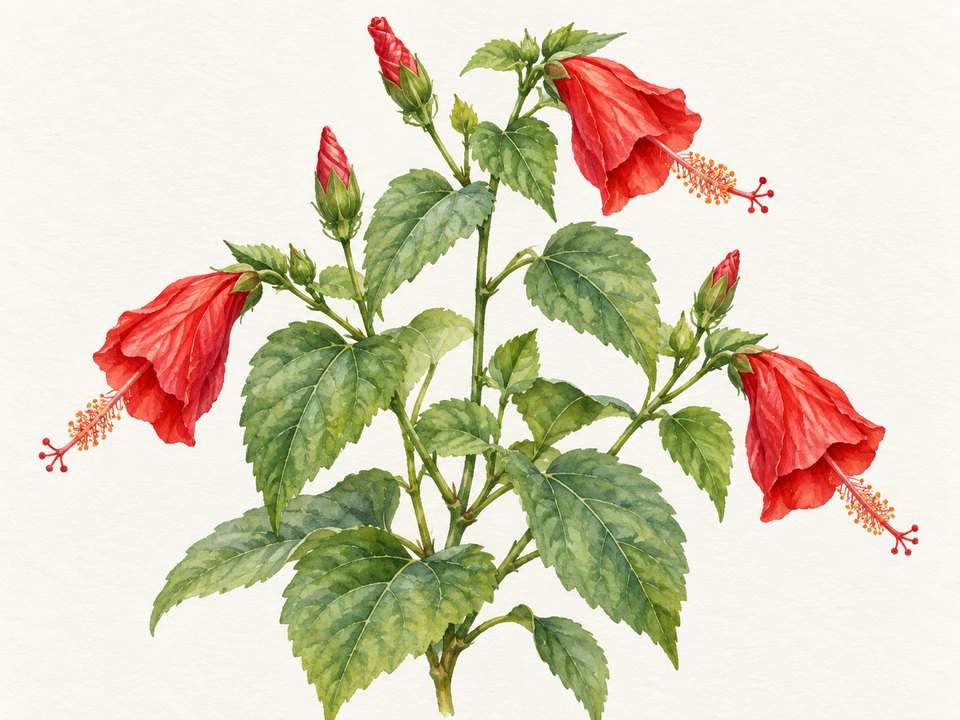 Illustration
Turk's CapMalvaviscus arboreus var. drummondiiIllustration 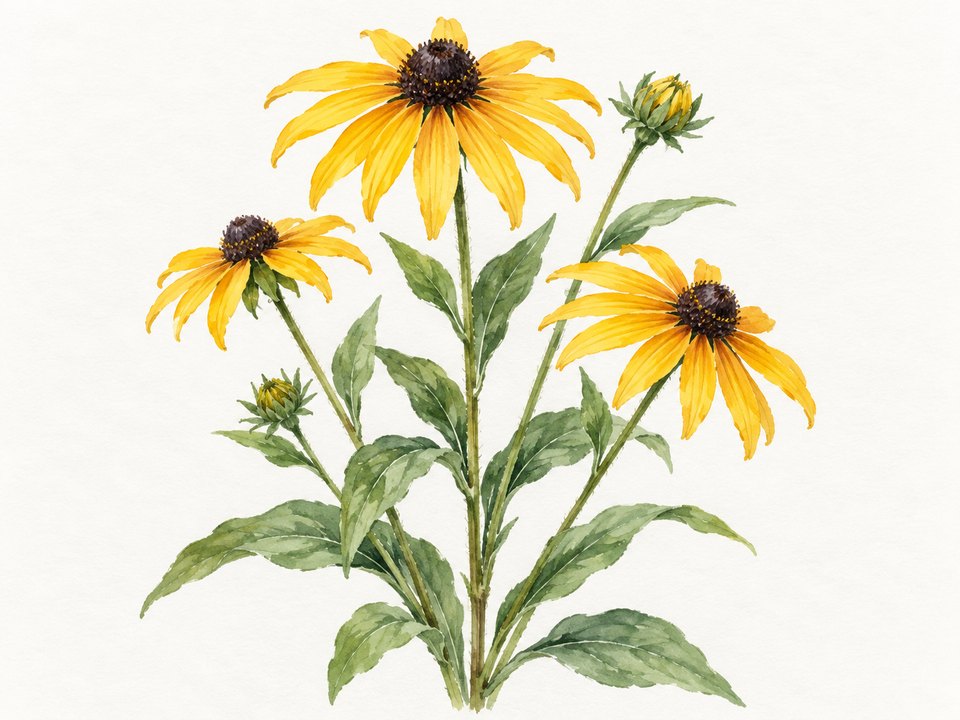 Illustration
Black Eyed SusanRudbeckia fulgida 'Goldsturm'Illustration 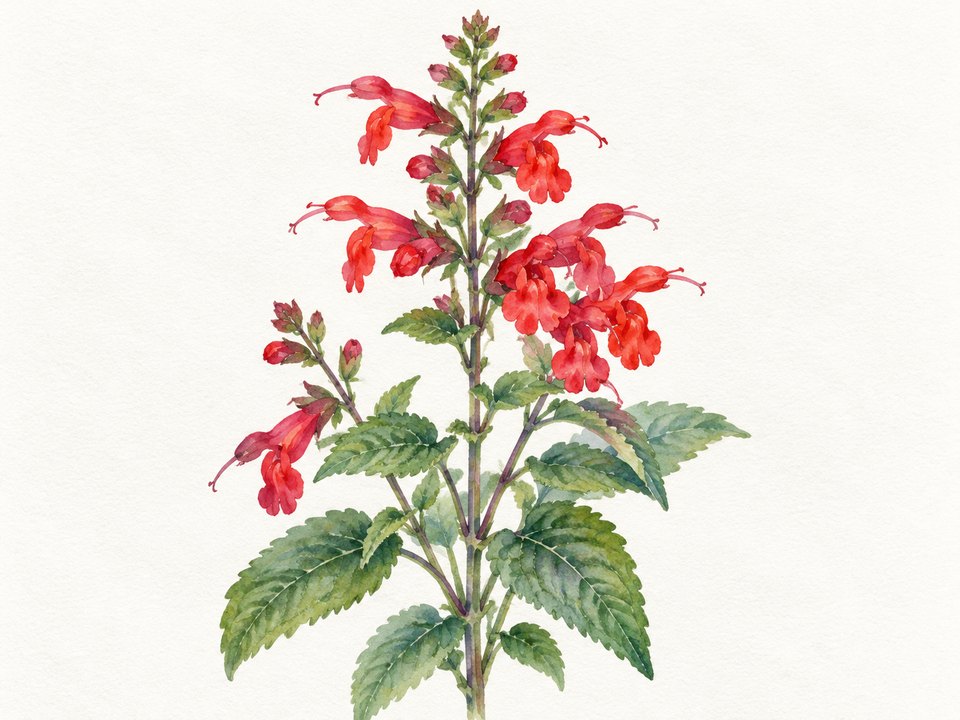 Illustration
Scarlet SageSalvia coccineaIllustration 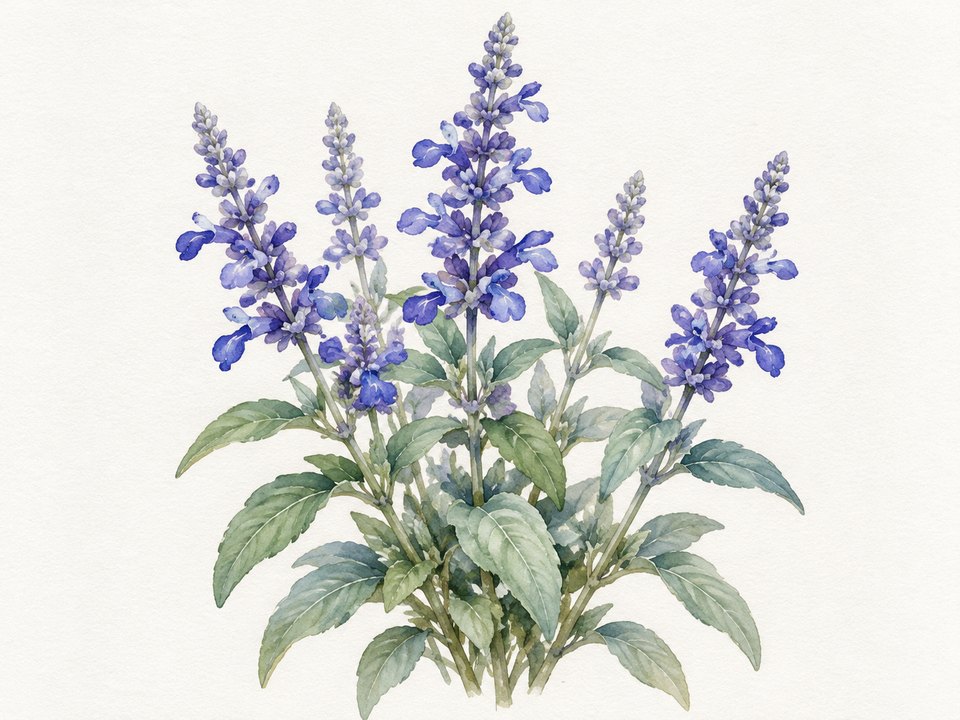 Illustration
Mealy Blue SageSalvia farinaceaIllustration 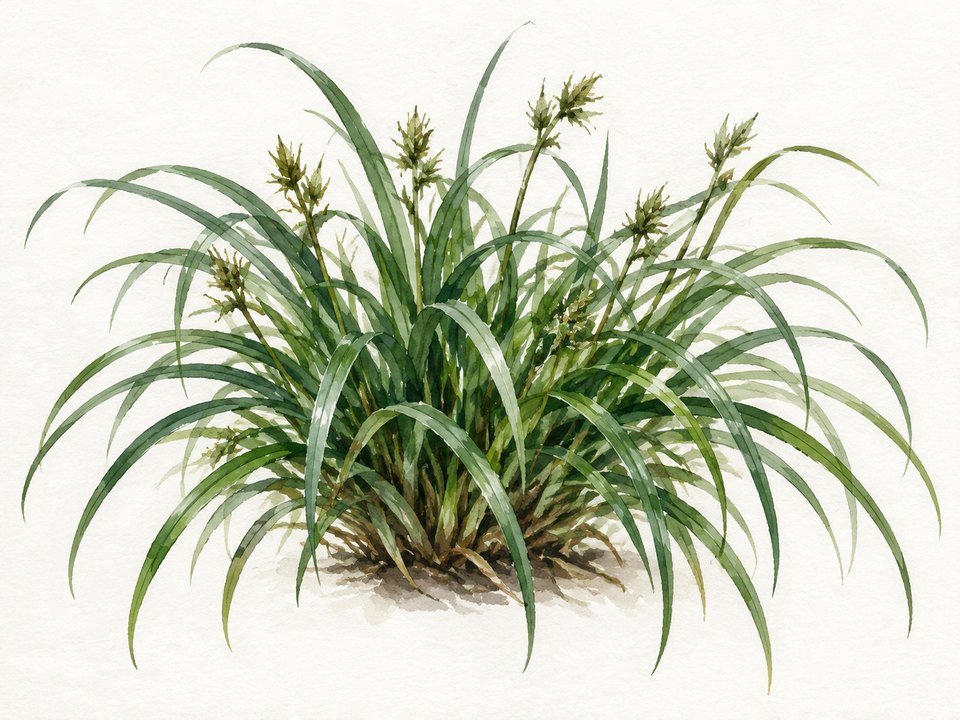 Illustration
Cedar SedgeCarex planostachysIllustration
Preserve restoration grass blend
Restore the NVP with the listed native grass blend. The blend includes blue grama, Texas panicum and sideoats grama. The blend includes little bluestem, green sprangletop and Indiangrass. The blend includes buffalo grass. Keep the preserve's disturbance and watering rules in place. A listed grass still needs an approved restoration plan.[4] [6] [7]
- Illustration
Blue GramaBouteloua gracilisIllustration 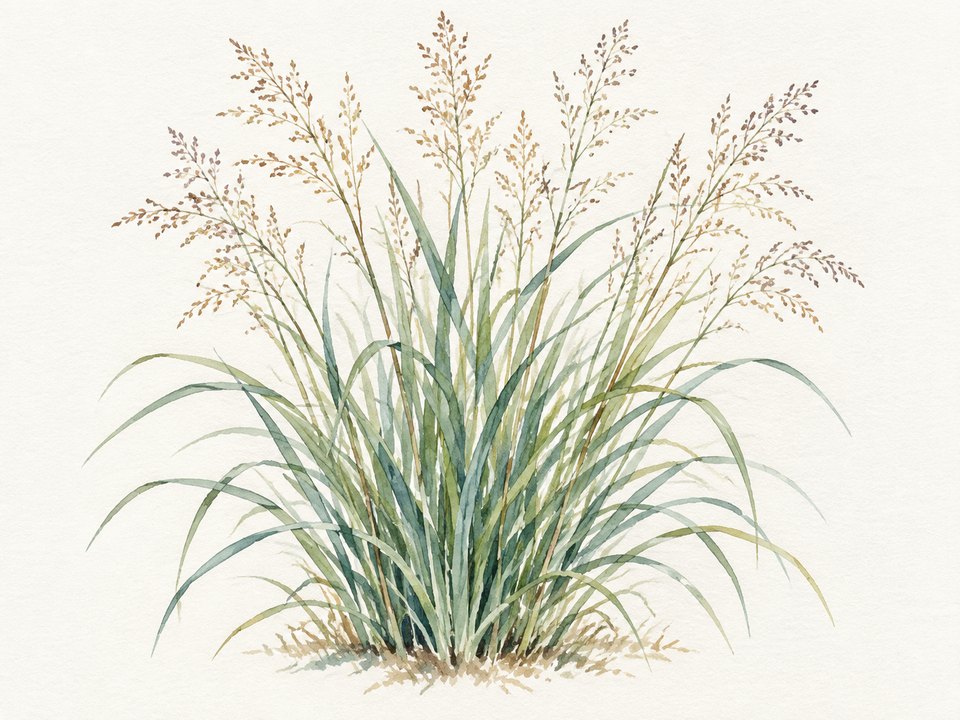 Illustration
Texas PanicumPanicum texanumIllustration 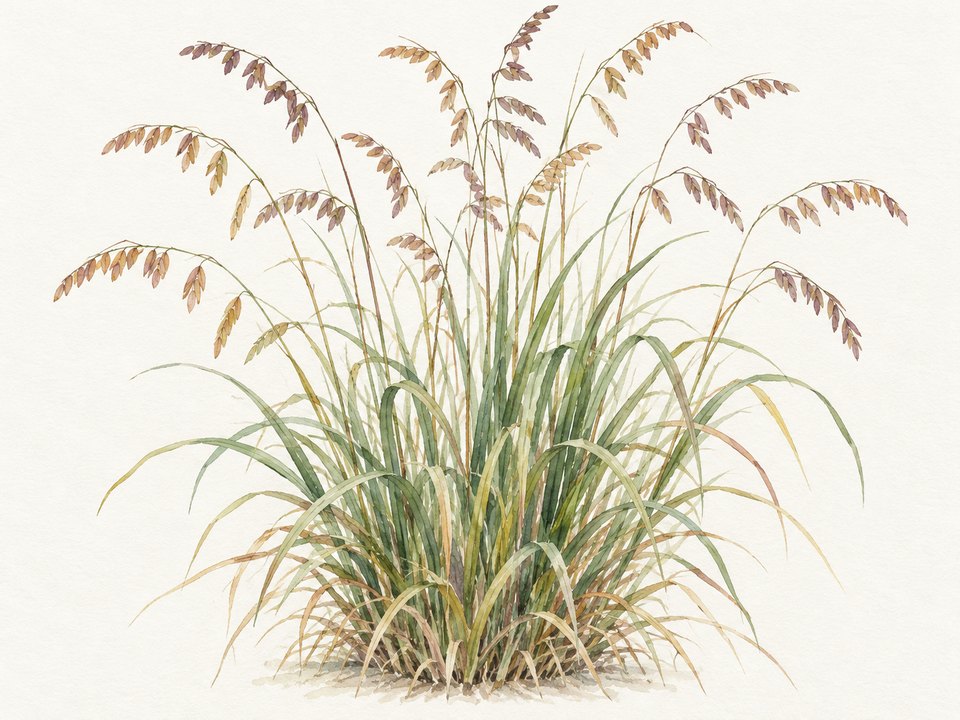 Illustration
Sideoats GramaBouteloua curtipendulaIllustration 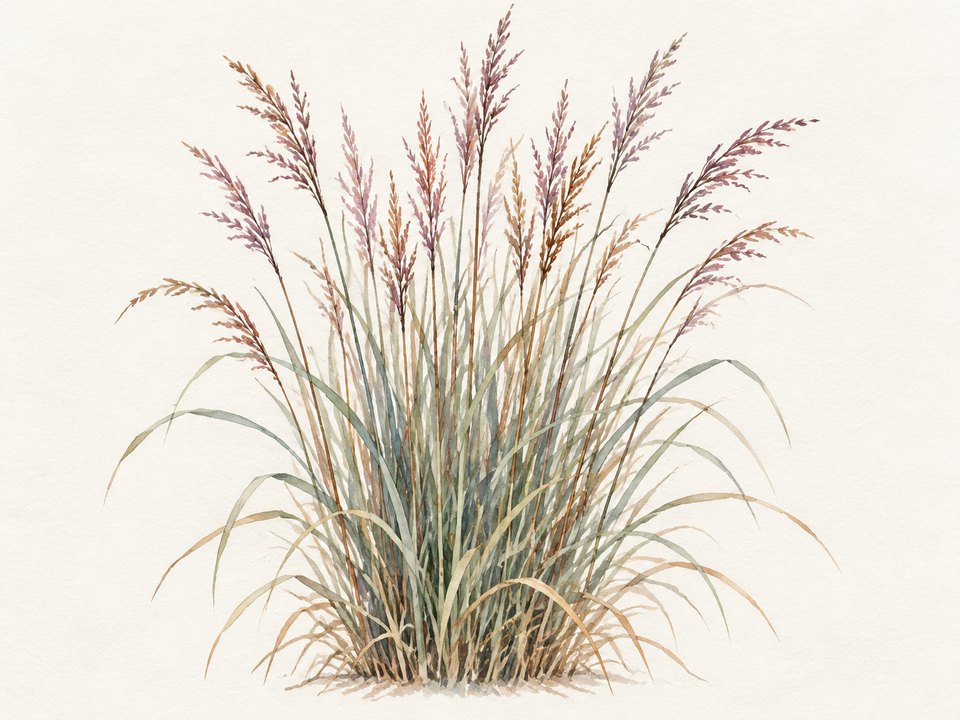 Illustration
Little BluestemSchizachyrium scopariumIllustration 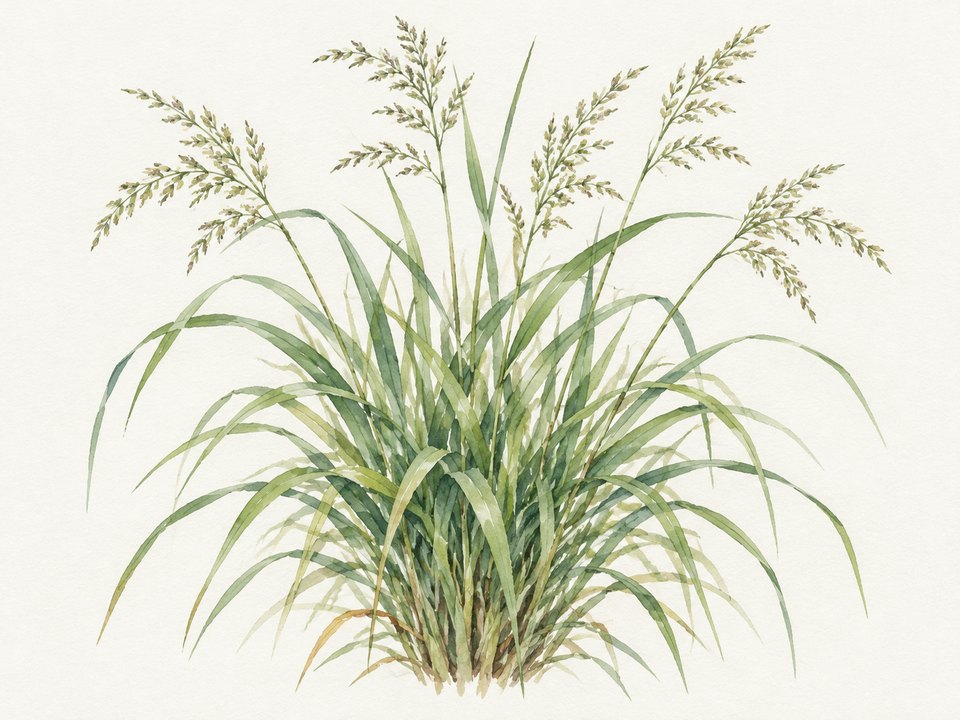 Illustration
Green SprangletopLeptochloa dubiaIllustration 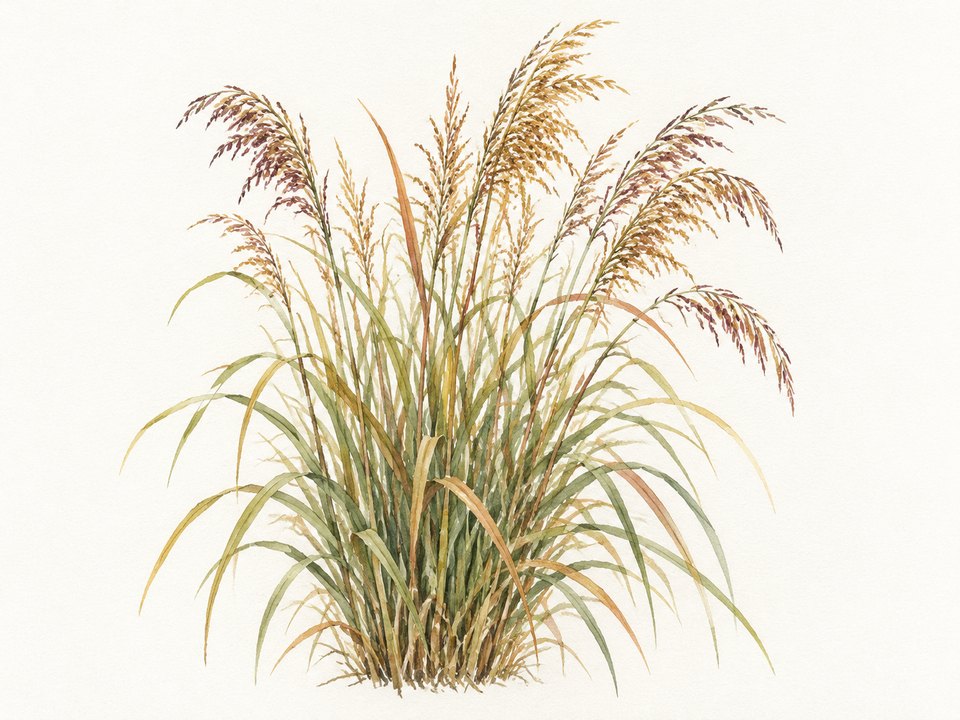 Illustration
IndiangrassSorghastrum nutansIllustration - Illustration
Buffalo grassBouteloua dactyloidesIllustration
Enhanced Landscape Zone choices
Enhanced-zone trees
Keep these trees inside the Enhanced Landscape Zone. Extra tree choices include flowering dogwood, smoke tree and possumhaw. Extra tree choices include yaupon holly, crape myrtle and Mexican plum. Extra tree choices include bur oak, Texas red oak and Eve's necklace. Extra tree choices include bald cypress, lacebark elm and vitex. Keep these extra choices within that zone. The Texas-red-oak entry uses the botanical name Quercus texana. Confirm that identity. Do not use a differently identified photo.[4] [6] [7]
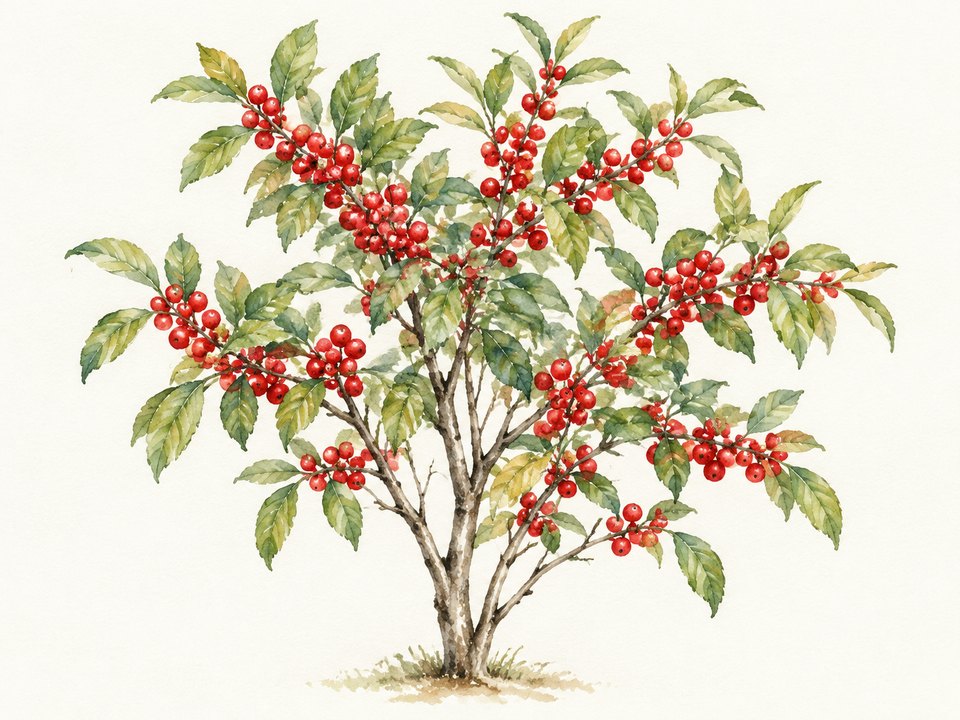 Illustration
Possumhaw HollyIlex deciduaIllustration 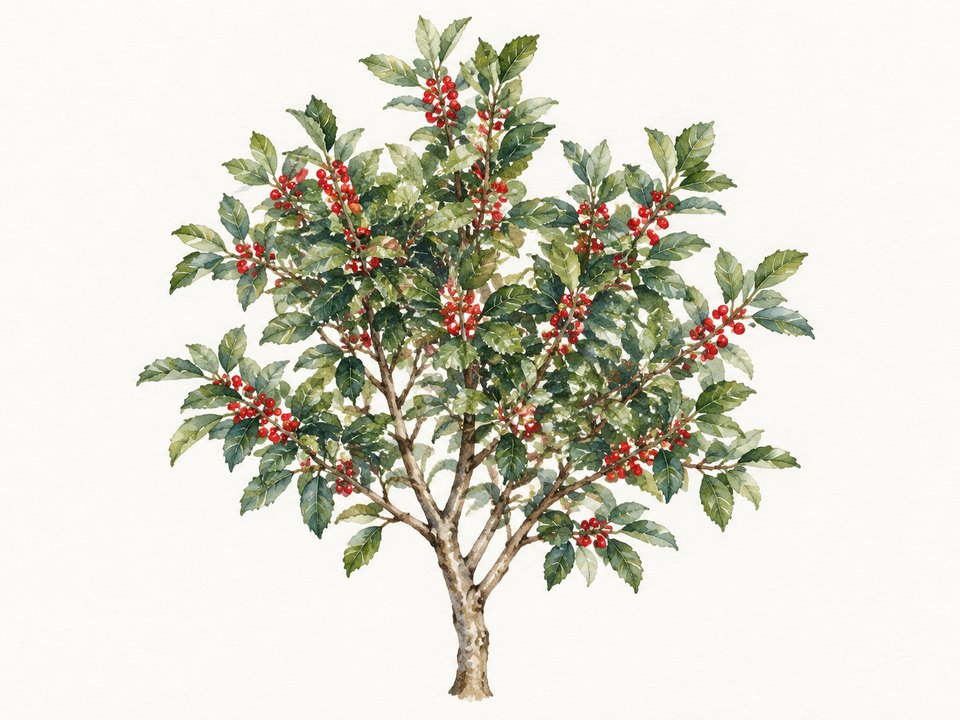 Illustration
Yaupon HollyIlex vomitoriaIllustration 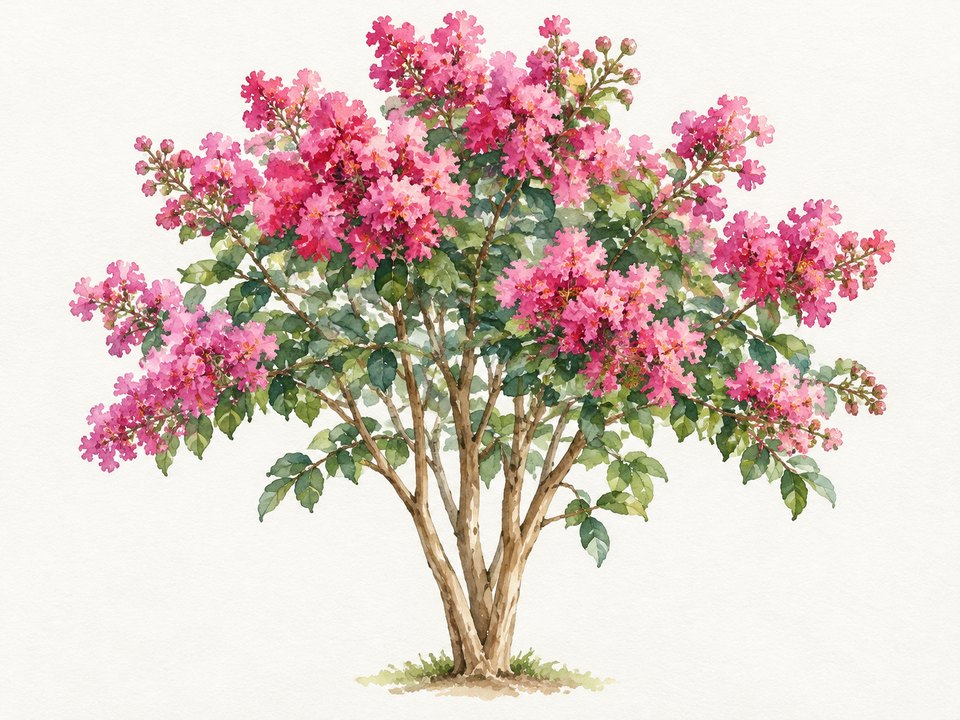 Illustration
Crape MyrtleLagerstroemia indicaIllustration 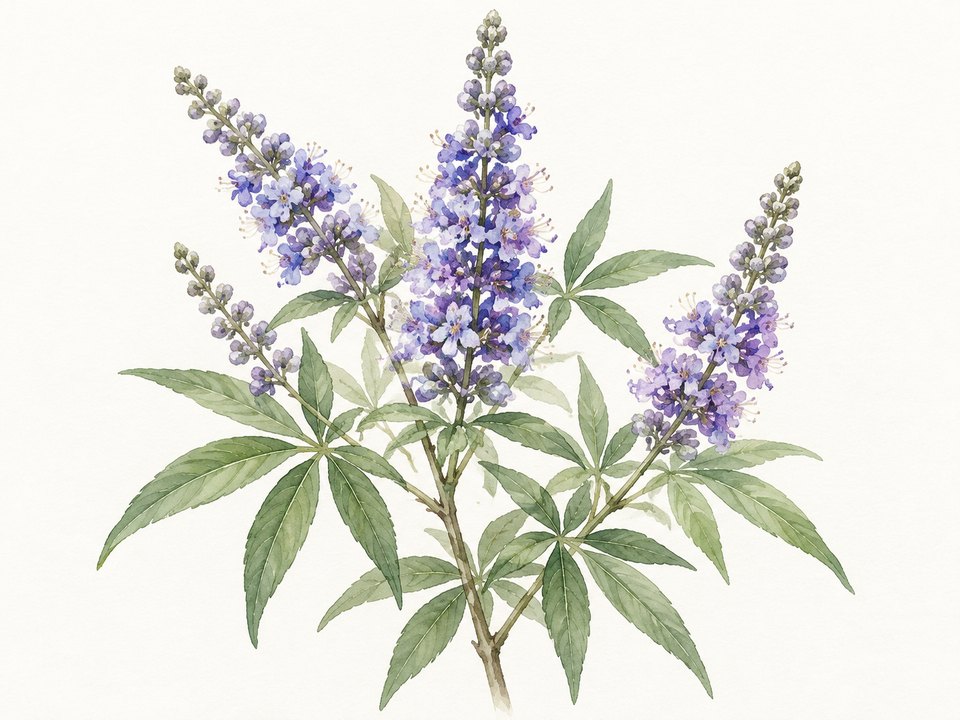 Illustration
VitexVitex agnus-castusIllustration 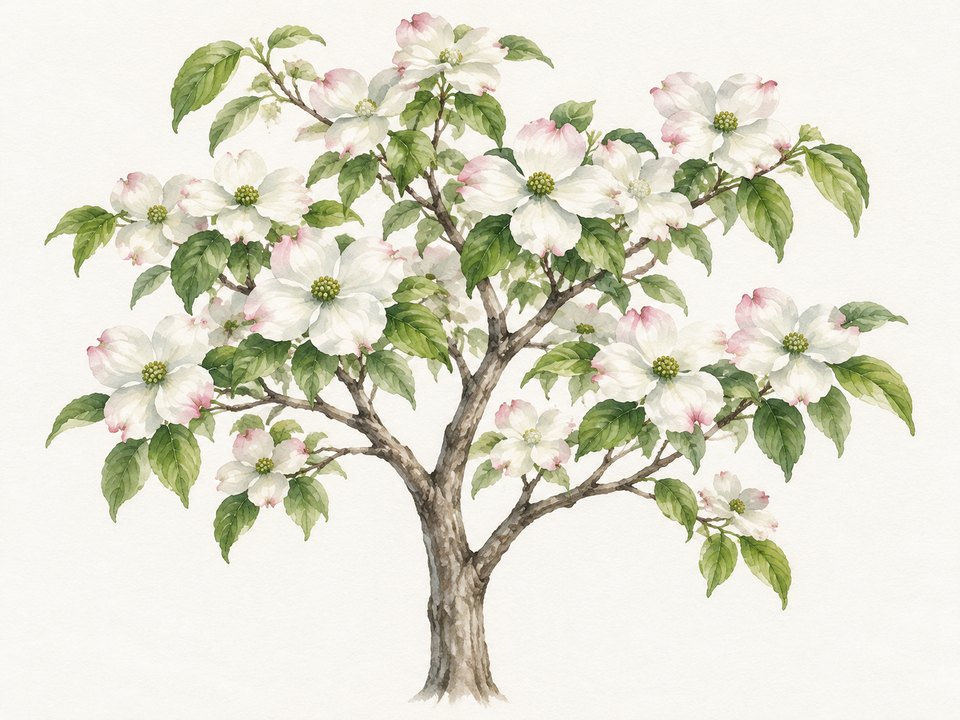 Illustration
Flowering DogwoodCornus floridaIllustration 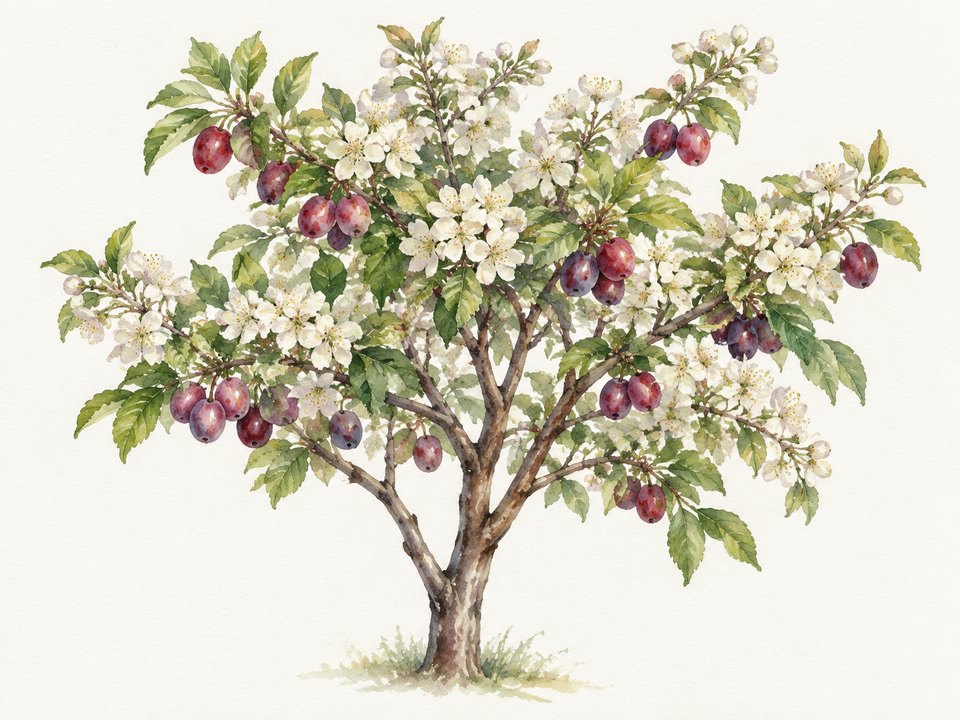 Illustration
Mexican PlumPrunus mexicanaIllustration 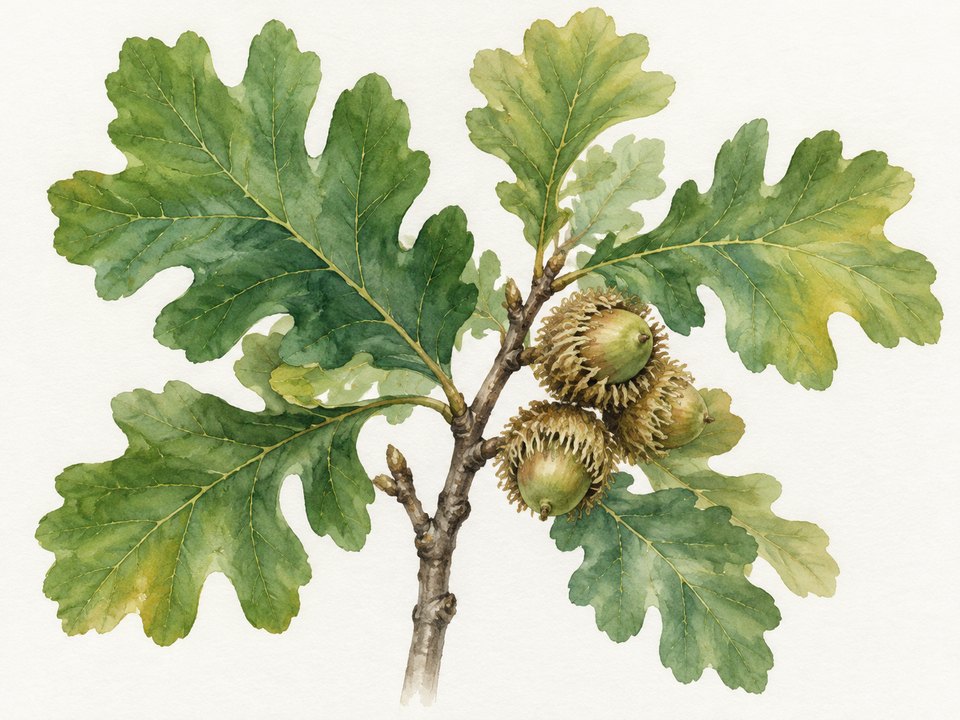 Illustration
Bur OakQuercus macrocarpaIllustration 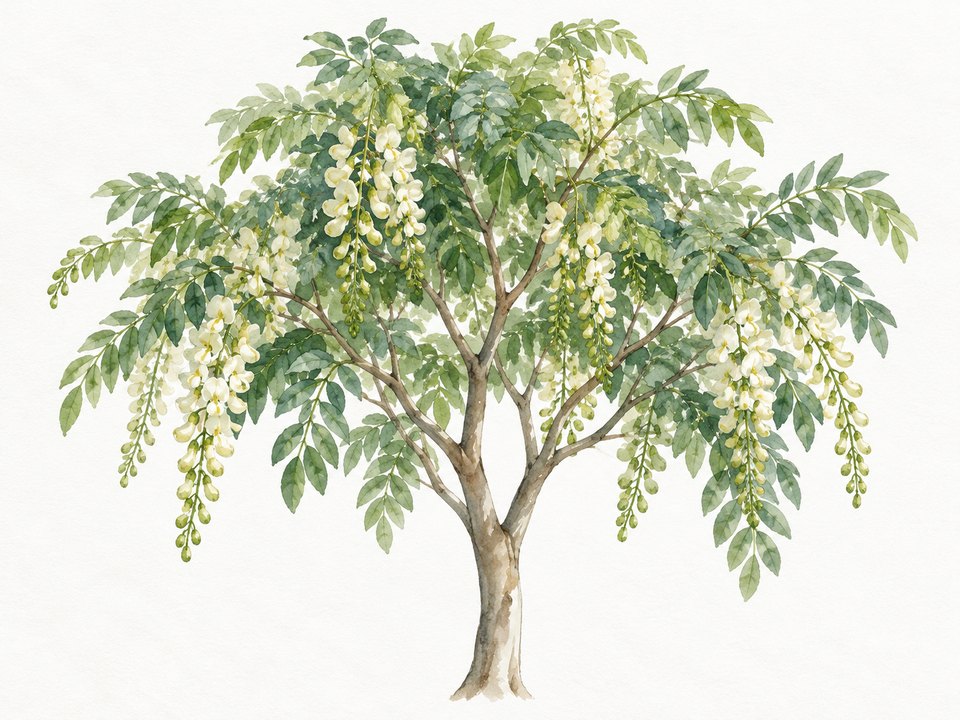 Illustration
Eve's NecklaceStyphnolobium affineIllustration 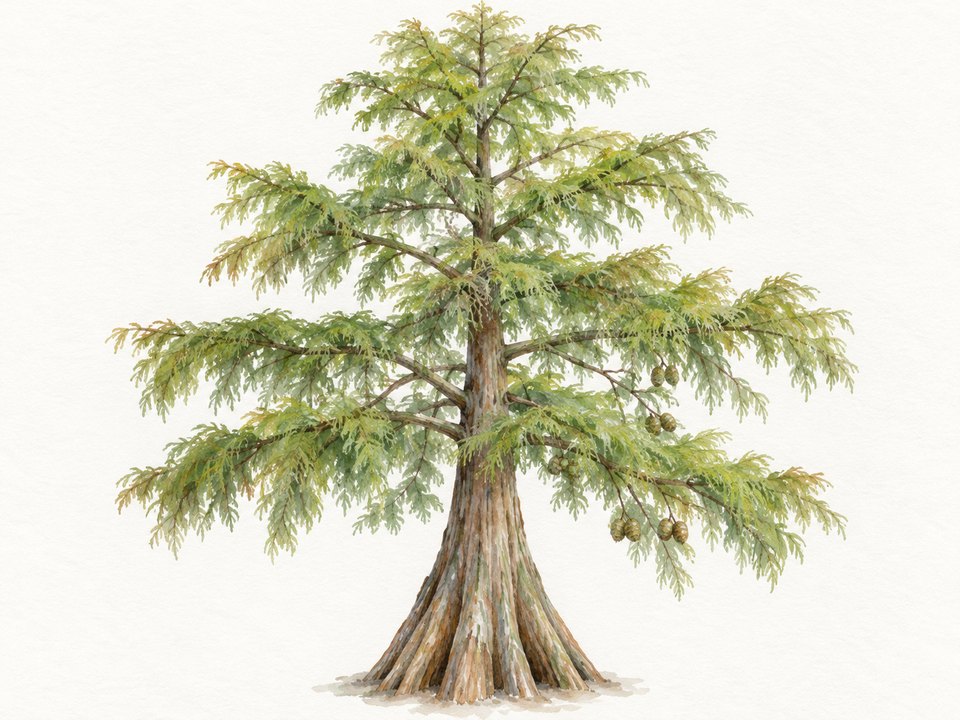 Illustration
Bald CypressTaxodium distichumIllustration 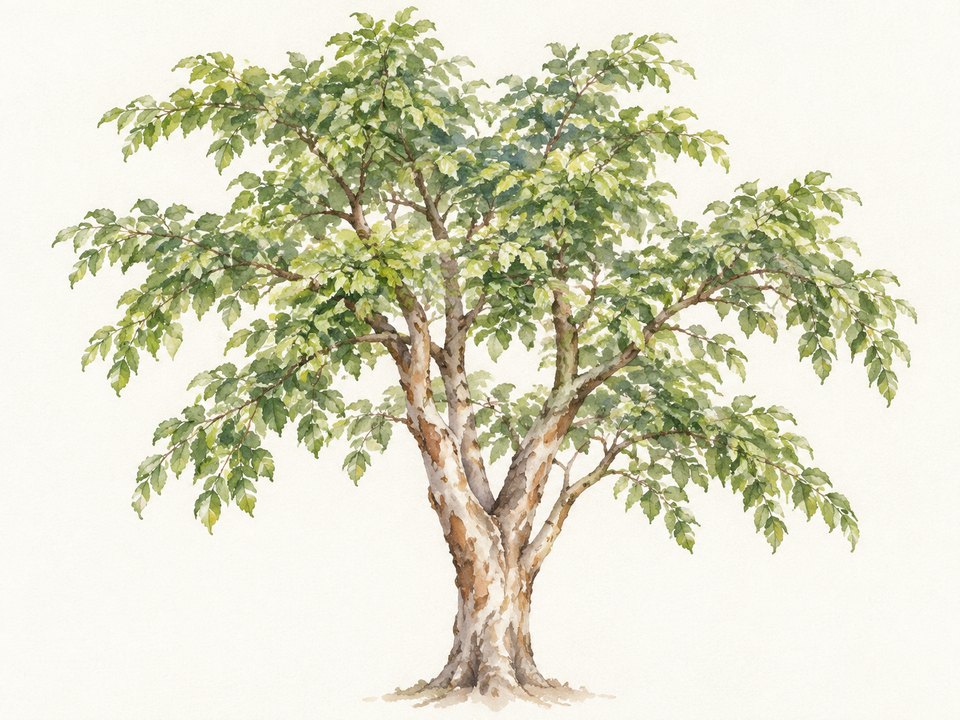 Illustration
Lacebark ElmUlmus parvifoliaIllustration
Enhanced-zone shrubs
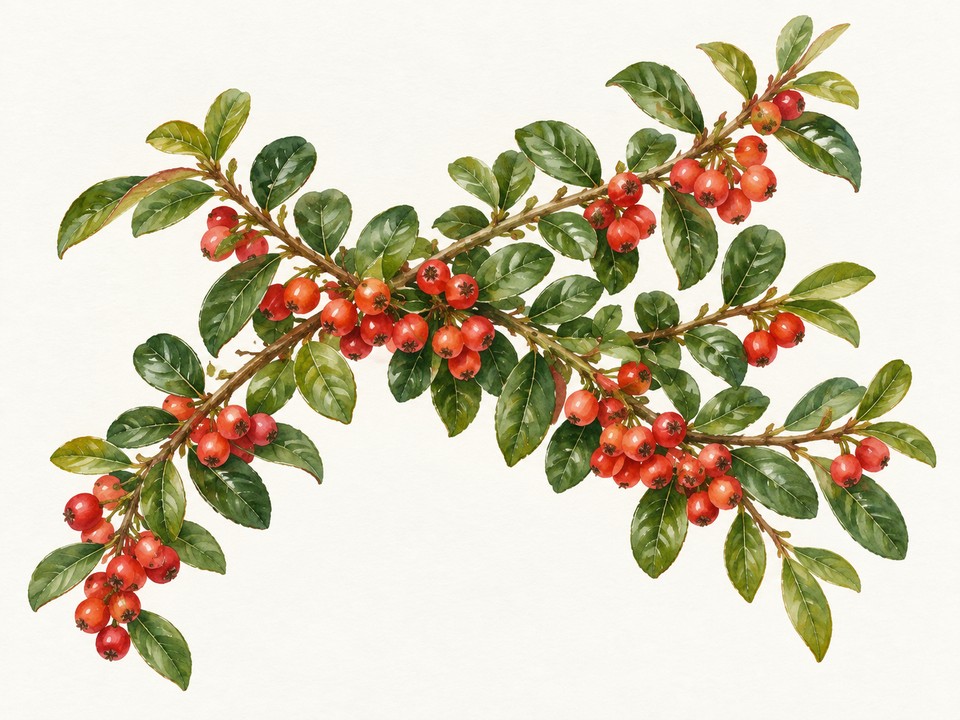
Shrub choices include Abelia, cast-iron plant and Japanese aucuba. Shrub choices include redleaf barberry, agarita and boxwood. Shrub choices include Coral Beauty cotoneaster, elaegnus and Japanese aralia. Shrub choices include hypericum, red yucca and dwarf Chinese holly. Shrub choices include dwarf yaupon, variegated ligustrum (Ligustrum lucidum 'Variegated') and Texas sage. Shrub choices include southern wax myrtle, nandina/heavenly bamboo and oleander. Shrub choices include pyracantha, Indian hawthorn and rosemary. Shrub choices include gray santolina and yucca. Check the exact species and cultivar for your site. The plant schedule still needs review.[4] [6] [7]
 Illustration
Coral Beauty CotoneasterCotoneaster dammeri 'Coral Beauty'Illustration 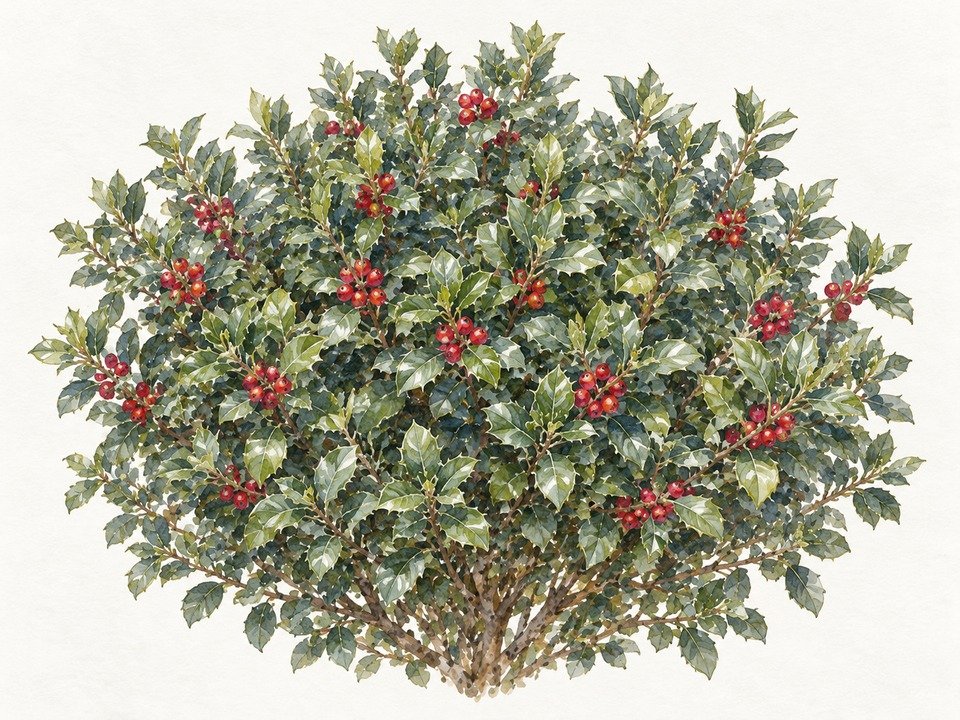 Illustration
Dwarf Chinese HollyIlex cornuta 'Rotunda'Illustration  Illustration
BambooIllustration 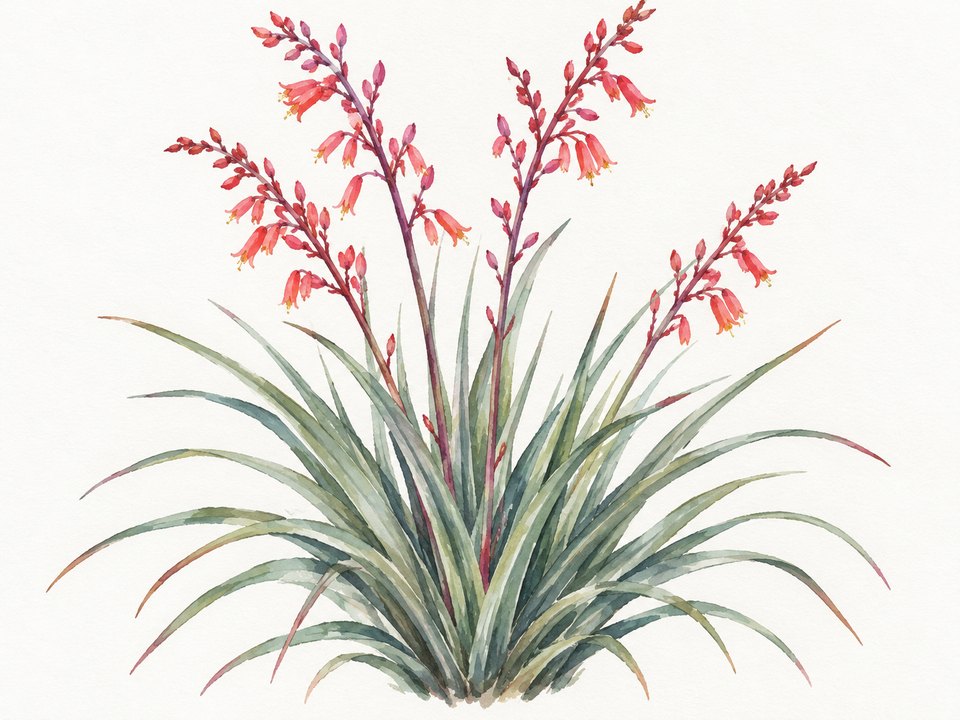 Illustration
Red YuccaHesperaloe parvifloraIllustration 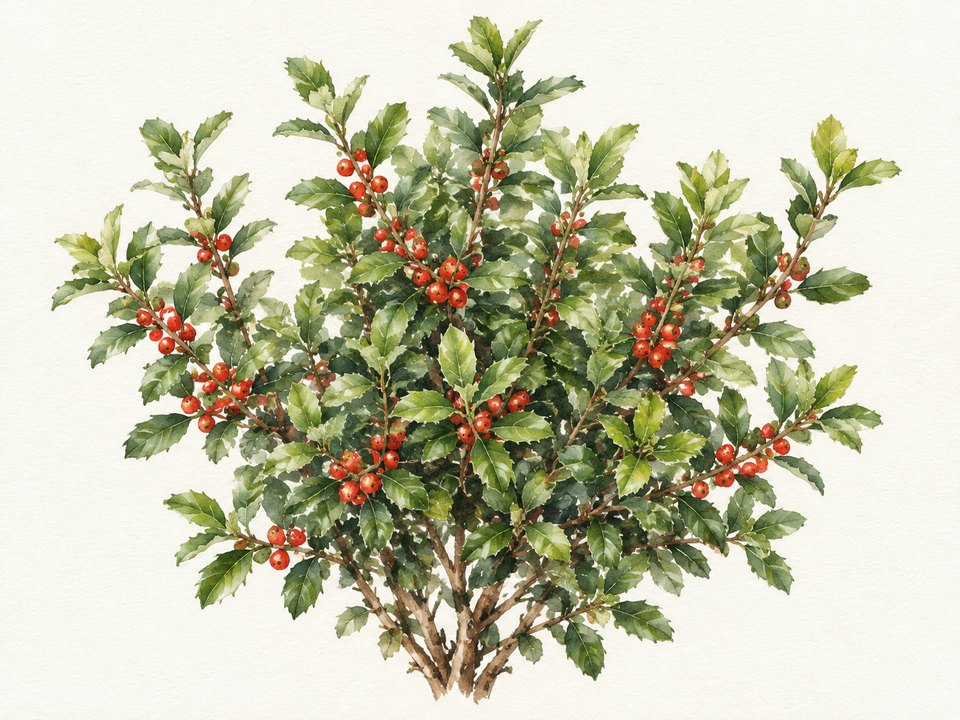 Illustration
Dwarf Yaupon HollyIlex vomitoriaIllustration 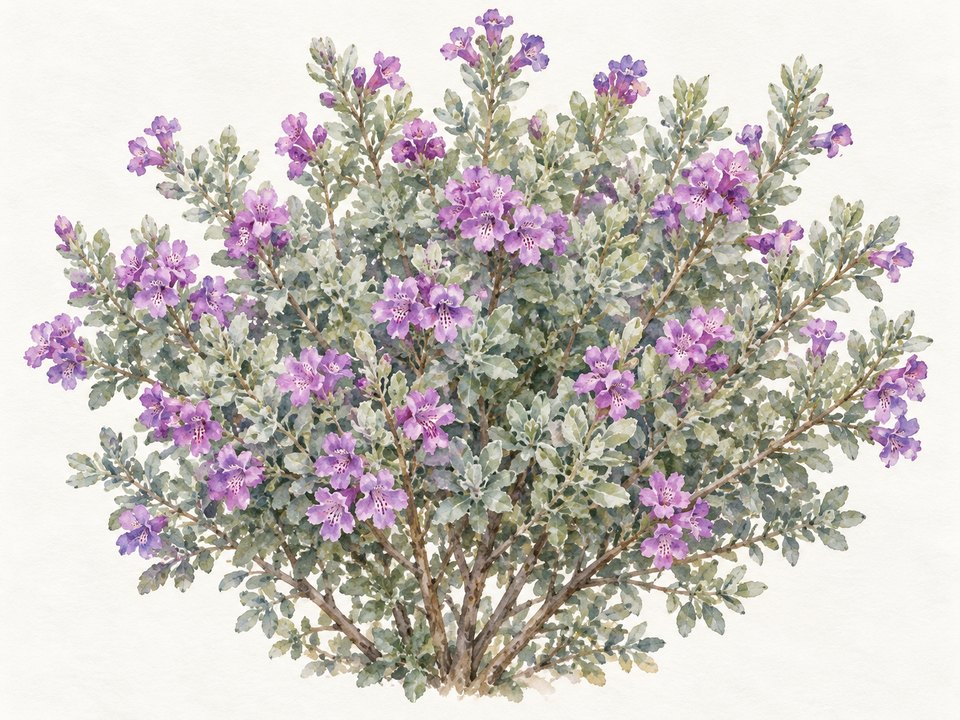 Illustration
Texas SageLeucophyllum frutescensIllustration 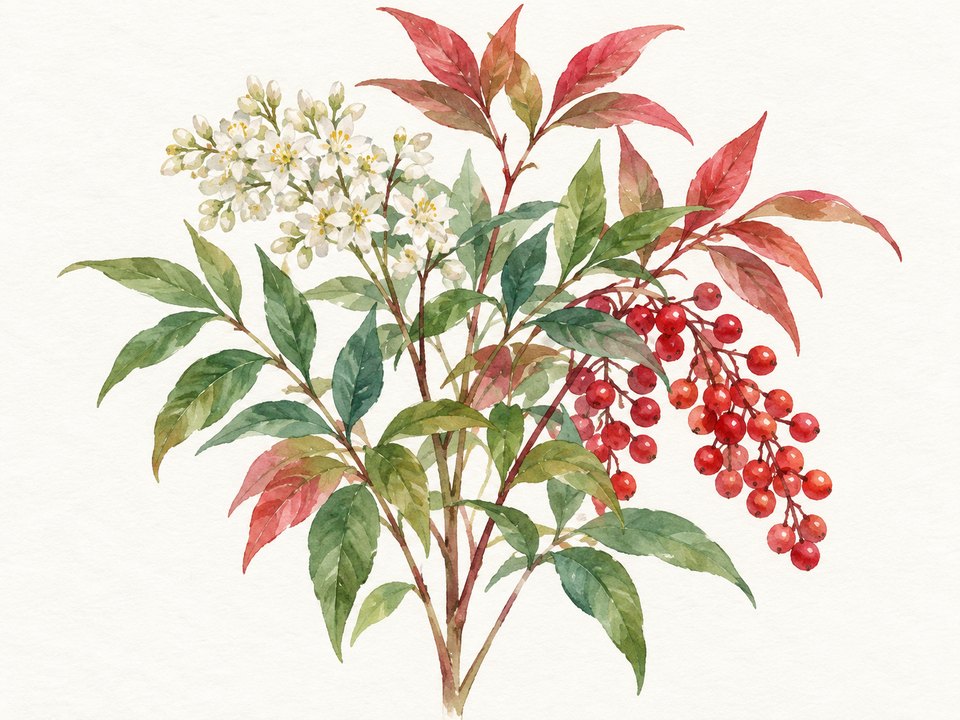 Illustration
NandinaNandina domesticaIllustration 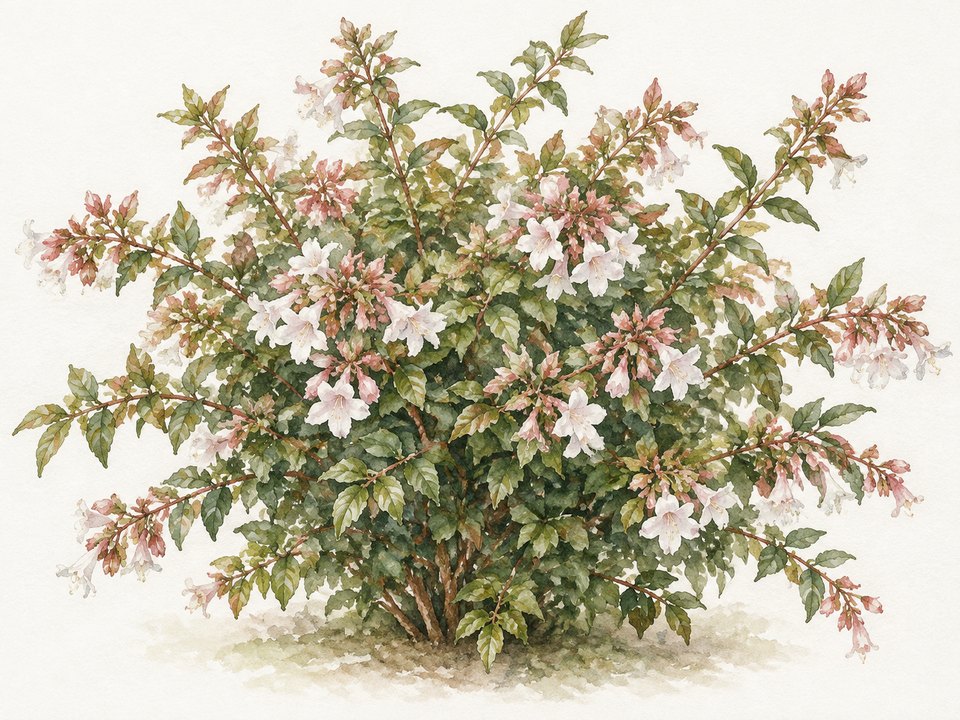 Illustration
AbeliaAbelia x grandifloraIllustration 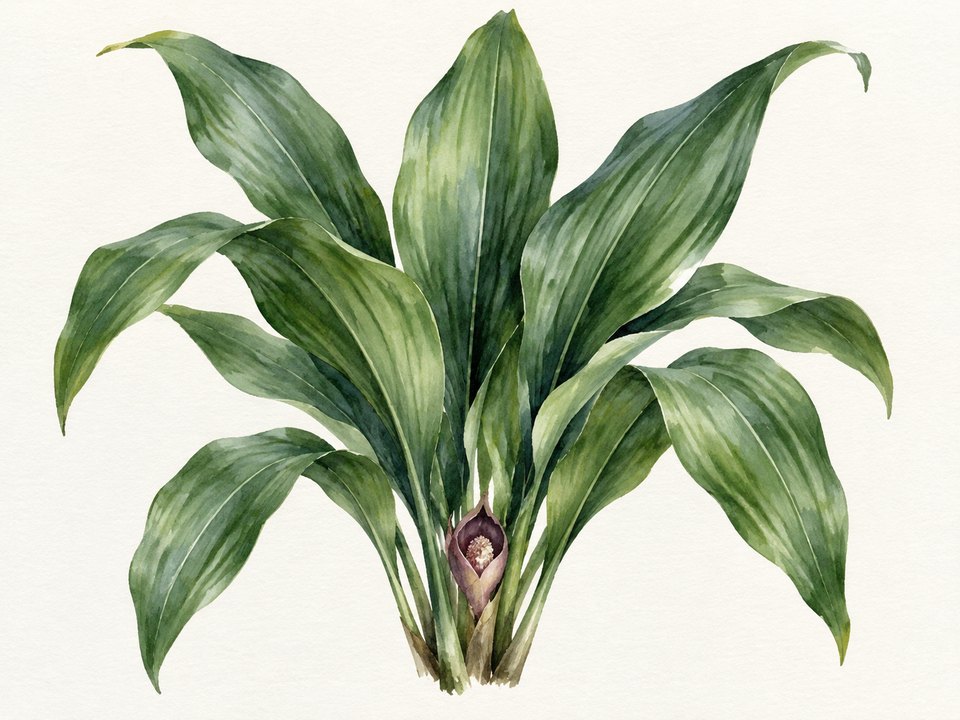 Illustration
Cast Iron PlantAspidistra elatiorIllustration 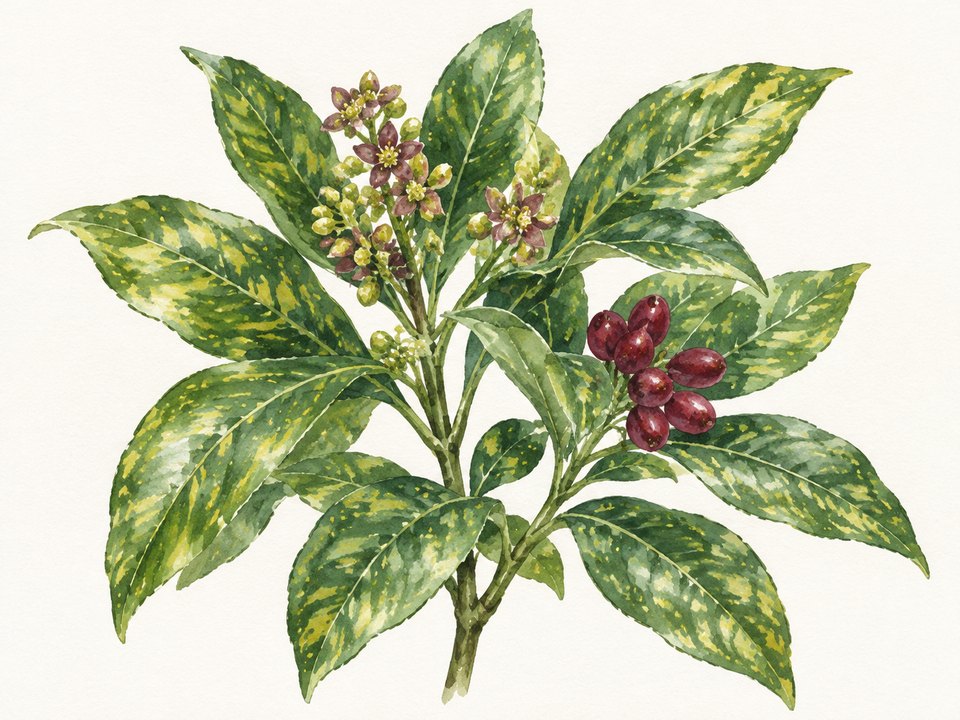 Illustration
Japanese AucubaAucuba japonicaIllustration 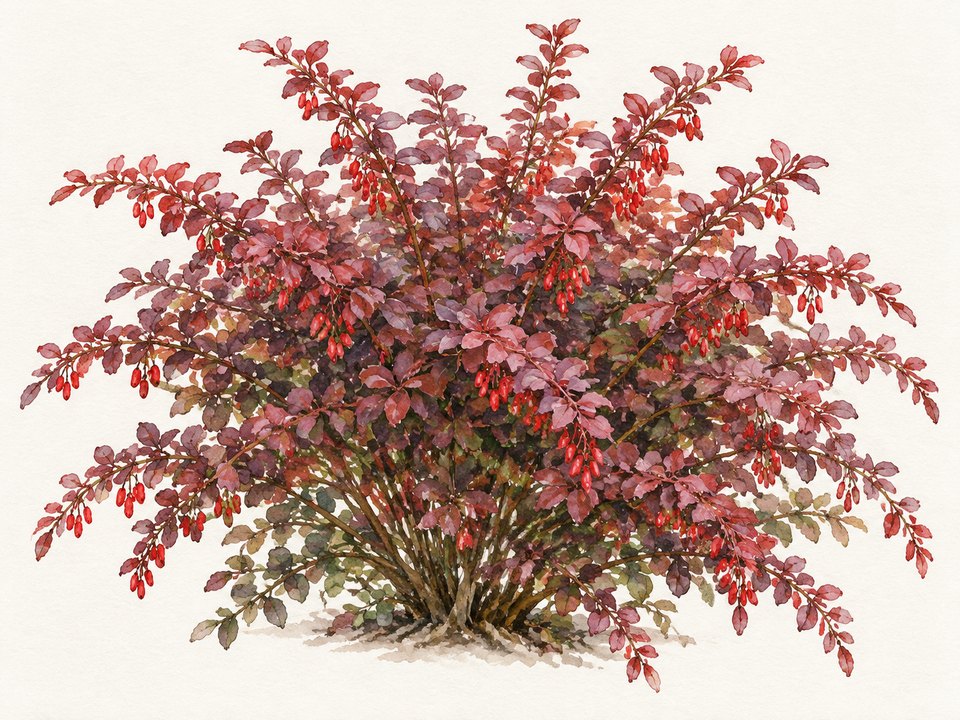 Illustration
Redleaf BarberryBerberis thunbergiiIllustration 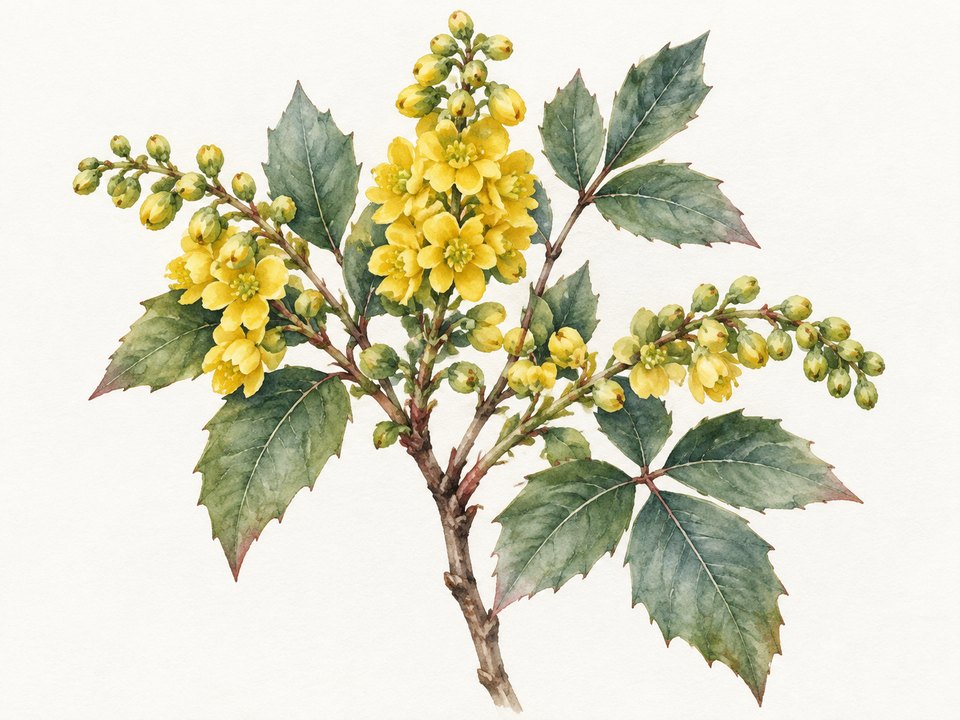 Illustration
AgaritaMahonia trifoliolataIllustration 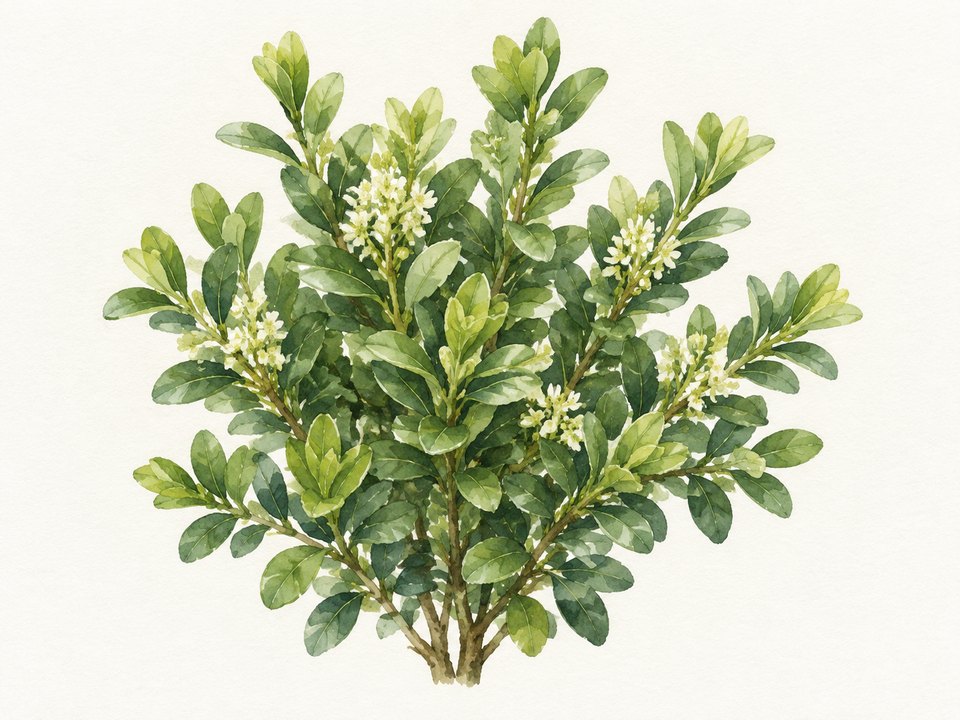 Illustration
BoxwoodBuxus microphyllaIllustration 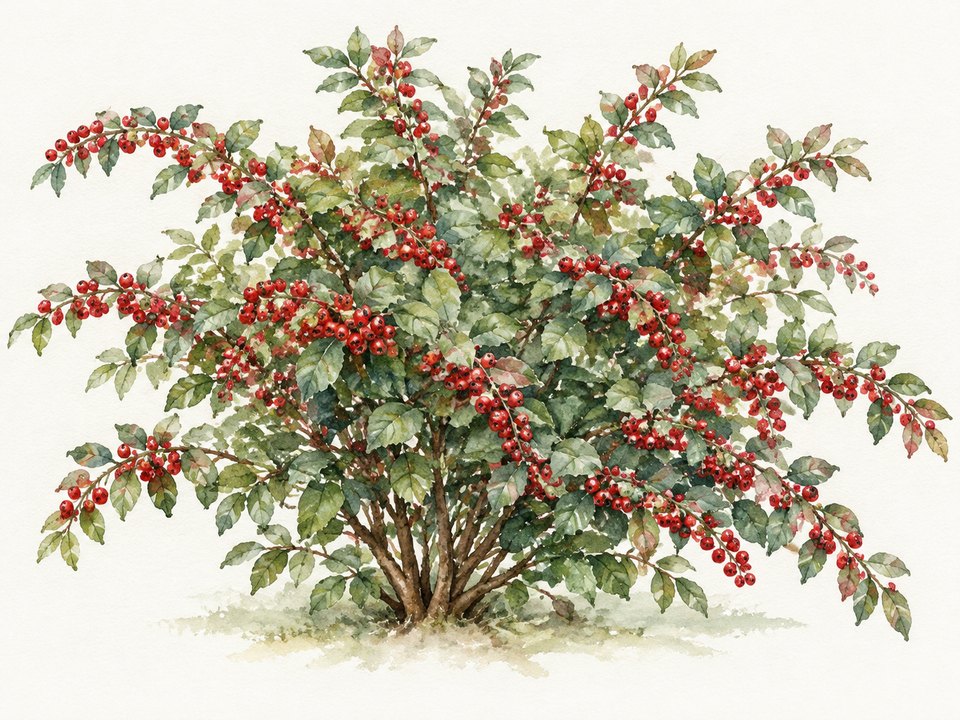 Illustration
CotoneasterIllustration 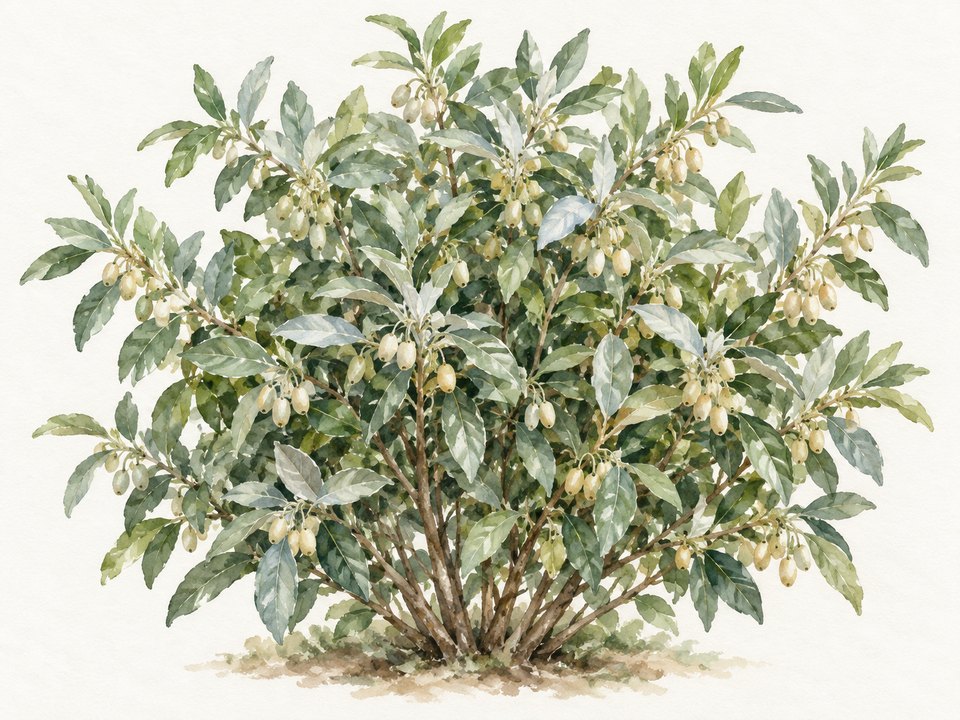 Illustration
EleagnusElaeagnus sppIllustration 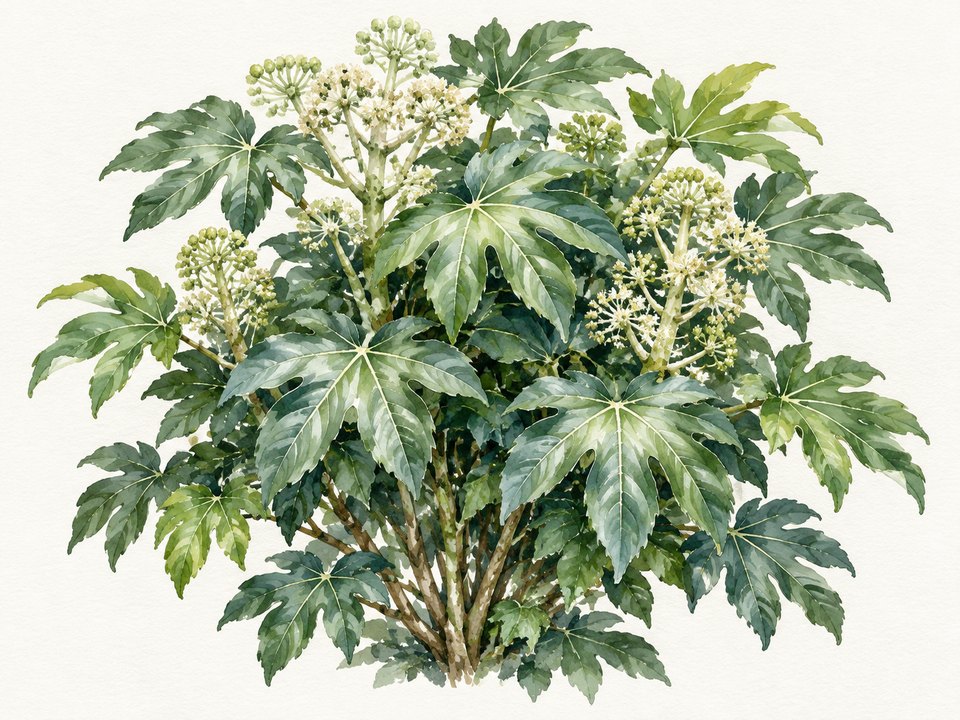 Illustration
Japanese AraliaFatsia japonicaIllustration 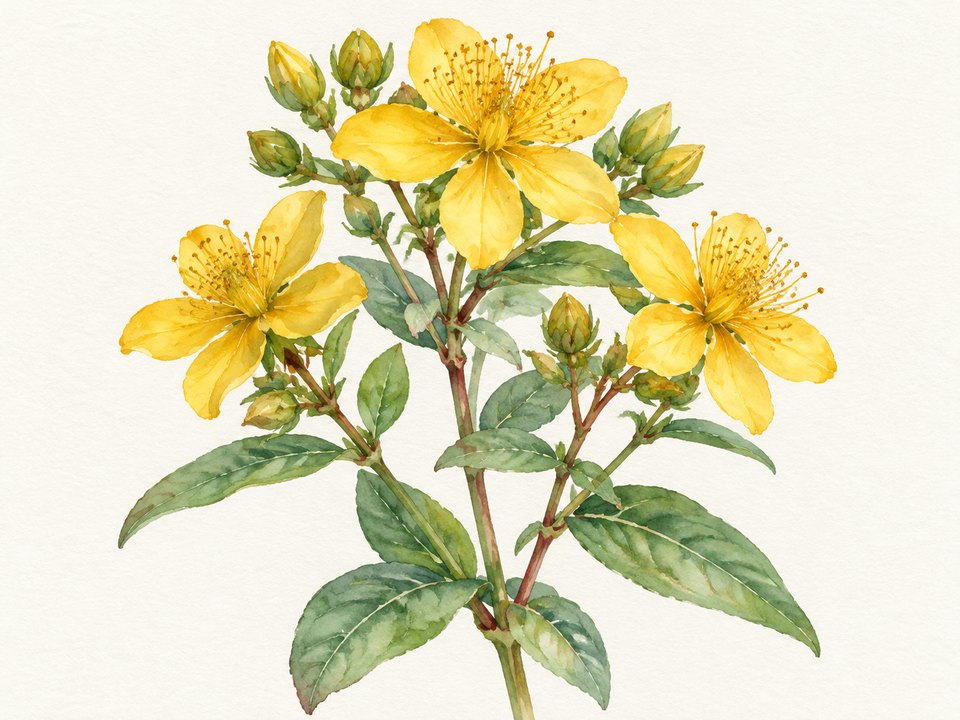 Illustration
HypericumHypericum sppIllustration 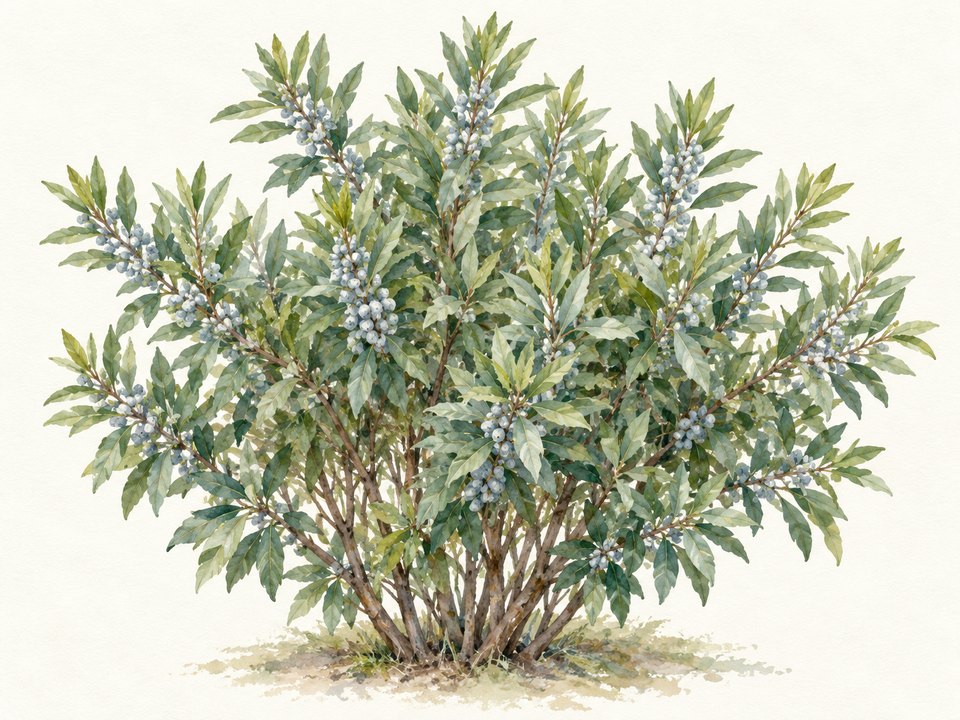 Illustration
Wax MyrtleMorella ceriferaIllustration 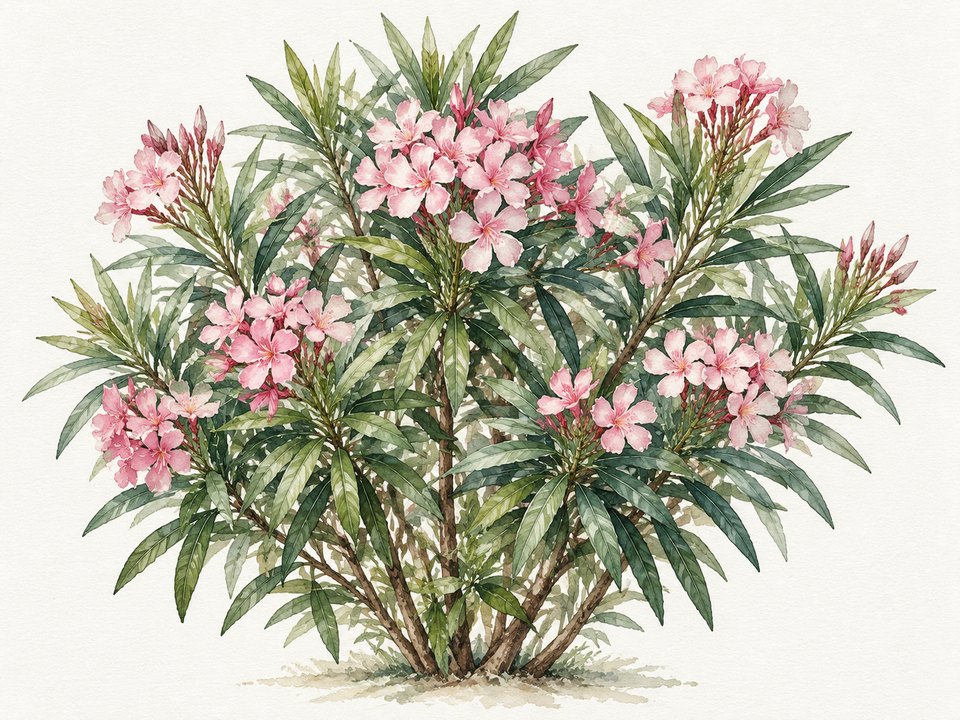 Illustration
OleanderNerium oleanderIllustration 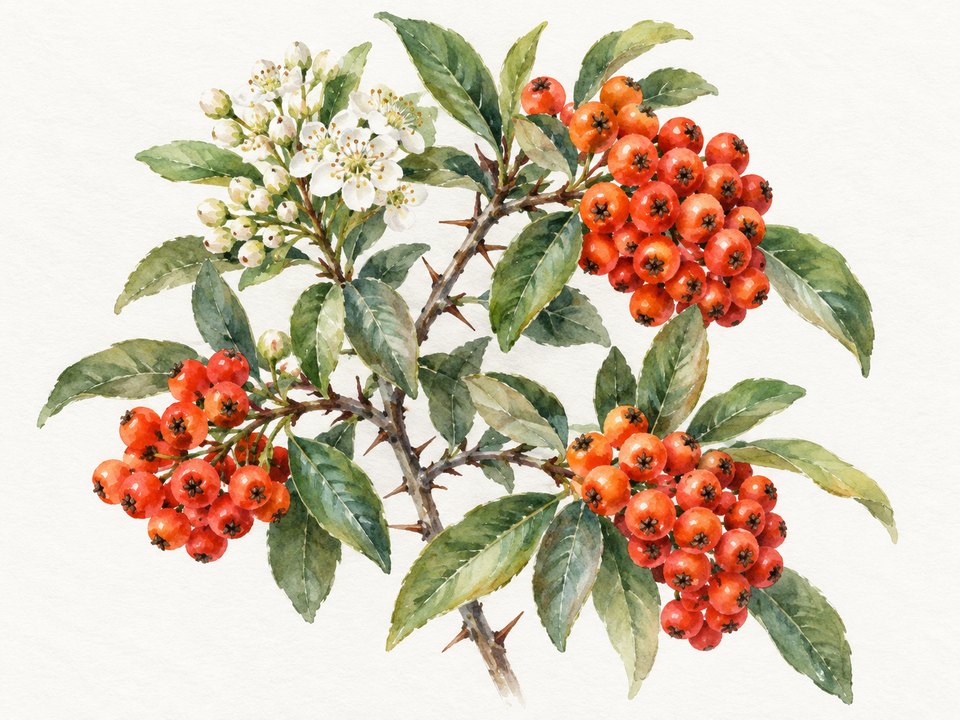 Illustration
PyracanthaPyracantha coccineaIllustration 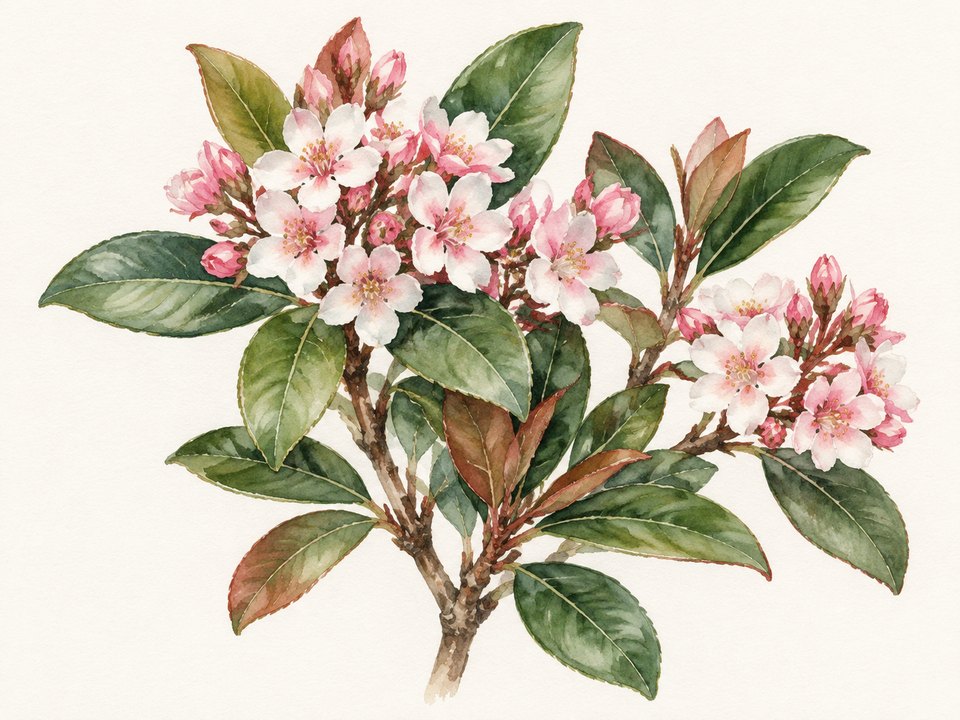 Illustration
Indian HawthornRhaphiolepis indicaIllustration 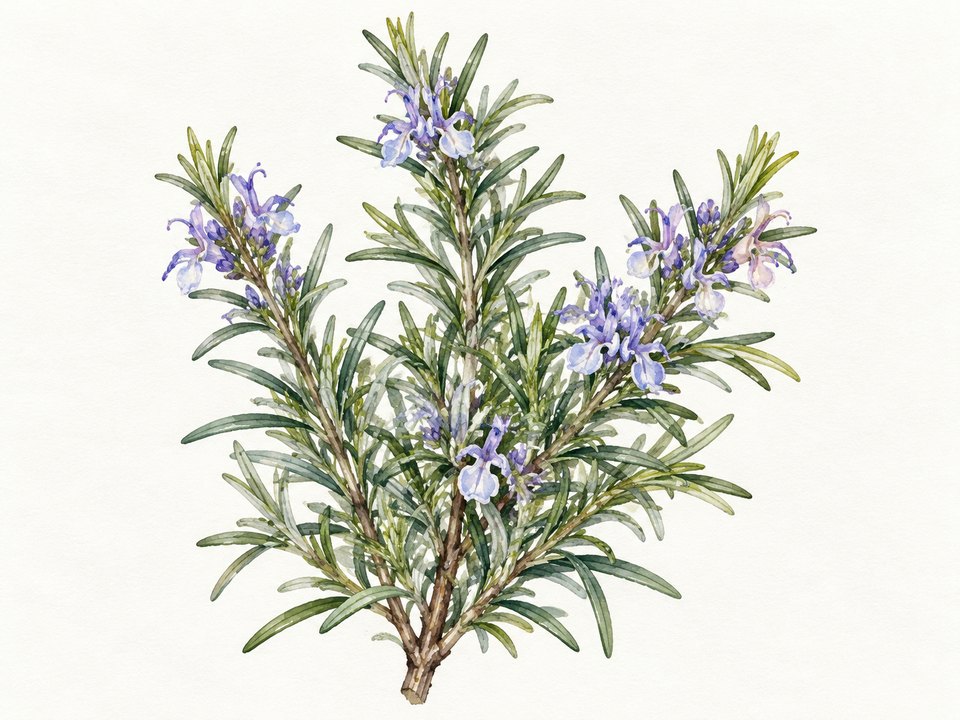 Illustration
RosemarySalvia rosmarinusIllustration 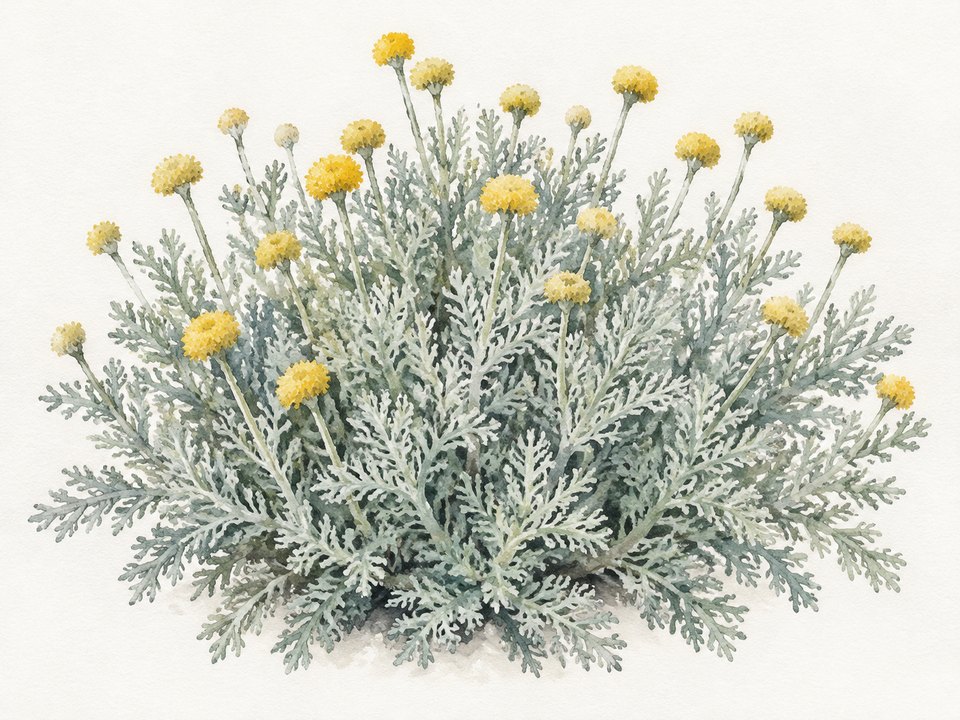 Illustration
Gray SantolinaSantolina chamaecyparissusIllustration 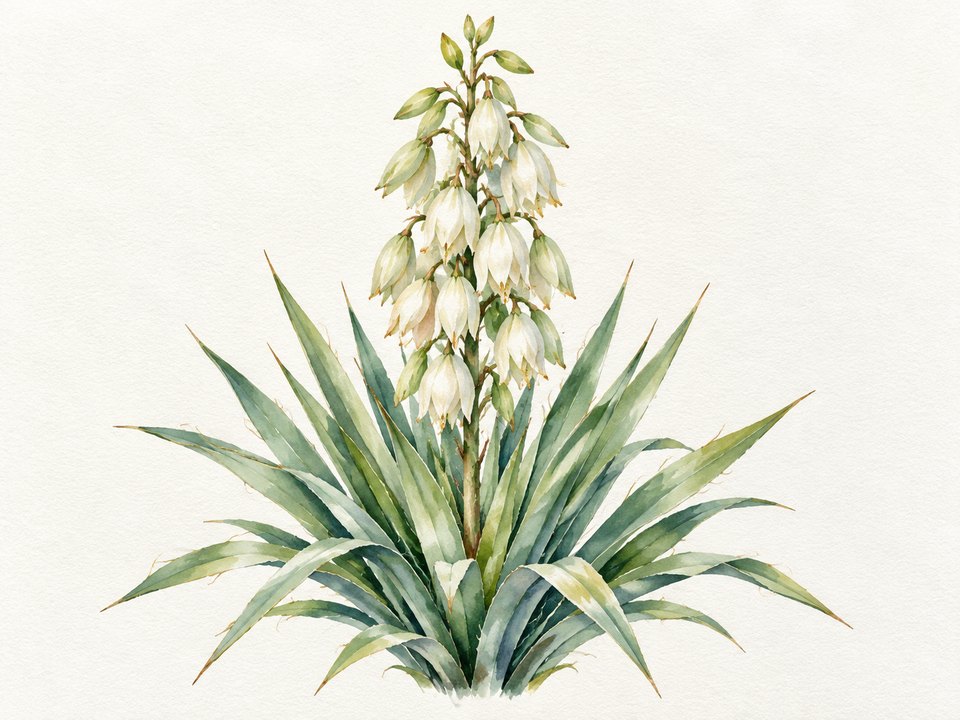 Illustration
YuccaYucca sppIllustration
Enhanced-zone perennials and grasses
Choices include Yarrow, Turk's cap and sacahuista. Choices include fountain grass, Mexican oregano and Mexican bush sage. Choices include cedar sage and various turf grasses. Follow the lawn rules below.[4] [6] [7]
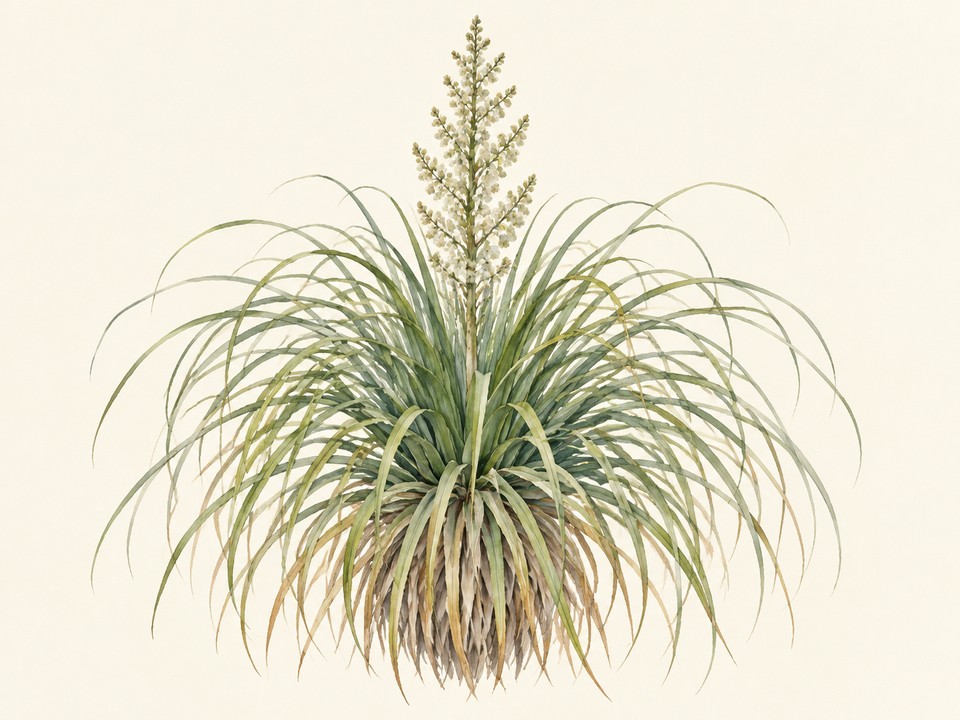 Illustration
SacahuistaNolina texanaIllustration 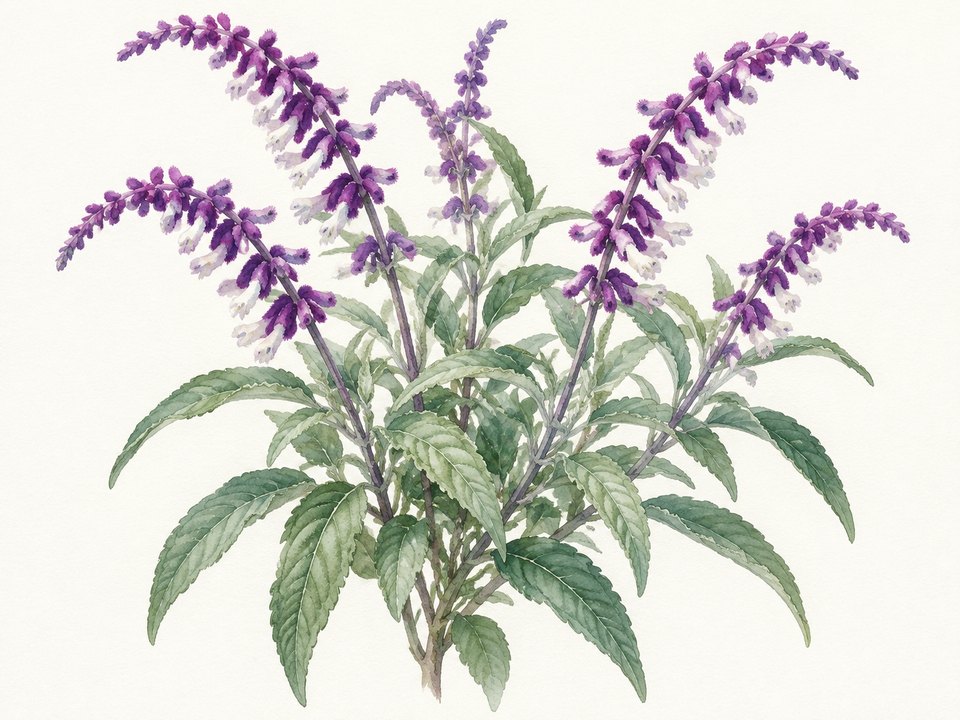 Illustration
Mexican Bush SageSalvia leucanthaIllustration 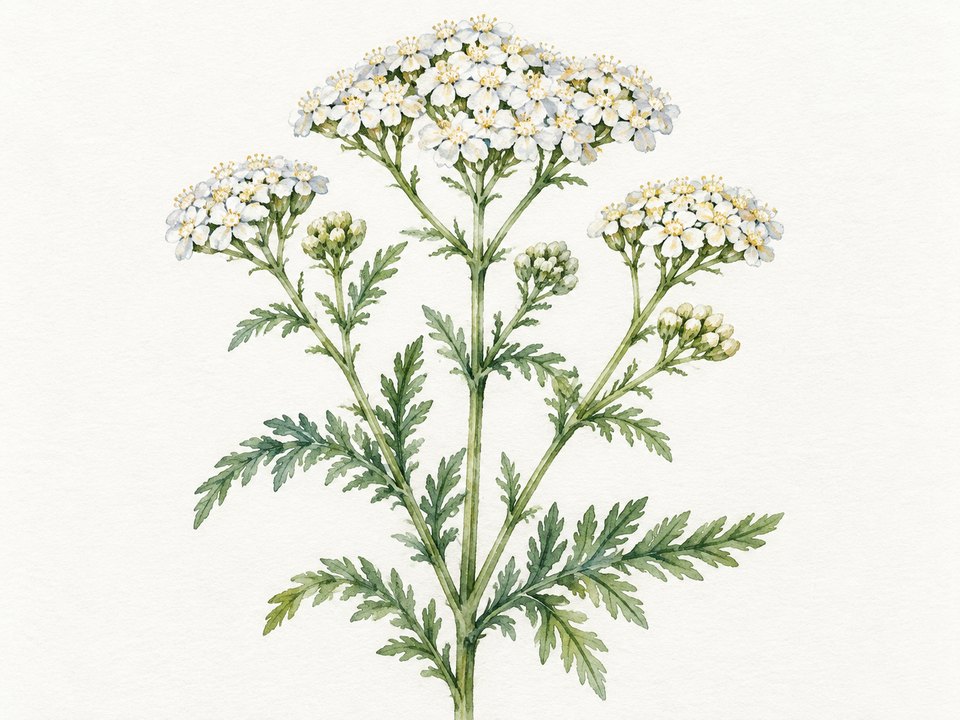 Illustration
YarrowAchillea millefoliumIllustration - Illustration
Turk's CapMalvaviscus arboreus var. drummondiiIllustration 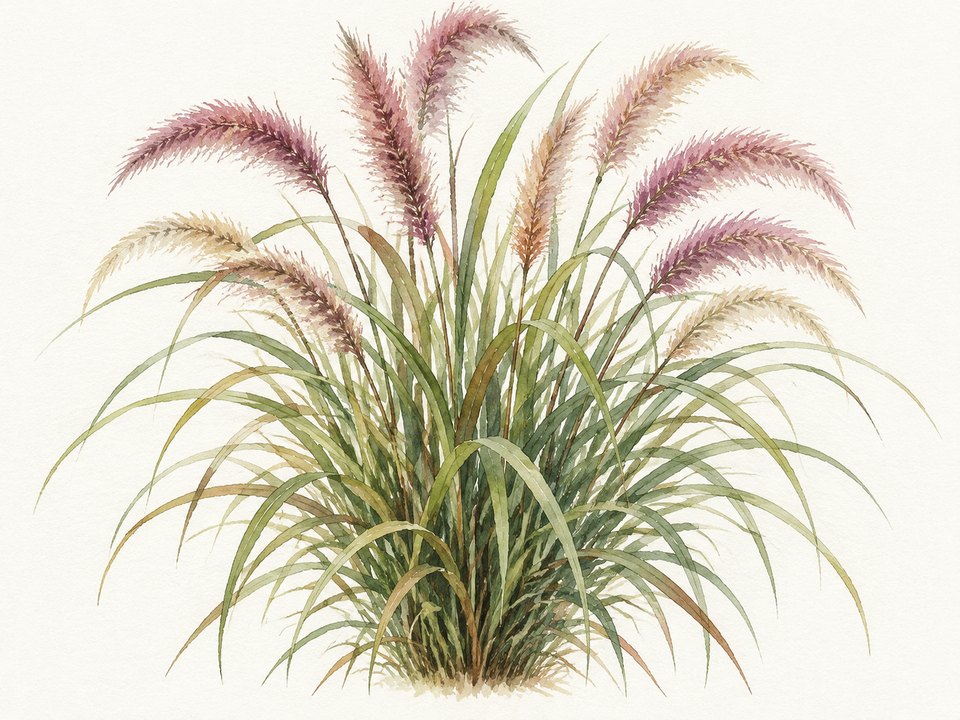 Illustration
Fountain GrassPennisetum setaceumIllustration 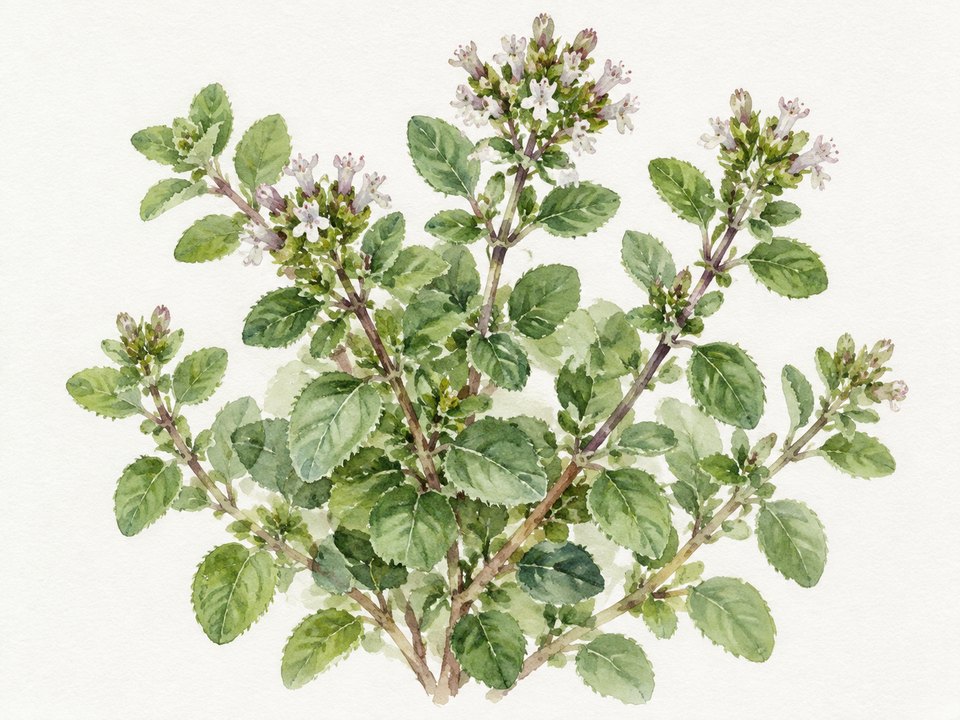 Illustration
Mexican OreganoPoliomintha longifoliaIllustration 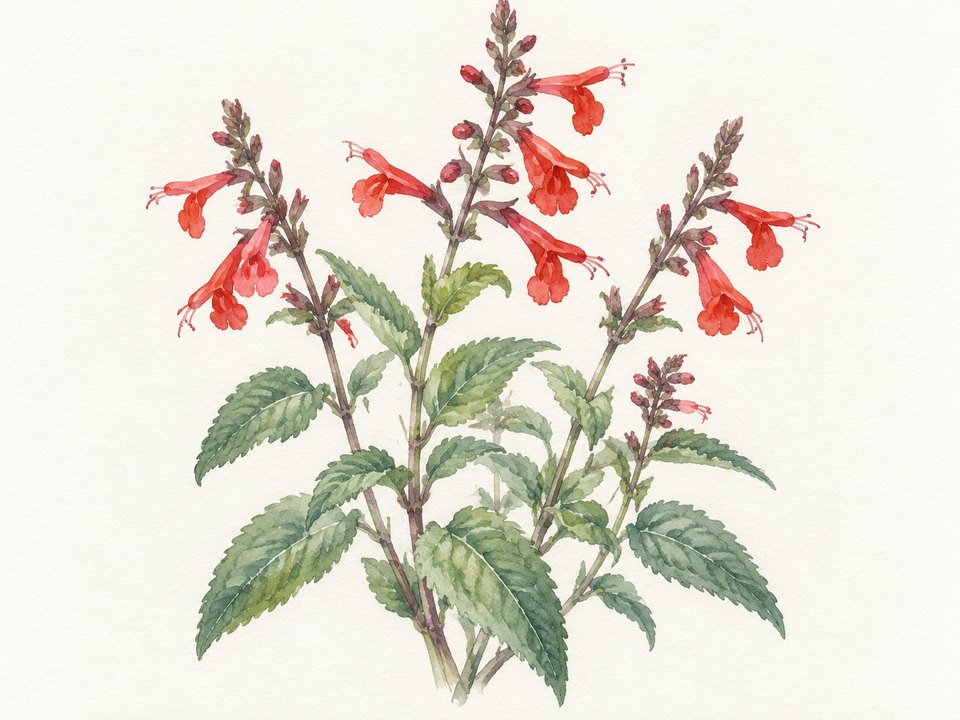 Illustration
Cedar SageSalvia roemerianaIllustration
Enhanced-zone flowers, ferns and herbs
Choices include Ageratum, begonia and coreopsis. Choices include lanceleaf coreopsis, cosmos and purple coneflower. Choices include iris, bluebonnet and sword fern. Choices include mealy blue sage, Indigo Spires and dusty miller. Choices include Mexican mint marigold, wood fern and moss verbena. Choices include periwinkle and zinnia.[4] [6] [7]
 Illustration
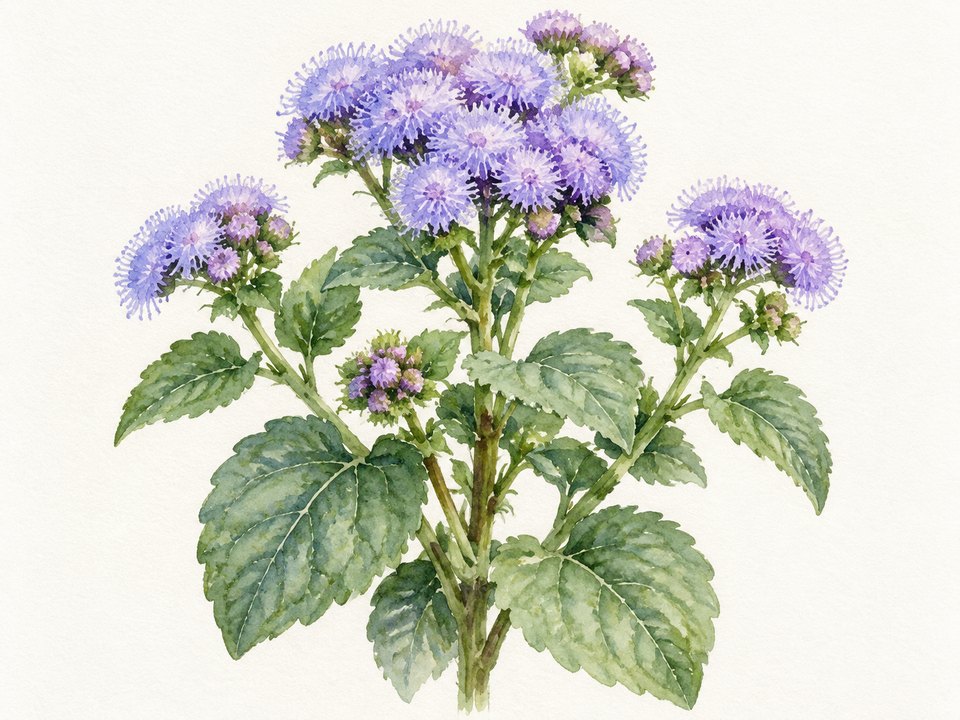
AgeratumAgeratum houstonianumIllustration 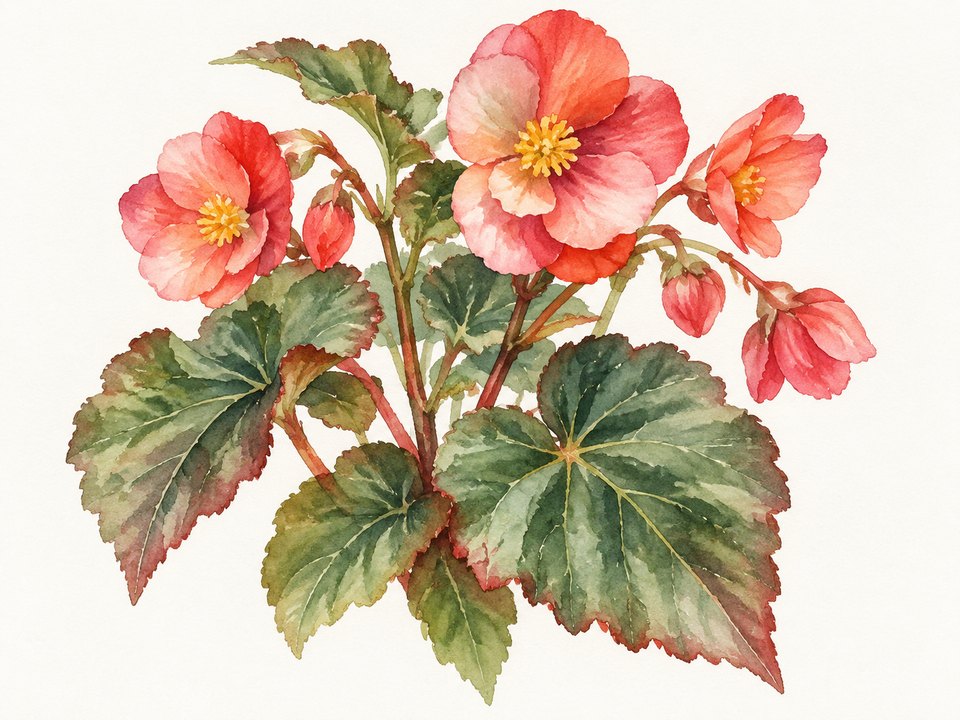 Illustration
BegoniaBegonia sppIllustration 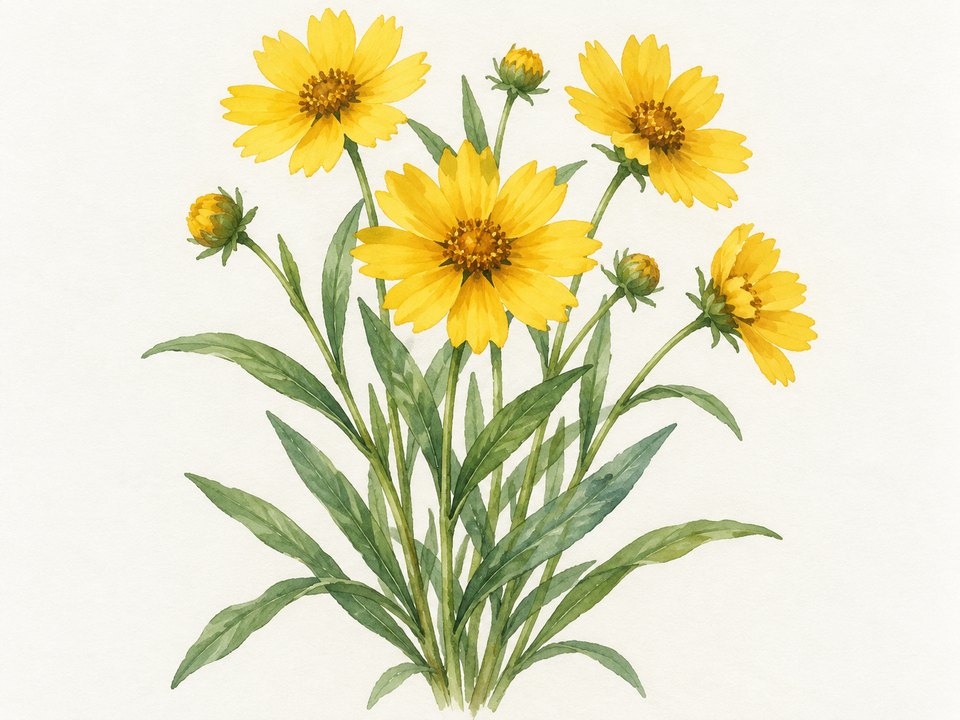 Illustration
Lanceleaf CoreopsisCoreopsis lanceolataIllustration 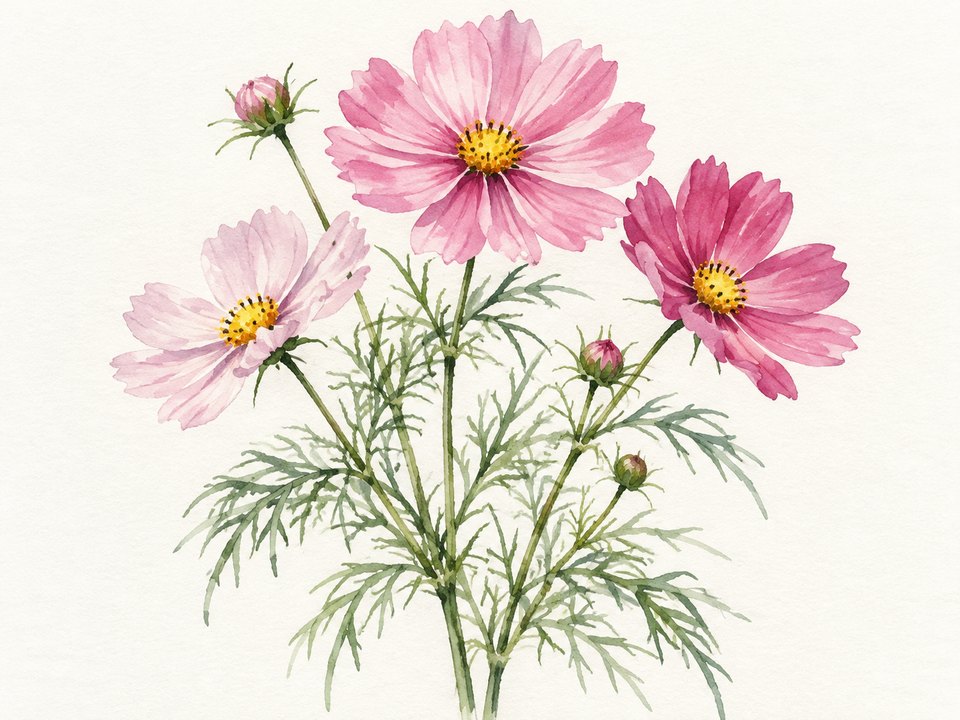 Illustration
CosmosCosmos bipinnatusIllustration 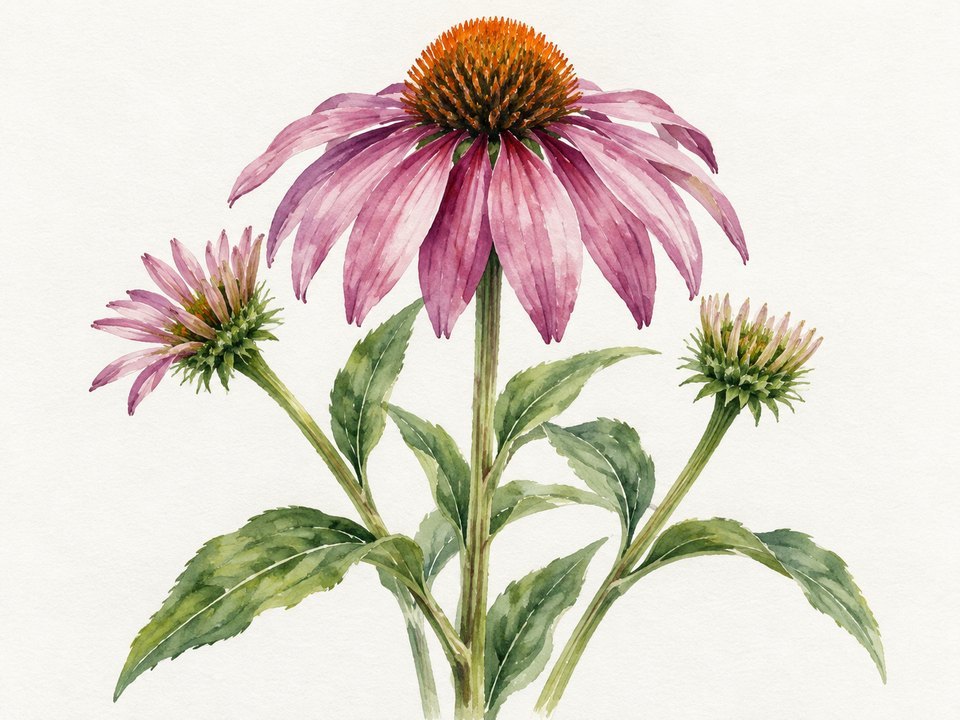 Illustration
Purple ConeflowerEchinacea purpureaIllustration 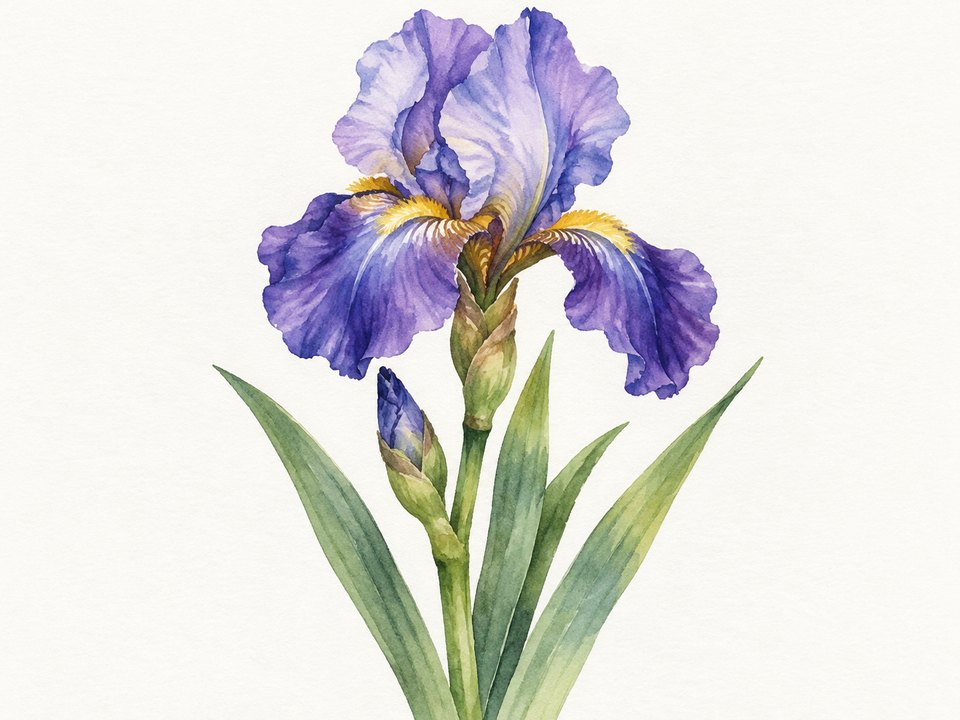 Illustration
IrisIris sppIllustration - Illustration
BluebonnetLupinus texensisIllustration 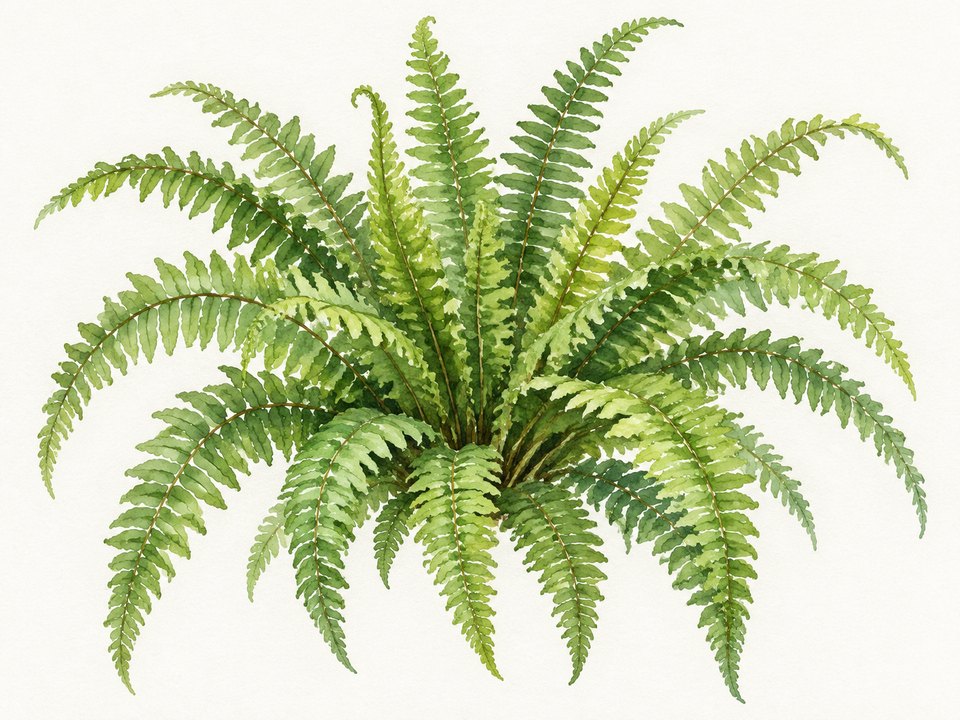 Illustration
Sword FernNephrolepis sppIllustration - Illustration
Mealy Blue SageSalvia farinaceaIllustration 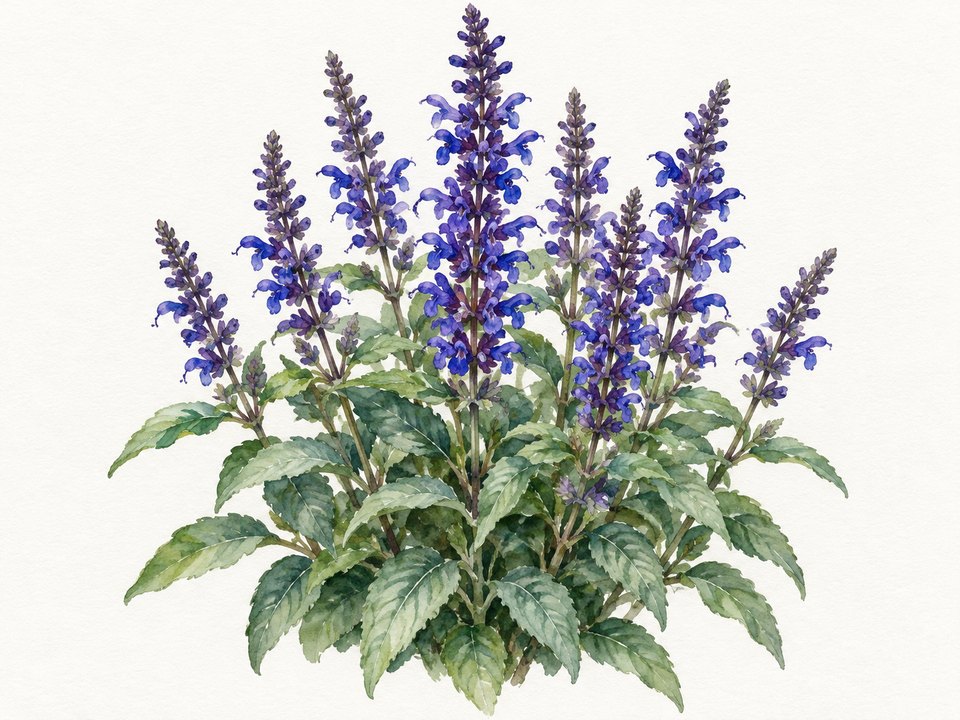 Illustration
Indigo SpiresSalvia 'Indigo Spires'Illustration 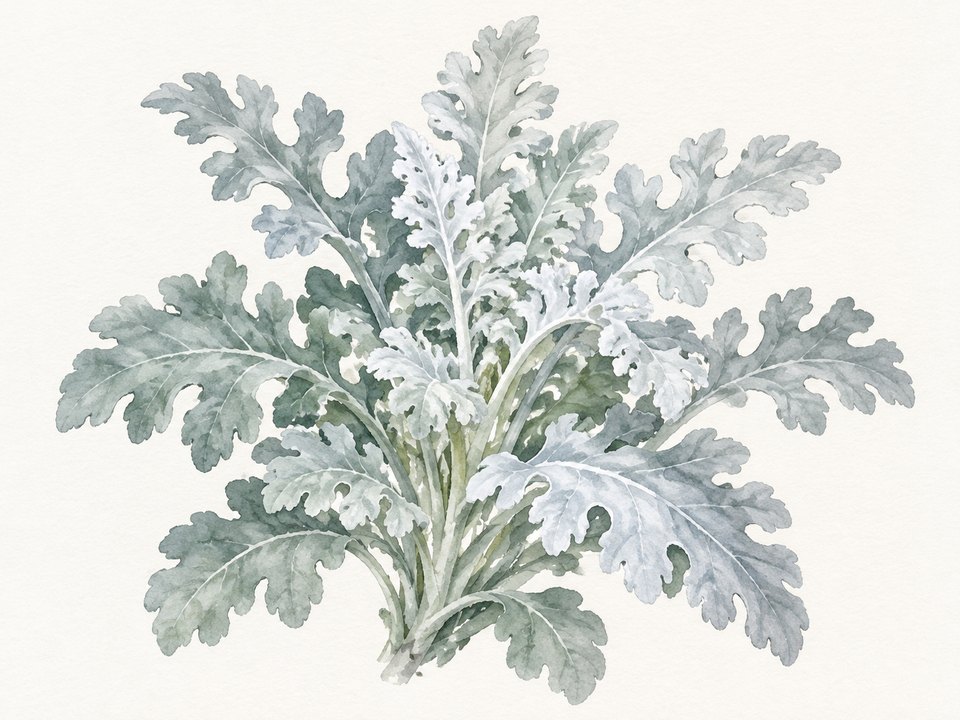 Illustration
Dusty MillerJacobaea maritimaIllustration 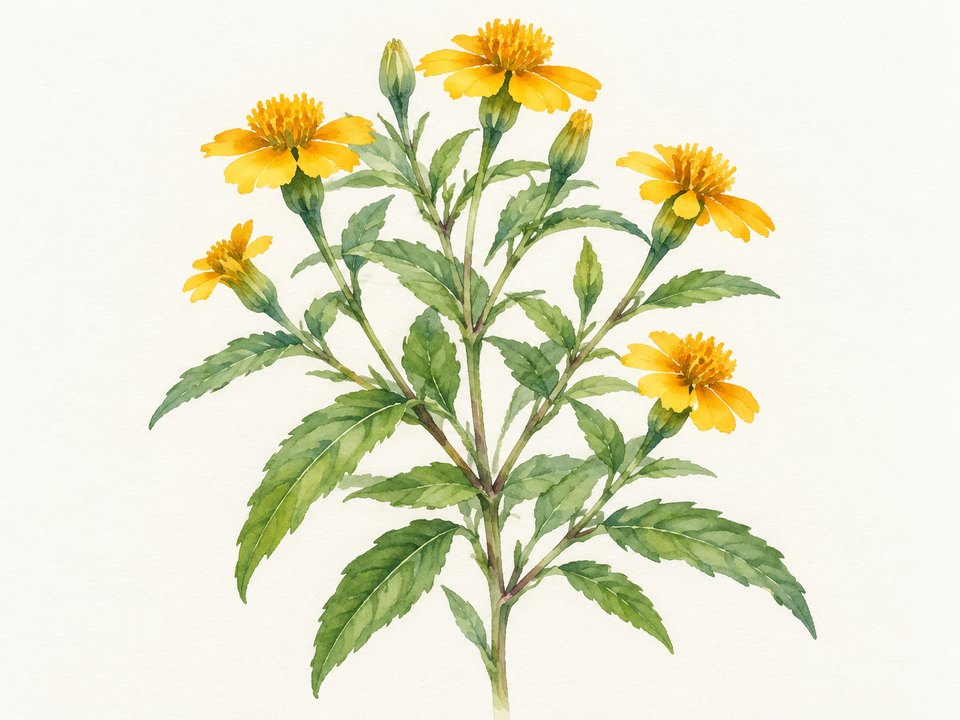 Illustration
Mexican Mint MarigoldTagetes lucidaIllustration 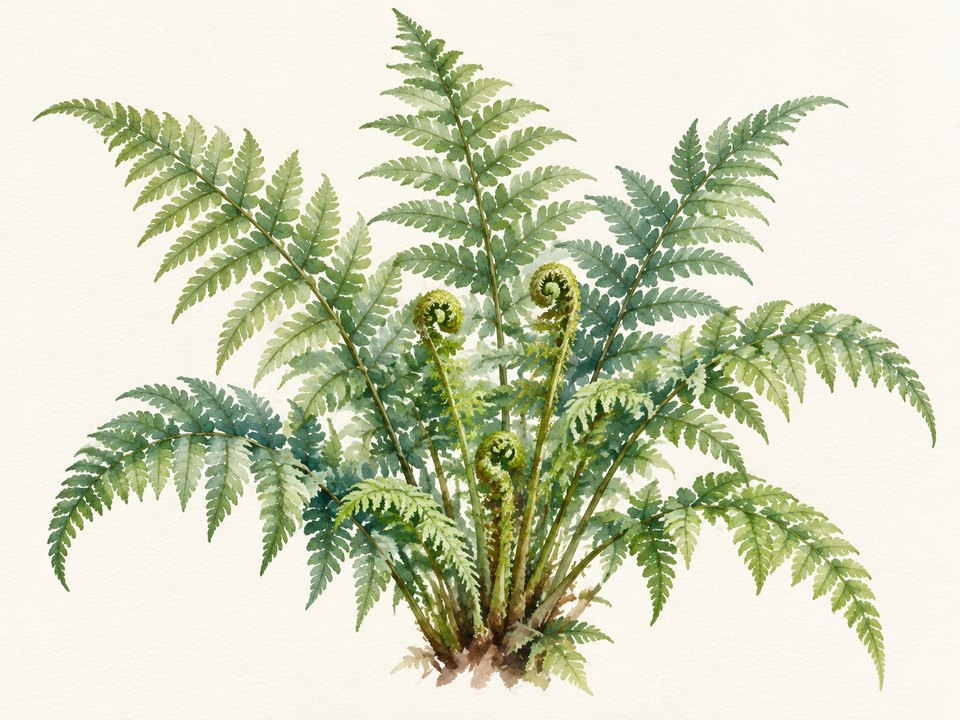 Illustration
Wood FernThelypteris kunthiiIllustration 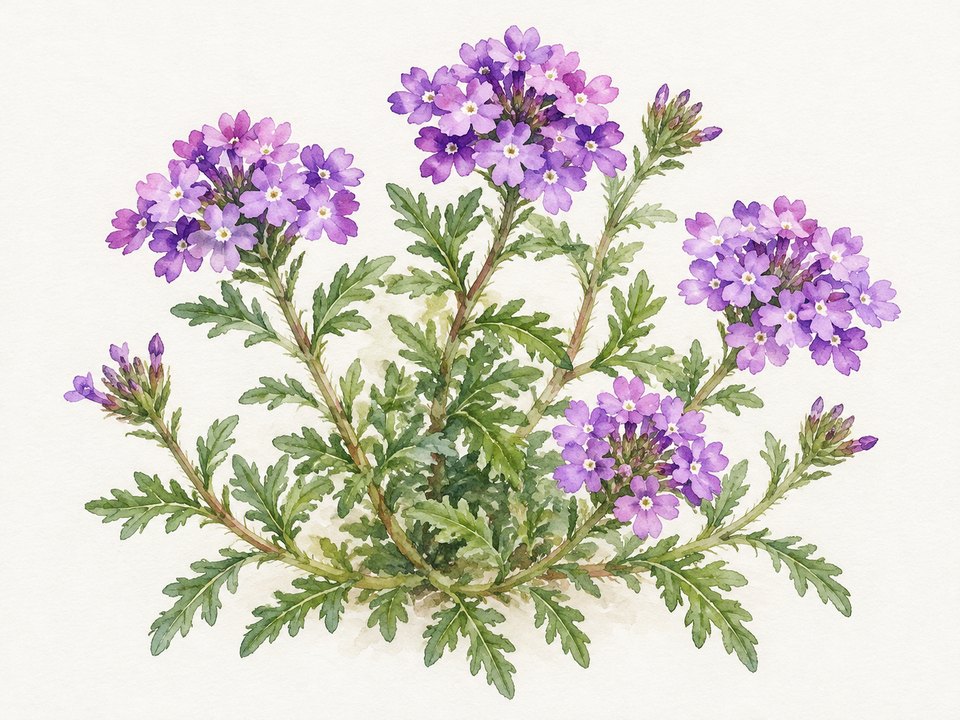 Illustration
Moss VerbenaGlandularia pulchellaIllustration 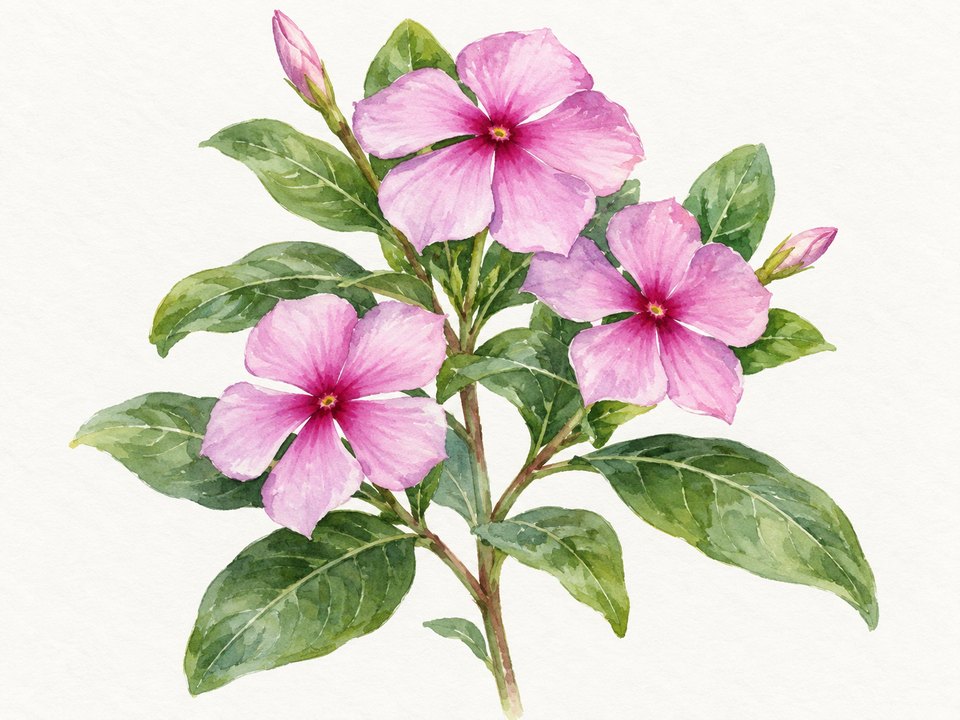 Illustration
PeriwinkleCatharanthus roseusIllustration 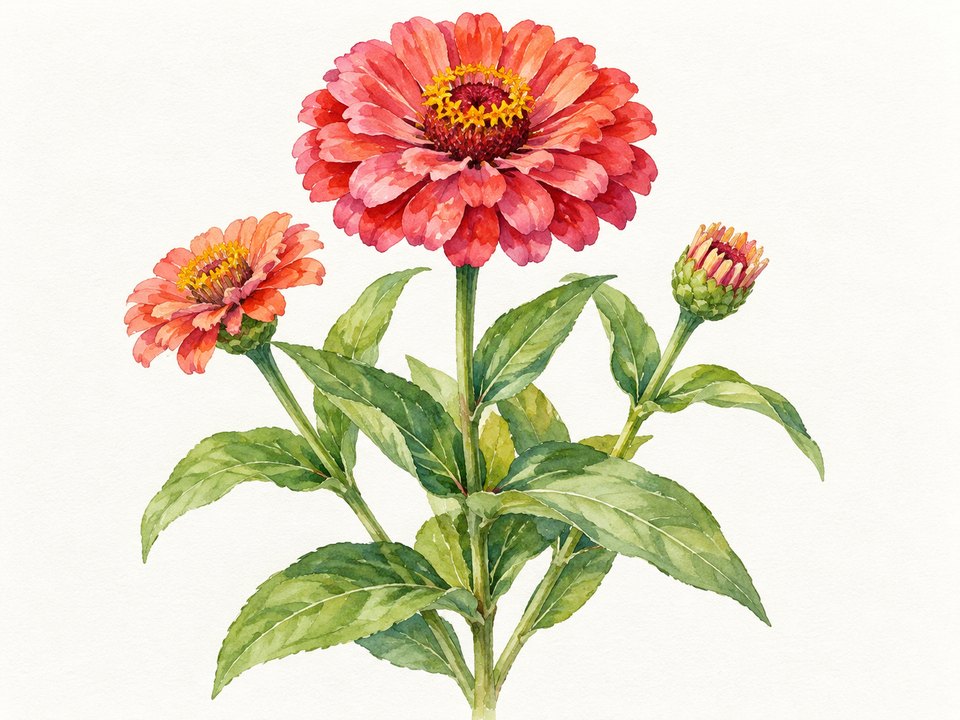 Illustration
ZinniaZinnia elegansIllustration
Enhanced-zone ground covers
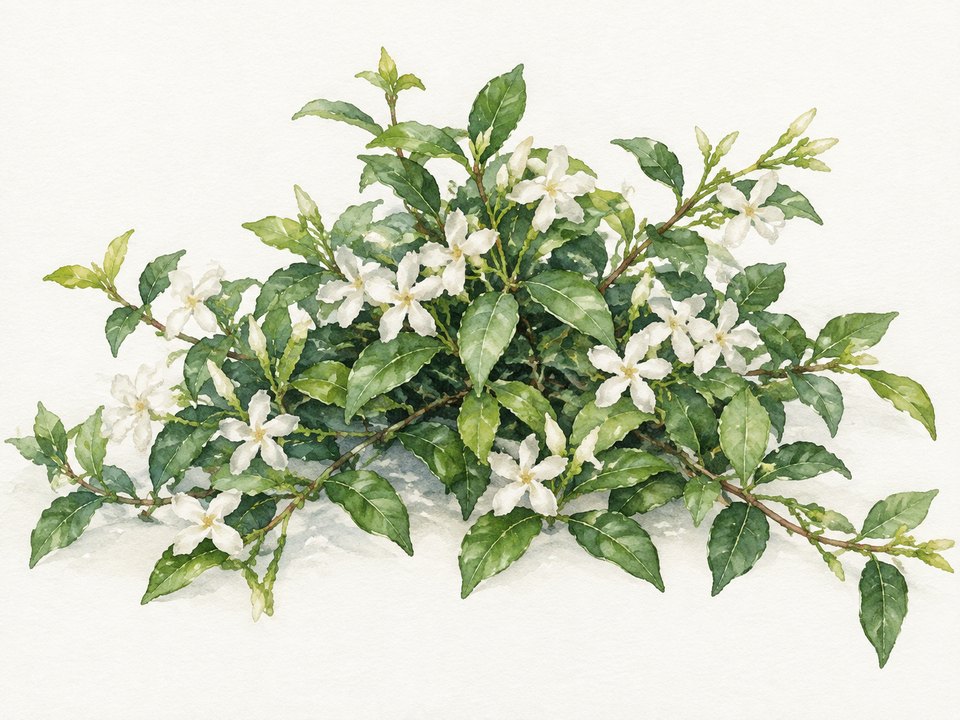
Ground cover choices include Mondo grass, creeping thyme and Asian jasmine.[4] [6] [7]
 Illustration
Asian JasmineTrachelospermum asiaticumIllustration 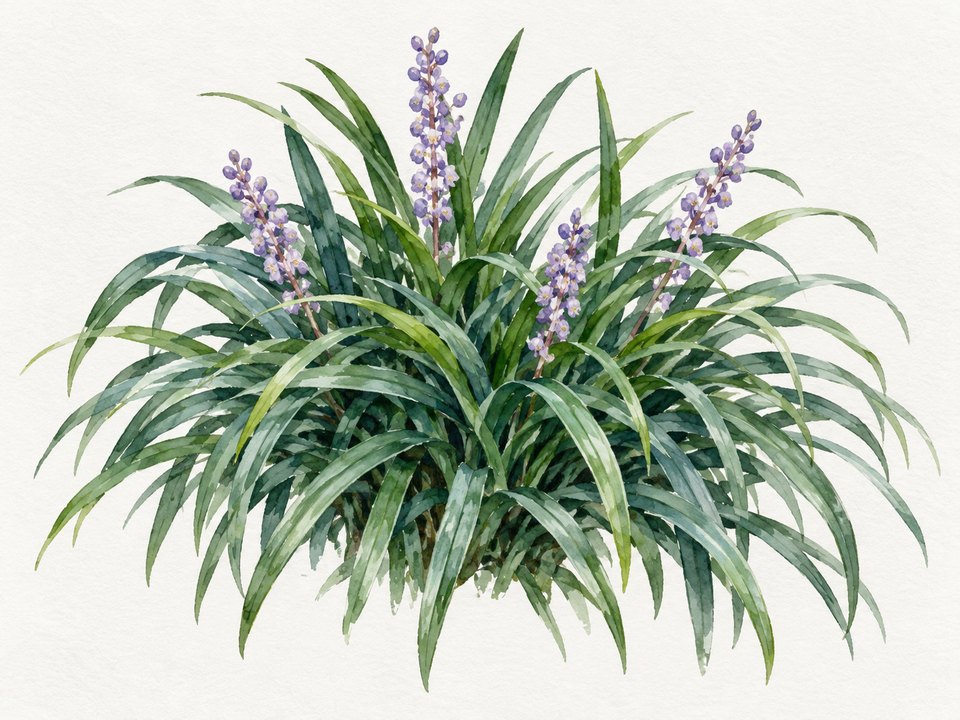 Illustration
Mondo GrassOphiopogon japonicusIllustration 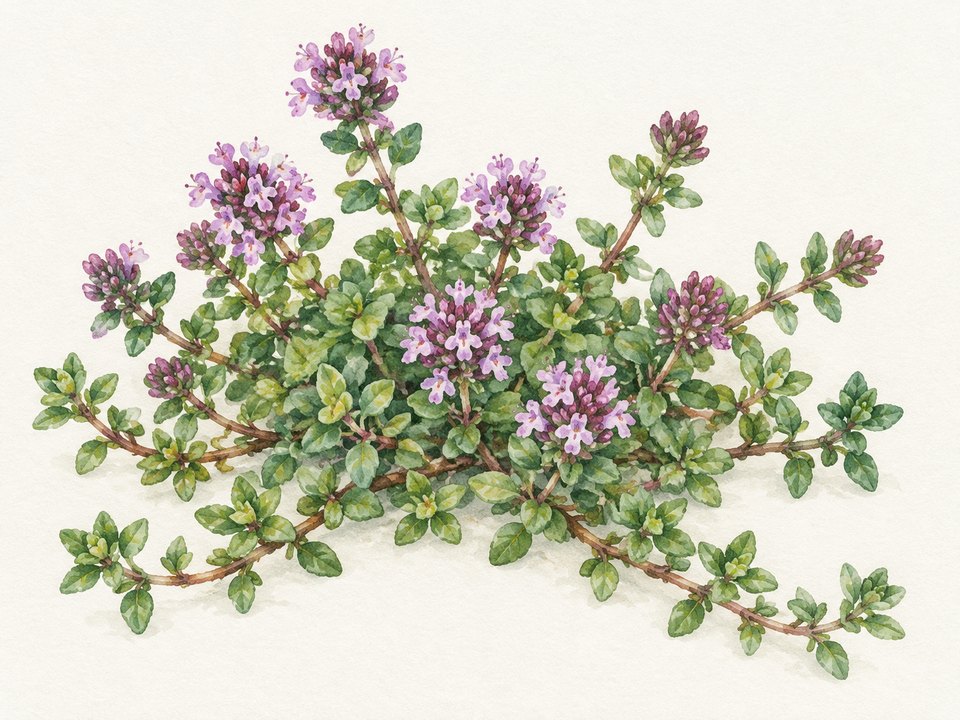 Illustration
Creeping ThymeThymus serpyllumIllustration
Enhanced-zone vines
Vine choices include Crossvine, trumpet vine and scarlet leather-flower. Vine choices include fig ivy, Carolina jessamine and coral honeysuckle. Vine choices include Virginia creeper, passion flower and wisteria. These are choices from the dated plant lists. Check the right species, site and review requirements before planting. We have not verified how often owners use them.[4] [6] [7]
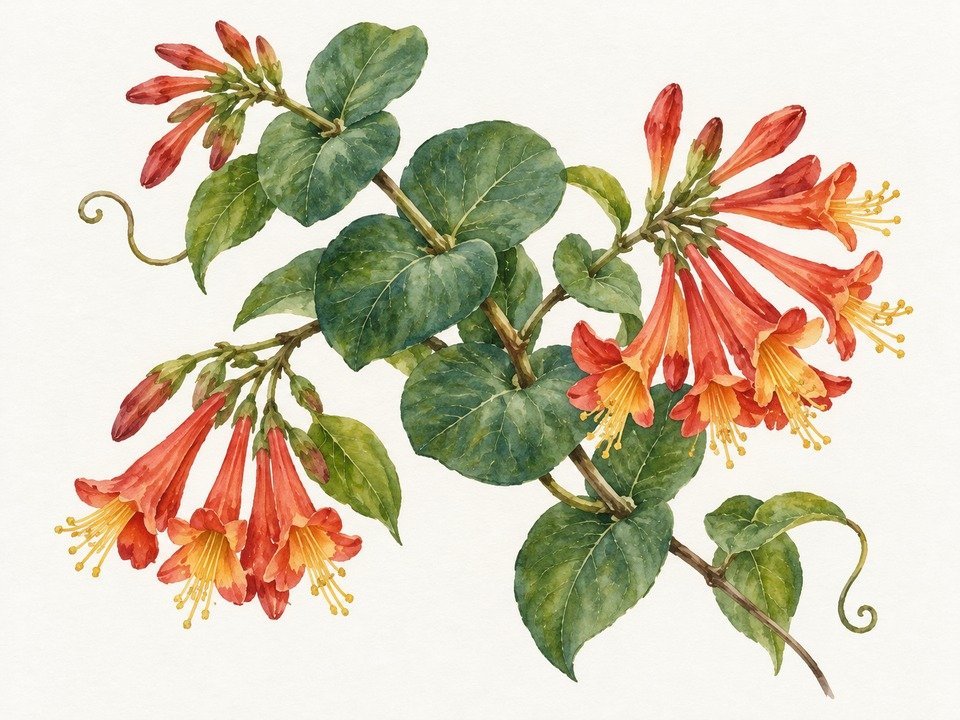 Illustration
Coral HoneysuckleLonicera sempervirensIllustration 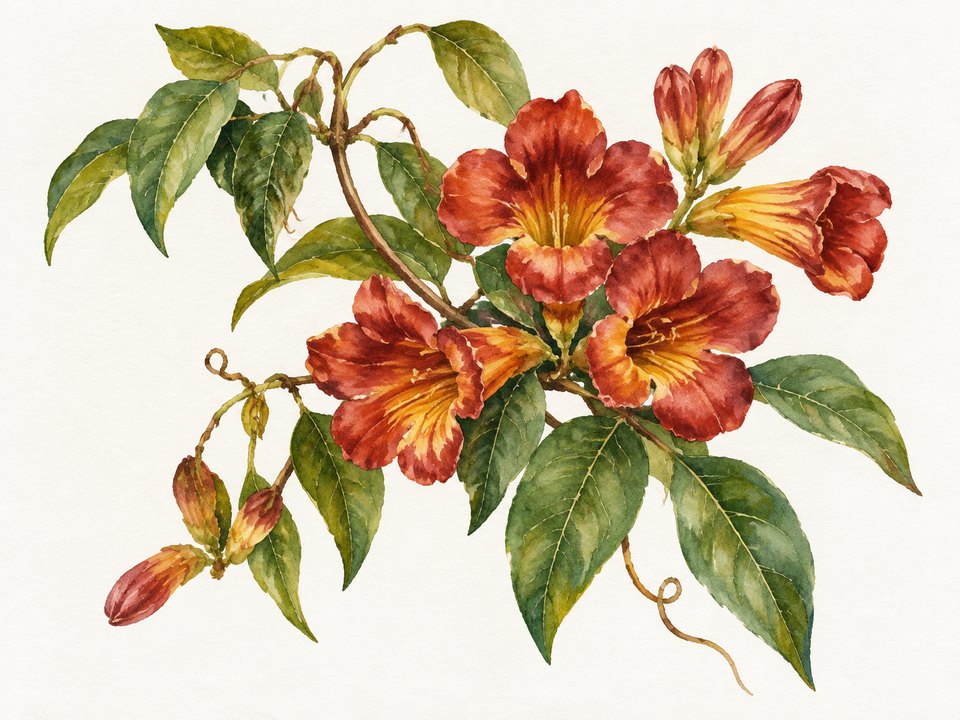 Illustration
CrossvineBignonia capreolataIllustration 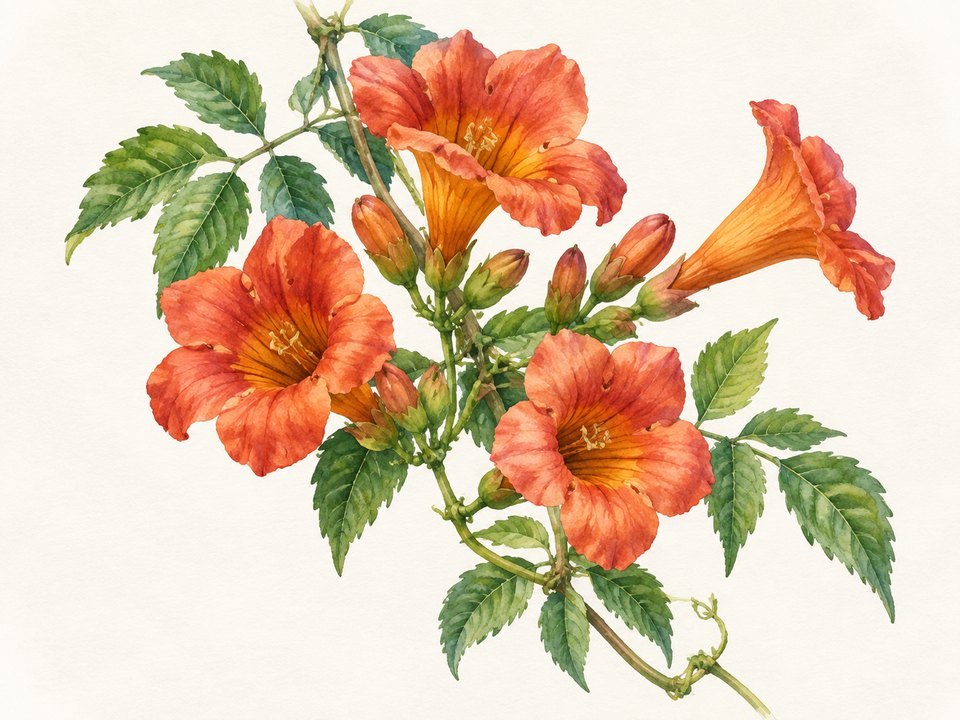 Illustration
Trumpet VineCampsis radicansIllustration 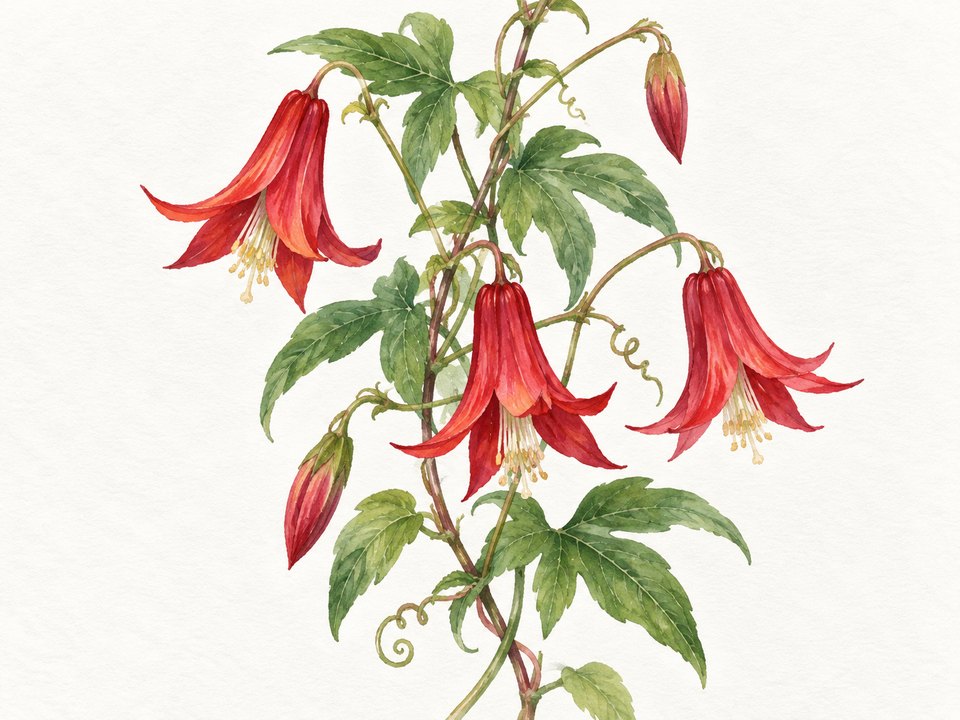 Illustration
Scarlet Leather-FlowerClematis texensisIllustration 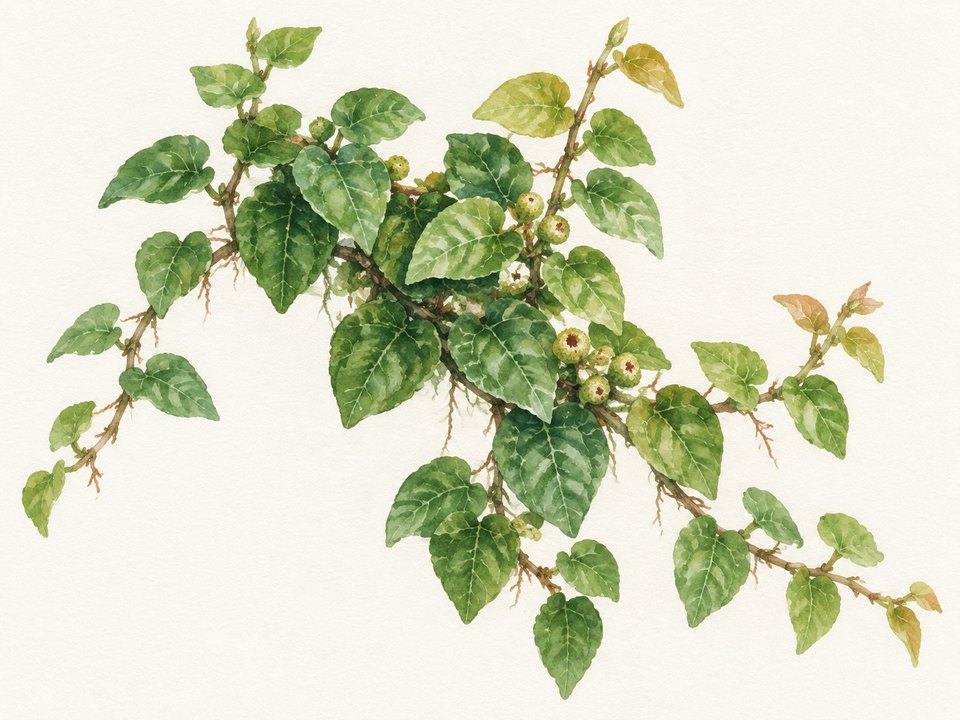 Illustration
Fig IvyFicus pumilaIllustration 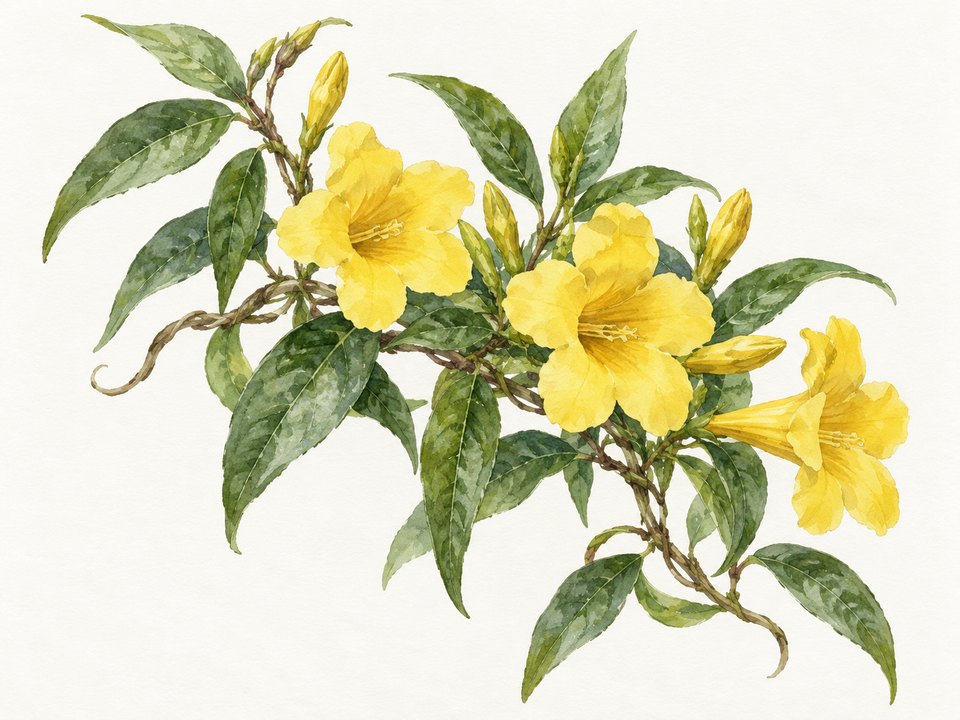 Illustration
Carolina JessamineGelsemium sempervirensIllustration 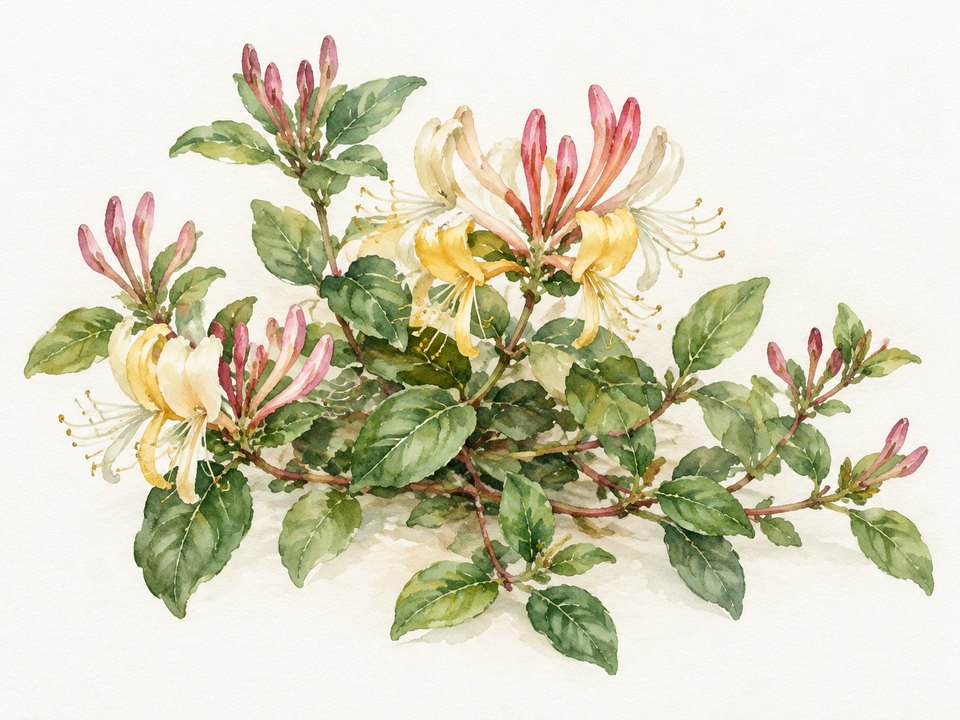 Illustration
HoneysuckleIllustration 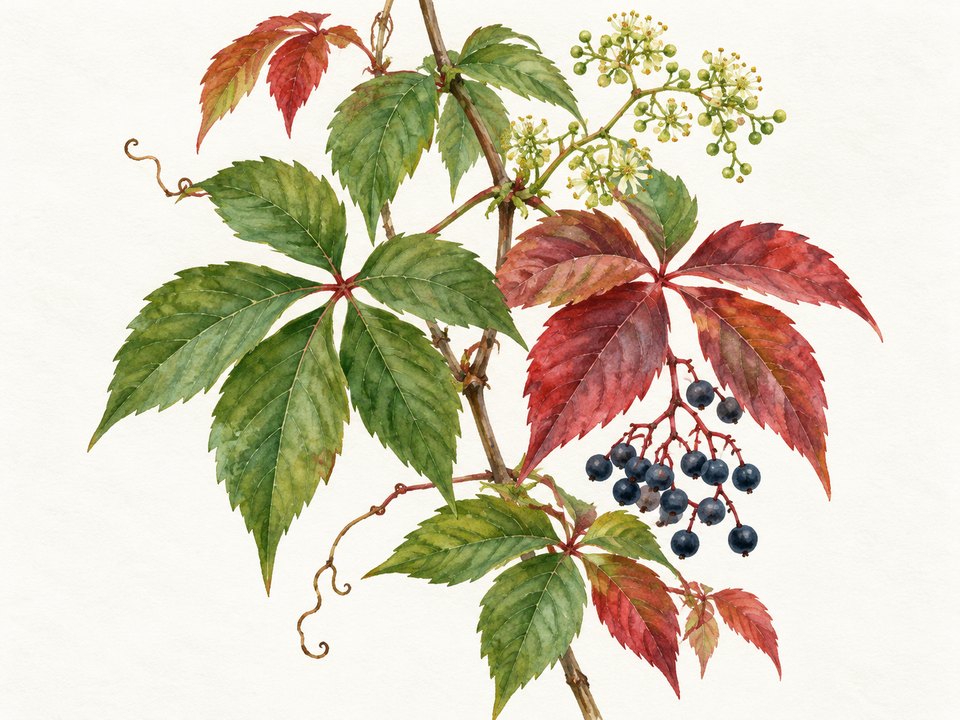 Illustration
Virginia CreeperParthenocissus quinquefoliaIllustration 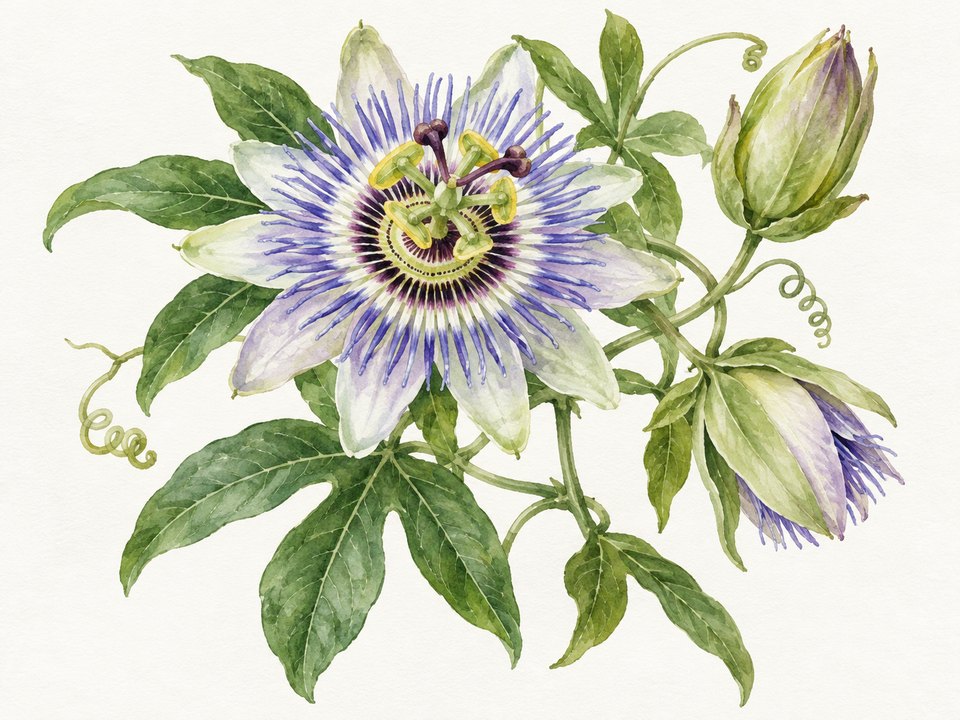 Illustration
Passion FlowerPassiflora incarnataIllustration 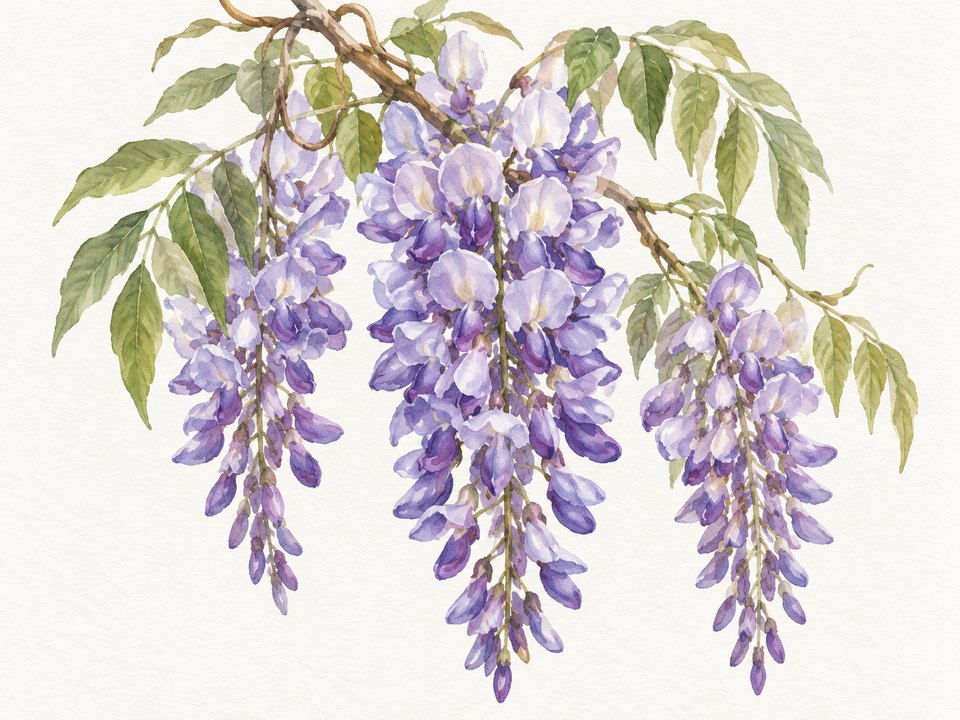 Illustration
WisteriaWisteria sinensisIllustration
Turf choices
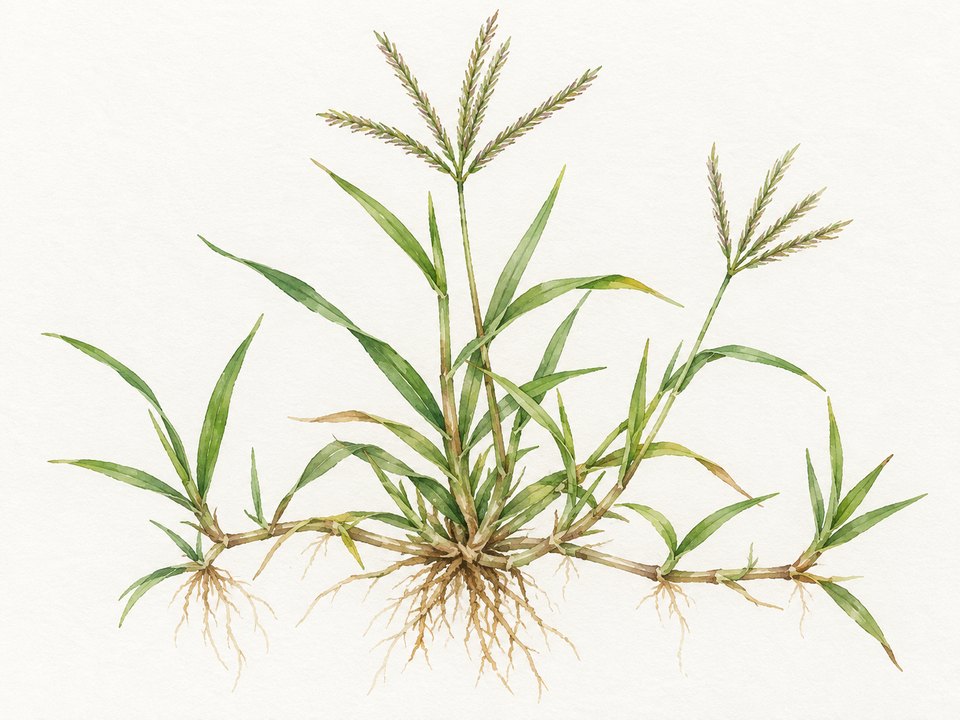
Choose improved varieties of Bermuda, zoysia and buffalo grass. Get ARC approval for the turf species and layout. Follow the area, soil, irrigation and preserve limits on this page. Confirm the improved cultivar separately from the species shown in a card.[4] [6] [7]
 Illustration
Bermuda grassCynodon dactylonIllustration - Illustration
Buffalo grassBouteloua dactyloidesIllustration 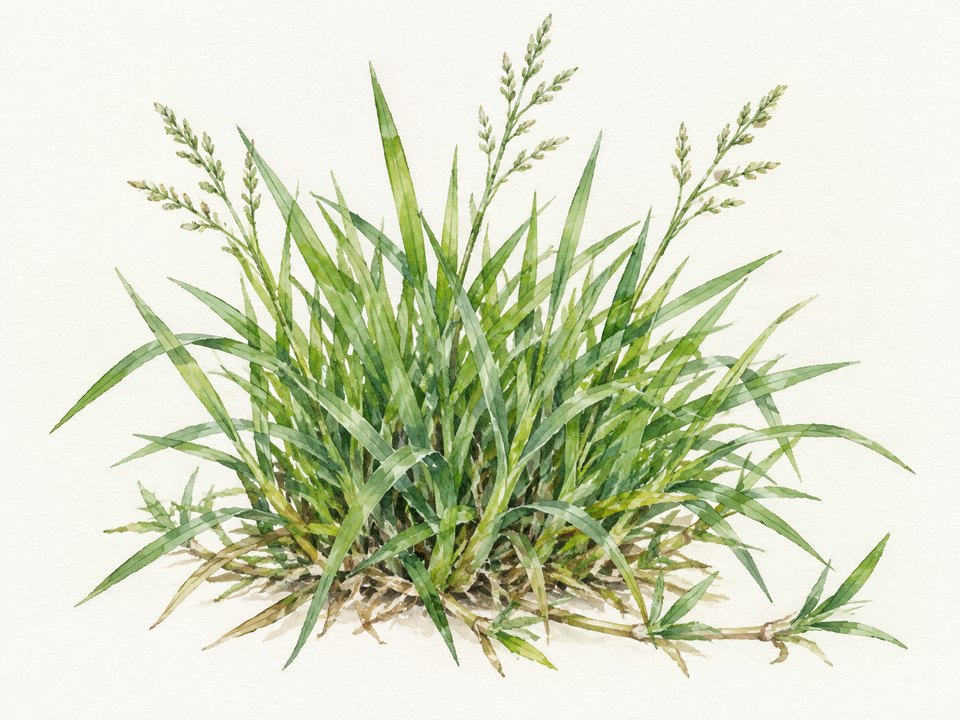 Illustration
Zoysia grassZoysiaIllustration
Prohibited plants
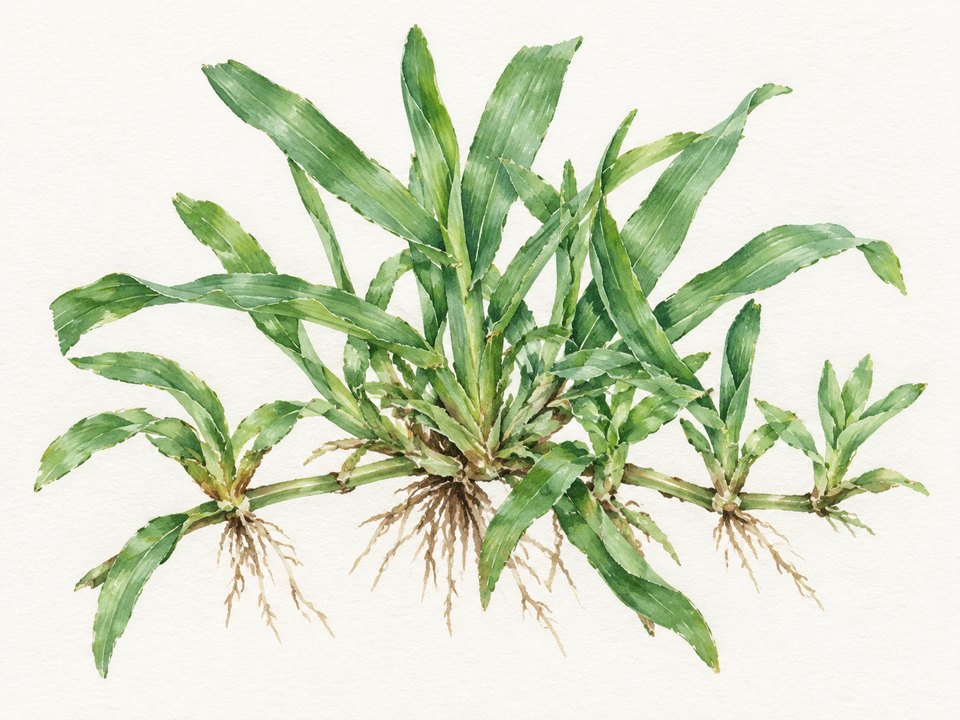
Keep St. Augustine grass out of the Enhanced Landscape Zone. It is prohibited in the dated perennial and grass lists for all three areas. Check later requirements for any added restrictions.[4] [6] [7]
 Illustration
St. Augustine grassStenotaphrum secundatumIllustration
Deer and common-use evidence
An asterisk in the plant tables means some resistance to deer grazing. Deer may still eat these plants, especially during drought or food shortages. Plan for deer pressure even when choosing a deer-resistant plant.[4] [6] [7]
We have not verified which plants owners commonly use. Treat these as listed choices and a stated prohibition. Review is still needed for your lot. The master declaration makes no plant-list changes. Neither do the nine master amendments checked. Unit-level supplements and exact address requirements remain to be checked.
Review costs and deposits
A $1,000 landscape contractor deposit appears in the dated requirements. Owner and builder deposits and new-home review packages have their own costs. For a homeowner redesign, confirm the review category. Check deposit and refund terms before budgeting. The complete current approval charge remains unverified.[4] [6] [7]
Understand fines and enforcement
The association has enforcement powers and a fine schedule. We have not verified how often it issues fines. Confirm which schedule and hearing rules apply to your work.[11] [12]
Get written ARC approval before work starts. That includes approval for a variance. Construction fines in the dated requirements are $2,000 for starting without written ARC approval. Building a variance item without prior written approval costs $1,000. Budget review charges and deposits separately.[4] [6] [7]
For a new violation that can be fixed, check the general schedule. It gives you 14 days after a courtesy notice. Correct it in that time to avoid a fine. New-violation notices carry $25, $50, $100 and $125 fines. Repeat-violation notices carry $50, $75, $125 and $150 fines.[11]
After the fourth notice of an ongoing violation, later notices may bring daily fines. The Board sets them. The schedule gives no daily amount or cap. The Board also reserves reasonable case-by-case fines and other remedies.[11]
Construction fines and the general notice schedule cover different cases. Fine-hearing procedures changed in 2024. A county search of the Cordillera grantor entities reviewed found no newer recorded fine policy. The search ran from May 1, 2024 through November 5, 2026. The latter is the county's certified date. That search has limited scope. Your lot's complete document chain still needs checking. Confirm your guideline set and amendments before relying on a charge.[8] [11] [12]
Plan your Cordillera Ranch landscape
Bring your address, survey and ideas for the yard. Texas Allied Landscape helps match the rules to your property. We plan planting and irrigation. We prepare the review package and build the approved work. We aim for a yard that fits the Hill Country setting. It should fit the way you want to spend time outside.
Cordillera Ranch landscape questions
Does replacement planting need approval?
How much lawn can I plan?
More community guides
Your community profile
Community profile
Cordillera Ranch
A Hill Country landscape framework shaped by natural preserves, reviewed planting palettes and professional design.
1 permissive5 protective
| Design latitude | 4/5 |
|---|---|
| Approval scope | 4/5 |
| Approval layers | 1/5 |
| Approval cost | — |
| Plan preparation | 4/5 |
| Enforcement capability | 4/5 |
Higher means more documented control or burden, not a better community.
Dated guidelines, master amendments and unit landscape clauses reviewed November 8, 2026. Applies only to the cited document and unit scopes; later county filings and exact lot requirements still need checking. Higher means more control or burden.
Design latitude
4/5
Dated document finding
- 1
- 2
- 3
- 4 (this score)
- 5
How much of the plant and design palette is prescribed. A higher score means less design freedom.
Why this score
Preserve and tree protection, lawn widths, turf and irrigation limits, screening and restoration guide the design. There is still room to shape a yard for your home.
- Ranch Design Guidelines (2019)Section 4.7, pp. 8-10: landscape requirements. (opens in a new tab)
- Golf Design Guidelines (2019)Sections 3.3 and 4.6, pp. 4, 11-14: preserve and landscape requirements. (opens in a new tab)
- Springs Design Guidelines (2019)Units 301A/301B. Sections 3.2 and 4.6, pp. 3-4, 9-11. (opens in a new tab)
Approval scope
4/5
Broad review, with exceptions
- 1
- 2
- 3
- 4 (this score)
- 5
How much exterior work needs written sign-off.
Why this score
Get ARC approval for initial landscaping and replacements that fall outside the Design Guidelines. In the unit rules checked, replacement landscaping that follows those guidelines is exempt. Check your lot before work.
- Unit 203 Supplemental DeclarationSection 3.24, PDF pp. 14-15: initial landscaping and conforming replacements. (opens in a new tab)
- Units 301A/301B Supplemental DeclarationSection 3.24, PDF p. 15: initial landscaping and conforming replacements. (opens in a new tab)
- Springs Design Guidelines (2019)Units 301A/301B. Section 4.6, pp. 9-11: landscape plans. (opens in a new tab)
- Sixth Master Amendment (2018)Amended section 6.9, PDF pp. 12-13: ARC approval before construction. (opens in a new tab)
Approval layers
1/5
One ARC for ordinary work
- 1 (this score)
- 2
- 3
- 4
- 5
Counts distinct required community reviewers only. City, county and state permits, optional steps and repeat submissions are not counted.
Why this score
One ARC reviews ordinary landscape work. An exception also needs Board majority approval and the developer's consent during the development period. These extra signoffs apply when you seek an exception.
Approval cost
—
- 1
- 2
- 3
- 4
- 5
What the community's own approval process costs to apply.
Why this score
The full review charge for an existing-home landscape redesign is still unverified. Confirm your project category, deposits and refund terms. New-home packages and contractor deposits have separate costs.
Plan preparation
4/5
Dated document finding
- 1
- 2
- 3
- 4 (this score)
- 5
How much drawing and documentation an application needs.
Why this score
Use a professional landscape architect or ARC-approved designer and a licensed irrigator. Include scaled planting, irrigation and restoration plans for the reviewed landscape package.
- Ranch Design Guidelines (2019)Section 4.7, pp. 8-10; Article 6, pp. 13-17: required landscape and irrigation plans. (opens in a new tab)
- Golf Design Guidelines (2019)Section 4.6, pp. 11-14: landscape, irrigation and restoration plans. (opens in a new tab)
- Springs Design Guidelines (2019)Units 301A/301B. Section 4.6, pp. 9-11: professional landscape and irrigation plans. (opens in a new tab)
Enforcement capability
4/5
- 1
- 2
- 3
- 4 (this score)
- 5
Which remedies the verified governing documents and adopted policies provide. The score reflects verified documented provisions, not observed enforcement practice or legal conclusions. Not finding an express clause is not a conclusion that no authority exists.
Why this score
Starting construction without ARC approval is $2,000 per occurrence; variance construction is $1,000; unauthorized tree and brush damage runs $500 to $2,000. General fines run $25 to $150 per notice, with Board-set daily fines after the fourth notice of an ongoing violation.
Your address sets the rules for your project. Initial landscaping needs review. Replacement planting has an exception in the units checked. It must meet the applicable guidelines. We match the guideline set and unit rules to your lot before planning.[5] [2] [3]
The profile reflects the dated sources reviewed. A higher score means more control or work to prepare. Each axis measures a separate requirement. Unverified scores and the enforcement rating stay blank.
Source notes
The 1997 Master Declaration was read November 9, 2026. All nine master amendments were read too. None changes plant lists or landscape standards. The unit findings below come from the cited landscape clauses. They are not a complete reading of every unit instrument. Roughly 70 unit-level supplements are located and under review. Check the complete declaration and later amendments for the project address.
Sources
- Community character: Cordillera Ranch : public community description, checked November 8, 2026.https://cordilleraranch.com/faqs/↑
- Unit 203 Supplemental Declaration, section 3.24, PDF pp. 14-15: initial landscaping and the conforming-replacement exception. Sourcehttps://engage.goenumerate.com/s/cordilleraranch/files/7285/dyn331266/Unit%20203.pdfabc
- Units 301A/301B Supplemental Declaration, section 3.24, PDF p. 15: initial landscaping and the conforming-replacement exception. Sourcehttps://engage.goenumerate.com/s/cordilleraranch/files/7285/dyn331266/Unit%20301A%20%26%20301B.pdfabc
- Ranch Community Design Guidelines, February10,2019, landscape section4.7 pp.8-10; Exhibit D plant lists pp.29-32; review article6 pp.13-17; fees article8 pp.23-24. Sourcehttps://engage.goenumerate.com/s/cordilleraranch/files/7285/dyn331266/Ranch%20Community%20Design%20Guidelines%202%2010%202019_.pdfabcdefghijklmnopqrstuvwxyz
- Sixth Amendment to Master Declaration, recorded May24,2018 as00321694 and re-recorded00321700 with exhibit; amended sections6.6,6.9 and6.10, pp.12-13. Sourcehttps://engage.goenumerate.com/s/cordilleraranch/files/7285/dyn331266/6th%20Amendment%20to%20Master%20CCRs.pdfabcd
- Golf Community Design Guidelines, February7,2019, NVP section3.3 p.4; landscape section4.6 pp.11-14; Exhibit D plant lists pp.32-35. Listed units on the cover. Sourcehttps://engage.goenumerate.com/s/cordilleraranch/files/7285/dyn331266/Golf%20Community%20Design%20Guidelines%202-7-19_.pdfabcdefghijklmnopqrstuvwxyz27
- The Springs of Cordillera Ranch, Units301A/301B, February10,2019, NVP section3.2 pp.3-4; landscape section4.6 pp.9-11; Exhibit D plant lists pp.30-33. Source https://engage.goenumerate.com/s/cordilleraranch/files/7285/dyn331266/Springs%20at%20Cordillera%20Ranch%20Design%20Guidelines%202-10-2019_.pdf Diagram source detail: The Springs of Cordillera Ranch Design Guidelines, February 10, 2019, Sections 3.1-3.2, printed pages 3-4 (PDF pages 6-7). Unit 301A, Block A, Lots 1, 10 and 15 only. Verify final plat; later amendments unchecked.https://engage.goenumerate.com/s/cordilleraranch/files/7285/dyn331266/Springs%20at%20Cordillera%20Ranch%20Design%20Guidelines%202-10-2019_.pdfabcdefghijklmnopqrstuvwxyz272829303132333435
- Corrected Ninth Amendment to Master Declaration and Community Manual, recorded May3,2024 as388729, pp.4-5 (fine-hearing changes). Sourcehttps://engage.goenumerate.com/s/cordilleraranch/files/7285/dyn331266/9th%20Amendment%20to%20Master%20CCRs-Corrected%20Version.pdfab
- First Supplement to the Cordillera Ranch Community Manual (oak-wilt policy), Kendall County Doc. 2015-292333. Susceptible species, trenching and arborist requirements. Read November 9, 2026. County recordhttps://kendall.tx.publicsearch.us/doc/73322199↑
- Cordillera Ranch Community Manual, Kendall County Doc. 2011-262472, recorded December 30, 2011. Recorded Golf and Ranch Community Design Guidelines with the Exhibit D plant lists (Volume 1291, pages 428-430 and 520-522). Read November 9, 2026. County recordhttps://kendall.tx.publicsearch.us/doc/73313470↑
- First Amendment to Fine and Enforcement Policy, Attachment 18 to Third Supplement to Cordillera Ranch Community Manual, recorded May 27, 2021, Kendall County instrument 356949. PDF pages 3-4 replace general Schedule of Fines. Sourcehttps://engage.goenumerate.com/s/cordilleraranch/files/7285/dyn331266/3rd%20Supplement%20Community%20Manual%20Attachment%2018%20-%201st%20Amend%20Fine%20Policy.pdfabcd
- Fine and Enforcement Policy, Attachment 10 to Community Manual, document 00262472, PDF pages 1-4. General schedule superseded by 2021 Attachment 18; Ranch/Golf precedence sentence appears within the replaced schedule, survival unresolved. Sourcehttps://engage.goenumerate.com/s/cordilleraranch/files/7285/dyn331266/Community%20Manual%20Attachment%2010%20-%20Fine%20%26%20Enforcement%20Policy.pdfab