
Property owners
Alamo Ranch Landscaping
Enjoy a Hill Country setting, neighborhood gatherings and a yard made for time outside. Texas Allied Landscape helps plan planting, shade and irrigation around your Alamo Ranch home.
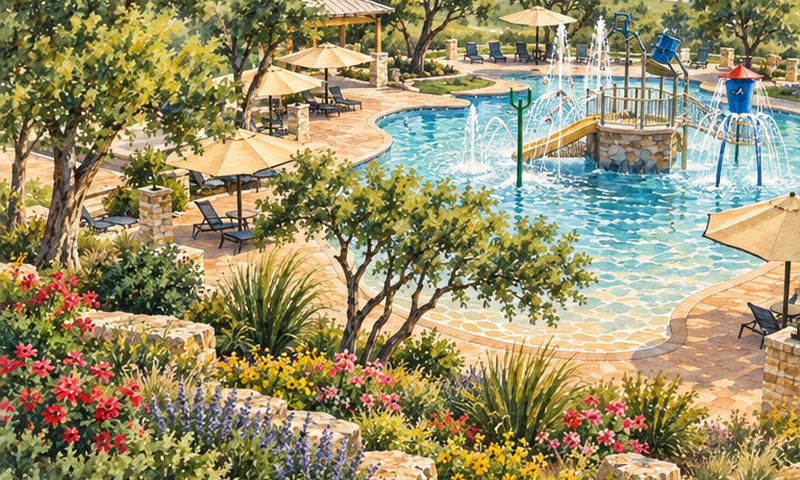
Get a quoteIllustration based on reference photos of Alamo Ranch. Not a single literal view.
On this page
Alamo Ranch pairs a Hill Country setting with everyday convenience. It also offers neighborhood gatherings.[1] Your yard can be part of that way of life. It can be a shady place to relax, with planting you enjoy and room to spend time with friends. Texas Allied Landscape helps bring those pieces together. We plan a clear layout and irrigation for your property. We guide the design and review steps. Then you can look forward to enjoying the finished space.
Get your plan ready for approval
Get written Architectural Review Committee (ARC) approval before work starts. Send one application per project. The plan needs each tree, shrub, ground cover and boulder. Give locations, sizes and quantities. Include the irrigation layout and each sprinkler head. Incomplete applications are not accepted. Texas Allied Landscape helps prepare the plan.[2][3]
The current community website has an Online Modification Applications link that requires a resident login. Before applying, confirm the current submission steps and fee with the association.[1]
Make room for planting and hard surfaces
Keep half of each yard living
At least 50% of the front yard, each side yard and the backyard must have living plants. Plan that coverage for each yard separately. Grass, vines and shrubs can help meet the rule. Other living planting counts too.[2][3]
Some units have extra recorded minimums. These include full front-yard sod, a set shrub count and two front trees. We check the exact minimums for your address before design.[4]
Keep hard cover within the lot limit
Surfaces that keep water from soaking into the ground are limited. They may cover no more than 65% of the whole lot. Count the home, driveways, concrete or stone work and pools in that total. Get written approval before concrete or paving work.[2][3]
Place synthetic turf only in the backyard
Synthetic turf is limited to the backyard behind the rear house wall plane. Keep it out of front and side yards. Cover no more than half the backyard. Leave at least three feet from property lines.[2][4]
Have the photo and sample approved before installation. Use a manufacturer-certified or licensed contractor and meet the turf specifications. Homeowner installation is prohibited.[2][4]
Choose plants and materials for the site
Build a low-water planting plan
Drought-tolerant plants are the general expectation. The low-water plant resources named for homeowners can help shape the design. The committee will also consider other plants on request. Final plant choices still need to fit the project and its review requirements.[2][3]
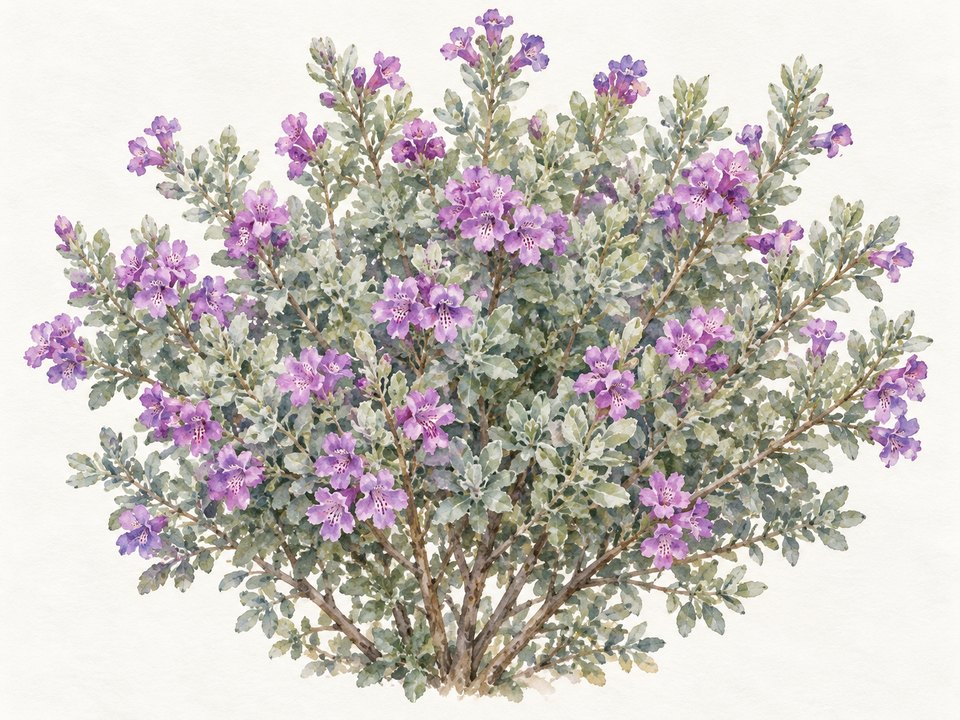
The plants below are design ideas to develop and submit for approval. They are not a promise of approval for every lot. Consider Texas Sage, Lantana, Red Yucca, Autumn Sage and Black Dalea. For shade and structure, consider Live Oak, Cedar Elm and Texas Mountain Laurel.
 Illustration
Texas SageLeucophyllum frutescensIllustration 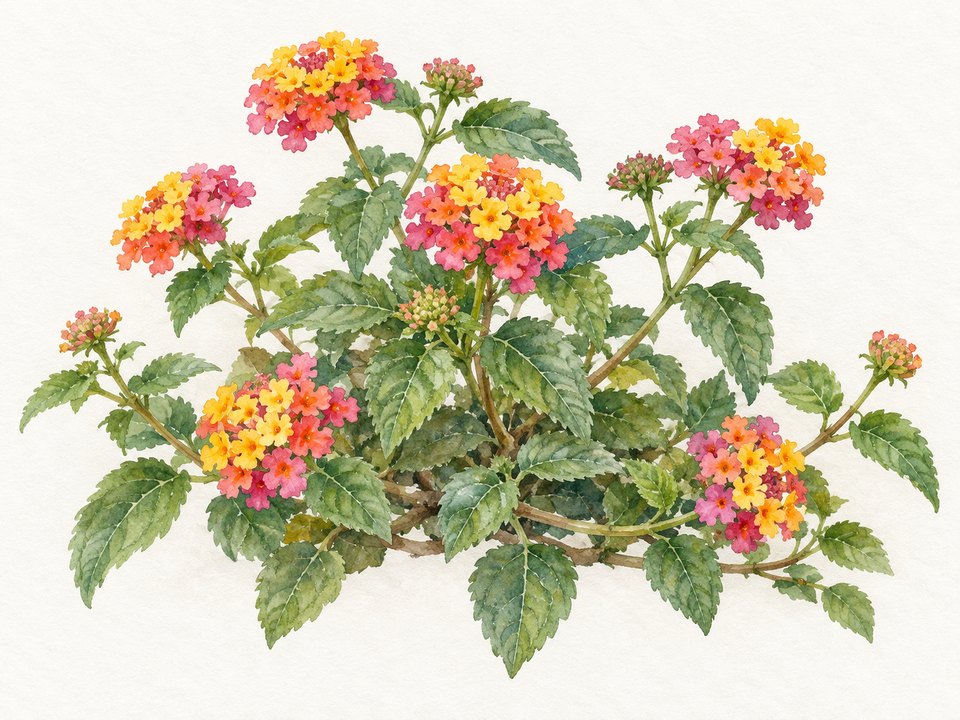 Illustration
LantanaLantana camaraIllustration 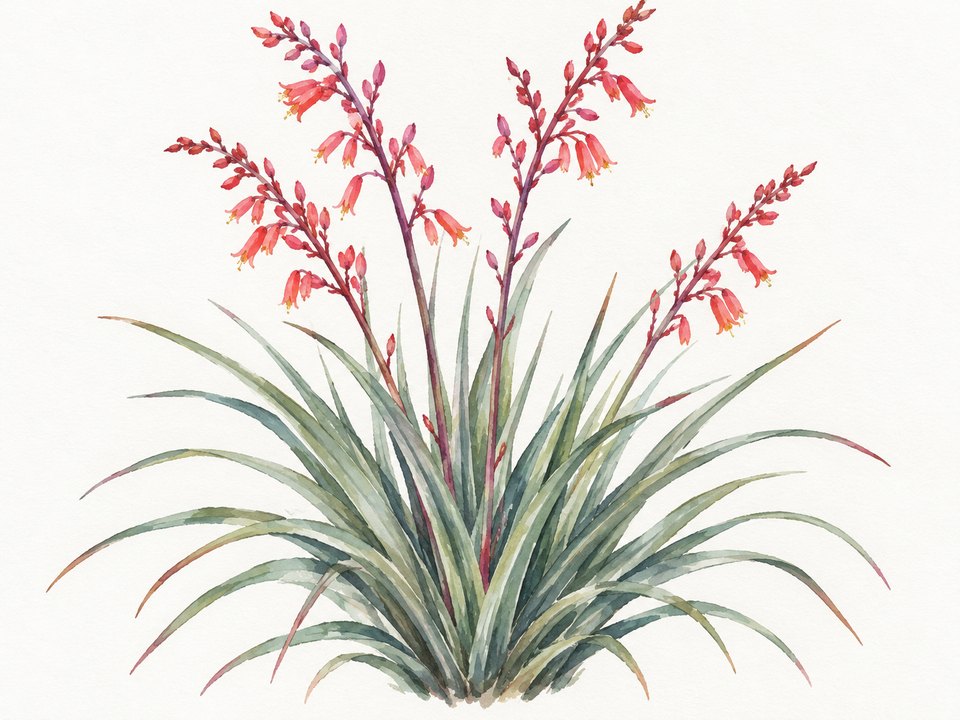 Illustration
Red YuccaHesperaloe parvifloraIllustration 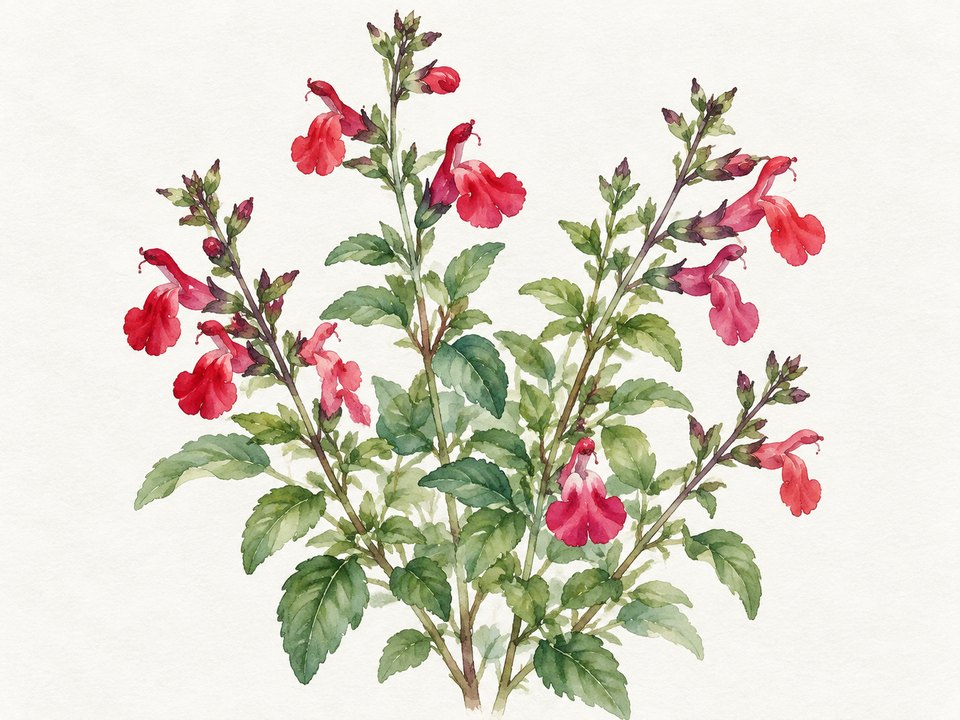 Illustration
Salvia GreggiiSalvia greggiiIllustration 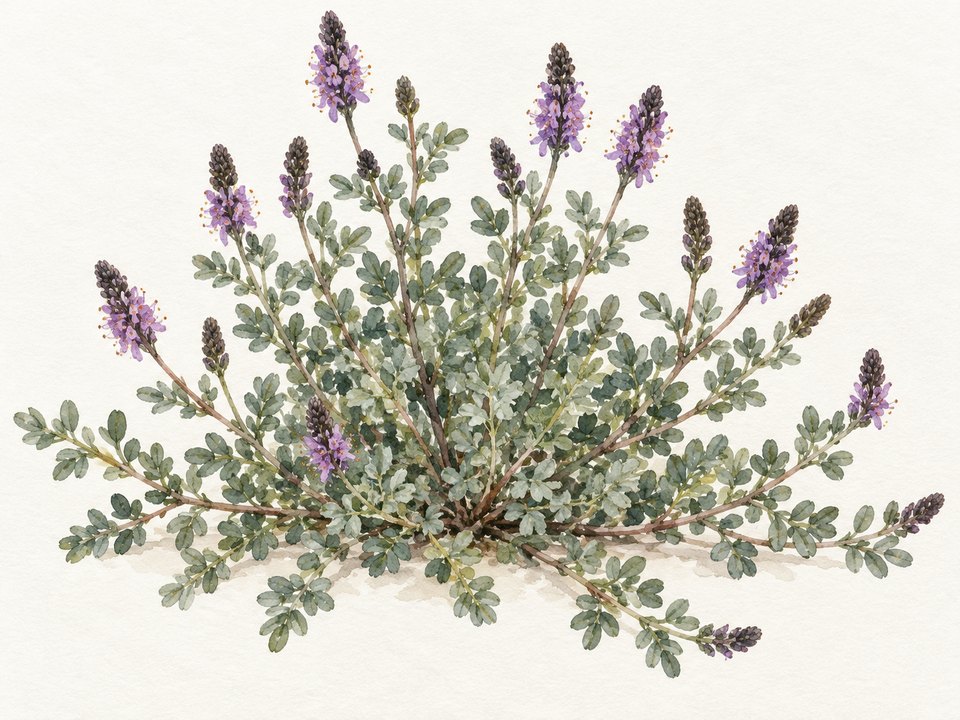 Illustration
Black DaleaDalea frutescensIllustration 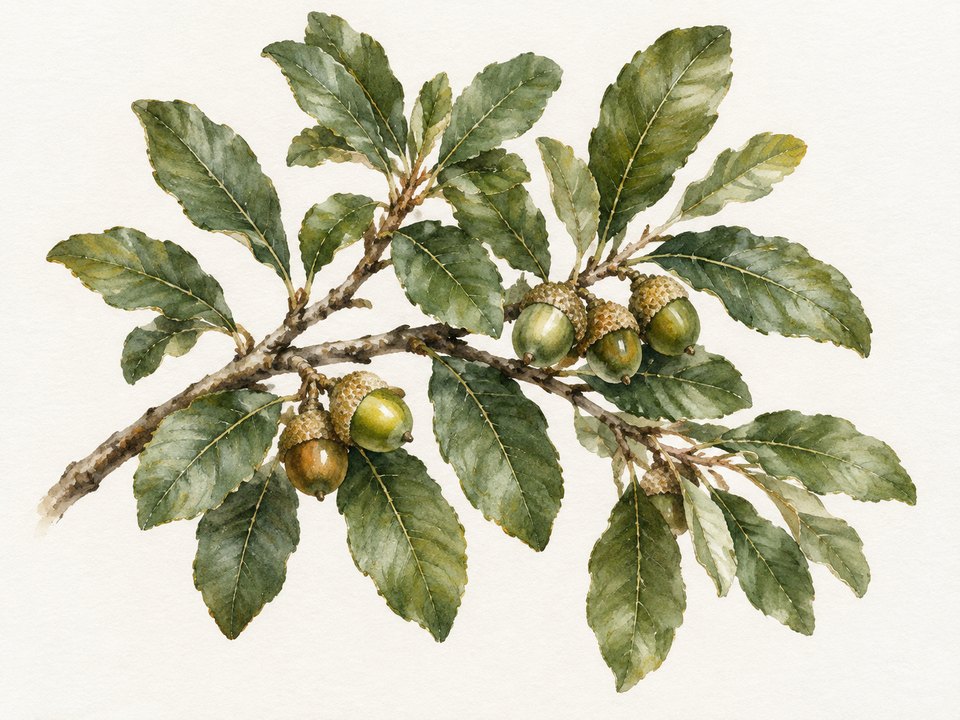 Illustration
Live OakQuercus virginianaIllustration 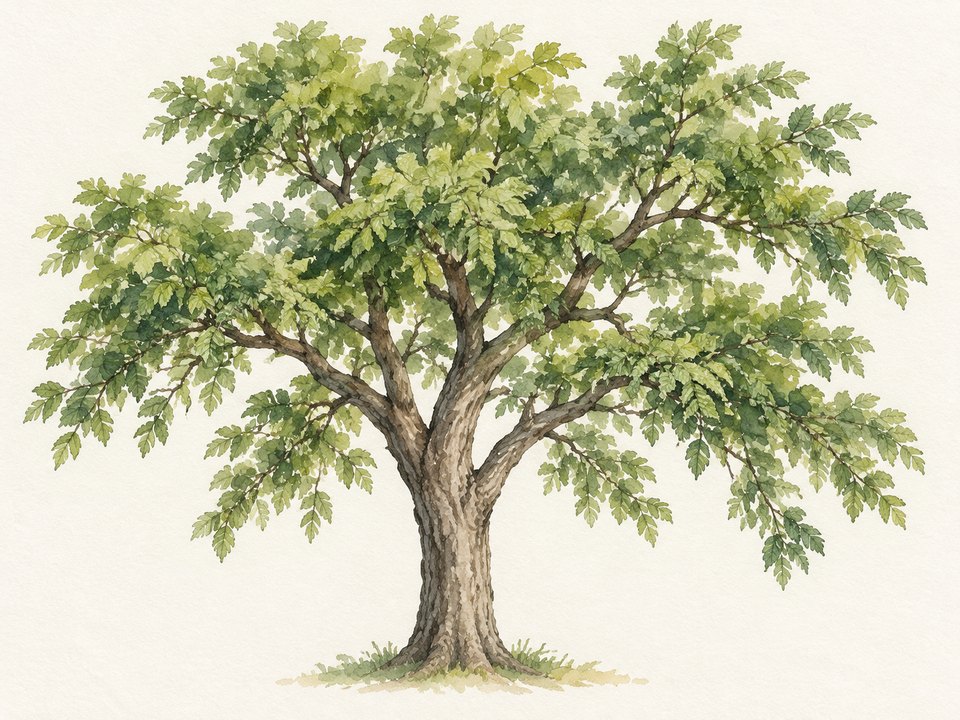 Illustration
Cedar ElmUlmus crassifoliaIllustration 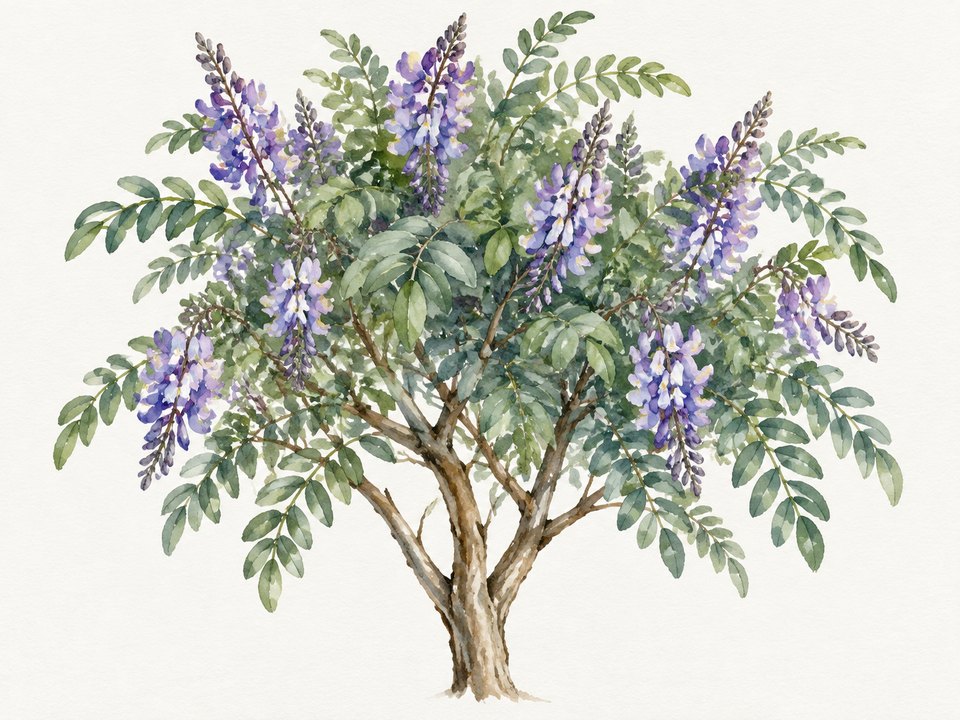 Illustration
Mountain LaurelSophora secundifloraIllustration
Use natural rock and mulch colors
Approved inert materials include bark, hardwood mulch and naturally pigmented rock or stone. Other materials need written approval. Avoid rock colors that contrast with the community color scheme. Keep rock and other ground covers free of patterns, names, slogans and designs.[2][3]
If you use landscape fabric, choose woven geotextile that lets water, air and gases pass through. Cover it with at least two inches of mulch or inert material. Solid plastic sheeting and polyethylene are prohibited.[2][3]
Care for trees and garden areas
Seal oak pruning cuts to help prevent oak wilt. Trim or remove dead or terminally diseased material promptly, with steps to limit disease spread. Healthy trees may be removed only with replacement that meets the plant rules.[2][3]
A rear-yard vegetable or herb garden may be up to 200 square feet. Keep it tidy and protect drainage to neighboring lots.[2]
Keep statues, fountains, birdbaths and similar decorations off front lawns and out of street view. Seasonal decorations are the exception. Check the placement and review rules before adding a decorative feature.[2][3]
Plan irrigation and rainwater storage
Irrigation systems need written ARC approval and an automatic controller. A fully automatic underground system is preferred. Drip may fit shrub and ground-cover beds; it is not recommended for turf. Plan spray heads to avoid overspray and runoff onto hard surfaces.[2][3]
Rain barrels and rainwater harvesting systems need written ARC approval. Keep them out of the strip between the front of the home and the street. Use colors that fit the home. Place them enclosed or covered in a side or backyard. Screen them from streets, neighboring lots and common areas. Where that is impossible, the committee can set size, number and screening conditions instead.[4]
A low-water planting plan can help keep the living half of each yard healthy. Group plants with similar water needs and design the irrigation around those groups.[2]
Check review costs and enforcement terms
A current application fee remains unverified. The reviewed fee clause says there were no fees at that time and allows a future fee structure. We check the current charge for your address before submission.[2]
Two reviewed instruments carry penalty terms. Their overlap remains unresolved. If a notice arrives, have the applicable procedure confirmed.[4]
- The 2008 violation resolution provides for a certified notice of fine. It sets $10 per day from day ten until cured, a 30-day hearing window, and corrective action plus costs.[4]
- The reviewed guidelines allow the association to correct a violation. It can recover enforcement costs. It can also add a fine up to 10% of the cost of bringing the lot into compliance.[4]
These are documented powers. The enforcement rating stays blank because actual enforcement behavior has not been established.
Alamo Ranch landscape questions
Planning your yard
Can I replace most of my front lawn with rock?
Where can synthetic turf go?
Can Texas Allied Landscape help with the review plan?
Yes. We help show plant locations, sizes and quantities, irrigation and hard surfaces. Bring your address, survey and project ideas. We can then check the rules for your unit and prepare the plan for review.
Plan your Alamo Ranch landscape
Start with the time you want to spend outside. Texas Allied Landscape helps turn your ideas into a planting and irrigation plan. We guide the review steps and plan the work around the approved deadlines.
Sources and document coverage
The source set includes the reviewed 2015 guidelines, 2018 amendment and 2022 second amendment. It also includes the related declaration, enforcement and unit-specific instruments described below. Later amendments remain unchecked. Confirm the current rules for the address before design.
The plant resources named in Appendix C are the San Antonio Water System low-water plant list. They also include Bexar County Master Gardeners and Texas A&M EarthKind. The appendix points homeowners to those resources instead of printing its own named plant palette. The cards above remain design ideas for a reviewed plan.[2]
Your community profile
Community profile
Alamo Ranch
1 permissive5 protective
| Design latitude | 4/5 |
|---|---|
| Approval scope | 4/5 |
| Approval layers | — |
| Approval cost | — |
| Plan preparation | 3/5 |
| Enforcement capability | 3/5 |
Higher means more documented control or burden, not a better community.
Design latitude
4/5
- 1
- 2
- 3
- 4 (this score)
- 5
How much of the plant and design palette is prescribed. A higher score means less design freedom.
Why this score
At least 50% of each yard must stay living plants. Rock and mulch beds may use only approved natural materials. Synthetic turf is allowed only in back yards, on up to half the yard, and must meet the specifications. Rear-yard vegetable gardens may be up to 200 square feet.
- Design Review Guidelines (2015), Doc.20150105825: landscape/irrigation and materials. (opens in a new tab)
- Design Review Guidelines Amendment (2018), Doc.20180062568. (opens in a new tab)
- Second Amendment (2022), Doc.20220028689: synthetic turf and penalties. Corrected Fourth Declaration Amendment (2011), Doc.20110224456, Section4.16: rain barrels. Violation Enforcement/Collection Resolution (2008), Doc.20080008618; overlap (opens in a new tab)
Approval scope
4/5
- 1
- 2
- 3
- 4 (this score)
- 5
How much exterior work needs written sign-off.
Why this score
Get written Architectural Review Committee approval before landscaping changes, concrete and paving work, or irrigation-system work.
Approval layers
—
- 1
- 2
- 3
- 4
- 5
Counts distinct required community reviewers only. City, county and state permits, optional steps and repeat submissions are not counted.
Why this score
The guidelines name one Architectural Review Committee. Some neighborhoods also have their own declarations. Before design, we check whether your address needs one reviewer or two.
Approval cost
—
- 1
- 2
- 3
- 4
- 5
What the community's own approval process costs to apply.
Why this score
The text says there are no fees "at this time." We have not confirmed a newer fee schedule. We check current review fees for your address up front.
Plan preparation
3/5
- 1
- 2
- 3 (this score)
- 4
- 5
How much drawing and documentation an application needs.
Why this score
The full plan package must show every tree, shrub, ground cover and boulder, with its location, size and quantity. It must also show the irrigation layout. We prepare all of it.
Enforcement capability
3/5
- 1
- 2
- 3 (this score)
- 4
- 5
Which remedies the verified governing documents and adopted policies provide. The score reflects verified documented provisions, not observed enforcement practice or legal conclusions. Not finding an express clause is not a conclusion that no authority exists.
Why this score
The recorded resolution sets a $10-per-day fine starting no earlier than day 10 after certified notice until cured, with corrective action plus costs. The design review guidelines separately allow a fine of up to 10% of the cost of achieving compliance.
The profile reflects the records reviewed through the 2022 amendments. Later amendments remain unchecked. Before design, we confirm the current standards and any added rules for your address. Each rating covers a separate part of the project.[2][3][4]
Sources
- Alamo Ranch public community page . Community setting, gatherings and resident-login application link. Checked November 11, 2026.https://www.myalamoranchcommunity.com/home/ab
- Design Review Guidelines (2015), Doc. 20150105825 . Landscape, irrigation, materials, application and enforcement terms; Appendix C plant resources. Landscape and application sections and Appendix C rechecked November 11, 2026.https://www.myalamoranchcommunity.com/editor_upload/File/Design%20Review%20Guidelines/Searchable%20Alamo%20Ranch%20Design%20Review%20Guidelines%20-%201.pdfabcdefghijklmnopqrstu
- Design Review Guidelines Amendment (2018), Doc. 20180062568 . Includes written approval for all irrigation systems and deletion of the older irrigation exception. Checked November 11, 2026.https://www.myalamoranchcommunity.com/editor_upload/File/Design%20Review%20Guidelines/Searchable%20Amendment%20to%20the%20Design%20Review%20Guidelines.pdfabcdefghijklmn
- Alamo Ranch document library . Reviewed source set: Second Amendment (2022), Doc. 20220028689, synthetic turf and penalties; Corrected Fourth Declaration Amendment (2011), Doc. 20110224456, Section 4.16, rain barrels; Violation Enforcement/Collection Resolution (2008), Doc. 20080008618, with overlap with later penalties unresolved; Units 23A/25 supplemental declarations, unit-specific landscape minimums. Later amendments remain unchecked. Public library checked November 11, 2026.https://www.myalamoranchcommunity.com/documents/abcdefghi