
Property owners
Cibolo Canyons Landscaping
Enjoy Cibolo Canyons' Hill Country trails and resort-centered setting with a yard planned for shade, color and time outside. Texas Allied Landscape brings the design, review package and installation together.
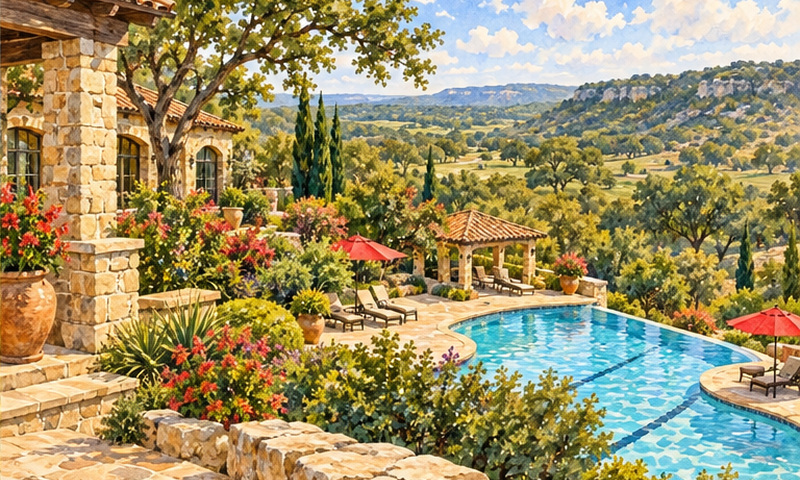
Get a quoteIllustration based on reference photos of Cibolo Canyons. Not a single literal view.
On this page
Hill Country terrain, miles of trails and a resort-centered setting shape Cibolo Canyons' appeal.[1] Your yard can bring that feeling home. Add shade, color and a place to relax. Texas Allied Landscape helps plan planting and irrigation. We also plan outdoor spaces around your home. We check your section's rules and prepare the review package. We build the approved design so you can enjoy the finished yard.
Prepare the plan before work starts
Get written approval before any improvement. That includes landscaping, planting, turf and hardscape. Have the site plan approved before clearing the lot or building anything. The reviewer may reject a plan based on appearance alone.[2]
Include a project description and a site plan drawn to scale. Show existing and proposed landscaping. List plant species, sizes and counts. Add material samples or descriptions. Add photos of the yard before work. We prepare the package and allow for review time in the project schedule.[2]
Follow the rainwater-system timeline
Rainwater systems
Plan around the land and drainage
On the Non-Golf Course Land described in the earlier declaration, two rule sets matter. Impervious-cover limits and private-sewage rules can affect drainage and irrigation design. Check your lot's coverage and later amendments before laying out the work.[3]
Keep the site plan, lot clearing and proposed improvements together. Put them in the same review package. A clear drawing helps the reviewer see how the whole yard will look.[2]
Choose planting for your section
Each neighborhood has its own design guidelines. We have not yet read every neighborhood's guidelines. We have not verified that the earlier declaration covers every current lot. We check the rules that apply to your address first. Then we choose a final palette.[2] [3]
On the Non-Golf Course Land covered by the 2003 declaration, use only low-water-use landscapes. Plant native, drought-tolerant species. Preserve tree canopy or use high-quality replacement shade trees. Irrigation must meet the city development code. These requirements apply within that declaration's land description.[3]
Develop a palette for review
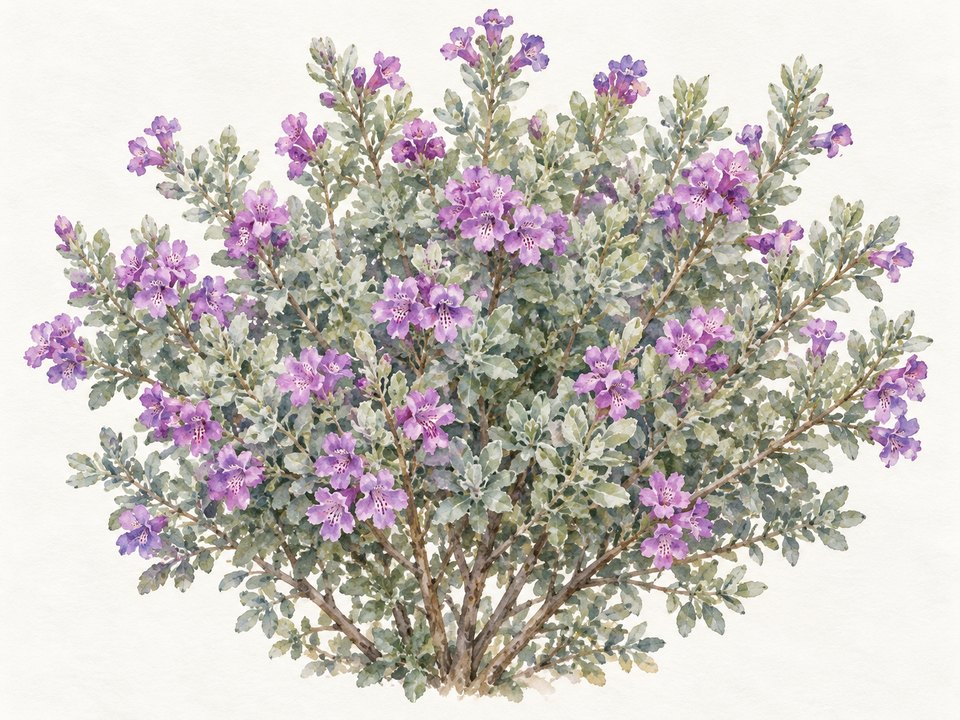
Texas Sage, Lantana, Red Yucca, Autumn Sage and Black Dalea are suggested starting points. We can develop and submit a palette from them. Live Oak, Cedar Elm and Texas Mountain Laurel can add structure and shade. These suggestions need review for your lot and project. The cards do not grant approval.
 Illustration
Texas SageLeucophyllum frutescensIllustration  Illustration
LantanaLantana camaraIllustration 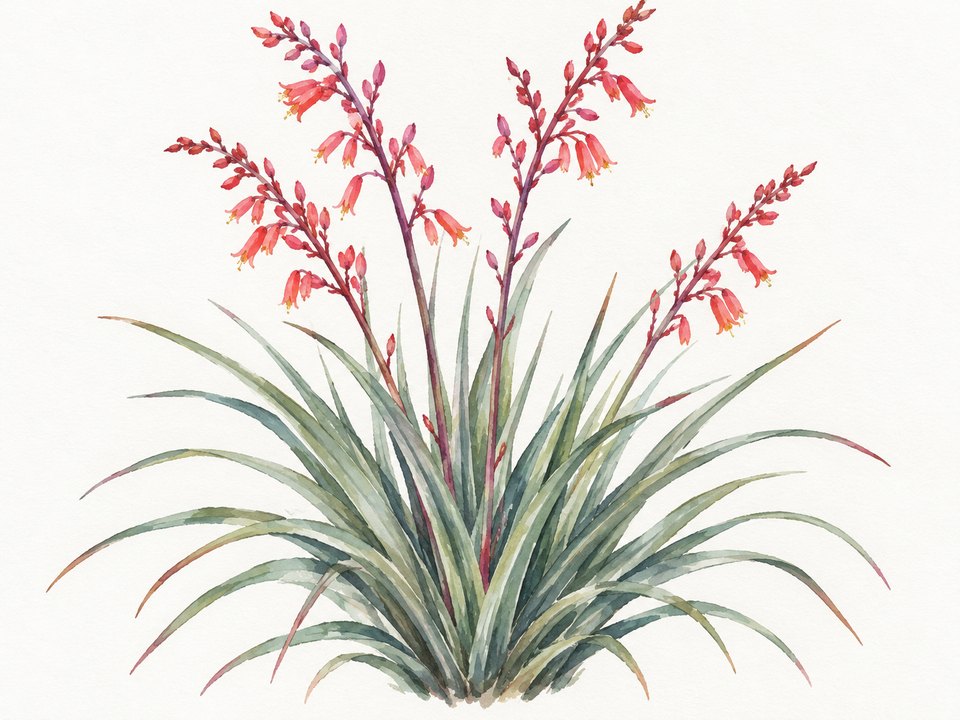 Illustration
Red YuccaHesperaloe parvifloraIllustration 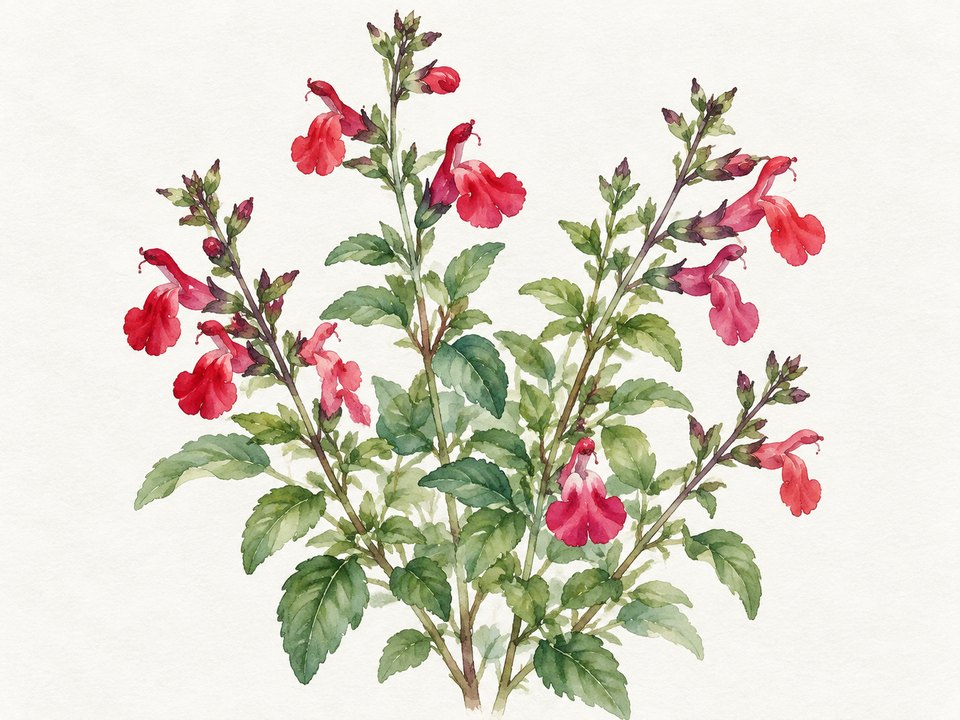 Illustration
Salvia GreggiiSalvia greggiiIllustration 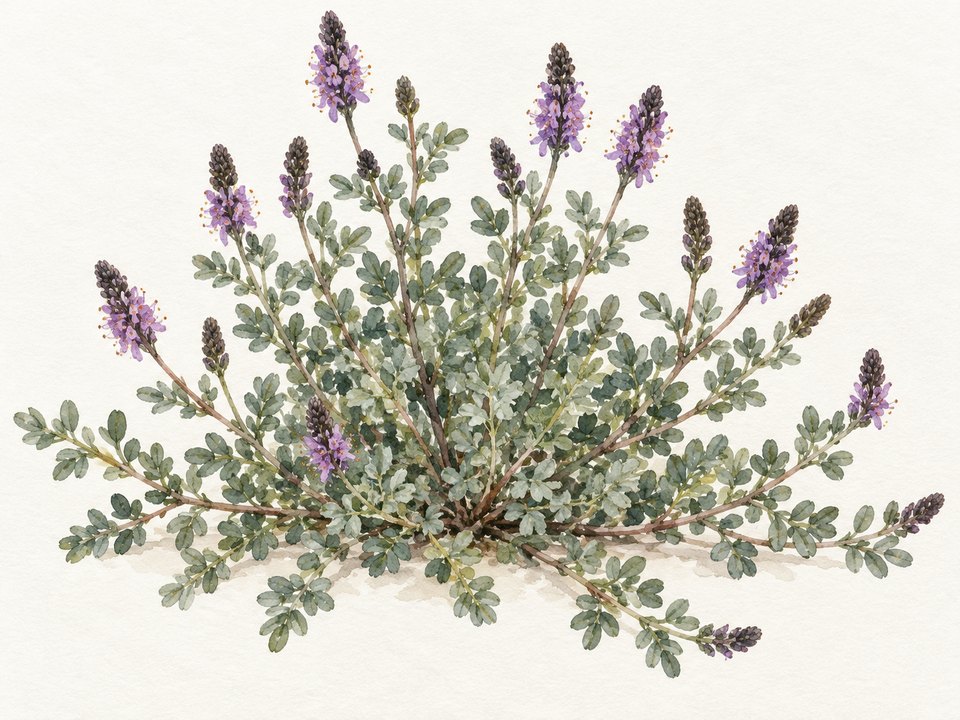 Illustration
Black DaleaDalea frutescensIllustration  Illustration
Live OakQuercus virginianaIllustration 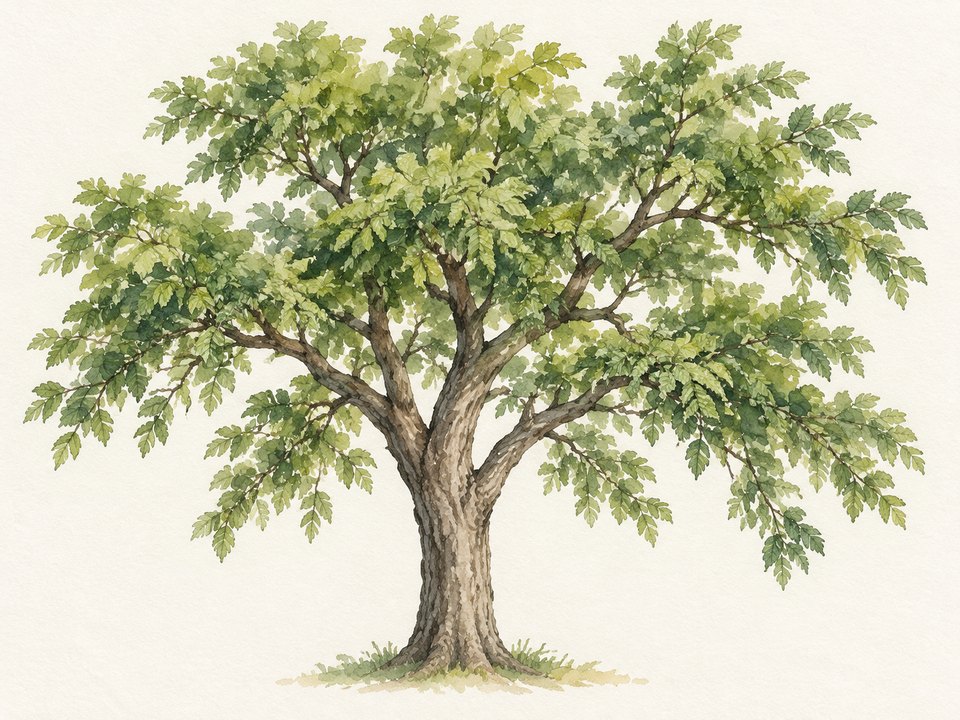 Illustration
Cedar ElmUlmus crassifoliaIllustration 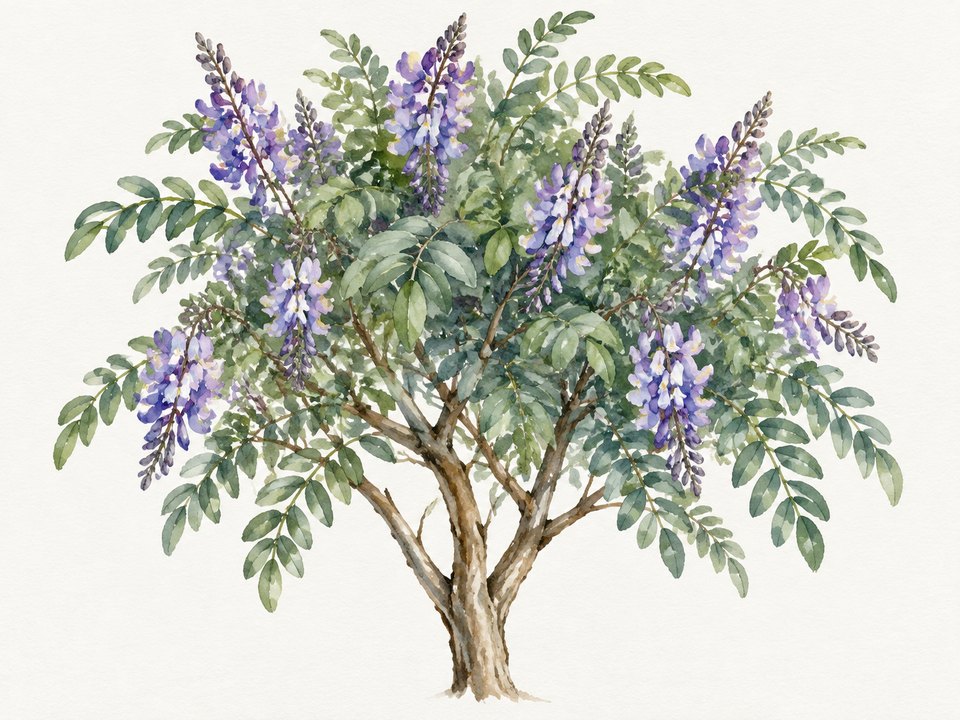 Illustration
Mountain LaurelSophora secundifloraIllustration
Autumn Sage is shown under Salvia Greggii, and Texas Mountain Laurel under Mountain Laurel. Keep the proposed species and any cultivar names on the application. Then the reviewer can check the exact plants.
Follow the lawn-chemical and buffer rules
On the same Non-Golf Course Land, use SAWS-certified organic products. That covers fertilizers, pesticides and herbicides. Pesticides and herbicides otherwise approved in writing by SAWS are also allowed. Apply no fertilizer, pesticide or herbicide in the mapped buffer zones. Check the land description and buffer map for your lot. Do this before treating the yard.[3]
Plan irrigation and rainwater collection
Rain barrels and rainwater harvesting systems are allowed with ACC approval. The rainwater policy replaced an outright ban with a review process. Follow the location, color and equipment details in your approved application.[2]
Systems visible from a street, common area or neighboring property face extra rules. Screening, color and placement requirements may apply. Include these details in the application. Begin installation within 30 days after approval.[2]
On land covered by the earlier declaration, irrigation must follow the city development code. Check how the impervious-cover and private-sewage requirements affect your plan too.[3]
Review costs and enforcement steps
Review fees apply. The amounts are set by the neighborhood guidelines. We check the fee for your address and scope before submitting.[2]
A warning comes first. For a new violation, fines rise by notice through $25, $50, $100 and $125. Repeat violations carry fines from $50 to $150. You have the right to a hearing before a fine is charged.[2]
Fines carry no interest or late fees. The association may not foreclose over a debt made up only of fines. Each day a violation continues may count as a separate violation. Address a notice promptly. Check the current policy before relying on the dated schedule.[2]
Plan your yard with Texas Allied Landscape
Bring your address, survey and yard ideas. We help check your section's rules and plan planting and irrigation. We prepare the review package and build the approved work. The goal is a yard that fits your home. It should also fit the way you want to spend time outside.
Cibolo Canyons landscape questions
Do I need approval for planting or turf changes?
Yes. Get written approval before improvement work. That includes landscaping, planting, turf and hardscape. Have the site plan approved before clearing the lot or building.[2]
When do I need to start a rainwater installation?
Begin within 30 days after approval, or the approval ends. Install the system exactly as approved, including its location, color and equipment details.[2]
Do the native-plant and chemical rules cover every lot?
The earlier declaration applies to its described Non-Golf Course Land. We have not verified that it covers every current lot. Check your lot's land description, buffer map and later amendments before applying those requirements.[3]
More community guides
Your community profile
Community profile
Cibolo Canyons
1 permissive5 protective
| Design latitude | — |
|---|---|
| Approval scope | 4/5 |
| Approval layers | — |
| Approval cost | — |
| Plan preparation | 3/5 |
| Enforcement capability | 2/5 |
Higher means more documented control or burden, not a better community.
Design latitude
—
- 1
- 2
- 3
- 4
- 5
How much of the plant and design palette is prescribed. A higher score means less design freedom.
Why this score
Each neighborhood sets its planting and ground-cover choices. We still need to check those guidelines for your address. On its described Non-Golf Course Land, the earlier declaration requires low-water-use native landscaping and SAWS-certified organic lawn chemicals. Pesticides and herbicides otherwise approved in writing by SAWS are also allowed. Keep all lawn chemicals out of the mapped buffers. Check the exact land coverage before applying these rules.
Approval scope
4/5
- 1
- 2
- 3
- 4 (this score)
- 5
How much exterior work needs written sign-off.
Why this score
Get written approval before any improvement, including landscaping. The reviewer may deny a plan based on appearance alone.
Approval layers
—
- 1
- 2
- 3
- 4
- 5
Counts distinct required community reviewers only. City, county and state permits, optional steps and repeat submissions are not counted.
Why this score
The master reviewer is named. We check whether your address also needs a neighborhood reviewer before work starts.
Approval cost
—
- 1
- 2
- 3
- 4
- 5
What the community's own approval process costs to apply.
Why this score
Review fees apply. The neighborhood guidelines set the amounts. We check the fee for your address and scope before submitting.
Plan preparation
3/5
- 1
- 2
- 3 (this score)
- 4
- 5
How much drawing and documentation an application needs.
Why this score
Include a project description and a scaled site plan with existing and proposed landscaping. List plant species, sizes and counts. Add material samples or descriptions and before photos. We help prepare the package.
Enforcement capability
2/5
- 1
- 2 (this score)
- 3
- 4
- 5
Which remedies the verified governing documents and adopted policies provide. The score reflects verified documented provisions, not observed enforcement practice or legal conclusions. Not finding an express clause is not a conclusion that no authority exists.
Why this score
A warning comes first, then $25, $50, $100 and $125 per notice for new violations and $50 to $150 for repeats. The recorded covenant lets each day of a violation count separately and secures fines with the lot lien.
Your address matters. A master covenant and recorded amendments shape the work you can do. Each neighborhood's design guidelines shape it too. An earlier declaration adds rules for the land it covers. It takes priority where the two sets of covenants conflict. We check the land description and rules for your section before design.[2] [3]
The profile reflects the dated documents reviewed. Later amendments are still unchecked. A higher score means more documented control or a larger application burden. Each axis measures a separate requirement. Unverified scores and the enforcement rating stay blank.[2] [3]
Sources
- Community character: Cibolo Canyons: public community description, checked November 8, 2026.https://www.cibolocanyons.com/lifestyle/↑
- Master Covenant (2005), Doc.20050216763, as amended by Doc.20170053194 (2017): approval and enforcement. ARC Common Projects Required Information (Oct2024): landscape package. Community Manual: rainwater policy and fine/enforcement schedule.https://www.cibolocanyonsresorthoa.com/documents/abcdefghijklmno
- Prior Declaration (2003), Doc.20030003899, Sections2.1-2.2: described Non-Golf Course Land only.https://www.cibolocanyonsresorthoa.com/wp-content/uploads/sites/170/2022/09/Declaration-of-Restrictive-Covenants.pdfabcdefgh