
Property owners
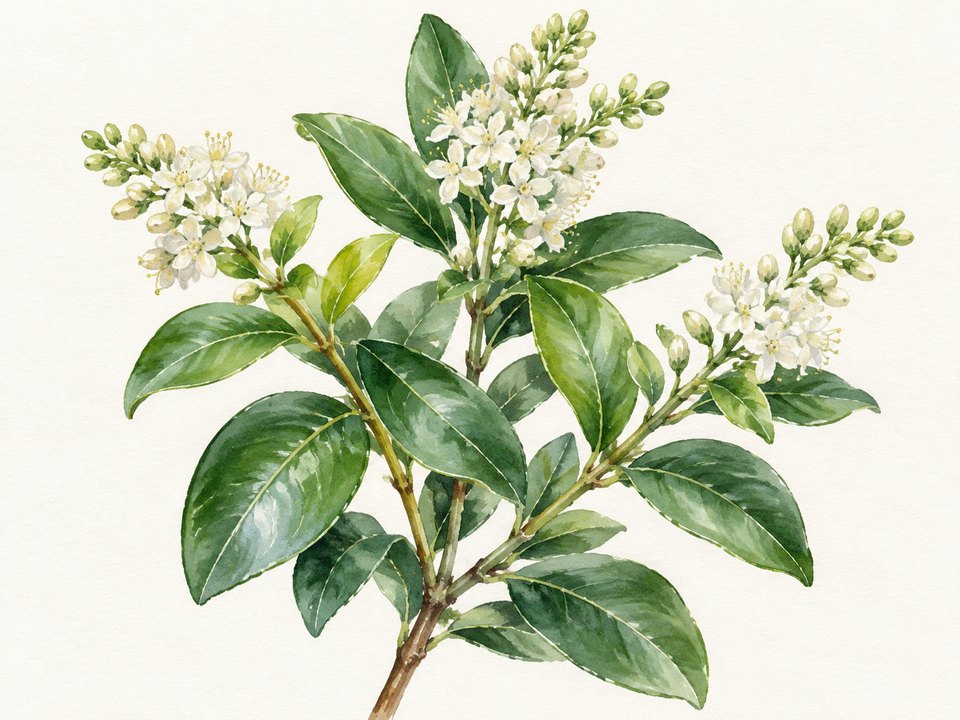
Waxleaf Ligustrum
- Plant
- Waxleaf Ligustrum
- Group
- Prohibited examples
Waxleaf Ligustrum: sourced seasonal behavior.
On this page
Its botanical name is Ligustrum japonicum.
Seasonal behavior
Be careful, because Japanese privet (wax-leaf ligustrum) is considered an invasive plant.[1]
Why Waxleaf Ligustrum is a problem here
Waxleaf ligustrum is a privet, and privets are listed as invasive in Texas. Birds carry the berries into yards and natural areas. There ligustrum forms thickets that crowd out native shrubs.[2]
What to plant instead
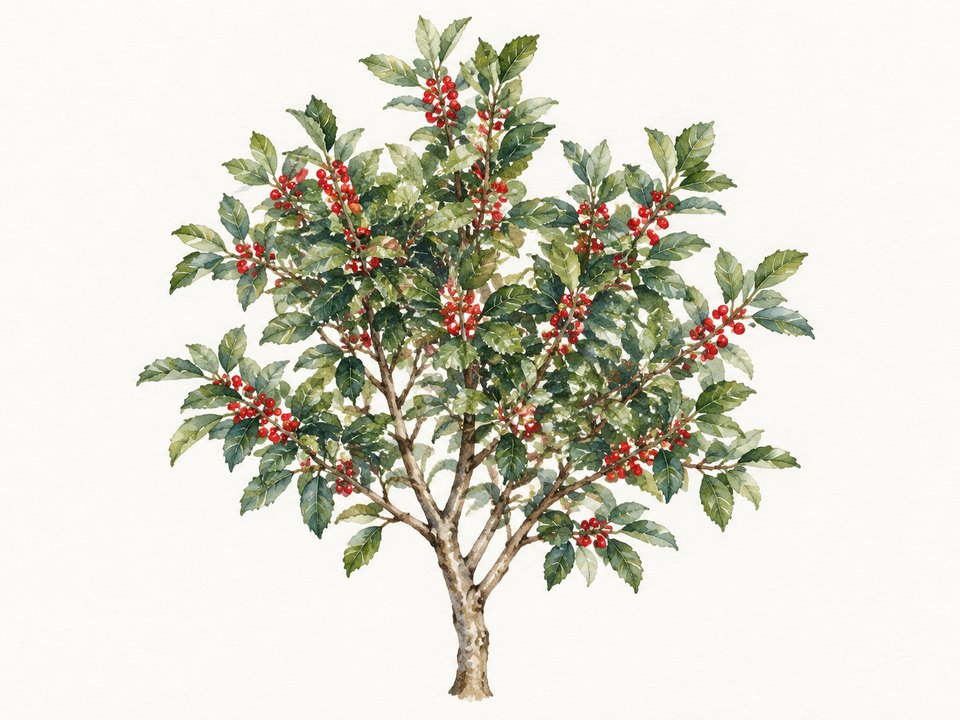
For a glossy evergreen screen that does not escape, consider one of these:
 Illustration
Yaupon HollyIlex vomitoriaIllustration 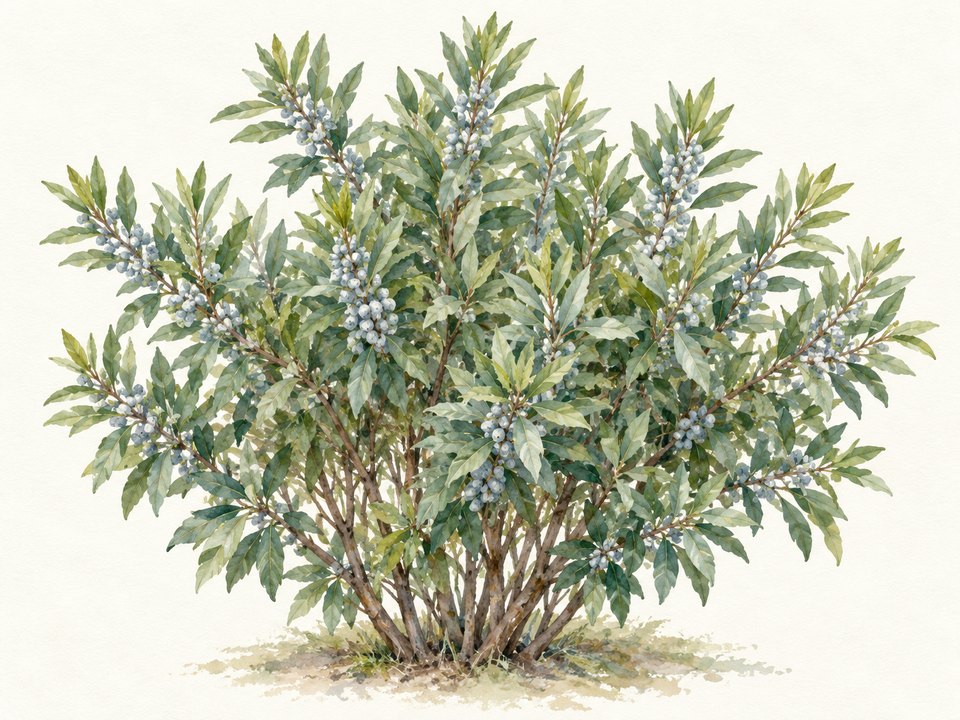 Illustration
Wax MyrtleMorella ceriferaIllustration 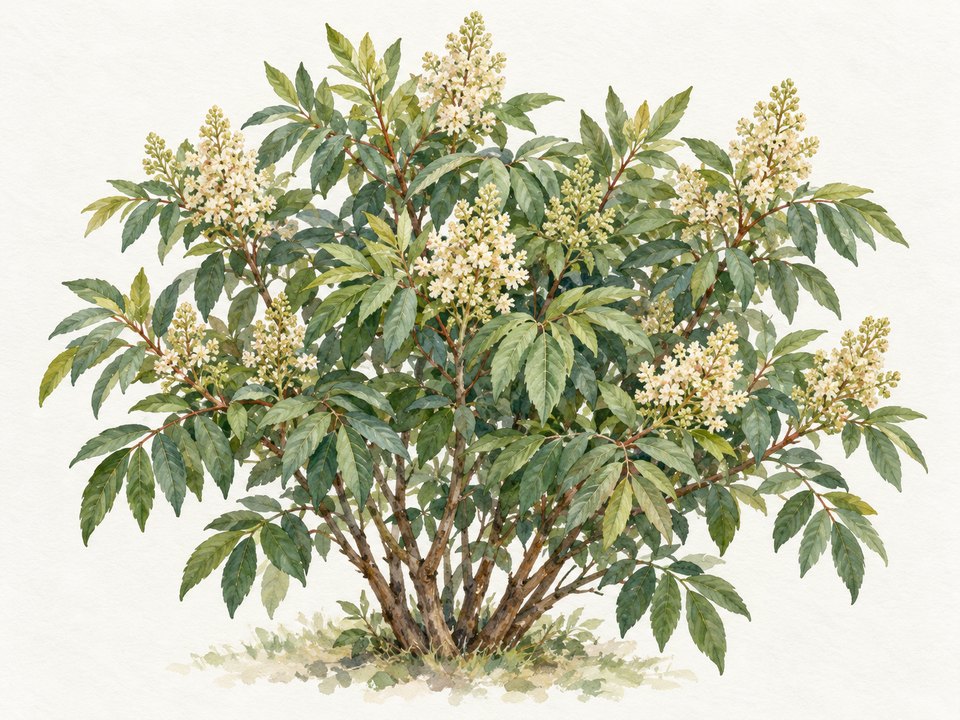 Illustration
Evergreen SumacRhus virensIllustration
If it is already on your property, the Texas Allied Landscape team can help. They can talk through removal and a replacement plan.
Care Instructions for Your Waxleaf Ligustrum
Normal seasonal behavior
Be careful, because Japanese privet (wax-leaf ligustrum) is considered an invasive plant.[1]
Waxleaf ligustrum questions
Is waxleaf ligustrum invasive in Texas?
Yes. Japanese privet escapes into our greenbelts and creeks. Texas invasive-species resources recommend against planting it near natural areas.[2]
Next step: Our horticulturalists can suggest native evergreen screens that stay put.
How big does waxleaf ligustrum get?
It grows 10 to 15 feet or more. It becomes a large shrub or small tree. That is much bigger than people expect at planting.[3]
What is wrong with my ligustrum's leaves?
The problem is likely Cercospora leaf spot or anthracnose. Those are ligustrum's most common leaf diseases. They are worst in shade and still, damp air.[4]
Does ligustrum bloom?
Yes. It blooms in spring. It has big clusters of small white flowers. They are heavily scented. Dark berries follow. Birds spread them into natural areas.[5]
In these community guides
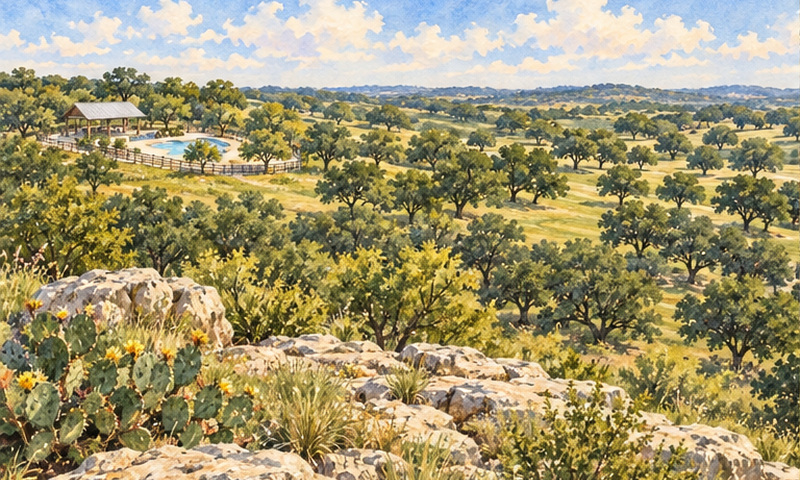
Illustration. Illustration based on reference photos of Mountain Springs Ranch. Not a single literal view. Mountain Springs Ranch Landscaping
Plan your Mountain Springs Ranch yard with planting, lawn and irrigation guidance. Get help from the review package…
Sources
- Ask Mr. Smarty Plants: Problems with non-native, invasive Japanese Privet, Lady Bird Johnson Wildflower Center.https://www.wildflower.org/expert/show.php?id=9716ab
- Texas Invasives / Texas Forest Service, "Privet."https://texasinvasives.org/resources/publications/06_Privet_TFA.pdfab
- Texas A&M Plant Disease Handbook, "Ligustrum."https://plantdiseasehandbook.tamu.edu/landscaping/shrubs/ligustrum/↑
- Texas A&M Plant Disease Handbook, "Ligustrum."https://plantdiseasehandbook.tamu.edu/landscaping/shrubs/ligustrum/↑
- Texas Invasives / Texas Forest Service, "Privet."https://texasinvasives.org/resources/publications/06_Privet_TFA.pdf↑