
Property owners
Tree of Heaven
- Plant
- Tree of Heaven
- Botanical name
- Ailanthus altissima
- Group
- Prohibited examples
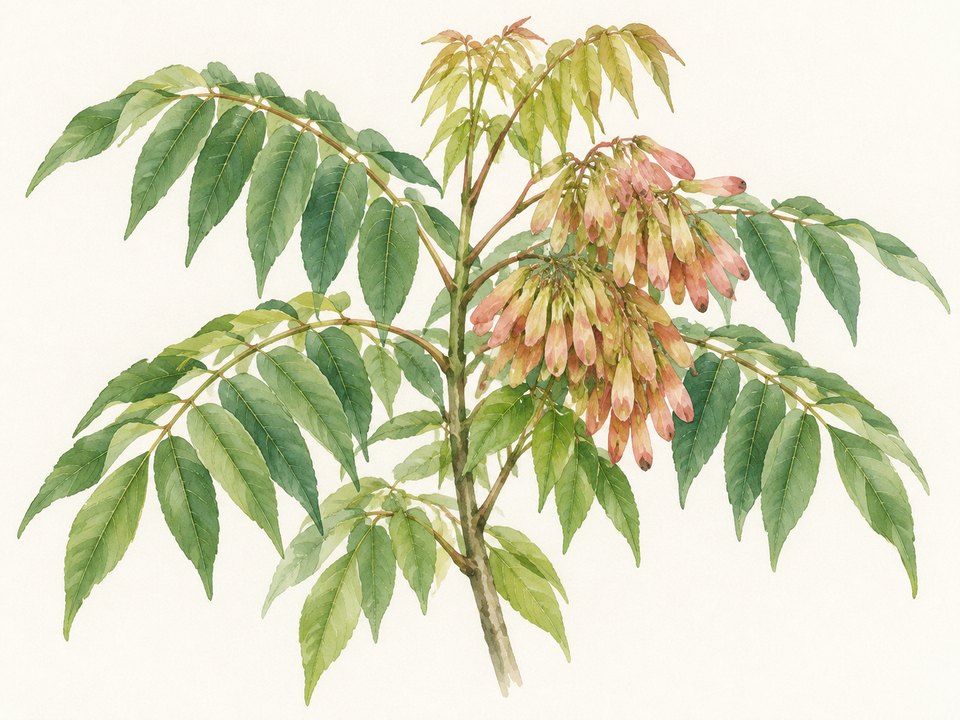
Tree of Heaven: sourced height, foliage and seasonal behavior.
On this page
Its botanical name is Ailanthus altissima.
Height
A rapidly growing deciduous tree that can reach 80 feet or more.[1]
Foliage
It is deciduous. Its large compound leaves are 1 to 4 feet long with 11 to 25 leaflets, each with glandular teeth near the base. Its bark is smooth and pale gray.
Seasonal behavior
Clusters of small yellow-green flowers appear in late spring. Female trees bear flat, twisted, papery seeds (samaras) in late summer and fall. Be careful, because tree-of-heaven is a listed invasive.
Why Tree of Heaven is a problem here
Tree-of-heaven is listed as an invasive species in Texas. It grows fast, produces huge seed crops, and sends up root suckers that form dense thickets which crowd out native vegetation. It also releases toxins that keep other plants from establishing, and its roots are aggressive enough to damage sewers and foundations.[1]
What to plant instead
For a fast, tough shade tree without the invasive behavior, consider one of these Texas natives and adapted trees:
 Illustration
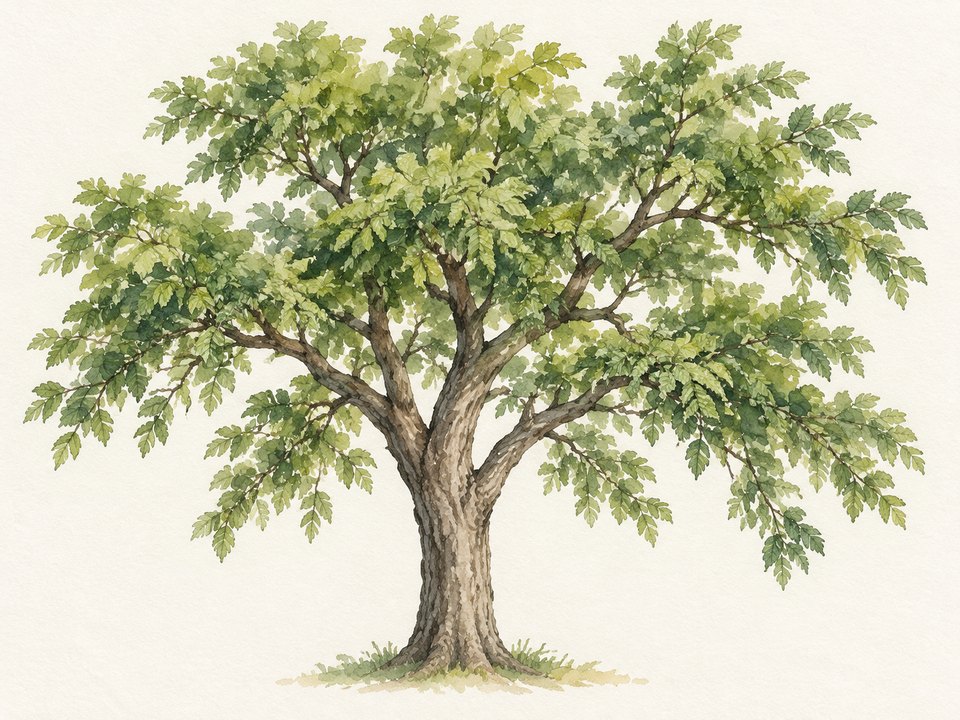
Cedar ElmUlmus crassifoliaIllustration 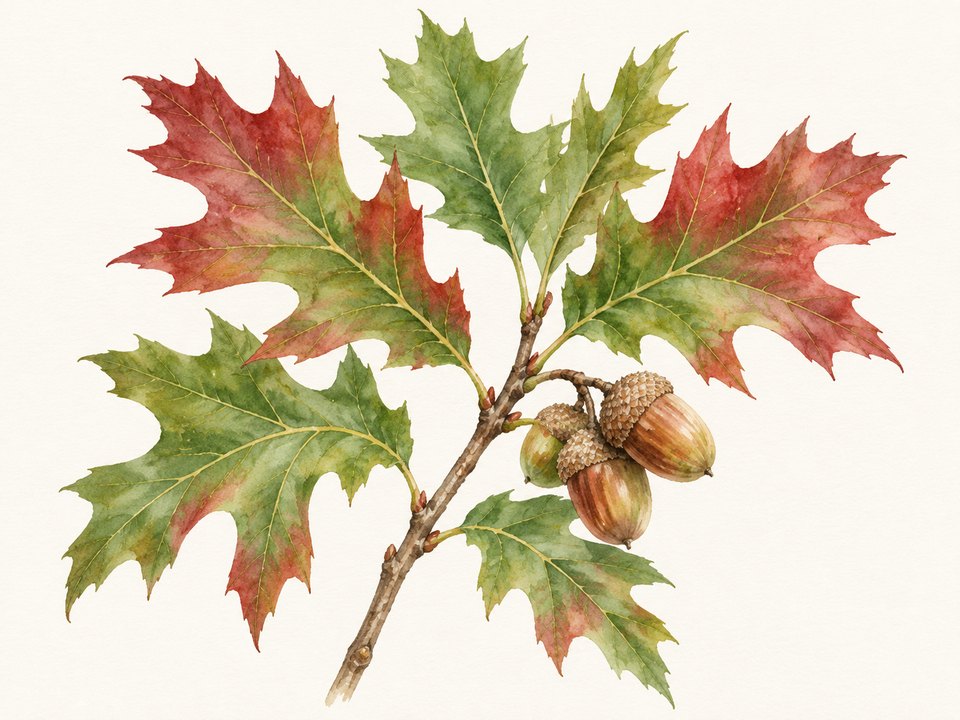 Illustration
Texas Red OakQuercus buckleyiIllustration 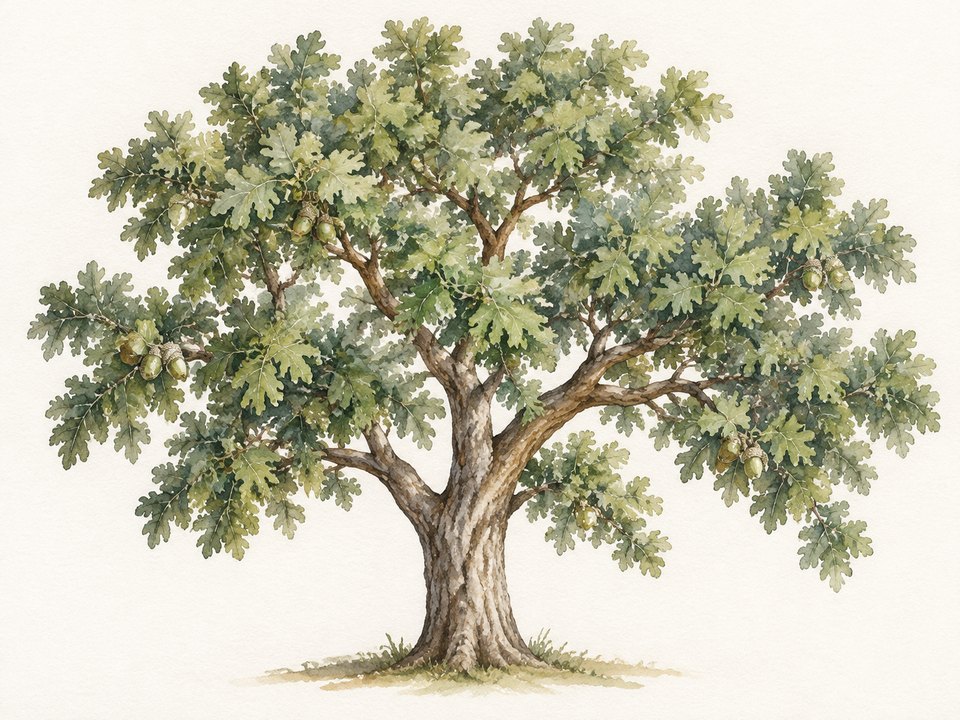 Illustration
Monterrey OakQuercus polymorphaIllustration
If tree-of-heaven is already on your property, the Texas Allied Landscape team can talk through removal and a replacement plan.
Care Instructions for Your Tree of Heaven
How to Water a Tree of Heaven
Mature height and spread
A rapidly growing deciduous tree that can reach 80 feet or more.[1]
Normal seasonal behavior
Clusters of small yellow-green flowers appear in late spring. Female trees bear flat, twisted, papery seeds (samaras) in late summer and fall. Be careful, because tree-of-heaven is a listed invasive.
Tree of heaven questions
Is tree of heaven invasive in Texas?
Yes. Ailanthus altissima is one of Texas's most aggressive invasive trees. It suckers into thickets and crowds out natives.[2]
Next step: Our horticulturalists can remove it correctly and suggest a native replacement.
Why does tree of heaven keep coming back after I cut it?
Cutting triggers the roots to send up dense suckers. Removal needs a cut-stump or basal herbicide treatment, not just a chainsaw.[3]
How do I tell tree of heaven from sumac or walnut?
It has long compound leaves like sumac. But each leaflet has 2 to 4 teeth near the base with a gland on each tooth. Crushed leaves smell like rancid peanut butter.[4]
Should I plant tree of heaven?
No. It is a listed invasive in Texas that damages foundations, sewers, and natural areas. Better look-alikes exist.[5]
In these community guides
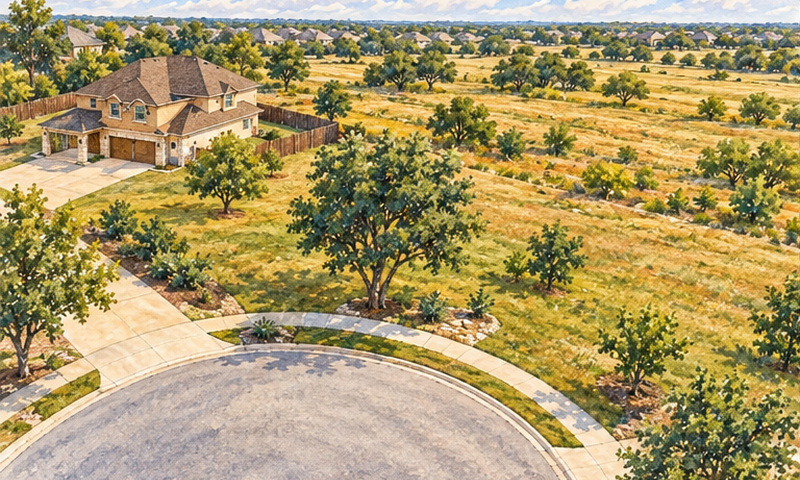
Illustration. Illustration based on reference photos of The Reserve at Schertz II. Not a single literal view. Reserve at Schertz II Landscaping
Plan your Reserve at Schertz II yard with lawn, tree and irrigation guidance. Get help with the review package…
Sources
- Tree of heaven (Ailanthus altissima), Texas Invasives.https://www.texasinvasives.org/plant_database/detail.php?symbol=AIALabc
- Texas Invasives, "Ailanthus altissima."https://www.texasinvasives.org/plant_database/detail.php?symbol=AIAL↑
- Texas Invasives, "Tree of Heaven Management."https://www.texasinvasives.org/professionals/management_detail.php?symbol=AIAL↑
- USDA Forest Service, "Tree-of-heaven Field Guide."https://www.fs.usda.gov/sites/nfs/files/legacy-media/r03/Tree-of-heaven%20Field%20Guide%202017.pdf↑
- Galveston Bay Invasives, "Tree of Heaven."https://galvbayinvasives.org/invasive/P-001↑