
Property owners
Coralberry
- Plant
- Coralberry
- Botanical name
- Symphoricarpos orbiculatus
- Group
- Medium shrubs and perennials
Plant profile for Coralberry in San Antonio area landscapes.
On this page
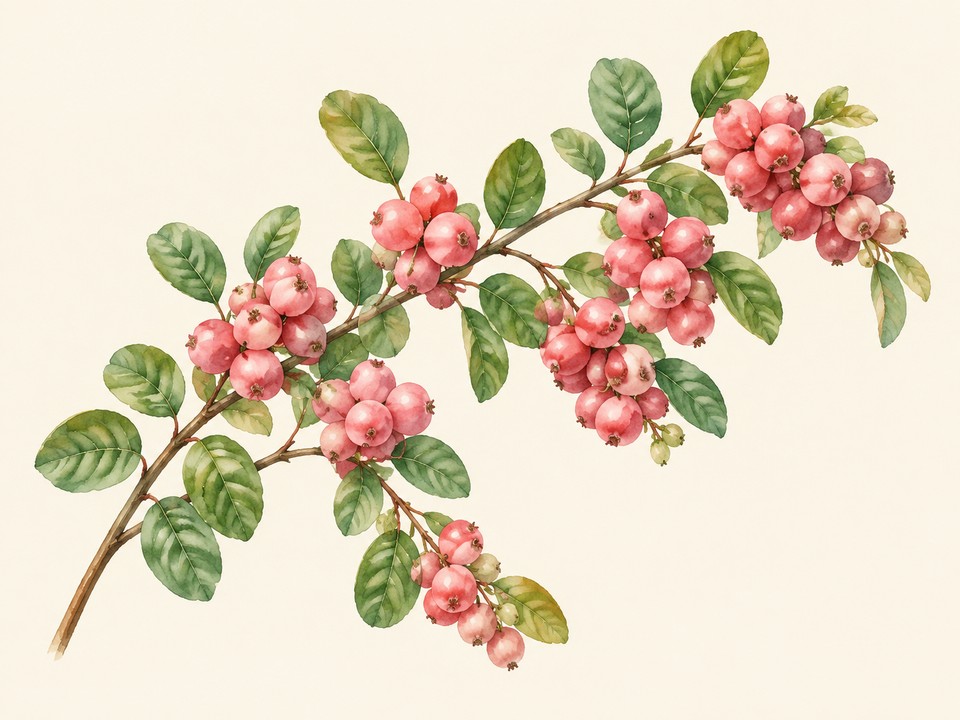
Botanical name: Symphoricarpos orbiculatus. A native deciduous shrub for shade, grown for the clusters of coral-pink berries that line its stems in fall and winter.[1]
Light and soil
Full sun to full shade and almost any soil, including rocky, alkaline ground. One of the most adaptable native shrubs for San Antonio.[2]
Height and spread
About 2 to 4 feet tall, spreading by suckers into broad colonies over time.[1][3]
Foliage and seasonal behavior
Small summer flowers give way to coral-pink berries that color up in fall and hold into winter, after the leaves drop.[1]
Water
Low once established; it handles dry shade better than most shrubs.[2]
Pruning
Thin out or cut back stems in late winter to keep the colony in bounds and encourage fresh growth.[3]
When to Plant Coralberry
Plant coralberry from fall through early spring; this native shrub roots in best while the weather is cool.[2]
If you would like a hand, the Texas Allied Landscape team can plant your coralberry and keep it thriving.
Planting
Set container plants at the same depth they grew in the pot, in sun or shade, and water in well.[4]
Care Instructions for Your Coralberry
How to Water a Coralberry
Sunlight and soil
Sun or shade; adaptable to most soils.[2]
Mature height and spread
2 to 4 feet tall, spreading by suckers.[1]
Pruning
Cut back in late winter to control spread.[3]
Normal seasonal behavior
Deciduous; berries are the main show and persist after leaf drop.[1]
coralberry questions
Why is my coralberry spreading everywhere?
It spreads by suckers into colonies, which is normal for this native shrub. Thin or cut back stems in late winter to hold the edge.[3]
When does coralberry get its berries?
The coral-pink berries color up in fall and hold on the bare stems into winter.[1]
Will coralberry grow in shade?
Yes. It is one of the most shade-tolerant shrubs we use, and it handles dry shade once established.[2]
Should I cut coralberry back?
A late-winter cutback keeps the colony tidy and encourages fresh growth for the season.[3]
Let Texas Allied Landscape care for your Coralberry
Want coralberry in your garden? We plant it, and we can keep it blooming with ongoing maintenance.
In these community guides

Illustration. Illustration based on reference photos of Arbors of Fair Oaks. Not a single literal view. Arbors of Fair Oaks Landscaping
Bring your address, unit and yard ideas. Texas Allied Landscape helps design the planting and irrigation, prepare the…
Sources
- Native Plant Society of Texas, "Symphoricarpos orbiculatus."https://www.npsot.org/posts/native-plant/symphoricarpos-orbiculatus/abcdef
- City of Austin Grow Green plant guide, "Coralberry."https://www.austintexas.gov/department/grow-green/plant-guide/coralberryabcde
- Lady Bird Johnson Wildflower Center, Mr. Smarty Plants, "Coralberry suckering."https://www.wildflower.org/expert/show.php?id=6405abcde
- Back to basics: Planting perennials, SAWS Garden Style San Antonio.https://www.gardenstylesanantonio.com/garden-articles/back-to-basics-planting-perennials/↑