
Property owners
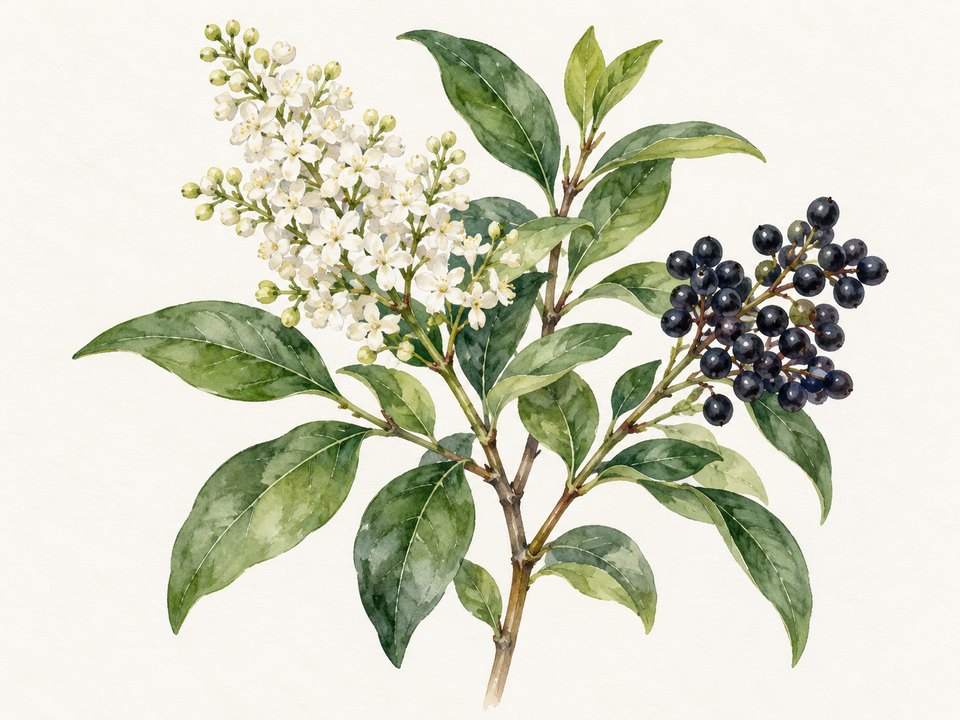
Common Privet
- Plant
- Common Privet
- Botanical name
- Ligustrum vulgare
- Group
- Prohibited examples
Common Privet: planting and care guidance for Central Texas landscapes.
On this page
Why Privet is a problem here
Privet is listed as an invasive species in Texas. Birds spread its berries into greenbelts and yards. There it forms dense thickets that shade out native plants. It is very hard to get rid of once established.[1][2]
What to plant instead
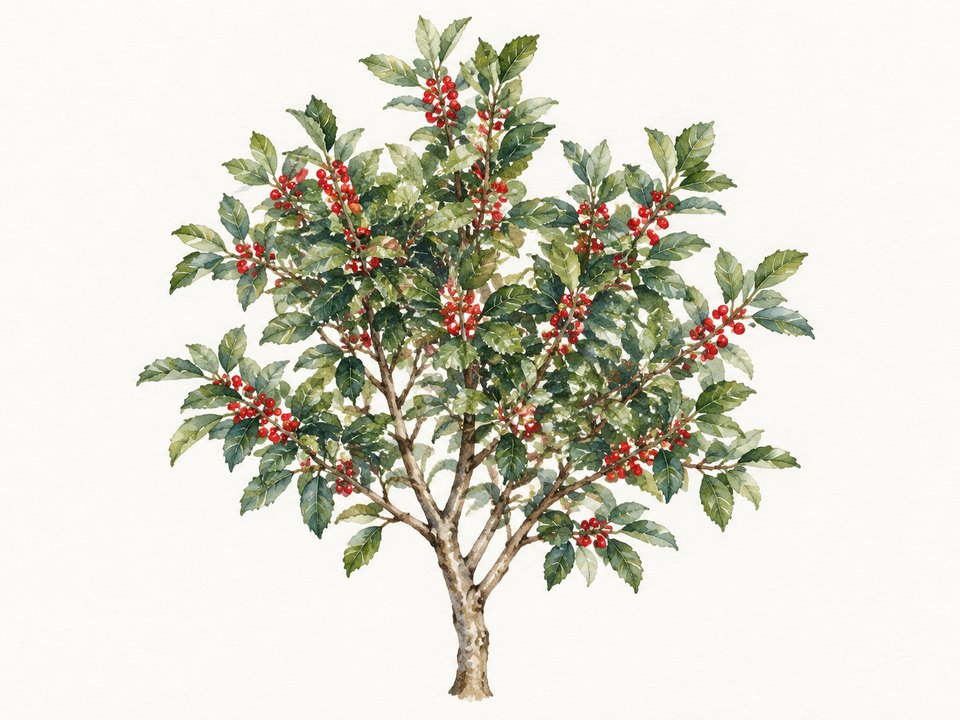
For a dense evergreen hedge or screen that stays put, consider one of these:
 Illustration
Yaupon HollyIlex vomitoriaIllustration 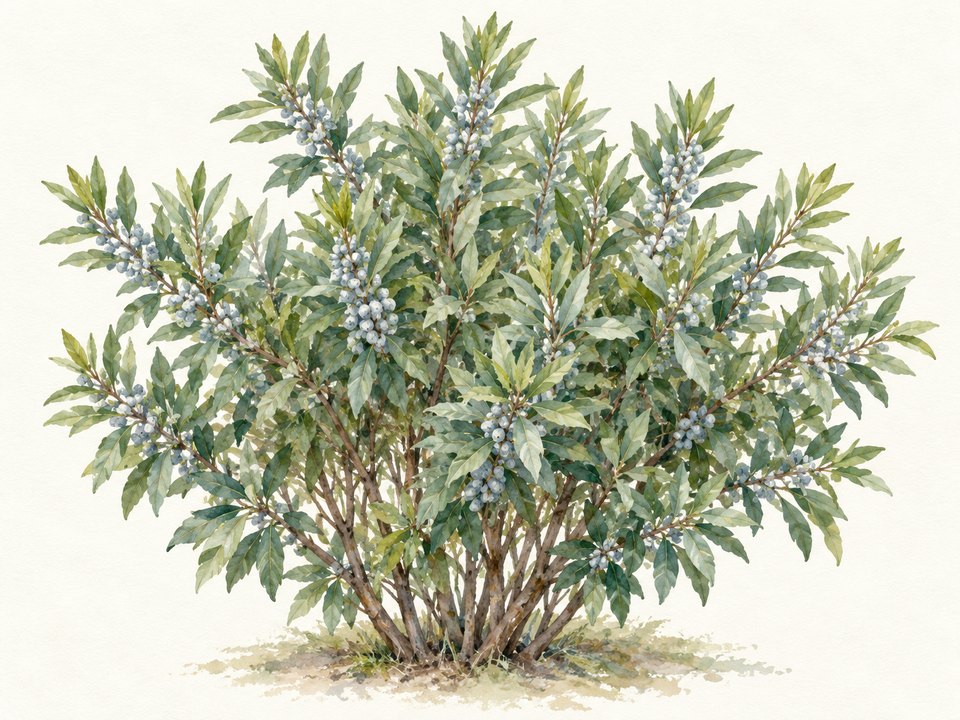 Illustration
Wax MyrtleMorella ceriferaIllustration 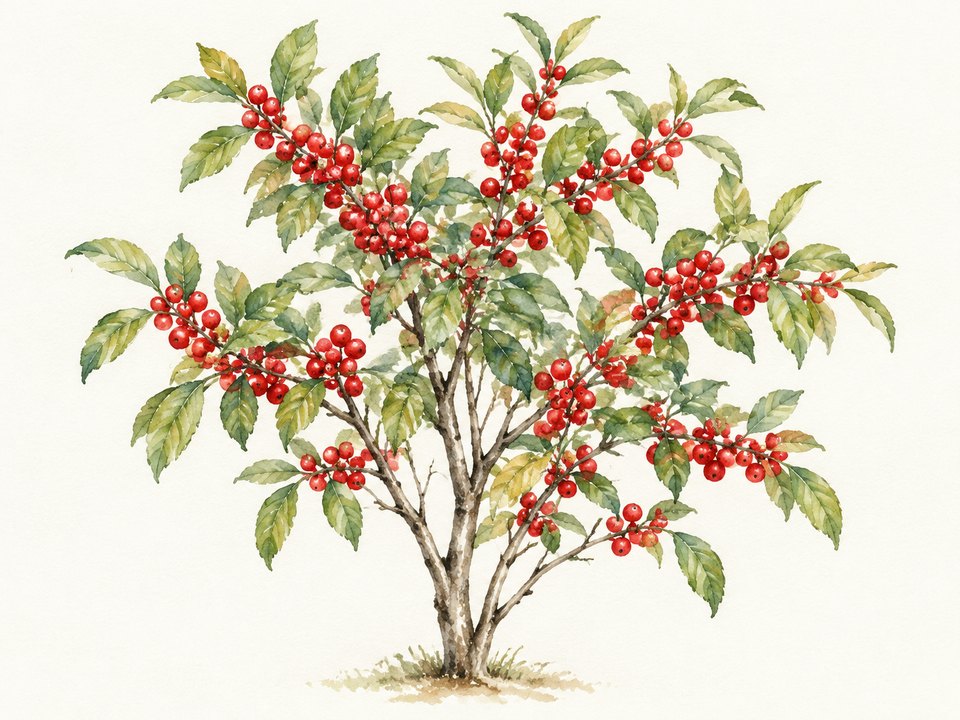 Illustration
Possumhaw HollyIlex deciduaIllustration
If it is already on your property, the Texas Allied Landscape team can talk through removal and a replacement plan.
Care Instructions for Your Common Privet
How to Water a Common Privet
Pets and toxicity
The berries are toxic to people and pets if eaten. That is another reason not to let it fruit.[3]
Spread and invasiveness
Yes. Ligustrum vulgare and its privet cousins are listed invasive in Texas. Birds spread the berries into woodlands, where privet chokes out natives.[1]
Common privet questions
Is common privet invasive in Texas?
Yes. Ligustrum vulgare and its privet cousins are listed invasive in Texas. Birds spread the berries into woodlands, where privet chokes out natives.[1]
Next step: Our horticulturalists can remove privet and replant with a native evergreen screen like yaupon.
How do I get rid of privet?
Cut it and treat or dig the stump. Privet resprouts vigorously from the base, so cutting alone just makes more stems.[4]
Is privet poisonous?
The berries are toxic to people and pets if eaten. That is another reason not to let it fruit.[3]
Should I keep my privet hedge?
A sheared, fruitless privet hedge spreads far less than a flowering one. But replacing it with natives removes the problem entirely.[2]
In these community guides
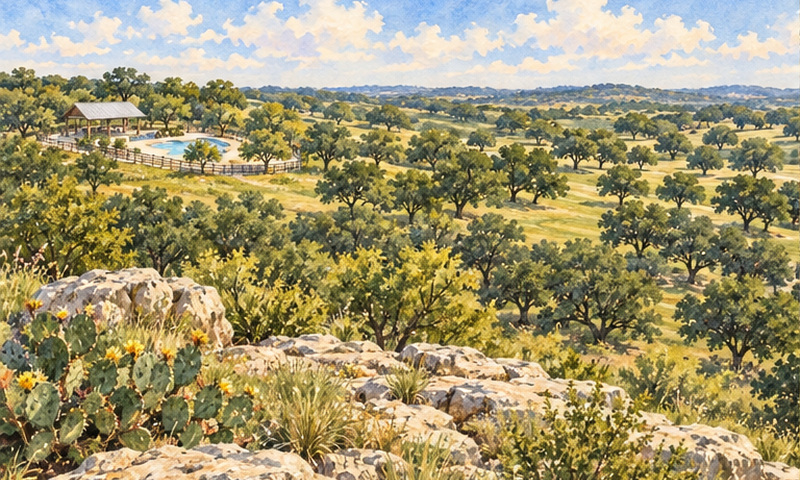
Illustration. Illustration based on reference photos of Mountain Springs Ranch. Not a single literal view. Mountain Springs Ranch Landscaping
Plan your Mountain Springs Ranch yard with planting, lawn and irrigation guidance. Get help from the review package…
Sources
- TexasInvasives.org, "Ligustrum vulgare."https://www.texasinvasives.org/plant_database/detail.php?symbol=LIVUabc
- Native Plant Society of Texas, "Ligustrum vulgare."https://www.npsot.org/posts/invasive-plant/ligustrum-vulgare/ab
- TexasInvasives.org, "Privet."https://www.texasinvasives.org/resources/publications/06_Privet_TFA.pdfab
- Texas A&M AgriLife, "How to Control Privet."https://aquaplant.tamu.edu/management-options/how-to-control-privet/↑