
Property owners
Johnson Grass
- Plant
- Johnson Grass
- Botanical name
- Sorghum halepense
- Group
- Prohibited examples
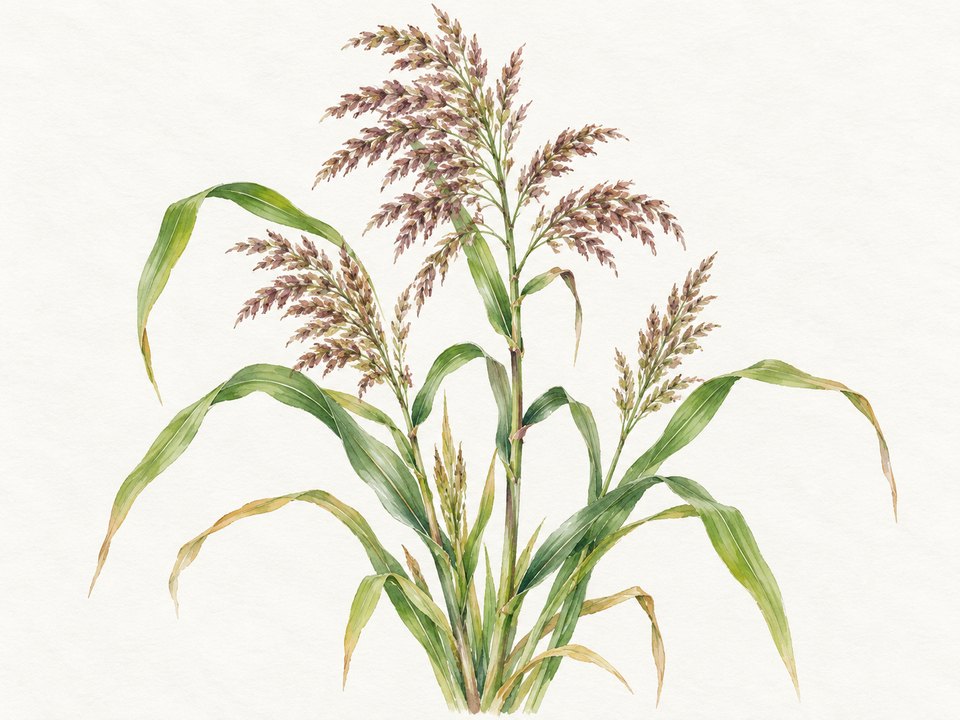
Johnson Grass: sourced height, spread, foliage and seasonal behavior.
On this page
Its botanical name is Sorghum halepense.
Height
It is a coarse perennial grass that reaches about 6 feet tall. It has vigorous rhizomes.[1]
Spread
It rapidly develops colonies from rhizomes.
Foliage
It is a perennial with reddish to purplish-black flower panicles.
Seasonal behavior
Caution: it is highly invasive and hard to control. Stressed or frosted foliage can produce toxic amounts of hydrocyanic acid and poison livestock that eat it.
Why Johnson Grass is a problem here
Johnson grass is listed as an invasive species in Texas. Its creeping rhizomes invade lawns, beds and fields. It resists most casual control. Small root pieces left behind sprout again.[1][2]
What to plant instead
For an ornamental grass look from grasses that belong here:
 Illustration
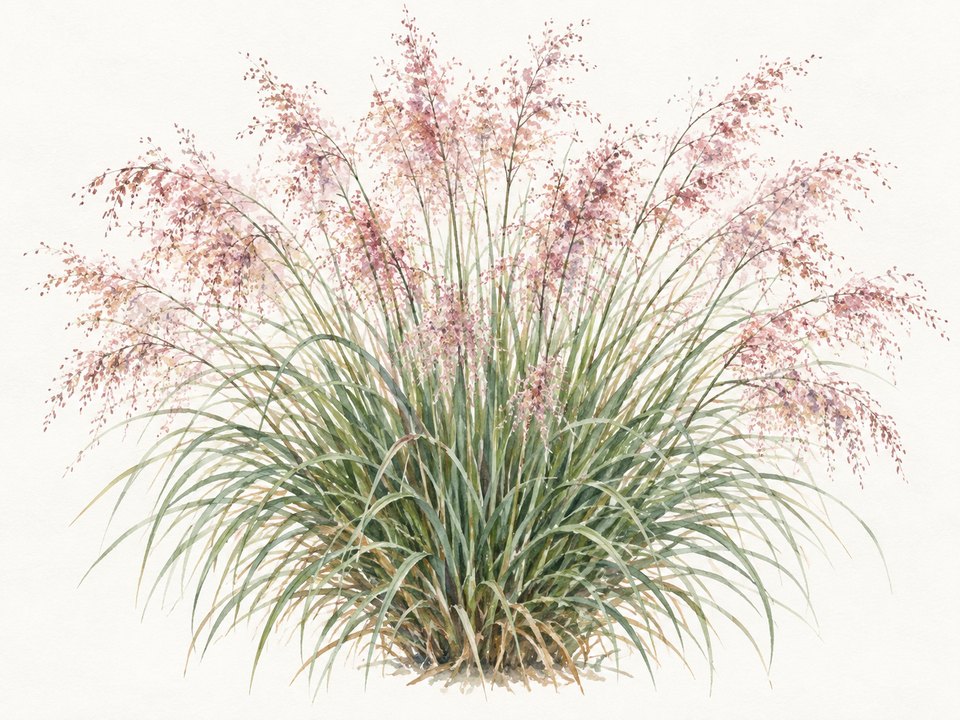
Lindheimer's MuhlyMuhlenbergia lindheimeriIllustration 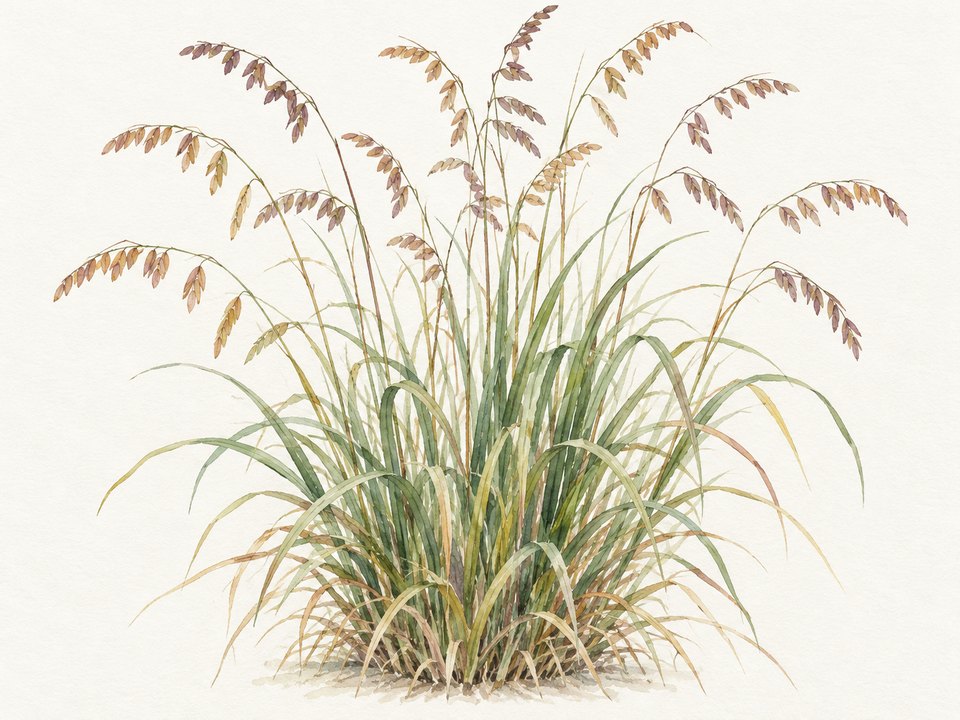 Illustration
Sideoats GramaBouteloua curtipendulaIllustration 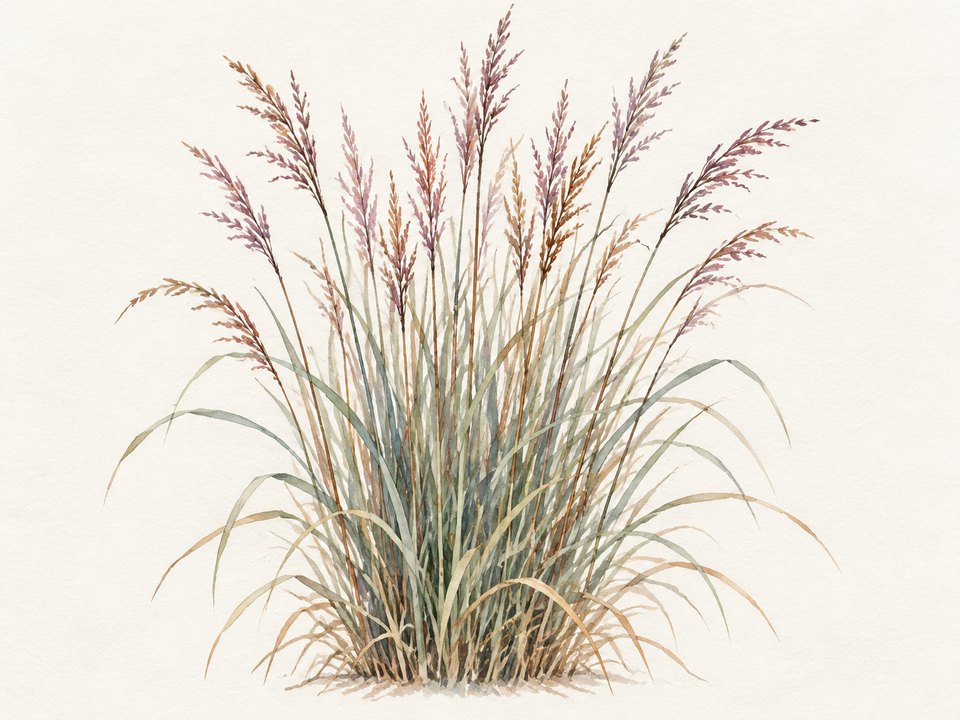 Illustration
Little BluestemSchizachyrium scopariumIllustration
If it is already on your property, the Texas Allied Landscape team can talk through removal and a replacement plan.
Care Instructions for Your Johnson Grass
How to Water a Johnson Grass
Mature height and spread
It is a coarse perennial grass that reaches about 6 feet tall. It has vigorous rhizomes.[1] It rapidly develops colonies from rhizomes.
Normal seasonal behavior
Caution: it is highly invasive and hard to control. Stressed or frosted foliage can produce toxic amounts of hydrocyanic acid and poison livestock that eat it.
Johnsongrass questions
Is johnsongrass invasive?
Yes. Sorghum halepense is a state-listed noxious weed in Texas. It is the tall grass along every roadside, and it spreads by seed and persistent rhizomes.[2]
Why is johnsongrass so hard to kill?
The rhizomes are the reason. It stores energy underground and resprouts after mowing or pulling. Each rhizome piece can start a new plant.[3]
How do I get johnsongrass out of my beds?
Dig out every piece of white rhizome. Stay after regrowth all season, and never let it seed. Persistence over one or two seasons is what works.[4]
Next step: Our horticulturalists can dig it out and keep a removal watch on the spot.
Is johnsongrass good for anything?
It was planted as forage, and cattle do eat it. But it can be toxic to livestock under drought or frost stress. That is one more reason it is a weed, not a garden plant.[5]
In these community guides
Illustration. Illustration based on reference photos of Mountain Springs Ranch. Not a single literal view. Mountain Springs Ranch Landscaping
Plan your Mountain Springs Ranch yard with planting, lawn and irrigation guidance. Get help from the review package…
- Art in progress
Homestead Landscaping
Share your Homestead address, survey and yard ideas with Texas Allied Landscape. We help prepare a clear plan for…
Sources
- Johnson grass (Sorghum halepense), Texas Invasives.https://www.texasinvasives.org/plant_database/detail.php?symbol=SOHAabc
- USDA Forest Service FEIS, "Sorghum halepense."https://research.fs.usda.gov/feis/species-reviews/sorhalab
- TexasInvasives.org, "Johnsongrass Management."https://texasinvasives.org/professionals/management_detail.php?symbol=SOHA↑
- Texas A&M AgriLife Extension, "Forages: Johnsongrass."https://extension.scsc.tamu.edu/weeds/publications/forages-may-2026/↑
- USDA Forest Service FEIS, "Sorghum halepense."https://research.fs.usda.gov/feis/species-reviews/sorhal↑