
Property owners
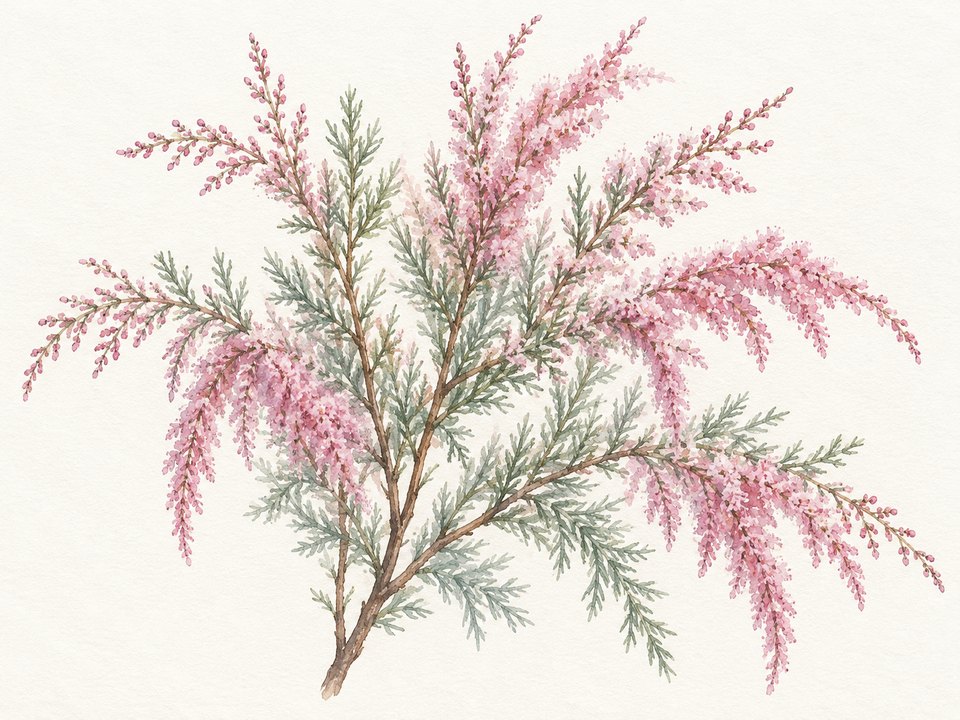
Tamarisk (Salt Cedar)
- Plant
- Tamarisk (Salt Cedar)
- Group
- Prohibited examples
Tamarisk (Salt Cedar): sourced seasonal behavior.
On this page
Tamarisk covers the Tamarix genus. The caution below comes from an expert answer about tamarisk. This page does not name one single species.
Seasonal behavior
Be careful, because tamarisk escaped cultivation. It became a disaster in many areas. It overwhelms native plants. It also uses up groundwater. Several states list it as a noxious weed.[1]
Why Salt Cedar is a problem here
Salt cedar (tamarisk) is listed as invasive in Texas. It takes over riverbanks and lake edges. It drinks large amounts of water. It drops salt onto the soil. Other plants then struggle. It crowds out native cottonwoods and willows. Wildlife depends on those trees.[2][3]
What to plant instead
For airy pink bloom or a streamside look without the damage, try one of these:
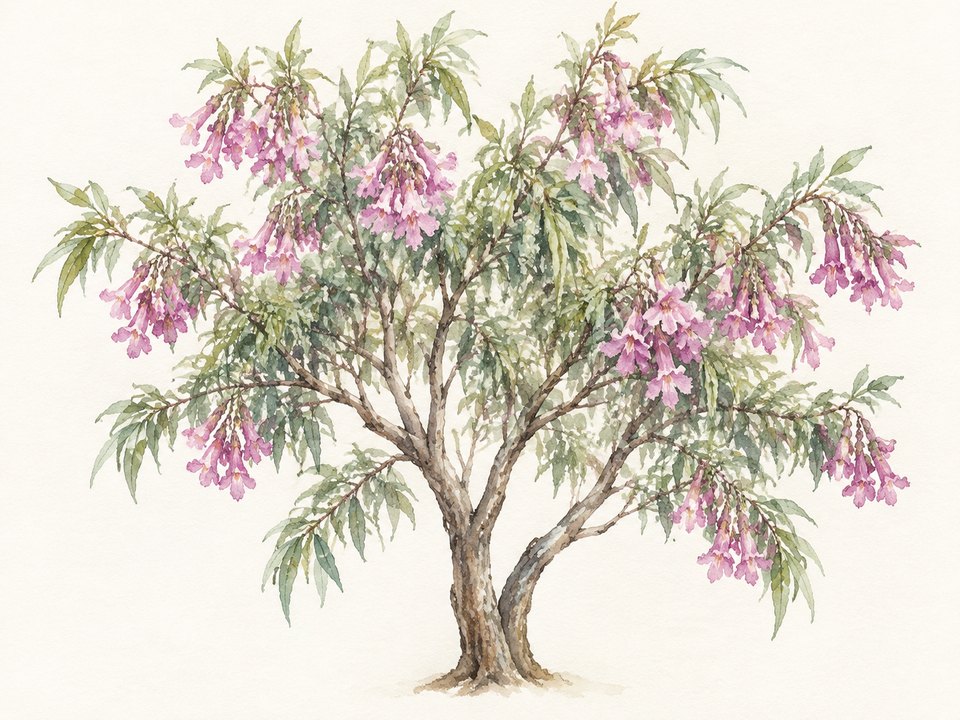 Illustration
Desert WillowChilopsis linearis 'Art's Seedless'Illustration 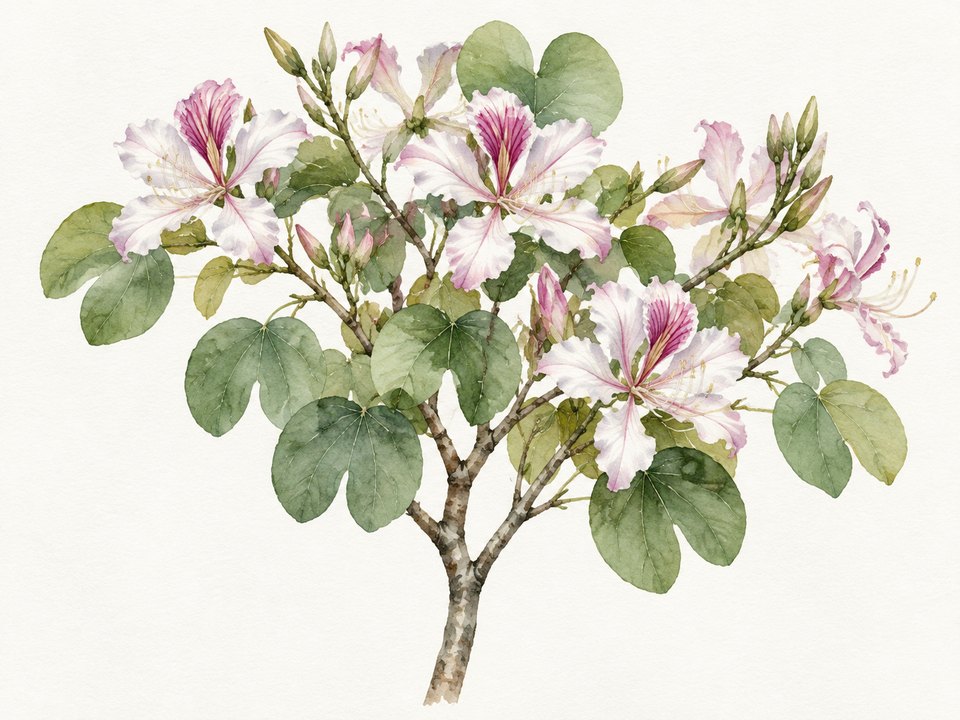 Illustration
Anacacho OrchidBauhinia lunarioidesIllustration 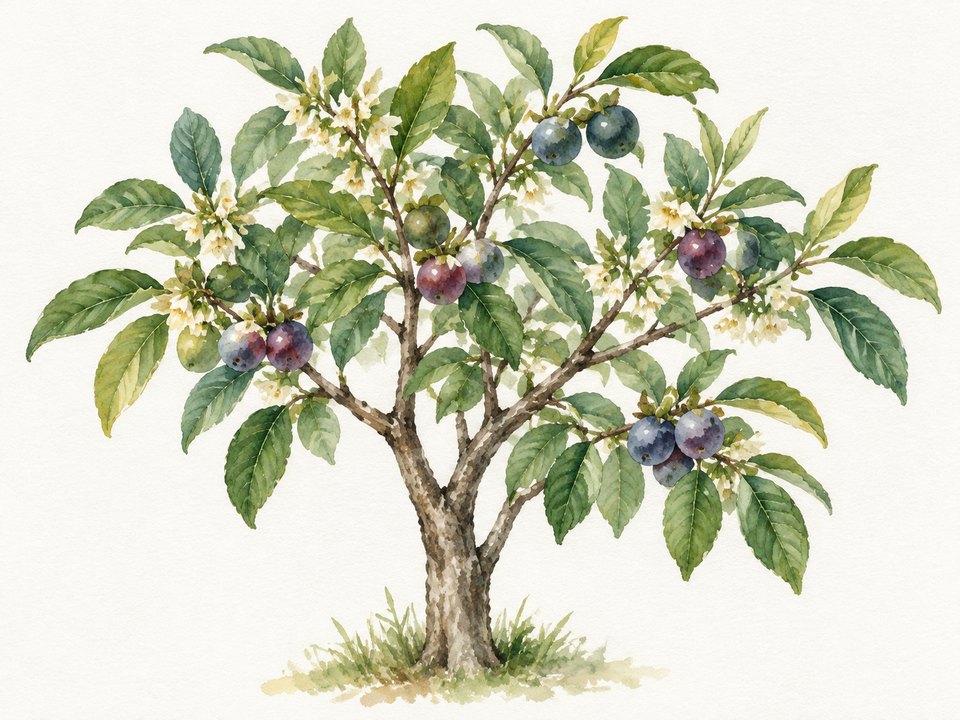 Illustration
Texas PersimmonDiospyros texanaIllustration
If it is already on your property, the Texas Allied Landscape team can help. They can talk through removal. They can also plan a replacement.
Care Instructions for Your Tamarisk (Salt Cedar)
Normal seasonal behavior
Be careful, because tamarisk escaped cultivation. It became a disaster in many areas. It overwhelms native plants. It also uses up groundwater. Several states list it as a noxious weed.[1]
Salt cedar questions
Is salt cedar invasive in Texas?
Yes. Tamarix is one of the worst invaders of Texas riverbanks. It spreads along rivers, creeks, and stock tanks. TexasInvasives lists it.[2]
Why is salt cedar bad for Texas rivers?
One mature tree can pull lots of water from a stream. Its leaves drop salt onto the soil. The ground gets too salty for native willows and cottonwoods to grow back.[4]
How do I kill salt cedar?
Cut-stump or basal herbicide treatment is the proven method. Texas A&M's AquaPlant program details the products and timing. Cutting alone just causes heavy resprouting.[5]
Next step: Our horticulturalists can remove it, treat the stump correctly, and replant the spot with natives.
What should I plant instead of salt cedar?
For the same look, try native desert willow or a vitex (chaste tree). They give pink bloom and drought toughness. They fill the role without invading the creek.[3]
In these community guides
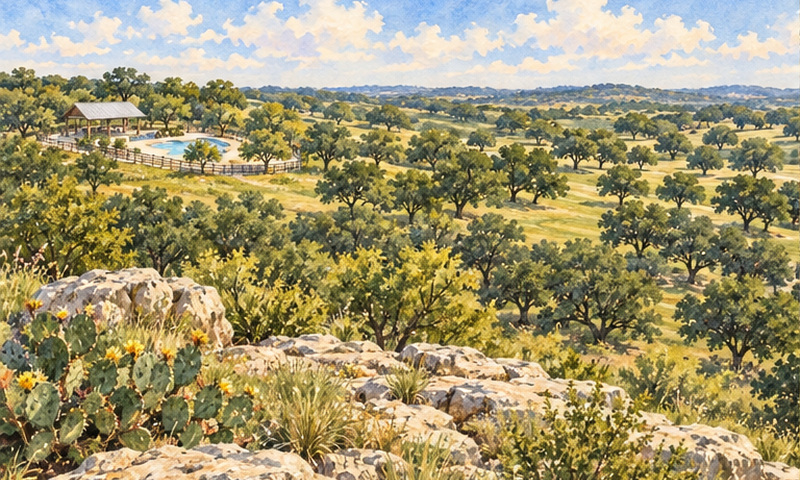
Illustration. Illustration based on reference photos of Mountain Springs Ranch. Not a single literal view. Mountain Springs Ranch Landscaping
Plan your Mountain Springs Ranch yard with planting, lawn and irrigation guidance. Get help from the review package…
- Art in progress
Homestead Landscaping
Share your Homestead address, survey and yard ideas with Texas Allied Landscape. We help prepare a clear plan for…
Sources
- Ask Mr. Smarty Plants: Smarty Plants on Tamarisk, Lady Bird Johnson Wildflower Center.https://www.wildflower.org/expert/show.php?id=440ab
- TexasInvasives.org, "Tamarix gallica."https://www.texasinvasives.org/plant_database/detail.php?symbol=TAGAab
- USDA Forest Service, "Field Guide for Managing Saltcedar in the Southwest."https://www.fs.usda.gov/sites/nfs/files/legacy-media/r03/Saltcedar%20Field%20Guide%202017.pdfab
- Native Plant Society of Texas, "Tamarix spp."https://www.npsot.org/posts/invasive-plant/tamarix-spp/↑
- Texas A&M AgriLife AquaPlant, "How to Control Salt Cedar."https://aquaplant.tamu.edu/management-options/how-to-control-salt-cedar/↑