
Property owners
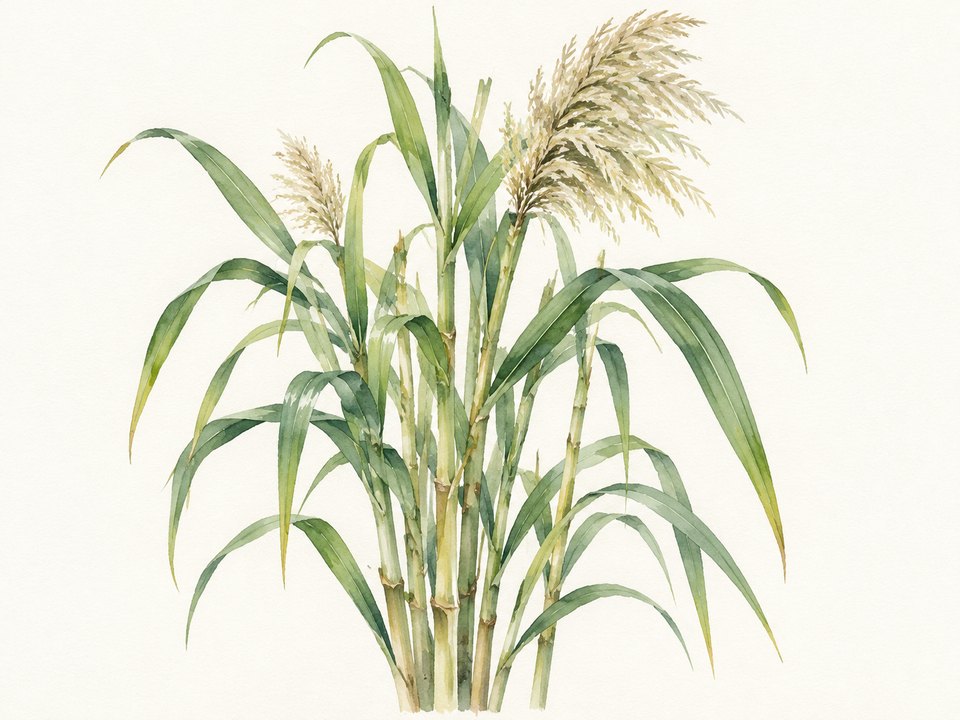
Giant Cane
- Plant
- Giant Cane
- Botanical name
- Arundo donax
- Group
- Prohibited examples
Giant Cane: sourced height, spread, foliage and seasonal behavior.
On this page
Its botanical name is Arundo donax.
Height
It is a tall perennial grass that can grow over 20 feet.[1]
Spread
Its fleshy, creeping rootstocks form compact masses with deep, tough roots.
Foliage
It is perennial, with elongate leaves 1 to 2 inches wide and about a foot long.
Seasonal behavior
It has two-foot-long, dense, plume-like flower panicles in August and September. The flower plume distinguishes it from the native lookalike, which lacks one. Note the caution: giant reed is an invasive grass that crowds out native plants, especially along waterways.
Why Giant Cane is a problem here
Giant cane (Arundo donax) is listed as an invasive species in Texas. It forms huge dense stands along creeks and rivers. It crowds out native streamside plants. It uses large amounts of water. It also dries into serious fuel for fires.[1][2]
What to plant instead
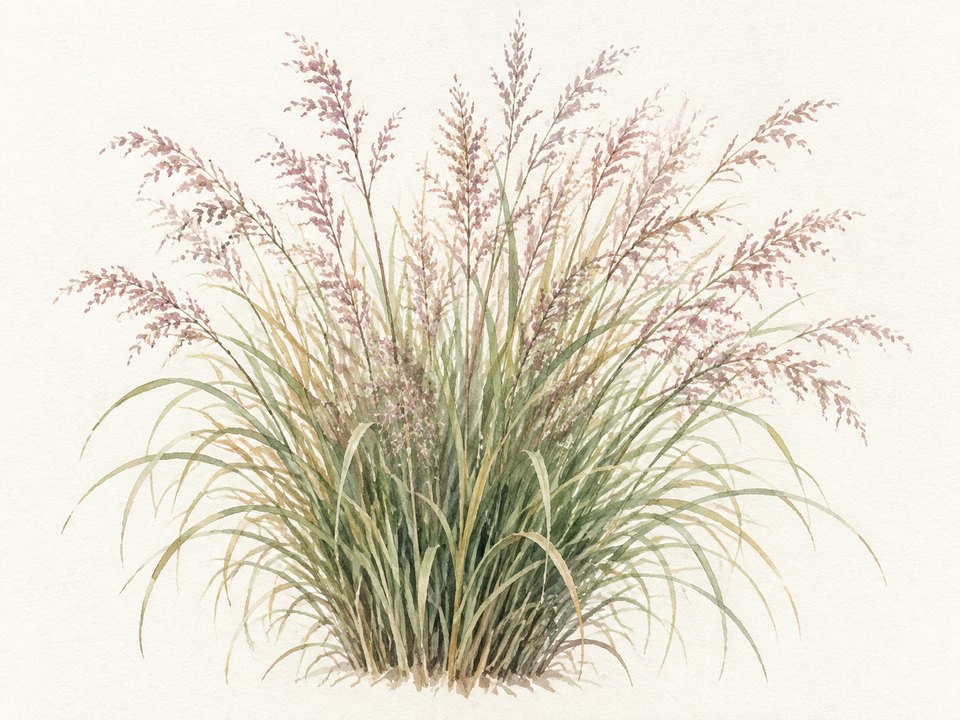
For tall, bamboo-like texture that stays where you put it:
 Illustration
Bamboo MuhlyMuhlenbergia dumosaIllustration 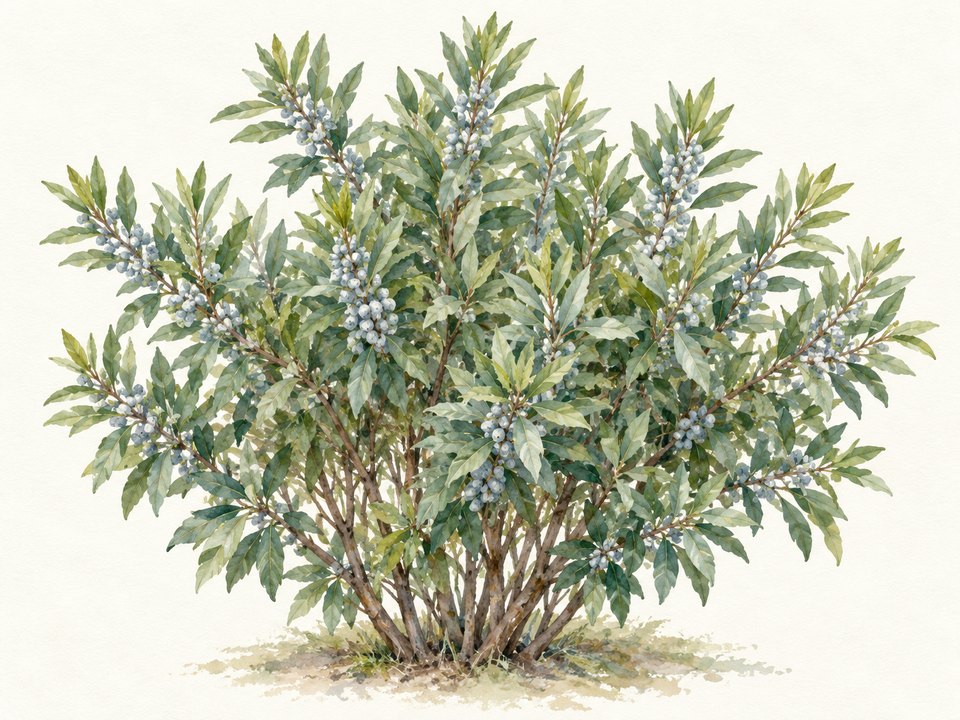 Illustration
Wax MyrtleMorella ceriferaIllustration
If it is already on your property, the Texas Allied Landscape team can talk through removal and a replacement plan.
Care Instructions for Your Giant Cane
How to Water a Giant Cane
Mature height and spread
It is a tall perennial grass that can grow over 20 feet.[1] Its fleshy, creeping rootstocks form compact masses with deep, tough roots.
Normal seasonal behavior
It has two-foot-long, dense, plume-like flower panicles in August and September. The flower plume distinguishes it from the native lookalike, which lacks one. Note the caution: giant reed is an invasive grass that crowds out native plants, especially along waterways.
Giant cane questions
Is giant cane invasive in Texas?
Yes. Arundo donax is one of the worst invasives in Texas. It takes over creek banks and crowds out everything native.[2]
Next step: Our horticulturalists can remove a stand and replant the bank with natives.
How do I get rid of giant cane?
Cut it low, then treat or repeatedly cut the regrowth. Mowing alone rarely kills the rhizome mass. Every cane fragment can re-root.[3]
Why is giant cane bad for creeks?
It forms dense walls that use more water than native plants. The walls offer poor wildlife habitat. They also break loose in floods and jam bridges downstream.[4]
Can I plant giant cane as a privacy screen?
Please do not. It escapes by root fragments and is very hard to get back out. Use clumping bamboo alternatives or native switchgrass for the same look.[5]
In these community guides
Illustration. Illustration based on reference photos of Mountain Springs Ranch. Not a single literal view. Mountain Springs Ranch Landscaping
Plan your Mountain Springs Ranch yard with planting, lawn and irrigation guidance. Get help from the review package…
- Art in progress
Homestead Landscaping
Share your Homestead address, survey and yard ideas with Texas Allied Landscape. We help prepare a clear plan for…
Sources
- Giant reed (Arundo donax), Texas Invasives.https://www.texasinvasives.org/plant_database/detail.php?symbol=ARDO4abc
- Texas Parks & Wildlife, "Healthy Creeks."https://tpwd.texas.gov/landwater/water/aquatic-invasives/healthy-creeks.phtmlab
- Texas Parks & Wildlife, "Arundo Management: Do It Yourself."https://tpwd.texas.gov/landwater/water/aquatic-invasives/media/Arundo_Management_DoItYourself.pdf↑
- TexasInvasives.org, "Arundo donax."https://texasinvasives.org/professionals/management_print.php?symbol=ARDO4↑
- Texas Parks & Wildlife, "Streamside Restoration."https://tpwd.texas.gov/landwater/water/aquatic-invasives/streamside_restoration.phtml↑