
Property owners
Kudzu
- Plant
- Kudzu
- Botanical name
- Pueraria montana
- Group
- Prohibited examples
Kudzu: sourced height, spread, foliage and seasonal behavior.
On this page
Its botanical name is Pueraria montana var. lobata.
Height
It is a twining, trailing, mat-forming woody vine that grows 35 to 100 feet long.[1]
Spread
Its large, semi-woody tuberous roots reach 3 to 16 feet deep. Dense stands cover everything in their range.
Foliage
It is deciduous. Its leaves die with the first frost, and the matted dead leaves persist through winter. It has hairy stems and three-part compound leaves.
Seasonal behavior
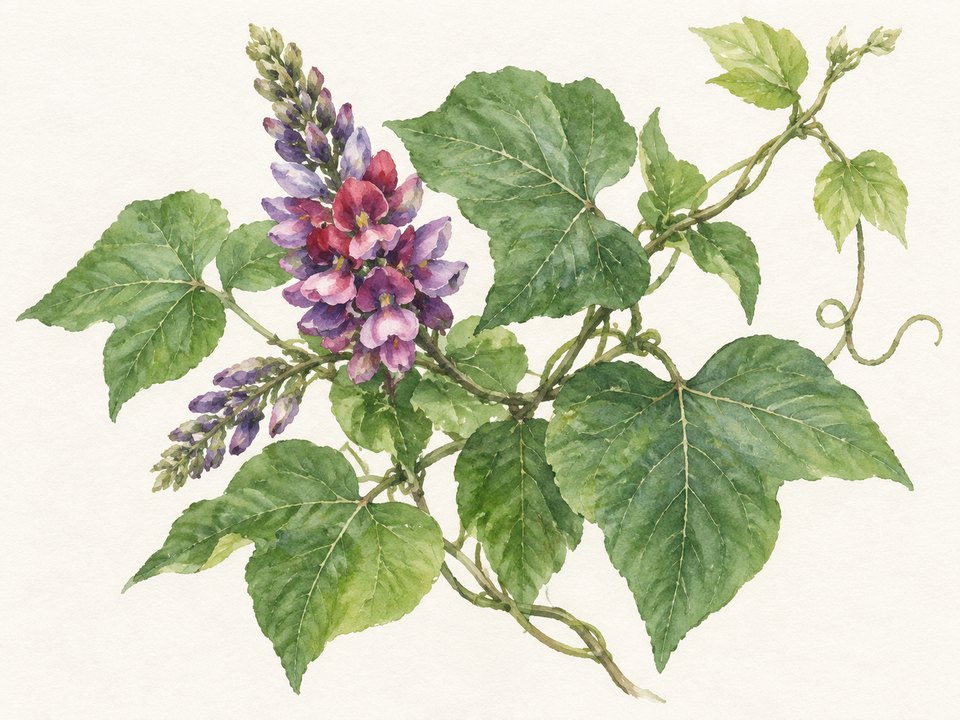
It has fragrant, grape-scented purple pea-like flowers in clusters up to a foot long. Caution: kudzu is famously invasive. It blankets trees, fences and ground.
Why Kudzu is a problem here
Kudzu is listed as an invasive species in Texas. The vine blankets trees, shrubs and open ground in a solid mat of leaves. That mat smothers native vegetation by blocking sunlight. It is very difficult to remove once established.[1][2]
What to plant instead
For a vigorous vine that stays well behaved in a Texas landscape, consider one of these:
 Illustration
CrossvineBignonia capreolataIllustration 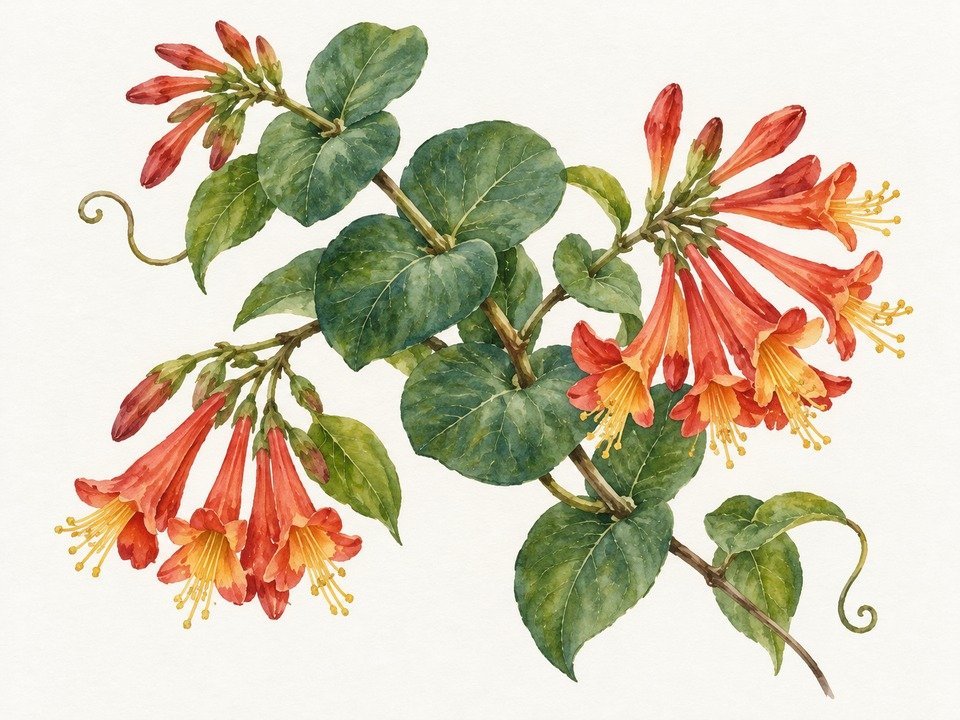 Illustration
Coral HoneysuckleLonicera sempervirensIllustration 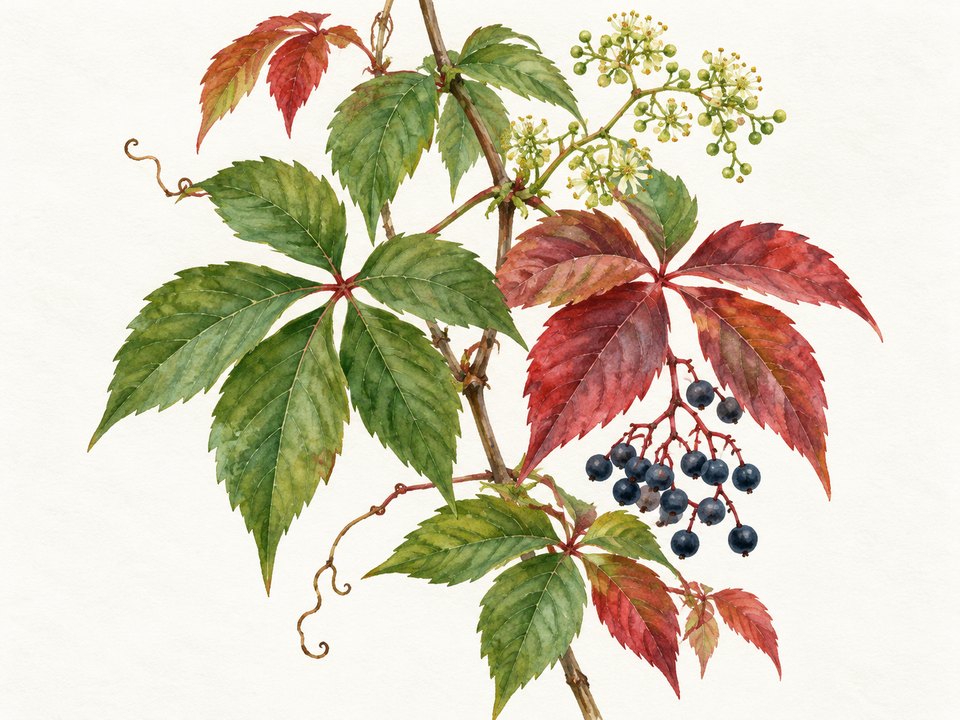 Illustration
Virginia CreeperParthenocissus quinquefoliaIllustration
If kudzu is already on your property, the Texas Allied Landscape team can talk through removal and a replacement plan.
Care Instructions for Your Kudzu
How to Water a Kudzu
Mature height and spread
It is a twining, trailing, mat-forming woody vine that grows 35 to 100 feet long.[1] Its large, semi-woody tuberous roots reach 3 to 16 feet deep. Dense stands cover everything in their range.
Normal seasonal behavior
It has fragrant, grape-scented purple pea-like flowers in clusters up to a foot long. Caution: kudzu is famously invasive. It blankets trees, fences and ground.
Kudzu questions
Is kudzu invasive?
Yes. Pueraria montana is the famous "vine that ate the South." It is a legume that smothers trees, fences, and whole hillsides. It is on invasive plant lists across the Southeast, including Texas.[2]
How fast does kudzu grow?
It grows up to a foot a day in peak summer. Established vines can put on 60 feet in a season. That is why a small patch becomes a blanket so quickly.[3]
How do I kill kudzu?
Total eradication is the goal. Cut the vines at the ground and dig out the big root crowns. Expect to repeat the work. Most homeowners use repeated mowing or a glyphosate treatment over one to two seasons.[4]
Next step: Our horticulturalists can cut it back, dig the crowns, and keep a removal watch until it stops resprouting.
Will kudzu come back after I cut it?
Yes. The root crown stores years of energy, so a single cutting only sets it back. Persistent cutting or treatment until the root is exhausted is what finally works.[5]
In these community guides

Illustration. Illustration based on reference photos of Mountain Springs Ranch. Not a single literal view. Mountain Springs Ranch Landscaping
Plan your Mountain Springs Ranch yard with planting, lawn and irrigation guidance. Get help from the review package…
- Art in progress
Homestead Landscaping
Share your Homestead address, survey and yard ideas with Texas Allied Landscape. We help prepare a clear plan for…
Sources
- Kudzu (Pueraria montana var. lobata), Texas Invasives.https://www.texasinvasives.org/plant_database/detail.php?symbol=PUMOLabc
- University of Florida IFAS Gardening Solutions, "Kudzu."https://gardeningsolutions.ifas.ufl.edu/care/weeds-and-invasive-plants/kudzu/ab
- University of Maryland Extension, "Invasives in Your Woodland: Kudzu."https://www.extension.umd.edu/resource/invasives-your-woodland-kudzu↑
- Alabama Cooperative Extension System, "Kudzu Control in Residential Areas."https://www.aces.edu/blog/topics/forestry-wildlife/kudzu-control-in-residential-areas/↑
- Washington State Noxious Weed Control Board, "Kudzu fact sheet."https://invasivespecies.wa.gov/wp-content/uploads/2019/07/Kudzu-FactSheet.pdf↑